FleetPulse Analytics
Real-time analytics and predictive maintenance SaaS for 3D printer fleets, reducing downtime and optimizing machine utilization for print shops.
Understanding the need for real-time analytics in 3D printer fleet management
The rapid adoption of 3D printing across industries has transformed how businesses approach prototyping, manufacturing, and custom production. As print shops and manufacturing facilities scale up, managing a fleet of 3D printers becomes increasingly complex. Downtime, inefficient scheduling, and unexpected maintenance can erode profit margins and customer trust.
FleetPulse Analytics addresses these pain points by offering a real-time analytics and predictive maintenance SaaS platform tailored for 3D printer fleets. By leveraging data-driven insights, print shops can minimize downtime, optimize machine utilization, and make smarter operational decisions.
Who benefits from FleetPulse Analytics? Target audience analysis
Understanding the core users is essential for building a solution that delivers real value. FleetPulse Analytics is designed for:
- 3D print shops: Small to large businesses operating multiple 3D printers, often with diverse models and brands.
- Manufacturing facilities: Enterprises integrating additive manufacturing into their production lines.
- Educational institutions: Universities and technical schools managing 3D printer labs.
- Service bureaus: Companies offering on-demand 3D printing services to external clients.
- R&D departments: Organizations running experimental or prototyping operations with multiple printers.
Key user pain points
- Unplanned downtime: Machine failures disrupt schedules and delay deliveries.
- Manual monitoring: Staff must check each printer individually, wasting time and risking oversight.
- Inefficient utilization: Some printers sit idle while others are overworked, leading to uneven wear and higher maintenance costs.
- Lack of actionable data: Without analytics, it's hard to identify trends, predict failures, or optimize workflows.
Market opportunity and gap analysis
The 3D printing market is projected to grow at a CAGR of over 20% through 2027 (see Statista). As more businesses invest in fleets of printers, the need for robust fleet management and analytics tools becomes critical.
Current landscape
- Basic monitoring tools: Many 3D printer manufacturers offer simple dashboards, but these are often limited to their own hardware and lack advanced analytics.
- Generic IoT platforms: While powerful, these require significant customization and technical expertise.
- Manual tracking: Spreadsheets and whiteboards are still common, especially in smaller shops.
The gap
There is a clear need for a vendor-agnostic, plug-and-play SaaS that provides:
- Real-time fleet-wide monitoring
- Predictive maintenance powered by machine learning
- Actionable analytics for utilization, performance, and cost optimization
- Seamless integration with diverse printer models and brands
Core features and solution details
FleetPulse Analytics stands out by offering a comprehensive suite of features tailored to the unique needs of 3D printer fleet operators.
Real-time fleet monitoring
- Live dashboards: Visualize the status of every printer—active, idle, error, or maintenance.
- Custom alerts: Receive instant notifications for print failures, material shortages, or abnormal behavior.
- Remote control: Start, pause, or stop jobs from a centralized interface (where supported by printer APIs).
Predictive maintenance
- Failure prediction: Machine learning models analyze sensor data (temperature, vibration, print quality) to forecast potential breakdowns.
- Maintenance scheduling: Automatically generate maintenance tasks based on usage patterns and predicted wear.
- Parts inventory tracking: Monitor consumables and spare parts to ensure timely replacements.
Utilization and performance analytics
- Usage reports: Track print hours, job success rates, and material consumption per printer.
- Bottleneck identification: Pinpoint underutilized or overburdened machines.
- Cost analysis: Calculate operational costs per job, printer, or client.
Integration and extensibility
- Multi-brand support: Connect printers from different manufacturers via open APIs or IoT modules.
- API access: Integrate analytics with ERP, MES, or custom business systems.
- User roles and permissions: Granular access control for operators, managers, and admins.
Real-time monitoring
Instantly view the status of every printer in your fleet from a single dashboard.
Predictive maintenance
Reduce downtime with AI-driven failure prediction and automated maintenance scheduling.
Utilization analytics
Optimize workflows by identifying bottlenecks and balancing printer workloads.
Vendor-agnostic integration
Connect any printer, regardless of brand, for true fleet-wide visibility.
Recommended tech stack for FleetPulse Analytics
Choosing the right technology stack is crucial for scalability, reliability, and rapid feature development. Below is a recommended stack, along with trade-offs to consider.
Frontend
- React: Modern, component-based UI development.
- TailwindCSS: Utility-first CSS for rapid, consistent styling.
- Redux or Recoil: State management for complex dashboards.
Trade-off: React offers flexibility and a large ecosystem, but may require additional libraries for data visualization (e.g., D3.js, Chart.js).
Backend
- Node.js with Express: Scalable, event-driven server for real-time data processing.
- Python (for ML models): Leverage libraries like scikit-learn or TensorFlow for predictive analytics.
Trade-off: Node.js excels at handling concurrent connections, while Python is ideal for machine learning. A microservices approach can combine both.
Database
- PostgreSQL: Reliable, relational database for structured data.
- TimescaleDB: Extension for time-series data (sensor readings, logs).
- Redis: In-memory caching for real-time performance.
IoT and device integration
- MQTT: Lightweight messaging protocol for real-time printer data ingestion.
- Docker: Containerization for easy deployment and scaling.
Cloud and DevOps
- AWS or Azure: Scalable cloud infrastructure.
- Kubernetes: Orchestration for microservices and high availability.
- Grafana: Advanced monitoring and custom dashboards.
Tip
Consider using TurboStarter to accelerate your SaaS MVP development with pre-built authentication, billing, and analytics modules.
Monetization strategies for FleetPulse Analytics
A successful SaaS must align its pricing with the value delivered to customers. Here are proven monetization models for FleetPulse Analytics:
1. Subscription-based pricing
- Tiered plans: Offer different feature sets and usage limits (e.g., number of printers, users, or data retention).
- Monthly/annual billing: Encourage longer commitments with discounts for annual plans.
2. Usage-based pricing
- Pay-per-printer: Charge based on the number of connected printers.
- Data volume: Bill for data storage or analytics processing above a certain threshold.
3. Add-on services
- Premium support: Priority response times, dedicated account managers.
- Custom integrations: One-time or recurring fees for connecting with proprietary systems.
- Advanced analytics modules: AI-driven insights, benchmarking, or industry-specific reports.
4. White-label solutions
- License the platform to printer manufacturers or large enterprises who want to offer branded analytics to their customers.
Potential risks and mitigation strategies
Launching a B2B SaaS in the industrial analytics space comes with unique challenges. Proactively addressing these risks builds trust and long-term success.
Print shops and manufacturers are sensitive about operational data. Implement end-to-end encryption, role-based access control, and regular security audits. Comply with relevant data protection regulations (e.g., GDPR).
Supporting diverse printer models and legacy hardware can be challenging. Develop modular connectors and provide clear documentation for custom integrations.
Predictive maintenance relies on high-quality data and robust machine learning models. Continuously retrain models with new data and allow users to provide feedback on predictions.
Some businesses may be hesitant to adopt new technology. Offer free trials, case studies, and ROI calculators to demonstrate value.
Competitive advantage: What makes FleetPulse Analytics unique?
While several solutions exist for industrial IoT and basic printer monitoring, FleetPulse Analytics offers a distinct value proposition:
| Vendor-agnostic | Predictive maintenance | Real-time analytics | Custom integrations | AI-driven insights |
|---|---|---|---|---|
| ✅ | ❌ | ❌ | ✅ | ❌ |
| ✅ | ❌ | ✅ | ✅ | ❌ |
Unique selling points
- True vendor-agnostic support: Works with any printer brand, breaking the silos of manufacturer-specific tools.
- Advanced predictive maintenance: Reduces unplanned downtime and extends printer lifespan.
- Actionable, real-time analytics: Enables data-driven decisions for scheduling, maintenance, and investment.
- Seamless integration: Open APIs and modular connectors fit into any workflow.
- Scalable SaaS model: No on-premises infrastructure required; updates and new features delivered automatically.
Implementation steps: Bringing FleetPulse Analytics to life
Building a robust SaaS like FleetPulse Analytics requires a structured approach. Here’s a high-level roadmap:
Conclusion: Why FleetPulse Analytics is the future of 3D printer fleet management
As 3D printing continues to scale, the complexity of managing fleets grows exponentially. FleetPulse Analytics empowers print shops and manufacturers to move from reactive troubleshooting to proactive, data-driven operations. By combining real-time monitoring, predictive maintenance, and actionable analytics in a vendor-agnostic SaaS platform, it delivers measurable ROI and a clear competitive edge.
Whether you’re running a small print shop or managing hundreds of machines, FleetPulse Analytics is the key to maximizing uptime, reducing costs, and staying ahead in the fast-evolving world of additive manufacturing.
Frequently asked questions
Yes, FleetPulse Analytics is designed to be vendor-agnostic. It supports integration with most major 3D printer brands via open APIs or IoT modules.
The platform collects sensor and usage data from each printer, then applies machine learning models to predict potential failures before they occur, allowing for scheduled maintenance and reduced downtime.
Absolutely. FleetPulse Analytics uses end-to-end encryption, role-based access control, and regular security audits to ensure your data is protected.
Yes, a free trial or demo is typically available to help you evaluate the platform’s features and ROI.
Next steps
- Explore integration options for your specific printer models.
- Contact the FleetPulse Analytics team for a personalized demo.
- Leverage TurboStarter to accelerate your SaaS MVP development.
By embracing real-time analytics and predictive maintenance, your print shop can unlock new levels of efficiency and profitability.
More 🏢 B2B Application SaaS ideas
Discover more innovative b2b application SaaS ideas that are trending in 2026. Each idea is AI-generated with market validation and growth potential to help you find your next profitable venture faster than competitors.
Your competitors are building with TurboStarter
Below are some of the SaaS ideas that have been generated and built with our starter kit.

Statiko
Monitor any Telegram channel in real time - track posts, edits, deletions, and growth with AI recaps 📡

Shibui
AI website builder - describe your business, pick a niche template, edit by chatting, and publish instantly ✨

Pro Service
Find verified home service professionals, compare quotes, and pay securely through escrow - built for Brazilians across the US 🏠
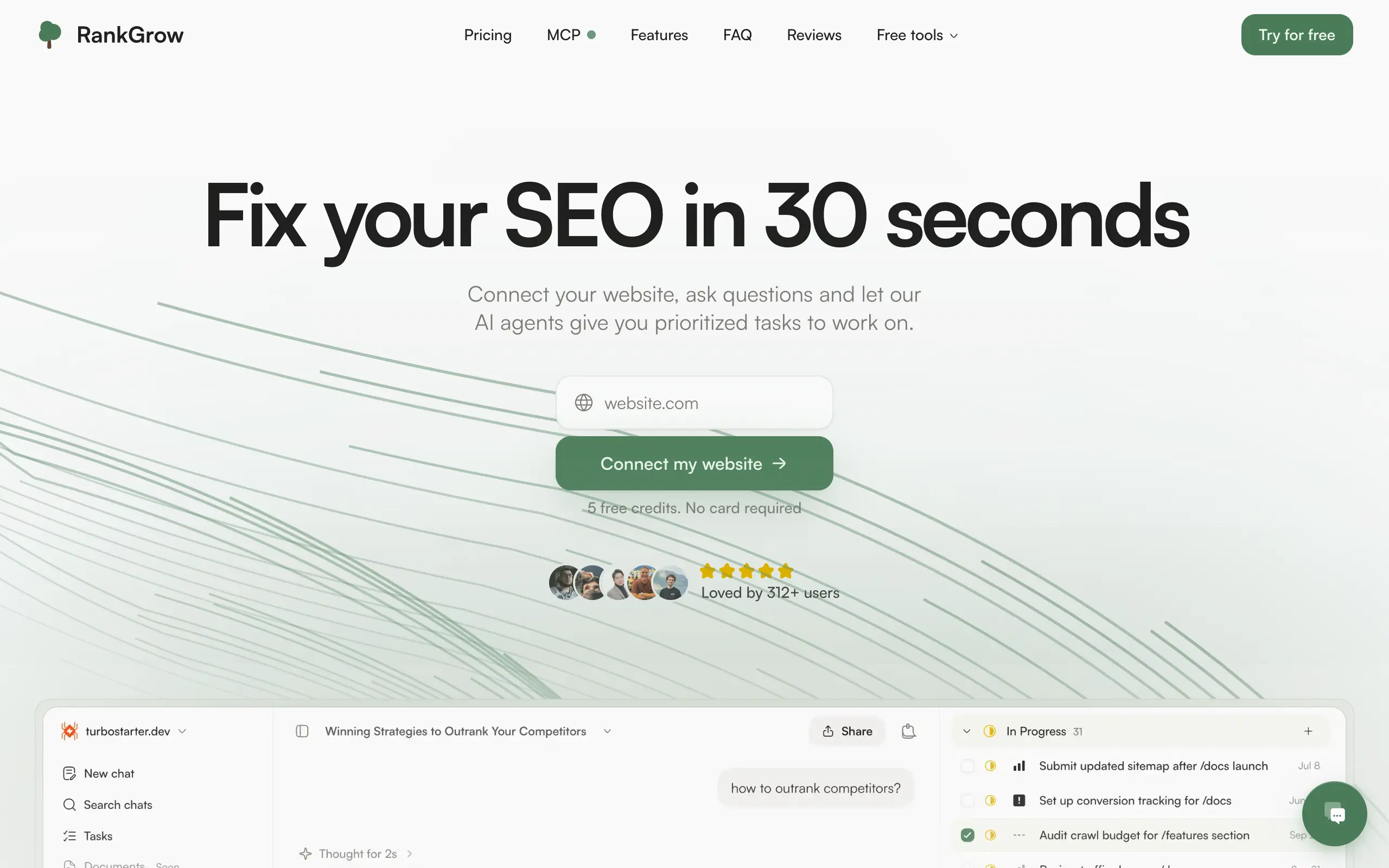
RankGrow
Fix your SEO with AI agents - connect Search Console, get prioritized tasks, and grow organic traffic 📈
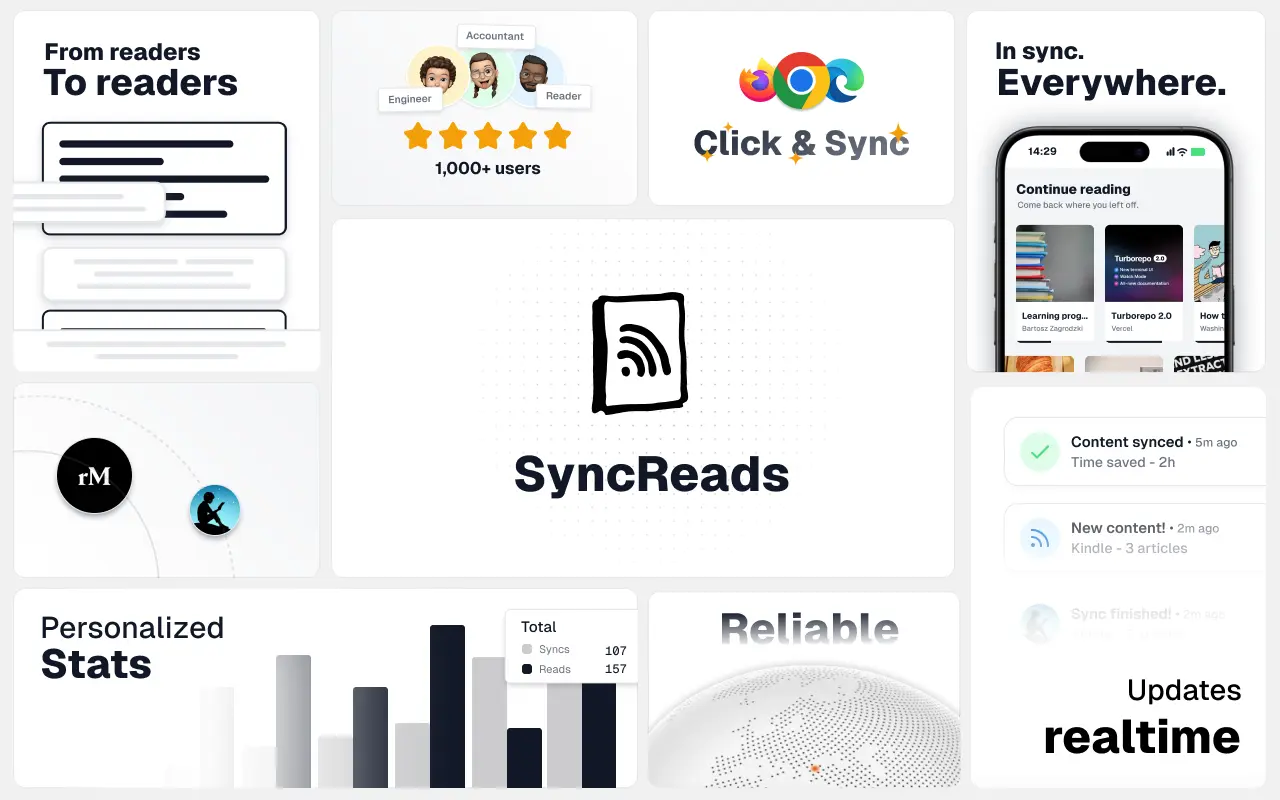
SyncReads
Sync your favorite content for distraction-free reading, save time and replace multiple apps. Anytime, anywhere 🔄
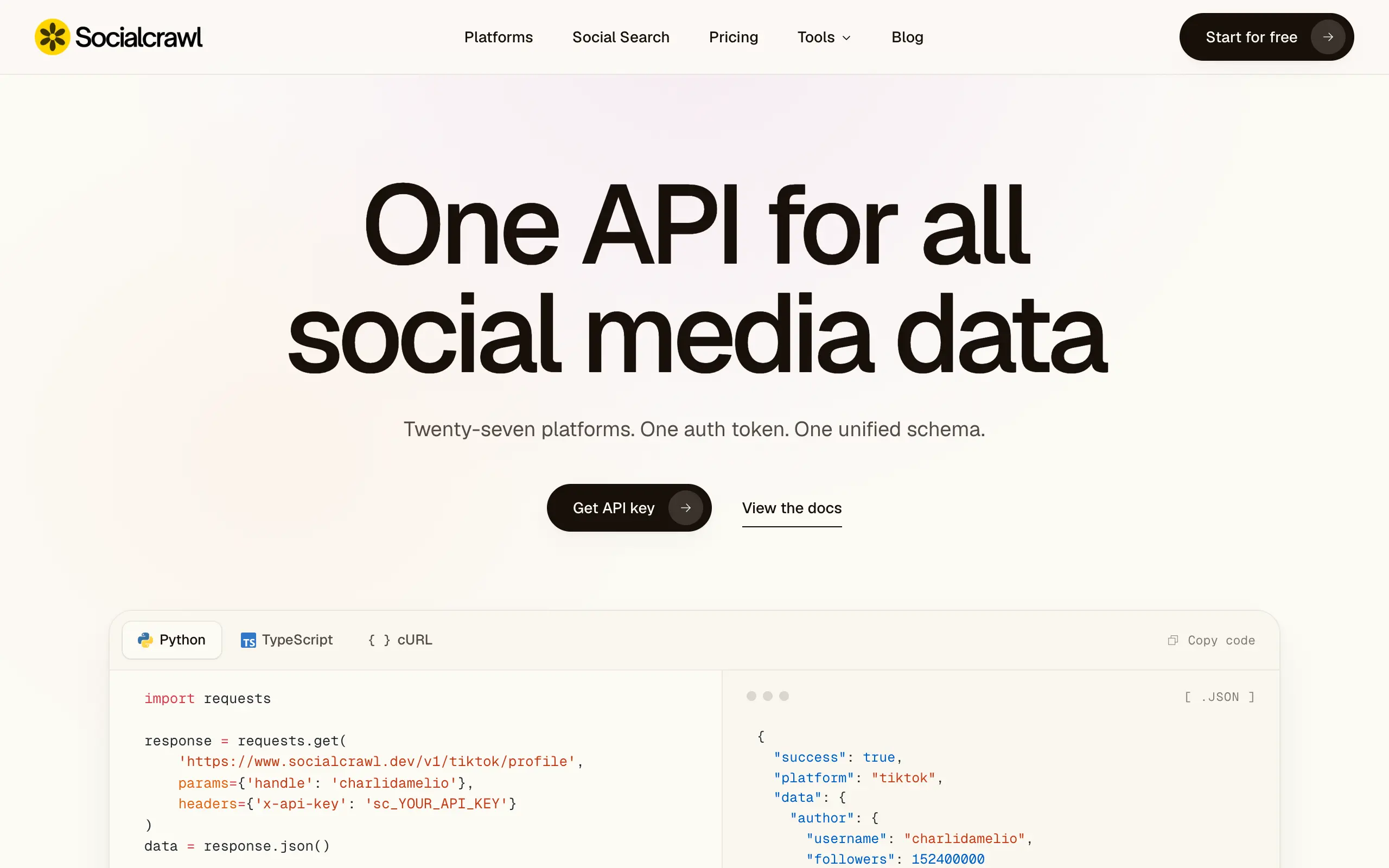
Socialcrawl
Get clean, structured data from 21 platforms like TikTok, Instagram, and YouTube with a single request 📊
Statiko
Monitor any Telegram channel in real time - track posts, edits, deletions, and growth with AI recaps 📡
Shibui
AI website builder - describe your business, pick a niche template, edit by chatting, and publish instantly ✨
Pro Service
Find verified home service professionals, compare quotes, and pay securely through escrow - built for Brazilians across the US 🏠
RankGrow
Fix your SEO with AI agents - connect Search Console, get prioritized tasks, and grow organic traffic 📈
SyncReads
Sync your favorite content for distraction-free reading, save time and replace multiple apps. Anytime, anywhere 🔄
Socialcrawl
Get clean, structured data from 21 platforms like TikTok, Instagram, and YouTube with a single request 📊
Statiko
Monitor any Telegram channel in real time - track posts, edits, deletions, and growth with AI recaps 📡
Shibui
AI website builder - describe your business, pick a niche template, edit by chatting, and publish instantly ✨
Pro Service
Find verified home service professionals, compare quotes, and pay securely through escrow - built for Brazilians across the US 🏠
RankGrow
Fix your SEO with AI agents - connect Search Console, get prioritized tasks, and grow organic traffic 📈
SyncReads
Sync your favorite content for distraction-free reading, save time and replace multiple apps. Anytime, anywhere 🔄
Socialcrawl
Get clean, structured data from 21 platforms like TikTok, Instagram, and YouTube with a single request 📊
Statiko
Monitor any Telegram channel in real time - track posts, edits, deletions, and growth with AI recaps 📡
Shibui
AI website builder - describe your business, pick a niche template, edit by chatting, and publish instantly ✨
Pro Service
Find verified home service professionals, compare quotes, and pay securely through escrow - built for Brazilians across the US 🏠
RankGrow
Fix your SEO with AI agents - connect Search Console, get prioritized tasks, and grow organic traffic 📈
SyncReads
Sync your favorite content for distraction-free reading, save time and replace multiple apps. Anytime, anywhere 🔄
Socialcrawl
Get clean, structured data from 21 platforms like TikTok, Instagram, and YouTube with a single request 📊
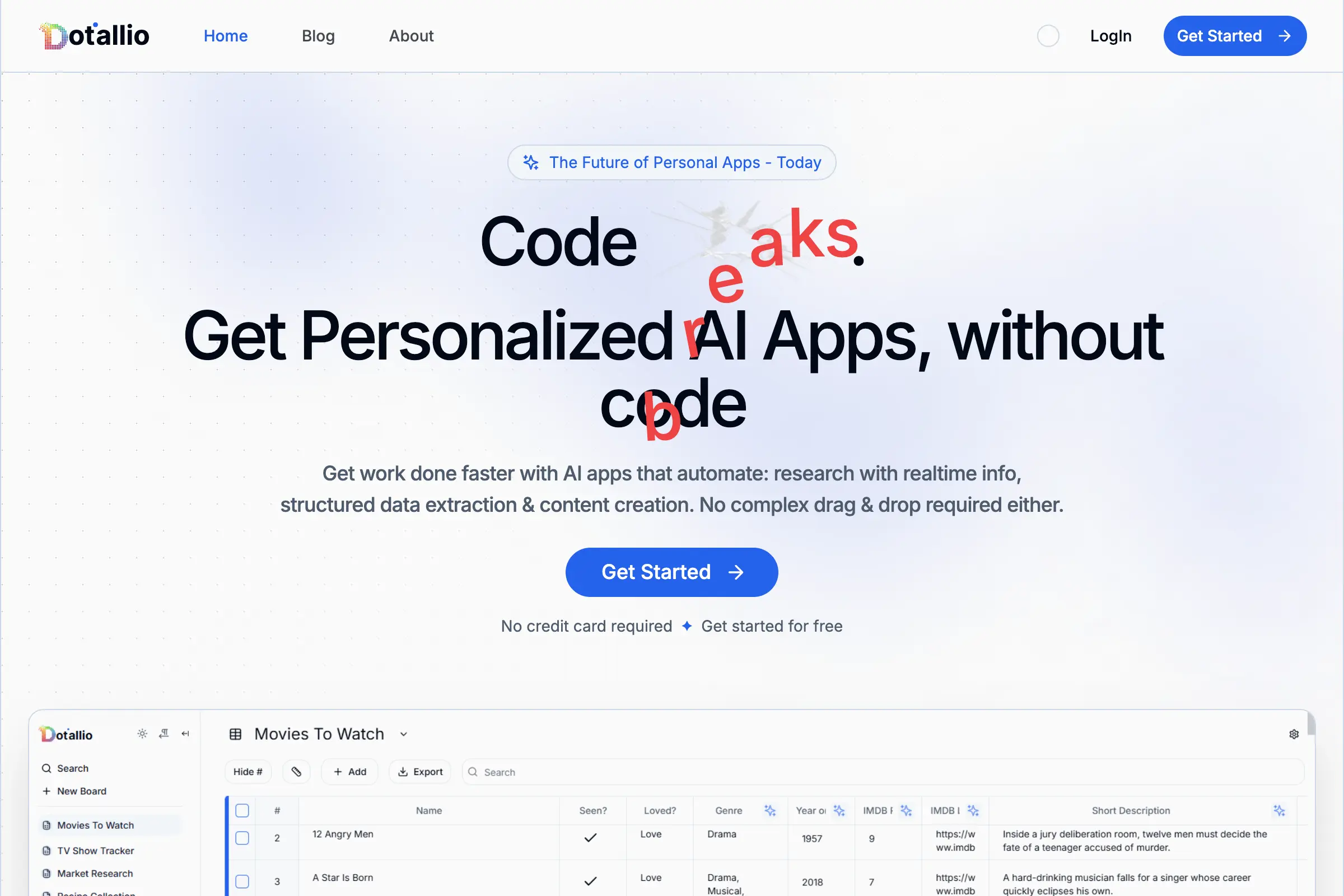
Dotallio
Personalized AI apps that automate research, data extraction, and content creation without code 🤖

Talk to Santa
Enjoy a magical live video chat or receive a unique AI-generated video greeting from Santa Claus 🎅

pozywka.pl
Scalable blog for food journalist, focused on performance and user experience 🌭
zagrodzki.me
Personal blog and portfolio of Bart Zagrodzki, where he shares his knowledge and work 💼
TurboStarter
Ship your startup everywhere. In minutes.
HTML to Markdown
Convert HTML to Markdown with ease, directly in your browser 📄
Dotallio
Personalized AI apps that automate research, data extraction, and content creation without code 🤖
Talk to Santa
Enjoy a magical live video chat or receive a unique AI-generated video greeting from Santa Claus 🎅
pozywka.pl
Scalable blog for food journalist, focused on performance and user experience 🌭
zagrodzki.me
Personal blog and portfolio of Bart Zagrodzki, where he shares his knowledge and work 💼
TurboStarter
Ship your startup everywhere. In minutes.
HTML to Markdown
Convert HTML to Markdown with ease, directly in your browser 📄
Dotallio
Personalized AI apps that automate research, data extraction, and content creation without code 🤖
Talk to Santa
Enjoy a magical live video chat or receive a unique AI-generated video greeting from Santa Claus 🎅
pozywka.pl
Scalable blog for food journalist, focused on performance and user experience 🌭
zagrodzki.me
Personal blog and portfolio of Bart Zagrodzki, where he shares his knowledge and work 💼
TurboStarter
Ship your startup everywhere. In minutes.
HTML to Markdown
Convert HTML to Markdown with ease, directly in your browser 📄
Dotallio
Personalized AI apps that automate research, data extraction, and content creation without code 🤖
Talk to Santa
Enjoy a magical live video chat or receive a unique AI-generated video greeting from Santa Claus 🎅
pozywka.pl
Scalable blog for food journalist, focused on performance and user experience 🌭
zagrodzki.me
Personal blog and portfolio of Bart Zagrodzki, where he shares his knowledge and work 💼
TurboStarter
Ship your startup everywhere. In minutes.
HTML to Markdown
Convert HTML to Markdown with ease, directly in your browser 📄
Omichat
Chat with 50+ AI models, including ChatGPT and Claude, in one place - switch models anytime without losing context 🤖
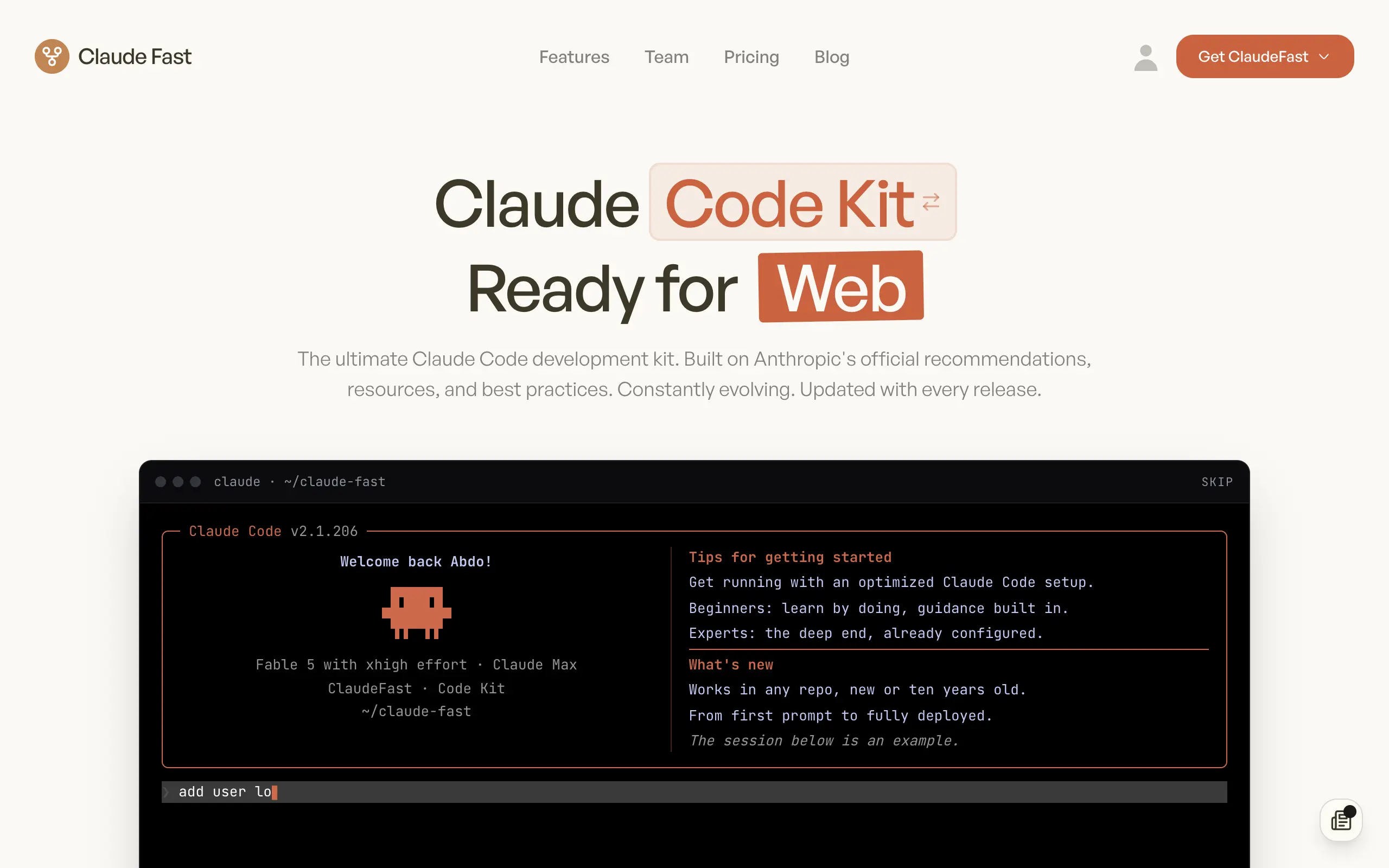
Claude Fast
Supercharge your Claude Code with 6x effective context window and specialized AI agents 🤖
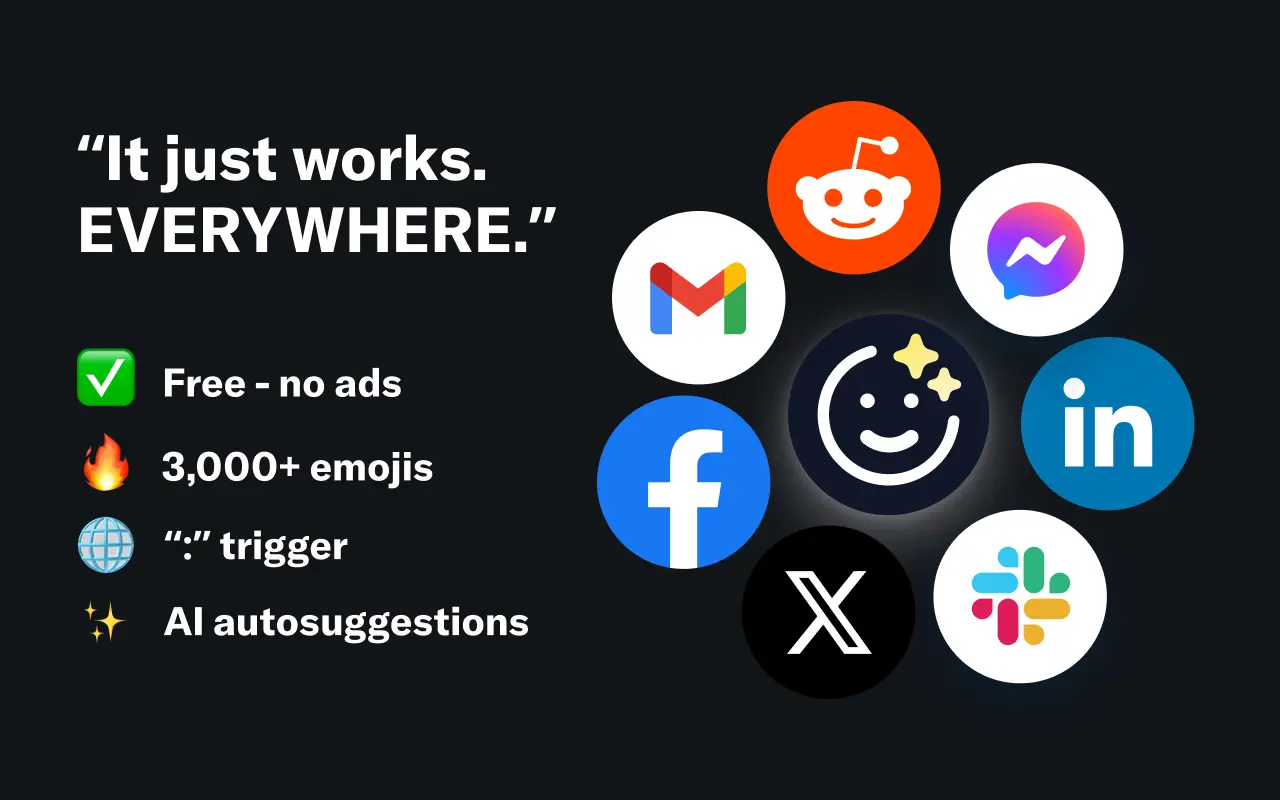
EmojAI
AI-powered emoji picker with smart, context-aware suggestions 🤖
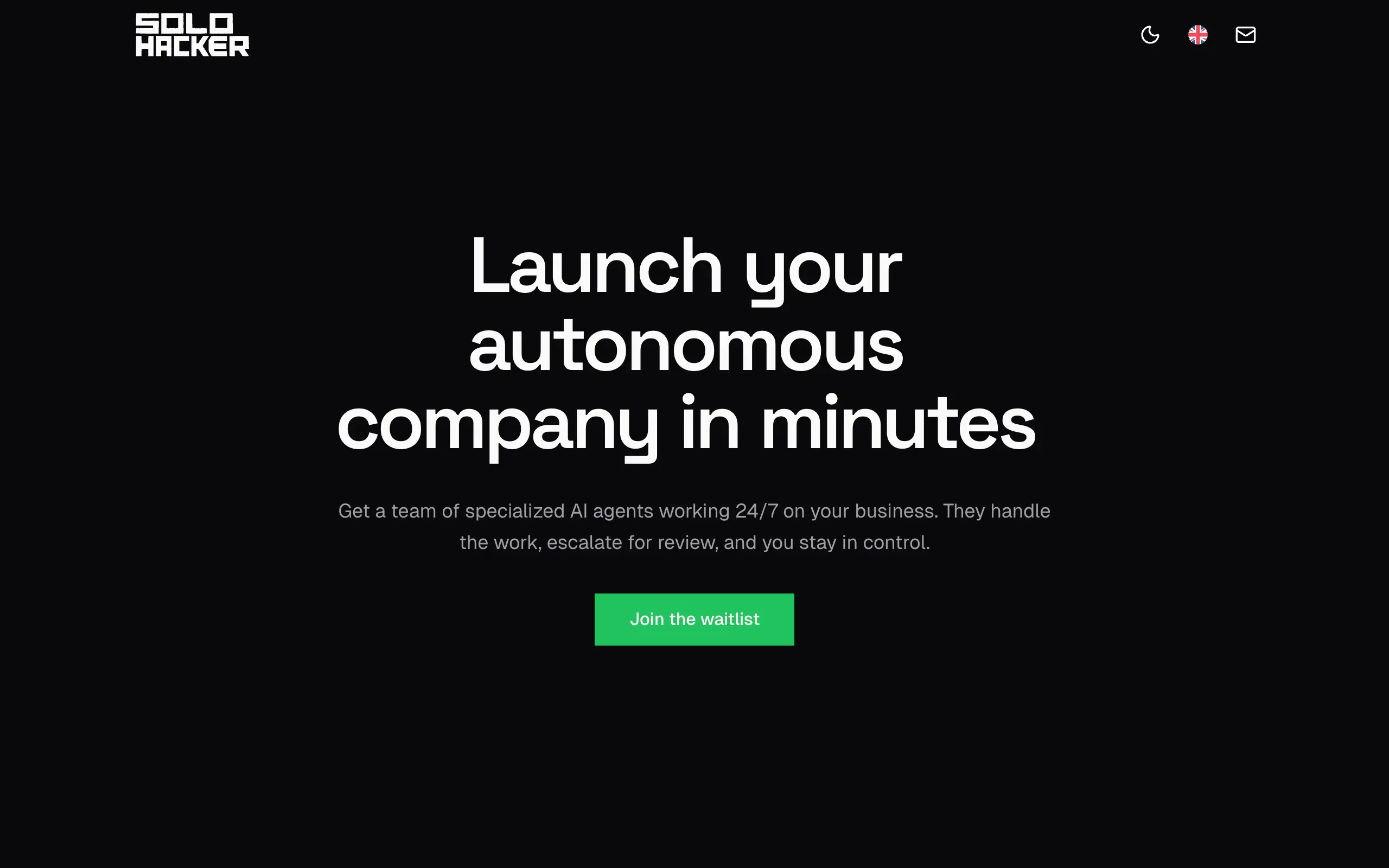
Solohacker
Autonomous company launcher - AI agents work 24/7, escalate what matters, and you stay in control 🤖

BeRawi: Storytelling Coach
Practice storytelling daily with instant feedback to sound clearer, more engaging, and confident 🎤
Omichat
Chat with 50+ AI models, including ChatGPT and Claude, in one place - switch models anytime without losing context 🤖
Claude Fast
Supercharge your Claude Code with 6x effective context window and specialized AI agents 🤖
EmojAI
AI-powered emoji picker with smart, context-aware suggestions 🤖
Solohacker
Autonomous company launcher - AI agents work 24/7, escalate what matters, and you stay in control 🤖
BeRawi: Storytelling Coach
Practice storytelling daily with instant feedback to sound clearer, more engaging, and confident 🎤
Omichat
Chat with 50+ AI models, including ChatGPT and Claude, in one place - switch models anytime without losing context 🤖
Claude Fast
Supercharge your Claude Code with 6x effective context window and specialized AI agents 🤖
EmojAI
AI-powered emoji picker with smart, context-aware suggestions 🤖
Solohacker
Autonomous company launcher - AI agents work 24/7, escalate what matters, and you stay in control 🤖
BeRawi: Storytelling Coach
Practice storytelling daily with instant feedback to sound clearer, more engaging, and confident 🎤
Omichat
Chat with 50+ AI models, including ChatGPT and Claude, in one place - switch models anytime without losing context 🤖
Claude Fast
Supercharge your Claude Code with 6x effective context window and specialized AI agents 🤖
EmojAI
AI-powered emoji picker with smart, context-aware suggestions 🤖
Solohacker
Autonomous company launcher - AI agents work 24/7, escalate what matters, and you stay in control 🤖
BeRawi: Storytelling Coach
Practice storytelling daily with instant feedback to sound clearer, more engaging, and confident 🎤

Connect with like-minded people
Join our community to get feedback, support, and grow together with 1,000+ builders on board, let's ship it!
Join usShip your startup everywhere. In minutes.
Don't burn tokens on setup and start building features on day one.