Flowmerce Optimizer
AI-driven store layout and UX analyzer for ecommerce brands, blending conversion science with spatial design principles to boost revenue per visitor.
Why ecommerce brands need an AI-driven store layout and UX analyzer
Ecommerce growth has never been more competitive. Customer acquisition costs are rising, ad platforms are saturated, and even marginal improvements in conversion rate can translate into millions in additional revenue.
Yet most ecommerce brands still optimize:
- Ads before on-site experience
- Copy before layout
- Traffic before flow
This creates a fundamental blind spot: store layout and UX flow are often designed intuitively, not scientifically.
Flowmerce Optimizer addresses this gap. It is an AI-driven store layout and UX analyzer for ecommerce brands, blending conversion science, behavioral psychology, and spatial design principles to systematically increase revenue per visitor.
Instead of asking “How do we get more traffic?”, it reframes the question:
“How do we extract more value from every visitor already landing on our store?”
That shift is where sustainable ecommerce growth lives.
Understanding the primary search intent
When someone searches for:
- “AI ecommerce conversion optimization”
- “store layout optimization tool”
- “ecommerce UX analyzer”
- “improve revenue per visitor ecommerce”
- “AI UX audit tool for Shopify”
They are typically looking for:
- A practical solution (not theory)
- Evidence-backed optimization frameworks
- Automation and scale
- Clear ROI justification
- Integration feasibility with their existing stack
This article is built to directly address those needs—from strategy to implementation.
The core problem: ecommerce UX is optimized blindly
Most ecommerce brands rely on:
- A/B testing tools (slow and fragmented)
- Heatmaps (reactive, not predictive)
- CRO consultants (expensive and manual)
- Design agencies (aesthetic over performance)
While useful, these approaches often:
- Analyze individual pages, not holistic flow
- Focus on micro-optimizations rather than layout architecture
- Ignore spatial sequencing psychology
- Lack predictive modeling of user behavior
The result? Stores that look modern—but leak revenue.
What is Flowmerce Optimizer?
Flowmerce Optimizer is an AI-powered ecommerce UX and layout analysis platform that evaluates a store’s structure using:
- Behavioral data modeling
- Conversion heuristics
- Spatial design mapping
- Scroll depth intelligence
- Product discovery friction scoring
- Revenue per visitor simulations
Instead of generic recommendations, it produces flow-specific optimization blueprints.
Core promise
Increase Revenue Per Visitor (RPV) by:
- Reducing friction in key purchase pathways
- Optimizing visual hierarchy and spatial prioritization
- Aligning store layout with proven conversion science
Target audience analysis
Flowmerce Optimizer is a B2B SaaS platform serving ecommerce-driven organizations.
Primary target segments
DTC ecommerce brands
Scaling Shopify, WooCommerce, or custom storefronts that need systematic CRO beyond A/B testing.
Ecommerce growth teams
In-house CRO, UX, and marketing teams seeking automated insights.
Ecommerce agencies
Agencies offering conversion optimization who want AI-enhanced audits at scale.
Private equity & portfolio operators
Operators optimizing multiple ecommerce brands for margin expansion.
Pain points by persona
1. Head of Growth
- Rising customer acquisition cost (CAC)
- Flat conversion rates
- Lack of scalable CRO experimentation
- Pressure to improve EBITDA
2. Ecommerce Manager
- Conflicting feedback from stakeholders
- Slow testing cycles
- Limited UX expertise
- Over-reliance on designers
3. Agency Owner
- Time-consuming audits
- Need for differentiation
- Pressure to show quantifiable impact
Flowmerce Optimizer becomes a force multiplier, not just a reporting tool.
Market opportunity and gap analysis
The global ecommerce market continues to grow annually (industry reports such as those by Statista frequently project multi-trillion-dollar volume). Yet most ecommerce SaaS tools focus on:
- Email marketing
- Ads
- Checkout upsells
- Reviews and social proof
- A/B testing
Very few tools address:
Spatial layout intelligence combined with behavioral AI modeling.
That is the gap.
Existing tools vs Flowmerce Optimizer
| Capability | Heatmaps | A/B Testing | UX Agencies | Flowmerce Optimizer | Analytics Tools |
|---|---|---|---|---|---|
| Predictive UX scoring | ❌ | ❌ | ❌ | ✅ | ❌ |
| Spatial flow modeling | ❌ | ❌ | ✅ | ✅ | ❌ |
| Automated layout redesign suggestions | ❌ | ❌ | ❌ | ✅ | ❌ |
Flowmerce Optimizer becomes a new category:
AI-powered spatial conversion intelligence for ecommerce.
The science behind conversion-focused spatial design
Most CRO focuses on:
- Headlines
- Buttons
- Colors
- Offers
Flowmerce Optimizer goes deeper by incorporating:
1. Visual hierarchy modeling
AI evaluates:
- Above-the-fold weight
- Focal point alignment
- CTA dominance ratio
- Cognitive load per section
2. Flow friction mapping
Measures:
- Click-path depth
- Product discovery time
- Scroll breakpoints
- Abandonment friction zones
3. Behavioral sequencing
Maps user journeys across:
- Homepage → Category → Product → Cart
- PDP → Upsell → Checkout
- Search → Filter → Compare → Buy
The system predicts where revenue leakage occurs.
Core features of Flowmerce Optimizer
1. AI-powered store audit
- Crawls store structure
- Analyzes layout density
- Scores each template (homepage, PDP, collection)
- Generates a conversion potential score
2. Revenue per visitor simulator
Instead of just conversion rate, it models:
- Conversion uplift potential
- AOV impact
- Upsell interaction
- Layout-induced friction cost
3. UX friction heat scoring
Not visual heatmaps—but behavioral probability modeling.
4. Layout blueprint generator
Produces wireframe-level suggestions:
- Section reordering
- CTA repositioning
- Product grid restructuring
- Filter placement optimization
5. Multi-store benchmarking
Agencies can compare:
- Store A vs Store B
- Before vs after redesign
- Industry percentile ranking
How the AI works (technical overview)
Flowmerce Optimizer combines:
- DOM structure analysis
- Behavioral event clustering
- Machine learning models
- Heuristic scoring engine
- Layout similarity matching
High-level architecture
// Simplified architecture overview

interface StoreAudit {
  layoutScore: number;
  frictionPoints: string[];
  revenueLeakageEstimate: number;
  suggestedBlueprint: LayoutRecommendation[];
}

function analyzeStore(url: string): StoreAudit {
  const domTree = crawlDOM(url);
  const behaviorModel = predictUserFlow(domTree);
  const friction = detectFrictionZones(behaviorModel);
  const score = computeLayoutScore(domTree, friction);
  const blueprint = generateLayoutRecommendations(score, friction);

  return {
    layoutScore: score,
    frictionPoints: friction,
    revenueLeakageEstimate: estimateRevenueLeakage(score),
    suggestedBlueprint: blueprint
  };
}
Recommended tech stack for building Flowmerce Optimizer
Frontend
Trade-off:
Next.js offers server-side rendering for SEO dashboards but adds deployment complexity.
Backend
- Node.js (API layer)
- Python (AI modeling & ML pipelines)
- PostgreSQL (store metrics storage)
AI Layer
- Python + PyTorch or TensorFlow
- OpenAI API for pattern interpretation
- Custom-trained layout scoring models
Crawling and DOM analysis
- Headless Chrome (Puppeteer)
- Structured DOM extraction
Monetization strategy options
1. Tiered SaaS pricing
- Starter: $79/month (single store)
- Growth: $249/month (advanced insights)
- Agency: $799/month (multi-store + white label)
2. Usage-based revenue
Charge per:
- Store audit
- Layout simulation
- AI blueprint export
3. Performance-based pricing
For enterprise clients:
- % of incremental revenue uplift
Competitive advantage (USP)
Flowmerce Optimizer stands out because it:
- Focuses on spatial intelligence, not just testing
- Uses predictive modeling, not reactive reporting
- Optimizes revenue per visitor, not vanity metrics
- Scales CRO without hiring additional consultants
Its positioning:
“The AI architect for your ecommerce revenue.”
Potential risks and mitigation strategies
Risk 1: Overpromising conversion uplift
Mitigation:
- Provide probabilistic ranges
- Emphasize predictive modeling
- Showcase case studies
Risk 2: Shopify ecosystem dependency
Mitigation:
- Build platform-agnostic crawler
- Support headless commerce
- Expand into WooCommerce, BigCommerce
Risk 3: AI output quality
Mitigation:
- Hybrid model: AI + rule-based engine
- Continuous training from anonymized store data
Implementation roadmap
Go-to-market strategy
1. Content marketing
Target keywords like:
- AI ecommerce UX analyzer
- Improve revenue per visitor
- Ecommerce layout optimization
- Store conversion audit tool
2. Agency partnerships
Offer white-labeled reports.
3. Shopify ecosystem presence
- Shopify app listing
- Ecommerce conference presence
Long-term expansion opportunities
- AI-powered dynamic layout personalization
- Auto-generating Shopify theme variants
- Real-time layout testing without manual A/B setup
- Enterprise-grade CRO intelligence dashboards
Why this matters now
Ecommerce brands are reaching diminishing returns on paid acquisition.
The next growth frontier is:
Conversion architecture.
Brands that optimize flow, layout, and spatial psychology will outperform those obsessing over ad tweaks.
Flowmerce Optimizer positions itself exactly at this inflection point.
Final actionable next steps
If you’re building Flowmerce Optimizer:
- Define your scoring methodology clearly.
- Build credibility through transparent modeling.
- Publish data-driven case studies.
- Focus messaging on revenue per visitor.
- Target agencies for faster distribution.
If you're launching this SaaS, frameworks like TurboStarter can accelerate building your MVP with authentication, billing, and SaaS scaffolding already in place.
Closing perspective
Flowmerce Optimizer isn’t just another CRO tool.
It’s:
- A spatial intelligence engine
- A predictive UX architect
- A revenue leakage detector
- A scalable alternative to manual CRO
In a world where traffic costs keep rising, the brands that win will be those who maximize the value of every visitor.
And that starts with optimizing the flow.
More 🏢 B2B Application SaaS ideas
Discover more innovative b2b application SaaS ideas that are trending in 2026. Each idea is AI-generated with market validation and growth potential to help you find your next profitable venture faster than competitors.
Your competitors are building with TurboStarter
Below are some of the SaaS ideas that have been generated and built with our starter kit.

Statiko
Monitor any Telegram channel in real time - track posts, edits, deletions, and growth with AI recaps 📡

Shibui
AI website builder - describe your business, pick a niche template, edit by chatting, and publish instantly ✨

Pro Service
Find verified home service professionals, compare quotes, and pay securely through escrow - built for Brazilians across the US 🏠
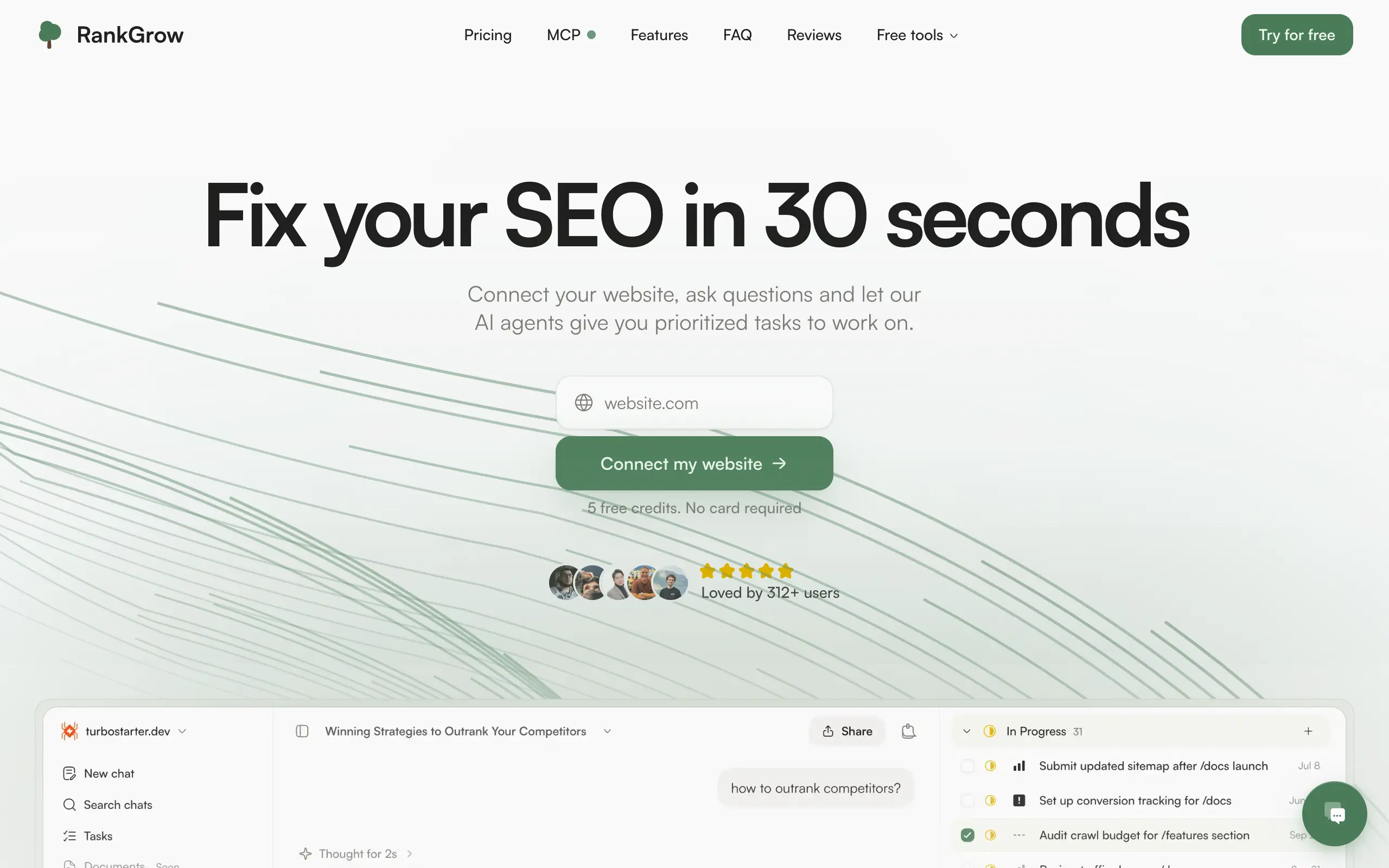
RankGrow
Fix your SEO with AI agents - connect Search Console, get prioritized tasks, and grow organic traffic 📈
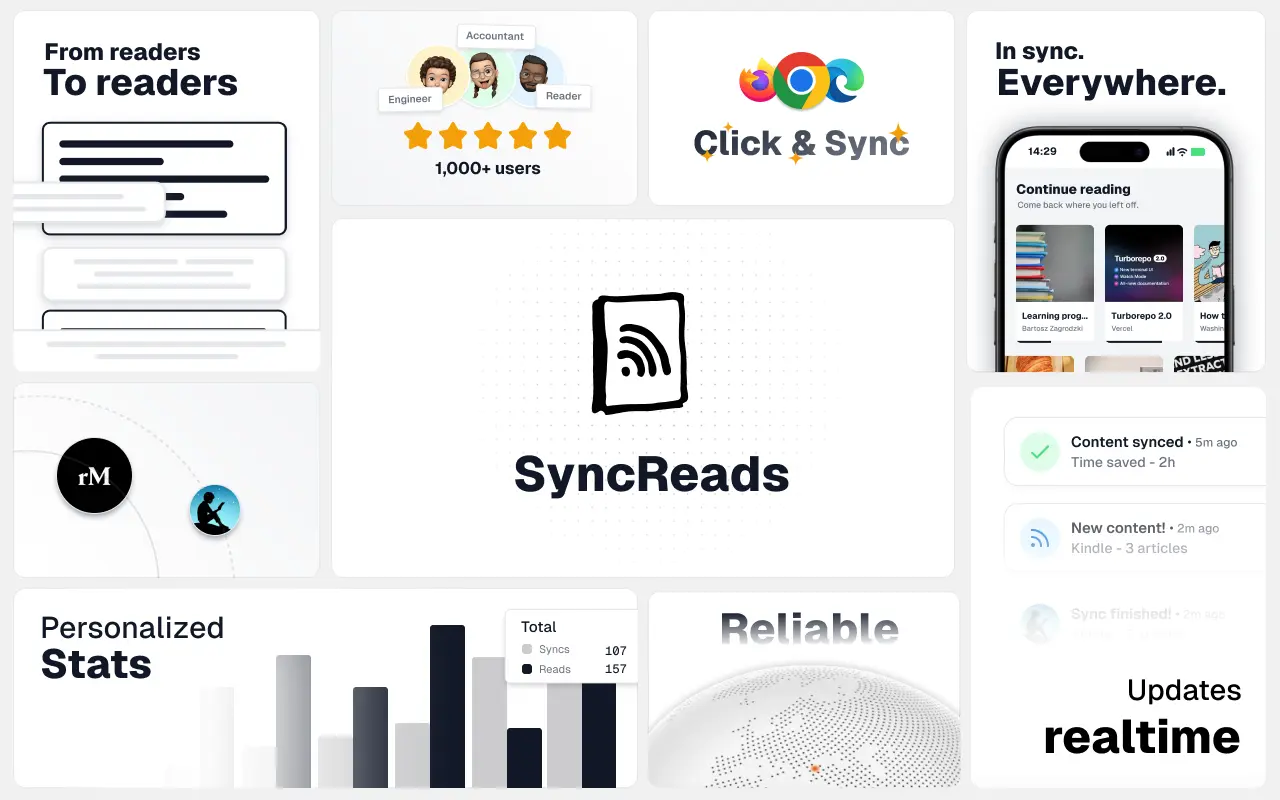
SyncReads
Sync your favorite content for distraction-free reading, save time and replace multiple apps. Anytime, anywhere 🔄
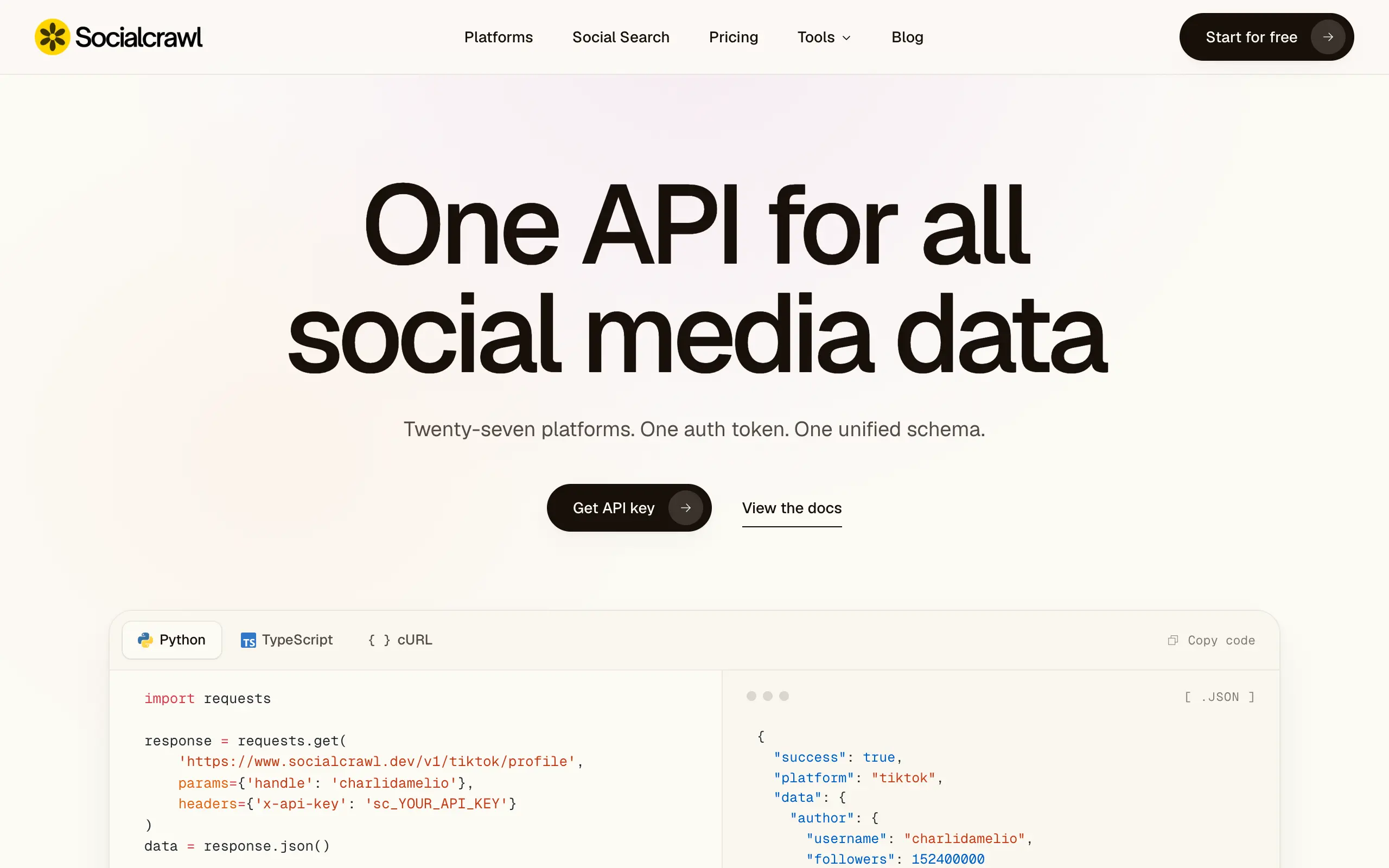
Socialcrawl
Get clean, structured data from 21 platforms like TikTok, Instagram, and YouTube with a single request 📊
Statiko
Monitor any Telegram channel in real time - track posts, edits, deletions, and growth with AI recaps 📡
Shibui
AI website builder - describe your business, pick a niche template, edit by chatting, and publish instantly ✨
Pro Service
Find verified home service professionals, compare quotes, and pay securely through escrow - built for Brazilians across the US 🏠
RankGrow
Fix your SEO with AI agents - connect Search Console, get prioritized tasks, and grow organic traffic 📈
SyncReads
Sync your favorite content for distraction-free reading, save time and replace multiple apps. Anytime, anywhere 🔄
Socialcrawl
Get clean, structured data from 21 platforms like TikTok, Instagram, and YouTube with a single request 📊
Statiko
Monitor any Telegram channel in real time - track posts, edits, deletions, and growth with AI recaps 📡
Shibui
AI website builder - describe your business, pick a niche template, edit by chatting, and publish instantly ✨
Pro Service
Find verified home service professionals, compare quotes, and pay securely through escrow - built for Brazilians across the US 🏠
RankGrow
Fix your SEO with AI agents - connect Search Console, get prioritized tasks, and grow organic traffic 📈
SyncReads
Sync your favorite content for distraction-free reading, save time and replace multiple apps. Anytime, anywhere 🔄
Socialcrawl
Get clean, structured data from 21 platforms like TikTok, Instagram, and YouTube with a single request 📊
Statiko
Monitor any Telegram channel in real time - track posts, edits, deletions, and growth with AI recaps 📡
Shibui
AI website builder - describe your business, pick a niche template, edit by chatting, and publish instantly ✨
Pro Service
Find verified home service professionals, compare quotes, and pay securely through escrow - built for Brazilians across the US 🏠
RankGrow
Fix your SEO with AI agents - connect Search Console, get prioritized tasks, and grow organic traffic 📈
SyncReads
Sync your favorite content for distraction-free reading, save time and replace multiple apps. Anytime, anywhere 🔄
Socialcrawl
Get clean, structured data from 21 platforms like TikTok, Instagram, and YouTube with a single request 📊
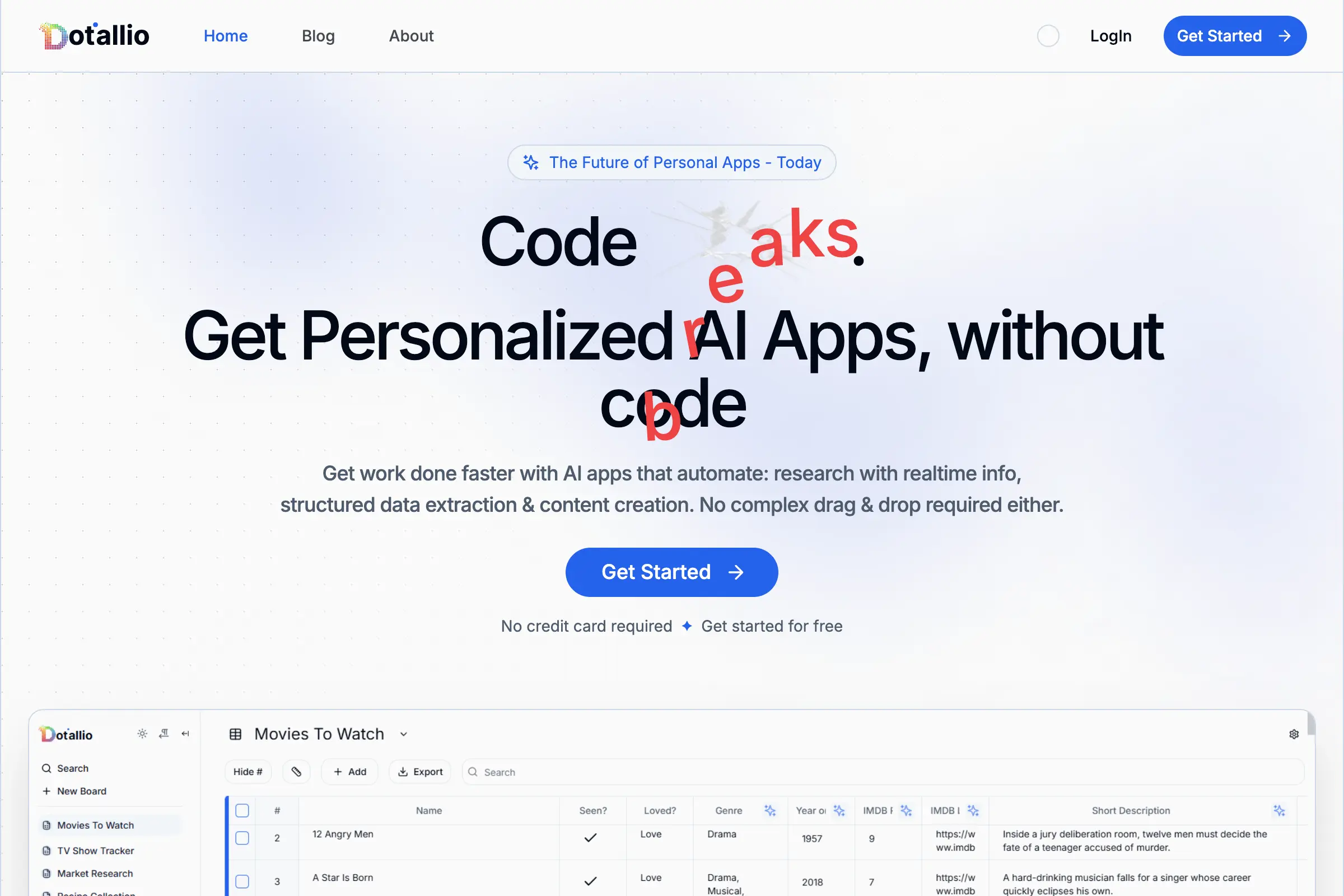
Dotallio
Personalized AI apps that automate research, data extraction, and content creation without code 🤖

Talk to Santa
Enjoy a magical live video chat or receive a unique AI-generated video greeting from Santa Claus 🎅

pozywka.pl
Scalable blog for food journalist, focused on performance and user experience 🌭
zagrodzki.me
Personal blog and portfolio of Bart Zagrodzki, where he shares his knowledge and work 💼
TurboStarter
Ship your startup everywhere. In minutes.
HTML to Markdown
Convert HTML to Markdown with ease, directly in your browser 📄
Dotallio
Personalized AI apps that automate research, data extraction, and content creation without code 🤖
Talk to Santa
Enjoy a magical live video chat or receive a unique AI-generated video greeting from Santa Claus 🎅
pozywka.pl
Scalable blog for food journalist, focused on performance and user experience 🌭
zagrodzki.me
Personal blog and portfolio of Bart Zagrodzki, where he shares his knowledge and work 💼
TurboStarter
Ship your startup everywhere. In minutes.
HTML to Markdown
Convert HTML to Markdown with ease, directly in your browser 📄
Dotallio
Personalized AI apps that automate research, data extraction, and content creation without code 🤖
Talk to Santa
Enjoy a magical live video chat or receive a unique AI-generated video greeting from Santa Claus 🎅
pozywka.pl
Scalable blog for food journalist, focused on performance and user experience 🌭
zagrodzki.me
Personal blog and portfolio of Bart Zagrodzki, where he shares his knowledge and work 💼
TurboStarter
Ship your startup everywhere. In minutes.
HTML to Markdown
Convert HTML to Markdown with ease, directly in your browser 📄
Dotallio
Personalized AI apps that automate research, data extraction, and content creation without code 🤖
Talk to Santa
Enjoy a magical live video chat or receive a unique AI-generated video greeting from Santa Claus 🎅
pozywka.pl
Scalable blog for food journalist, focused on performance and user experience 🌭
zagrodzki.me
Personal blog and portfolio of Bart Zagrodzki, where he shares his knowledge and work 💼
TurboStarter
Ship your startup everywhere. In minutes.
HTML to Markdown
Convert HTML to Markdown with ease, directly in your browser 📄
Omichat
Chat with 50+ AI models, including ChatGPT and Claude, in one place - switch models anytime without losing context 🤖
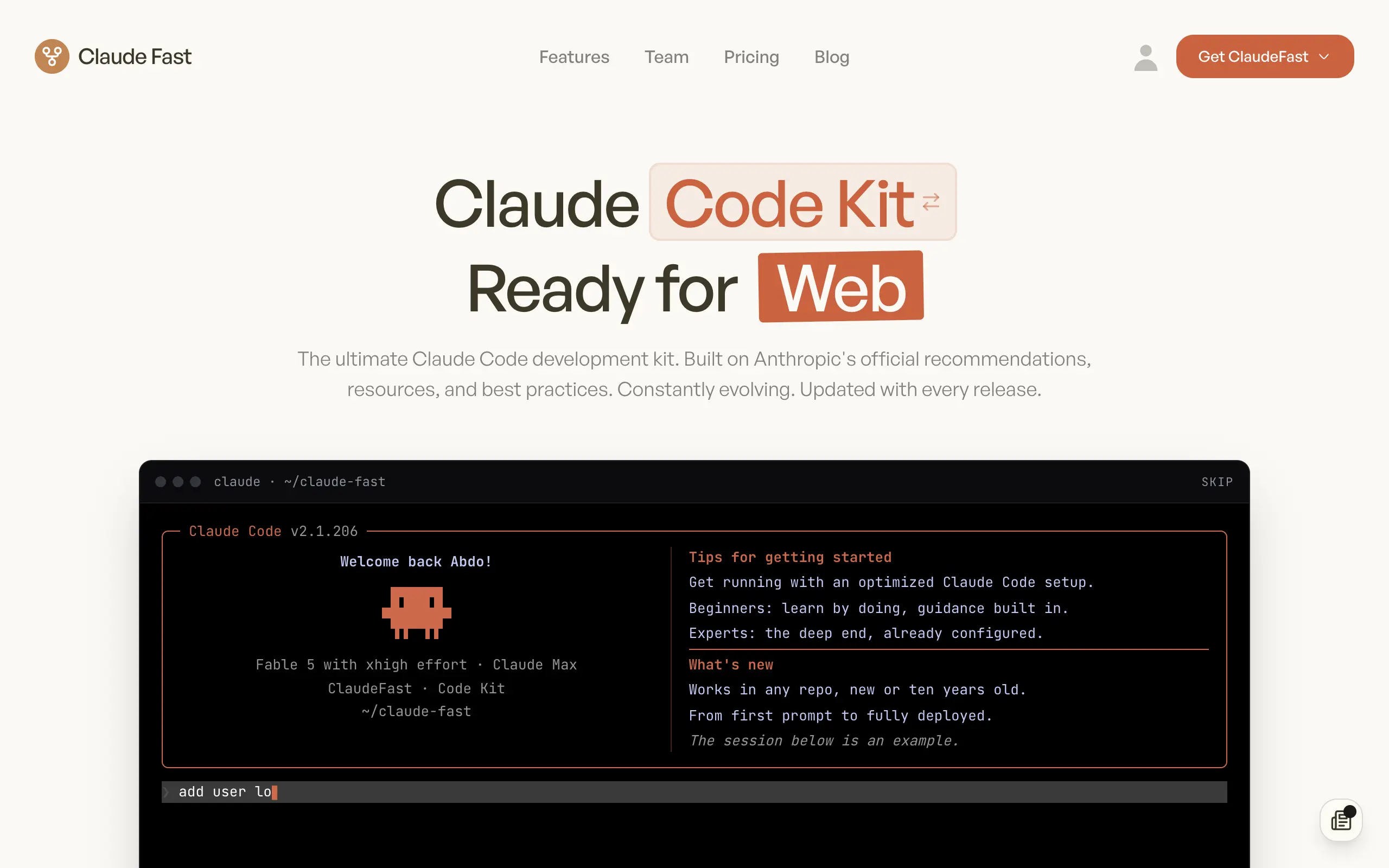
Claude Fast
Supercharge your Claude Code with 6x effective context window and specialized AI agents 🤖
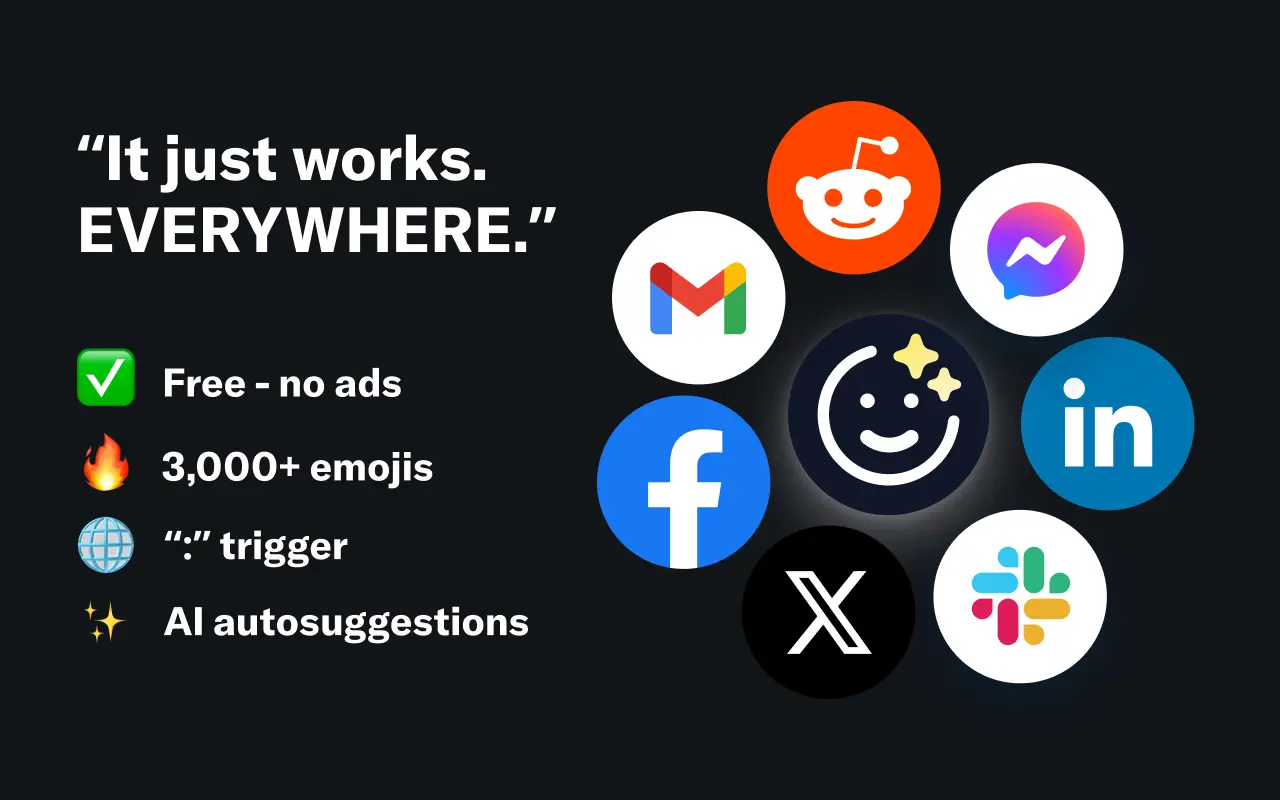
EmojAI
AI-powered emoji picker with smart, context-aware suggestions 🤖

Solohacker
Autonomous company launcher - AI agents work 24/7, escalate what matters, and you stay in control 🤖

BeRawi: Storytelling Coach
Practice storytelling daily with instant feedback to sound clearer, more engaging, and confident 🎤
Omichat
Chat with 50+ AI models, including ChatGPT and Claude, in one place - switch models anytime without losing context 🤖
Claude Fast
Supercharge your Claude Code with 6x effective context window and specialized AI agents 🤖
EmojAI
AI-powered emoji picker with smart, context-aware suggestions 🤖
Solohacker
Autonomous company launcher - AI agents work 24/7, escalate what matters, and you stay in control 🤖
BeRawi: Storytelling Coach
Practice storytelling daily with instant feedback to sound clearer, more engaging, and confident 🎤
Omichat
Chat with 50+ AI models, including ChatGPT and Claude, in one place - switch models anytime without losing context 🤖
Claude Fast
Supercharge your Claude Code with 6x effective context window and specialized AI agents 🤖
EmojAI
AI-powered emoji picker with smart, context-aware suggestions 🤖
Solohacker
Autonomous company launcher - AI agents work 24/7, escalate what matters, and you stay in control 🤖
BeRawi: Storytelling Coach
Practice storytelling daily with instant feedback to sound clearer, more engaging, and confident 🎤
Omichat
Chat with 50+ AI models, including ChatGPT and Claude, in one place - switch models anytime without losing context 🤖
Claude Fast
Supercharge your Claude Code with 6x effective context window and specialized AI agents 🤖
EmojAI
AI-powered emoji picker with smart, context-aware suggestions 🤖
Solohacker
Autonomous company launcher - AI agents work 24/7, escalate what matters, and you stay in control 🤖
BeRawi: Storytelling Coach
Practice storytelling daily with instant feedback to sound clearer, more engaging, and confident 🎤

Connect with like-minded people
Join our community to get feedback, support, and grow together with 1,000+ builders on board, let's ship it!
Join usShip your startup everywhere. In minutes.
Don't burn tokens on setup and start building features on day one.