FocusLedger
AI-powered profit intelligence platform that shows founders exactly which clients, products, and tasks drive real margin so they can cut noise and scale what works.
Why profit intelligence is the missing layer in modern SaaS analytics
Most founders can tell you their MRR, CAC, churn rate, and LTV. Far fewer can answer a much more important question:
Which specific clients, products, and internal activities actually generate real margin after all costs are considered?
This is the gap that an AI-powered profit intelligence platform like FocusLedger aims to close.
While traditional analytics tools measure revenue and growth, they rarely provide true margin-level visibility at the granular level founders need to make high-impact decisions. As SaaS markets become more competitive and capital more disciplined, profitability—not vanity growth—is the differentiator.
FocusLedger is designed to solve that. In this article, we’ll explore:
- The market opportunity for AI-powered profit intelligence software
- Who needs it most (and why)
- Core features and architecture
- Recommended tech stack and trade-offs
- Monetization models
- Competitive landscape and differentiation
- Risks and mitigation strategies
- A step-by-step roadmap to launch
If you're researching how to build a B2B profit analytics SaaS, validating the concept, or planning to implement a margin intelligence layer in your business, this guide is built for you.
The core problem: revenue is not profit
Modern founders have more dashboards than ever:
- CRM analytics
- Billing dashboards
- Subscription metrics tools
- Product analytics platforms
- Accounting systems
Yet almost none answer:
- Which client accounts consume the most internal resources?
- Which features create hidden cost centers?
- Which custom requests erode margin?
- Which segments are profitable after support and ops time?
Why existing tools fall short
Traditional tools operate in silos:
- Stripe shows revenue.
- QuickBooks/Xero shows expenses.
- HubSpot/Salesforce shows deal value.
- Time-tracking tools show activity.
- Product analytics tools show engagement.
But founders need a unified answer:
“After fully allocating operational, support, infrastructure, and labor costs, which accounts and product lines are truly profitable?”
This is the space where AI-powered margin analytics software becomes transformative.
Market opportunity for AI-powered profit intelligence platforms
Macro trends driving demand
-
Shift from growth-at-all-costs to capital efficiency Investors now prioritize sustainable profitability. Public SaaS multiples increasingly reward strong unit economics.
-
Remote teams and distributed cost structures Labor and infrastructure costs are harder to attribute without automation.
-
Usage-based and hybrid pricing models These models increase complexity in cost allocation and margin forecasting.
-
AI-driven operational complexity AI features introduce variable infrastructure costs (e.g., LLM API usage, GPU compute), which must be tied back to product and client profitability.
According to widely cited industry analyses (e.g., McKinsey and Gartner research on analytics maturity), companies that leverage advanced analytics for decision-making significantly outperform peers in profitability and operational efficiency. While specific figures should be cited from up-to-date sources, the strategic direction is clear: data-driven margin optimization is becoming a competitive advantage.
Addressable market
FocusLedger targets:
- SaaS companies ($1M–$50M ARR)
- Agencies and service businesses
- Hybrid SaaS + service models
- Productized consulting firms
- Venture-backed startups focused on improving burn efficiency
This represents a massive and growing segment of the B2B software market.
Target audience analysis
Understanding who needs profit intelligence is critical to product positioning and SEO targeting.
1. Early growth SaaS founders ($1M–$5M ARR)
Pain points:
- Revenue growing, but cash flow tight
- No visibility into true client-level margin
- High support load from “big” clients
Search intent examples:
- “How to calculate SaaS customer profitability”
- “SaaS margin analysis tool”
- “Client-level profitability dashboard”
What they want: Clarity and control.
2. Scaling SaaS operators ($5M–$50M ARR)
Pain points:
- Complex cost structures
- Multiple product lines
- Dedicated CSMs and account teams
- Infrastructure variability
Search intent examples:
- “SaaS unit economics software”
- “Contribution margin by customer”
- “AI profit optimization platform”
What they want: Operational leverage and strategic decision support.
3. Agencies and hybrid service companies
Pain points:
- Scope creep
- Underpriced retainers
- Team time not accurately allocated
- Hidden overhead
Search intent examples:
- “Agency profitability software”
- “Client margin tracking tool”
- “Time allocation profit analysis”
What they want: Protection from silent margin erosion.
The core solution: what FocusLedger does
FocusLedger is positioned as an AI-powered profit intelligence platform that:
- Aggregates revenue and cost data
- Automatically allocates expenses
- Maps labor time to accounts and features
- Calculates true contribution margin
- Identifies profit leaks
- Recommends optimization actions
Key capabilities
Client-level margin analysis
Calculate true contribution margin per account after fully loaded cost allocation.
Product & feature profitability
Identify which product lines and features drive real profit vs. hidden cost.
Task-level cost attribution
Map internal team time and operational overhead to actual revenue sources.
AI-powered insights engine
Automatically surface anomalies, unprofitable segments, and optimization opportunities.
Core features in detail
1. Unified data ingestion layer
Integrations include:
- Billing (Stripe, Paddle)
- Accounting (QuickBooks, Xero)
- CRM (HubSpot, Salesforce)
- Time tracking (Harvest, Toggl)
- Project management (ClickUp, Asana)
- Cloud cost providers (AWS, GCP)
The system normalizes all revenue and cost data into a common schema.
2. Intelligent cost allocation engine
This is the heart of FocusLedger.
It assigns:
- Labor costs (via time tracking)
- Infrastructure costs (usage-based)
- Support overhead
- General overhead (rent, SaaS tools)
- Sales & onboarding costs
Allocation strategies may include:
- Direct attribution
- Usage-based distribution
- Revenue-weighted allocation
- Custom rule-based allocation
AI can help refine allocation over time based on historical patterns.
3. Contribution margin dashboards
Instead of just revenue per customer, users see:
- Revenue
- Direct costs
- Allocated costs
- Gross margin
- Contribution margin
- Trend over time
This creates actionable clarity.
4. AI-powered anomaly detection
Using machine learning models:
- Detect accounts with declining margin
- Flag features consuming abnormal infrastructure
- Highlight clients exceeding support benchmarks
- Forecast margin risk
5. Action recommendation engine
Example recommendations:
- “Client A consumes 3× support resources compared to peers.”
- “Feature X has negative contribution margin.”
- “Upsell pricing to restore 15% margin.”
- “Reallocate engineering resources to Product B.”
Competitive landscape and differentiation
Several tools touch parts of this problem:
- Financial analytics tools
- Business intelligence platforms
- Revenue analytics tools
- ERP systems
- Custom-built spreadsheets
However, none combine AI-driven margin intelligence with granular operational cost allocation in a founder-friendly SaaS product.
Competitive comparison
| Capability | Traditional BI | Accounting Software | Revenue Analytics | FocusLedger |
|---|---|---|---|---|
| Client-level margin | ❌ | ❌ | ❌ | ✅ |
| AI recommendations | ❌ | ❌ | ❌ | ✅ |
| Automated cost allocation | ⚠️ Manual | ❌ | ❌ | ✅ |
| Founder-friendly UX | ❌ | ❌ | ⚠️ | ✅ |
Unique selling proposition (USP)
FocusLedger doesn’t just show you numbers — it tells you where profit actually comes from and what to do next.
Recommended tech stack and architecture
Frontend
- React
- TailwindCSS
- TypeScript
- Charting (e.g., Recharts or similar)
Backend
- Node.js (NestJS or Express)
- PostgreSQL
- Prisma ORM
- Redis for caching
- Background jobs (BullMQ or equivalent)
AI layer
- LLM-based insight generation
- Statistical anomaly detection models
- Cost forecasting models
Data architecture considerations
You’ll need:
- ETL pipelines
- Schema normalization
- Multi-tenant isolation
- Scalable analytics queries
Trade-offs:
- Pre-aggregation vs. real-time computation
- Warehouse-based architecture vs. transactional DB analytics
- Managed services vs. infra control
Example: cost allocation logic (simplified)
function allocateCosts(account) {
  const directCosts = account.infrastructure + account.supportTime * supportHourlyRate;
  const revenueWeight = account.revenue / totalCompanyRevenue;
  const overheadAllocation = totalOverhead * revenueWeight;

  return {
    contributionMargin: account.revenue - directCosts - overheadAllocation
  };
}
In reality, this logic becomes far more sophisticated, incorporating AI-driven allocation strategies.
Monetization strategy
Tiered SaaS model
Starter
- Revenue & cost ingestion
- Basic margin dashboards
- Limited integrations
Growth
- Full cost allocation engine
- AI recommendations
- Advanced segmentation
Scale
- Custom allocation models
- Dedicated support
- Forecasting & scenario modeling
Pricing strategies
- Revenue-based pricing (e.g., % of ARR tier)
- Usage-based pricing (number of accounts analyzed)
- Seat-based pricing (CFO teams, operators)
Premium positioning is recommended. This is a mission-critical financial intelligence product, not a commodity dashboard.
Risks and mitigation
Incorrect integrations or misclassified costs can damage trust. Mitigation: provide validation layers and audit views.
Financial data requires SOC 2-level security practices.
Automate integrations and provide guided setup flows.
Position product as strategic growth lever, not accounting overhead.
Go-to-market strategy
1. SEO-driven acquisition
Target keywords:
- AI profit intelligence platform
- SaaS customer profitability software
- Client margin analysis tool
- Contribution margin dashboard SaaS
- Profitability analytics software
Create long-form educational content around:
- How to calculate contribution margin
- Why SaaS companies struggle with hidden cost
- Margin optimization strategies
2. Founder-led marketing
- Publish margin case studies
- Share before/after optimization results
- Build credibility through detailed breakdowns
3. Partnerships
- Fractional CFO networks
- Startup accelerators
- Revenue operations consultants
Implementation roadmap
Building FocusLedger efficiently
To accelerate development:
- Start with a production-ready SaaS foundation.
- Implement secure multi-tenancy from day one.
- Use a battle-tested starter architecture like TurboStarter to reduce infrastructure overhead and focus on core differentiation (the allocation engine and AI layer).
This significantly reduces time-to-market and technical risk.
Why FocusLedger wins in the long term
The future of B2B software is not just analytics — it’s intelligent financial decision systems.
Companies that:
- Know their real margin
- Identify profit leaks quickly
- Optimize allocation dynamically
- Align teams around profitable growth
…will outperform competitors relying on top-line metrics alone.
FocusLedger’s defensibility comes from:
- Proprietary cost allocation logic
- Accumulated benchmarking data
- AI training on margin patterns
- Deep financial integration stack
As more data flows through the system, the recommendation engine becomes increasingly valuable — creating compounding competitive advantage.
Final thoughts
The shift toward capital-efficient growth makes AI-powered profit intelligence platforms not just useful — but essential.
FocusLedger sits at the intersection of:
- SaaS analytics
- Financial intelligence
- Operational optimization
- AI-driven decision support
For founders, operators, and investors, the ability to see exactly which clients, products, and tasks drive real margin is transformative.
This isn’t another dashboard.
It’s a strategic weapon for scaling what works and cutting what doesn’t.
More 🏢 B2B Application SaaS ideas
Discover more innovative b2b application SaaS ideas that are trending in 2026. Each idea is AI-generated with market validation and growth potential to help you find your next profitable venture faster than competitors.
Your competitors are building with TurboStarter
Below are some of the SaaS ideas that have been generated and built with our starter kit.
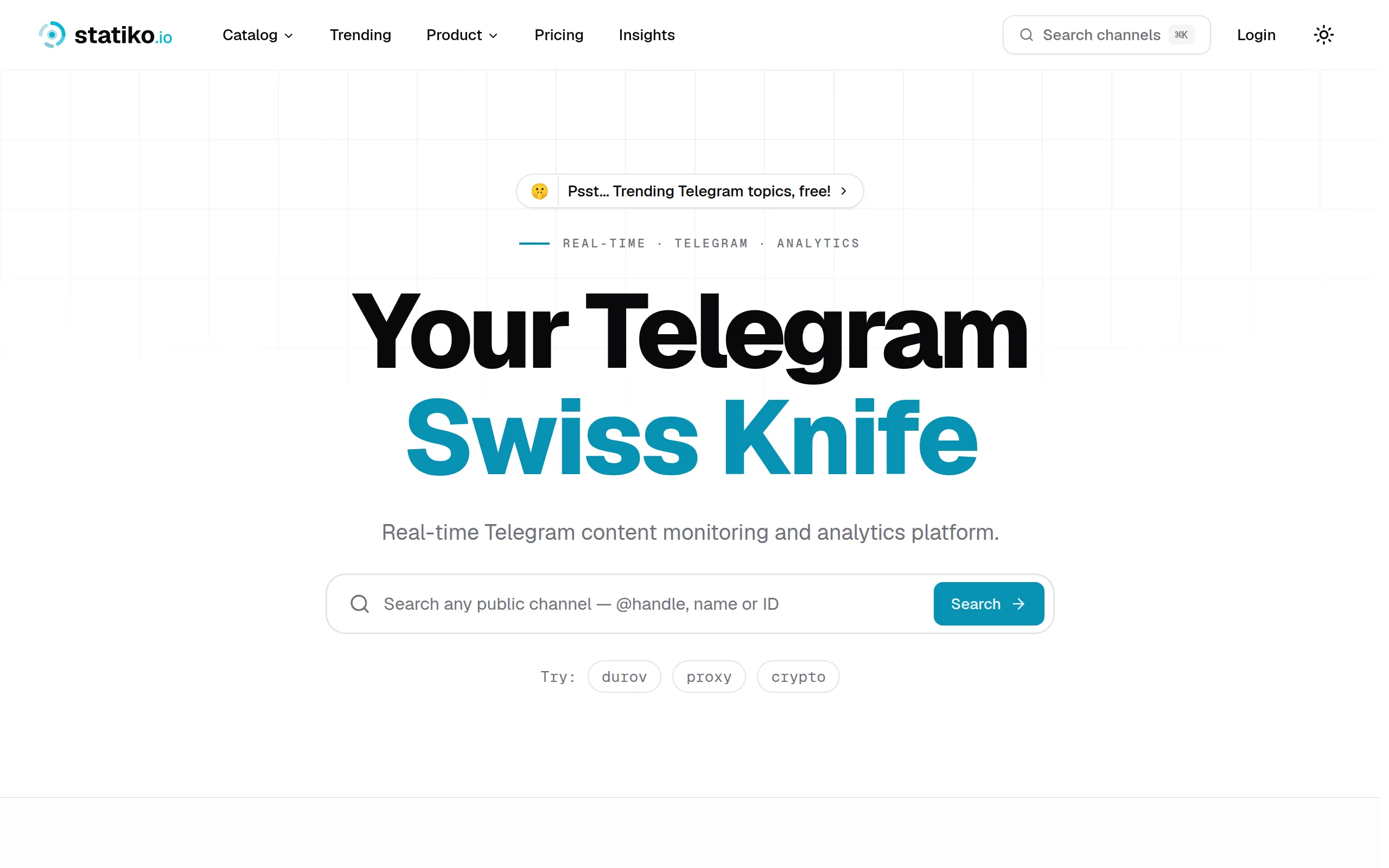
Statiko
Monitor any Telegram channel in real time - track posts, edits, deletions, and growth with AI recaps 📡

Shibui
AI website builder - describe your business, pick a niche template, edit by chatting, and publish instantly ✨

Pro Service
Find verified home service professionals, compare quotes, and pay securely through escrow - built for Brazilians across the US 🏠
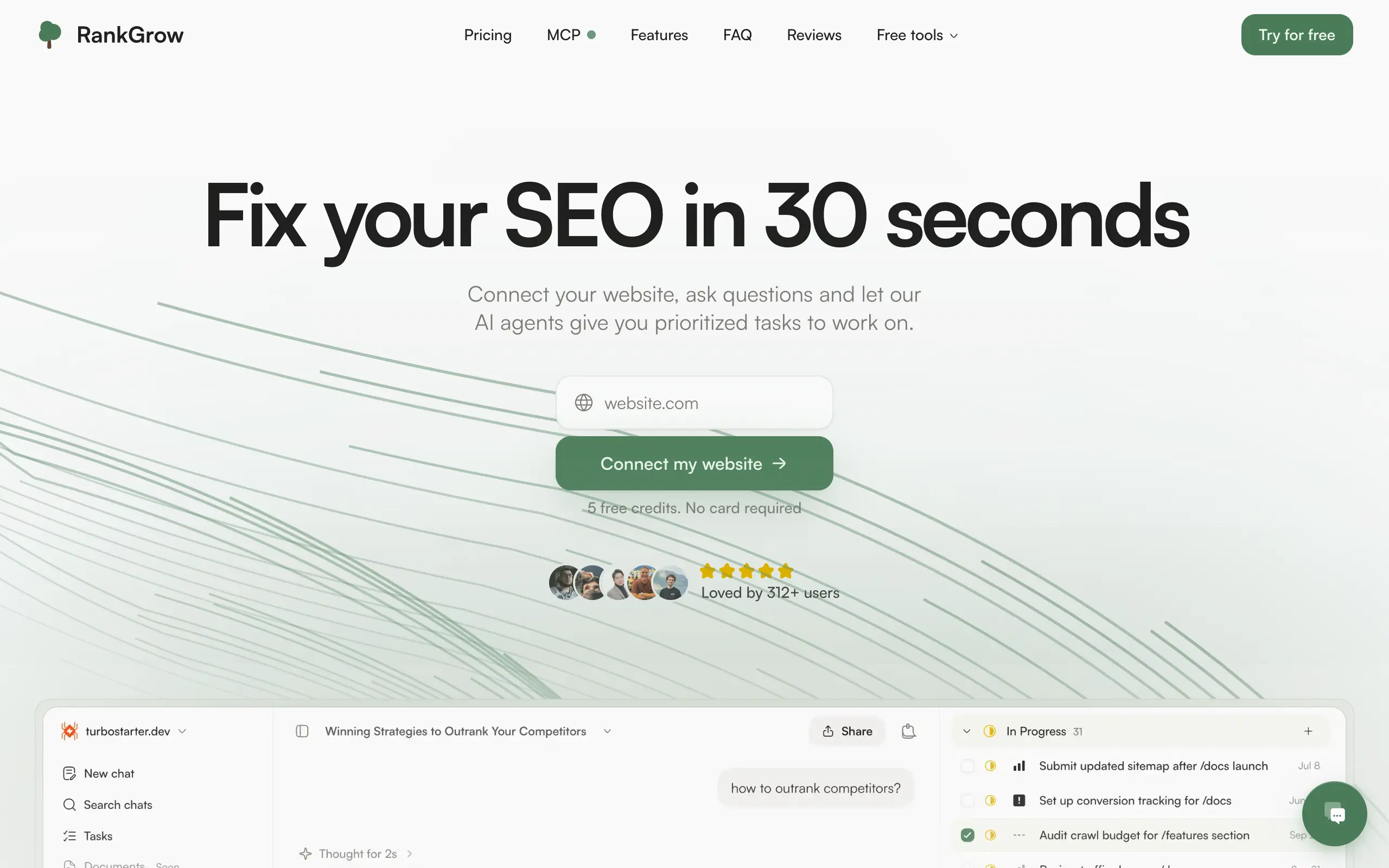
RankGrow
Fix your SEO with AI agents - connect Search Console, get prioritized tasks, and grow organic traffic 📈
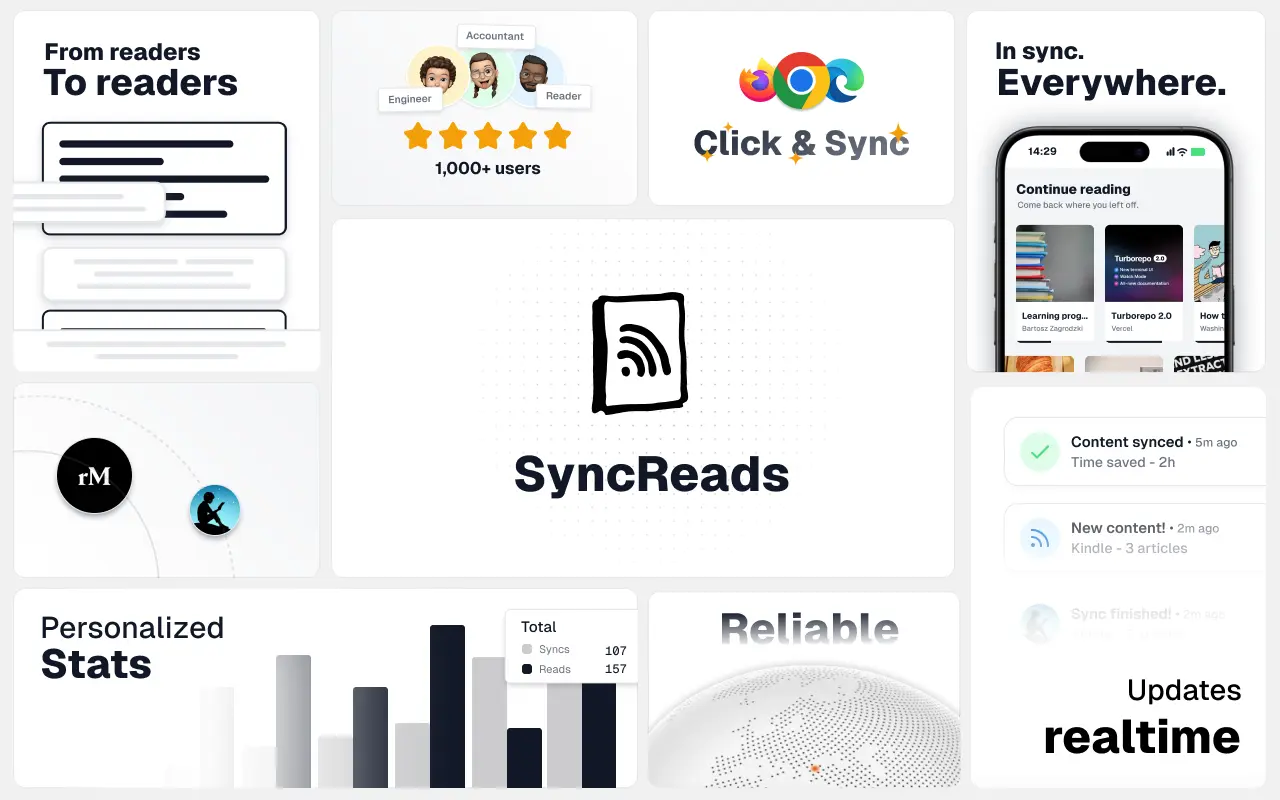
SyncReads
Sync your favorite content for distraction-free reading, save time and replace multiple apps. Anytime, anywhere 🔄
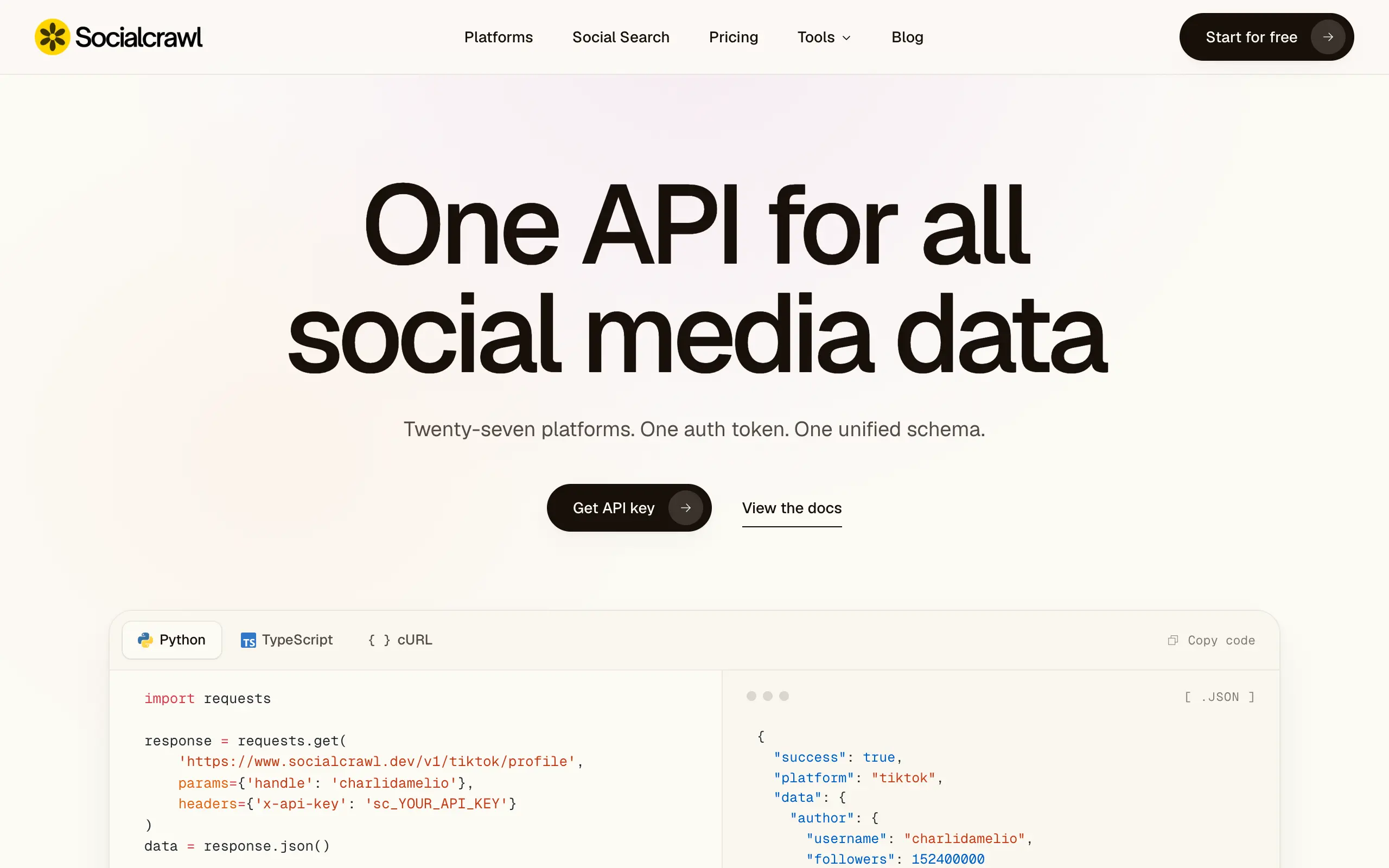
Socialcrawl
Get clean, structured data from 21 platforms like TikTok, Instagram, and YouTube with a single request 📊
Statiko
Monitor any Telegram channel in real time - track posts, edits, deletions, and growth with AI recaps 📡
Shibui
AI website builder - describe your business, pick a niche template, edit by chatting, and publish instantly ✨
Pro Service
Find verified home service professionals, compare quotes, and pay securely through escrow - built for Brazilians across the US 🏠
RankGrow
Fix your SEO with AI agents - connect Search Console, get prioritized tasks, and grow organic traffic 📈
SyncReads
Sync your favorite content for distraction-free reading, save time and replace multiple apps. Anytime, anywhere 🔄
Socialcrawl
Get clean, structured data from 21 platforms like TikTok, Instagram, and YouTube with a single request 📊
Statiko
Monitor any Telegram channel in real time - track posts, edits, deletions, and growth with AI recaps 📡
Shibui
AI website builder - describe your business, pick a niche template, edit by chatting, and publish instantly ✨
Pro Service
Find verified home service professionals, compare quotes, and pay securely through escrow - built for Brazilians across the US 🏠
RankGrow
Fix your SEO with AI agents - connect Search Console, get prioritized tasks, and grow organic traffic 📈
SyncReads
Sync your favorite content for distraction-free reading, save time and replace multiple apps. Anytime, anywhere 🔄
Socialcrawl
Get clean, structured data from 21 platforms like TikTok, Instagram, and YouTube with a single request 📊
Statiko
Monitor any Telegram channel in real time - track posts, edits, deletions, and growth with AI recaps 📡
Shibui
AI website builder - describe your business, pick a niche template, edit by chatting, and publish instantly ✨
Pro Service
Find verified home service professionals, compare quotes, and pay securely through escrow - built for Brazilians across the US 🏠
RankGrow
Fix your SEO with AI agents - connect Search Console, get prioritized tasks, and grow organic traffic 📈
SyncReads
Sync your favorite content for distraction-free reading, save time and replace multiple apps. Anytime, anywhere 🔄
Socialcrawl
Get clean, structured data from 21 platforms like TikTok, Instagram, and YouTube with a single request 📊
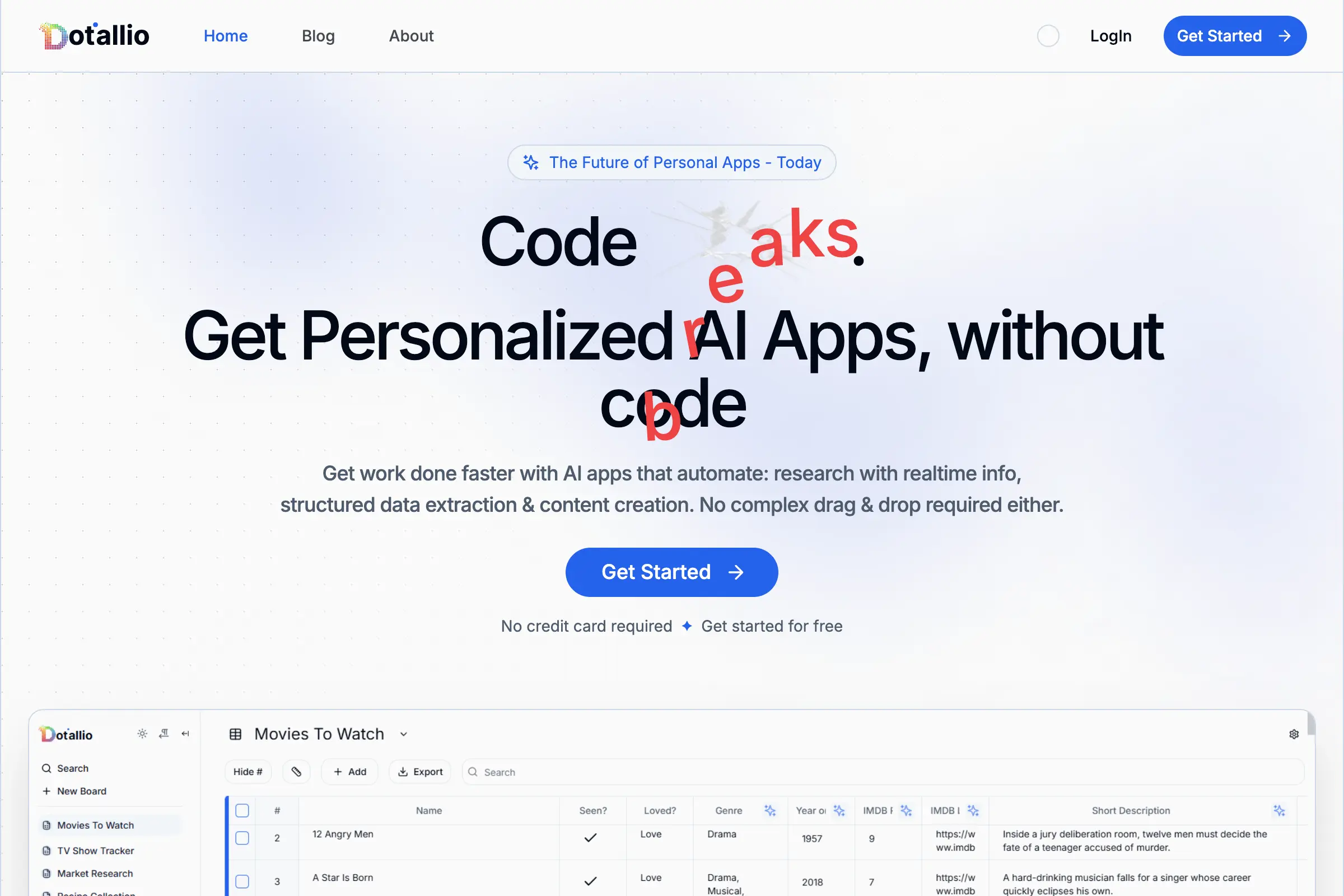
Dotallio
Personalized AI apps that automate research, data extraction, and content creation without code 🤖

Talk to Santa
Enjoy a magical live video chat or receive a unique AI-generated video greeting from Santa Claus 🎅

pozywka.pl
Scalable blog for food journalist, focused on performance and user experience 🌭
zagrodzki.me
Personal blog and portfolio of Bart Zagrodzki, where he shares his knowledge and work 💼
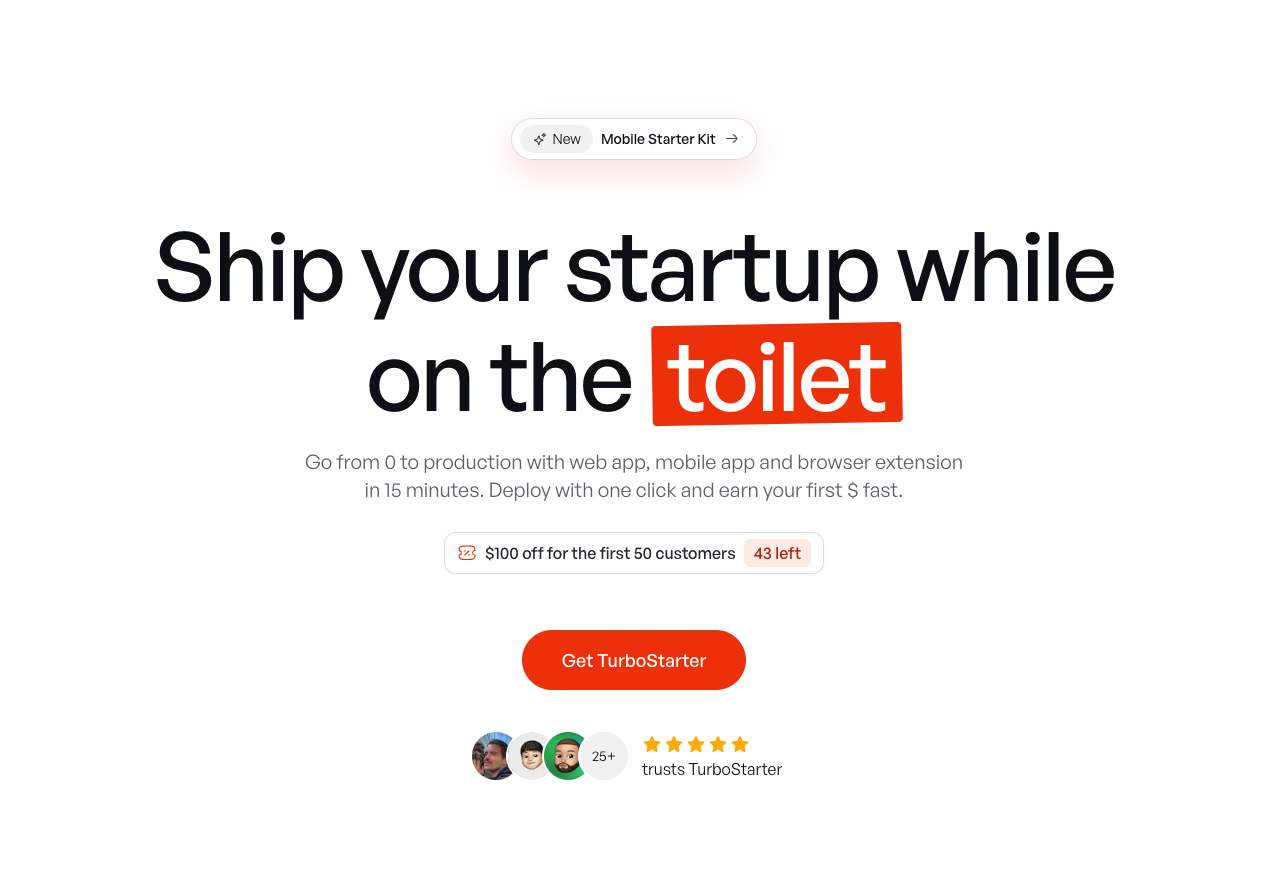
TurboStarter
Ship your startup everywhere. In minutes.
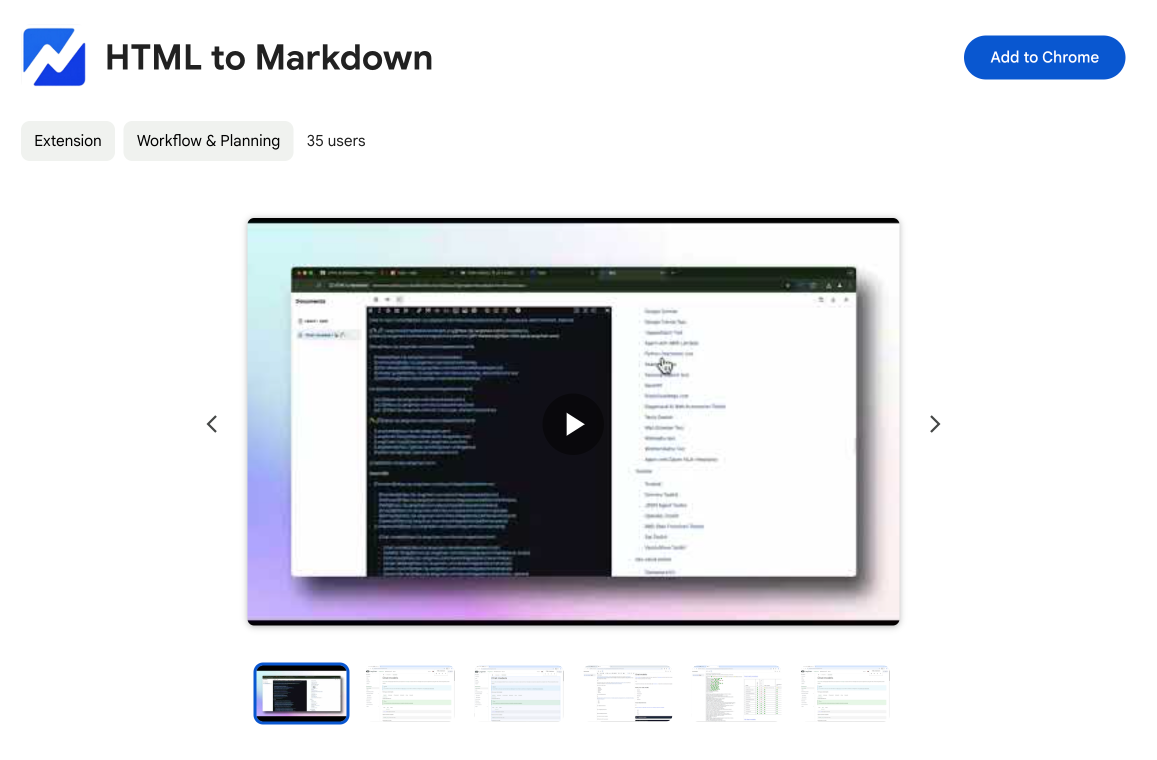
HTML to Markdown
Convert HTML to Markdown with ease, directly in your browser 📄
Dotallio
Personalized AI apps that automate research, data extraction, and content creation without code 🤖
Talk to Santa
Enjoy a magical live video chat or receive a unique AI-generated video greeting from Santa Claus 🎅
pozywka.pl
Scalable blog for food journalist, focused on performance and user experience 🌭
zagrodzki.me
Personal blog and portfolio of Bart Zagrodzki, where he shares his knowledge and work 💼
TurboStarter
Ship your startup everywhere. In minutes.
HTML to Markdown
Convert HTML to Markdown with ease, directly in your browser 📄
Dotallio
Personalized AI apps that automate research, data extraction, and content creation without code 🤖
Talk to Santa
Enjoy a magical live video chat or receive a unique AI-generated video greeting from Santa Claus 🎅
pozywka.pl
Scalable blog for food journalist, focused on performance and user experience 🌭
zagrodzki.me
Personal blog and portfolio of Bart Zagrodzki, where he shares his knowledge and work 💼
TurboStarter
Ship your startup everywhere. In minutes.
HTML to Markdown
Convert HTML to Markdown with ease, directly in your browser 📄
Dotallio
Personalized AI apps that automate research, data extraction, and content creation without code 🤖
Talk to Santa
Enjoy a magical live video chat or receive a unique AI-generated video greeting from Santa Claus 🎅
pozywka.pl
Scalable blog for food journalist, focused on performance and user experience 🌭
zagrodzki.me
Personal blog and portfolio of Bart Zagrodzki, where he shares his knowledge and work 💼
TurboStarter
Ship your startup everywhere. In minutes.
HTML to Markdown
Convert HTML to Markdown with ease, directly in your browser 📄
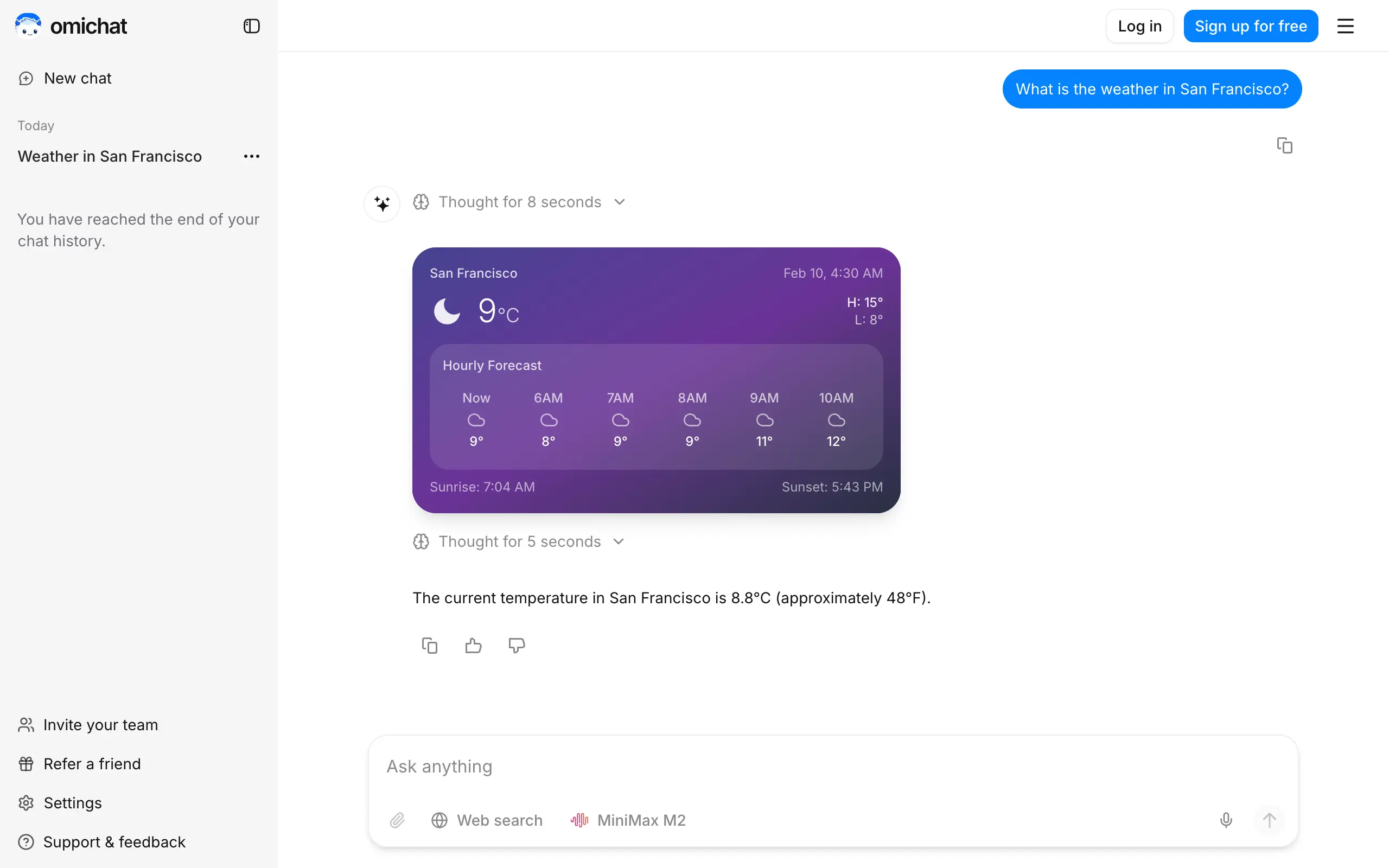
Omichat
Chat with 50+ AI models, including ChatGPT and Claude, in one place - switch models anytime without losing context 🤖
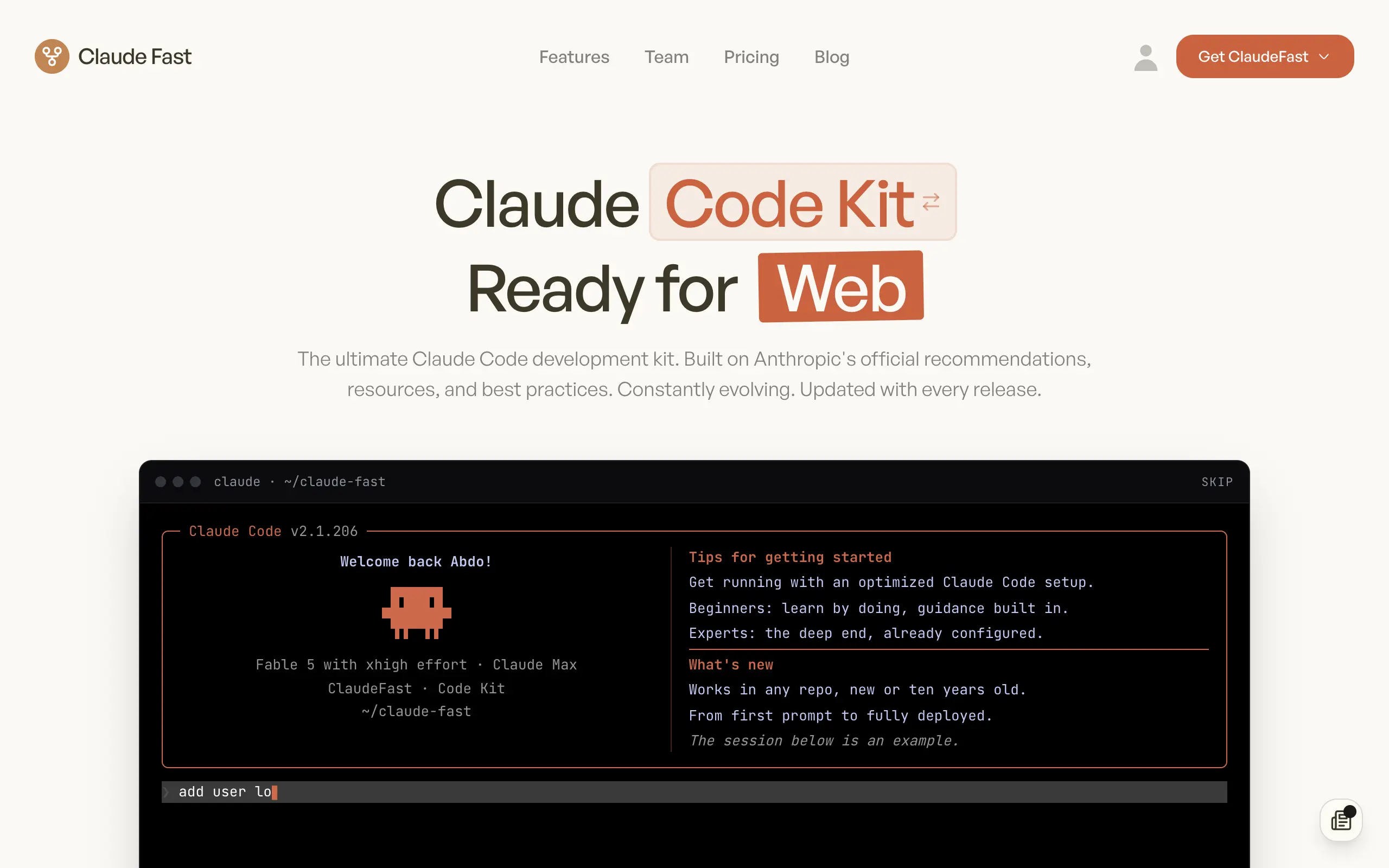
Claude Fast
Supercharge your Claude Code with 6x effective context window and specialized AI agents 🤖
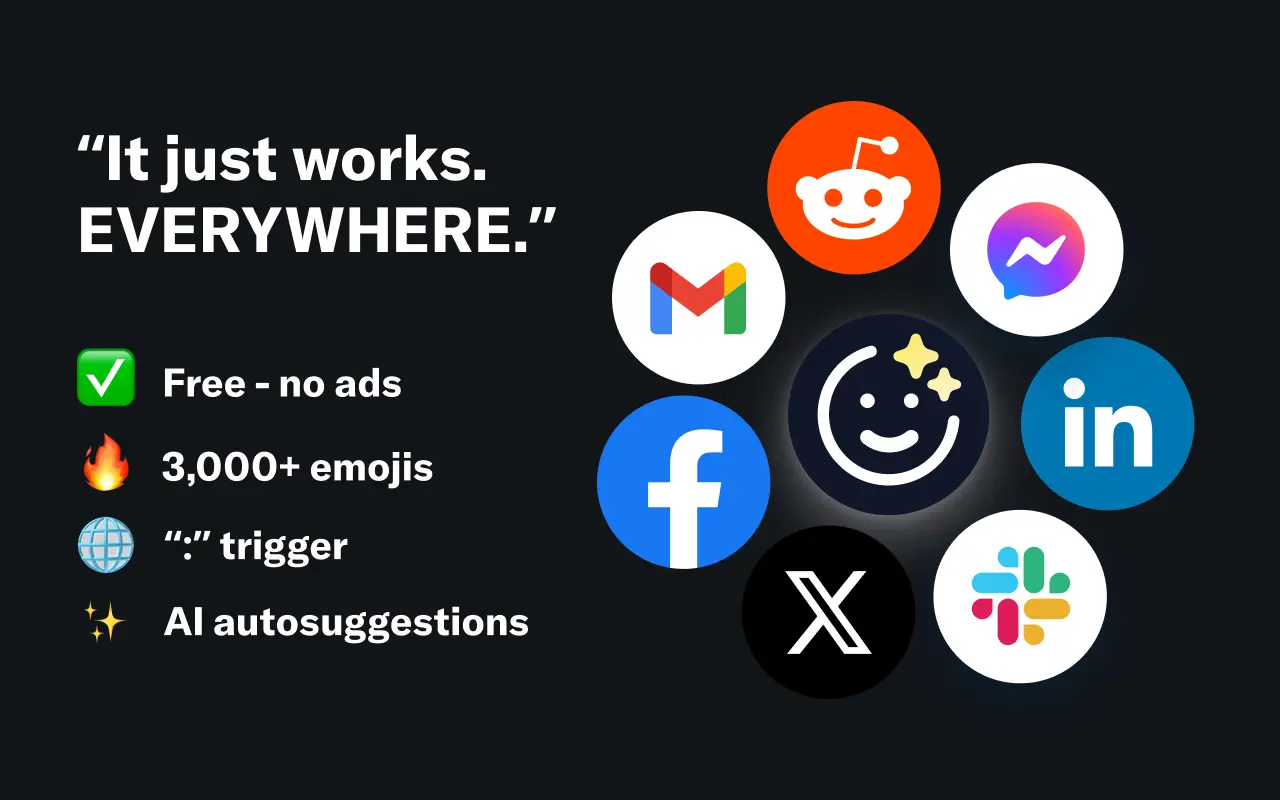
EmojAI
AI-powered emoji picker with smart, context-aware suggestions 🤖
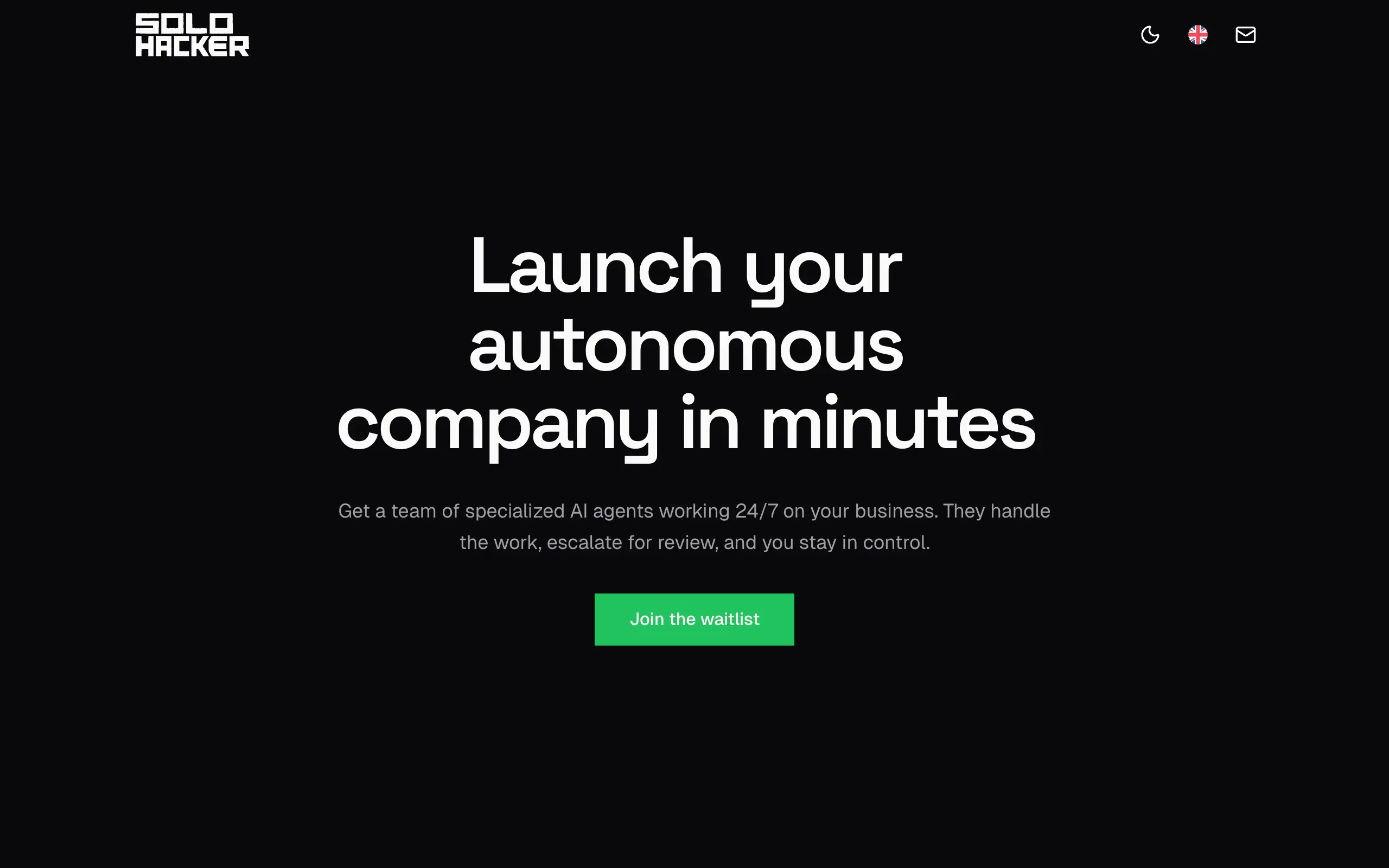
Solohacker
Autonomous company launcher - AI agents work 24/7, escalate what matters, and you stay in control 🤖
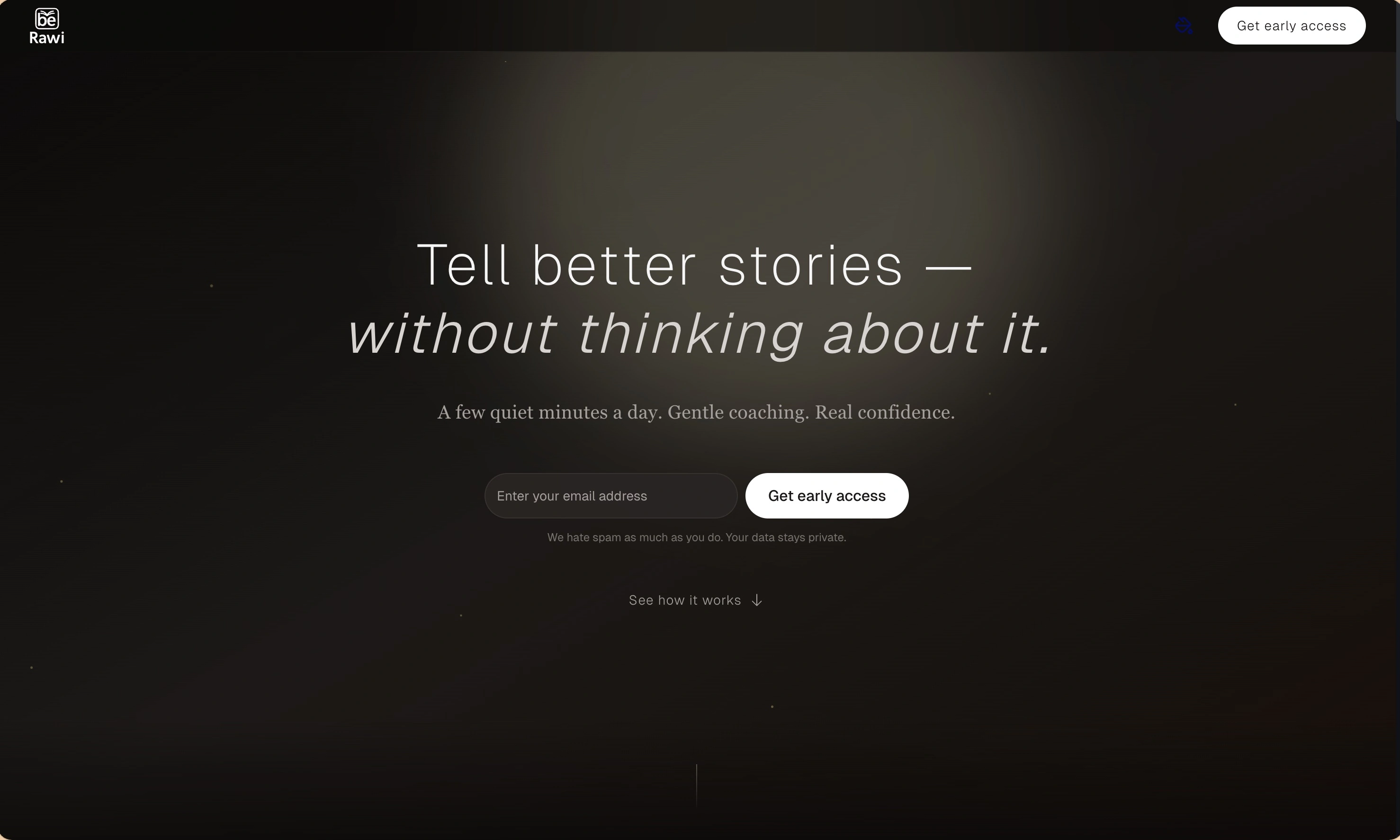
BeRawi: Storytelling Coach
Practice storytelling daily with instant feedback to sound clearer, more engaging, and confident 🎤
Omichat
Chat with 50+ AI models, including ChatGPT and Claude, in one place - switch models anytime without losing context 🤖
Claude Fast
Supercharge your Claude Code with 6x effective context window and specialized AI agents 🤖
EmojAI
AI-powered emoji picker with smart, context-aware suggestions 🤖
Solohacker
Autonomous company launcher - AI agents work 24/7, escalate what matters, and you stay in control 🤖
BeRawi: Storytelling Coach
Practice storytelling daily with instant feedback to sound clearer, more engaging, and confident 🎤
Omichat
Chat with 50+ AI models, including ChatGPT and Claude, in one place - switch models anytime without losing context 🤖
Claude Fast
Supercharge your Claude Code with 6x effective context window and specialized AI agents 🤖
EmojAI
AI-powered emoji picker with smart, context-aware suggestions 🤖
Solohacker
Autonomous company launcher - AI agents work 24/7, escalate what matters, and you stay in control 🤖
BeRawi: Storytelling Coach
Practice storytelling daily with instant feedback to sound clearer, more engaging, and confident 🎤
Omichat
Chat with 50+ AI models, including ChatGPT and Claude, in one place - switch models anytime without losing context 🤖
Claude Fast
Supercharge your Claude Code with 6x effective context window and specialized AI agents 🤖
EmojAI
AI-powered emoji picker with smart, context-aware suggestions 🤖
Solohacker
Autonomous company launcher - AI agents work 24/7, escalate what matters, and you stay in control 🤖
BeRawi: Storytelling Coach
Practice storytelling daily with instant feedback to sound clearer, more engaging, and confident 🎤

Connect with like-minded people
Join our community to get feedback, support, and grow together with 1,000+ builders on board, let's ship it!
Join usShip your startup everywhere. In minutes.
Don't burn tokens on setup and start building features on day one.