Grantnote
Gives private startups a portal where staff check their vesting and option grants. Ops teams stop answering same equity questions by email.
Grantnote is an employee equity portal for private startups: staff log in, see their option grants, vesting schedule and strike price, and get answers without emailing finance or the people ops team. In 2026 the opportunity is that startups keep granting equity to more people while cap table tools still treat the employee as an afterthought, so the same "how much have I vested?" questions land in an ops inbox every week.
Key takeaways
- Target customer: private startups with roughly 20 to 300 employees, where one ops, finance or people person owns equity admin.
- Pricing angle: flat monthly fee per company, with tiers by employee count, for example $99/month for up to 50 equity holders (an assumption to test).
- Biggest risk: trust and accuracy. If the portal shows a wrong number, the tool is worse than the email it replaced.
- Time to MVP: about 4 to 6 weeks for a solo founder starting from a SaaS starter kit.
What problem does an employee equity portal solve?
The problem is repetitive, low-value questions with high emotional stakes. Employees want to know how many options they have vested, what their exercise cost would be, and what happens if they leave. Someone in ops answers each one by hand, usually by digging through a cap table export or a PDF grant letter.
Who is Grantnote for?
The ideal customer is a Series Seed to Series B company with 30 to 200 employees. One person, often a head of people, finance lead or COO, handles equity admin on top of their real job. They issue grants through a cap table tool or a lawyer, but nobody built them a simple employee-facing view.
The buyer is the ops lead. The user is every employee with a grant. That split matters: the buyer feels the pain of the inbox, while the user feels the anxiety of not understanding their own compensation.
What do teams do today, and why does it fail?
The common workarounds are:
- Email and Slack replies: the ops lead looks up the grant and types an answer. It works, but it interrupts work and creates inconsistent answers.
- Shared spreadsheets: a tab per employee or a vesting calculator. Access control is weak, and sensitive data ends up in the wrong hands.
- PDF grant letters: accurate on the grant date, useless for "where am I today?"
- Cap table platforms: tools like Carta and Pulley (both real and well known) offer employee views, but they come with a full equity management suite and pricing that suits companies already paying for it.
The workaround fails because each answer is a manual calculation that must be redone as time passes, and because employees hesitate to ask the same question twice.
Is there a market for employee equity portals in 2026?
Yes, in the gap between "we use a spreadsheet and a lawyer" and "we pay for a full equity platform." Many small startups sit in that gap, and their equity data lives in a cap table export that nobody wants to share raw.
The gap in existing solutions
Full equity platforms are built around the company side: issuing grants, 409A workflows, board approvals, compliance. The employee view is a feature, not the product. Spreadsheets are free but don't scale and leak data.
A focused, read-only portal that imports a cap table export and shows each person only their own grants is a narrower and cheaper product. It can sit beside whatever the company already uses.
Why now
- Equity is more widely distributed: more non-executive staff hold options, so more people ask questions.
- Compensation transparency expectations: employees increasingly expect to understand their total package, not just salary.
- Smaller ops teams: startups run leaner, so every repetitive inbox task costs more.
- Cheap build costs: auth, billing and data tooling are commodity, so a narrow B2B product is viable for one builder.
What should the Grantnote MVP include?
Build the smallest thing that lets an employee log in and see a correct number. Everything else waits.
The aha moment
An employee opens the portal, sees "You have vested 4,200 of 12,000 options, next vest on March 1," and does not need to ask anyone. The ops lead's aha moment is the week their equity inbox goes quiet.
Core features
Grant import
Upload a CSV from the cap table or spreadsheet to create employees and grants without manual entry.
Vesting calculator
Compute vested, unvested and upcoming vest dates from the grant terms, including cliffs and monthly schedules.
Employee portal
Invite-only login where each person sees only their own grants, strike price and a plain-language summary.
Admin question inbox
Employees submit a question from the portal and ops answers once, with common answers saved for reuse.
What to cut from version one
- Exercise and tax modeling: it carries legal risk and needs jurisdiction expertise.
- Cap table management: you are not replacing the system of record.
- Mobile app: a responsive web app is enough at first.
- Scenario modeling for exits: useful, but later and easy to get wrong.
How is Grantnote different from Carta, Pulley and spreadsheets?
Grantnote's position: the employee-facing equity answer layer, priced for companies that don't need a full equity suite. It reads data from where the company already keeps it.
| Option | Employee self-serve view | Works with existing cap table | Low setup effort | Priced for small teams |
|---|---|---|---|---|
| Grantnote | ✅ | ✅ | ✅ | ✅ |
| Spreadsheets | ❌ | ✅ | ✅ | ✅ |
| Full equity platforms | ✅ | Often replace it | Heavier | Depends |
| Email from ops | ❌ | ✅ | ✅ | Costs ops time |
The honest caveat: incumbents can improve their employee views. Your defense is simplicity, speed to set up and a price that a company can approve without a procurement conversation.
How would Grantnote make money?
Charge the company, never the employee. The value is ops time saved and fewer awkward equity conversations.
Pricing options
- Flat tiers by headcount: for example $99/month up to 50 equity holders and $249/month up to 200. Predictable and easy to approve.
- Per equity holder: for example $2 per holder per month. Scales with value, but gets awkward as headcount grows.
- Annual plan with onboarding: a higher upfront fee that includes importing and checking the first dataset by hand. Good for early revenue and for learning what data is messy.
Assuming a $99/month plan and 3% of trial companies converting, you need roughly 35 trials per paying customer on average per month of activity. That makes outbound and referrals more realistic than paid ads.
First growth channel
Founder-led outreach to ops, finance and people leads, plus partnerships with startup lawyers and fractional CFOs who handle equity paperwork for many companies. One referral partner can bring several customers.
How do you validate Grantnote before building it?
Spend one to two weeks proving that ops leads feel the pain and will pay to remove it.
Interview eight ops leads
Talk to people ops, finance or COO contacts at startups with 30 to 200 staff. Ask how many equity questions they answered last month and how they looked up the answers.
Ship a one-page site
State one promise: "Stop answering vesting questions by email." Add a waitlist form and a short note about how data is imported.
Offer a manual pilot
Take one customer's CSV and build a single static view by hand. If they share it with employees and the inbox quiets down, the product works.
Ask for a pre-sale
Offer a discounted annual plan to three pilot companies. Even a small prepayment tells you more than twenty encouraging calls.
What tech stack should you use to build an equity portal?
Use a boring, typed stack with strong access control. The data is sensitive, so the priority is correctness and permissions, not novelty.
Where TurboStarter saves time
Authentication, organizations, billing, emails and the admin shell are undifferentiated work. TurboStarter ships these as a ready-made monorepo, so you start on the vesting logic instead. Relevant pieces:
- Authentication for invite-only employee login.
- Organizations to separate each company's data and roles (admin versus employee).
- Billing for subscription tiers by company.
- Emails for invitations and vesting notifications.
Data model
Keep the model small and store the grant terms, then compute vesting on read so numbers are never stale.
type Grant = {
  id: string;
  organizationId: string;
  employeeId: string;
  totalOptions: number;
  strikePrice: number; // in cents
  grantDate: string;
  vestingStart: string;
  cliffMonths: number;
  vestingMonths: number;
};
Compute on read or store snapshots?
Calculate vested options from the grant terms each time. It is simple, always current and easy to test. Choose this for the MVP.
Save a record of vested amounts on a schedule. This helps with audit history and reporting, but adds a background job and a way for data to drift. Add it once customers ask for history.
Write unit tests for vesting math before anything else, including cliffs, partial months, leap years and terminated employees.
What could make Grantnote fail?
Biggest risk: wrong numbers destroy trust
Employees treat the portal as authoritative about their pay. If it disagrees with the legal grant agreement, you create disputes and possible liability. Label the portal as informational, show the source document and grant terms next to every figure, and let ops approve data before employees see it.
- Incumbents add the feature: a cap table platform could improve its employee view. Mitigate by serving companies that don't use one, and by staying simple to set up.
- Small buyer pool per company: one ops lead is the buyer and revenue per customer is modest. Keep support low and sell through partners such as lawyers and fractional finance people.
- Data import friction: messy CSVs will stall onboarding. Offer a validated template and do the first import by hand for early customers.
What should you do in the first 30 days?
Days 1 to 7: talk to buyers
Complete the interviews and publish the landing page with a waitlist.
Days 8 to 14: pilot by hand
Run a manual pilot with one company and write down every data problem you hit.
Days 15 to 24: build the MVP
Start from TurboStarter, add the grant model, CSV import and vesting calculation, and ship the employee view.
Days 25 to 30: onboard paying pilots
Move three pilot companies to paid plans, and ask each for a referral to a lawyer or advisor.
If you want to test an employee equity portal for startups, start with the interviews this week. The build is the easy part, the trust is the product.
FAQ
Interview ops, finance and people leads about how often they answer equity questions and how they find the answers. Then run a manual pilot with one company's CSV and ask for a small prepayment. Willingness to pay is the real signal.
Flat company pricing tied to headcount is the simplest start, for example $99/month for small teams. Test it against how much ops time the inbox currently costs. Avoid charging employees.
Cap table platforms such as Carta and Pulley include employee views, and many small companies simply use spreadsheets and email. Your differentiation is a focused, cheap, quick-to-set-up portal rather than a full equity suite.
A typed full-stack TypeScript app with Postgres, strict per-organization access control and tested vesting logic is enough. A starter kit like TurboStarter covers authentication, organizations, billing and emails so you can focus on the vesting engine.
A solo founder can typically ship an MVP in four to six weeks if scope stays at import, calculate and display. Exercise modeling, tax and exit scenarios should wait until paying customers ask for them.
More 🏢 B2B Application SaaS ideas
Discover more innovative b2b application SaaS ideas that are trending in 2026. Each idea is AI-generated with market validation and growth potential to help you find your next profitable venture faster than competitors.
Your competitors are building with TurboStarter
Below are some of the SaaS ideas that have been generated and built with our starter kit.

Monitor any Telegram channel in real time - track posts, edits, deletions, and growth with AI recaps 📡

AI website builder - describe your business, pick a niche template, edit by chatting, and publish instantly ✨

Find verified home service professionals, compare quotes, and pay securely through escrow - built for Brazilians across the US 🏠
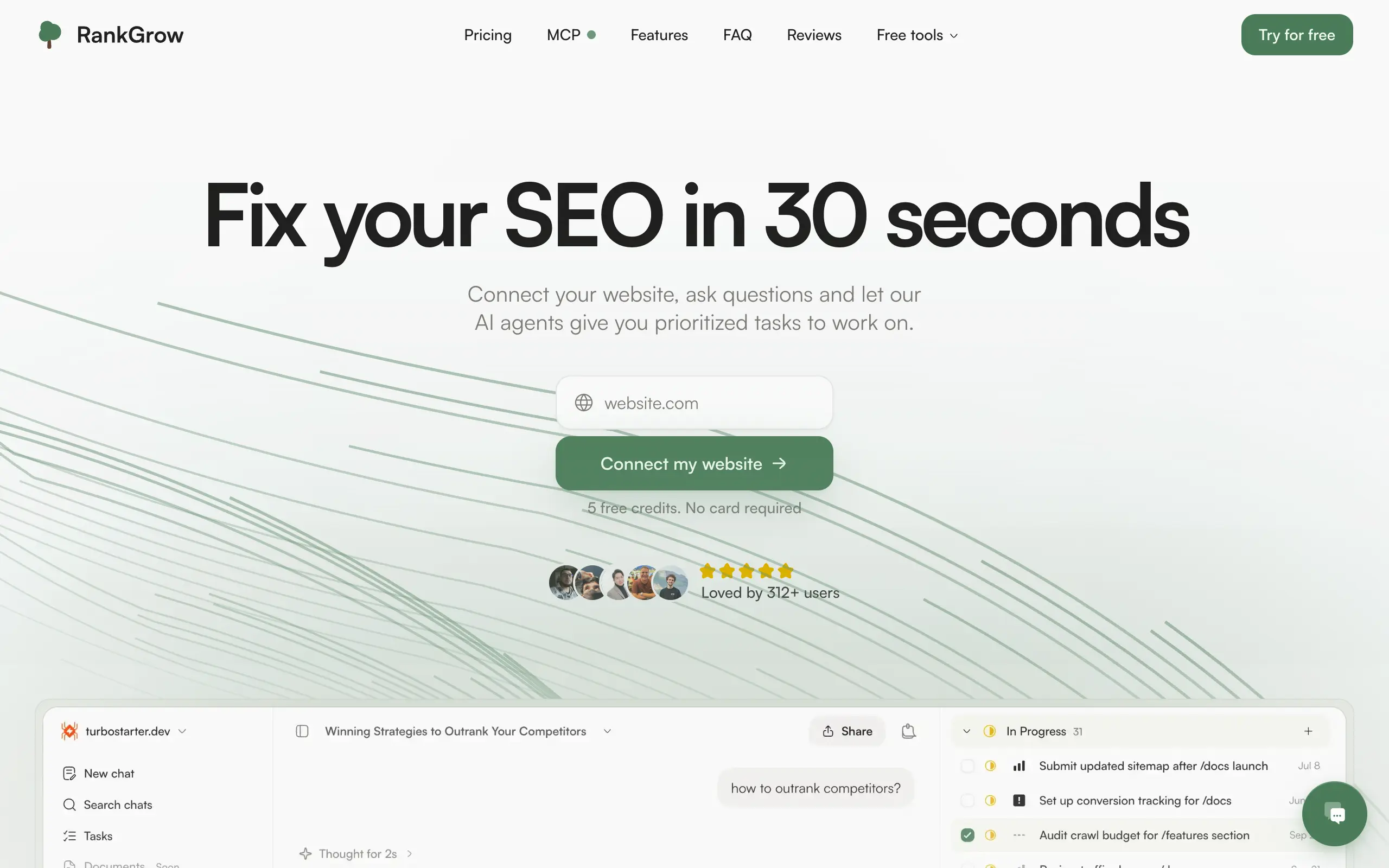
Fix your SEO with AI agents - connect Search Console, get prioritized tasks, and grow organic traffic 📈
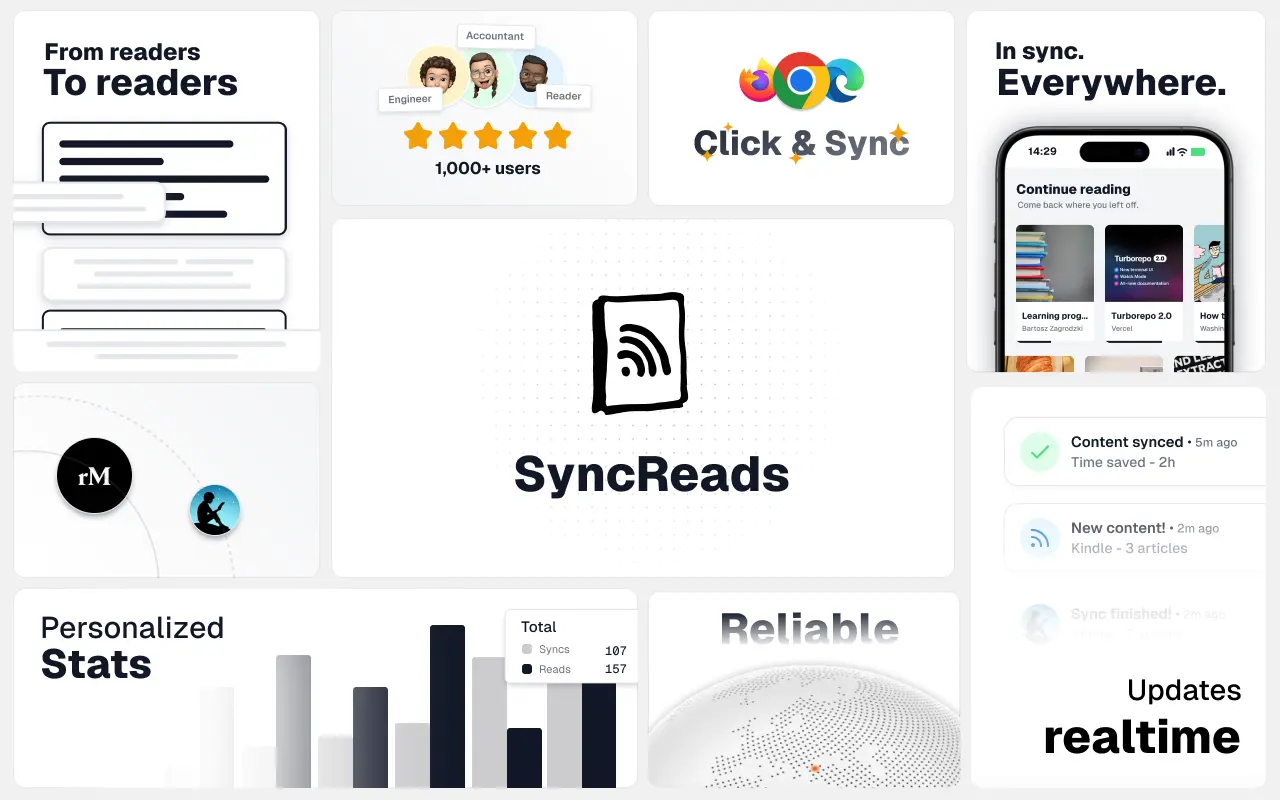
Sync your favorite content for distraction-free reading, save time and replace multiple apps. Anytime, anywhere 🔄
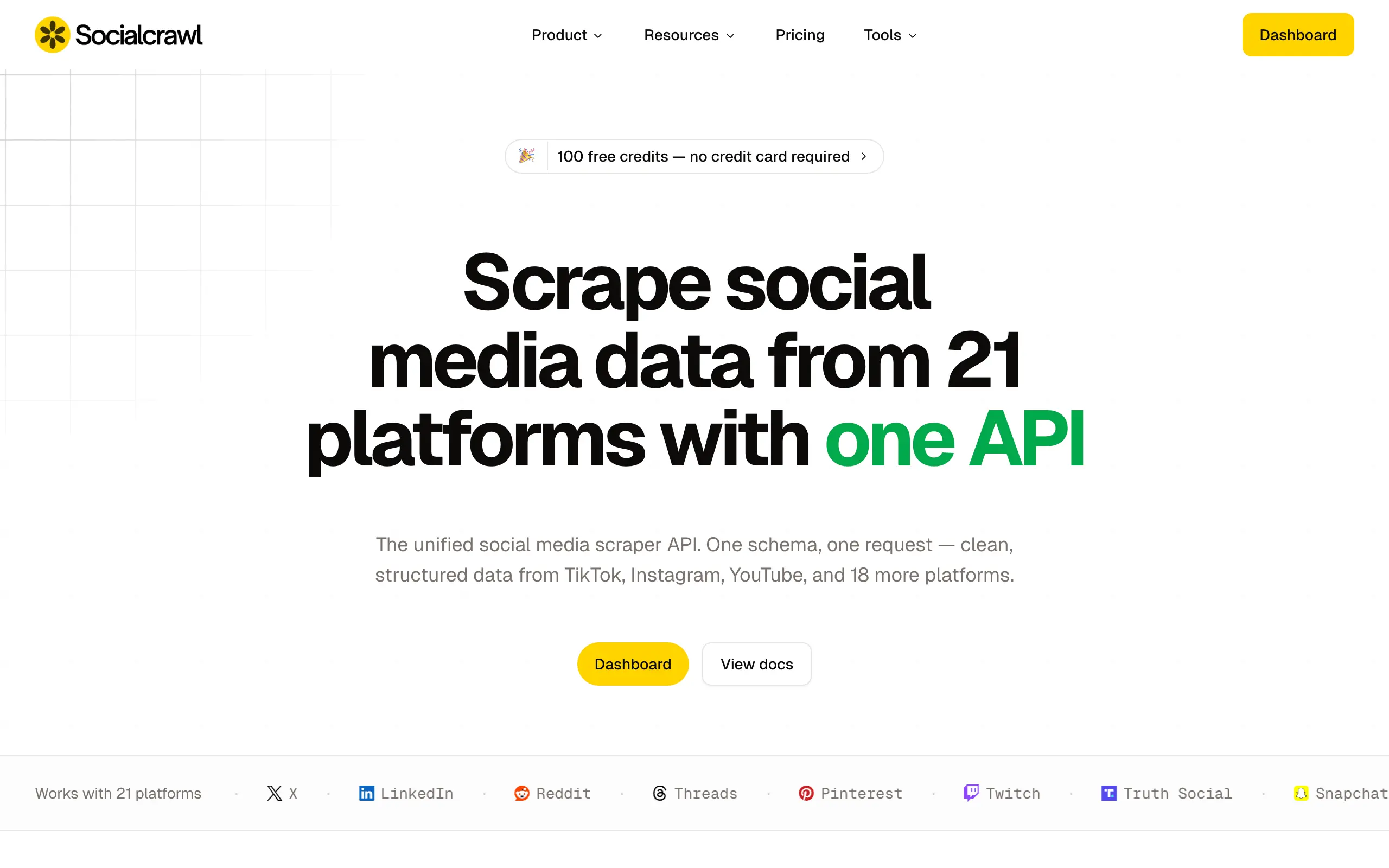
Get clean, structured data from 21 platforms like TikTok, Instagram, and YouTube with a single request 📊
Monitor any Telegram channel in real time - track posts, edits, deletions, and growth with AI recaps 📡
AI website builder - describe your business, pick a niche template, edit by chatting, and publish instantly ✨
Find verified home service professionals, compare quotes, and pay securely through escrow - built for Brazilians across the US 🏠
Fix your SEO with AI agents - connect Search Console, get prioritized tasks, and grow organic traffic 📈
Sync your favorite content for distraction-free reading, save time and replace multiple apps. Anytime, anywhere 🔄
Get clean, structured data from 21 platforms like TikTok, Instagram, and YouTube with a single request 📊
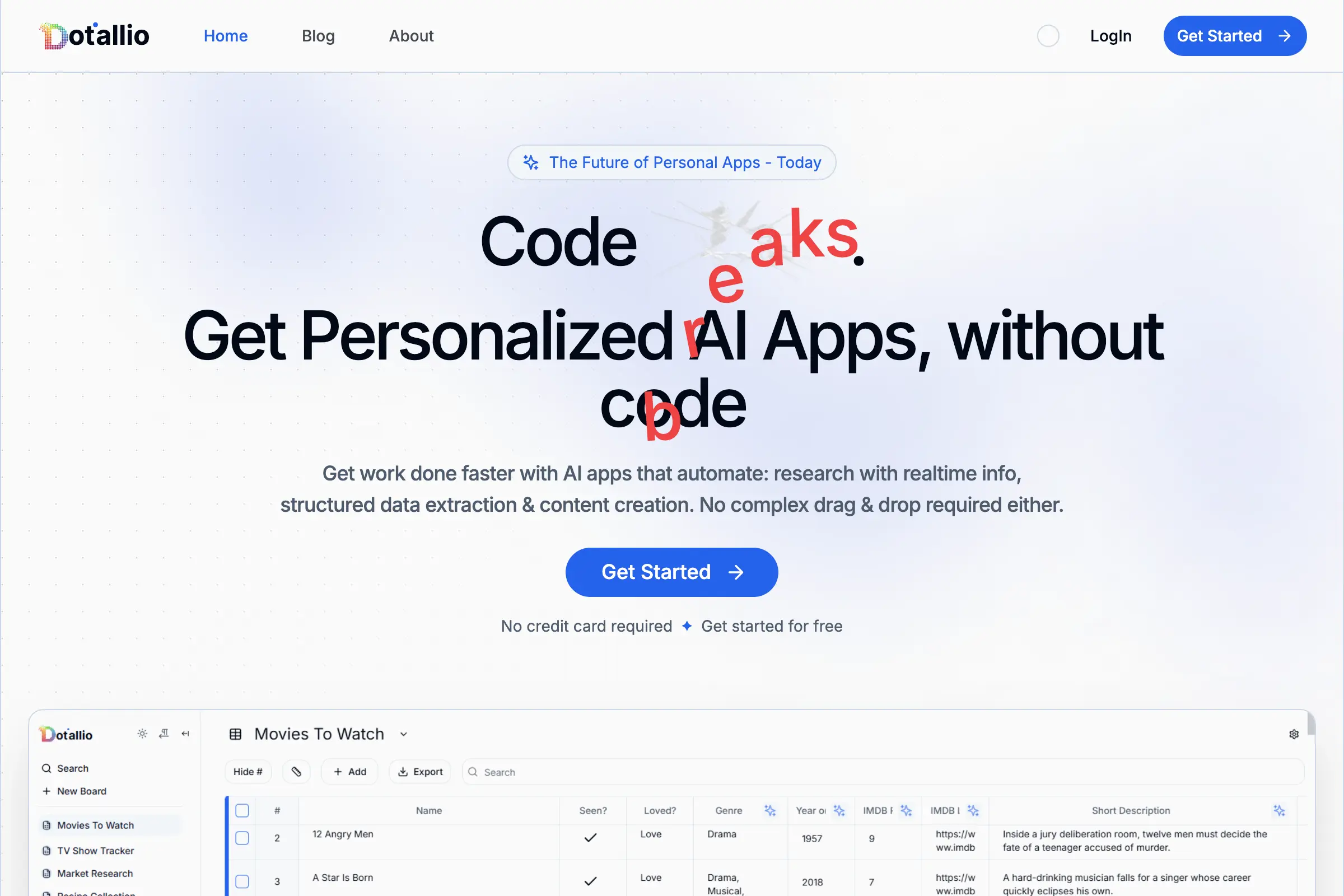
Personalized AI apps that automate research, data extraction, and content creation without code 🤖
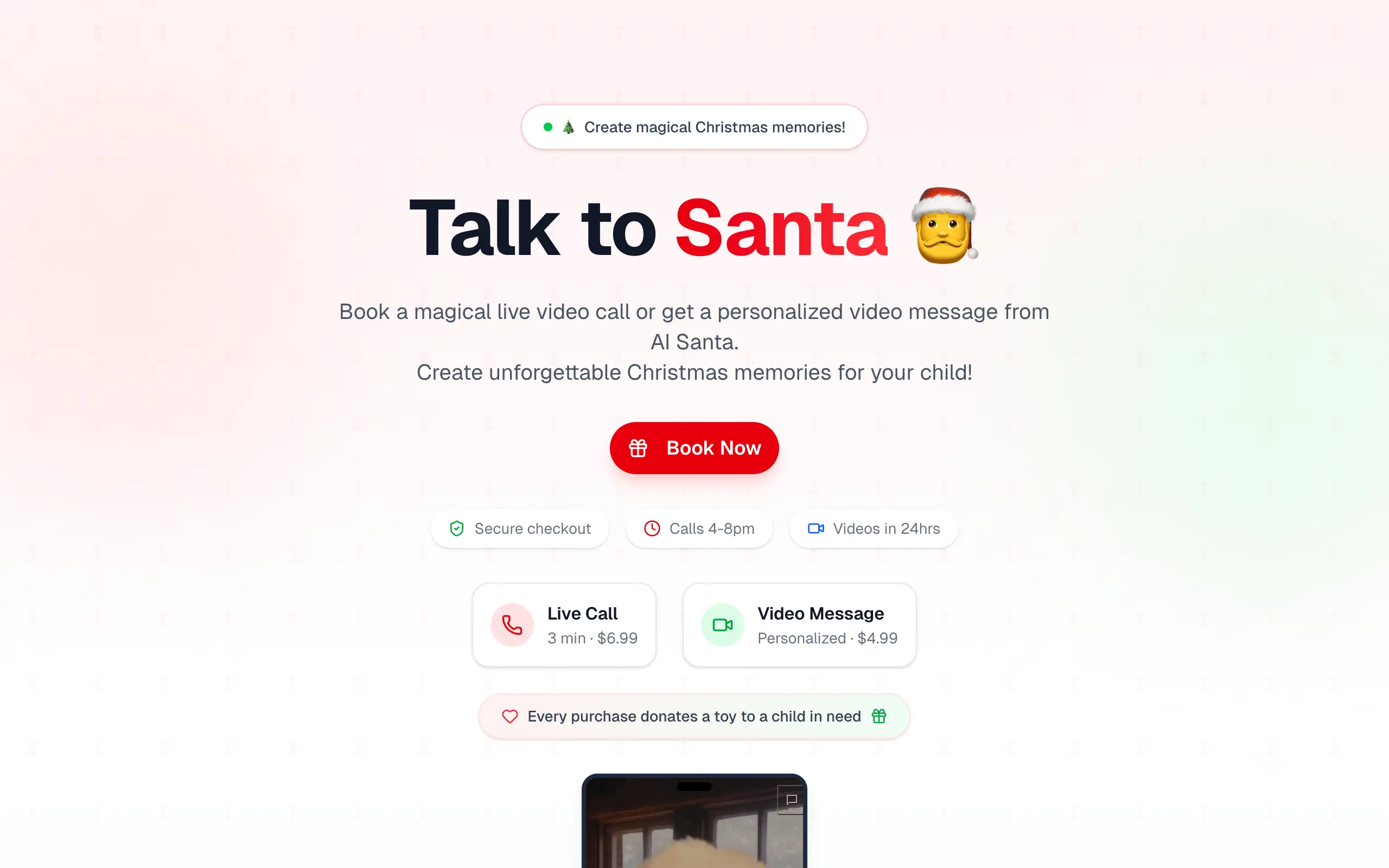
Enjoy a magical live video chat or receive a unique AI-generated video greeting from Santa Claus 🎅
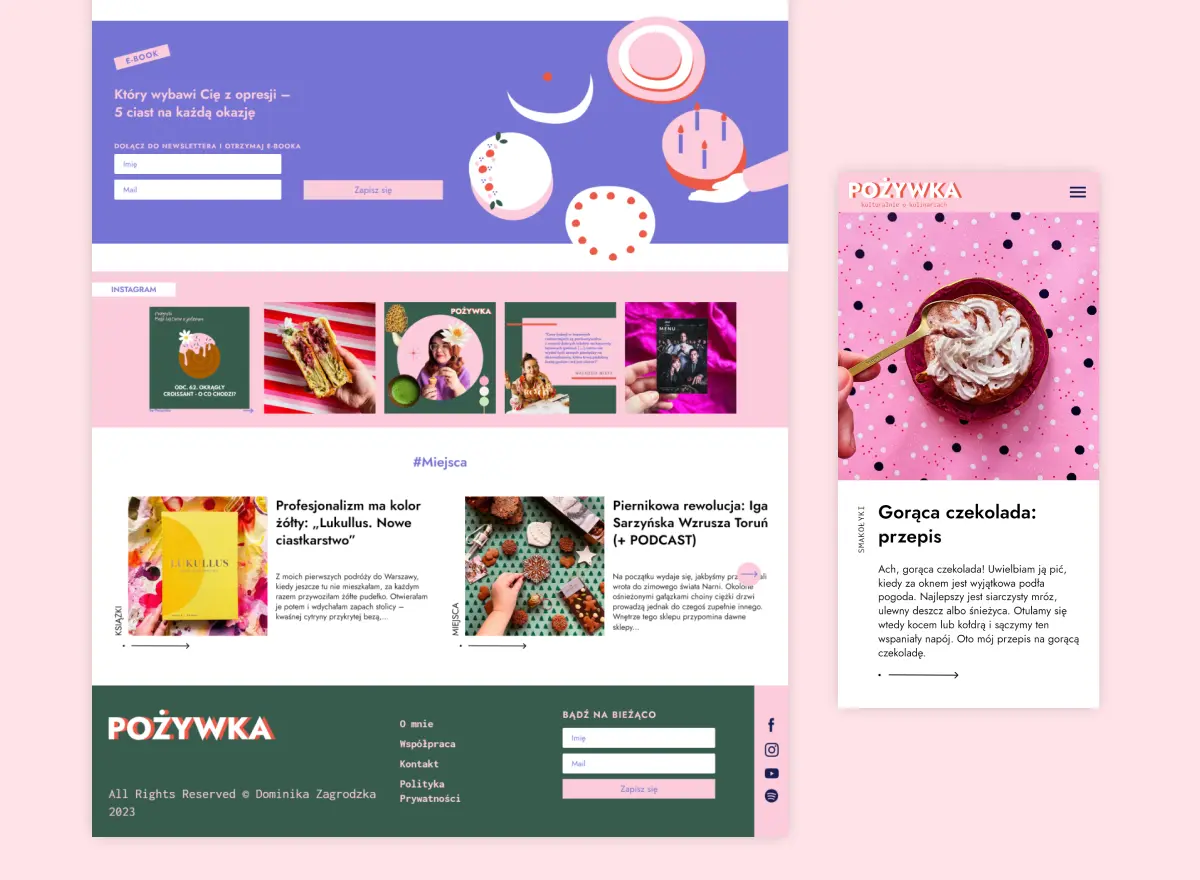
Scalable blog for food journalist, focused on performance and user experience 🌭
Personal blog and portfolio of Bart Zagrodzki, where he shares his knowledge and work 💼
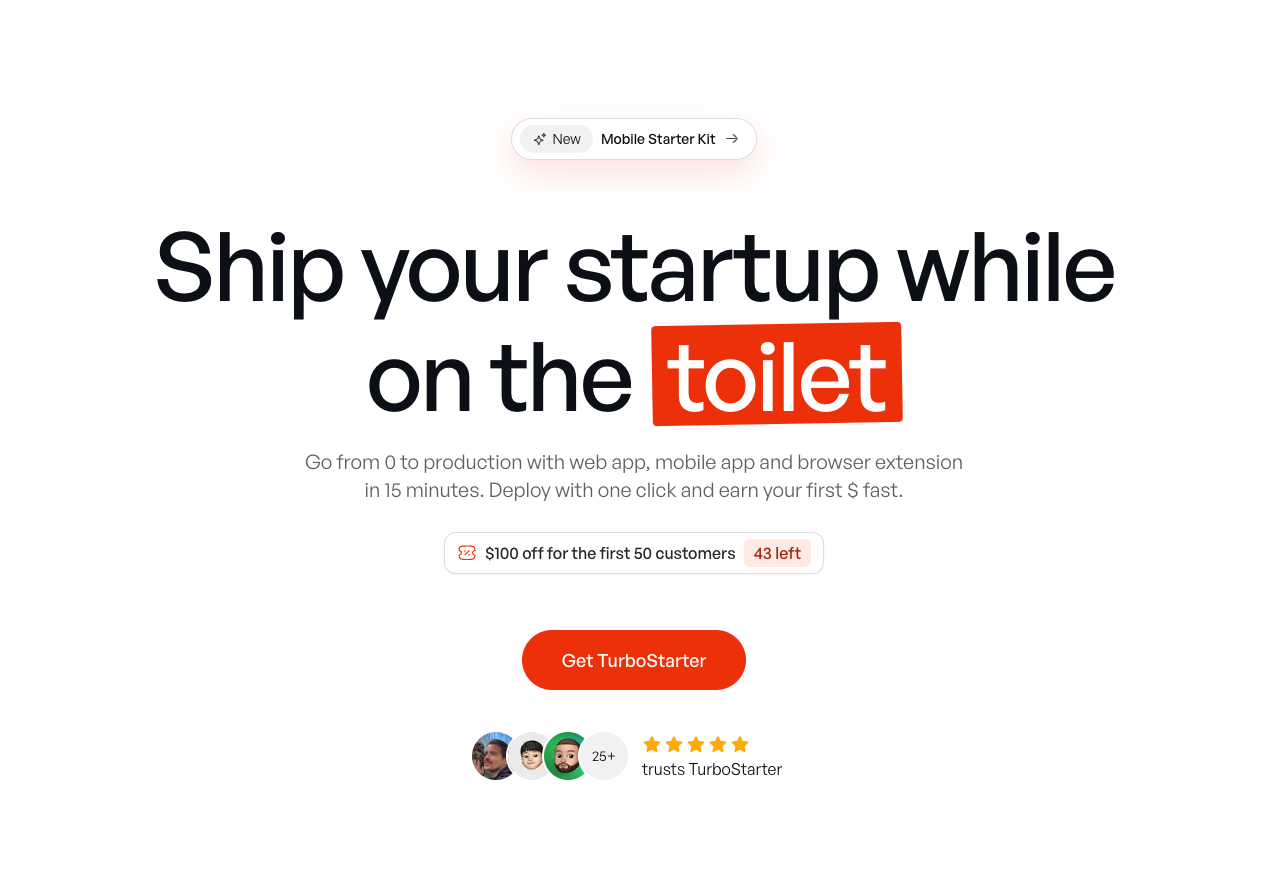
Ship your startup everywhere. In minutes.
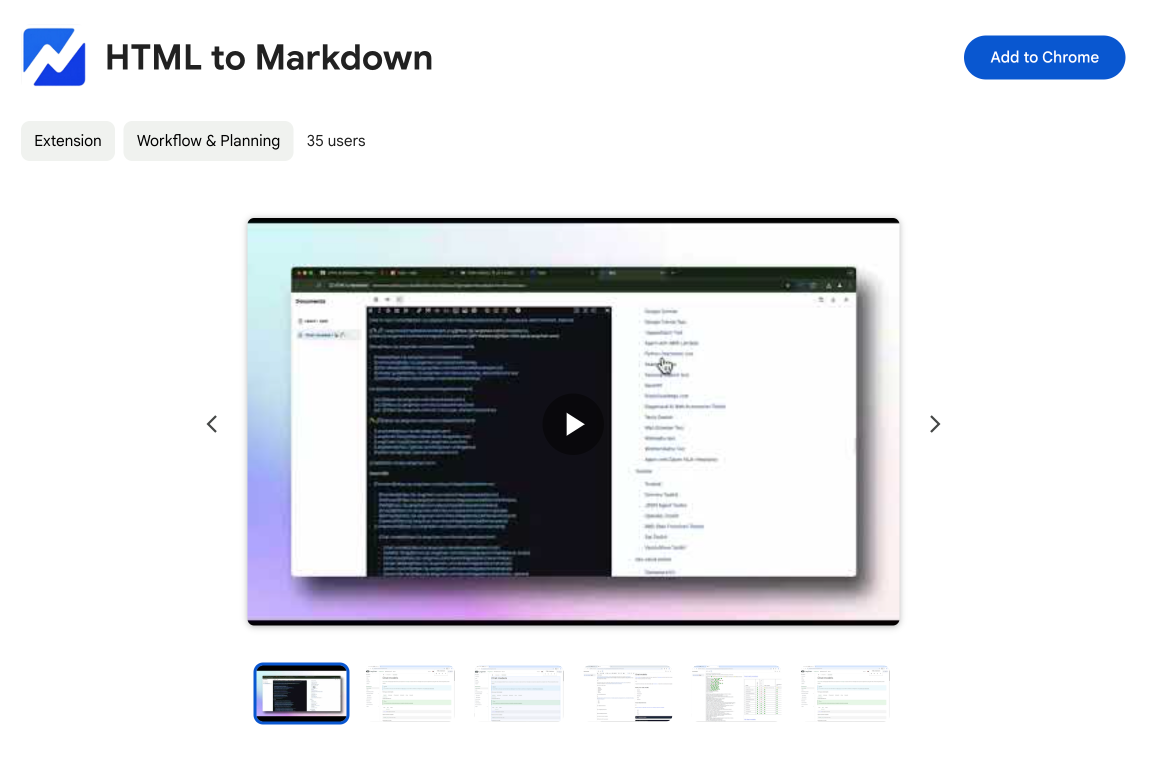
Convert HTML to Markdown with ease, directly in your browser 📄
Personalized AI apps that automate research, data extraction, and content creation without code 🤖
Enjoy a magical live video chat or receive a unique AI-generated video greeting from Santa Claus 🎅
Scalable blog for food journalist, focused on performance and user experience 🌭
Personal blog and portfolio of Bart Zagrodzki, where he shares his knowledge and work 💼
Ship your startup everywhere. In minutes.
Convert HTML to Markdown with ease, directly in your browser 📄
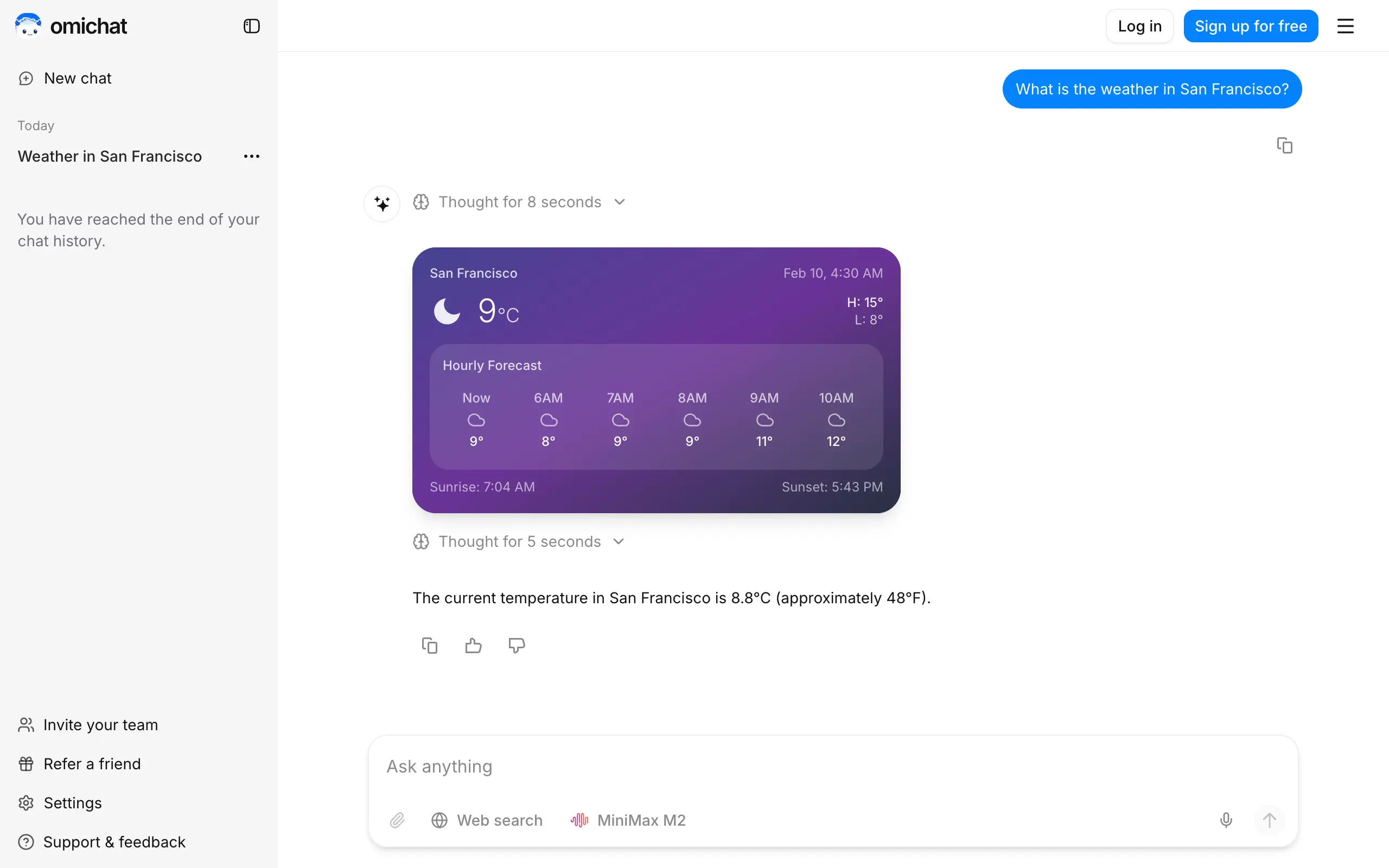
Chat with 50+ AI models, including ChatGPT and Claude, in one place - switch models anytime without losing context 🤖
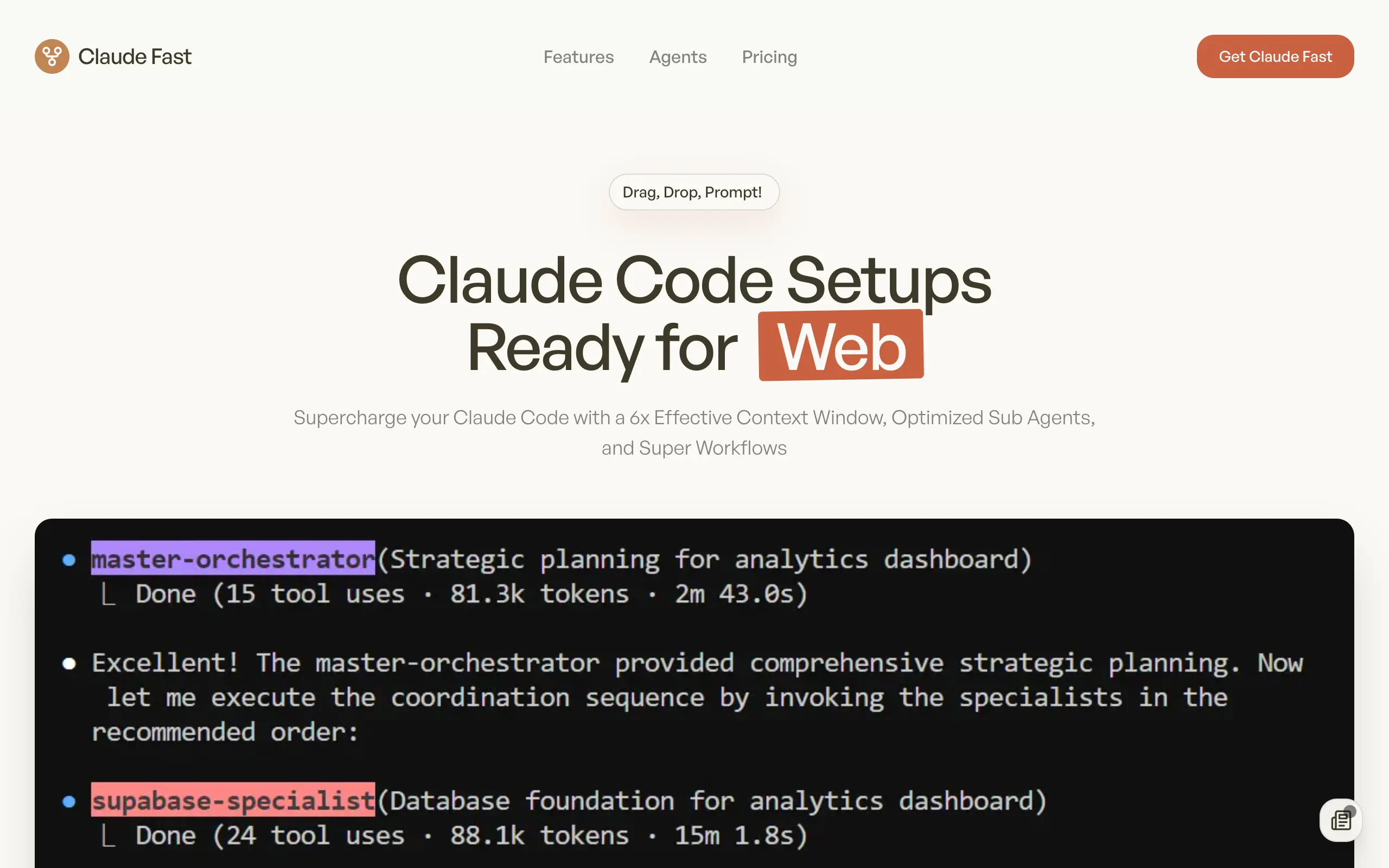
Supercharge your Claude Code with 6x effective context window and specialized AI agents 🤖
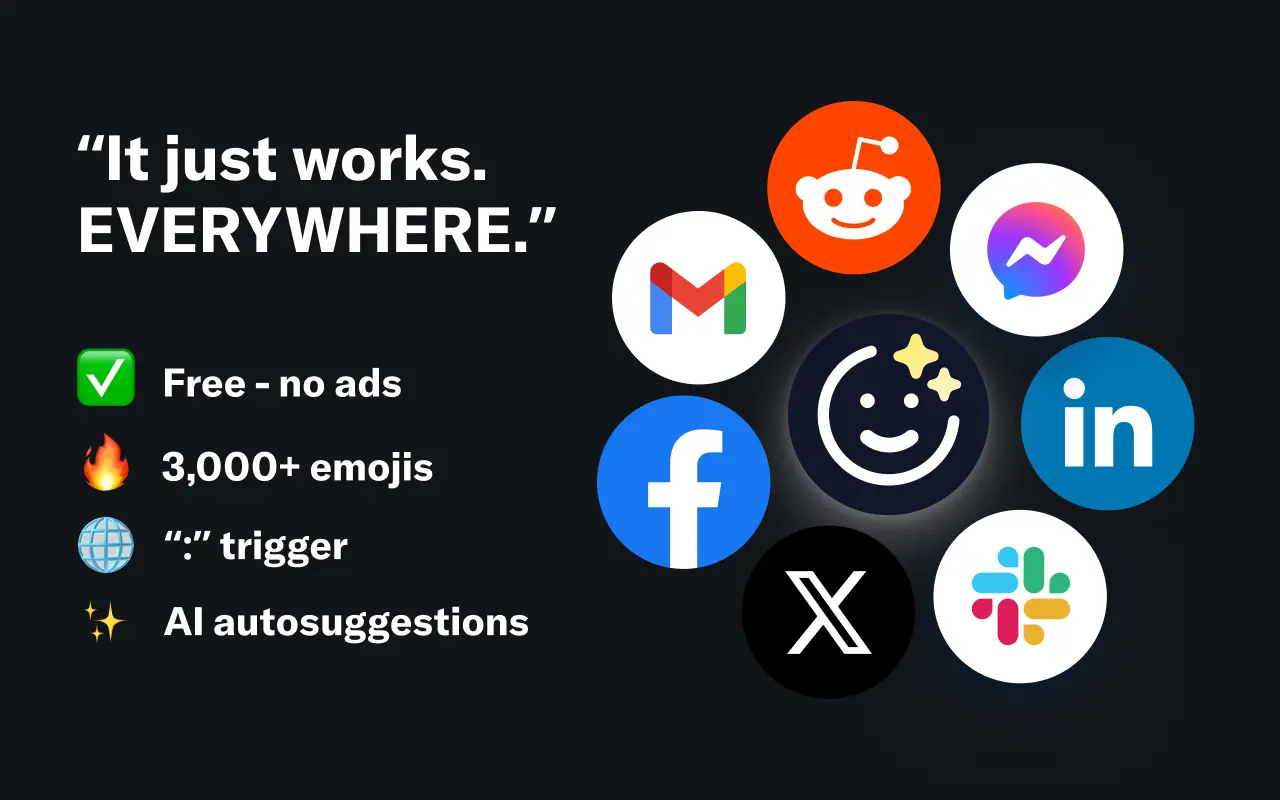
AI-powered emoji picker with smart, context-aware suggestions 🤖
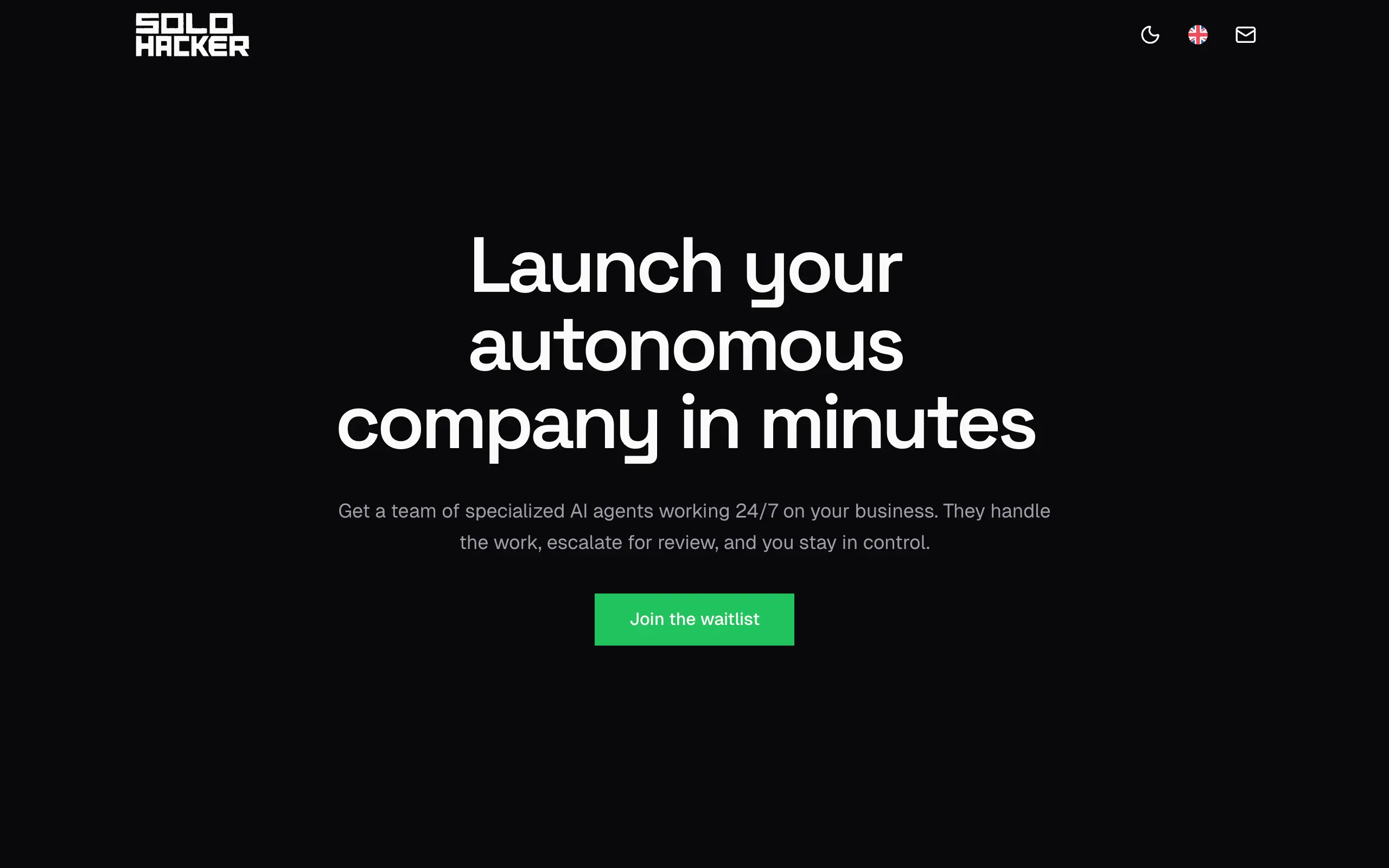
Autonomous company launcher - AI agents work 24/7, escalate what matters, and you stay in control 🤖
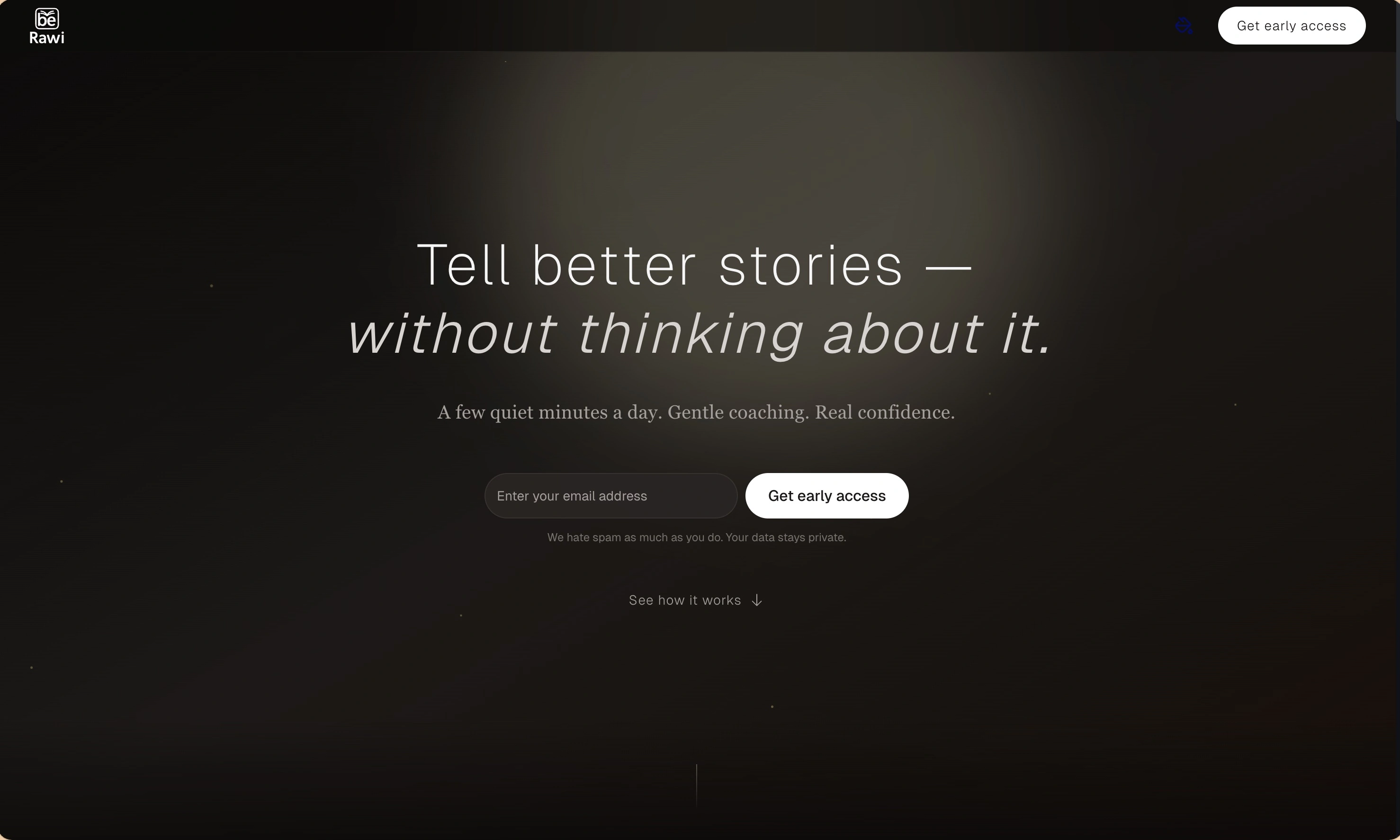
Practice storytelling daily with instant feedback to sound clearer, more engaging, and confident 🎤
Chat with 50+ AI models, including ChatGPT and Claude, in one place - switch models anytime without losing context 🤖
Supercharge your Claude Code with 6x effective context window and specialized AI agents 🤖
AI-powered emoji picker with smart, context-aware suggestions 🤖
Autonomous company launcher - AI agents work 24/7, escalate what matters, and you stay in control 🤖
Practice storytelling daily with instant feedback to sound clearer, more engaging, and confident 🎤

Connect with like-minded people
Join our community to get feedback, support, and grow together with 1,000+ builders on board, let's ship it!
Join usShip your startup everywhere. In minutes.
Don't burn tokens on setup and start building features on day one.