GuestWeb Pulse
Help GINFORM monitor hotel websites for outdated offers, broken booking paths and content gaps, with actionable property dashboards.
Why hotel website monitoring is now a revenue operations priority
Hotel websites are no longer static brand brochures. They are high-stakes conversion systems responsible for direct bookings, package sales, loyalty enrollment, event inquiries, restaurant covers, spa appointments, and local discovery.
For a hotel group such as GINFORM, every property website can contain hundreds of commercial details that change frequently:
- Seasonal offers and promo codes
- Booking engine links and deep links
- Room and package descriptions
- Restaurant, spa, and experience pages
- Local events and destination content
- Accessibility information
- Campaign landing pages
- Legal, privacy, and cookie content
- Contact forms and sales inquiries
When one of these elements becomes outdated or broken, the impact can be immediate. A summer package might still be visible in October. A “Book now” button may lead to a 404 page or the wrong property. A promotional page may no longer match the booking engine rate. A recently renovated restaurant may have no website content at all.
GuestWeb Pulse is a B2B hotel website monitoring platform designed to identify these issues automatically and turn them into clear, property-level actions. Instead of relying on periodic manual website reviews, scattered spreadsheets, or guest complaints, hotel teams receive a prioritized view of website health across their portfolio.
The core opportunity is simple: help hospitality teams protect direct revenue and brand trust by finding website problems before guests do.
The direct booking connection
A broken booking path is not just a technical defect. It is a potential abandoned reservation, a higher-cost OTA booking, or a guest who chooses a competing hotel instead.
The hotel website monitoring market opportunity
The hospitality industry has invested heavily in booking engines, CRM platforms, revenue management systems, guest messaging, and digital advertising. Yet hotel website quality assurance often remains manual.
This creates a clear market gap between the systems hotels use to attract visitors and the processes they use to ensure those visitors can complete a booking journey.
The hidden cost of outdated hotel content
Outdated content damages performance in several ways. The most obvious is guest confusion. A visitor who sees an expired spa offer or a misleading package may lose confidence in the property before reaching the booking engine.
The less obvious cost is operational inefficiency. Marketing teams, revenue managers, property managers, and agencies may all assume another team owns a website issue. A broken link can sit unnoticed for weeks because no single person has a verified, actionable view of the problem.
Common consequences include:
- Lost direct bookings caused by broken booking buttons, unavailable booking engine pages, or incorrect rate links.
- Wasted media spend when paid traffic lands on expired campaigns or poorly performing landing pages.
- Brand inconsistency across multi-property hotel groups with different local teams, agencies, or technology stacks.
- SEO visibility losses from broken internal links, thin destination pages, stale metadata, and weak content coverage.
- Higher support demand when guests must call or email to clarify a price, offer, policy, or availability issue.
- Compliance exposure when privacy statements, accessibility details, consent tools, or legal content are incomplete or obsolete.
A compelling GuestWeb Pulse business case should connect every detected issue to one of three outcomes: revenue protection, operational time savings, or brand risk reduction.
Why existing tools do not fully solve the problem
Hotels can already buy generic uptime monitoring, SEO crawlers, analytics products, and website QA platforms. These tools are useful, but they do not usually understand hospitality-specific conversion journeys.
A generic website crawler may report a broken URL. It is less likely to identify that the failure occurs after a user clicks “Book your stay,” selects a particular hotel, or enters a date-sensitive promotional flow.
Likewise, an SEO platform may flag duplicate content, but it will not necessarily explain that the duplicate page is a high-value wedding package page shared across two properties with different positioning.
GuestWeb Pulse can occupy the space between broad technical monitoring and daily hotel commercial operations.
| Capability | Generic uptime tool | SEO crawler | Manual property audit | GuestWeb Pulse |
|---|---|---|---|---|
| Detects page availability | Strong | Moderate | Variable | Strong |
| Checks hotel booking journeys | Limited | Limited | Possible but slow | Core capability |
| Flags expired offers | Weak | Weak | Manual review | Core capability |
| Prioritizes issues by property impact | Limited | Limited | Depends on reviewer | Core capability |
| Supports portfolio governance | Moderate | Moderate | Labor intensive | Core capability |
Who GuestWeb Pulse should serve first
A successful B2B SaaS launch needs a narrow initial customer profile. “Hotels” is too broad because independent hotels, enterprise chains, management companies, and hospitality agencies have different workflows and buying criteria.
GuestWeb Pulse should initially focus on organizations with enough website complexity to feel real pain, but not so much enterprise bureaucracy that implementation becomes slow.
Primary audience: multi-property hotel groups
The strongest early customer segment is regional or national hotel groups operating approximately five to 75 properties. These organizations often have centralized marketing standards alongside local property-level content ownership.
Their challenges tend to include:
- Different website templates and booking engine configurations
- Local teams updating offers without central governance
- Agencies managing content across several domains
- Inconsistent campaign launches between properties
- Limited visibility into which hotels need urgent attention
- Reporting requirements for senior commercial leaders
For this audience, GuestWeb Pulse should provide both a portfolio overview and a drill-down property dashboard. Executives need an answer to “Which hotels are at risk?” while property marketers need a clear answer to “What should I fix today?”
Secondary audience: hotel management companies
Hotel management companies operate websites and digital campaigns for hotel owners. They need repeatable processes, client-ready reporting, and evidence of proactive digital management.
GuestWeb Pulse can become an operational layer that helps management companies:
- Standardize website audits across managed properties
- Demonstrate digital diligence to ownership groups
- Reduce repetitive manual QA work
- Produce monthly website health reports
- Escalate commercial risks before owner reporting meetings
This segment is attractive because one customer can bring multiple properties onto the platform. However, it may require white-label reporting, multi-brand support, and sophisticated user permissions sooner than a direct hotel-group rollout.
Tertiary audience: hospitality marketing agencies
Agencies are an important distribution channel. A hotel digital agency may use GuestWeb Pulse internally, then package website health monitoring into a premium retained service.
Agencies care about efficiency, proof of value, and workflow integrations. They may be less interested in the same dashboards as a hotel revenue manager, but highly interested in issue assignment, reporting exports, client portals, and branded notifications.
Commercial leader
Needs a portfolio-level view of revenue risks, campaign readiness, and direct booking friction.
Hotel marketer
Needs a prioritized daily task list for expired offers, missing content, and faulty links.
Web or e-commerce manager
Needs reproducible technical evidence, change history, and efficient routing to developers or agencies.
Agency account director
Needs client-ready reporting that proves proactive website management.
The GuestWeb Pulse product vision
GuestWeb Pulse should not position itself as “another crawler.” Its product promise should be specific: continuous hotel website monitoring that detects commercial, technical, and content risks across every property.
The platform should translate website signals into hospitality language. Rather than saying “HTTP 404 detected,” it could say:
The primary booking CTA on the Weekend Escape page for Hotel A returns an unavailable destination. This page received campaign traffic recently and should be reviewed urgently.
That combination of detection, context, and recommended action is the product’s most defensible value.
Core feature: property website health dashboards
Each hotel should receive an individual dashboard with a simple health score and clear issue categories.
A useful hotel website health score can combine:
- Booking path status
- High-priority broken links
- Expired or conflicting offer content
- Missing conversion content
- Page freshness
- SEO hygiene indicators
- Form and contact pathway health
- Mobile page performance signals
- Accessibility-oriented checks
The score should never become a vanity metric. Every score change needs supporting evidence and recommended next actions.
For example, a property score could fall because three campaign pages contain expired dates, the spa booking CTA is unavailable, and a key wedding inquiry form no longer submits. The user should be able to open the score, see each issue, assign ownership, and verify the resolution.
Core feature: booking path monitoring
Booking journey monitoring is likely the highest-value GuestWeb Pulse feature and should be the center of the initial positioning.
The platform can test critical journeys such as:
- A visitor opens the hotel homepage.
- The visitor clicks the primary “Book now” call to action.
- The visitor reaches the correct booking engine or booking widget.
- The expected hotel or property is preselected.
- The booking path loads successfully on desktop and mobile.
- Relevant campaign or offer parameters remain intact.
The monitoring system should support property-specific rules. One hotel may use a direct booking engine URL, while another uses an embedded widget or a corporate booking domain. A flexible journey builder is therefore more valuable than a one-size-fits-all link checker.
For high-value pages, GuestWeb Pulse should retain a screenshot, timestamp, final URL, status code, and issue history. This gives marketing and development teams proof that a problem happened and helps prevent disputes about whether an issue is reproducible.
Core feature: outdated offer detection
Hotel offers are uniquely time-sensitive. A generic content audit may find dates in text, but GuestWeb Pulse should interpret them in a commercial context.
The system can flag:
- Offers where the “valid until” date has passed
- Christmas, summer, or event packages left live after the relevant season
- Offer pages where page copy conflicts with booking engine availability
- Campaign pages without a clear end date or review owner
- Old promo codes that remain visible
- Price-led claims that may require verification
- Pages where a past event is still framed as upcoming
The first release should avoid making unsupported judgments about pricing or availability. Instead, it should identify content requiring review. For example, “This page mentions a stay period ending on 31 August and remains publicly indexable” is more trustworthy than claiming a package is definitely invalid.
Core feature: content gap analysis for hotels
Content gaps matter because guests do not search only for room types. They search for intent-rich information such as:
- Is this hotel suitable for families?
- Does the hotel have parking?
- Is breakfast included?
- Is the spa open to non-residents?
- Is there a pet-friendly policy?
- How close is the hotel to a venue, beach, airport, or city center?
- Can the hotel host a wedding, meeting, or private dinner?
- Are accessible rooms available?
GuestWeb Pulse can assess a property website against configurable content templates. A city hotel may need transport, parking, business travel, and local attraction information. A resort may need beach access, family activities, wellness, dining, and seasonal experience pages.
This feature should produce opportunity-oriented recommendations, not generic AI content. An alert such as “No dedicated parking information page or FAQ was detected” is specific and useful. The tool can then suggest an owner, priority, and page type.
Core feature: issue prioritization and workflow
Detection without workflow creates alert fatigue. The platform must rank problems by commercial importance.
An effective priority model can consider:
- Page type and likely conversion value
- Whether the issue impacts a booking or inquiry path
- Number of affected properties
- Whether the page receives paid campaign traffic
- Search visibility or organic traffic, when analytics integrations are available
- Duration since detection
- Repeated occurrence
- Property seasonality and upcoming campaign dates
A broken footer link is not equivalent to a broken “Check availability” button. A stale blog post is not equivalent to an expired Easter package promoted from the homepage.
Every issue should include a clear action model:
- What happened in plain language
- Why it matters commercially or operationally
- Where it appears with page URL and screenshot
- Who owns it with assignee and due date
- What to do next with an actionable fix recommendation
- How to verify that the issue is resolved
Competitive advantage for GuestWeb Pulse
The unique selling proposition is not merely that GuestWeb Pulse finds broken links. Many products can do that. The advantage is hospitality-aware monitoring that connects website quality to direct booking readiness at the individual property level.
Hospitality-specific rules create a meaningful moat
The product can build reusable hotel intelligence over time. Examples include recognition patterns for:
- Booking calls to action
- Offer validity language
- Stay dates and blackout dates
- Room, restaurant, spa, and meeting pages
- Venue inquiry forms
- Hospitality seasonal campaigns
- Frequently needed guest information
- Common booking engine behaviors
As more hotel websites are monitored, GuestWeb Pulse can improve its issue taxonomy and benchmarks. It could eventually identify patterns such as which categories of pages most often contain outdated content or which booking engine transitions fail most frequently.
The platform should be careful with anonymized benchmarking. Customer data and website findings must never be exposed across accounts. However, aggregated benchmarks can be useful when presented responsibly, such as “Properties in your portfolio have a higher share of unresolved offer-expiry alerts than your historical baseline.”
Portfolio governance is more valuable than isolated audits
A manual website audit is a snapshot. GuestWeb Pulse becomes valuable when it provides continuous visibility.
A centralized digital leader should be able to answer:
- Which property has the lowest booking journey health today?
- Which offers are due for review this week?
- Which unresolved issues affect multiple properties?
- Which agency or internal team resolves issues fastest?
- Which hotels are missing essential guest decision content?
- Which campaign pages need review before a seasonal launch?
That portfolio layer makes the product useful to decision-makers, not just web specialists.
Explainable monitoring earns trust
Hotel teams need to trust why an issue was raised. Black-box scores and vague AI recommendations will be difficult to adopt.
GuestWeb Pulse should make every alert explainable:
- Show the page evidence.
- Preserve the detected text or failed action.
- State the monitoring rule that triggered it.
- Distinguish a confirmed failure from a review recommendation.
- Allow users to mark exceptions with a reason.
- Learn from approved exceptions without silently changing core rules.
This is especially important when AI is used for content classification. AI should assist with prioritization and recommendations, while deterministic checks handle critical tasks such as URLs, dates, status codes, and booking-path steps.
Recommended technology stack for a hotel website monitoring SaaS
GuestWeb Pulse needs a dependable web application, a secure multi-tenant data model, scalable background jobs, and robust browser automation.
A pragmatic stack can reduce time to market while leaving room for enterprise requirements.
Application and dashboard layer
A strong frontend choice is React with Next.js. Next.js supports server-rendered application pages, API routes, authentication patterns, and a productive full-stack TypeScript workflow.
For interface development, Tailwind CSS is well suited to dashboards because it enables consistent design tokens, responsive layouts, and rapid iteration.
Recommended choices include:
- Frontend with React, Next.js, TypeScript, and Tailwind CSS
- Component patterns with accessible, reusable dashboard components
- Data fetching with server-side queries for secure account data and client-side updates for live issue views
- Charts with a maintained TypeScript-friendly charting library after validating licensing and accessibility requirements
The trade-off is that Next.js adds deployment and caching considerations. For a product centered on authenticated dashboards rather than public content publishing, teams should keep rendering patterns simple and avoid premature optimization.
Monitoring and crawling layer
The monitoring engine needs more than standard HTTP requests. Booking flows are often JavaScript-heavy, protected by consent banners, or hosted on a separate booking engine domain.
Playwright is a strong choice for browser-based testing because it can automate modern browsers, capture screenshots, inspect navigation outcomes, and run scripted user journeys.
A layered approach is best:
- Fast HTTP checks for routine URL availability and redirects
- HTML parsing for page metadata, canonical tags, visible text, and links
- Browser automation for booking CTAs, forms, consent flows, and JavaScript-rendered pages
- Scheduled synthetic journeys for high-value conversion paths
- Change detection for selected content blocks and pages
Browser automation is more expensive than basic crawling. To control infrastructure costs, reserve full browser journeys for high-priority pages, monitor less critical pages less frequently, and deduplicate identical templates where appropriate.
Backend, data, and job processing
PostgreSQL is an excellent primary database for multi-tenant SaaS data. It handles relational entities such as organizations, properties, websites, monitoring rules, issues, assignments, comments, and audit events.
A suitable architecture includes:
- PostgreSQL for transactional product data
- Object storage for screenshots, HTML snapshots, and crawl artifacts
- Redis for short-lived caching, rate control, and queue coordination
- Background workers for scheduled checks and long-running browser jobs
- Event logging for monitoring runs, issue lifecycle changes, and user actions
- Row-level tenant protection or strict application-layer authorization for account isolation
For early-stage development, a managed database and managed queue reduce operational burden. As crawl volume grows, browser workers should move into isolated, autoscaling containers with strict outbound network controls.
AI-assisted analysis with guardrails
AI can add real value when it summarizes findings, classifies page intent, and turns technical failures into useful business-language recommendations.
Appropriate uses include:
- Clustering similar content issues across properties
- Summarizing a weekly website health report
- Classifying pages as rooms, offers, dining, spa, meetings, or destination content
- Suggesting potential content gaps from a preapproved checklist
- Drafting issue descriptions for human review
AI should not be the sole source of truth for critical alerts. If a booking button fails, the evidence should come from browser automation. If an offer date has passed, the evidence should come from extracted text and date logic. This hybrid model is more accurate, auditable, and easier to sell to hospitality teams.
type WebsiteIssue = {
  propertyId: string;
  category: "booking_path" | "expired_offer" | "broken_link" | "content_gap";
  severity: "critical" | "high" | "medium" | "low";
  evidenceUrl: string;
  detectedAt: Date;
  recommendedAction: string;
};

function calculatePriority(issue: WebsiteIssue, pageValue: number) {
  const severityWeight = {
    critical: 100,
    high: 60,
    medium: 30,
    low: 10,
  };

  return severityWeight[issue.severity] + pageValue;
}
Monetization strategy for GuestWeb Pulse
A property-based subscription model is the clearest starting point. It matches how hotel groups organize budgets and gives customers a direct way to understand expansion pricing.
Recommended pricing structure
A three-tier approach can balance self-serve adoption with enterprise value.
- Starter plan for independent hotels or small groups that need scheduled link checks, basic website health scoring, and a limited number of monitored journeys.
- Portfolio plan for multi-property groups that need property dashboards, offer monitoring, issue assignment, reporting, integrations, and custom monitoring rules.
- Enterprise plan for management companies, large groups, and agencies that need single sign-on, advanced permissions, API access, custom data retention, service-level commitments, and white-label reporting.
Potential usage dimensions include:
- Number of properties
- Number of monitored domains
- Number of browser-based booking journeys
- Monitoring frequency
- Number of team members
- Reporting or data retention requirements
Avoid pricing solely by page count in the early go-to-market motion. Hotel decision-makers understand property counts more easily than crawl units. Page volume can be protected through fair-use limits and enterprise contracts.
High-value expansion opportunities
Once the core monitoring product is trusted, GuestWeb Pulse can add revenue through:
- Campaign launch readiness audits
- Monthly executive website health reports
- Agency portal access
- Google Analytics and search performance integrations
- Content governance workflows
- Booking engine-specific monitoring packs
- Accessibility and compliance review modules
- Competitive website change monitoring, subject to legal and ethical review
The goal is to expand based on customer outcomes, not feature accumulation. A useful add-on should help customers protect more revenue, reduce more manual work, or govern more properties.
Risks and mitigation strategies
The product has strong potential, but hospitality website monitoring includes technical, commercial, and legal risks.
Risk: false positives reduce confidence
A booking engine may occasionally block automated traffic, a consent banner may change, or a seasonal offer may intentionally remain live for archival reasons. Too many false alerts will cause users to ignore the platform.
Mitigation should include:
- Confidence scoring for alerts
- Configurable exceptions with expiry dates
- Evidence capture for every high-priority issue
- Alert suppression after acknowledged incidents
- Human review workflows for ambiguous content issues
- Staged rollout of new monitoring rules
Risk: bot protection and booking engine variability
Booking engines can use anti-bot systems, dynamic URLs, geolocation rules, and third-party scripts that complicate monitoring.
Mitigation should include:
- Monitoring from controlled regional locations where appropriate
- Conservative request rates and respectful crawling behavior
- Support for authenticated or whitelisted monitoring where customers can arrange it
- Booking-engine-specific adapters
- Graceful classification of “unable to verify” rather than incorrectly reporting failure
Risk: unclear issue ownership
A platform can identify every issue but still fail if nobody acts on them. Hotel teams often have split responsibilities between property staff, central marketing, web teams, and external agencies.
Mitigation should include:
- Configurable ownership rules by issue type
- Slack, email, and project-management notifications where supported
- Escalation rules for unresolved critical issues
- Weekly ownership reports
- A simple “resolved,” “accepted,” “not applicable,” and “needs review” workflow
Risk: handling sensitive website data
Website monitoring may capture forms, query parameters, screenshots, and page content. If poorly designed, this can create privacy concerns.
Mitigation should include:
- Avoid storing form submissions or personal data
- Redact sensitive query parameters
- Encrypt data in transit and at rest
- Provide configurable retention policies
- Maintain clear data processing documentation
- Conduct regular security reviews and access-control testing
For security and privacy claims, the business should seek formal legal and technical review rather than making broad assurances. Future marketing materials can reference recognized frameworks after the organization has completed the required work.
A practical implementation roadmap
The fastest path to market is not to build a universal website intelligence platform on day one. Build the smallest version that solves a painful, measurable hotel problem: broken booking paths and outdated offers.
Define the initial customer profile around multi-property hotel groups with centralized digital or commercial teams.
Interview hotel marketers, revenue leaders, and agency teams about their current website QA process, issue ownership, and reporting needs.
Build a property inventory model that stores domains, key URLs, booking engine types, primary CTAs, offers, and responsible owners.
Launch deterministic checks for broken links, redirects, page availability, booking CTA destinations, and expired date language.
Add Playwright-based synthetic monitoring for the highest-value booking journeys and preserve screenshot evidence.
Create a prioritized issue inbox with severity, commercial context, assignee, due date, and verification status.
Pilot with a small number of properties, measure false-positive rates, and refine the monitoring rules before wider rollout.
Add portfolio reporting, role-based permissions, integrations, and AI-assisted summaries only after the core alerts are trusted.
A product team can accelerate the SaaS foundation by starting with TurboStarter, then focusing its custom engineering effort on the monitoring engine, hospitality rules, and evidence-driven property dashboards that differentiate GuestWeb Pulse.
Metrics that prove GuestWeb Pulse delivers value
To sell and retain customers, GuestWeb Pulse needs outcome-oriented metrics. A dashboard full of detected issues is not enough. Customers need proof that the system improves their digital operations.
Track product and customer metrics such as:
- Percentage of critical booking path failures detected before a customer reports them
- Median time to acknowledge and resolve high-priority issues
- Number of expired offer pages removed or corrected
- Reduction in manual website audit hours
- Percentage of properties meeting a defined website health threshold
- Number of prevented campaign-launch issues
- Health score trend by property and portfolio
- Customer retention and expansion by number of properties
- False-positive rate by monitoring rule
- Issue recurrence rate after resolution
For revenue attribution, be careful not to overclaim. It is difficult to prove that every fixed link created a specific amount of booking revenue. Instead, combine direct evidence with credible proxy metrics: booking path availability, affected page traffic, campaign spend exposure, conversion-page uptime, and issue resolution time.
Where industry statistics are used in sales materials or content, cite the original publisher, publication date, methodology, and relevant page or report title. Strong future sources may include hotel industry associations, major hospitality research firms, web accessibility standards bodies, and first-party analytics from customer case studies.
Frequently asked questions about hotel website monitoring software
Hotel website monitoring software continuously checks a hotel’s website for technical and commercial issues. This can include broken links, failed booking paths, outdated offers, missing content, form failures, redirects, and page availability problems.
SEO audit tools are valuable for broad search optimization, but GuestWeb Pulse is designed around hotel-specific commercial journeys. It prioritizes booking paths, offer validity, property-level accountability, and the content guests need before they decide to book.
Yes. The portfolio model is central to the product. Hotel groups, management companies, and agencies can monitor multiple properties, compare health scores, assign ownership, and identify recurring issues across their website estate.
No. It should make human review more efficient. Automation is excellent at finding broken paths, expired dates, missing elements, and unexpected changes. Hotel teams still need human judgment for brand voice, strategic campaigns, pricing claims, and local guest experience content.
Start with the primary booking journey. Confirm that a guest can reach the correct booking engine from the homepage, offer pages, room pages, and campaign landing pages on both desktop and mobile devices.
The long-term opportunity
GuestWeb Pulse can become the operational source of truth for hotel website quality. Its initial value comes from catching obvious problems such as broken booking links and expired offers. Its long-term value comes from helping hospitality organizations run a disciplined, measurable website governance process across every property.
The winning product will not overwhelm teams with generic crawl data. It will identify the few issues that matter most, explain the commercial impact, route work to the right owner, and prove that the issue was fixed.
For GINFORM and similar hotel organizations, that is the central promise: fewer lost booking opportunities, less manual checking, stronger content governance, and a website experience that remains as current and reliable as the guest experience the brand works hard to deliver.
More 🏢 B2B Application SaaS ideas
Discover more innovative b2b application SaaS ideas that are trending in 2026. Each idea is AI-generated with market validation and growth potential to help you find your next profitable venture faster than competitors.
Your competitors are building with TurboStarter
Below are some of the SaaS ideas that have been generated and built with our starter kit.
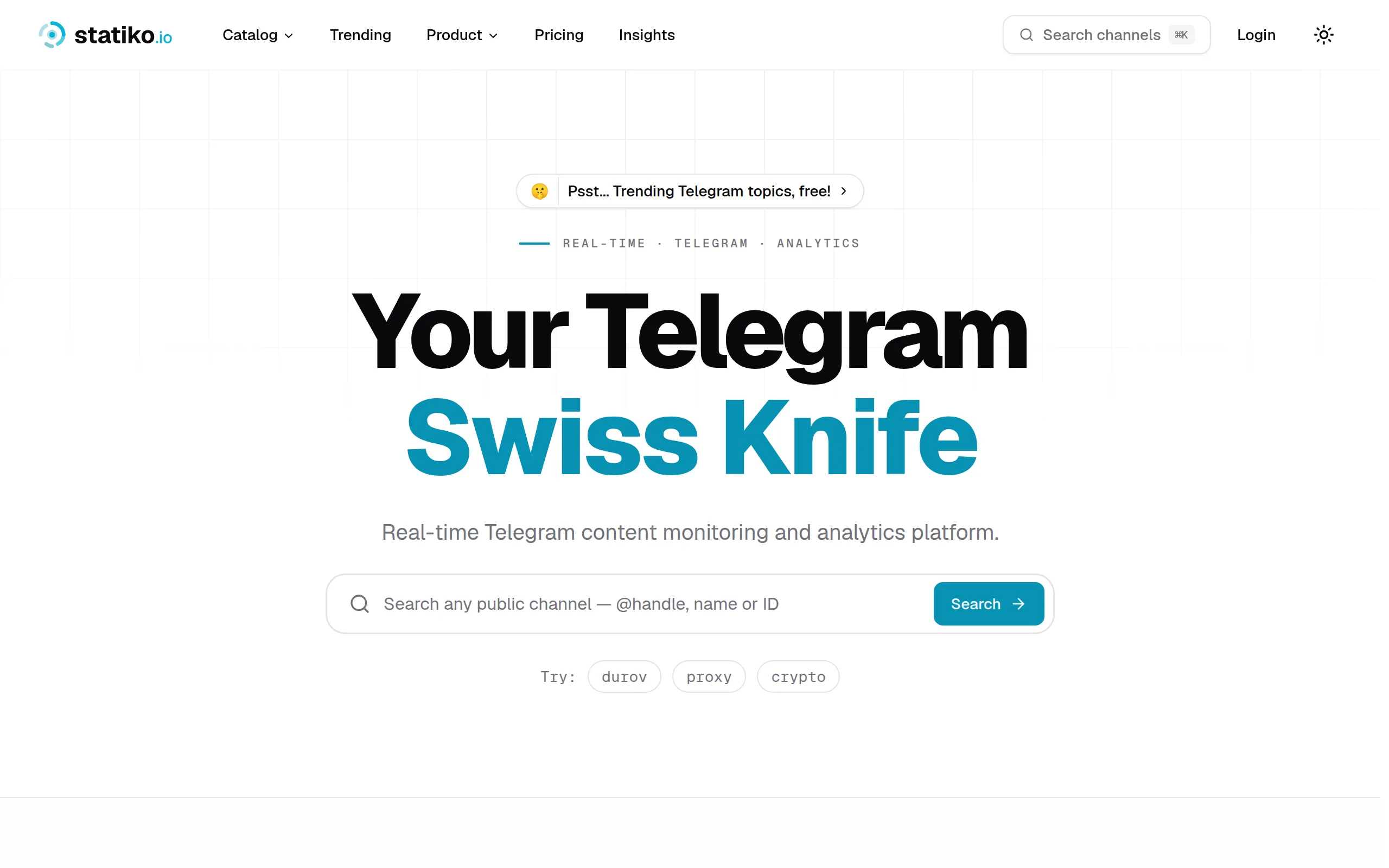
Statiko
Monitor any Telegram channel in real time - track posts, edits, deletions, and growth with AI recaps 📡

Shibui
AI website builder - describe your business, pick a niche template, edit by chatting, and publish instantly ✨

Pro Service
Find verified home service professionals, compare quotes, and pay securely through escrow - built for Brazilians across the US 🏠
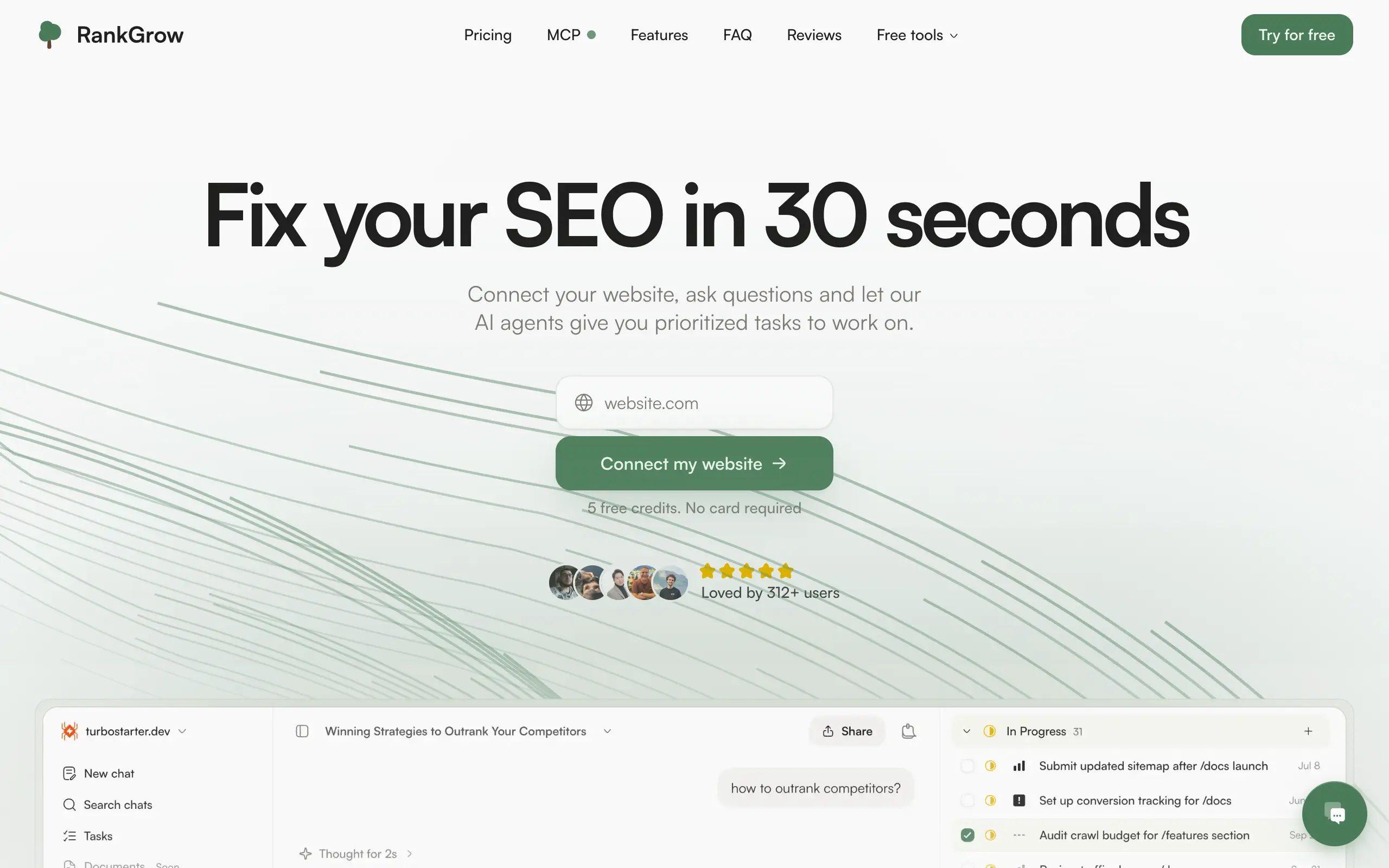
RankGrow
Fix your SEO with AI agents - connect Search Console, get prioritized tasks, and grow organic traffic 📈
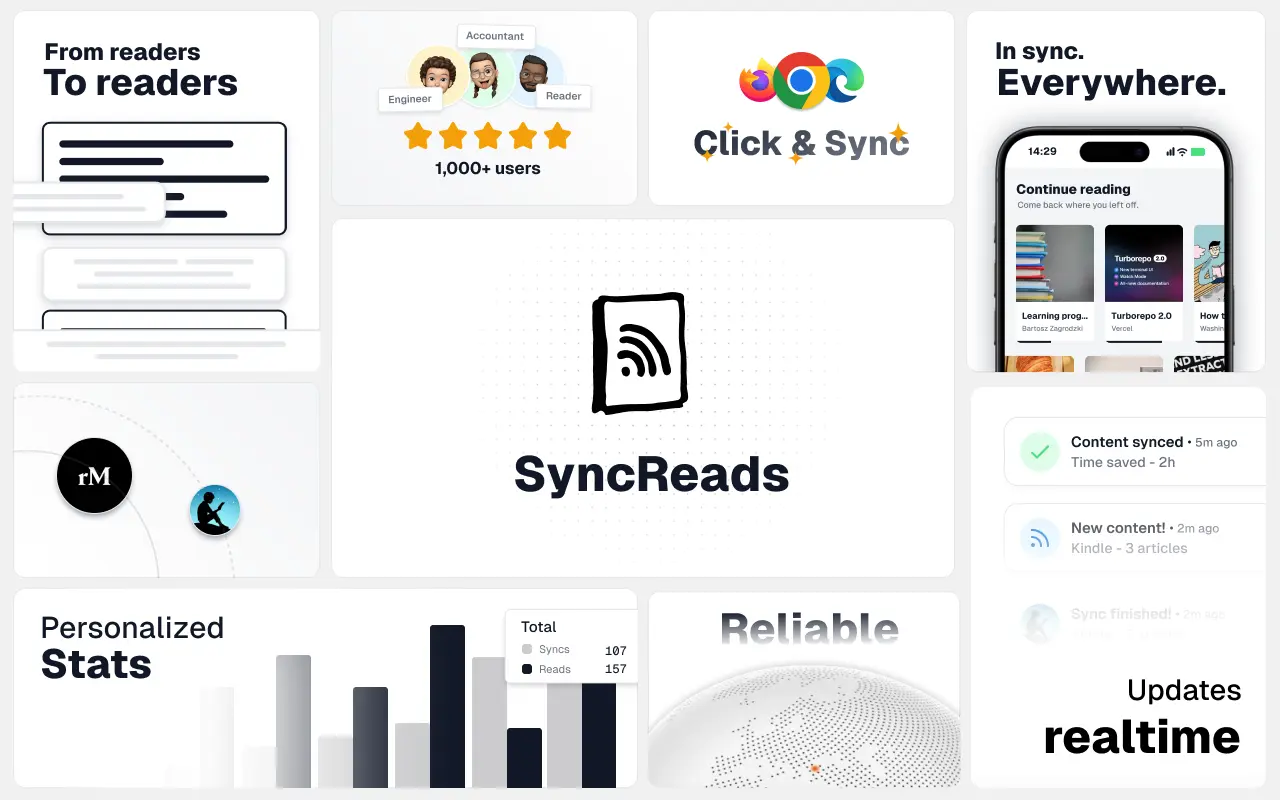
SyncReads
Sync your favorite content for distraction-free reading, save time and replace multiple apps. Anytime, anywhere 🔄
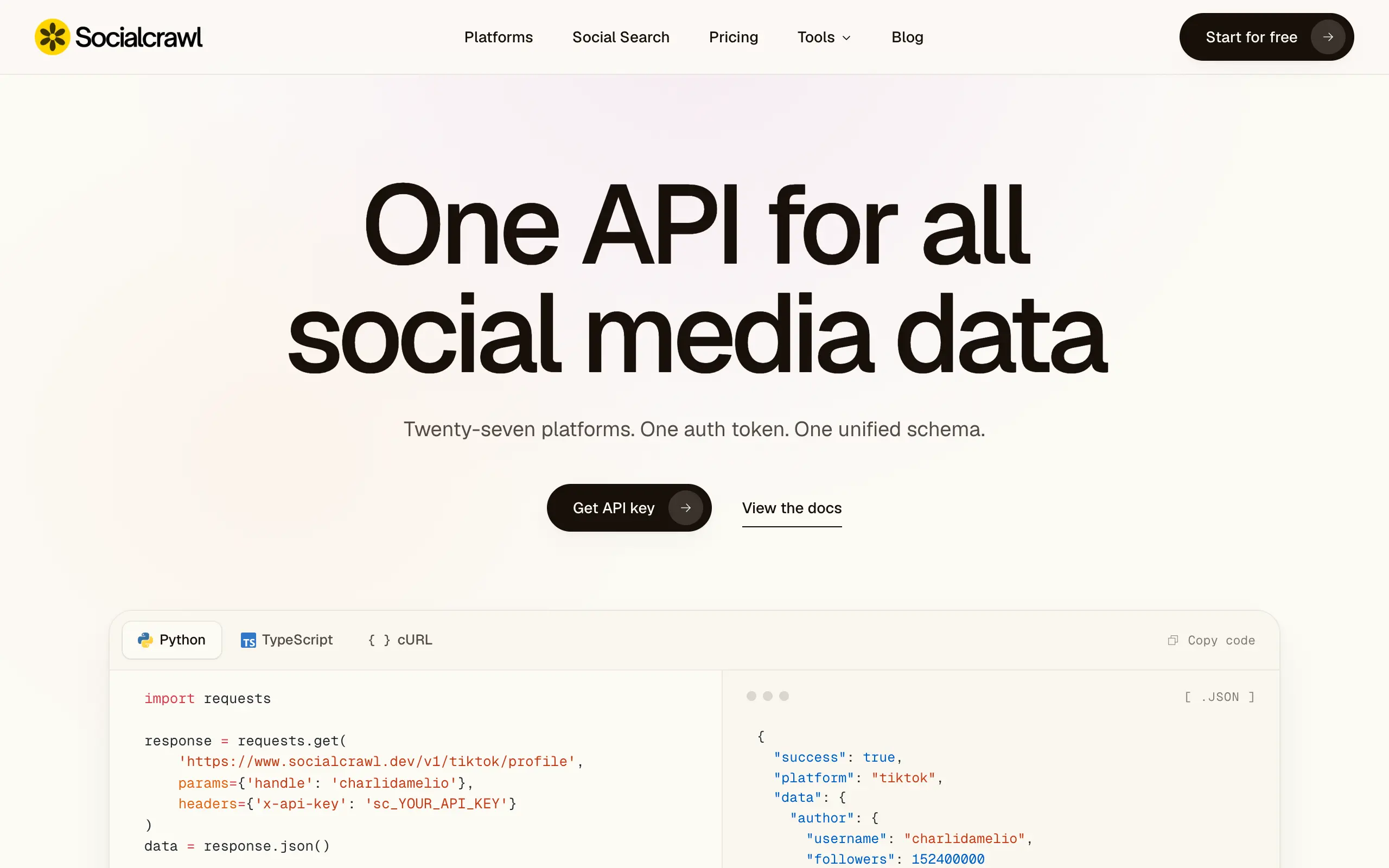
Socialcrawl
Get clean, structured data from 21 platforms like TikTok, Instagram, and YouTube with a single request 📊
Statiko
Monitor any Telegram channel in real time - track posts, edits, deletions, and growth with AI recaps 📡
Shibui
AI website builder - describe your business, pick a niche template, edit by chatting, and publish instantly ✨
Pro Service
Find verified home service professionals, compare quotes, and pay securely through escrow - built for Brazilians across the US 🏠
RankGrow
Fix your SEO with AI agents - connect Search Console, get prioritized tasks, and grow organic traffic 📈
SyncReads
Sync your favorite content for distraction-free reading, save time and replace multiple apps. Anytime, anywhere 🔄
Socialcrawl
Get clean, structured data from 21 platforms like TikTok, Instagram, and YouTube with a single request 📊
Statiko
Monitor any Telegram channel in real time - track posts, edits, deletions, and growth with AI recaps 📡
Shibui
AI website builder - describe your business, pick a niche template, edit by chatting, and publish instantly ✨
Pro Service
Find verified home service professionals, compare quotes, and pay securely through escrow - built for Brazilians across the US 🏠
RankGrow
Fix your SEO with AI agents - connect Search Console, get prioritized tasks, and grow organic traffic 📈
SyncReads
Sync your favorite content for distraction-free reading, save time and replace multiple apps. Anytime, anywhere 🔄
Socialcrawl
Get clean, structured data from 21 platforms like TikTok, Instagram, and YouTube with a single request 📊
Statiko
Monitor any Telegram channel in real time - track posts, edits, deletions, and growth with AI recaps 📡
Shibui
AI website builder - describe your business, pick a niche template, edit by chatting, and publish instantly ✨
Pro Service
Find verified home service professionals, compare quotes, and pay securely through escrow - built for Brazilians across the US 🏠
RankGrow
Fix your SEO with AI agents - connect Search Console, get prioritized tasks, and grow organic traffic 📈
SyncReads
Sync your favorite content for distraction-free reading, save time and replace multiple apps. Anytime, anywhere 🔄
Socialcrawl
Get clean, structured data from 21 platforms like TikTok, Instagram, and YouTube with a single request 📊
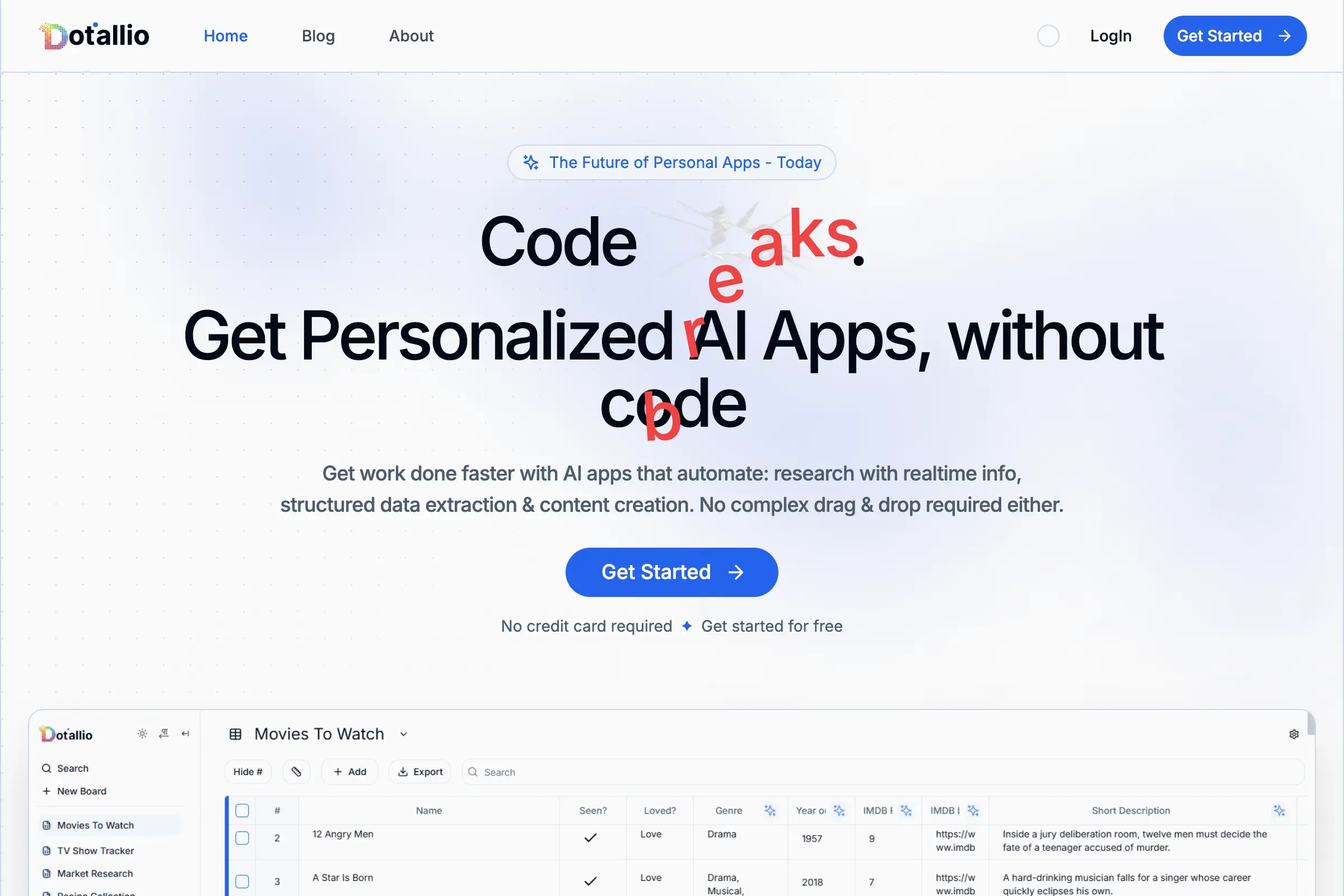
Dotallio
Personalized AI apps that automate research, data extraction, and content creation without code 🤖
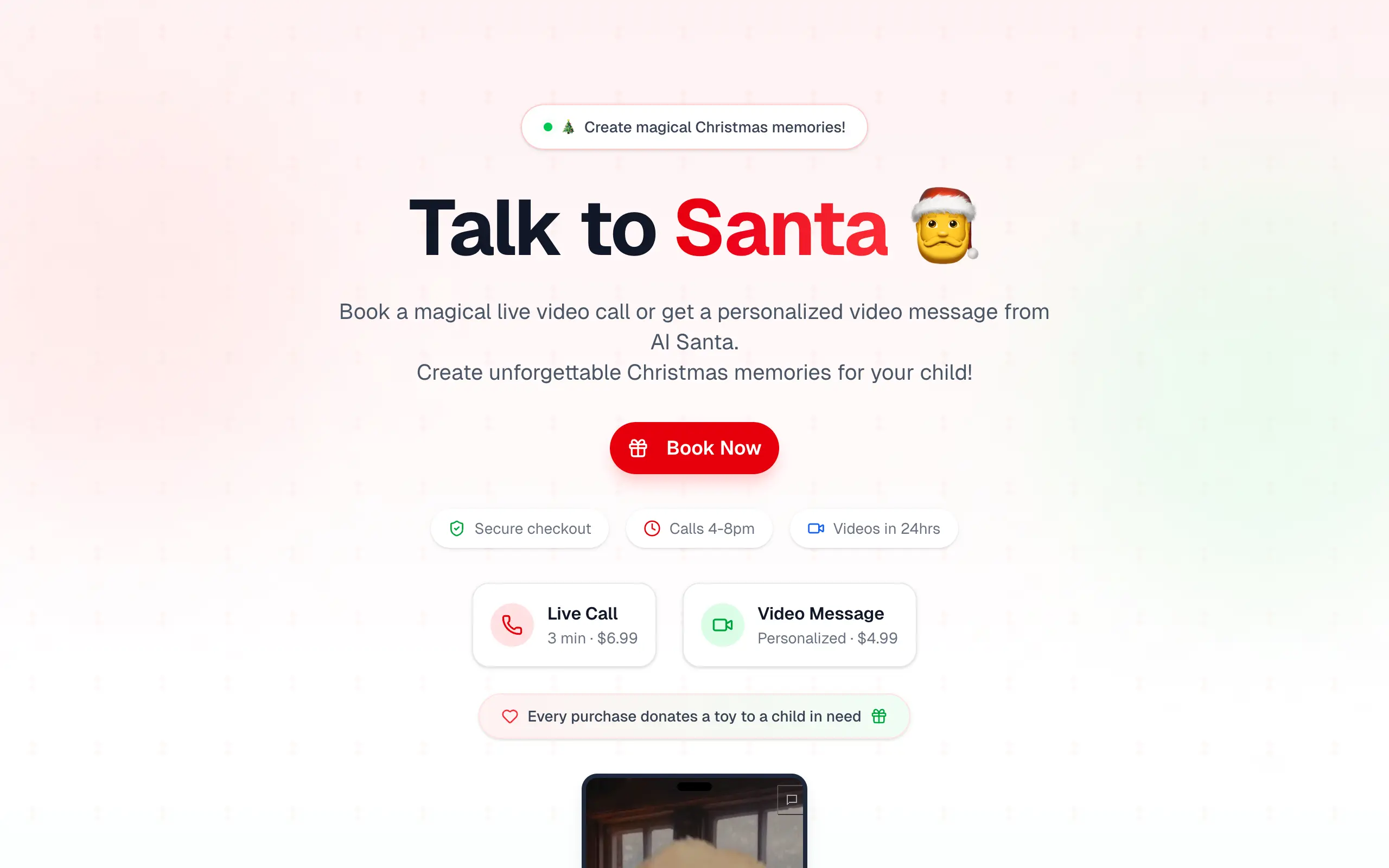
Talk to Santa
Enjoy a magical live video chat or receive a unique AI-generated video greeting from Santa Claus 🎅
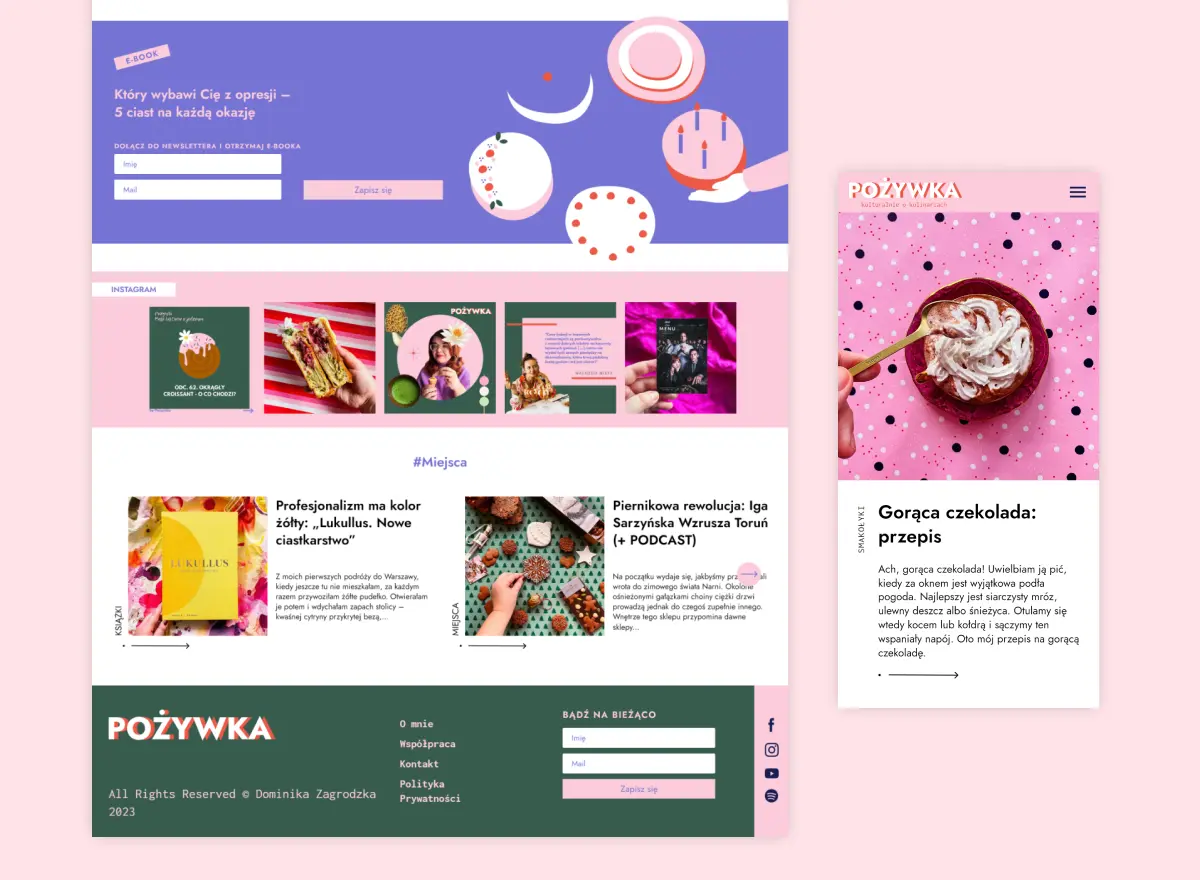
pozywka.pl
Scalable blog for food journalist, focused on performance and user experience 🌭
zagrodzki.me
Personal blog and portfolio of Bart Zagrodzki, where he shares his knowledge and work 💼
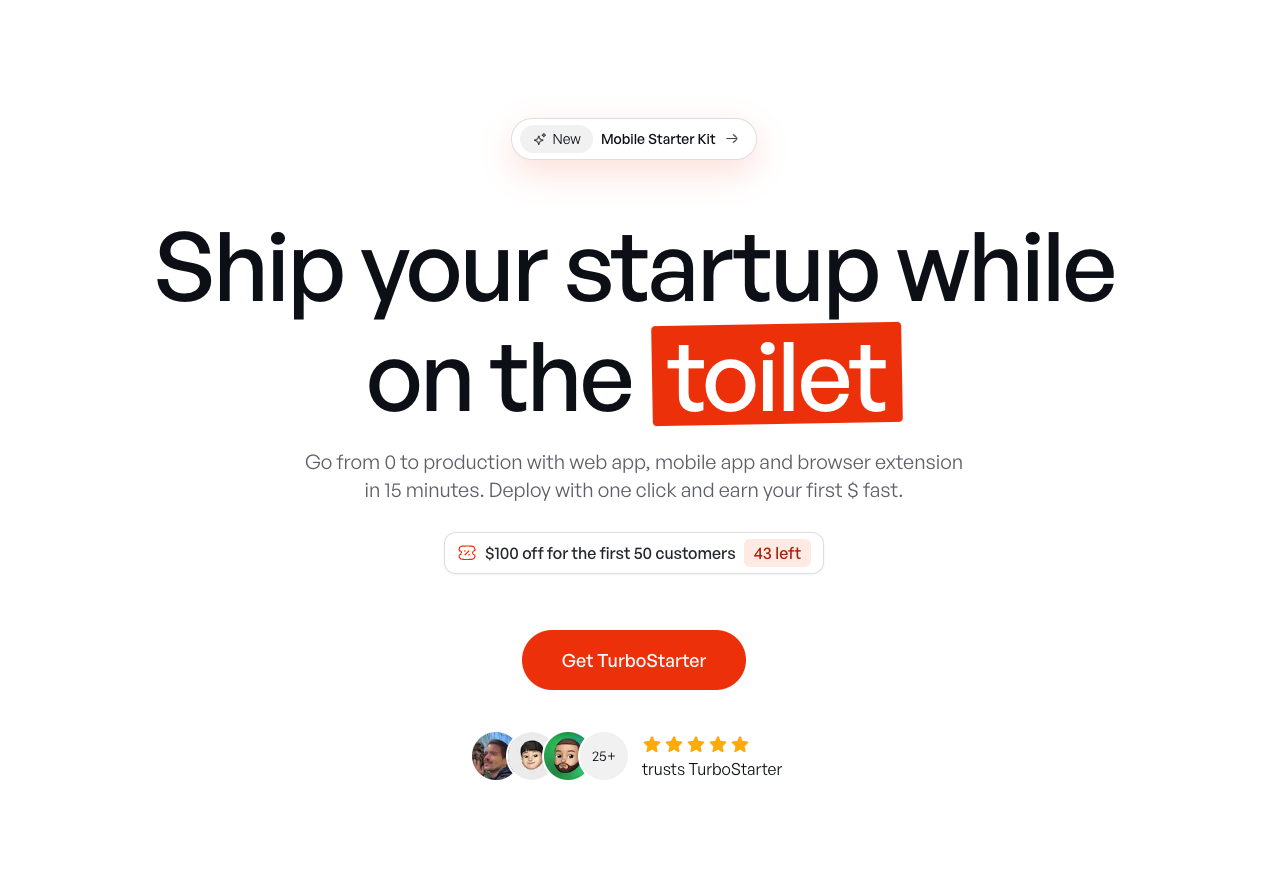
TurboStarter
Ship your startup everywhere. In minutes.
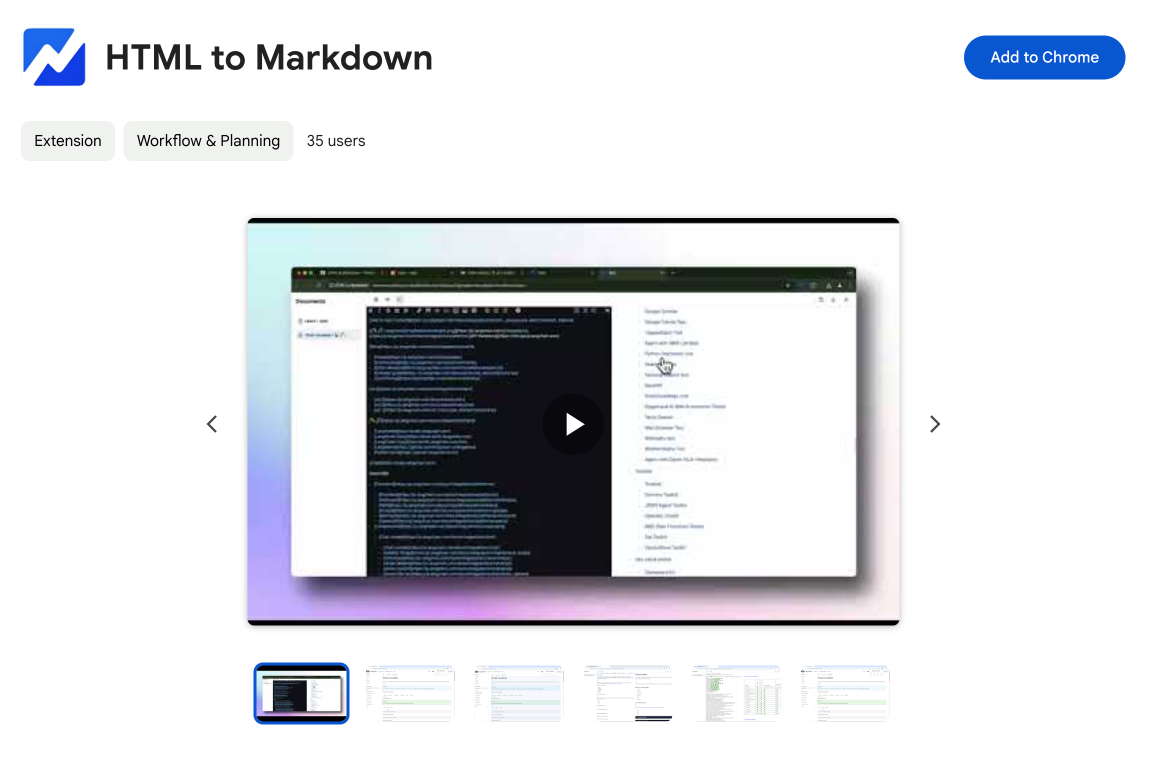
HTML to Markdown
Convert HTML to Markdown with ease, directly in your browser 📄
Dotallio
Personalized AI apps that automate research, data extraction, and content creation without code 🤖
Talk to Santa
Enjoy a magical live video chat or receive a unique AI-generated video greeting from Santa Claus 🎅
pozywka.pl
Scalable blog for food journalist, focused on performance and user experience 🌭
zagrodzki.me
Personal blog and portfolio of Bart Zagrodzki, where he shares his knowledge and work 💼
TurboStarter
Ship your startup everywhere. In minutes.
HTML to Markdown
Convert HTML to Markdown with ease, directly in your browser 📄
Dotallio
Personalized AI apps that automate research, data extraction, and content creation without code 🤖
Talk to Santa
Enjoy a magical live video chat or receive a unique AI-generated video greeting from Santa Claus 🎅
pozywka.pl
Scalable blog for food journalist, focused on performance and user experience 🌭
zagrodzki.me
Personal blog and portfolio of Bart Zagrodzki, where he shares his knowledge and work 💼
TurboStarter
Ship your startup everywhere. In minutes.
HTML to Markdown
Convert HTML to Markdown with ease, directly in your browser 📄
Dotallio
Personalized AI apps that automate research, data extraction, and content creation without code 🤖
Talk to Santa
Enjoy a magical live video chat or receive a unique AI-generated video greeting from Santa Claus 🎅
pozywka.pl
Scalable blog for food journalist, focused on performance and user experience 🌭
zagrodzki.me
Personal blog and portfolio of Bart Zagrodzki, where he shares his knowledge and work 💼
TurboStarter
Ship your startup everywhere. In minutes.
HTML to Markdown
Convert HTML to Markdown with ease, directly in your browser 📄
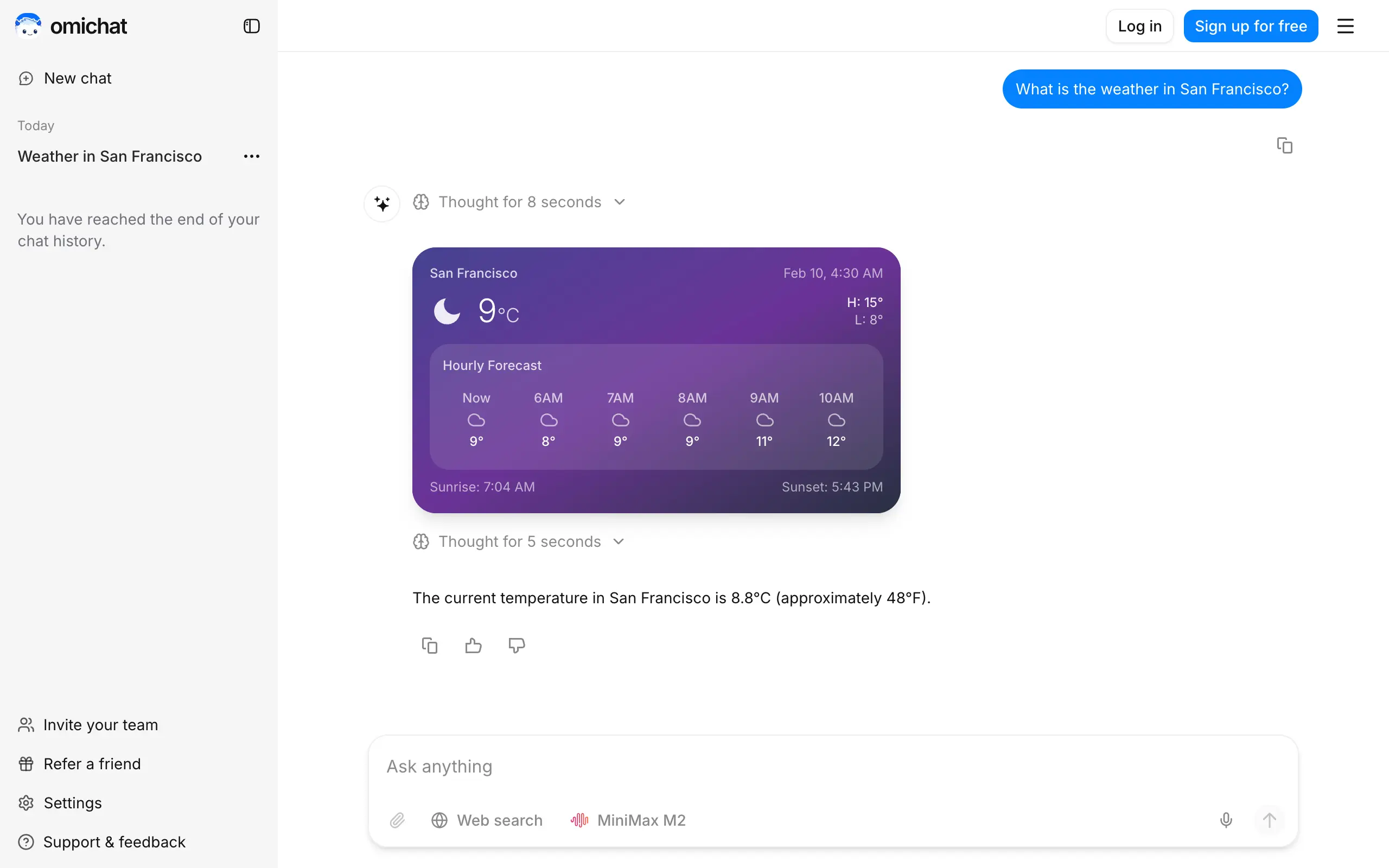
Omichat
Chat with 50+ AI models, including ChatGPT and Claude, in one place - switch models anytime without losing context 🤖
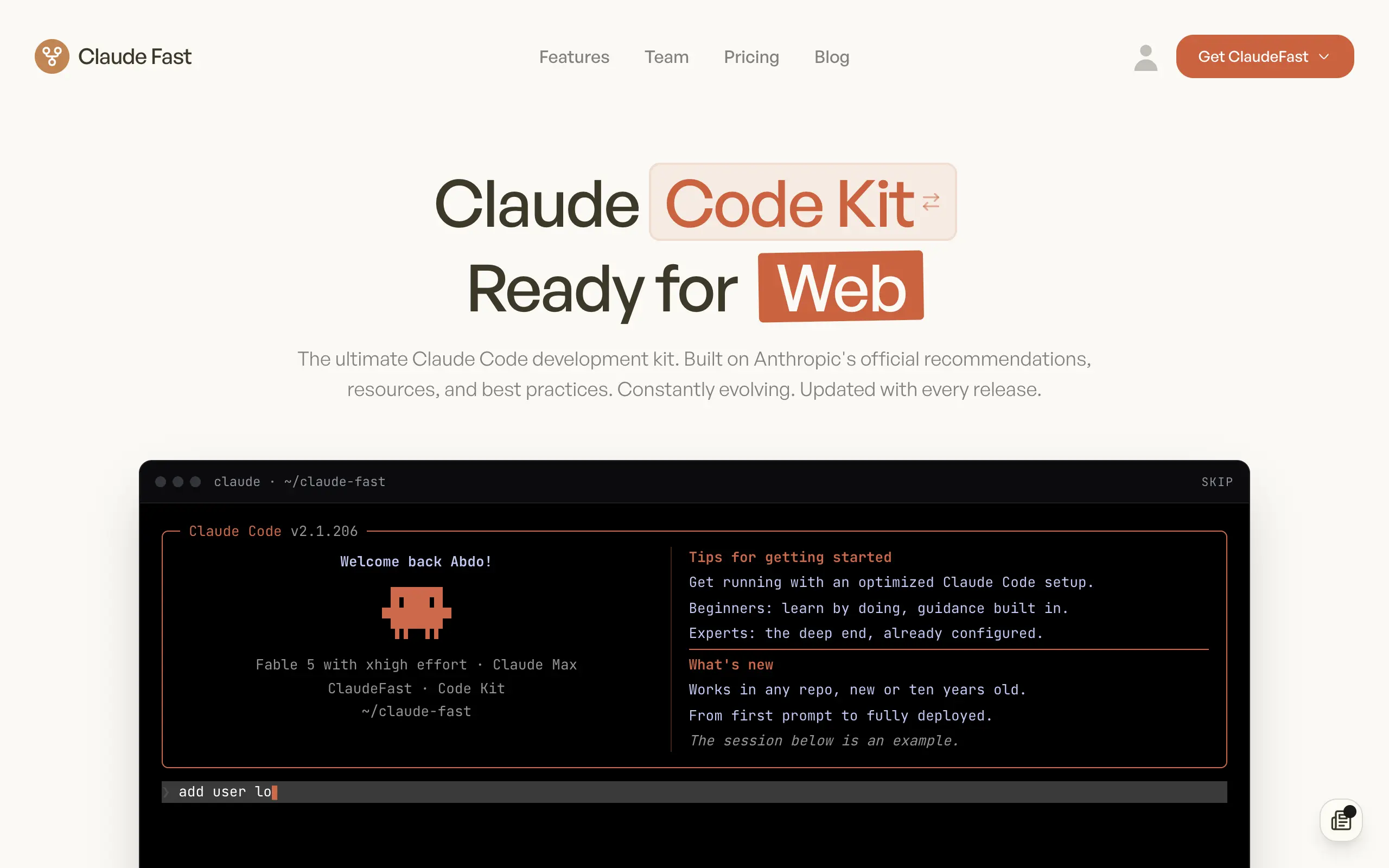
Claude Fast
Supercharge your Claude Code with 6x effective context window and specialized AI agents 🤖
EmojAI
AI-powered emoji picker with smart, context-aware suggestions 🤖

Solohacker
Autonomous company launcher - AI agents work 24/7, escalate what matters, and you stay in control 🤖

BeRawi: Storytelling Coach
Practice storytelling daily with instant feedback to sound clearer, more engaging, and confident 🎤
Omichat
Chat with 50+ AI models, including ChatGPT and Claude, in one place - switch models anytime without losing context 🤖
Claude Fast
Supercharge your Claude Code with 6x effective context window and specialized AI agents 🤖
EmojAI
AI-powered emoji picker with smart, context-aware suggestions 🤖
Solohacker
Autonomous company launcher - AI agents work 24/7, escalate what matters, and you stay in control 🤖
BeRawi: Storytelling Coach
Practice storytelling daily with instant feedback to sound clearer, more engaging, and confident 🎤
Omichat
Chat with 50+ AI models, including ChatGPT and Claude, in one place - switch models anytime without losing context 🤖
Claude Fast
Supercharge your Claude Code with 6x effective context window and specialized AI agents 🤖
EmojAI
AI-powered emoji picker with smart, context-aware suggestions 🤖
Solohacker
Autonomous company launcher - AI agents work 24/7, escalate what matters, and you stay in control 🤖
BeRawi: Storytelling Coach
Practice storytelling daily with instant feedback to sound clearer, more engaging, and confident 🎤
Omichat
Chat with 50+ AI models, including ChatGPT and Claude, in one place - switch models anytime without losing context 🤖
Claude Fast
Supercharge your Claude Code with 6x effective context window and specialized AI agents 🤖
EmojAI
AI-powered emoji picker with smart, context-aware suggestions 🤖
Solohacker
Autonomous company launcher - AI agents work 24/7, escalate what matters, and you stay in control 🤖
BeRawi: Storytelling Coach
Practice storytelling daily with instant feedback to sound clearer, more engaging, and confident 🎤

Connect with like-minded people
Join our community to get feedback, support, and grow together with 1,000+ builders on board, let's ship it!
Join usShip your startup everywhere. In minutes.
Don't burn tokens on setup and start building features on day one.