HotelContentHub
Centralize hotel website content, brand approvals and multilingual updates for GINFORM teams and property managers in one workspace.
Why hotel content management has become an operational bottleneck
Hotel websites are no longer static brand brochures. They are active conversion channels that must reflect property changes, seasonal offers, restaurant menus, wellness services, room renovations, local experiences, accessibility information, and changing commercial priorities.
For multi-property hotel groups, this creates a recurring operational problem. Content often lives across spreadsheets, shared drives, email threads, CMS drafts, translation files, and individual property manager inboxes. Brand teams need consistency. Property teams need speed. Marketing teams need campaign-ready copy. Legal and compliance stakeholders need controlled approvals. Meanwhile, guests expect accurate content in their preferred language at every touchpoint.
HotelContentHub is a B2B hotel content management workspace designed to centralize hotel website content, multilingual updates, property-level collaboration, and brand approval workflows. Its core value proposition is straightforward: give GINFORM teams, hotel groups, and property managers one governed system for creating, reviewing, approving, translating, and publishing hotel content.
This is not simply another digital asset management platform or generic project management tool. The opportunity is to create a purpose-built hotel content operations platform that understands the structure, pace, permissions, and accuracy requirements of hospitality content.
The central opportunity
Hotels do not only need a place to store content. They need a reliable operating system for making content accurate, on-brand, approved, localized, and ready to publish across a portfolio.
The hotel content management software market opportunity
The demand for hotel content management software is driven by a broader shift in hospitality operations. Hotel groups increasingly manage content across direct booking websites, property pages, campaign landing pages, online travel agency listings, guest communication tools, and social channels. Yet many teams still manage the source content through disconnected systems.
A typical hotel group may have:
- Multiple brands with different tone-of-voice requirements
- Dozens or hundreds of individual properties
- Regional marketing teams working in several languages
- Property managers responsible for local accuracy
- Central brand stakeholders responsible for governance
- External agencies creating campaigns and web content
- Multiple CMS instances or country-specific websites
- Frequent seasonal and commercial updates
The cost of fragmented hotel content is not limited to internal inefficiency. It can directly affect conversion, guest trust, SEO visibility, and operational workload.
For example, when a hotel description is outdated, guests may arrive with incorrect expectations about amenities, room features, opening hours, or services. When seasonal content takes weeks to approve, commercial opportunities can be missed. When translated content is managed in scattered files, regional websites may contain inconsistent brand language or stale information.
A well-positioned hotel content hub can solve these problems by becoming the governed content source of truth.
The gap between generic tools and hospitality reality
Many organizations attempt to solve hotel content workflows with combinations of Google Drive, SharePoint, spreadsheets, Notion, Asana, Trello, email, and a headless CMS. Each tool can be useful, but none necessarily understands the relationship between a hotel property, its rooms, facilities, local services, approved copy, language variants, and publishing destinations.
Generic systems also make it difficult to answer high-value operational questions such as:
- Which properties have not approved their summer campaign content?
- Which room descriptions have changed but have not been translated into German?
- Which pages contain brand claims that require legal approval?
- Which hotels have outdated spa, restaurant, or accessibility details?
- Who approved the current English description for a specific property?
- Which market websites still use an old brand promise?
- What content changed before a drop in organic landing page performance?
HotelContentHub can turn these questions into searchable, auditable workflows rather than time-consuming manual investigations.
Why the timing is strong
Several trends make this type of hospitality SaaS product particularly timely:
-
Direct booking remains strategically important
Hotels continue to invest in direct channels to improve ownership of guest relationships and reduce reliance on high-cost distribution channels. Accurate, persuasive, well-structured website content supports that goal. -
Multilingual content expectations are higher
International hotel groups need more than machine-translated copy. They need localization, terminology control, regional review, and content that remains aligned with the brand. -
Content governance is becoming a business requirement
Hotels publish claims about sustainability, accessibility, wellness, food and beverage, and guest services. Inaccurate or unapproved claims can introduce reputational and compliance risks. -
AI increases output, not governance
Generative AI can accelerate drafting and localization, but it also increases the volume of content requiring review, approval, version tracking, and factual validation. -
Portfolio-level consistency is difficult to maintain
Hotel groups often grow through acquisitions, new management agreements, and brand expansion. A centralized hotel content workspace provides a scalable operational layer across this complexity.
For market sizing and current hospitality distribution data, the product team should cite recognized sources such as hotel industry reports, major booking technology research, and annual reports from hospitality organizations. The strongest sales narrative should combine broad market evidence with customer-specific workflow pain discovered during interviews.
Who HotelContentHub should serve first
HotelContentHub will be most effective when it is designed around clear user roles rather than treating “hotel team” as one generic audience. Each role has different needs, permissions, incentives, and definitions of success.
| Audience | Primary problem | What they need | Success signal | Buying influence |
|---|---|---|---|---|
| Central brand team | Inconsistent messaging | Templates, approvals, governance | Higher brand compliance | High |
| Property manager | Slow and unclear update process | Easy requests and ownership visibility | Faster accurate updates | Medium |
| Digital marketing team | Fragmented publishing inputs | Structured content and integrations | Fewer publishing errors | High |
| Translation or localization lead | Version drift across languages | Language workflows and glossary controls | Complete localized coverage | Medium |
| Agency or external editor | Unclear feedback and approvals | Restricted collaboration access | Fewer revision rounds | Low to medium |
Central brand and corporate marketing teams
The first ideal customer profile is a hotel group with a centralized brand or digital team managing content across multiple properties. This customer has a clear financial reason to reduce duplicated work and a strong need to protect brand consistency.
Their workflow commonly includes:
- Creating content frameworks and editorial standards
- Maintaining approved brand language
- Coordinating campaign launches
- Reviewing content submitted by local hotels
- Managing agency briefs and revisions
- Handling translations across international markets
- Preparing website content for CMS publication
For this buyer, HotelContentHub should be positioned as brand governance and content operations software for hotel portfolios.
Property managers and on-site hotel teams
Property-level teams are the operational source of truth. They know when a restaurant changes opening hours, when a room refurbishment is complete, when a spa treatment is discontinued, or when a new package should be promoted.
However, these users are often not content specialists. They should not be forced to navigate a complex CMS or learn a generic enterprise workflow platform.
Their experience should focus on simple, guided actions:
- Submit a change request
- Edit clearly assigned content fields
- Upload supporting documents or imagery
- Respond to reviewer feedback
- Confirm factual accuracy
- See whether a change has been published
The product must make local teams feel empowered without allowing uncontrolled changes to brand-critical content.
GINFORM teams and hospitality information owners
GINFORM teams can be treated as a key operational persona: teams responsible for organizing, validating, governing, or distributing hotel information. Whether they sit within digital operations, central marketing, content administration, or an external hospitality services organization, their recurring pain is the same: maintaining a dependable information layer across many contributors.
For these users, the biggest product value lies in:
- A normalized hotel content model
- Complete change histories
- Clear workflow states
- Searchable property records
- Data completeness reporting
- User and permission controls
- Reliable handoff to website and distribution systems
This is the persona most likely to value HotelContentHub as a system of record rather than “another collaboration tool.”
The core problem HotelContentHub solves
The product should solve one central job: help hotel organizations manage approved, accurate, multilingual web content at portfolio scale without relying on fragmented manual processes.
That job can be divided into five interconnected problems.
1. Content ownership is unclear
Hotels often lack a clear answer to who owns a given page, content block, amenity description, or language variant. A property may assume the brand team owns it; the brand team may assume the agency owns it; the agency may wait for property confirmation.
HotelContentHub should assign explicit ownership at the content-item level, not only at the project level.
2. Approval workflows are hidden in email
Email approval is difficult to audit, difficult to search, and easy to misinterpret. A stakeholder may approve one version while another person publishes a later draft.
The platform should record:
- Content version
- Reviewer identity
- Approval decision
- Approval date
- Comments and requested changes
- Approval scope
- Final publishing status
This creates an auditable trail that is useful for operations, brand governance, and regulated claims.
3. Translation workflows create version drift
When the source language changes, localized versions quickly become outdated. Translation files are often passed between teams without a direct relationship to the source content version.
HotelContentHub should make source-to-translation dependencies visible. If the English source changes materially, the relevant language versions should be flagged as needing review rather than silently remaining “complete.”
4. Website publishing is disconnected from content creation
Content teams may finalize copy in a document, then manually copy it into a CMS. This introduces formatting errors, lost metadata, broken links, and uncertainty about whether approved copy was actually published.
A future-ready hotel content management platform should support structured exports, APIs, webhooks, and direct CMS integration where practical.
5. Reporting is too manual
Management needs visibility into progress and risk. Without a centralized workspace, reporting depends on manually maintained spreadsheets and status meetings.
A portfolio dashboard can answer whether content is complete, approved, translated, stale, blocked, or published across brands and properties.
Essential HotelContentHub features for an MVP
A strong MVP should solve a painful workflow completely for a narrow target customer. It should not try to replace every CMS, DAM, PIM, project management tool, or translation management system on day one.
The initial product should focus on the hotel website content lifecycle.
Structured property content
Create reusable records for hotels, rooms, dining, spa, meetings, offers, amenities, policies, and local experiences.
Approval workflows
Route content through configurable review stages with clear accountability, comments, and version history.
Multilingual content control
Link translations to source content and flag language variants that require review after a change.
Publishing readiness
Show whether content is complete, approved, localized, and ready for export or CMS publication.
Structured hotel content records
The foundation of the product is a flexible content model. Instead of organizing work only by documents or folders, users should create structured content entries associated with a property and content type.
Core content types may include:
- Hotel overview and property description
- Accommodation and room categories
- Restaurants, bars, and menus
- Spa and wellness facilities
- Meetings and events spaces
- Amenities and services
- Location and destination content
- Offers and packages
- Policies and guest information
- Sustainability and accessibility information
- Search engine metadata
Each record should support rich text, structured attributes, supporting assets, SEO metadata, locale variants, workflow status, and history.
A useful model is to separate shared brand content from property-specific content. This lets central teams define approved reusable modules while allowing local teams to provide accurate details.
Configurable approval workflows
The approval system is one of the clearest differentiators for HotelContentHub. A simple content status such as “draft” or “published” is not enough for enterprise hospitality use cases.
A content item may pass through stages such as:
The workflow engine should allow administrators to configure approval paths by content type, brand, market, or risk level. A restaurant opening-hours update may require only local approval. A sustainability claim or brand manifesto may require central review and legal sign-off.
Multilingual content management
Multilingual hotel website content should be treated as a first-class product capability, not a later add-on. The platform should allow teams to create a source record, define required locales, assign translation tasks, and compare translation status across the portfolio.
Important localization capabilities include:
- Source and target language relationships
- Translation memory integration opportunities
- Brand glossary and approved terminology
- Per-language approval status
- Change detection after source edits
- Market-specific content overrides
- Local character and formatting validation
- Locale completeness dashboards
Machine translation can be offered as an assistive workflow, but it should never obscure the difference between AI-generated output, human translation, and approved localized content.
Avoid an AI-first translation promise
For hospitality brands, speed is valuable but factual and tonal accuracy matter more. Position AI as a drafting and quality-assistance capability with mandatory human controls for high-visibility or regulated content.
Content review, commenting, and compare views
Reviewers need an experience that minimizes approval friction. They should be able to see what changed, add an anchored comment, request a revision, approve a version, or delegate the task.
Useful review functions include:
- Side-by-side version comparison
- Highlighted additions and deletions
- Inline comments
- @mentions and assignments
- Approval and rejection reasons
- Due dates and reminders
- Bulk approval for low-risk content
- Immutable activity history
For hotel groups, compare views should also support comparing the same content type across different properties. A brand team may want to identify hotels using inconsistent language for breakfast, pet policies, airport transfers, or sustainability features.
Portfolio dashboards and governance reporting
The leadership dashboard should make content operations measurable. It should surface exceptions, bottlenecks, and stale content rather than only vanity metrics.
Recommended dashboard widgets include:
- Content completion rate by property
- Content pending approval by reviewer
- Translation coverage by locale
- Stale content by last verified date
- Overdue content tasks
- Unpublished approved content
- Content changes awaiting CMS sync
- Most common rejection reasons
- Brand compliance score by hotel or region
These reports help customers justify subscription renewal because they turn an intangible process into visible operational improvement.
A competitive advantage beyond generic CMS platforms
HotelContentHub will compete indirectly with content management systems, collaboration platforms, PIM tools, DAM solutions, translation systems, and custom internal workflows. Winning will depend on being specific enough to solve hospitality workflows without becoming overly rigid.
The HotelContentHub USP
The core unique selling proposition can be expressed as:
HotelContentHub gives hotel groups a single, approval-ready source of truth for property content, brand governance, and multilingual website updates.
This positioning is differentiated because it combines three problems that are typically handled separately:
- Hotel property content accuracy
- Brand approval governance
- Multilingual content lifecycle management
A generic CMS focuses on publishing. A project tool focuses on tasks. A DAM focuses on assets. A translation platform focuses on language delivery. HotelContentHub should focus on the operating workflow between those systems.
Where the product can win
| Capability | Generic CMS | Project tool | Translation tool | HotelContentHub |
|---|---|---|---|---|
| Hotel-specific content model | Limited | No | No | Yes |
| Property and brand approvals | Variable | Basic | Limited | Yes |
| Source-to-locale change tracking | Variable | No | Yes | Yes |
| Portfolio content completeness | Limited | No | No | Yes |
| CMS-neutral governance layer | No | Yes | Yes | Yes |
The strongest moat is not merely a feature checklist. It is a hospitality-specific data model combined with workflow history and embedded organizational behavior. Once a customer manages hundreds of content records, approval paths, localizations, and governance rules in the platform, the operational switching cost becomes meaningful.
Recommended SaaS tech stack for HotelContentHub
HotelContentHub needs a modern stack that supports role-based access control, structured content, search, revision history, workflows, integrations, and secure multi-tenant architecture.
A TypeScript-first stack is a practical choice because it reduces context switching between frontend and backend development while maintaining strong typing across APIs and user interfaces.
Application architecture recommendation
A robust initial architecture could include:
- Next.js for the web application and server-rendered product experience
- React for composable interface components
- TypeScript for end-to-end type safety
- Tailwind CSS for a consistent and fast design system
- PostgreSQL for relational data, permissions, workflow state, and audit records
- Prisma for type-safe database access and schema management
- Supabase or a managed PostgreSQL provider for early-stage speed
- Auth.js or an enterprise identity provider for authentication
- Stripe for subscription billing
- Sentry for application monitoring and error tracking
- Vercel for straightforward Next.js deployment during early product stages
For a production-ready SaaS baseline, TurboStarter can shorten setup time by providing established patterns for authentication, billing, teams, dashboards, and SaaS application structure.
Why PostgreSQL is a strong fit
Hotel content operations are inherently relational. A content item belongs to a property, a brand, a locale, a workflow, a set of reviewers, and possibly a publishing destination. It may derive from a template and have multiple historical versions.
PostgreSQL is particularly suitable because it supports:
- Strong transactional consistency
- Relational modeling for ownership and permissions
- JSONB fields for flexible content schemas
- Full-text search for early-stage search needs
- Row-level security patterns
- Reliable migrations and analytics queries
A document database may feel flexible early on, but the reporting and governance requirements of multi-property hotel content management strongly favor relational integrity.
Core data model
The first version should establish clear entities for:
type ContentItem = {
  id: string
  organizationId: string
  brandId?: string
  propertyId?: string
  contentType: "hotel" | "room" | "restaurant" | "offer" | "amenity"
  locale: string
  sourceContentItemId?: string
  status: "draft" | "in_review" | "changes_requested" | "approved" | "published"
  ownerId: string
  currentVersionId: string
  lastVerifiedAt?: Date
  updatedAt: Date
}
In addition to ContentItem, the schema should include organizations, users, teams, brands, properties, locales, content versions, workflow definitions, approval requests, comments, assets, publishing destinations, and audit events.
A crucial implementation principle is to avoid overwriting approved content in place. Every material edit should create a version record or a version snapshot. This protects auditability and enables reliable diff views.
Search and AI trade-offs
Early-stage search can use PostgreSQL full-text search plus carefully indexed fields. This is usually enough for searching property names, content types, titles, statuses, and text fragments.
As customers grow, consider adding a dedicated search layer such as Algolia or OpenSearch. The trade-off is increased infrastructure complexity in exchange for faster faceting, typo tolerance, and broader semantic search options.
AI features should be introduced after the core content model and approval process are reliable. High-value AI capabilities may include:
- Brand-tone drafting assistance
- Content gap detection
- Metadata suggestions
- Translation quality checks
- Duplicate content warnings
- Summaries of pending review changes
- Flagging claims that may require additional validation
AI outputs should retain clear provenance. Users must be able to see whether content was written by a person, generated by AI, edited after generation, and formally approved.
Monetization strategy for a hotel content operations platform
HotelContentHub should use value-based B2B SaaS pricing. Pricing should reflect portfolio complexity, active properties, required locales, workflow sophistication, and integration needs rather than only per-seat usage.
A property-based pricing model is intuitive for hotel groups because it aligns directly with their organizational structure and budget ownership.
Recommended pricing tiers
- "Starter": Designed for small hotel groups with a limited number of properties, basic content types, and simple approval workflows.
- "Growth": Designed for regional groups that need multilingual workflows, advanced reporting, custom roles, and multiple brands.
- "Enterprise": Designed for large hotel portfolios with SSO, custom integrations, audit requirements, dedicated support, SLA commitments, and advanced governance.
A hybrid model can include a platform fee plus a per-property monthly or annual fee. This creates predictable revenue while capturing additional value as a customer expands.
Additional revenue opportunities
HotelContentHub can build high-margin service and expansion revenue through:
- Onboarding and content migration services
- CMS integration implementation
- Custom workflow configuration
- Brand template setup
- Translation partner integrations
- Content governance consulting
- Data quality audits
- Enterprise support packages
- AI usage credits for premium content assistance
Avoid making services the primary business model. The product should be usable through guided onboarding, reusable hotel content templates, and configuration rather than custom development for every customer.
Risks and practical mitigation strategies
A hotel content management SaaS has strong potential, but it also faces predictable execution risks. Addressing these early improves both product strategy and enterprise credibility.
Risk: long enterprise sales cycles
Hotel groups may have multiple stakeholders across marketing, IT, procurement, brand, revenue, and property operations. Buying decisions can take months.
Mitigation should focus on a narrow initial use case with measurable ROI. Start with one brand, market, or group of properties. Sell a pilot around reducing approval turnaround time, increasing language completeness, or consolidating a specific web content workflow.
Risk: integration expectations arrive early
Enterprise prospects may expect integrations with CMS platforms, DAMs, CRMs, translation providers, and identity systems before they commit.
Mitigation should use an API-first foundation and prioritize a small number of high-demand connectors. Do not attempt deep native integrations with every platform immediately. Start with structured CSV import/export, webhooks, and a well-documented API.
Risk: low property-level adoption
Property managers may perceive the tool as additional administrative work if it is too complex or poorly aligned with their daily responsibilities.
Mitigation should create purpose-built, low-friction experiences for local teams. Use guided forms, mobile-friendly review actions, clear request statuses, automated reminders, and minimal required fields for straightforward updates.
Risk: sensitive or inaccurate claims
Hotel content can include legal, accessibility, health, sustainability, and promotional claims. Incorrect content can cause reputational or compliance issues.
Mitigation should include mandatory approval paths, content expiry dates, verification reminders, role-based permissions, and audit logs. High-risk content types should be flagged automatically and routed to designated reviewers.
Risk: becoming a generic workflow product
If the platform tries to serve every content workflow in every industry, it can lose the hospitality-specific differentiation that makes it valuable.
Mitigation should keep the product opinionated around hotels. Build vocabulary, templates, reporting, and workflow primitives that make the product distinctly better for hotel groups than a generic collaboration platform.
Measure the percentage of targeted content updates that move from request to approved, publish-ready status inside HotelContentHub. This indicates whether the platform is replacing fragmented workflows rather than becoming another repository.
Not initially. The stronger position is to become the governed content operations layer before publication. CMS replacement adds implementation risk and puts the product into a crowded category too early.
It should support asset associations, approvals, and metadata, but a full DAM should not be the first priority. Integrations with existing DAM systems will often be more valuable for enterprise buyers.
Go-to-market strategy for HotelContentHub
The best early go-to-market motion is consultative and vertical. Hospitality content workflows are nuanced, and early customer discovery will be as valuable as product revenue.
Start with a focused ideal customer profile
The strongest early buyers are likely hotel groups with:
- 10 to 150 properties
- Multiple brands, markets, or languages
- A central digital or brand team
- An active website modernization initiative
- Fragmented approval processes
- Direct booking growth goals
- Internal pressure to improve content consistency
Independent hotels with one property may still benefit from content workflows, but they are less likely to experience enough portfolio complexity to justify a dedicated platform subscription.
Lead with a measurable business case
Avoid vague messaging such as “improve content collaboration.” Instead, connect the platform to tangible outcomes:
- Reduce content approval cycle time
- Improve property information accuracy
- Increase localized content coverage
- Lower manual reporting effort
- Reduce publishing errors
- Standardize brand language
- Create a complete audit trail
- Launch campaigns faster across properties
A sales discovery process should quantify the current workflow. Ask how many updates are made each month, how long approval takes, how many locales are maintained, how frequently content becomes stale, and how many systems are involved.
Build trust through domain expertise
The company should publish content that demonstrates a sophisticated understanding of hospitality digital operations. High-value topics include:
- How hotel groups can govern property content at scale
- A hotel website content audit checklist
- Multilingual hotel content workflow best practices
- How to reduce content inaccuracies across hotel portfolios
- Brand approval frameworks for hospitality marketing teams
- Content governance for accessibility and sustainability claims
This content strategy supports organic search while building authority with brand directors, digital leaders, and hotel operations teams.
Actionable implementation roadmap
The goal is to validate the workflow, not to build a massive content ecosystem before speaking to users. A phased roadmap will reduce product risk and create a credible path to enterprise readiness.
Phase one: validate the workflow with design partners
Identify three to five hotel organizations or GINFORM teams that manage content across more than one property or market.
Interview stakeholders across central brand, digital marketing, local properties, translation, and IT. Map the current state in detail:
- Identify the highest-volume content update types.
- Document every approval step and handoff.
- Measure average turnaround time and common blockers.
- Collect examples of inaccurate, outdated, or inconsistent content.
- Define a pilot workflow with a clear before-and-after metric.
- Confirm the minimum integrations needed for adoption.
The output should be a prioritized workflow map, not just a feature wish list.
Phase two: build the workflow-first MVP
Build the core platform around a limited set of content types. A practical first release might include hotel overview pages, rooms, amenities, dining, and offers.
The MVP should include:
- Organization, brand, property, and user setup
- Role-based permissions
- Structured content records
- Drafting and version history
- Comments and reviewer assignment
- Configurable approval stages
- Source and target language links
- Basic dashboard reporting
- CSV import and export
- Audit logs
Do not delay launch for advanced AI, a full asset library, or broad CMS integrations. The product must first prove that teams will use it as their central workflow workspace.
Phase three: prove value and deepen integrations
Once design partners use the platform consistently, prioritize the gaps preventing wider adoption. This will likely include SSO, webhooks, CMS connectors, reporting exports, custom fields, and more granular workflow rules.
Track metrics such as:
- Time from content request to approval
- Percentage of content with a named owner
- Percentage of required locales completed
- Number of stale records resolved
- Approval bottleneck by team or role
- Publish-ready content rate
- Customer weekly active users by persona
Build for evidence, not assumptions
The strongest product roadmap item is one that either improves adoption, shortens a critical workflow, reduces content risk, or enables a larger customer segment to buy. Every feature should map to one of those outcomes.
Final recommendation
HotelContentHub has a compelling opportunity to become the content operations layer for hotel groups that need control without sacrificing local speed. Its strongest market position is not as another website builder or generic content repository. It is as hotel content management software for structured, multilingual, approval-ready property content.
The winning product will make every stakeholder’s role clearer:
- Brand teams gain consistency and governance.
- Property managers gain an easy path to submit accurate updates.
- GINFORM teams gain oversight, auditability, and reporting.
- Digital teams gain structured, publish-ready content.
- Localization teams gain reliable source-to-language workflows.
- Leadership gains measurable visibility into content readiness and risk.
The implementation strategy should remain focused. Start with the content approval and localization workflows that cause the most expensive friction today. Build a reliable hotel-specific content model. Prove that content moves faster with fewer errors. Then expand through integrations, AI assistance, deeper governance, and enterprise capabilities.
More 🏢 B2B Application SaaS ideas
Discover more innovative b2b application SaaS ideas that are trending in 2026. Each idea is AI-generated with market validation and growth potential to help you find your next profitable venture faster than competitors.
Your competitors are building with TurboStarter
Below are some of the SaaS ideas that have been generated and built with our starter kit.
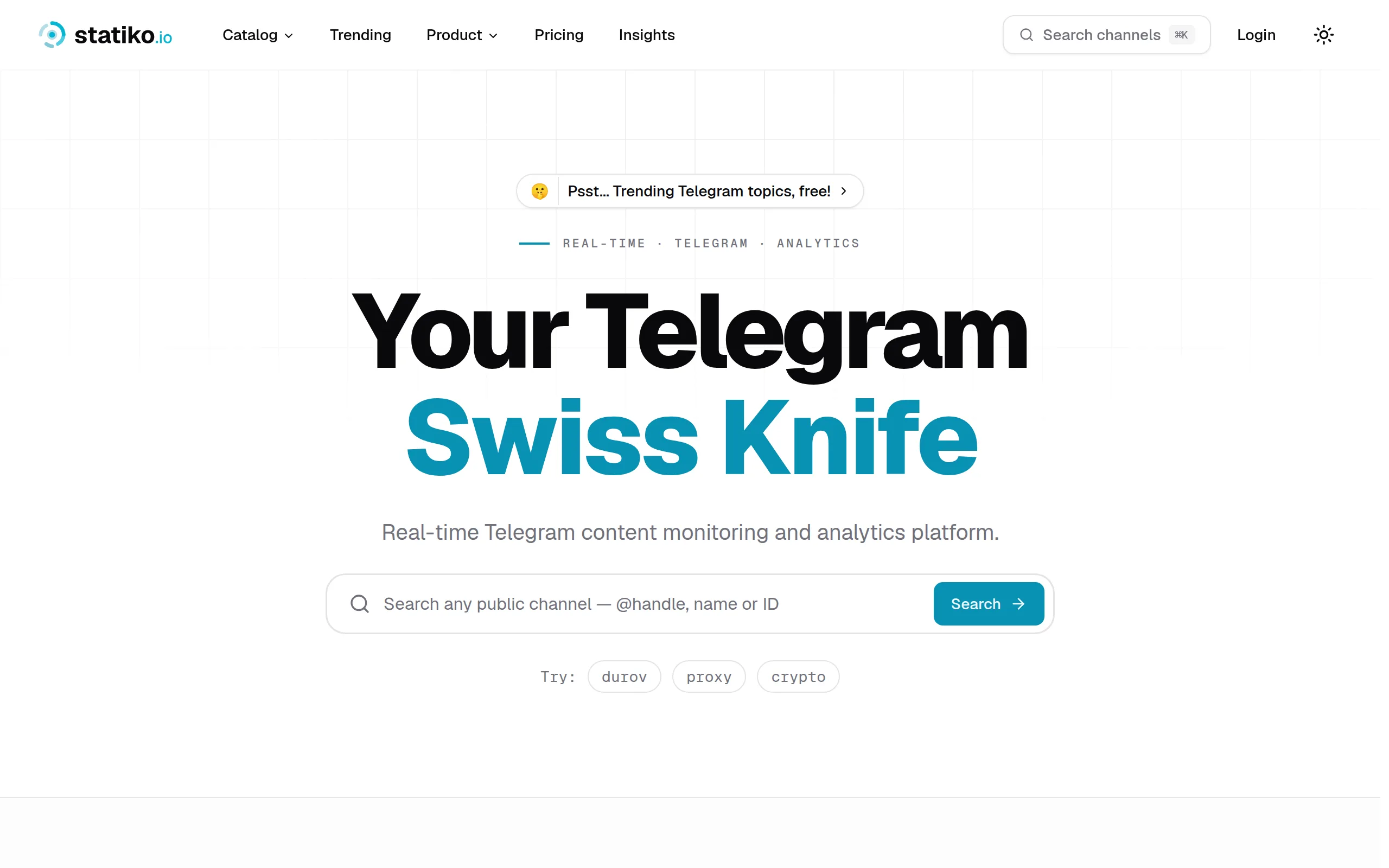
Statiko
Monitor any Telegram channel in real time - track posts, edits, deletions, and growth with AI recaps 📡
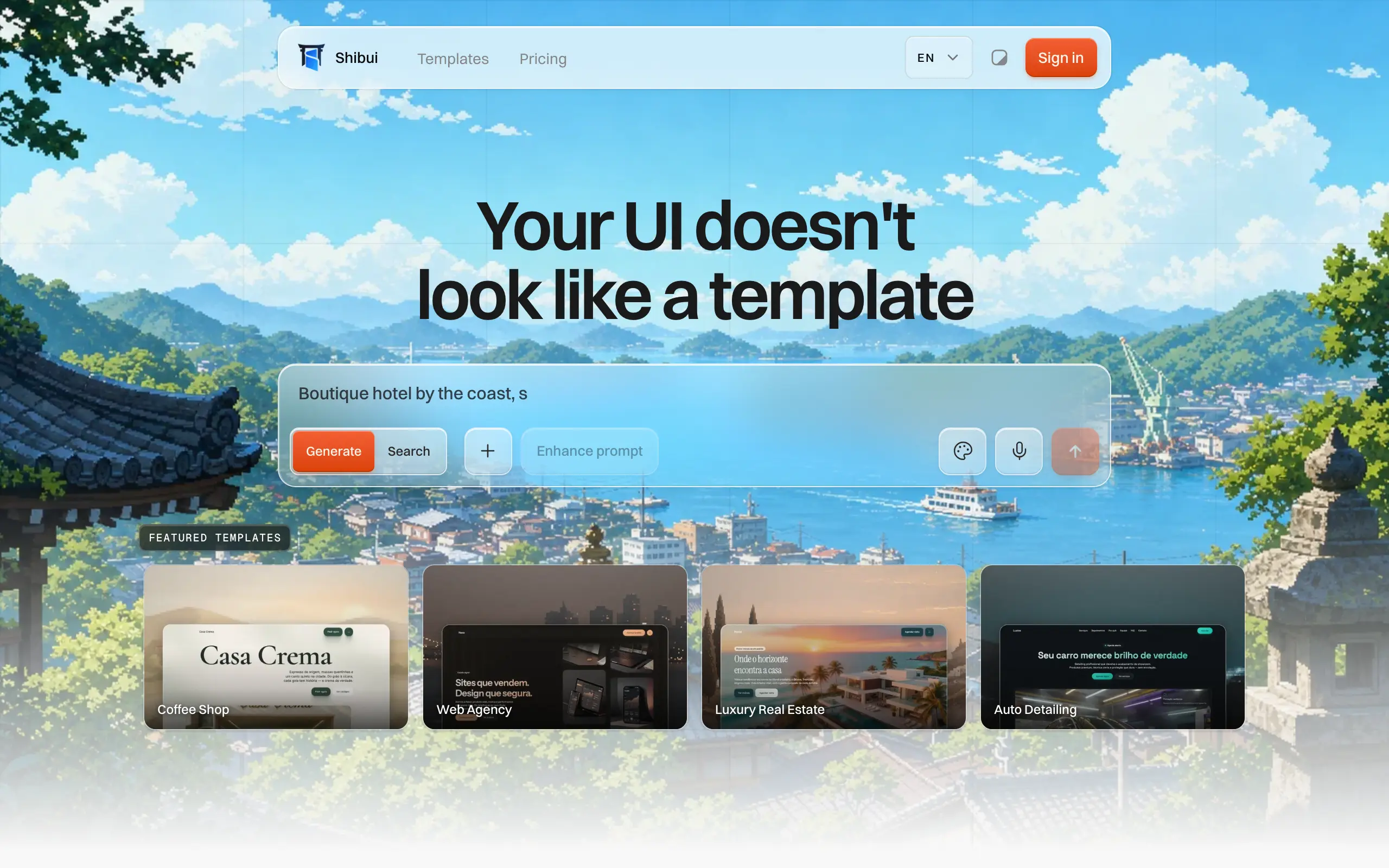
Shibui
AI website builder - describe your business, pick a niche template, edit by chatting, and publish instantly ✨

Pro Service
Find verified home service professionals, compare quotes, and pay securely through escrow - built for Brazilians across the US 🏠
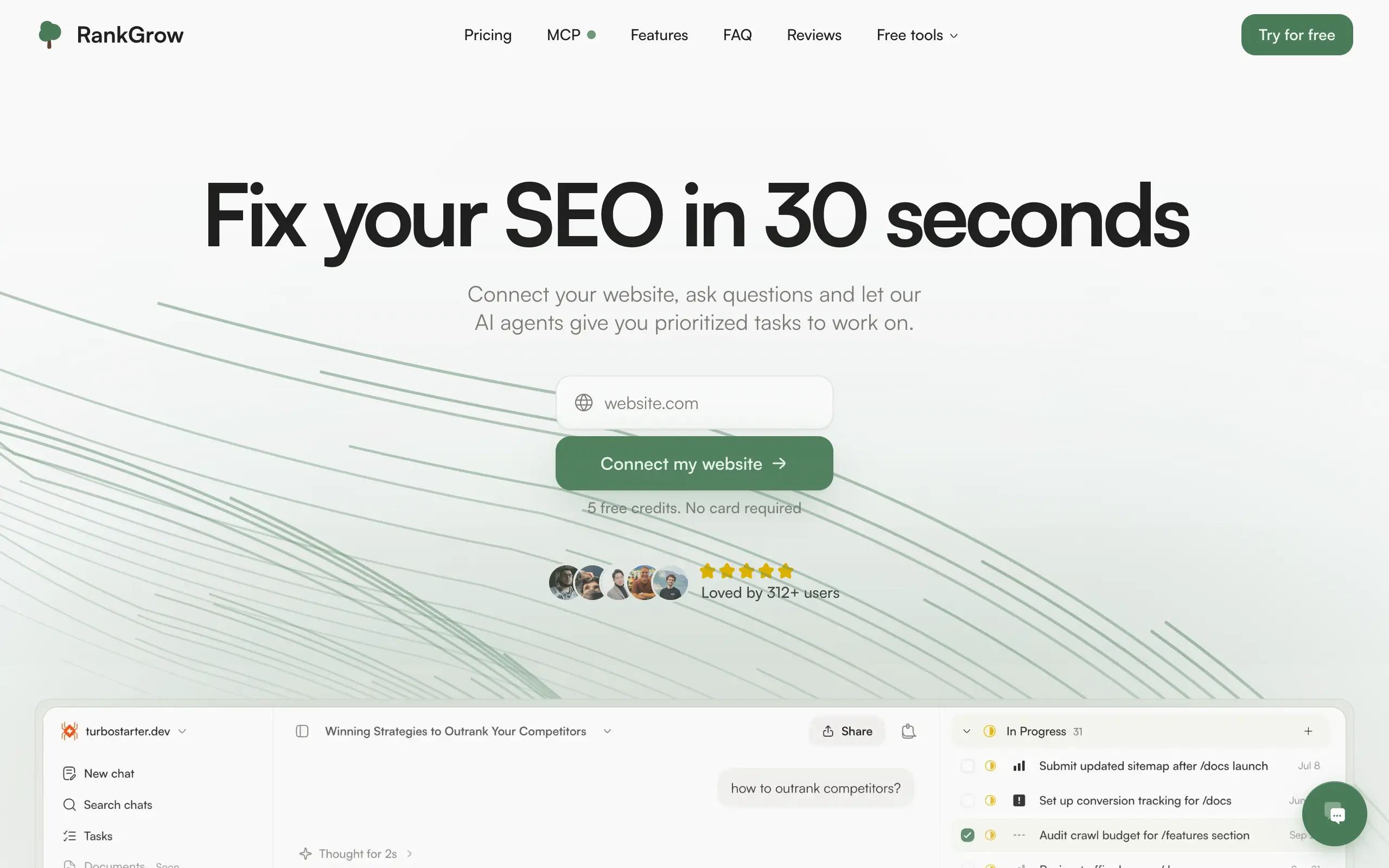
RankGrow
Fix your SEO with AI agents - connect Search Console, get prioritized tasks, and grow organic traffic 📈
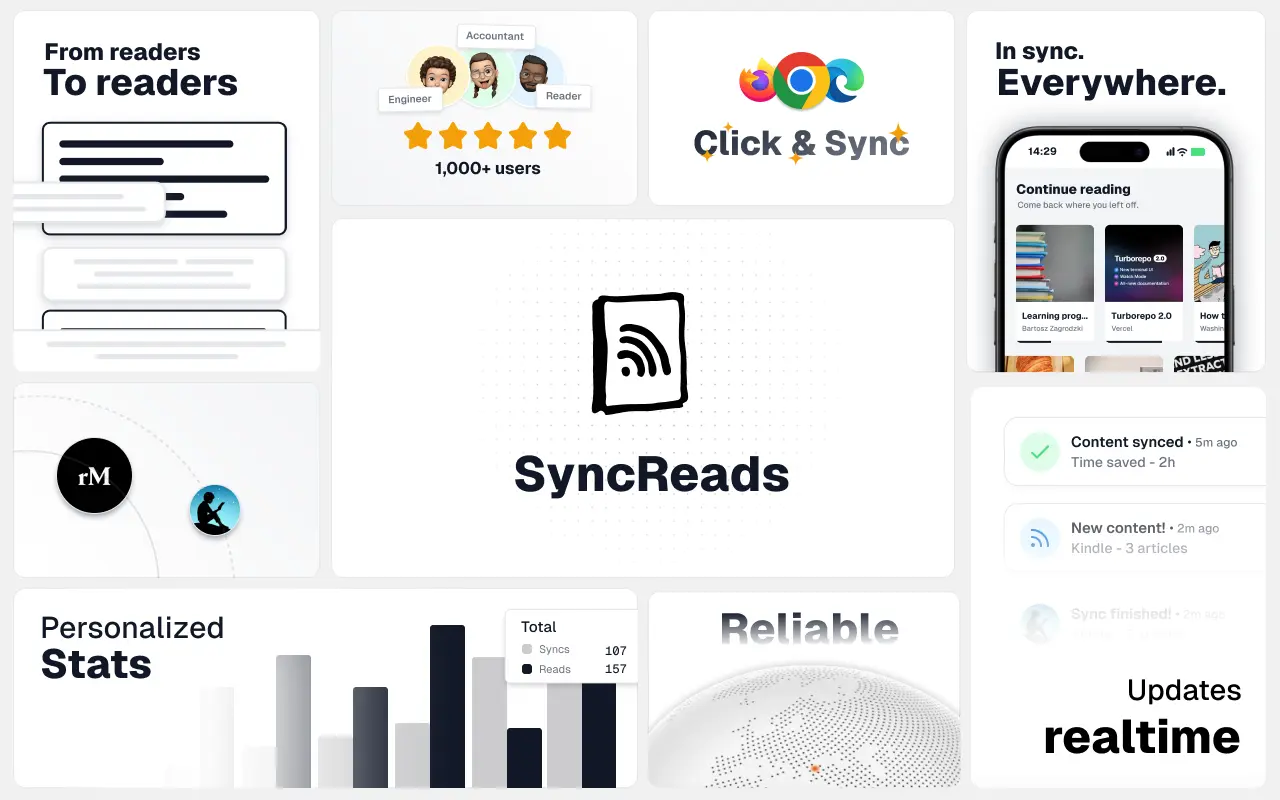
SyncReads
Sync your favorite content for distraction-free reading, save time and replace multiple apps. Anytime, anywhere 🔄
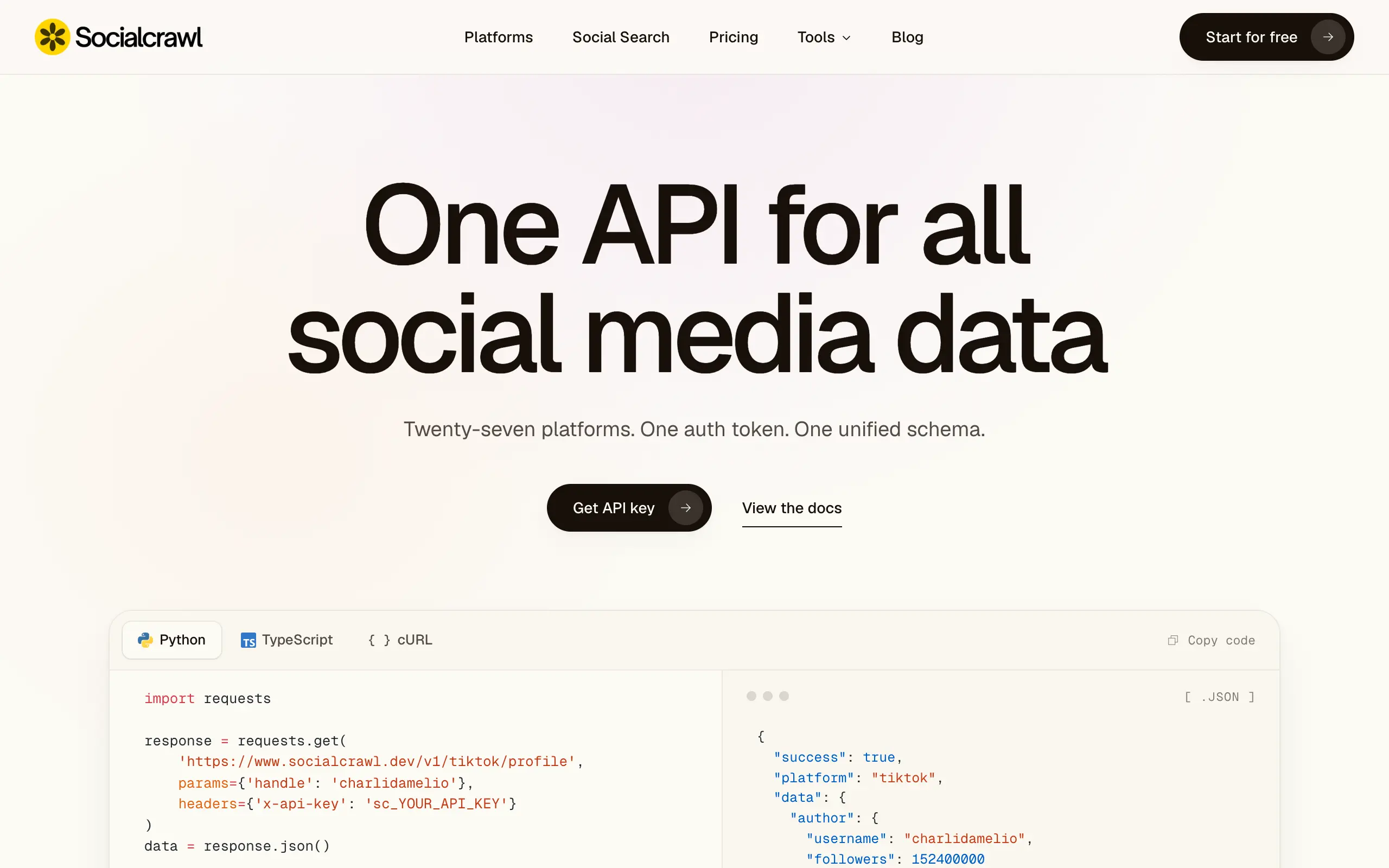
Socialcrawl
Get clean, structured data from 21 platforms like TikTok, Instagram, and YouTube with a single request 📊
Statiko
Monitor any Telegram channel in real time - track posts, edits, deletions, and growth with AI recaps 📡
Shibui
AI website builder - describe your business, pick a niche template, edit by chatting, and publish instantly ✨
Pro Service
Find verified home service professionals, compare quotes, and pay securely through escrow - built for Brazilians across the US 🏠
RankGrow
Fix your SEO with AI agents - connect Search Console, get prioritized tasks, and grow organic traffic 📈
SyncReads
Sync your favorite content for distraction-free reading, save time and replace multiple apps. Anytime, anywhere 🔄
Socialcrawl
Get clean, structured data from 21 platforms like TikTok, Instagram, and YouTube with a single request 📊
Statiko
Monitor any Telegram channel in real time - track posts, edits, deletions, and growth with AI recaps 📡
Shibui
AI website builder - describe your business, pick a niche template, edit by chatting, and publish instantly ✨
Pro Service
Find verified home service professionals, compare quotes, and pay securely through escrow - built for Brazilians across the US 🏠
RankGrow
Fix your SEO with AI agents - connect Search Console, get prioritized tasks, and grow organic traffic 📈
SyncReads
Sync your favorite content for distraction-free reading, save time and replace multiple apps. Anytime, anywhere 🔄
Socialcrawl
Get clean, structured data from 21 platforms like TikTok, Instagram, and YouTube with a single request 📊
Statiko
Monitor any Telegram channel in real time - track posts, edits, deletions, and growth with AI recaps 📡
Shibui
AI website builder - describe your business, pick a niche template, edit by chatting, and publish instantly ✨
Pro Service
Find verified home service professionals, compare quotes, and pay securely through escrow - built for Brazilians across the US 🏠
RankGrow
Fix your SEO with AI agents - connect Search Console, get prioritized tasks, and grow organic traffic 📈
SyncReads
Sync your favorite content for distraction-free reading, save time and replace multiple apps. Anytime, anywhere 🔄
Socialcrawl
Get clean, structured data from 21 platforms like TikTok, Instagram, and YouTube with a single request 📊
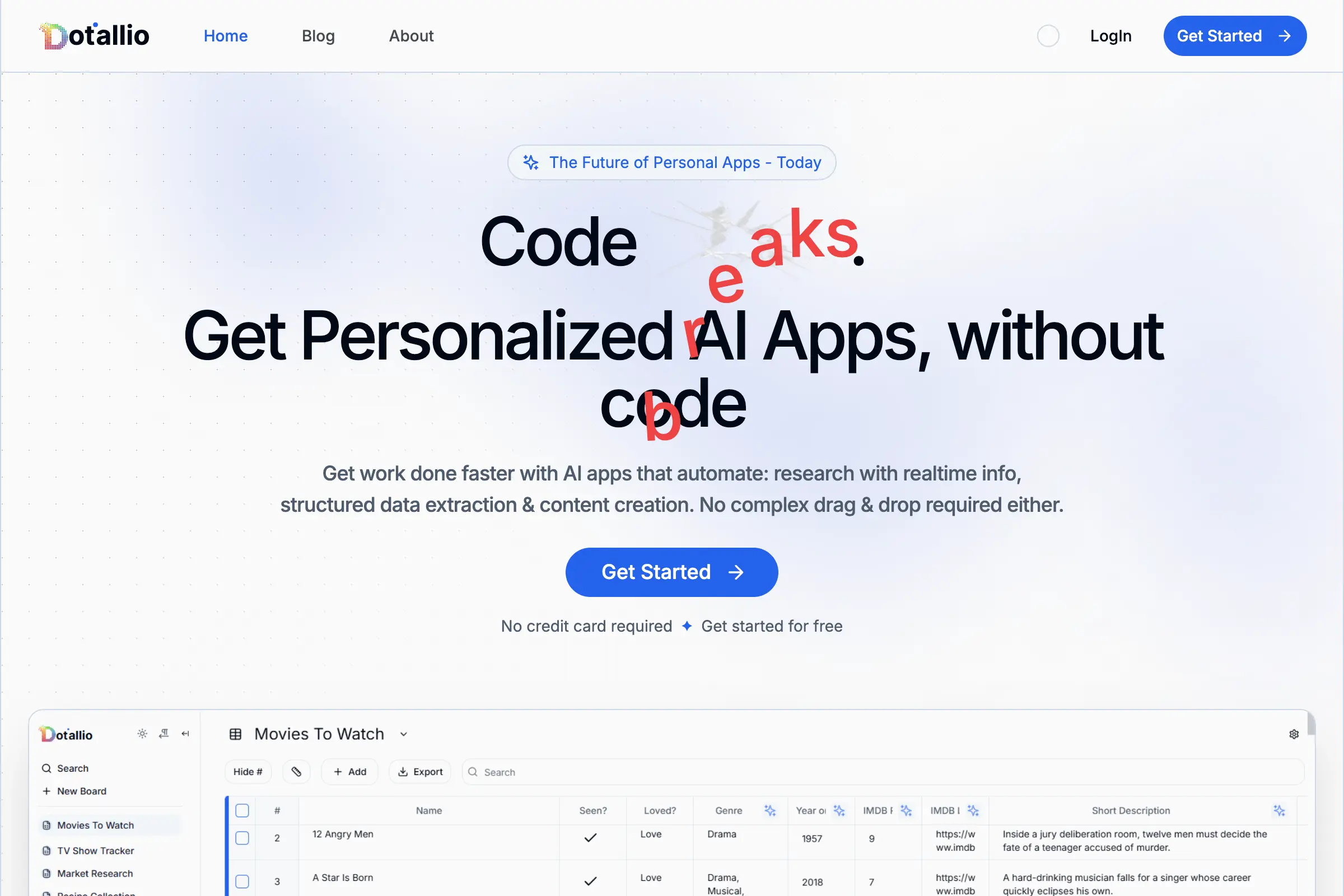
Dotallio
Personalized AI apps that automate research, data extraction, and content creation without code 🤖
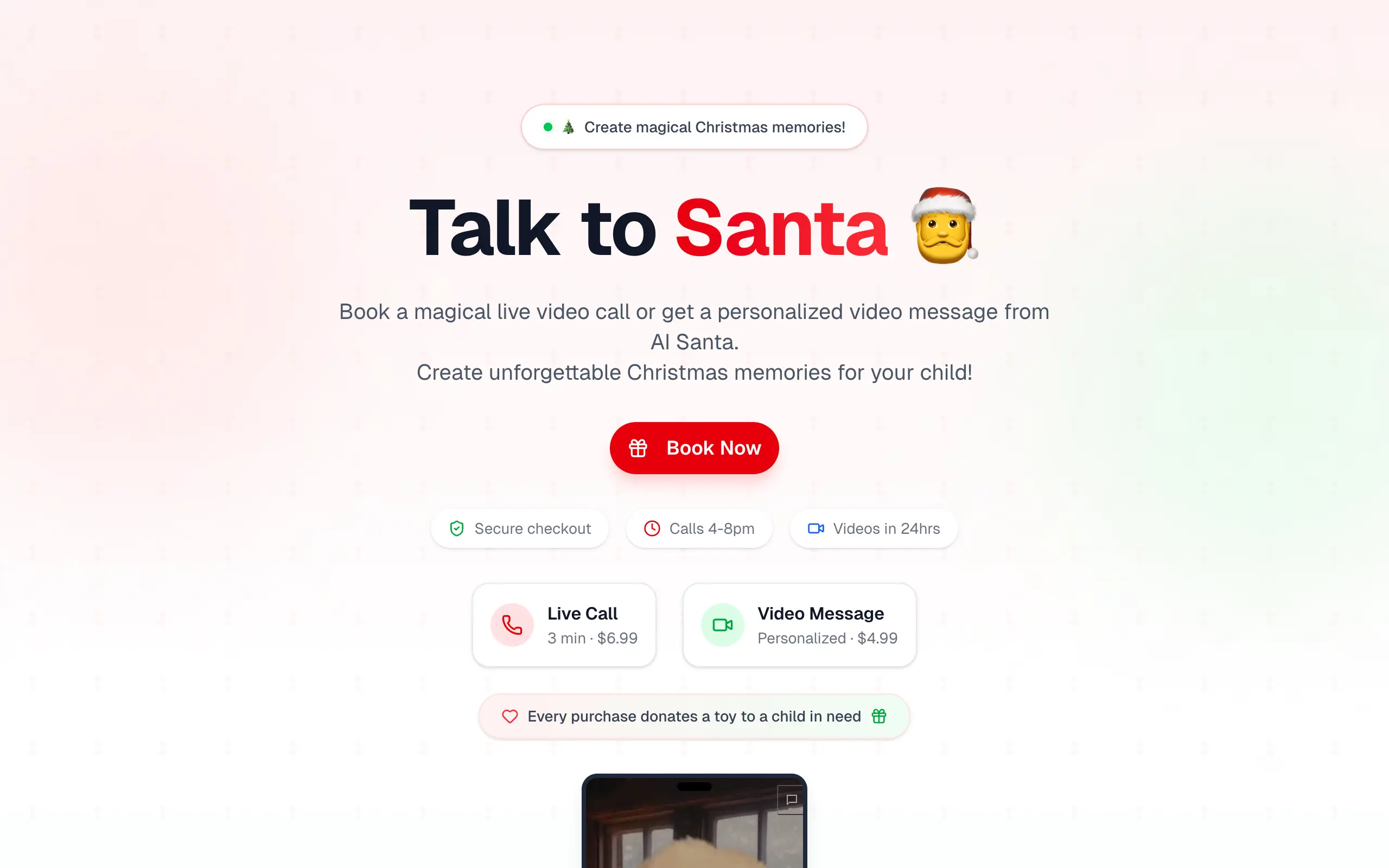
Talk to Santa
Enjoy a magical live video chat or receive a unique AI-generated video greeting from Santa Claus 🎅
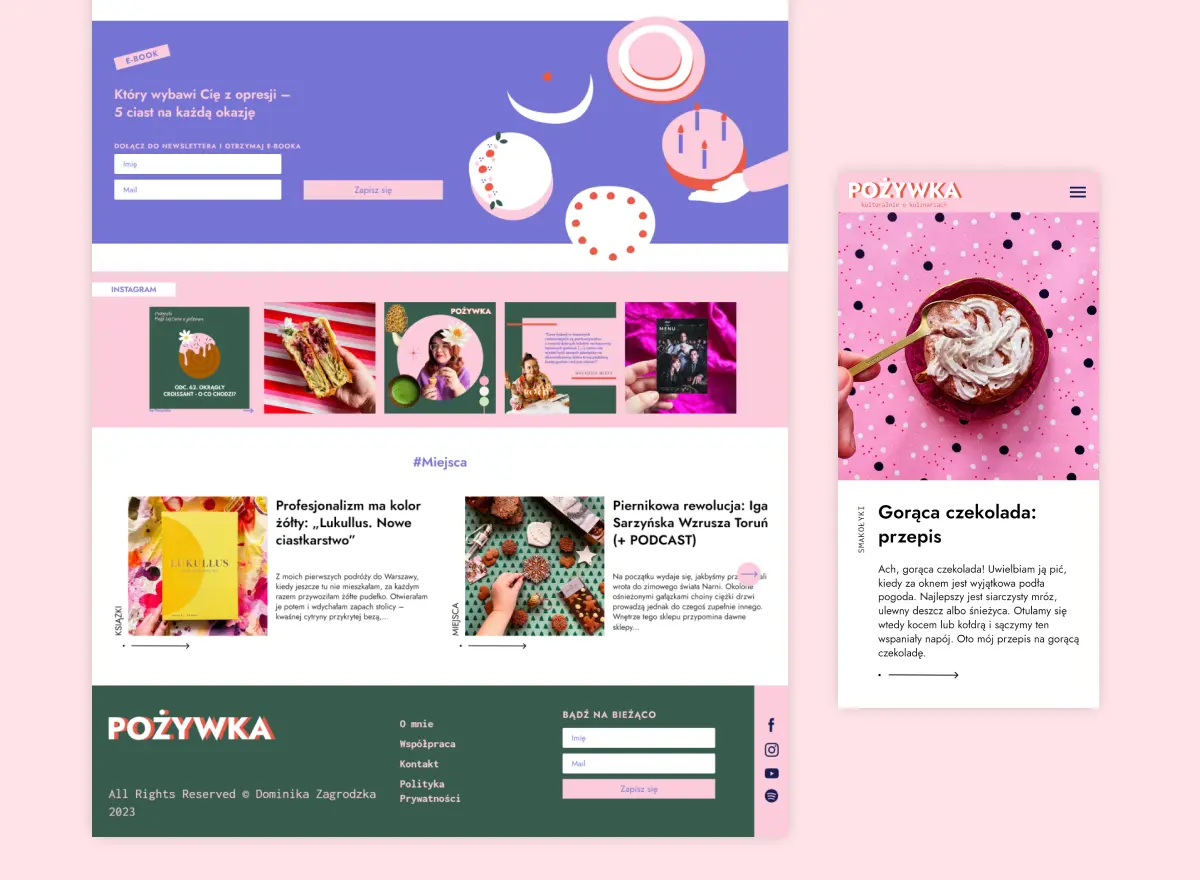
pozywka.pl
Scalable blog for food journalist, focused on performance and user experience 🌭
zagrodzki.me
Personal blog and portfolio of Bart Zagrodzki, where he shares his knowledge and work 💼
TurboStarter
Ship your startup everywhere. In minutes.
HTML to Markdown
Convert HTML to Markdown with ease, directly in your browser 📄
Dotallio
Personalized AI apps that automate research, data extraction, and content creation without code 🤖
Talk to Santa
Enjoy a magical live video chat or receive a unique AI-generated video greeting from Santa Claus 🎅
pozywka.pl
Scalable blog for food journalist, focused on performance and user experience 🌭
zagrodzki.me
Personal blog and portfolio of Bart Zagrodzki, where he shares his knowledge and work 💼
TurboStarter
Ship your startup everywhere. In minutes.
HTML to Markdown
Convert HTML to Markdown with ease, directly in your browser 📄
Dotallio
Personalized AI apps that automate research, data extraction, and content creation without code 🤖
Talk to Santa
Enjoy a magical live video chat or receive a unique AI-generated video greeting from Santa Claus 🎅
pozywka.pl
Scalable blog for food journalist, focused on performance and user experience 🌭
zagrodzki.me
Personal blog and portfolio of Bart Zagrodzki, where he shares his knowledge and work 💼
TurboStarter
Ship your startup everywhere. In minutes.
HTML to Markdown
Convert HTML to Markdown with ease, directly in your browser 📄
Dotallio
Personalized AI apps that automate research, data extraction, and content creation without code 🤖
Talk to Santa
Enjoy a magical live video chat or receive a unique AI-generated video greeting from Santa Claus 🎅
pozywka.pl
Scalable blog for food journalist, focused on performance and user experience 🌭
zagrodzki.me
Personal blog and portfolio of Bart Zagrodzki, where he shares his knowledge and work 💼
TurboStarter
Ship your startup everywhere. In minutes.
HTML to Markdown
Convert HTML to Markdown with ease, directly in your browser 📄
Omichat
Chat with 50+ AI models, including ChatGPT and Claude, in one place - switch models anytime without losing context 🤖
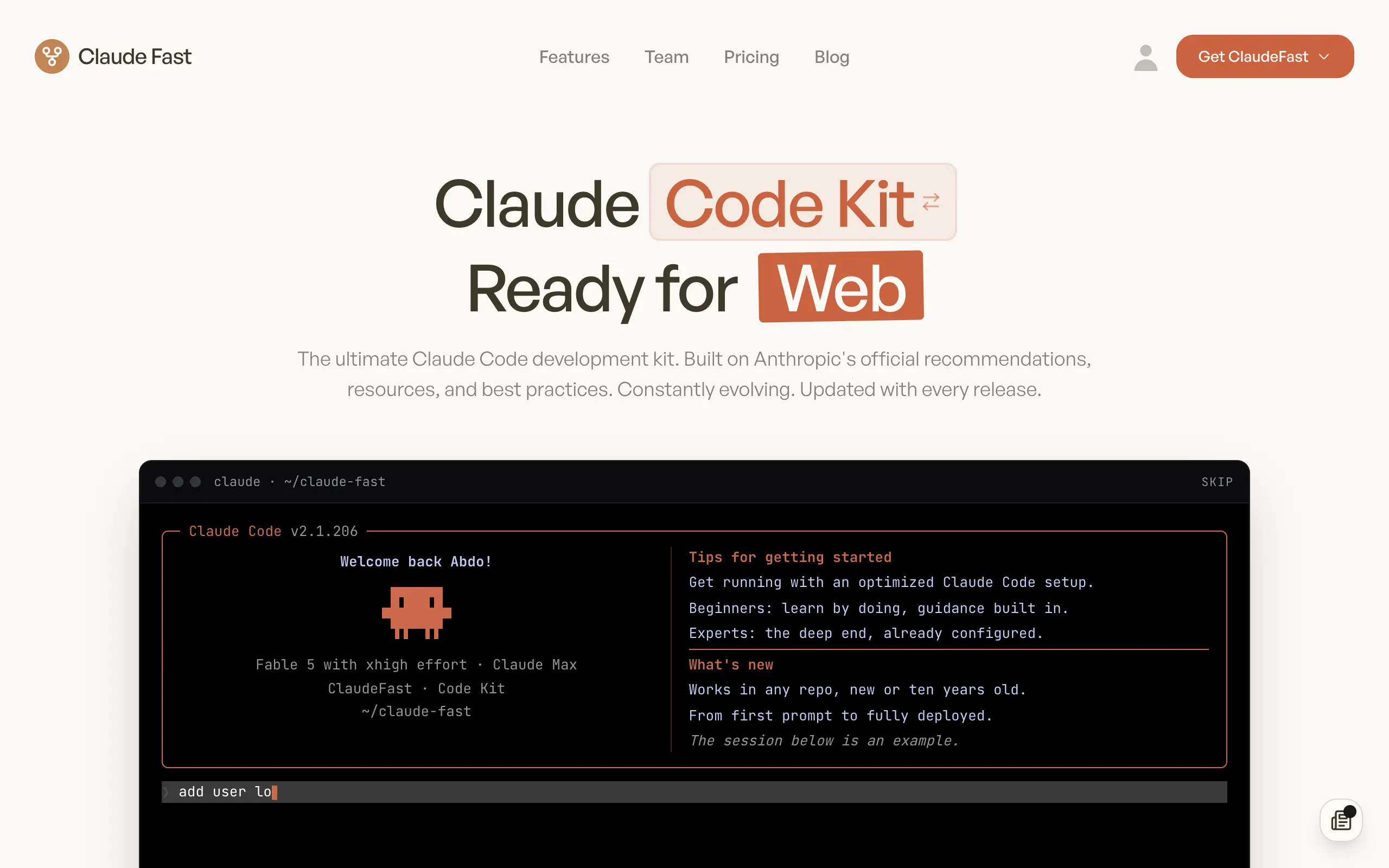
Claude Fast
Supercharge your Claude Code with 6x effective context window and specialized AI agents 🤖
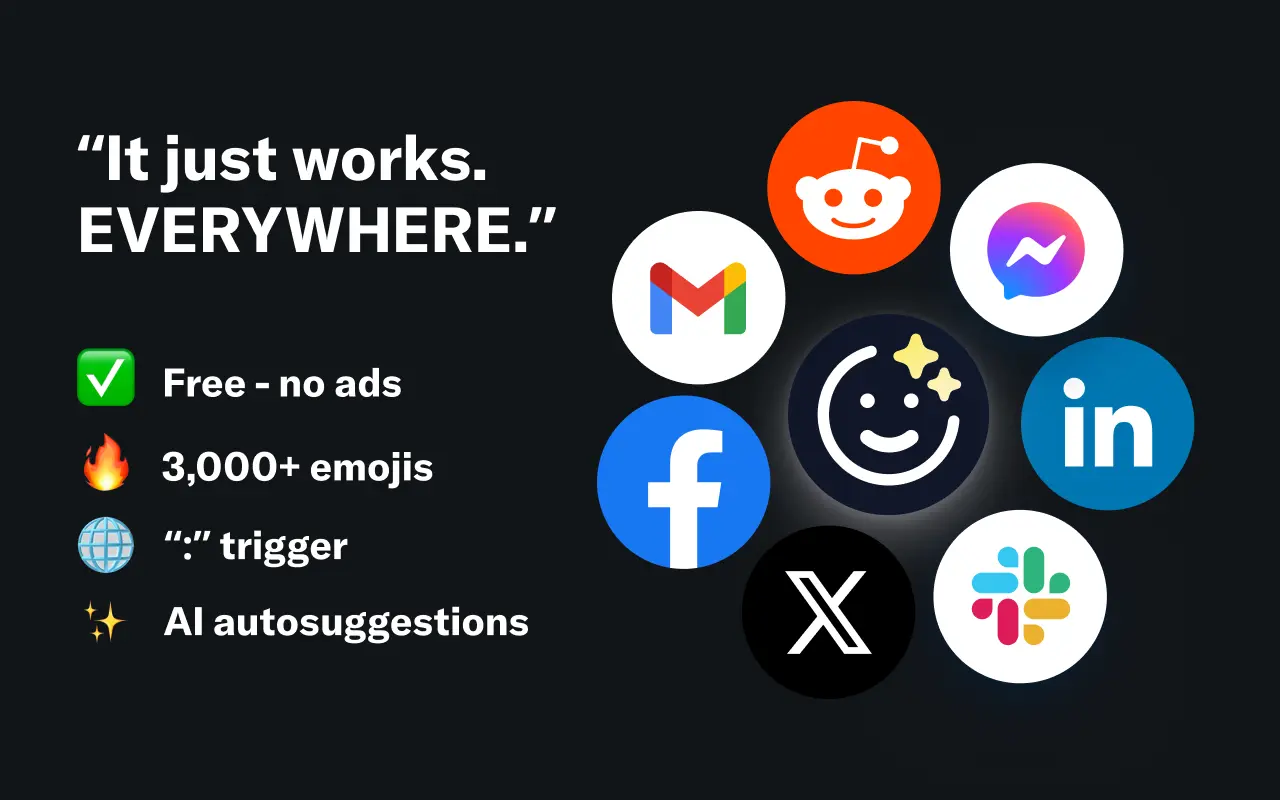
EmojAI
AI-powered emoji picker with smart, context-aware suggestions 🤖
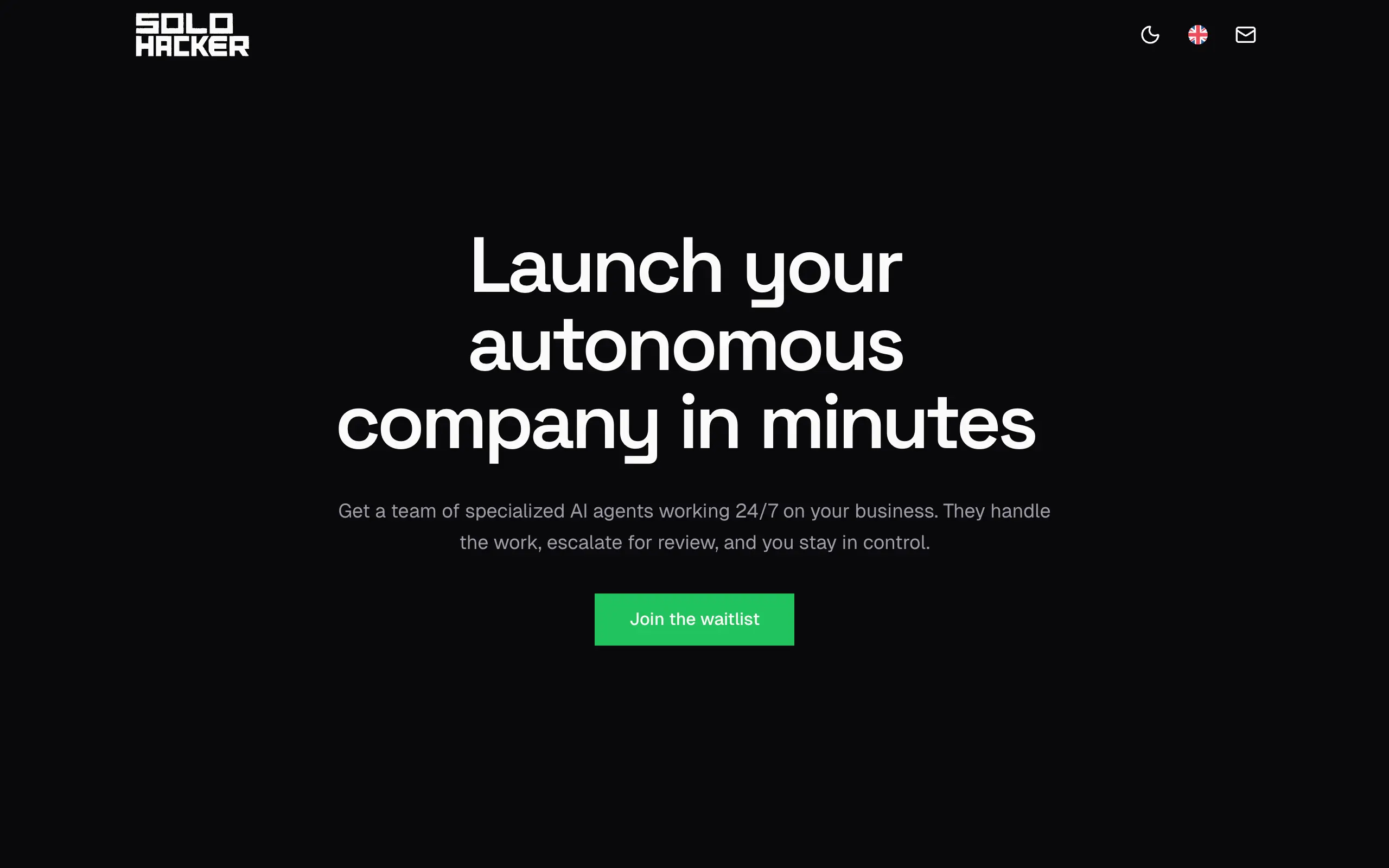
Solohacker
Autonomous company launcher - AI agents work 24/7, escalate what matters, and you stay in control 🤖
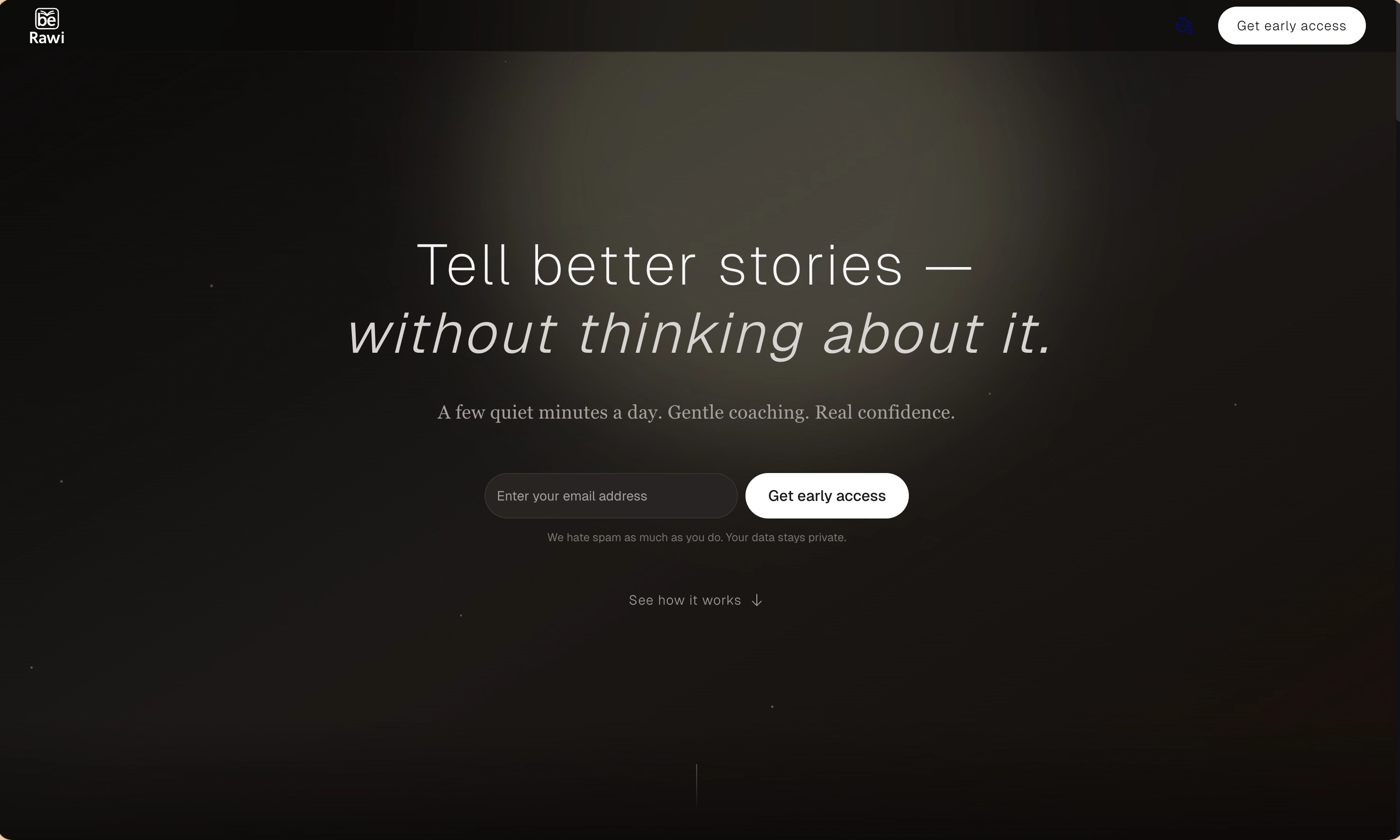
BeRawi: Storytelling Coach
Practice storytelling daily with instant feedback to sound clearer, more engaging, and confident 🎤
Omichat
Chat with 50+ AI models, including ChatGPT and Claude, in one place - switch models anytime without losing context 🤖
Claude Fast
Supercharge your Claude Code with 6x effective context window and specialized AI agents 🤖
EmojAI
AI-powered emoji picker with smart, context-aware suggestions 🤖
Solohacker
Autonomous company launcher - AI agents work 24/7, escalate what matters, and you stay in control 🤖
BeRawi: Storytelling Coach
Practice storytelling daily with instant feedback to sound clearer, more engaging, and confident 🎤
Omichat
Chat with 50+ AI models, including ChatGPT and Claude, in one place - switch models anytime without losing context 🤖
Claude Fast
Supercharge your Claude Code with 6x effective context window and specialized AI agents 🤖
EmojAI
AI-powered emoji picker with smart, context-aware suggestions 🤖
Solohacker
Autonomous company launcher - AI agents work 24/7, escalate what matters, and you stay in control 🤖
BeRawi: Storytelling Coach
Practice storytelling daily with instant feedback to sound clearer, more engaging, and confident 🎤
Omichat
Chat with 50+ AI models, including ChatGPT and Claude, in one place - switch models anytime without losing context 🤖
Claude Fast
Supercharge your Claude Code with 6x effective context window and specialized AI agents 🤖
EmojAI
AI-powered emoji picker with smart, context-aware suggestions 🤖
Solohacker
Autonomous company launcher - AI agents work 24/7, escalate what matters, and you stay in control 🤖
BeRawi: Storytelling Coach
Practice storytelling daily with instant feedback to sound clearer, more engaging, and confident 🎤

Connect with like-minded people
Join our community to get feedback, support, and grow together with 1,000+ builders on board, let's ship it!
Join usShip your startup everywhere. In minutes.
Don't burn tokens on setup and start building features on day one.