IdleOps
Turn employee downtime into approved micro-projects with skill matching, manager visibility, and measurable business impact.
Why employee downtime is a business operations problem
Employee downtime is often treated as an unavoidable cost of doing business. A project ends early, a client decision is delayed, a seasonal workload dips, or a specialist is waiting for approvals. The employee may be willing and capable of contributing, but managers lack a safe, visible way to redirect that capacity.
That creates a familiar operational problem:
- Teams have unplanned availability but no shared backlog of meaningful work.
- Managers need delivery confidence and cannot casually loan people to unknown initiatives.
- Employees want growth opportunities but do not know where their skills can help.
- Internal improvement ideas remain stuck because nobody has a clearly assigned owner.
- Leadership cannot quantify whether available capacity created value or simply disappeared into fragmented work.
IdleOps is a B2B employee capacity management platform that turns downtime into approved micro-projects. It matches available employees to high-value internal work based on skills, capacity, permissions, and manager approval. The outcome is not simply a fuller calendar. It is measurable business impact, stronger employee development, and more resilient operations.
The primary keyword for this opportunity is employee downtime management software. Related search terms include:
- employee capacity management
- internal talent marketplace
- skills-based staffing
- workforce utilization software
- employee skills matching
- internal project marketplace
- resource allocation platform
- employee redeployment software
- manager approval workflow
- workforce productivity analytics
Unlike generic project management tools, IdleOps solves the decision layer between “this person is available” and “this work needs an owner.” Unlike traditional staffing platforms, it is optimized for short, controlled, manager-approved micro-projects that can fit around a person’s core role.
The strategic opportunity
IdleOps should position downtime as flexible organizational capacity, not employee underutilization. That framing makes the product more constructive for employees, managers, HR leaders, and executives.
Who needs employee downtime management software
IdleOps serves organizations with knowledge workers, distributed teams, specialized roles, or fluctuating project demand. The most attractive customers are usually large enough to experience coordination friction but small enough to implement a new workflow without a multi-year enterprise transformation program.
Operations and professional services leaders
Professional services firms, agencies, consultancies, implementation partners, and managed service providers regularly experience bench time between client assignments. Traditional resource management tools may show that a consultant is unassigned, but they rarely help teams turn a three-day gap into a documented business improvement project.
For this audience, IdleOps can support activities such as:
- Improving reusable client delivery templates
- Updating internal playbooks and knowledge bases
- Performing quality assurance on delivery assets
- Building accelerators for common client problems
- Supporting proposal development and research
- Completing internal automation initiatives
- Mentoring junior employees through short learning projects
The buyer is often a COO, VP of Operations, Head of Resource Management, or Practice Leader. Their central question is practical: How can we make use of available capacity without reducing billable readiness or creating management overhead?
HR, people operations, and talent development teams
HR leaders increasingly need evidence that career development is more than an annual conversation. An internal project marketplace can expose employees to adjacent work, give them validated experience, and build a more complete view of organizational skills.
For people teams, the appeal of IdleOps is not surveillance or utilization pressure. It is a structured way to create:
- Internal mobility opportunities
- Cross-functional career exposure
- Skills validation through real work
- Equitable access to developmental projects
- Stronger retention pathways for high-potential employees
- Data for workforce planning and skills intelligence
The buyer may be a Chief People Officer, Head of Talent Management, Learning and Development leader, or Internal Mobility manager.
Product, engineering, and technology organizations
Engineering teams often have small capacity gaps caused by dependency delays, feature sequencing, release windows, or changing priorities. A developer may not have enough uninterrupted time to start a major feature, but may be able to contribute to a scoped internal task.
Examples include documentation improvements, accessibility audits, test coverage work, observability updates, developer tooling, technical debt analysis, and incident postmortem follow-ups.
Technology leaders will demand controls. They need to know that employees only see appropriate projects, that access can be restricted, and that work does not bypass team priorities. IdleOps must therefore offer permission-aware discovery, manager approval, project ownership, and a transparent audit trail.
Mid-market companies with lean leadership teams
A mid-market business may have many valuable internal initiatives but no formal program management office. Leaders know that process inefficiencies, reporting gaps, outdated documentation, and manual workflows exist, yet these projects compete with urgent customer work.
IdleOps gives these companies an operational system for capturing and delivering small improvement initiatives. This is especially useful when the organization is scaling faster than its operating model.
The market gap: why existing tools do not solve the problem
The employee downtime management market sits at the intersection of resource planning, internal mobility, skills intelligence, and project execution. Each existing category solves part of the problem, but few address the complete workflow.
A resource management platform can show utilization. An HR information system can store job titles. A learning platform can assign training. A project management tool can track tasks. An internal talent marketplace can surface long-term roles or gigs.
The gap is the operational workflow that connects available time to approved, scoped, measurable internal work.
| Capability | Spreadsheets | Project tools | Talent marketplaces | IdleOps |
|---|---|---|---|---|
| Detect available capacity | Limited | Rarely | Sometimes | Yes |
| Match work to verified skills | Manual | Manual | Yes | Yes |
| Require manager approval | Manual | Limited | Varies | Yes |
| Measure operational impact | Weak | Task-focused | Talent-focused | Yes |
The strongest market gap is not “employees need more tasks.” It is that companies lack a trusted process for allocating short blocks of capacity to valuable work without risking core delivery.
This distinction matters. A poorly designed system can create a culture where workers feel constantly monitored or pressured to prove every open hour. A well-designed employee capacity management platform creates optional, approved contribution opportunities and protects employees’ primary responsibilities.
IdleOps positioning and unique selling proposition
IdleOps should be positioned as an approved micro-project marketplace for available employee capacity.
Its unique selling proposition is clear:
IdleOps helps organizations convert short periods of employee availability into manager-approved, skills-matched micro-projects with visible outcomes and measurable business impact.
That positioning has four differentiators.
It is designed for micro-projects, not permanent reassignment
Most staffing systems assume long-term allocation. Most project tools assume a team already exists. IdleOps is purpose-built for work that can be completed in a few hours, a few days, or a small percentage of weekly capacity.
A high-quality micro-project should have:
- A clear business owner
- A specific expected outcome
- A realistic time estimate
- Required or preferred skills
- Access and confidentiality requirements
- A completion definition
- An impact category
- A manager approval requirement
This structure turns vague requests such as “improve our onboarding documentation” into an actionable internal opportunity.
It balances employee choice with manager control
Employees should be able to discover work aligned with their interests and skills. Managers should retain visibility into capacity, timing, and business priorities. Project owners should be able to select suitable contributors without navigating informal internal networks.
This three-sided workflow is central to the product’s value:
Employees
Find meaningful short projects that fit available time, validate skills, and expand internal exposure.
Managers
Approve participation based on workload, protect core commitments, and see team contribution outcomes.
Project owners
Access skills beyond their immediate team and move internal improvements forward faster.
It measures outcomes, not activity
A weak workforce utilization product reports hours assigned. IdleOps should report what happened because those hours were invested.
Project owners can categorize expected value, such as revenue support, cost reduction, risk reduction, customer experience, process efficiency, knowledge management, or employee development. At project completion, they should record actual outputs and evidence.
For example, a 12-hour micro-project could produce an automated report that saves the finance team two hours each week. The platform should capture both the direct deliverable and the projected recurring impact. The result is a credible story for executives, not a superficial activity dashboard.
It creates a living internal skills graph
Skills should not remain static keywords entered during onboarding. IdleOps can enrich skill profiles through completed projects, peer feedback, manager endorsements, certifications, and self-reported interests.
Over time, the platform develops a more useful answer to questions such as:
- Who has experience with a specific customer segment?
- Which employees have completed automation projects?
- Where do we have emerging leadership capability?
- Which skills are repeatedly requested but scarce internally?
- What development opportunities lead to internal mobility?
This data asset can become an important competitive moat, provided the company handles privacy, consent, and bias responsibly.
Core IdleOps features for an MVP and beyond
The first version should focus on the smallest complete workflow. Do not begin by trying to replace an HRIS, resource planning suite, project management platform, or enterprise learning system.
Essential MVP features
The MVP should support the following workflow:
- An employee records available capacity.
- A project owner creates a scoped micro-project.
- IdleOps suggests relevant matches.
- The employee expresses interest or receives an invitation.
- The manager approves or declines participation.
- The employee completes the project.
- The project owner validates the outcome and records impact.
The initial product features should include:
- Employee profiles with skills, interests, role, team, and availability
- A micro-project creation form with scope, estimated effort, deadlines, and needed skills
- Searchable project discovery
- Rules-based skill matching
- Manager approval workflows
- Role-based access controls
- Notifications through email or Slack
- Project status tracking
- Completion feedback
- Basic impact reporting
- Admin controls for teams, categories, and permissions
A rules-based matching engine is sufficient at first. For example, it can combine skills overlap, stated availability, employee interests, time zone, role eligibility, and historical project performance. Explain why a match is being recommended rather than presenting an opaque score.
Intelligent matching and recommendation features
Once the workflow has traction, add a recommendation layer that reduces search effort and improves assignment quality.
Potential matching signals include:
- Exact and related skill matches
- Verified experience from completed projects
- Employee availability windows
- Manager-approved capacity
- Career interests and development goals
- Project urgency
- Team and department constraints
- Prior collaboration history
- Security clearance or data access eligibility
- Employee preference for asynchronous or collaborative work
AI can help normalize project descriptions and skill labels. For example, it can recognize that “customer journey mapping,” “service design,” and “experience mapping” may be related capabilities. However, automated recommendations should remain explainable and reviewable.
Avoid black-box staffing decisions
Use AI to recommend, summarize, and classify. Do not let an algorithm silently determine who receives opportunities, who is deemed underutilized, or who is excluded from developmental work. Human review and transparent matching criteria are essential.
Manager visibility and safeguards
Manager trust is a make-or-break adoption factor. A manager should never discover after the fact that a direct report committed to work that conflicts with primary responsibilities.
The manager workspace should show:
- Available capacity declared by the employee
- Pending micro-project requests
- Estimated commitment by week
- Project owner and business area
- Skills the employee will apply or develop
- Deadline and urgency
- Potential conflict warnings
- Approval history
- Completed contributions and outcomes
A practical approval design includes configurable rules. A manager could automatically approve projects below four hours per week, require approval for cross-functional work, or block assignments during critical delivery periods.
Outcome and impact analytics
The executive dashboard should focus on decisions, not vanity metrics.
Useful metrics include:
- Available capacity activated
- Micro-project completion rate
- Median time from posting to assignment
- Business impact by category
- Estimated hours saved
- Projects completed by department
- Skills in demand
- Internal supply gaps
- Participation distribution across teams and employee groups
- Manager approval turnaround time
- Employee development outcomes
- Repeat project owner activity
Avoid reducing the dashboard to a single utilization score. Leaders need context. A lower participation rate may be healthy during a busy customer delivery period, while a high rate may signal that teams are consistently overstaffed or planning poorly.
Building a fair and trusted employee capacity marketplace
Trust is not an optional feature for IdleOps. The product touches employee autonomy, managerial authority, performance perceptions, and access to career-building work.
Protect employees from harmful interpretations of downtime
The term “downtime” can create anxiety if employees fear it will be interpreted as a performance problem. The product language should be careful.
Consider customer-facing language such as:
- Available capacity
- Contribution opportunities
- Flexible project time
- Internal impact projects
- Skills-based opportunities
The platform should make it clear that capacity can be affected by project timelines, client dependencies, seasonal demand, and strategic planning decisions. It is not automatically an employee-level performance signal.
Design for equitable access
Opportunity marketplaces can unintentionally favor visible employees, popular skills, or teams with more influential project owners. IdleOps should include equity checks from early product stages.
Recommended controls include:
- Blind or partially blind interest review where appropriate
- Standardized project scopes and evaluation criteria
- Reports on opportunity allocation by department, location, seniority, and other permitted dimensions
- Rotation or exposure limits for highly sought-after contributors
- Clear escalation paths for unfair treatment
- Employee controls over career interests and availability
- Auditable assignment decisions
Organizations should consult employment counsel and privacy experts before segmenting reports by protected characteristics. The platform should support fair-use analysis without encouraging sensitive personal data collection.
Treat sensitive data as a product requirement
IdleOps will potentially store employee skills, availability, performance-adjacent feedback, organizational reporting lines, and project information. Security expectations will be high, especially for larger buyers.
A credible roadmap should include:
- Single sign-on through SAML or OpenID Connect
- Role-based access control
- Department and project-level visibility rules
- Encryption in transit and at rest
- Audit logs for approvals and access changes
- Data retention controls
- Export and deletion workflows
- Regional data hosting options where needed
- Vendor security documentation
- A path toward SOC 2 readiness as the customer base matures
For authoritative guidance, product teams should reference current security standards from organizations such as NIST and seek qualified legal advice for employment, privacy, and cross-border data obligations.
Recommended tech stack for IdleOps
IdleOps needs a stack that supports fast iteration, secure multi-tenant data, real-time workflow updates, integrations, and analytics. The ideal technology choice depends on the founding team’s expertise and target customer segment.
A pragmatic modern SaaS stack could include:
- Next.js for the web application and server-side functionality
- React for interactive user interfaces
- TypeScript for safer application development
- Tailwind CSS for consistent, fast UI implementation
- PostgreSQL for relational workflow and reporting data
- Prisma or another typed data layer for schema management
- Auth.js or an enterprise identity provider for authentication patterns
- Stripe for subscription billing
- Sentry for application error monitoring
- Slack integrations for notifications and approvals
- OpenAI APIs or a comparable model provider for optional AI-assisted skills extraction and project summaries
Trade-offs to consider
A serverless-first architecture can speed early development and reduce infrastructure work. It is a strong option for an MVP, especially when workloads are asynchronous and usage is uncertain. However, enterprise customers may later require more predictable regional data controls, advanced networking, and detailed observability.
PostgreSQL is a strong default because IdleOps workflows are relational. Employees belong to teams, managers approve assignments, projects require skills, and reports need reliable joins. A graph database may eventually help with complex skills relationships and collaboration networks, but introducing one too early adds operational complexity.
For search, begin with PostgreSQL full-text search and structured filters. Move to a dedicated search engine only after data volume, relevance requirements, or latency needs justify it.
For AI, keep a clear boundary between deterministic business rules and probabilistic recommendations. The authorization system, manager approvals, employee eligibility, and visibility controls should never depend solely on an LLM response.
A simplified matching flow could look like this:
type MatchInput = {
  employeeSkills: string[]
  employeeInterests: string[]
  availableHours: number
  requiredSkills: string[]
  preferredSkills: string[]
  estimatedHours: number
}

export function calculateMatchScore(input: MatchInput) {
  const requiredMatches = input.requiredSkills.filter((skill) =>
    input.employeeSkills.includes(skill)
  ).length

  const preferredMatches = input.preferredSkills.filter((skill) =>
    input.employeeSkills.includes(skill)
  ).length

  const hasCapacity = input.availableHours >= input.estimatedHours

  const skillScore =
    requiredMatches * 25 +
    preferredMatches * 10 +
    input.employeeInterests.filter((interest) =>
      input.requiredSkills.includes(interest)
    ).length * 5

  return {
    score: hasCapacity ? skillScore : 0,
    eligible: hasCapacity && requiredMatches === input.requiredSkills.length,
  }
}
This is intentionally simple. It offers a transparent foundation that customers can understand, audit, and tune before more advanced recommendations are introduced.
Monetization strategies for IdleOps
IdleOps should use a B2B SaaS pricing model that aligns with organizational value while minimizing procurement friction.
Per active employee pricing
A per-active-employee model is intuitive for customers using the platform as an internal opportunity marketplace. It works well when adoption is broad across the company.
Potential structure:
- Starter plan for smaller teams with basic project matching
- Growth plan with manager workflows, analytics, and integrations
- Enterprise plan with SSO, advanced permissions, audit logs, custom data retention, and dedicated support
The risk is that buyers may limit access to reduce cost, which weakens marketplace liquidity. If only a small subset of employees can participate, project owners may not find suitable talent.
Platform fee with included active users
A base subscription plus an active-user allowance can better support broader rollout. This model is often easier for operations or HR buyers because it creates predictable spend.
For example, pricing could be tied to organizational size bands rather than every named employee. This encourages the customer to invite more users and increases the likelihood of successful matches.
Value-based enterprise pricing
Larger companies may prefer annual agreements based on departments, business units, or workforce size. Enterprise packaging can include onboarding, integration implementation, custom reporting, security reviews, and strategic workforce analytics.
The value narrative should focus on measurable outcomes:
- Faster completion of internal improvement initiatives
- Better use of paid capacity during demand gaps
- Reduced external contractor reliance for small internal projects
- Increased retention through development visibility
- Improved workforce planning data
Be cautious about promising a universal ROI figure. Every organization measures capacity differently. Instead, provide an ROI calculator with transparent assumptions that buyers can customize.
Competitive advantage and defensibility
The early competitive advantage of IdleOps is workflow design. The long-term advantage is a high-quality dataset and a trusted organizational operating system.
Workflow depth creates switching costs
Once managers, employees, and project owners rely on IdleOps for approvals, project history, skill validation, and impact reporting, replacing the system becomes more difficult. The platform is no longer a project board. It is a record of internal contribution and capacity decisions.
The skills and outcomes graph compounds over time
Every completed micro-project can add structured data:
- Which skills were required
- Which employee completed the work
- Whether the work met expectations
- What outcome was produced
- How much capacity was used
- Which teams repeatedly needed help
- Which skills are scarce or emerging
This data improves matching quality and gives customers insights that disconnected HR and project tools cannot easily produce.
Integrations create operational stickiness
IdleOps should integrate into the systems where work already happens. Initial integrations could include Slack, Microsoft Teams, Google Workspace, Microsoft 365, HRIS platforms, and project tools such as Jira, Asana, or Linear.
The strategic rule is simple: integrate to reduce duplicate data entry, but do not become dependent on every external system being perfectly configured. Customers should still be able to run a useful internal project marketplace with a lightweight setup.
Key risks and how to mitigate them
Every SaaS concept in workforce operations has adoption, data, and positioning risks. IdleOps should address them directly rather than treating them as future problems.
Use supportive language, employee-controlled availability, transparent data policies, and clear separation from performance management. Emphasize optional opportunities and developmental value rather than monitoring idle time.
Give managers approval controls, workload visibility, and evidence that micro-projects are scoped to avoid disrupting core commitments. Start with small time commitments and teams that already value cross-functional work.
Launch with a curated project backlog and a defined pilot group. Marketplace liquidity matters more than broad feature coverage in the earliest phase.
Require outcome definitions, time estimates, accountable owners, and completion criteria. Offer project templates for common internal improvement use cases.
Keep humans in the loop, explain match reasons, audit assignment patterns, and give customers configurable matching rules. Do not use protected or sensitive attributes in matching logic.
A practical go-to-market plan
The best initial market is likely professional services firms with 100 to 1,000 employees. These organizations often have visible capacity fluctuations, strong incentives to improve utilization, and many internal initiatives that can be broken into micro-projects.
An effective initial wedge is a bench-to-impact workflow for consulting and agency teams. The message is concrete: when client work pauses, give employees approved internal projects that improve delivery assets, operational efficiency, and future revenue readiness.
Pilot design
A pilot should be narrow enough to create fast learning.
Recommended pilot parameters include:
- One or two participating departments
- A defined group of 50 to 150 employees
- A curated backlog of 20 to 40 micro-projects
- Executive sponsor from operations, HR, or a practice area
- Manager training focused on approval workflows
- A four to eight week measurement period
- Baseline metrics gathered before launch
Pilot success metrics should include activation rate, projects posted, assignments completed, manager approval time, participant satisfaction, and validated business outcomes.
Interview both successful and unsuccessful participants. If employees are not applying, the problem may be discoverability, timing, manager hesitation, project quality, or an unclear personal benefit. If projects are not being posted, project owners may need templates, executive encouragement, or help scoping their work.
Implementation roadmap for launching IdleOps
Build the product around real workflow evidence, not assumptions about what enterprise buyers want. The goal of the first release is to prove that approved micro-projects can be created, matched, completed, and measured with low administrative effort.
For founders who want to move quickly without spending weeks rebuilding standard SaaS infrastructure, TurboStarter can provide a strong starting point for authentication, billing, application structure, and production-ready foundations. That lets the team focus on IdleOps’ differentiated workflow: skills matching, approvals, impact measurement, and trusted workforce operations.
Final perspective on the IdleOps opportunity
IdleOps can address a real and under-served operational challenge: organizations have capable employees, valuable internal work, and intermittent capacity, but no trusted system connecting the three.
The opportunity is larger than filling downtime. A well-executed employee downtime management platform can improve internal mobility, reduce bottlenecks, surface hidden skills, accelerate process improvements, and give leadership a more accurate view of how organizational capacity creates value.
The winning product will not treat employees as interchangeable capacity units. It will make work allocation more transparent, voluntary where possible, manager-aware, equitable, and outcome-focused.
That is the central promise of IdleOps: transform available time into approved work that helps employees grow and helps the business move forward.
More 🏢 B2B Application SaaS ideas
Discover more innovative b2b application SaaS ideas that are trending in 2026. Each idea is AI-generated with market validation and growth potential to help you find your next profitable venture faster than competitors.
Your competitors are building with TurboStarter
Below are some of the SaaS ideas that have been generated and built with our starter kit.
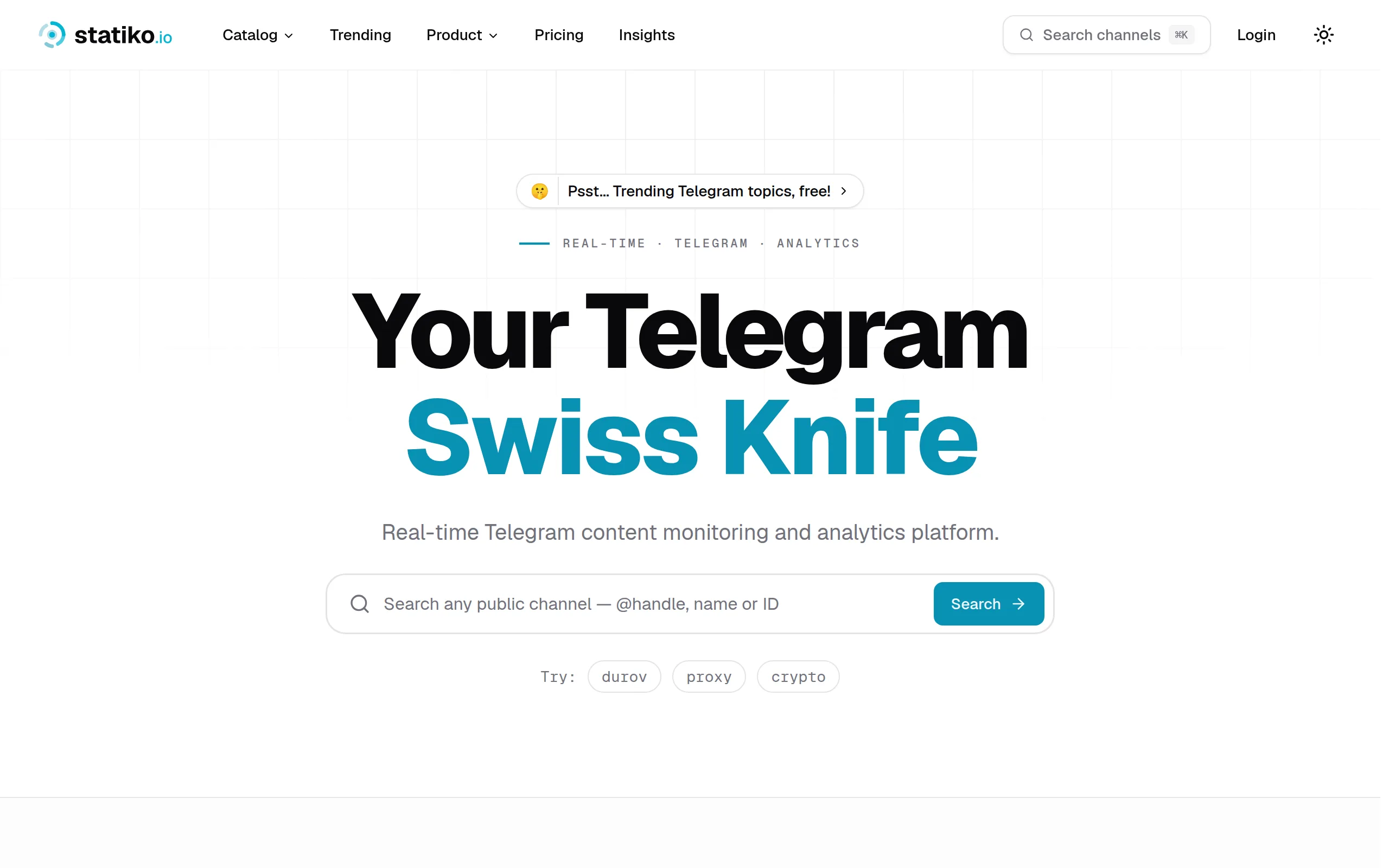
Statiko
Monitor any Telegram channel in real time - track posts, edits, deletions, and growth with AI recaps 📡

Shibui
AI website builder - describe your business, pick a niche template, edit by chatting, and publish instantly ✨

Pro Service
Find verified home service professionals, compare quotes, and pay securely through escrow - built for Brazilians across the US 🏠
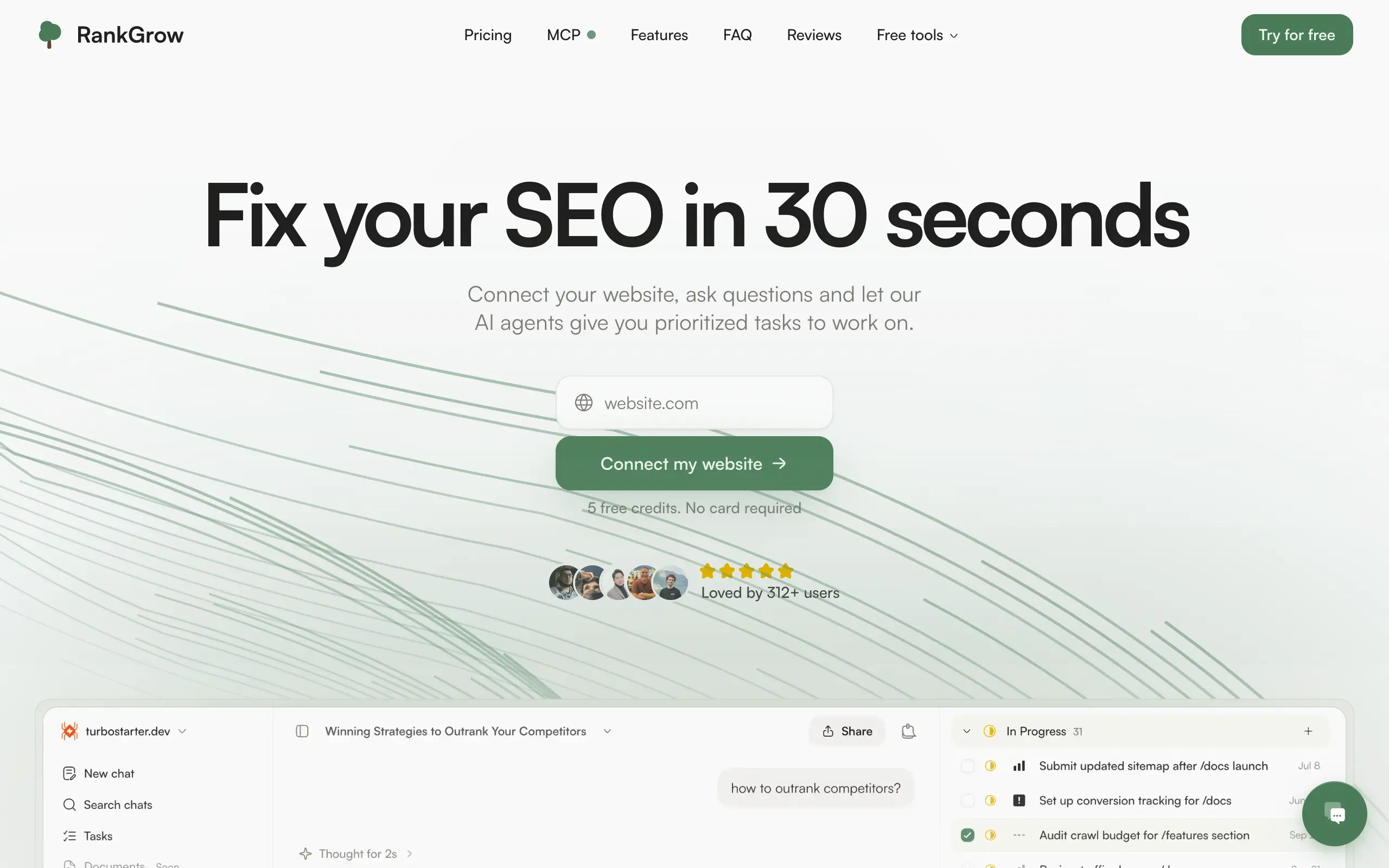
RankGrow
Fix your SEO with AI agents - connect Search Console, get prioritized tasks, and grow organic traffic 📈
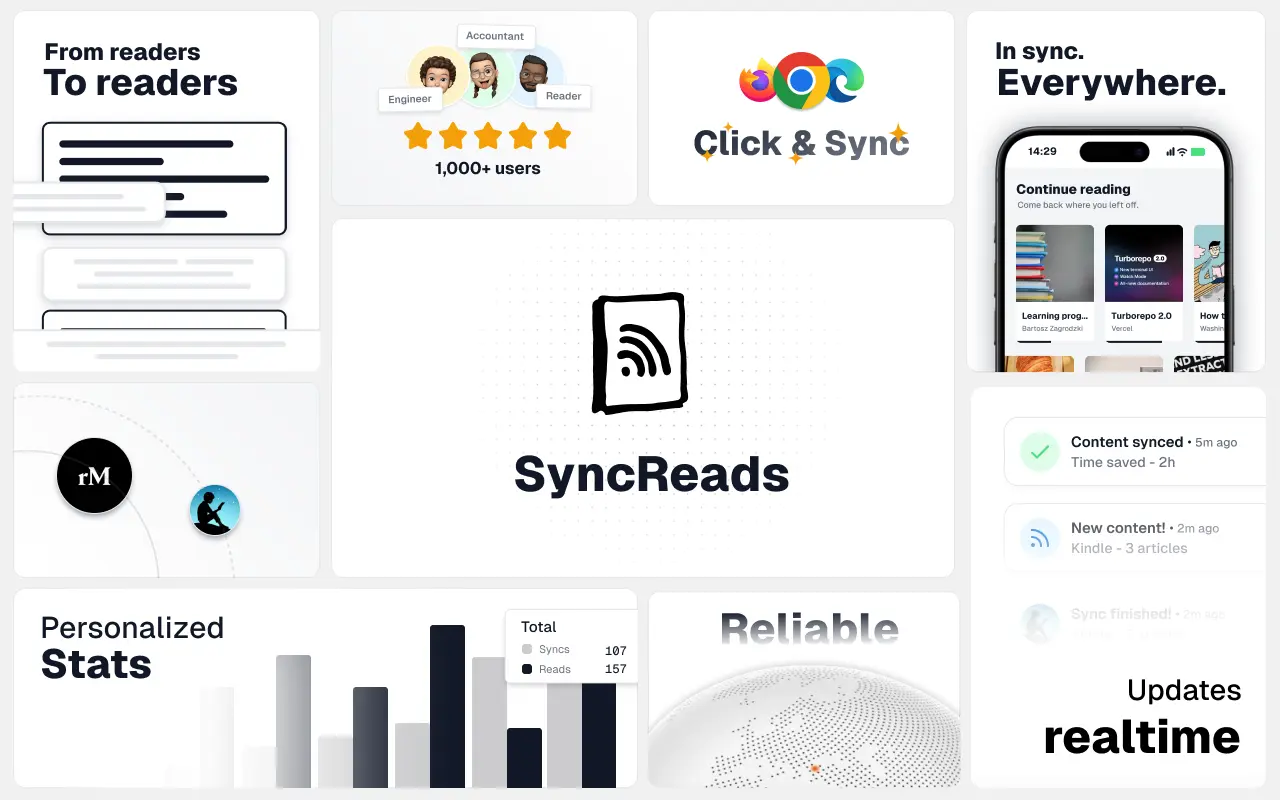
SyncReads
Sync your favorite content for distraction-free reading, save time and replace multiple apps. Anytime, anywhere 🔄
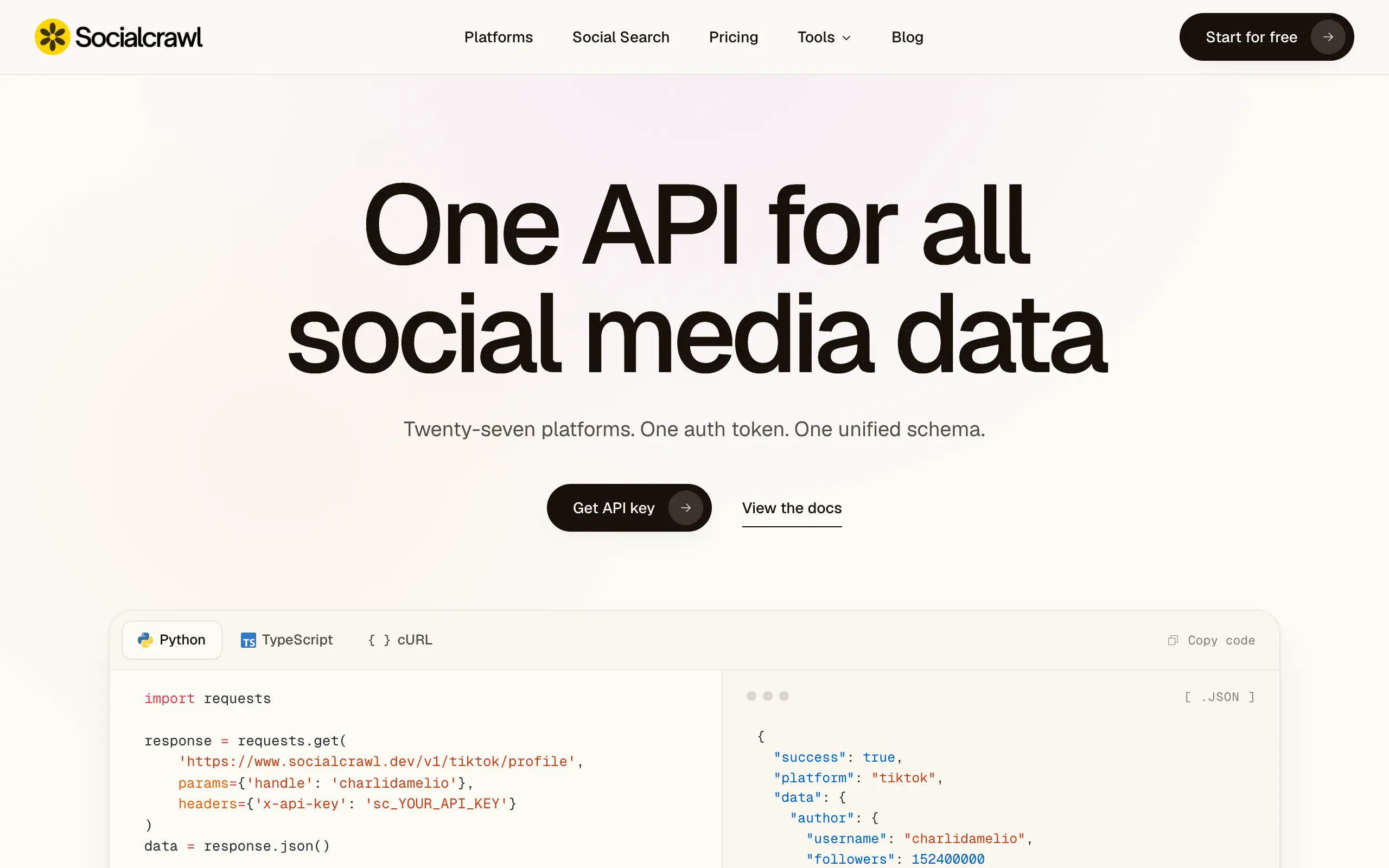
Socialcrawl
Get clean, structured data from 21 platforms like TikTok, Instagram, and YouTube with a single request 📊
Statiko
Monitor any Telegram channel in real time - track posts, edits, deletions, and growth with AI recaps 📡
Shibui
AI website builder - describe your business, pick a niche template, edit by chatting, and publish instantly ✨
Pro Service
Find verified home service professionals, compare quotes, and pay securely through escrow - built for Brazilians across the US 🏠
RankGrow
Fix your SEO with AI agents - connect Search Console, get prioritized tasks, and grow organic traffic 📈
SyncReads
Sync your favorite content for distraction-free reading, save time and replace multiple apps. Anytime, anywhere 🔄
Socialcrawl
Get clean, structured data from 21 platforms like TikTok, Instagram, and YouTube with a single request 📊
Statiko
Monitor any Telegram channel in real time - track posts, edits, deletions, and growth with AI recaps 📡
Shibui
AI website builder - describe your business, pick a niche template, edit by chatting, and publish instantly ✨
Pro Service
Find verified home service professionals, compare quotes, and pay securely through escrow - built for Brazilians across the US 🏠
RankGrow
Fix your SEO with AI agents - connect Search Console, get prioritized tasks, and grow organic traffic 📈
SyncReads
Sync your favorite content for distraction-free reading, save time and replace multiple apps. Anytime, anywhere 🔄
Socialcrawl
Get clean, structured data from 21 platforms like TikTok, Instagram, and YouTube with a single request 📊
Statiko
Monitor any Telegram channel in real time - track posts, edits, deletions, and growth with AI recaps 📡
Shibui
AI website builder - describe your business, pick a niche template, edit by chatting, and publish instantly ✨
Pro Service
Find verified home service professionals, compare quotes, and pay securely through escrow - built for Brazilians across the US 🏠
RankGrow
Fix your SEO with AI agents - connect Search Console, get prioritized tasks, and grow organic traffic 📈
SyncReads
Sync your favorite content for distraction-free reading, save time and replace multiple apps. Anytime, anywhere 🔄
Socialcrawl
Get clean, structured data from 21 platforms like TikTok, Instagram, and YouTube with a single request 📊
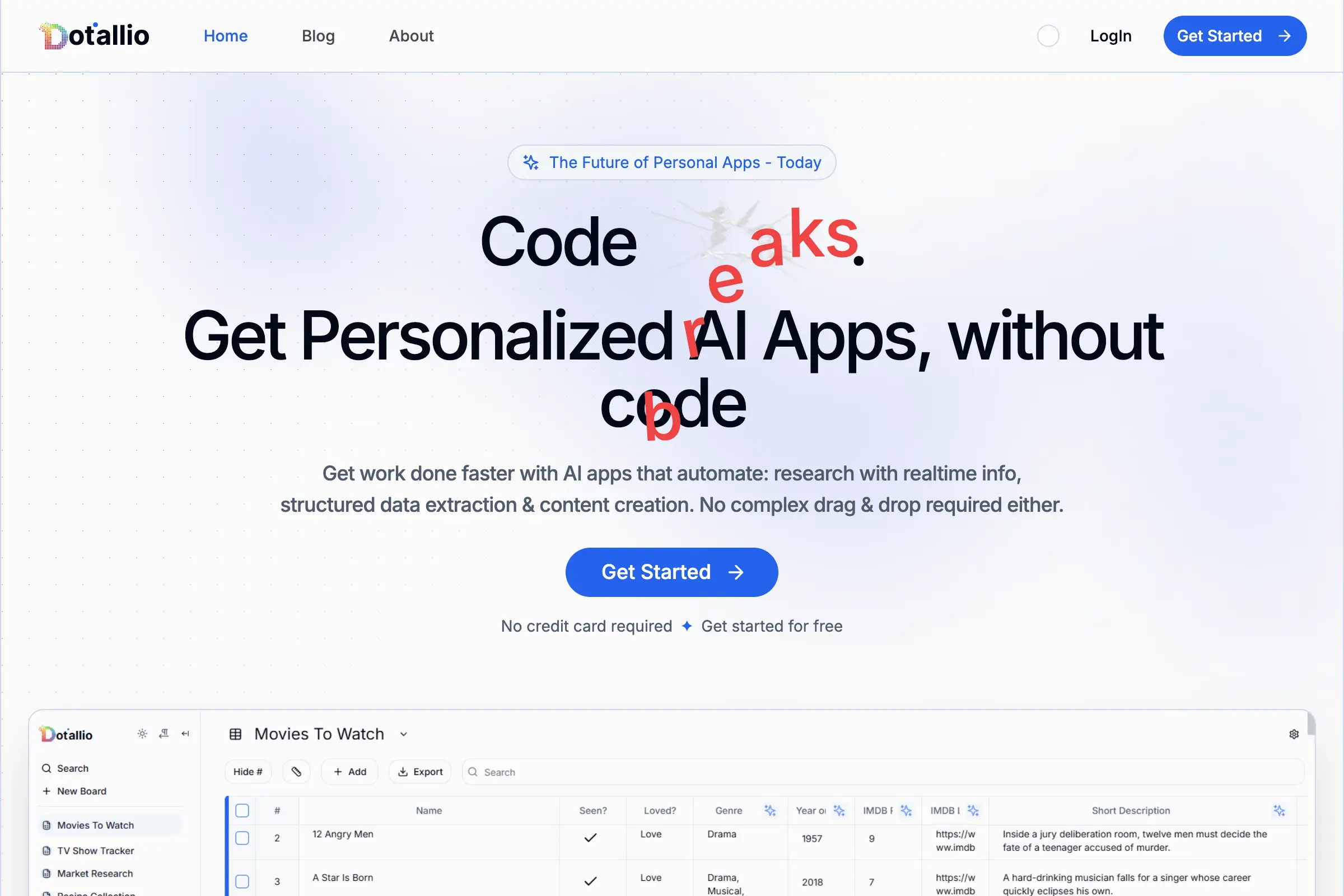
Dotallio
Personalized AI apps that automate research, data extraction, and content creation without code 🤖

Talk to Santa
Enjoy a magical live video chat or receive a unique AI-generated video greeting from Santa Claus 🎅
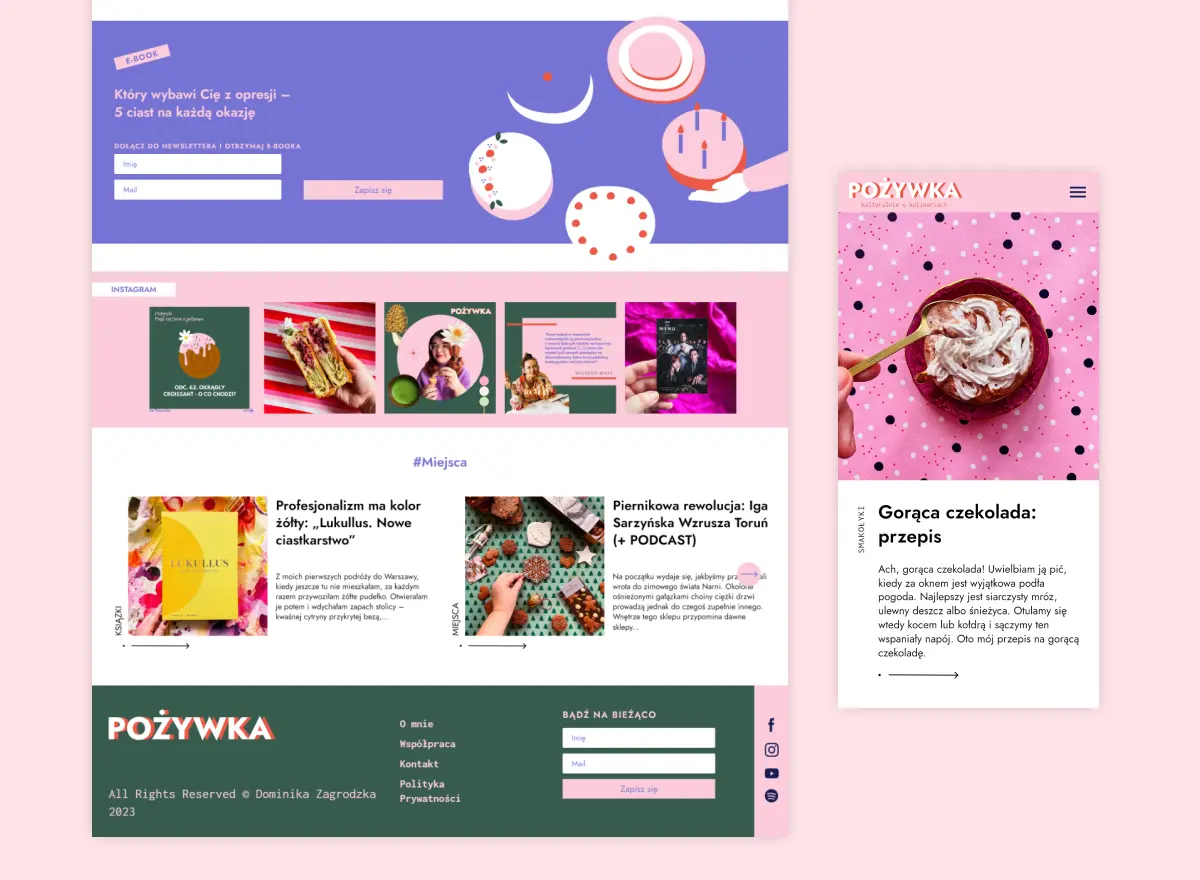
pozywka.pl
Scalable blog for food journalist, focused on performance and user experience 🌭
zagrodzki.me
Personal blog and portfolio of Bart Zagrodzki, where he shares his knowledge and work 💼
TurboStarter
Ship your startup everywhere. In minutes.
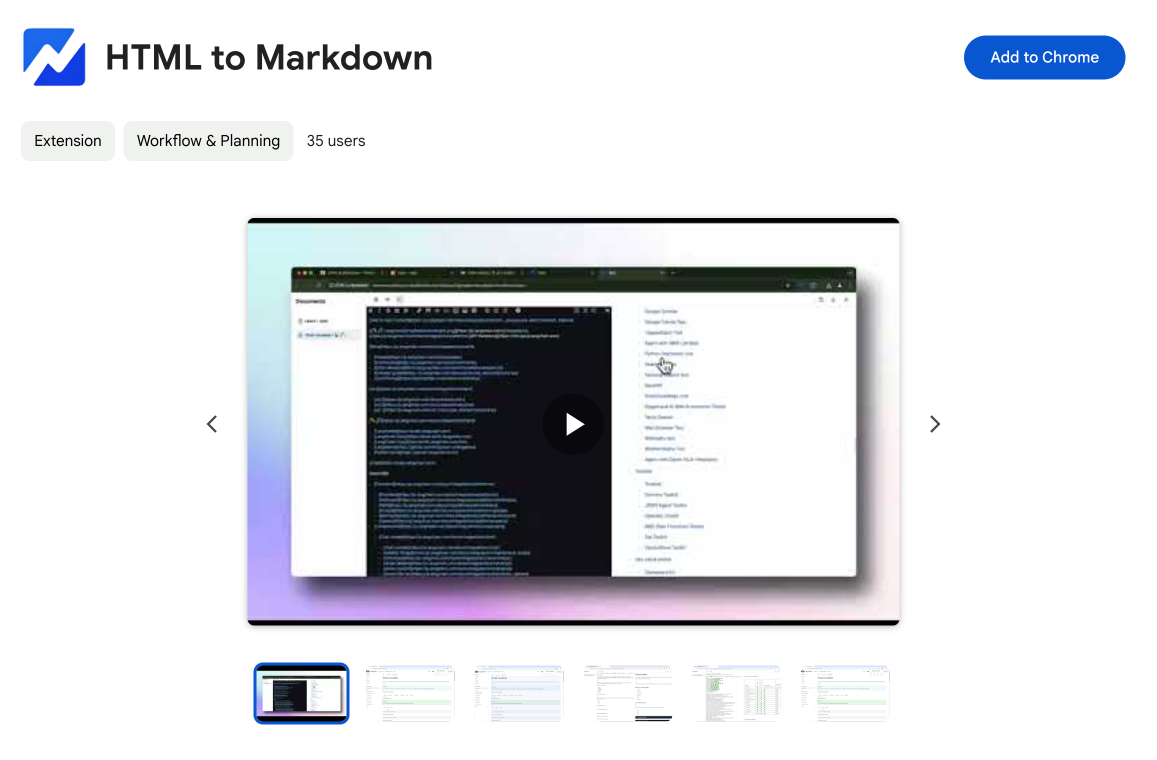
HTML to Markdown
Convert HTML to Markdown with ease, directly in your browser 📄
Dotallio
Personalized AI apps that automate research, data extraction, and content creation without code 🤖
Talk to Santa
Enjoy a magical live video chat or receive a unique AI-generated video greeting from Santa Claus 🎅
pozywka.pl
Scalable blog for food journalist, focused on performance and user experience 🌭
zagrodzki.me
Personal blog and portfolio of Bart Zagrodzki, where he shares his knowledge and work 💼
TurboStarter
Ship your startup everywhere. In minutes.
HTML to Markdown
Convert HTML to Markdown with ease, directly in your browser 📄
Dotallio
Personalized AI apps that automate research, data extraction, and content creation without code 🤖
Talk to Santa
Enjoy a magical live video chat or receive a unique AI-generated video greeting from Santa Claus 🎅
pozywka.pl
Scalable blog for food journalist, focused on performance and user experience 🌭
zagrodzki.me
Personal blog and portfolio of Bart Zagrodzki, where he shares his knowledge and work 💼
TurboStarter
Ship your startup everywhere. In minutes.
HTML to Markdown
Convert HTML to Markdown with ease, directly in your browser 📄
Dotallio
Personalized AI apps that automate research, data extraction, and content creation without code 🤖
Talk to Santa
Enjoy a magical live video chat or receive a unique AI-generated video greeting from Santa Claus 🎅
pozywka.pl
Scalable blog for food journalist, focused on performance and user experience 🌭
zagrodzki.me
Personal blog and portfolio of Bart Zagrodzki, where he shares his knowledge and work 💼
TurboStarter
Ship your startup everywhere. In minutes.
HTML to Markdown
Convert HTML to Markdown with ease, directly in your browser 📄
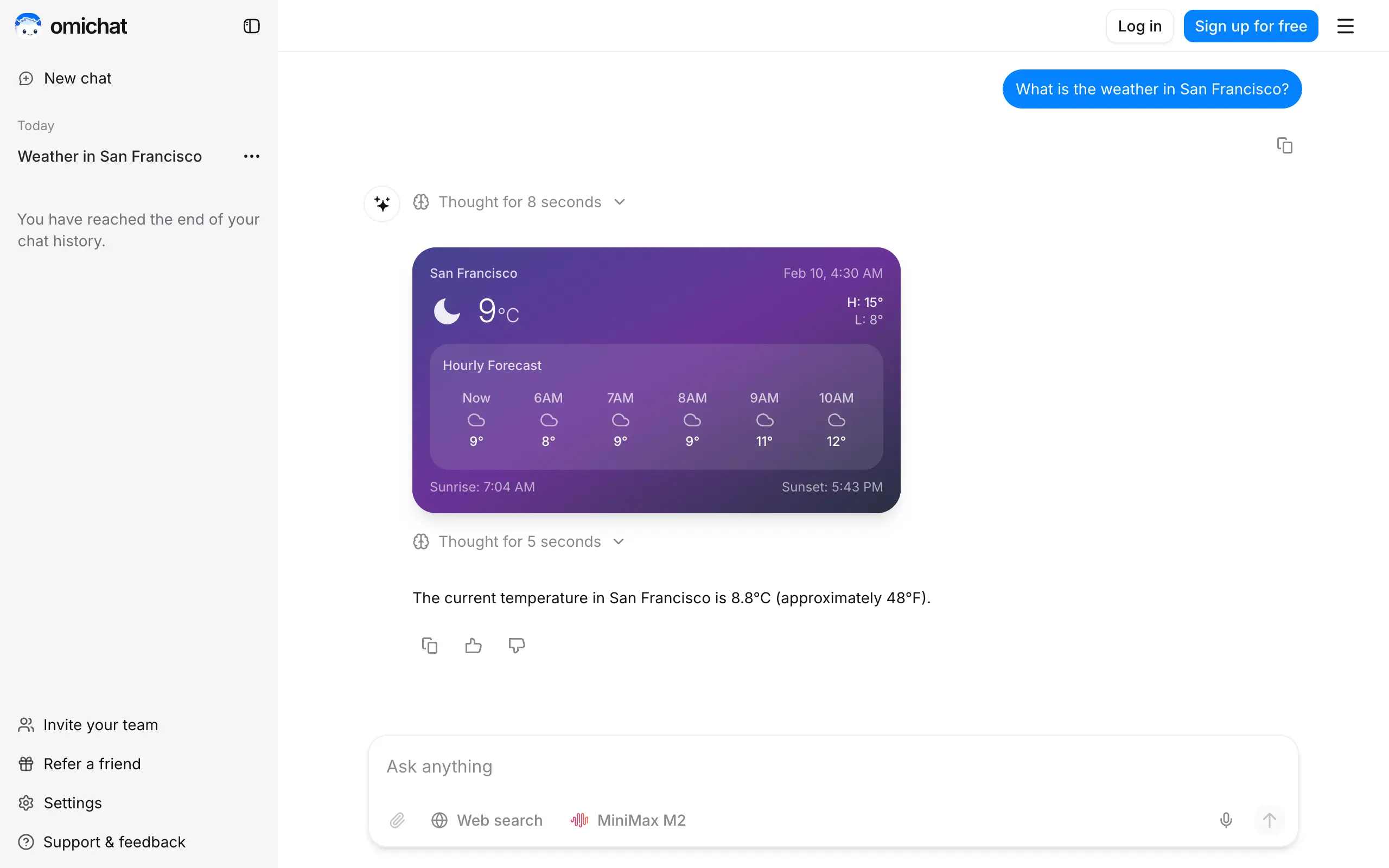
Omichat
Chat with 50+ AI models, including ChatGPT and Claude, in one place - switch models anytime without losing context 🤖
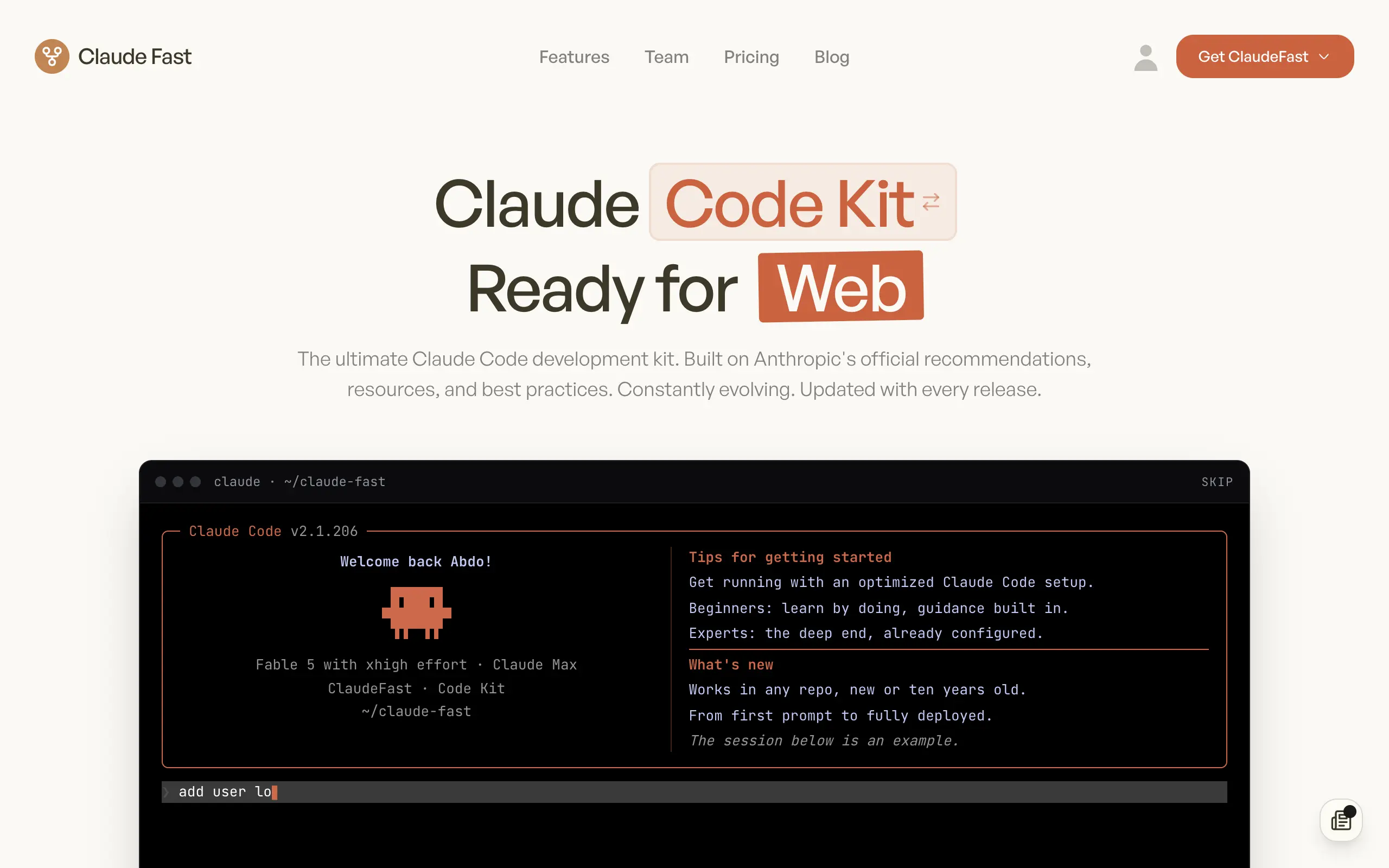
Claude Fast
Supercharge your Claude Code with 6x effective context window and specialized AI agents 🤖
EmojAI
AI-powered emoji picker with smart, context-aware suggestions 🤖
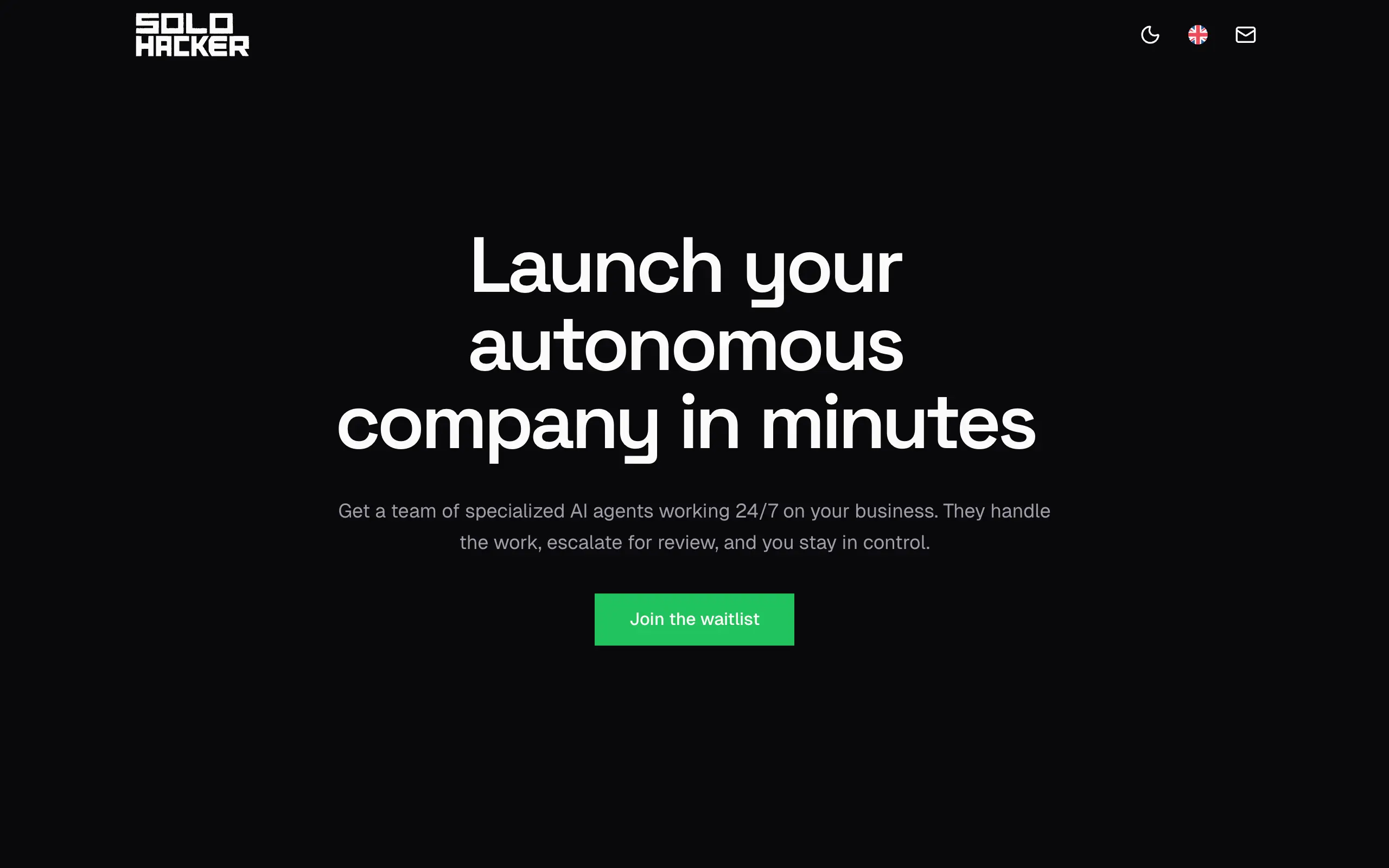
Solohacker
Autonomous company launcher - AI agents work 24/7, escalate what matters, and you stay in control 🤖
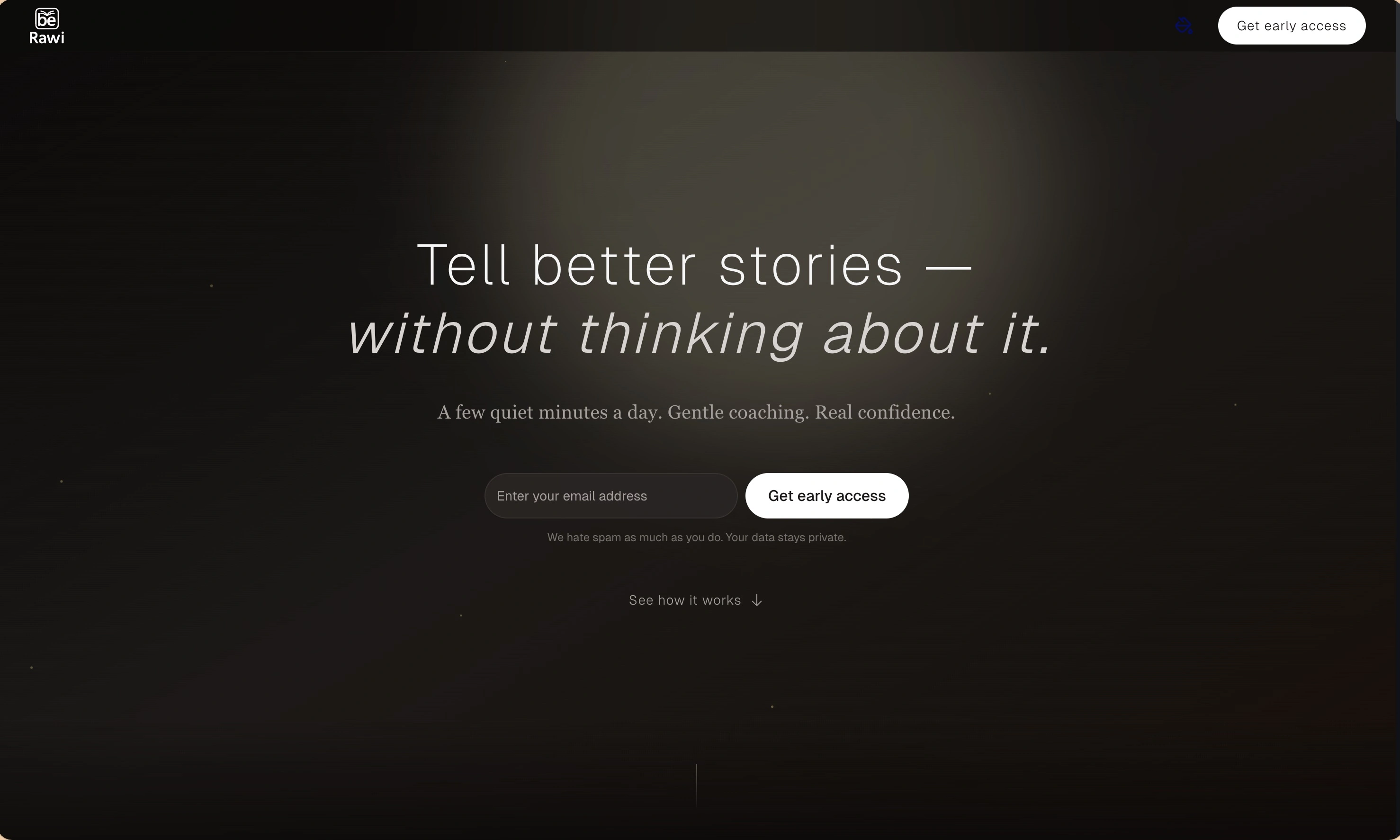
BeRawi: Storytelling Coach
Practice storytelling daily with instant feedback to sound clearer, more engaging, and confident 🎤
Omichat
Chat with 50+ AI models, including ChatGPT and Claude, in one place - switch models anytime without losing context 🤖
Claude Fast
Supercharge your Claude Code with 6x effective context window and specialized AI agents 🤖
EmojAI
AI-powered emoji picker with smart, context-aware suggestions 🤖
Solohacker
Autonomous company launcher - AI agents work 24/7, escalate what matters, and you stay in control 🤖
BeRawi: Storytelling Coach
Practice storytelling daily with instant feedback to sound clearer, more engaging, and confident 🎤
Omichat
Chat with 50+ AI models, including ChatGPT and Claude, in one place - switch models anytime without losing context 🤖
Claude Fast
Supercharge your Claude Code with 6x effective context window and specialized AI agents 🤖
EmojAI
AI-powered emoji picker with smart, context-aware suggestions 🤖
Solohacker
Autonomous company launcher - AI agents work 24/7, escalate what matters, and you stay in control 🤖
BeRawi: Storytelling Coach
Practice storytelling daily with instant feedback to sound clearer, more engaging, and confident 🎤
Omichat
Chat with 50+ AI models, including ChatGPT and Claude, in one place - switch models anytime without losing context 🤖
Claude Fast
Supercharge your Claude Code with 6x effective context window and specialized AI agents 🤖
EmojAI
AI-powered emoji picker with smart, context-aware suggestions 🤖
Solohacker
Autonomous company launcher - AI agents work 24/7, escalate what matters, and you stay in control 🤖
BeRawi: Storytelling Coach
Practice storytelling daily with instant feedback to sound clearer, more engaging, and confident 🎤

Connect with like-minded people
Join our community to get feedback, support, and grow together with 1,000+ builders on board, let's ship it!
Join usShip your startup everywhere. In minutes.
Don't burn tokens on setup and start building features on day one.