InsightSprint
AI-powered UX validation hub that helps Product Owners turn ideas into testable prototypes and real user insights within days, not weeks.
The new standard for AI-powered UX validation in product teams
Modern product teams move fast—but validation still moves slow. Wireframes circulate in Figma, feedback gets buried in Slack threads, usability tests take weeks to organize, and by the time insights arrive, the roadmap has already shifted.
An AI-powered UX validation hub like InsightSprint changes that equation. It enables Product Owners, UX designers, and startup founders to turn raw ideas into testable prototypes and actionable user insights within days, not weeks.
This article provides a comprehensive, expert-level breakdown of:
- ✅ The target audience and unmet market need
- ✅ The market opportunity for AI UX validation platforms
- ✅ Core features and product architecture
- ✅ Recommended tech stack (with trade-offs)
- ✅ Monetization strategy and pricing models
- ✅ Risks and mitigation strategies
- ✅ Competitive landscape analysis
- ✅ Clear implementation roadmap
If you're evaluating or building a B2B SaaS for UX validation, this guide addresses both strategic and technical search intent.
The real problem: why UX validation is still slow in 2026
Despite advancements in product tooling, validation workflows remain fragmented.
Current validation process (typical mid-size SaaS team)
- Idea drafted in Notion or Jira
- Wireframes created in Figma
- Prototype exported
- Recruitment managed separately (UserTesting, Maze, etc.)
- Surveys sent via Typeform
- Insights manually compiled in docs
This creates:
- Context switching
- Delayed feedback loops
- High per-test cost
- Insight silos
- Decision fatigue
According to product management benchmarks published by McKinsey and other research institutions (suggest citing latest product development reports), faster feedback loops correlate strongly with higher product success rates.
Yet most teams still validate too late.
Target audience analysis for an AI UX validation hub
Understanding user intent is critical for positioning InsightSprint effectively.
Primary audience
1. Product Owners & Product Managers (PMs)
Pain points:
- Pressure to deliver features quickly
- Limited research budgets
- Difficulty synthesizing user feedback
- Stakeholder skepticism without “real user data”
What they search for:
- “how to validate product ideas fast”
- “best UX testing tools for startups”
- “AI usability testing software”
2. UX Designers & UX Researchers
Pain points:
- Manual usability testing setup
- Recruiting friction
- Insight documentation overhead
- Limited time for qualitative analysis
What they want:
- Rapid prototype testing
- AI-generated research summaries
- Centralized insight repository
3. Startup founders
Pain points:
- No dedicated UX researcher
- Limited funding
- High risk of building the wrong feature
Search intent:
- “validate startup idea quickly”
- “MVP testing tools”
- “cheap usability testing software”
Market opportunity for AI UX validation platforms
The opportunity sits at the intersection of three fast-growing markets:
- UX research tools
- Product management SaaS
- Applied AI productivity platforms
Market drivers
- Remote-first product teams
- Faster iteration cycles (Agile, dual-track discovery)
- Increasing reliance on AI summarization and automation
- Rising demand for evidence-based product decisions
Major tools like Maze, UserTesting, and Hotjar dominate parts of the workflow—but none provide:
- AI-driven prototype generation
- Unified validation workflow
- Automated insight synthesis
- Decision-ready reports
This gap creates a clear positioning opportunity.
InsightSprint’s core value proposition
Turn product ideas into testable prototypes and validated insights within days.
This is not just usability testing. It’s a UX validation operating system.
The core workflow
This removes friction across the entire validation lifecycle.
Core features of InsightSprint
1. AI-assisted prototype generation
Users input:
- Problem statement
- Target persona
- Key feature description
The AI generates:
- Wireframe suggestions
- Flow structures
- UX test scripts
- Research hypotheses
This dramatically reduces time-to-test.
2. Rapid test builder
Create:
- Clickable prototype tests
- Task-based usability tests
- Surveys
- A/B flows
Key differentiator:
- AI suggests test scenarios based on feature type.
3. AI insight synthesis engine
This is the real competitive moat.
Instead of manually reviewing:
- Video recordings
- Survey responses
- Click heatmaps
The AI:
- Extracts recurring friction points
- Identifies usability bottlenecks
- Summarizes sentiment
- Clusters feedback themes
Example output:
interface InsightSummary {
  frictionPoints: string[]
  usabilityScore: number
  sentimentScore: number
  improvementRecommendations: string[]
}
This transforms raw data into executive-ready insights.
4. Decision-ready validation reports
Auto-generated:
- Executive summary
- Key metrics
- Risk assessment
- Recommendation (build, iterate, discard)
Perfect for stakeholder presentations.
5. Validation sprint templates
Pre-built templates for:
- Landing page validation
- Onboarding flow testing
- Pricing experiment
- Feature adoption testing
Competitive landscape analysis
Maze
Strong usability testing tool, lacks AI prototype generation and deep insight synthesis.
UserTesting
Enterprise-grade research platform, expensive and complex for startups.
Hotjar
Behavior analytics tool, not structured validation workflow.
Comparative feature overview
| Feature | Maze | UserTesting | Hotjar | InsightSprint |
|---|---|---|---|---|
| AI prototype generation | ❌ | ❌ | ❌ | ✅ |
| Automated insight synthesis | Limited | Partial | ❌ | ✅ Advanced |
| Unified validation workflow | ✅ | ✅ | ❌ | ✅ |
InsightSprint differentiates by combining AI-driven creation + AI-driven analysis.
Recommended tech stack (with trade-offs)
Frontend
Why:
- Component-driven architecture
- Rapid UI iteration
- Strong ecosystem
Trade-off:
- Requires careful state management at scale
Backend
- Node.js (API layer)
- PostgreSQL (structured data)
- Object storage for recordings
AI Layer
- LLM APIs for summarization
- Embeddings for feedback clustering
- Vector database for semantic search
Trade-off:
- LLM cost management
- Need prompt engineering expertise
Infrastructure
- Cloud provider (AWS, GCP, or Vercel)
- Serverless functions for scaling test runs
- CDN for prototype delivery
Monetization strategy for InsightSprint
B2B SaaS pricing must reflect value, not usage alone.
Tiered SaaS pricing model
-
Starter – $49–$79/month
- Limited tests per month
- Basic AI summaries
-
Growth – $149–$249/month
- Unlimited internal tests
- Advanced AI clustering
- Report exports
-
Enterprise – Custom
- Dedicated support
- SSO
- Compliance features
Usage-based add-ons
- Extra participant credits
- Advanced AI analysis packs
- White-labeled reports
Expansion revenue opportunities
- Insight repository analytics
- Historical trend dashboards
- Predictive UX scoring
Risks and mitigation strategies
AI over-reliance risk
AI-generated insights may miss nuanced qualitative context. Human oversight must remain part of the workflow.
Key risks
- AI hallucinations
- Data privacy concerns
- High LLM operational costs
- Competition from established players
Mitigation
- Human validation review layer
- Transparent AI explanation layer
- Smart caching & batching LLM calls
- Niche positioning (PM-focused vs enterprise research)
Unique selling proposition (USP)
InsightSprint is not just a UX testing tool.
It is:
- An AI validation co-pilot
- A sprint-based research engine
- A decision-making accelerator
The USP:
From idea to validated decision in under 5 days.
That speed is the competitive moat.
Implementation roadmap
Phase 1 – MVP (0–3 months)
Phase 2 – Validation engine expansion (3–6 months)
- Add clustering & sentiment analysis
- Add dashboard analytics
- Introduce pricing tiers
- Improve participant management
Phase 3 – Enterprise readiness (6–12 months)
- SSO integration
- Compliance (GDPR focus)
- API access
- Advanced reporting
Go-to-market strategy
1. Product-led growth
Offer:
- Free validation sprint
- Limited AI insights preview
2. Content marketing SEO strategy
Target high-intent keywords:
- AI UX validation tool
- How to validate product ideas
- Rapid usability testing software
- MVP testing platform
Long-form guides (like this) build topical authority.
3. Partnerships
- Startup accelerators
- Product communities
- UX design agencies
Why timing matters in 2026
AI adoption in SaaS is no longer optional.
Teams expect:
- Automated summarization
- Insight clustering
- Smart recommendations
The validation layer of product development is ripe for transformation.
How to build InsightSprint efficiently
Building from scratch can slow momentum.
Using a SaaS foundation like TurboStarter can accelerate:
- Authentication
- Billing integration
- Multi-tenant architecture
- Admin dashboards
This allows founders to focus on the AI validation engine rather than infrastructure plumbing.
Actionable next steps
If you're building or investing in an AI-powered UX validation platform:
Final thoughts
The future of product development belongs to teams that validate faster than they build.
InsightSprint positions itself as the AI-powered UX validation hub that:
- Reduces research friction
- Accelerates decision-making
- Increases product confidence
- Decreases feature waste
In a world where speed equals survival, validation becomes the ultimate competitive advantage.
More 🏢 B2B Application SaaS ideas
Discover more innovative b2b application SaaS ideas that are trending in 2026. Each idea is AI-generated with market validation and growth potential to help you find your next profitable venture faster than competitors.
Your competitors are building with TurboStarter
Below are some of the SaaS ideas that have been generated and built with our starter kit.
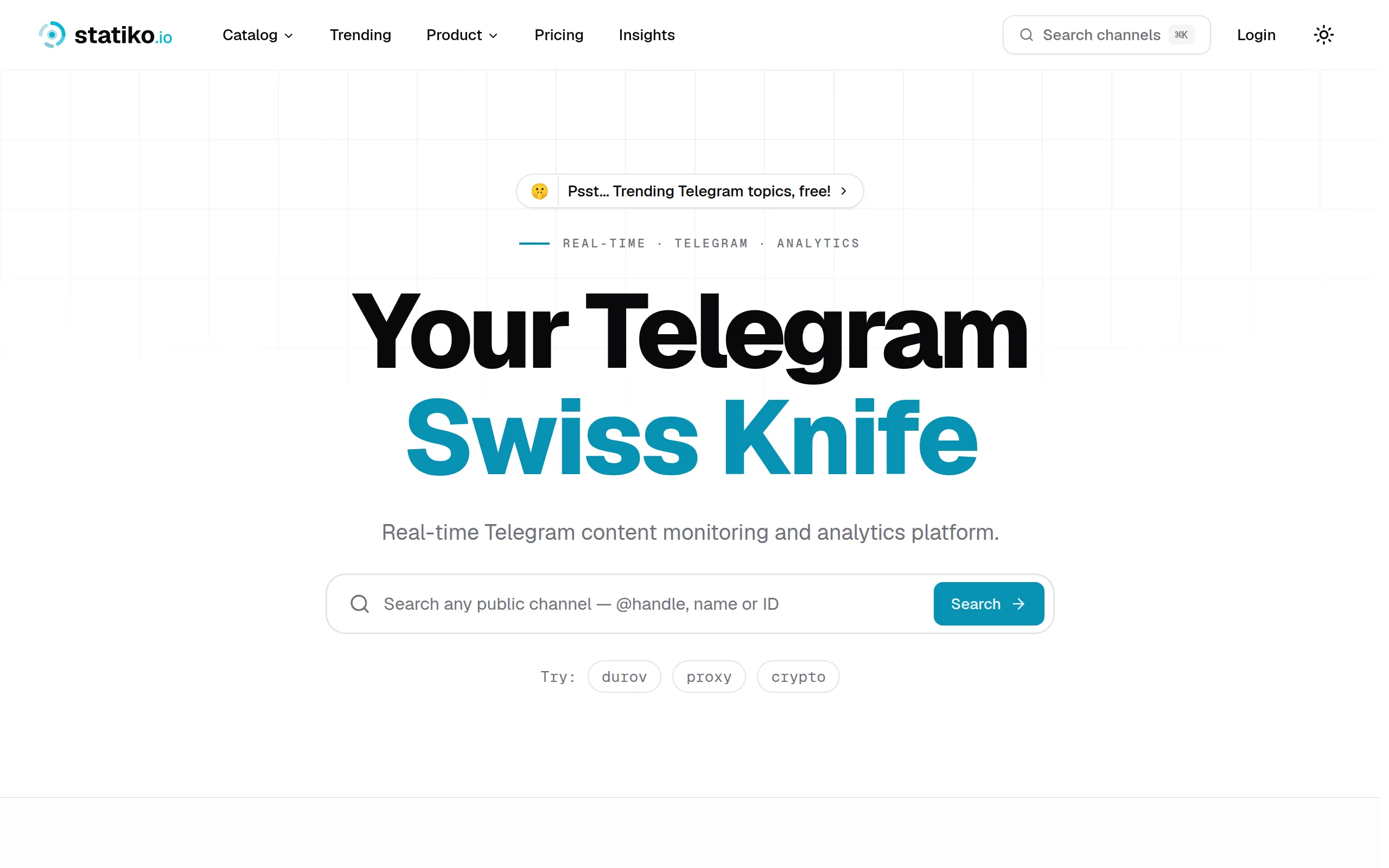
Statiko
Monitor any Telegram channel in real time - track posts, edits, deletions, and growth with AI recaps 📡

Shibui
AI website builder - describe your business, pick a niche template, edit by chatting, and publish instantly ✨

Pro Service
Find verified home service professionals, compare quotes, and pay securely through escrow - built for Brazilians across the US 🏠
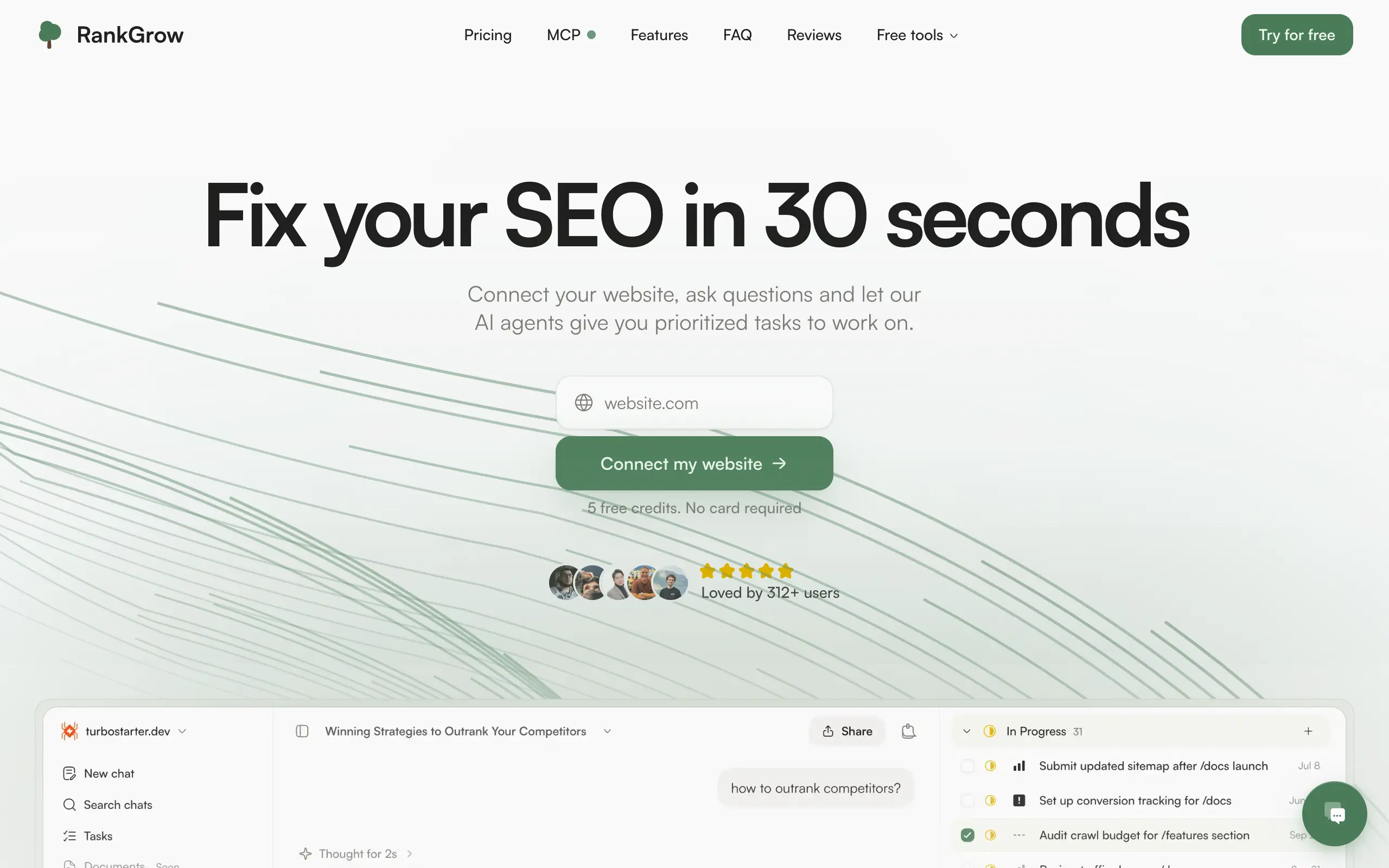
RankGrow
Fix your SEO with AI agents - connect Search Console, get prioritized tasks, and grow organic traffic 📈
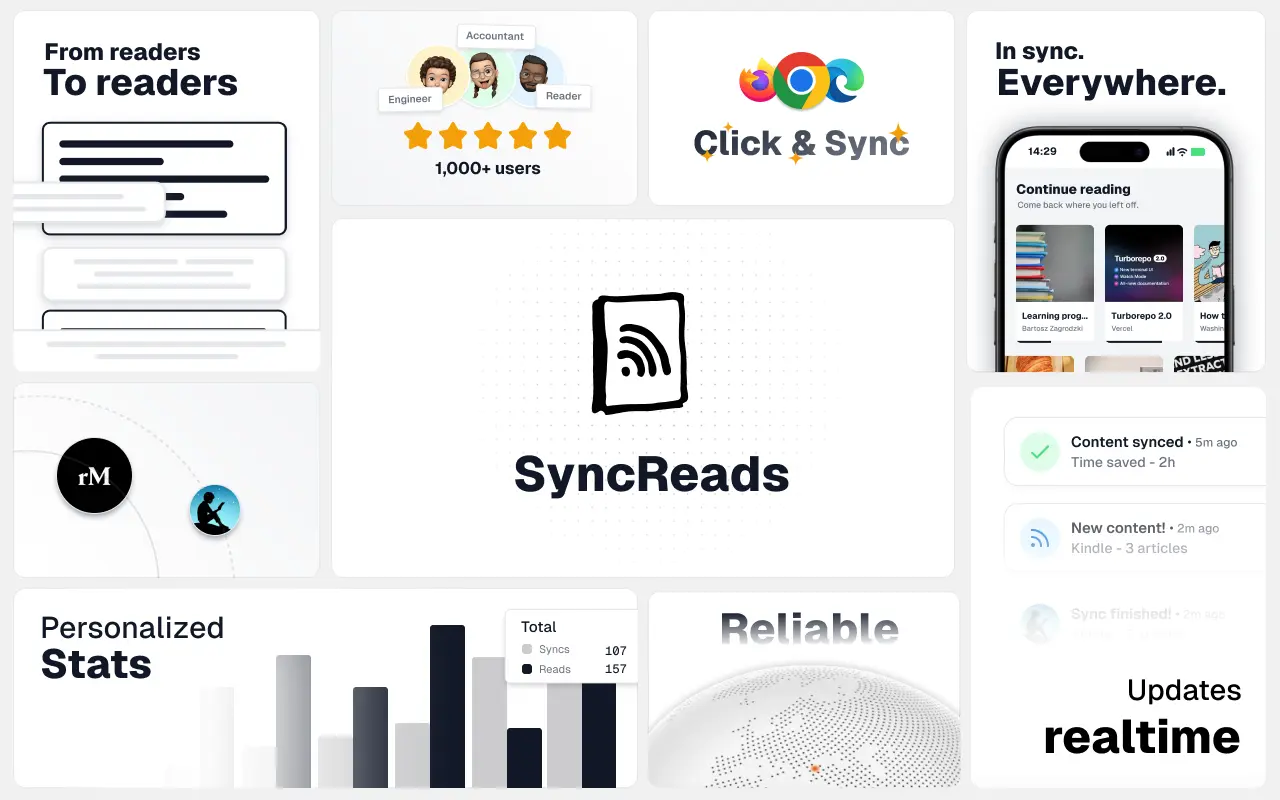
SyncReads
Sync your favorite content for distraction-free reading, save time and replace multiple apps. Anytime, anywhere 🔄
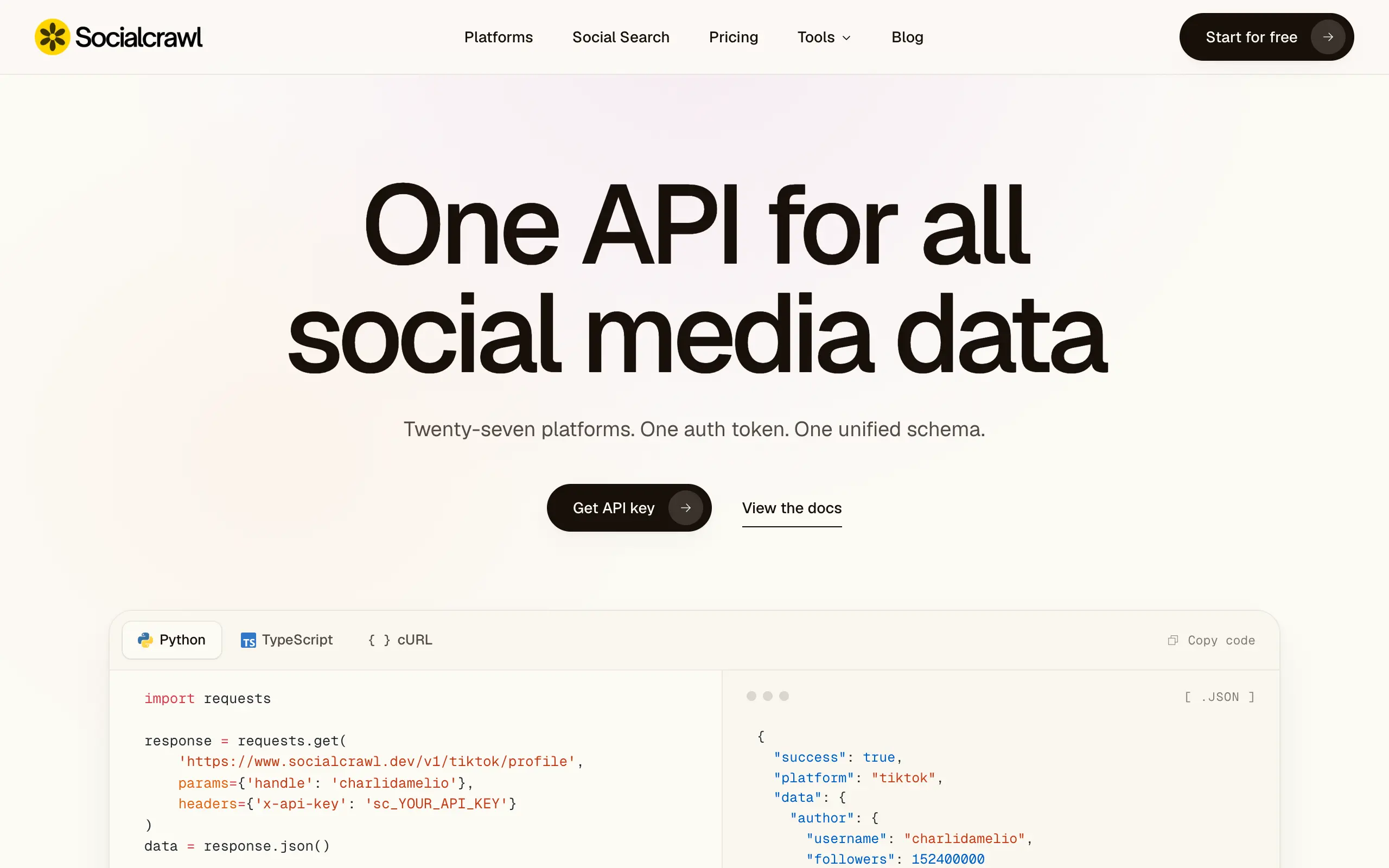
Socialcrawl
Get clean, structured data from 21 platforms like TikTok, Instagram, and YouTube with a single request 📊
Statiko
Monitor any Telegram channel in real time - track posts, edits, deletions, and growth with AI recaps 📡
Shibui
AI website builder - describe your business, pick a niche template, edit by chatting, and publish instantly ✨
Pro Service
Find verified home service professionals, compare quotes, and pay securely through escrow - built for Brazilians across the US 🏠
RankGrow
Fix your SEO with AI agents - connect Search Console, get prioritized tasks, and grow organic traffic 📈
SyncReads
Sync your favorite content for distraction-free reading, save time and replace multiple apps. Anytime, anywhere 🔄
Socialcrawl
Get clean, structured data from 21 platforms like TikTok, Instagram, and YouTube with a single request 📊
Statiko
Monitor any Telegram channel in real time - track posts, edits, deletions, and growth with AI recaps 📡
Shibui
AI website builder - describe your business, pick a niche template, edit by chatting, and publish instantly ✨
Pro Service
Find verified home service professionals, compare quotes, and pay securely through escrow - built for Brazilians across the US 🏠
RankGrow
Fix your SEO with AI agents - connect Search Console, get prioritized tasks, and grow organic traffic 📈
SyncReads
Sync your favorite content for distraction-free reading, save time and replace multiple apps. Anytime, anywhere 🔄
Socialcrawl
Get clean, structured data from 21 platforms like TikTok, Instagram, and YouTube with a single request 📊
Statiko
Monitor any Telegram channel in real time - track posts, edits, deletions, and growth with AI recaps 📡
Shibui
AI website builder - describe your business, pick a niche template, edit by chatting, and publish instantly ✨
Pro Service
Find verified home service professionals, compare quotes, and pay securely through escrow - built for Brazilians across the US 🏠
RankGrow
Fix your SEO with AI agents - connect Search Console, get prioritized tasks, and grow organic traffic 📈
SyncReads
Sync your favorite content for distraction-free reading, save time and replace multiple apps. Anytime, anywhere 🔄
Socialcrawl
Get clean, structured data from 21 platforms like TikTok, Instagram, and YouTube with a single request 📊
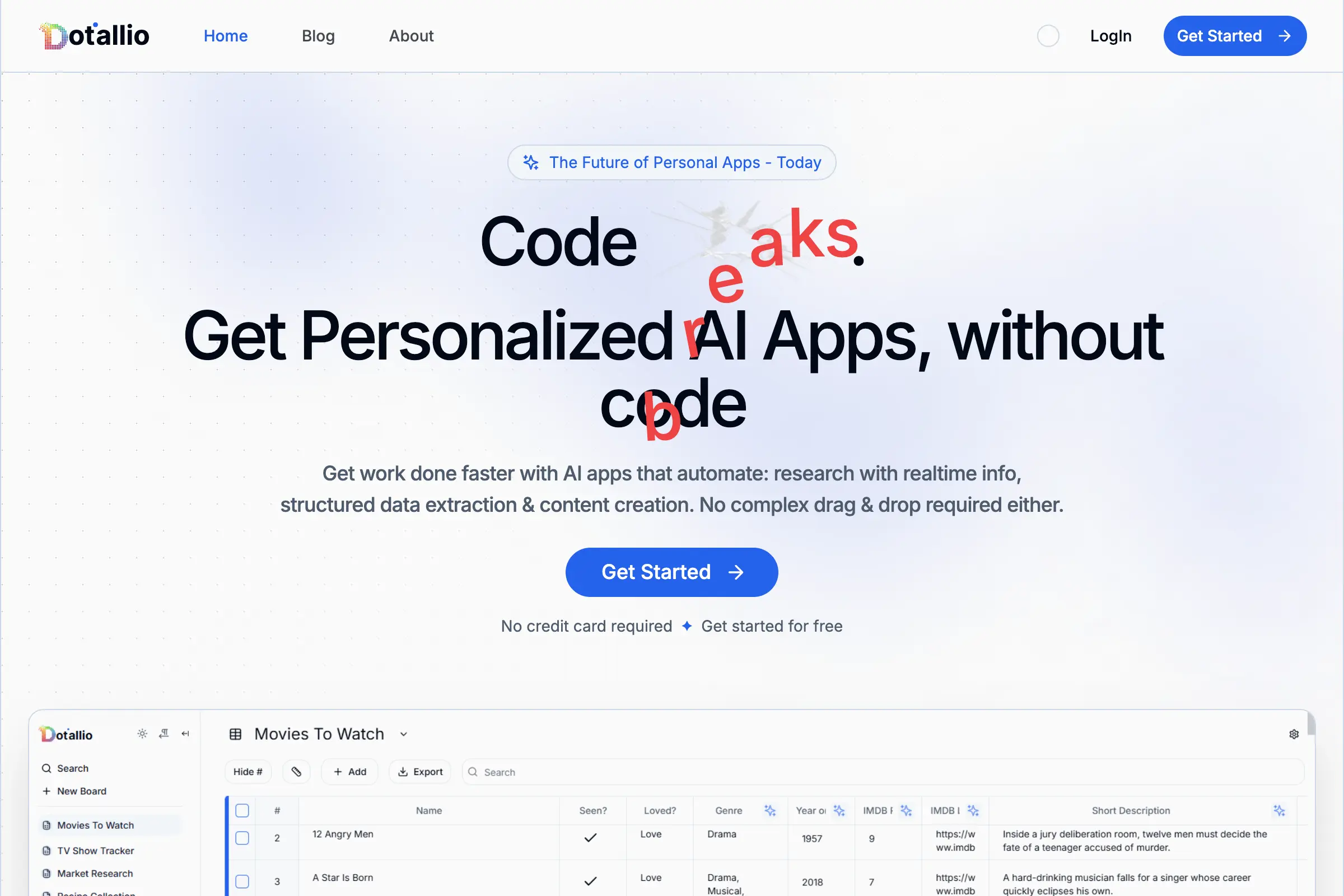
Dotallio
Personalized AI apps that automate research, data extraction, and content creation without code 🤖

Talk to Santa
Enjoy a magical live video chat or receive a unique AI-generated video greeting from Santa Claus 🎅
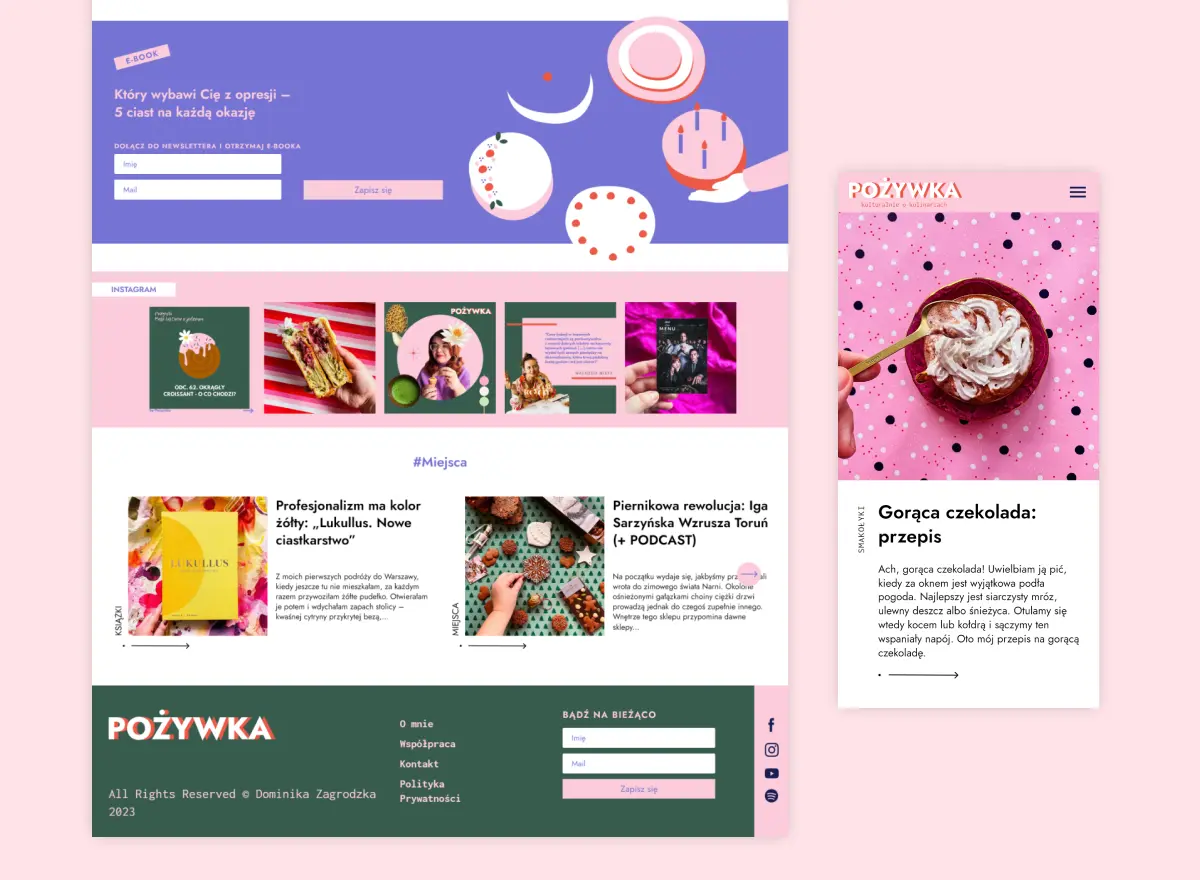
pozywka.pl
Scalable blog for food journalist, focused on performance and user experience 🌭
zagrodzki.me
Personal blog and portfolio of Bart Zagrodzki, where he shares his knowledge and work 💼
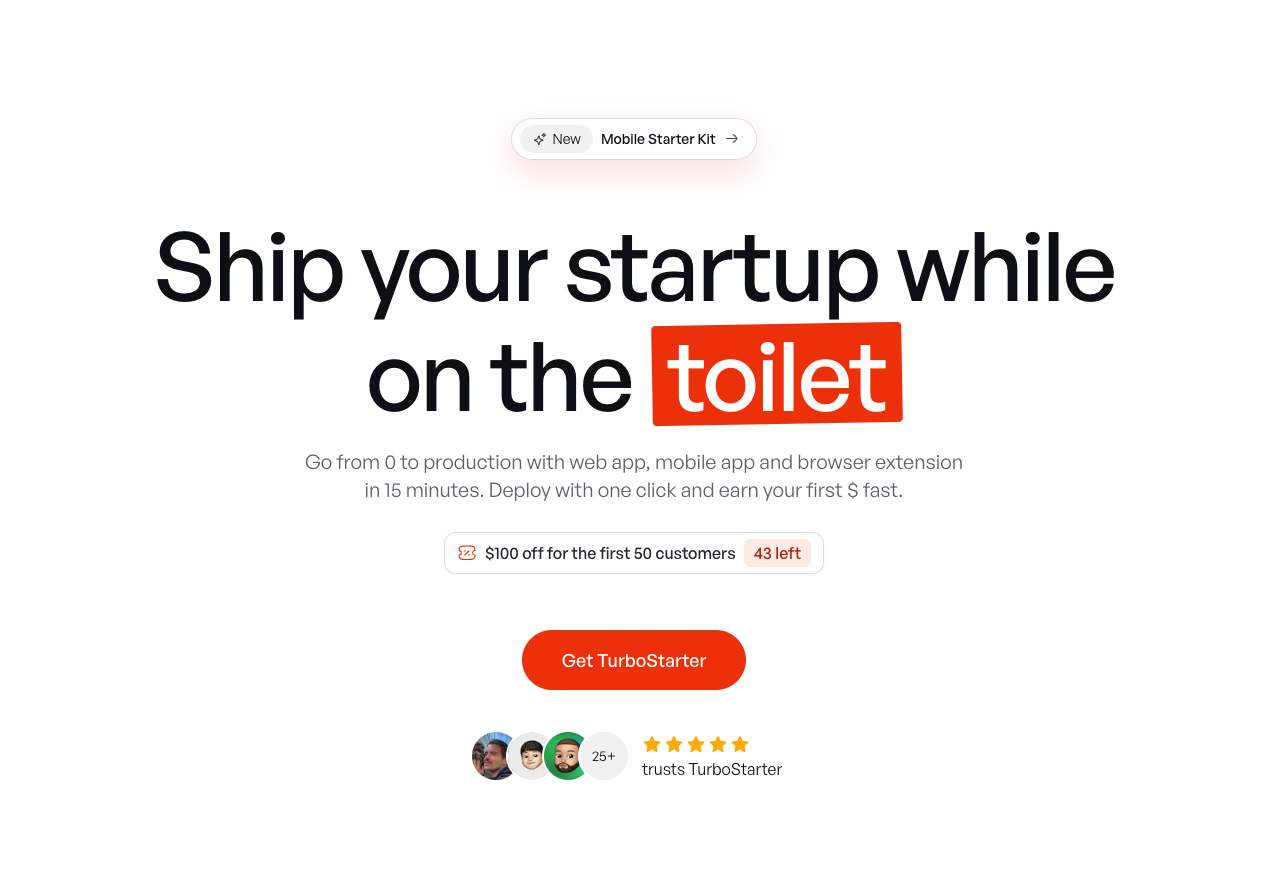
TurboStarter
Ship your startup everywhere. In minutes.
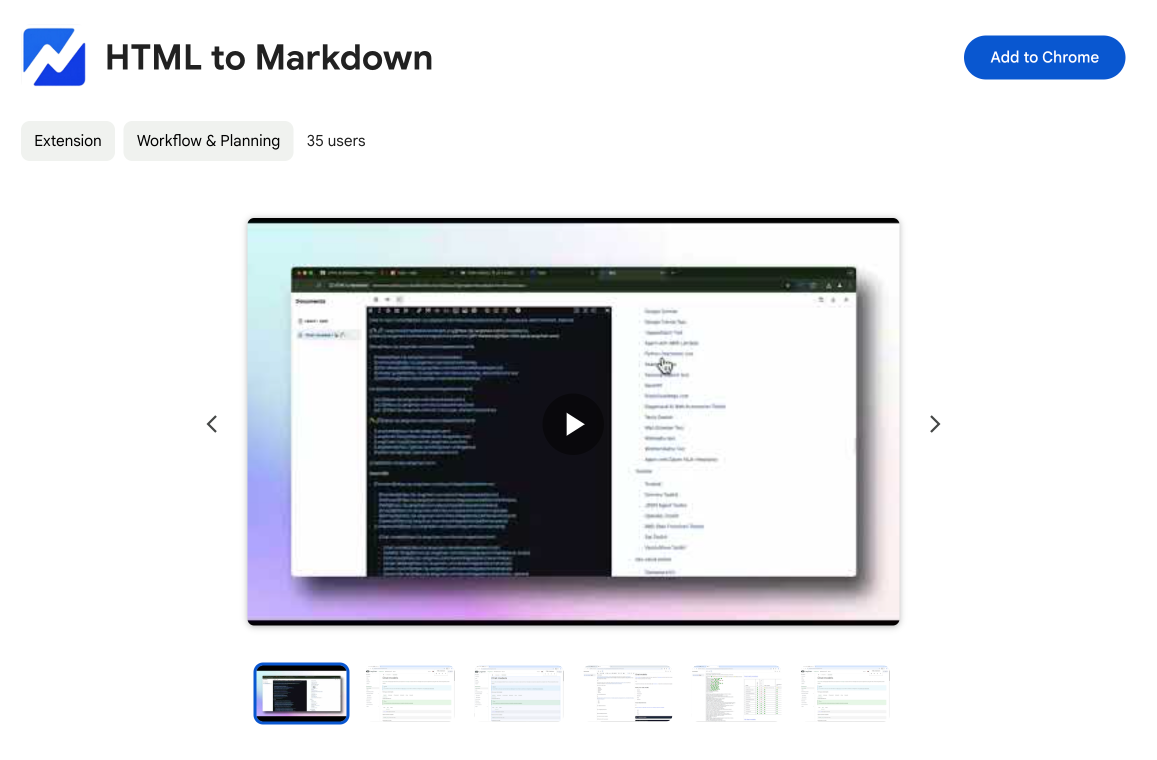
HTML to Markdown
Convert HTML to Markdown with ease, directly in your browser 📄
Dotallio
Personalized AI apps that automate research, data extraction, and content creation without code 🤖
Talk to Santa
Enjoy a magical live video chat or receive a unique AI-generated video greeting from Santa Claus 🎅
pozywka.pl
Scalable blog for food journalist, focused on performance and user experience 🌭
zagrodzki.me
Personal blog and portfolio of Bart Zagrodzki, where he shares his knowledge and work 💼
TurboStarter
Ship your startup everywhere. In minutes.
HTML to Markdown
Convert HTML to Markdown with ease, directly in your browser 📄
Dotallio
Personalized AI apps that automate research, data extraction, and content creation without code 🤖
Talk to Santa
Enjoy a magical live video chat or receive a unique AI-generated video greeting from Santa Claus 🎅
pozywka.pl
Scalable blog for food journalist, focused on performance and user experience 🌭
zagrodzki.me
Personal blog and portfolio of Bart Zagrodzki, where he shares his knowledge and work 💼
TurboStarter
Ship your startup everywhere. In minutes.
HTML to Markdown
Convert HTML to Markdown with ease, directly in your browser 📄
Dotallio
Personalized AI apps that automate research, data extraction, and content creation without code 🤖
Talk to Santa
Enjoy a magical live video chat or receive a unique AI-generated video greeting from Santa Claus 🎅
pozywka.pl
Scalable blog for food journalist, focused on performance and user experience 🌭
zagrodzki.me
Personal blog and portfolio of Bart Zagrodzki, where he shares his knowledge and work 💼
TurboStarter
Ship your startup everywhere. In minutes.
HTML to Markdown
Convert HTML to Markdown with ease, directly in your browser 📄
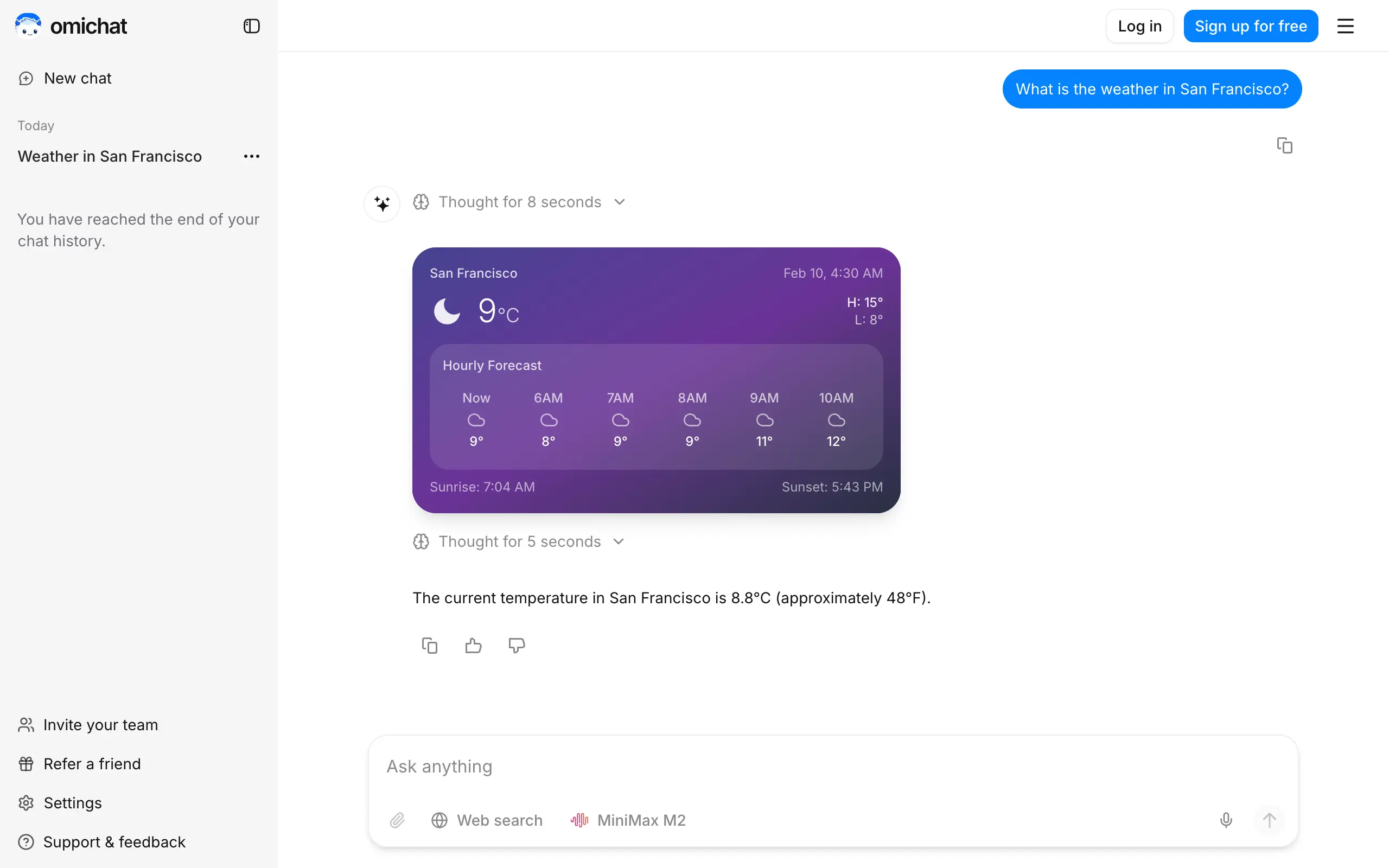
Omichat
Chat with 50+ AI models, including ChatGPT and Claude, in one place - switch models anytime without losing context 🤖
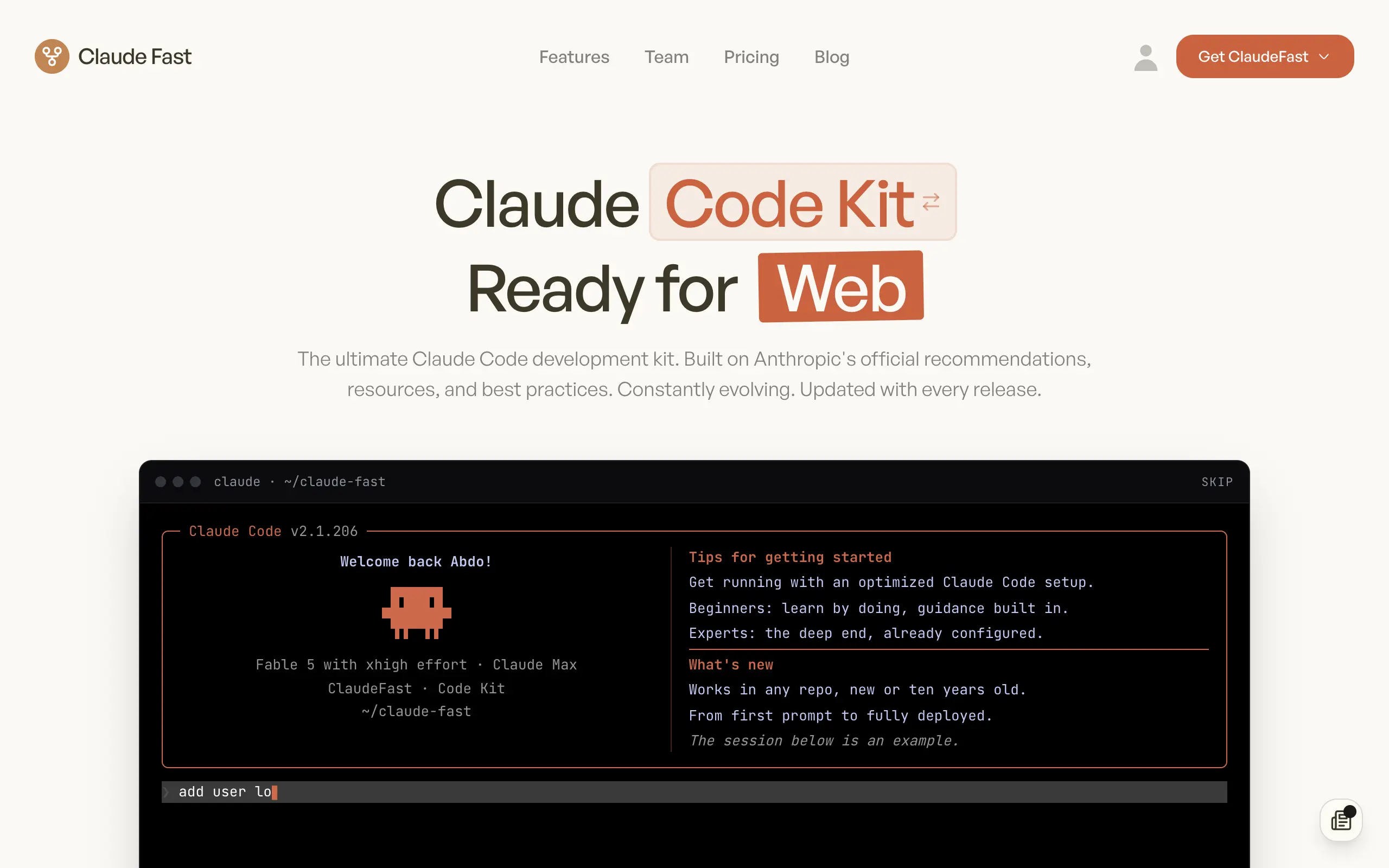
Claude Fast
Supercharge your Claude Code with 6x effective context window and specialized AI agents 🤖
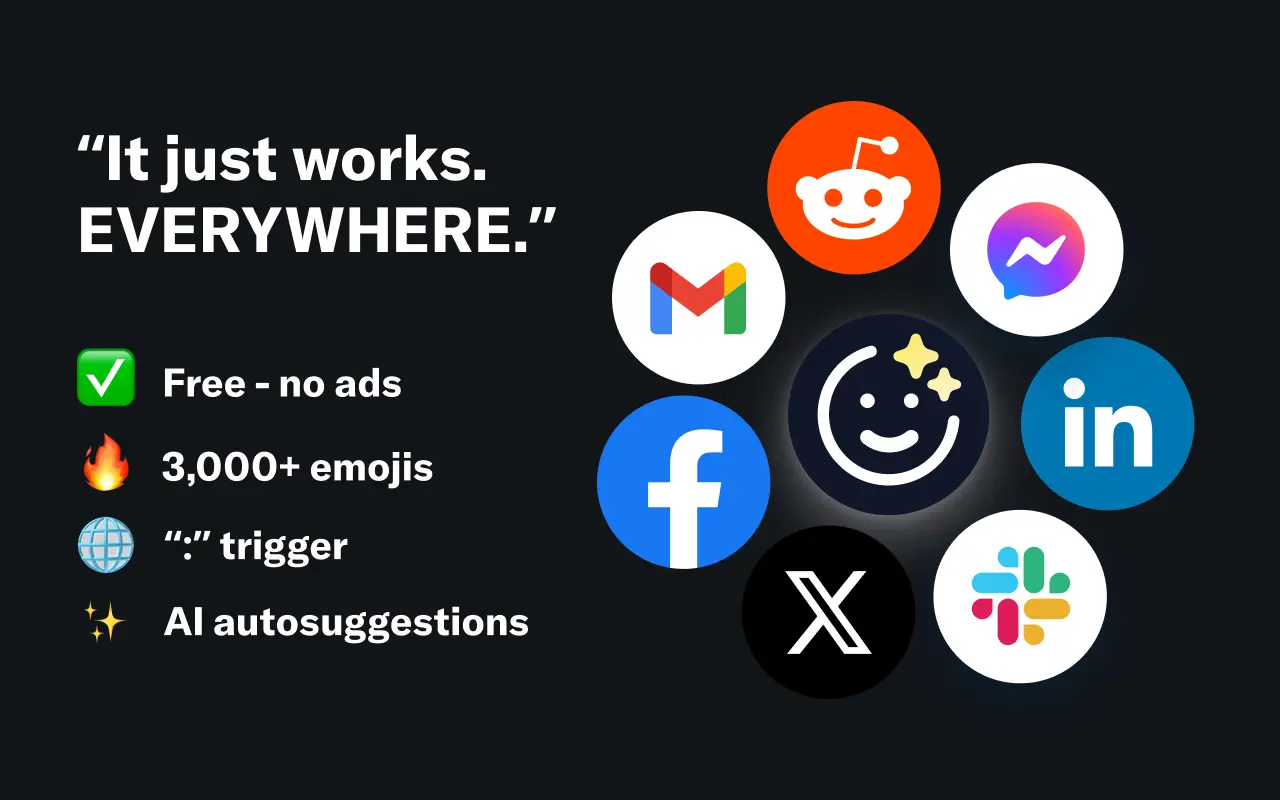
EmojAI
AI-powered emoji picker with smart, context-aware suggestions 🤖
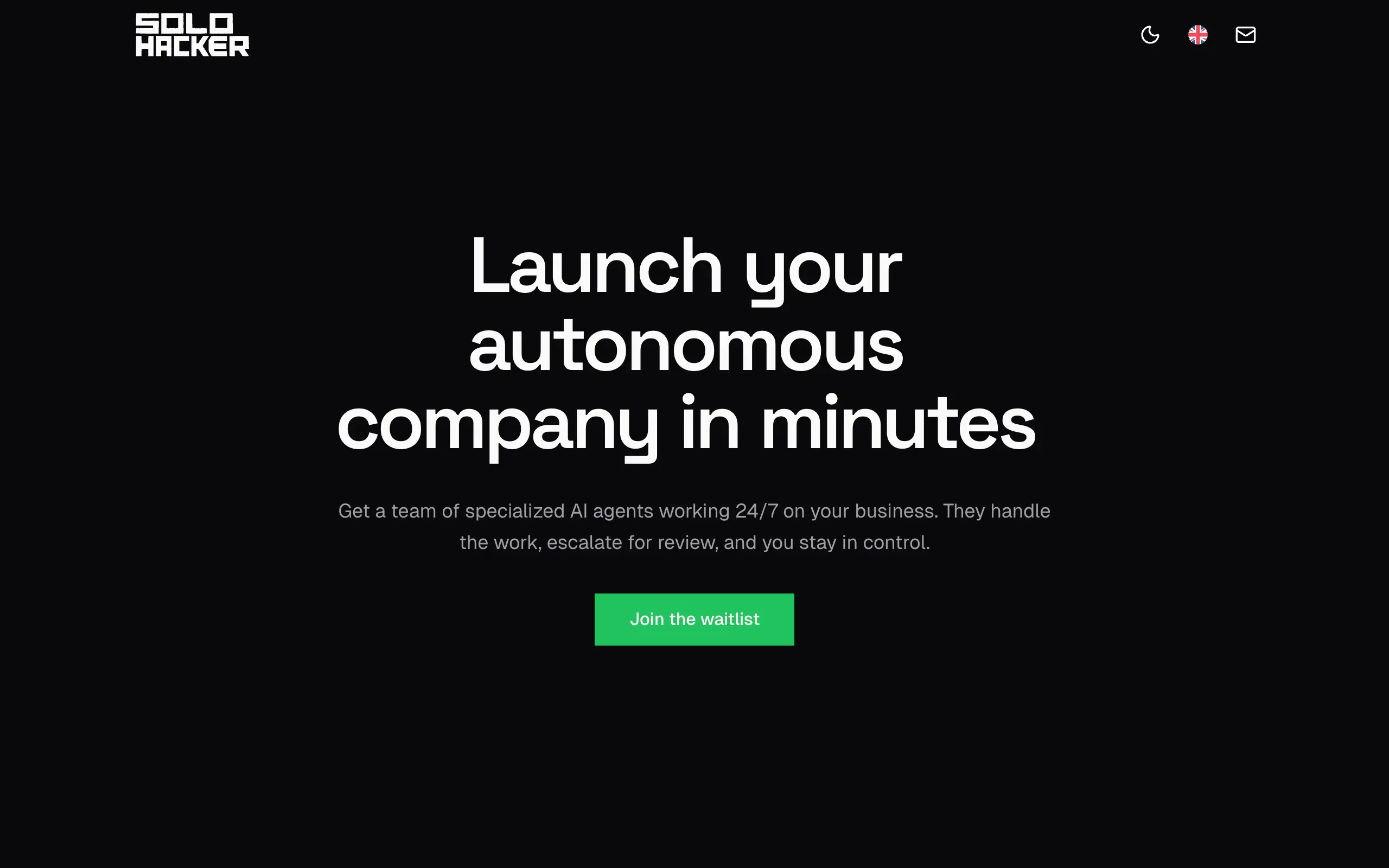
Solohacker
Autonomous company launcher - AI agents work 24/7, escalate what matters, and you stay in control 🤖
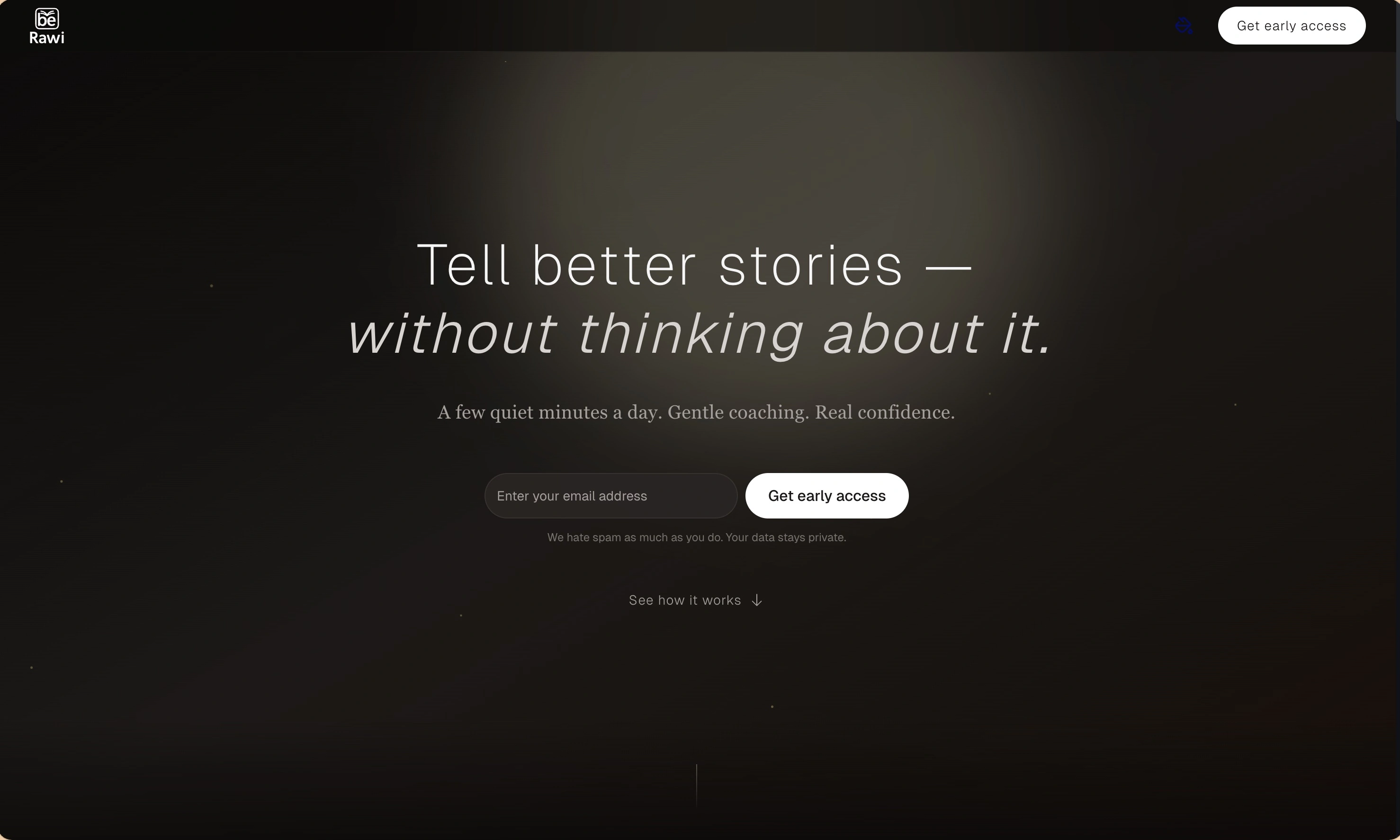
BeRawi: Storytelling Coach
Practice storytelling daily with instant feedback to sound clearer, more engaging, and confident 🎤
Omichat
Chat with 50+ AI models, including ChatGPT and Claude, in one place - switch models anytime without losing context 🤖
Claude Fast
Supercharge your Claude Code with 6x effective context window and specialized AI agents 🤖
EmojAI
AI-powered emoji picker with smart, context-aware suggestions 🤖
Solohacker
Autonomous company launcher - AI agents work 24/7, escalate what matters, and you stay in control 🤖
BeRawi: Storytelling Coach
Practice storytelling daily with instant feedback to sound clearer, more engaging, and confident 🎤
Omichat
Chat with 50+ AI models, including ChatGPT and Claude, in one place - switch models anytime without losing context 🤖
Claude Fast
Supercharge your Claude Code with 6x effective context window and specialized AI agents 🤖
EmojAI
AI-powered emoji picker with smart, context-aware suggestions 🤖
Solohacker
Autonomous company launcher - AI agents work 24/7, escalate what matters, and you stay in control 🤖
BeRawi: Storytelling Coach
Practice storytelling daily with instant feedback to sound clearer, more engaging, and confident 🎤
Omichat
Chat with 50+ AI models, including ChatGPT and Claude, in one place - switch models anytime without losing context 🤖
Claude Fast
Supercharge your Claude Code with 6x effective context window and specialized AI agents 🤖
EmojAI
AI-powered emoji picker with smart, context-aware suggestions 🤖
Solohacker
Autonomous company launcher - AI agents work 24/7, escalate what matters, and you stay in control 🤖
BeRawi: Storytelling Coach
Practice storytelling daily with instant feedback to sound clearer, more engaging, and confident 🎤

Connect with like-minded people
Join our community to get feedback, support, and grow together with 1,000+ builders on board, let's ship it!
Join usShip your startup everywhere. In minutes.
Don't burn tokens on setup and start building features on day one.