InsightForge AI
AI-powered customer interview analyzer that turns calls, surveys, and reviews into instant product insights, themes, and feature opportunities for SaaS teams.
Why AI-powered product insight platforms are becoming essential
Modern product teams are drowning in feedback.
Customer support tickets, NPS surveys, app store reviews, sales call transcripts, churn surveys, Slack threads, and CRM notes all contain valuable signals. Yet most B2B SaaS companies struggle to transform this raw customer feedback into clear, prioritized product roadmaps.
This is where an AI-powered product insight platform like InsightForge AI creates transformative value.
Instead of manually tagging feedback in spreadsheets or running quarterly qualitative reviews, InsightForge AI automatically analyzes customer feedback, sales calls, and reviews to generate:
- Actionable product insights
- Thematic clustering of user pain points
- Trend detection over time
- Feature request prioritization
- Data-driven roadmap recommendations
In this guide, we’ll break down the full opportunity behind an AI customer feedback analysis platform, including:
- Target audience and buyer personas
- Market gap analysis
- Core features and technical architecture
- Recommended tech stack
- Monetization strategy
- Risks and mitigation
- Competitive landscape and differentiation
- Step-by-step implementation plan
If you're validating, building, or investing in an AI product insights SaaS, this article will give you strategic clarity and technical direction.
Understanding the search intent behind “AI product insights platform”
When someone searches for:
- “AI customer feedback analysis tool”
- “Turn sales calls into product insights”
- “Automated roadmap prioritization software”
- “AI product management tools”
They are usually looking for one of three things:
- Validation: Does this solution exist and does it work?
- Implementation insight: How can we build or integrate something like this?
- Vendor evaluation: Which tool is best for our team?
This article addresses all three by demonstrating expertise in product management workflows, AI/NLP systems, and B2B SaaS strategy.
The problem: feedback chaos in modern B2B SaaS
Fragmented feedback channels
Customer insights are scattered across:
- Helpdesk platforms (Zendesk, Intercom)
- CRM systems (HubSpot, Salesforce)
- Product analytics (Mixpanel, Amplitude)
- Call recording tools (Gong, Chorus)
- Review sites (G2, Capterra)
- Survey tools (Typeform, SurveyMonkey)
Product managers often rely on manual tagging, tribal knowledge, or anecdotal feedback from sales teams.
The hidden cost of poor insight synthesis
Without systematic analysis:
- High-value features get deprioritized.
- Noisy customers distort roadmap priorities.
- Product-market misalignment persists longer.
- Churn signals are missed.
- Teams build features nobody actually needs.
Research from leading product strategy firms (e.g., McKinsey, Gartner — citation recommended in production) consistently shows that companies using structured voice-of-customer systems outperform peers in retention and product velocity.
The opportunity? Automate this process with AI.
Target audience analysis for InsightForge AI
InsightForge AI is a B2B SaaS platform targeting organizations that receive significant volumes of customer feedback.
Primary buyers
VP of Product
Needs strategic clarity on what to build next and why. Focused on alignment, prioritization, and growth.
Product Manager
Responsible for synthesizing feedback and building roadmaps. Needs automation and insight extraction.
Head of Customer Success
Wants feedback to translate into tangible product improvements.
Founder (Series A–C)
Needs signal over noise as feedback volume scales rapidly.
Ideal customer profile (ICP)
- B2B SaaS companies
- 20–500 employees
- $1M–$50M ARR
- High-touch sales model (lots of calls)
- Strong customer feedback loops
- Growing product team (3–20 PMs)
Secondary markets
- Market research agencies
- Enterprise product teams
- Venture-backed startups in growth phase
Market opportunity and gap analysis
Existing categories
InsightForge AI sits at the intersection of:
- Voice of Customer (VoC) tools
- Product management software
- AI text analytics platforms
- Revenue intelligence tools
- User feedback management tools
Market gaps
Despite many tools, several persistent gaps remain:
- Fragmented analysis – Tools focus on one channel (e.g., NPS or calls).
- Surface-level tagging – Basic keyword clustering without deep insight.
- No prioritization engine – Few tools connect feedback to weighted roadmap scoring.
- No strategic layer – Tools summarize data but don’t recommend action.
InsightForge AI’s opportunity is to unify all feedback streams and convert them into prioritized, decision-ready product roadmaps.
Core value proposition of InsightForge AI
Turn raw feedback into prioritized product decisions automatically.
The transformation
Before:
- 5 tools
- 10 spreadsheets
- Manual tagging
- Subjective prioritization
After:
- Unified AI insight engine
- Thematic clustering
- Sentiment analysis
- Impact scoring
- Roadmap suggestions with rationale
Core features of an AI product insights platform
1. Multi-source feedback ingestion
Integrations:
- CRM systems
- Support platforms
- Call recording software
- Survey tools
- Review sites
- Slack/Email imports
2. NLP-powered insight extraction
Using modern large language models and embedding pipelines, InsightForge AI should:
- Detect themes
- Cluster similar feedback
- Extract feature requests
- Identify friction points
- Detect churn signals
- Recognize buying objections
3. Sentiment and urgency scoring
Each feedback item receives:
- Sentiment score
- Frequency score
- Revenue impact score
- Customer tier weighting
4. AI-driven prioritization engine
Prioritization formula example:
const priorityScore =
  (frequencyWeight * frequencyScore) +
  (revenueWeight * revenueImpact) +
  (strategicWeight * alignmentScore) -
  (effortWeight * estimatedEffort);
This allows product teams to:
- Visualize trade-offs
- Simulate roadmap changes
- Align product decisions with revenue
5. Trend detection over time
InsightForge AI should identify:
- Emerging complaints
- Growing feature demand
- Decreasing friction areas
- Seasonal patterns
6. Automated roadmap drafts
AI-generated outputs:
- “Top 5 feature opportunities this quarter”
- “High churn-risk friction areas”
- “Revenue expansion opportunities from customer requests”
Competitive landscape analysis
Key competitors may include:
- Productboard
- Canny
- Aha!
- Dovetail
- Gong (for call insights)
Comparative positioning
| Feature | InsightForge AI | Productboard | Canny | Gong |
|---|---|---|---|---|
| Multi-channel ingestion | ✅ | ✅ | Limited | Calls only |
| AI prioritization engine | ✅ | Partial | ❌ | ❌ |
| Automated roadmap drafts | ✅ | ❌ | ❌ | ❌ |
| Revenue impact scoring | ✅ | Limited | ❌ | Partial |
Unique selling proposition (USP)
InsightForge AI is not just a feedback aggregator.
It is a decision intelligence engine for product teams.
Recommended tech stack for building InsightForge AI
Frontend
Why:
- Fast UI iteration
- Scalable component architecture
- SEO-friendly SSR
Backend
- Node.js (API layer)
- Python (AI/NLP processing)
- PostgreSQL (structured data)
- Vector database (for embeddings)
AI layer
- LLM API provider (for text analysis)
- Embedding models for clustering
- Retrieval-augmented generation (RAG)
Infrastructure
- Cloud hosting (AWS/GCP/Azure)
- Serverless functions for scalability
- Background job queues for processing transcripts
Data architecture overview
- API connectors
- Webhooks
- Scheduled data sync
- Secure OAuth integrations
- Text cleaning
- Embedding generation
- Clustering algorithms
- Sentiment analysis
- Priority scoring
- Dashboard analytics
- Roadmap suggestion engine
- Trend visualization
Monetization strategy
InsightForge AI should adopt a SaaS pricing model aligned with value.
Tiered pricing model
- Starter – Limited sources, basic AI summaries
- Growth – Full integrations + prioritization engine
- Pro – Advanced revenue scoring + roadmap automation
- Enterprise – Custom models + security + dedicated support
Pricing variables
- Number of feedback sources
- Volume of data processed
- Number of users
- Advanced AI features
Optional add-ons:
- Custom AI model fine-tuning
- Dedicated onboarding
- API access
Potential risks and mitigation strategies
Risk 1: AI hallucination or incorrect insights
Mitigation:
- Provide confidence scores
- Show source traceability
- Allow manual override
Risk 2: Data privacy concerns
Mitigation:
- SOC 2 compliance
- Encryption at rest and in transit
- Role-based access control
Risk 3: Over-reliance on automation
Important consideration
AI should augment product managers, not replace critical thinking. InsightForge AI must provide explainable outputs and human-in-the-loop validation.
Implementation roadmap for building InsightForge AI
Go-to-market strategy
Phase 1: Founder-led sales
- Target PM communities
- Cold outreach to Series A–C startups
- Publish case studies
Phase 2: Content-driven growth
SEO keywords to target:
- AI customer feedback analysis
- Product roadmap automation
- Voice of customer AI
- AI product management tools
Phase 3: Strategic integrations
Integrate with:
- CRM platforms
- Call intelligence tools
- Product analytics software
Why now is the right time
Three macro trends make InsightForge AI timely:
- Explosion of AI capabilities
- Increasing SaaS competition
- Higher pressure for product-led growth
Companies can no longer rely on intuition alone.
They need AI-augmented product decision systems.
Actionable next steps for founders
- Define narrow ICP (e.g., B2B SaaS, 50–200 employees).
- Build ingestion for 2–3 high-signal sources.
- Focus heavily on explainable AI.
- Launch with roadmap-ready insights (not just summaries).
- Iterate based on real product team workflows.
If you’re building a SaaS like InsightForge AI, starting with a robust production-ready foundation can significantly accelerate development. Platforms like TurboStarter help teams launch scalable SaaS applications faster with best-practice architecture.
Final thoughts
InsightForge AI represents a powerful evolution in product management.
Instead of manually reading thousands of feedback entries, product teams can:
- See emerging trends instantly
- Quantify revenue impact
- Prioritize objectively
- Generate roadmap drafts automatically
The companies that win in the next decade will not just collect feedback.
They will operationalize insight at scale.
An AI product insight platform like InsightForge AI is positioned to become a foundational layer in the modern B2B SaaS tech stack — transforming raw customer voices into strategic product decisions with clarity, speed, and confidence.
More 🏢 B2B Application SaaS ideas
Discover more innovative b2b application SaaS ideas that are trending in 2026. Each idea is AI-generated with market validation and growth potential to help you find your next profitable venture faster than competitors.
Your competitors are building with TurboStarter
Below are some of the SaaS ideas that have been generated and built with our starter kit.
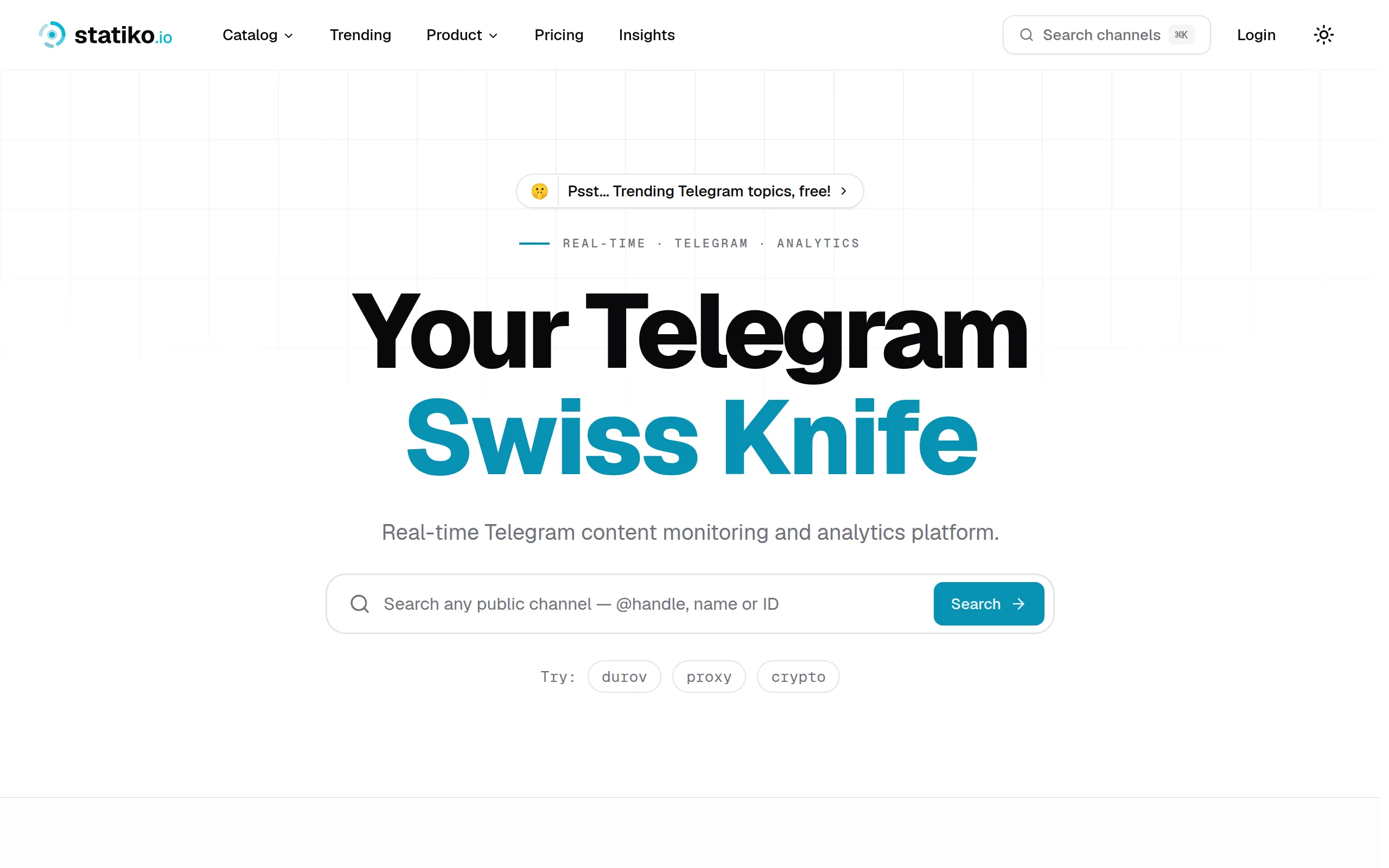
Statiko
Monitor any Telegram channel in real time - track posts, edits, deletions, and growth with AI recaps 📡

Shibui
AI website builder - describe your business, pick a niche template, edit by chatting, and publish instantly ✨

Pro Service
Find verified home service professionals, compare quotes, and pay securely through escrow - built for Brazilians across the US 🏠
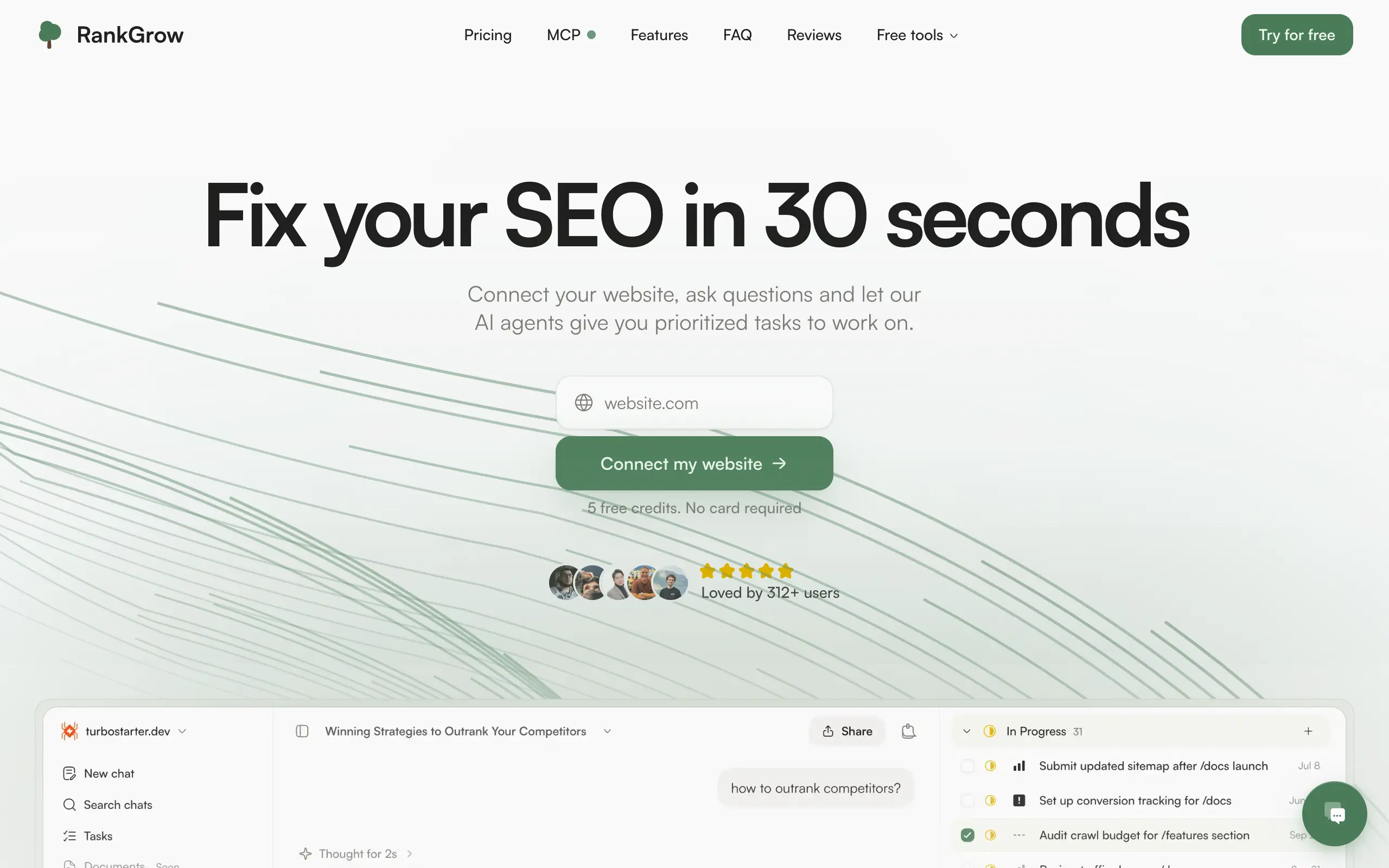
RankGrow
Fix your SEO with AI agents - connect Search Console, get prioritized tasks, and grow organic traffic 📈
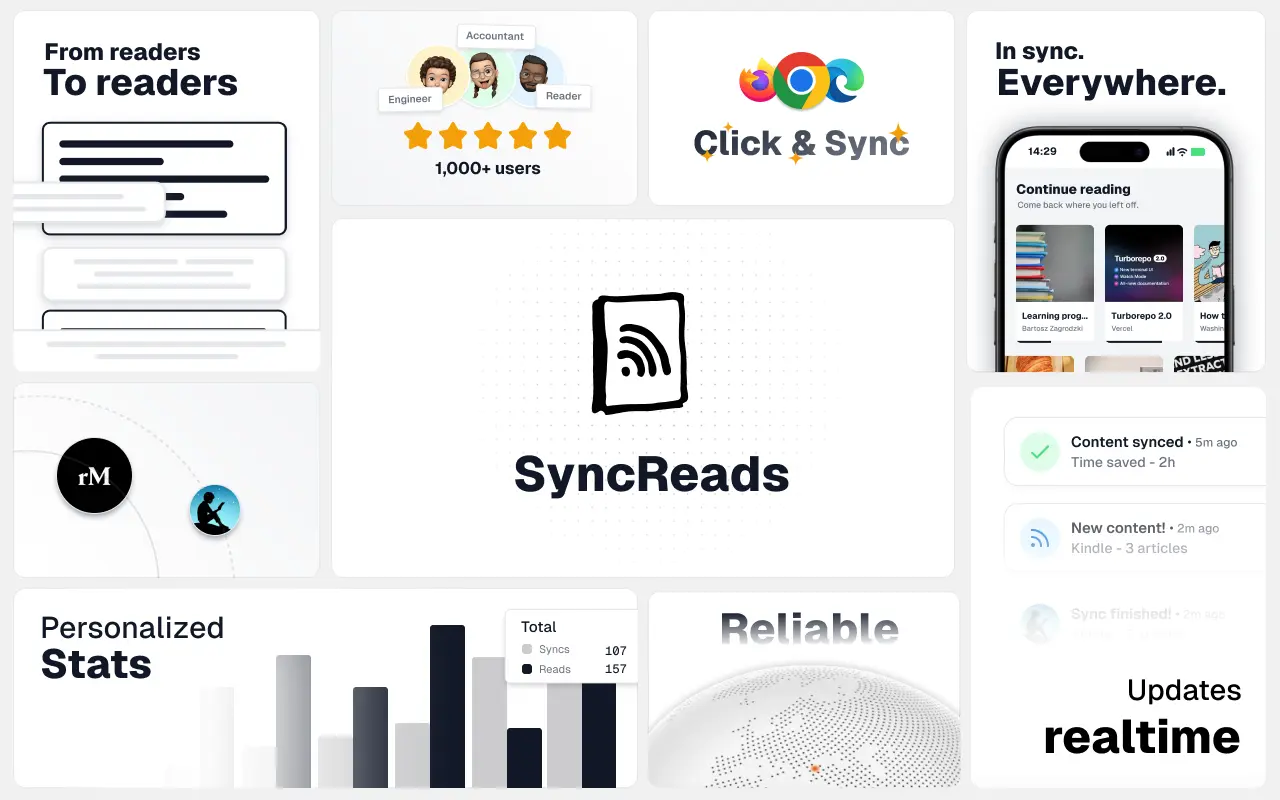
SyncReads
Sync your favorite content for distraction-free reading, save time and replace multiple apps. Anytime, anywhere 🔄
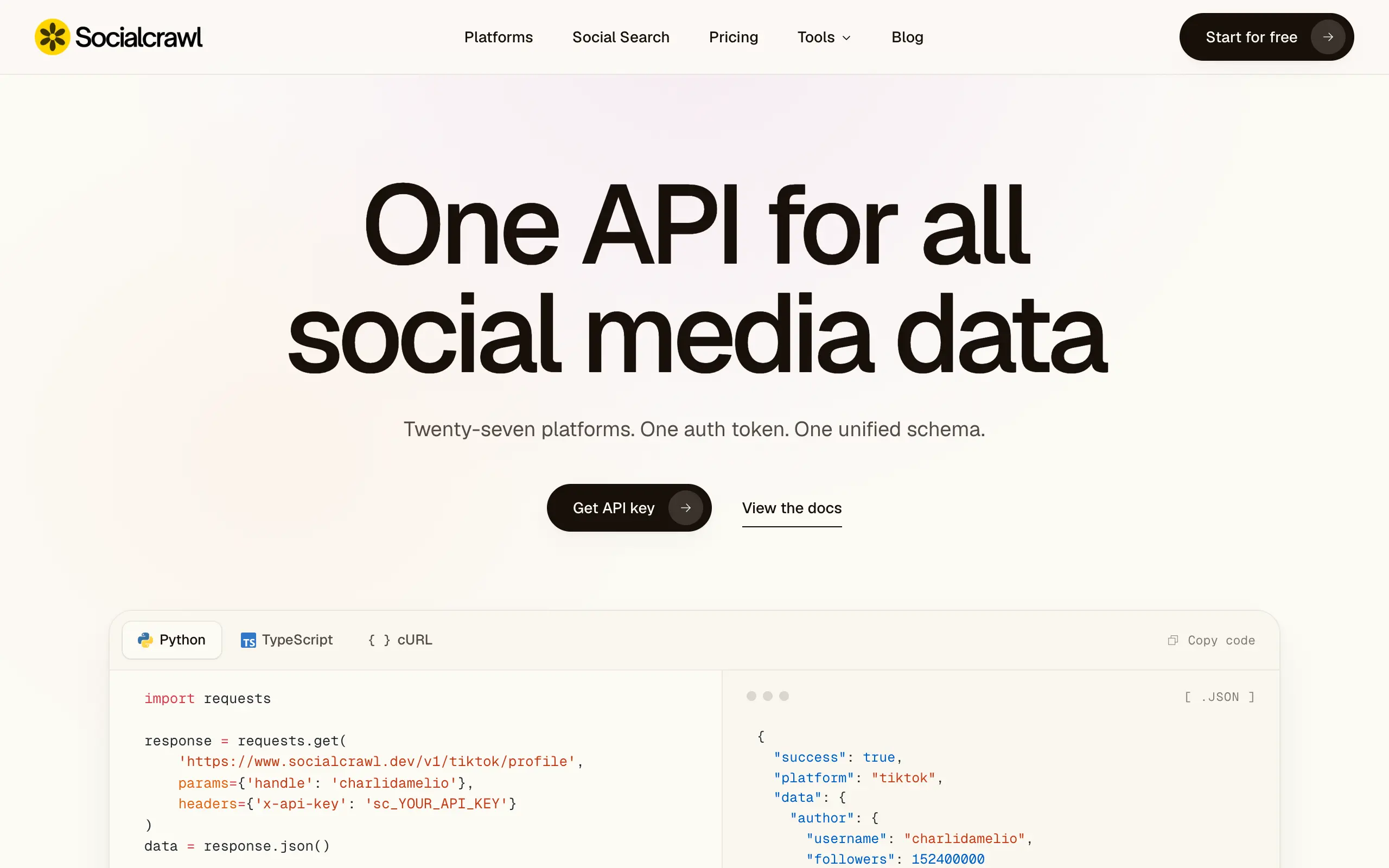
Socialcrawl
Get clean, structured data from 21 platforms like TikTok, Instagram, and YouTube with a single request 📊
Statiko
Monitor any Telegram channel in real time - track posts, edits, deletions, and growth with AI recaps 📡
Shibui
AI website builder - describe your business, pick a niche template, edit by chatting, and publish instantly ✨
Pro Service
Find verified home service professionals, compare quotes, and pay securely through escrow - built for Brazilians across the US 🏠
RankGrow
Fix your SEO with AI agents - connect Search Console, get prioritized tasks, and grow organic traffic 📈
SyncReads
Sync your favorite content for distraction-free reading, save time and replace multiple apps. Anytime, anywhere 🔄
Socialcrawl
Get clean, structured data from 21 platforms like TikTok, Instagram, and YouTube with a single request 📊
Statiko
Monitor any Telegram channel in real time - track posts, edits, deletions, and growth with AI recaps 📡
Shibui
AI website builder - describe your business, pick a niche template, edit by chatting, and publish instantly ✨
Pro Service
Find verified home service professionals, compare quotes, and pay securely through escrow - built for Brazilians across the US 🏠
RankGrow
Fix your SEO with AI agents - connect Search Console, get prioritized tasks, and grow organic traffic 📈
SyncReads
Sync your favorite content for distraction-free reading, save time and replace multiple apps. Anytime, anywhere 🔄
Socialcrawl
Get clean, structured data from 21 platforms like TikTok, Instagram, and YouTube with a single request 📊
Statiko
Monitor any Telegram channel in real time - track posts, edits, deletions, and growth with AI recaps 📡
Shibui
AI website builder - describe your business, pick a niche template, edit by chatting, and publish instantly ✨
Pro Service
Find verified home service professionals, compare quotes, and pay securely through escrow - built for Brazilians across the US 🏠
RankGrow
Fix your SEO with AI agents - connect Search Console, get prioritized tasks, and grow organic traffic 📈
SyncReads
Sync your favorite content for distraction-free reading, save time and replace multiple apps. Anytime, anywhere 🔄
Socialcrawl
Get clean, structured data from 21 platforms like TikTok, Instagram, and YouTube with a single request 📊
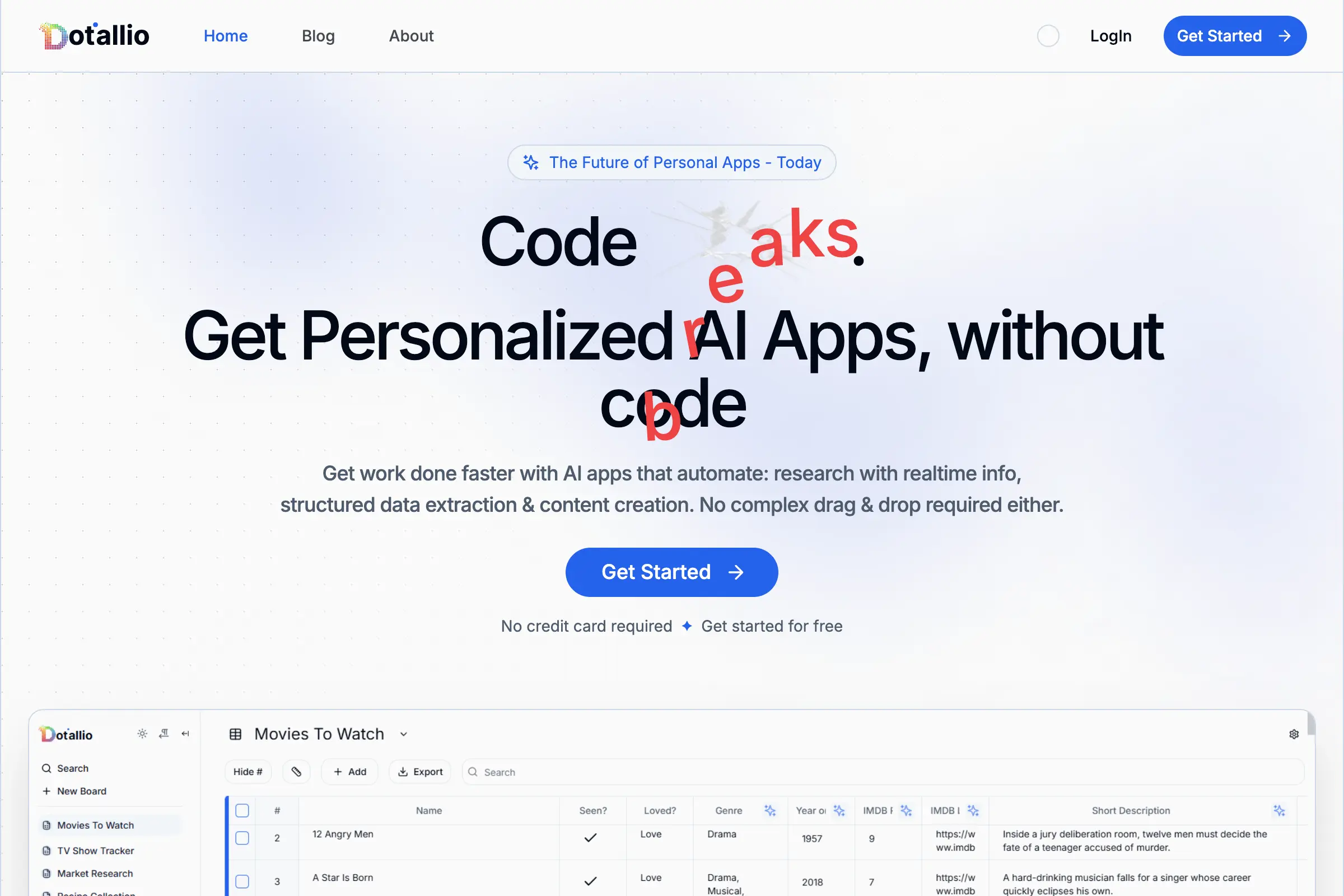
Dotallio
Personalized AI apps that automate research, data extraction, and content creation without code 🤖
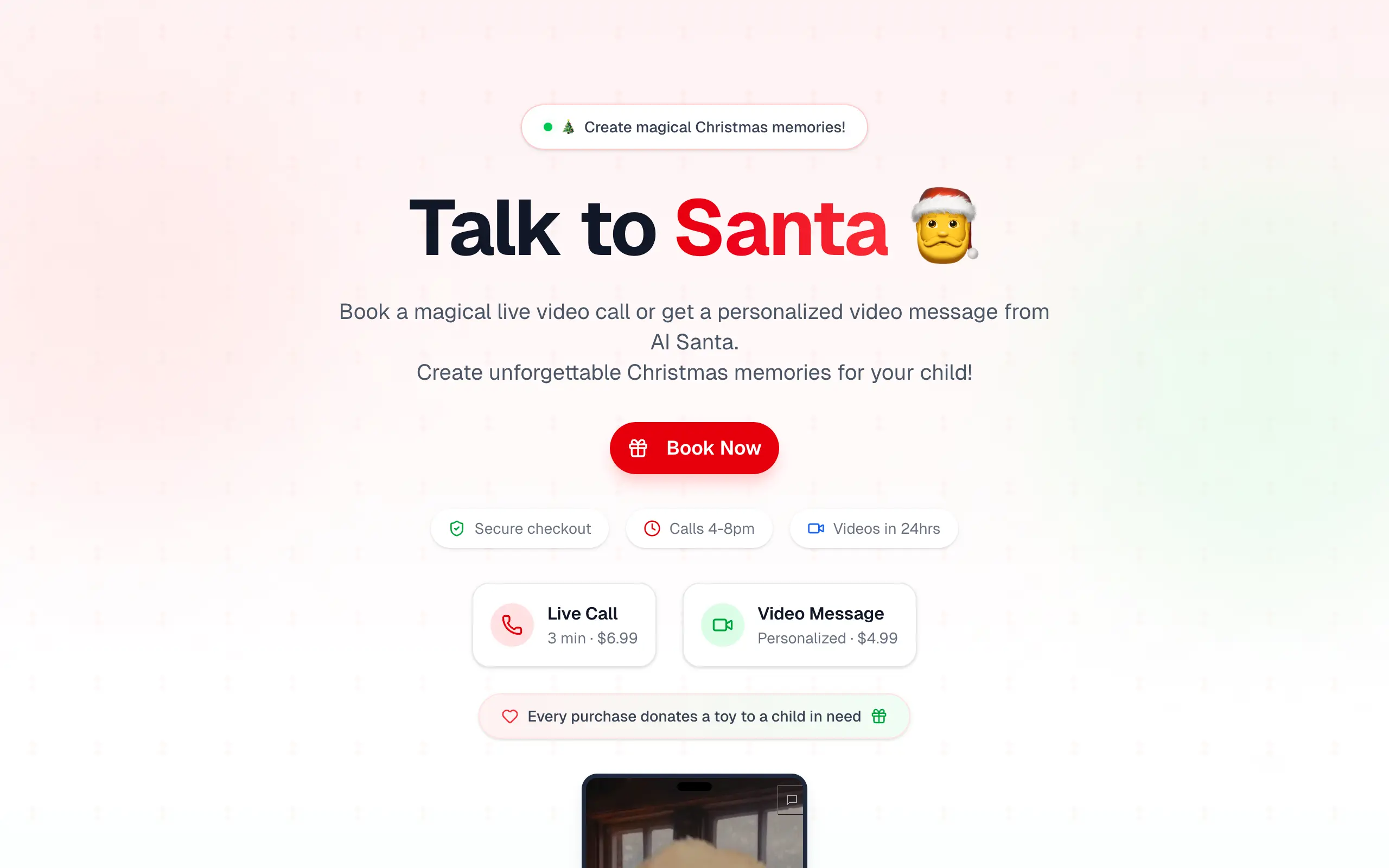
Talk to Santa
Enjoy a magical live video chat or receive a unique AI-generated video greeting from Santa Claus 🎅
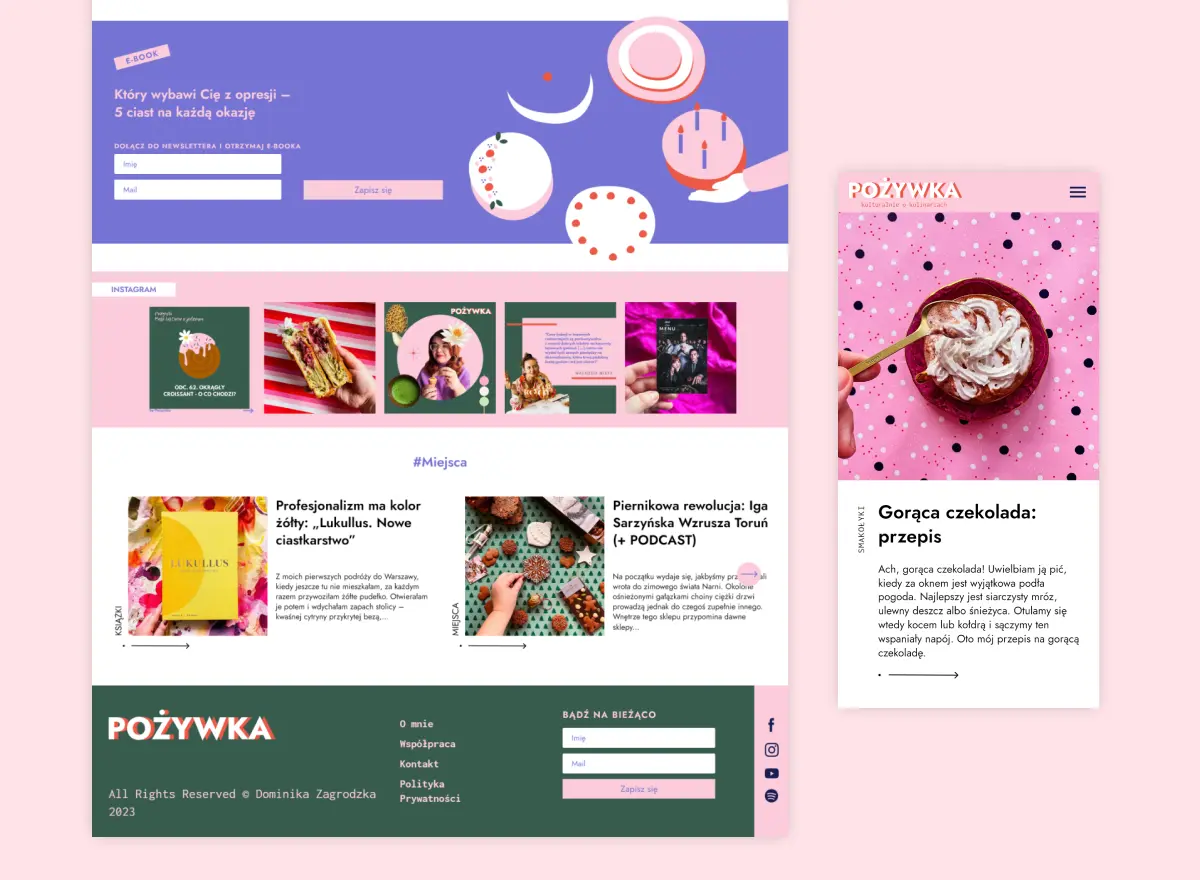
pozywka.pl
Scalable blog for food journalist, focused on performance and user experience 🌭
zagrodzki.me
Personal blog and portfolio of Bart Zagrodzki, where he shares his knowledge and work 💼
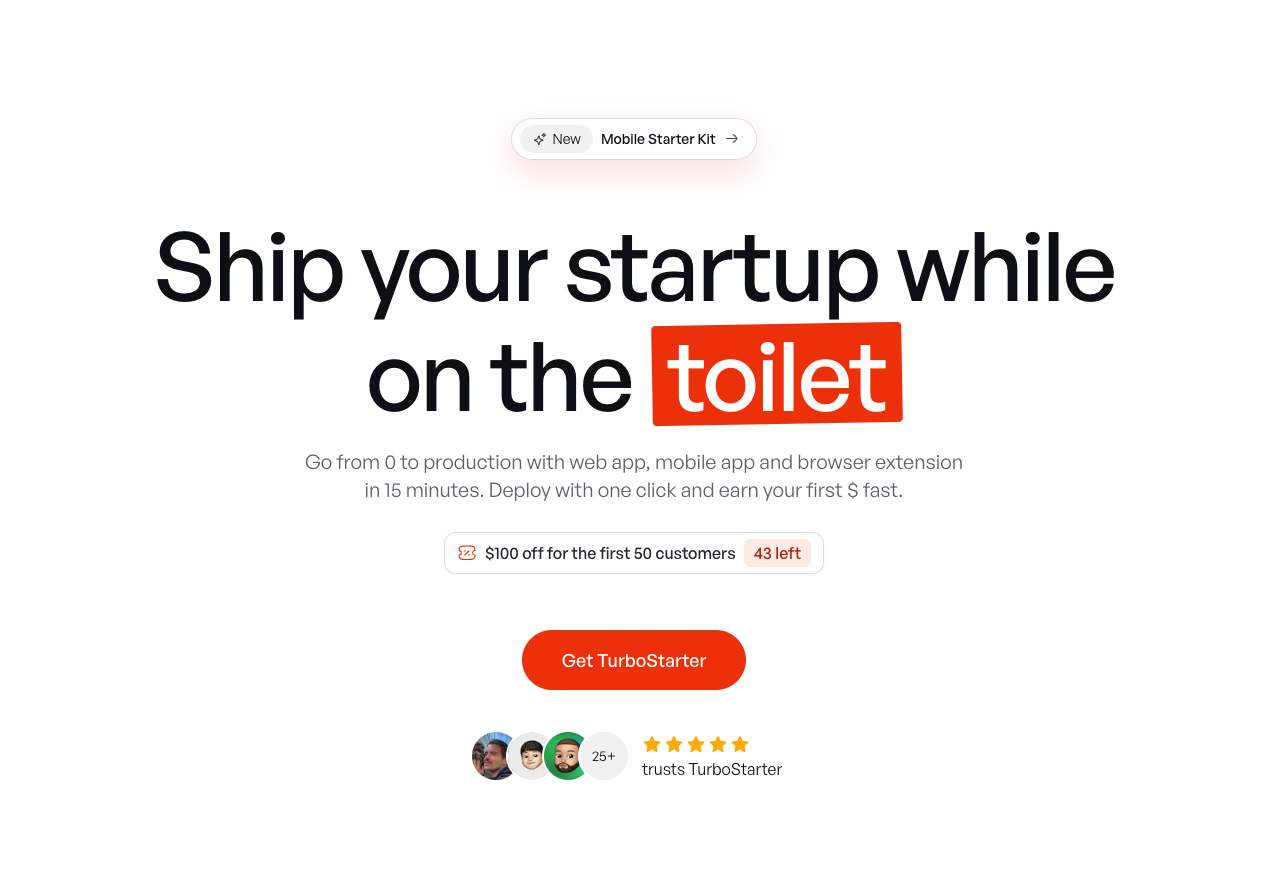
TurboStarter
Ship your startup everywhere. In minutes.
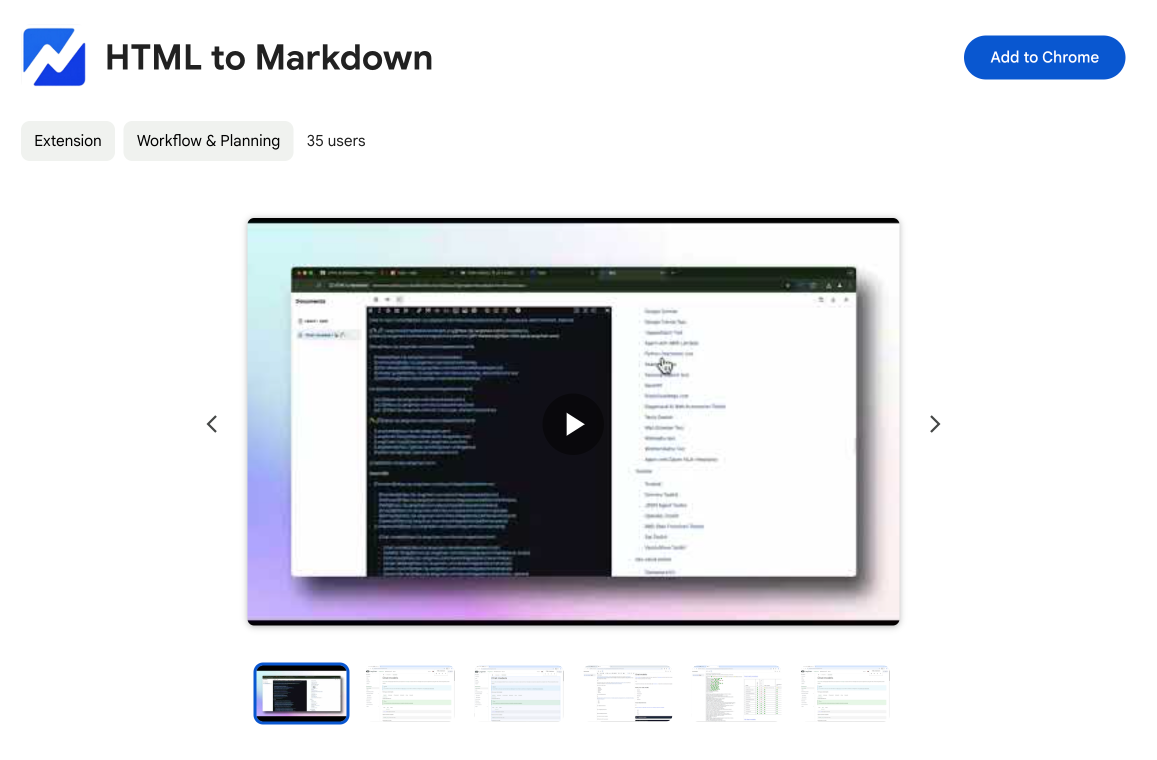
HTML to Markdown
Convert HTML to Markdown with ease, directly in your browser 📄
Dotallio
Personalized AI apps that automate research, data extraction, and content creation without code 🤖
Talk to Santa
Enjoy a magical live video chat or receive a unique AI-generated video greeting from Santa Claus 🎅
pozywka.pl
Scalable blog for food journalist, focused on performance and user experience 🌭
zagrodzki.me
Personal blog and portfolio of Bart Zagrodzki, where he shares his knowledge and work 💼
TurboStarter
Ship your startup everywhere. In minutes.
HTML to Markdown
Convert HTML to Markdown with ease, directly in your browser 📄
Dotallio
Personalized AI apps that automate research, data extraction, and content creation without code 🤖
Talk to Santa
Enjoy a magical live video chat or receive a unique AI-generated video greeting from Santa Claus 🎅
pozywka.pl
Scalable blog for food journalist, focused on performance and user experience 🌭
zagrodzki.me
Personal blog and portfolio of Bart Zagrodzki, where he shares his knowledge and work 💼
TurboStarter
Ship your startup everywhere. In minutes.
HTML to Markdown
Convert HTML to Markdown with ease, directly in your browser 📄
Dotallio
Personalized AI apps that automate research, data extraction, and content creation without code 🤖
Talk to Santa
Enjoy a magical live video chat or receive a unique AI-generated video greeting from Santa Claus 🎅
pozywka.pl
Scalable blog for food journalist, focused on performance and user experience 🌭
zagrodzki.me
Personal blog and portfolio of Bart Zagrodzki, where he shares his knowledge and work 💼
TurboStarter
Ship your startup everywhere. In minutes.
HTML to Markdown
Convert HTML to Markdown with ease, directly in your browser 📄
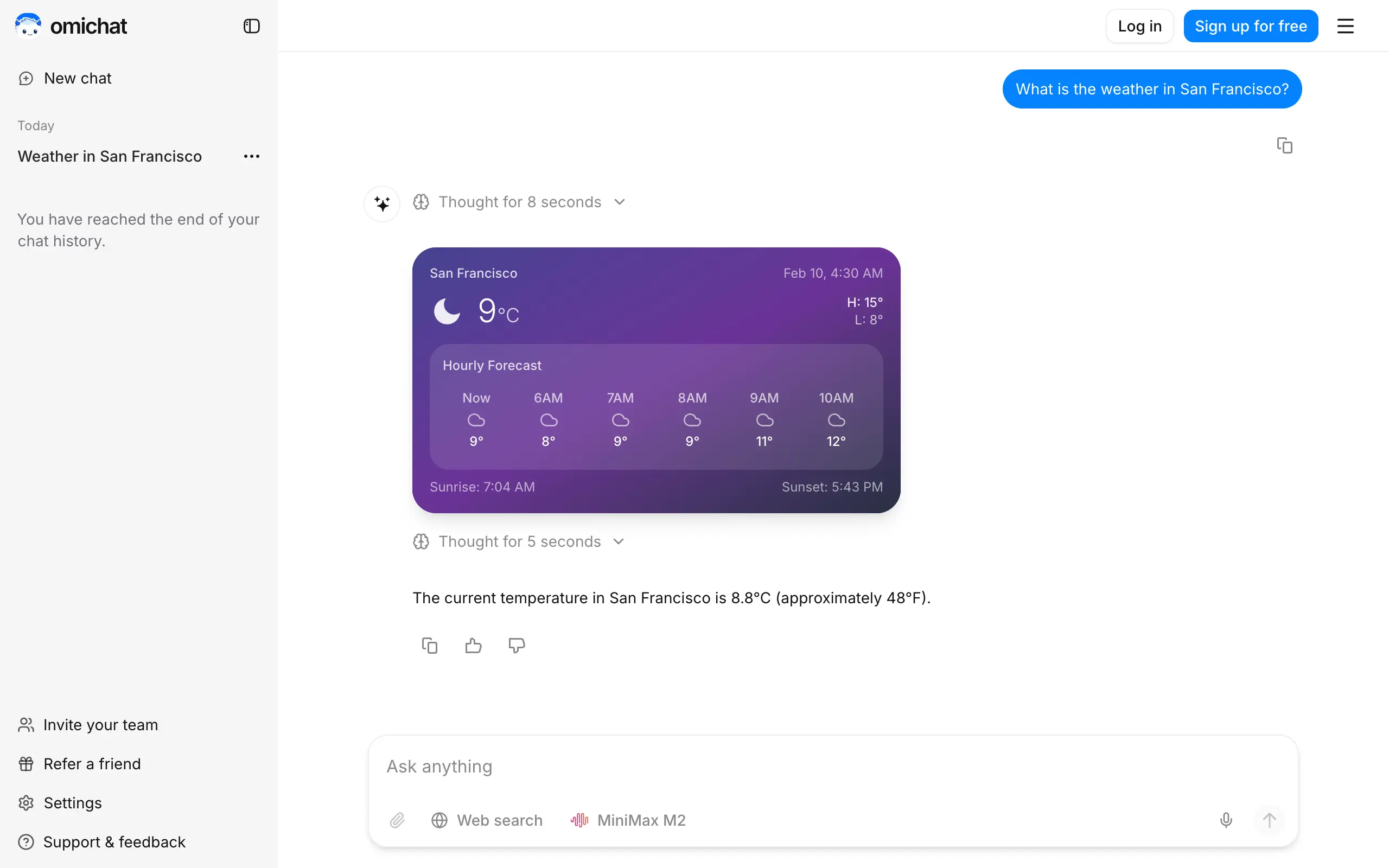
Omichat
Chat with 50+ AI models, including ChatGPT and Claude, in one place - switch models anytime without losing context 🤖
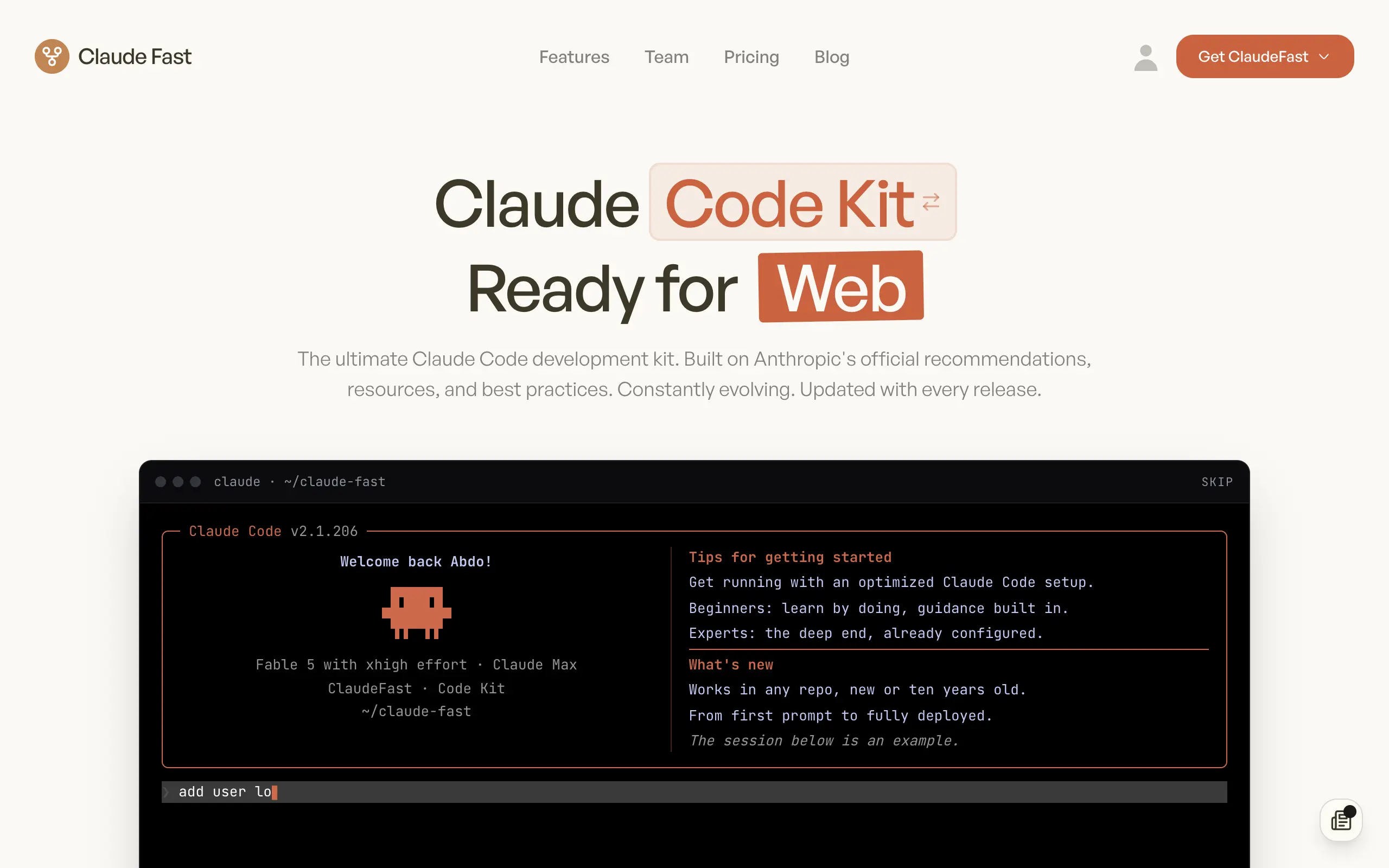
Claude Fast
Supercharge your Claude Code with 6x effective context window and specialized AI agents 🤖
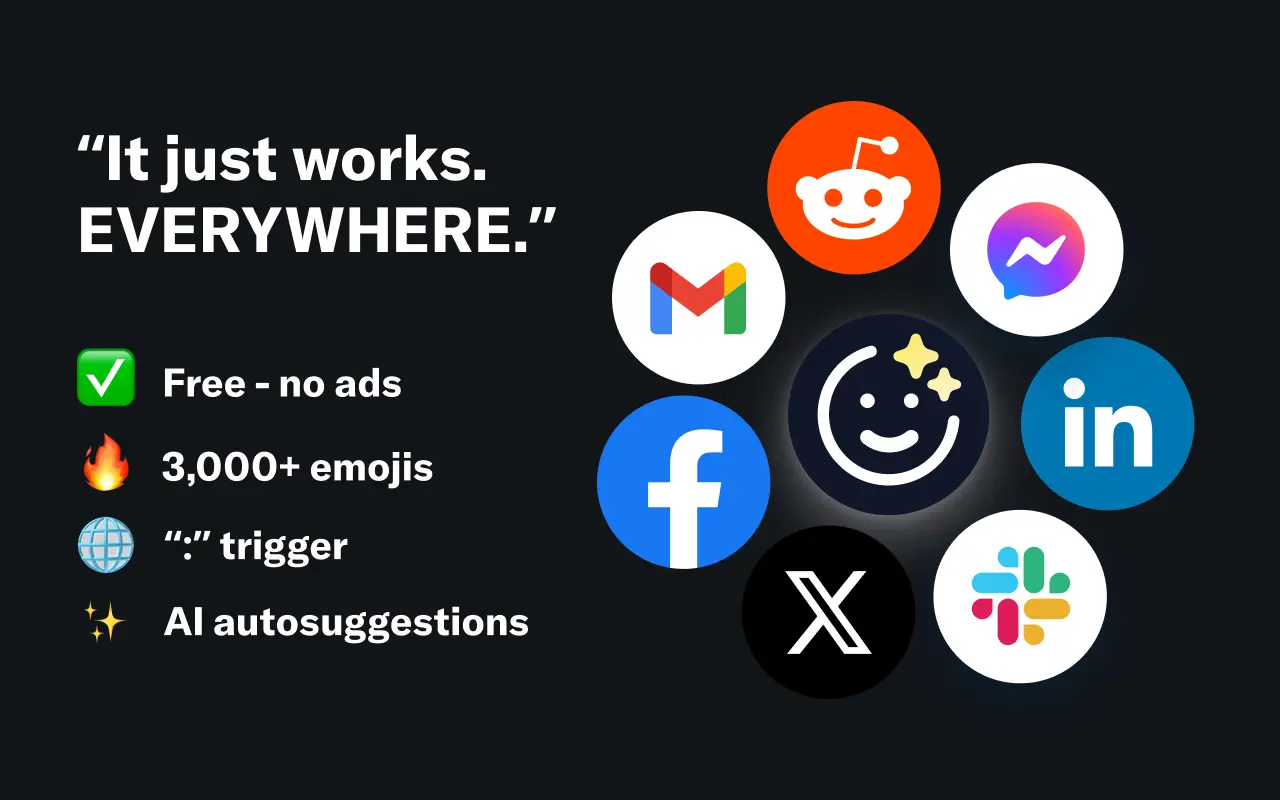
EmojAI
AI-powered emoji picker with smart, context-aware suggestions 🤖
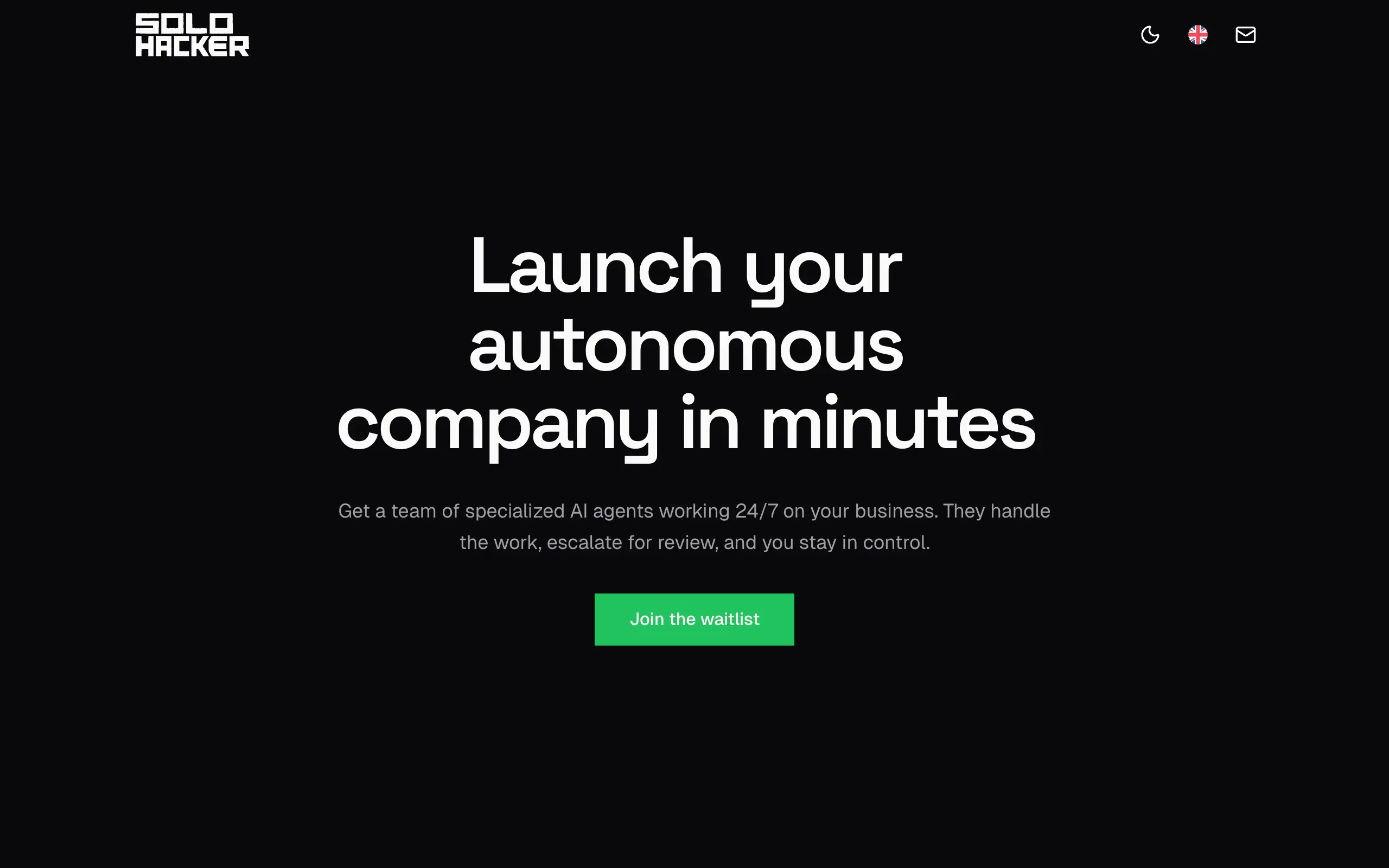
Solohacker
Autonomous company launcher - AI agents work 24/7, escalate what matters, and you stay in control 🤖
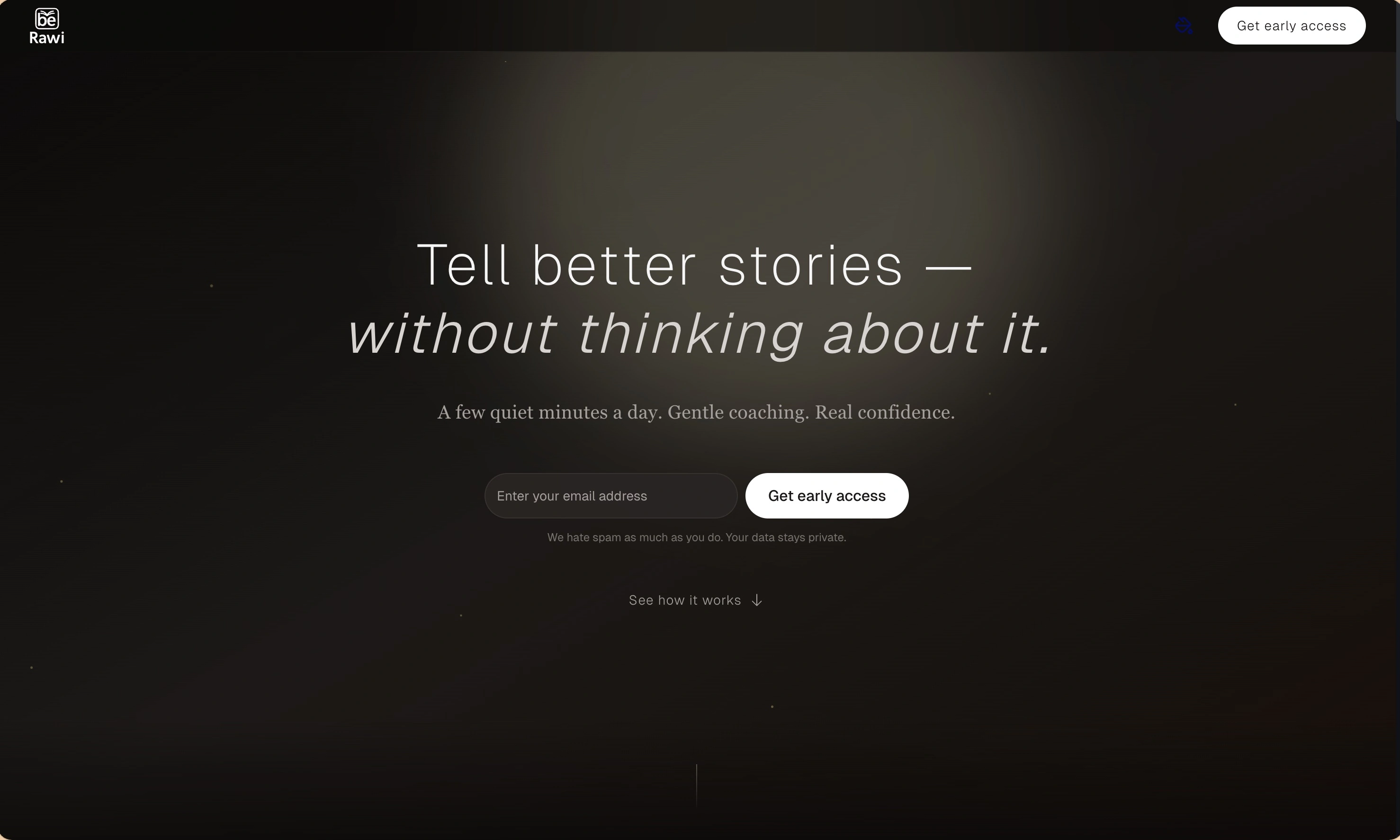
BeRawi: Storytelling Coach
Practice storytelling daily with instant feedback to sound clearer, more engaging, and confident 🎤
Omichat
Chat with 50+ AI models, including ChatGPT and Claude, in one place - switch models anytime without losing context 🤖
Claude Fast
Supercharge your Claude Code with 6x effective context window and specialized AI agents 🤖
EmojAI
AI-powered emoji picker with smart, context-aware suggestions 🤖
Solohacker
Autonomous company launcher - AI agents work 24/7, escalate what matters, and you stay in control 🤖
BeRawi: Storytelling Coach
Practice storytelling daily with instant feedback to sound clearer, more engaging, and confident 🎤
Omichat
Chat with 50+ AI models, including ChatGPT and Claude, in one place - switch models anytime without losing context 🤖
Claude Fast
Supercharge your Claude Code with 6x effective context window and specialized AI agents 🤖
EmojAI
AI-powered emoji picker with smart, context-aware suggestions 🤖
Solohacker
Autonomous company launcher - AI agents work 24/7, escalate what matters, and you stay in control 🤖
BeRawi: Storytelling Coach
Practice storytelling daily with instant feedback to sound clearer, more engaging, and confident 🎤
Omichat
Chat with 50+ AI models, including ChatGPT and Claude, in one place - switch models anytime without losing context 🤖
Claude Fast
Supercharge your Claude Code with 6x effective context window and specialized AI agents 🤖
EmojAI
AI-powered emoji picker with smart, context-aware suggestions 🤖
Solohacker
Autonomous company launcher - AI agents work 24/7, escalate what matters, and you stay in control 🤖
BeRawi: Storytelling Coach
Practice storytelling daily with instant feedback to sound clearer, more engaging, and confident 🎤

Connect with like-minded people
Join our community to get feedback, support, and grow together with 1,000+ builders on board, let's ship it!
Join usShip your startup everywhere. In minutes.
Don't burn tokens on setup and start building features on day one.