IntentShelf
Turn product reviews, support tickets, and on-site searches into merchandising and lifecycle marketing actions for online stores.
What IntentShelf solves for ecommerce teams
Online stores collect an extraordinary amount of customer intent data every day. Product reviews reveal what buyers love, dislike, compare, and expect. Support tickets expose recurring friction after purchase. On-site searches show demand in the exact language customers use.
Yet these signals usually live in separate systems.
Reviews are monitored by customer experience teams. Support tickets stay in help desk software. Search logs sit inside the ecommerce platform or a search provider dashboard. Merchandising teams make assortment and collection decisions elsewhere, while lifecycle marketers build campaigns from broad segments that may not reflect what customers are actively trying to accomplish.
IntentShelf is a B2B ecommerce intent analytics platform that turns unstructured customer feedback and behavioral signals into specific merchandising and lifecycle marketing actions.
Its central promise is simple. Instead of treating reviews, tickets, and search queries as passive reporting data, an online retailer can use them as a continuous decision engine for:
- Product collection and category improvements
- Search synonym and zero-result query fixes
- Product recommendation rules
- Inventory and assortment decisions
- Email and SMS lifecycle campaign triggers
- Customer retention workflows
- Product education and post-purchase support
- Voice-of-customer reporting for product teams
The opportunity is especially relevant for ecommerce brands that have enough customer volume to generate meaningful signals but lack a dedicated data science team to translate those signals into commercial action.
The core insight
Customer intent is most valuable when it is connected to a workflow. A dashboard that reports negative sentiment is useful. A system that identifies the affected product category, suggests a merchandising fix, and creates an audience for a proactive retention campaign is far more valuable.
Why ecommerce intent analytics is becoming essential
Ecommerce operators are under pressure to improve profitability without relying exclusively on paid acquisition. Rising acquisition costs, stricter privacy expectations, and increasingly crowded product categories have shifted attention toward conversion rate optimization, repeat purchase rate, average order value, and customer lifetime value.
This is where ecommerce intent analytics becomes strategically important.
A customer who searches for “wide calf boots,” leaves a review saying “runs narrow,” or opens a support ticket about sizing is not merely generating text data. They are communicating purchase intent, product fit concerns, unmet demand, and potential churn risk.
When stores can identify those patterns reliably, they can act before revenue is lost.
The current data fragmentation problem
Most ecommerce companies use a collection of specialized tools:
- A storefront such as Shopify or Adobe Commerce
- A help desk such as Zendesk
- A review platform
- An email and SMS platform
- A product analytics tool
- A search and discovery vendor
- A business intelligence dashboard
Each tool has value, but none necessarily provides an integrated view of what customers are trying to achieve and how the business should respond.
For example, a merchandising manager may see that a category has poor conversion. A support lead may know that returns are driven by confusing sizing. A lifecycle marketer may notice lower repeat orders among first-time buyers. Without a shared intent layer, those insights remain disconnected.
IntentShelf can become that layer.
Why generative AI changes the product opportunity
Recent advances in large language models make it practical to classify, summarize, cluster, and prioritize high-volume customer text at a level that previously required expensive manual analysis.
However, the valuable SaaS opportunity is not simply “AI summaries for reviews.”
Many generic AI tools can summarize feedback. Far fewer products can reliably answer operational questions such as:
- Which product attributes are causing return-related support tickets this month?
- Which zero-result search terms indicate a profitable merchandising opportunity?
- Which negative review themes should trigger a post-purchase education flow instead of a discount?
- Which product collection needs revised copy, filters, or comparison content?
- Which customer segment is at elevated churn risk because of a repeated fulfillment issue?
- Which emerging demand themes should influence next season’s assortment planning?
IntentShelf should position AI as the analysis engine behind clear, governed, measurable ecommerce actions.
Target audience for an ecommerce intent intelligence platform
The best early customers are not every online store. IntentShelf should focus first on merchants with enough traffic and feedback volume to create recurring insight, but with operational complexity that has outgrown spreadsheets and ad hoc reporting.
Growth-stage DTC brands
Brands with strong product-market fit, active retention programs, and increasing review or support volume.
Mid-market Shopify merchants
Teams that need better merchandising and lifecycle decisions without building an internal data platform.
Multi-category retailers
Retailers managing broad assortments where search demand and product feedback reveal category-level gaps.
Ecommerce agencies and consultants
Service partners that need repeatable insight workflows across a portfolio of merchant clients.
Primary buyer personas
The platform should support several stakeholders, but the initial economic buyer will likely be an ecommerce leader, retention leader, or head of digital.
Ecommerce director or VP of ecommerce
This buyer owns commercial performance across merchandising, conversion, and the storefront experience. They need visibility into why customers fail to find products, why categories underperform, and where product content fails to answer buying questions.
Their desired outcome is not more data. It is a prioritized list of changes that can improve revenue and customer experience.
Lifecycle marketing manager
Lifecycle marketers need meaningful triggers and segments for email, SMS, and customer engagement programs. Basic behavioral segments such as “purchased in the last 30 days” are useful, but they are often too broad.
IntentShelf can create more actionable audiences based on expressed needs, including:
- Customers who raised a product setup issue
- Customers who bought from a category with high return anxiety
- Customers who searched repeatedly but did not purchase
- Customers who reported a product compatibility concern
- Customers with strong interest in a product attribute or use case
Merchandising manager
Merchandising teams often make category and product presentation decisions based on historical sales, supplier information, and instinct. Those inputs matter, but customer language adds essential context.
A merchandiser may learn that customers are searching for “gift-ready skincare set” while the store lists individual products without a dedicated gifting collection. Or they may discover that “pet-safe” is a repeated product question worth surfacing as a filter, badge, and collection theme.
Customer support and CX leader
Support teams see customer pain before it appears in quarterly business reviews. The challenge is converting a high volume of tickets into product, merchandising, and retention recommendations that other teams will actually use.
IntentShelf gives CX leaders a way to quantify recurring themes, connect them to revenue impact, and prove that support intelligence can prevent future contacts.
Ideal early customer profile
A strong ideal customer profile for IntentShelf includes merchants with:
- At least several thousand monthly site searches or a meaningful volume of product reviews
- An active review collection process
- A help desk with tagged or exportable tickets
- A lifecycle marketing platform already in use
- A team responsible for merchandising and retention
- A willingness to connect operational data sources
- A commercial need to improve conversion, repeat purchase, or support efficiency
Initially, avoid very small stores with limited data volume and enterprises with lengthy procurement requirements. The sweet spot is a growing merchant that feels the pain of fragmented insight but can adopt a focused SaaS product quickly.
The market gap IntentShelf can own
The market has no shortage of standalone review tools, help desks, analytics platforms, search vendors, and customer data platforms. The gap lies between insight collection and cross-functional action.
Most existing options fall into one of four categories:
| Tool category | Primary strength | Common limitation | IntentShelf opportunity | Primary user |
|---|---|---|---|---|
| Review platforms | Collecting ratings and UGC | Feedback remains isolated from store operations | Turn review themes into actions and audiences | CX and marketing |
| Help desk platforms | Resolving individual cases | Limited merchandising context | Detect systemic commercial issues from ticket patterns | Support teams |
| Search analytics tools | Reporting queries and zero-result searches | Weak connection to lifecycle and feedback data | Unify demand signals with post-purchase sentiment | Merchandising teams |
| Customer data platforms | Identity resolution and activation | Often require significant setup and data expertise | Provide opinionated ecommerce insight workflows | Data and marketing teams |
The unique market position is an ecommerce voice-of-customer activation platform rather than a generic analytics product.
IntentShelf should not compete by claiming to replace every system of record. It should integrate with those systems and become the place where teams understand customer intent, approve recommendations, and push actions back into the tools they already use.
The strongest wedge
The initial wedge should be search and feedback gap detection for merchandising teams.
This is concrete, measurable, and close to revenue. A merchant can see:
- High-frequency on-site searches with poor result quality
- Repeated review or support themes associated with the same demand
- A recommended action such as creating a collection, adding a synonym, adjusting filters, revising product copy, or flagging assortment demand
- A measurable result after the change
Once IntentShelf earns trust through merchandising improvements, it can expand into lifecycle marketing activation and deeper customer intelligence.
Core features for IntentShelf
An effective first version must avoid becoming an overwhelming “AI insights” dashboard. Each feature should move users from raw signal to a decision or an action.
Unified intent ingestion
IntentShelf needs connectors that bring together the three core data sources:
- Product reviews and ratings
- Support conversations and ticket metadata
- On-site search queries, result quality, and search-to-purchase behavior
The ingestion layer should normalize events around a shared ecommerce data model. Important fields include product ID, product title, SKU, category, customer ID where permitted, query text, ticket topic, review rating, order date, event timestamp, and source platform.
A normalized model allows the platform to find relationships that isolated systems miss. For example, a search term can be linked to a product category, then compared with related review sentiment and support ticket themes.
AI-powered theme extraction
The analysis engine should identify themes, intents, entities, sentiment, urgency, and commercial relevance.
Useful classifications include:
- Product fit and sizing concerns
- Quality and durability complaints
- Product compatibility questions
- Shipping or fulfillment friction
- Gift and seasonal shopping intent
- Feature requests
- Missing assortment demand
- Comparison shopping behavior
- Usage education needs
- Price or value objections
The system should preserve source evidence. Every AI-generated insight must be traceable back to the original review snippets, support tickets, and search queries that informed it.
This is essential for trust. Ecommerce teams will not act on a vague statement such as “customers dislike product quality.” They need to see the products affected, the specific phrases used, the trend over time, and the size of the opportunity.
Intent opportunity scoring
Not all signals deserve equal attention. IntentShelf should score opportunities based on impact and confidence.
A practical scoring model can include:
- Signal volume across sources
- Growth rate over a selected time period
- Search frequency and zero-result rate
- Revenue associated with relevant categories
- Conversion impact
- Review sentiment or rating severity
- Support ticket volume and escalation rate
- Confidence in AI classification
- Estimated effort required for remediation
The interface should show a clear priority recommendation such as “high impact,” “watch,” or “investigate.” It should also explain why the recommendation was scored that way.
Merchandising action center
The action center is the product’s core differentiator. Insights should turn into recommended tasks rather than remain dashboard observations.
Examples of merchandising actions include:
- Create a collection for a recurring customer need
- Add or improve product filters
- Add search synonyms for customer vocabulary
- Fix a zero-result search query
- Update product titles and descriptions
- Add sizing, compatibility, or care guidance
- Create a comparison guide
- Add a product badge based on recurring attributes
- Escalate a demand pattern to assortment planning
- Flag product pages that need stronger FAQ content
Each recommendation should include evidence, suggested owner, expected outcome, status, and a before-and-after performance view.
Lifecycle marketing activation
Lifecycle activation creates a second high-value product surface. IntentShelf should connect insight themes to audiences and campaign ideas.
For example, if buyers of a technical product frequently open support tickets about setup, the platform can recommend an educational onboarding sequence. If customers repeatedly search for a category before buying a related item, the system can propose a browse-abandonment or category education flow.
Integrations with platforms such as Klaviyo should allow users to sync segments or event properties after explicit approval.
A safe initial approach is to export approved audiences and recommended copy themes rather than automatically sending messages. Automation can come later once governance and confidence are established.
Trend monitoring and anomaly alerts
Customer intent is dynamic. Seasonal demand, product defects, shipping issues, and social trends can change quickly.
IntentShelf should alert users when there is a meaningful shift, including:
- A rapid increase in a specific search theme
- A new zero-result query cluster
- A sudden rise in negative product feedback
- A spike in tickets tied to one SKU or fulfillment issue
- A growing mismatch between customer terminology and product taxonomy
- A new use case that could support a dedicated campaign or collection
Alerts should be configurable and restrained. A platform that sends too many generic notifications will be ignored.
Evidence-first reporting
Executive reporting should translate customer language into business impact. A weekly or monthly report can include:
- Top emerging customer intents
- Revenue-risk themes
- Search demand gaps
- Product experience issues
- Completed actions and observed results
- Recommended cross-functional priorities
The report must separate observed facts from AI inference. For example, “126 tickets mentioned sizing over the last 30 days” is an observed fact. “Sizing guidance likely contributed to reduced conversion” is an interpretation that should be clearly labeled and supported with related data.
Do not begin with a full customer data platform, autonomous campaign sending, custom predictive models for every merchant, or a broad social listening suite. These features add implementation burden and dilute the initial promise. The first product should prove that a retailer can discover an intent gap and take a measurable action faster.
Use a human approval workflow. Let users inspect supporting evidence, edit the recommendation, assign an owner, and mark the action as accepted, dismissed, or deferred. Capturing those decisions also creates high-quality feedback data for improving recommendation quality over time.
Recommended tech stack for building IntentShelf
The right technology architecture should support fast iteration, secure data handling, and reliable AI workflows. A modern TypeScript stack is a strong fit because it supports both product development speed and maintainable integrations.
Application layer
For the web application, use Next.js with React and TypeScript. Next.js provides a pragmatic foundation for authenticated SaaS dashboards, server-side operations, API routes, and production deployment.
For styling and interface consistency, Tailwind CSS supports rapid product iteration without forcing a heavy visual abstraction layer too early.
A typical stack could include:
- Next.js for the application framework
- React for interactive user interfaces
- Tailwind CSS for styling
- PostgreSQL for relational data
- Prisma for database access and schema management
- Stripe for billing infrastructure
- Sentry for error monitoring
- Vercel for straightforward web deployment
Data architecture
IntentShelf will process a mix of structured data and large volumes of unstructured text. PostgreSQL is suitable for application records, tenant configuration, action workflows, connector state, and normalized entities.
For search and semantic retrieval, there are two reasonable paths:
- Start with PostgreSQL plus vector capabilities for early-stage semantic search and lower operational complexity.
- Add a dedicated search system when scale, faceting requirements, or latency needs justify it.
The trade-off is clear. A simpler database-centric architecture accelerates the MVP. A specialized search layer may later deliver better performance and more sophisticated retrieval controls at higher operational cost.
Raw source payloads should be stored separately from normalized records where possible. Keep immutable source references and processing metadata so the platform can reproduce or audit a classification result.
AI and workflow architecture
AI processing should be asynchronous. Imports, clustering, embedding generation, classification, summarization, and scoring should run in background jobs rather than blocking the user interface.
A robust pipeline looks like this:
type IntentSignal = {
  tenantId: string;
  source: "review" | "support_ticket" | "site_search";
  text: string;
  productId?: string;
  occurredAt: Date;
};

async function processIntentSignal(signal: IntentSignal) {
  const normalized = await normalizeSignal(signal);
  const classification = await classifyIntent(normalized);
  const evidence = await storeEvidence(normalized, classification);

  if (classification.confidence >= 0.8) {
    await updateOpportunityScore(evidence);
    await evaluateActionRecommendations(evidence);
  }
}
The critical product principle is that AI output should be structured. Ask models to return defined categories, confidence scores, entities, themes, and rationale fields. Freeform summaries are useful for presentation, but they should not be the only representation of business-critical analysis.
Integration strategy
Start with the integrations that directly support the core promise:
- Shopify for products, orders, customers, and on-site search where available
- A leading review source used by the target customer segment
- Zendesk or another common help desk
- Klaviyo for segment activation and campaign context
Build integrations as isolated connector modules with clear permissions, rate-limit handling, retry logic, event logs, and backfill support.
OAuth-based authorization should be used whenever a provider supports it. Merchants must understand exactly which data IntentShelf reads and which destination actions require approval.
Security and privacy requirements
Because support tickets and reviews may contain personal information, trust is a product feature rather than a legal afterthought.
The platform should include:
- Tenant-level data isolation
- Encryption in transit and at rest
- Role-based access controls
- Audit logs for data exports and activation events
- Configurable data retention
- Redaction or minimization of sensitive fields before AI processing
- Clear data processing documentation
- Human approval for outbound audience syncing
For enterprise readiness, plan toward a documented security program and independent controls validation appropriate to the customer segment. Do not claim certifications before they are actually achieved.
Monetization strategy for IntentShelf
IntentShelf should price around the value of actionable insight rather than raw seat count alone. The platform’s value increases with data volume, integrations, analysis depth, and activated workflows.
Recommended pricing model
A hybrid subscription model is likely the best fit.
- "Starter plan" for smaller growth brands with a limited number of data sources, monthly signal volume, and standard reporting
- "Growth plan" for brands that need more connectors, team workflows, scheduled alerts, and lifecycle activation
- "Scale plan" for multi-store merchants, advanced permissions, custom retention policies, priority support, and higher volumes
- "Agency plan" for partners managing multiple client workspaces
Metering can be based on processed signals, such as reviews, tickets, and search events, rather than customer contacts. This aligns pricing with the computational cost and insight volume created by the platform.
Paid add-ons
Potential add-ons include:
- Additional storefronts or regions
- Premium integrations
- Custom taxonomy configuration
- Managed insight reviews
- Advanced data exports
- White-label agency reporting
- Implementation and onboarding services
A services-assisted onboarding offer may be particularly useful early on. It helps customers achieve value quickly while revealing common workflow patterns that should later become productized.
Pricing value narrative
The sales conversation should center on avoided waste and recovered revenue opportunities:
- Fewer lost sales from poor search relevance
- Better conversion from clearer product content and collections
- Reduced support contact volume from proactive education
- Better retention from timely, relevant lifecycle messaging
- Faster identification of product and assortment issues
- Less analyst time spent manually reading tickets and reviews
Avoid promising precise revenue lift without customer-specific evidence. Instead, offer a measurement framework that lets each merchant track the commercial outcome of implemented recommendations.
Competitive advantage and positioning
IntentShelf’s competitive advantage is not simply having AI. Competitors can add summarization features quickly. The defensible advantage comes from the system of action built around ecommerce-specific intent.
The IntentShelf USP
IntentShelf translates fragmented customer language into prioritized merchandising and lifecycle actions with evidence, ownership, and measurable outcomes.
This positioning has four important elements.
-
Fragmented signals become unified insight. The platform connects reviews, support tickets, and on-site searches rather than analyzing each source in isolation.
-
Insights become operational actions. Teams receive recommended merchandising, search, content, and lifecycle actions instead of generic sentiment reports.
-
Every recommendation is evidence-backed. Users can review the source material, confidence, trend, and related products before acting.
-
The workflow is ecommerce-native. Recommendations reflect real store decisions such as collection creation, filter improvements, search synonym updates, product education, and retention campaigns.
Creating defensibility over time
IntentShelf can become more valuable as customers use it because it gathers merchant-specific learning signals:
- Which recommendations were accepted or rejected
- Which actions led to measurable improvement
- How each merchant categorizes products and customer needs
- Which customer vocabulary maps to which product attributes
- How seasonal patterns affect intent
- Which issue types correlate with returns, tickets, or retention outcomes
This feedback loop can improve prioritization and relevance over time. The goal is not an opaque black-box score. It is a recommendation engine that increasingly understands how a specific retailer operates.
Risks and mitigation strategies
Every AI-enabled ecommerce SaaS faces meaningful product, market, and trust risks. Addressing them early improves both adoption and long-term resilience.
Risk of low-quality AI classification
Customer text is messy. Reviews can be sarcastic, tickets can contain multiple issues, and short search queries may be ambiguous.
Mitigation should include:
- Confidence thresholds before insights affect priority views
- Source evidence attached to every recommendation
- User feedback controls for correcting classifications
- Merchant-specific taxonomies for important categories
- Evaluation datasets built from real, anonymized examples
- Monitoring for drift after model or prompt changes
Risk of insight overload
If the product surfaces hundreds of themes, users may feel informed but not empowered.
Mitigate this by limiting the main interface to prioritized opportunities. Show why an item matters, what action is recommended, who should own it, and how success will be measured.
Risk of difficult integration setup
Ecommerce teams will abandon implementation if connecting data sources is too complex.
The onboarding experience should guide customers through a narrow first-use case. For example, connect Shopify and one feedback source, analyze the previous 90 days, review the top five search and feedback gaps, then create one action.
Risk of unclear ROI
AI insight products are often scrutinized because the value can feel indirect.
IntentShelf should include an action measurement workflow. When users mark an action complete, prompt them to define the metric to watch, such as search conversion, zero-result rate, product page conversion, ticket rate, return rate, or campaign engagement.
Risk of competing against established platforms
Large ecommerce, review, help desk, and lifecycle vendors may introduce similar features.
IntentShelf should remain focused on cross-platform workflow depth. The product wins when it is the neutral intelligence layer connecting systems that customers already use, not when it attempts to become another all-in-one suite.
A practical implementation roadmap
The fastest path is to validate the workflow before building every connector or advanced AI capability.
What the first 90 days should optimize for
During the first 90 days, IntentShelf should optimize for time to first valuable action.
A new customer should be able to connect data, discover a credible opportunity, inspect the evidence, and assign or implement an action within their first session or first week.
Useful activation metrics include:
- Time from signup to first connector completion
- Time from connector completion to first reviewed opportunity
- Percentage of accounts that create an action
- Percentage of actions marked completed
- Number of users viewing source evidence
- Number of accepted versus dismissed recommendations
- Measured change in the metric attached to completed actions
Do not over-index on the number of AI insights generated. A smaller number of trusted, completed actions is a far stronger indicator of product value.
Build faster without sacrificing SaaS foundations
A production-ready SaaS foundation can reduce time spent rebuilding authentication, billing, tenant management, and application infrastructure. TurboStarter is useful for teams that want to move faster on the product-specific workflows that make IntentShelf differentiated.
Final perspective on the IntentShelf opportunity
IntentShelf addresses a real and growing ecommerce problem. Merchants have abundant customer data but limited capacity to turn that data into coordinated action across merchandising, support, and lifecycle marketing.
The product should not be positioned as another dashboard for sentiment analysis. Its value lies in closing the loop between customer intent and business execution.
For a merchant, the ideal outcome is straightforward:
- Customers find relevant products more easily
- Product pages answer the questions that block conversion
- Support themes lead to preventative improvements
- Lifecycle campaigns reflect real customer needs
- Merchandising decisions are informed by live demand signals
- Teams can prove which customer-led actions created impact
By starting with evidence-backed merchandising opportunities, building trusted human approval workflows, and expanding into lifecycle activation only after proving value, IntentShelf can establish a distinctive position in the ecommerce intelligence market.
More 🏢 B2B Application SaaS ideas
Discover more innovative b2b application SaaS ideas that are trending in 2026. Each idea is AI-generated with market validation and growth potential to help you find your next profitable venture faster than competitors.
Your competitors are building with TurboStarter
Below are some of the SaaS ideas that have been generated and built with our starter kit.
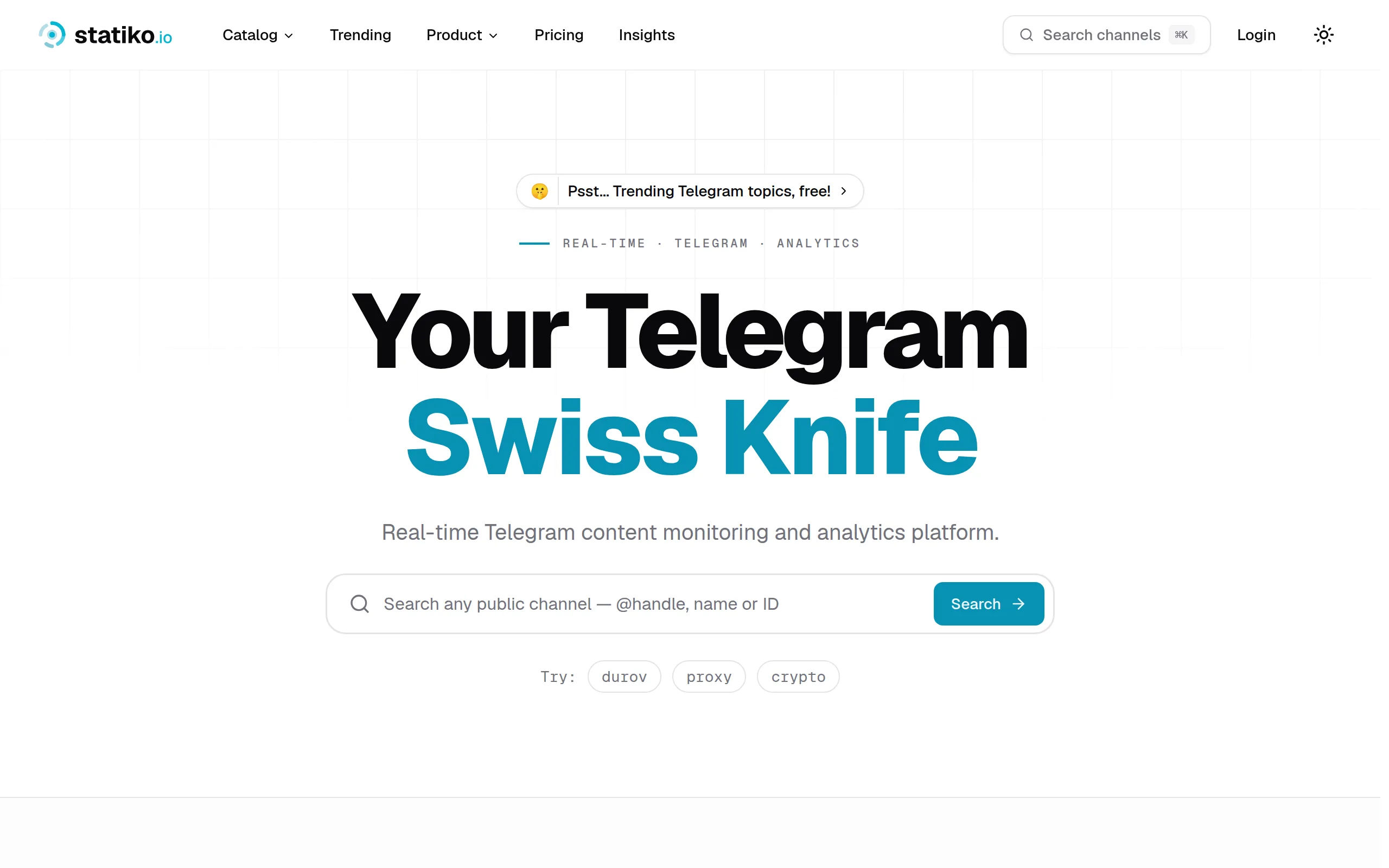
Statiko
Monitor any Telegram channel in real time - track posts, edits, deletions, and growth with AI recaps 📡

Shibui
AI website builder - describe your business, pick a niche template, edit by chatting, and publish instantly ✨

Pro Service
Find verified home service professionals, compare quotes, and pay securely through escrow - built for Brazilians across the US 🏠
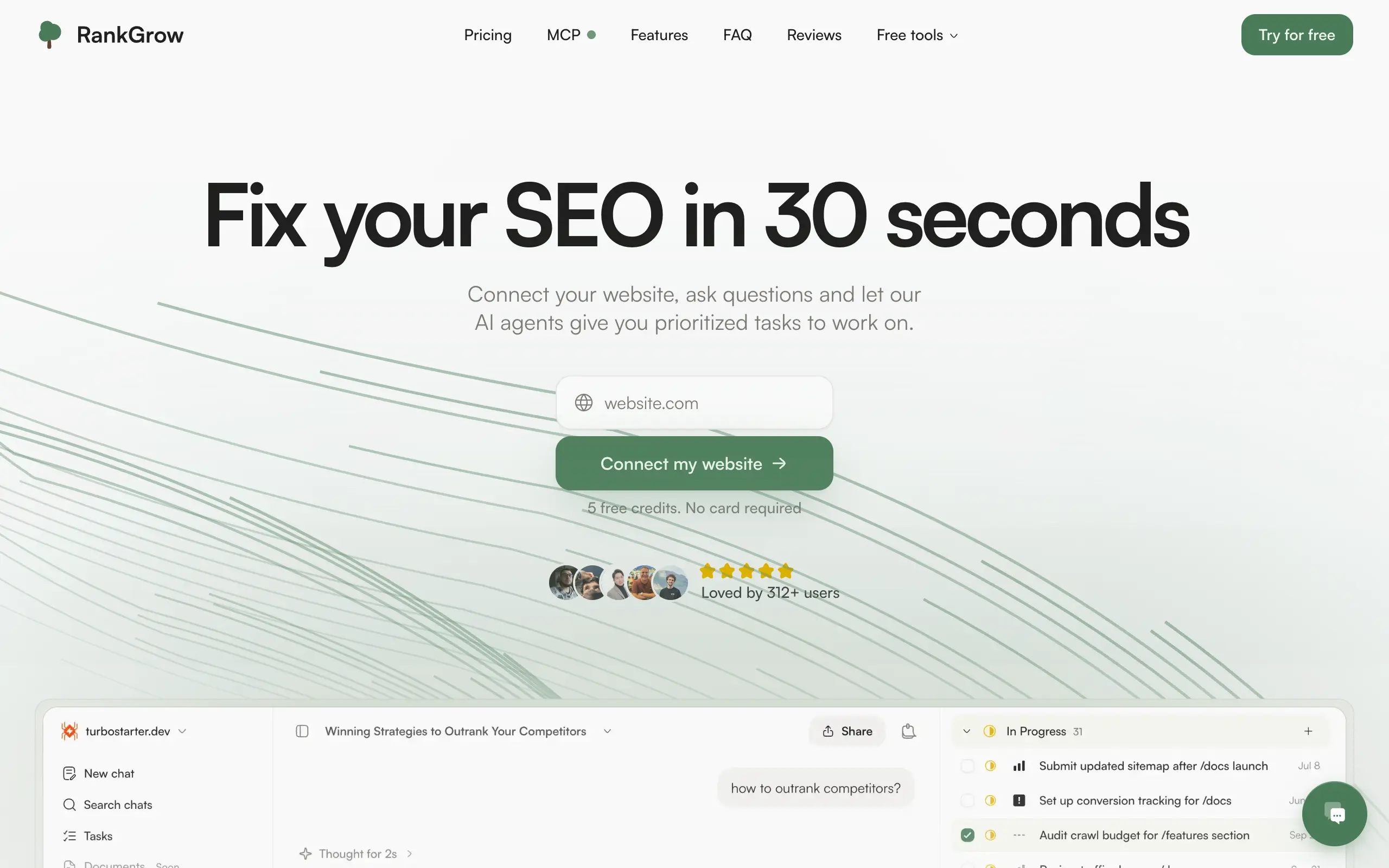
RankGrow
Fix your SEO with AI agents - connect Search Console, get prioritized tasks, and grow organic traffic 📈
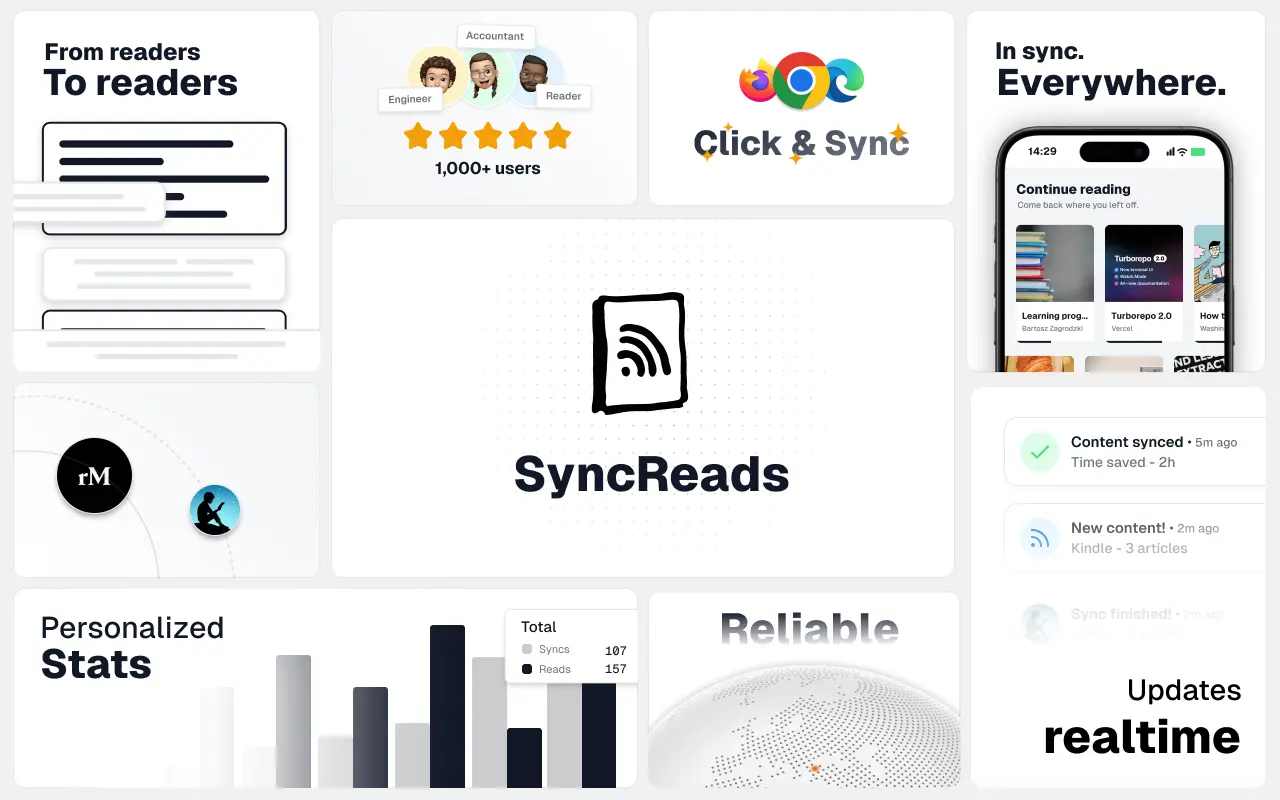
SyncReads
Sync your favorite content for distraction-free reading, save time and replace multiple apps. Anytime, anywhere 🔄
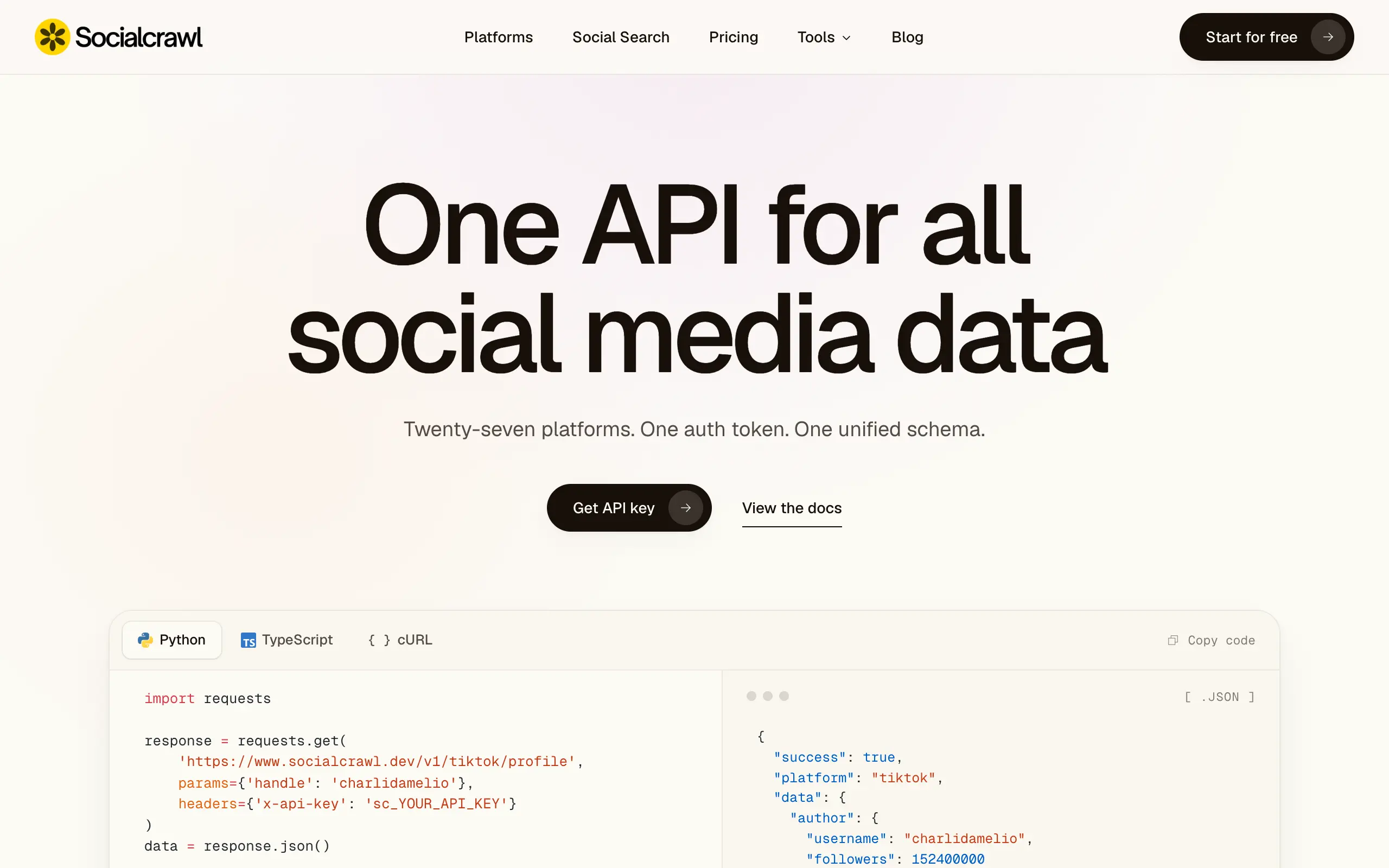
Socialcrawl
Get clean, structured data from 21 platforms like TikTok, Instagram, and YouTube with a single request 📊
Statiko
Monitor any Telegram channel in real time - track posts, edits, deletions, and growth with AI recaps 📡
Shibui
AI website builder - describe your business, pick a niche template, edit by chatting, and publish instantly ✨
Pro Service
Find verified home service professionals, compare quotes, and pay securely through escrow - built for Brazilians across the US 🏠
RankGrow
Fix your SEO with AI agents - connect Search Console, get prioritized tasks, and grow organic traffic 📈
SyncReads
Sync your favorite content for distraction-free reading, save time and replace multiple apps. Anytime, anywhere 🔄
Socialcrawl
Get clean, structured data from 21 platforms like TikTok, Instagram, and YouTube with a single request 📊
Statiko
Monitor any Telegram channel in real time - track posts, edits, deletions, and growth with AI recaps 📡
Shibui
AI website builder - describe your business, pick a niche template, edit by chatting, and publish instantly ✨
Pro Service
Find verified home service professionals, compare quotes, and pay securely through escrow - built for Brazilians across the US 🏠
RankGrow
Fix your SEO with AI agents - connect Search Console, get prioritized tasks, and grow organic traffic 📈
SyncReads
Sync your favorite content for distraction-free reading, save time and replace multiple apps. Anytime, anywhere 🔄
Socialcrawl
Get clean, structured data from 21 platforms like TikTok, Instagram, and YouTube with a single request 📊
Statiko
Monitor any Telegram channel in real time - track posts, edits, deletions, and growth with AI recaps 📡
Shibui
AI website builder - describe your business, pick a niche template, edit by chatting, and publish instantly ✨
Pro Service
Find verified home service professionals, compare quotes, and pay securely through escrow - built for Brazilians across the US 🏠
RankGrow
Fix your SEO with AI agents - connect Search Console, get prioritized tasks, and grow organic traffic 📈
SyncReads
Sync your favorite content for distraction-free reading, save time and replace multiple apps. Anytime, anywhere 🔄
Socialcrawl
Get clean, structured data from 21 platforms like TikTok, Instagram, and YouTube with a single request 📊
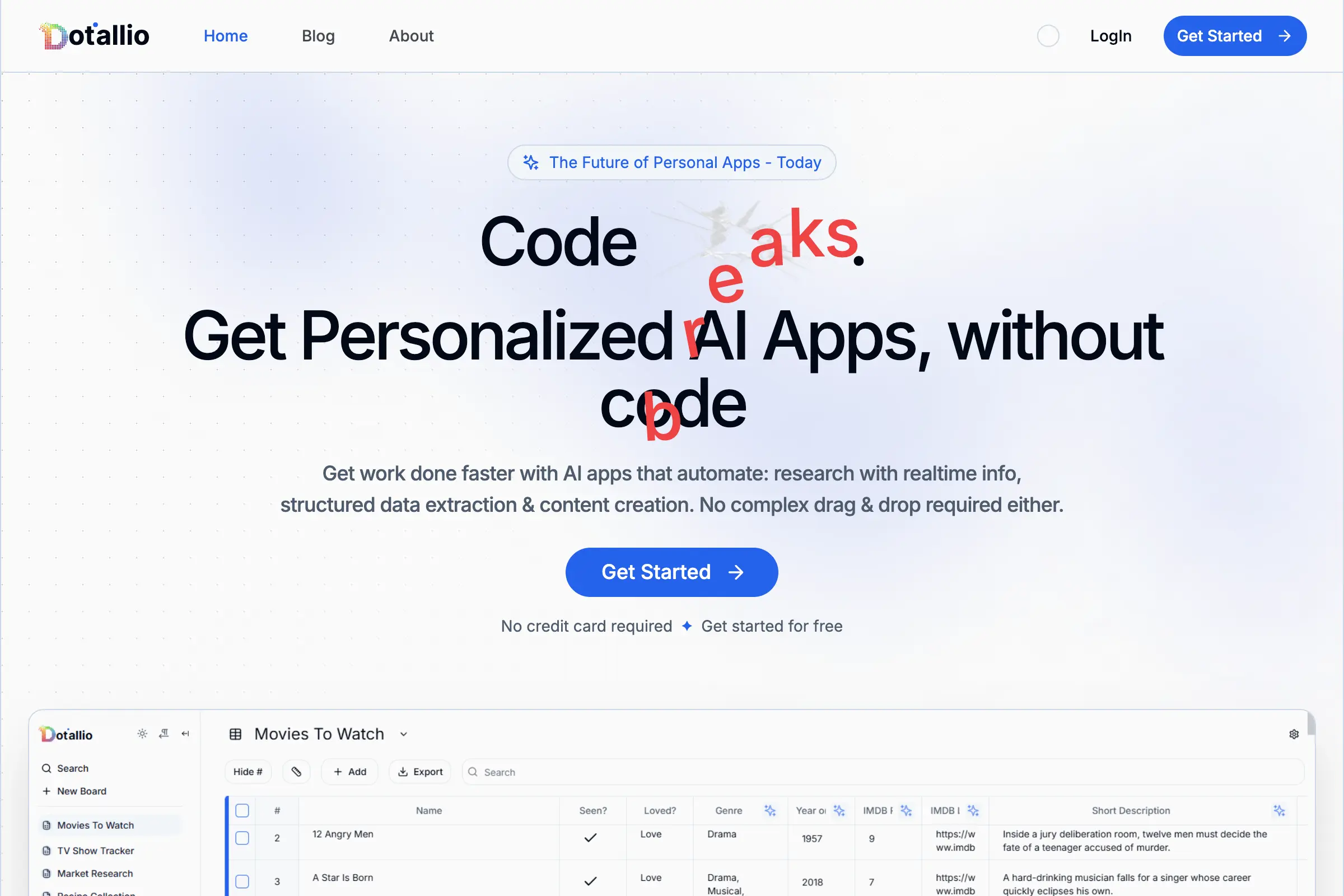
Dotallio
Personalized AI apps that automate research, data extraction, and content creation without code 🤖
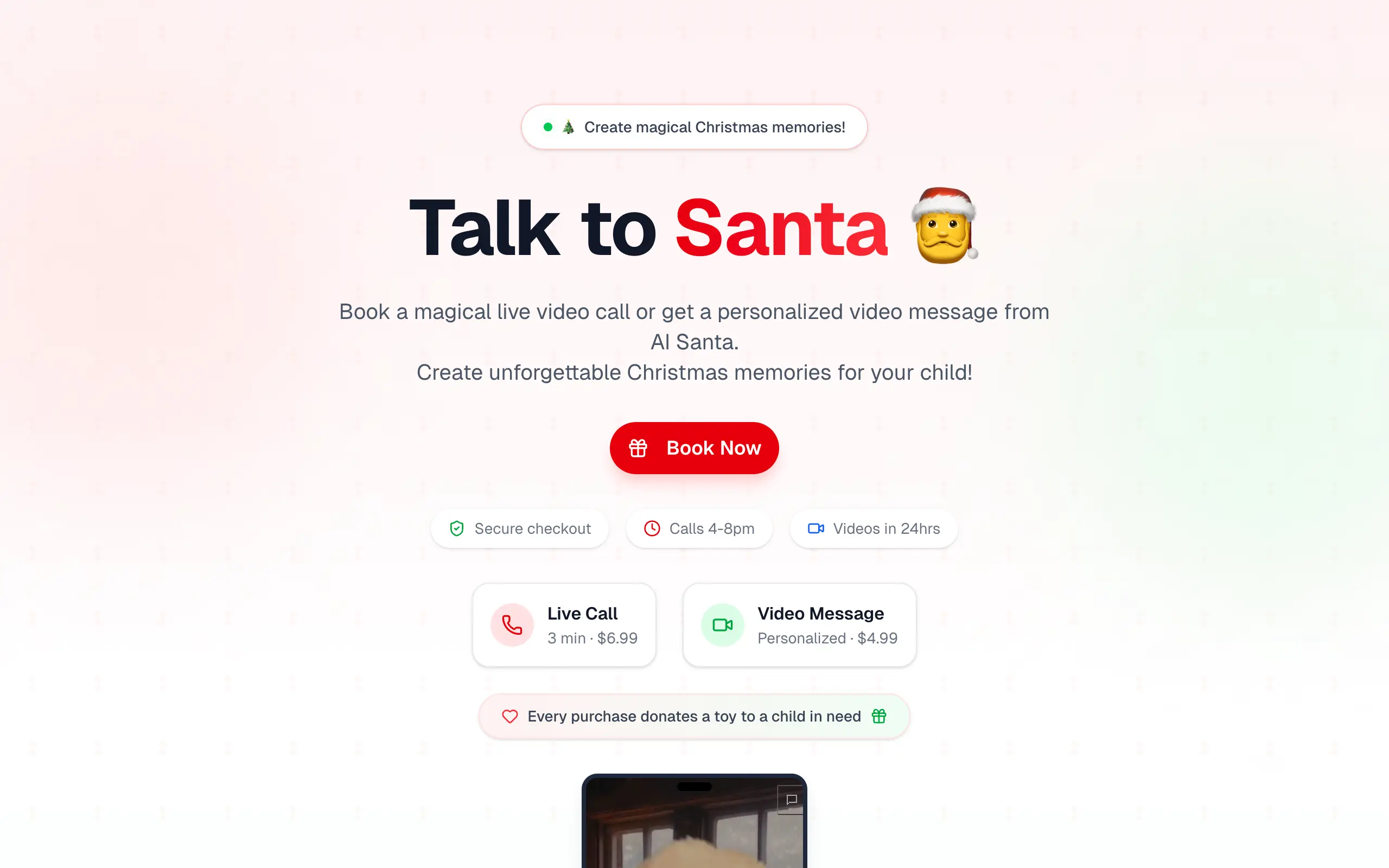
Talk to Santa
Enjoy a magical live video chat or receive a unique AI-generated video greeting from Santa Claus 🎅
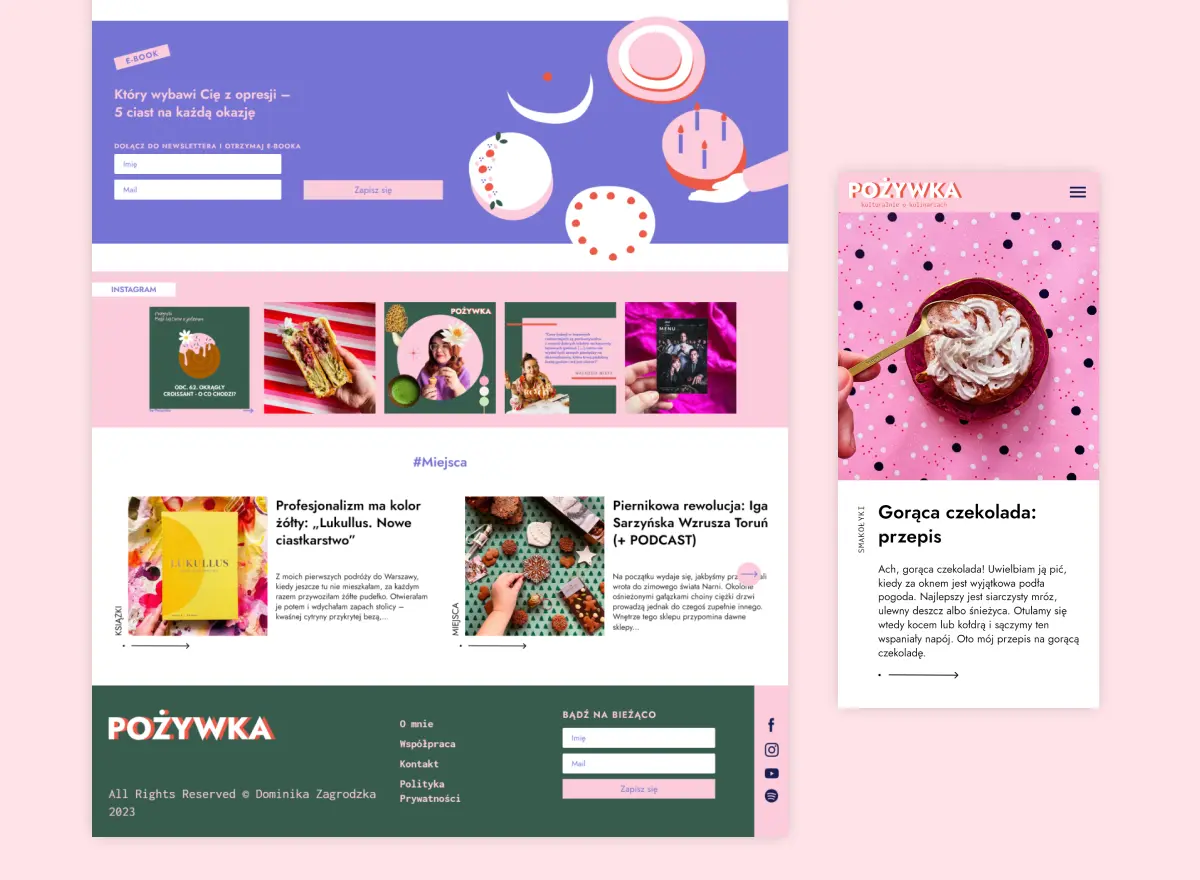
pozywka.pl
Scalable blog for food journalist, focused on performance and user experience 🌭
zagrodzki.me
Personal blog and portfolio of Bart Zagrodzki, where he shares his knowledge and work 💼
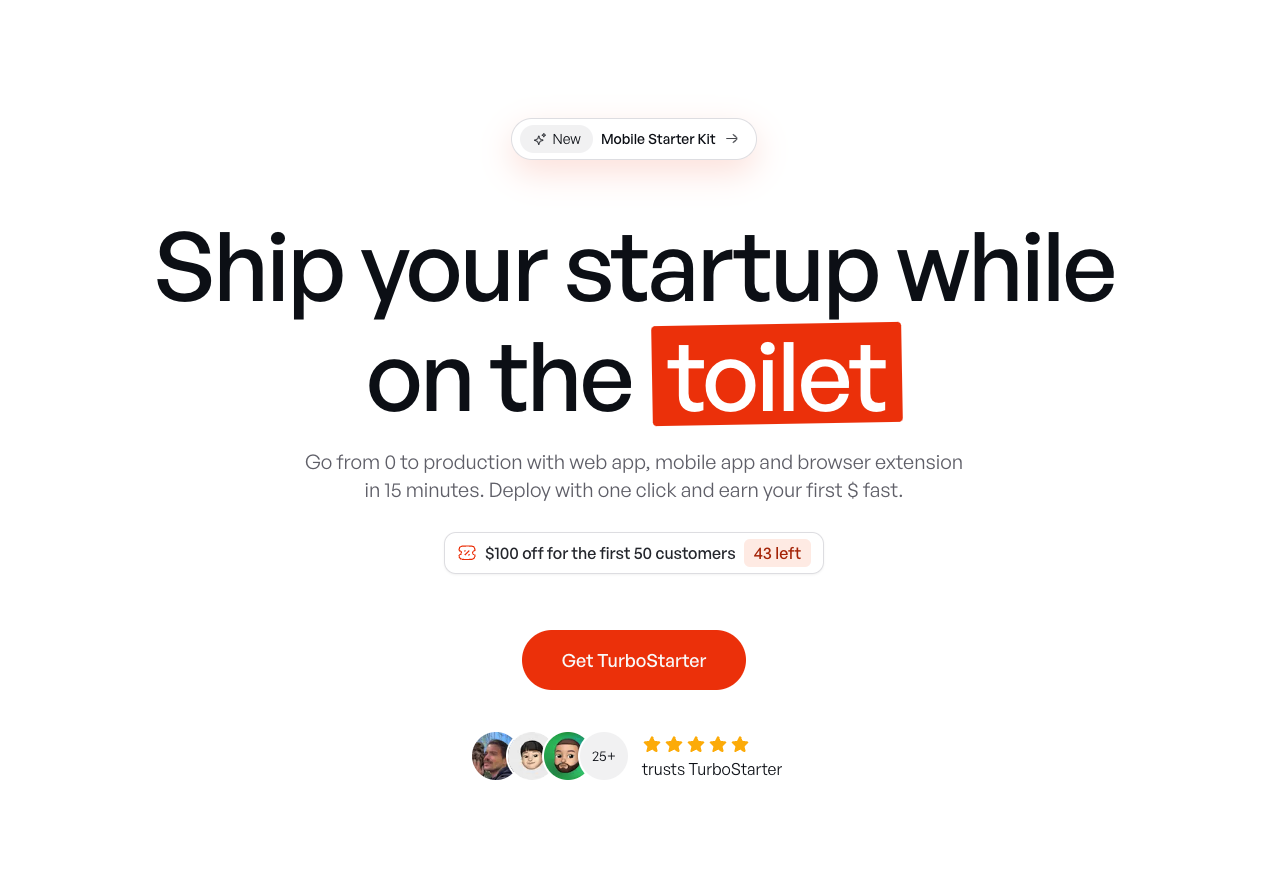
TurboStarter
Ship your startup everywhere. In minutes.
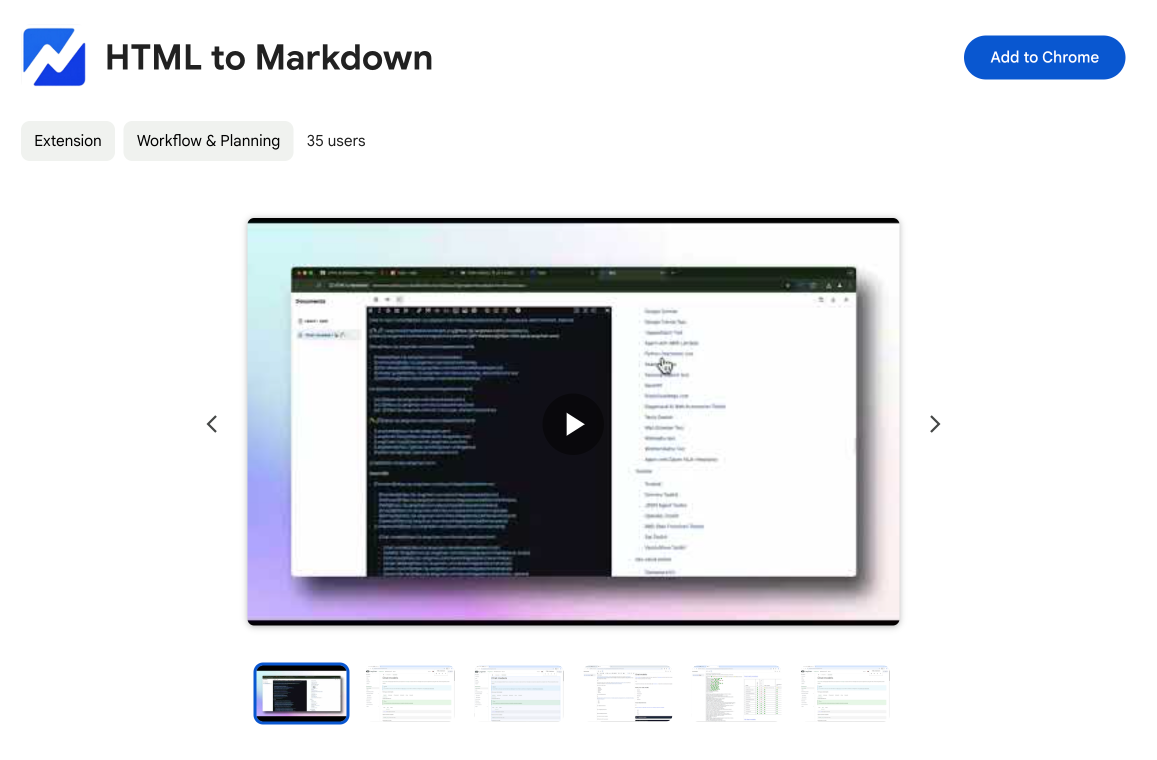
HTML to Markdown
Convert HTML to Markdown with ease, directly in your browser 📄
Dotallio
Personalized AI apps that automate research, data extraction, and content creation without code 🤖
Talk to Santa
Enjoy a magical live video chat or receive a unique AI-generated video greeting from Santa Claus 🎅
pozywka.pl
Scalable blog for food journalist, focused on performance and user experience 🌭
zagrodzki.me
Personal blog and portfolio of Bart Zagrodzki, where he shares his knowledge and work 💼
TurboStarter
Ship your startup everywhere. In minutes.
HTML to Markdown
Convert HTML to Markdown with ease, directly in your browser 📄
Dotallio
Personalized AI apps that automate research, data extraction, and content creation without code 🤖
Talk to Santa
Enjoy a magical live video chat or receive a unique AI-generated video greeting from Santa Claus 🎅
pozywka.pl
Scalable blog for food journalist, focused on performance and user experience 🌭
zagrodzki.me
Personal blog and portfolio of Bart Zagrodzki, where he shares his knowledge and work 💼
TurboStarter
Ship your startup everywhere. In minutes.
HTML to Markdown
Convert HTML to Markdown with ease, directly in your browser 📄
Dotallio
Personalized AI apps that automate research, data extraction, and content creation without code 🤖
Talk to Santa
Enjoy a magical live video chat or receive a unique AI-generated video greeting from Santa Claus 🎅
pozywka.pl
Scalable blog for food journalist, focused on performance and user experience 🌭
zagrodzki.me
Personal blog and portfolio of Bart Zagrodzki, where he shares his knowledge and work 💼
TurboStarter
Ship your startup everywhere. In minutes.
HTML to Markdown
Convert HTML to Markdown with ease, directly in your browser 📄
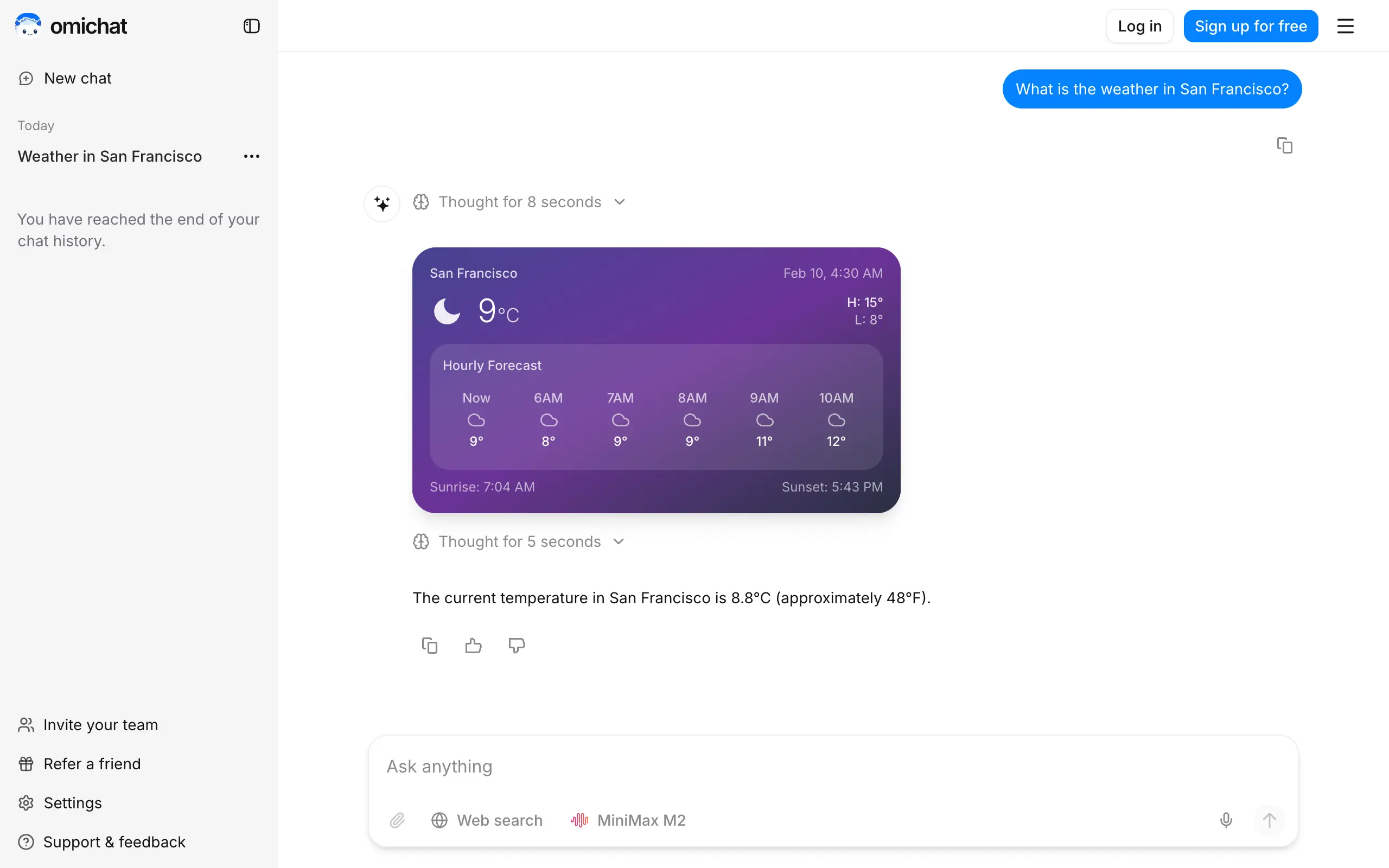
Omichat
Chat with 50+ AI models, including ChatGPT and Claude, in one place - switch models anytime without losing context 🤖
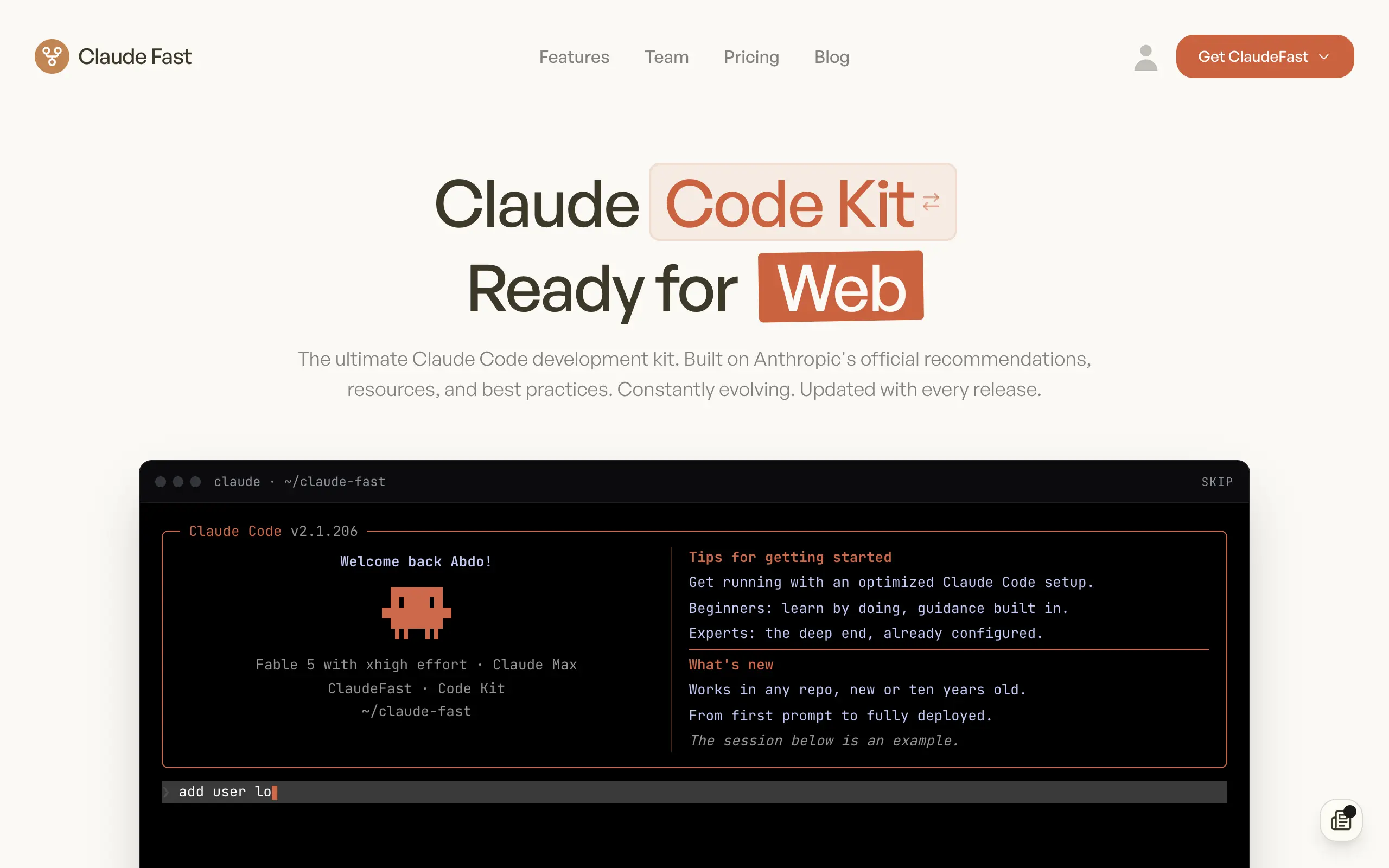
Claude Fast
Supercharge your Claude Code with 6x effective context window and specialized AI agents 🤖
EmojAI
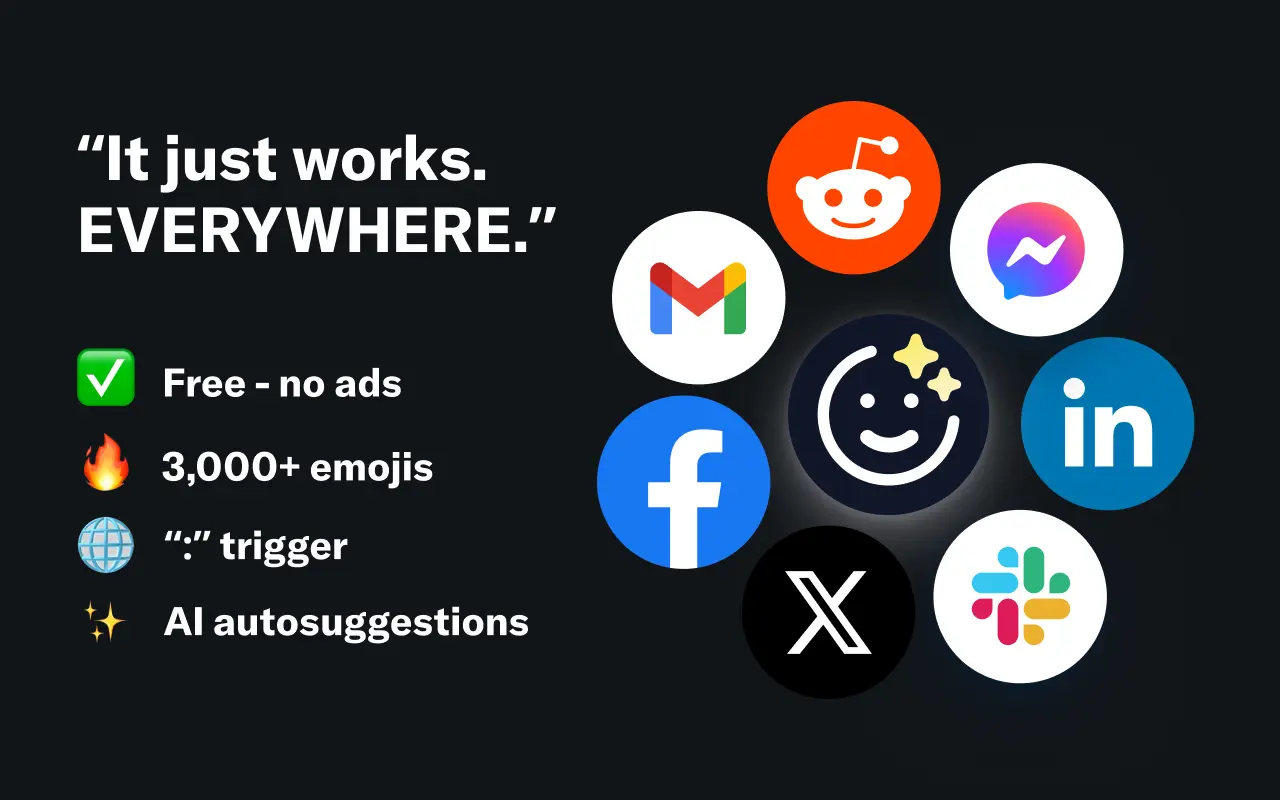
AI-powered emoji picker with smart, context-aware suggestions 🤖
Solohacker
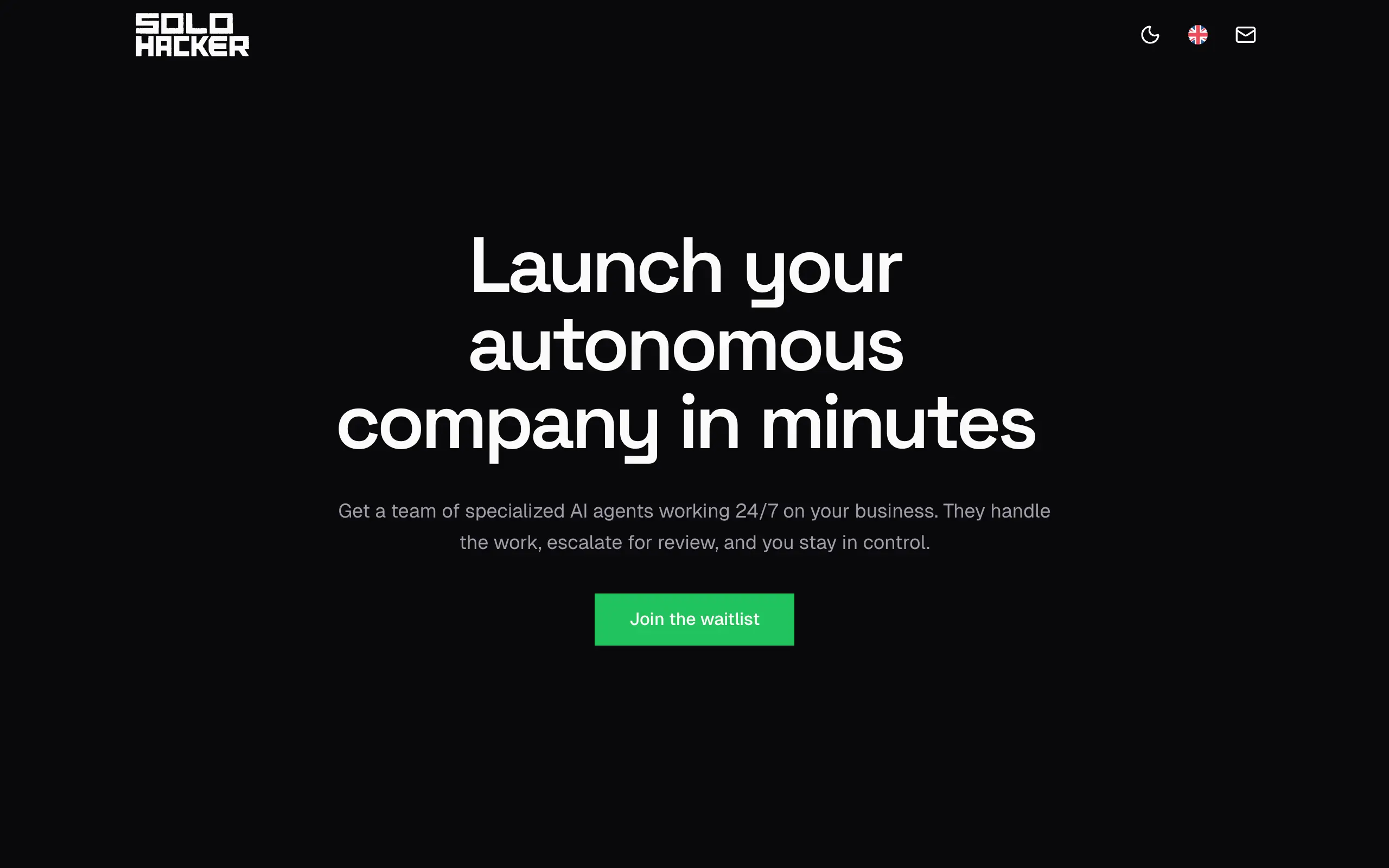
Autonomous company launcher - AI agents work 24/7, escalate what matters, and you stay in control 🤖

BeRawi: Storytelling Coach
Practice storytelling daily with instant feedback to sound clearer, more engaging, and confident 🎤
Omichat
Chat with 50+ AI models, including ChatGPT and Claude, in one place - switch models anytime without losing context 🤖
Claude Fast
Supercharge your Claude Code with 6x effective context window and specialized AI agents 🤖
EmojAI
AI-powered emoji picker with smart, context-aware suggestions 🤖
Solohacker
Autonomous company launcher - AI agents work 24/7, escalate what matters, and you stay in control 🤖
BeRawi: Storytelling Coach
Practice storytelling daily with instant feedback to sound clearer, more engaging, and confident 🎤
Omichat
Chat with 50+ AI models, including ChatGPT and Claude, in one place - switch models anytime without losing context 🤖
Claude Fast
Supercharge your Claude Code with 6x effective context window and specialized AI agents 🤖
EmojAI
AI-powered emoji picker with smart, context-aware suggestions 🤖
Solohacker
Autonomous company launcher - AI agents work 24/7, escalate what matters, and you stay in control 🤖
BeRawi: Storytelling Coach
Practice storytelling daily with instant feedback to sound clearer, more engaging, and confident 🎤
Omichat
Chat with 50+ AI models, including ChatGPT and Claude, in one place - switch models anytime without losing context 🤖
Claude Fast
Supercharge your Claude Code with 6x effective context window and specialized AI agents 🤖
EmojAI
AI-powered emoji picker with smart, context-aware suggestions 🤖
Solohacker
Autonomous company launcher - AI agents work 24/7, escalate what matters, and you stay in control 🤖
BeRawi: Storytelling Coach
Practice storytelling daily with instant feedback to sound clearer, more engaging, and confident 🎤

Connect with like-minded people
Join our community to get feedback, support, and grow together with 1,000+ builders on board, let's ship it!
Join usShip your startup everywhere. In minutes.
Don't burn tokens on setup and start building features on day one.