InventorySync
A real-time inventory management system for small retailers, integrating with e-commerce platforms to ensure accurate stock levels and reduce over-selling. Designed for businesses expanding their online presence.
Target Audience: Small Retailers in the Digital Age
Small retailers stepping into the online space need efficient, real-time solutions to manage their inventory. This system is designed with the modern business owner in mind. It caters to those who:
- Operate both brick-and-mortar and online storefronts
- Struggle with maintaining accurate stock levels across multiple platforms
- Seek a seamless integration with established e-commerce tools
- Aim to reduce over-selling and streamline inventory management processes
Retailers facing the complexities of modern commerce are increasingly turning to technology that simplifies day-to-day operations. Our solution is built to support this transition by automating manual tasks while ensuring that inventory data remains precise and up-to-date. By tapping into this approach, businesses can focus more on growth and customer engagement rather than wrestling with backend data discrepancies.
Market Opportunity: Empowering a Growing E-commerce Sector
In today's digital economy, the expansion of online retail continues unabated. As small businesses increasingly embrace e-commerce, there is a rising demand for platforms that offer robust and reliable inventory management. The market opportunity is significant for several reasons:
- Rapid Digital Transformation: As more companies shift to online sales channels, there’s a growing need for critical tools that support effective inventory tracking.
- Scalable Solutions for Growing Businesses: A system that scales with your business lets you handle seasonal spikes and long-term growth without sacrificing accuracy.
- Integrated Ecosystem: Many retailers already rely on multiple software tools, from payment gateways to shipping solutions. Integrations with popular e-commerce platforms ensure a smooth operation.
- Risk Reduction: Real-time inventory updates minimize the risk of overselling, ensuring better customer satisfaction and decreasing the administrative hassles of returns or refunds.
This evolving market creates significant opportunities for launching a service that not only addresses current pain points but also adapts to future trends in online retail management.
The integration of artificial intelligence for predictive analytics in inventory management is gaining traction. Moreover, with the surge in mobile commerce, having a responsive solution that works on various devices is becoming a necessity.
Technology Stack: Modern Tools for Rapid Implementation
Choosing the right technology stack is crucial when building a robust and scalable solution. The tech stack for this project is built on modern frameworks and tools that emphasize performance, ease of integration, and developer productivity. For rapid implementation, consider leveraging starter kits such as TurboStarter, which offers an excellent baseline for web, mobile, and browser extension projects.
Some key aspects of the tech stack include:
- Frontend Frameworks: Utilizing React or Vue.js for dynamic, responsive user interfaces.
- Backend Services: Node.js or Python (Django/Flask) for efficient backend processing and API development.
- Database Solutions: NoSQL databases like MongoDB or traditional relational databases such as PostgreSQL depending on the data requirements.
- Real-time Data Handling: WebSocket integration and services like Firebase for live updates.
- Cloud Infrastructure: AWS, Google Cloud, or Azure for scalability and global reach.
- Security and Performance: Implementation of SSL certificates and further performance tuning tools ensure data is secure and operations remain smooth even under high loads.
Below is a simple code snippet demonstrating how to set up a basic real-time update using WebSockets:
const test = () => {
  console.log("this is a code snippet!");
};
Additionally, leveraging TurboStarter can accelerate your development process. TurboStarter provides pre-built components and configurations that simplify the integration of core features, allowing your team to focus on custom functionalities and business-specific requirements.
Frontend Considerations:
- Utilize component-based architecture.
- Integrate responsive design patterns suitable for both desktop and mobile devices.
- Emphasize performance optimizations using code splitting and lazy loading.
Backend Considerations:
- Focus on building RESTful APIs that allow smooth integration with external platforms.
- Implement real-time data synchronization to ensure accurate stock levels.
- Maintain an architecture that supports scaling both vertically and horizontally.
Monetization Strategy: Driving Revenue Through Value
When it comes to monetization, a flexible and scalable strategy can help tap into multiple revenue streams. The following outlines a structured approach to monetize the service:
-
Subscription-based Pricing:
- Offer tiered subscription plans to cater to a diverse range of business sizes.
- Provide basic, professional, and enterprise-level packages.
- Include features like advanced analytics, priority support, and custom integrations in higher tiers.
-
Usage-Based Billing:
- Consider a secondary monetization strategy using usage metrics, such as transactions or API calls.
- Implement scalable pricing that aligns with the business growth of the client.
-
Integration Partnerships:
- Collaborate with e-commerce platforms and other complementary software providers.
- Generate additional revenue streams through referral partnerships and co-branding opportunities.
-
Freemium Model:
- Provide a free version with core functionalities to attract small businesses.
- Offer advanced features as part of a paid upgrade that increases value as businesses scale.
Each of these monetization strategies not only opens up new revenue channels but also ensures that clients feel they are investing in a solution that grows with their business.
Monetization Tip
Diversifying your revenue streams by combining subscription models with usage-based billing can help ensure a steady cash flow and accommodate diverse client needs.
Risks and Challenges: Navigating Potential Obstacles
Every innovative solution carries its set of risks and challenges, and careful planning is needed to address these head-on. Here are some of the most prominent risks associated with implementing a real-time inventory management system:
-
Data Consistency and Synchronization:
- Ensuring real-time data accuracy across multiple platforms can be complex.
- There is the risk of data mismatches if integrations are not perfectly aligned.
-
Scalability and Performance:
- As the number of users and transactions grows, the solution must maintain performance.
- Network latency and high-traffic scenarios can introduce bottlenecks.
-
Security Vulnerabilities:
- Handling sensitive data requires robust security protocols.
- There is always a risk of cyberattacks if security best practices are not rigorously implemented.
-
Integration Complexity:
- Integrating with multiple third-party platforms may introduce compatibility issues.
- Continuous evolution of external APIs demands constant monitoring and updates.
-
User Adoption Challenges:
- Overhauling traditional inventory processes can meet resistance from staff accustomed to legacy systems.
- Adequate user training and seamless onboarding are critical to ensure the tool is used effectively.
To mitigate these risks, it is important to:
- Conduct comprehensive testing during development.
- Invest in scalable cloud infrastructure.
- Implement continuous monitoring and update strategies.
- Provide thorough user documentation and customer support channels.
Consider adopting agile development practices. This enables your team to iterate quickly and implement fixes in response to emerging issues. Establishing partnerships with industry experts and integrating proven security measures are also vital steps in reducing risk.
Competitive Advantages: Standing Out in a Crowded Market
In a competitive landscape, having distinct competitive advantages can make all the difference. This system boasts several unique benefits that set it apart from existing solutions:
-
Real-Time Synchronization:
- Immediate updates across all connected channels ensure that inventory data remains accurate without delay.
- This prevents situations where outdated stock levels lead to customer dissatisfaction.
-
Seamless Integrations:
- The solution is designed to play well with popular e-commerce platforms. It reduces the manual overhead of data transfer and minimizes human error.
- Integration with diverse tools provides an ecosystem that supports business growth.
-
User-Centric Design:
- An intuitive user interface minimizes the learning curve.
- Short, readable workflows empower non-technical staff to operate the system without constant reliance on IT support.
-
Scalability for Future Growth:
- Whether the business is expanding into new markets or dealing with seasonal demand, the system supports scalability without a drop in performance.
- It offers configurable features that adapt as business needs evolve.
-
Data-Driven Insights:
- Advanced analytics and reporting functionalities allow businesses to make informed decisions.
- Tracking inventory trends over time can highlight opportunities to optimize stock levels and prevent overstock or stockouts.
-
Operational Efficiency:
- Automating routine inventory tasks frees up resources.
- Employees can focus on strategic initiatives rather than dealing with time-consuming manual processes.
Feature Highlight
Experience real-time inventory synchronization that minimizes manual errors, leverages automation, and integrates seamlessly with popular e-commerce platforms. This operational efficiency transforms how small retailers manage stock.
Each of these advantages plays a crucial role in enhancing operational efficiency and delivering a solution that truly meets the needs of modern retailers. By addressing key pain points with precision and scalability, this system offers a competitive edge that is both sustainable and responsive to market changes.
The Roadmap: Implementation Steps for a Smooth Launch
Creating a reliable inventory management platform requires a detailed roadmap and disciplined execution. Below is a set of recommended implementation steps to get started:
Each step is vital to minimize risks while delivering a product that is both efficient and user-friendly. This step-by-step approach allows developers, project managers, and stakeholders to align their efforts and ensure a streamlined implementation process.
Future-Proofing and Continuous Enhancement
The fast-paced evolution of technology means that the implemented solution needs to be both agile and adaptable. Here are several key strategies to ensure that the platform remains state-of-the-art well into the future:
-
Regular Software Updates:
- Stay ahead of potential security threats by patching vulnerabilities and updating dependencies on a regular basis.
- Monitor technology trends and integrate new features as user needs evolve.
-
Scalable Architecture:
- Design the infrastructure so that it can handle increasing data volumes and a growing number of concurrent users.
- Consider microservices architecture to modularize different functionalities for easier updates and scalability.
-
User Feedback Integration:
- Establish channels for continuous user feedback.
- Use analytics tools to monitor usage patterns and identify areas for improvement.
-
Advanced Analytics:
- Incorporate machine learning and AI capabilities to enable predictive analytics.
- Use data insights to further optimize inventory levels and forecast demand.
-
Enhanced Integration Capabilities:
- Keep a flexible API layer that allows easy integration with new third-party services.
- Foster a developer ecosystem that can contribute plugins and extensions to enhance the system’s functionality.
-
Robust Support Infrastructure:
- Provide comprehensive documentation and customer support to ensure smooth onboarding and usage.
- Consider community forums or a dedicated support team to address customer queries in real-time.
By continuously iterating on the product design and incorporating emerging technologies, the platform can remain competitive while delivering strong operational value to its users.
Heads Up
Future-proofing your solution is essential. Regular updates and proactive enhancements can prevent the system from falling behind evolving market standards.
Integrating Additional Features for Enhanced Operational Efficiency
In addition to the core functionality, there is considerable scope for adding features that can significantly enhance the value proposition for retailers:
-
Automated Restocking Alerts:
Set up thresholds that trigger notifications when stock levels fall below a certain level. This proactive approach saves time and avoids potential stockouts. -
Detailed Reporting & Analytics:
Offer dashboards that provide insights into sales trends, inventory turnover rates, and other vital metrics. This information can help retailers make informed business decisions. -
Multi-Channel Support:
Ensure the system is versatile enough to integrate with various online marketplaces, social media selling channels, and even mobile apps. A unified dashboard for multi-channel sync keeps operations smooth and efficient. -
Customizable User Roles and Permissions:
Enable business owners to define who can access and modify inventory data. This security measure ensures that sensitive information is only available to authorized personnel. -
Mobile Compatibility:
Support mobile-friendly versions of the application so managers can update and monitor inventory on the go. Real-time mobile alerts can further enhance responsiveness.
Consider incorporating features such as barcode scanning for quick inventory updates, integration with shipping carriers, and automated financial reconciliation for improved operational oversight.
Beyond the Core: Leveraging Ecosystem Partnerships
A key competitive advantage lies in the ability to form strong partnerships within the e-commerce ecosystem. By aligning with complementary services, the platform can offer enhanced functionalities:
-
Exclusive Integrations:
Work with popular online marketplaces to provide out-of-the-box connectivity. This reduces the complexity of manual configurations and ensures seamless data flow. -
Cross-Promotional Opportunities:
Engage in co-marketing strategies with payment processors, shipping services, and customer relationship management (CRM) platforms. These partnerships can extend your reach and bring added value to users. -
API-First Approach:
Allow third-party developers to build extensions and plugins that address niche requirements. An active developer community can lead to continuous improvements and innovative use cases. -
White-Label Options:
Provide opportunities for resellers and large retail chains to customize the interface with their branding, allowing for personalization while maintaining robust core functionalities.
Every strategic partnership not only fortifies the product’s market position but also opens avenues for revenue sharing and brand enhancement.
Implementation Conclusion: Getting Started with a Solid Roadmap
Building a comprehensive inventory management system requires meticulous planning and execution. To wrap up the discussion on implementation:
- Begin with exploratory research, gathering user needs and mapping out the integrations required.
- Develop a robust technology stack that accommodates real-time data synchronization.
- Implement a flexible monetization strategy that aligns with varying business sizes.
- Maintain a continuous feedback loop to address risks, challenges, and evolving market demands.
- Finally, monitor performance and security closely while planning periodic updates.
Ultimately, leveraging the benefits of starter kits such as TurboStarter can significantly speed up initial development, allowing teams to focus on customization and advanced features that set the platform apart.
This detailed roadmap and feature set outline not only make a persuasive case for the system's value but also serve as a guide for the implementation process. By following the steps outlined above, businesses and developers alike can work together to create a solution that streamlines inventory management, reduces operational risk, and supports future growth. With a focus on real-time data accuracy, scalability, and seamless integrations, the foundation is laid for a tool that meets the demands of today’s dynamic e-commerce environment while remaining adaptive for tomorrow’s challenges.
In summary, this inventory management solution is built to empower small retailers entering the online marketplace. It addresses the core challenges of maintaining accurate stock levels across multiple platforms and integrates seamlessly with existing e-commerce tools. The market opportunities are vast, supported by modern technology, a flexible monetization strategy, and clear paths for scaling and innovation. Implementing the outlined strategies and leveraging modern development tools can ensure not only a successful launch but a sustainable competitive advantage in an ever-evolving retail landscape.
More 🏢 B2B Application SaaS ideas
Discover more innovative b2b application SaaS ideas that are trending in 2026. Each idea is AI-generated with market validation and growth potential to help you find your next profitable venture faster than competitors.
Your competitors are building with TurboStarter
Below are some of the SaaS ideas that have been generated and built with our starter kit.

Statiko
Monitor any Telegram channel in real time - track posts, edits, deletions, and growth with AI recaps 📡

Shibui
AI website builder - describe your business, pick a niche template, edit by chatting, and publish instantly ✨

Pro Service
Find verified home service professionals, compare quotes, and pay securely through escrow - built for Brazilians across the US 🏠

RankGrow
Fix your SEO with AI agents - connect Search Console, get prioritized tasks, and grow organic traffic 📈
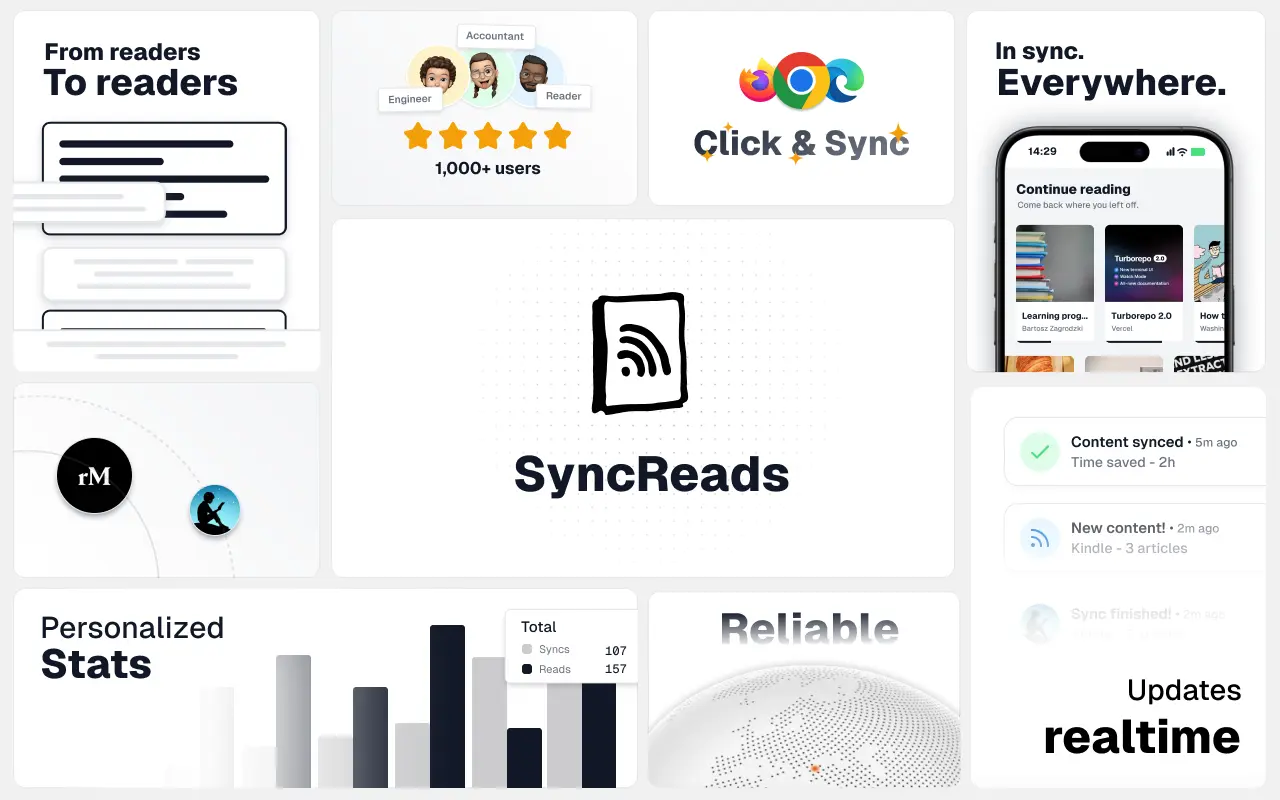
SyncReads
Sync your favorite content for distraction-free reading, save time and replace multiple apps. Anytime, anywhere 🔄

Socialcrawl
Get clean, structured data from 21 platforms like TikTok, Instagram, and YouTube with a single request 📊
Statiko
Monitor any Telegram channel in real time - track posts, edits, deletions, and growth with AI recaps 📡
Shibui
AI website builder - describe your business, pick a niche template, edit by chatting, and publish instantly ✨
Pro Service
Find verified home service professionals, compare quotes, and pay securely through escrow - built for Brazilians across the US 🏠
RankGrow
Fix your SEO with AI agents - connect Search Console, get prioritized tasks, and grow organic traffic 📈
SyncReads
Sync your favorite content for distraction-free reading, save time and replace multiple apps. Anytime, anywhere 🔄
Socialcrawl
Get clean, structured data from 21 platforms like TikTok, Instagram, and YouTube with a single request 📊
Statiko
Monitor any Telegram channel in real time - track posts, edits, deletions, and growth with AI recaps 📡
Shibui
AI website builder - describe your business, pick a niche template, edit by chatting, and publish instantly ✨
Pro Service
Find verified home service professionals, compare quotes, and pay securely through escrow - built for Brazilians across the US 🏠
RankGrow
Fix your SEO with AI agents - connect Search Console, get prioritized tasks, and grow organic traffic 📈
SyncReads
Sync your favorite content for distraction-free reading, save time and replace multiple apps. Anytime, anywhere 🔄
Socialcrawl
Get clean, structured data from 21 platforms like TikTok, Instagram, and YouTube with a single request 📊
Statiko
Monitor any Telegram channel in real time - track posts, edits, deletions, and growth with AI recaps 📡
Shibui
AI website builder - describe your business, pick a niche template, edit by chatting, and publish instantly ✨
Pro Service
Find verified home service professionals, compare quotes, and pay securely through escrow - built for Brazilians across the US 🏠
RankGrow
Fix your SEO with AI agents - connect Search Console, get prioritized tasks, and grow organic traffic 📈
SyncReads
Sync your favorite content for distraction-free reading, save time and replace multiple apps. Anytime, anywhere 🔄
Socialcrawl
Get clean, structured data from 21 platforms like TikTok, Instagram, and YouTube with a single request 📊
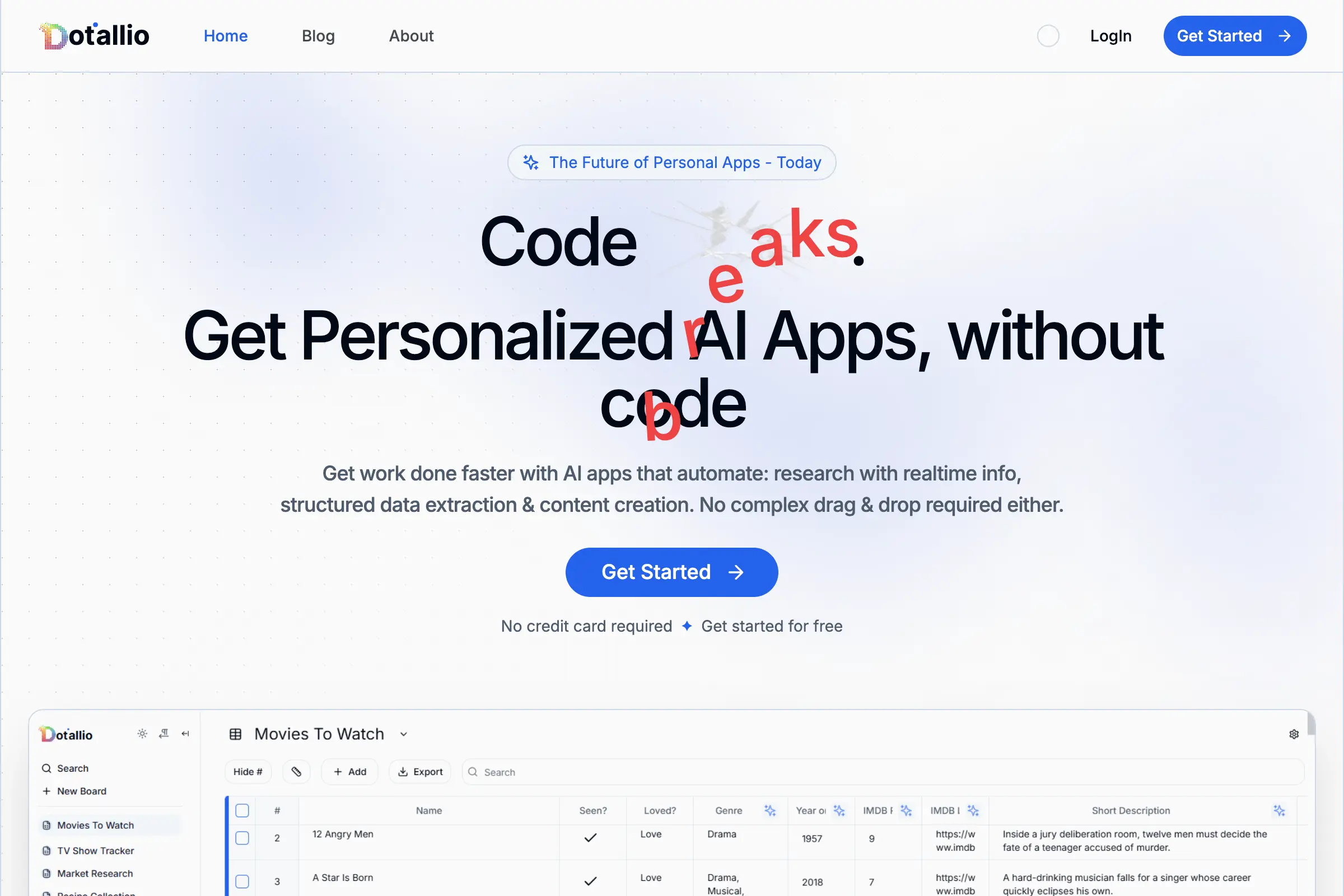
Dotallio
Personalized AI apps that automate research, data extraction, and content creation without code 🤖

Talk to Santa
Enjoy a magical live video chat or receive a unique AI-generated video greeting from Santa Claus 🎅

pozywka.pl
Scalable blog for food journalist, focused on performance and user experience 🌭
zagrodzki.me
Personal blog and portfolio of Bart Zagrodzki, where he shares his knowledge and work 💼

TurboStarter
Ship your startup everywhere. In minutes.
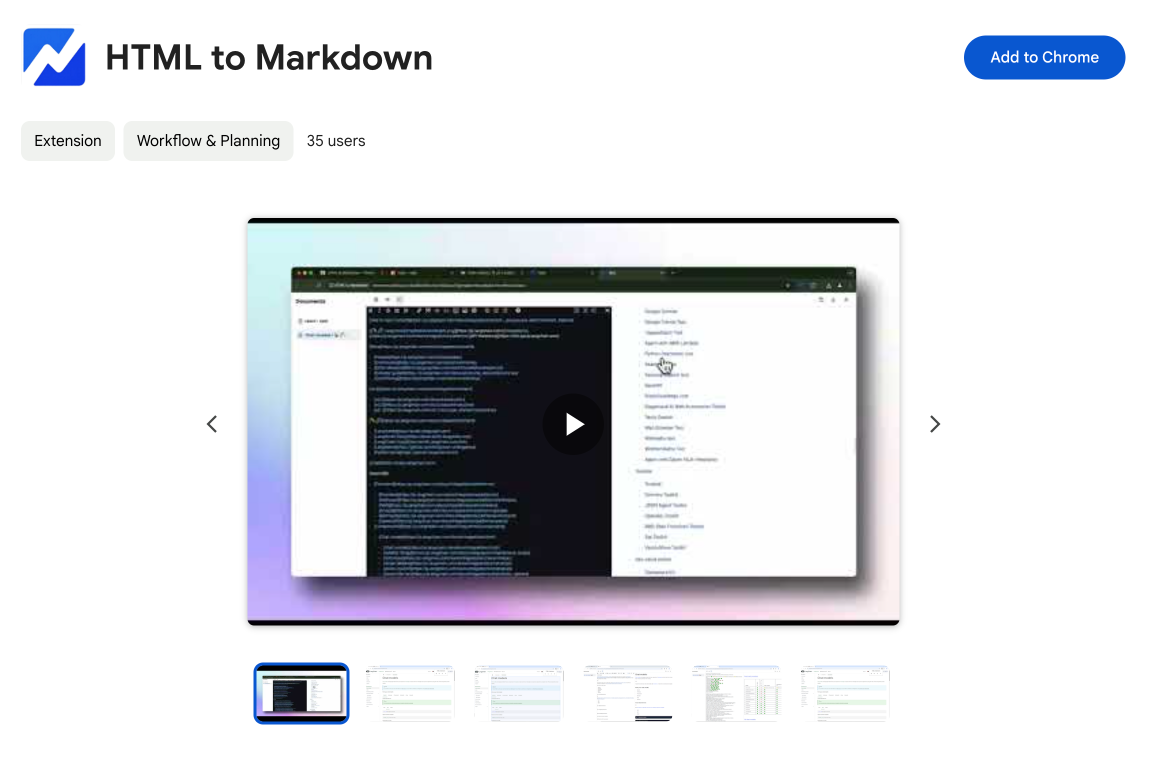
HTML to Markdown
Convert HTML to Markdown with ease, directly in your browser 📄
Dotallio
Personalized AI apps that automate research, data extraction, and content creation without code 🤖
Talk to Santa
Enjoy a magical live video chat or receive a unique AI-generated video greeting from Santa Claus 🎅
pozywka.pl
Scalable blog for food journalist, focused on performance and user experience 🌭
zagrodzki.me
Personal blog and portfolio of Bart Zagrodzki, where he shares his knowledge and work 💼
TurboStarter
Ship your startup everywhere. In minutes.
HTML to Markdown
Convert HTML to Markdown with ease, directly in your browser 📄
Dotallio
Personalized AI apps that automate research, data extraction, and content creation without code 🤖
Talk to Santa
Enjoy a magical live video chat or receive a unique AI-generated video greeting from Santa Claus 🎅
pozywka.pl
Scalable blog for food journalist, focused on performance and user experience 🌭
zagrodzki.me
Personal blog and portfolio of Bart Zagrodzki, where he shares his knowledge and work 💼
TurboStarter
Ship your startup everywhere. In minutes.
HTML to Markdown
Convert HTML to Markdown with ease, directly in your browser 📄
Dotallio
Personalized AI apps that automate research, data extraction, and content creation without code 🤖
Talk to Santa
Enjoy a magical live video chat or receive a unique AI-generated video greeting from Santa Claus 🎅
pozywka.pl
Scalable blog for food journalist, focused on performance and user experience 🌭
zagrodzki.me
Personal blog and portfolio of Bart Zagrodzki, where he shares his knowledge and work 💼
TurboStarter
Ship your startup everywhere. In minutes.
HTML to Markdown
Convert HTML to Markdown with ease, directly in your browser 📄
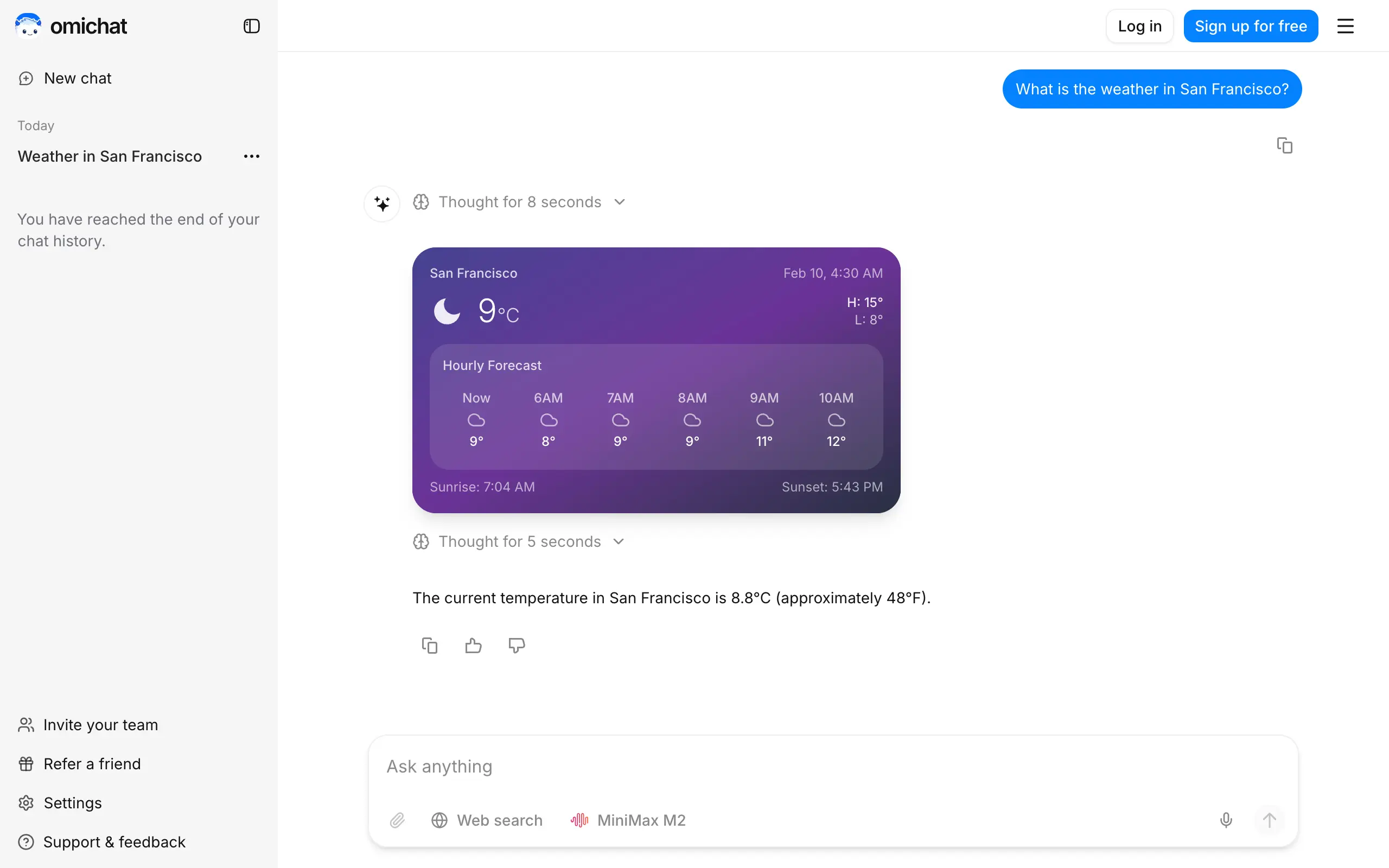
Omichat
Chat with 50+ AI models, including ChatGPT and Claude, in one place - switch models anytime without losing context 🤖
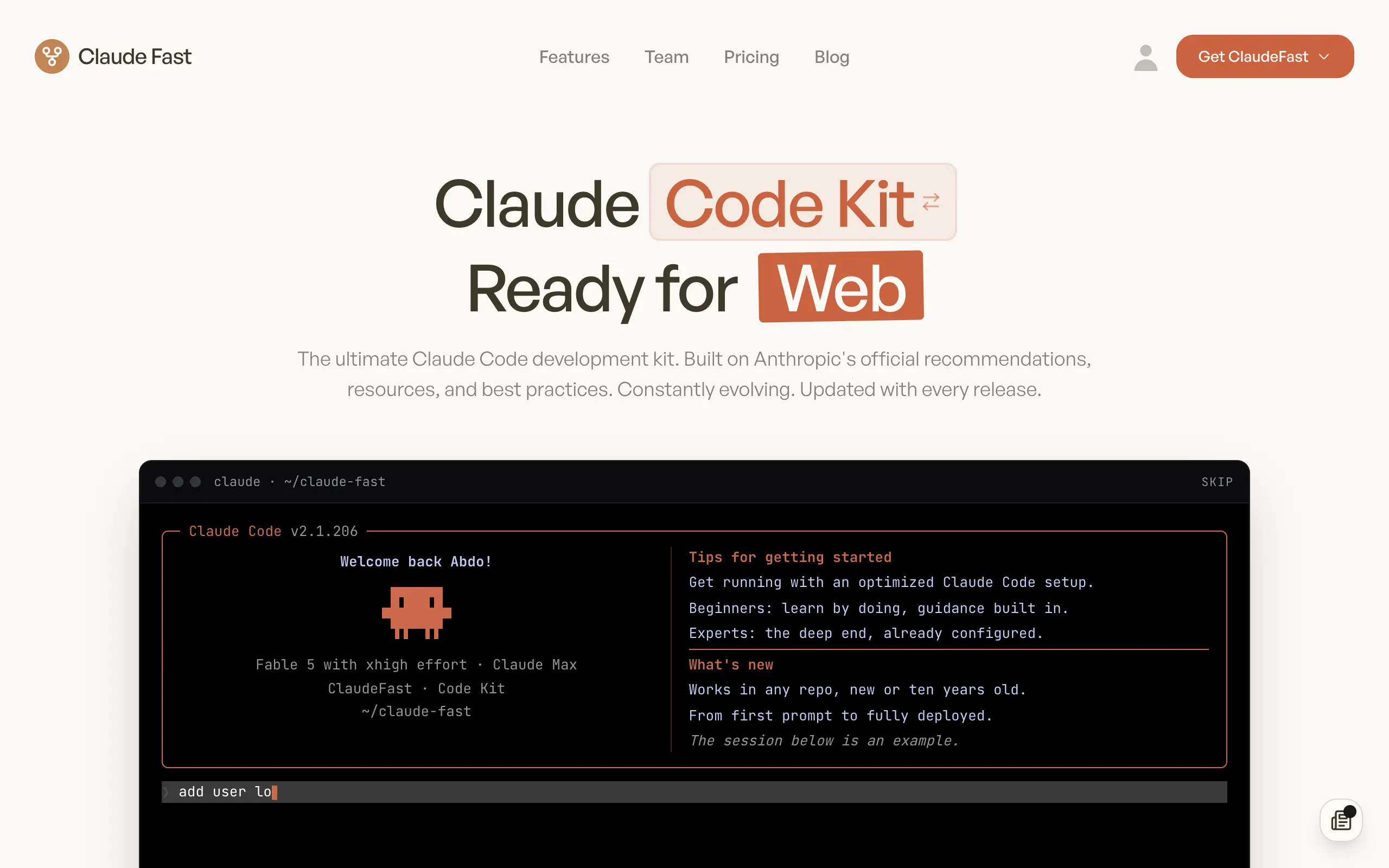
Claude Fast
Supercharge your Claude Code with 6x effective context window and specialized AI agents 🤖

EmojAI
AI-powered emoji picker with smart, context-aware suggestions 🤖

Solohacker
Autonomous company launcher - AI agents work 24/7, escalate what matters, and you stay in control 🤖

BeRawi: Storytelling Coach
Practice storytelling daily with instant feedback to sound clearer, more engaging, and confident 🎤
Omichat
Chat with 50+ AI models, including ChatGPT and Claude, in one place - switch models anytime without losing context 🤖
Claude Fast
Supercharge your Claude Code with 6x effective context window and specialized AI agents 🤖
EmojAI
AI-powered emoji picker with smart, context-aware suggestions 🤖
Solohacker
Autonomous company launcher - AI agents work 24/7, escalate what matters, and you stay in control 🤖
BeRawi: Storytelling Coach
Practice storytelling daily with instant feedback to sound clearer, more engaging, and confident 🎤
Omichat
Chat with 50+ AI models, including ChatGPT and Claude, in one place - switch models anytime without losing context 🤖
Claude Fast
Supercharge your Claude Code with 6x effective context window and specialized AI agents 🤖
EmojAI
AI-powered emoji picker with smart, context-aware suggestions 🤖
Solohacker
Autonomous company launcher - AI agents work 24/7, escalate what matters, and you stay in control 🤖
BeRawi: Storytelling Coach
Practice storytelling daily with instant feedback to sound clearer, more engaging, and confident 🎤
Omichat
Chat with 50+ AI models, including ChatGPT and Claude, in one place - switch models anytime without losing context 🤖
Claude Fast
Supercharge your Claude Code with 6x effective context window and specialized AI agents 🤖
EmojAI
AI-powered emoji picker with smart, context-aware suggestions 🤖
Solohacker
Autonomous company launcher - AI agents work 24/7, escalate what matters, and you stay in control 🤖
BeRawi: Storytelling Coach
Practice storytelling daily with instant feedback to sound clearer, more engaging, and confident 🎤

Connect with like-minded people
Join our community to get feedback, support, and grow together with 1,000+ builders on board, let's ship it!
Join usShip your startup everywhere. In minutes.
Don't burn tokens on setup and start building features on day one.