InvoiceSentinel
Automates invoice payment verification across ERP and bank feeds, triggering workflows when duplicates or unpaid invoices are detected in real time.
Why automated invoice payment verification is becoming mission-critical
In today’s finance landscape, manual invoice reconciliation is a liability. As businesses scale, transaction volumes increase, ERP systems multiply, and bank feeds become more complex. The result? Duplicate payments, missed payments, delayed vendor reconciliations, and compliance risks.
This is where InvoiceSentinel, a B2B SaaS for automated invoice payment verification across ERP and bank feeds, addresses a rapidly growing need.
The core value proposition is simple but powerful:
Automatically verify invoice payments in real time across ERP systems and bank feeds — and trigger workflows instantly when duplicates, mismatches, or unpaid invoices are detected.
For CFOs, controllers, finance operations leaders, and fintech teams, this isn’t just operational efficiency. It’s risk prevention, working capital optimization, and audit readiness.
This article provides a comprehensive analysis of the market opportunity, target audience, product architecture, monetization strategy, competitive landscape, and a step-by-step roadmap to building and launching InvoiceSentinel successfully.
The problem: fragmented invoice verification creates financial risk
The hidden cost of manual invoice reconciliation
Finance teams typically reconcile invoices across:
- ERP systems (NetSuite, SAP, Oracle, Microsoft Dynamics)
- AP automation tools (Bill.com, Tipalti, Coupa)
- Bank feeds
- Payment processors
- Internal spreadsheets
In many organizations, invoice payment verification is:
- Manual
- Periodic (weekly or monthly)
- Spreadsheet-driven
- Reactive rather than real-time
This leads to:
- Duplicate payments
- Unpaid invoices despite recorded payment
- Incorrect vendor matching
- Reconciliation delays
- Audit flags
- Cash flow mismanagement
According to widely cited industry research from organizations like the Association of Certified Fraud Examiners (ACFE), occupational fraud schemes often include billing and payment manipulation. Duplicate and erroneous payments are a recurring internal control weakness in many audits.
The larger the organization, the higher the risk.
What is InvoiceSentinel?
InvoiceSentinel is a real-time invoice payment verification platform that connects to:
- ERP systems
- Accounts payable platforms
- Bank feeds
- Payment gateways
It continuously reconciles:
- Invoice ID
- Vendor
- Amount
- Payment status
- Bank transaction data
And triggers automated workflows when:
- Duplicate payments are detected
- Invoices remain unpaid past due date
- Amount mismatches occur
- Suspicious anomalies appear
- Payments are recorded in ERP but missing in bank feed
Instead of waiting for month-end reconciliation, InvoiceSentinel operates continuously.
Target audience analysis
Understanding user intent is critical. Businesses searching for “automated invoice reconciliation,” “duplicate invoice detection software,” or “real-time payment verification ERP” are usually in one of these categories:
1. Mid-market CFOs
Pain points:
- Growing AP volume
- Increasing fraud risk
- Audit pressure
- Lack of real-time visibility
Search intent:
- Reduce duplicate payments
- Strengthen internal controls
- Improve cash flow accuracy
2. Controllers and finance operations teams
Pain points:
- Manual reconciliations
- Spreadsheet chaos
- Vendor disputes
- Audit preparation stress
Search intent:
- Automate invoice verification
- Eliminate manual checks
- Get proactive alerts
3. Enterprise AP automation leaders
Pain points:
- Multiple ERP instances
- Global subsidiaries
- High transaction volume
- Complex approval workflows
Search intent:
- Centralized monitoring layer
- Cross-system validation
- Enterprise-grade controls
4. Fintech and embedded finance platforms
Pain points:
- Payment integrity
- Regulatory compliance
- Customer trust
Search intent:
- API-based invoice verification engine
- Real-time anomaly detection
Market opportunity and gap analysis
The AP automation market is growing
The global accounts payable automation market continues expanding due to:
- Digital transformation initiatives
- Remote finance teams
- Increasing fraud prevention requirements
- Regulatory compliance pressure
Major ERP and AP automation vendors focus on:
- Invoice capture
- Approval workflows
- Payment execution
However, there is a critical gap:
Independent, cross-system, real-time invoice payment verification.
Most systems verify payments internally — but not across:
- Multiple ERPs
- Bank feeds
- Payment providers
- External reconciliation data
InvoiceSentinel occupies a unique layer:
✅ System-agnostic
✅ Continuous monitoring
✅ Cross-platform verification
✅ Workflow-triggering automation
This is not just AP automation. It is payment integrity infrastructure.
Core features of InvoiceSentinel
1. Real-time ERP and bank feed synchronization
InvoiceSentinel connects to:
- ERP APIs (e.g., NetSuite, SAP, Dynamics)
- Bank APIs (via Open Banking standards or aggregators)
- Payment platforms
It syncs:
- Invoice records
- Payment status
- Transaction references
- Vendor metadata
2. Duplicate invoice detection
The system detects:
- Exact duplicates (same invoice ID, amount, vendor)
- Near duplicates (similar amount + vendor + date)
- Multi-entity duplicates across subsidiaries
Advanced matching algorithms use:
- Fuzzy string matching
- Amount tolerance thresholds
- Vendor identity mapping
- Invoice hash fingerprinting
3. Unpaid invoice monitoring
InvoiceSentinel flags:
- Overdue invoices
- Invoices marked “paid” in ERP but missing in bank feed
- Partial payment discrepancies
- Payment timing anomalies
4. Automated workflow triggers
When anomalies are detected, the system:
- Notifies finance stakeholders
- Opens a case automatically
- Assigns task to AP team
- Integrates with Slack, email, or internal ticketing systems
5. Audit trail and compliance logging
Every detection event is:
- Logged
- Timestamped
- Exportable for audit
- Linked to supporting transaction evidence
This improves:
- SOX compliance readiness
- Internal control documentation
- Fraud investigation speed
Feature comparison vs traditional approaches
| Capability | Spreadsheets | ERP Only | AP Automation Tools | InvoiceSentinel |
|---|---|---|---|---|
| Real-time monitoring | ❌ | ❌ | ⚠️ Limited | ✅ |
| Cross-ERP validation | ❌ | ❌ | ❌ | ✅ |
| Bank feed verification | ❌ | ❌ | ⚠️ Partial | ✅ |
| Duplicate detection engine | ⚠️ Manual | ⚠️ Limited | ⚠️ Basic | ✅ Advanced |
| Automated anomaly workflows | ❌ | ⚠️ Limited | ✅ | ✅ |
Recommended technical architecture
Building InvoiceSentinel requires reliability, security, and scalability.
Frontend
These provide:
- Modern UI performance
- Component-based architecture
- Fast iteration
- Enterprise-grade UX
Backend
Options:
- Node.js with TypeScript
- Python (FastAPI)
- Go (high-performance option)
Key requirements:
- Event-driven architecture
- Webhook ingestion
- Secure API connectors
- Queue processing (e.g., Kafka, SQS)
Data layer
- PostgreSQL (transactional consistency)
- Redis (real-time caching)
- Optional data warehouse for anomaly analytics
Matching engine logic example
function detectDuplicate(invoiceA, invoiceB) {
  const sameVendor = invoiceA.vendorId === invoiceB.vendorId;
  const amountClose = Math.abs(invoiceA.amount - invoiceB.amount) < 0.01;
  const similarNumber = fuzzyMatch(invoiceA.invoiceNumber, invoiceB.invoiceNumber);

  return sameVendor && amountClose && similarNumber;
}
Security requirements
- SOC 2 compliance roadmap
- Encrypted data at rest
- Role-based access control
- Audit logs
- Bank-level encryption standards
For fast product launch and infrastructure setup, frameworks like TurboStarter can significantly reduce boilerplate effort while maintaining production-grade architecture.
Monetization strategy
InvoiceSentinel fits well into predictable SaaS pricing.
Option 1: Volume-based pricing
- Tiered by number of invoices monitored
- Suitable for mid-market
Example:
- 0–10k invoices/month
- 10k–50k invoices/month
- 50k+ enterprise tier
Option 2: Per-entity pricing
- Pricing based on number of legal entities or ERP instances
Option 3: Risk-prevention value pricing
Position product as:
“Recover 3x your subscription cost by preventing duplicate payments.”
Enterprise clients may justify higher pricing if ROI is demonstrated.
Competitive advantage and differentiation
InvoiceSentinel’s unique selling proposition:
Independent, real-time, cross-system invoice payment integrity layer.
Most tools either:
- Process invoices
- Approve invoices
- Pay invoices
Few verify payment integrity across systems continuously.
Strategic differentiation pillars
System agnostic
Works across multiple ERP and bank ecosystems without vendor lock-in.
Real-time monitoring
Detects issues instantly instead of month-end reconciliation.
Fraud-focused
Designed specifically to reduce duplicate and anomalous payments.
Workflow automation
Automatically assigns and tracks resolution.
Risks and mitigation strategies
1. Integration complexity
Risk: ERP APIs vary widely.
Mitigation:
- Start with 2–3 major ERP integrations
- Use modular connector architecture
- Offer REST-based ingestion API
2. Data security concerns
Risk: Financial data sensitivity.
Mitigation:
- Encryption
- SOC 2 certification
- Third-party security audits
3. False positives
Risk: Alert fatigue reduces trust.
Mitigation:
- Machine learning threshold tuning
- Adjustable sensitivity levels
- Feedback loop from users
4. Long enterprise sales cycles
Mitigation:
- Target mid-market first
- Demonstrate ROI case studies
- Offer pilot programs
Go-to-market strategy
Phase 1: Niche positioning
Target:
- Mid-sized companies
- $10M–$200M revenue
- Rapid AP growth
Messaging:
- “Stop duplicate payments before they happen.”
- “Real-time invoice verification.”
Phase 2: Compliance positioning
Emphasize:
- SOX internal control support
- Audit documentation
- Risk prevention
Phase 3: Enterprise expansion
- Multi-entity consolidation
- Global ERP integrations
- Advanced analytics
Implementation roadmap
Future expansion opportunities
InvoiceSentinel can evolve into:
- AI-driven fraud detection
- Predictive cash flow anomaly monitoring
- Vendor risk scoring
- Payment approval optimization
- Embedded API for fintech platforms
Why now is the right time
Several macro trends make this solution especially relevant:
- Increase in remote finance teams
- Growing digital payment complexity
- Heightened fraud awareness
- Regulatory compliance pressure
- Real-time data expectations
Companies can no longer afford monthly reconciliation cycles.
They need continuous monitoring.
Actionable next steps to build InvoiceSentinel
- Validate ICP (ideal customer profile)
- Identify most common ERP used by target segment
- Build core duplicate detection engine
- Design alert workflow UX
- Secure early design partners
- Focus heavily on trust, compliance, and audit readiness
- Demonstrate measurable ROI
Strategic insight
Position InvoiceSentinel not as another AP tool, but as a financial control and risk mitigation layer. This reframes the budget conversation from “software expense” to “risk prevention investment.”
Final thoughts
InvoiceSentinel represents a strong B2B SaaS opportunity in the rapidly evolving financial operations ecosystem.
By focusing on:
- Real-time invoice payment verification
- Cross-ERP and bank feed reconciliation
- Automated duplicate detection
- Workflow-based anomaly resolution
It fills a meaningful gap between ERP systems and financial reality.
Companies increasingly demand:
- Transparency
- Automation
- Fraud prevention
- Real-time accuracy
With the right execution, strong integrations, and a trust-first positioning strategy, InvoiceSentinel can become the payment integrity infrastructure layer for modern finance teams.
If built strategically, positioned clearly, and executed with enterprise-grade reliability, this SaaS product has significant potential in a growing, compliance-driven, and automation-focused market.
More 🏢 B2B Application SaaS ideas
Discover more innovative b2b application SaaS ideas that are trending in 2026. Each idea is AI-generated with market validation and growth potential to help you find your next profitable venture faster than competitors.
Your competitors are building with TurboStarter
Below are some of the SaaS ideas that have been generated and built with our starter kit.
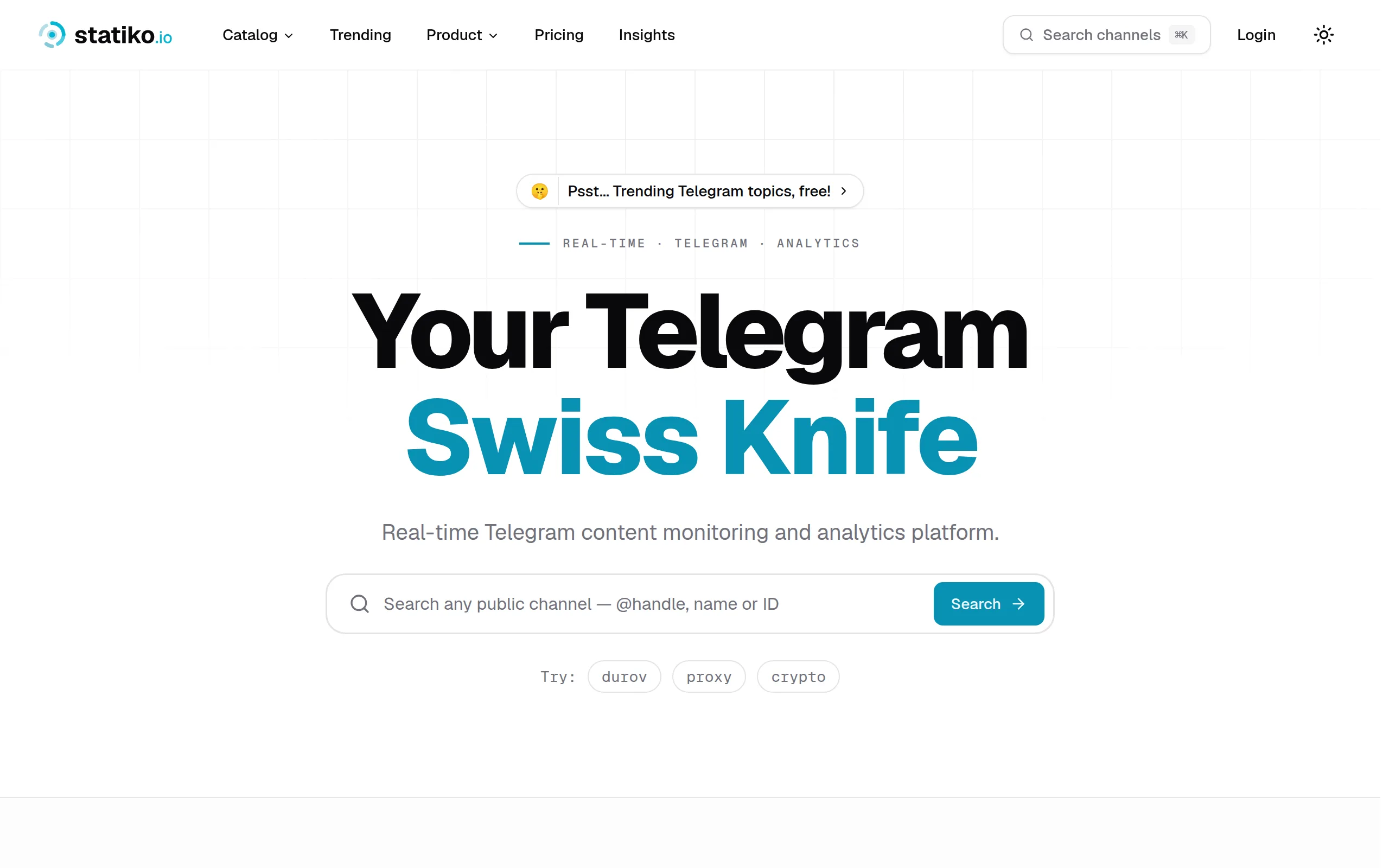
Statiko
Monitor any Telegram channel in real time - track posts, edits, deletions, and growth with AI recaps 📡

Shibui
AI website builder - describe your business, pick a niche template, edit by chatting, and publish instantly ✨

Pro Service
Find verified home service professionals, compare quotes, and pay securely through escrow - built for Brazilians across the US 🏠
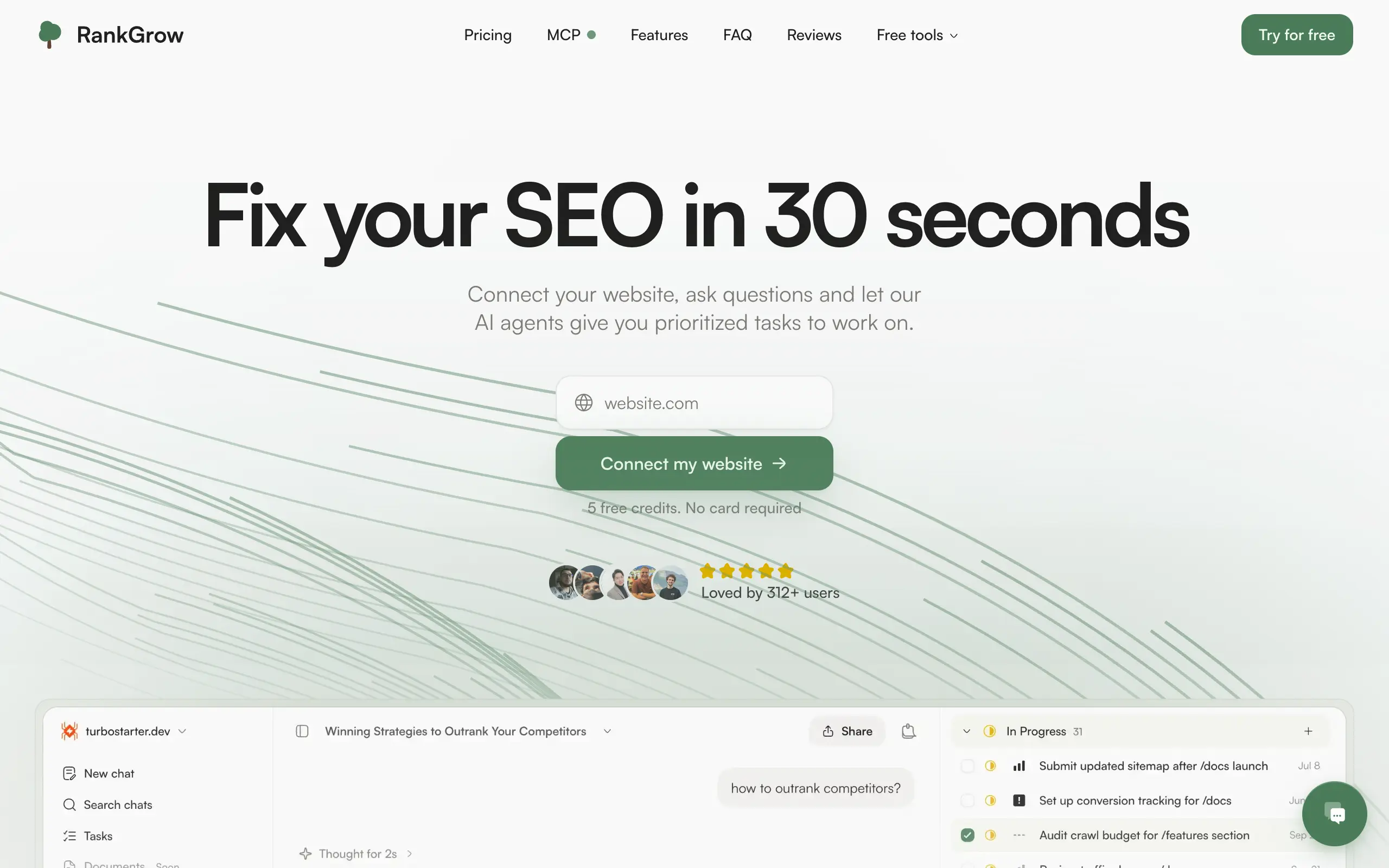
RankGrow
Fix your SEO with AI agents - connect Search Console, get prioritized tasks, and grow organic traffic 📈
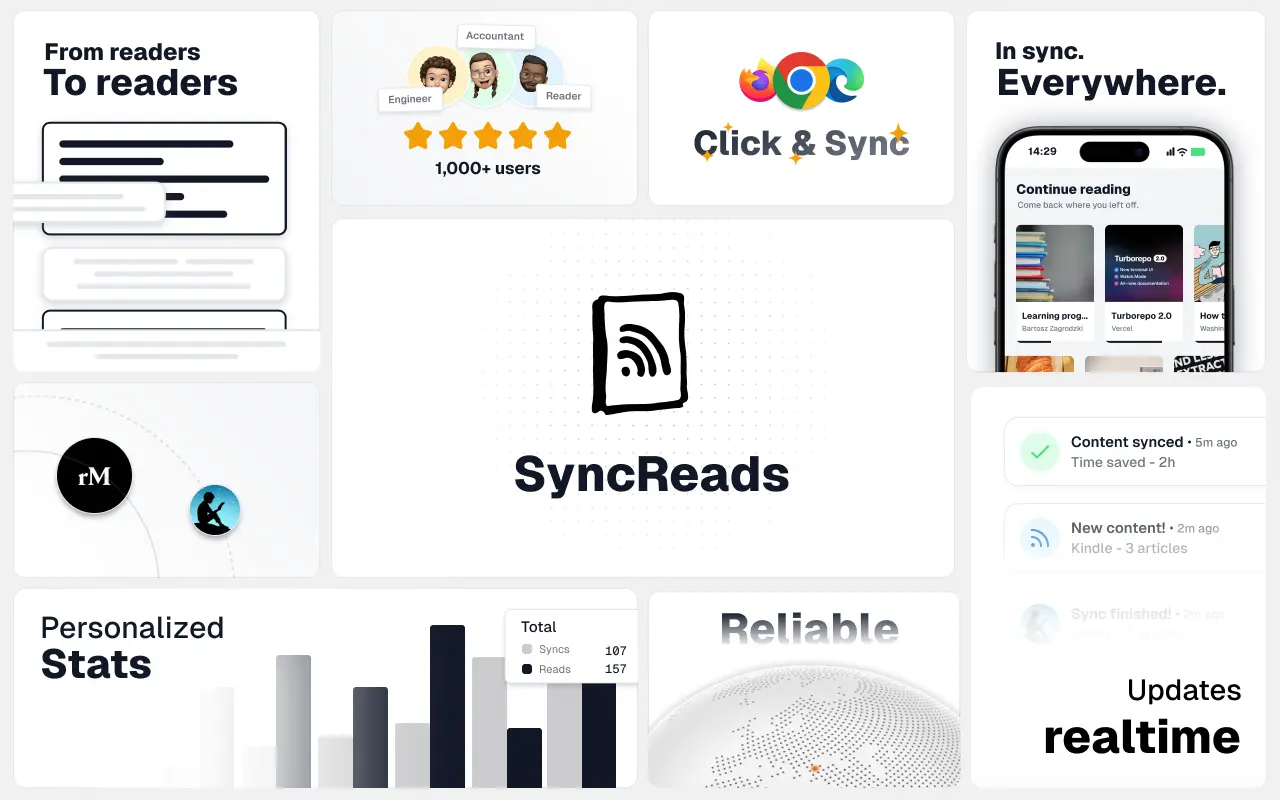
SyncReads
Sync your favorite content for distraction-free reading, save time and replace multiple apps. Anytime, anywhere 🔄
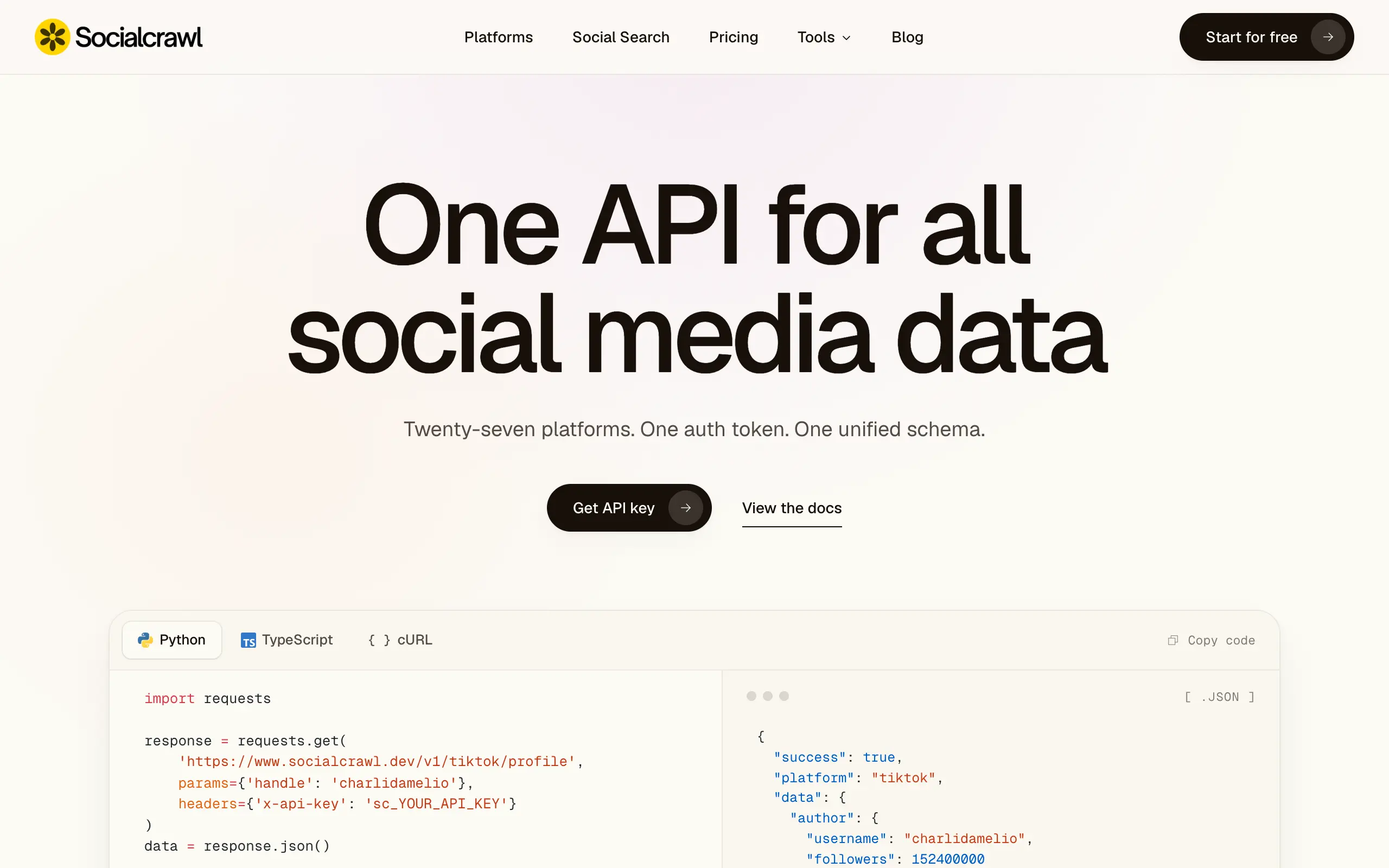
Socialcrawl
Get clean, structured data from 21 platforms like TikTok, Instagram, and YouTube with a single request 📊
Statiko
Monitor any Telegram channel in real time - track posts, edits, deletions, and growth with AI recaps 📡
Shibui
AI website builder - describe your business, pick a niche template, edit by chatting, and publish instantly ✨
Pro Service
Find verified home service professionals, compare quotes, and pay securely through escrow - built for Brazilians across the US 🏠
RankGrow
Fix your SEO with AI agents - connect Search Console, get prioritized tasks, and grow organic traffic 📈
SyncReads
Sync your favorite content for distraction-free reading, save time and replace multiple apps. Anytime, anywhere 🔄
Socialcrawl
Get clean, structured data from 21 platforms like TikTok, Instagram, and YouTube with a single request 📊
Statiko
Monitor any Telegram channel in real time - track posts, edits, deletions, and growth with AI recaps 📡
Shibui
AI website builder - describe your business, pick a niche template, edit by chatting, and publish instantly ✨
Pro Service
Find verified home service professionals, compare quotes, and pay securely through escrow - built for Brazilians across the US 🏠
RankGrow
Fix your SEO with AI agents - connect Search Console, get prioritized tasks, and grow organic traffic 📈
SyncReads
Sync your favorite content for distraction-free reading, save time and replace multiple apps. Anytime, anywhere 🔄
Socialcrawl
Get clean, structured data from 21 platforms like TikTok, Instagram, and YouTube with a single request 📊
Statiko
Monitor any Telegram channel in real time - track posts, edits, deletions, and growth with AI recaps 📡
Shibui
AI website builder - describe your business, pick a niche template, edit by chatting, and publish instantly ✨
Pro Service
Find verified home service professionals, compare quotes, and pay securely through escrow - built for Brazilians across the US 🏠
RankGrow
Fix your SEO with AI agents - connect Search Console, get prioritized tasks, and grow organic traffic 📈
SyncReads
Sync your favorite content for distraction-free reading, save time and replace multiple apps. Anytime, anywhere 🔄
Socialcrawl
Get clean, structured data from 21 platforms like TikTok, Instagram, and YouTube with a single request 📊
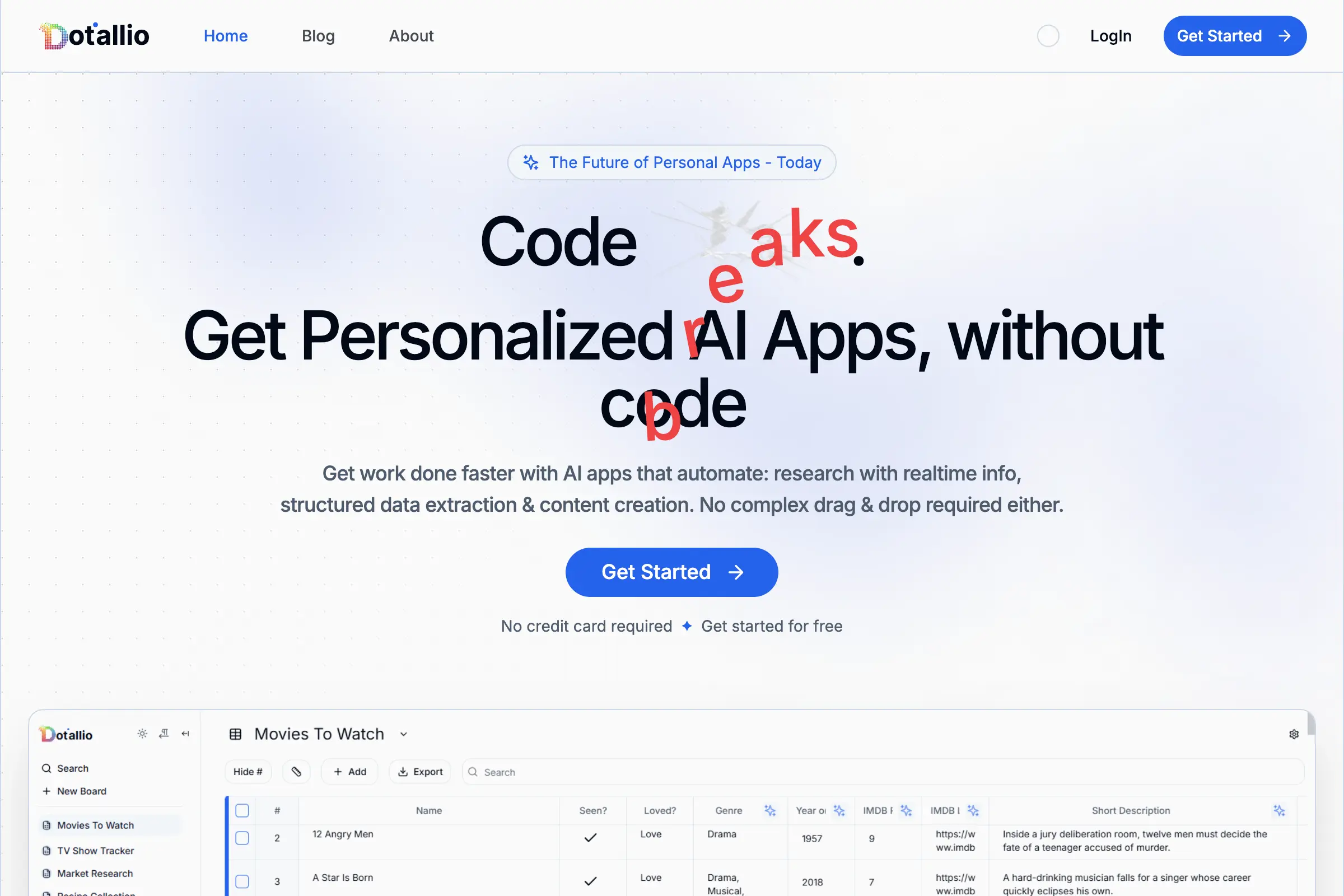
Dotallio
Personalized AI apps that automate research, data extraction, and content creation without code 🤖

Talk to Santa
Enjoy a magical live video chat or receive a unique AI-generated video greeting from Santa Claus 🎅

pozywka.pl
Scalable blog for food journalist, focused on performance and user experience 🌭
zagrodzki.me
Personal blog and portfolio of Bart Zagrodzki, where he shares his knowledge and work 💼
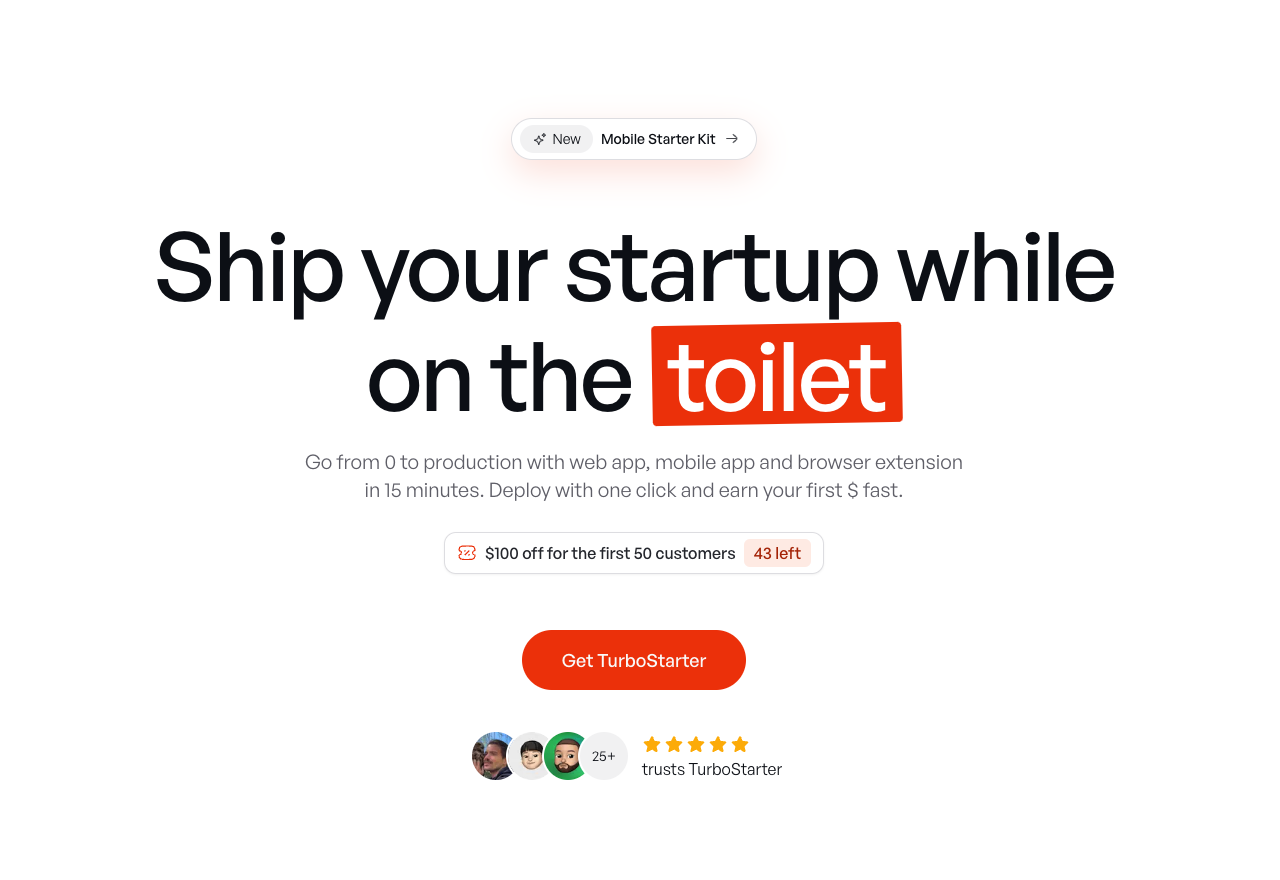
TurboStarter
Ship your startup everywhere. In minutes.
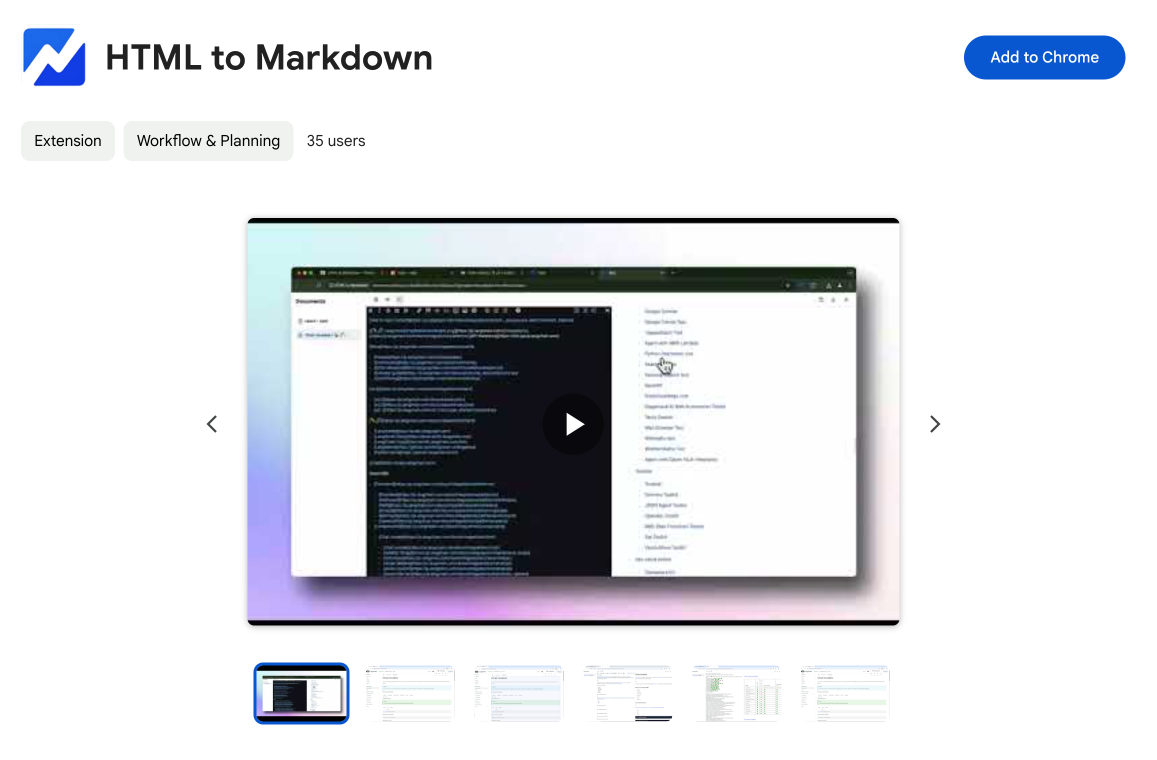
HTML to Markdown
Convert HTML to Markdown with ease, directly in your browser 📄
Dotallio
Personalized AI apps that automate research, data extraction, and content creation without code 🤖
Talk to Santa
Enjoy a magical live video chat or receive a unique AI-generated video greeting from Santa Claus 🎅
pozywka.pl
Scalable blog for food journalist, focused on performance and user experience 🌭
zagrodzki.me
Personal blog and portfolio of Bart Zagrodzki, where he shares his knowledge and work 💼
TurboStarter
Ship your startup everywhere. In minutes.
HTML to Markdown
Convert HTML to Markdown with ease, directly in your browser 📄
Dotallio
Personalized AI apps that automate research, data extraction, and content creation without code 🤖
Talk to Santa
Enjoy a magical live video chat or receive a unique AI-generated video greeting from Santa Claus 🎅
pozywka.pl
Scalable blog for food journalist, focused on performance and user experience 🌭
zagrodzki.me
Personal blog and portfolio of Bart Zagrodzki, where he shares his knowledge and work 💼
TurboStarter
Ship your startup everywhere. In minutes.
HTML to Markdown
Convert HTML to Markdown with ease, directly in your browser 📄
Dotallio
Personalized AI apps that automate research, data extraction, and content creation without code 🤖
Talk to Santa
Enjoy a magical live video chat or receive a unique AI-generated video greeting from Santa Claus 🎅
pozywka.pl
Scalable blog for food journalist, focused on performance and user experience 🌭
zagrodzki.me
Personal blog and portfolio of Bart Zagrodzki, where he shares his knowledge and work 💼
TurboStarter
Ship your startup everywhere. In minutes.
HTML to Markdown
Convert HTML to Markdown with ease, directly in your browser 📄
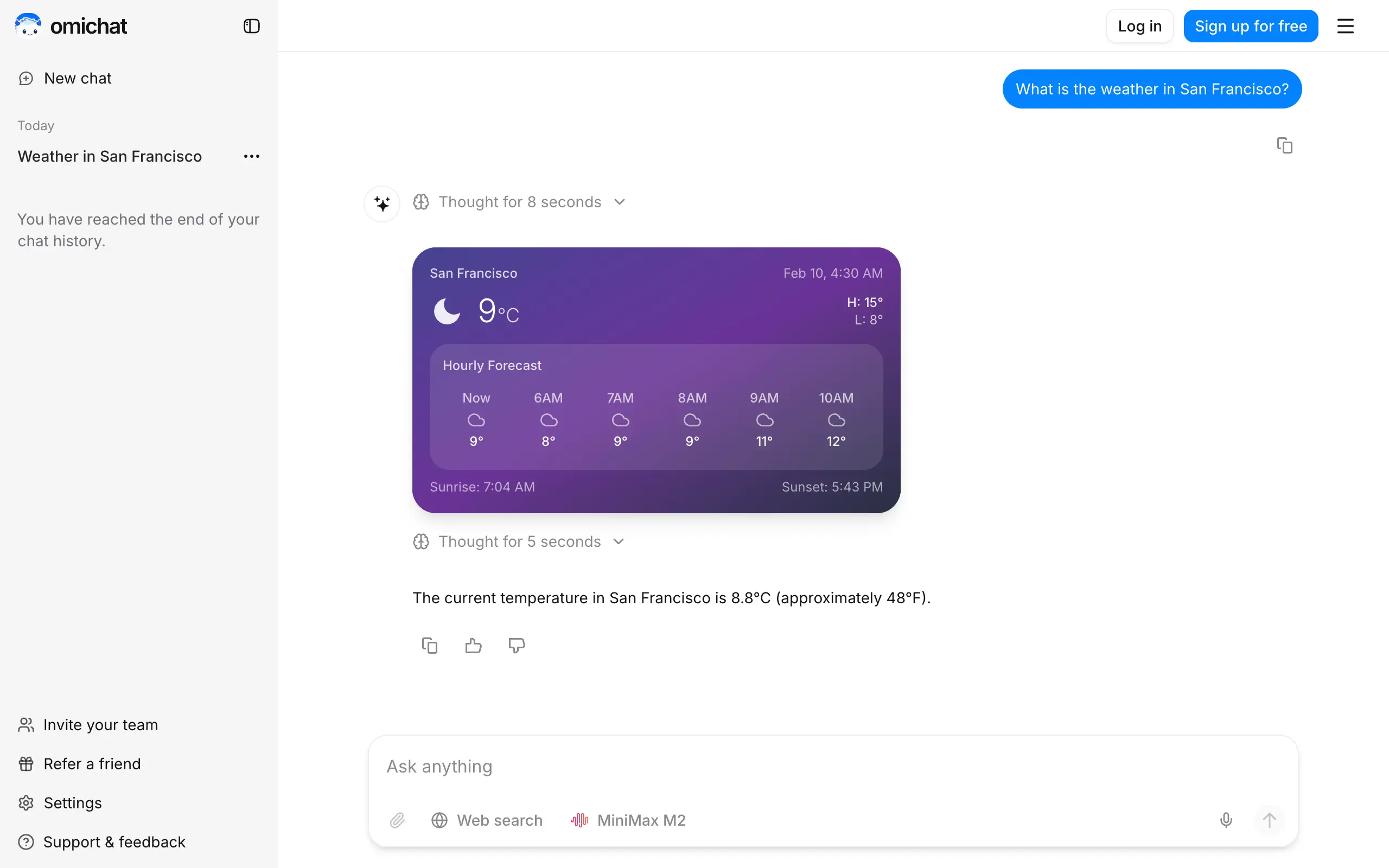
Omichat
Chat with 50+ AI models, including ChatGPT and Claude, in one place - switch models anytime without losing context 🤖
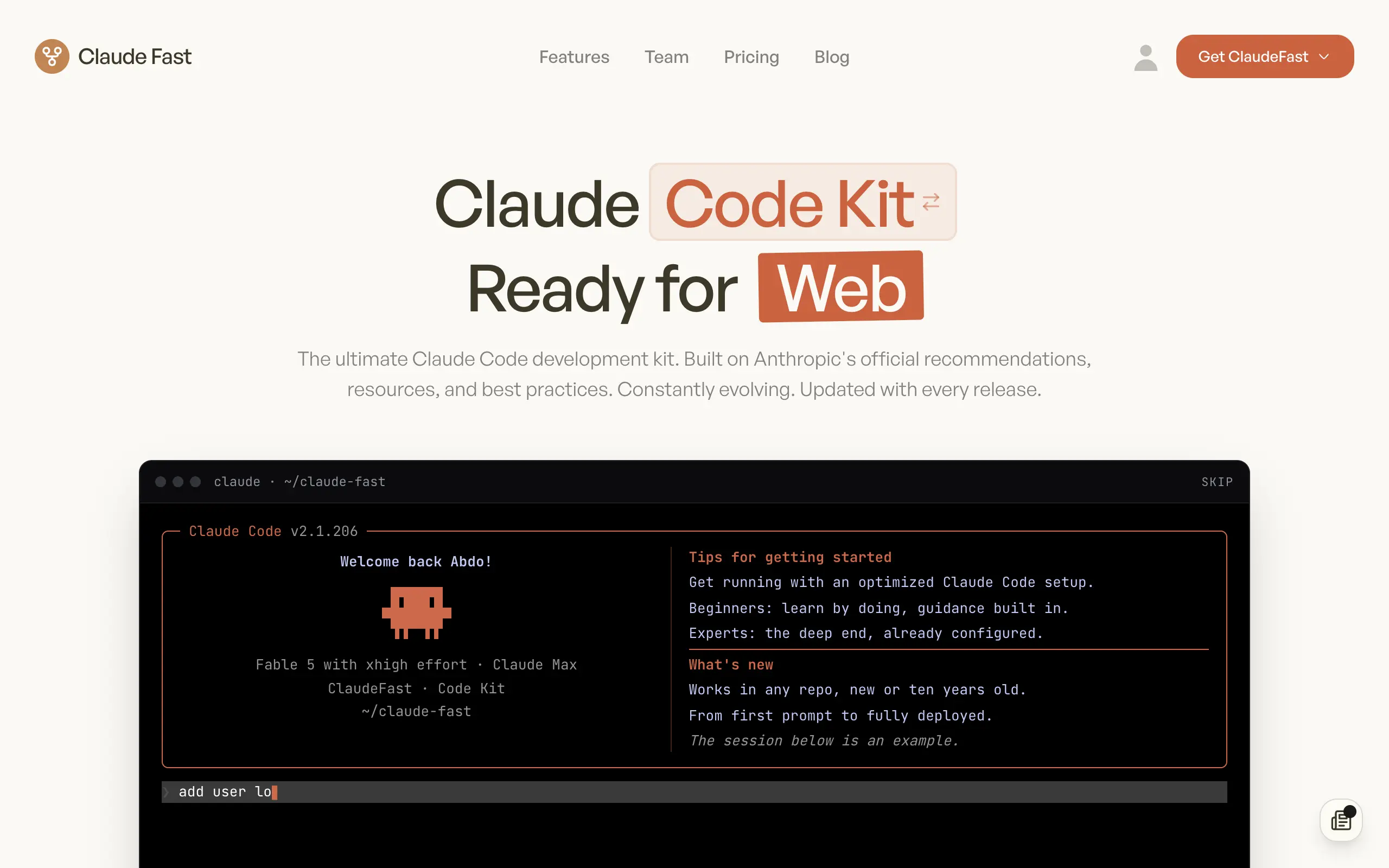
Claude Fast
Supercharge your Claude Code with 6x effective context window and specialized AI agents 🤖
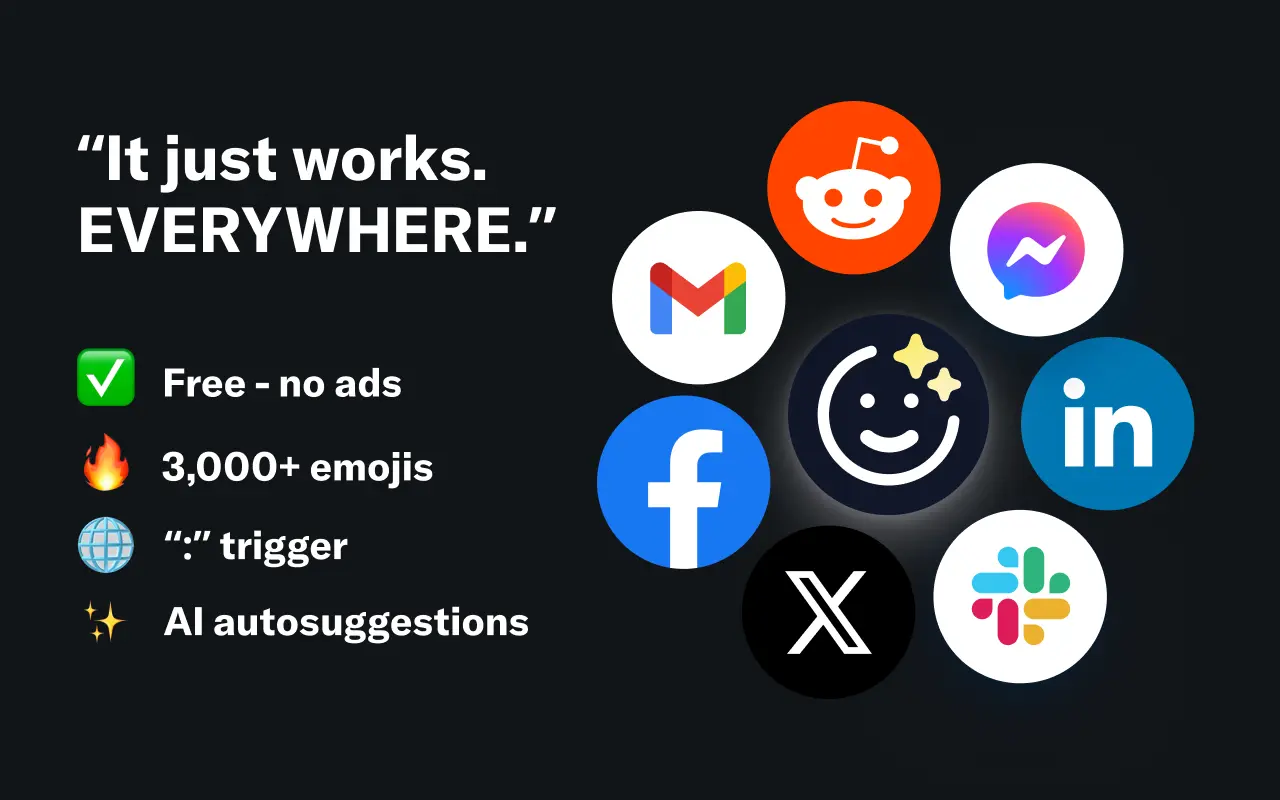
EmojAI
AI-powered emoji picker with smart, context-aware suggestions 🤖

Solohacker
Autonomous company launcher - AI agents work 24/7, escalate what matters, and you stay in control 🤖

BeRawi: Storytelling Coach
Practice storytelling daily with instant feedback to sound clearer, more engaging, and confident 🎤
Omichat
Chat with 50+ AI models, including ChatGPT and Claude, in one place - switch models anytime without losing context 🤖
Claude Fast
Supercharge your Claude Code with 6x effective context window and specialized AI agents 🤖
EmojAI
AI-powered emoji picker with smart, context-aware suggestions 🤖
Solohacker
Autonomous company launcher - AI agents work 24/7, escalate what matters, and you stay in control 🤖
BeRawi: Storytelling Coach
Practice storytelling daily with instant feedback to sound clearer, more engaging, and confident 🎤
Omichat
Chat with 50+ AI models, including ChatGPT and Claude, in one place - switch models anytime without losing context 🤖
Claude Fast
Supercharge your Claude Code with 6x effective context window and specialized AI agents 🤖
EmojAI
AI-powered emoji picker with smart, context-aware suggestions 🤖
Solohacker
Autonomous company launcher - AI agents work 24/7, escalate what matters, and you stay in control 🤖
BeRawi: Storytelling Coach
Practice storytelling daily with instant feedback to sound clearer, more engaging, and confident 🎤
Omichat
Chat with 50+ AI models, including ChatGPT and Claude, in one place - switch models anytime without losing context 🤖
Claude Fast
Supercharge your Claude Code with 6x effective context window and specialized AI agents 🤖
EmojAI
AI-powered emoji picker with smart, context-aware suggestions 🤖
Solohacker
Autonomous company launcher - AI agents work 24/7, escalate what matters, and you stay in control 🤖
BeRawi: Storytelling Coach
Practice storytelling daily with instant feedback to sound clearer, more engaging, and confident 🎤

Connect with like-minded people
Join our community to get feedback, support, and grow together with 1,000+ builders on board, let's ship it!
Join usShip your startup everywhere. In minutes.
Don't burn tokens on setup and start building features on day one.