InvoiceGuard
Smart invoice validation and fraud detection SaaS for small businesses, integrating with popular accounting tools to flag suspicious transactions and automate audits.
Understanding the need for smart invoice validation and fraud detection
Invoice fraud is a growing concern for small businesses. As digital transactions increase, so do the opportunities for bad actors to exploit vulnerabilities in accounting workflows. According to industry reports, small businesses are disproportionately targeted by invoice scams, with losses often running into thousands of dollars per incident (see: Association of Certified Fraud Examiners, 2022 Report to the Nations).
InvoiceGuard is a B2B SaaS platform designed to address this critical pain point. By integrating seamlessly with popular accounting tools, InvoiceGuard automates the process of invoice validation and fraud detection, flagging suspicious transactions and streamlining audits. This article provides a comprehensive analysis of the solution, its market fit, technical underpinnings, and actionable steps for implementation.
Target audience analysis: Who benefits from InvoiceGuard?
Understanding the target audience is essential for any SaaS product, especially in the B2B space. InvoiceGuard is tailored for:
- Small business owners and finance managers who handle their own accounting or have small teams.
- Bookkeepers and accountants serving multiple small business clients.
- SMB-focused accounting firms seeking to add value and reduce risk for their clients.
- Startups and scale-ups with lean finance operations and limited resources for manual audits.
Key pain points addressed
- Manual invoice review is time-consuming and error-prone.
- Lack of expertise in fraud detection among small business staff.
- Integration challenges with existing accounting software.
- Financial losses and reputational damage from undetected fraud.
By focusing on these user segments, InvoiceGuard positions itself as an indispensable tool for safeguarding business finances.
Market opportunity and gap identification
The scale of invoice fraud
Invoice fraud is not just a large enterprise problem. In fact, small businesses are often more vulnerable due to:
- Fewer internal controls.
- Limited access to advanced fraud detection tools.
- Reliance on trust-based vendor relationships.
Recent studies suggest that over 50% of small businesses have experienced some form of payment fraud, with invoice scams being among the most common vectors (source: ACFE).
Existing solutions and their limitations
While some accounting platforms offer basic validation, most lack:
- Advanced AI-driven anomaly detection.
- Real-time flagging and alerts.
- Automated audit trails.
- Seamless integration with multiple accounting tools.
This leaves a significant gap for a specialized, plug-and-play solution like InvoiceGuard.
Market trends supporting adoption
- Increased digitization of SMB accounting workflows.
- Rising regulatory scrutiny around financial controls.
- Growing awareness of cyber threats and fraud risks.
Industry trend
The global market for financial fraud detection software is projected to grow at a CAGR of over 15% through 2027, with SMB adoption outpacing that of large enterprises.
Core features and solution details
InvoiceGuard’s value proposition is built on a robust set of features designed to maximize security, efficiency, and ease of use.
1. Seamless integration with popular accounting tools
- Plug-and-play connectors for platforms like QuickBooks, Xero, FreshBooks, and Sage.
- API-first architecture for custom integrations.
- No-code setup for non-technical users.
2. AI-powered invoice validation
- Automated data extraction from invoices using OCR and NLP.
- Cross-referencing invoice data with vendor records, payment histories, and known fraud patterns.
- Real-time anomaly detection using machine learning models trained on industry-specific data.
3. Fraud detection and alerting
- Flagging of suspicious transactions based on configurable rules and AI insights.
- Automated notifications via email, SMS, or in-app alerts.
- Detailed risk scoring for each invoice.
4. Audit automation
- Automated audit trails for every flagged transaction.
- Exportable reports for compliance and internal review.
- Role-based access control to ensure data privacy.
5. User-friendly dashboard and reporting
- Intuitive dashboard with key metrics and trends.
- Customizable reports for different stakeholders.
- Historical analysis to identify recurring issues.
Seamless integrations
Connect with QuickBooks, Xero, and more in minutes.
AI-driven validation
Leverage machine learning to spot anomalies and fraud.
Automated audits
Generate audit trails and compliance reports effortlessly.
Real-time alerts
Get notified instantly about suspicious invoices.
Recommended tech stack for InvoiceGuard
Choosing the right technology stack is crucial for scalability, security, and maintainability. Here’s a recommended stack for InvoiceGuard, along with trade-offs to consider.
Frontend
- React: Modern, component-based UI development.
- TailwindCSS: Utility-first CSS for rapid styling.
- TypeScript: Type safety and improved developer experience.
Backend
- Node.js: Scalable, event-driven server-side logic.
- Express: Lightweight web framework for APIs.
- Python (for AI/ML modules): Leverage libraries like scikit-learn, TensorFlow, or PyTorch for fraud detection models.
Data storage
- PostgreSQL: Reliable, relational database for transactional data.
- MongoDB: Flexible, document-based storage for unstructured invoice data.
Integrations
- RESTful APIs: For connecting with accounting platforms.
- OAuth 2.0: Secure authentication with third-party services.
Cloud and DevOps
- AWS or Azure: Scalable cloud infrastructure.
- Docker: Containerization for consistent deployments.
- Kubernetes: Orchestration for scaling microservices.
Trade-offs
- Python vs. Node.js for backend: Python excels at AI/ML, but Node.js offers better real-time performance for API endpoints. A hybrid approach leverages the strengths of both.
- Relational vs. NoSQL databases: Use PostgreSQL for structured data and MongoDB for flexibility with invoice formats.
// Example: Invoice validation API endpoint (Node.js/Express)
import express from 'express';
const app = express();

app.post('/api/validate-invoice', async (req, res) => {
  const invoiceData = req.body;
  // Call AI/ML service for fraud detection
  const result = await validateInvoiceWithAI(invoiceData);
  res.json({ valid: result.isValid, score: result.riskScore, flags: result.flags });
});
Monetization strategy options
A successful SaaS must align its pricing with customer value and willingness to pay. InvoiceGuard can consider several monetization models:
1. Subscription-based pricing
- Tiered plans based on number of invoices processed, integrations, and advanced features.
- Monthly or annual billing for predictable revenue.
2. Usage-based pricing
- Pay-as-you-go for businesses with fluctuating invoice volumes.
- Overage charges for exceeding plan limits.
3. Value-added services
- Premium support and onboarding.
- Custom integrations for larger clients.
- White-labeling for accounting firms.
4. Free trial and freemium
- 14- or 30-day free trial to drive adoption.
- Limited free tier with basic validation features.
| Subscription | Usage-based | Freemium | Premium support | White-label |
|---|---|---|---|---|
| ✅ | ❌ | ❌ | ✅ | ❌ |
| ✅ | ❌ | ✅ | ✅ | ❌ |
Potential risks and mitigation strategies
No SaaS is without risks. Here’s how InvoiceGuard can anticipate and address them:
1. Data privacy and security
- Risk: Handling sensitive financial data increases exposure to breaches.
- Mitigation: Implement end-to-end encryption, regular security audits, and compliance with standards like GDPR and SOC 2.
2. False positives/negatives in fraud detection
- Risk: Overly aggressive algorithms may flag legitimate invoices, or miss fraudulent ones.
- Mitigation: Allow users to review and override flags, and continuously retrain models with new data.
3. Integration challenges
- Risk: Accounting platforms may change APIs or restrict access.
- Mitigation: Maintain strong relationships with platform providers and design modular, updatable connectors.
4. User adoption and onboarding
- Risk: Small businesses may lack technical expertise.
- Mitigation: Offer guided onboarding, in-app tutorials, and responsive support.
InvoiceGuard uses industry-standard encryption, secure cloud infrastructure, and regular compliance audits to protect sensitive financial data.
Users can review flagged invoices, provide feedback, and help improve the AI models over time.
Models are retrained regularly with anonymized data to adapt to new fraud patterns and reduce false positives.
Competitive advantage analysis
To stand out in a crowded market, InvoiceGuard must offer clear, defensible advantages:
Unique selling proposition (USP)
- Specialized focus on small businesses: Unlike generic fraud detection tools, InvoiceGuard is tailored for SMB workflows and budgets.
- Deep integrations: Out-of-the-box connectors for the most popular accounting platforms.
- AI-driven, not rule-based: Leverages machine learning for adaptive, context-aware fraud detection.
- User-centric design: Simple setup, actionable alerts, and minimal disruption to existing processes.
How InvoiceGuard compares to alternatives
- AI-powered, adaptive fraud detection
- Seamless integrations with SMB accounting platforms
- Automated audit trails and compliance reports
- Designed for non-technical users
- Transparent, affordable pricing
- Basic rule-based validation
- Limited or no fraud detection
- Manual audit processes
- Complex setup and configuration
- Pricing often geared toward enterprises
Actionable implementation steps
Ready to bring InvoiceGuard to life? Here’s a step-by-step roadmap:
Conclusion: Why InvoiceGuard is the smart choice for SMBs
InvoiceGuard addresses a critical, underserved need in the small business ecosystem: protecting against invoice fraud with minimal friction. By combining AI-driven validation, seamless integrations, and user-friendly design, it empowers SMBs to safeguard their finances and focus on growth.
Whether you’re an entrepreneur, accountant, or SaaS founder, InvoiceGuard offers a compelling solution that’s both practical and future-proof. With the right execution, it can become the go-to platform for smart invoice validation and fraud detection in the SMB market.
Further reading and next steps
- Explore the TurboStarter platform for rapid SaaS prototyping and launch.
- Review the latest React and TailwindCSS documentation for UI development.
- Stay updated on financial fraud trends via the Association of Certified Fraud Examiners.
Pro tip
Start small, iterate quickly, and always keep user feedback at the center of your product development process.
More 🏢 B2B Application SaaS ideas
Discover more innovative b2b application SaaS ideas that are trending in 2026. Each idea is AI-generated with market validation and growth potential to help you find your next profitable venture faster than competitors.
Your competitors are building with TurboStarter
Below are some of the SaaS ideas that have been generated and built with our starter kit.

Statiko
Monitor any Telegram channel in real time - track posts, edits, deletions, and growth with AI recaps 📡

Shibui
AI website builder - describe your business, pick a niche template, edit by chatting, and publish instantly ✨

Pro Service
Find verified home service professionals, compare quotes, and pay securely through escrow - built for Brazilians across the US 🏠
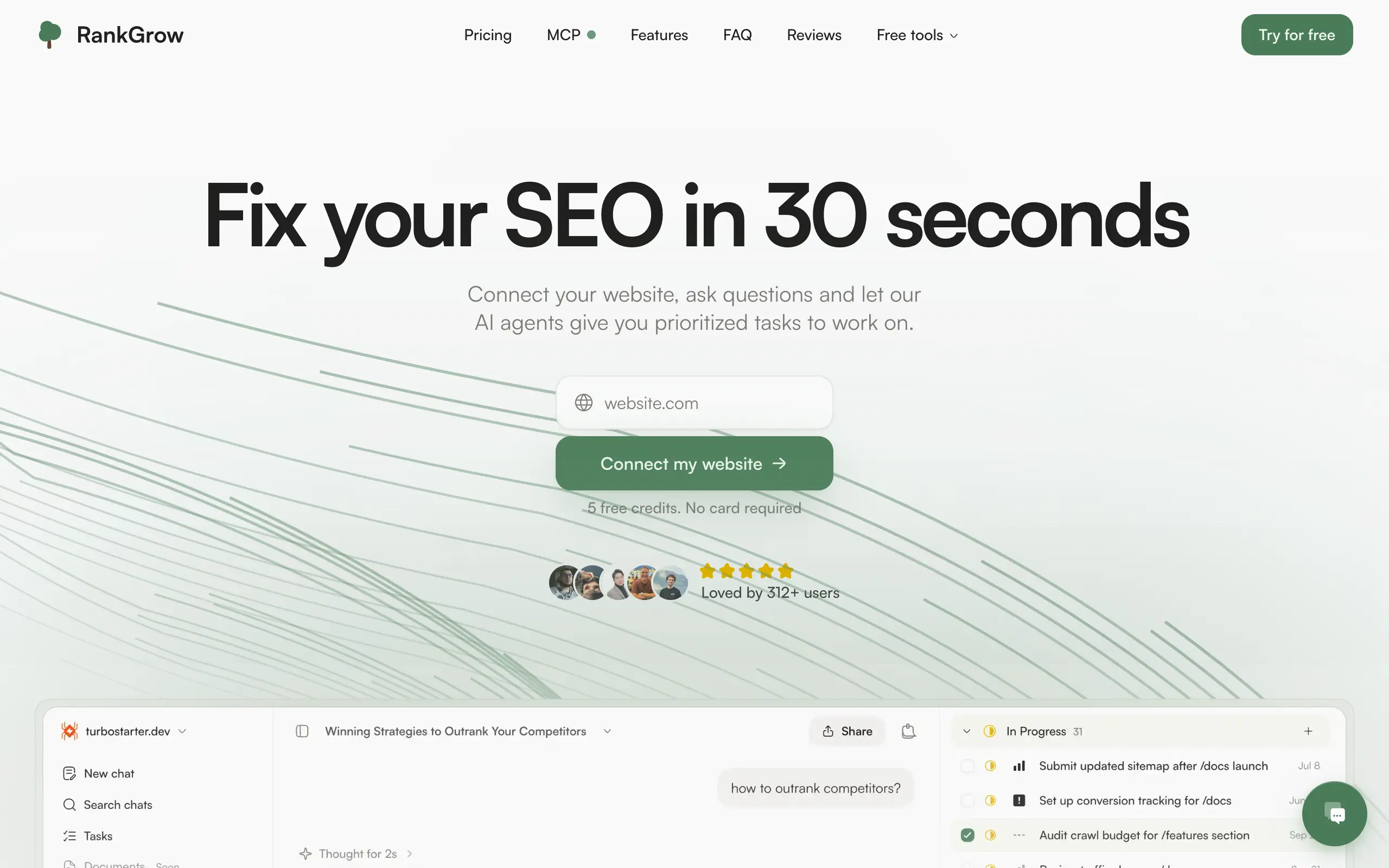
RankGrow
Fix your SEO with AI agents - connect Search Console, get prioritized tasks, and grow organic traffic 📈
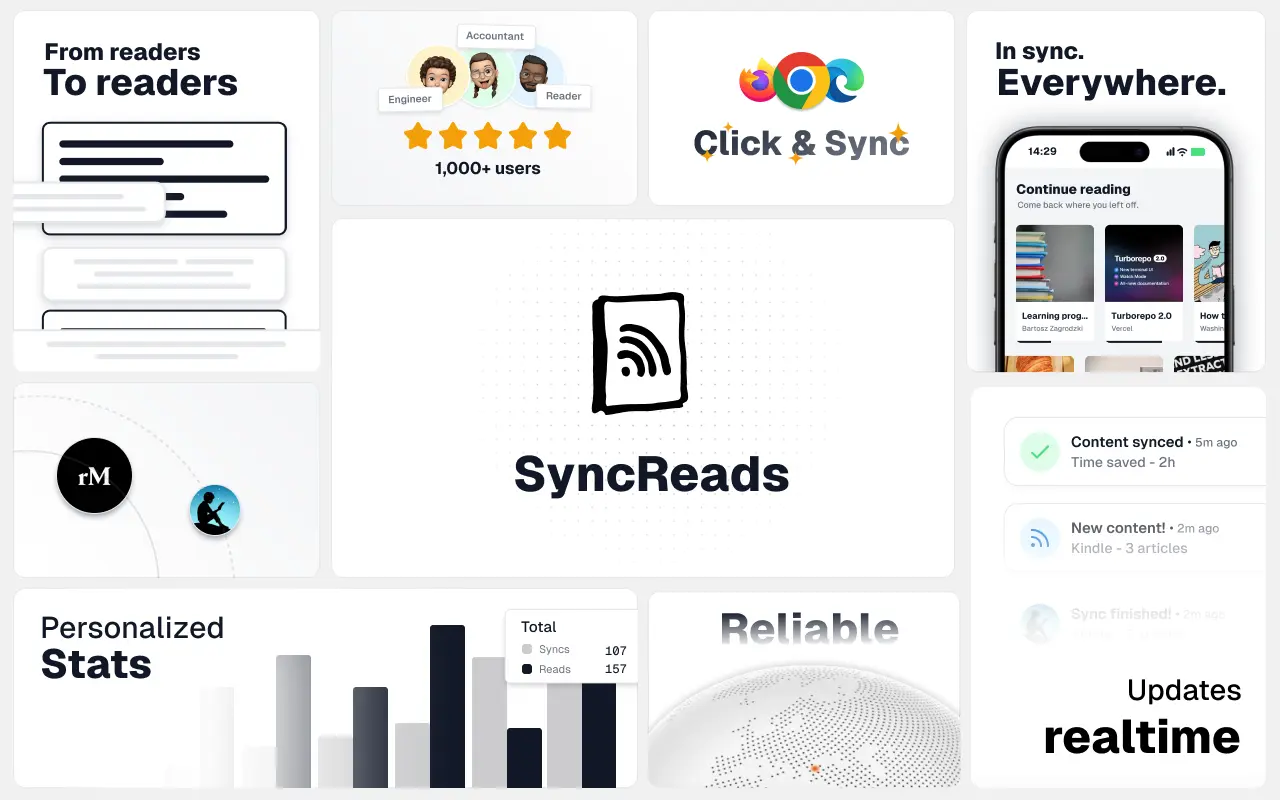
SyncReads
Sync your favorite content for distraction-free reading, save time and replace multiple apps. Anytime, anywhere 🔄
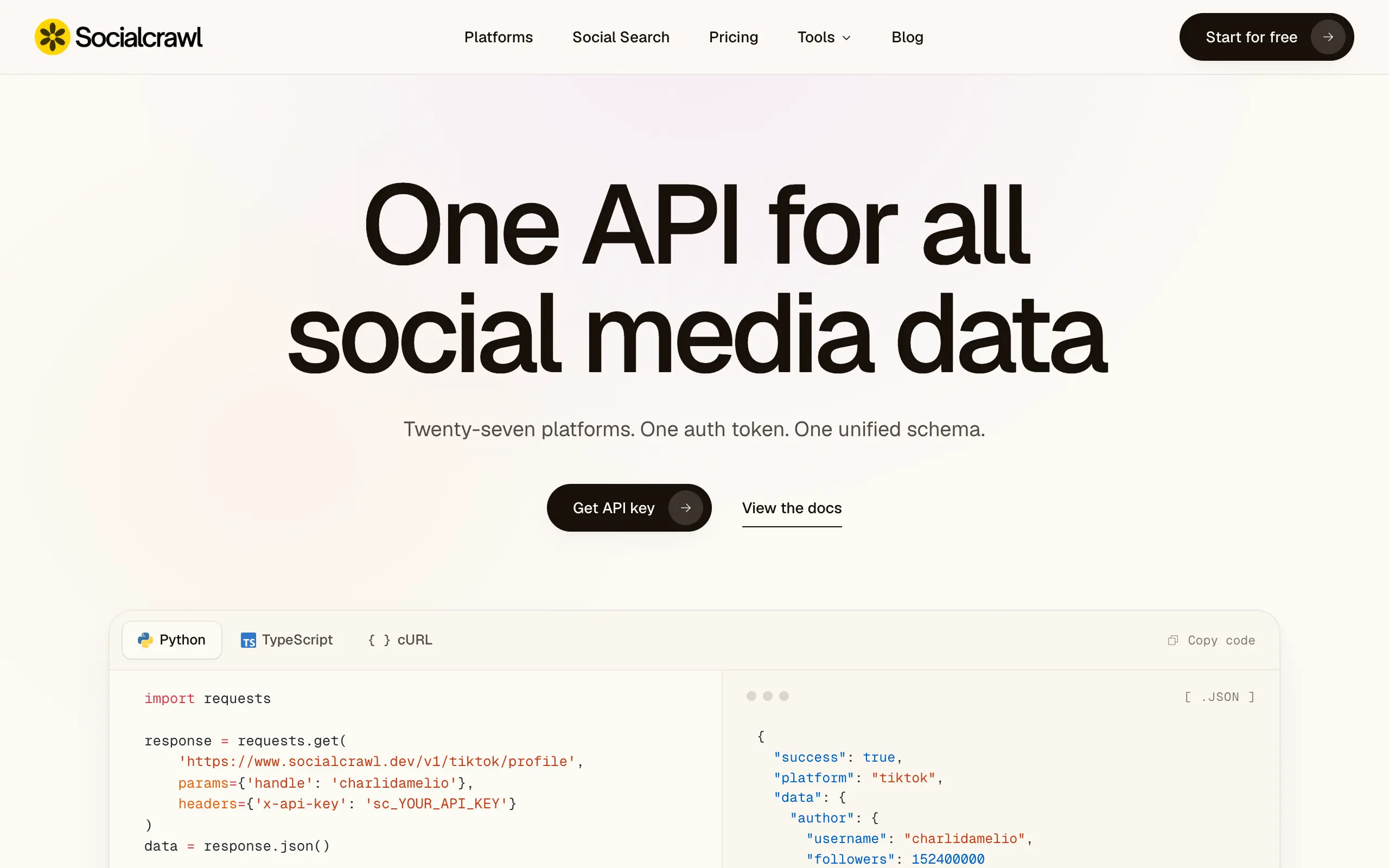
Socialcrawl
Get clean, structured data from 21 platforms like TikTok, Instagram, and YouTube with a single request 📊
Statiko
Monitor any Telegram channel in real time - track posts, edits, deletions, and growth with AI recaps 📡
Shibui
AI website builder - describe your business, pick a niche template, edit by chatting, and publish instantly ✨
Pro Service
Find verified home service professionals, compare quotes, and pay securely through escrow - built for Brazilians across the US 🏠
RankGrow
Fix your SEO with AI agents - connect Search Console, get prioritized tasks, and grow organic traffic 📈
SyncReads
Sync your favorite content for distraction-free reading, save time and replace multiple apps. Anytime, anywhere 🔄
Socialcrawl
Get clean, structured data from 21 platforms like TikTok, Instagram, and YouTube with a single request 📊
Statiko
Monitor any Telegram channel in real time - track posts, edits, deletions, and growth with AI recaps 📡
Shibui
AI website builder - describe your business, pick a niche template, edit by chatting, and publish instantly ✨
Pro Service
Find verified home service professionals, compare quotes, and pay securely through escrow - built for Brazilians across the US 🏠
RankGrow
Fix your SEO with AI agents - connect Search Console, get prioritized tasks, and grow organic traffic 📈
SyncReads
Sync your favorite content for distraction-free reading, save time and replace multiple apps. Anytime, anywhere 🔄
Socialcrawl
Get clean, structured data from 21 platforms like TikTok, Instagram, and YouTube with a single request 📊
Statiko
Monitor any Telegram channel in real time - track posts, edits, deletions, and growth with AI recaps 📡
Shibui
AI website builder - describe your business, pick a niche template, edit by chatting, and publish instantly ✨
Pro Service
Find verified home service professionals, compare quotes, and pay securely through escrow - built for Brazilians across the US 🏠
RankGrow
Fix your SEO with AI agents - connect Search Console, get prioritized tasks, and grow organic traffic 📈
SyncReads
Sync your favorite content for distraction-free reading, save time and replace multiple apps. Anytime, anywhere 🔄
Socialcrawl
Get clean, structured data from 21 platforms like TikTok, Instagram, and YouTube with a single request 📊
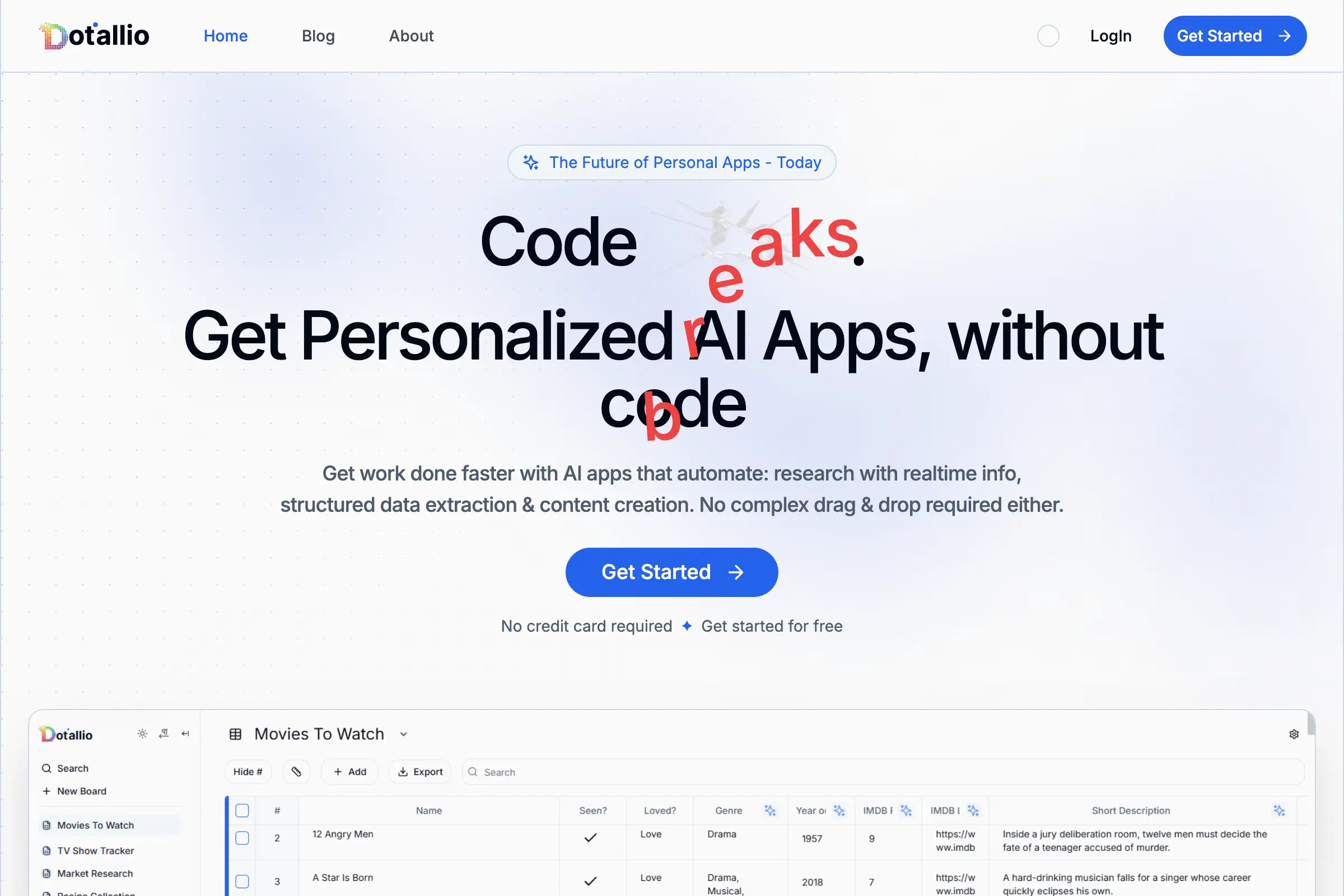
Dotallio
Personalized AI apps that automate research, data extraction, and content creation without code 🤖

Talk to Santa
Enjoy a magical live video chat or receive a unique AI-generated video greeting from Santa Claus 🎅

pozywka.pl
Scalable blog for food journalist, focused on performance and user experience 🌭
zagrodzki.me
Personal blog and portfolio of Bart Zagrodzki, where he shares his knowledge and work 💼
TurboStarter
Ship your startup everywhere. In minutes.
HTML to Markdown
Convert HTML to Markdown with ease, directly in your browser 📄
Dotallio
Personalized AI apps that automate research, data extraction, and content creation without code 🤖
Talk to Santa
Enjoy a magical live video chat or receive a unique AI-generated video greeting from Santa Claus 🎅
pozywka.pl
Scalable blog for food journalist, focused on performance and user experience 🌭
zagrodzki.me
Personal blog and portfolio of Bart Zagrodzki, where he shares his knowledge and work 💼
TurboStarter
Ship your startup everywhere. In minutes.
HTML to Markdown
Convert HTML to Markdown with ease, directly in your browser 📄
Dotallio
Personalized AI apps that automate research, data extraction, and content creation without code 🤖
Talk to Santa
Enjoy a magical live video chat or receive a unique AI-generated video greeting from Santa Claus 🎅
pozywka.pl
Scalable blog for food journalist, focused on performance and user experience 🌭
zagrodzki.me
Personal blog and portfolio of Bart Zagrodzki, where he shares his knowledge and work 💼
TurboStarter
Ship your startup everywhere. In minutes.
HTML to Markdown
Convert HTML to Markdown with ease, directly in your browser 📄
Dotallio
Personalized AI apps that automate research, data extraction, and content creation without code 🤖
Talk to Santa
Enjoy a magical live video chat or receive a unique AI-generated video greeting from Santa Claus 🎅
pozywka.pl
Scalable blog for food journalist, focused on performance and user experience 🌭
zagrodzki.me
Personal blog and portfolio of Bart Zagrodzki, where he shares his knowledge and work 💼
TurboStarter
Ship your startup everywhere. In minutes.
HTML to Markdown
Convert HTML to Markdown with ease, directly in your browser 📄
Omichat
Chat with 50+ AI models, including ChatGPT and Claude, in one place - switch models anytime without losing context 🤖
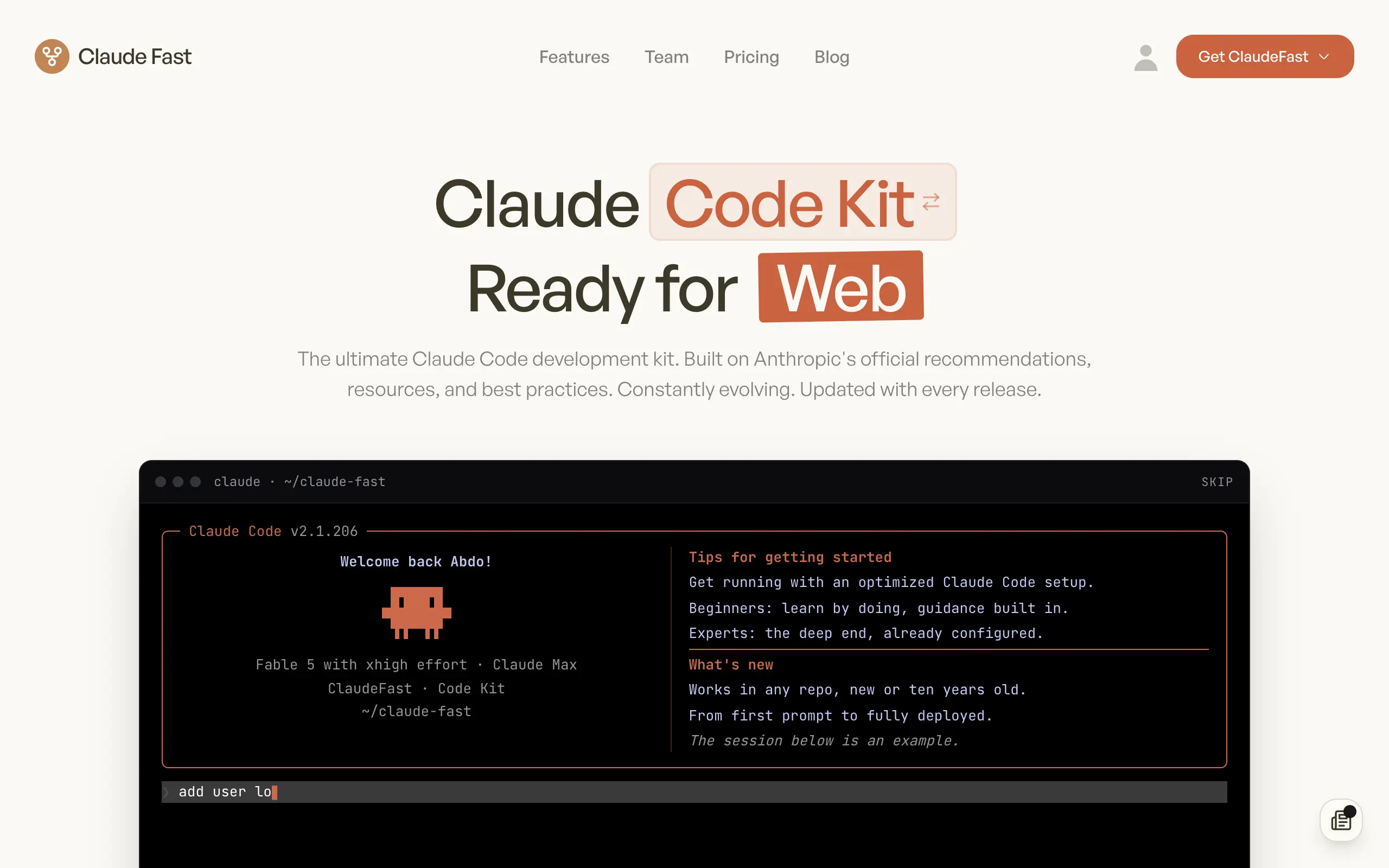
Claude Fast
Supercharge your Claude Code with 6x effective context window and specialized AI agents 🤖
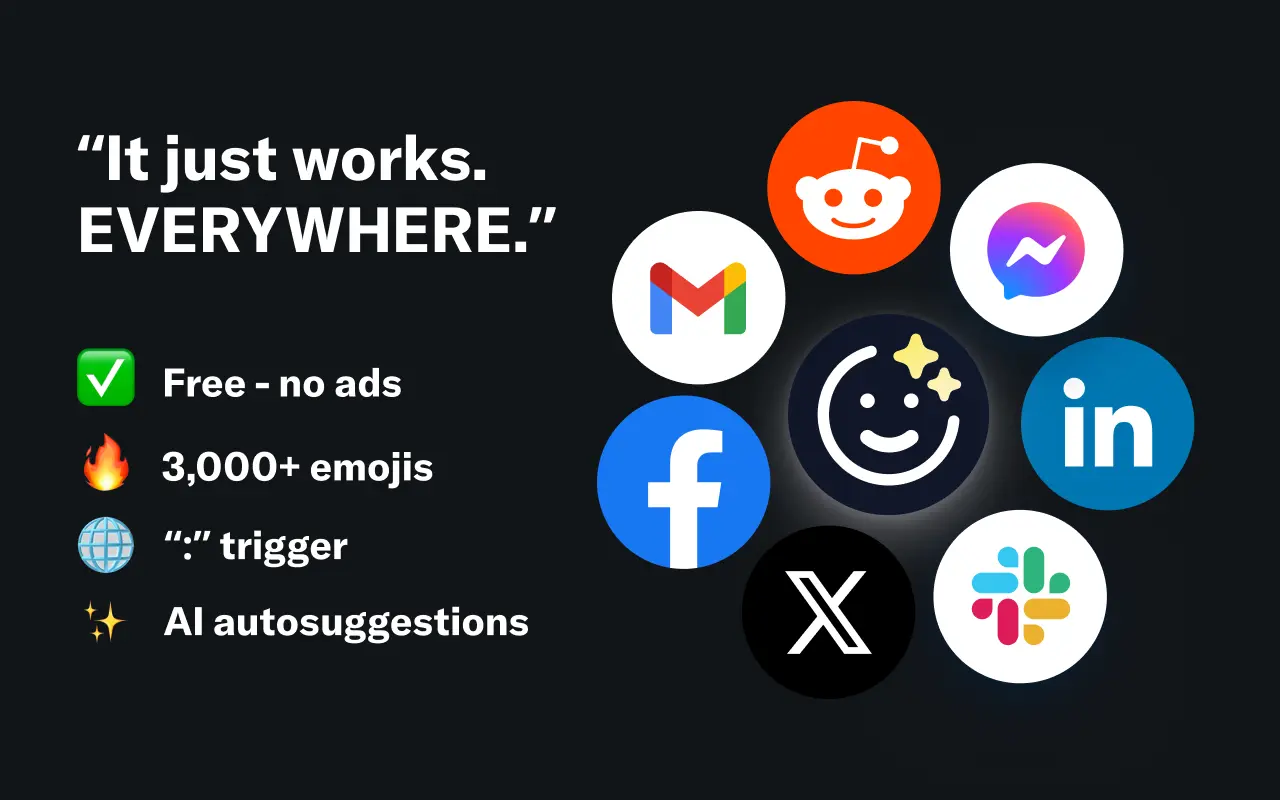
EmojAI
AI-powered emoji picker with smart, context-aware suggestions 🤖
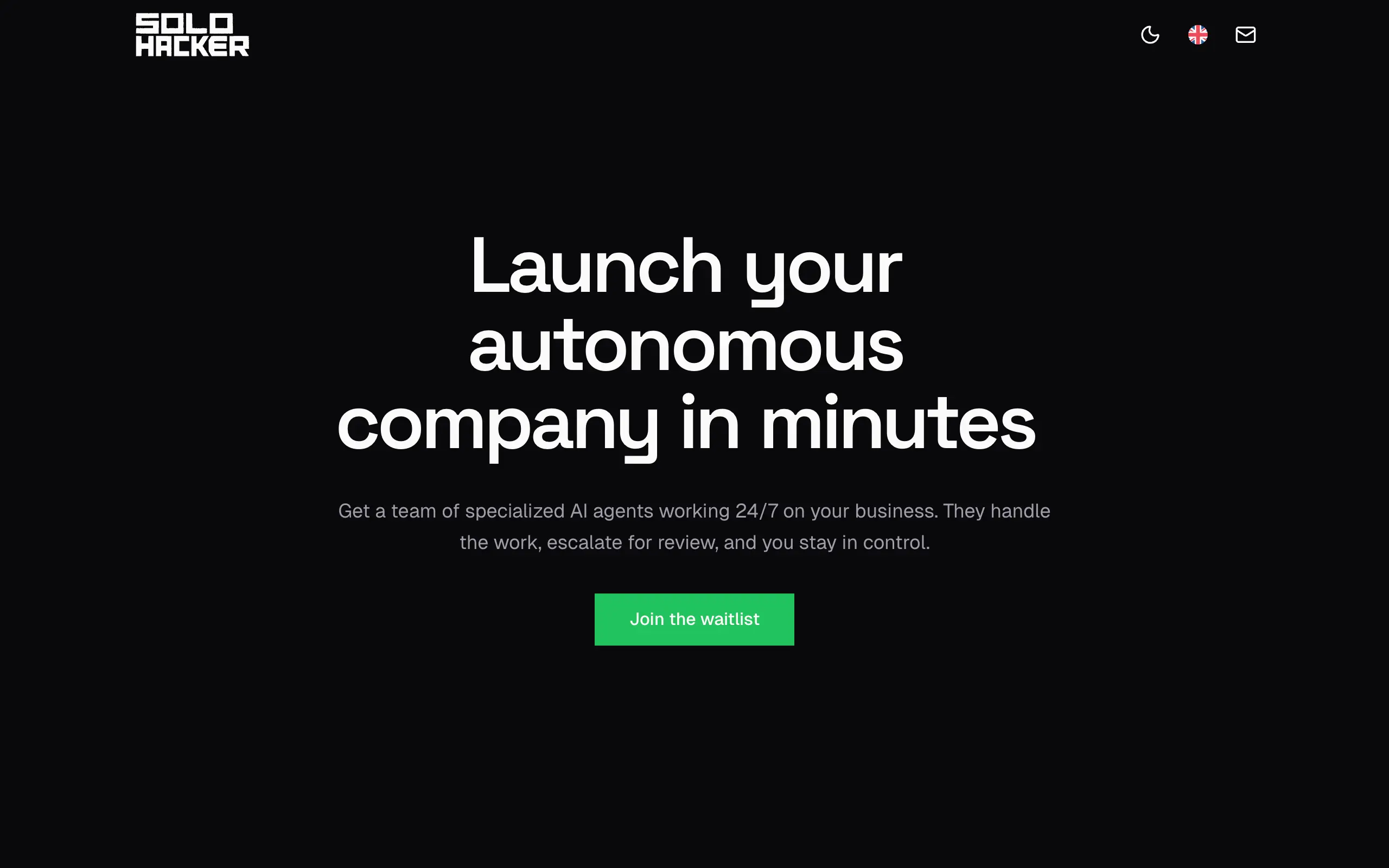
Solohacker
Autonomous company launcher - AI agents work 24/7, escalate what matters, and you stay in control 🤖
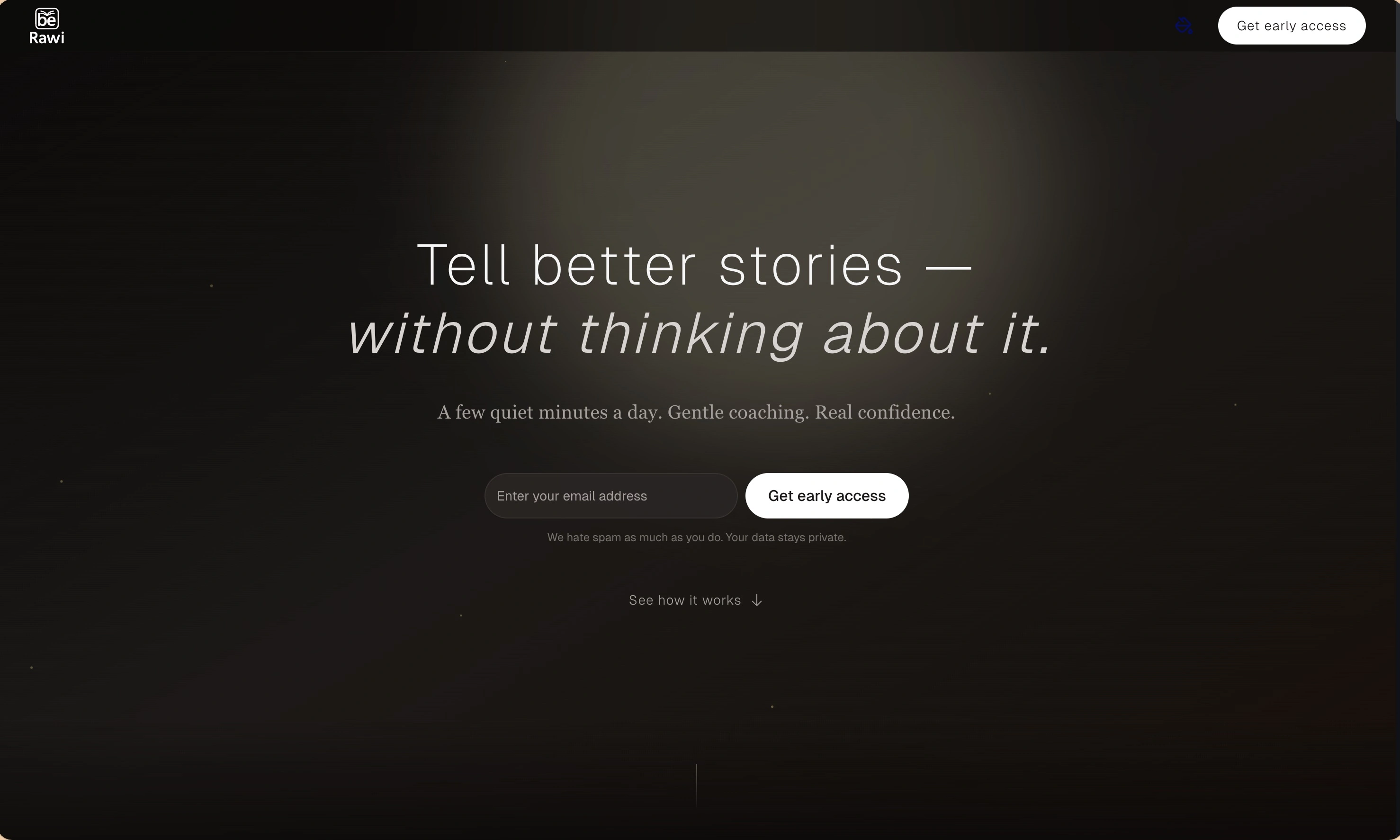
BeRawi: Storytelling Coach
Practice storytelling daily with instant feedback to sound clearer, more engaging, and confident 🎤
Omichat
Chat with 50+ AI models, including ChatGPT and Claude, in one place - switch models anytime without losing context 🤖
Claude Fast
Supercharge your Claude Code with 6x effective context window and specialized AI agents 🤖
EmojAI
AI-powered emoji picker with smart, context-aware suggestions 🤖
Solohacker
Autonomous company launcher - AI agents work 24/7, escalate what matters, and you stay in control 🤖
BeRawi: Storytelling Coach
Practice storytelling daily with instant feedback to sound clearer, more engaging, and confident 🎤
Omichat
Chat with 50+ AI models, including ChatGPT and Claude, in one place - switch models anytime without losing context 🤖
Claude Fast
Supercharge your Claude Code with 6x effective context window and specialized AI agents 🤖
EmojAI
AI-powered emoji picker with smart, context-aware suggestions 🤖
Solohacker
Autonomous company launcher - AI agents work 24/7, escalate what matters, and you stay in control 🤖
BeRawi: Storytelling Coach
Practice storytelling daily with instant feedback to sound clearer, more engaging, and confident 🎤
Omichat
Chat with 50+ AI models, including ChatGPT and Claude, in one place - switch models anytime without losing context 🤖
Claude Fast
Supercharge your Claude Code with 6x effective context window and specialized AI agents 🤖
EmojAI
AI-powered emoji picker with smart, context-aware suggestions 🤖
Solohacker
Autonomous company launcher - AI agents work 24/7, escalate what matters, and you stay in control 🤖
BeRawi: Storytelling Coach
Practice storytelling daily with instant feedback to sound clearer, more engaging, and confident 🎤

Connect with like-minded people
Join our community to get feedback, support, and grow together with 1,000+ builders on board, let's ship it!
Join usShip your startup everywhere. In minutes.
Don't burn tokens on setup and start building features on day one.