InvoiceGuard AI
AI audits vendor invoices and subscriptions to detect overcharges, duplicates, and hidden fees, helping businesses recover lost revenue automatically.
what is AI-powered invoice auditing and why it matters now
Businesses today run on subscriptions, vendor contracts, SaaS tools, cloud infrastructure, and recurring billing relationships. While this ecosystem enables flexibility and scalability, it also introduces a silent financial leak: invoice errors, duplicate charges, hidden fees, and contract drift.
This is where an AI-powered invoice auditing platform like InvoiceGuard AI enters the picture.
At its core, InvoiceGuard AI is a B2B SaaS platform that automatically analyzes vendor invoices and subscriptions using artificial intelligence to detect billing anomalies and recover lost revenue. It acts as a financial watchdog that never sleeps, continuously scanning for inefficiencies across accounts payable systems.
The timing couldn’t be better. Several macro trends are driving demand:
- Explosion of SaaS subscriptions across companies (often unmanaged)
- Increasing cloud billing complexity (AWS, Azure, GCP)
- Remote finance teams with less manual oversight
- CFO pressure to improve margins without cutting growth
- Rise of AI-driven finance automation tools
According to widely cited industry estimates (e.g., from Gartner and APQC), up to 5–10% of invoices contain errors, and many go unnoticed. For mid-sized companies spending millions annually, that’s a significant and preventable loss.
InvoiceGuard AI positions itself as a revenue recovery engine, not just a cost management tool.
target audience and ideal customer profile
To build a successful SaaS like InvoiceGuard AI, you need to clearly define who benefits most—and why they would pay.
primary audience segments
1. mid-market companies (50–1000 employees)
These organizations are the sweet spot:
- Too large for manual oversight
- Too small for fully mature procurement systems
- Often juggling dozens to hundreds of vendors
Pain points:
- No centralized subscription tracking
- Manual invoice auditing (if any)
- Limited finance team bandwidth
2. finance teams (CFOs, controllers, AP managers)
These are the actual buyers.
Their goals:
- Reduce operational waste
- Improve audit compliance
- Automating accounts payable processes
- Increase financial visibility
Their fears:
- Missing hidden costs
- Budget overruns
- Audit failures
3. SaaS-heavy organizations
Companies using:
- Cloud providers (AWS, Azure)
- Marketing tools (HubSpot, Salesforce)
- Productivity tools (Slack, Notion, etc.)
These companies often face:
- Overlapping tools
- Redundant subscriptions
- Tier overpayments
4. procurement and operations teams
They care about:
- Vendor contract optimization
- Negotiation leverage
- Vendor accountability
market opportunity and gap analysis
existing solutions
The market already includes tools in adjacent spaces:
- Spend management platforms (e.g., Ramp, Brex)
- Procurement tools (e.g., Coupa, Procurify)
- SaaS management tools (e.g., Zylo, Torii)
- Expense tracking software
However, most of them focus on:
- Tracking spend
- Managing approvals
- Budgeting
Very few deeply audit invoices using AI to detect errors and recover money.
the key market gap
InvoiceGuard AI fills a distinct gap:
“Automated financial error detection and recovery across vendor invoices and subscriptions.”
Most platforms are passive dashboards. InvoiceGuard AI is proactive and corrective.
why current solutions fall short
- Manual audits are time-consuming and inconsistent
- Traditional tools don’t detect nuanced anomalies
- Finance teams lack time to deeply investigate invoices
- Vendor trust often replaces verification
emerging trend: autonomous finance
We’re entering a new category:
- Autonomous accounting
- AI-driven financial ops
- Continuous audit systems
InvoiceGuard AI aligns perfectly with this shift by acting as:
- A continuous auditing system
- A financial anomaly detection engine
- A revenue recovery assistant
core features of InvoiceGuard AI
To deliver real value, the product must go beyond simple invoice tracking.
1. AI-powered invoice parsing and normalization
The platform ingests invoices from:
- Uploads
- Integrations (QuickBooks, NetSuite, Xero)
Then it:
- Extracts structured data
- Standardizes vendor formats
- Maps line items across time
This is foundational for all other features.
2. anomaly detection engine
This is the core differentiator.
The AI identifies:
- Duplicate charges
- Price increases vs contract terms
- Unused subscriptions
- Unexpected billing spikes
- Hidden fees or surcharges
Example detections:
- Same invoice charged twice
- SaaS plan upgraded without approval
- Cloud usage anomaly (e.g., sudden spike)
3. contract-aware auditing
The system compares invoices against:
- Vendor contracts
- SLAs
- Pricing agreements
This enables:
- Detection of overbilling
- Enforcement of negotiated rates
4. subscription intelligence layer
Tracks:
- Active subscriptions
- Renewal dates
- Usage vs cost
Suggests:
- Downgrades
- Cancellations
- Consolidations
5. automated recovery workflows
Instead of just flagging issues, InvoiceGuard AI helps resolve them:
- Drafts dispute emails
- Tracks vendor responses
- Suggests negotiation strategies
Future extension:
- Automated dispute handling
6. financial insights dashboard
A clean dashboard showing:
- Total savings identified
- Recoverable revenue
- Vendor risk scores
- Spend trends
7. integrations with finance stack
Essential integrations:
feature comparison vs traditional tools
| Capability | InvoiceGuard AI | Spend Tools | Accounting Software | SaaS Managers |
|---|---|---|---|---|
| AI anomaly detection | ✅ | ❌ | ❌ | ❌ |
| Contract compliance auditing | ✅ | ❌ | ❌ | ✅ |
| Automated recovery workflows | ✅ | ❌ | ❌ | ❌ |
| Subscription optimization | ✅ | ✅ | ❌ | ✅ |
recommended tech stack (with trade-offs)
Building InvoiceGuard AI requires careful architectural decisions.
frontend
Why:
- Fast UI iteration
- Scalable component system
- SEO-friendly (important for growth)
Trade-off:
- Requires careful state management for complex dashboards
backend
- Node.js (with NestJS) or Python (FastAPI)
Why:
- Node: strong ecosystem, real-time capabilities
- Python: better for AI/ML workloads
Recommended hybrid:
- Python for AI services
- Node.js for API layer
AI / machine learning layer
- Python + PyTorch or TensorFlow
- OpenAI APIs for NLP tasks
- Custom anomaly detection models
Capabilities:
- Invoice parsing (OCR + NLP)
- Pattern recognition
- Predictive anomaly detection
data pipeline
- PostgreSQL (structured data)
- Snowflake or BigQuery (analytics)
- Apache Kafka (event streaming)
integrations
- REST APIs
- Webhooks
- OAuth for secure connections
infrastructure
- AWS or GCP
- Docker + Kubernetes
Trade-offs:
- Kubernetes adds complexity but enables scale
- Serverless (e.g., AWS Lambda) can reduce ops overhead early
monetization strategy
InvoiceGuard AI can monetize in multiple ways.
1. subscription pricing (primary model)
Tiered pricing based on:
- Number of invoices processed
- Number of integrations
- Company size
Example tiers:
- Starter: $49/month
- Growth: $199/month
- Enterprise: Custom pricing
2. performance-based pricing
Charge a percentage of recovered savings:
- 10–20% of recovered revenue
This is powerful because:
- Aligns incentives
- Reduces customer risk
- Easier to sell
3. hybrid model
Best approach:
- Base subscription + success fee
4. enterprise add-ons
- Custom integrations
- Dedicated support
- Compliance reporting
competitive advantage and differentiation
InvoiceGuard AI wins by focusing on actionable financial intelligence, not just visibility.
key differentiators
1. proactive vs passive
Most tools show data. InvoiceGuard AI finds problems automatically.
2. revenue recovery focus
Instead of cost tracking:
- It directly impacts the bottom line
3. AI-first architecture
Not bolted-on AI, but core to product:
- Continuous learning
- Pattern detection across customers
4. contract-aware intelligence
Understanding agreements gives it a major edge.
AI-driven auditing
Continuously scans invoices to detect anomalies without manual intervention.
Revenue recovery engine
Focuses on recovering lost money, not just tracking expenses.
Deep vendor intelligence
Builds a knowledge base of vendor pricing behaviors over time.
potential risks and mitigation strategies
1. data privacy concerns
Risk:
- Financial data is sensitive
Mitigation:
- SOC 2 compliance
- End-to-end encryption
- Role-based access control
2. false positives in anomaly detection
Risk:
- Incorrect alerts reduce trust
Mitigation:
- Human-in-the-loop validation
- Feedback loops to train models
3. integration complexity
Risk:
- Difficult onboarding
Mitigation:
- Prebuilt integrations
- API-first architecture
4. vendor pushback
Risk:
- Vendors may dispute claims
Mitigation:
- Evidence-backed reports
- Contract-based validation
5. competition from large players
Risk:
- ERP systems adding similar features
Mitigation:
- Move faster
- Focus on niche excellence
- Superior UX
implementation roadmap
Building InvoiceGuard AI should follow a phased approach.
MVP feature set
Start lean:
- Invoice upload + parsing
- Duplicate detection
- Basic anomaly alerts
- Dashboard
- Email notifications
Avoid:
- Overbuilding AI too early
- Complex integrations initially
go-to-market strategy
1. niche targeting
Start with:
- SaaS companies
- Agencies
- Tech startups
Why:
- High subscription usage
- Early adopters of AI tools
2. content marketing (SEO)
Target keywords:
- “invoice auditing software”
- “detect duplicate invoices”
- “reduce SaaS costs”
- “AI accounts payable automation”
3. outbound sales
- Target CFOs and finance leads
- Offer free audit reports
4. product-led growth
- Free trial
- Show “money recovered” quickly
SEO strategy for long-term growth
To rank well, content should focus on:
high-intent keywords
- AI invoice auditing software
- detect invoice errors automatically
- recover overpayments vendors
supporting content
- “how to audit invoices”
- “common billing errors in SaaS”
- “how to reduce vendor costs”
future expansion opportunities
InvoiceGuard AI can expand into:
1. full autonomous finance platform
- Expense optimization
- Budget recommendations
2. vendor benchmarking
- Compare pricing across companies
3. predictive cost optimization
- Forecast future overspending
actionable steps to build InvoiceGuard AI
If you're building this today, here’s a practical plan:
- Validate demand with finance teams
- Build a simple invoice parser
- Launch anomaly detection MVP
- Offer manual recovery assistance
- Iterate with real customer data
- Add AI intelligence layer
- Scale integrations
- Optimize onboarding experience
final thoughts
InvoiceGuard AI is more than a SaaS tool—it’s a financial defense system for modern businesses.
As companies increasingly rely on subscriptions and complex vendor ecosystems, the need for automated oversight becomes unavoidable. The opportunity lies not in helping companies spend better—but in helping them stop losing money they didn’t even know they were losing.
This category is still early, which makes it a strong opportunity for founders willing to combine AI, finance, and automation into a cohesive product.
If executed well, InvoiceGuard AI can become a mission-critical finance tool, embedded deeply into how companies manage and protect their cash flow.
build faster with the right foundation
If you're serious about launching a SaaS like InvoiceGuard AI, speed matters.
Instead of building everything from scratch, you can use a production-ready SaaS foundation like TurboStarter to accelerate:
- Authentication
- Billing
- Dashboard UI
- API structure
This lets you focus on what actually differentiates your product:
- AI models
- Financial logic
- User experience
frequently asked questions
Accuracy improves over time with training data. Early systems may rely on rules + AI hybrid models, but mature systems can detect subtle anomalies with high precision.
Yes, especially if they use multiple SaaS tools. Even small companies can lose thousands annually due to unnoticed billing errors.
Many businesses see ROI within the first 1–3 months, especially if duplicate charges or overbilling are identified early.
No. It augments finance teams by automating repetitive auditing tasks, allowing humans to focus on strategic decisions.
More 🏢 B2B Application SaaS ideas
Discover more innovative b2b application SaaS ideas that are trending in 2026. Each idea is AI-generated with market validation and growth potential to help you find your next profitable venture faster than competitors.
Your competitors are building with TurboStarter
Below are some of the SaaS ideas that have been generated and built with our starter kit.

Statiko
Monitor any Telegram channel in real time - track posts, edits, deletions, and growth with AI recaps 📡

Shibui
AI website builder - describe your business, pick a niche template, edit by chatting, and publish instantly ✨

Pro Service
Find verified home service professionals, compare quotes, and pay securely through escrow - built for Brazilians across the US 🏠
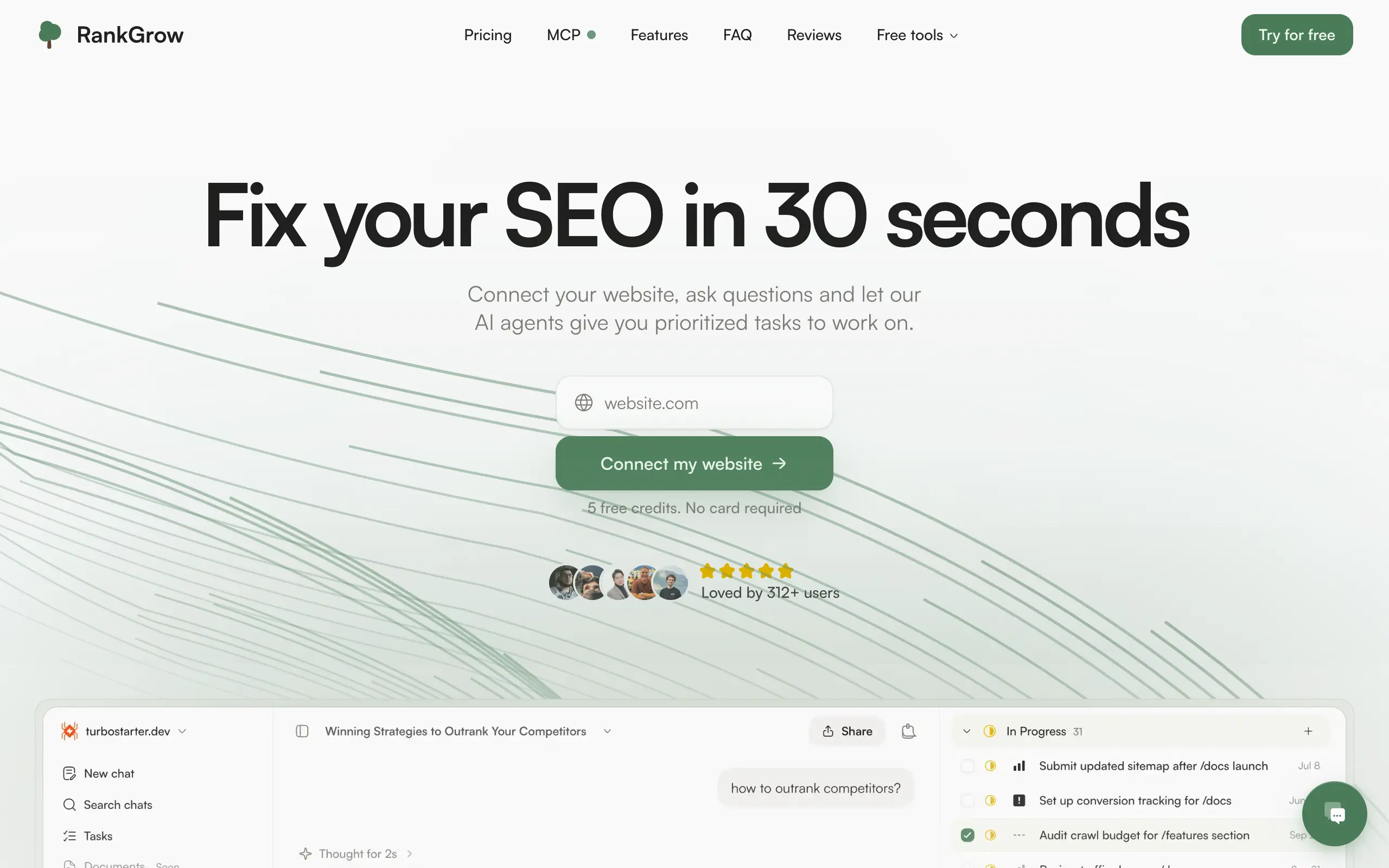
RankGrow
Fix your SEO with AI agents - connect Search Console, get prioritized tasks, and grow organic traffic 📈
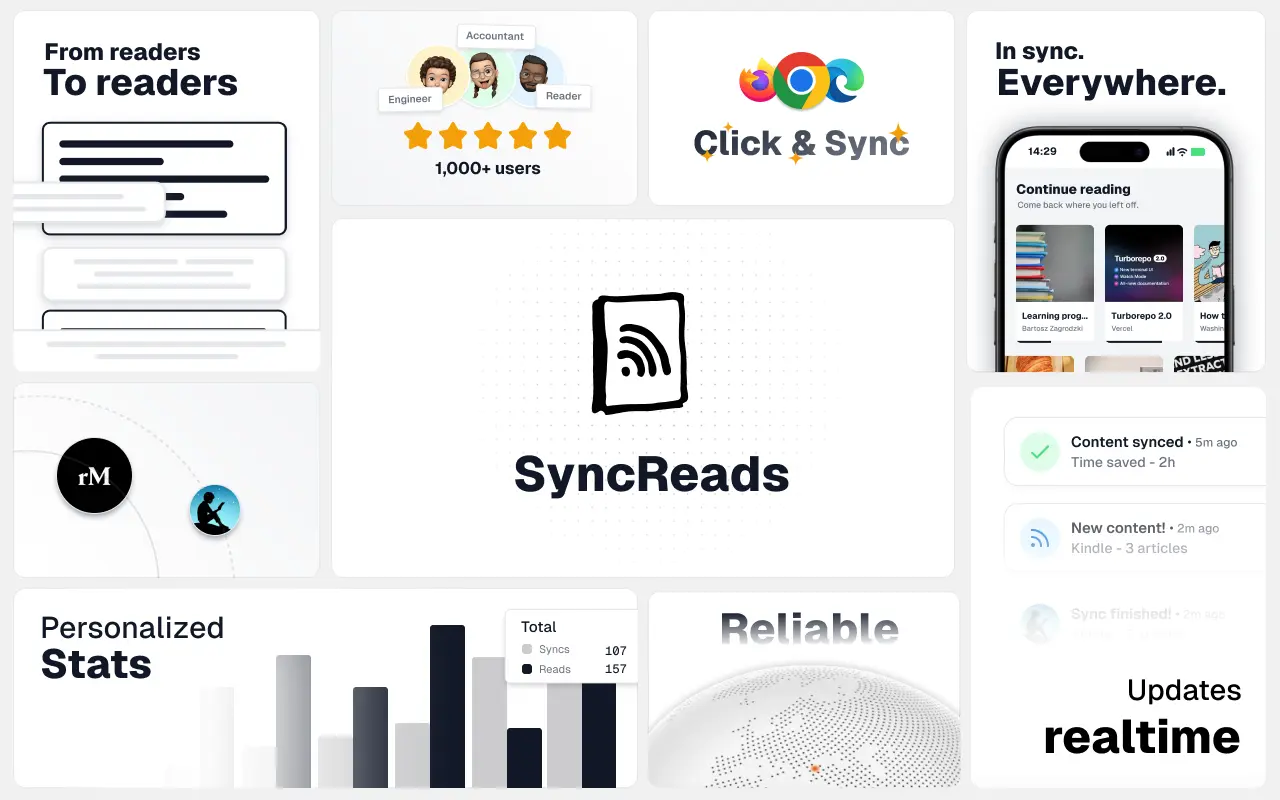
SyncReads
Sync your favorite content for distraction-free reading, save time and replace multiple apps. Anytime, anywhere 🔄
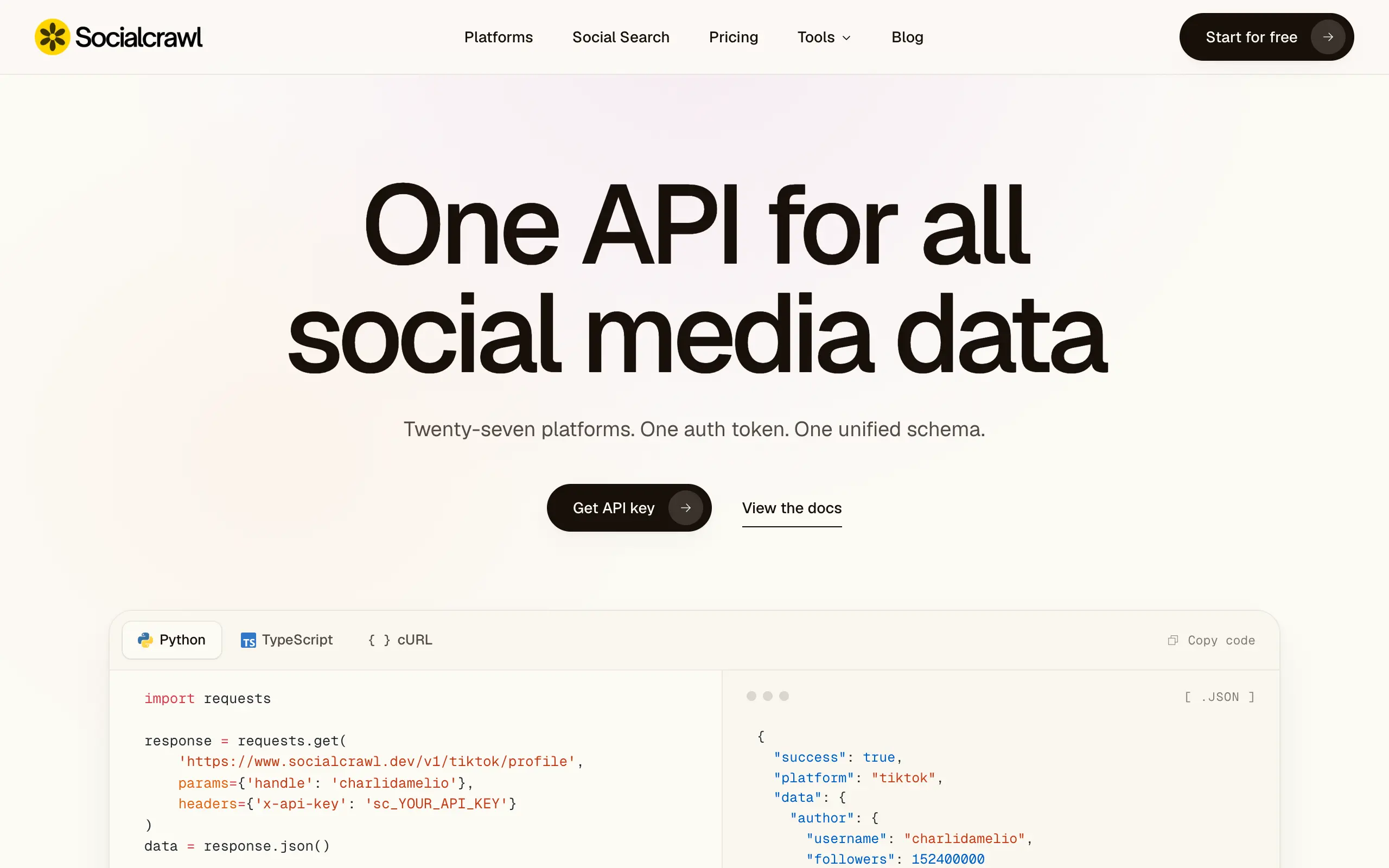
Socialcrawl
Get clean, structured data from 21 platforms like TikTok, Instagram, and YouTube with a single request 📊
Statiko
Monitor any Telegram channel in real time - track posts, edits, deletions, and growth with AI recaps 📡
Shibui
AI website builder - describe your business, pick a niche template, edit by chatting, and publish instantly ✨
Pro Service
Find verified home service professionals, compare quotes, and pay securely through escrow - built for Brazilians across the US 🏠
RankGrow
Fix your SEO with AI agents - connect Search Console, get prioritized tasks, and grow organic traffic 📈
SyncReads
Sync your favorite content for distraction-free reading, save time and replace multiple apps. Anytime, anywhere 🔄
Socialcrawl
Get clean, structured data from 21 platforms like TikTok, Instagram, and YouTube with a single request 📊
Statiko
Monitor any Telegram channel in real time - track posts, edits, deletions, and growth with AI recaps 📡
Shibui
AI website builder - describe your business, pick a niche template, edit by chatting, and publish instantly ✨
Pro Service
Find verified home service professionals, compare quotes, and pay securely through escrow - built for Brazilians across the US 🏠
RankGrow
Fix your SEO with AI agents - connect Search Console, get prioritized tasks, and grow organic traffic 📈
SyncReads
Sync your favorite content for distraction-free reading, save time and replace multiple apps. Anytime, anywhere 🔄
Socialcrawl
Get clean, structured data from 21 platforms like TikTok, Instagram, and YouTube with a single request 📊
Statiko
Monitor any Telegram channel in real time - track posts, edits, deletions, and growth with AI recaps 📡
Shibui
AI website builder - describe your business, pick a niche template, edit by chatting, and publish instantly ✨
Pro Service
Find verified home service professionals, compare quotes, and pay securely through escrow - built for Brazilians across the US 🏠
RankGrow
Fix your SEO with AI agents - connect Search Console, get prioritized tasks, and grow organic traffic 📈
SyncReads
Sync your favorite content for distraction-free reading, save time and replace multiple apps. Anytime, anywhere 🔄
Socialcrawl
Get clean, structured data from 21 platforms like TikTok, Instagram, and YouTube with a single request 📊
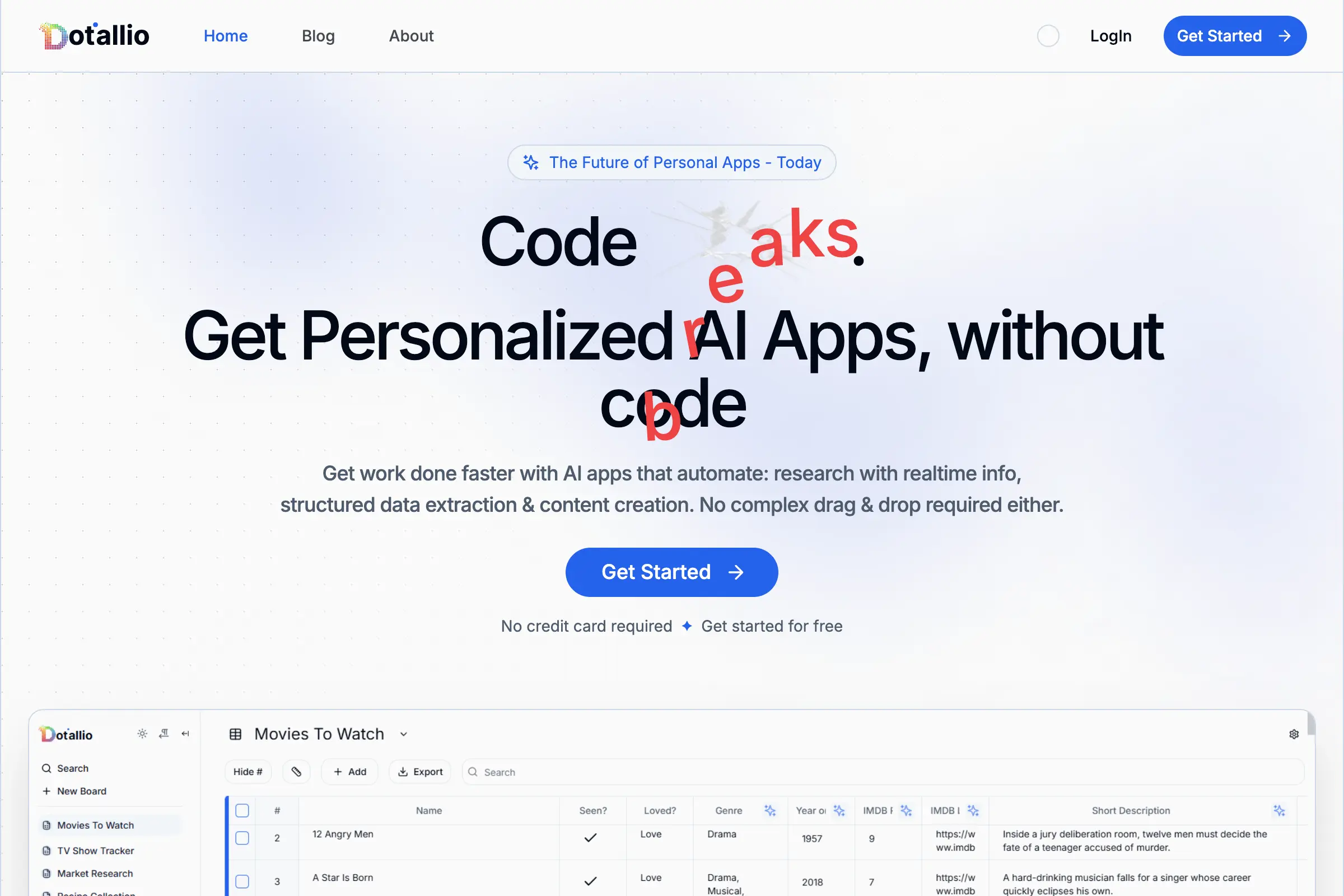
Dotallio
Personalized AI apps that automate research, data extraction, and content creation without code 🤖

Talk to Santa
Enjoy a magical live video chat or receive a unique AI-generated video greeting from Santa Claus 🎅

pozywka.pl
Scalable blog for food journalist, focused on performance and user experience 🌭
zagrodzki.me
Personal blog and portfolio of Bart Zagrodzki, where he shares his knowledge and work 💼
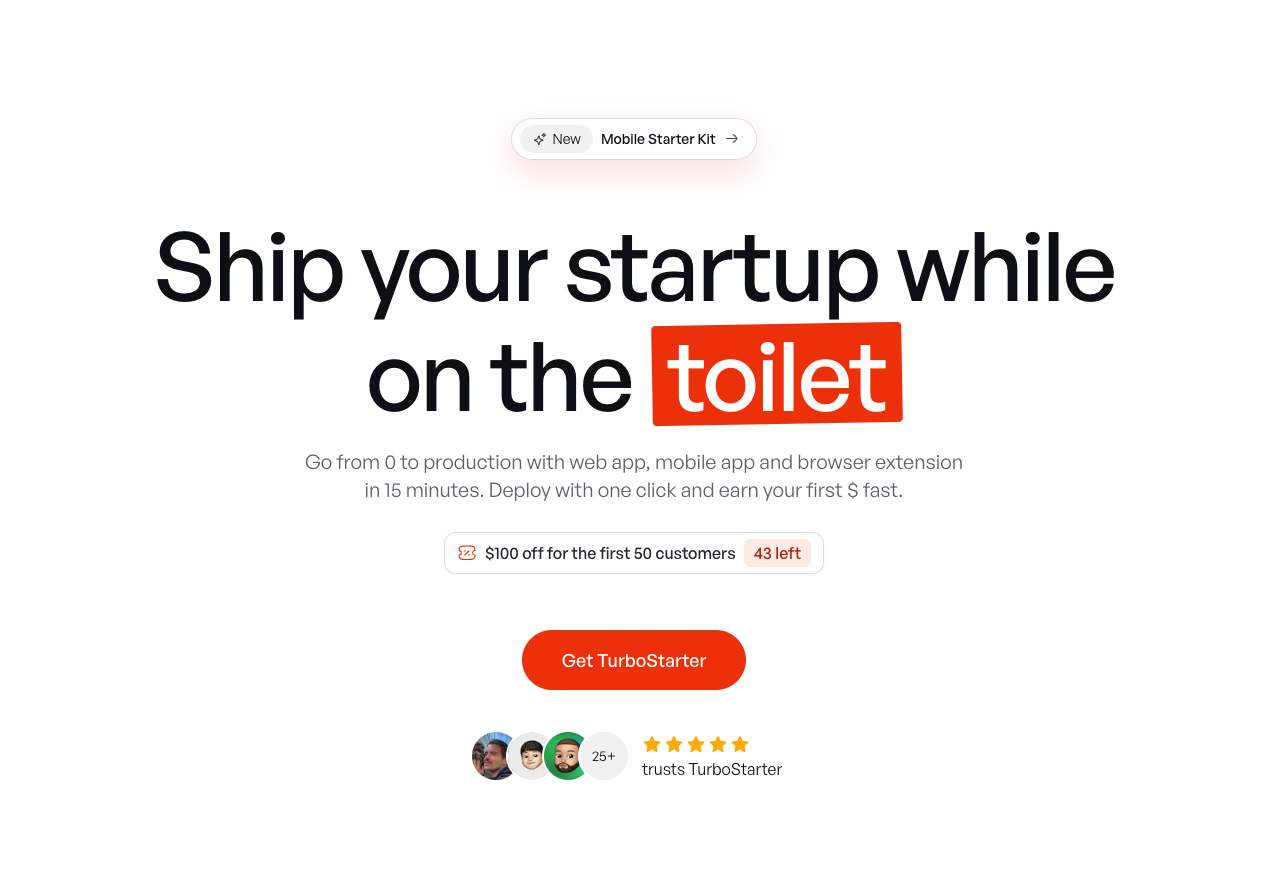
TurboStarter
Ship your startup everywhere. In minutes.
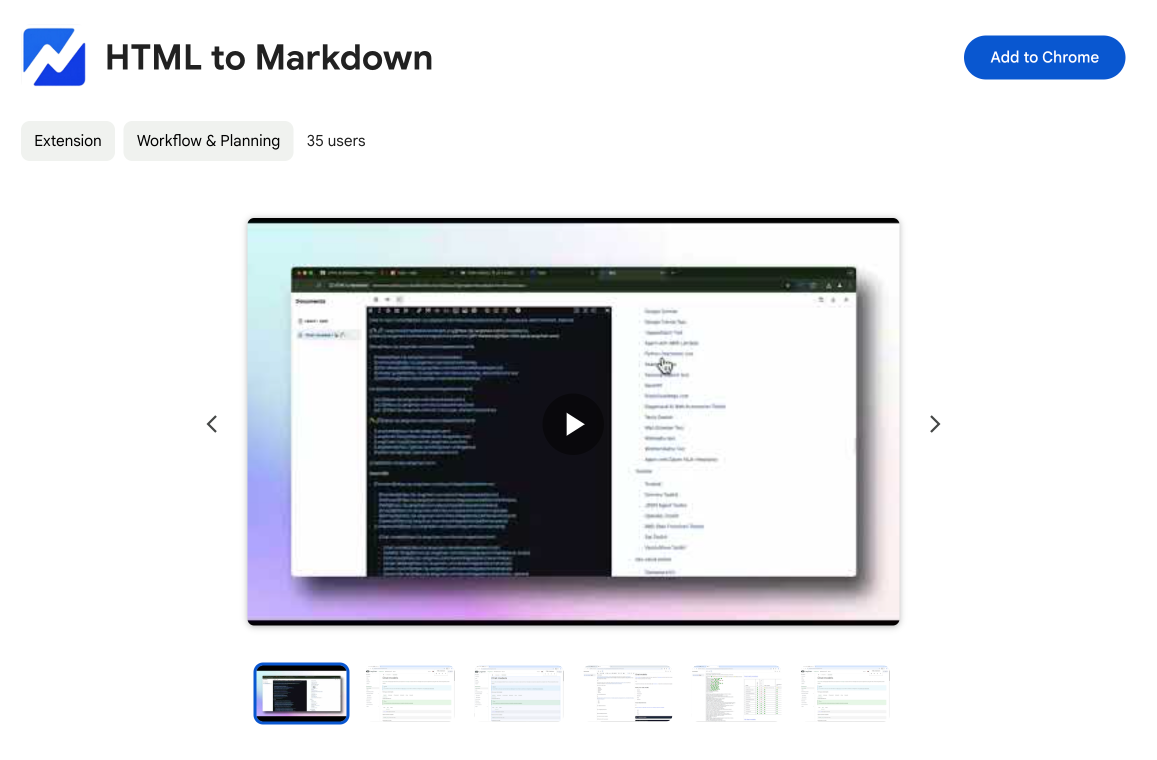
HTML to Markdown
Convert HTML to Markdown with ease, directly in your browser 📄
Dotallio
Personalized AI apps that automate research, data extraction, and content creation without code 🤖
Talk to Santa
Enjoy a magical live video chat or receive a unique AI-generated video greeting from Santa Claus 🎅
pozywka.pl
Scalable blog for food journalist, focused on performance and user experience 🌭
zagrodzki.me
Personal blog and portfolio of Bart Zagrodzki, where he shares his knowledge and work 💼
TurboStarter
Ship your startup everywhere. In minutes.
HTML to Markdown
Convert HTML to Markdown with ease, directly in your browser 📄
Dotallio
Personalized AI apps that automate research, data extraction, and content creation without code 🤖
Talk to Santa
Enjoy a magical live video chat or receive a unique AI-generated video greeting from Santa Claus 🎅
pozywka.pl
Scalable blog for food journalist, focused on performance and user experience 🌭
zagrodzki.me
Personal blog and portfolio of Bart Zagrodzki, where he shares his knowledge and work 💼
TurboStarter
Ship your startup everywhere. In minutes.
HTML to Markdown
Convert HTML to Markdown with ease, directly in your browser 📄
Dotallio
Personalized AI apps that automate research, data extraction, and content creation without code 🤖
Talk to Santa
Enjoy a magical live video chat or receive a unique AI-generated video greeting from Santa Claus 🎅
pozywka.pl
Scalable blog for food journalist, focused on performance and user experience 🌭
zagrodzki.me
Personal blog and portfolio of Bart Zagrodzki, where he shares his knowledge and work 💼
TurboStarter
Ship your startup everywhere. In minutes.
HTML to Markdown
Convert HTML to Markdown with ease, directly in your browser 📄
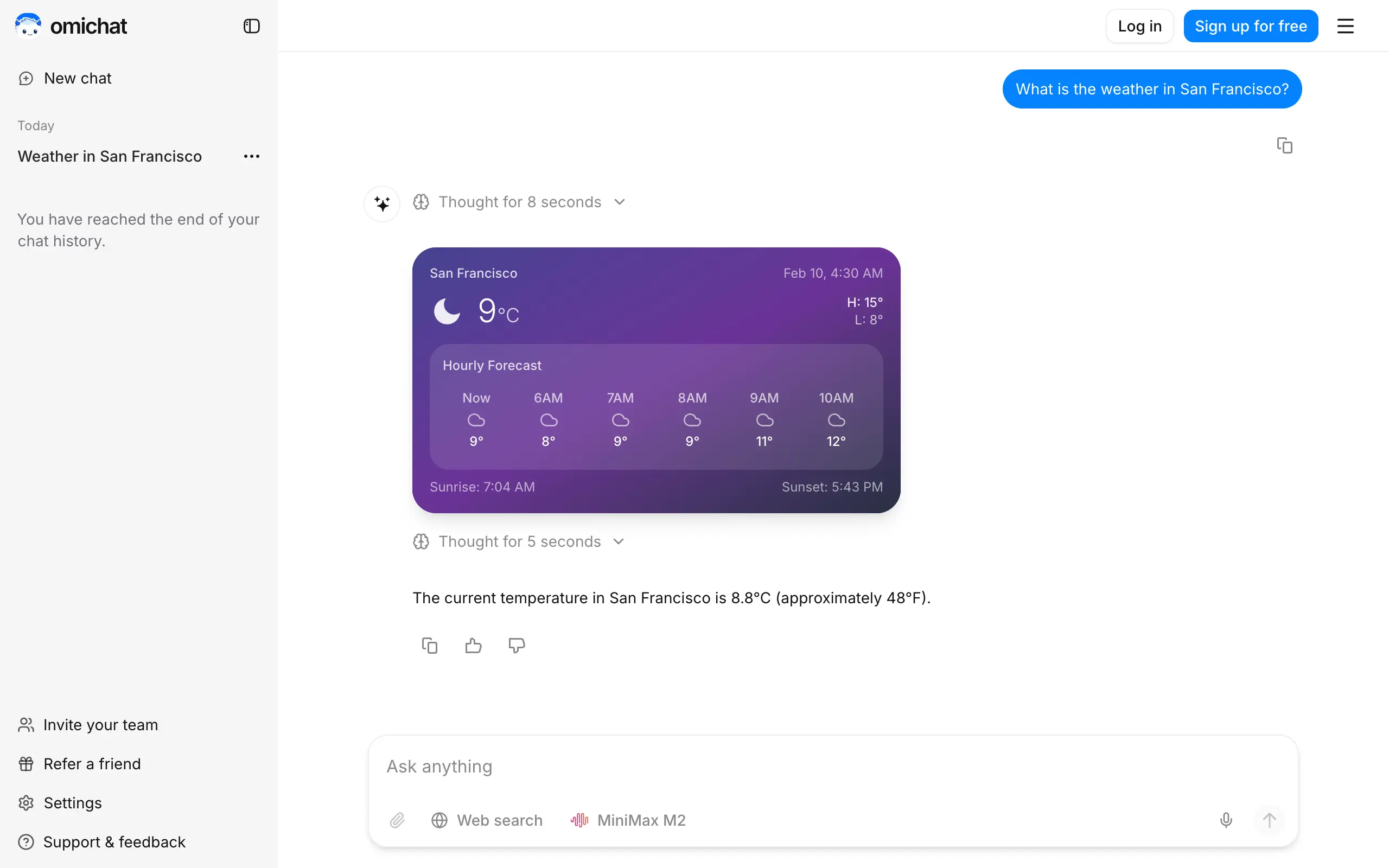
Omichat
Chat with 50+ AI models, including ChatGPT and Claude, in one place - switch models anytime without losing context 🤖
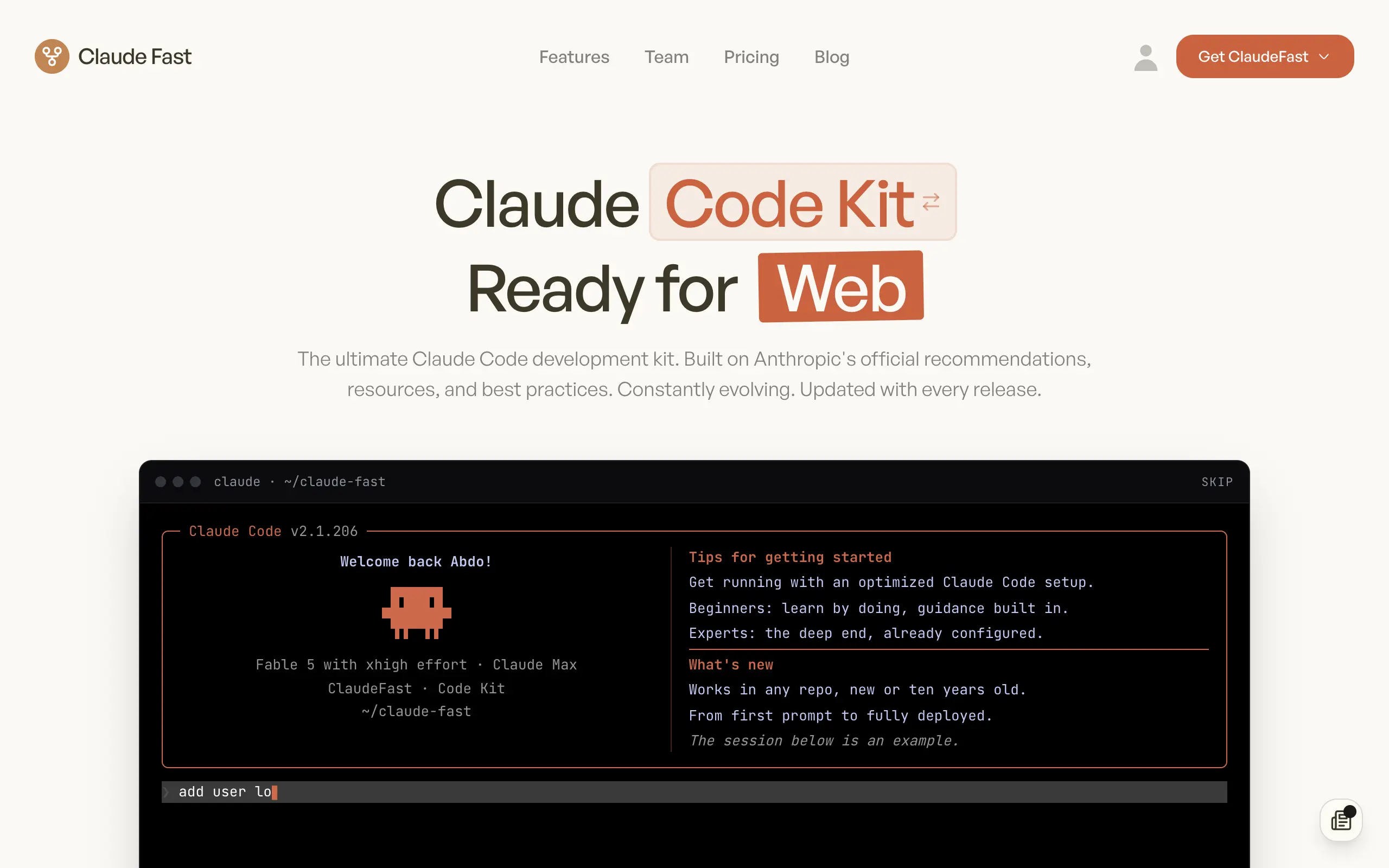
Claude Fast
Supercharge your Claude Code with 6x effective context window and specialized AI agents 🤖
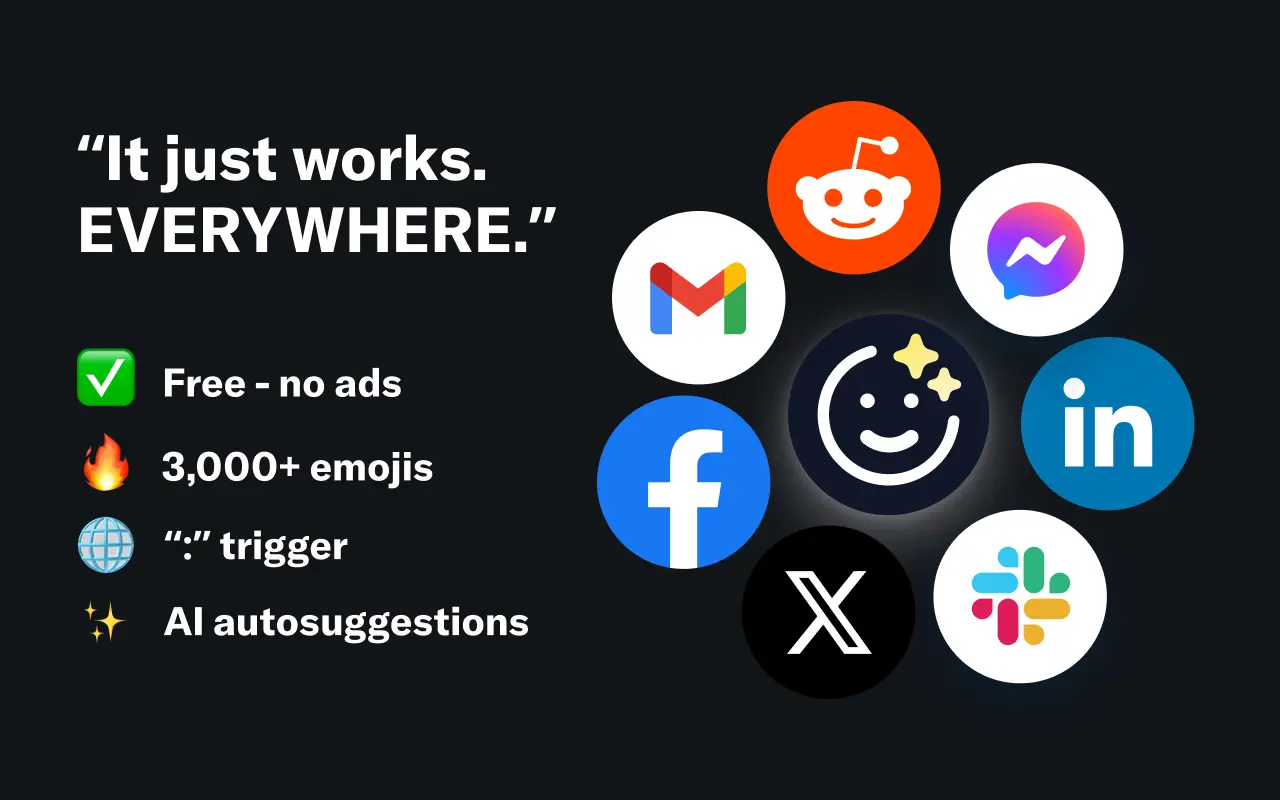
EmojAI
AI-powered emoji picker with smart, context-aware suggestions 🤖
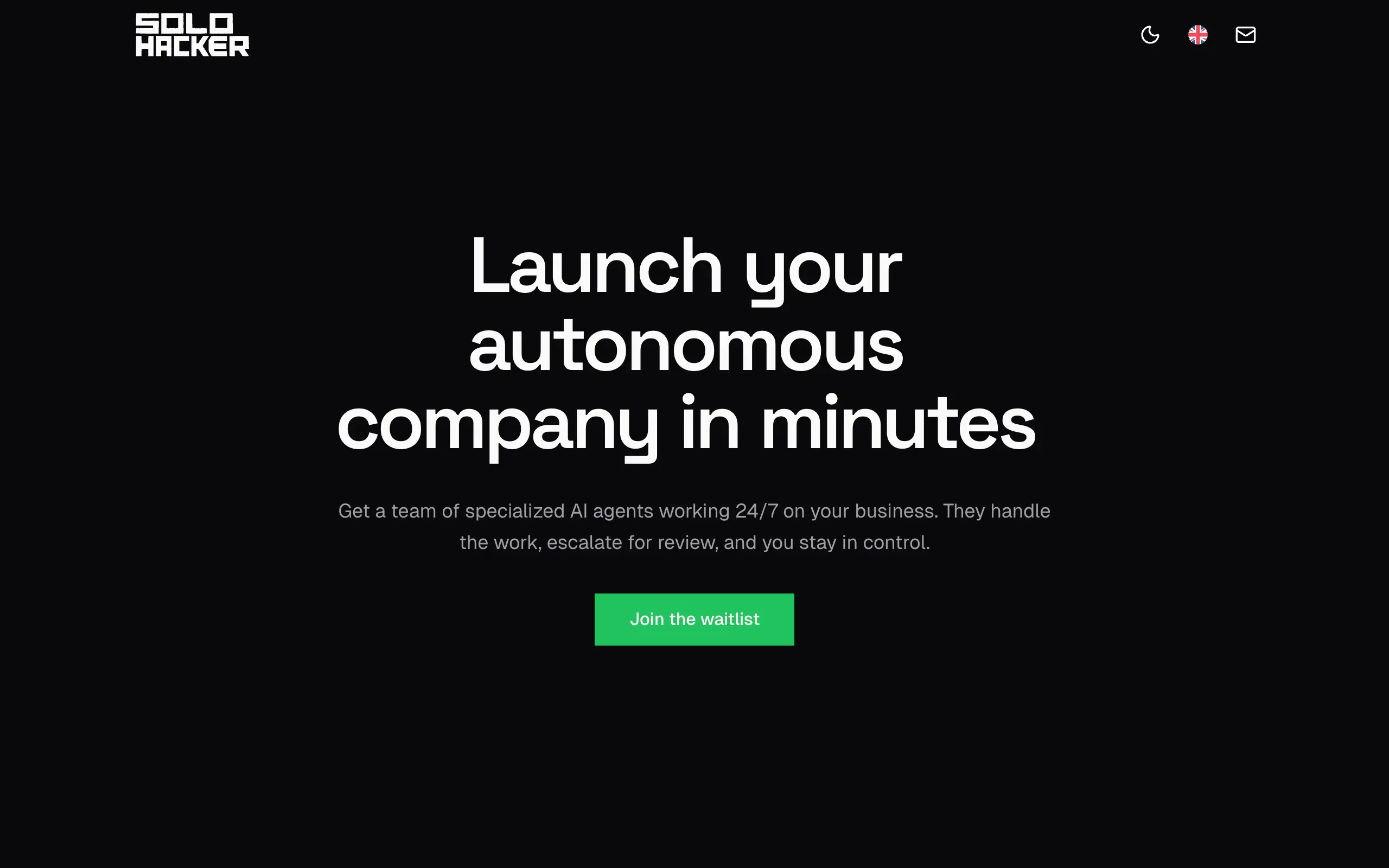
Solohacker
Autonomous company launcher - AI agents work 24/7, escalate what matters, and you stay in control 🤖
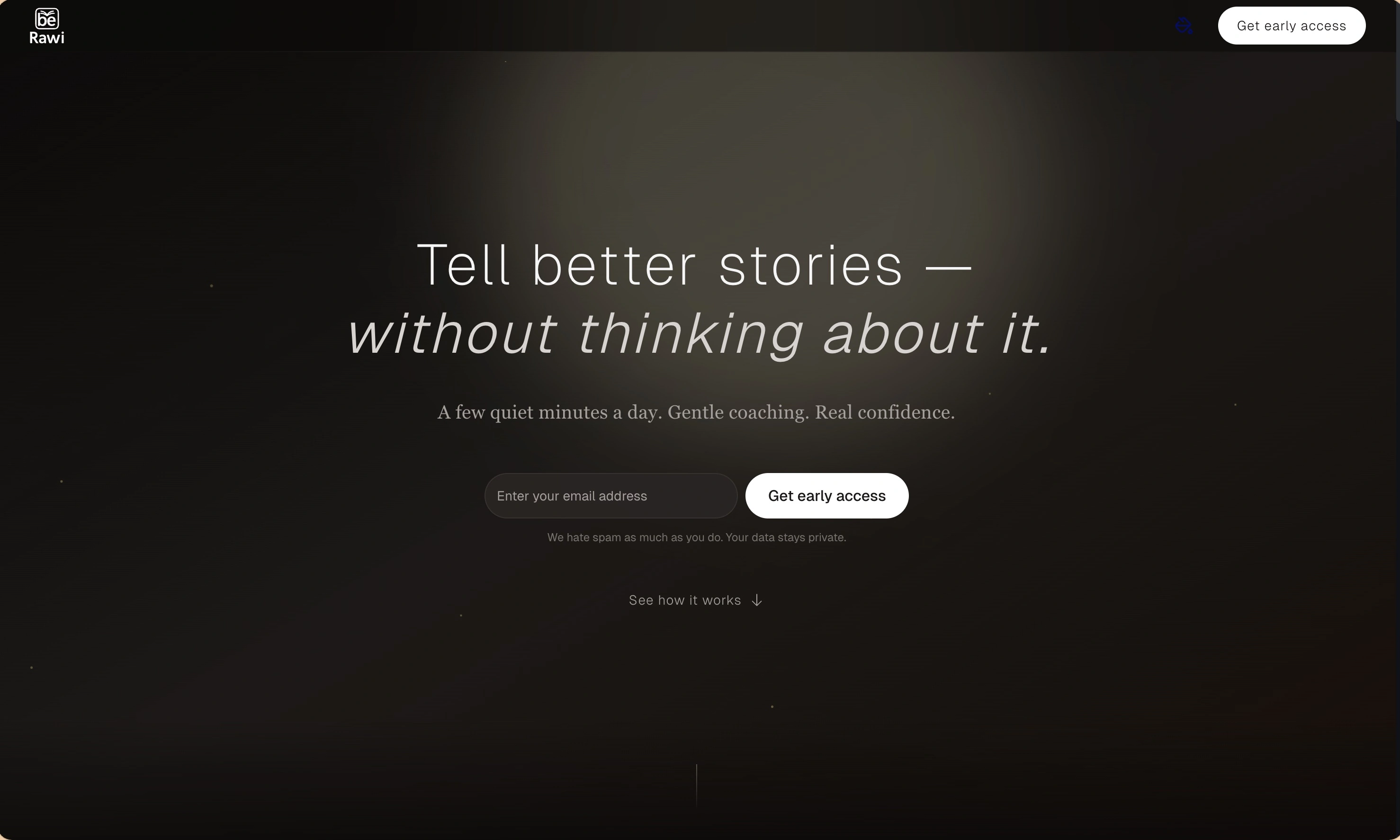
BeRawi: Storytelling Coach
Practice storytelling daily with instant feedback to sound clearer, more engaging, and confident 🎤
Omichat
Chat with 50+ AI models, including ChatGPT and Claude, in one place - switch models anytime without losing context 🤖
Claude Fast
Supercharge your Claude Code with 6x effective context window and specialized AI agents 🤖
EmojAI
AI-powered emoji picker with smart, context-aware suggestions 🤖
Solohacker
Autonomous company launcher - AI agents work 24/7, escalate what matters, and you stay in control 🤖
BeRawi: Storytelling Coach
Practice storytelling daily with instant feedback to sound clearer, more engaging, and confident 🎤
Omichat
Chat with 50+ AI models, including ChatGPT and Claude, in one place - switch models anytime without losing context 🤖
Claude Fast
Supercharge your Claude Code with 6x effective context window and specialized AI agents 🤖
EmojAI
AI-powered emoji picker with smart, context-aware suggestions 🤖
Solohacker
Autonomous company launcher - AI agents work 24/7, escalate what matters, and you stay in control 🤖
BeRawi: Storytelling Coach
Practice storytelling daily with instant feedback to sound clearer, more engaging, and confident 🎤
Omichat
Chat with 50+ AI models, including ChatGPT and Claude, in one place - switch models anytime without losing context 🤖
Claude Fast
Supercharge your Claude Code with 6x effective context window and specialized AI agents 🤖
EmojAI
AI-powered emoji picker with smart, context-aware suggestions 🤖
Solohacker
Autonomous company launcher - AI agents work 24/7, escalate what matters, and you stay in control 🤖
BeRawi: Storytelling Coach
Practice storytelling daily with instant feedback to sound clearer, more engaging, and confident 🎤

Connect with like-minded people
Join our community to get feedback, support, and grow together with 1,000+ builders on board, let's ship it!
Join usShip your startup everywhere. In minutes.
Don't burn tokens on setup and start building features on day one.