Joinery
Lets small furniture makers turn custom quote requests into priced, approved production orders in one place. Shops stop losing days to emailed measurements and mismatched material estimates.
Joinery is a quote-to-production-order tool for small custom furniture shops. A customer submits measurements and preferences, the shop gets a priced quote built from its own material and labor rules, and an approved quote becomes a production order without anyone retyping a number. In 2026 the opportunity is that small makers sell more online and via social channels, yet their back office is still email threads and spreadsheets.
Key takeaways
- Target customer: custom furniture shops with 1 to 10 people that quote bespoke tables, cabinets, shelving and built-ins.
- Pricing angle: flat monthly subscription per shop, roughly in the $39 to $99 range as a starting assumption, with no per-quote fees.
- Biggest risk: every shop prices differently, so the pricing rules engine can become a custom-services trap.
- Time to MVP: about 4 to 6 weeks for one developer using a starter kit for auth, billing and emails.
What problem does a custom furniture quoting tool solve?
Custom furniture shops lose days between "can you build this?" and "here is your approved order". The work is not the woodworking. It is the back-and-forth: a customer emails rough dimensions, the maker asks for clarifications, estimates lumber or sheet goods by hand, adds labor from memory, and sends a PDF or a message. Then the customer asks for a change and the cycle restarts.
Who is Joinery for?
The ideal customer is an owner-operator of a shop with 1 to 10 people who builds to order: dining tables, kitchen islands, built-in shelving, small cabinetry runs. They sell through Instagram, a basic website contact form, local referrals or marketplace listings. They are skilled makers who treat admin as a tax on their time.
Adjacent segments exist (interior designers who source custom pieces, small millwork shops), but start with the owner-operator. They decide alone and can buy in a day.
What do they do today and why does it fail?
The typical workaround is a mix of email, text messages, a notes app, a spreadsheet of material prices and a generic invoicing tool. It fails in predictable ways:
- Measurements get lost or misread: dimensions live in message threads, photos and half-finished sketches.
- Estimates drift from reality: material prices change, and the spreadsheet is updated only sometimes.
- Approval is informal: "sounds good" in a text is not a clear sign-off on a specific version of the spec.
- Production starts from memory: the cut list is rebuilt by hand from the quote, which is where costly mistakes happen.
Why is there room for custom furniture quoting software in 2026?
The gap is between two kinds of tools. General invoicing and CRM tools (QuickBooks, HubSpot, spreadsheets) do not understand dimensions, materials or build options. Heavy manufacturing and cabinet-design software, such as CAD and CNC-oriented suites, is built for larger shops with design staff and training budgets. A one-to-ten person shop sits in between and is underserved.
Why now?
Several trends make this timing reasonable, though none are guaranteed:
- More direct-to-consumer selling: makers get inquiries from social media and their own sites, and expect to respond fast.
- Customers expect self-serve: people are used to configuring and pricing products online, so a vague "contact us for a quote" loses impatient buyers.
- Cheaper AI-assisted parsing: turning a messy inquiry message into structured fields (dimensions, wood species, finish) is now practical, assuming a human reviews the output.
- Lower build cost: starter kits and managed infrastructure let one developer ship a credible B2B product quickly.
This is one of the more grounded b2b application SaaS ideas for 2026 because the buyer has a clear, recurring pain and no obvious default tool. The caution: small shops have limited budgets and long habits.
What should the first version of Joinery include?
Build the shortest path from inquiry to approved order, and cut everything else. The aha moment is the maker opening a new inquiry and seeing a priced draft quote already built from their own rules, needing only a quick review.
Structured inquiry form
A shareable page where customers enter dimensions, material, finish and photos, so the maker never chases missing details.
Pricing rules
Shop-defined material costs, waste factors, labor rates and markup that generate a draft quote automatically.
Quote approval link
A versioned quote the customer can approve or request changes on, with a deposit step and a clear record of what was agreed.
Production order
An approved quote converts into a cut list and job sheet with the same numbers, ready to print or share with the shop floor.
What to cut from the MVP
- 3D visualization and CAD export: impressive in demos, expensive to build, rarely why a small shop buys.
- Full accounting and inventory: integrate or export later.
- Marketplace or lead generation: it is a different business.
- Mobile apps: a responsive web app is enough at first.
Keep pricing rules deliberately simple: price per board foot or sheet, waste percentage, hourly labor by task type, and a markup. Support a manual override on every line.
How is Joinery different from spreadsheets and generic tools?
The unique selling point is that Joinery understands furniture jobs: dimensions drive materials, materials drive price, and the approved price drives the production order. Nothing is retyped between stages.
| Option | Understands dimensions and materials | Customer approval trail | Quote becomes production order |
|---|---|---|---|
| Joinery | ✅ | ✅ | ✅ |
| Spreadsheets and email | Manual | ❌ | ❌ |
| Generic invoicing tools | ❌ | Partial | ❌ |
| Heavy cabinet and CAD suites | ✅ | Varies | Often, with high setup cost |
The honest caveat: spreadsheets are free and flexible, so Joinery must beat them on speed in the first session, not on features.
How would Joinery make money?
Start with a simple subscription and avoid anything that taxes the maker's success.
- Flat monthly plan per shop: for example $49/month with unlimited quotes. If you convert 20% of trial shops and reach 100 paying shops, that is roughly $4,900 in monthly revenue under these assumptions. It is easy to explain and fits an owner-operator's mindset.
- Tiered by seats and features: a higher tier for shops with several estimators, custom branding and integrations. Useful once you see which shops outgrow the base plan.
- Deposit payment processing: taking a deposit at approval can earn a small processing margin, but it adds compliance and support work, so treat it as a later add-on.
Avoid per-quote pricing. Makers send many quotes that never convert, and charging for each feels punitive.
Which growth channel works first?
Direct community outreach. Woodworking and furniture-making forums, Facebook groups, YouTube comment sections and local maker spaces are where these owners already talk shop. Offer to set up their pricing rules personally for the first 20 shops. Content such as "how to price a custom dining table" can then feed search traffic, but it is slower.
How do you validate a quote-to-order tool before building it?
You can test demand in about two weeks with no code.
Interview ten shop owners
Ask them to walk through their last three quotes: where details were missing, how they priced, and how long it took from inquiry to approval.
Collect real pricing logic
Ask for the spreadsheet or notes they use. If you cannot model a few shops' pricing in a simple rule set, the core idea is at risk.
Publish a landing page
State one promise, such as "Turn inquiries into approved orders without retyping a number", and add a waitlist form. Share it in the communities where you interviewed.
Run a manual concierge test
For three shops, take their next inquiries and produce the priced quote yourself with a spreadsheet and a template. Measure time saved and whether they would pay for it.
Ask for a pre-sale
Offer a discounted founding-member price, even $100 to $200 for the first year. Real payment is the strongest signal you will get.
What tech stack should you use to build Joinery?
Use a conventional full-stack TypeScript setup and spend your effort on the pricing engine and quote workflow, not plumbing. TurboStarter fits here because it ships a monorepo with web and mobile apps, authentication, billing, database, emails, file storage and an admin panel already wired together.
What does the starter kit cover?
- Accounts and shops: authentication and organizations and teams map naturally to a shop with several staff.
- Subscriptions: billing handles recurring plans so you can charge from the first pilot.
- Photos and drawings: storage holds customer inspiration images and sketches.
- Quote notifications: emails send quotes, change requests and approval confirmations.
Your own work is the data model, the pricing calculator and the approval flow.
A starting data model
Keep quotes versioned, so an approval always points to an exact spec and price.
type QuoteVersion = {
  id: string;
  quoteId: string;
  version: number;
  items: {
    description: string;
    widthMm: number;
    depthMm: number;
    heightMm: number;
    materialId: string;
    laborMinutes: number;
    priceOverrideCents?: number;
  }[];
  totalCents: number;
  status: "draft" | "sent" | "approved" | "changes_requested";
  approvedAt?: Date;
};
How should you parse messy inquiries?
Predictable and cheap. Customers fill specific fields, so there is little to misinterpret. Start here, since it proves the pricing and approval flow without AI risk.
Lets makers paste an email or message and get suggested dimensions and materials. It saves time on inbound inquiries from social channels, but outputs must be reviewed by a human. Add it after the core flow works, using the AI support in the starter kit.
What could make Joinery fail?
Biggest risk: pricing logic that differs for every shop
If each shop needs bespoke formulas, onboarding becomes consulting and margins disappear. Mitigate by limiting the rules to a small, fixed set (material unit cost, waste, labor by task, markup, manual override) and by refusing custom formulas until many shops ask for the same thing.
Other real risks:
- Low willingness to pay: many makers run on thin margins. Validate with pre-sales and keep the price near the cost of an hour of their time per month.
- Habit inertia: spreadsheets feel free. Offer done-for-you setup of pricing rules so the first quote is live in one session.
- Inaccurate quotes: a wrong price hurts the maker. Always show the calculation, allow overrides, and make review the default before sending.
What should you do in the first 30 days?
Week 1: interviews and pricing models
Complete the interviews and model three real shops' pricing in a spreadsheet.
Week 2: landing page and concierge tests
Launch the waitlist and produce quotes manually for a few shops to learn where time is lost.
Week 3: build the core flow
Start from TurboStarter, then implement the inquiry form, pricing rules and versioned quotes.
Week 4: pilot with paying shops
Add approval links and the production order view, onboard three to five pilot shops, and charge from the start.
Pick one shop type, talk to ten owners this week, and decide from what they show you. If the pricing logic holds up, you have a viable custom furniture quoting software business to build.
FAQ
Interview shop owners about their last few quotes, collect their real pricing spreadsheets, and test with a manual concierge service. A pre-sale, even at a discount, is the clearest proof. Aim for several paid commitments before writing much code.
Start with a flat monthly price, commonly in the $39 to $99 range as an assumption, and test it in interviews. Anchor it against the time saved per quote. Avoid per-quote fees because many quotes never convert.
Mostly spreadsheets, email and generic invoicing or CRM tools, plus heavier cabinet and CAD-oriented software aimed at larger shops. The gap is a light tool focused on small custom shops. Check what each shop currently uses during interviews.
A TypeScript full-stack web app with a relational database such as Postgres suits versioned quotes and orders well. A starter kit like TurboStarter covers authentication, billing, emails and storage so you can concentrate on pricing logic.
One developer can typically build a focused MVP in 4 to 6 weeks when using a starter kit. Costs are mainly your time plus modest hosting and email fees at the start. Scope creep, especially into CAD or inventory, is what stretches it.
More 🏢 B2B Application SaaS ideas
Discover more innovative b2b application SaaS ideas that are trending in 2026. Each idea is AI-generated with market validation and growth potential to help you find your next profitable venture faster than competitors.
Your competitors are building with TurboStarter
Below are some of the SaaS ideas that have been generated and built with our starter kit.

Monitor any Telegram channel in real time - track posts, edits, deletions, and growth with AI recaps 📡

AI website builder - describe your business, pick a niche template, edit by chatting, and publish instantly ✨
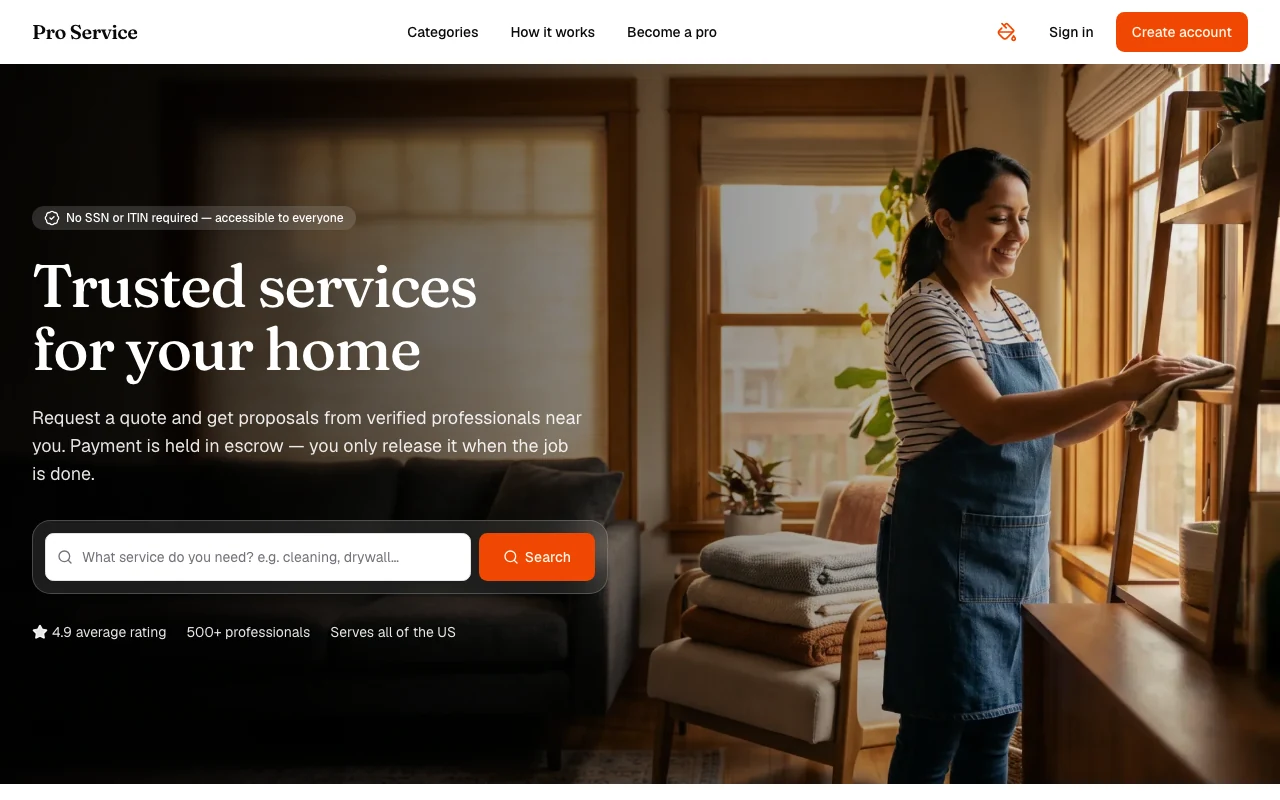
Find verified home service professionals, compare quotes, and pay securely through escrow - built for Brazilians across the US 🏠
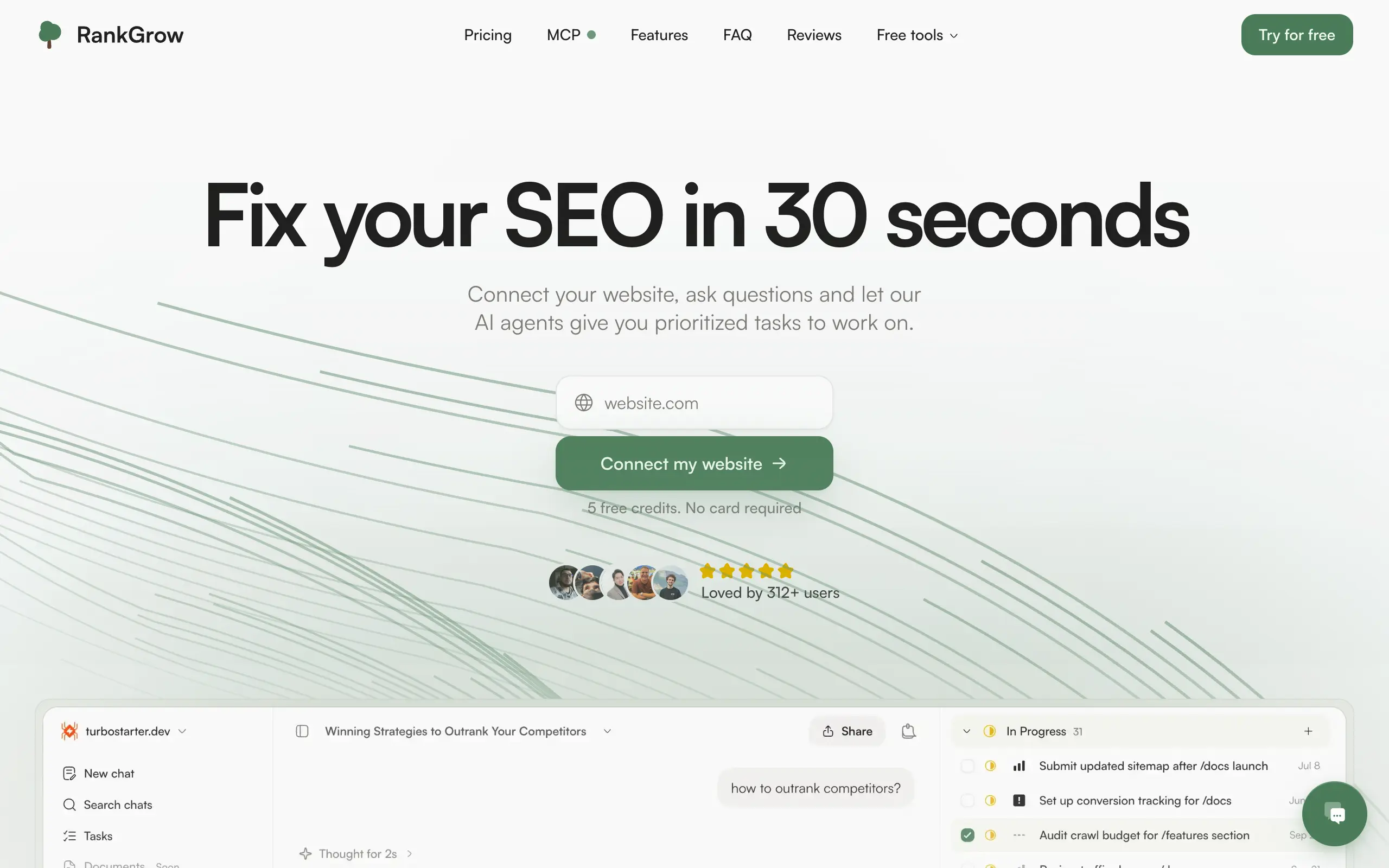
Fix your SEO with AI agents - connect Search Console, get prioritized tasks, and grow organic traffic 📈
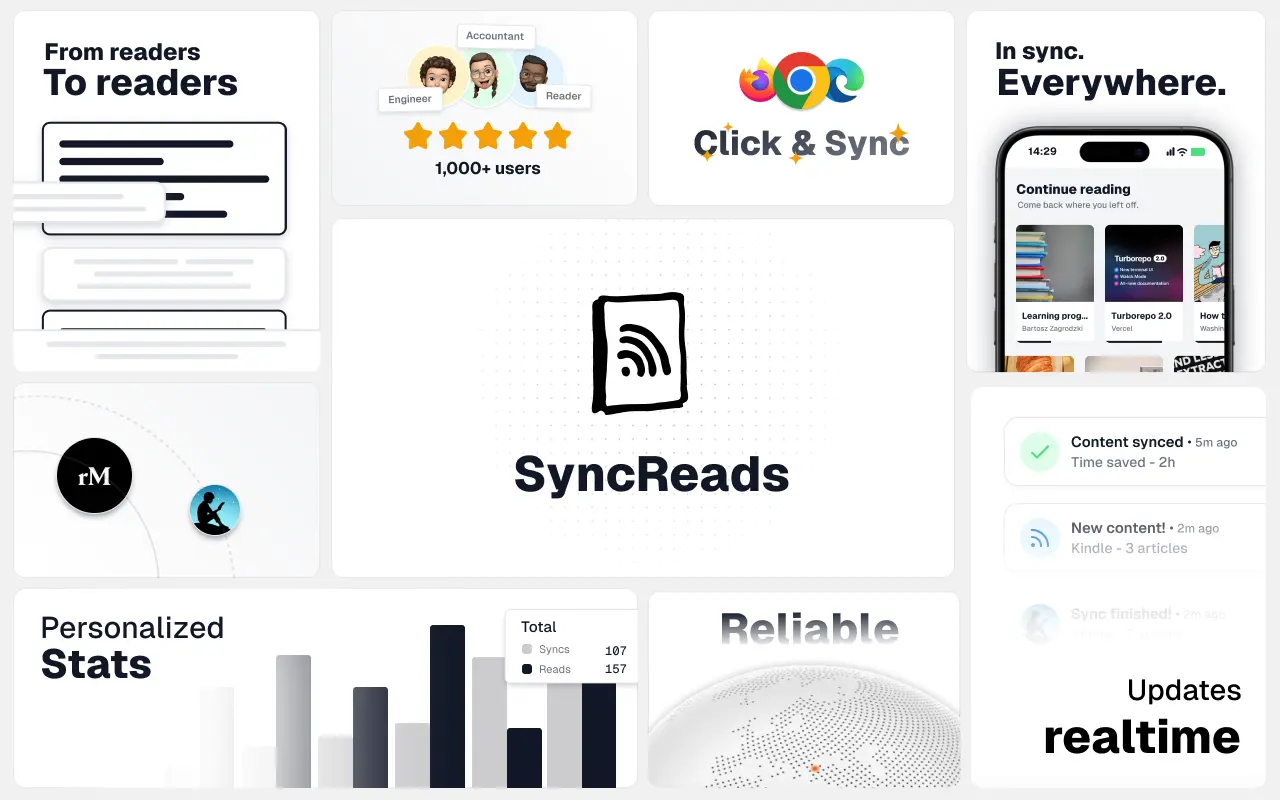
Sync your favorite content for distraction-free reading, save time and replace multiple apps. Anytime, anywhere 🔄
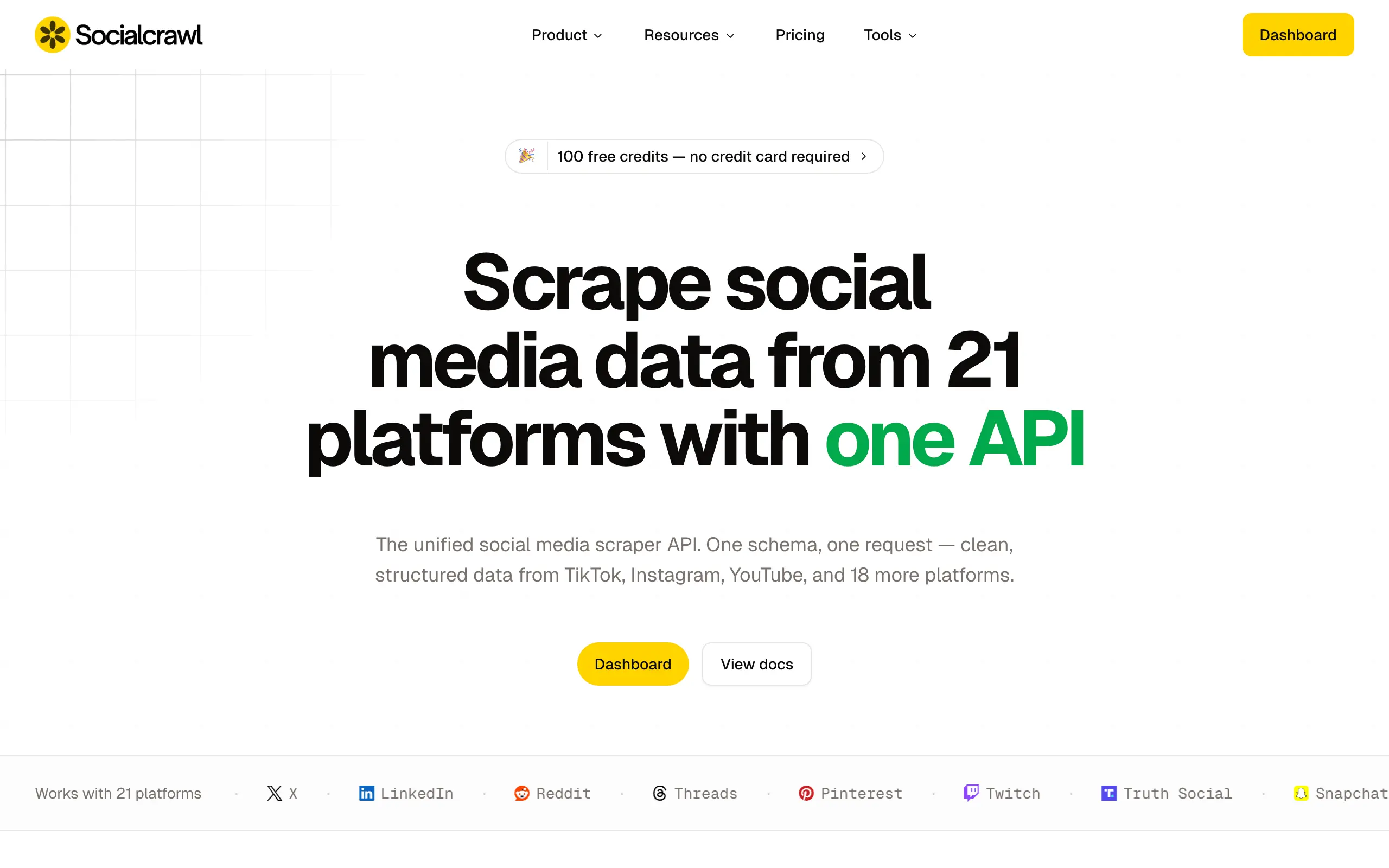
Get clean, structured data from 21 platforms like TikTok, Instagram, and YouTube with a single request 📊
Monitor any Telegram channel in real time - track posts, edits, deletions, and growth with AI recaps 📡
AI website builder - describe your business, pick a niche template, edit by chatting, and publish instantly ✨
Find verified home service professionals, compare quotes, and pay securely through escrow - built for Brazilians across the US 🏠
Fix your SEO with AI agents - connect Search Console, get prioritized tasks, and grow organic traffic 📈
Sync your favorite content for distraction-free reading, save time and replace multiple apps. Anytime, anywhere 🔄
Get clean, structured data from 21 platforms like TikTok, Instagram, and YouTube with a single request 📊
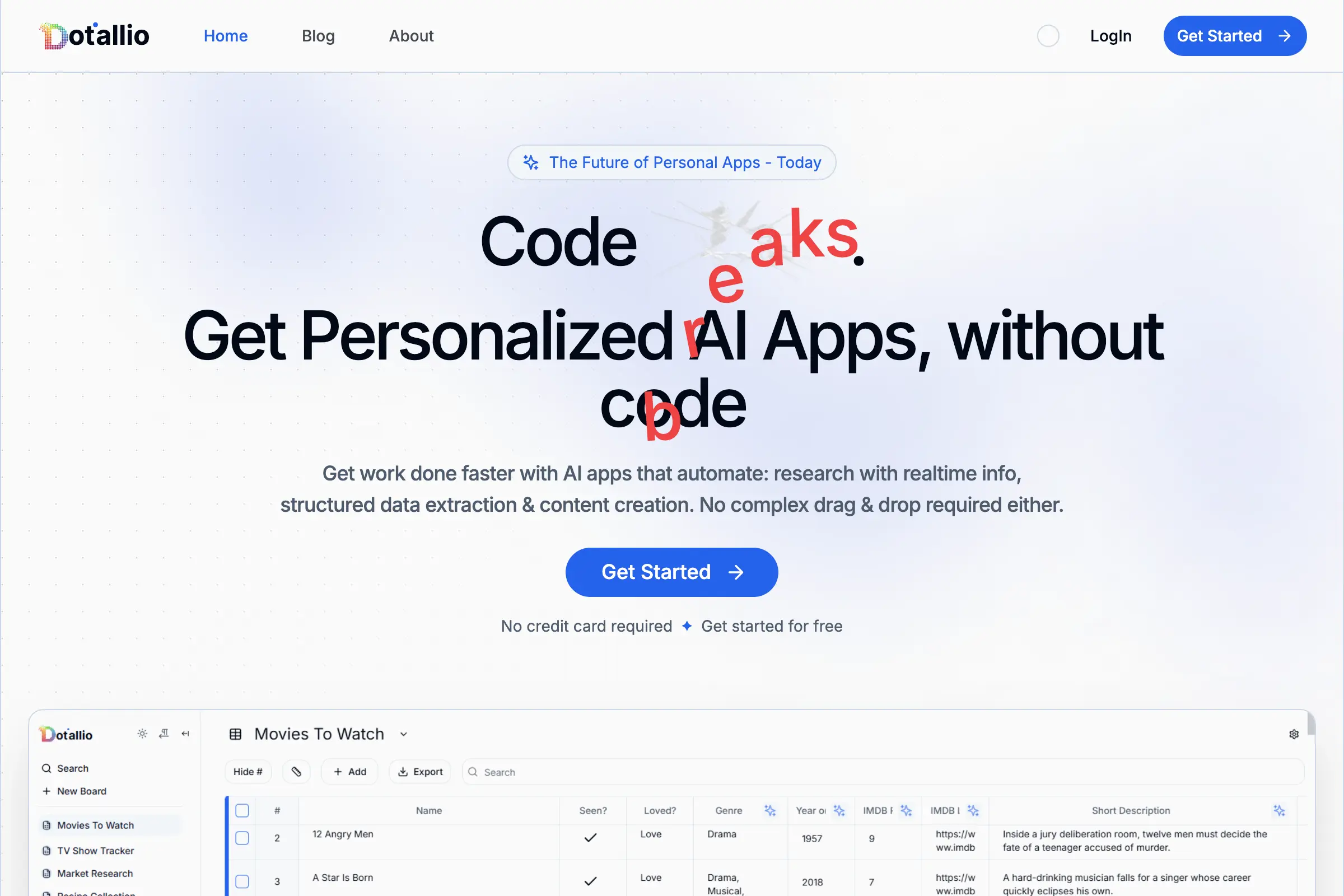
Personalized AI apps that automate research, data extraction, and content creation without code 🤖

Enjoy a magical live video chat or receive a unique AI-generated video greeting from Santa Claus 🎅
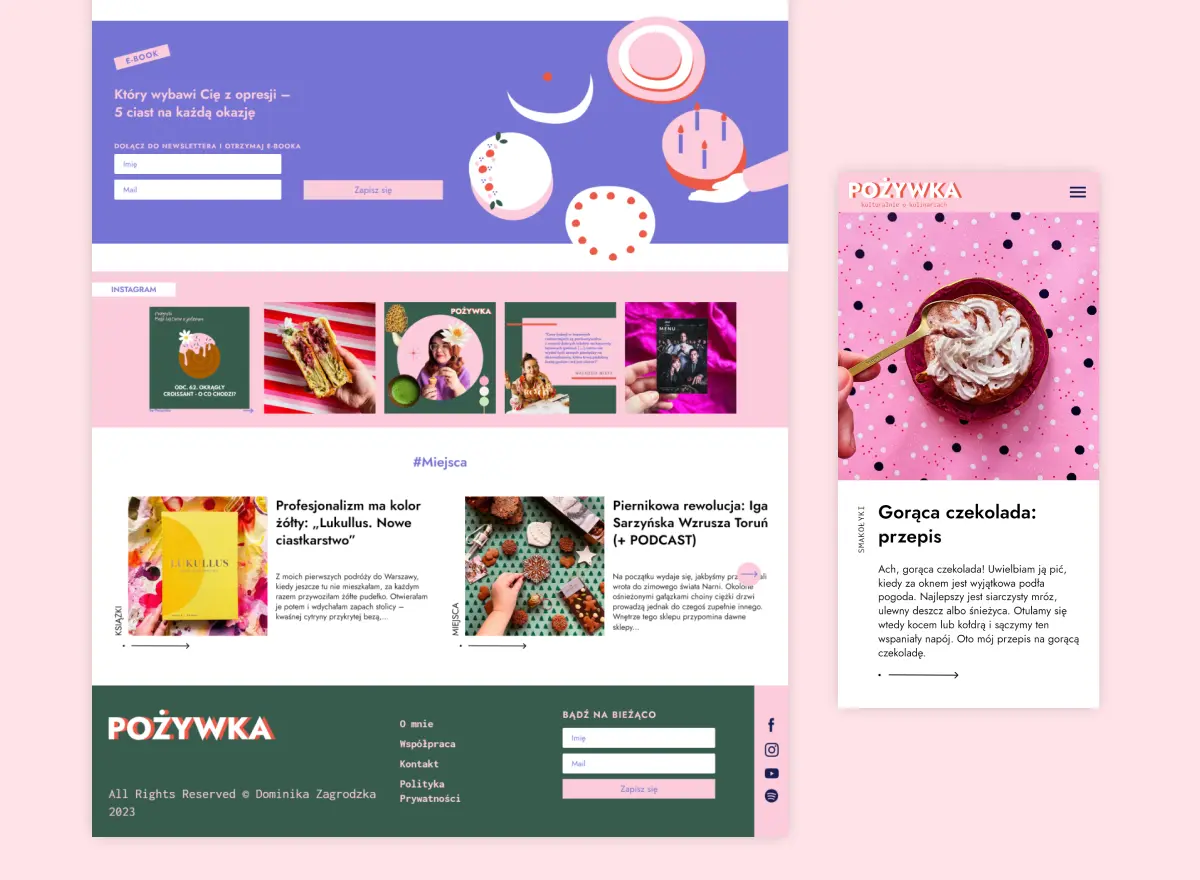
Scalable blog for food journalist, focused on performance and user experience 🌭
Personal blog and portfolio of Bart Zagrodzki, where he shares his knowledge and work 💼
Ship your startup everywhere. In minutes.
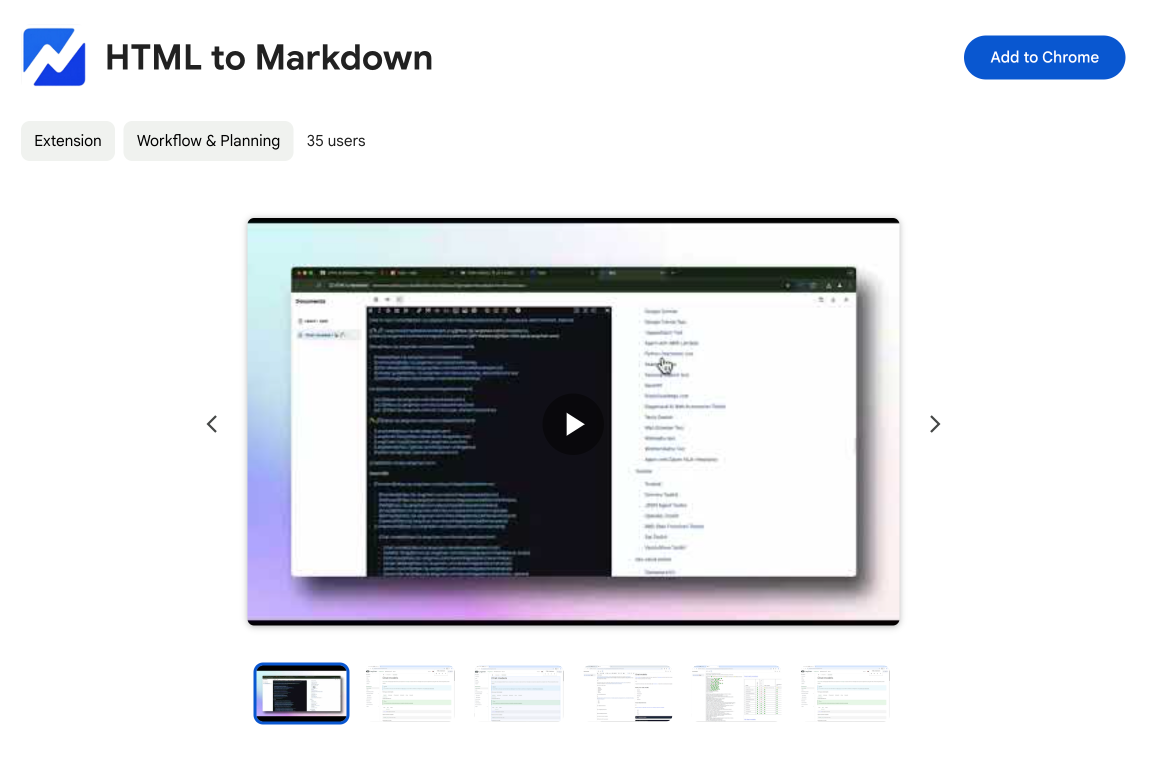
Convert HTML to Markdown with ease, directly in your browser 📄
Personalized AI apps that automate research, data extraction, and content creation without code 🤖
Enjoy a magical live video chat or receive a unique AI-generated video greeting from Santa Claus 🎅
Scalable blog for food journalist, focused on performance and user experience 🌭
Personal blog and portfolio of Bart Zagrodzki, where he shares his knowledge and work 💼
Ship your startup everywhere. In minutes.
Convert HTML to Markdown with ease, directly in your browser 📄
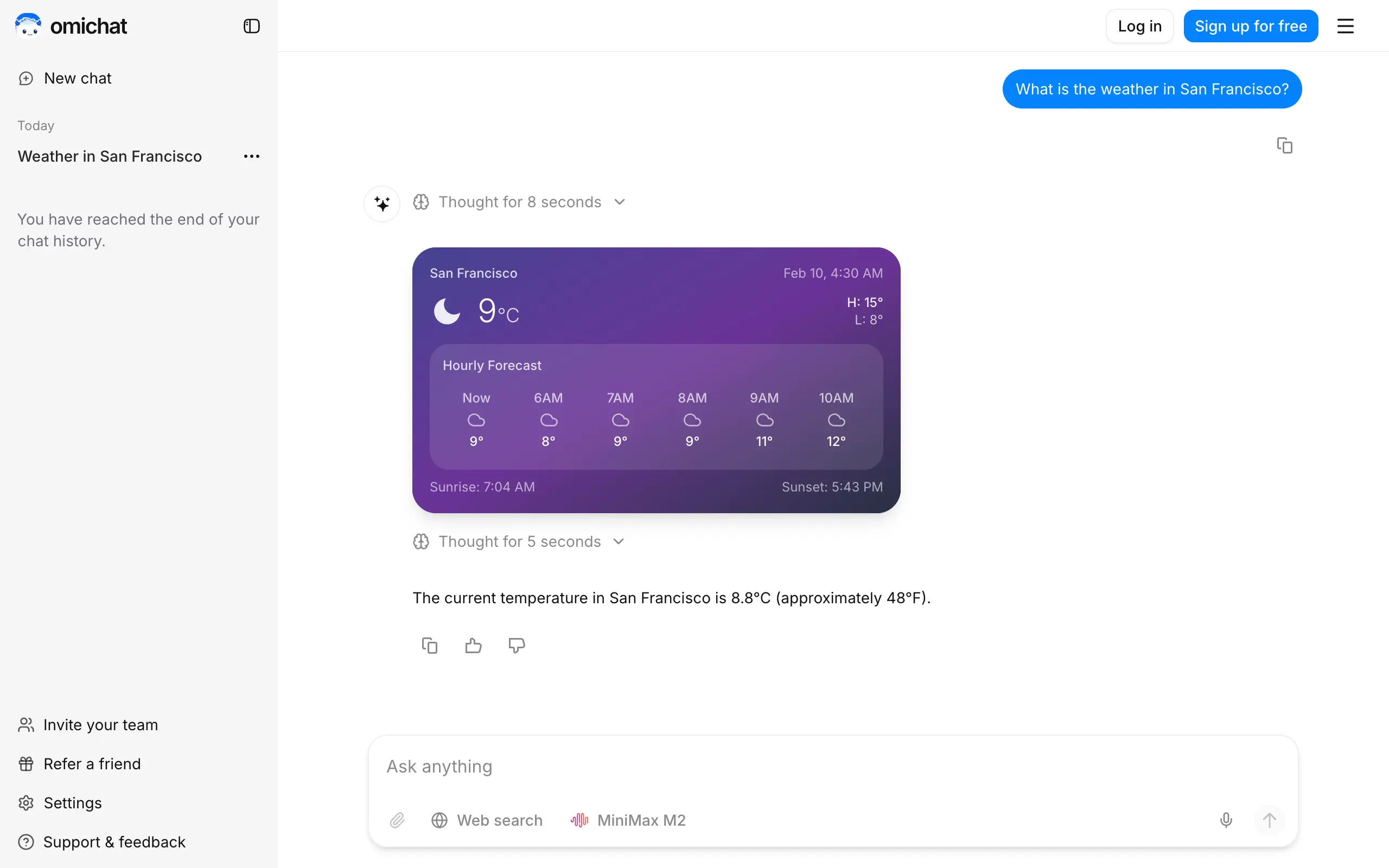
Chat with 50+ AI models, including ChatGPT and Claude, in one place - switch models anytime without losing context 🤖
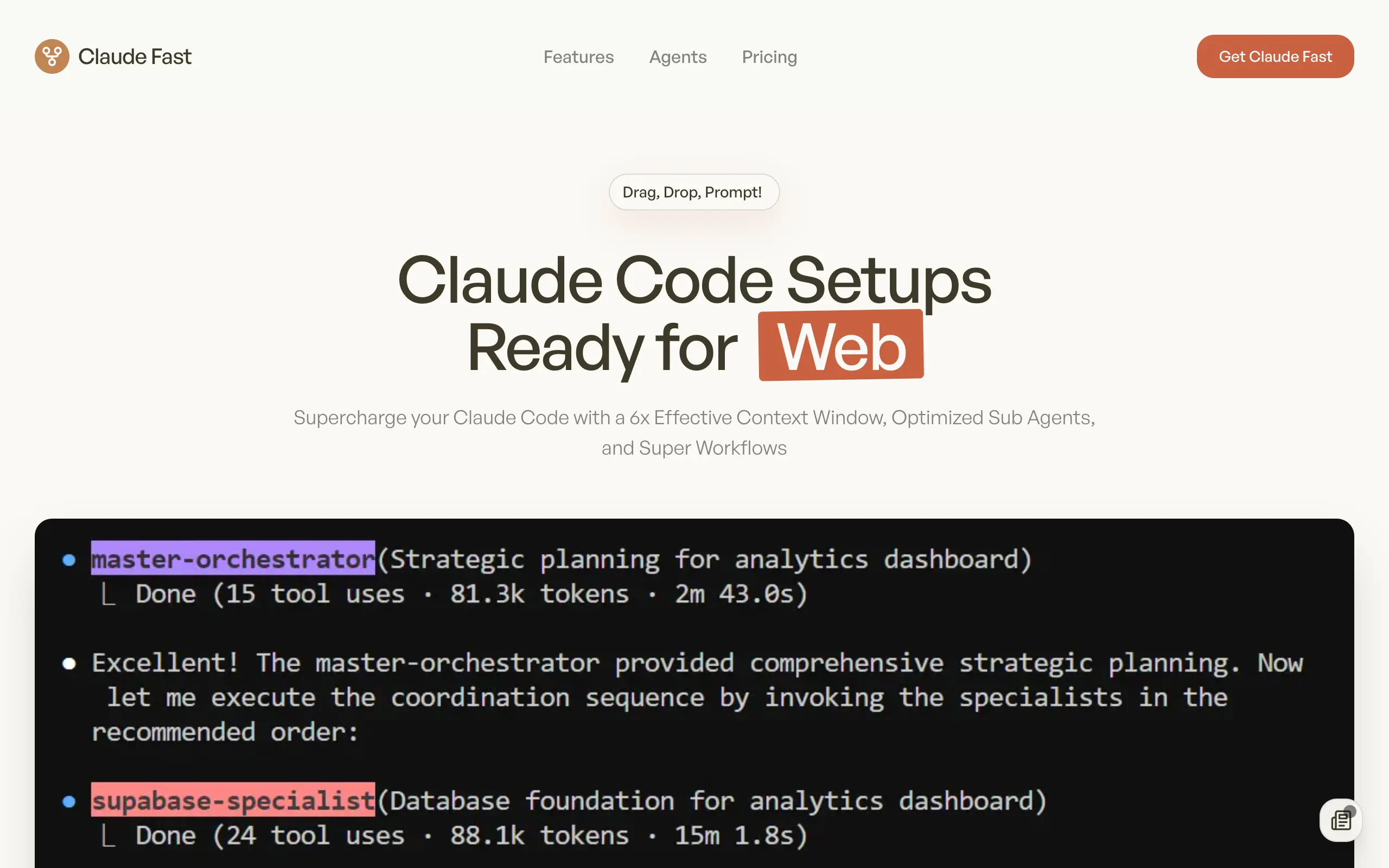
Supercharge your Claude Code with 6x effective context window and specialized AI agents 🤖
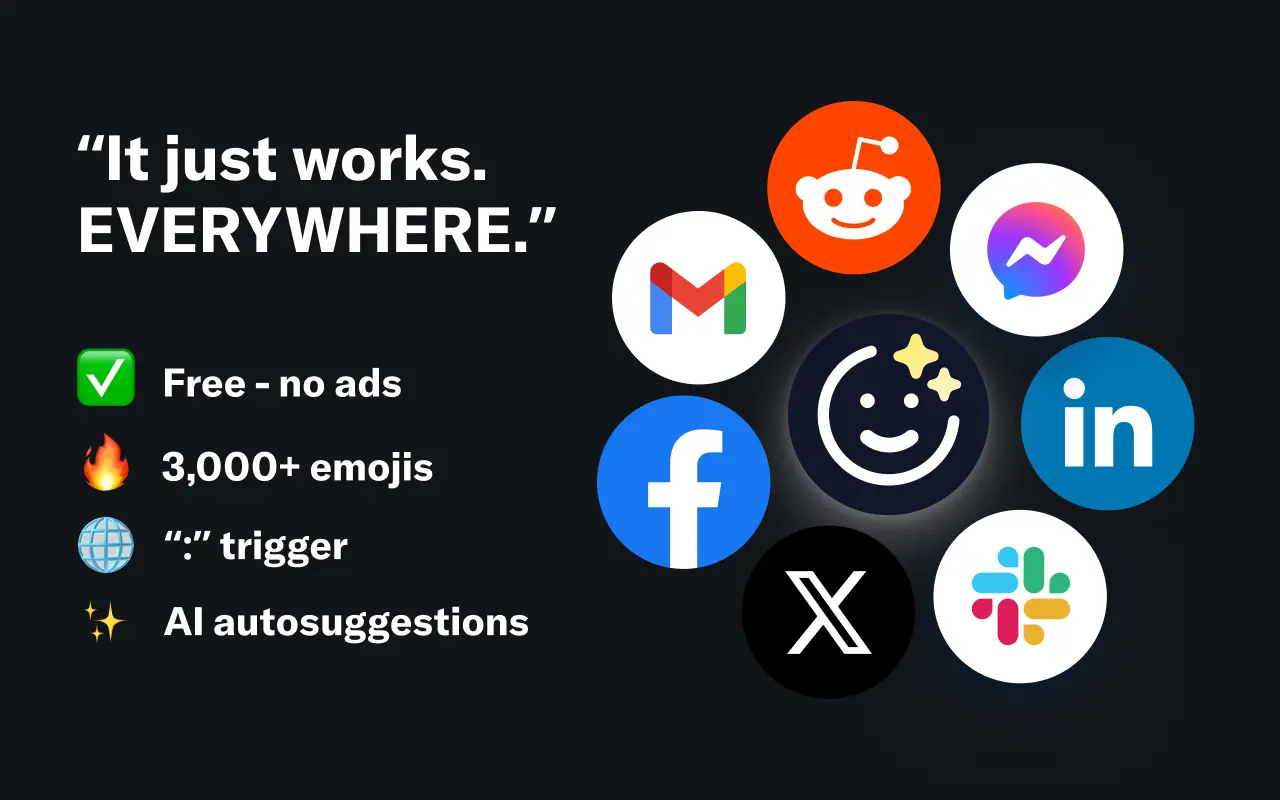
AI-powered emoji picker with smart, context-aware suggestions 🤖
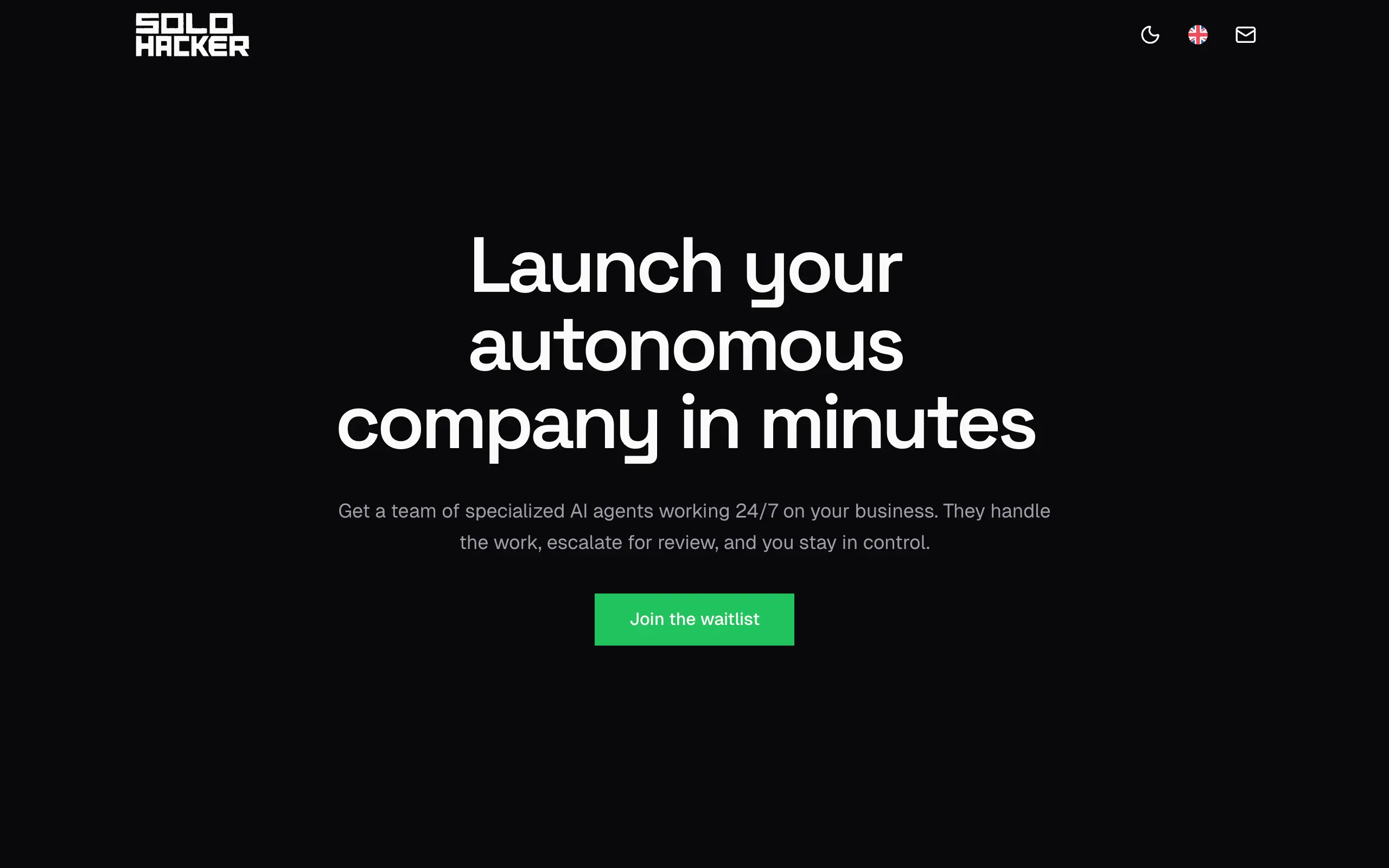
Autonomous company launcher - AI agents work 24/7, escalate what matters, and you stay in control 🤖
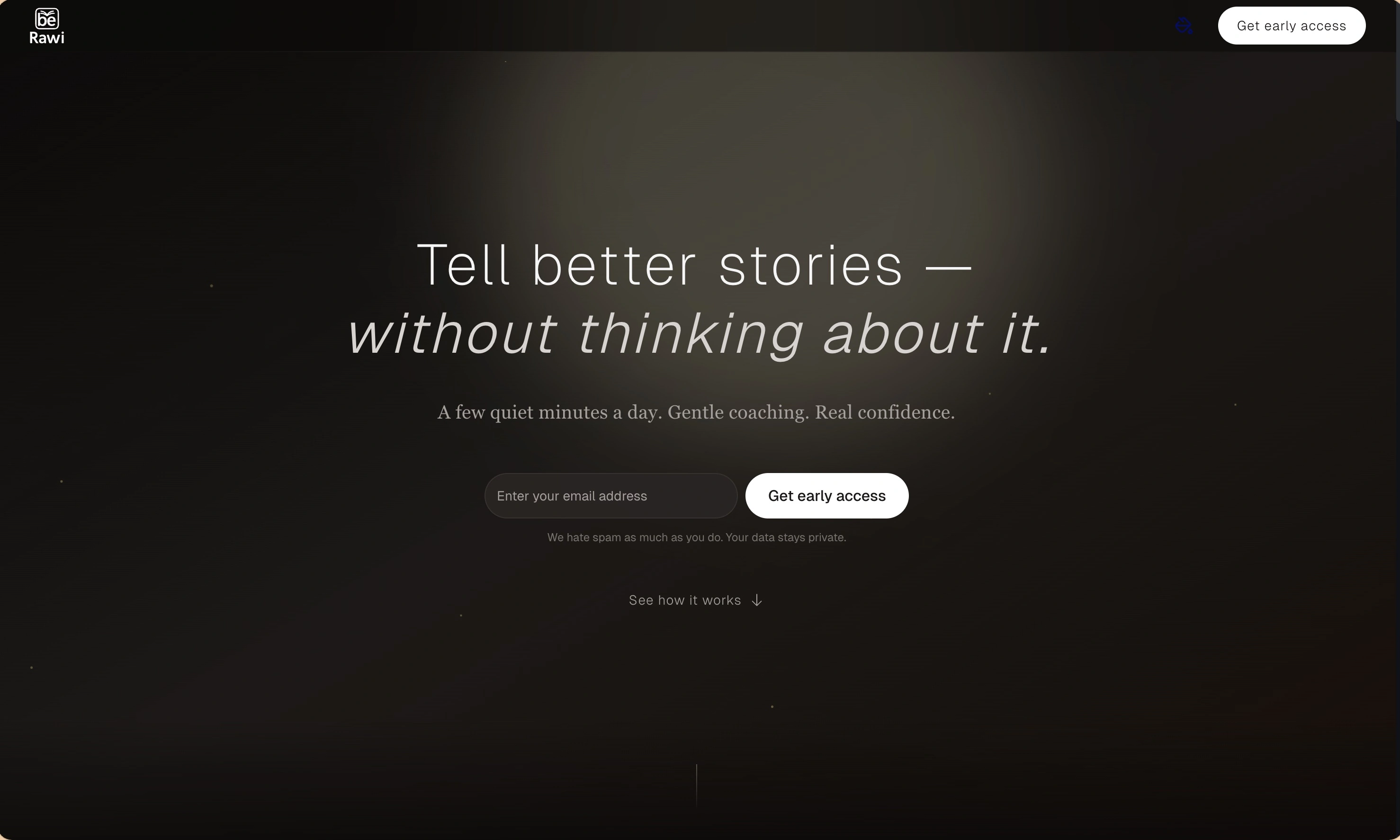
Practice storytelling daily with instant feedback to sound clearer, more engaging, and confident 🎤
Chat with 50+ AI models, including ChatGPT and Claude, in one place - switch models anytime without losing context 🤖
Supercharge your Claude Code with 6x effective context window and specialized AI agents 🤖
AI-powered emoji picker with smart, context-aware suggestions 🤖
Autonomous company launcher - AI agents work 24/7, escalate what matters, and you stay in control 🤖
Practice storytelling daily with instant feedback to sound clearer, more engaging, and confident 🎤

Connect with like-minded people
Join our community to get feedback, support, and grow together with 1,000+ builders on board, let's ship it!
Join usShip your startup everywhere. In minutes.
Don't burn tokens on setup and start building features on day one.