KeyLedger
Tracks key blank stock and cut codes for solo locksmiths. Cuts lost jobs from blanks that were out of stock.
A key blank inventory tracker for solo locksmiths is a narrow, practical idea: KeyLedger records which blanks are in the van and the shop, stores the cut codes tied to each customer job, and warns the locksmith before a missing blank costs them a job. It has potential in 2026 because mobile trades are moving off paper and memory, vehicle keys keep multiplying in variety, and general inventory tools are too heavy for one person working out of a van.
Key takeaways
- Target customer: solo and two-person mobile locksmiths who carry their stock in a van and a small shop or garage.
- Pricing angle: a low flat subscription (for example $15 to $29/month), with a higher tier for multiple vans or techs.
- Biggest risk: data entry fatigue. If logging stock takes longer than the pain it solves, locksmiths will quit within weeks.
- Time to MVP: roughly 3 to 5 weeks for a web app that works well on a phone, faster if you start from a starter kit.
What problem does a key blank inventory tracker for locksmiths solve?
The problem is simple: a locksmith arrives at a job, discovers the right blank is not in the van, and loses the job or a half day driving to a supplier. For a solo operator, one lost job a month can cost more than a year of software.
Who is KeyLedger for?
The ideal customer is a solo mobile locksmith doing residential lockouts, automotive key replacement and rekeys, with a van, a key machine and one phone for everything. They often have hundreds of blank types: house keys across several keyways, transponder keys, remotes and fobs, each with different compatibility.
A second segment is a two to three person shop where one person orders stock and another is on the road. Here the question "do we have this blank?" often gets answered by a phone call.
What do they do today, and why does it fail?
Most rely on memory, a notebook, a spreadsheet, or a glance at the drawer. Code books and cut code lookups live in separate paid tools, paper binders or saved photos.
These workarounds fail in predictable ways:
- Counts drift. Blanks get used on a job and never subtracted.
- Nothing is tied to the job. The code cut for a customer's car three months ago is hard to find when they call again.
- Reordering is reactive. You notice a shortage when you reach into the bin, not when you could still order.
- Van and shop stock are mixed up. What is physically with you is what matters at the customer's door.
Is there a market gap for locksmith inventory software in 2026?
Yes, but a modest one, and you should treat it as a niche business rather than a venture bet. The gap sits between two extremes: heavy field service platforms and generic inventory apps on one side, and a notebook on the other.
What exists today
Well-known field service tools such as Jobber and Housecall Pro handle scheduling, quoting and invoicing for trades. General inventory tools and spreadsheets such as Google Sheets and Airtable can track counts. Neither category understands key blanks, keyways, compatibility between blanks and vehicles, or cut codes as first-class data.
Locksmith-specific supplier catalogs and code lookup tools exist too, but they are generally reference tools, not a record of what you actually own and what you cut.
Why now
- More key variety. Transponder keys, smart keys and fobs mean more SKUs per van than a decade ago, so memory scales worse.
- Phones are the office. Solo trades already run quoting and payments from a phone, so inventory on a phone is a natural next step.
- Cheap, good software foundations. A solo founder can now build a polished multi-tenant app quickly, which makes small niches economically viable.
- Tight margins on lost jobs. Emergency lockout work is time sensitive, and customers call the next locksmith if you cannot help immediately.
What features should the KeyLedger MVP include?
Build the smallest thing that answers one question on a phone in under ten seconds: "Do I have this blank, and how many?" Everything else is secondary.
The aha moment is the first time the app warns a locksmith that a blank is low before the week's jobs, or instantly shows them the cut code for a returning customer.
Blank stock counts
Track quantities per blank type across van and shop, with fast plus and minus adjustments from a phone.
Cut code records
Store codes and notes against a customer or vehicle so repeat jobs take seconds to look up.
Low stock alerts
Set a minimum per blank and get a reorder list by email before you run out.
Job-linked usage
Log a blank used on a job in one tap so counts stay accurate without end-of-week catch-up.
What to cut from version one
- Supplier ordering integrations and punch-out catalogs.
- Invoicing and scheduling, which Jobber-style tools already cover.
- Barcode scanning hardware support. Start with search and quick-add.
- A full vehicle compatibility database. Let users tag compatibility themselves first.
Treat cut codes as sensitive data from day one: encrypt at rest where practical, and make access per account strictly isolated.
How is KeyLedger different from spreadsheets and field service apps?
The unique selling proposition: built around blanks and cut codes, usable one-handed in a van, and priced for one person. It does not try to run the business. It prevents one specific, expensive failure.
| Option | Locksmith-specific data | Fast phone use | Low stock alerts | Price for a solo operator |
|---|---|---|---|---|
| KeyLedger | ✅ | ✅ | ✅ | Low flat fee |
| Spreadsheet | ❌ | Clumsy | ❌ | Free |
| Field service suites | ❌ | ✅ | Limited | Higher, bundled |
| Paper and memory | ❌ | ✅ | ❌ | Free, but costs jobs |
The honest weakness: spreadsheets are free, and many locksmiths will say they are fine. Your pitch is not features, it is the cost of one lost job.
How would KeyLedger make money?
Charge a simple monthly subscription. Solo tradespeople dislike complexity, so keep the plans few.
Pricing options
- Flat solo plan at $15 to $29/month. Easy to justify against one saved job. If you charge $19/month and convert 3% of trial users, you need a few thousand trials to reach a meaningful income, which tells you acquisition must be cheap and targeted.
- Per-van or per-seat tier. Small shops pay more as they add vans and techs. This is where expansion revenue comes from.
- Annual discount. Offer two months free for yearly billing to improve cash flow and reduce churn, which matters in a small market.
Avoid usage-based pricing and per-item fees. They make the bill unpredictable for a customer who wants predictable costs.
First growth channel
The channel most likely to work first is locksmith communities and direct outreach: trade forums, Facebook groups and Reddit communities for locksmiths, plus short demo videos filmed in a van. Locksmiths talk to each other, and a credible peer recommendation outweighs ads. Supplier and training partnerships are a slower second channel.
How do you validate a locksmith inventory app before building it?
Spend one to two weeks proving that locksmiths feel this pain enough to pay.
Interview eight to ten locksmiths
Ask about the last time they lacked a blank and what it cost. Listen for a specific story, not general agreement.
Shadow one van restock
Watch how they actually check stock. The real workflow often differs from what they describe.
Ship a landing page
Lead with one promise: never lose a job to a missing blank. Collect emails and note where each visitor came from.
Offer a paid pilot
Ask five interviewees to pre-pay a small founding rate. Even two or three payments are a stronger signal than fifty waitlist signups.
Prototype with a spreadsheet
Run a manual version for two users for a week. If they do not update it, an app will not fix that.
What tech stack should you use to build KeyLedger?
Use a standard web stack with a mobile-first interface, then add a native app only if usage proves it. The product is mostly CRUD with alerts, so boring technology wins.
What does TurboStarter remove?
The undifferentiated work is authentication, subscriptions, a database layer, transactional emails and an admin panel. TurboStarter ships these in a ready-made monorepo for web and mobile, so your time goes into the inventory model and the one-tap logging experience.
Useful pieces for this idea:
- Authentication for solo accounts and invited technicians.
- Billing for the monthly and annual plans.
- Emails for low stock digests and reorder lists.
- Mobile if you later want a native app for in-van use.
Which database approach fits?
Stock counts, jobs and codes are tightly related, and you want reliable transactions when a job decrements a count. A relational database with an account ID on every row is the safer default.
Faster to start with flexible blank attributes, but reporting, reorder logic and consistent counts become harder. Choose it only if you expect highly irregular data.
A starting data model
type StockItem = {
  id: string;
  accountId: string;
  blankName: string;
  keyway: string | null;
  location: "van" | "shop";
  quantity: number;
  minQuantity: number;
};

type CutCode = {
  id: string;
  accountId: string;
  customerRef: string;
  vehicleOrLock: string;
  code: string; // encrypt at rest
  createdAt: Date;
};
Make usage events append-only (item, job, delta, timestamp) so counts can always be audited and corrected.
What could make KeyLedger fail?
Biggest risk: nobody keeps the data current
If logging a used blank takes more than a few seconds, locksmiths will stop, counts will drift, and the alerts become wrong. Wrong alerts are worse than none. Design every flow around one-tap decrements, test in a real van with gloves and bad signal, and measure how many users log usage weekly rather than how many sign up.
Other real risks:
- Small market. There are limited solo locksmiths, so revenue is capped. Keep costs low and treat it as a profitable niche, not a hypergrowth bet.
- Free alternatives. Spreadsheets are good enough for some. Win on the lost-job cost story and on cut code retrieval.
- Sensitive data. Cut codes can enable unauthorized key duplication. Use strong access controls, audit trails and clear terms, and consider local regulations on key code handling.
What should you do in the first 30 days?
- Days 1 to 5: run interviews and shadow at least one restock.
- Days 6 to 8: publish the landing page and post in two locksmith communities.
- Days 9 to 12: ask for pre-payments from the most engaged interviewees.
- Days 13 to 22: build the MVP with stock counts, one-tap usage and low stock emails, starting from TurboStarter so auth and billing are done on day one.
- Days 23 to 27: onboard five pilot users in person and watch them log a real job.
- Days 28 to 30: fix the biggest friction point, then set your price and open paid signups.
Pick one narrow promise, get five locksmiths using it in their vans, and let their behavior decide what comes next.
FAQ
Interview eight to ten working locksmiths about their last lost job due to missing stock, then ask a few to pre-pay a founding rate. Payments and repeated usage in a manual pilot matter more than waitlist numbers.
Start between $15 and $29/month for a solo plan and anchor it against the value of one saved job. Add a higher tier for extra vans or technicians once you see demand.
Indirect ones are spreadsheets, generic inventory apps and field service tools like Jobber or Housecall Pro. Locksmith code lookup tools and supplier catalogs also overlap, but they rarely track what you actually own.
A TypeScript web app with a relational database, tenant-isolated data and email alerts is enough. A starter kit like TurboStarter covers auth, billing and emails so you can focus on the logging experience.
A focused MVP typically takes three to five weeks for one developer, less with a starter kit. Hosting and email costs at launch are usually small, so your main cost is your time and customer discovery.
More 🏢 B2B Application SaaS ideas
Discover more innovative b2b application SaaS ideas that are trending in 2026. Each idea is AI-generated with market validation and growth potential to help you find your next profitable venture faster than competitors.
Your competitors are building with TurboStarter
Below are some of the SaaS ideas that have been generated and built with our starter kit.

Monitor any Telegram channel in real time - track posts, edits, deletions, and growth with AI recaps 📡

AI website builder - describe your business, pick a niche template, edit by chatting, and publish instantly ✨
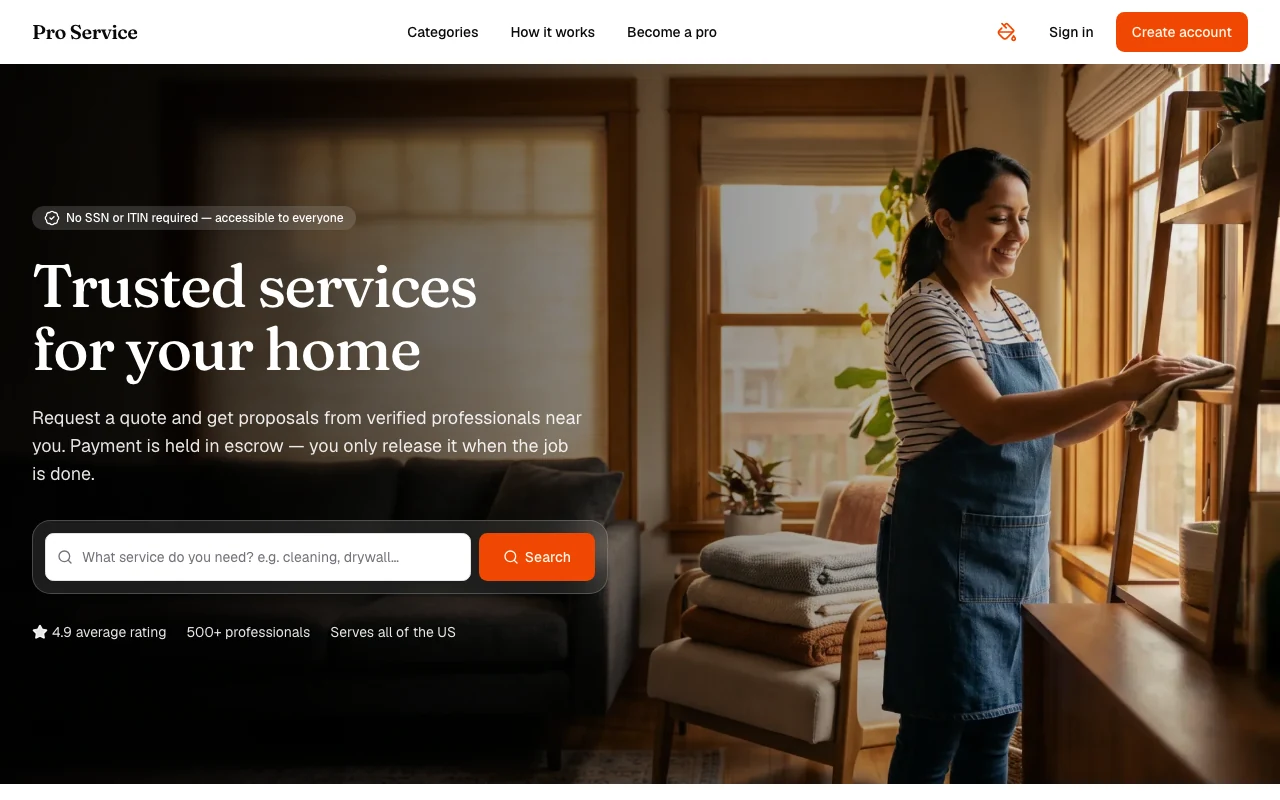
Find verified home service professionals, compare quotes, and pay securely through escrow - built for Brazilians across the US 🏠
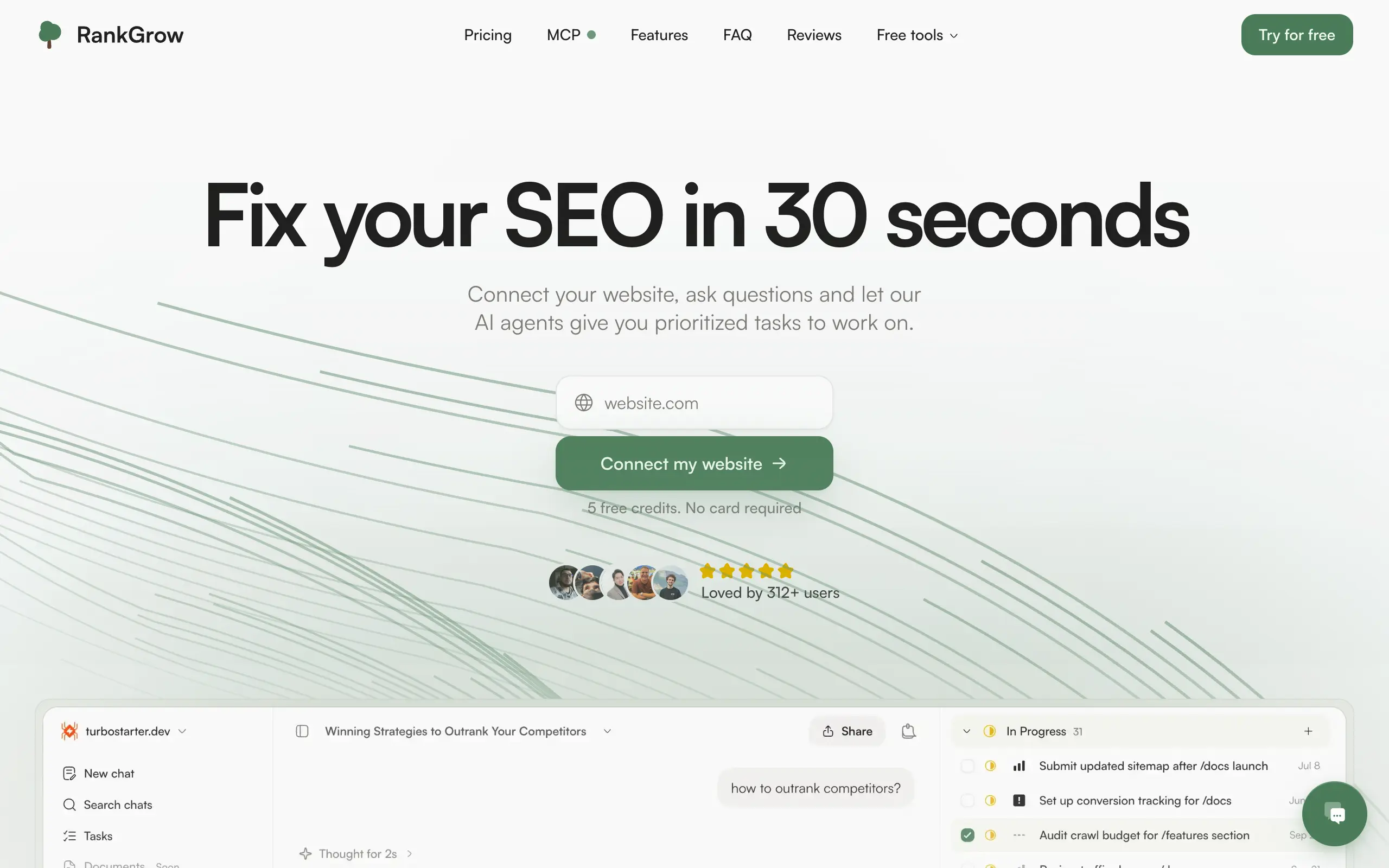
Fix your SEO with AI agents - connect Search Console, get prioritized tasks, and grow organic traffic 📈

Sync your favorite content for distraction-free reading, save time and replace multiple apps. Anytime, anywhere 🔄

Get clean, structured data from 21 platforms like TikTok, Instagram, and YouTube with a single request 📊
Monitor any Telegram channel in real time - track posts, edits, deletions, and growth with AI recaps 📡
AI website builder - describe your business, pick a niche template, edit by chatting, and publish instantly ✨
Find verified home service professionals, compare quotes, and pay securely through escrow - built for Brazilians across the US 🏠
Fix your SEO with AI agents - connect Search Console, get prioritized tasks, and grow organic traffic 📈
Sync your favorite content for distraction-free reading, save time and replace multiple apps. Anytime, anywhere 🔄
Get clean, structured data from 21 platforms like TikTok, Instagram, and YouTube with a single request 📊

Personalized AI apps that automate research, data extraction, and content creation without code 🤖

Enjoy a magical live video chat or receive a unique AI-generated video greeting from Santa Claus 🎅

Scalable blog for food journalist, focused on performance and user experience 🌭

Personal blog and portfolio of Bart Zagrodzki, where he shares his knowledge and work 💼

Ship your startup everywhere. In minutes.

Convert HTML to Markdown with ease, directly in your browser 📄
Personalized AI apps that automate research, data extraction, and content creation without code 🤖
Enjoy a magical live video chat or receive a unique AI-generated video greeting from Santa Claus 🎅
Scalable blog for food journalist, focused on performance and user experience 🌭
Personal blog and portfolio of Bart Zagrodzki, where he shares his knowledge and work 💼
Ship your startup everywhere. In minutes.
Convert HTML to Markdown with ease, directly in your browser 📄

Chat with 50+ AI models, including ChatGPT and Claude, in one place - switch models anytime without losing context 🤖

Supercharge your Claude Code with 6x effective context window and specialized AI agents 🤖

AI-powered emoji picker with smart, context-aware suggestions 🤖

Autonomous company launcher - AI agents work 24/7, escalate what matters, and you stay in control 🤖

Practice storytelling daily with instant feedback to sound clearer, more engaging, and confident 🎤
Chat with 50+ AI models, including ChatGPT and Claude, in one place - switch models anytime without losing context 🤖
Supercharge your Claude Code with 6x effective context window and specialized AI agents 🤖
AI-powered emoji picker with smart, context-aware suggestions 🤖
Autonomous company launcher - AI agents work 24/7, escalate what matters, and you stay in control 🤖
Practice storytelling daily with instant feedback to sound clearer, more engaging, and confident 🎤

Connect with like-minded people
Join our community to get feedback, support, and grow together with 1,000+ builders on board, let's ship it!
Join usShip your startup everywhere. In minutes.
Don't burn tokens on setup and start building features on day one.