LeadLens AI
AI-powered lead scoring and qualification tool for sales teams to prioritize prospects, uncover buying intent, and boost conversion rates efficiently.
LeadLens AI is an advanced AI-powered lead scoring and qualification tool designed to empower B2B sales teams. Whether you’re searching for modern sales enablement solutions, optimizing your sales pipeline, or seeking smarter ways to boost conversion rates, this article offers expert insights into how LeadLens AI addresses key pain points and drives revenue growth.
Understanding the user landscape: the evolving needs of B2B sales teams
The success of every B2B sales operation hinges on two critical tasks: identifying high-potential leads and engaging with them efficiently. As buyers become more informed and sales cycles grow more complex, the limitations of manual lead qualification and gut-feeling scoring become painfully clear.
Common challenges faced by B2B sales teams:
- Wasting time chasing poorly qualified leads
- Difficulty understanding real buyer intent from fleeting digital signals
- Lengthy sales cycles with unpredictable outcomes
- Inconsistent lead prioritization between team members
- Sales/marketing misalignment over what defines a “qualified lead”
LeadLens AI addresses these problems by introducing automated, intelligent, and transparent lead qualification—reducing guesswork, uncovering true buying readiness, and freeing up sales reps to focus on the right opportunities.
Market opportunity: why AI in lead scoring is critical now
Sales enablement technology is entering an AI revolution, dramatically transforming how teams operate and compete. According to leading research (for example, suggest referencing [Gartner’s Market Guide for Sales Engagement Applications]), AI-powered tools are among the fastest-growing categories in sales technology.
Key market trends and data
- Explosion of sales data: Modern CRMs and digital interactions generate mountains of data, a perfect fit for machine learning algorithms to identify subtle intent signals missed by humans.
- B2B buyer behavior: Today’s buyers prefer self-guided research and engage with sales only after progressing through much of their decision journey—making traditional lead scoring obsolete.
- Competitive necessity: Teams using advanced, AI-enabled lead qualification report up to 15-30% higher conversion rates (suggest referencing relevant industry reports).
The gap LeadLens AI fills
While plenty of sales software offers “lead scoring,” many solutions:
- Rely on basic rule-based scoring (e.g., if company size > X, +10 points)
- Cannot adapt to rapidly changing buyer behavior
- Do not offer transparency into why a lead is scored the way it is
- Lack robust integration with modern sales stacks
LeadLens AI stands out by using true AI/ML to analyze multichannel data, learn from closed-won/lost deals, and surface actionable insights teams can trust.
Who benefits? Target audience analysis
Understanding the target audience is foundational for creating a solution that delivers real value.
Primary audience segments
Sales teams (AEs, SDRs, BDRs)
Looking for faster, more accurate ways to identify and act on high-quality leads.
Sales managers and leaders
Keen on improving team efficiency, forecasting accuracy, and pipeline velocity.
Revenue operations (RevOps)
Needing seamless orchestration and alignment between sales, marketing, and customer success efforts.
Sales enablement professionals
Wanting to ensure tech stacks remove rather than create bottlenecks.
Ideal customer profile (ICP)
- Company size: Mid-market to enterprise sales organizations
- Industry: B2B SaaS, IT services, consulting, finance, manufacturing
- Sales approach: Multi-touch, consultative, or account-based sales (ABM)
- Tech stack maturity: Moderate to advanced; already using tools like Salesforce, HubSpot, or Outreach
What makes LeadLens AI unique? Core features and differentiators
Modern sales teams demand more than “basic scoring.” They need depth, adaptability, and explainability. Here’s how LeadLens AI delivers.
AI-powered lead scoring
LeadLens AI goes beyond surface-level demographic or firmographic matching to examine:
- Behavioral data: Email opens, replies, website visits, content interactions
- Engagement timelines: How activity correlates with conversion likelihood
- Historical data: Closed-won/lost patterns, objections, and buying roles
- Third-party signals: Social engagement, tech stack signals, job postings
This multivariate analysis is performed using advanced machine learning, constantly improving with every new deal outcome.
Real-time qualification and enrichment
- Dynamic lead profiles are updated automatically as leads interact with your brand—keeping scores fresh and relevant.
- Automatic data enrichment fills gaps, adding company info, industry data, or intent signals.
- Identify hidden buying committees or influencer contacts at any account.
Transparent, explainable AI
- Intuitive reason codes explain why a lead was scored for easy alignment between sales and marketing.
- Visual dashboards display score breakdowns, so reps trust the AI’s recommendations.
Workflow integration
- Deep native integrations with major CRMs (Salesforce, HubSpot)
- Easy automation (send prioritized leads, trigger nurture sequences)
- API-first design for extensibility
Actionable insights, not just numbers
- Prioritized lead lists, updated in real time
- Deal risk alerts for accounts falling off-track
- Recommendations for next-best actions
Feature comparison table
| Advanced ML scoring | Rule-based logic only | Explainability | CRM integration | Automated data enrichment |
|---|---|---|---|---|
| ✅ | ❌ | ❌ | ✅ | ❌ |
| ✅ | ❌ | ✅ | ✅ | ❌ |
Technology stack recommendations for LeadLens AI
Selecting the right technology stack is crucial for both scalability and integration. Let’s break down options for key components, along with pros and cons.
Frontend
- React: Industry-standard for building fast, interactive dashboards. Benefits: Large ecosystem, reusable components, mature state management (e.g., Redux or Zustand).
- TailwindCSS: For rapid UI prototyping and utility-first, responsive design.
- Alternative: Vue.js (offers a gentler learning curve but smaller enterprise adoption).
Backend / API
- Node.js + TypeScript: Performance and developer productivity, particularly with event-driven lead updates.
- Python: For ML algorithms, as it boasts libraries like scikit-learn, TensorFlow, or PyTorch.
- FastAPI (Python): If prioritizing ML-heavy endpoints, provides speed and strong typing (tradeoff: smaller Node.js ecosystem).
Machine Learning
- TensorFlow or PyTorch for model training and inferencing.
- Pro: Best-in-class community support, flexibility for classification and regression algorithms.
- Con: Requires ML expertise for tuning, explainability modules.
Data pipelines
- Apache Kafka or AWS Kinesis: For ingesting large volumes of sales activity data in real time.
- Allows flexible scaling and fault tolerance.
- Alternatives: Managed services like Snowflake if prioritizing ease of use over raw customization.
Integrations
- RESTful APIs: Best for common go-to-market integrations.
- GraphQL: Flexible queries when offering embeddable widgets or powering analytics-heavy features.
Infrastructure
- Cloud-native (AWS, GCP, Azure): For global scalability, managed AI services, and compliance.
- Containerization (Docker, Kubernetes): For rapid deployment and easy rolling updates.
Tech stack decisions
The best stack will balance rapid feature delivery with robust ML capabilities and seamless CRM integration. Opt for a Python backend if AI is core, or Node for faster iteration if ML will leverage third-party APIs at launch.
Smart monetization strategies for LeadLens AI
Choosing the right business model is essential for retention and long-term growth.
Common revenue paths for B2B SaaS
-
Per-seat (user-based) pricing
- Scales with sales team adoption
- Predictable for budgeting but may limit expansion if value is concentrated with managers
-
Usage-based pricing (scored leads/month)
- Attractive for fast-growing or seasonal teams
- Easily aligns price-to-value, but may complicate forecasting
-
Tiered (feature-based) pricing
- Differentiate with add-ons (e.g., advanced enrichment, custom integrations, AI explainability modules)
- Fosters upsell opportunities and reduces churn
-
Enterprise/licensing deals
- High-touch, annual contracts with large orgs
- Allow for customization, onboarding, and premium SLAs
Hybrid approach recommendation
Start with freemium or trial-based entry (limited leads/scoring depth), then funnel into pro/enterprise tiers as teams scale usage or require deeper integrations.
Risk considerations and mitigation strategies
Implementing advanced AI in sales workflows comes with a unique set of risks. Identifying and proactively mitigating these ensures trust and long-term adoption.
Key risks
- AI bias and explainability: Black-box models may unintentionally reinforce biases or produce scores sales teams don’t trust.
- Data privacy and compliance: Mishandling PII or failing GDPR compliance can destroy trust and incur legal costs.
- Integration friction: Clunky syncs with CRMs can hamper adoption and cause data silos.
- Overfitting or model drift: Neglected ML models can become less accurate over time as buyer behavior shifts.
How to mitigate
- Embed explainable AI: Use reason codes, visual breakdowns, and allow human overrides where needed.
- Adopt privacy by design: Store minimal required data; encrypt at rest and in transit. Regularly audit for compliance.
- Build robust integration frameworks: Use standard APIs, support sandbox environments, and mirror key CRM schemas.
- Automate retraining: Set schedules for model evaluation and retraining with recent data to keep scoring accurate.
Trust is earned, not given
A successful AI-driven sales tool wins user trust through transparency and continuous performance validation—invest early in explainability and compliance, not just model accuracy.
Comparative competitive advantage
A crowded martech landscape exists, with nearly every CRM and enablement suite offering some form of lead scoring. So, why choose LeadLens AI?
Standout selling points
- Genuine machine learning: Not just static rules but adaptive, multivariate AI leveraging your pipeline’s data.
- Explainable scoring: Human-friendly reason codes and dashboards foster trust and sales/marketing alignment.
- Real-time, agile updates: Dynamic scores and enrichment make sure reps never miss sudden signals of buying intent.
- Seamless workflows: Out-of-the-box integrations with leading CRMs—no complex IT projects needed.
- API-first, extensible: Grow, customize, and connect the way modern RevOps teams demand.
Most CRMs offer rule-based scoring (e.g., assign points based on company size or email opens). LeadLens AI uses real machine learning, correlating dozens of data points with real sales outcomes to continuously improve and uncover nuanced signals—translating into higher conversion rates and more accurate forecasting.
LeadLens AI isn’t a replacement—it becomes a force multiplier, integrating with (not replacing) your stack. By surfacing actionable insights and prioritizing leads, it helps sales teams get better ROI from their existing tools.
AI transparency builds trust. With LeadLens AI, team members always know why a lead is scored a certain way, making them more likely to follow up and close business.
Actionable steps to implement LeadLens AI in your sales workflow
Ready to supercharge your pipeline? Here’s how to go from zero to value fast:
You can also leverage rapid prototyping platforms like TurboStarter to develop, test, and iterate on your own sales tech integrations and data flows, speeding up deployment and user adoption of LeadLens AI.
Conclusion: why LeadLens AI is the future of B2B lead qualification
LeadLens AI is more than just another scoring tool—it’s a transformational platform that lets B2B sales teams focus on what truly matters: building relationships with the right prospects and closing more deals, faster. By bridging the data-action gap, providing truly explainable insights, and integrating seamlessly with existing sales stacks, it empowers organizations to adapt to modern buyer journeys and outperform competitors.
Unlock higher conversion rates, shorten sales cycles, and adapt confidently to the most advanced buyer behaviors. For the modern B2B sales organization, LeadLens AI isn’t just a tech upgrade—it’s a sales strategy advantage.
Pro tip: Stay ahead by combining cutting-edge AI like LeadLens AI with agile stack-building from platforms such as TurboStarter, ensuring your sales team always leads the market.
For specific statistics or case studies, reference Gartner sales enablement research, Forrester pipeline velocity reports, or other trusted industry sources to quantify performance improvements.
More 🏢 B2B Application SaaS ideas
Discover more innovative b2b application SaaS ideas that are trending in 2026. Each idea is AI-generated with market validation and growth potential to help you find your next profitable venture faster than competitors.
Your competitors are building with TurboStarter
Below are some of the SaaS ideas that have been generated and built with our starter kit.
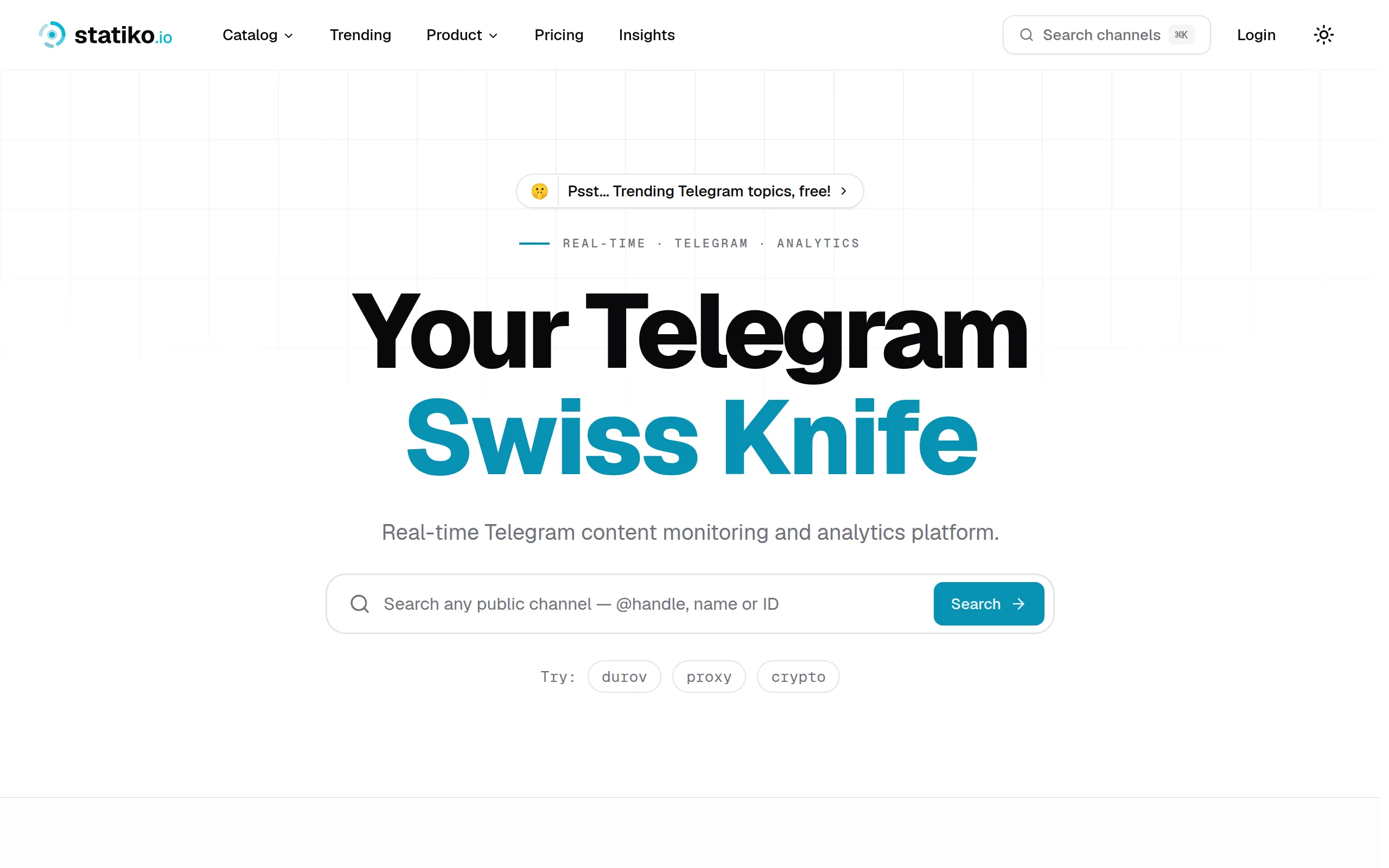
Statiko
Monitor any Telegram channel in real time - track posts, edits, deletions, and growth with AI recaps 📡

Shibui
AI website builder - describe your business, pick a niche template, edit by chatting, and publish instantly ✨

Pro Service
Find verified home service professionals, compare quotes, and pay securely through escrow - built for Brazilians across the US 🏠
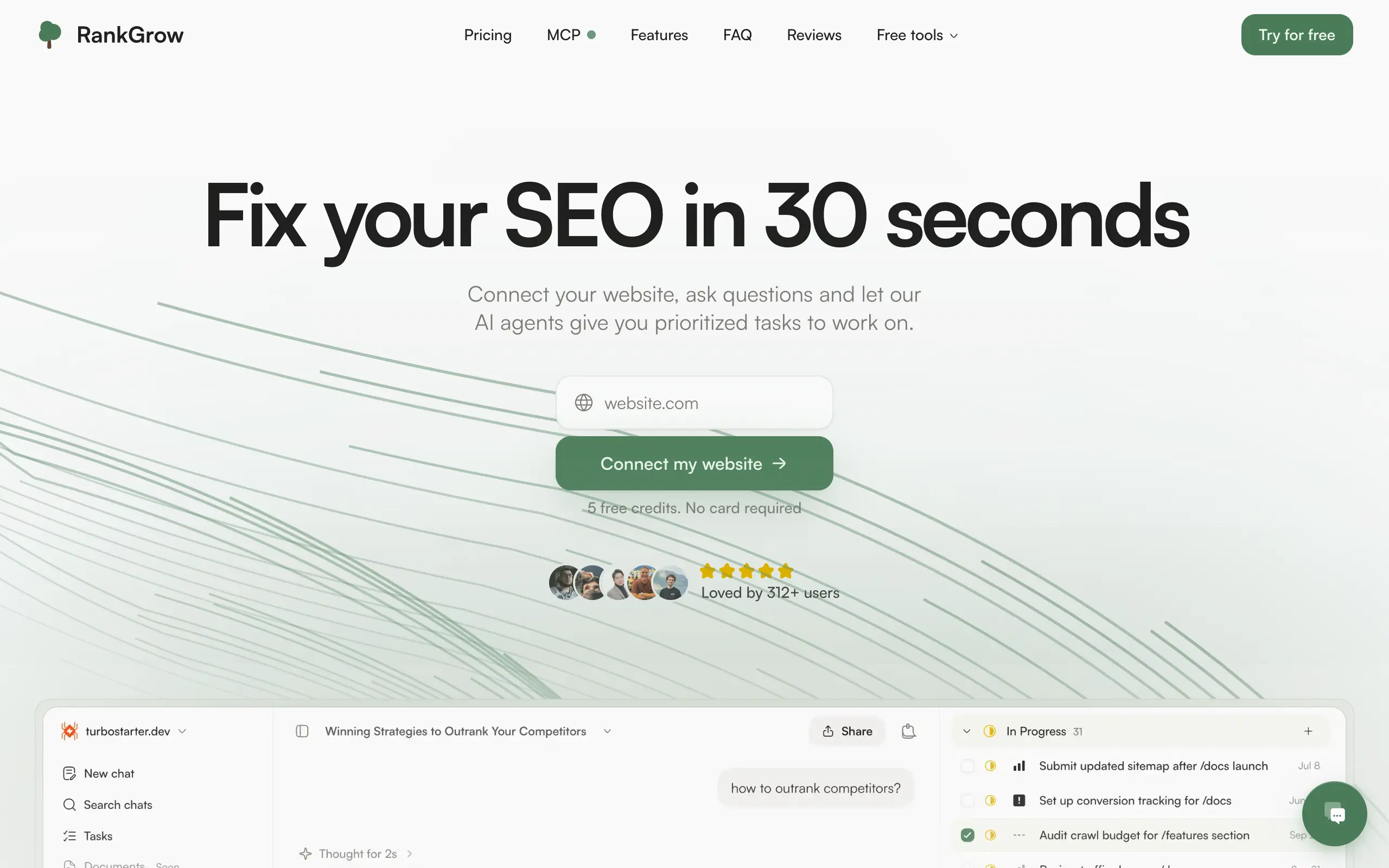
RankGrow
Fix your SEO with AI agents - connect Search Console, get prioritized tasks, and grow organic traffic 📈
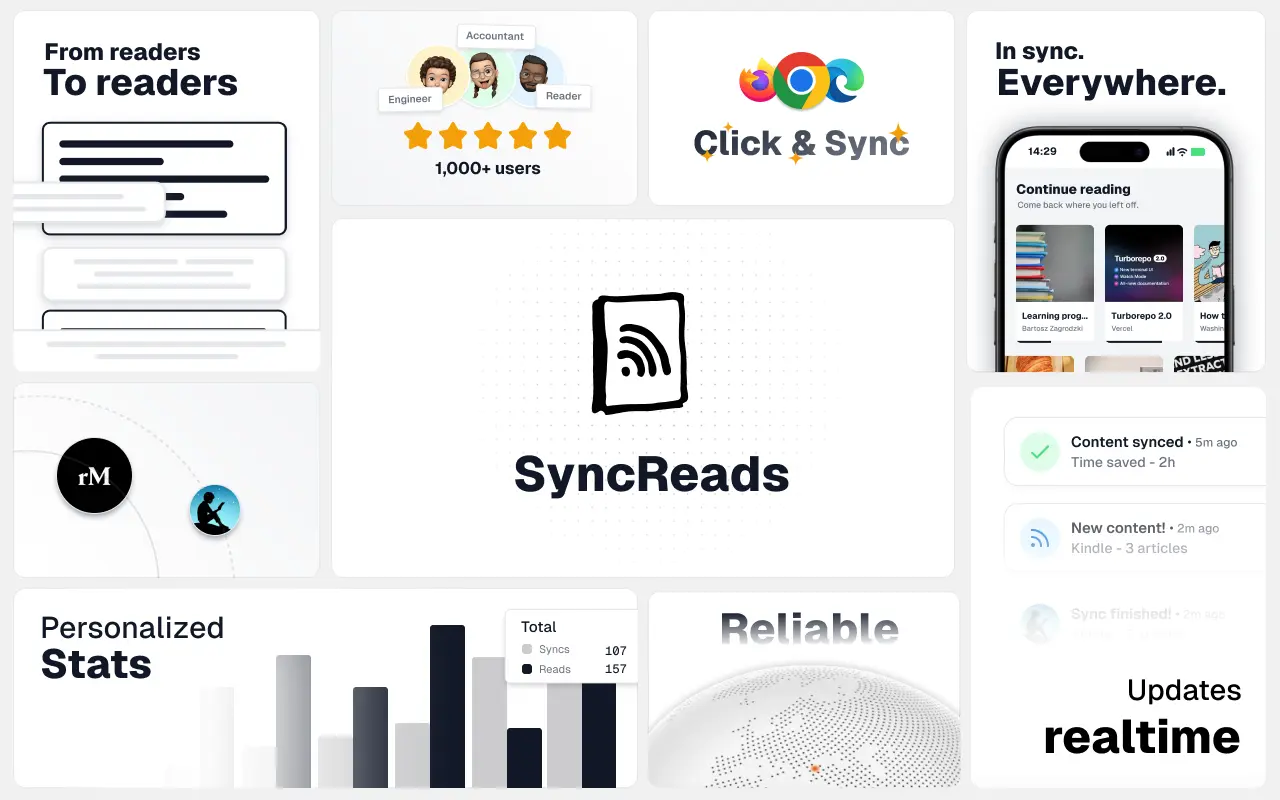
SyncReads
Sync your favorite content for distraction-free reading, save time and replace multiple apps. Anytime, anywhere 🔄
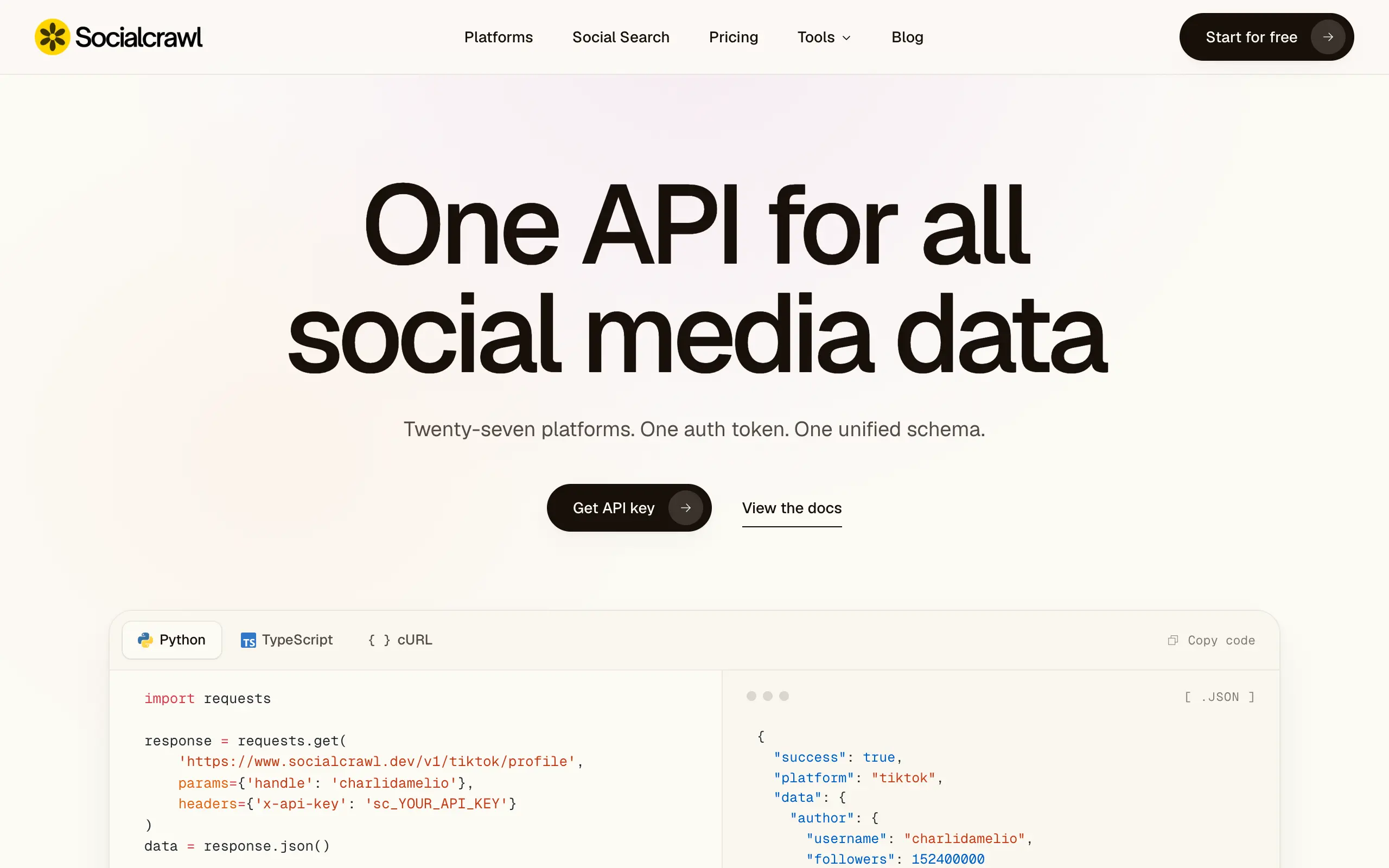
Socialcrawl
Get clean, structured data from 21 platforms like TikTok, Instagram, and YouTube with a single request 📊
Statiko
Monitor any Telegram channel in real time - track posts, edits, deletions, and growth with AI recaps 📡
Shibui
AI website builder - describe your business, pick a niche template, edit by chatting, and publish instantly ✨
Pro Service
Find verified home service professionals, compare quotes, and pay securely through escrow - built for Brazilians across the US 🏠
RankGrow
Fix your SEO with AI agents - connect Search Console, get prioritized tasks, and grow organic traffic 📈
SyncReads
Sync your favorite content for distraction-free reading, save time and replace multiple apps. Anytime, anywhere 🔄
Socialcrawl
Get clean, structured data from 21 platforms like TikTok, Instagram, and YouTube with a single request 📊
Statiko
Monitor any Telegram channel in real time - track posts, edits, deletions, and growth with AI recaps 📡
Shibui
AI website builder - describe your business, pick a niche template, edit by chatting, and publish instantly ✨
Pro Service
Find verified home service professionals, compare quotes, and pay securely through escrow - built for Brazilians across the US 🏠
RankGrow
Fix your SEO with AI agents - connect Search Console, get prioritized tasks, and grow organic traffic 📈
SyncReads
Sync your favorite content for distraction-free reading, save time and replace multiple apps. Anytime, anywhere 🔄
Socialcrawl
Get clean, structured data from 21 platforms like TikTok, Instagram, and YouTube with a single request 📊
Statiko
Monitor any Telegram channel in real time - track posts, edits, deletions, and growth with AI recaps 📡
Shibui
AI website builder - describe your business, pick a niche template, edit by chatting, and publish instantly ✨
Pro Service
Find verified home service professionals, compare quotes, and pay securely through escrow - built for Brazilians across the US 🏠
RankGrow
Fix your SEO with AI agents - connect Search Console, get prioritized tasks, and grow organic traffic 📈
SyncReads
Sync your favorite content for distraction-free reading, save time and replace multiple apps. Anytime, anywhere 🔄
Socialcrawl
Get clean, structured data from 21 platforms like TikTok, Instagram, and YouTube with a single request 📊
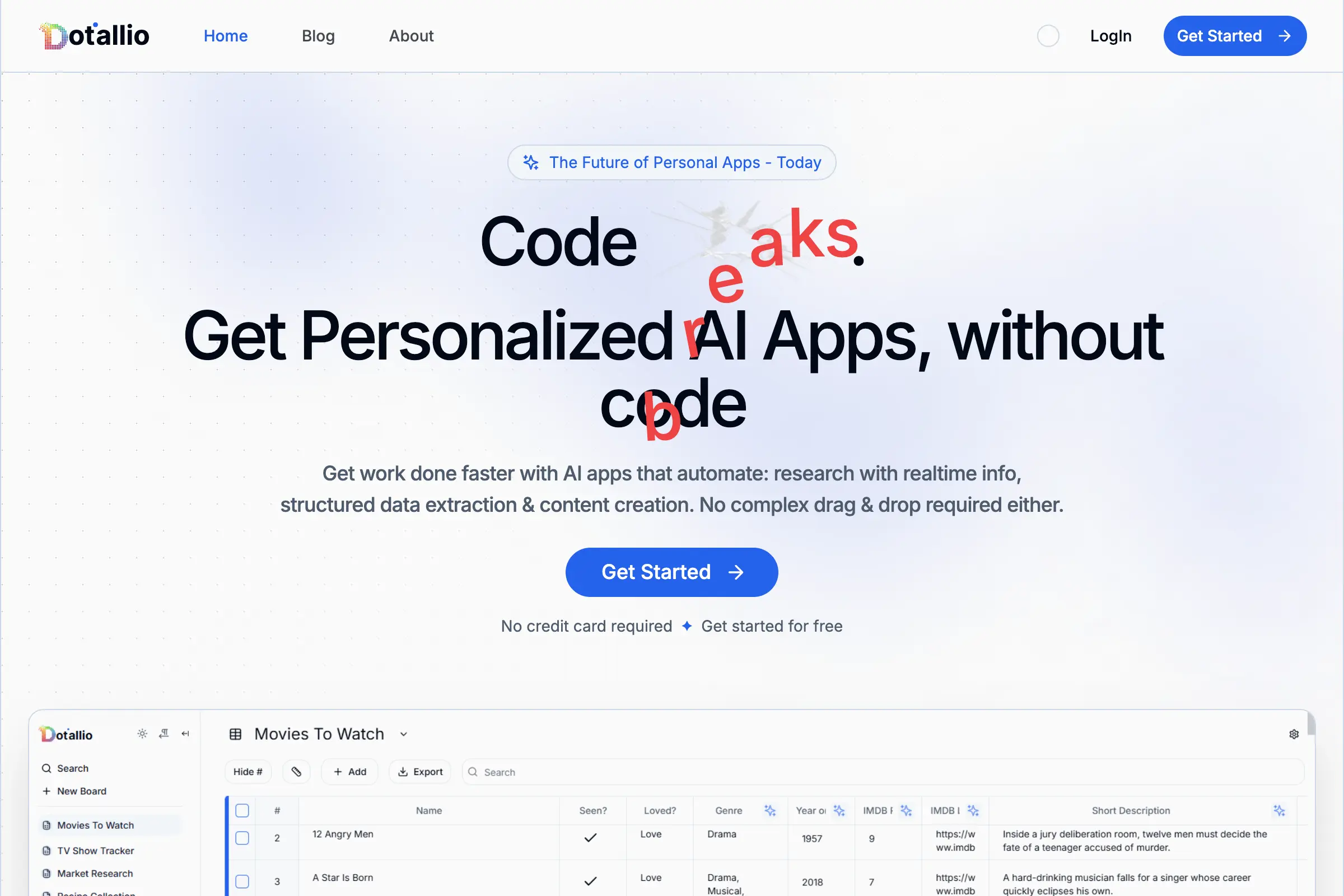
Dotallio
Personalized AI apps that automate research, data extraction, and content creation without code 🤖
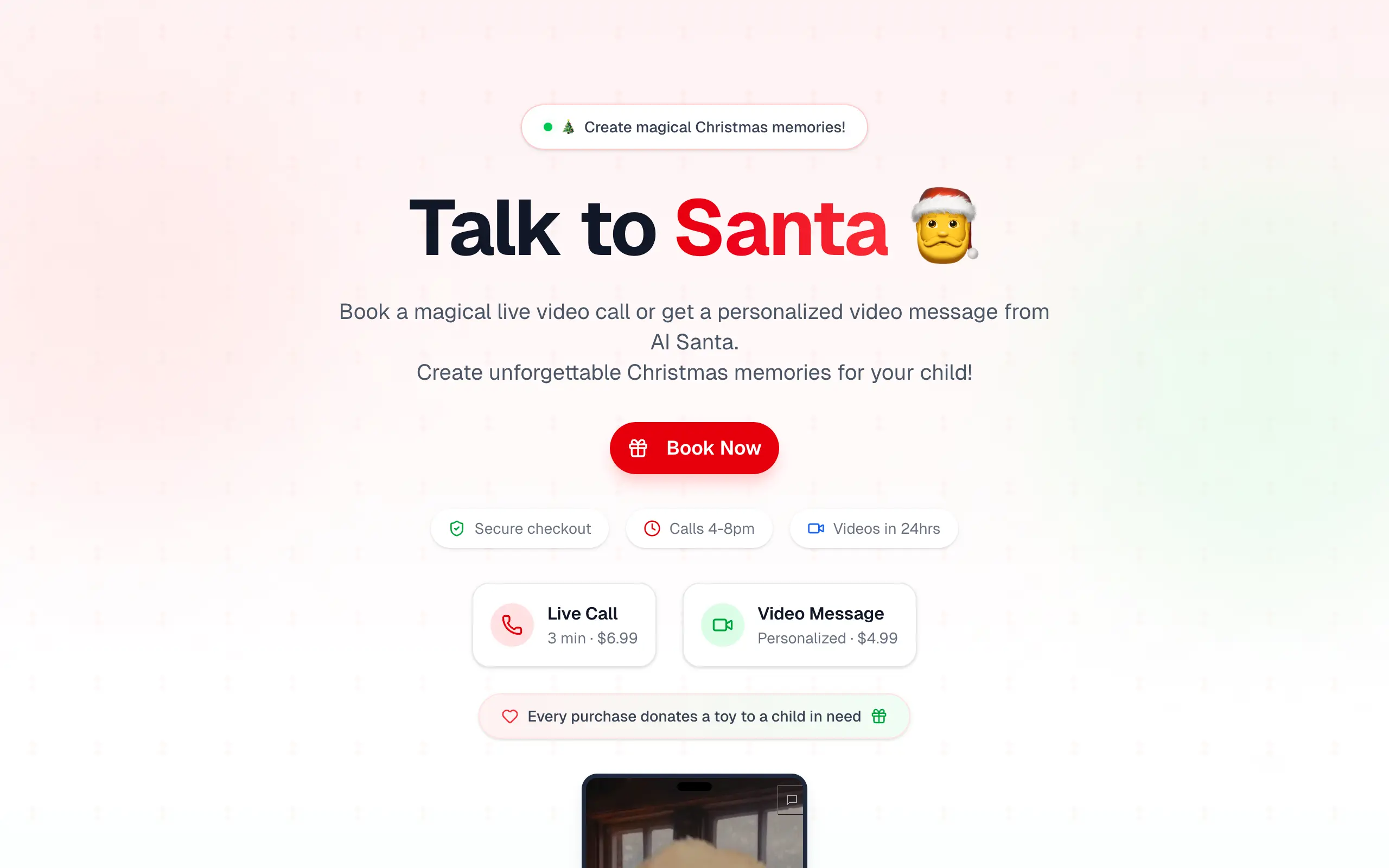
Talk to Santa
Enjoy a magical live video chat or receive a unique AI-generated video greeting from Santa Claus 🎅
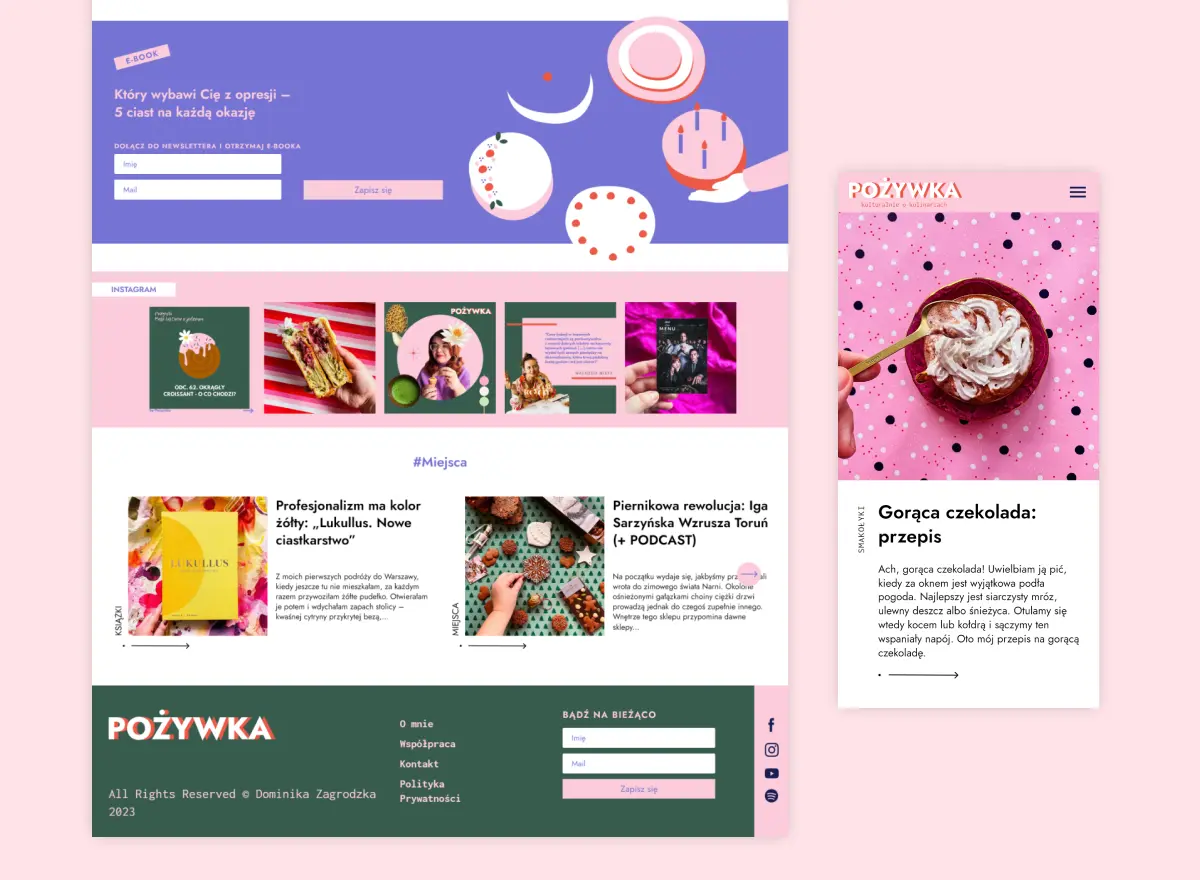
pozywka.pl
Scalable blog for food journalist, focused on performance and user experience 🌭
zagrodzki.me
Personal blog and portfolio of Bart Zagrodzki, where he shares his knowledge and work 💼
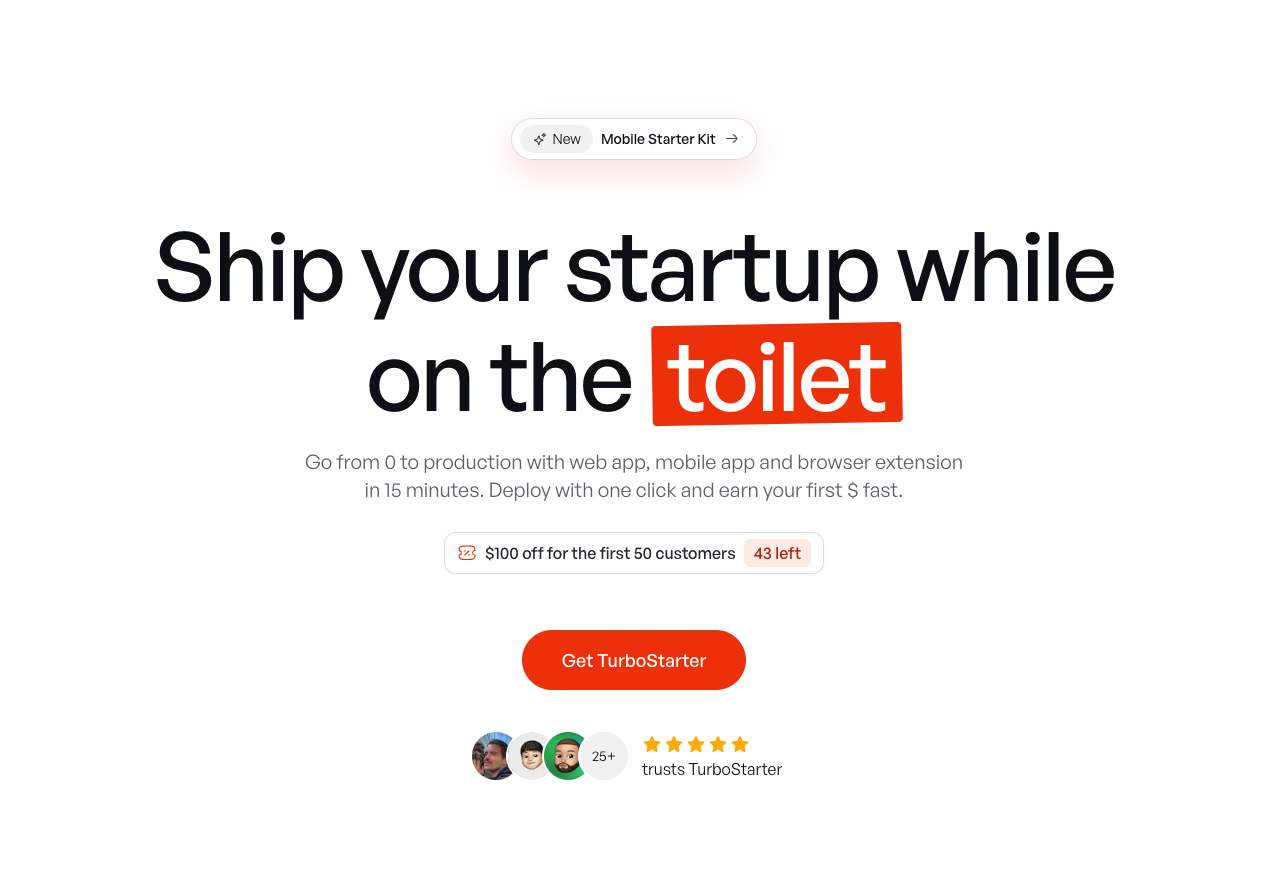
TurboStarter
Ship your startup everywhere. In minutes.
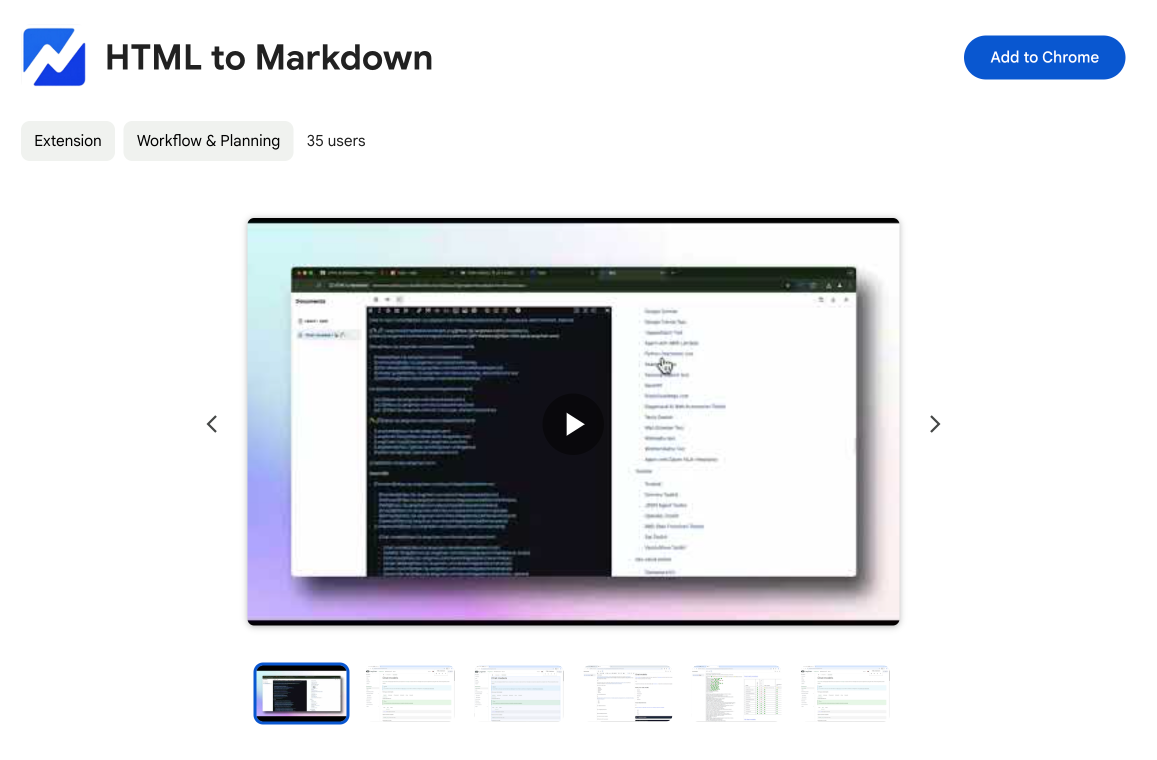
HTML to Markdown
Convert HTML to Markdown with ease, directly in your browser 📄
Dotallio
Personalized AI apps that automate research, data extraction, and content creation without code 🤖
Talk to Santa
Enjoy a magical live video chat or receive a unique AI-generated video greeting from Santa Claus 🎅
pozywka.pl
Scalable blog for food journalist, focused on performance and user experience 🌭
zagrodzki.me
Personal blog and portfolio of Bart Zagrodzki, where he shares his knowledge and work 💼
TurboStarter
Ship your startup everywhere. In minutes.
HTML to Markdown
Convert HTML to Markdown with ease, directly in your browser 📄
Dotallio
Personalized AI apps that automate research, data extraction, and content creation without code 🤖
Talk to Santa
Enjoy a magical live video chat or receive a unique AI-generated video greeting from Santa Claus 🎅
pozywka.pl
Scalable blog for food journalist, focused on performance and user experience 🌭
zagrodzki.me
Personal blog and portfolio of Bart Zagrodzki, where he shares his knowledge and work 💼
TurboStarter
Ship your startup everywhere. In minutes.
HTML to Markdown
Convert HTML to Markdown with ease, directly in your browser 📄
Dotallio
Personalized AI apps that automate research, data extraction, and content creation without code 🤖
Talk to Santa
Enjoy a magical live video chat or receive a unique AI-generated video greeting from Santa Claus 🎅
pozywka.pl
Scalable blog for food journalist, focused on performance and user experience 🌭
zagrodzki.me
Personal blog and portfolio of Bart Zagrodzki, where he shares his knowledge and work 💼
TurboStarter
Ship your startup everywhere. In minutes.
HTML to Markdown
Convert HTML to Markdown with ease, directly in your browser 📄
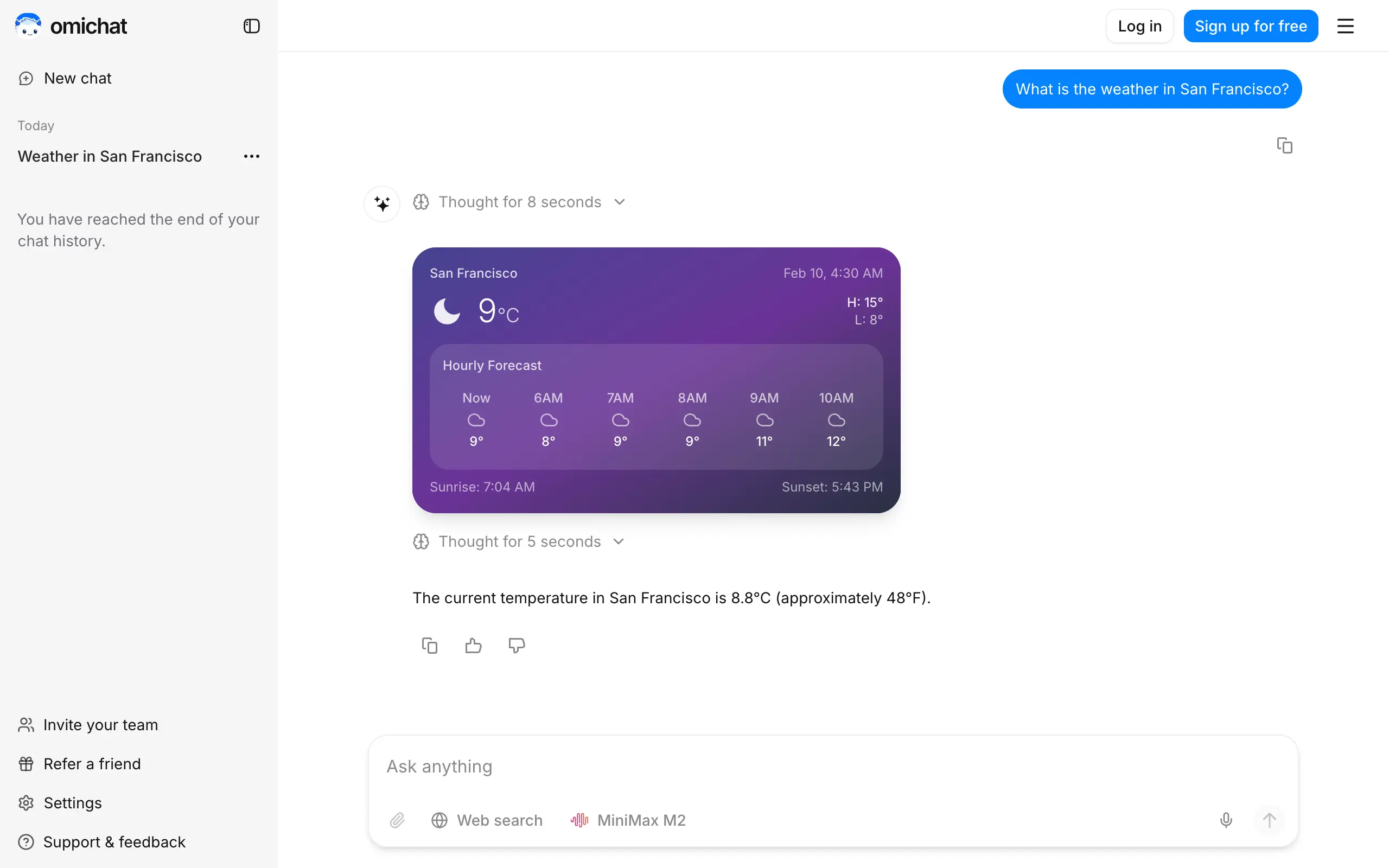
Omichat
Chat with 50+ AI models, including ChatGPT and Claude, in one place - switch models anytime without losing context 🤖
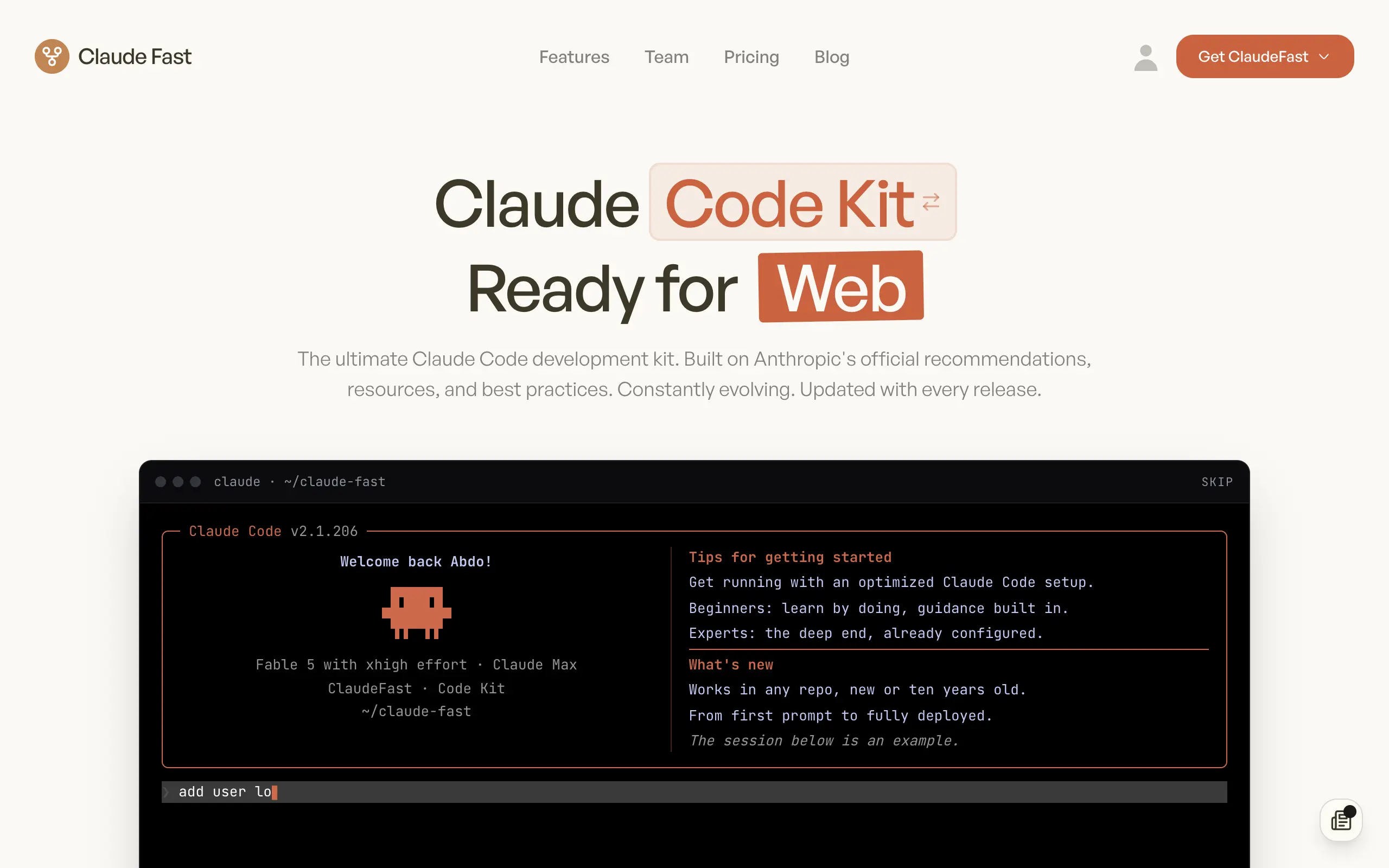
Claude Fast
Supercharge your Claude Code with 6x effective context window and specialized AI agents 🤖
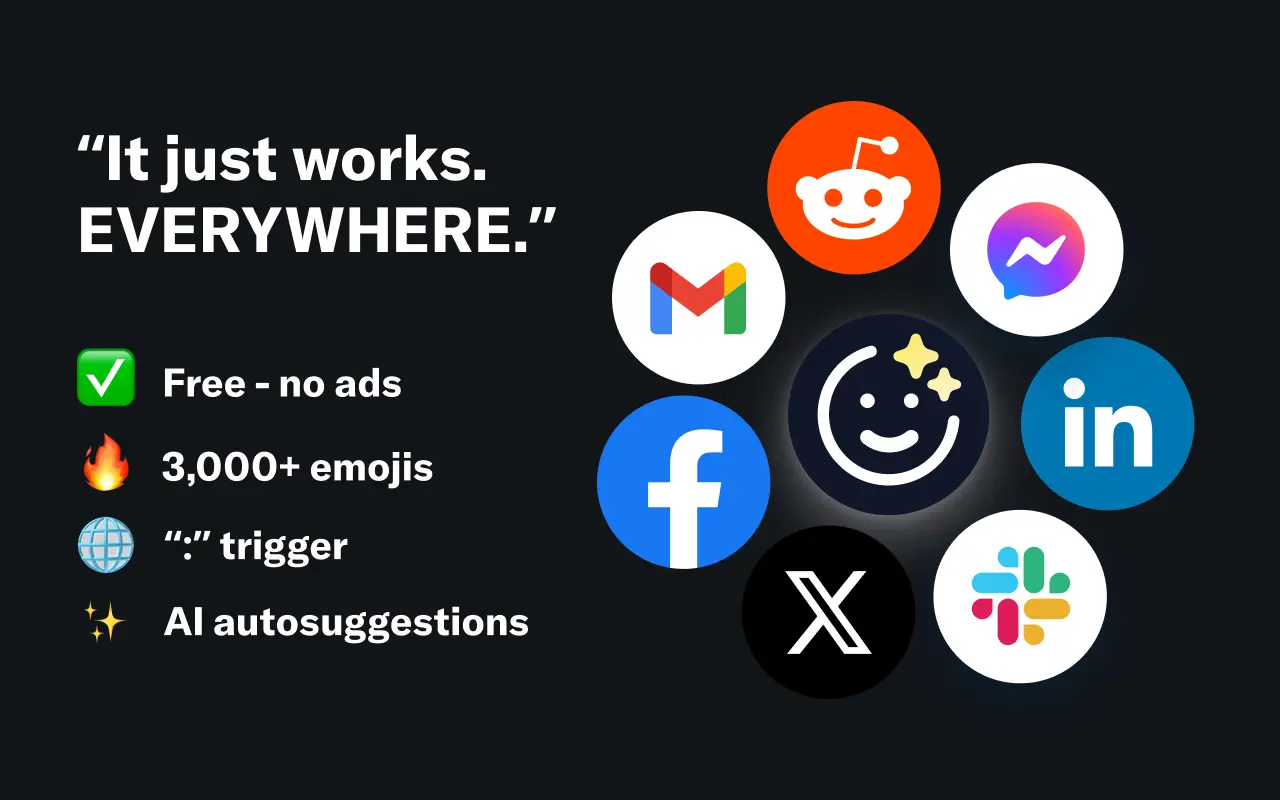
EmojAI
AI-powered emoji picker with smart, context-aware suggestions 🤖
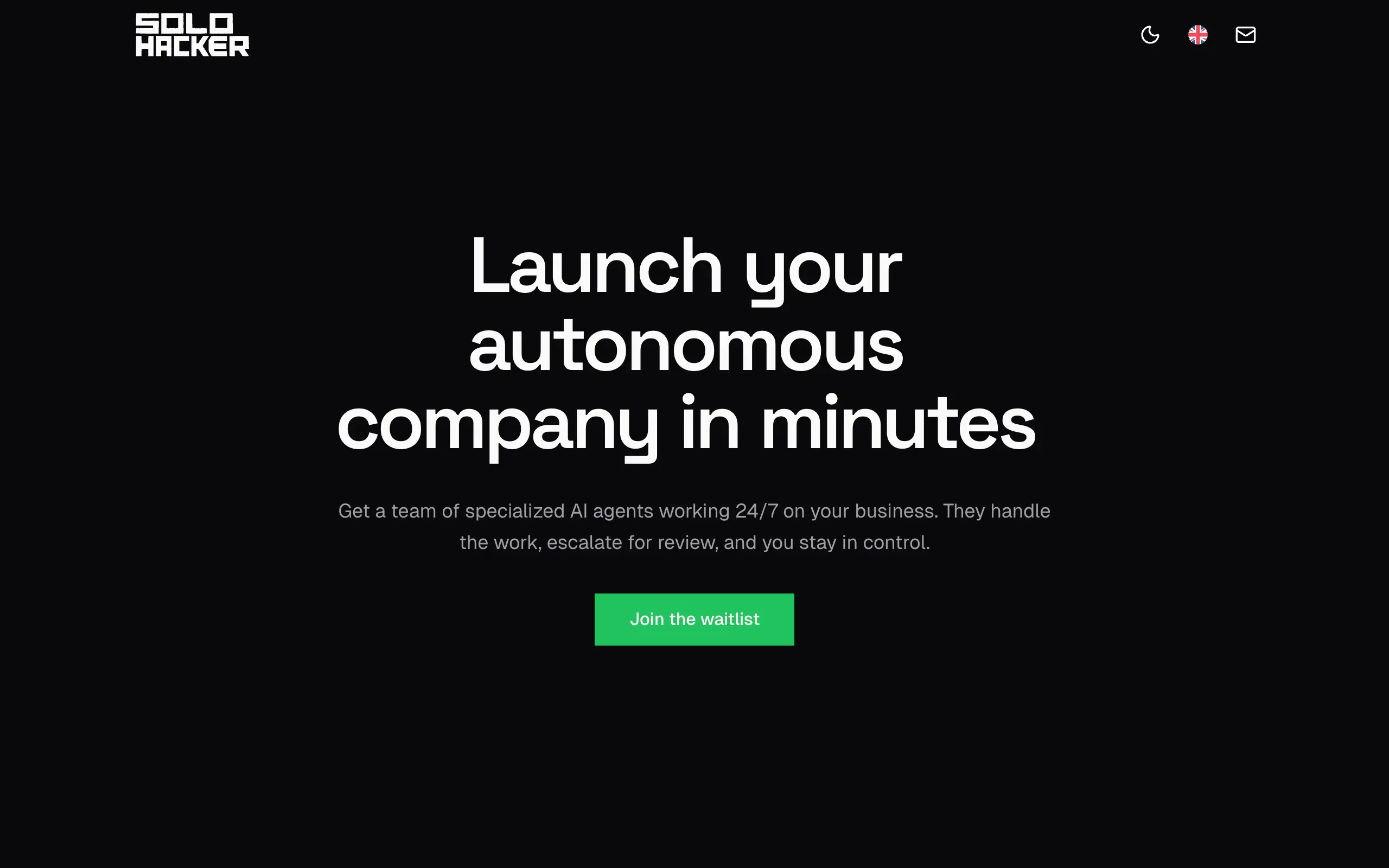
Solohacker
Autonomous company launcher - AI agents work 24/7, escalate what matters, and you stay in control 🤖
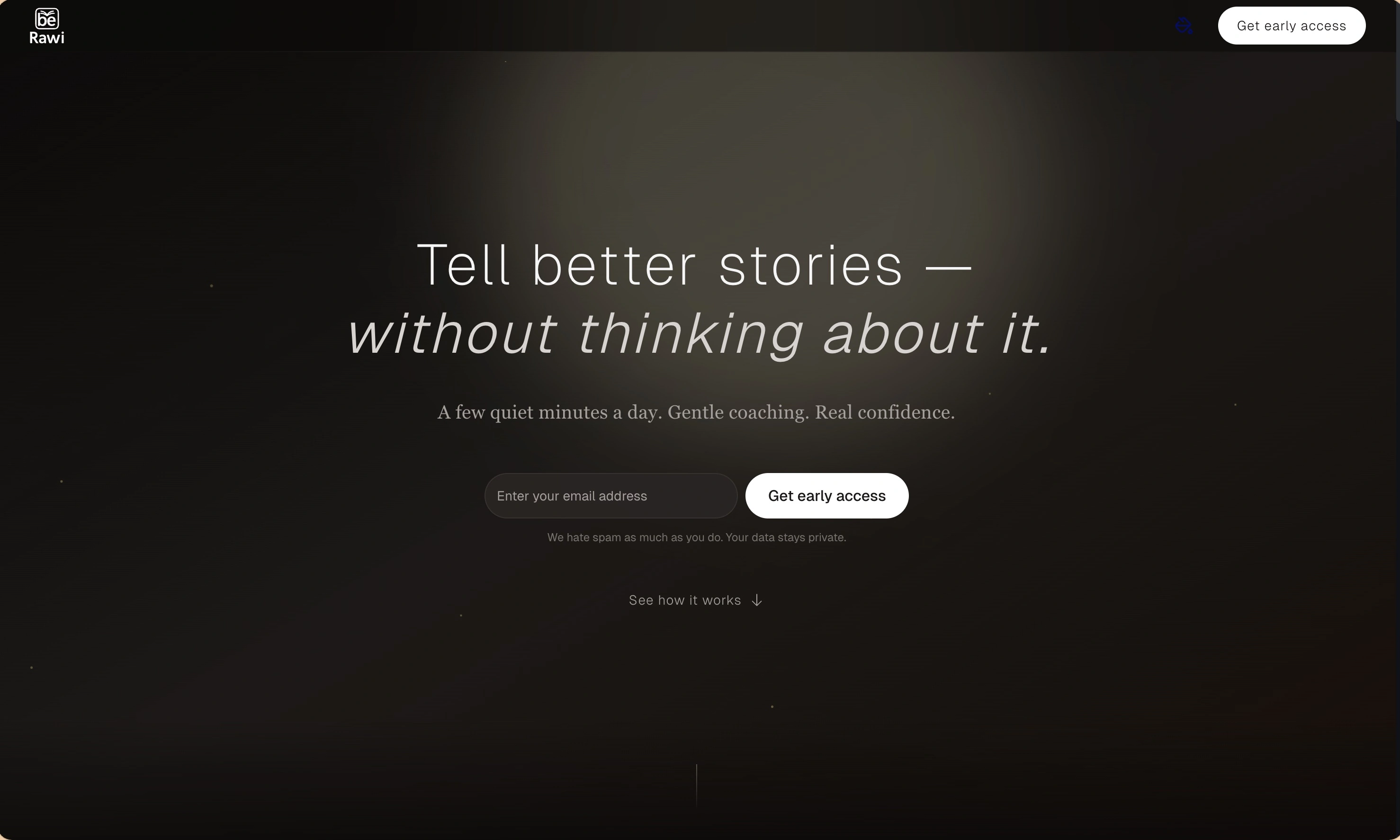
BeRawi: Storytelling Coach
Practice storytelling daily with instant feedback to sound clearer, more engaging, and confident 🎤
Omichat
Chat with 50+ AI models, including ChatGPT and Claude, in one place - switch models anytime without losing context 🤖
Claude Fast
Supercharge your Claude Code with 6x effective context window and specialized AI agents 🤖
EmojAI
AI-powered emoji picker with smart, context-aware suggestions 🤖
Solohacker
Autonomous company launcher - AI agents work 24/7, escalate what matters, and you stay in control 🤖
BeRawi: Storytelling Coach
Practice storytelling daily with instant feedback to sound clearer, more engaging, and confident 🎤
Omichat
Chat with 50+ AI models, including ChatGPT and Claude, in one place - switch models anytime without losing context 🤖
Claude Fast
Supercharge your Claude Code with 6x effective context window and specialized AI agents 🤖
EmojAI
AI-powered emoji picker with smart, context-aware suggestions 🤖
Solohacker
Autonomous company launcher - AI agents work 24/7, escalate what matters, and you stay in control 🤖
BeRawi: Storytelling Coach
Practice storytelling daily with instant feedback to sound clearer, more engaging, and confident 🎤
Omichat
Chat with 50+ AI models, including ChatGPT and Claude, in one place - switch models anytime without losing context 🤖
Claude Fast
Supercharge your Claude Code with 6x effective context window and specialized AI agents 🤖
EmojAI
AI-powered emoji picker with smart, context-aware suggestions 🤖
Solohacker
Autonomous company launcher - AI agents work 24/7, escalate what matters, and you stay in control 🤖
BeRawi: Storytelling Coach
Practice storytelling daily with instant feedback to sound clearer, more engaging, and confident 🎤

Connect with like-minded people
Join our community to get feedback, support, and grow together with 1,000+ builders on board, let's ship it!
Join usShip your startup everywhere. In minutes.
Don't burn tokens on setup and start building features on day one.