LeaseLens AI
AI-powered lease abstraction and compliance monitoring for commercial real estate teams, cutting review time and reducing risk across portfolios.
Understanding the problem LeaseLens AI is solving in commercial real estate
Commercial real estate (CRE) teams operate in one of the most document-heavy and risk-sensitive environments of any industry. Lease agreements often span 50–300 pages, include dense legal language, and vary significantly by jurisdiction, asset class, and landlord-tenant negotiation history. Yet these documents govern millions—or billions—of dollars in rent, options, obligations, and compliance requirements.
Despite their importance, lease documents are still commonly managed through:
- Manual review by legal or asset management teams
- Spreadsheets maintained by analysts
- Static PDFs stored in document management systems
This creates a fundamental operational problem: critical lease data is locked inside unstructured documents, making it slow to access, hard to audit, and easy to misinterpret.
This is where LeaseLens AI, an AI-powered lease abstraction and compliance monitoring platform for commercial real estate teams, becomes strategically valuable.
The primary keyword for this article is:
AI-powered lease abstraction software for commercial real estate
Throughout this guide, we’ll explore how LeaseLens AI addresses real CRE pain points, the market opportunity, target users, technical architecture, monetization strategies, and how to bring such a product to market successfully.
Who LeaseLens AI is for: target audience analysis
LeaseLens AI is a B2B SaaS platform designed specifically for stakeholders who manage, analyze, or depend on commercial lease data at scale. Understanding the nuances of these users is critical for product-market fit and SEO alignment.
Primary users
Commercial real estate asset managers
Asset managers oversee portfolios ranging from a handful of properties to thousands of leases across regions. Their priorities include:
- Accurate rent schedules and escalation clauses
- Visibility into options, renewals, and termination rights
- Compliance with landlord and tenant obligations
- Portfolio-level reporting for investors
For them, AI-powered lease abstraction reduces manual review time and enables real-time portfolio intelligence.
Corporate real estate and occupiers
Large enterprises leasing office, retail, or industrial space face similar challenges from the tenant side:
- Tracking lease obligations across geographies
- Avoiding missed notice periods or costly penalties
- Supporting accounting standards like ASC 842 or IFRS 16
LeaseLens AI helps centralize lease intelligence and reduce reliance on external advisors.
Legal and compliance teams
In-house legal teams are often asked to:
- Review leases during acquisitions or audits
- Identify non-standard clauses or risk exposure
- Validate compliance with regulations and covenants
An AI lease abstraction platform allows legal professionals to focus on judgment and negotiation, not document extraction.
Property management firms
Property managers benefit from:
- Faster onboarding of new properties
- Automated reminders for obligations and deadlines
- Consistent abstraction across portfolios
Secondary users and influencers
- CRE consultants and brokers
- Accounting and finance teams
- Private equity real estate investors
Each of these personas searches for solutions using terms like commercial lease abstraction software, AI lease analysis, or lease compliance monitoring tools, aligning directly with LeaseLens AI’s positioning.
Market opportunity and gap in existing solutions
The size of the opportunity
The global commercial real estate market is valued in the trillions of dollars, and lease administration is a foundational workflow within it. Yet digital transformation in CRE has lagged behind industries like fintech or e-commerce.
Several converging trends create a strong market opportunity:
- Increased portfolio complexity due to hybrid work and flexible leasing
- Regulatory pressure around lease accounting standards
- Rising legal and operational costs
- Advances in natural language processing (NLP) and large language models
Together, these trends make AI-powered lease abstraction software not just viable, but necessary.
Where traditional solutions fall short
Most existing lease abstraction solutions fall into one of three categories:
-
Manual outsourcing
- High cost per lease
- Long turnaround times
- Limited scalability
-
Rule-based software
- Requires extensive configuration
- Breaks when lease language varies
- Difficult to maintain across jurisdictions
-
Generic document AI tools
- Not trained on CRE-specific lease language
- Lack domain-specific compliance logic
- Require heavy post-processing
Key market gap
The real gap is not document extraction alone, but continuous lease intelligence—turning static contracts into living, queryable, and monitored assets.
LeaseLens AI is positioned precisely in this gap.
What LeaseLens AI does: core features and solution overview
At its core, LeaseLens AI transforms unstructured lease documents into structured, actionable intelligence.
AI-powered lease abstraction
The platform uses advanced NLP models fine-tuned on commercial lease language to extract:
- Rent schedules and escalations
- Lease terms and commencement dates
- Renewal, expansion, and termination options
- CAM charges and operating expenses
- Use clauses and exclusivity provisions
Unlike traditional OCR + rules engines, LeaseLens AI adapts to variations in language, formatting, and structure across leases.
Compliance monitoring and alerts
Once lease data is abstracted, LeaseLens AI continuously monitors for:
- Upcoming notice periods
- Regulatory compliance risks
- Deviations from standard clauses
- Missed obligations or deadlines
Users receive proactive alerts rather than reactive reports.
Centralized lease intelligence hub
All leases live in a unified dashboard that supports:
- Portfolio-level analytics
- Search and filtering by clause type
- Exportable reports for accounting, legal, or investors
- Role-based access control
Auditability and trust
To support enterprise trust requirements:
- Every extracted data point links back to source text
- Confidence scores highlight areas requiring review
- Version history tracks changes over time
How LeaseLens AI creates a competitive advantage
To understand LeaseLens AI’s differentiation, it’s helpful to compare it against common alternatives.
| Capability | Manual review | Rule-based tools | Generic AI OCR | LeaseLens AI |
|---|---|---|---|---|
| CRE-specific training | ✅ | ❌ | ❌ | ✅ |
| Scales across portfolios | ❌ | ✅ | ✅ | ✅ |
| Compliance monitoring | ❌ | ❌ | ❌ | ✅ |
| Explainable results | ✅ | ✅ | ❌ | ✅ |
Unique selling proposition (USP)
LeaseLens AI combines CRE-specific AI models with ongoing compliance intelligence, not just one-time abstraction. This positions it as a strategic system of record rather than a transactional tool.
Recommended technology stack and architecture
Building an AI-powered lease abstraction platform requires balancing accuracy, scalability, explainability, and cost.
Frontend
- React for building interactive dashboards (React)
- TypeScript for type safety in complex data models
- TailwindCSS for consistent UI design (TailwindCSS)
These choices support fast iteration and enterprise-grade UX.
Backend
- Node.js or Python for API and orchestration layers
- PostgreSQL for structured lease data
- Object storage (e.g., S3-compatible) for documents
AI and NLP layer
- Large language models fine-tuned on commercial lease corpora
- Hybrid approach combining:
- LLM-based extraction
- Deterministic validation rules
- Human-in-the-loop review for low-confidence fields
AI trade-off to consider
Pure LLM extraction can be powerful but risky without guardrails. LeaseLens AI should prioritize explainability and confidence scoring over black-box outputs.
Security and compliance
- SOC 2–aligned architecture
- Encryption at rest and in transit
- Role-based access and audit logs
These are table stakes for enterprise CRE adoption.
Monetization strategy options for LeaseLens AI
A strong monetization model aligns pricing with customer value while supporting predictable revenue.
Subscription-based SaaS pricing
Common pricing dimensions include:
- Number of leases
- Portfolio size (square footage or asset count)
- Feature tiers (abstraction only vs. compliance monitoring)
This model supports recurring revenue and aligns with CRE budgeting cycles.
Usage-based pricing
For customers with fluctuating needs:
- Per-lease abstraction fees
- Additional charges for complex leases or jurisdictions
Usage-based pricing lowers the barrier to entry but requires careful cost management.
Enterprise licensing
For large portfolios:
- Annual contracts
- Custom integrations
- Dedicated support and SLAs
Enterprise deals drive higher ACV and long-term retention.
Risks and challenges, and how to mitigate them
Accuracy and trust risk
If AI extracts incorrect lease data, the consequences can be severe.
Mitigation strategies:
- Confidence scoring and source linking
- Human review workflows
- Continuous model retraining
Adoption resistance
CRE is traditionally conservative with new technology.
Mitigation strategies:
- Clear ROI messaging (time saved, risk reduced)
- Pilot programs and proof of value
- Seamless onboarding
Regulatory and legal exposure
Handling sensitive legal documents introduces compliance obligations.
Mitigation strategies:
- Strong data governance
- Clear disclaimers and usage boundaries
- Collaboration with legal advisors
Implementation roadmap: from idea to market
For founders or product teams inspired by LeaseLens AI, a structured rollout plan is essential.
Early KPIs to track
- Time saved per lease
- Extraction accuracy by clause type
- User engagement with alerts
- Net revenue retention
Positioning LeaseLens AI for long-term success
The future of commercial real estate is data-driven, proactive, and AI-assisted. LeaseLens AI fits squarely into this future by turning one of CRE’s biggest liabilities—complex lease documents—into a strategic advantage.
As portfolios become more dynamic and regulations more complex, the value of AI-powered lease abstraction and compliance monitoring will only increase.
For founders building in this space, leveraging proven launch frameworks and infrastructure can dramatically reduce time to market. Platforms like TurboStarter can help accelerate SaaS development with production-ready foundations.
Final thoughts
LeaseLens AI is more than a productivity tool—it’s an intelligence layer for commercial real estate. By combining domain-specific AI, continuous compliance monitoring, and enterprise-grade trust, it addresses a clear and growing market need.
Whether you’re validating this idea, building a similar platform, or evaluating solutions for your own CRE portfolio, the takeaway is clear: the era of manual lease abstraction is ending, and AI-native platforms like LeaseLens AI are defining what comes next.
More 🏢 B2B Application SaaS ideas
Discover more innovative b2b application SaaS ideas that are trending in 2026. Each idea is AI-generated with market validation and growth potential to help you find your next profitable venture faster than competitors.
Your competitors are building with TurboStarter
Below are some of the SaaS ideas that have been generated and built with our starter kit.
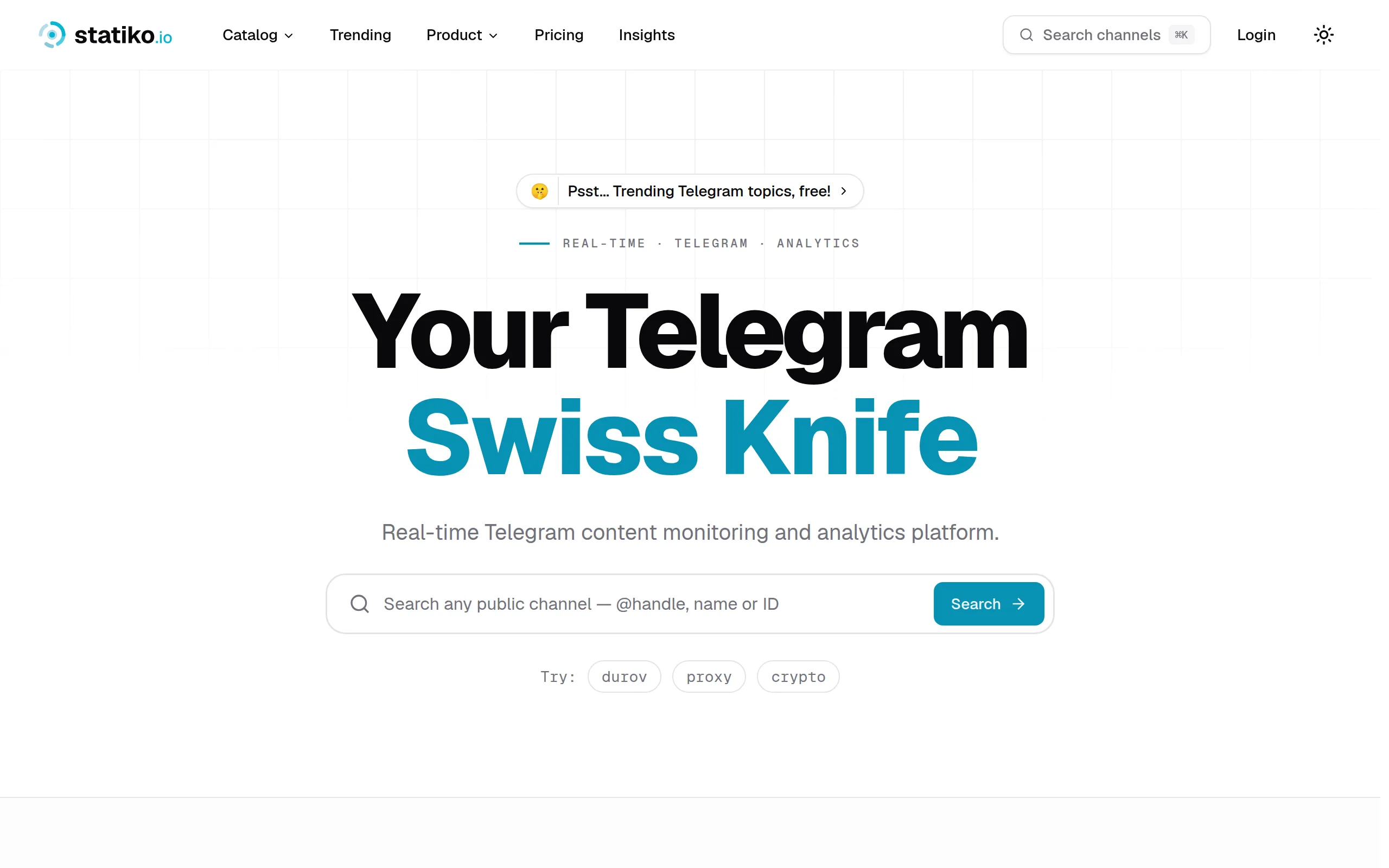
Statiko
Monitor any Telegram channel in real time - track posts, edits, deletions, and growth with AI recaps 📡

Shibui
AI website builder - describe your business, pick a niche template, edit by chatting, and publish instantly ✨

Pro Service
Find verified home service professionals, compare quotes, and pay securely through escrow - built for Brazilians across the US 🏠
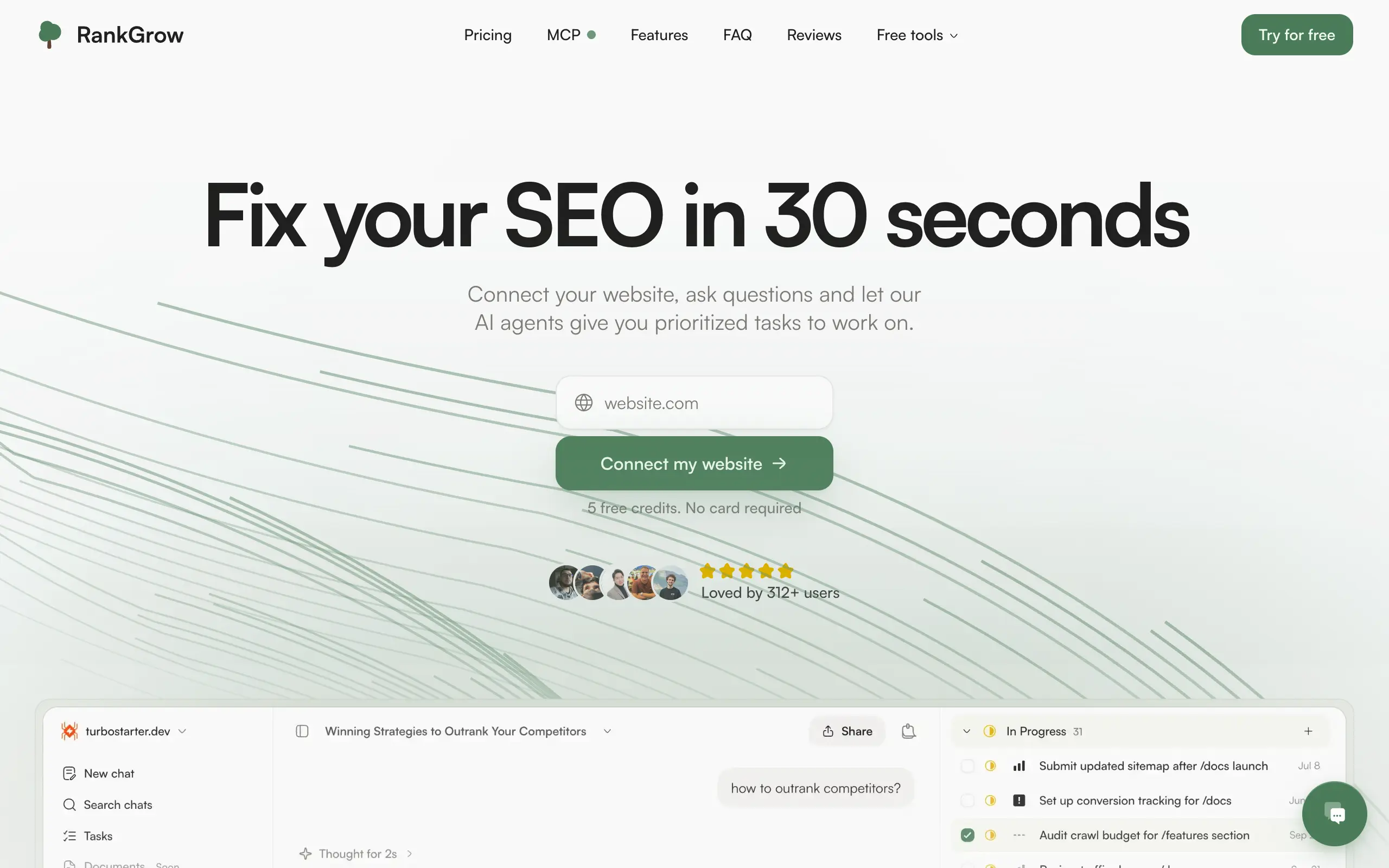
RankGrow
Fix your SEO with AI agents - connect Search Console, get prioritized tasks, and grow organic traffic 📈
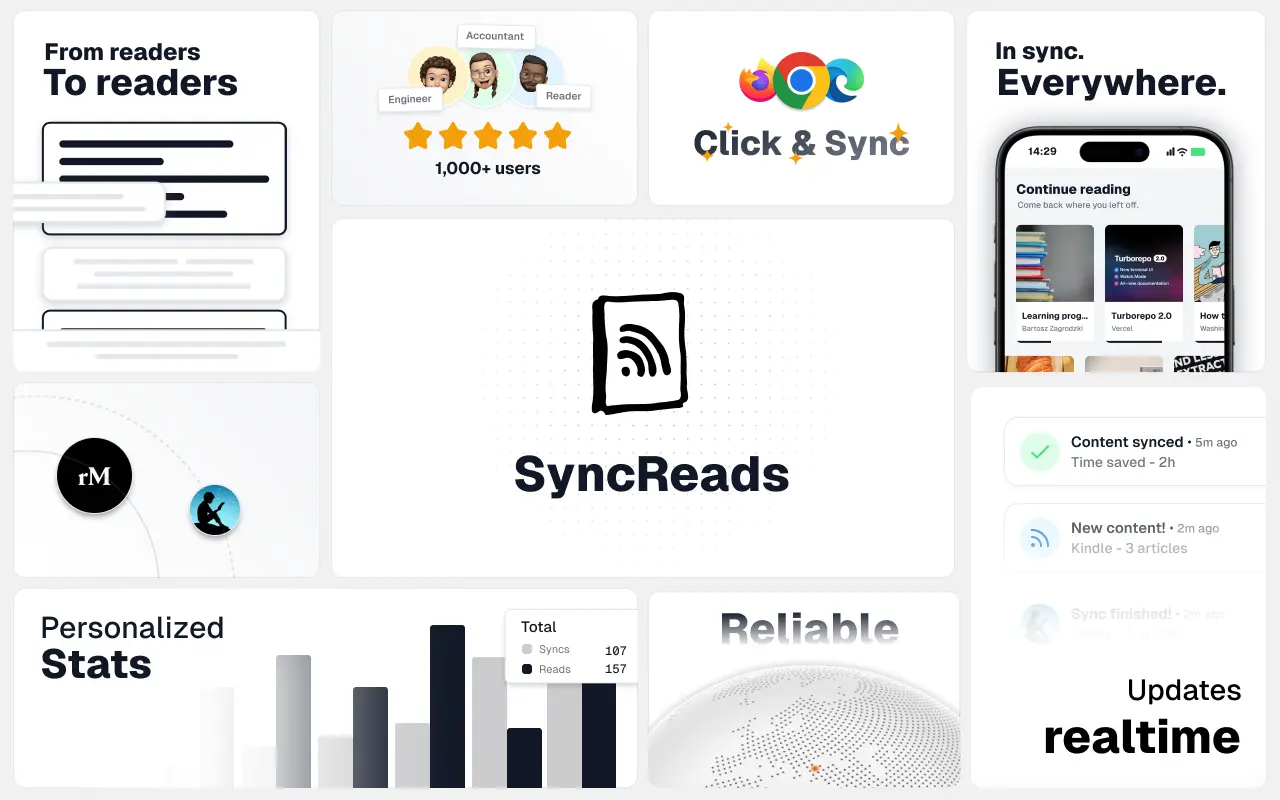
SyncReads
Sync your favorite content for distraction-free reading, save time and replace multiple apps. Anytime, anywhere 🔄
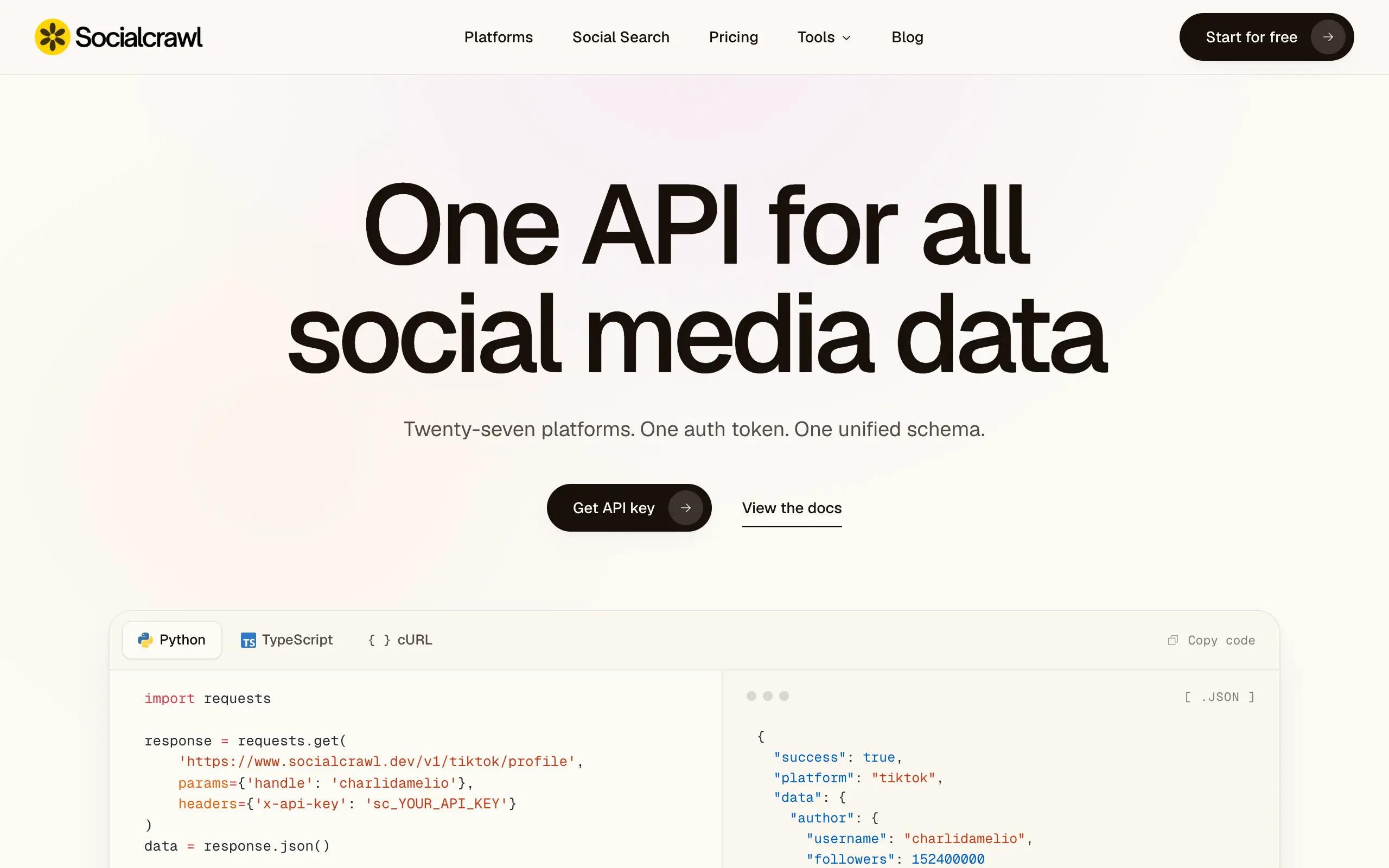
Socialcrawl
Get clean, structured data from 21 platforms like TikTok, Instagram, and YouTube with a single request 📊
Statiko
Monitor any Telegram channel in real time - track posts, edits, deletions, and growth with AI recaps 📡
Shibui
AI website builder - describe your business, pick a niche template, edit by chatting, and publish instantly ✨
Pro Service
Find verified home service professionals, compare quotes, and pay securely through escrow - built for Brazilians across the US 🏠
RankGrow
Fix your SEO with AI agents - connect Search Console, get prioritized tasks, and grow organic traffic 📈
SyncReads
Sync your favorite content for distraction-free reading, save time and replace multiple apps. Anytime, anywhere 🔄
Socialcrawl
Get clean, structured data from 21 platforms like TikTok, Instagram, and YouTube with a single request 📊
Statiko
Monitor any Telegram channel in real time - track posts, edits, deletions, and growth with AI recaps 📡
Shibui
AI website builder - describe your business, pick a niche template, edit by chatting, and publish instantly ✨
Pro Service
Find verified home service professionals, compare quotes, and pay securely through escrow - built for Brazilians across the US 🏠
RankGrow
Fix your SEO with AI agents - connect Search Console, get prioritized tasks, and grow organic traffic 📈
SyncReads
Sync your favorite content for distraction-free reading, save time and replace multiple apps. Anytime, anywhere 🔄
Socialcrawl
Get clean, structured data from 21 platforms like TikTok, Instagram, and YouTube with a single request 📊
Statiko
Monitor any Telegram channel in real time - track posts, edits, deletions, and growth with AI recaps 📡
Shibui
AI website builder - describe your business, pick a niche template, edit by chatting, and publish instantly ✨
Pro Service
Find verified home service professionals, compare quotes, and pay securely through escrow - built for Brazilians across the US 🏠
RankGrow
Fix your SEO with AI agents - connect Search Console, get prioritized tasks, and grow organic traffic 📈
SyncReads
Sync your favorite content for distraction-free reading, save time and replace multiple apps. Anytime, anywhere 🔄
Socialcrawl
Get clean, structured data from 21 platforms like TikTok, Instagram, and YouTube with a single request 📊
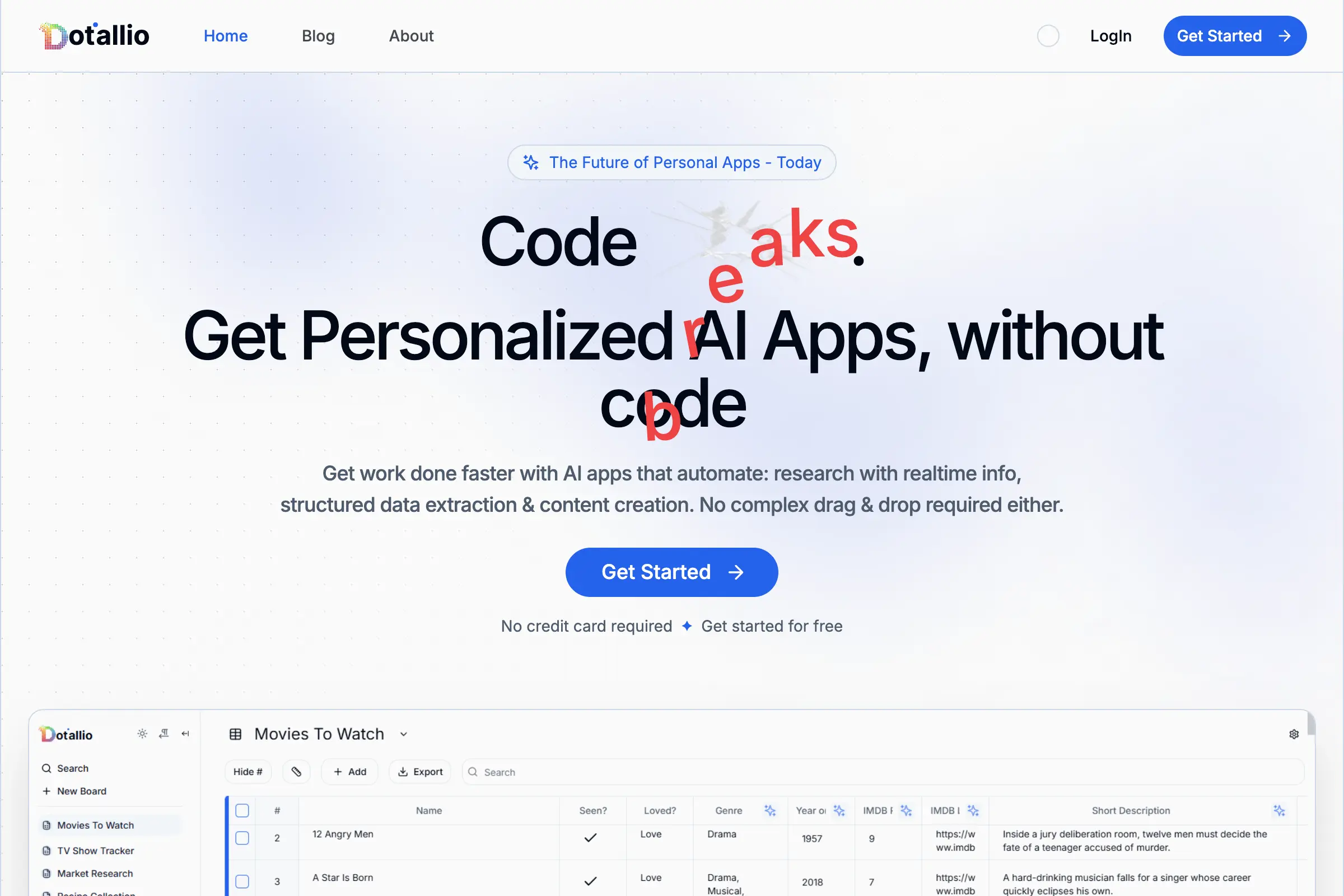
Dotallio
Personalized AI apps that automate research, data extraction, and content creation without code 🤖

Talk to Santa
Enjoy a magical live video chat or receive a unique AI-generated video greeting from Santa Claus 🎅

pozywka.pl
Scalable blog for food journalist, focused on performance and user experience 🌭
zagrodzki.me
Personal blog and portfolio of Bart Zagrodzki, where he shares his knowledge and work 💼
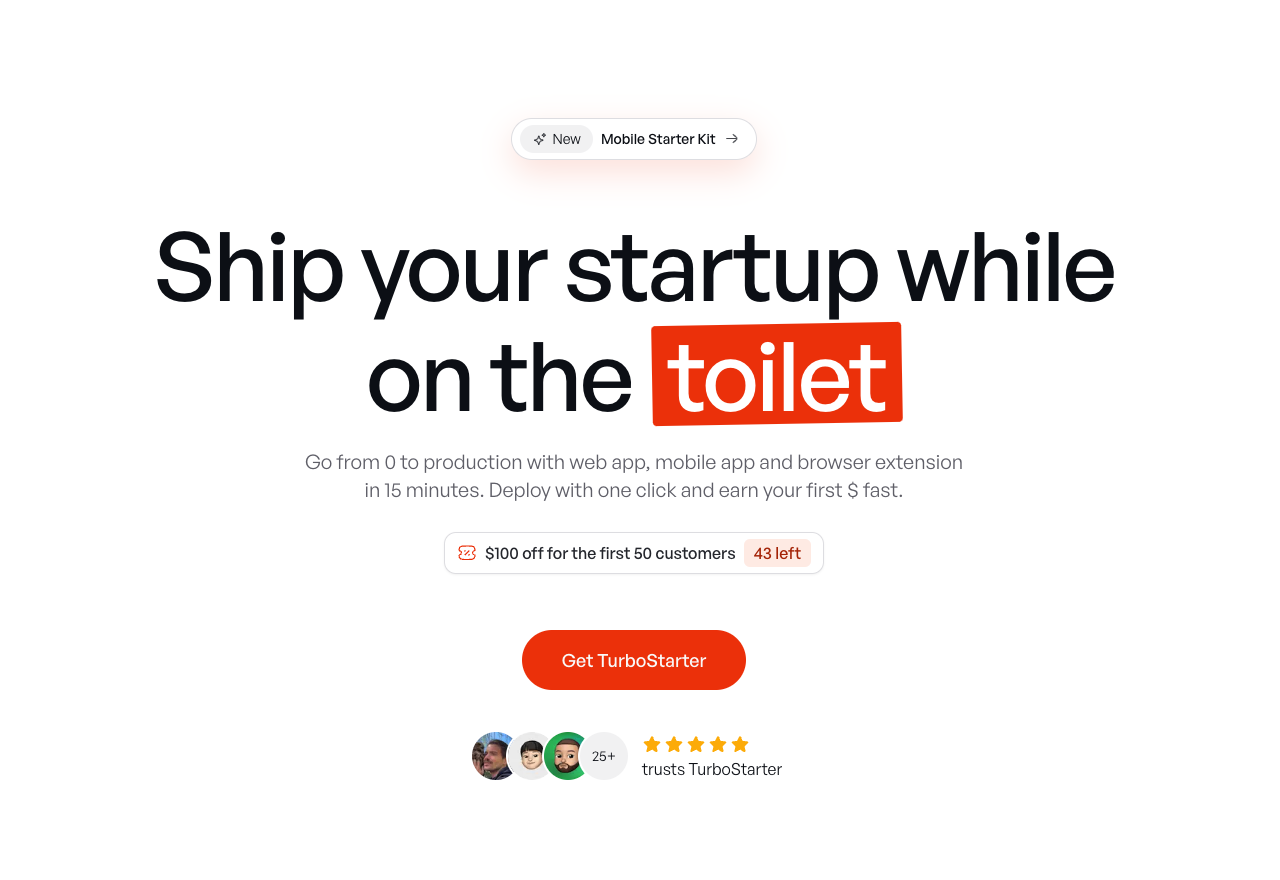
TurboStarter
Ship your startup everywhere. In minutes.
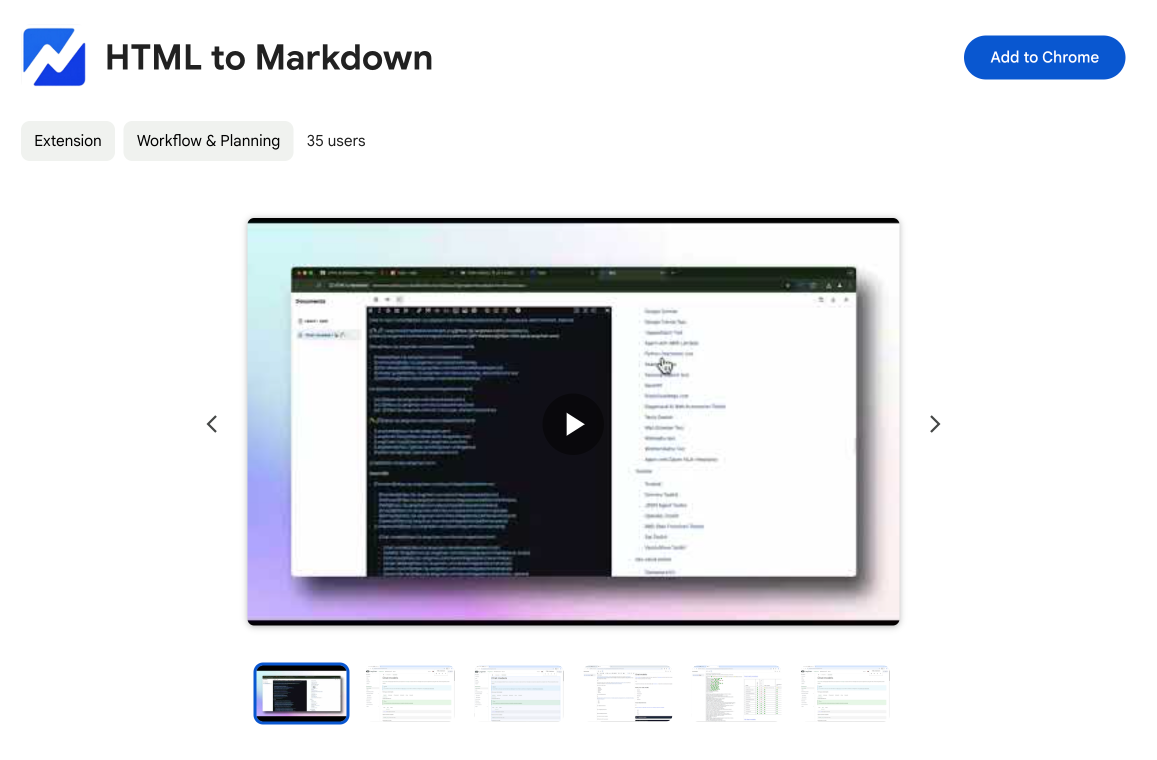
HTML to Markdown
Convert HTML to Markdown with ease, directly in your browser 📄
Dotallio
Personalized AI apps that automate research, data extraction, and content creation without code 🤖
Talk to Santa
Enjoy a magical live video chat or receive a unique AI-generated video greeting from Santa Claus 🎅
pozywka.pl
Scalable blog for food journalist, focused on performance and user experience 🌭
zagrodzki.me
Personal blog and portfolio of Bart Zagrodzki, where he shares his knowledge and work 💼
TurboStarter
Ship your startup everywhere. In minutes.
HTML to Markdown
Convert HTML to Markdown with ease, directly in your browser 📄
Dotallio
Personalized AI apps that automate research, data extraction, and content creation without code 🤖
Talk to Santa
Enjoy a magical live video chat or receive a unique AI-generated video greeting from Santa Claus 🎅
pozywka.pl
Scalable blog for food journalist, focused on performance and user experience 🌭
zagrodzki.me
Personal blog and portfolio of Bart Zagrodzki, where he shares his knowledge and work 💼
TurboStarter
Ship your startup everywhere. In minutes.
HTML to Markdown
Convert HTML to Markdown with ease, directly in your browser 📄
Dotallio
Personalized AI apps that automate research, data extraction, and content creation without code 🤖
Talk to Santa
Enjoy a magical live video chat or receive a unique AI-generated video greeting from Santa Claus 🎅
pozywka.pl
Scalable blog for food journalist, focused on performance and user experience 🌭
zagrodzki.me
Personal blog and portfolio of Bart Zagrodzki, where he shares his knowledge and work 💼
TurboStarter
Ship your startup everywhere. In minutes.
HTML to Markdown
Convert HTML to Markdown with ease, directly in your browser 📄
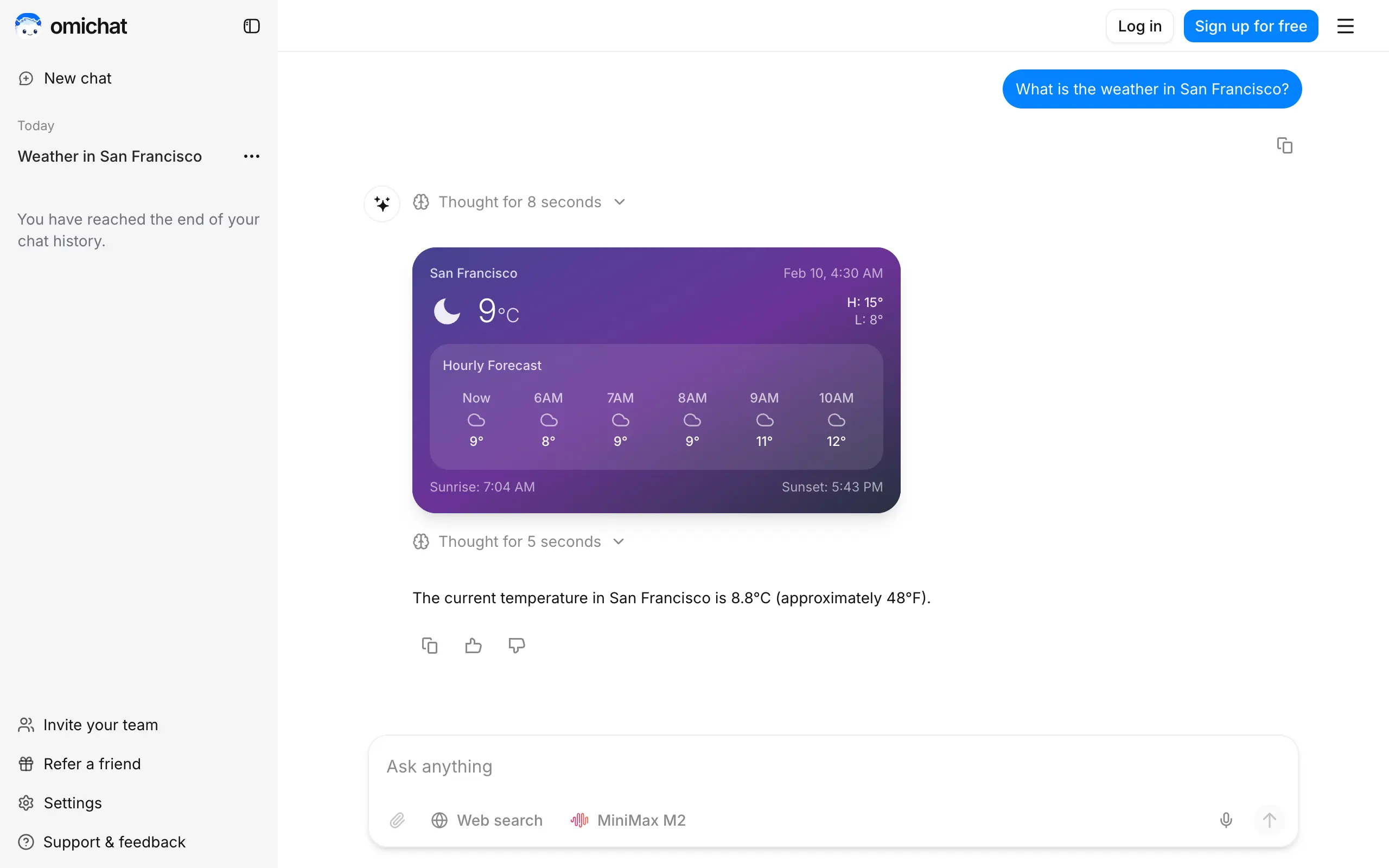
Omichat
Chat with 50+ AI models, including ChatGPT and Claude, in one place - switch models anytime without losing context 🤖
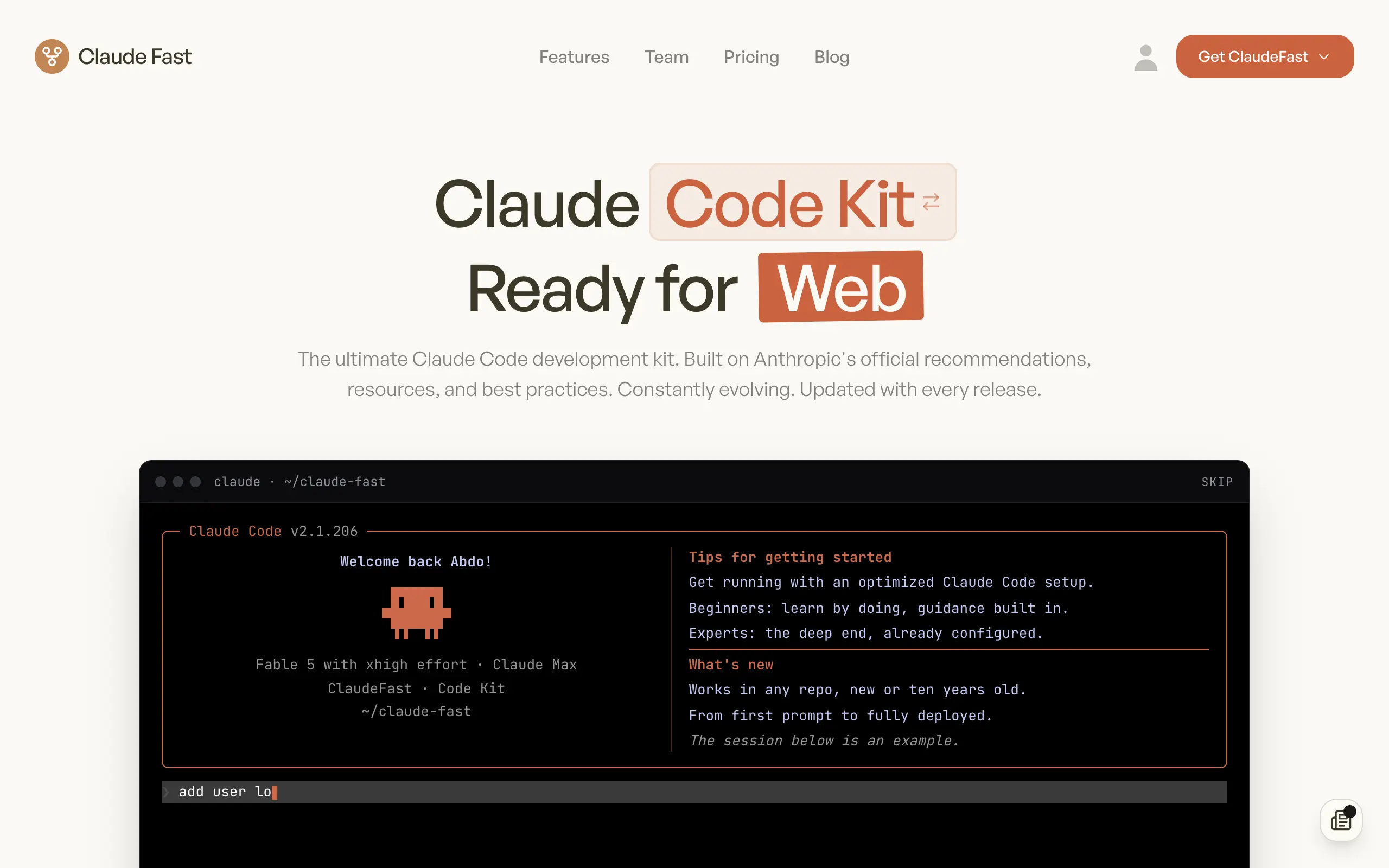
Claude Fast
Supercharge your Claude Code with 6x effective context window and specialized AI agents 🤖
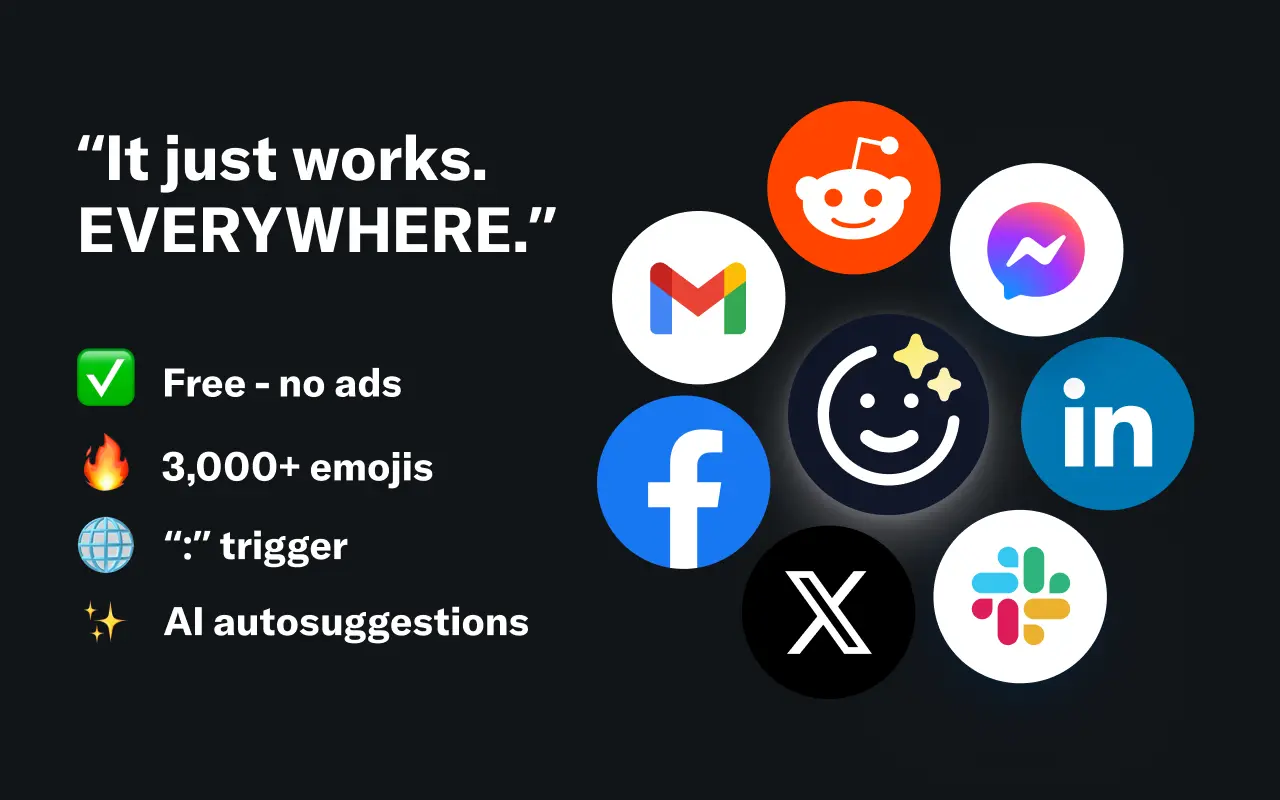
EmojAI
AI-powered emoji picker with smart, context-aware suggestions 🤖
Solohacker
Autonomous company launcher - AI agents work 24/7, escalate what matters, and you stay in control 🤖
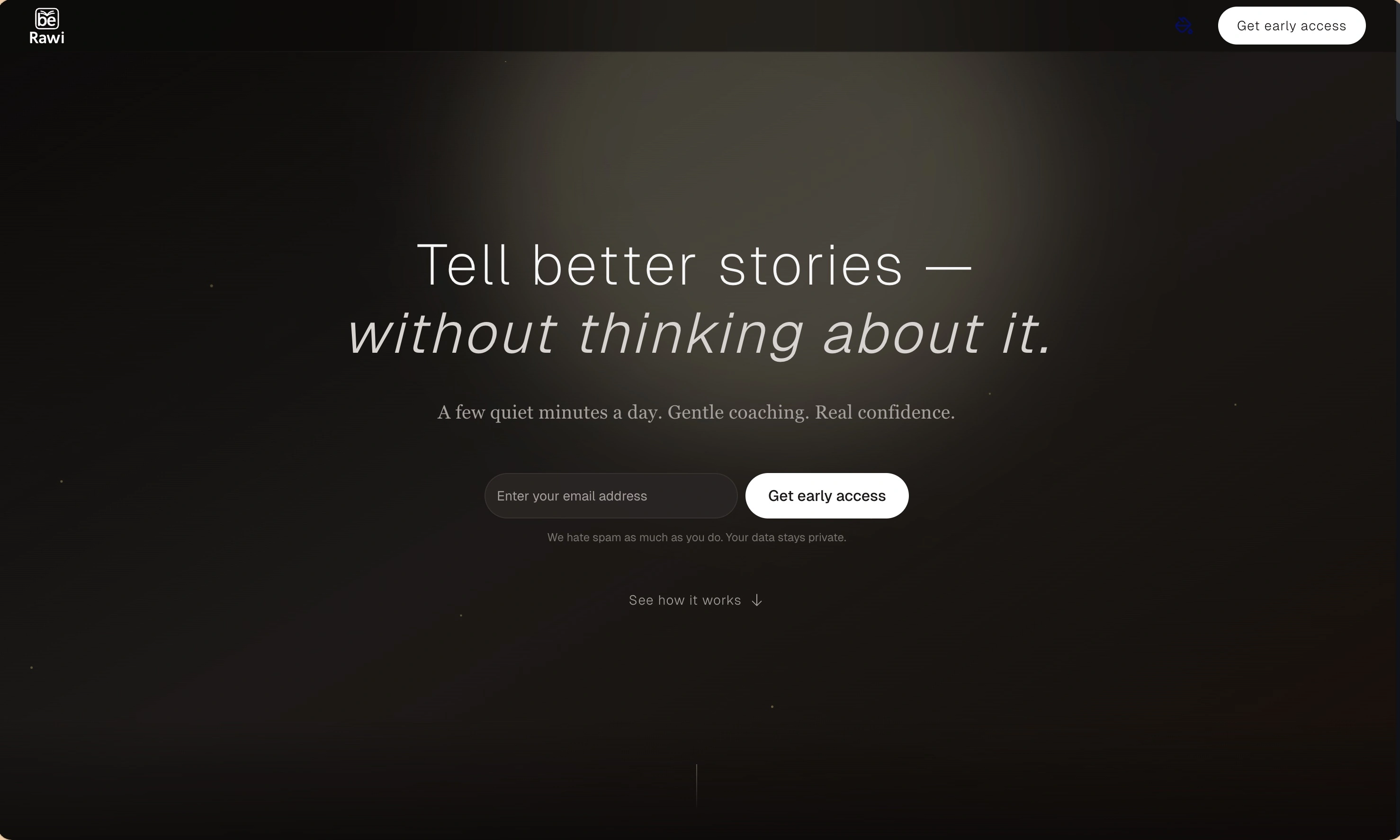
BeRawi: Storytelling Coach
Practice storytelling daily with instant feedback to sound clearer, more engaging, and confident 🎤
Omichat
Chat with 50+ AI models, including ChatGPT and Claude, in one place - switch models anytime without losing context 🤖
Claude Fast
Supercharge your Claude Code with 6x effective context window and specialized AI agents 🤖
EmojAI
AI-powered emoji picker with smart, context-aware suggestions 🤖
Solohacker
Autonomous company launcher - AI agents work 24/7, escalate what matters, and you stay in control 🤖
BeRawi: Storytelling Coach
Practice storytelling daily with instant feedback to sound clearer, more engaging, and confident 🎤
Omichat
Chat with 50+ AI models, including ChatGPT and Claude, in one place - switch models anytime without losing context 🤖
Claude Fast
Supercharge your Claude Code with 6x effective context window and specialized AI agents 🤖
EmojAI
AI-powered emoji picker with smart, context-aware suggestions 🤖
Solohacker
Autonomous company launcher - AI agents work 24/7, escalate what matters, and you stay in control 🤖
BeRawi: Storytelling Coach
Practice storytelling daily with instant feedback to sound clearer, more engaging, and confident 🎤
Omichat
Chat with 50+ AI models, including ChatGPT and Claude, in one place - switch models anytime without losing context 🤖
Claude Fast
Supercharge your Claude Code with 6x effective context window and specialized AI agents 🤖
EmojAI
AI-powered emoji picker with smart, context-aware suggestions 🤖
Solohacker
Autonomous company launcher - AI agents work 24/7, escalate what matters, and you stay in control 🤖
BeRawi: Storytelling Coach
Practice storytelling daily with instant feedback to sound clearer, more engaging, and confident 🎤

Connect with like-minded people
Join our community to get feedback, support, and grow together with 1,000+ builders on board, let's ship it!
Join usShip your startup everywhere. In minutes.
Don't burn tokens on setup and start building features on day one.