LegacyShield AI
A predictive family governance platform that detects succession risks, internal conflicts, and inheritance vulnerabilities before they erupt—safeguarding dynasties and multi-generational wealth.
The future of family governance: why predictive succession intelligence matters
Ultra-high-net-worth families, family offices, and multi-generational businesses face a quiet but existential threat: internal breakdown. Most wealth erosion does not come from market crashes alone—it stems from poorly managed succession, governance disputes, tax inefficiencies, and unresolved family conflict.
Studies frequently cited by family governance experts (including research from institutions like the Williams Group) suggest that a large percentage of wealth fails to transfer successfully to the third generation—not because of poor investment performance, but due to breakdowns in communication and governance structures.
This is where a predictive family governance platform becomes transformational.
LegacyShield AI is designed as a predictive risk intelligence system for dynasties and multi-generational wealth structures. Rather than reacting to disputes after they surface, it detects succession risks, inheritance vulnerabilities, governance breakdown signals, and conflict precursors before they erupt.
This article explores the market opportunity, target users, technical architecture, monetization strategies, competitive advantages, and implementation roadmap for building and scaling a platform like LegacyShield AI.
The core problem: succession failure and governance blind spots
Why generational wealth often collapses
Family wealth transitions are uniquely complex because they combine:
- Financial assets
- Operating businesses
- Emotional relationships
- Legal frameworks
- Cultural expectations
- Tax and regulatory exposure
Common failure points include:
- No formal succession roadmap
- Unclear voting/control structures
- Silent conflict among heirs
- Misaligned risk tolerance across generations
- Inadequate estate planning
- Lack of governance documentation
- Hidden tax or jurisdictional vulnerabilities
- Sudden incapacitation without contingency planning
Traditional advisors (lawyers, estate planners, private bankers) focus on reactive planning. They don’t provide continuous predictive monitoring across governance health.
That gap creates an opportunity for a predictive family governance SaaS platform.
Target audience analysis
LegacyShield AI is a B2B SaaS platform, but the actual end-user ecosystem is nuanced.
Primary customers
- Family offices (single and multi-family)
- Private wealth advisory firms
- Trust & estate law firms
- Private banks
- Wealth management platforms
These entities would subscribe to the platform to protect their high-value clients.
Secondary users
- Family patriarchs/matriarchs
- Next-generation heirs
- Board members of family businesses
- Trustees and executors
- Governance consultants
Ideal customer profile (ICP)
- Net worth: $50M+
- Multi-entity ownership structures
- Multi-jurisdiction holdings
- At least two generations involved
- Existing legal and financial advisory team
These clients are less price-sensitive but highly concerned with reputation, privacy, and continuity.
High-value insight
Unlike typical SaaS buyers, this market prioritizes trust, discretion, and regulatory compliance over flashy UX or low pricing.
Market opportunity and gap analysis
The family office growth trend
According to widely reported industry data (e.g., Deloitte and UBS global wealth insights), the number of family offices worldwide has grown significantly over the last decade, with trillions in assets under management.
Key macro trends:
- Rising ultra-high-net-worth population
- Increased cross-border asset structures
- Greater scrutiny of governance standards
- Next-gen heirs demanding transparency
- Growing ESG and impact mandates
Despite this sophistication, most governance processes are still:
- Spreadsheet-based
- Document-fragmented
- Advisor-siloed
- Non-predictive
There is no dominant AI-first governance risk platform focused specifically on succession and inheritance vulnerability detection.
Market gap
| Current tools | Missing capability |
|---|---|
| Estate planning software | No ongoing risk detection |
| Legal document repositories | No behavioral conflict prediction |
| Wealth dashboards | No governance stress modeling |
| CRM systems | No succession simulation |
LegacyShield AI fills the gap by acting as a family governance risk intelligence layer across legal, financial, and relational structures.
Core product vision: predictive family governance platform
At its core, LegacyShield AI should function as:
A continuous governance risk monitoring and predictive intelligence engine for multi-generational wealth systems.
Core modules
Succession Risk Engine
Simulates inheritance outcomes, voting shifts, and leadership transfer scenarios.
Conflict Detection AI
Analyzes communication signals, governance patterns, and structural imbalances to detect early warning signs.
Inheritance Vulnerability Scanner
Identifies tax exposure, trust misalignment, jurisdictional weaknesses, and legal blind spots.
Governance Health Dashboard
Provides real-time visibility into governance maturity and structural stability.
Key features in depth
1. Succession scenario modeling
A simulation engine that answers:
- What happens if the founder dies unexpectedly?
- Who gains voting control?
- Does dilution create fragmentation?
- What if one heir sells their stake?
- How do tax obligations impact liquidity?
This requires:
- Entity structure modeling
- Cap table analysis
- Trust waterfall modeling
- Multi-jurisdiction tax rules (integration layer)
2. Predictive conflict detection
Using behavioral indicators and governance data:
- Voting deadlock likelihood
- Ownership concentration risk
- Board misalignment patterns
- Communication sentiment shifts (if integrated)
- Unequal dividend policy impact
The goal is early warning, not surveillance.
3. Governance scoring system
A composite governance health index based on:
- Succession clarity
- Legal redundancy
- Decision-making documentation
- Contingency planning
- Intergenerational alignment
4. Secure document intelligence
Integration with legal documents to:
- Detect outdated clauses
- Flag missing fiduciary roles
- Identify jurisdiction mismatches
- Analyze trust flexibility
5. Advisory reporting suite
Designed for:
- Private banks
- Law firms
- Family office executives
Exportable governance health reports increase platform stickiness.
Recommended tech stack and architecture
Security and compliance are paramount.
Frontend
Benefits:
- Enterprise-ready
- SSR for secure dashboards
- Highly customizable UI
Backend
- Node.js (API layer)
- Python (AI/ML modeling)
- PostgreSQL (structured data)
- Encrypted object storage (for documents)
AI layer
- Predictive modeling (risk scoring)
- NLP for document analysis
- Scenario simulation engine
Infrastructure
- SOC 2-compliant hosting
- Role-based access control (RBAC)
- End-to-end encryption
- Zero-trust architecture
Example: governance risk scoring engine
type GovernanceInputs = {
  successionPlanExists: boolean
  votingClarityScore: number
  ownershipFragmentation: number
  trustRedundancyScore: number
  conflictIndicators: number
}

function calculateGovernanceRisk(input: GovernanceInputs): number {
  const risk =
    (input.successionPlanExists ? 0 : 20) +
    (100 - input.votingClarityScore) * 0.2 +
    input.ownershipFragmentation * 0.3 +
    (100 - input.trustRedundancyScore) * 0.2 +
    input.conflictIndicators * 0.3

  return Math.min(100, Math.round(risk))
}
This simple model can later evolve into a machine learning ensemble trained on anonymized governance outcomes.
Competitive landscape analysis
There is no direct dominant competitor in predictive AI-driven family governance.
Indirect competitors include:
- Estate planning software
- Family office dashboards
- Trust management platforms
- Legal document automation tools
Competitive comparison
| Capability | Estate Software | Legal DMS | Wealth Dashboard | LegacyShield AI |
|---|---|---|---|---|
| Succession simulation | ❌ | ❌ | ❌ | ✅ |
| Conflict prediction | ❌ | ❌ | ❌ | ✅ |
| Governance health scoring | ❌ | ❌ | ❌ | ✅ |
| Continuous monitoring | ❌ | ❌ | ❌ | ✅ |
Monetization strategy
Given the high-value clientele, pricing should reflect strategic importance.
Option 1: Tiered SaaS subscription
- Professional (Advisory firms): $2,000–$5,000/month
- Enterprise (Single family office): $5,000–$15,000/month
- Global enterprise (Multi-family office): Custom pricing
Option 2: Assets under governance (AUG) pricing
Charge a basis point-style fee relative to:
- Assets structured within platform
- Number of entities modeled
Option 3: Hybrid + implementation fee
- Initial governance audit fee
- Ongoing monitoring subscription
High onboarding friction is acceptable if positioned as strategic infrastructure.
Risks and mitigation strategies
1. Privacy concerns
Mitigation:
- Zero-knowledge encryption
- On-prem deployment options
- External security audits
2. Legal liability
Mitigation:
- Clear disclaimers (decision support tool)
- Advisory integration model
- Professional indemnity coverage
3. AI bias or inaccuracy
Mitigation:
- Human-in-the-loop validation
- Transparent scoring methodology
- Continuous model retraining
4. Sales cycle length
Mitigation:
- Target advisors first (B2B2C model)
- Offer governance diagnostic entry product
- Publish thought leadership
Unique selling proposition (USP)
LegacyShield AI stands out because it:
- Shifts governance from reactive to predictive
- Integrates financial, legal, and relational risk
- Focuses on succession intelligence—not generic wealth dashboards
- Creates measurable governance health scoring
- Positions itself as infrastructure, not just software
This is not another estate planning tool.
It is governance risk intelligence for dynasties.
Implementation roadmap
Go-to-market strategy
Phase 1: Authority positioning
- Publish governance risk reports
- Speak at private wealth conferences
- Partner with trust law firms
- Create whitepapers on generational risk
Phase 2: Strategic partnerships
- Private banks
- Wealth tech platforms
- Governance consulting firms
Phase 3: Direct enterprise sales
- Dedicated relationship managers
- Long onboarding cycles
- Confidential demos
Trust-first branding is essential.
Why now? Timing and industry tailwinds
- Massive intergenerational wealth transfer underway
- Increased regulatory scrutiny
- Growing AI acceptance in financial services
- Rising complexity in global asset structures
- Next-gen heirs demanding transparency
The convergence of AI and private wealth governance creates a rare opportunity window.
Building the MVP efficiently
To accelerate development while maintaining enterprise readiness, a structured SaaS foundation is critical.
Using a production-ready starter framework like TurboStarter can significantly reduce time-to-market by providing:
- Authentication
- Role-based access
- Secure dashboards
- Billing infrastructure
- SaaS architecture patterns
This allows founders to focus on:
- Risk modeling logic
- Governance scoring engine
- AI analysis modules
Instead of reinventing SaaS boilerplate.
Final thoughts: redefining governance infrastructure
Multi-generational wealth preservation is not just a financial problem—it is a structural, relational, and governance challenge.
The future of family office technology will not revolve solely around portfolio performance dashboards.
It will revolve around:
- Predictive governance analytics
- Succession intelligence
- Conflict early warning systems
- Structural vulnerability detection
LegacyShield AI represents a shift toward governance infrastructure as a service.
Families don’t lose wealth because markets fluctuate.
They lose it because governance fails.
A predictive family governance platform ensures that failure is identified—and prevented—before it becomes irreversible.
Next steps for founders and innovators
If you are considering building a predictive succession and governance SaaS platform:
- Start with qualitative interviews.
- Build credibility before building code.
- Design security architecture from day one.
- Focus on explainable AI.
- Target advisors first.
- Treat trust as your primary product.
Then move quickly.
The largest wealth transfer in history is happening now.
The infrastructure protecting it has not caught up yet.
More 🏢 B2B Application SaaS ideas
Discover more innovative b2b application SaaS ideas that are trending in 2026. Each idea is AI-generated with market validation and growth potential to help you find your next profitable venture faster than competitors.
Your competitors are building with TurboStarter
Below are some of the SaaS ideas that have been generated and built with our starter kit.
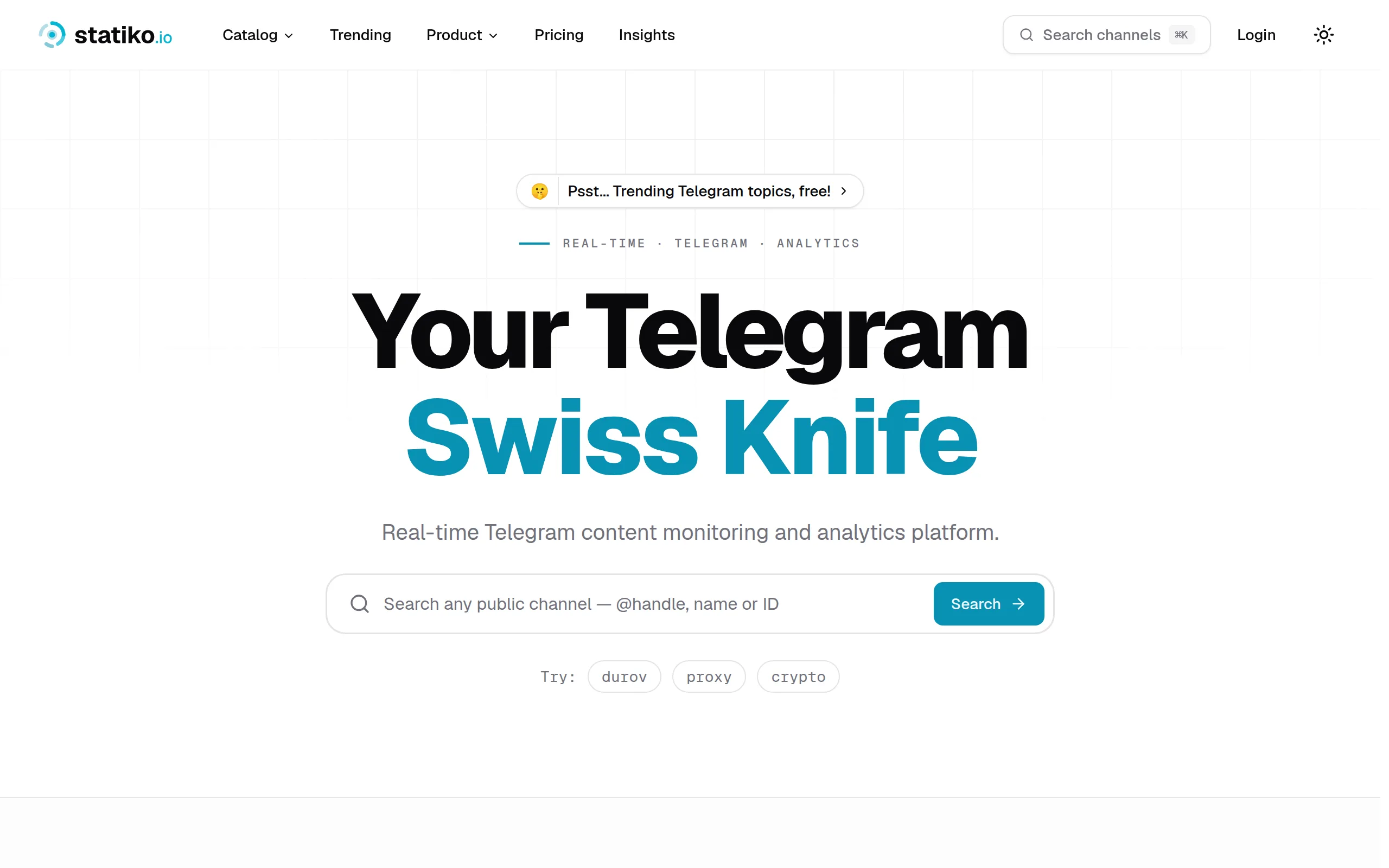
Statiko
Monitor any Telegram channel in real time - track posts, edits, deletions, and growth with AI recaps 📡

Shibui
AI website builder - describe your business, pick a niche template, edit by chatting, and publish instantly ✨

Pro Service
Find verified home service professionals, compare quotes, and pay securely through escrow - built for Brazilians across the US 🏠
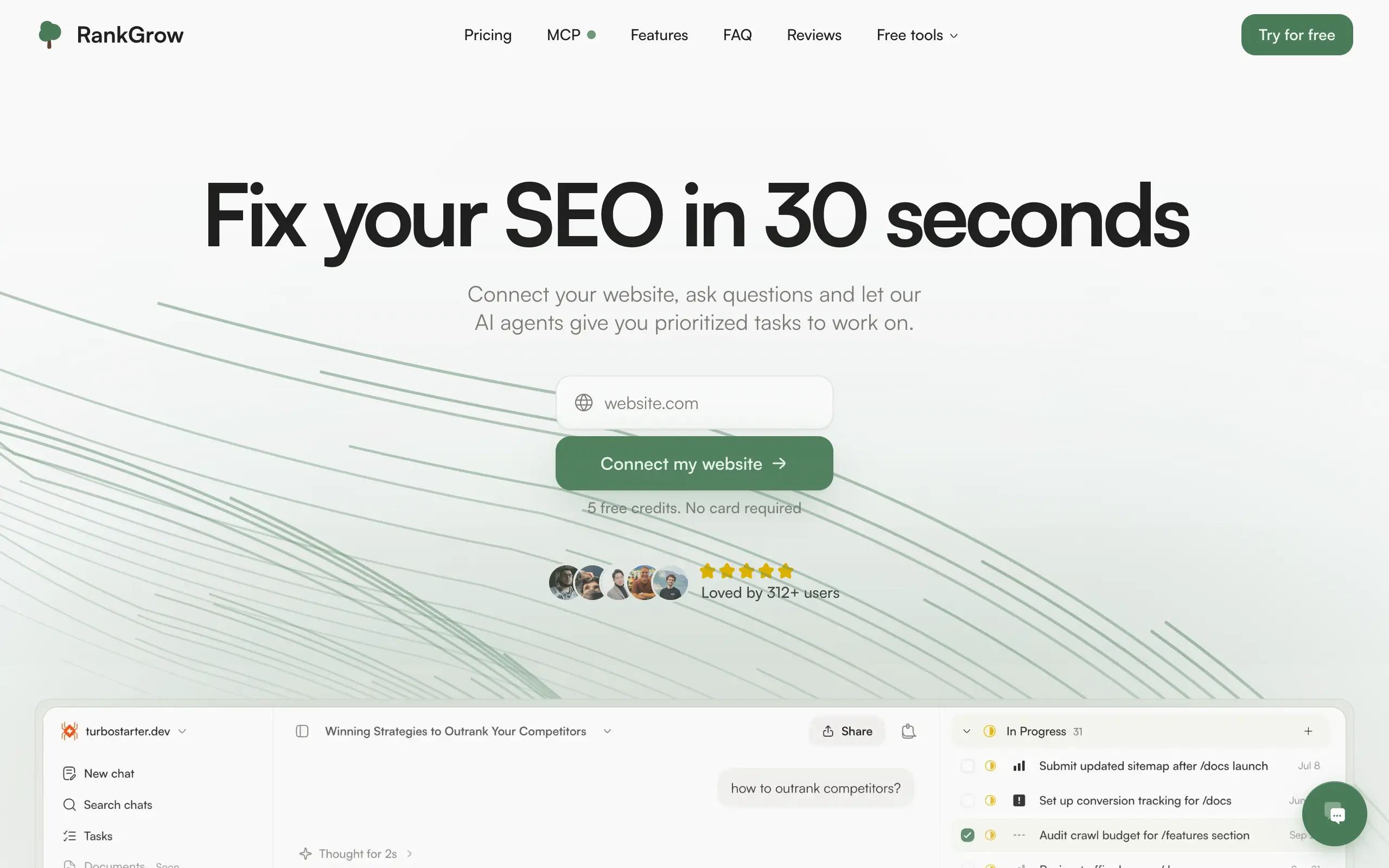
RankGrow
Fix your SEO with AI agents - connect Search Console, get prioritized tasks, and grow organic traffic 📈
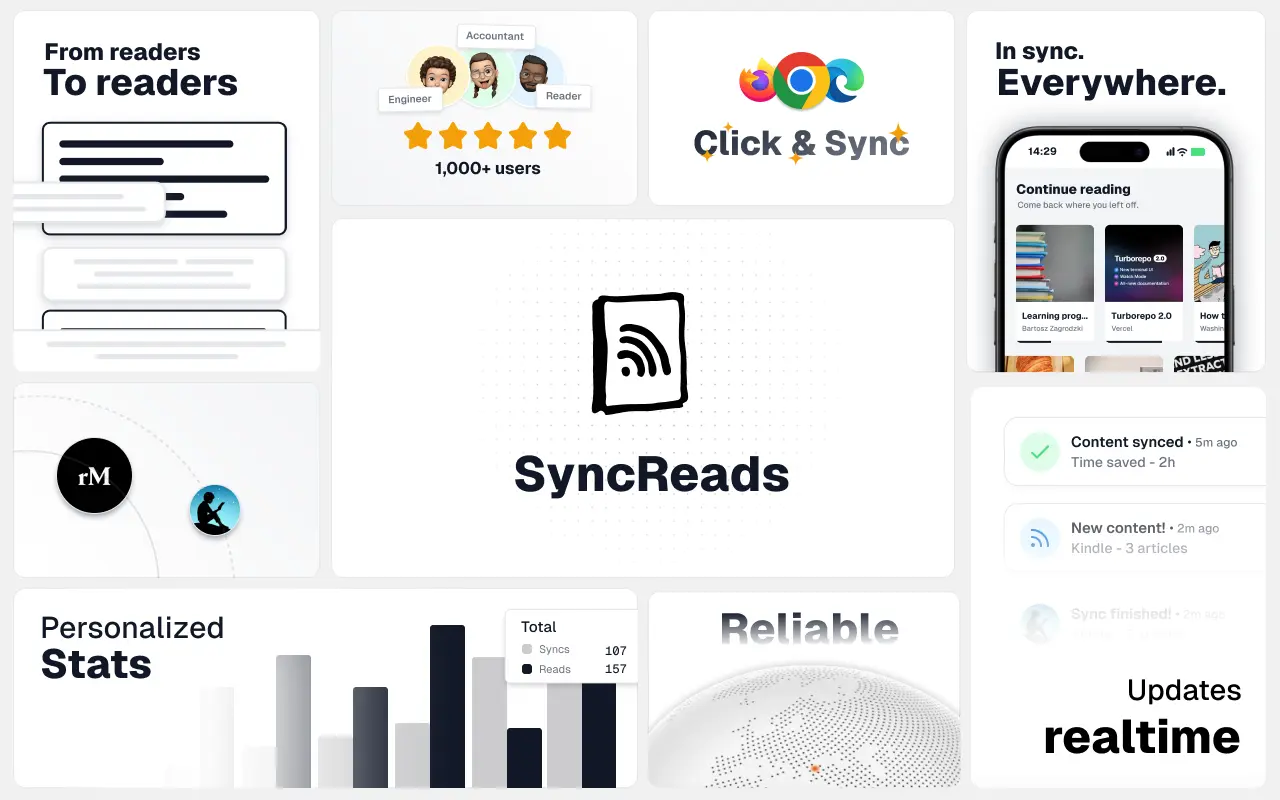
SyncReads
Sync your favorite content for distraction-free reading, save time and replace multiple apps. Anytime, anywhere 🔄
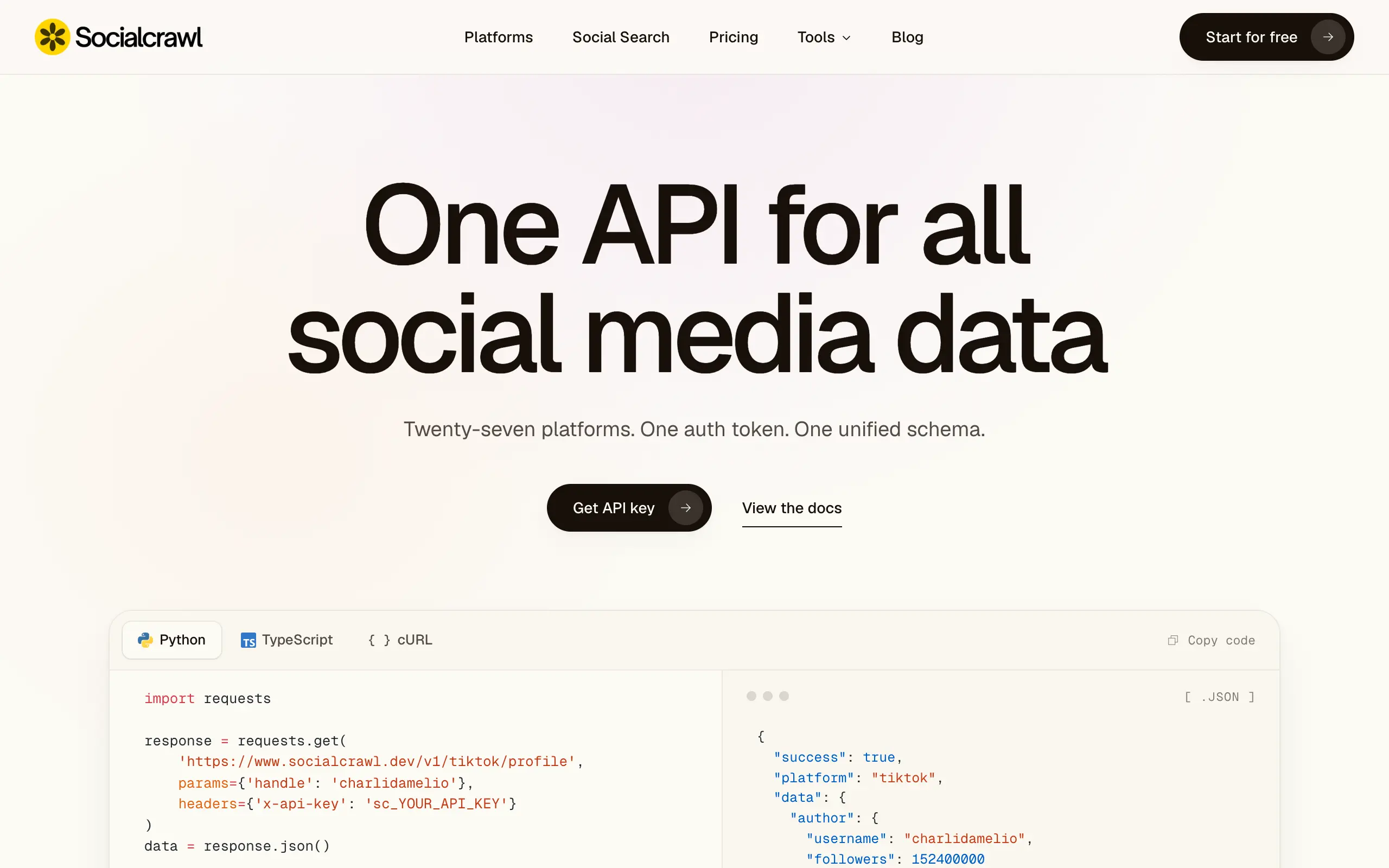
Socialcrawl
Get clean, structured data from 21 platforms like TikTok, Instagram, and YouTube with a single request 📊
Statiko
Monitor any Telegram channel in real time - track posts, edits, deletions, and growth with AI recaps 📡
Shibui
AI website builder - describe your business, pick a niche template, edit by chatting, and publish instantly ✨
Pro Service
Find verified home service professionals, compare quotes, and pay securely through escrow - built for Brazilians across the US 🏠
RankGrow
Fix your SEO with AI agents - connect Search Console, get prioritized tasks, and grow organic traffic 📈
SyncReads
Sync your favorite content for distraction-free reading, save time and replace multiple apps. Anytime, anywhere 🔄
Socialcrawl
Get clean, structured data from 21 platforms like TikTok, Instagram, and YouTube with a single request 📊
Statiko
Monitor any Telegram channel in real time - track posts, edits, deletions, and growth with AI recaps 📡
Shibui
AI website builder - describe your business, pick a niche template, edit by chatting, and publish instantly ✨
Pro Service
Find verified home service professionals, compare quotes, and pay securely through escrow - built for Brazilians across the US 🏠
RankGrow
Fix your SEO with AI agents - connect Search Console, get prioritized tasks, and grow organic traffic 📈
SyncReads
Sync your favorite content for distraction-free reading, save time and replace multiple apps. Anytime, anywhere 🔄
Socialcrawl
Get clean, structured data from 21 platforms like TikTok, Instagram, and YouTube with a single request 📊
Statiko
Monitor any Telegram channel in real time - track posts, edits, deletions, and growth with AI recaps 📡
Shibui
AI website builder - describe your business, pick a niche template, edit by chatting, and publish instantly ✨
Pro Service
Find verified home service professionals, compare quotes, and pay securely through escrow - built for Brazilians across the US 🏠
RankGrow
Fix your SEO with AI agents - connect Search Console, get prioritized tasks, and grow organic traffic 📈
SyncReads
Sync your favorite content for distraction-free reading, save time and replace multiple apps. Anytime, anywhere 🔄
Socialcrawl
Get clean, structured data from 21 platforms like TikTok, Instagram, and YouTube with a single request 📊
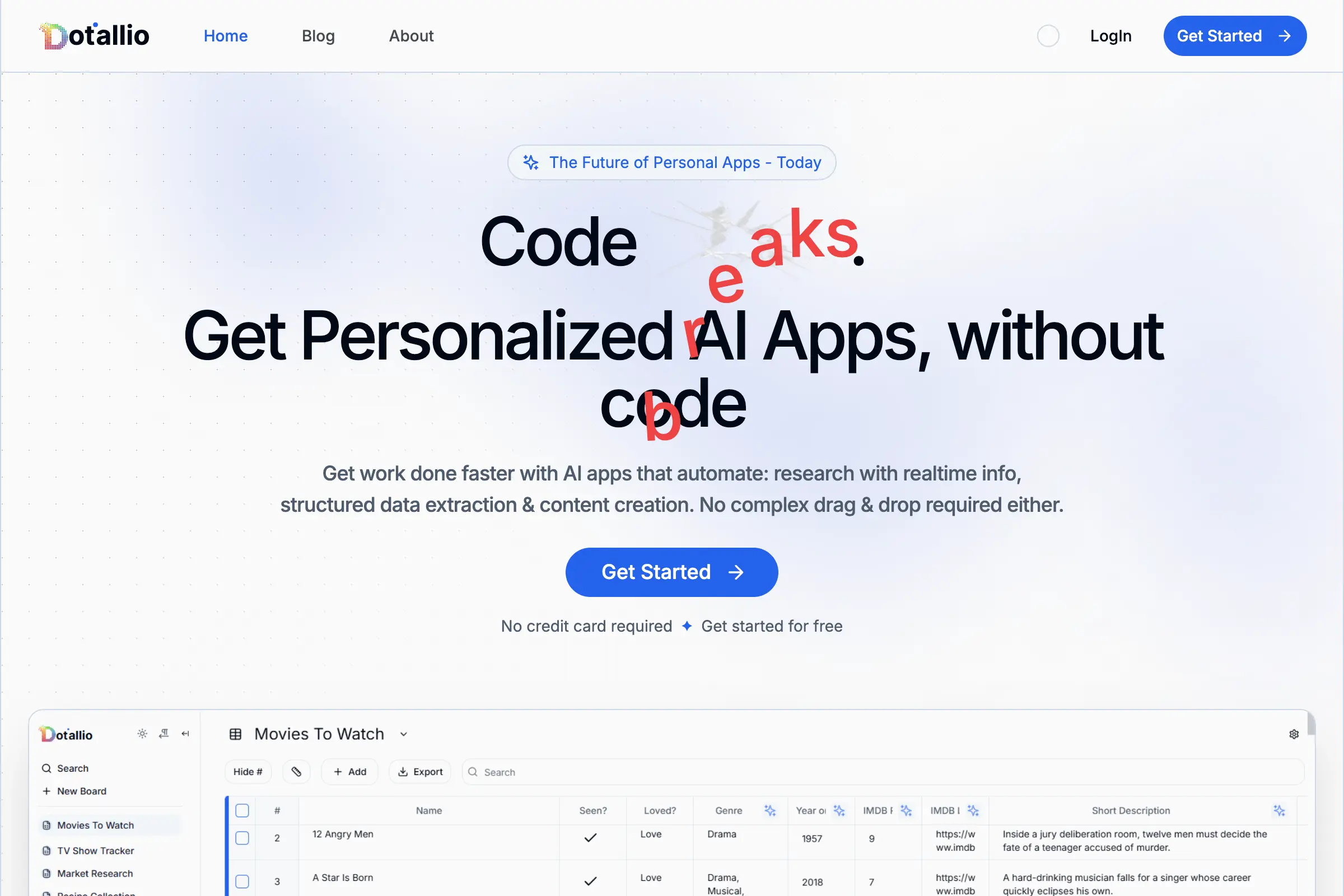
Dotallio
Personalized AI apps that automate research, data extraction, and content creation without code 🤖

Talk to Santa
Enjoy a magical live video chat or receive a unique AI-generated video greeting from Santa Claus 🎅
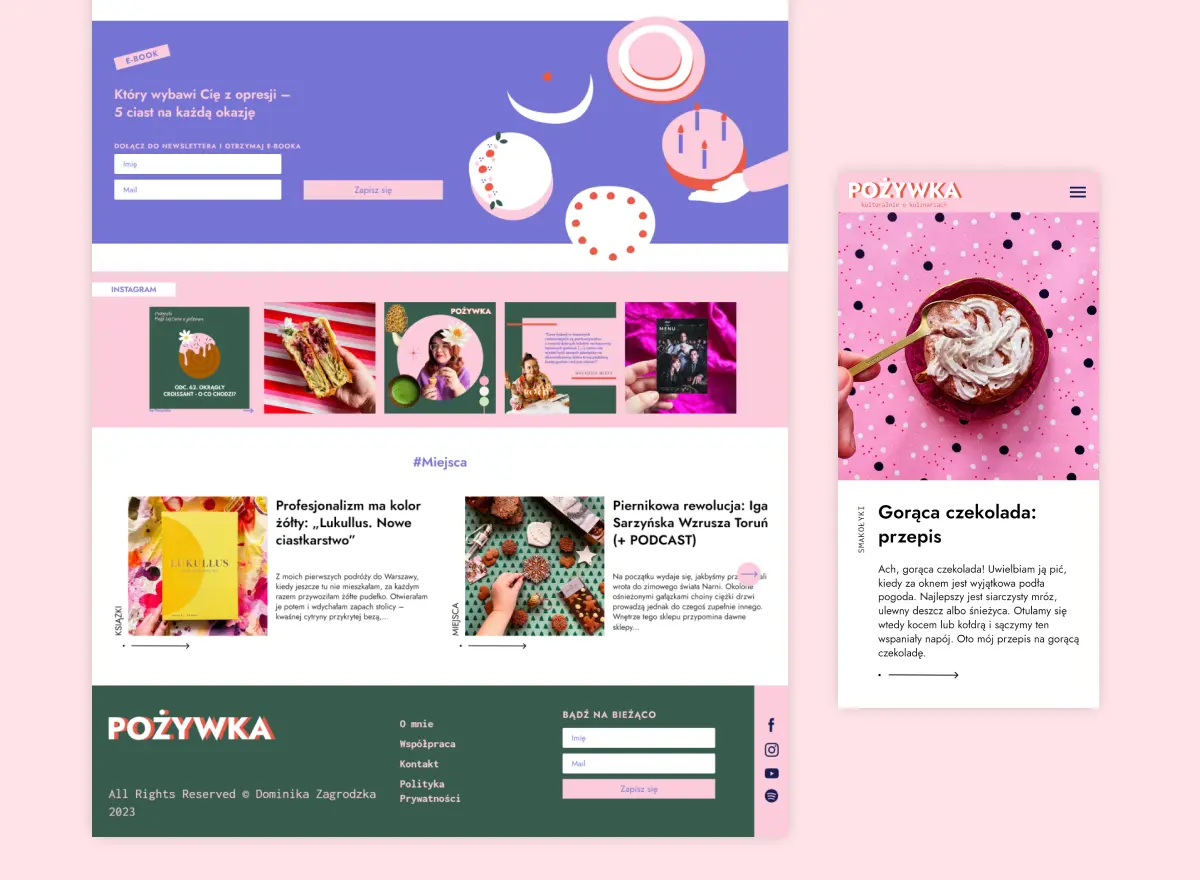
pozywka.pl
Scalable blog for food journalist, focused on performance and user experience 🌭
zagrodzki.me
Personal blog and portfolio of Bart Zagrodzki, where he shares his knowledge and work 💼
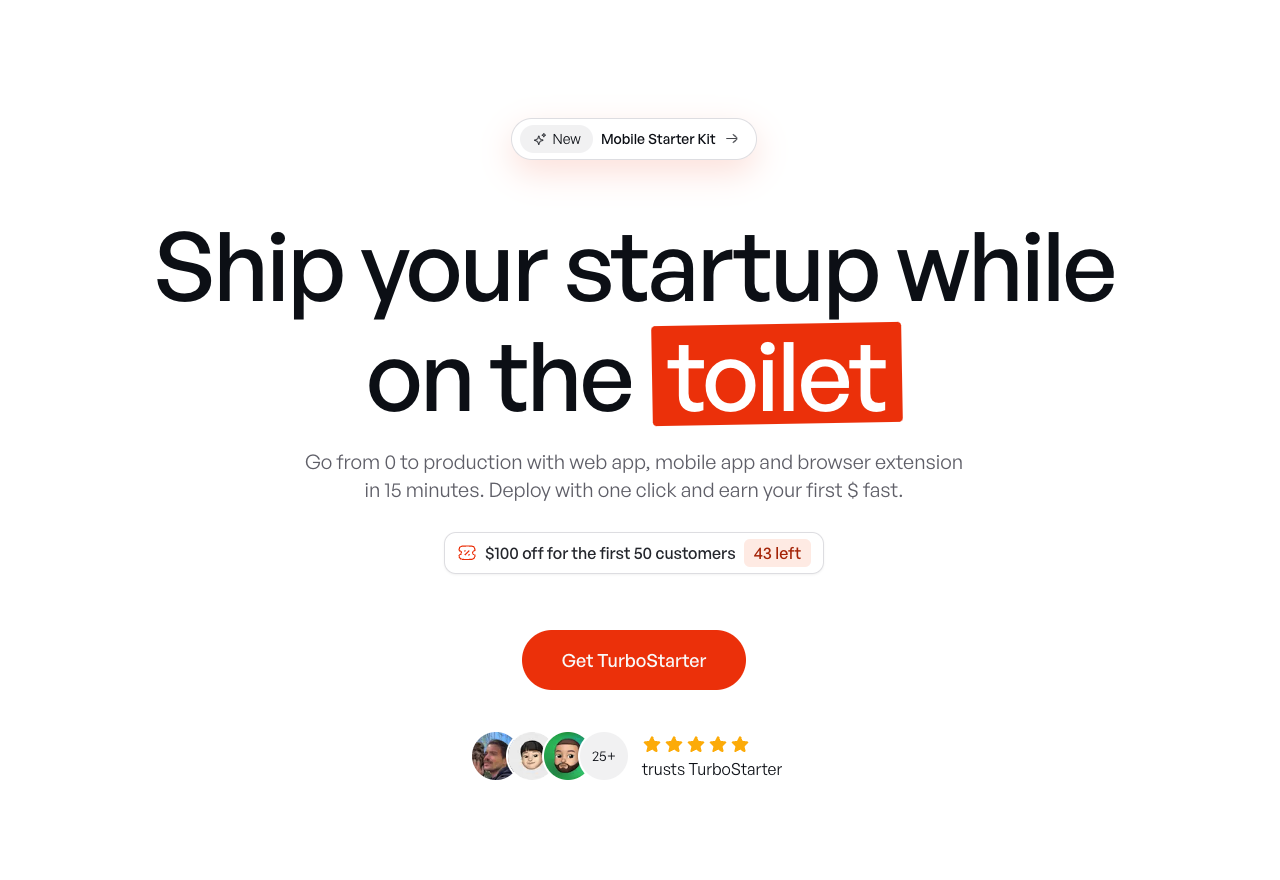
TurboStarter
Ship your startup everywhere. In minutes.
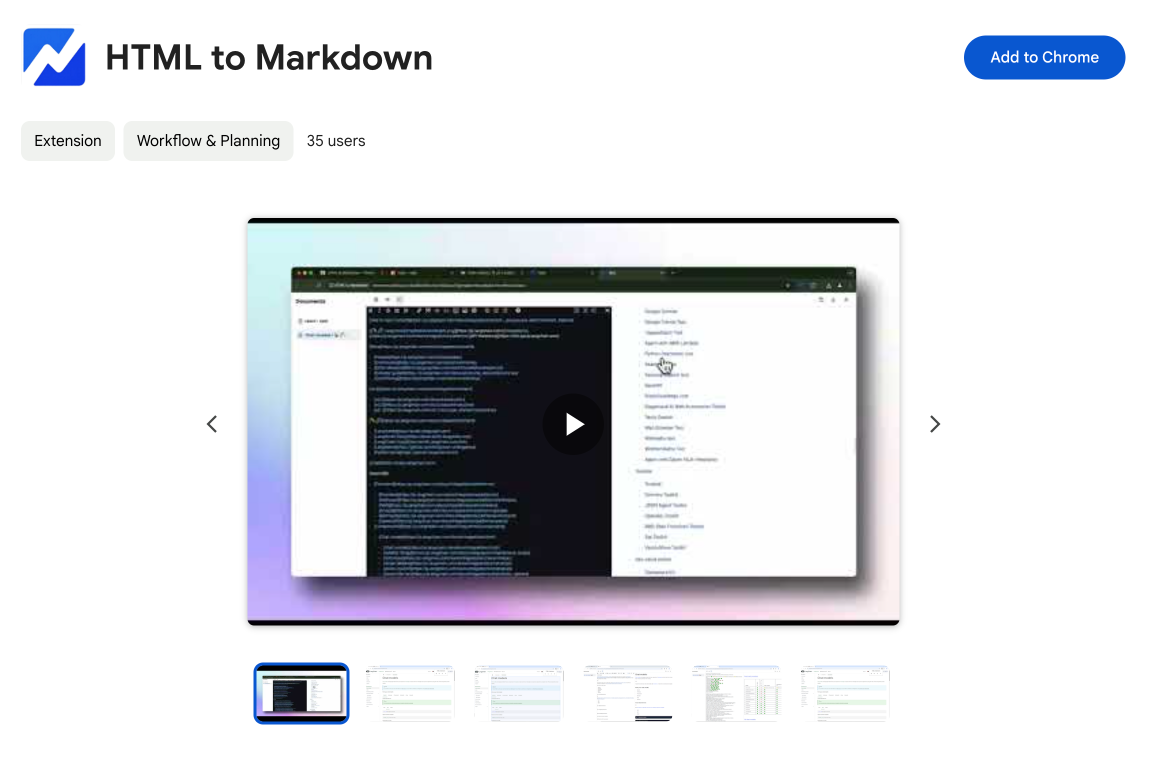
HTML to Markdown
Convert HTML to Markdown with ease, directly in your browser 📄
Dotallio
Personalized AI apps that automate research, data extraction, and content creation without code 🤖
Talk to Santa
Enjoy a magical live video chat or receive a unique AI-generated video greeting from Santa Claus 🎅
pozywka.pl
Scalable blog for food journalist, focused on performance and user experience 🌭
zagrodzki.me
Personal blog and portfolio of Bart Zagrodzki, where he shares his knowledge and work 💼
TurboStarter
Ship your startup everywhere. In minutes.
HTML to Markdown
Convert HTML to Markdown with ease, directly in your browser 📄
Dotallio
Personalized AI apps that automate research, data extraction, and content creation without code 🤖
Talk to Santa
Enjoy a magical live video chat or receive a unique AI-generated video greeting from Santa Claus 🎅
pozywka.pl
Scalable blog for food journalist, focused on performance and user experience 🌭
zagrodzki.me
Personal blog and portfolio of Bart Zagrodzki, where he shares his knowledge and work 💼
TurboStarter
Ship your startup everywhere. In minutes.
HTML to Markdown
Convert HTML to Markdown with ease, directly in your browser 📄
Dotallio
Personalized AI apps that automate research, data extraction, and content creation without code 🤖
Talk to Santa
Enjoy a magical live video chat or receive a unique AI-generated video greeting from Santa Claus 🎅
pozywka.pl
Scalable blog for food journalist, focused on performance and user experience 🌭
zagrodzki.me
Personal blog and portfolio of Bart Zagrodzki, where he shares his knowledge and work 💼
TurboStarter
Ship your startup everywhere. In minutes.
HTML to Markdown
Convert HTML to Markdown with ease, directly in your browser 📄
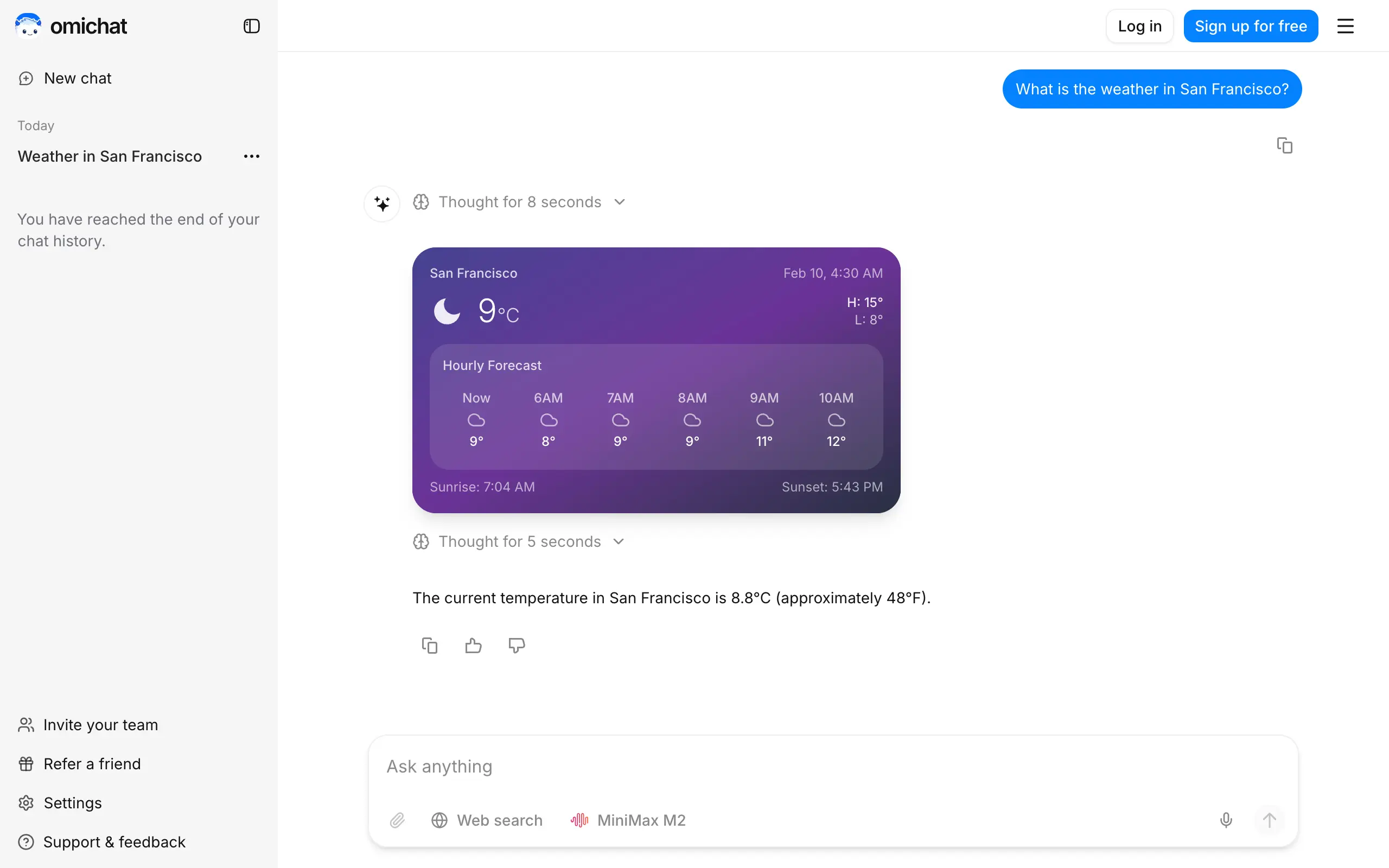
Omichat
Chat with 50+ AI models, including ChatGPT and Claude, in one place - switch models anytime without losing context 🤖
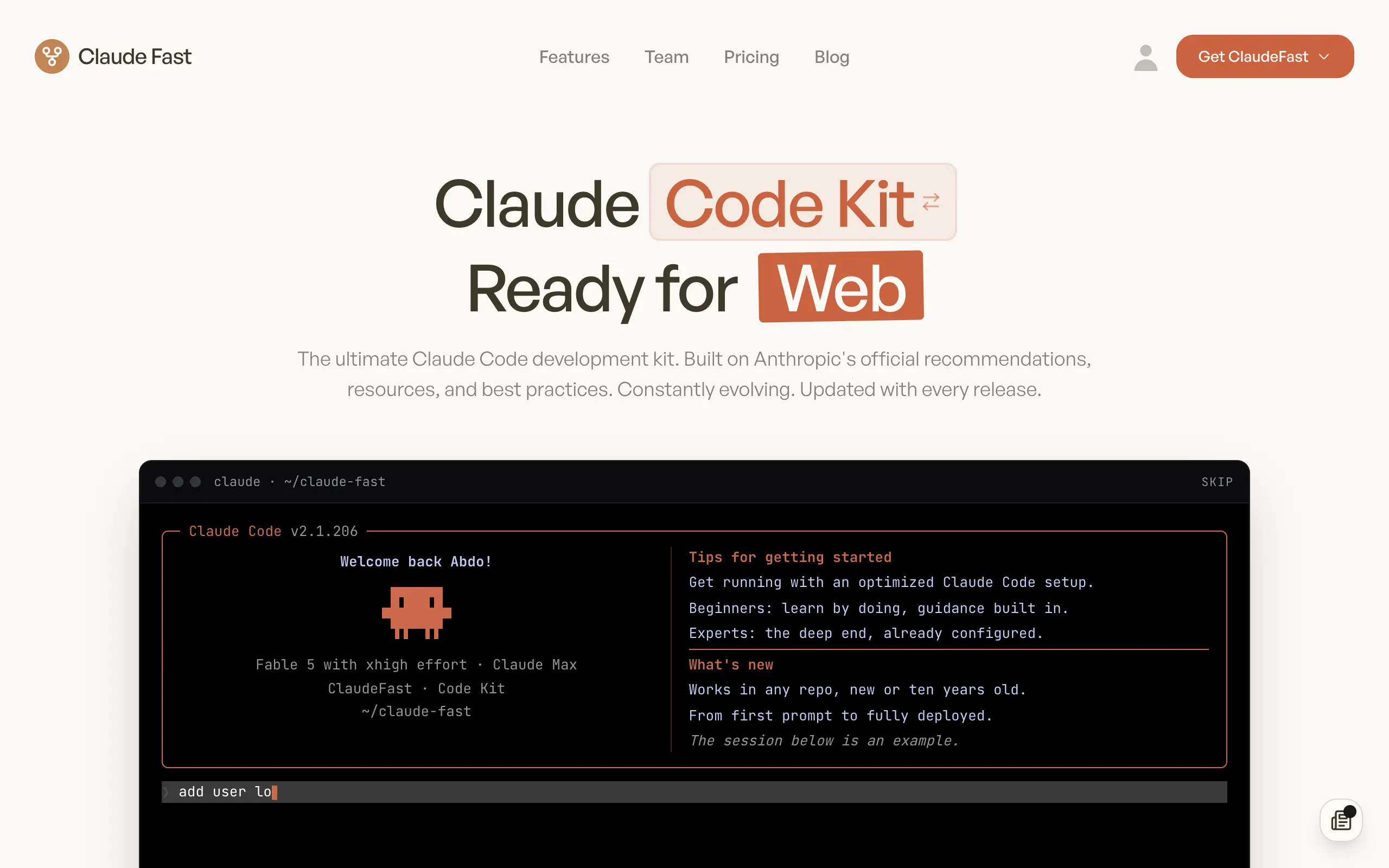
Claude Fast
Supercharge your Claude Code with 6x effective context window and specialized AI agents 🤖
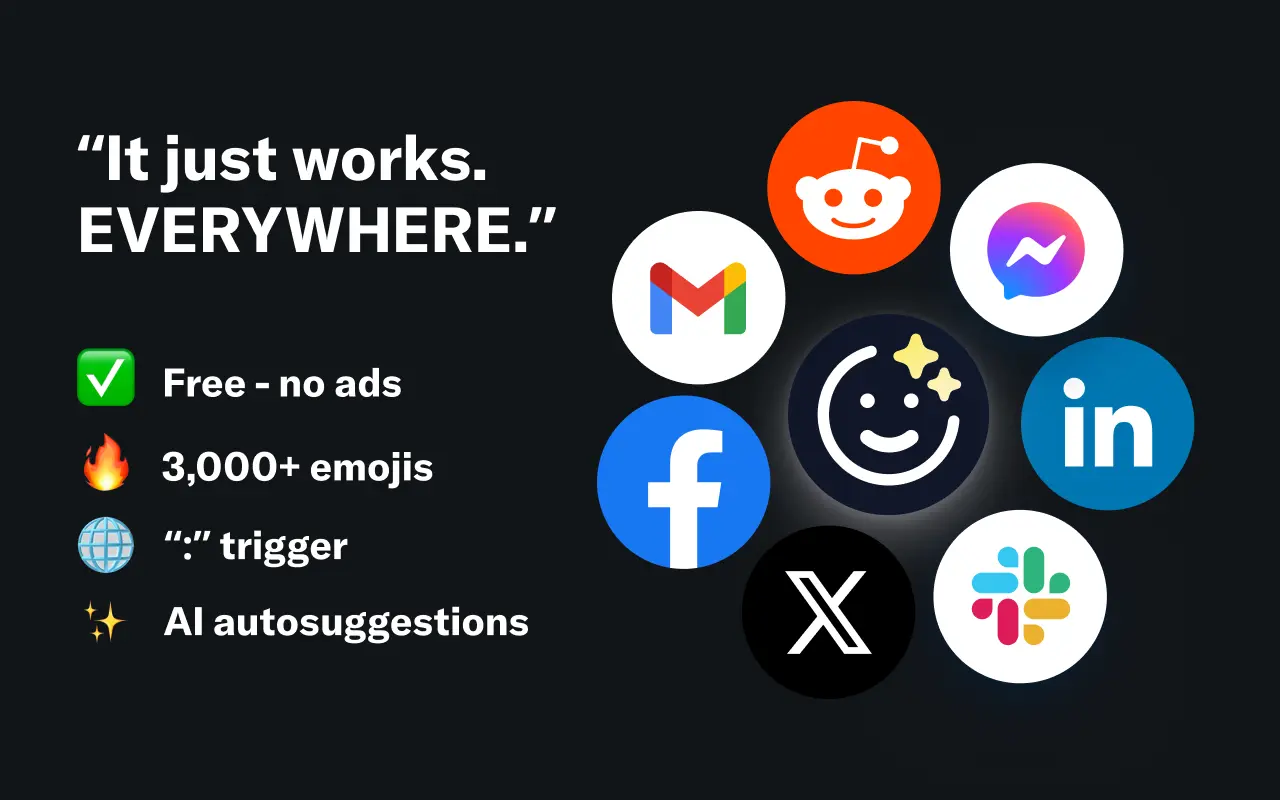
EmojAI
AI-powered emoji picker with smart, context-aware suggestions 🤖
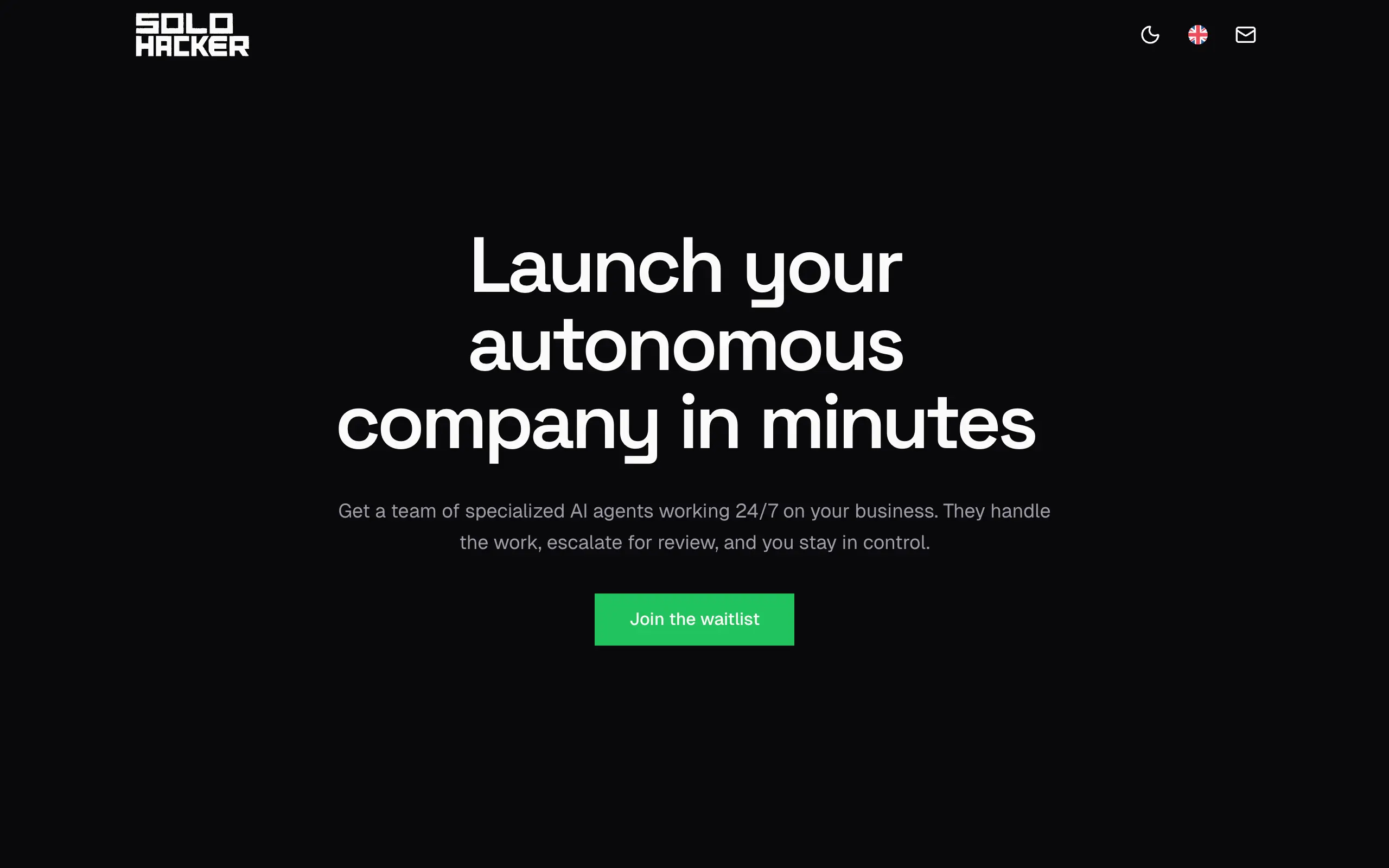
Solohacker
Autonomous company launcher - AI agents work 24/7, escalate what matters, and you stay in control 🤖
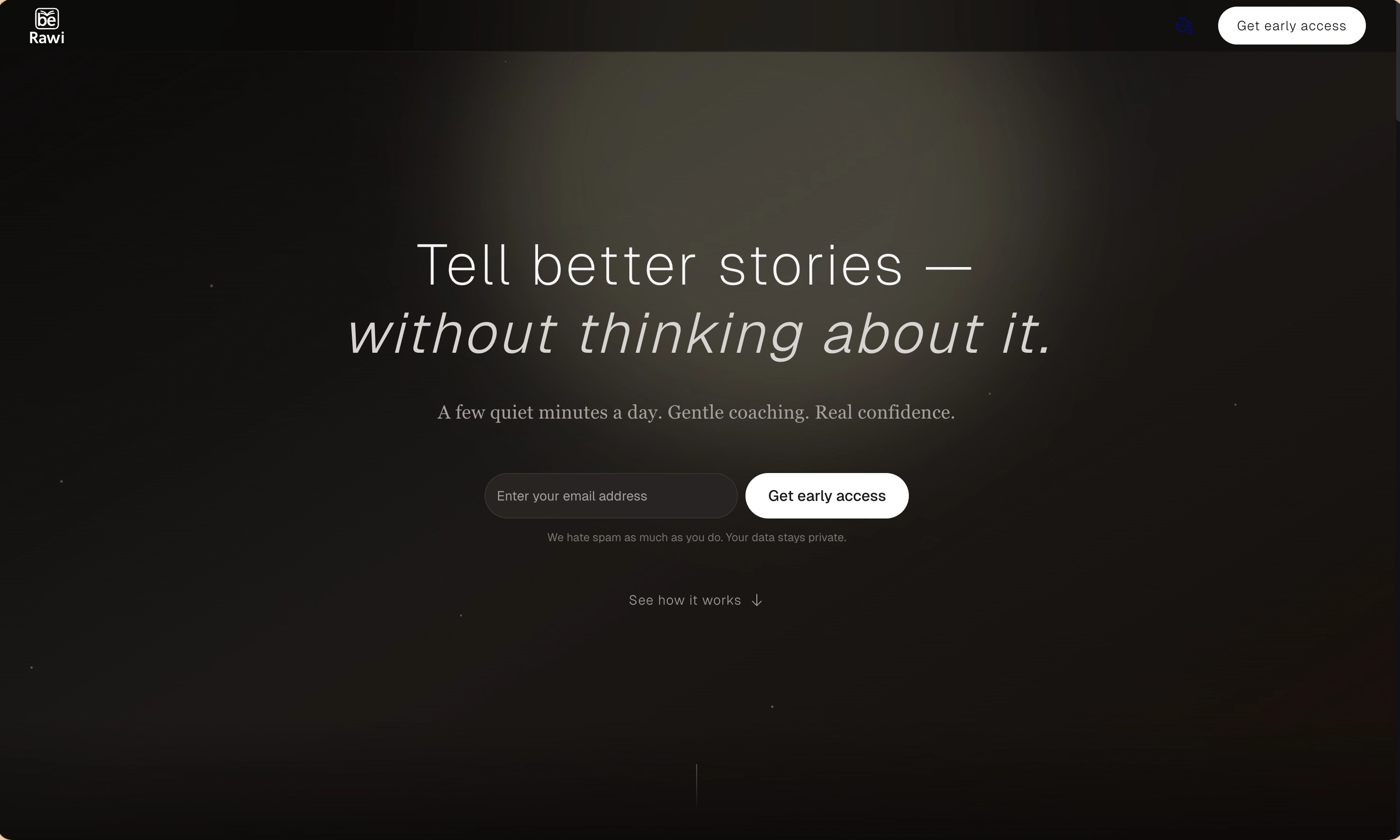
BeRawi: Storytelling Coach
Practice storytelling daily with instant feedback to sound clearer, more engaging, and confident 🎤
Omichat
Chat with 50+ AI models, including ChatGPT and Claude, in one place - switch models anytime without losing context 🤖
Claude Fast
Supercharge your Claude Code with 6x effective context window and specialized AI agents 🤖
EmojAI
AI-powered emoji picker with smart, context-aware suggestions 🤖
Solohacker
Autonomous company launcher - AI agents work 24/7, escalate what matters, and you stay in control 🤖
BeRawi: Storytelling Coach
Practice storytelling daily with instant feedback to sound clearer, more engaging, and confident 🎤
Omichat
Chat with 50+ AI models, including ChatGPT and Claude, in one place - switch models anytime without losing context 🤖
Claude Fast
Supercharge your Claude Code with 6x effective context window and specialized AI agents 🤖
EmojAI
AI-powered emoji picker with smart, context-aware suggestions 🤖
Solohacker
Autonomous company launcher - AI agents work 24/7, escalate what matters, and you stay in control 🤖
BeRawi: Storytelling Coach
Practice storytelling daily with instant feedback to sound clearer, more engaging, and confident 🎤
Omichat
Chat with 50+ AI models, including ChatGPT and Claude, in one place - switch models anytime without losing context 🤖
Claude Fast
Supercharge your Claude Code with 6x effective context window and specialized AI agents 🤖
EmojAI
AI-powered emoji picker with smart, context-aware suggestions 🤖
Solohacker
Autonomous company launcher - AI agents work 24/7, escalate what matters, and you stay in control 🤖
BeRawi: Storytelling Coach
Practice storytelling daily with instant feedback to sound clearer, more engaging, and confident 🎤

Connect with like-minded people
Join our community to get feedback, support, and grow together with 1,000+ builders on board, let's ship it!
Join usShip your startup everywhere. In minutes.
Don't burn tokens on setup and start building features on day one.