LexFlow Automations
Plateforme d’automatisation des tâches répétitives pour cabinets juridiques et comptables : gestion des dossiers, rappels clients et génération intelligente de documents.
Why automation is becoming mission-critical for legal and accounting firms
Legal and accounting professionals are drowning in repetitive administrative tasks. Case file management, document drafting, compliance tracking, client reminders, invoicing follow-ups, regulatory updates—these workflows consume billable time that should be spent on strategic advisory and high-value analysis.
For small and mid-sized firms especially, the problem is structural:
- Increasing regulatory complexity
- Higher client expectations for speed and transparency
- Growing competition from digital-native firms
- Pressure on margins due to fixed-fee services
This is where a legal and accounting automation platform like LexFlow Automations becomes strategically transformative.
LexFlow Automations is a B2B SaaS platform designed to automate repetitive workflows for legal and accounting firms, including case management, client reminders, and intelligent document generation.
This article provides a deep, expert-level analysis of:
- Target audience and market opportunity
- Core features and automation workflows
- Recommended tech stack and architecture
- Monetization strategies
- Competitive landscape
- Risks and mitigation
- Step-by-step implementation roadmap
Understanding the target audience
To build and scale a vertical SaaS like LexFlow Automations, you must clearly define the target segments.
Primary audience segments
Small law firms (1–10 lawyers)
Need efficiency and automation but lack internal IT resources. Price-sensitive but high ROI potential.
Mid-sized law firms (10–100 lawyers)
Already using fragmented tools. Looking to centralize workflows and reduce administrative overhead.
Accounting firms & chartered accountants
High-volume document handling, tax deadlines, compliance tracking, and recurring client interactions.
Buyer personas
-
Managing Partner
- Concerned about profitability and growth
- Seeks operational efficiency
- Wants predictable systems
-
Office Manager / Operations Lead
- Struggles with coordination
- Manages reminders and compliance deadlines
- Needs visibility into workflows
-
Senior Accountant / Senior Associate
- Spends too much time drafting recurring documents
- Wants standardized templates
- Needs error reduction
Market opportunity and gap analysis
Industry size and digitization trends
- The global legal services market exceeds $800 billion annually (source: industry research reports such as IBISWorld or Statista).
- The accounting services market is similarly massive and growing.
- Legal tech and accounting automation markets are expanding at double-digit CAGR, driven by:
- AI-driven document automation
- Cloud adoption
- Remote work transformation
- Compliance digitization
Yet, many small and mid-sized firms still rely on:
- Excel spreadsheets
- Manual email reminders
- Basic document templates
- Disconnected CRM systems
The core market gap
Most existing solutions fall into two categories:
-
Generic automation tools
- Flexible but not specialized
- Require technical configuration
- Not tailored to legal/accounting workflows
-
Large enterprise practice management software
- Expensive
- Complex to deploy
- Overbuilt for small firms
LexFlow Automations fills the gap with vertical-specific automation designed for legal and accounting professionals.
Core value proposition of LexFlow Automations
The platform positions itself as:
“An intelligent workflow automation system for legal and accounting firms that eliminates repetitive tasks, reduces human error, and increases billable time.”
Key benefits
- ✅ Save 5–15 hours per professional per week
- ✅ Reduce missed deadlines and compliance risks
- ✅ Standardize document production
- ✅ Improve client experience through automated reminders
- ✅ Increase profitability without hiring additional staff
Core features and solution architecture
1. Automated case and file management
Instead of manually tracking client matters in spreadsheets:
-
Create standardized workflow templates:
- Litigation case lifecycle
- Tax filing lifecycle
- Contract review lifecycle
-
Automatically:
- Assign tasks
- Set deadlines
- Trigger reminders
- Notify responsible collaborators
2. Smart client reminder system
Legal and accounting firms rely heavily on:
- Payment reminders
- Document submission reminders
- Regulatory deadlines
LexFlow can automate:
- Email reminders
- SMS notifications
- Escalation sequences
Why this matters
Missed deadlines in legal or tax contexts can create serious liability risks. Automated reminders drastically reduce exposure.
3. Intelligent document generation
One of the highest ROI features.
Use cases:
- Engagement letters
- NDAs
- Corporate resolutions
- Tax declarations
- Compliance forms
Using dynamic templates and structured data:
// Example dynamic template variable injection
const generateDocument = (clientData) => {
  return template
    .replace("{{client_name}}", clientData.name)
    .replace("{{registration_number}}", clientData.registrationNumber)
    .replace("{{date}}", new Date().toLocaleDateString());
};
Future versions can integrate AI models for:
- Clause suggestions
- Risk flagging
- Language adaptation
4. Workflow automation engine
At the heart of LexFlow Automations is a no-code workflow builder tailored to legal and accounting processes.
Example automation:
- When new client signs engagement letter
→ Create file
→ Assign compliance checklist
→ Set tax deadline reminders
→ Schedule onboarding email
5. Dashboard & reporting
Decision-makers need visibility.
Key metrics:
- Active cases
- Pending deadlines
- Overdue tasks
- Revenue per case
- Average processing time
This transforms the firm into a data-driven organization.
Competitive landscape analysis
Major competitors may include:
- Practice management software
- Generic automation tools
- Document automation platforms
Competitive comparison
| Feature | Generic Automation Tools | Enterprise Legal Software | Document Tools Only | LexFlow Automations |
|---|---|---|---|---|
| Legal-specific workflows | ❌ | ✅ | ❌ | ✅ |
| Affordable for SMBs | ✅ | ❌ | ✅ | ✅ |
| Intelligent document generation | ❌ | ✅ | ✅ | ✅ |
| Automation + case management | ❌ | ✅ | ❌ | ✅ |
Unique selling proposition (USP)
LexFlow Automations combines:
- Vertical-specific workflows
- Automation-first architecture
- Intelligent document generation
- SMB-friendly pricing
This positioning makes it leaner and more focused than enterprise alternatives.
Recommended tech stack
Choosing the right stack ensures scalability, security, and compliance.
Frontend
- React for dynamic UI
- TailwindCSS for fast styling
- TypeScript for type safety
Backend
- Node.js (scalable event-driven architecture)
- PostgreSQL for relational data
- Redis for background job queues
Workflow engine
Options:
- Custom-built automation engine
- Or integrate open-source workflow orchestration
Trade-off:
- Custom = full control
- External engine = faster MVP
AI document intelligence
- OpenAI API or other LLM provider
- Embedding-based clause suggestions
- Structured prompt templates
Infrastructure
- AWS or similar cloud provider
- Role-based access control
- Encrypted storage
Security is non-negotiable for legal/accounting clients.
Security and compliance considerations
Legal and accounting firms handle:
- Personal data
- Financial records
- Corporate confidential information
Key requirements:
- End-to-end encryption
- GDPR compliance
- Audit logs
- Multi-factor authentication
- Data residency options
Critical trust factor
Without strong compliance guarantees, firms will not adopt your platform—no matter how good the features are.
Monetization strategy
LexFlow Automations can implement several pricing models.
1. Subscription tiers
- Starter (small firms)
- Professional (mid-sized firms)
- Enterprise
Pricing drivers:
- Number of users
- Number of active cases
- Automation workflows
- Document generation volume
2. Usage-based pricing
Charge per:
- Generated document
- Automated workflow
- API call
3. Add-ons
- AI clause intelligence
- Advanced reporting
- White-label version
4. Onboarding & migration services
Paid services for:
- Template setup
- Workflow customization
- Data migration
Risks and mitigation strategies
Legal professionals may resist automation. Mitigation: emphasize productivity and risk reduction benefits.
Offer third-party audits, security certifications, and transparent policies.
Build API-first architecture from day one.
Focus on SMB niche and agility.
Step-by-step implementation roadmap
SEO strategy for LexFlow Automations
To rank effectively:
Primary keyword examples
- Legal automation software
- Accounting workflow automation
- Law firm task automation
- Document automation for accountants
Content strategy
Publish:
- “How to automate your law firm”
- “Best workflow automation tools for accountants”
- “Reducing compliance risk with automation”
Focus on long-tail keywords and case studies.
Go-to-market strategy
Phase 1: Niche focus
Start with:
- Small accounting firms
- Tax specialists
They experience recurring deadlines and high-volume documents.
Phase 2: Legal vertical expansion
Expand to:
- Corporate law
- Immigration law
- Litigation
Phase 3: Strategic partnerships
- Legal consultants
- Accounting associations
- SaaS marketplaces
Building faster with a SaaS foundation
Launching a B2B SaaS requires:
- Authentication
- Multi-tenancy
- Billing
- Role-based access
- Team management
Instead of building everything from scratch, using a production-ready SaaS boilerplate like TurboStarter significantly accelerates development and reduces risk.
It allows founders to focus on:
- Workflow engine
- Legal-specific features
- Automation logic
Rather than rebuilding common SaaS infrastructure.
Final execution blueprint
To successfully launch LexFlow Automations:
- Start with a narrow, painful use case
- Build a lightweight but powerful automation engine
- Prioritize security and compliance
- Focus on document automation as a flagship feature
- Use case studies for trust-building
- Scale through niche specialization
Legal and accounting professionals don’t need another generic tool.
They need a secure, intelligent, workflow-focused automation platform designed specifically for their operational reality.
LexFlow Automations can become that platform—if executed with clarity, specialization, and deep understanding of the industry.
More 🏢 B2B Application SaaS ideas
Discover more innovative b2b application SaaS ideas that are trending in 2026. Each idea is AI-generated with market validation and growth potential to help you find your next profitable venture faster than competitors.
Your competitors are building with TurboStarter
Below are some of the SaaS ideas that have been generated and built with our starter kit.

Statiko
Monitor any Telegram channel in real time - track posts, edits, deletions, and growth with AI recaps 📡

Shibui
AI website builder - describe your business, pick a niche template, edit by chatting, and publish instantly ✨

Pro Service
Find verified home service professionals, compare quotes, and pay securely through escrow - built for Brazilians across the US 🏠
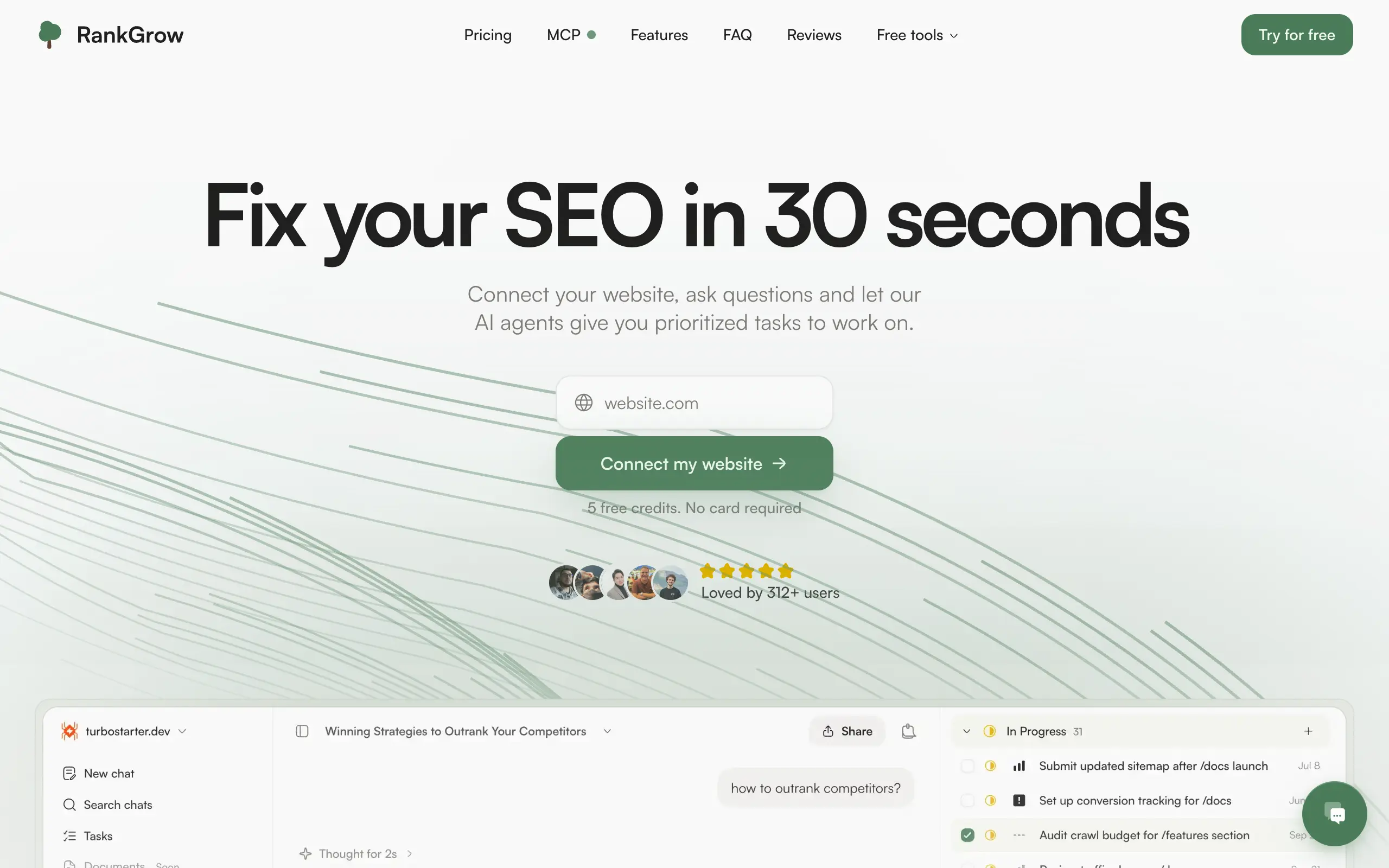
RankGrow
Fix your SEO with AI agents - connect Search Console, get prioritized tasks, and grow organic traffic 📈
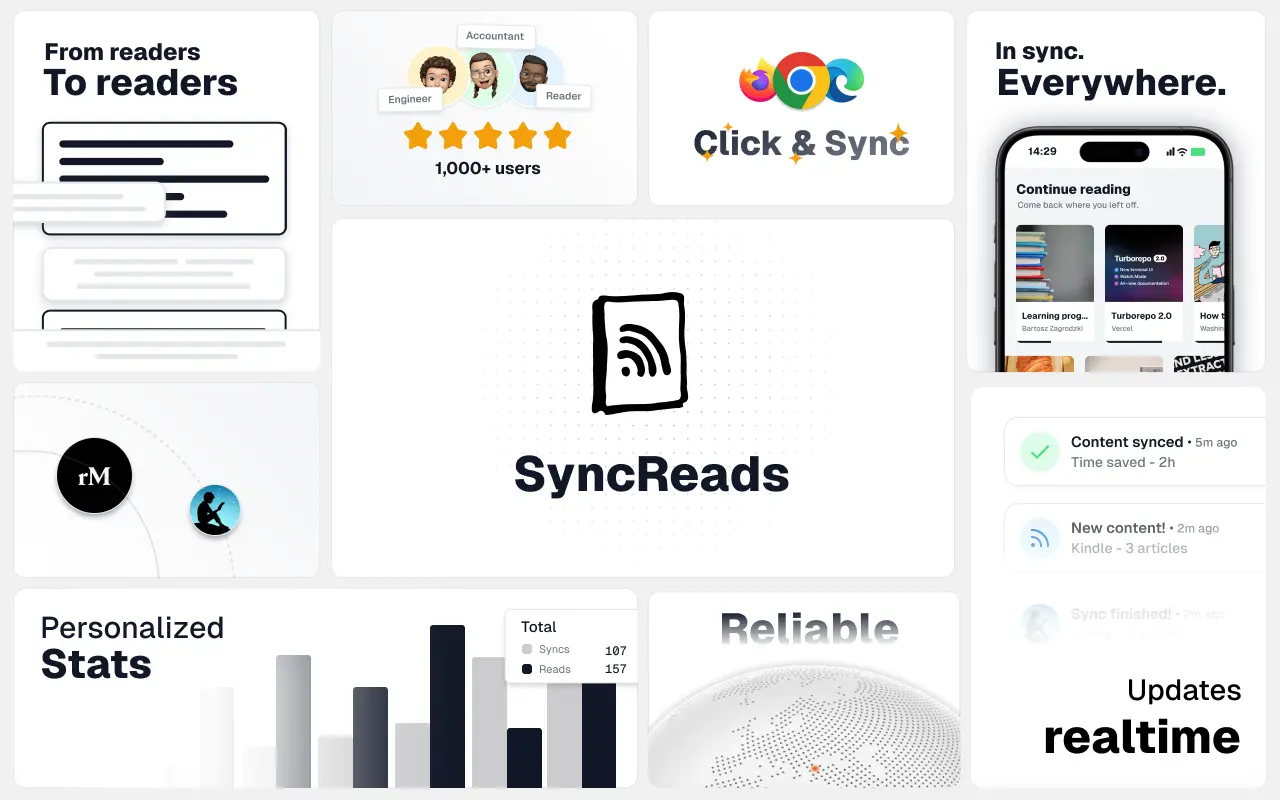
SyncReads
Sync your favorite content for distraction-free reading, save time and replace multiple apps. Anytime, anywhere 🔄
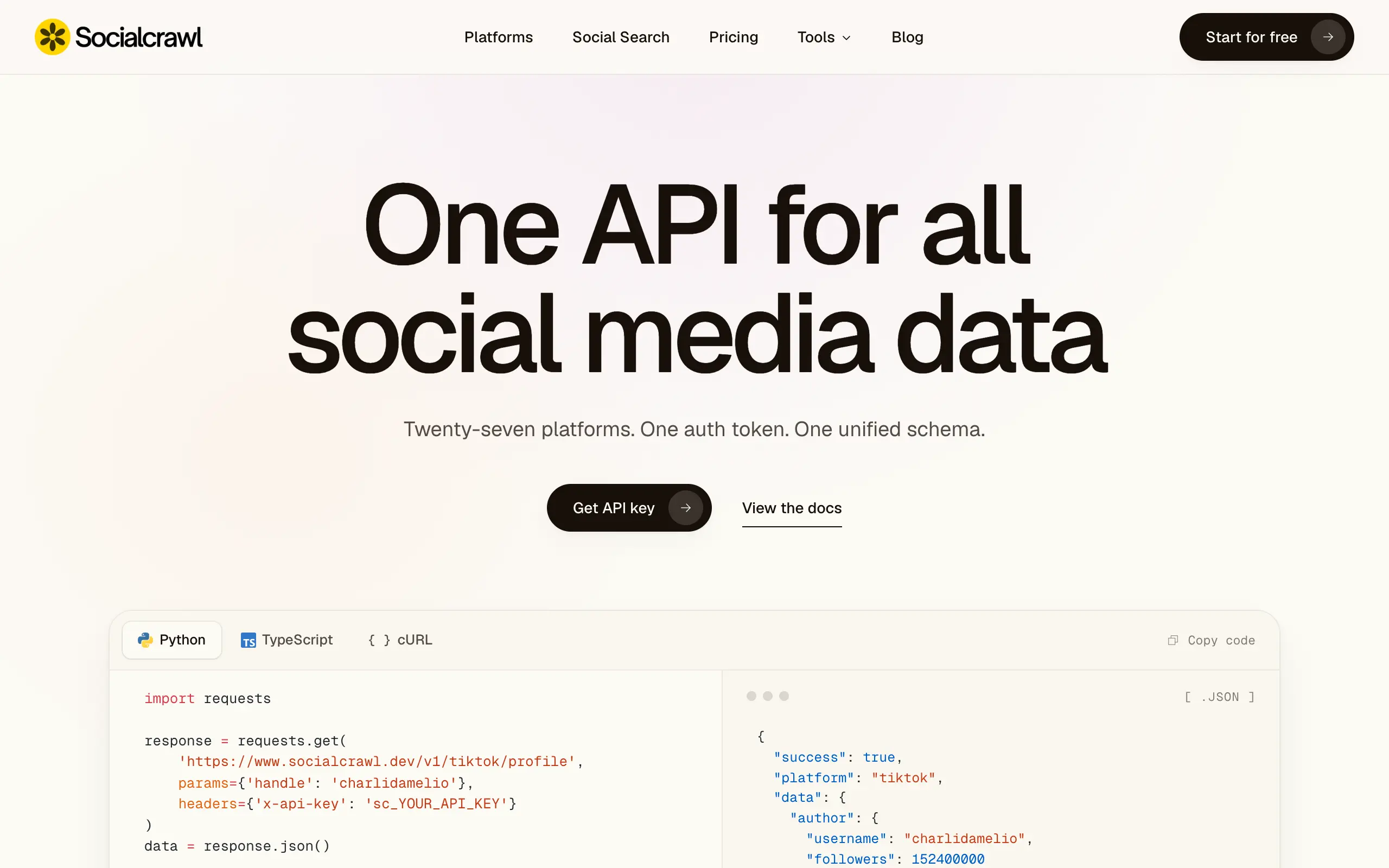
Socialcrawl
Get clean, structured data from 21 platforms like TikTok, Instagram, and YouTube with a single request 📊
Statiko
Monitor any Telegram channel in real time - track posts, edits, deletions, and growth with AI recaps 📡
Shibui
AI website builder - describe your business, pick a niche template, edit by chatting, and publish instantly ✨
Pro Service
Find verified home service professionals, compare quotes, and pay securely through escrow - built for Brazilians across the US 🏠
RankGrow
Fix your SEO with AI agents - connect Search Console, get prioritized tasks, and grow organic traffic 📈
SyncReads
Sync your favorite content for distraction-free reading, save time and replace multiple apps. Anytime, anywhere 🔄
Socialcrawl
Get clean, structured data from 21 platforms like TikTok, Instagram, and YouTube with a single request 📊
Statiko
Monitor any Telegram channel in real time - track posts, edits, deletions, and growth with AI recaps 📡
Shibui
AI website builder - describe your business, pick a niche template, edit by chatting, and publish instantly ✨
Pro Service
Find verified home service professionals, compare quotes, and pay securely through escrow - built for Brazilians across the US 🏠
RankGrow
Fix your SEO with AI agents - connect Search Console, get prioritized tasks, and grow organic traffic 📈
SyncReads
Sync your favorite content for distraction-free reading, save time and replace multiple apps. Anytime, anywhere 🔄
Socialcrawl
Get clean, structured data from 21 platforms like TikTok, Instagram, and YouTube with a single request 📊
Statiko
Monitor any Telegram channel in real time - track posts, edits, deletions, and growth with AI recaps 📡
Shibui
AI website builder - describe your business, pick a niche template, edit by chatting, and publish instantly ✨
Pro Service
Find verified home service professionals, compare quotes, and pay securely through escrow - built for Brazilians across the US 🏠
RankGrow
Fix your SEO with AI agents - connect Search Console, get prioritized tasks, and grow organic traffic 📈
SyncReads
Sync your favorite content for distraction-free reading, save time and replace multiple apps. Anytime, anywhere 🔄
Socialcrawl
Get clean, structured data from 21 platforms like TikTok, Instagram, and YouTube with a single request 📊
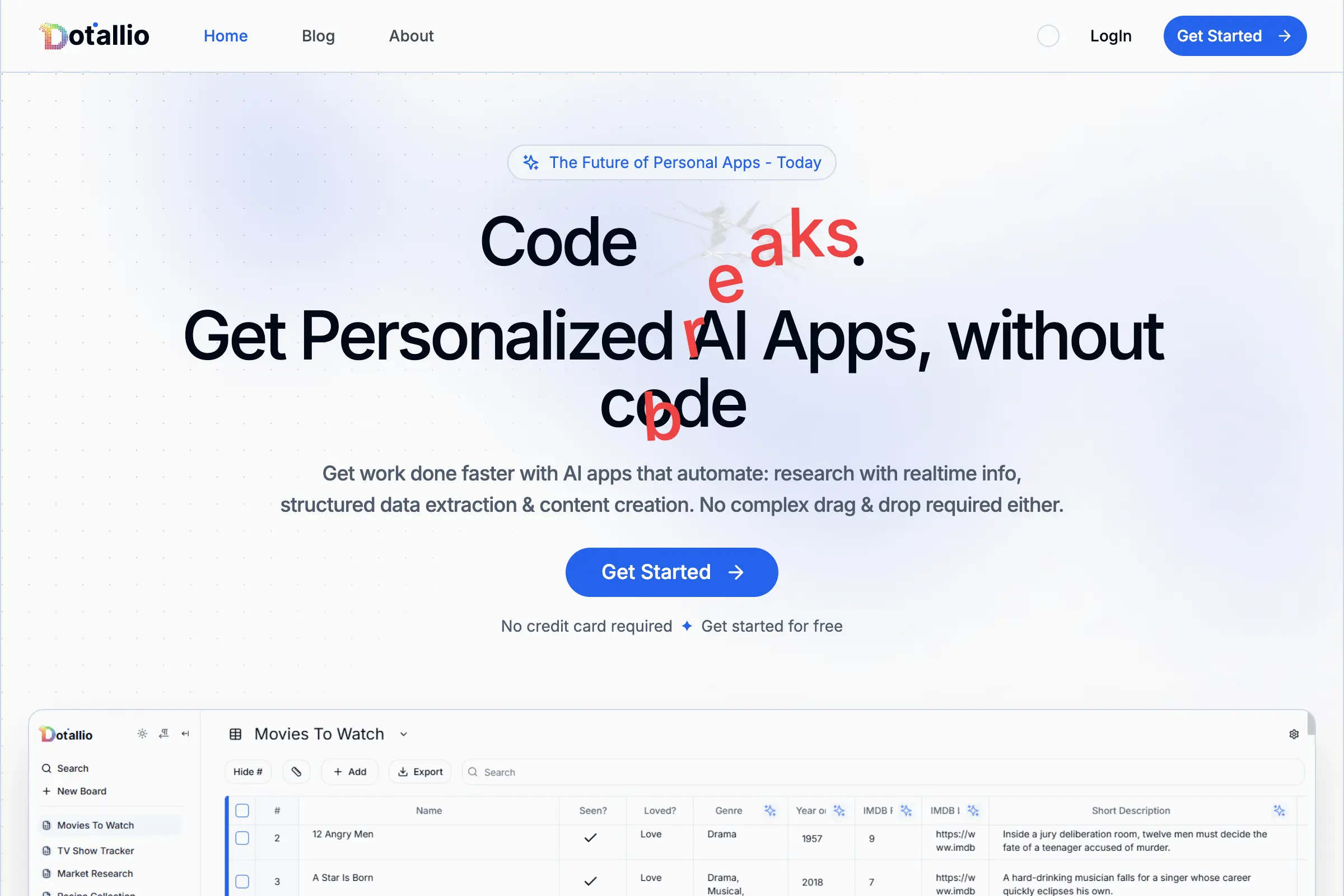
Dotallio
Personalized AI apps that automate research, data extraction, and content creation without code 🤖

Talk to Santa
Enjoy a magical live video chat or receive a unique AI-generated video greeting from Santa Claus 🎅
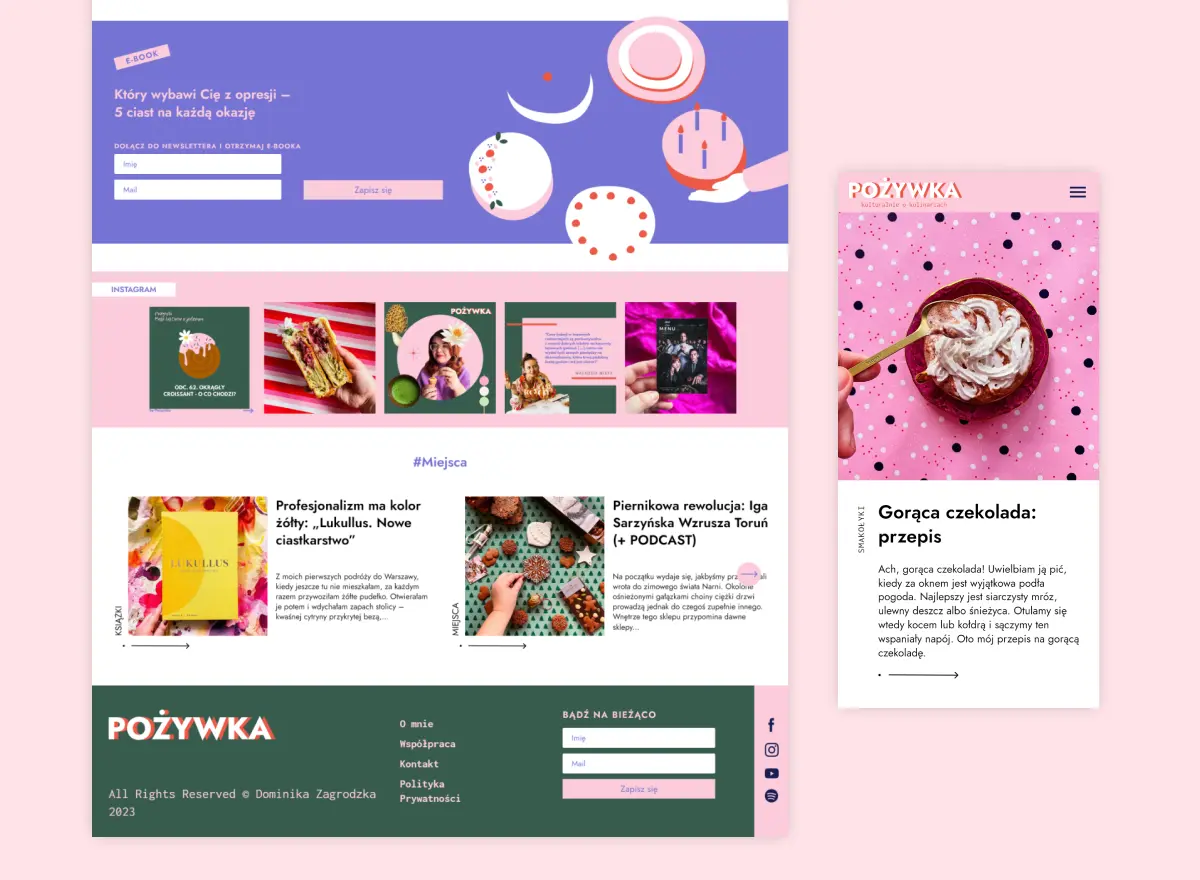
pozywka.pl
Scalable blog for food journalist, focused on performance and user experience 🌭
zagrodzki.me
Personal blog and portfolio of Bart Zagrodzki, where he shares his knowledge and work 💼
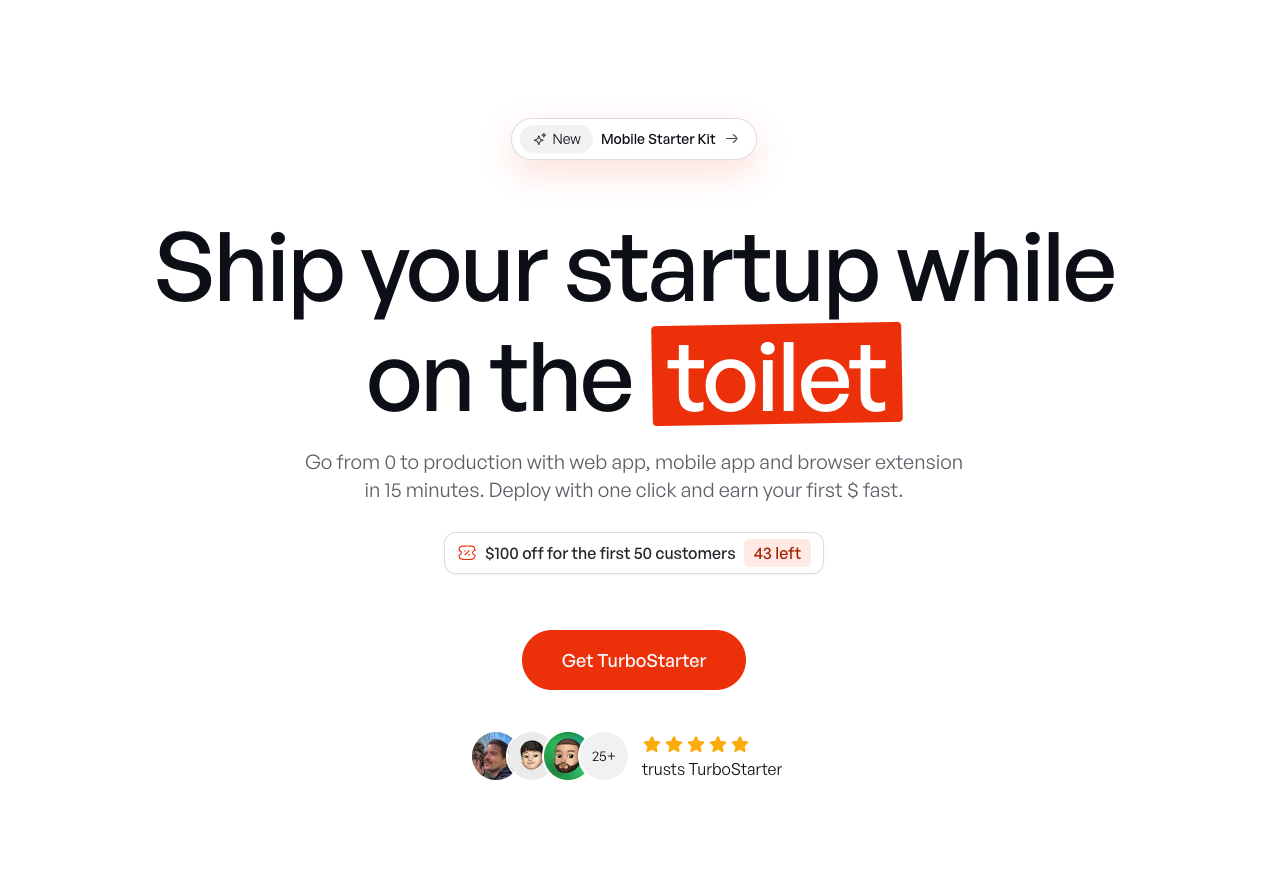
TurboStarter
Ship your startup everywhere. In minutes.
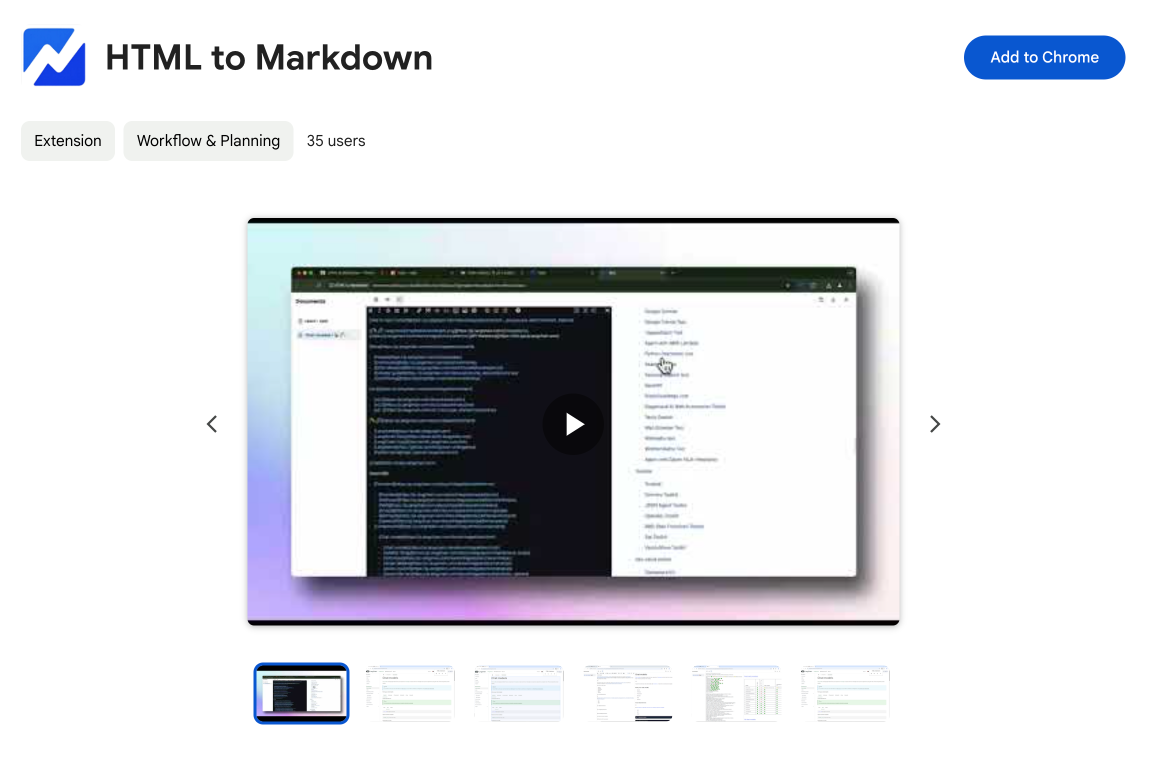
HTML to Markdown
Convert HTML to Markdown with ease, directly in your browser 📄
Dotallio
Personalized AI apps that automate research, data extraction, and content creation without code 🤖
Talk to Santa
Enjoy a magical live video chat or receive a unique AI-generated video greeting from Santa Claus 🎅
pozywka.pl
Scalable blog for food journalist, focused on performance and user experience 🌭
zagrodzki.me
Personal blog and portfolio of Bart Zagrodzki, where he shares his knowledge and work 💼
TurboStarter
Ship your startup everywhere. In minutes.
HTML to Markdown
Convert HTML to Markdown with ease, directly in your browser 📄
Dotallio
Personalized AI apps that automate research, data extraction, and content creation without code 🤖
Talk to Santa
Enjoy a magical live video chat or receive a unique AI-generated video greeting from Santa Claus 🎅
pozywka.pl
Scalable blog for food journalist, focused on performance and user experience 🌭
zagrodzki.me
Personal blog and portfolio of Bart Zagrodzki, where he shares his knowledge and work 💼
TurboStarter
Ship your startup everywhere. In minutes.
HTML to Markdown
Convert HTML to Markdown with ease, directly in your browser 📄
Dotallio
Personalized AI apps that automate research, data extraction, and content creation without code 🤖
Talk to Santa
Enjoy a magical live video chat or receive a unique AI-generated video greeting from Santa Claus 🎅
pozywka.pl
Scalable blog for food journalist, focused on performance and user experience 🌭
zagrodzki.me
Personal blog and portfolio of Bart Zagrodzki, where he shares his knowledge and work 💼
TurboStarter
Ship your startup everywhere. In minutes.
HTML to Markdown
Convert HTML to Markdown with ease, directly in your browser 📄
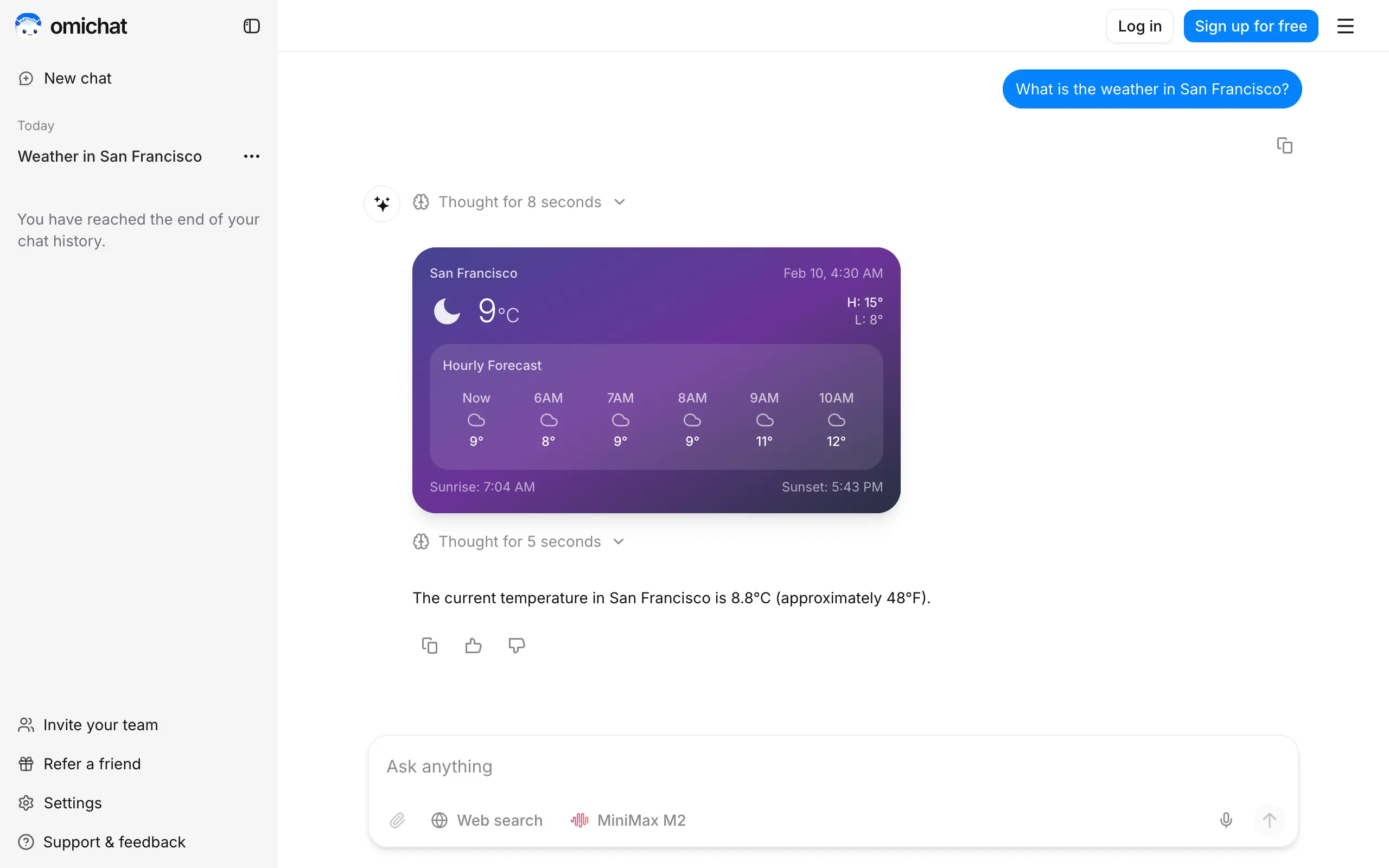
Omichat
Chat with 50+ AI models, including ChatGPT and Claude, in one place - switch models anytime without losing context 🤖
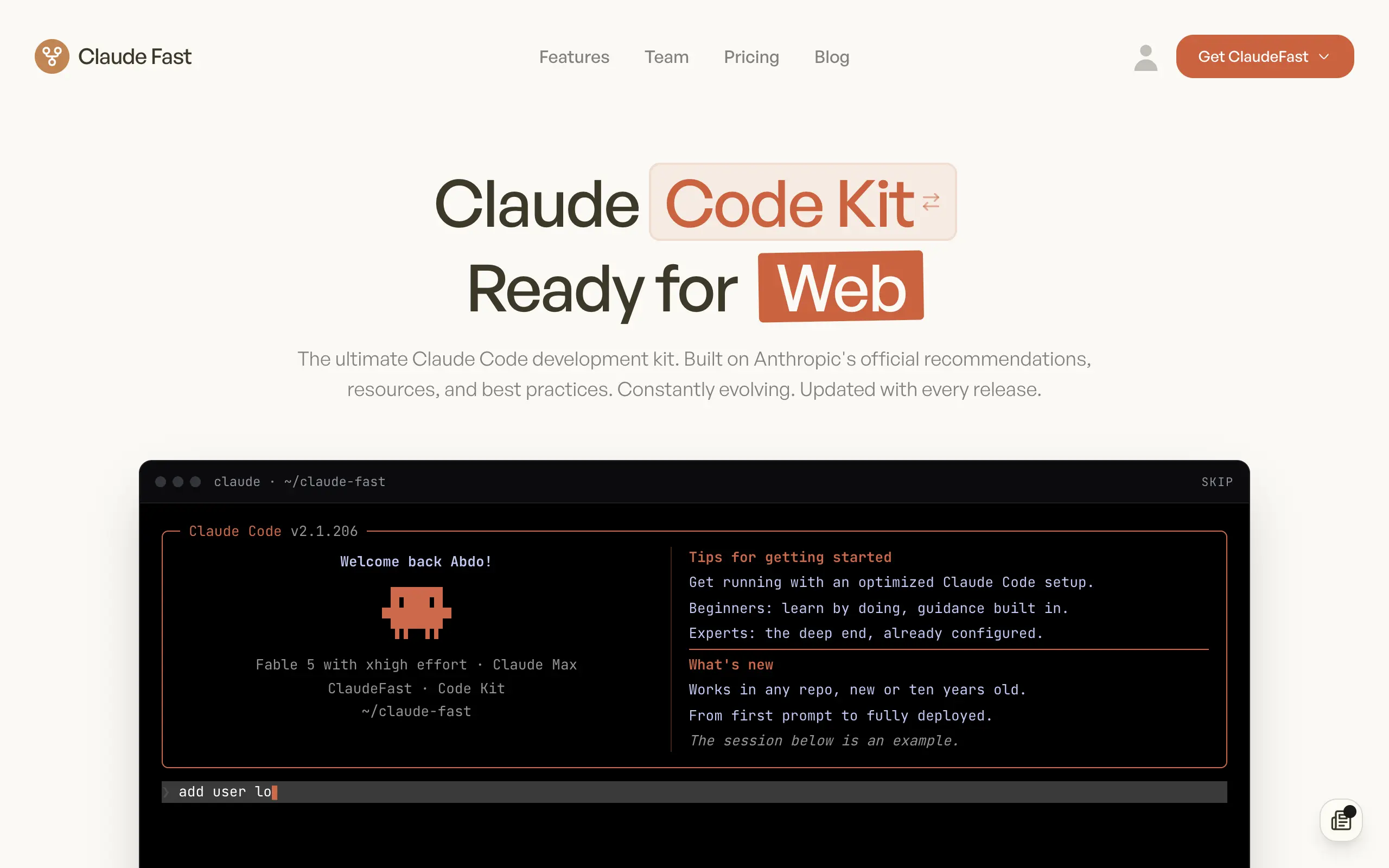
Claude Fast
Supercharge your Claude Code with 6x effective context window and specialized AI agents 🤖
EmojAI
AI-powered emoji picker with smart, context-aware suggestions 🤖
Solohacker
Autonomous company launcher - AI agents work 24/7, escalate what matters, and you stay in control 🤖
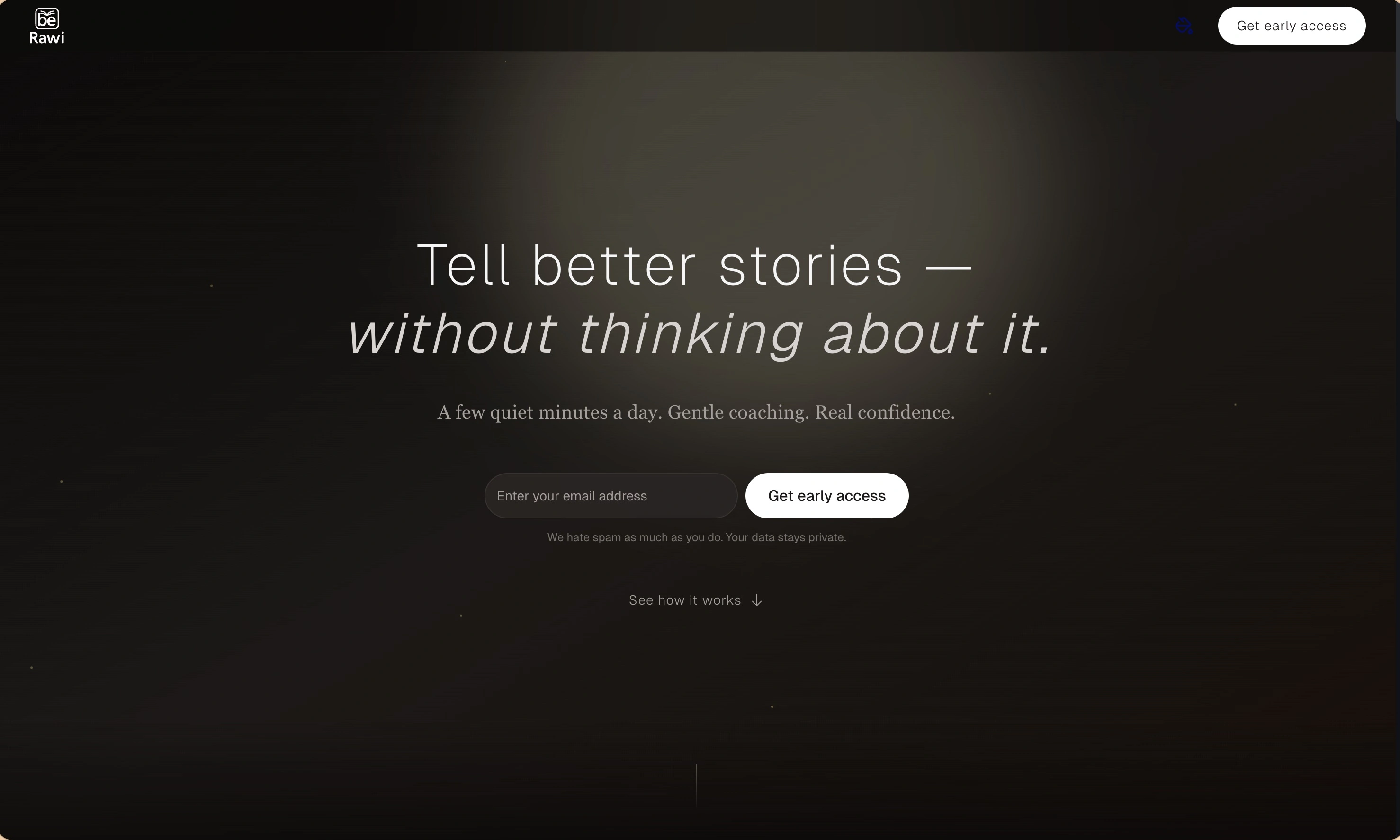
BeRawi: Storytelling Coach
Practice storytelling daily with instant feedback to sound clearer, more engaging, and confident 🎤
Omichat
Chat with 50+ AI models, including ChatGPT and Claude, in one place - switch models anytime without losing context 🤖
Claude Fast
Supercharge your Claude Code with 6x effective context window and specialized AI agents 🤖
EmojAI
AI-powered emoji picker with smart, context-aware suggestions 🤖
Solohacker
Autonomous company launcher - AI agents work 24/7, escalate what matters, and you stay in control 🤖
BeRawi: Storytelling Coach
Practice storytelling daily with instant feedback to sound clearer, more engaging, and confident 🎤
Omichat
Chat with 50+ AI models, including ChatGPT and Claude, in one place - switch models anytime without losing context 🤖
Claude Fast
Supercharge your Claude Code with 6x effective context window and specialized AI agents 🤖
EmojAI
AI-powered emoji picker with smart, context-aware suggestions 🤖
Solohacker
Autonomous company launcher - AI agents work 24/7, escalate what matters, and you stay in control 🤖
BeRawi: Storytelling Coach
Practice storytelling daily with instant feedback to sound clearer, more engaging, and confident 🎤
Omichat
Chat with 50+ AI models, including ChatGPT and Claude, in one place - switch models anytime without losing context 🤖
Claude Fast
Supercharge your Claude Code with 6x effective context window and specialized AI agents 🤖
EmojAI
AI-powered emoji picker with smart, context-aware suggestions 🤖
Solohacker
Autonomous company launcher - AI agents work 24/7, escalate what matters, and you stay in control 🤖
BeRawi: Storytelling Coach
Practice storytelling daily with instant feedback to sound clearer, more engaging, and confident 🎤

Connect with like-minded people
Join our community to get feedback, support, and grow together with 1,000+ builders on board, let's ship it!
Join usShip your startup everywhere. In minutes.
Don't burn tokens on setup and start building features on day one.