LicenseLeaf
Childcare directors juggle staff credentials, training records, and licensing deadlines across folders. Keep requirements current and assemble inspection-ready evidence quickly.
What LicenseLeaf is designed to solve
Childcare directors are responsible for more than day-to-day operations. They also need to track staff credentials, required training, background-check documentation, facility records, and licensing deadlines. Those records may live in filing cabinets, shared drives, spreadsheets, email threads, and individual staff folders. When an inspection is approaching, even a center that has completed the required work can struggle to prove it quickly.
LicenseLeaf is a B2B childcare licensing compliance software concept that brings those records, requirements, and deadlines into one organized system. Its goal is to help childcare providers keep compliance information current and assemble inspection-ready evidence without relying on last-minute searches.
The product should not be positioned as a replacement for a state licensing agency, legal counsel, or a center’s own compliance judgment. Instead, LicenseLeaf can serve as a practical operating layer: a place to organize requirements, assign follow-up work, record completion, and retrieve supporting evidence.
For a director, the value is not simply “digital files.” It is a clearer answer to questions such as:
- Which staff credentials are expiring soon?
- Which training records are missing?
- What evidence should be available for an inspection?
- Who is responsible for following up?
- Has a requirement changed, and does that change affect this location?
- Can the center show the record, its history, and its source without searching several systems?
That combination of deadline management, evidence organization, and role-based accountability is the foundation of the LicenseLeaf opportunity.
Why childcare licensing compliance is a meaningful problem
Compliance work is continuous, not occasional
A center may think about licensing most intensely before a renewal or inspection. In reality, many compliance tasks are recurring. Staff join and leave. Credentials reach expiration dates. Training is completed at different times. Policies and supporting documents may need review. A director’s responsibilities also compete with staffing, family communication, enrollment, and daily operations.
This creates a common operational gap: the organization may have the right information somewhere, but it is not always easy to know whether it is current, complete, or accessible to the right person.
A shared drive can store a certificate. A spreadsheet can track a deadline. An email can confirm that someone completed a course. But these tools do not necessarily provide a reliable connection between the requirement, the person responsible, the evidence, and the follow-up action.
The cost of fragmented records
Fragmentation increases the likelihood of:
- Missing or outdated documents
- Unclear ownership of follow-up tasks
- Repeated requests for the same information
- Time-consuming inspection preparation
- Inconsistent processes between classrooms or locations
- Confusion when a director or administrator leaves
- Limited visibility into whether a task is finished or merely in progress
These are workflow risks, not proof that a provider is out of compliance. LicenseLeaf should make that distinction clear. The platform can help users find and manage records, but it cannot guarantee that a center meets every applicable requirement.
The buyer needs confidence, not another folder
A useful childcare compliance platform needs to do more than upload PDFs. Directors need to see what requires attention, understand why it matters, and trust the record history. That means connecting documents to people, locations, deadlines, and requirements.
A strong product experience answers three questions clearly:
- What is required?
- What evidence supports completion?
- What needs attention next?
When those answers are accessible in a single workflow, compliance management becomes less dependent on an individual’s memory and personal filing habits.
Target audience for LicenseLeaf
LicenseLeaf should begin with a narrow, clearly defined customer profile. Childcare providers vary by size, operating model, jurisdiction, and administrative capacity. Designing for every type of provider at once would make the product harder to build and harder to explain.
Primary audience: independent childcare centers
Independent centers are a logical starting segment. A director or administrator may handle licensing records alongside many other responsibilities, while the organization may not have a dedicated compliance team.
Potential users include:
- Center directors
- Owners and operators
- Assistant directors
- Human resources or staff coordinators
- Administrators responsible for multiple locations
For these customers, the product should prioritize fast setup, clear reminders, simple document collection, and an at-a-glance view of outstanding work.
Secondary audience: multi-site childcare operators
Operators with multiple locations may need shared oversight without losing site-level accountability. A central administrator might need to see organization-wide status, while each center director needs access to the records and tasks relevant to their own location.
This segment may be willing to pay more for features such as:
- Multi-location dashboards
- Centralized policy and template management
- Permission controls by role and location
- Portfolio-level reporting
- Standardized onboarding and offboarding
- Comparisons of task completion across locations
These capabilities should follow a validated single-location workflow. Multi-site administration can add substantial complexity to permissions, reporting, and data governance.
Other potential users and influencers
LicenseLeaf’s buyer may not be its only user. Staff members may need a secure way to submit credentials or training evidence. Consultants may help providers organize records. Franchise or network administrators may want a consistent process across affiliated centers.
These audiences can shape the product roadmap, but they should not distract from the core buyer. A useful early question is: Who feels the pain strongly enough to approve a recurring software expense?
Interview directors and owners directly. Ask them to walk through their most recent licensing preparation process. Specific examples of searching, re-entering, or chasing documentation are more informative than general statements that compliance is “difficult.”
Market opportunity and the product gap
The opportunity for childcare licensing compliance software lies in a specific operational gap: providers often need more structure than generic storage and spreadsheets offer, but may not want an expansive enterprise compliance platform.
LicenseLeaf can occupy that middle ground by focusing on a practical set of jobs:
- Organize staff and facility records
- Track requirements and renewal dates
- Assign responsible users
- Collect evidence
- Show what is missing or nearing a deadline
- Prepare a shareable inspection packet
This positioning is more concrete than a broad promise to “simplify compliance.” It also gives a prospective customer a way to evaluate the product against their current process.
A focused niche can be an advantage
General document management tools are flexible, but users often have to design their own compliance structure. Broad HR systems may manage employee information without offering a childcare-specific evidence workflow. Spreadsheets are inexpensive, but they rely on consistent upkeep and manual interpretation.
LicenseLeaf’s potential advantage is not that no other tools can store files. It is that the product can organize records around the way childcare operators think about licensing: requirements, people, locations, evidence, owners, and deadlines.
Avoid claiming that the market is underserved without validating that claim. Conduct competitor research across childcare management platforms, HR systems, document management tools, and licensing or quality-management products. Compare actual workflows, not just feature-list language.
Validate the gap before building around assumptions
A useful discovery process should establish:
- What tools providers use today
- How often they prepare for inspections
- Which records take the longest to locate
- How they learn about upcoming deadlines
- Whether they maintain records per person, location, or requirement
- What existing systems they would keep
- Which outcomes justify a monthly software fee
- What information they will not put into a cloud platform
Ask for a walkthrough of a real, recent task. For example, invite a director to explain how they would confirm that a staff member’s file is ready. The steps they describe will reveal where LicenseLeaf can remove friction and where it must integrate with existing processes.
Core features that make LicenseLeaf useful
1. A configurable requirements library
Requirements can vary by jurisdiction, provider type, role, and location. LicenseLeaf should not assume that one universal checklist applies to every center.
A practical requirements library could let an authorized administrator define or select:
- Requirement name and description
- Applicable role or location
- Evidence expected
- Renewal or review cadence
- Responsible person
- Reminder schedule
- Source or internal reference
- Effective date and review history
The first version may use manually configured checklists rather than automated rule interpretation. That is often safer than presenting automatically generated guidance as authoritative.
Where the product offers prebuilt requirements, it should label the applicable jurisdiction and last-reviewed date. It should also make clear that the provider is responsible for confirming requirements with the relevant licensing authority.
2. Staff credential and training records
Staff profiles can connect a person to their role, location, documents, and relevant tasks. A staff record might include credential details, training evidence, completion dates, expiration dates, and notes.
The user experience should make common actions simple:
- Add a new staff member
- Request missing documentation
- Upload or replace a record
- Record a completion date
- Assign a reviewer
- See what is overdue or approaching
LicenseLeaf should avoid collecting personal information that it does not need. Define the minimum data required for the workflow and make retention rules understandable to customers.
3. Deadline tracking and actionable reminders
Reminders work best when they help someone act rather than merely alert them. A useful notification should explain:
- What needs attention
- Whom or which location it concerns
- The due date
- The next recommended action
- Who is responsible
Users should be able to configure reminder timing and escalation. For example, an administrator might receive an alert when a task remains incomplete after an internal due date. The system should also avoid sending redundant notifications for tasks that have already been resolved.
4. Evidence collection and document organization
A document should be connected to the record it supports. LicenseLeaf can make evidence easier to manage with metadata such as document type, related staff member, location, received date, expiration date, and review status.
Important capabilities include:
- Secure uploads from desktop and mobile
- File preview and download
- Replacement history
- Search and filtering
- A clear indication of missing evidence
- Access controls for sensitive records
- A record of who uploaded or reviewed an item
Document retention and deletion need to be designed deliberately. Customers should be able to understand how long records are retained, how they can export them, and what happens when a staff member leaves.
5. Inspection-ready evidence packets
Preparing an inspection packet is a compelling feature because it turns everyday recordkeeping into a practical outcome. A director should be able to select a location, date range, staff group, or checklist and assemble relevant evidence.
The packet could include:
- A requirements index
- Document names and associated records
- Completion status
- Dates and review history
- Notes about missing items
- A clear export timestamp
The product should not imply that an automatically generated packet guarantees inspection readiness. A more trustworthy message is that LicenseLeaf helps users gather and organize available evidence for review.
6. Role-based collaboration and activity history
A director may delegate tasks without giving every employee access to every record. Role-based permissions can help balance collaboration with privacy.
Possible roles include:
- Organization owner
- Center director
- Location administrator
- Staff member
- Read-only reviewer
An activity history can show who changed a record, completed a task, or replaced a document. This improves accountability and gives administrators context when a record changes.
How LicenseLeaf should work in practice
A representative workflow could look like this:
- An administrator creates an organization and adds one or more locations.
- The administrator selects or configures a requirements checklist for each location.
- Staff members are added and assigned roles.
- LicenseLeaf identifies records that are missing, incomplete, or nearing a review date.
- The administrator assigns follow-up tasks to the appropriate person.
- Staff upload evidence or confirm that a task is complete.
- A reviewer checks the record and updates its status.
- The director exports an organized evidence packet when needed.
The product should make it easy to distinguish between not started, awaiting evidence, submitted for review, complete, and needs attention. A single green checkmark can hide important nuance. Clear status definitions help teams understand what the system is—and is not—confirming.
Recommended technology stack
The right stack depends on the team’s experience, hosting requirements, and expected integrations. For an early SaaS product, prioritize a maintainable architecture, reliable access control, and safe file handling over premature complexity.
Application and interface
A modern web application built with React can support interactive dashboards, searchable records, and role-specific workflows. A framework such as Next.js may be a good fit if the team values an integrated approach to routing, server rendering, and application development.
For styling, Tailwind CSS can help a small team build a consistent interface quickly. The trade-off is that utility-heavy styling requires shared design conventions to avoid inconsistent components as the application grows.
The interface should be accessible and usable by busy administrators. That means readable typography, clear status labels, keyboard-accessible controls, responsive layouts, and helpful empty states. Do not rely on color alone to communicate whether a record is overdue or complete.
Database and file storage
A relational database such as PostgreSQL is a suitable foundation for connected records involving organizations, locations, users, requirements, tasks, and evidence metadata. Strong relational modeling can make it easier to enforce tenant boundaries and maintain consistent relationships.
Store uploaded files in dedicated object storage rather than directly in the application database. Use short-lived, permission-controlled access links where appropriate. Keep file metadata and audit events separate from the file contents, and define backup and recovery procedures before launch.
Authentication, authorization, and auditability
Authentication is only one part of account security. LicenseLeaf also needs authorization rules that prevent one organization from accessing another organization’s records. Apply tenant scoping consistently in server-side operations, not only in the user interface.
Plan for:
- Multi-factor authentication options
- Role and location permissions
- Secure account recovery
- Session management
- Audit logging for sensitive actions
- Least-privilege access for internal staff
- A documented process for responding to suspected incidents
Do not make security claims such as “fully compliant” or “unhackable.” Describe concrete controls accurately and have a qualified security professional review the design before handling sensitive customer data at scale.
Integrations and payments
Potential integrations may include identity providers, calendar systems, learning management systems, or existing childcare operations platforms. Integrations should be prioritized based on repeated customer demand and the availability of reliable APIs.
For subscriptions, a payment provider such as Stripe can reduce the amount of billing infrastructure the team must build itself. The trade-off is that the product still needs to handle plan entitlements, failed payments, cancellation, invoices, and customer support clearly.
Monetization strategy options
LicenseLeaf’s pricing should reflect customer value and support costs. The best model may depend on whether the first customers are small independent centers or larger operators.
Per-location subscription
A monthly or annual price per center is easy to understand and aligns with how many operators organize their business. Consider a base plan that includes a reasonable number of users and records, with higher tiers for advanced reporting or multiple locations.
Tiered plans
A tiered model can serve different operational needs:
- Starter for one location and core deadline tracking
- Growth for richer workflows, custom requirements, and reporting
- Multi-site for organization-wide oversight and centralized administration
Keep the distinction between plans tied to meaningful value. Avoid charging for basic data export or making essential security controls available only on a high tier.
Per-seat pricing
Per-seat pricing can work when usage grows with the number of administrators. However, charging for every staff member may discourage customers from inviting the people who need to submit records. A hybrid model—base price per location with a defined number of administrative seats—may better fit the workflow.
Paid onboarding or implementation
Some providers may value help importing spreadsheets, configuring requirements, and training staff. Offer onboarding as an optional service or include it in higher-value annual plans. Be transparent about what the service covers and avoid implying that an onboarding consultant can certify regulatory compliance.
Pricing validation
Test willingness to pay with real buying conversations, not only surveys. Ask what the customer currently spends in time, software, or outside support. Then test specific packages and prices with a clear description of included features.
Track:
- Trial-to-paid conversion
- Time to first completed workflow
- Number of active locations
- Record completion and reminder engagement
- Renewal and cancellation reasons
- Support time per account
These measures can reveal whether LicenseLeaf is delivering ongoing value or merely helping during inspection season.
Competitive advantage and positioning
LicenseLeaf’s strongest potential differentiator is a childcare-specific compliance workflow that connects requirements to people, evidence, deadlines, and inspection preparation.
A simple competitive framing can help the team sharpen the product:
| Alternative | What it does well | Where LicenseLeaf can differentiate |
|---|---|---|
| Spreadsheets | Flexible and familiar | Connect tasks, records, reminders, and ownership |
| Shared drives | Store documents centrally | Link evidence to requirements and review status |
| General HR software | Manage employee information | Emphasize licensing evidence and location-specific checklists |
| Broad compliance platforms | Support complex governance | Offer a focused, accessible workflow for childcare operators |
| Paper files | Familiar and usable offline | Improve search, visibility, and distributed access |
This comparison is a product hypothesis, not a claim that every competitor lacks these features. Validate it against the specific tools used by prospective customers.
A defensible product advantage
Over time, LicenseLeaf could build an advantage through:
- Well-designed childcare-specific workflows
- A trusted, carefully maintained requirements configuration process
- Strong customer onboarding and support
- Reliable evidence history and exports
- Integrations that reduce duplicate entry
- A reputation for clear, responsible product language
The requirements library may become valuable, but it also creates ongoing maintenance obligations. If LicenseLeaf offers jurisdiction-specific templates, it needs a review process, documented sources, and clear notices about the limits of the information. Trust is a competitive feature.
Risks and how to reduce them
Risk of outdated or misapplied requirements
Licensing requirements can vary and change. A checklist that is inaccurate or applied to the wrong provider type could mislead customers.
Mitigation: Make templates configurable, identify jurisdiction and review dates, preserve source notes, and avoid representing software-generated status as a legal determination. Establish a process for reviewing customer-reported changes.
Risk of overpromising inspection readiness
A packet can organize evidence, but it cannot guarantee that the evidence is sufficient or that a center will pass an inspection.
Mitigation: Use precise language. Say “prepare and organize records” rather than “guarantee compliance.” Make the provider’s review responsibility explicit.
Risk of sensitive information exposure
Staff records and licensing documents may contain personal information. A security incident could harm both providers and individuals.
Mitigation: Minimize collected data, encrypt data in transit and at rest, use strict authorization, record sensitive actions, conduct security reviews, and document incident response procedures. Obtain professional advice about applicable privacy and security obligations.
Risk of difficult onboarding
If a center has years of files and inconsistent spreadsheets, setup may feel like another project.
Mitigation: Provide a guided import process, usable templates, bulk uploads, and a phased onboarding path. Start with one location or one record category and show value quickly before asking customers to migrate everything.
Risk of low daily engagement
A compliance tool may not be opened every day. If users see no ongoing value, they may cancel between renewal or inspection periods.
Mitigation: Build recurring operational value through onboarding, expiration reminders, staff changes, task ownership, and periodic review workflows. Measure whether customers return to resolve real tasks—not just whether they log in.
Risk of feature sprawl
Requests may expand into payroll, scheduling, full HR management, training delivery, family communication, and center operations.
Mitigation: Keep a product strategy tied to the core job: organize licensing requirements and evidence. Add adjacent capabilities only when customer research shows that they materially improve this workflow.
Treat compliance guidance carefully
LicenseLeaf should help providers organize and review information, not present itself as a licensing authority or legal adviser. Any jurisdiction-specific guidance needs a defined review process and clear limits.
Actionable implementation steps
Step 1: Interview the people who own the work
Talk with independent center directors, owners, and administrators. Include both single-location and multi-location operators, but begin with one primary customer profile.
Ask participants to demonstrate how they currently manage a recent credential renewal or prepare a set of records. Observe where information lives, who follows up, and what makes a record trustworthy.
Step 2: Select one initial market and workflow
Choose an initial geography or customer segment only after learning enough to define the workflow responsibly. Begin with a narrow set of record types and a clear process. Avoid promising universal coverage across jurisdictions at launch.
Step 3: Prototype the end-to-end experience
Before building an extensive platform, test a clickable or lightweight prototype that includes:
- A location dashboard
- A staff record
- A requirement and due date
- An evidence upload
- A task assignment
- A simple export view
Ask users to complete a realistic scenario. Note where they hesitate, misunderstand a status, or need information the interface does not provide.
Step 4: Build a secure minimum viable product
The first release should support the core loop: configure requirements, add people, collect evidence, assign follow-up, track deadlines, and retrieve records. Include tenant isolation, permissions, audit history, backups, and secure file handling from the beginning.
Do not postpone foundational security because the customer count is small. Early architectural choices can become expensive to retrofit once production records accumulate.
Step 5: Pilot with a small group of providers
Run a structured pilot with a limited number of centers. Agree on what success means before the pilot begins. Useful outcomes might include reduced time spent locating selected records, fewer missed internal follow-ups, or faster completion of a defined evidence packet.
Collect feedback from the administrator and the staff members who submit records. The product may feel simple to the buyer but confusing to the people asked to use it.
Step 6: Improve onboarding and measure retention
Use pilot findings to refine setup, imports, reminders, and support materials. Monitor whether customers continue using LicenseLeaf after their first major task is complete.
A product that helps once but is abandoned may need better recurring workflows, clearer reporting, or a different pricing structure. Retention is evidence of sustained utility; feature volume alone is not.
Step 7: Expand carefully
Once the core workflow works reliably, consider multi-site reporting, integrations, configurable templates, or additional record categories. Expand based on repeated customer needs and the team’s ability to support the associated data and maintenance responsibilities.
Interview childcare directors and document how licensing records are managed today.
Choose one target segment, initial jurisdiction, and high-value workflow.
Prototype the record, evidence, reminder, and export experience.
Build the secure core product and test it with a small provider cohort.
Measure customer outcomes, improve onboarding, and expand only after validating demand.
For founders building the first version, TurboStarter can help accelerate SaaS development so the team can focus more time on validating LicenseLeaf’s customer workflows and product assumptions.
Frequently asked questions
Childcare licensing compliance software helps providers organize requirements, staff records, training evidence, deadlines, and related tasks. A product such as LicenseLeaf is intended to make those workflows easier to manage and review. It does not replace the guidance of a licensing authority or guarantee compliance.
Independent childcare centers are a promising initial audience because directors may manage licensing records alongside many other responsibilities. The best first customer should ultimately be determined through interviews and pilot use, especially by identifying who owns the process and has authority to purchase software.
No. Software can help organize records and highlight unfinished tasks, but it cannot guarantee that a provider meets every applicable requirement or will pass an inspection. The product should communicate its role and limitations clearly.
A focused first version should support locations, staff records, configurable requirements, document uploads, due dates, reminders, task ownership, permissions, and a basic evidence export. Build security and data export into the foundation rather than treating them as optional extras.
A per-location subscription or a hybrid price based on locations and administrative seats may be easier for providers to understand than charging every staff member. Pricing should be tested with prospective buyers and connected to concrete value, such as faster record retrieval or more reliable follow-up.
The opportunity ahead
LicenseLeaf can stand out by solving a specific, persistent operational problem for childcare providers: keeping licensing records organized, current, assigned, and ready to review. Its success will depend less on the number of features than on whether a director can trust the system to show what is missing, what has been completed, and where the supporting evidence lives.
The strongest path is to start with a narrowly defined customer and workflow, validate the need through real demonstrations, and build a secure product that makes everyday follow-up easier. If LicenseLeaf combines childcare-specific organization with transparent limits, dependable record history, and low-friction onboarding, it can become more than a digital filing cabinet. It can become a practical operating system for licensing readiness.
More 🏢 B2B Application SaaS ideas
Discover more innovative b2b application SaaS ideas that are trending in 2026. Each idea is AI-generated with market validation and growth potential to help you find your next profitable venture faster than competitors.
Your competitors are building with TurboStarter
Below are some of the SaaS ideas that have been generated and built with our starter kit.
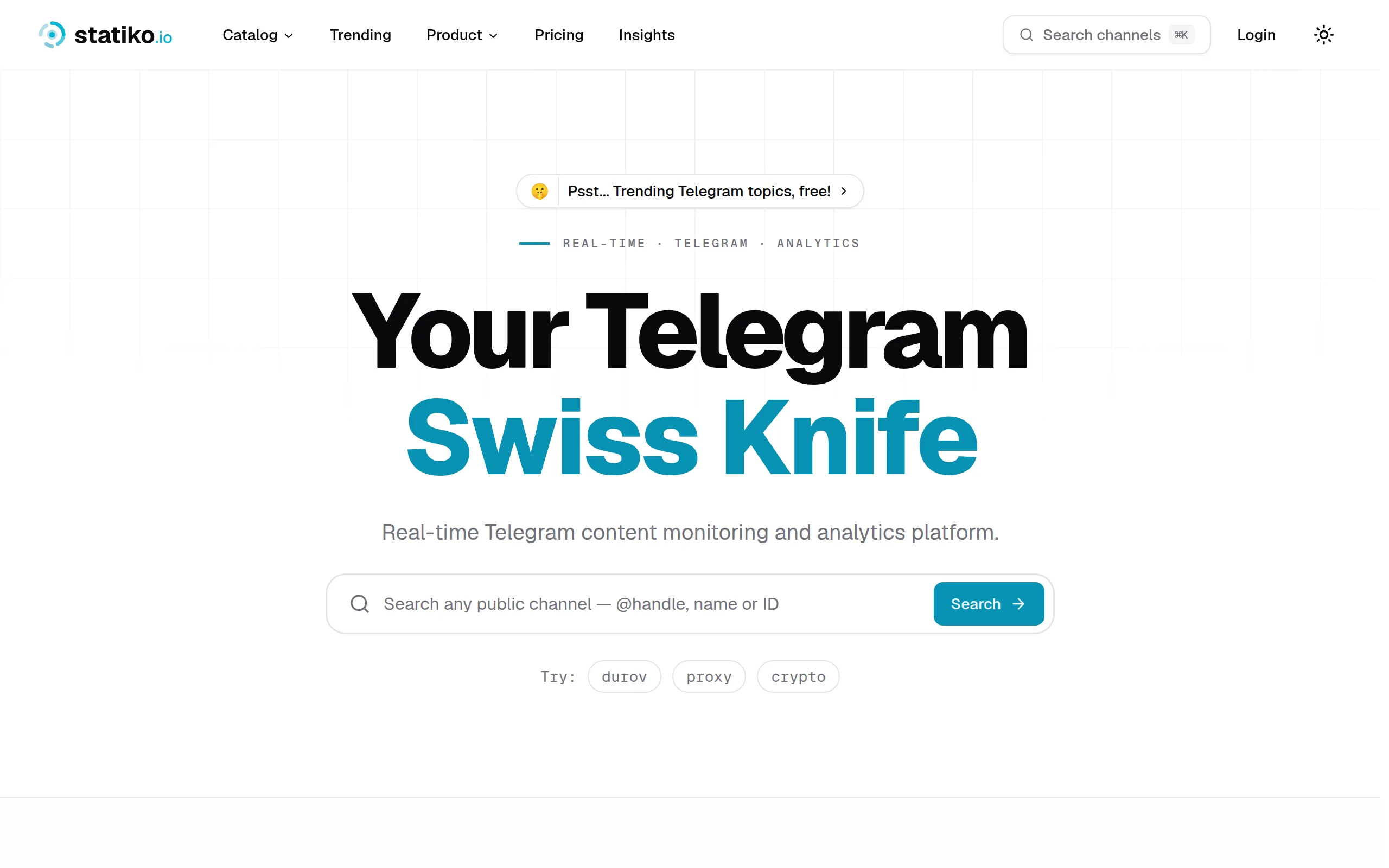
Statiko
Monitor any Telegram channel in real time - track posts, edits, deletions, and growth with AI recaps 📡

Shibui
AI website builder - describe your business, pick a niche template, edit by chatting, and publish instantly ✨

Pro Service
Find verified home service professionals, compare quotes, and pay securely through escrow - built for Brazilians across the US 🏠
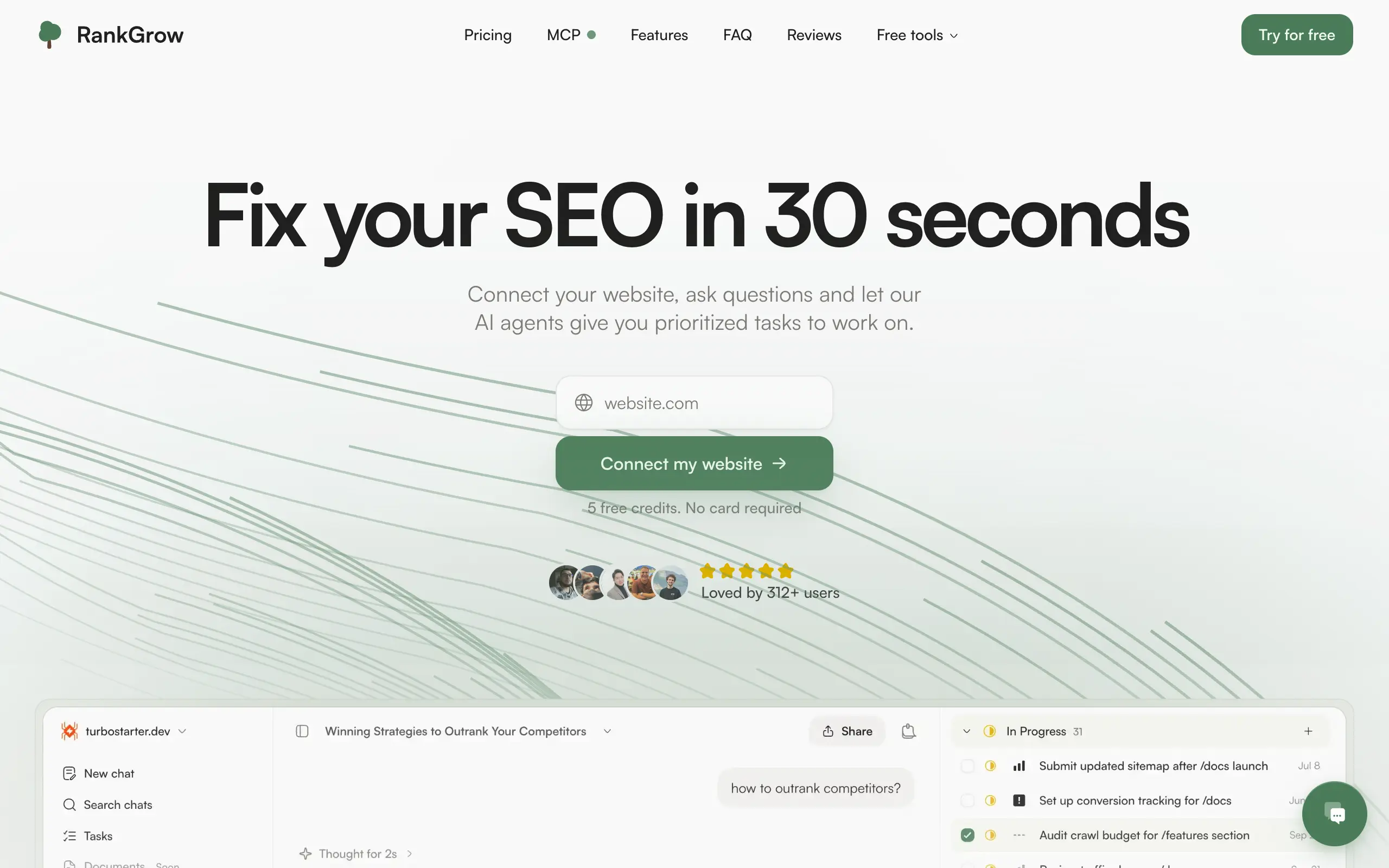
RankGrow
Fix your SEO with AI agents - connect Search Console, get prioritized tasks, and grow organic traffic 📈
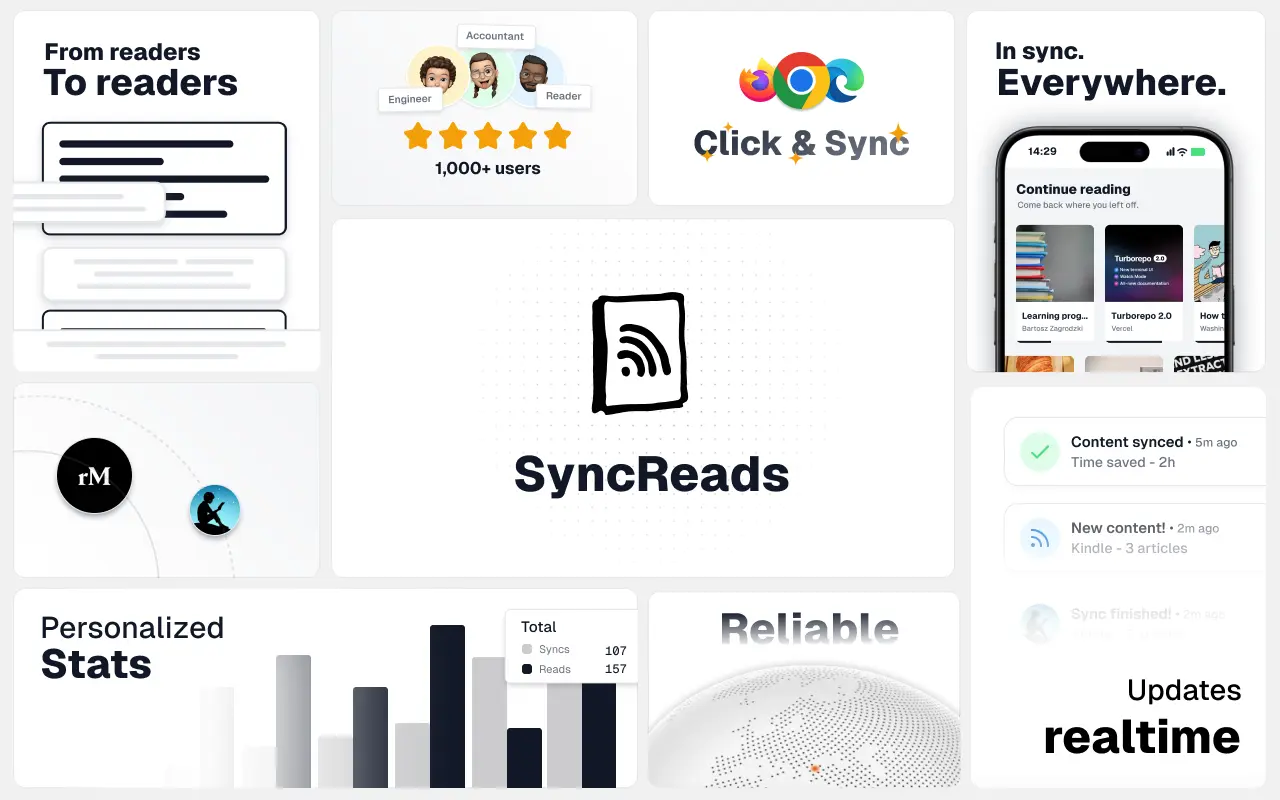
SyncReads
Sync your favorite content for distraction-free reading, save time and replace multiple apps. Anytime, anywhere 🔄
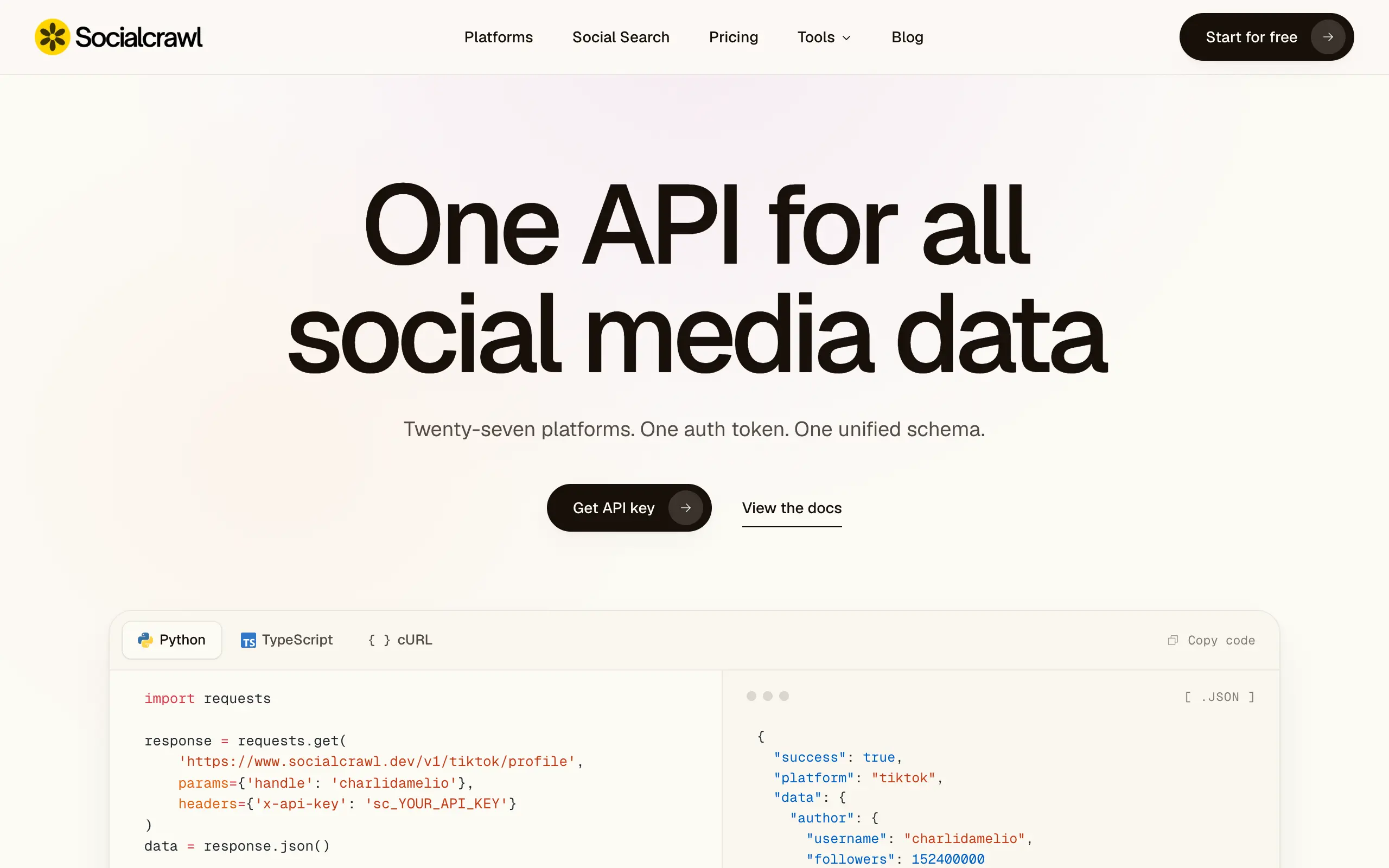
Socialcrawl
Get clean, structured data from 21 platforms like TikTok, Instagram, and YouTube with a single request 📊
Statiko
Monitor any Telegram channel in real time - track posts, edits, deletions, and growth with AI recaps 📡
Shibui
AI website builder - describe your business, pick a niche template, edit by chatting, and publish instantly ✨
Pro Service
Find verified home service professionals, compare quotes, and pay securely through escrow - built for Brazilians across the US 🏠
RankGrow
Fix your SEO with AI agents - connect Search Console, get prioritized tasks, and grow organic traffic 📈
SyncReads
Sync your favorite content for distraction-free reading, save time and replace multiple apps. Anytime, anywhere 🔄
Socialcrawl
Get clean, structured data from 21 platforms like TikTok, Instagram, and YouTube with a single request 📊
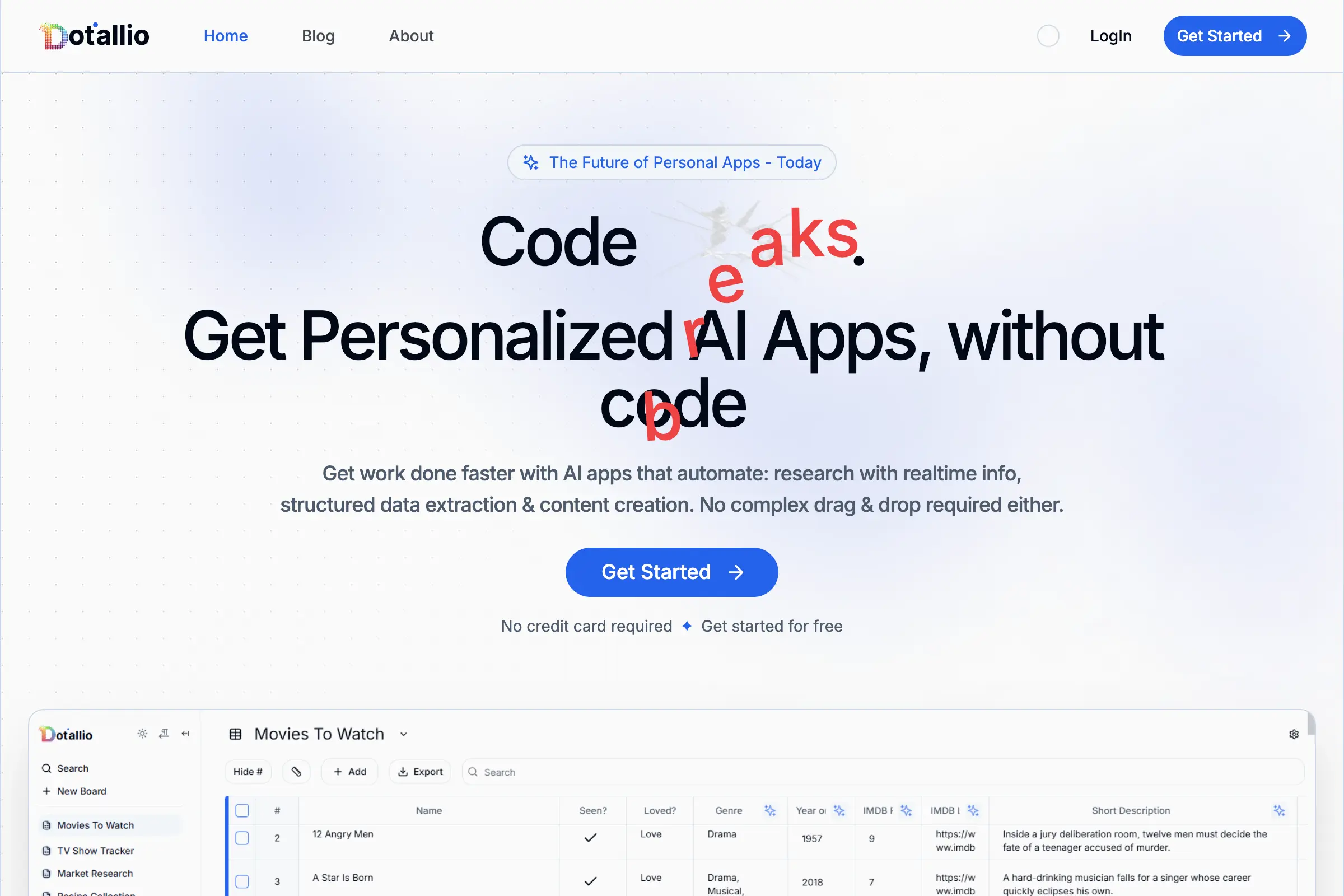
Dotallio
Personalized AI apps that automate research, data extraction, and content creation without code 🤖

Talk to Santa
Enjoy a magical live video chat or receive a unique AI-generated video greeting from Santa Claus 🎅

pozywka.pl
Scalable blog for food journalist, focused on performance and user experience 🌭
zagrodzki.me
Personal blog and portfolio of Bart Zagrodzki, where he shares his knowledge and work 💼
TurboStarter
Ship your startup everywhere. In minutes.
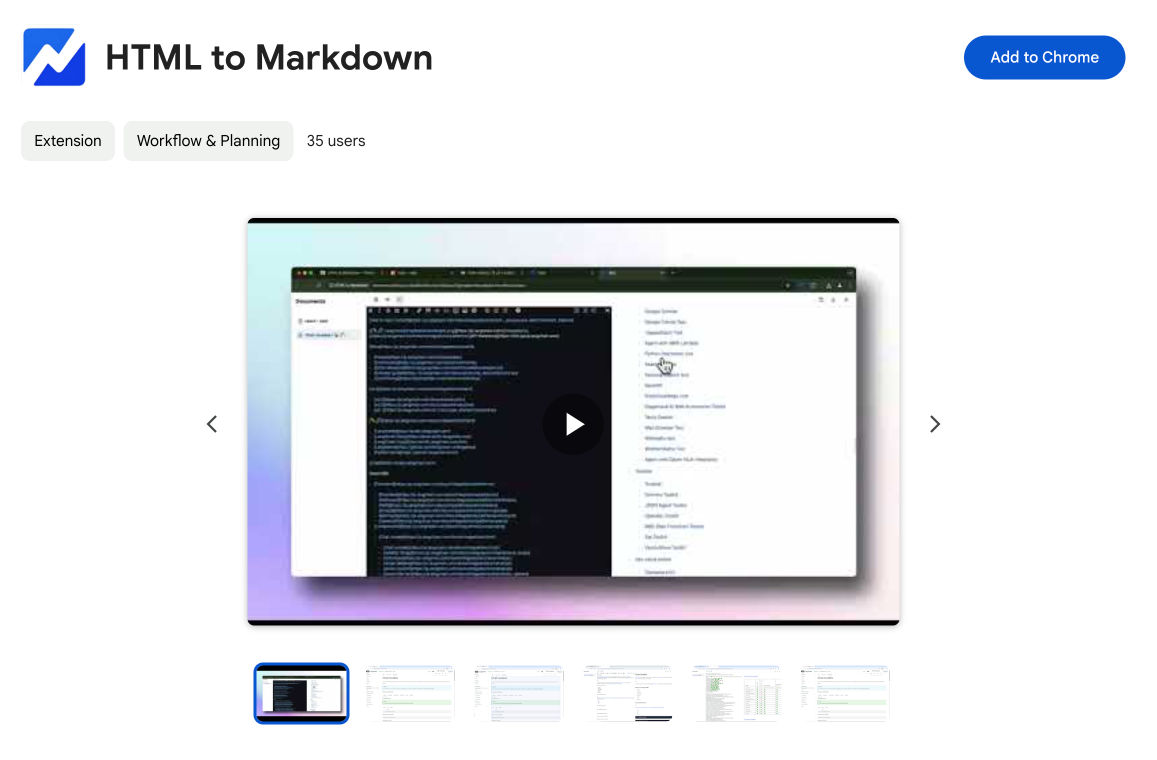
HTML to Markdown
Convert HTML to Markdown with ease, directly in your browser 📄
Dotallio
Personalized AI apps that automate research, data extraction, and content creation without code 🤖
Talk to Santa
Enjoy a magical live video chat or receive a unique AI-generated video greeting from Santa Claus 🎅
pozywka.pl
Scalable blog for food journalist, focused on performance and user experience 🌭
zagrodzki.me
Personal blog and portfolio of Bart Zagrodzki, where he shares his knowledge and work 💼
TurboStarter
Ship your startup everywhere. In minutes.
HTML to Markdown
Convert HTML to Markdown with ease, directly in your browser 📄
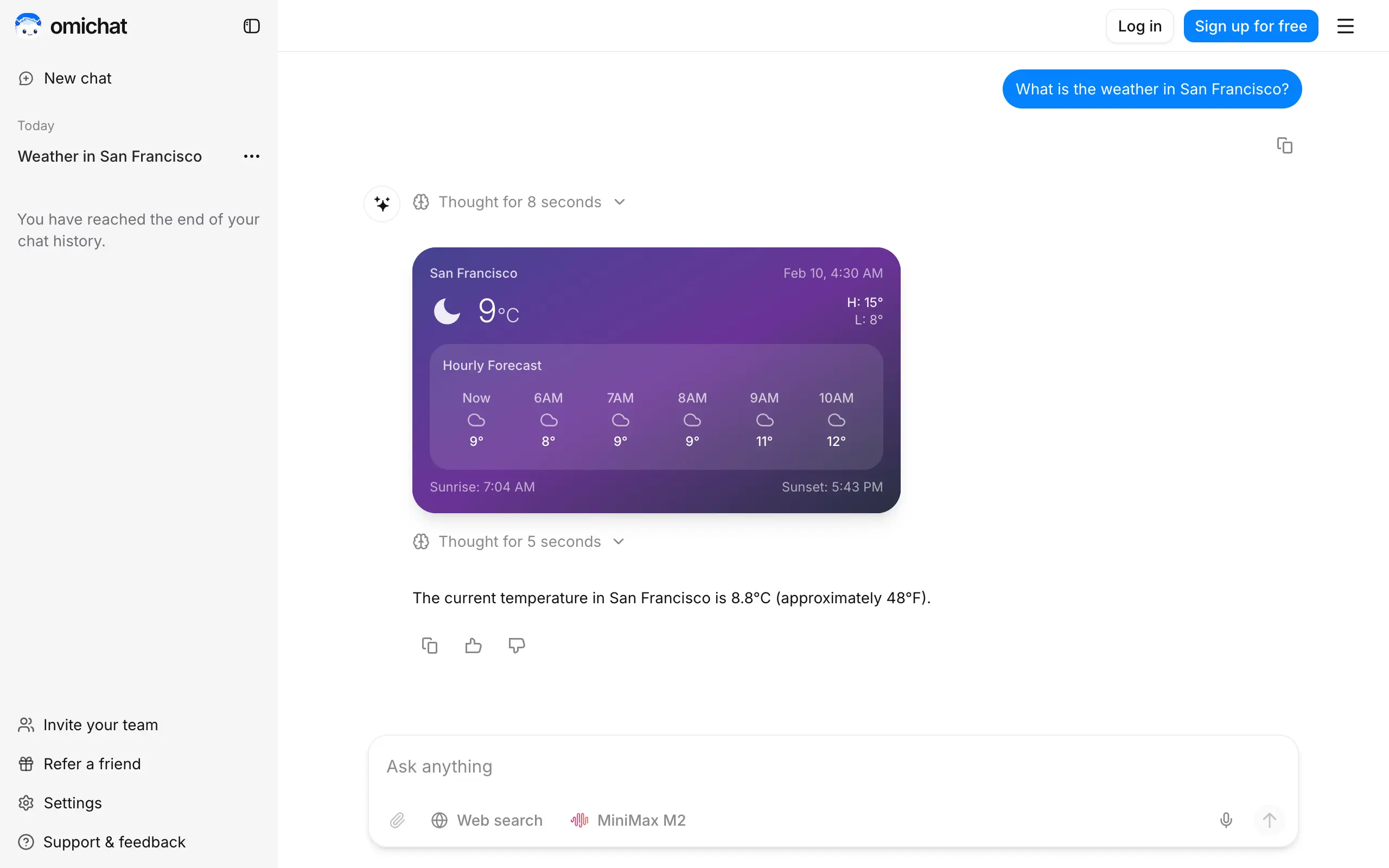
Omichat
Chat with 50+ AI models, including ChatGPT and Claude, in one place - switch models anytime without losing context 🤖
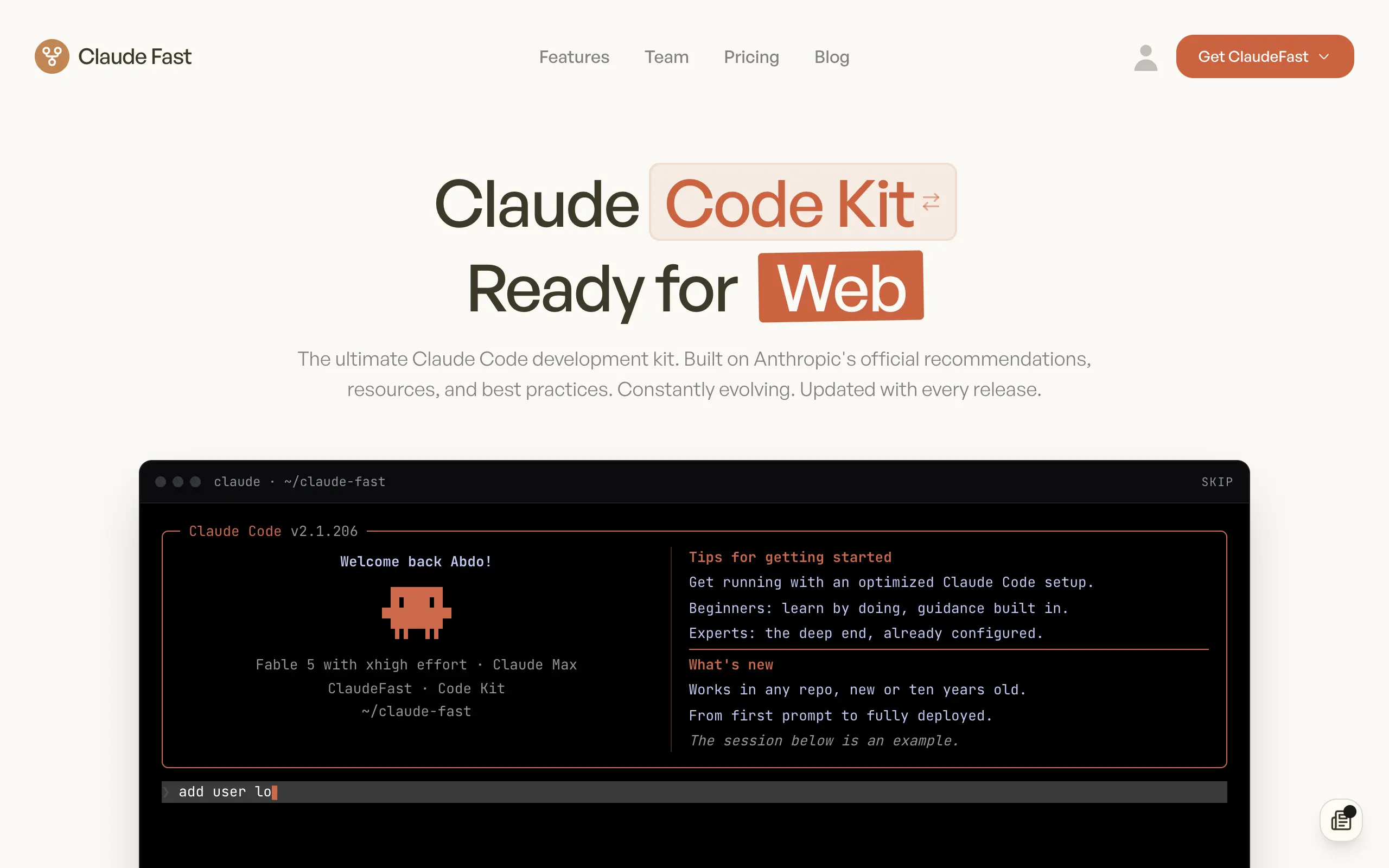
Claude Fast
Supercharge your Claude Code with 6x effective context window and specialized AI agents 🤖

EmojAI
AI-powered emoji picker with smart, context-aware suggestions 🤖
Solohacker
Autonomous company launcher - AI agents work 24/7, escalate what matters, and you stay in control 🤖

BeRawi: Storytelling Coach
Practice storytelling daily with instant feedback to sound clearer, more engaging, and confident 🎤
Omichat
Chat with 50+ AI models, including ChatGPT and Claude, in one place - switch models anytime without losing context 🤖
Claude Fast
Supercharge your Claude Code with 6x effective context window and specialized AI agents 🤖
EmojAI
AI-powered emoji picker with smart, context-aware suggestions 🤖
Solohacker
Autonomous company launcher - AI agents work 24/7, escalate what matters, and you stay in control 🤖
BeRawi: Storytelling Coach
Practice storytelling daily with instant feedback to sound clearer, more engaging, and confident 🎤

Connect with like-minded people
Join our community to get feedback, support, and grow together with 1,000+ builders on board, let's ship it!
Join usShip your startup everywhere. In minutes.
Don't burn tokens on setup and start building features on day one.