LiquidityMesh
Cross-chain liquidity orchestration platform helping DAOs and token projects optimize pools, incentives, and market depth across multiple DEXs from one dashboard.
Why cross-chain liquidity orchestration is becoming mission-critical for DAOs
In the multi-chain era, liquidity is fragmented.
Token projects and DAOs no longer launch on a single chain and a single DEX. They deploy across Ethereum, Arbitrum, Optimism, Base, Polygon, BNB Chain, Solana, and beyond. Each chain has multiple decentralized exchanges (DEXs), automated market makers (AMMs), and liquidity incentive programs. The result?
- Fragmented liquidity
- Inefficient incentive spending
- Poor market depth
- Volatile token prices
- Confusing analytics across dashboards
This is where a cross-chain liquidity orchestration platform like LiquidityMesh becomes a strategic necessity rather than a nice-to-have tool.
LiquidityMesh is designed as a B2B SaaS platform for DAOs and token projects, helping them optimize pools, incentives, and market depth across multiple DEXs from one unified dashboard.
This article explores the market opportunity, product strategy, monetization model, technical stack, competitive landscape, and step-by-step implementation roadmap for building and scaling LiquidityMesh.
The core problem: fragmented liquidity across chains and DEXs
The multi-chain reality
According to industry reports from sources like Chainalysis and Messari (recommended citation), billions of dollars in liquidity move across chains weekly. With the rise of:
- Cross-chain bridges
- Layer 2 rollups
- Modular blockchains
- Interoperability protocols
Liquidity fragmentation has become inevitable.
What token projects struggle with
DAO treasuries and token teams face several pain points:
-
No unified visibility
Liquidity data is scattered across:- Uniswap
- SushiSwap
- Curve
- Balancer
- Trader Joe
- PancakeSwap
And across multiple chains.
-
Inefficient liquidity incentives
Projects spend large amounts on:- Liquidity mining
- Bribe markets
- Gauge incentives
Without precise ROI measurement.
-
Shallow market depth
Poorly distributed liquidity leads to:- High slippage
- Volatile price impact
- Low trader confidence
-
Manual treasury coordination
Liquidity decisions often require:- Governance votes
- Spreadsheet analysis
- Manual rebalancing
This is inefficient, slow, and prone to error.
LiquidityMesh: the cross-chain liquidity orchestration layer
LiquidityMesh acts as a liquidity command center for token projects.
Instead of manually managing liquidity across 10+ DEXs and chains, DAOs get:
- Unified liquidity analytics
- Incentive ROI tracking
- Smart liquidity rebalancing
- Cross-chain pool optimization
- Governance-ready reporting
The primary keyword here is cross-chain liquidity orchestration platform, supported by semantic terms like:
- Liquidity management software
- DAO treasury optimization
- Multi-chain DEX analytics
- Liquidity incentive optimization
- DeFi liquidity dashboard
Target audience analysis
LiquidityMesh is a B2B SaaS platform. The ideal customer profile (ICP) includes:
1. DAOs with native tokens
- Governance DAOs
- DeFi protocols
- Gaming ecosystems
- NFT platforms
- Infrastructure protocols
Pain level: High
Liquidity directly impacts token stability and governance credibility.
2. Token projects launching across multiple chains
These projects need:
- Coordinated liquidity bootstrapping
- Cross-chain price consistency
- Strategic liquidity allocation
3. DeFi treasuries managing large reserves
Treasury teams require:
- Risk-adjusted liquidity strategies
- Capital efficiency modeling
- Market depth analysis
4. Web3 growth teams & liquidity strategists
These teams need:
- Incentive ROI measurement
- Bribe market analysis
- Emission efficiency dashboards
Market opportunity and gap analysis
The macro DeFi landscape
DeFi TVL has fluctuated over the years, but multi-chain adoption continues to expand. Even during bear markets, infrastructure and tooling demand remains strong.
Current tooling focuses on:
- DEX-level analytics (e.g., individual dashboards)
- Portfolio tracking (e.g., DeBank-style tools)
- On-chain analytics (e.g., Dune dashboards)
What’s missing?
A purpose-built liquidity orchestration platform for token issuers and DAOs.
The gap
Most analytics tools are:
- Trader-focused
- Yield-farmer-focused
- LP-focused
Few tools are built for token issuers managing liquidity as a strategic asset.
LiquidityMesh fills this gap by being:
The “Datadog for liquidity” — but for multi-chain DeFi ecosystems.
Core features of LiquidityMesh
Below is a feature breakdown aligned with user intent and product-market fit.
1. Unified cross-chain liquidity dashboard
Aggregate:
- Pool liquidity across DEXs
- Market depth by price range
- Volume per chain
- LP concentration
Key metrics:
- Total liquidity by chain
- Slippage at $10k / $100k / $1M trades
- Incentive efficiency ratio
2. Incentive ROI tracking engine
Liquidity incentives are expensive.
LiquidityMesh should calculate:
- Emissions spent per pool
- Volume generated per emission unit
- Fees generated
- Cost per dollar of liquidity
Why this matters
Many DAOs overspend on incentives without measuring marginal liquidity efficiency. A 20% optimization in emissions can save millions annually.
3. Smart rebalancing recommendations
Using rule-based logic and optional ML modeling:
- Suggest liquidity migration between chains
- Detect underperforming pools
- Flag excessive slippage risk
Example:
if (pool.emissionCost > threshold && volume < minVolume) {
  suggestReallocation(pool.id, "reduce_incentives");
}
4. Cross-chain market depth simulator
Allow DAO teams to simulate:
- “What happens if we remove $2M liquidity from Chain A?”
- “How will slippage change if we increase emissions on Arbitrum?”
This creates a strategic planning tool rather than just a reporting dashboard.
5. Governance-ready reporting
Generate:
- Monthly liquidity performance reports
- Emission ROI breakdowns
- Cross-chain comparisons
Export formats:
- CSV
- Governance forum-ready summaries
6. Alerting and anomaly detection
Real-time alerts for:
- Liquidity drops > 15%
- Slippage spikes
- Arbitrage-driven imbalance
- LP whale exits
Competitive analysis
Below is a simplified comparison.
| Feature | LiquidityMesh | DEX dashboards | Portfolio trackers | Dune dashboards | Treasury tools |
|---|---|---|---|---|---|
| Cross-chain liquidity view | ✅ | ❌ | ❌ | ✅ | ❌ |
| Incentive ROI modeling | ✅ | ❌ | ❌ | ❌ | ❌ |
Competitive advantage (USP)
LiquidityMesh differentiates itself by:
- Focusing specifically on token issuers
- Combining analytics + orchestration
- Providing actionable recommendations (not just charts)
- Supporting multi-chain liquidity strategy
Recommended tech stack
A cross-chain liquidity management SaaS requires robust infrastructure.
Frontend
Why?
- Fast UI iteration
- Strong ecosystem
- Server-side rendering for SEO
Backend
- Node.js (API layer)
- PostgreSQL (structured liquidity data)
- Redis (caching real-time metrics)
Optional:
- Rust microservices for high-performance on-chain indexing
Blockchain data ingestion
Options:
- Direct RPC node connections
- The Graph subgraphs
- Custom indexers
Trade-offs:
- Subgraphs are faster to build but depend on availability
- Custom indexers give more control and performance
Infrastructure
- Kubernetes for scaling
- AWS or GCP
- WebSocket streaming for real-time updates
Authentication & access control
- Wallet-based login (e.g., EIP-4361 Sign-In with Ethereum)
- Role-based permissions for DAO contributors
Monetization strategy
LiquidityMesh is B2B SaaS with strong monetization potential.
1. Tiered subscription model
Starter ($999/month)
- 1 token
- 3 chains
- Basic analytics
Growth ($2,500/month)
- Up to 5 tokens
- Unlimited chains
- Incentive modeling
Enterprise (Custom)
- API access
- White-label reporting
- Dedicated support
2. Performance-based pricing
Optional add-on:
- % of emission savings identified
- % of increased liquidity efficiency
This aligns incentives with DAO outcomes.
3. API licensing
Offer:
- Liquidity API for institutional desks
- Data licensing for research firms
Risks and mitigation strategies
Risk 1: Regulatory uncertainty
Mitigation:
- Position as analytics & optimization software
- Avoid direct custody or asset control
Risk 2: Rapid DeFi evolution
Mitigation:
- Modular data architecture
- Chain-agnostic indexing
Risk 3: Low willingness to pay
Mitigation:
- Quantify emission savings
- Case studies demonstrating ROI
Go-to-market strategy
Phase 1: Target top 200 DAOs
Manually reach out to:
- Treasury leads
- Tokenomics advisors
- Protocol founders
Offer beta access.
Phase 2: Publish liquidity research reports
Become an authority by:
- Publishing cross-chain liquidity studies
- Sharing emission efficiency benchmarks
This builds authoritativeness (E-E-A-T).
Phase 3: Integrations
Integrate with:
- Governance forums
- Snapshot voting exports
- Treasury management tools
Implementation roadmap
Long-term expansion opportunities
AI-powered liquidity strategist
Train models on historical:
- Emission campaigns
- Liquidity shifts
- Volume patterns
Offer predictive recommendations.
Liquidity-as-a-service layer
Eventually evolve into:
- Semi-automated liquidity execution
- Smart contract-based rebalancing
Cross-chain arbitrage intelligence
Provide signals to:
- Market makers
- DAO treasury desks
Why LiquidityMesh can win
The future of DeFi is multi-chain.
Liquidity is no longer static — it is dynamic, mobile, and strategic.
DAOs that treat liquidity as an actively managed asset will outperform those that treat it as a passive pool allocation.
LiquidityMesh becomes:
- The strategic brain
- The analytics engine
- The optimization layer
For modern token economies.
Final actionable checklist
If you’re building LiquidityMesh:
- Start with 3 chains (Ethereum + 2 L2s).
- Focus on liquidity depth metrics before advanced AI.
- Prove emission savings with real DAO case studies.
- Build strong reporting tools for governance transparency.
- Prioritize actionable insights over complex dashboards.
If you’re a DAO:
- Audit your emission efficiency.
- Measure slippage at meaningful trade sizes.
- Centralize liquidity intelligence.
Liquidity management is no longer optional.
Build and ship faster
To accelerate development of a complex B2B SaaS like LiquidityMesh, using a production-ready SaaS foundation can significantly reduce time-to-market. Platforms like TurboStarter help you launch faster with authentication, billing, dashboards, and scalable architecture prebuilt — allowing you to focus on liquidity orchestration logic instead of boilerplate.
Conclusion
Cross-chain liquidity orchestration is the next frontier of DAO treasury management.
As DeFi continues evolving toward modular and multi-chain architectures, liquidity intelligence will become a competitive advantage.
LiquidityMesh is positioned to:
- Solve liquidity fragmentation
- Optimize incentive spending
- Increase capital efficiency
- Provide governance transparency
For DAOs and token projects serious about long-term sustainability, a cross-chain liquidity orchestration platform is not just useful — it’s essential.
The opportunity is clear. The market gap is real. The strategic need is growing.
Now is the time to build.
More 🏢 B2B Application SaaS ideas
Discover more innovative b2b application SaaS ideas that are trending in 2026. Each idea is AI-generated with market validation and growth potential to help you find your next profitable venture faster than competitors.
Your competitors are building with TurboStarter
Below are some of the SaaS ideas that have been generated and built with our starter kit.
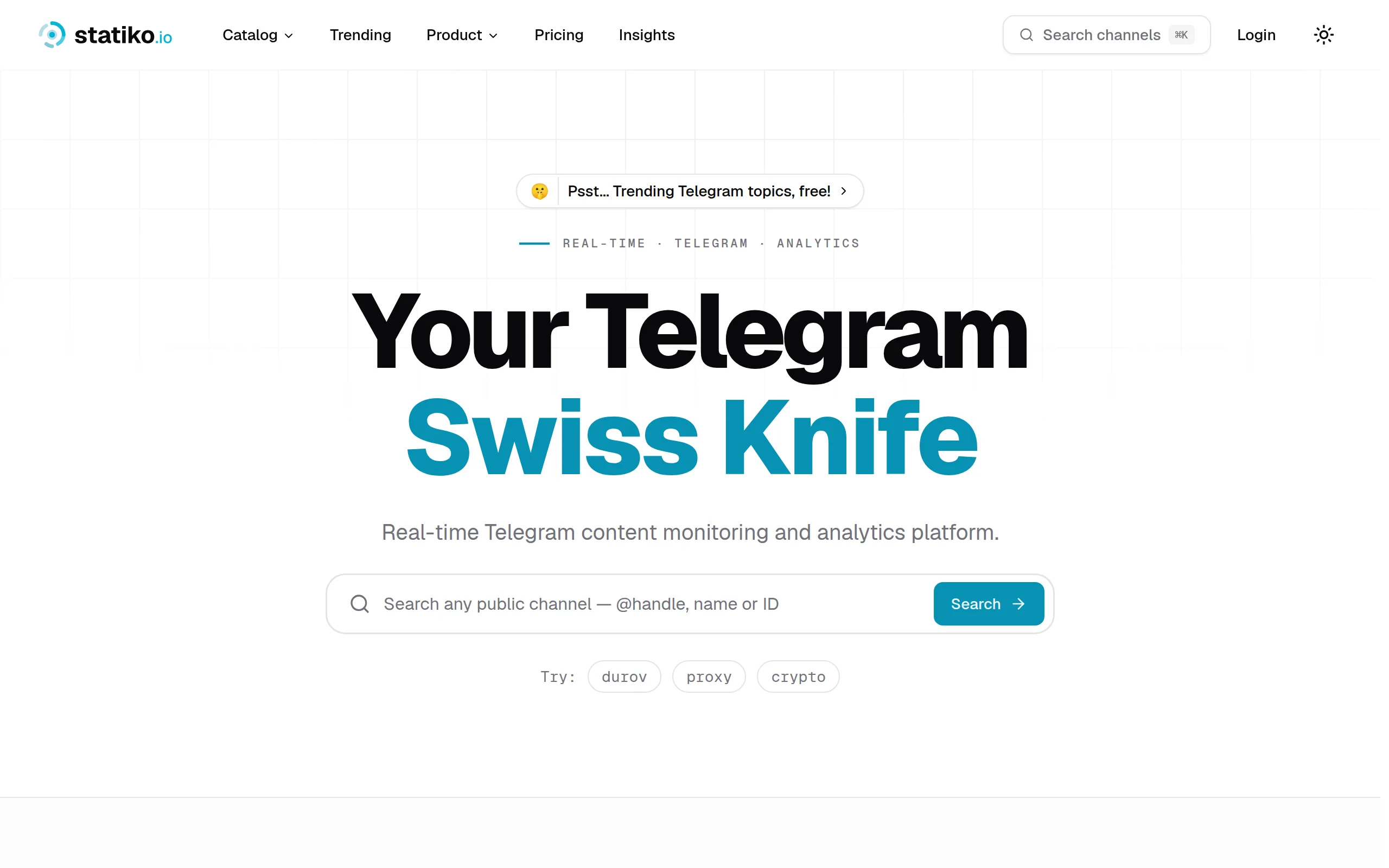
Statiko
Monitor any Telegram channel in real time - track posts, edits, deletions, and growth with AI recaps 📡

Shibui
AI website builder - describe your business, pick a niche template, edit by chatting, and publish instantly ✨

Pro Service
Find verified home service professionals, compare quotes, and pay securely through escrow - built for Brazilians across the US 🏠
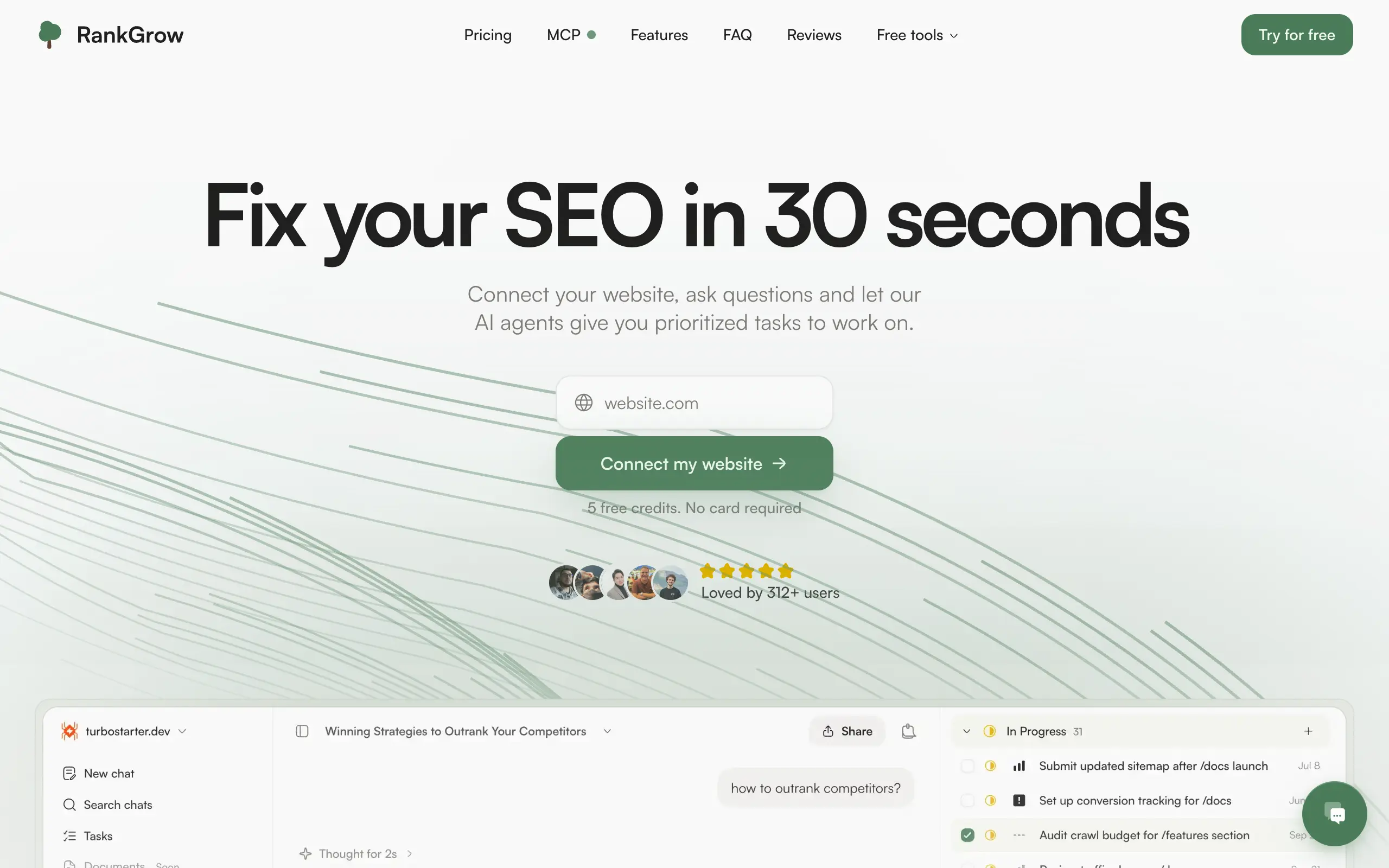
RankGrow
Fix your SEO with AI agents - connect Search Console, get prioritized tasks, and grow organic traffic 📈
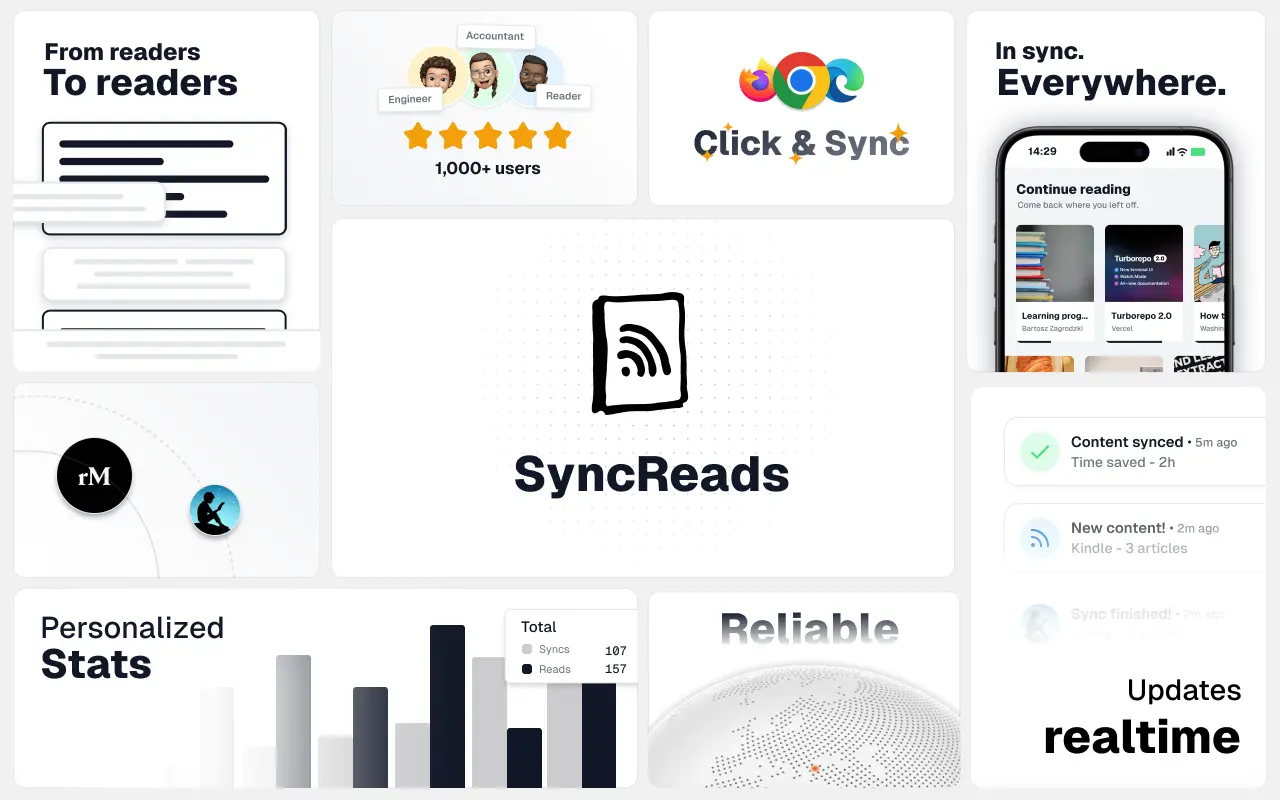
SyncReads
Sync your favorite content for distraction-free reading, save time and replace multiple apps. Anytime, anywhere 🔄
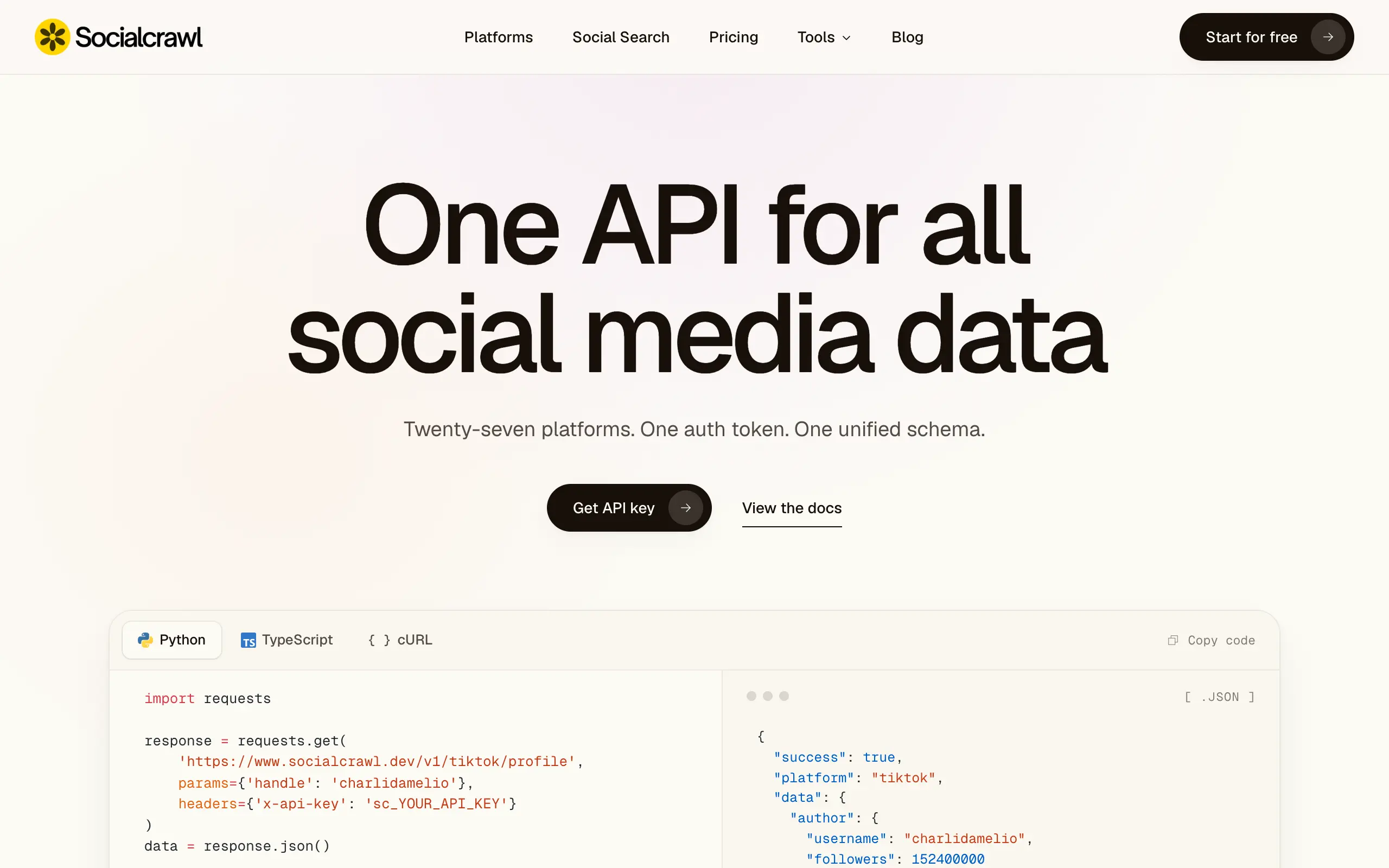
Socialcrawl
Get clean, structured data from 21 platforms like TikTok, Instagram, and YouTube with a single request 📊
Statiko
Monitor any Telegram channel in real time - track posts, edits, deletions, and growth with AI recaps 📡
Shibui
AI website builder - describe your business, pick a niche template, edit by chatting, and publish instantly ✨
Pro Service
Find verified home service professionals, compare quotes, and pay securely through escrow - built for Brazilians across the US 🏠
RankGrow
Fix your SEO with AI agents - connect Search Console, get prioritized tasks, and grow organic traffic 📈
SyncReads
Sync your favorite content for distraction-free reading, save time and replace multiple apps. Anytime, anywhere 🔄
Socialcrawl
Get clean, structured data from 21 platforms like TikTok, Instagram, and YouTube with a single request 📊
Statiko
Monitor any Telegram channel in real time - track posts, edits, deletions, and growth with AI recaps 📡
Shibui
AI website builder - describe your business, pick a niche template, edit by chatting, and publish instantly ✨
Pro Service
Find verified home service professionals, compare quotes, and pay securely through escrow - built for Brazilians across the US 🏠
RankGrow
Fix your SEO with AI agents - connect Search Console, get prioritized tasks, and grow organic traffic 📈
SyncReads
Sync your favorite content for distraction-free reading, save time and replace multiple apps. Anytime, anywhere 🔄
Socialcrawl
Get clean, structured data from 21 platforms like TikTok, Instagram, and YouTube with a single request 📊
Statiko
Monitor any Telegram channel in real time - track posts, edits, deletions, and growth with AI recaps 📡
Shibui
AI website builder - describe your business, pick a niche template, edit by chatting, and publish instantly ✨
Pro Service
Find verified home service professionals, compare quotes, and pay securely through escrow - built for Brazilians across the US 🏠
RankGrow
Fix your SEO with AI agents - connect Search Console, get prioritized tasks, and grow organic traffic 📈
SyncReads
Sync your favorite content for distraction-free reading, save time and replace multiple apps. Anytime, anywhere 🔄
Socialcrawl
Get clean, structured data from 21 platforms like TikTok, Instagram, and YouTube with a single request 📊
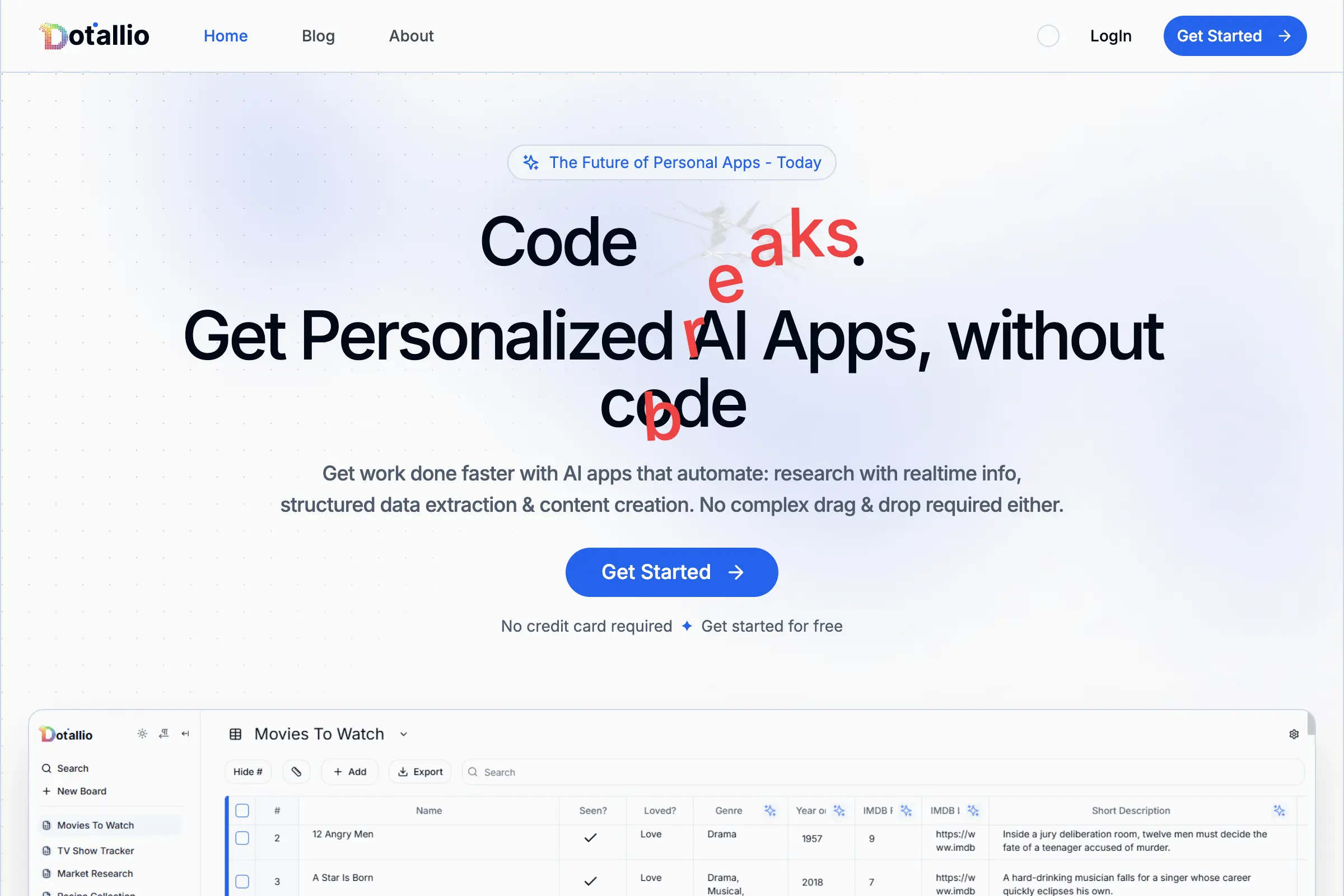
Dotallio
Personalized AI apps that automate research, data extraction, and content creation without code 🤖

Talk to Santa
Enjoy a magical live video chat or receive a unique AI-generated video greeting from Santa Claus 🎅

pozywka.pl
Scalable blog for food journalist, focused on performance and user experience 🌭
zagrodzki.me
Personal blog and portfolio of Bart Zagrodzki, where he shares his knowledge and work 💼
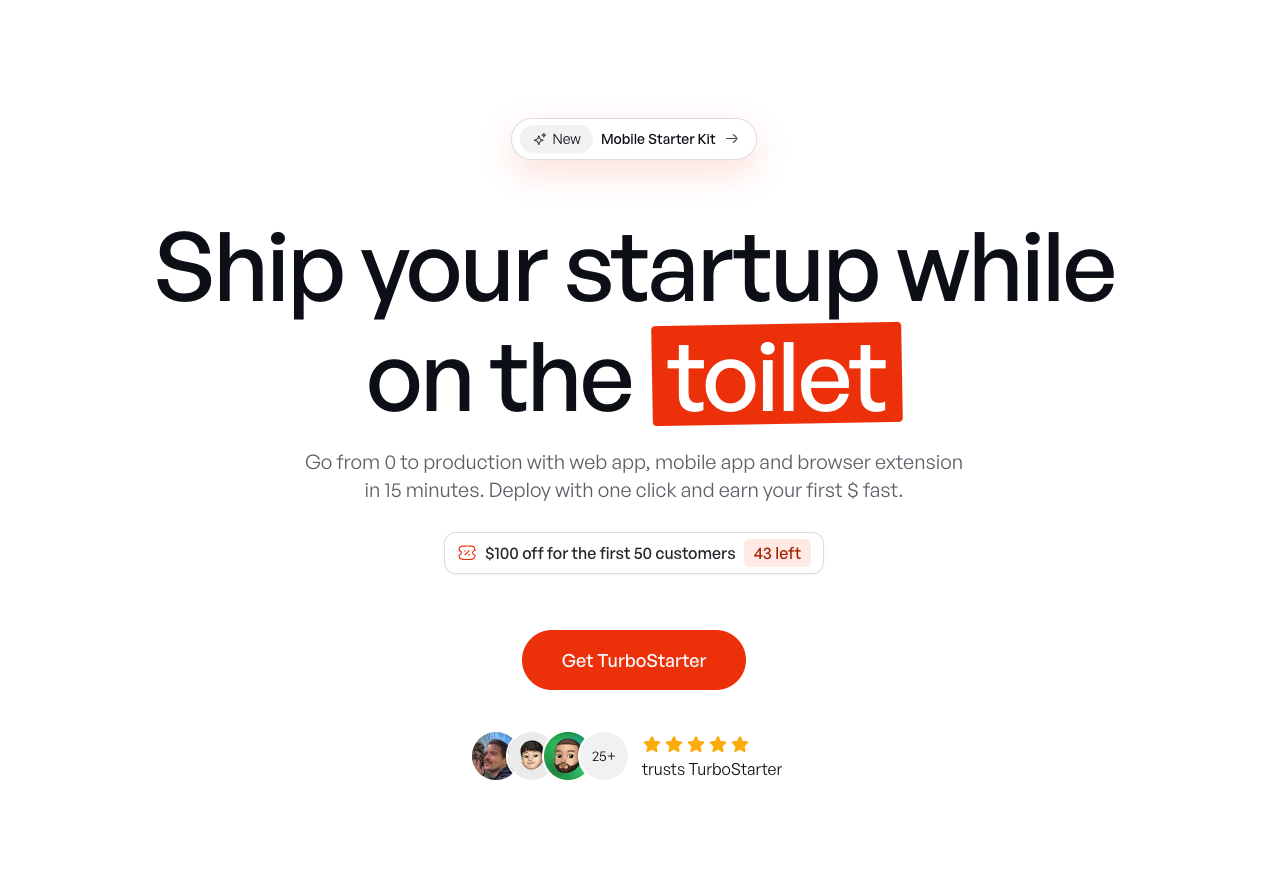
TurboStarter
Ship your startup everywhere. In minutes.
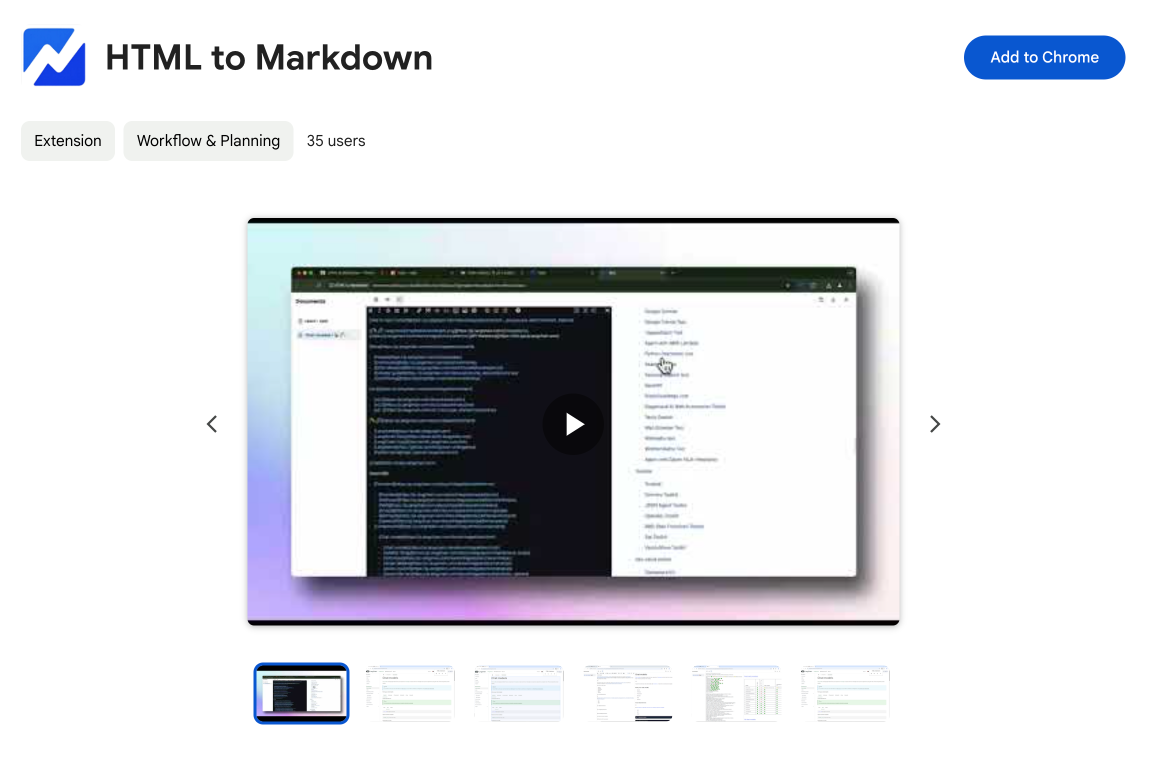
HTML to Markdown
Convert HTML to Markdown with ease, directly in your browser 📄
Dotallio
Personalized AI apps that automate research, data extraction, and content creation without code 🤖
Talk to Santa
Enjoy a magical live video chat or receive a unique AI-generated video greeting from Santa Claus 🎅
pozywka.pl
Scalable blog for food journalist, focused on performance and user experience 🌭
zagrodzki.me
Personal blog and portfolio of Bart Zagrodzki, where he shares his knowledge and work 💼
TurboStarter
Ship your startup everywhere. In minutes.
HTML to Markdown
Convert HTML to Markdown with ease, directly in your browser 📄
Dotallio
Personalized AI apps that automate research, data extraction, and content creation without code 🤖
Talk to Santa
Enjoy a magical live video chat or receive a unique AI-generated video greeting from Santa Claus 🎅
pozywka.pl
Scalable blog for food journalist, focused on performance and user experience 🌭
zagrodzki.me
Personal blog and portfolio of Bart Zagrodzki, where he shares his knowledge and work 💼
TurboStarter
Ship your startup everywhere. In minutes.
HTML to Markdown
Convert HTML to Markdown with ease, directly in your browser 📄
Dotallio
Personalized AI apps that automate research, data extraction, and content creation without code 🤖
Talk to Santa
Enjoy a magical live video chat or receive a unique AI-generated video greeting from Santa Claus 🎅
pozywka.pl
Scalable blog for food journalist, focused on performance and user experience 🌭
zagrodzki.me
Personal blog and portfolio of Bart Zagrodzki, where he shares his knowledge and work 💼
TurboStarter
Ship your startup everywhere. In minutes.
HTML to Markdown
Convert HTML to Markdown with ease, directly in your browser 📄
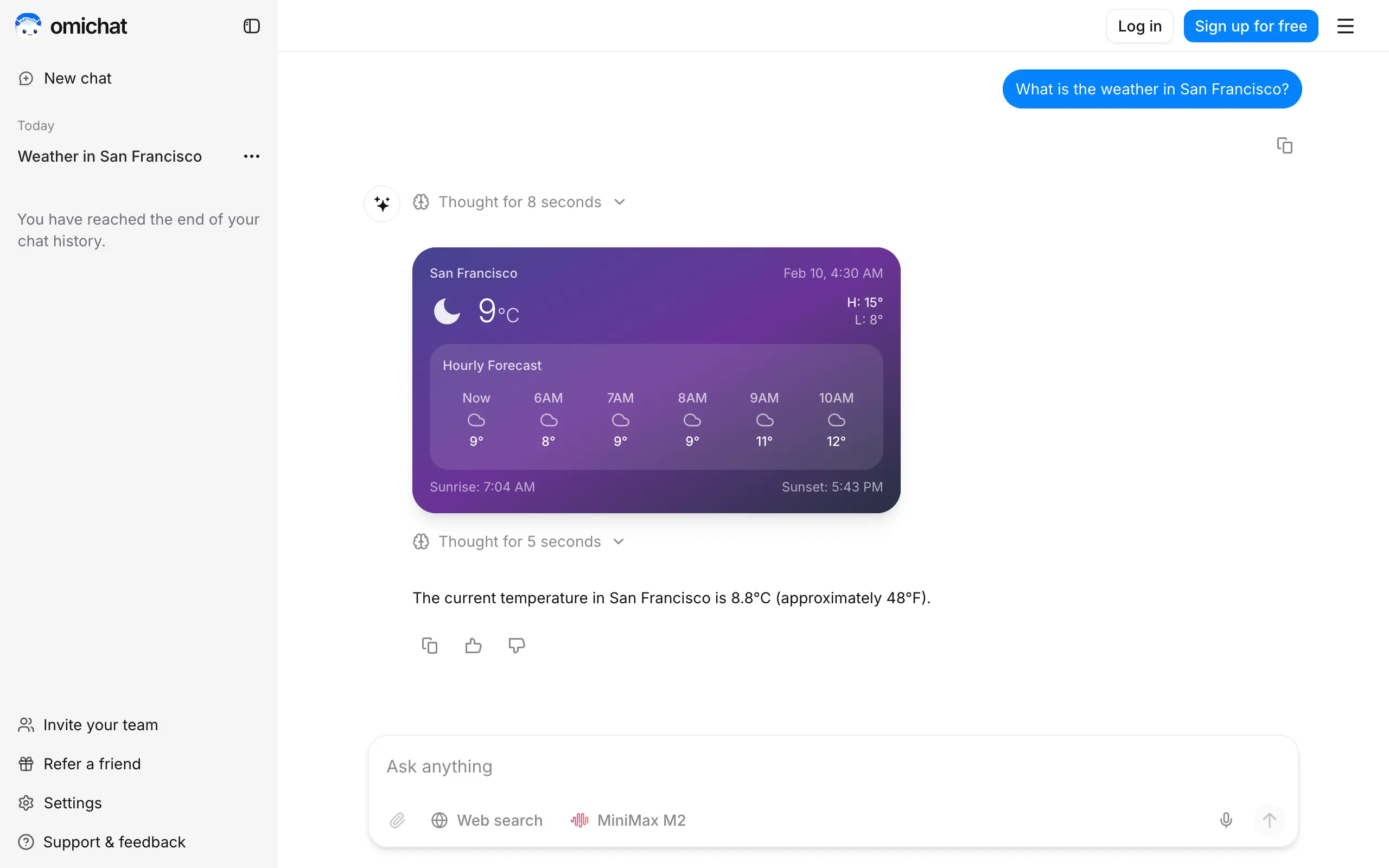
Omichat
Chat with 50+ AI models, including ChatGPT and Claude, in one place - switch models anytime without losing context 🤖
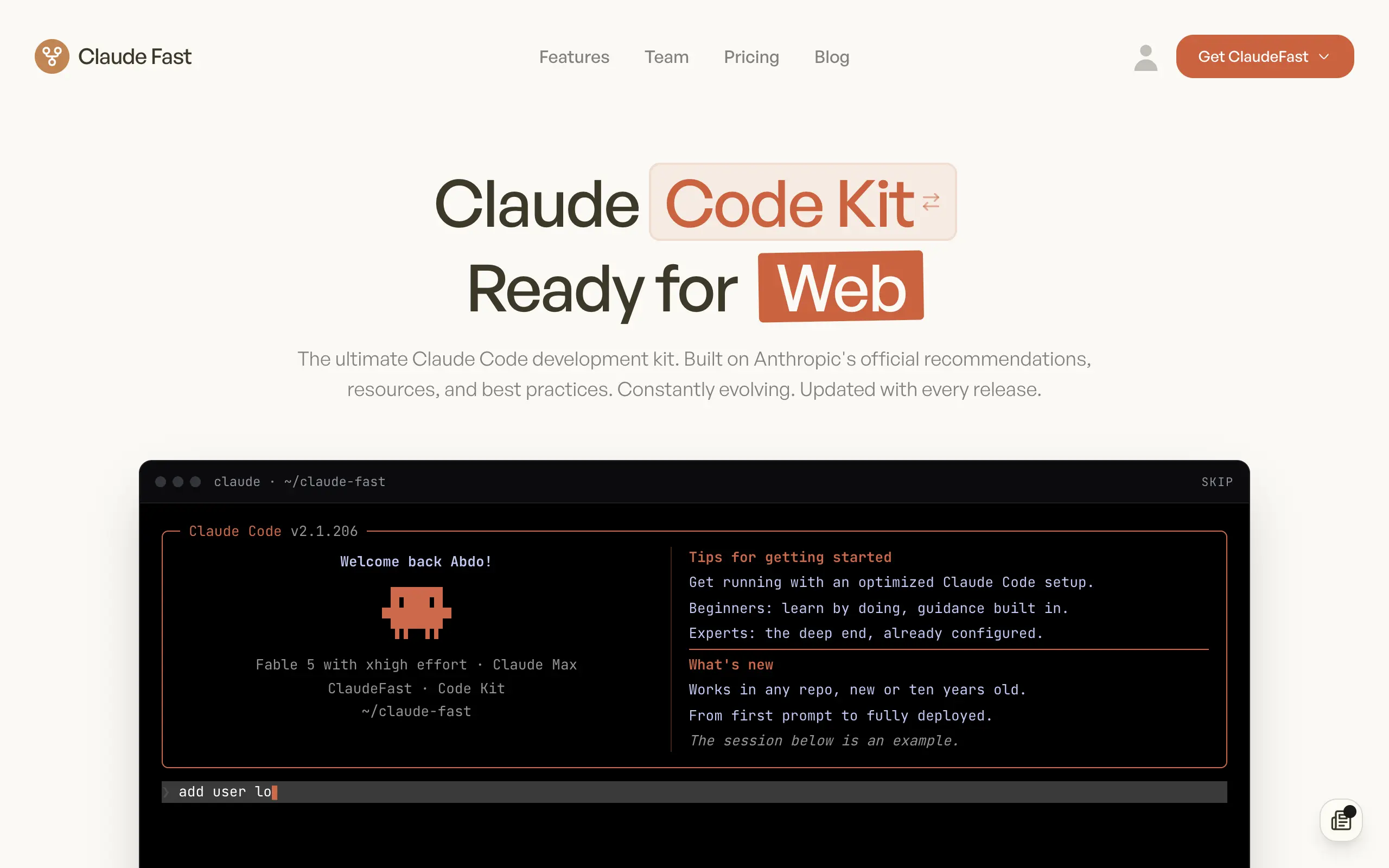
Claude Fast
Supercharge your Claude Code with 6x effective context window and specialized AI agents 🤖
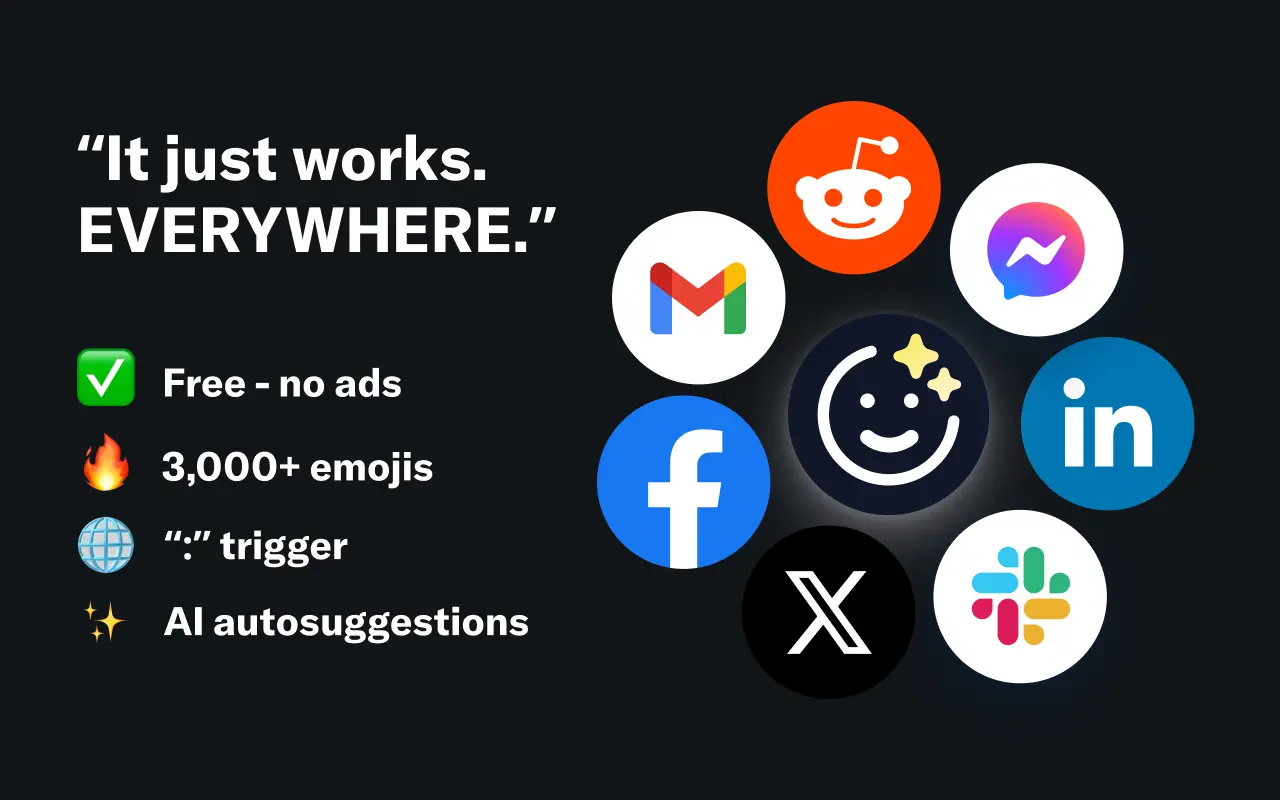
EmojAI
AI-powered emoji picker with smart, context-aware suggestions 🤖
Solohacker
Autonomous company launcher - AI agents work 24/7, escalate what matters, and you stay in control 🤖

BeRawi: Storytelling Coach
Practice storytelling daily with instant feedback to sound clearer, more engaging, and confident 🎤
Omichat
Chat with 50+ AI models, including ChatGPT and Claude, in one place - switch models anytime without losing context 🤖
Claude Fast
Supercharge your Claude Code with 6x effective context window and specialized AI agents 🤖
EmojAI
AI-powered emoji picker with smart, context-aware suggestions 🤖
Solohacker
Autonomous company launcher - AI agents work 24/7, escalate what matters, and you stay in control 🤖
BeRawi: Storytelling Coach
Practice storytelling daily with instant feedback to sound clearer, more engaging, and confident 🎤
Omichat
Chat with 50+ AI models, including ChatGPT and Claude, in one place - switch models anytime without losing context 🤖
Claude Fast
Supercharge your Claude Code with 6x effective context window and specialized AI agents 🤖
EmojAI
AI-powered emoji picker with smart, context-aware suggestions 🤖
Solohacker
Autonomous company launcher - AI agents work 24/7, escalate what matters, and you stay in control 🤖
BeRawi: Storytelling Coach
Practice storytelling daily with instant feedback to sound clearer, more engaging, and confident 🎤
Omichat
Chat with 50+ AI models, including ChatGPT and Claude, in one place - switch models anytime without losing context 🤖
Claude Fast
Supercharge your Claude Code with 6x effective context window and specialized AI agents 🤖
EmojAI
AI-powered emoji picker with smart, context-aware suggestions 🤖
Solohacker
Autonomous company launcher - AI agents work 24/7, escalate what matters, and you stay in control 🤖
BeRawi: Storytelling Coach
Practice storytelling daily with instant feedback to sound clearer, more engaging, and confident 🎤

Connect with like-minded people
Join our community to get feedback, support, and grow together with 1,000+ builders on board, let's ship it!
Join usShip your startup everywhere. In minutes.
Don't burn tokens on setup and start building features on day one.