LocalTrade CRM
Simple CRM tailored for small German trades businesses to manage leads, invoices, and repeat clients with WhatsApp and DATEV integrations.
Understanding the opportunity behind a CRM for German trades businesses
Small and medium-sized trades businesses (Handwerksbetriebe) in Germany form the backbone of the economy. Electricians, plumbers, carpenters, HVAC specialists, painters, and construction contractors collectively represent hundreds of thousands of businesses—many of which still operate with fragmented tools like spreadsheets, paper invoices, and WhatsApp chats.
A local trade CRM tailored specifically for this segment—like LocalTrade CRM—addresses a highly specific and underserved niche: simplifying customer management, invoicing, and communication while integrating deeply with tools German tradespeople already use, such as WhatsApp and DATEV.
This article breaks down the full business, product, and technical strategy behind building and scaling a SaaS like LocalTrade CRM, with a focus on real-world usability, compliance, and competitive differentiation.
Why the German trades market is ripe for disruption
Fragmentation and low digital maturity
Despite Germany’s reputation for engineering excellence, many small trades businesses lag in digital transformation. Common challenges include:
- Reliance on handwritten job notes
- Invoices created manually or via outdated desktop tools
- Customer data scattered across WhatsApp, email, and notebooks
- No centralized view of leads or repeat clients
According to reports by German economic institutes (e.g., ZDH or KfW), a significant percentage of small trades businesses still fall into the “digitally lagging” category. This creates a clear SaaS opportunity.
Regulatory complexity creates friction
Germany has strict requirements for:
- Tax compliance (GoBD)
- Financial reporting
- Integration with tax advisors (Steuerberater)
- DATEV compatibility
Most generic CRMs (like HubSpot or Salesforce) are not optimized for these needs, making them impractical or overkill for small trades businesses.
WhatsApp is the default communication channel
Unlike corporate environments, trades businesses rely heavily on WhatsApp for:
- Customer inquiries
- Appointment confirmations
- Sending quotes and updates
A CRM that doesn’t integrate with WhatsApp is immediately less useful in this market.
Defining the core user: who is LocalTrade CRM for?
Primary audience
- Small trades businesses (1–20 employees)
- Based in Germany (initially)
- Industries:
- Electrical (Elektriker)
- Plumbing (Sanitär/Heizung)
- Construction (Bauunternehmen)
- Renovation (Maler, Bodenleger)
- HVAC (Klimatechnik)
Secondary audience
- Growing trades companies (20–50 employees)
- Office managers handling scheduling and invoicing
- Freelance craftsmen (Einzelunternehmer)
Key user pain points
- “I forget to follow up with leads”
- “Invoices take too long to create”
- “I can’t find customer history quickly”
- “Everything is in WhatsApp and I lose track”
- “My tax advisor wants DATEV exports, and it's a mess”
The core value proposition of a local trade CRM
LocalTrade CRM is not just another CRM. Its value lies in vertical specialization.
Key differentiators
- Built specifically for German trades workflows
- Native WhatsApp communication tracking
- DATEV-ready accounting exports
- Minimal setup and onboarding
- Mobile-first design for field workers
Key insight
Horizontal CRMs fail in niche industries because they require adaptation. Vertical SaaS wins by removing configuration entirely.
Core features that define LocalTrade CRM
1. Lead and customer management
A simple pipeline tailored to trades:
- New inquiry
- Site visit scheduled
- Quote sent
- Job confirmed
- Job completed
- Invoice paid
No unnecessary complexity—just what’s needed.
2. WhatsApp integration
Critical feature for adoption.
Capabilities:
- Sync conversations with customers
- Attach chats to customer profiles
- Send updates directly from CRM
- Use templates for quick responses
3. Quote and invoice generation
- Pre-built templates for trades services
- VAT-compliant invoices
- One-click conversion: quote → invoice
- PDF export and email/WhatsApp delivery
4. DATEV integration
A must-have for German compliance.
- Export invoices and financial data
- Compatible with Steuerberater workflows
- Automated categorization
5. Repeat customer tracking
- Customer history timeline
- Job history and notes
- Reminders for maintenance contracts
6. Scheduling and job management
- Calendar for appointments
- Assign jobs to team members
- Mobile-friendly interface
7. Mobile-first experience
Tradespeople are rarely at a desk.
- Optimized for smartphones
- Offline capabilities (optional advanced feature)
- Quick actions (call, message, invoice)
Feature comparison vs generic CRMs
| Feature | LocalTrade CRM | HubSpot | Salesforce | Excel |
|---|---|---|---|---|
| Trades-specific workflows | ✅ | ❌ | ❌ | ❌ |
| WhatsApp integration | ✅ | ⚠️ | ⚠️ | ❌ |
| DATEV compatibility | ✅ | ❌ | ❌ | ❌ |
| Ease of use | ✅ | ⚠️ | ❌ | ✅ |
Recommended tech stack for building LocalTrade CRM
Frontend
- React for UI
- Next.js for SSR and routing
- TailwindCSS for styling
Why:
- Fast development
- Strong ecosystem
- Mobile-first UI flexibility
Backend
- Node.js (with NestJS or Express)
- REST or GraphQL API
Database
- PostgreSQL (structured data, reliability)
- Redis (caching, sessions)
Integrations
- WhatsApp Business API (via providers like Meta or Twilio)
- DATEV API or export formats (CSV/XML depending on integration level)
Hosting
- Vercel (frontend)
- AWS / Railway / Fly.io (backend + DB)
Authentication
- Auth0 or custom JWT-based auth
Example: simple API route for creating a customer
import { Request, Response } from "express";

export const createCustomer = async (req: Request, res: Response) => {
  const { name, phone, email } = req.body;

  if (!name || !phone) {
    return res.status(400).json({ error: "Missing required fields" });
  }

  const customer = await db.customer.create({
    data: { name, phone, email },
  });

  res.status(201).json(customer);
};
Monetization strategy for LocalTrade CRM
Tiered SaaS pricing
Starter (€19–€29/month)
- Basic CRM
- Lead tracking
- Limited invoices
Pro (€49–€79/month)
- Full invoicing
- WhatsApp integration
- DATEV export
- Automation
Business (€99+/month)
- Multi-user support
- Advanced reporting
- Priority support
Add-ons
- WhatsApp usage fees
- SMS notifications
- Advanced analytics
- Custom branding
Freemium vs trial
Best approach:
- 14-day free trial (no credit card)
- Avoid freemium (can attract non-serious users)
Competitive landscape and positioning
Existing competitors
- ToolTime (Germany-specific)
- Hero Software
- Meisterwerk App
- Generic tools (HubSpot, Zoho)
Market gap
Most competitors:
- Are too complex
- Focus on larger teams
- Lack intuitive UX
- Have weak WhatsApp integration
Unique selling proposition (USP)
LocalTrade CRM wins by being:
- Simpler than competitors
- Deeply localized for Germany
- Communication-first (WhatsApp-native)
- Built for small teams, not enterprises
Hyper-localization
Designed specifically for German trades workflows and regulations.
Mobile-first simplicity
Optimized for real-world usage on job sites, not office environments.
Communication-centric
WhatsApp is treated as a core feature, not an add-on.
Risks and how to mitigate them
1. Regulatory complexity (DATEV, tax compliance)
Risk:
- Misalignment with German accounting standards
Mitigation:
- Partner with Steuerberater early
- Validate export formats
- Start with simple CSV exports before full integration
2. WhatsApp API limitations
Risk:
- Restrictions from Meta
- Message template approvals
Mitigation:
- Use official WhatsApp Business API providers
- Build fallback channels (email, SMS)
3. User resistance to change
Risk:
- Tradespeople prefer привычные workflows (paper, WhatsApp)
Mitigation:
- Ultra-simple onboarding
- Data import tools
- Video tutorials in German
4. Competition from established tools
Risk:
- Existing players dominate
Mitigation:
- Focus on underserved micro-businesses
- Win on UX and simplicity
Go-to-market strategy
1. Local SEO (critical)
Target keywords:
- “CRM Handwerk Deutschland”
- “Handwerker Software Rechnung”
- “CRM für Elektriker”
- “Handwerk CRM WhatsApp”
2. Partnerships
- Steuerberater (tax advisors)
- Handwerkskammern (trade chambers)
- Industry associations
3. Content marketing
Create:
- Guides on invoicing in Germany
- WhatsApp for business tips
- CRM best practices for trades
4. Direct outreach
- Cold email campaigns
- On-site visits (highly effective in this market)
Step-by-step implementation roadmap
Product roadmap evolution
Phase 1 (0–3 months)
- CRM basics
- Customer management
- Simple invoicing
Phase 2 (3–6 months)
- WhatsApp integration
- Mobile optimization
- Automation
Phase 3 (6–12 months)
- DATEV integration
- Multi-user teams
- Reporting dashboard
Growth opportunities and expansion
Geographic expansion
- Austria (similar regulations)
- Switzerland (localized version)
Vertical expansion
- Landscaping
- Cleaning services
- Facility management
Platform expansion
- Marketplace for trades services
- Supplier integrations
Practical build strategy using modern tools
If you're building this today, speed matters.
Using a starter kit like TurboStarter can significantly reduce time-to-market by handling:
- Authentication
- Billing
- Dashboard UI
- API scaffolding
This allows you to focus on:
- WhatsApp integration
- DATEV compatibility
- UX tailored to tradespeople
Key success factors
To succeed with LocalTrade CRM, focus on:
- Extreme simplicity
- Deep localization
- Mobile usability
- Fast onboarding
- Real-world workflows
Common mistakes to avoid
- Overbuilding features early
- Ignoring compliance requirements
- Copying generic CRM designs
- Underestimating onboarding friction
Frequently asked questions
Yes, if the value is clear. Time savings, faster invoicing, and better customer tracking directly impact revenue.
It depends on GDPR compliance and consent. Proper implementation with opt-ins is required.
Critical. Without it, adoption in Germany is significantly harder.
Final thoughts and execution strategy
LocalTrade CRM represents a classic vertical SaaS opportunity: a large, underserved market with clear pain points and low competition from truly specialized tools.
The winning approach is not to outbuild competitors—but to outfocus them.
Start small:
- One region
- One trade (e.g., electricians)
- One core workflow (lead → invoice)
Then expand deliberately.
The biggest advantage you can build is trust—by understanding the daily reality of trades businesses better than anyone else.
More 🏢 B2B Application SaaS ideas
Discover more innovative b2b application SaaS ideas that are trending in 2026. Each idea is AI-generated with market validation and growth potential to help you find your next profitable venture faster than competitors.
Your competitors are building with TurboStarter
Below are some of the SaaS ideas that have been generated and built with our starter kit.
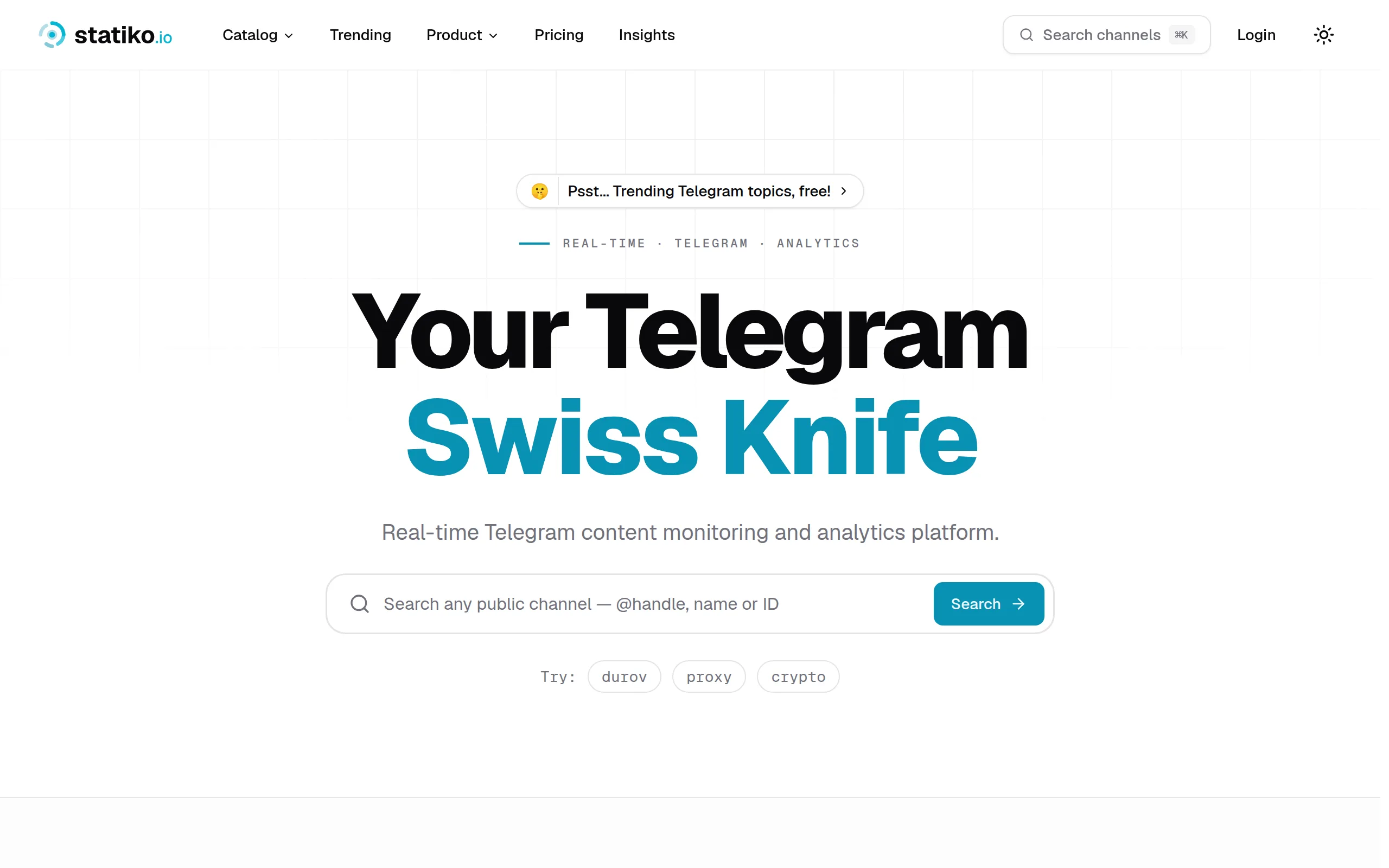
Statiko
Monitor any Telegram channel in real time - track posts, edits, deletions, and growth with AI recaps 📡

Shibui
AI website builder - describe your business, pick a niche template, edit by chatting, and publish instantly ✨
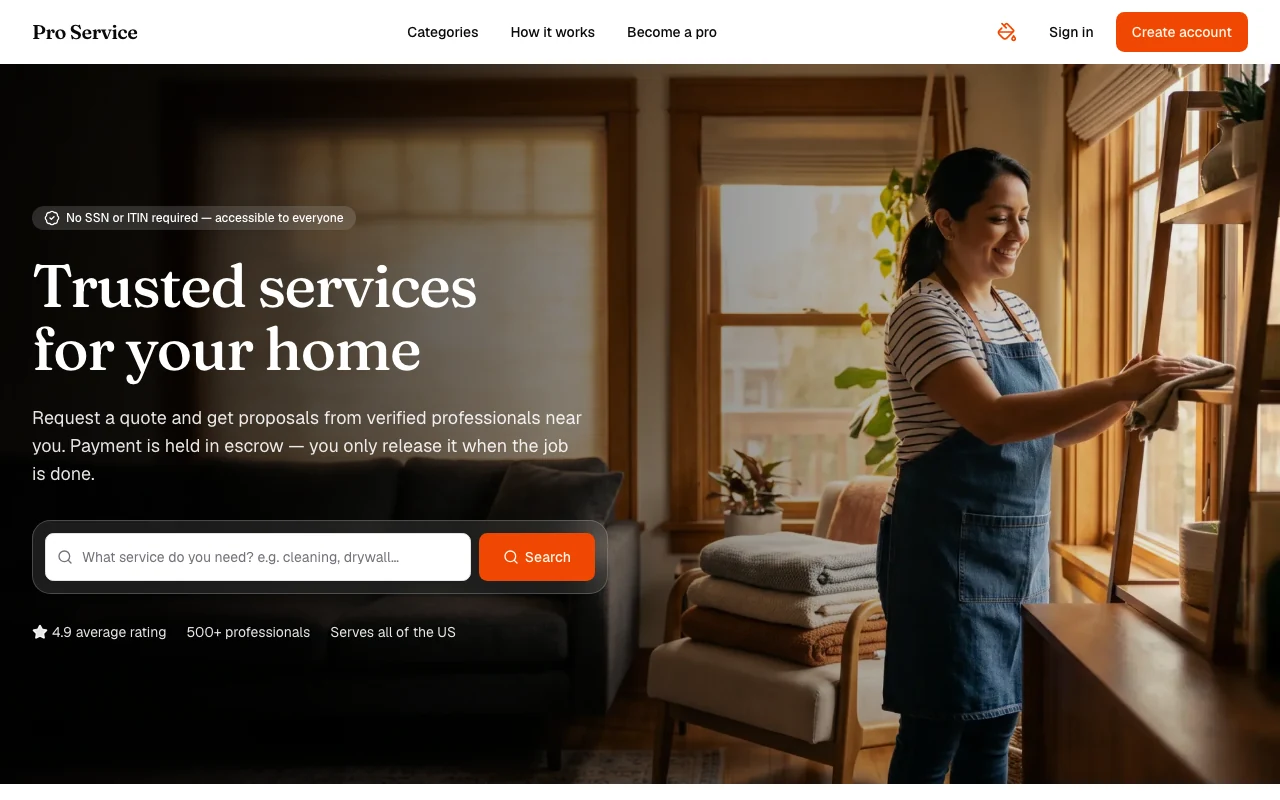
Pro Service
Find verified home service professionals, compare quotes, and pay securely through escrow - built for Brazilians across the US 🏠
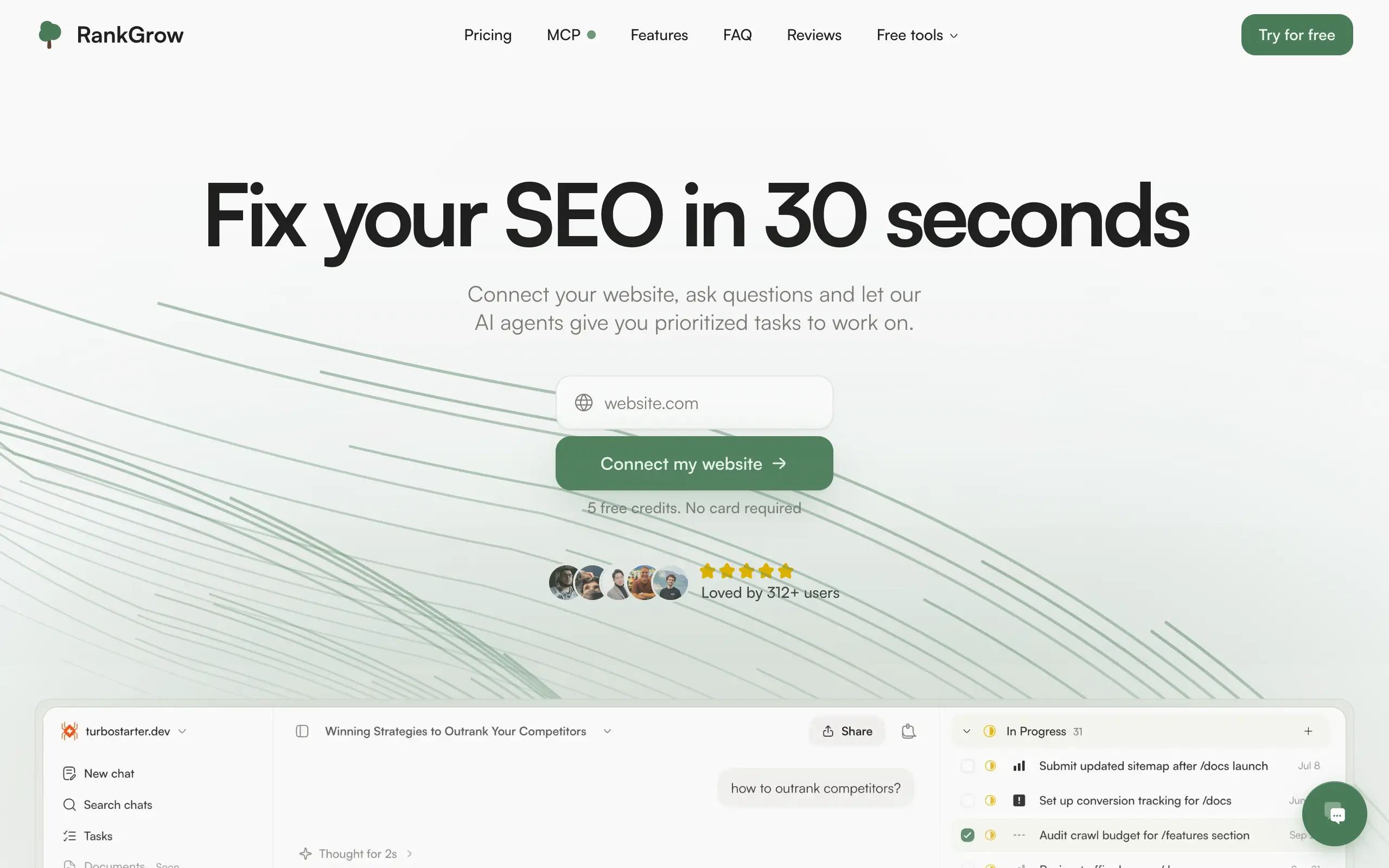
RankGrow
Fix your SEO with AI agents - connect Search Console, get prioritized tasks, and grow organic traffic 📈
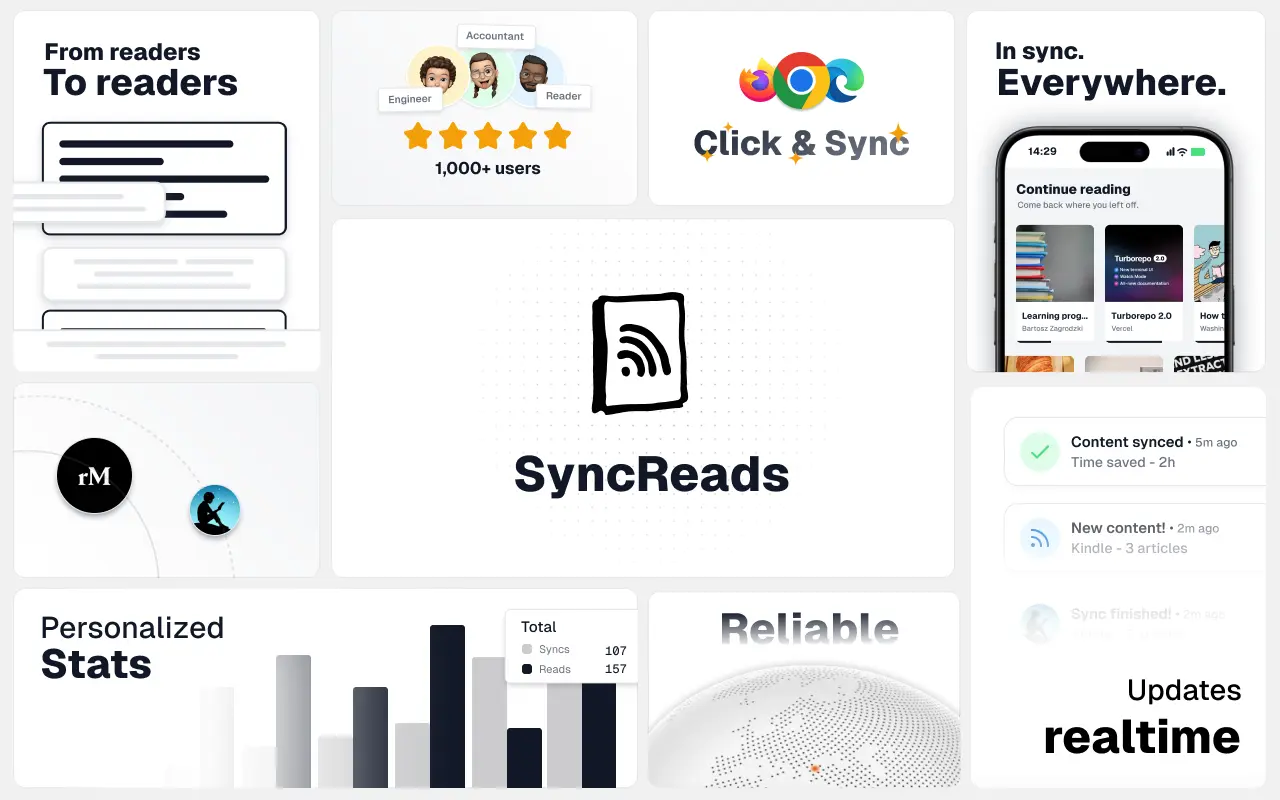
SyncReads
Sync your favorite content for distraction-free reading, save time and replace multiple apps. Anytime, anywhere 🔄
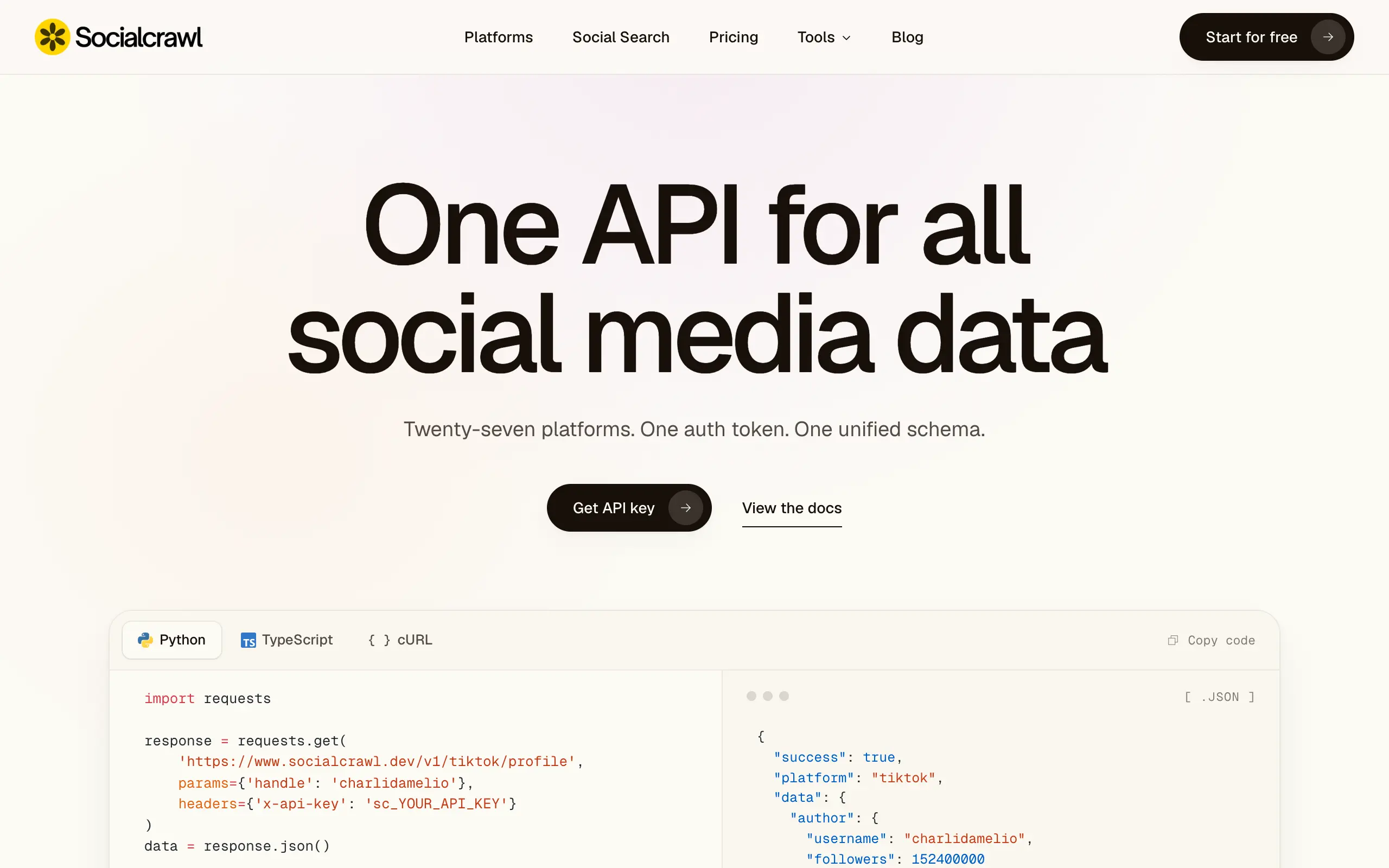
Socialcrawl
Get clean, structured data from 21 platforms like TikTok, Instagram, and YouTube with a single request 📊
Statiko
Monitor any Telegram channel in real time - track posts, edits, deletions, and growth with AI recaps 📡
Shibui
AI website builder - describe your business, pick a niche template, edit by chatting, and publish instantly ✨
Pro Service
Find verified home service professionals, compare quotes, and pay securely through escrow - built for Brazilians across the US 🏠
RankGrow
Fix your SEO with AI agents - connect Search Console, get prioritized tasks, and grow organic traffic 📈
SyncReads
Sync your favorite content for distraction-free reading, save time and replace multiple apps. Anytime, anywhere 🔄
Socialcrawl
Get clean, structured data from 21 platforms like TikTok, Instagram, and YouTube with a single request 📊
Statiko
Monitor any Telegram channel in real time - track posts, edits, deletions, and growth with AI recaps 📡
Shibui
AI website builder - describe your business, pick a niche template, edit by chatting, and publish instantly ✨
Pro Service
Find verified home service professionals, compare quotes, and pay securely through escrow - built for Brazilians across the US 🏠
RankGrow
Fix your SEO with AI agents - connect Search Console, get prioritized tasks, and grow organic traffic 📈
SyncReads
Sync your favorite content for distraction-free reading, save time and replace multiple apps. Anytime, anywhere 🔄
Socialcrawl
Get clean, structured data from 21 platforms like TikTok, Instagram, and YouTube with a single request 📊
Statiko
Monitor any Telegram channel in real time - track posts, edits, deletions, and growth with AI recaps 📡
Shibui
AI website builder - describe your business, pick a niche template, edit by chatting, and publish instantly ✨
Pro Service
Find verified home service professionals, compare quotes, and pay securely through escrow - built for Brazilians across the US 🏠
RankGrow
Fix your SEO with AI agents - connect Search Console, get prioritized tasks, and grow organic traffic 📈
SyncReads
Sync your favorite content for distraction-free reading, save time and replace multiple apps. Anytime, anywhere 🔄
Socialcrawl
Get clean, structured data from 21 platforms like TikTok, Instagram, and YouTube with a single request 📊
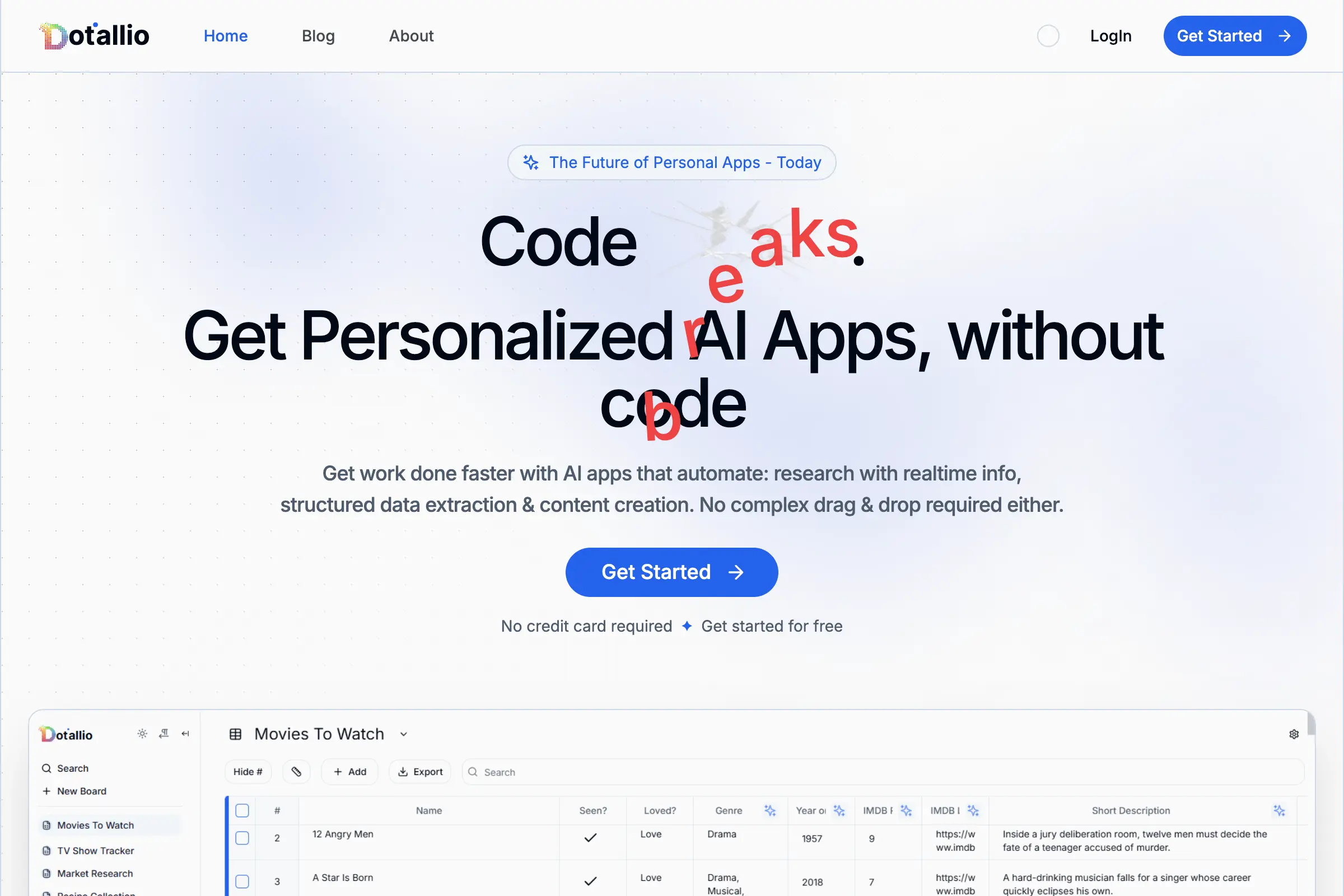
Dotallio
Personalized AI apps that automate research, data extraction, and content creation without code 🤖
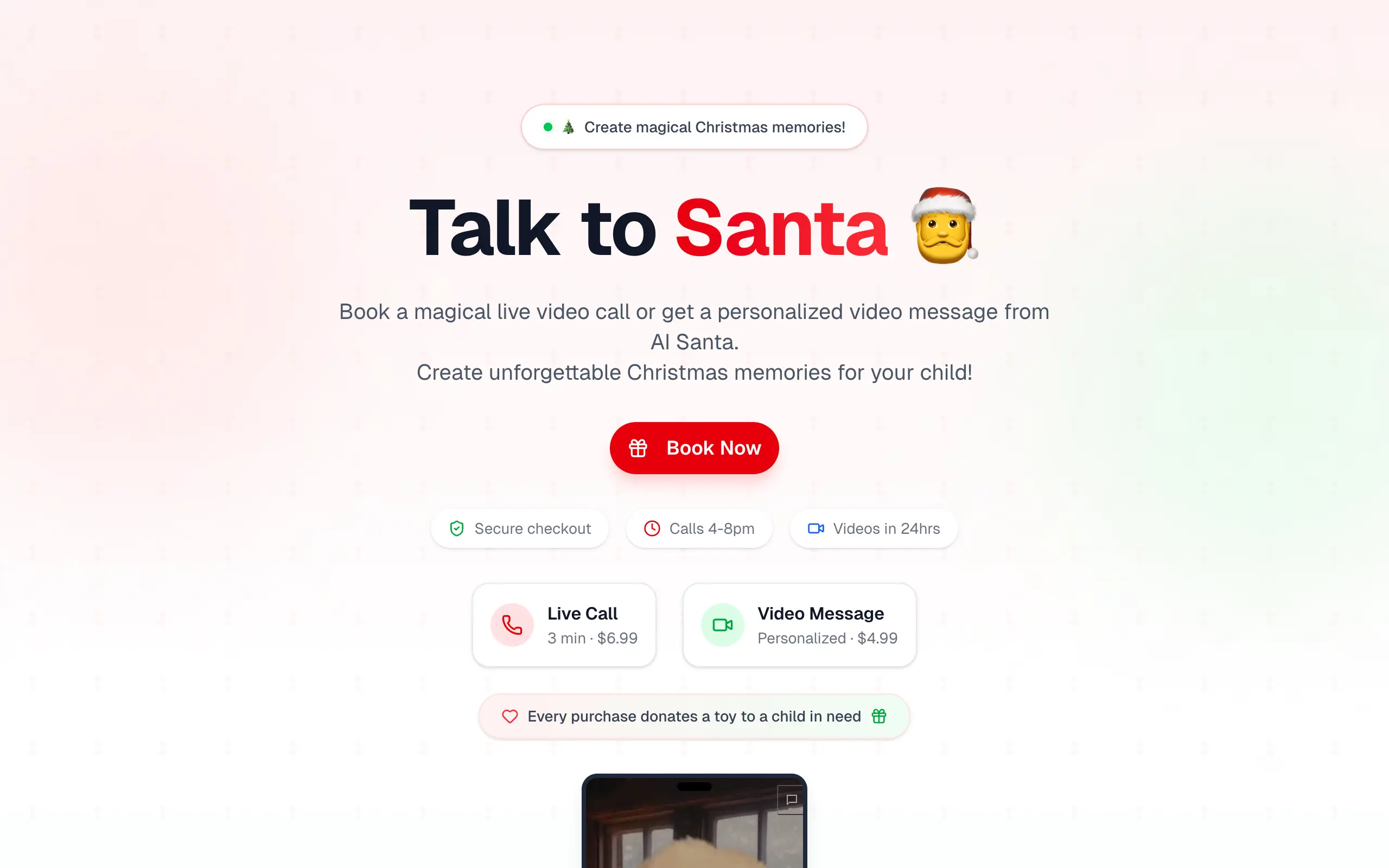
Talk to Santa
Enjoy a magical live video chat or receive a unique AI-generated video greeting from Santa Claus 🎅
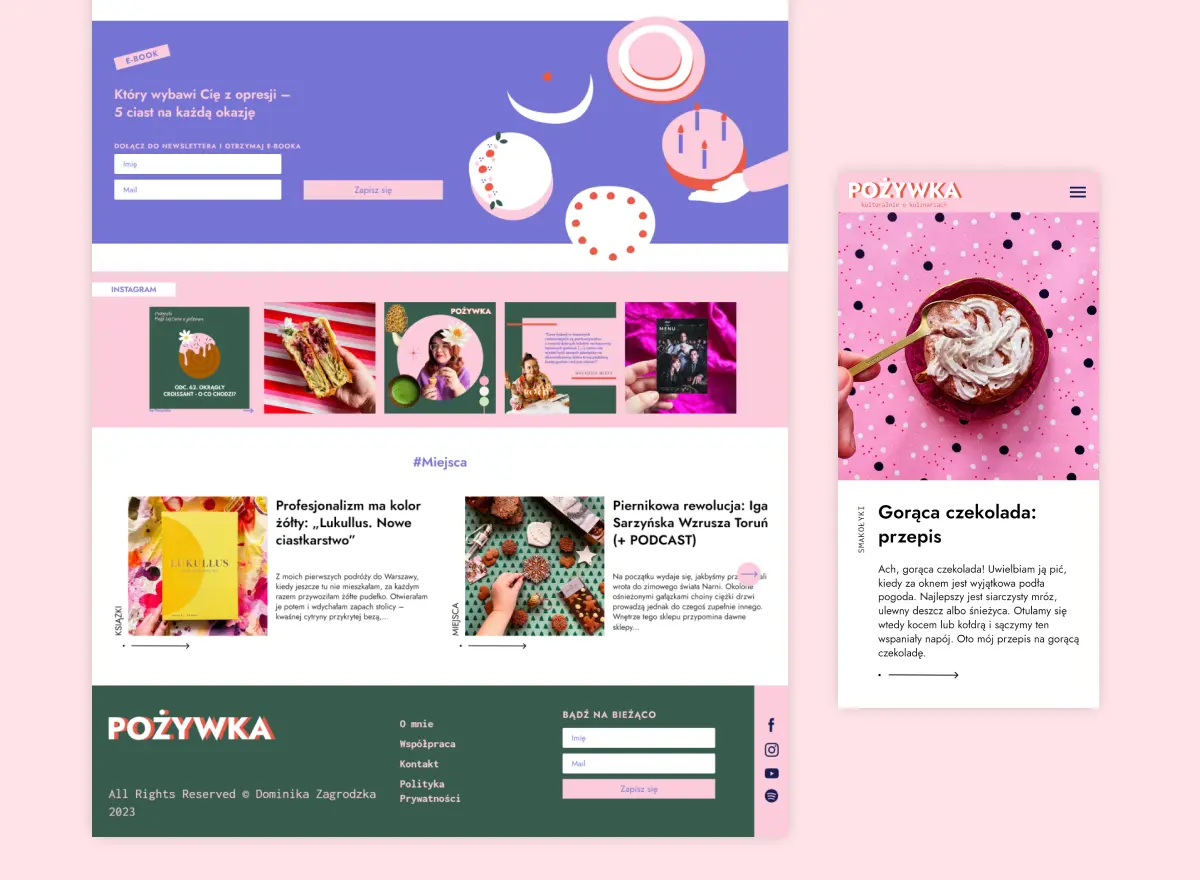
pozywka.pl
Scalable blog for food journalist, focused on performance and user experience 🌭
zagrodzki.me
Personal blog and portfolio of Bart Zagrodzki, where he shares his knowledge and work 💼
TurboStarter
Ship your startup everywhere. In minutes.
HTML to Markdown
Convert HTML to Markdown with ease, directly in your browser 📄
Dotallio
Personalized AI apps that automate research, data extraction, and content creation without code 🤖
Talk to Santa
Enjoy a magical live video chat or receive a unique AI-generated video greeting from Santa Claus 🎅
pozywka.pl
Scalable blog for food journalist, focused on performance and user experience 🌭
zagrodzki.me
Personal blog and portfolio of Bart Zagrodzki, where he shares his knowledge and work 💼
TurboStarter
Ship your startup everywhere. In minutes.
HTML to Markdown
Convert HTML to Markdown with ease, directly in your browser 📄
Dotallio
Personalized AI apps that automate research, data extraction, and content creation without code 🤖
Talk to Santa
Enjoy a magical live video chat or receive a unique AI-generated video greeting from Santa Claus 🎅
pozywka.pl
Scalable blog for food journalist, focused on performance and user experience 🌭
zagrodzki.me
Personal blog and portfolio of Bart Zagrodzki, where he shares his knowledge and work 💼
TurboStarter
Ship your startup everywhere. In minutes.
HTML to Markdown
Convert HTML to Markdown with ease, directly in your browser 📄
Dotallio
Personalized AI apps that automate research, data extraction, and content creation without code 🤖
Talk to Santa
Enjoy a magical live video chat or receive a unique AI-generated video greeting from Santa Claus 🎅
pozywka.pl
Scalable blog for food journalist, focused on performance and user experience 🌭
zagrodzki.me
Personal blog and portfolio of Bart Zagrodzki, where he shares his knowledge and work 💼
TurboStarter
Ship your startup everywhere. In minutes.
HTML to Markdown
Convert HTML to Markdown with ease, directly in your browser 📄
Omichat
Chat with 50+ AI models, including ChatGPT and Claude, in one place - switch models anytime without losing context 🤖
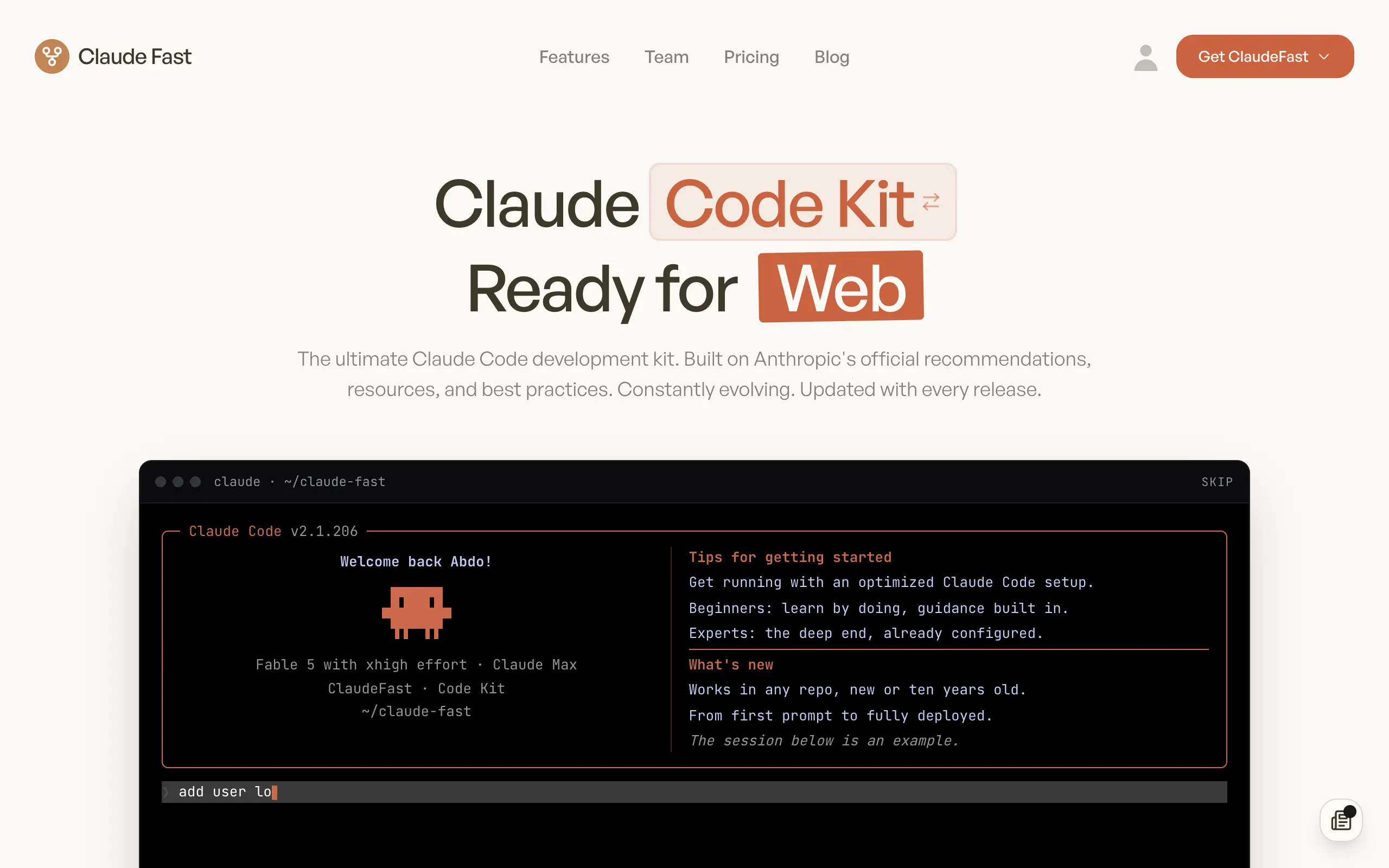
Claude Fast
Supercharge your Claude Code with 6x effective context window and specialized AI agents 🤖
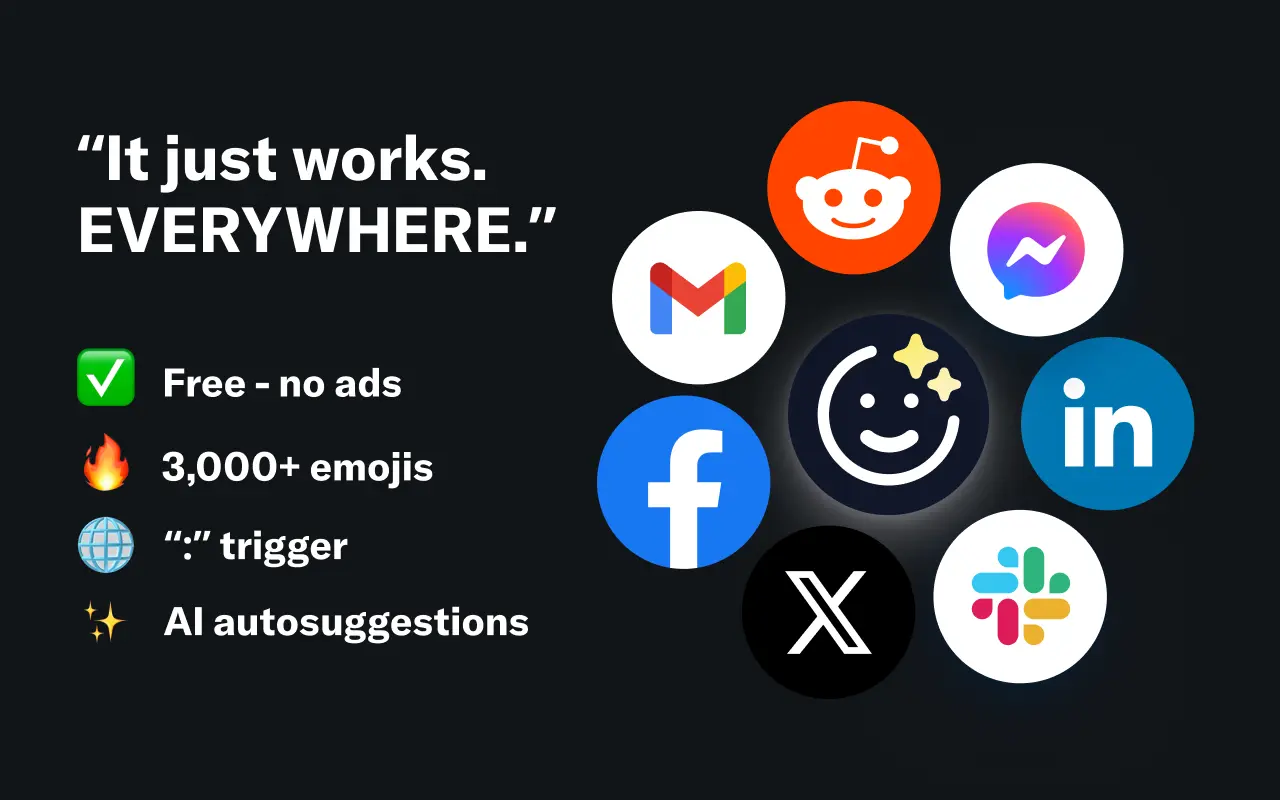
EmojAI
AI-powered emoji picker with smart, context-aware suggestions 🤖
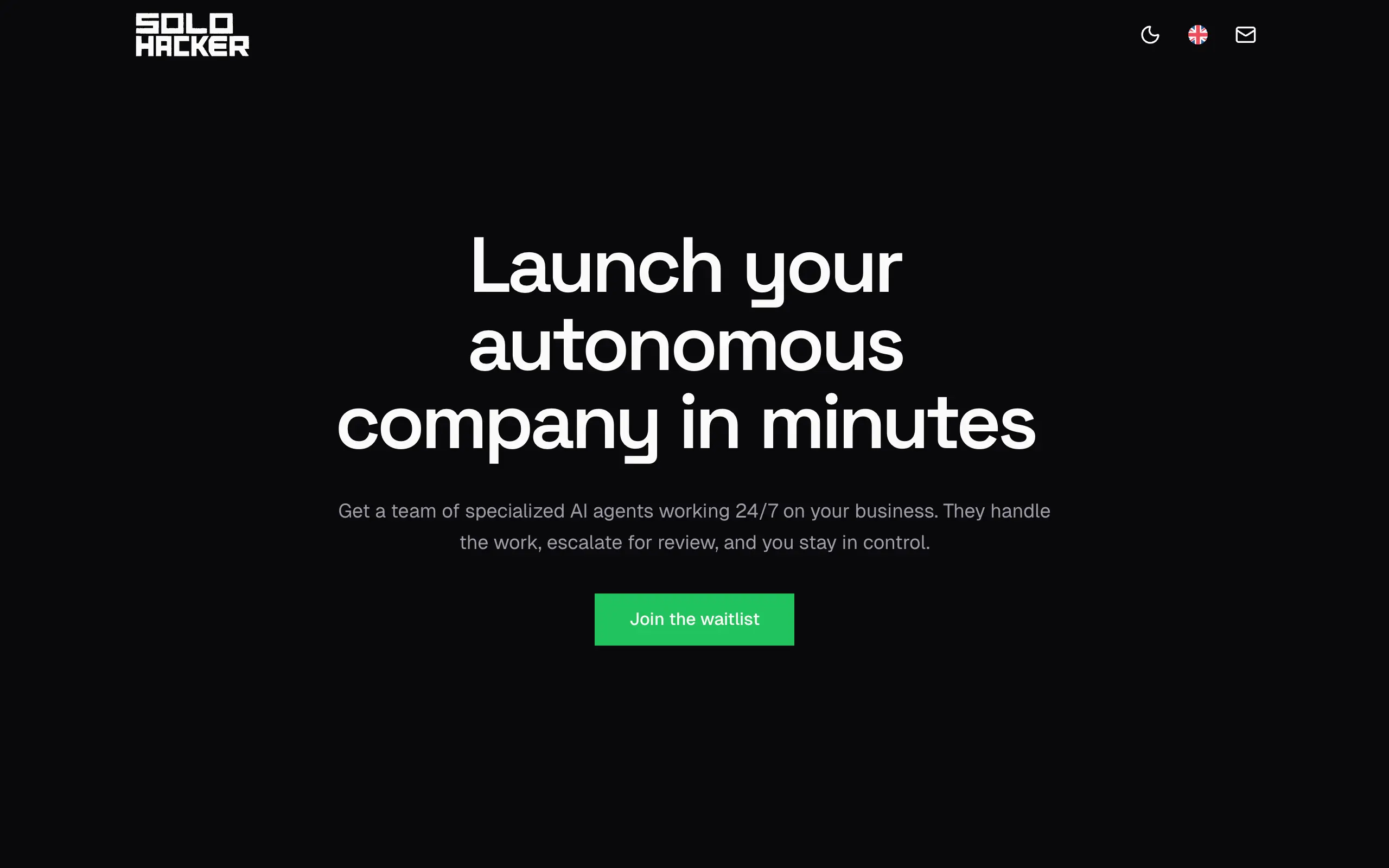
Solohacker
Autonomous company launcher - AI agents work 24/7, escalate what matters, and you stay in control 🤖
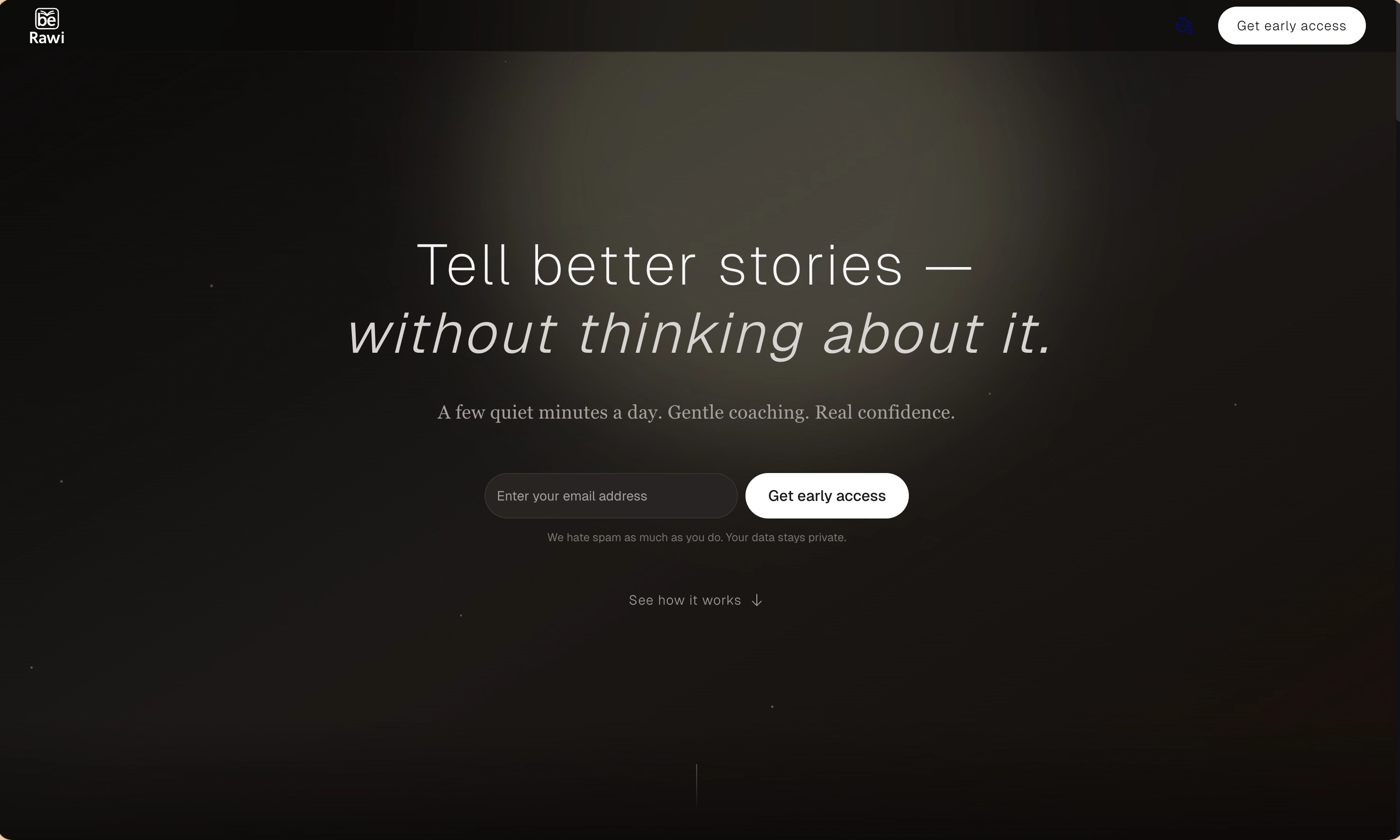
BeRawi: Storytelling Coach
Practice storytelling daily with instant feedback to sound clearer, more engaging, and confident 🎤
Omichat
Chat with 50+ AI models, including ChatGPT and Claude, in one place - switch models anytime without losing context 🤖
Claude Fast
Supercharge your Claude Code with 6x effective context window and specialized AI agents 🤖
EmojAI
AI-powered emoji picker with smart, context-aware suggestions 🤖
Solohacker
Autonomous company launcher - AI agents work 24/7, escalate what matters, and you stay in control 🤖
BeRawi: Storytelling Coach
Practice storytelling daily with instant feedback to sound clearer, more engaging, and confident 🎤
Omichat
Chat with 50+ AI models, including ChatGPT and Claude, in one place - switch models anytime without losing context 🤖
Claude Fast
Supercharge your Claude Code with 6x effective context window and specialized AI agents 🤖
EmojAI
AI-powered emoji picker with smart, context-aware suggestions 🤖
Solohacker
Autonomous company launcher - AI agents work 24/7, escalate what matters, and you stay in control 🤖
BeRawi: Storytelling Coach
Practice storytelling daily with instant feedback to sound clearer, more engaging, and confident 🎤
Omichat
Chat with 50+ AI models, including ChatGPT and Claude, in one place - switch models anytime without losing context 🤖
Claude Fast
Supercharge your Claude Code with 6x effective context window and specialized AI agents 🤖
EmojAI
AI-powered emoji picker with smart, context-aware suggestions 🤖
Solohacker
Autonomous company launcher - AI agents work 24/7, escalate what matters, and you stay in control 🤖
BeRawi: Storytelling Coach
Practice storytelling daily with instant feedback to sound clearer, more engaging, and confident 🎤

Connect with like-minded people
Join our community to get feedback, support, and grow together with 1,000+ builders on board, let's ship it!
Join usShip your startup everywhere. In minutes.
Don't burn tokens on setup and start building features on day one.