LoopForge Licensing
A B2B music licensing platform for game studios to source, customize, and legally clear adaptive music loops tailored for gameplay states and genres.
Understanding the rise of adaptive music in modern game development
Game audio has evolved far beyond static background tracks. Today’s players expect immersive, reactive soundscapes that respond dynamically to gameplay states such as combat intensity, exploration, tension, or narrative shifts. This evolution has driven the rapid adoption of adaptive music systems—a technical and creative approach where music changes in real time based on player actions or game logic.
However, while adaptive audio middleware like FMOD or Wwise has become industry standard, music licensing has not kept pace. Most traditional music licensing platforms are still built around linear tracks, unclear usage rights, and manual clearance processes that slow down production.
This is the exact gap LoopForge Licensing is designed to fill.
LoopForge Licensing is a B2B music licensing platform for game studios that enables teams to source, customize, and legally clear adaptive music loops tailored to gameplay states, genres, and technical constraints. Instead of licensing a single static track, studios license modular music components designed for real-time implementation.
This article provides an expert-level breakdown of the market opportunity, product strategy, technical architecture, monetization models, and competitive positioning behind LoopForge Licensing—written for founders, game audio professionals, and investors evaluating the future of game music licensing.
Who LoopForge Licensing is for: target audience analysis
A successful B2B SaaS product begins with clarity around who it serves and why existing solutions fail them. LoopForge Licensing targets a highly specific, underserved segment within the game development ecosystem.
Primary target customers
Indie and mid-sized game studios
- Teams ranging from 3 to 100 developers
- Often lack in-house composers or legal resources
- Need professional-quality music without long-term exclusivity costs
- Frequently use Unity or Unreal Engine with FMOD/Wwise
These studios feel the pain of:
- Unclear licensing terms
- Music that doesn’t loop or adapt cleanly
- Expensive custom composition quotes
- Legal uncertainty during publishing or platform submission
Game audio directors and technical sound designers
- Responsible for implementing adaptive audio systems
- Need loop-safe, stem-based, metadata-rich audio assets
- Value speed, consistency, and legal clarity over raw track quantity
For this audience, LoopForge Licensing isn’t just a marketplace—it’s an audio infrastructure layer.
Secondary audiences
- Serious game developers (education, simulation, training)
- XR/VR studios requiring adaptive soundscapes
- Game publishers standardizing audio sourcing across multiple teams
Why this niche matters
Game audio professionals are often underserved by generic stock music libraries. By focusing narrowly on adaptive music licensing for games, LoopForge Licensing builds depth and defensibility instead of competing on volume.
Market opportunity: why adaptive music licensing is still broken
The size of the opportunity
The global video game market continues to grow, with thousands of new titles released annually across PC, console, and mobile platforms. While exact figures vary, credible industry reports consistently show:
- Strong growth in indie and AA game development
- Increasing adoption of procedural and adaptive audio
- Rising legal scrutiny around IP usage and licensing compliance
Despite this, most music licensing platforms still operate on models designed for:
- Film and TV sync
- YouTube creators
- Advertising agencies
These models are fundamentally misaligned with interactive media.
Key gaps in existing solutions
1. Linear music in a non-linear medium
Most libraries sell full-length tracks. Game developers need:
- Loops with seamless transitions
- Stems for layering
- Intensity variations mapped to gameplay states
2. Licensing ambiguity
Developers often ask:
- Does this license cover interactive playback?
- Can I reuse this music in DLC or sequels?
- What happens if my game goes viral?
Ambiguity creates risk—especially for studios seeking publishing deals.
3. Workflow friction
Current workflows involve:
- Downloading tracks
- Manually cutting loops
- Emailing composers for clarifications
- Tracking licenses in spreadsheets
LoopForge Licensing replaces this with a purpose-built, end-to-end platform.
What is LoopForge Licensing? Core product vision
LoopForge Licensing is best described as a B2B adaptive music licensing platform for game studios. Its core value proposition is simple but powerful:
License modular, adaptive-ready music loops with clear legal rights—designed specifically for real-time game audio systems.
Instead of selling “songs,” LoopForge sells systems of sound.
Core principles behind the product
- Game-first design: Every asset is built for implementation, not passive listening.
- Legal clarity by default: Rights are explicit, standardized, and developer-friendly.
- Customization without commission: Studios adapt music to their needs without hiring a composer for every project.
- Scalability: From prototype to shipped title to DLC.
Core features and solution breakdown
Adaptive music loop library
At the heart of LoopForge Licensing is a curated library of adaptive music loop packs, organized by:
- Genre (sci-fi, fantasy, cyberpunk, orchestral, ambient, etc.)
- Mood (tension, exploration, combat, calm)
- Gameplay state (idle, build-up, climax, cooldown)
- Tempo and key
Each pack includes:
- Seamless loops
- Multiple intensity layers
- Optional melodic and rhythmic stems
This structure aligns directly with middleware tools like FMOD and Wwise.
Customization and remixing controls
Studios can:
- Select only the stems they need
- Adjust loop length and variation
- Export configurations optimized for their audio pipeline
This reduces implementation time and avoids destructive audio editing.
Licensing and rights management
LoopForge Licensing simplifies what is traditionally a legal nightmare.
Key characteristics:
- Clear, standardized licenses for interactive use
- Explicit coverage for:
- Commercial release
- Platform distribution (Steam, console stores, mobile)
- DLC and updates
- Centralized license dashboard per studio
Traditional stock licenses often prohibit modification or interactive playback. LoopForge Licensing explicitly allows adaptive use, remixing within the platform, and real-time state-based playback.
Middleware-friendly exports
Exports are optimized for:
- FMOD event structures
- Wwise containers
- Engine-native audio systems
Studios can download:
- Raw audio
- Middleware-ready packages
- Metadata files for quick import
Competitive landscape and positioning
Key competitor categories
Instead of comparing LoopForge Licensing to individual brands, it’s more useful to evaluate categories of alternatives.
| Feature | Generic stock music | Custom composers | LoopForge Licensing | Audio marketplaces |
|---|---|---|---|---|
| Adaptive-ready loops | ❌ | ✅ | ✅ | ❌ |
| Clear interactive licensing | ❌ | ✅ | ✅ | ❌ |
| Scalable pricing | ✅ | ❌ | ✅ | ✅ |
| Middleware optimization | ❌ | ✅ | ✅ | ❌ |
Unique selling proposition (USP)
LoopForge Licensing’s competitive advantage lies in the intersection of three domains:
- Game audio implementation
- Music licensing law
- SaaS scalability
Most competitors operate in only one or two of these areas.
Recommended tech stack and architecture
Building a platform like LoopForge Licensing requires balancing audio performance, legal reliability, and SaaS scalability.
Frontend
- React – for component-driven UI and scalability
React - Next.js – SEO-friendly pages, dashboard performance
- Tailwind CSS – rapid UI iteration and consistency
TailwindCSS
Trade-off: Tailwind accelerates development but requires strong design discipline to avoid inconsistency.
Backend
- Node.js with TypeScript
- PostgreSQL for relational data (licenses, users, assets)
- Object storage for large audio files
Audio processing pipeline
- Server-side audio rendering and validation
- Metadata generation for middleware compatibility
- Versioning for updated loops or stems
Authentication and payments
- Role-based access (studio admins, audio designers)
- Subscription and per-pack payments
- Invoicing for B2B compliance
Platforms like TurboStarter can significantly accelerate the early-stage SaaS setup, especially for authentication, billing, and dashboard scaffolding.
Monetization strategies for LoopForge Licensing
A flexible monetization model is critical for B2B adoption.
Subscription-based access
- Monthly or annual studio plans
- Tiered by:
- Number of active projects
- Team members
- Export limits
Per-pack licensing
- One-time fees for specific loop packs
- Ideal for small studios or prototypes
Enterprise licensing
- Custom agreements for publishers
- Bulk access across multiple teams
- Priority support and legal review
Why subscriptions work here
Game studios need ongoing access to music across development cycles. Subscriptions align pricing with long-term usage rather than one-off downloads.
Risks, challenges, and mitigation strategies
Risk: composer supply imbalance
If high-quality adaptive composers are hard to onboard, content quality suffers.
Mitigation:
- Revenue-sharing incentives
- Clear composer tooling
- Attribution and exposure benefits
Risk: legal complexity across regions
Licensing laws vary internationally.
Mitigation:
- Standardized global licenses
- Clear jurisdiction clauses
- Periodic legal audits
Risk: education barrier
Some studios may not understand adaptive music benefits.
Mitigation:
- Documentation
- Tutorials
- Example integrations
Implementation roadmap: from idea to launch
Early traction tactics
- Partner with game audio communities
- Offer limited free packs for prototypes
- Publish educational content on adaptive audio
Why LoopForge Licensing can win long-term
LoopForge Licensing is not just another music marketplace. It is infrastructure for interactive audio.
As games become:
- More systemic
- More reactive
- More legally complex
The need for a dedicated B2B game music licensing platform will only grow.
By focusing on adaptive music loops, legal clarity, and implementation-ready assets, LoopForge Licensing positions itself as a category-defining SaaS rather than a commodity library.
Final thoughts and next steps
For founders, LoopForge Licensing represents a rare opportunity:
- A clear market gap
- A specialized professional audience
- Strong alignment with industry trends
Execution will require deep collaboration between audio experts, legal advisors, and SaaS engineers—but the payoff is a platform that fundamentally improves how games sound and ship.
If you’re planning to build or validate a SaaS like this, leveraging proven tooling and frameworks can dramatically reduce time to market.
This article is intended as expert analysis and strategic guidance. For legal or financial decisions, consult qualified professionals.
More 🏢 B2B Application SaaS ideas
Discover more innovative b2b application SaaS ideas that are trending in 2026. Each idea is AI-generated with market validation and growth potential to help you find your next profitable venture faster than competitors.
Your competitors are building with TurboStarter
Below are some of the SaaS ideas that have been generated and built with our starter kit.

Statiko
Monitor any Telegram channel in real time - track posts, edits, deletions, and growth with AI recaps 📡

Shibui
AI website builder - describe your business, pick a niche template, edit by chatting, and publish instantly ✨

Pro Service
Find verified home service professionals, compare quotes, and pay securely through escrow - built for Brazilians across the US 🏠
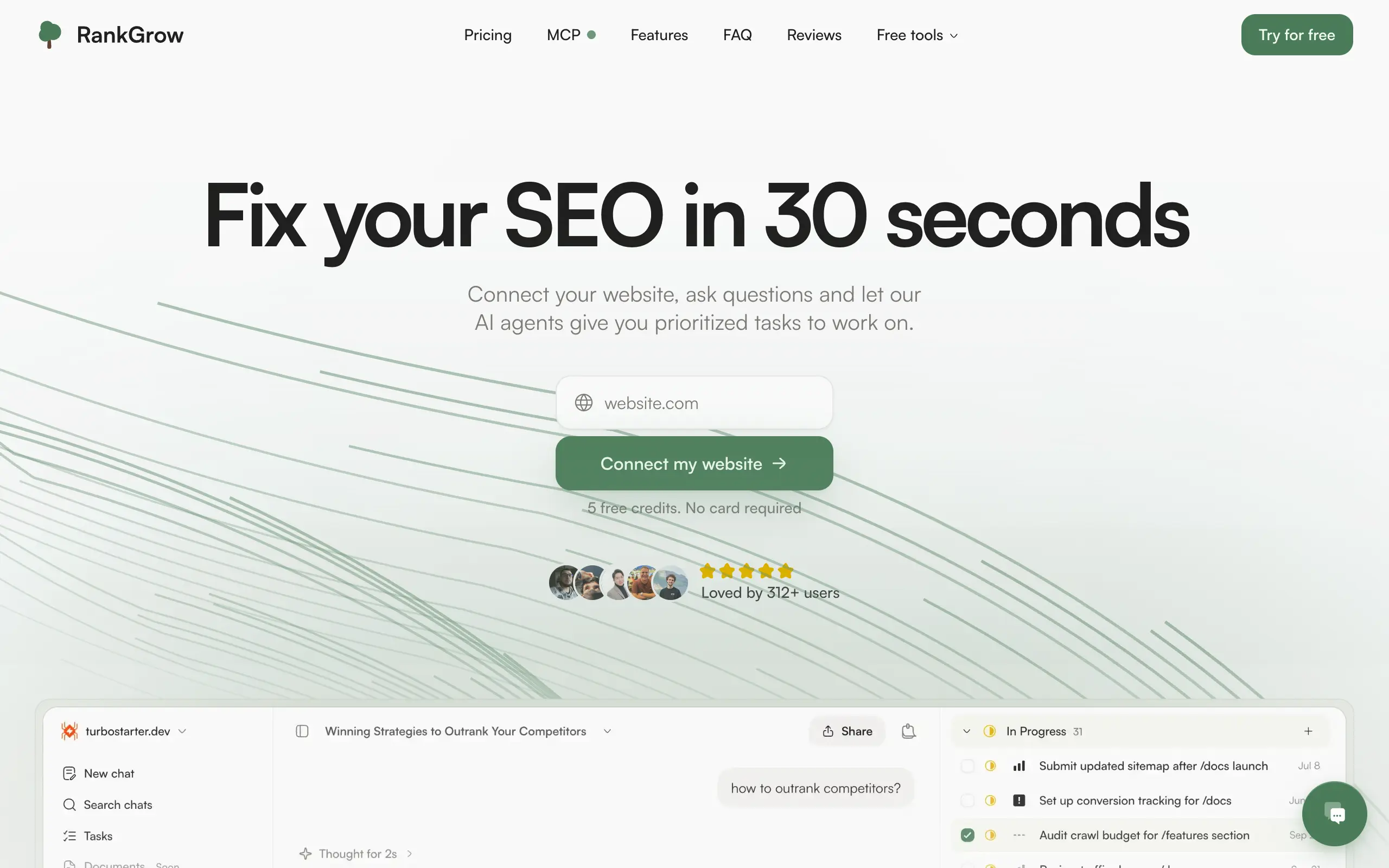
RankGrow
Fix your SEO with AI agents - connect Search Console, get prioritized tasks, and grow organic traffic 📈
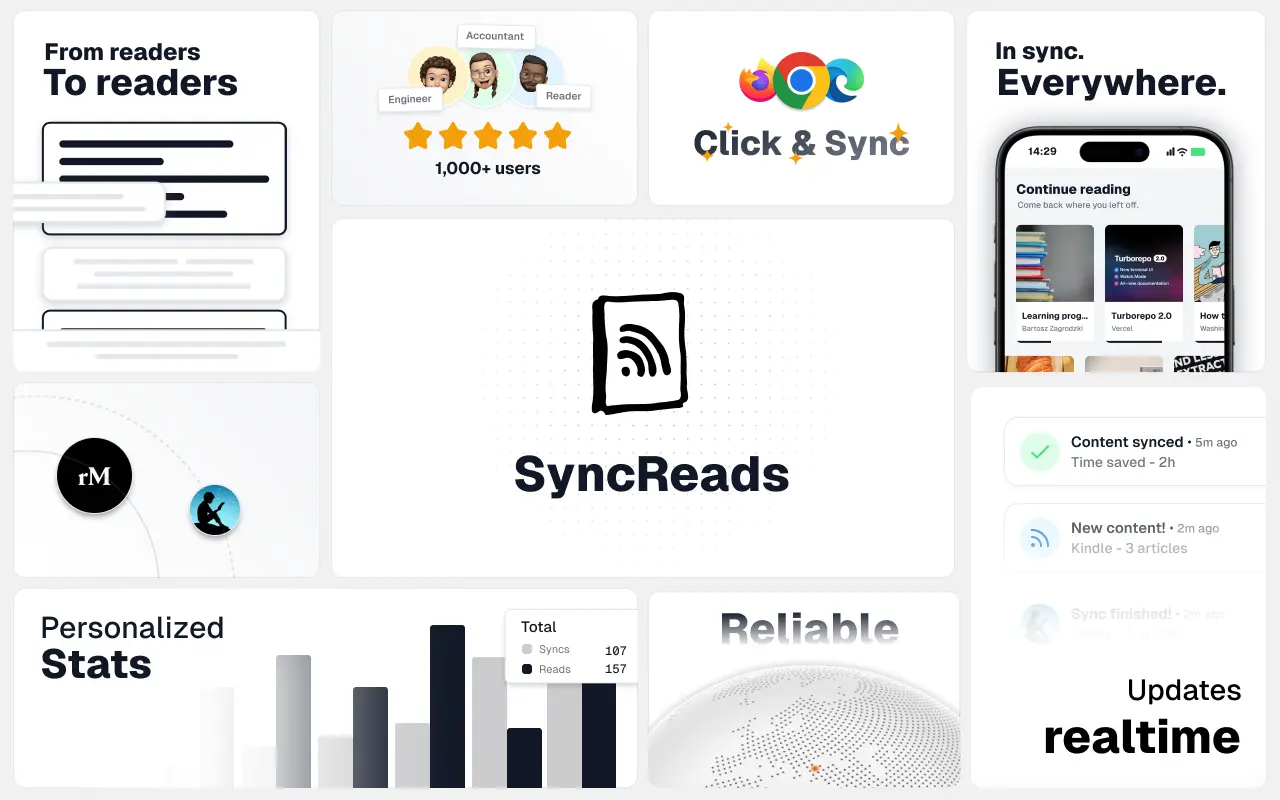
SyncReads
Sync your favorite content for distraction-free reading, save time and replace multiple apps. Anytime, anywhere 🔄
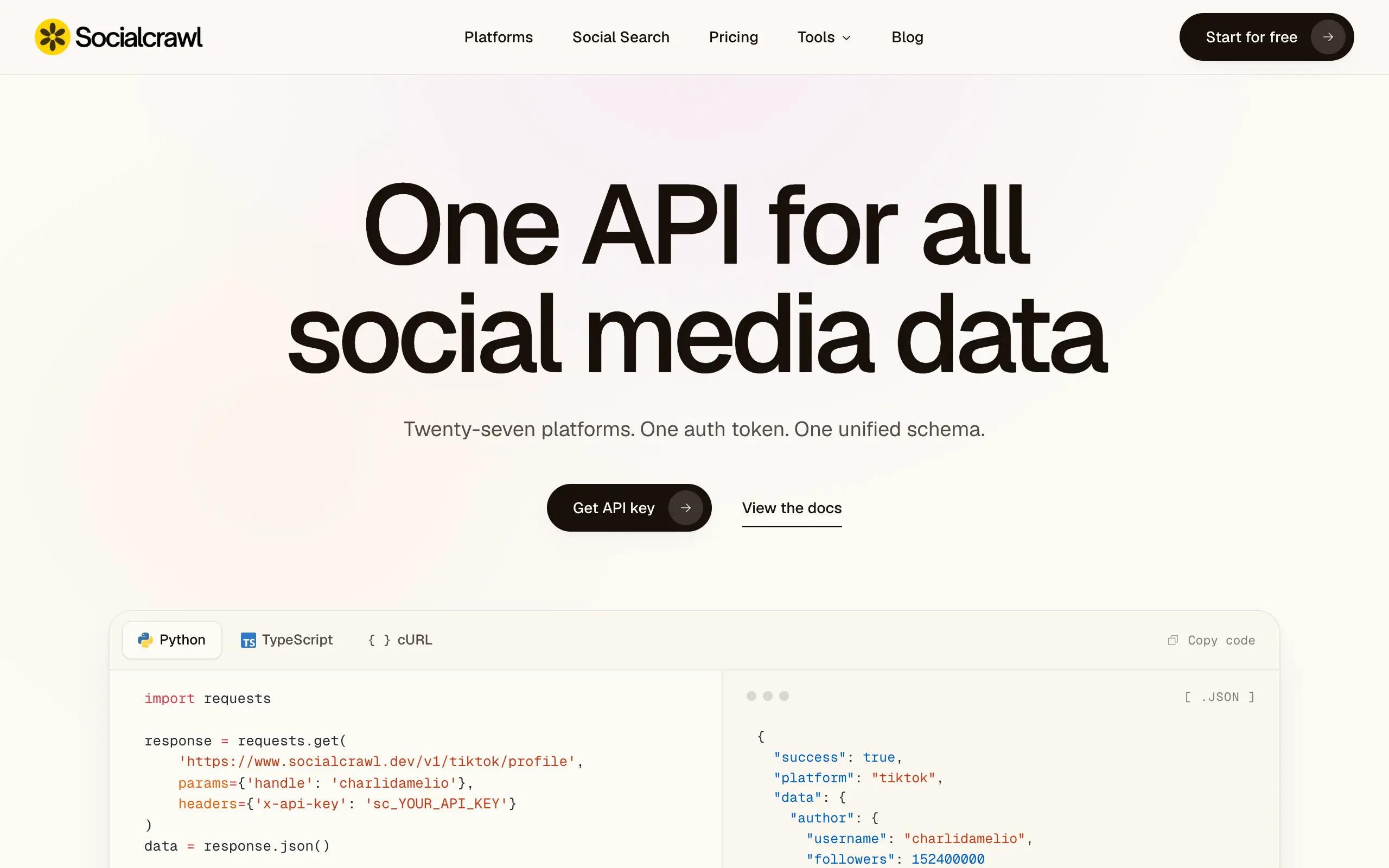
Socialcrawl
Get clean, structured data from 21 platforms like TikTok, Instagram, and YouTube with a single request 📊
Statiko
Monitor any Telegram channel in real time - track posts, edits, deletions, and growth with AI recaps 📡
Shibui
AI website builder - describe your business, pick a niche template, edit by chatting, and publish instantly ✨
Pro Service
Find verified home service professionals, compare quotes, and pay securely through escrow - built for Brazilians across the US 🏠
RankGrow
Fix your SEO with AI agents - connect Search Console, get prioritized tasks, and grow organic traffic 📈
SyncReads
Sync your favorite content for distraction-free reading, save time and replace multiple apps. Anytime, anywhere 🔄
Socialcrawl
Get clean, structured data from 21 platforms like TikTok, Instagram, and YouTube with a single request 📊
Statiko
Monitor any Telegram channel in real time - track posts, edits, deletions, and growth with AI recaps 📡
Shibui
AI website builder - describe your business, pick a niche template, edit by chatting, and publish instantly ✨
Pro Service
Find verified home service professionals, compare quotes, and pay securely through escrow - built for Brazilians across the US 🏠
RankGrow
Fix your SEO with AI agents - connect Search Console, get prioritized tasks, and grow organic traffic 📈
SyncReads
Sync your favorite content for distraction-free reading, save time and replace multiple apps. Anytime, anywhere 🔄
Socialcrawl
Get clean, structured data from 21 platforms like TikTok, Instagram, and YouTube with a single request 📊
Statiko
Monitor any Telegram channel in real time - track posts, edits, deletions, and growth with AI recaps 📡
Shibui
AI website builder - describe your business, pick a niche template, edit by chatting, and publish instantly ✨
Pro Service
Find verified home service professionals, compare quotes, and pay securely through escrow - built for Brazilians across the US 🏠
RankGrow
Fix your SEO with AI agents - connect Search Console, get prioritized tasks, and grow organic traffic 📈
SyncReads
Sync your favorite content for distraction-free reading, save time and replace multiple apps. Anytime, anywhere 🔄
Socialcrawl
Get clean, structured data from 21 platforms like TikTok, Instagram, and YouTube with a single request 📊
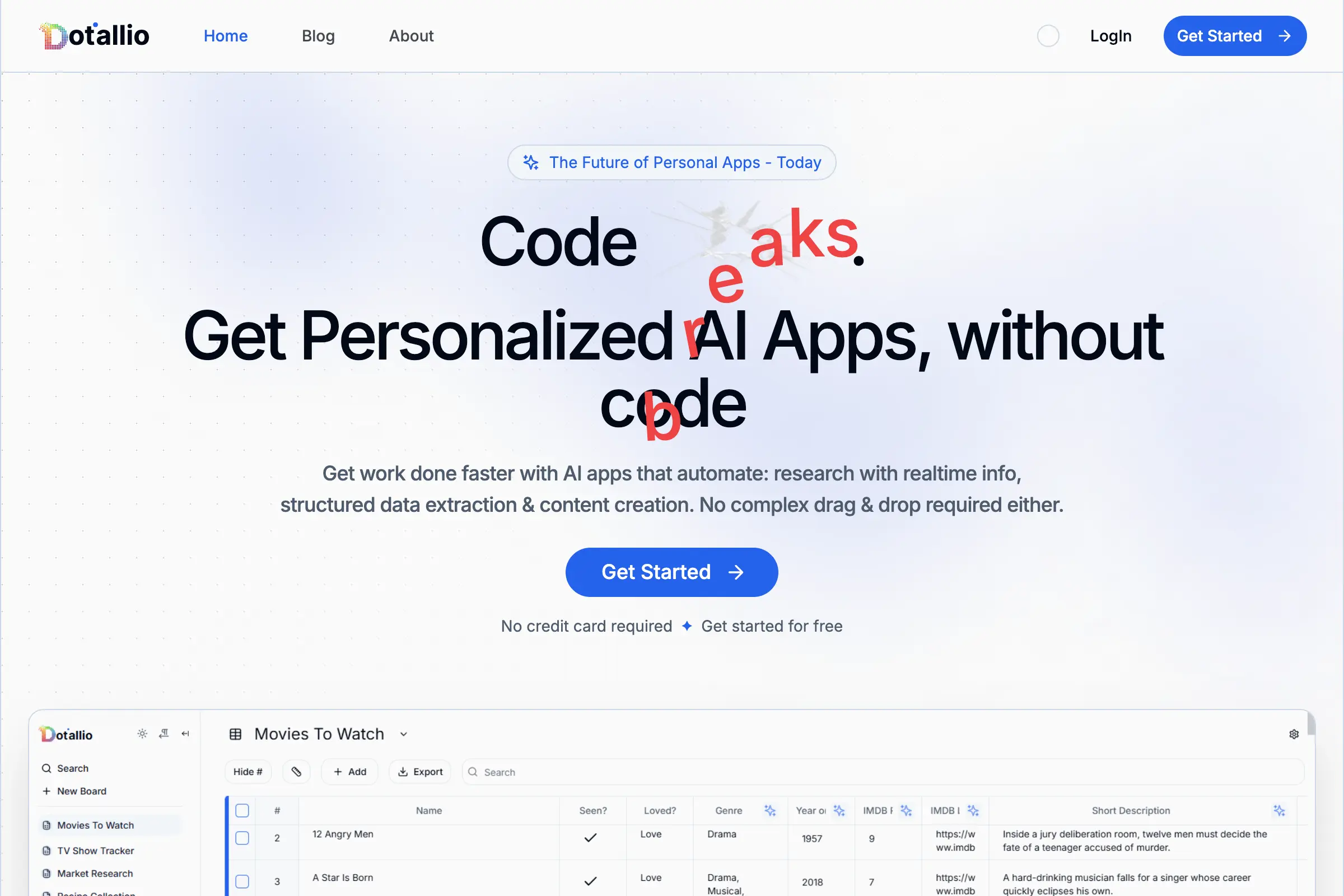
Dotallio
Personalized AI apps that automate research, data extraction, and content creation without code 🤖

Talk to Santa
Enjoy a magical live video chat or receive a unique AI-generated video greeting from Santa Claus 🎅
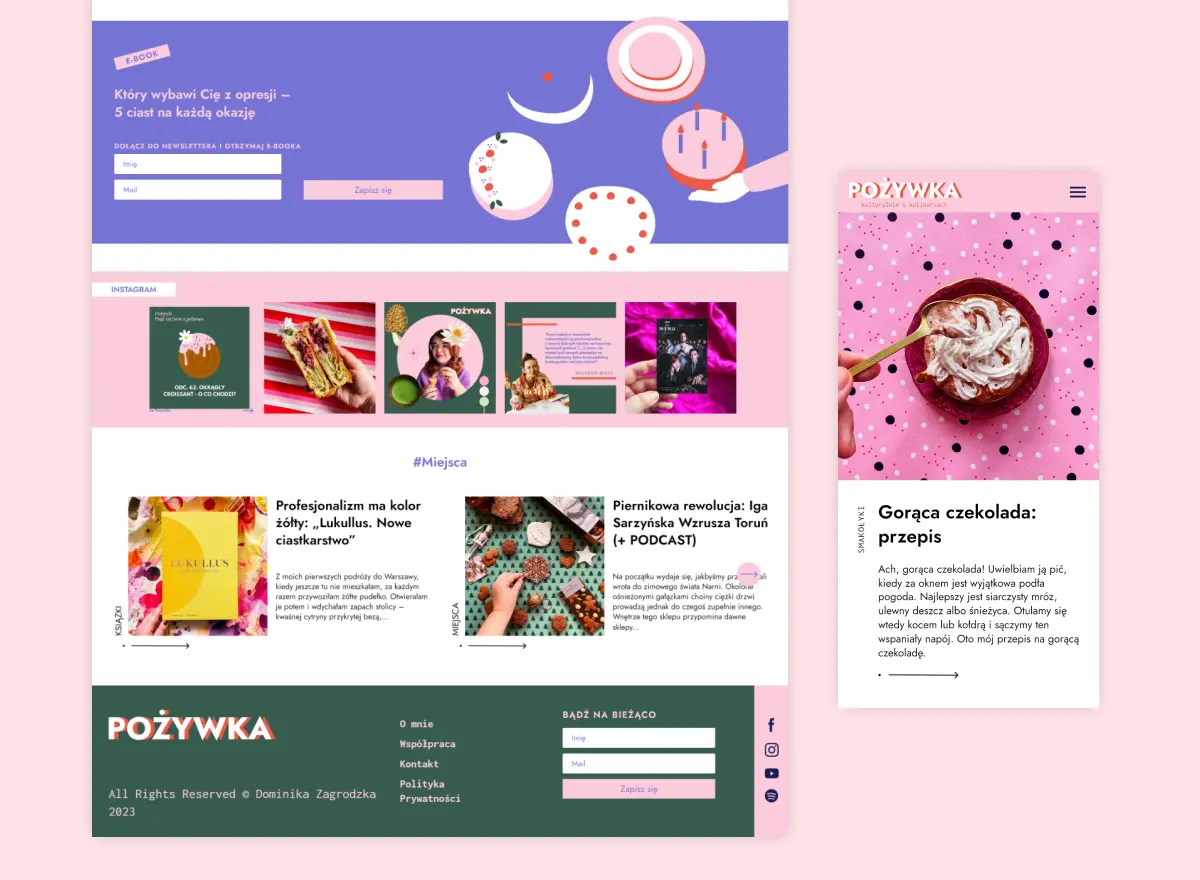
pozywka.pl
Scalable blog for food journalist, focused on performance and user experience 🌭
zagrodzki.me
Personal blog and portfolio of Bart Zagrodzki, where he shares his knowledge and work 💼
TurboStarter
Ship your startup everywhere. In minutes.
HTML to Markdown
Convert HTML to Markdown with ease, directly in your browser 📄
Dotallio
Personalized AI apps that automate research, data extraction, and content creation without code 🤖
Talk to Santa
Enjoy a magical live video chat or receive a unique AI-generated video greeting from Santa Claus 🎅
pozywka.pl
Scalable blog for food journalist, focused on performance and user experience 🌭
zagrodzki.me
Personal blog and portfolio of Bart Zagrodzki, where he shares his knowledge and work 💼
TurboStarter
Ship your startup everywhere. In minutes.
HTML to Markdown
Convert HTML to Markdown with ease, directly in your browser 📄
Dotallio
Personalized AI apps that automate research, data extraction, and content creation without code 🤖
Talk to Santa
Enjoy a magical live video chat or receive a unique AI-generated video greeting from Santa Claus 🎅
pozywka.pl
Scalable blog for food journalist, focused on performance and user experience 🌭
zagrodzki.me
Personal blog and portfolio of Bart Zagrodzki, where he shares his knowledge and work 💼
TurboStarter
Ship your startup everywhere. In minutes.
HTML to Markdown
Convert HTML to Markdown with ease, directly in your browser 📄
Dotallio
Personalized AI apps that automate research, data extraction, and content creation without code 🤖
Talk to Santa
Enjoy a magical live video chat or receive a unique AI-generated video greeting from Santa Claus 🎅
pozywka.pl
Scalable blog for food journalist, focused on performance and user experience 🌭
zagrodzki.me
Personal blog and portfolio of Bart Zagrodzki, where he shares his knowledge and work 💼
TurboStarter
Ship your startup everywhere. In minutes.
HTML to Markdown
Convert HTML to Markdown with ease, directly in your browser 📄
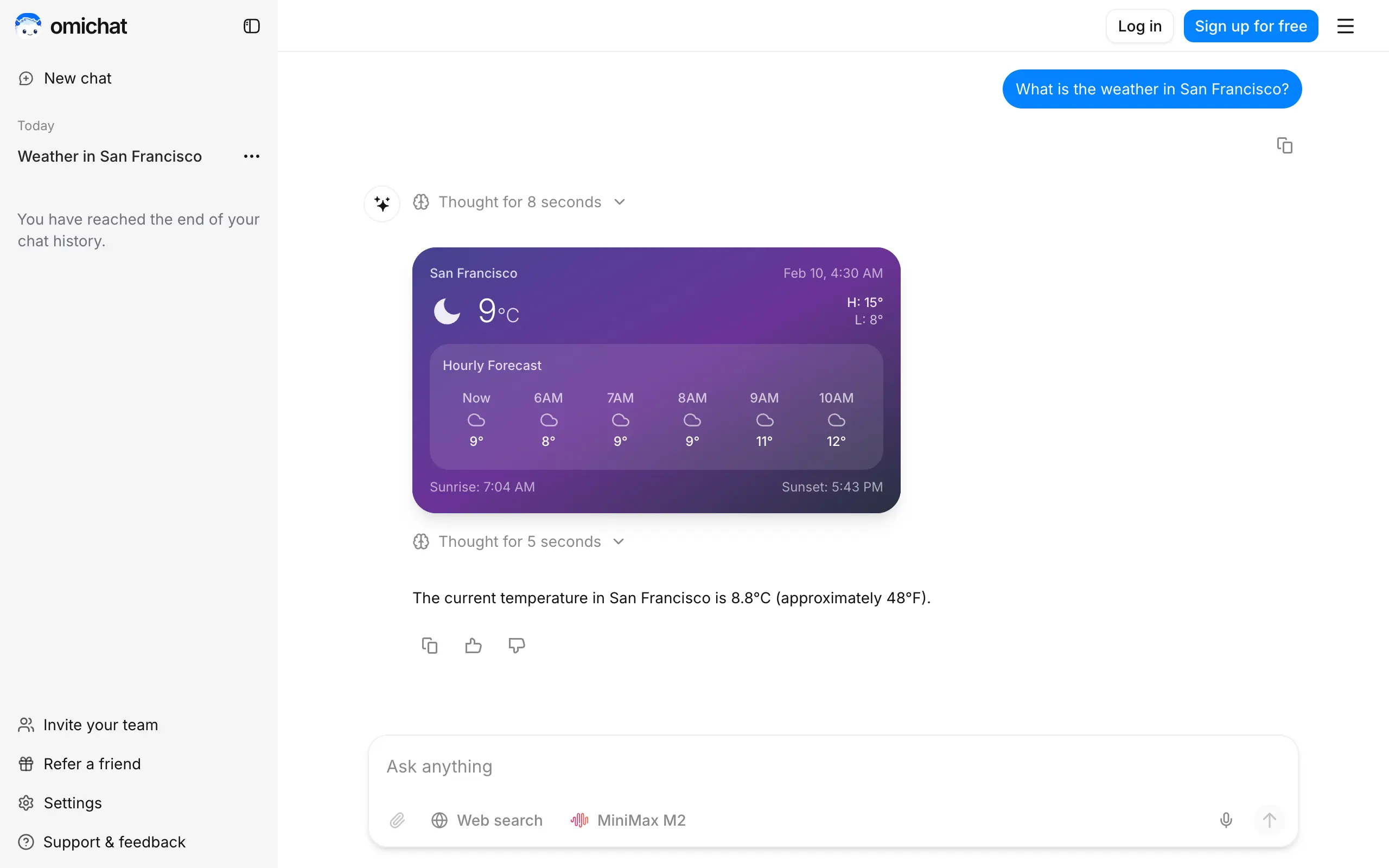
Omichat
Chat with 50+ AI models, including ChatGPT and Claude, in one place - switch models anytime without losing context 🤖
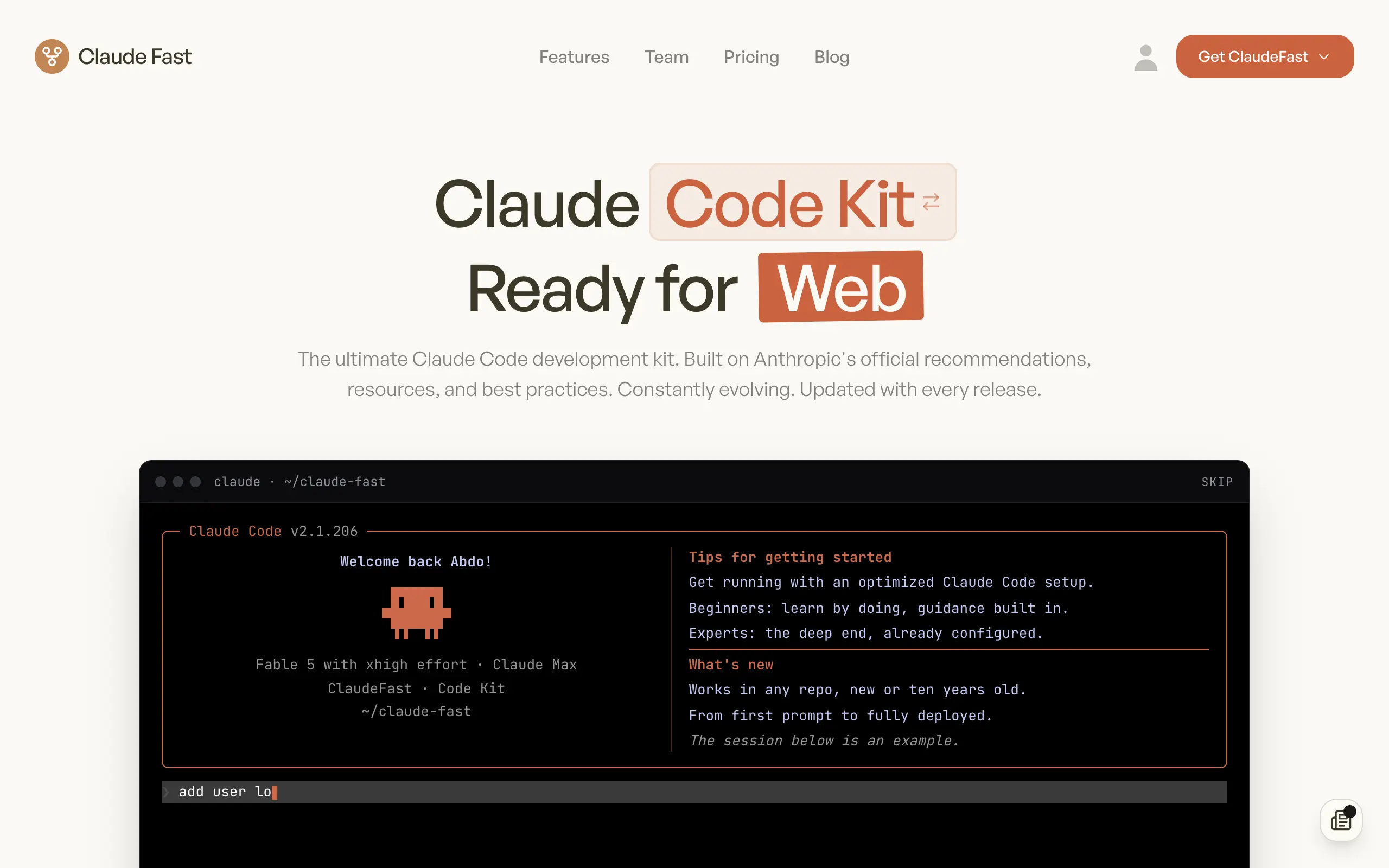
Claude Fast
Supercharge your Claude Code with 6x effective context window and specialized AI agents 🤖
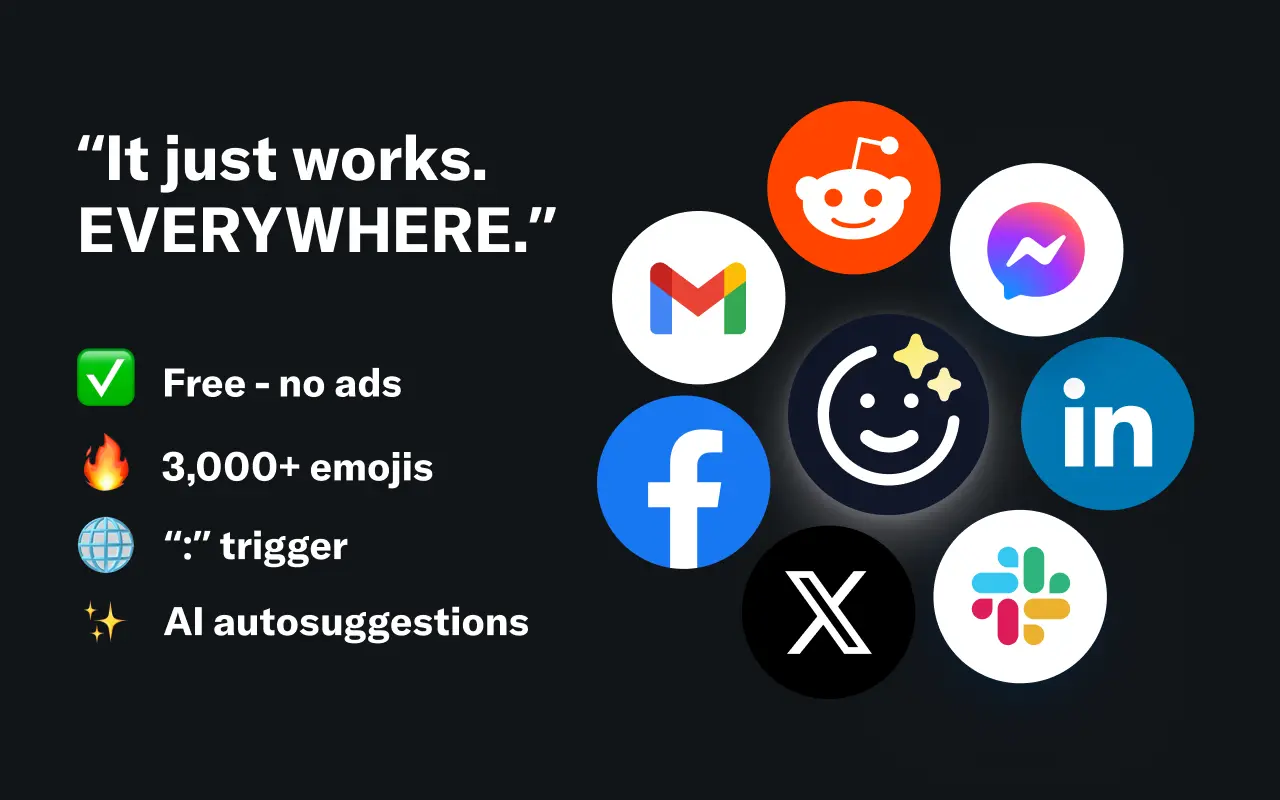
EmojAI
AI-powered emoji picker with smart, context-aware suggestions 🤖

Solohacker
Autonomous company launcher - AI agents work 24/7, escalate what matters, and you stay in control 🤖
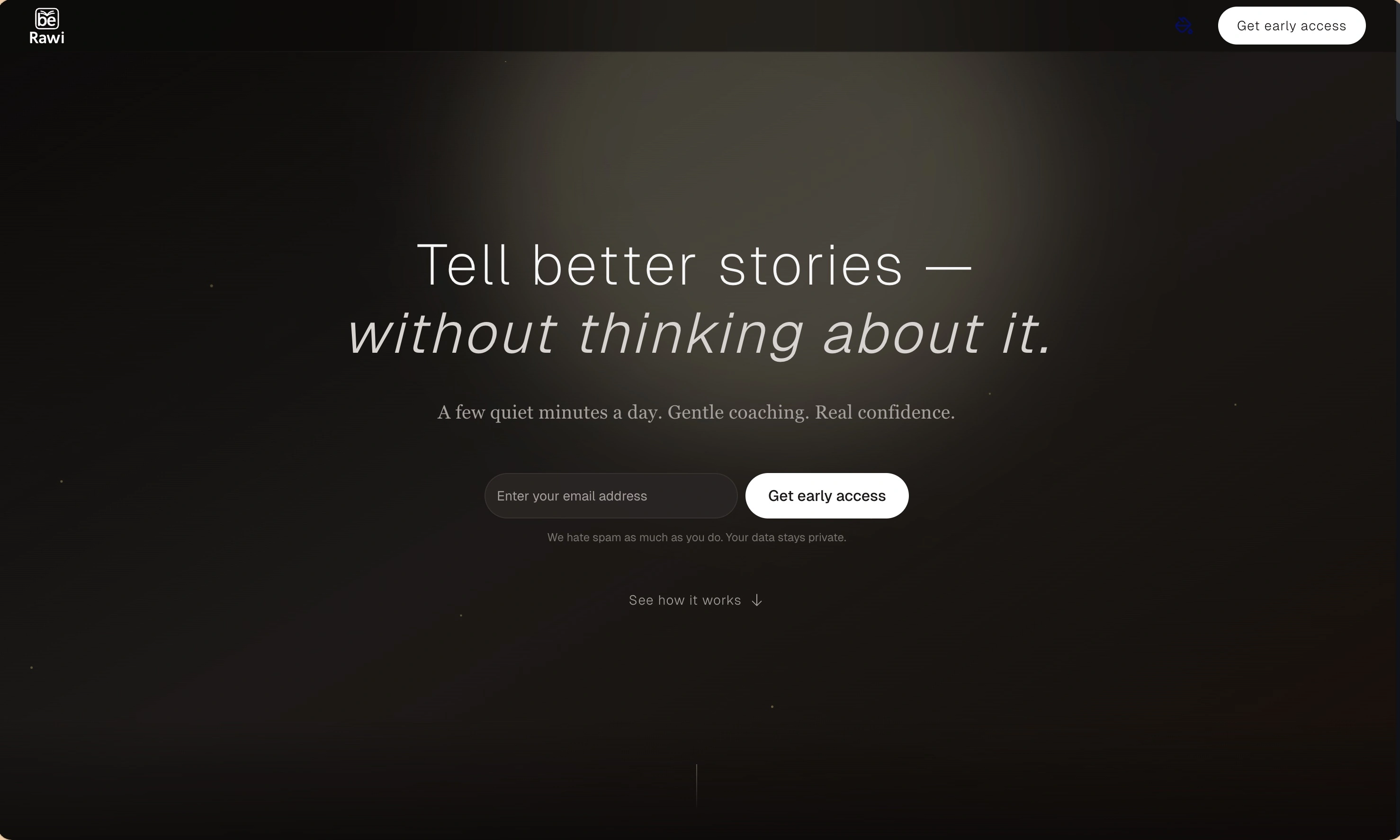
BeRawi: Storytelling Coach
Practice storytelling daily with instant feedback to sound clearer, more engaging, and confident 🎤
Omichat
Chat with 50+ AI models, including ChatGPT and Claude, in one place - switch models anytime without losing context 🤖
Claude Fast
Supercharge your Claude Code with 6x effective context window and specialized AI agents 🤖
EmojAI
AI-powered emoji picker with smart, context-aware suggestions 🤖
Solohacker
Autonomous company launcher - AI agents work 24/7, escalate what matters, and you stay in control 🤖
BeRawi: Storytelling Coach
Practice storytelling daily with instant feedback to sound clearer, more engaging, and confident 🎤
Omichat
Chat with 50+ AI models, including ChatGPT and Claude, in one place - switch models anytime without losing context 🤖
Claude Fast
Supercharge your Claude Code with 6x effective context window and specialized AI agents 🤖
EmojAI
AI-powered emoji picker with smart, context-aware suggestions 🤖
Solohacker
Autonomous company launcher - AI agents work 24/7, escalate what matters, and you stay in control 🤖
BeRawi: Storytelling Coach
Practice storytelling daily with instant feedback to sound clearer, more engaging, and confident 🎤
Omichat
Chat with 50+ AI models, including ChatGPT and Claude, in one place - switch models anytime without losing context 🤖
Claude Fast
Supercharge your Claude Code with 6x effective context window and specialized AI agents 🤖
EmojAI
AI-powered emoji picker with smart, context-aware suggestions 🤖
Solohacker
Autonomous company launcher - AI agents work 24/7, escalate what matters, and you stay in control 🤖
BeRawi: Storytelling Coach
Practice storytelling daily with instant feedback to sound clearer, more engaging, and confident 🎤

Connect with like-minded people
Join our community to get feedback, support, and grow together with 1,000+ builders on board, let's ship it!
Join usShip your startup everywhere. In minutes.
Don't burn tokens on setup and start building features on day one.