MarginSync
MarginSync merges multi-source price lists and applies margin logic in real time, helping distributors and manufacturers protect profitability across channels.
Real-time margin management for complex B2B pricing environments
In B2B distribution and manufacturing, pricing complexity is no longer a side problem—it’s a core profitability risk. Companies juggle multi-source price lists, fluctuating costs, negotiated customer contracts, channel-specific discounts, and rapidly changing market conditions. A single outdated spreadsheet or delayed update can quietly erode margins across hundreds or thousands of SKUs.
MarginSync is a B2B SaaS platform designed to solve this exact problem. It merges multi-source price lists and applies margin logic in real time, helping distributors and manufacturers protect profitability across sales channels without slowing down sales teams or disrupting existing systems.
This article provides an expert-level breakdown of the MarginSync SaaS idea: the target market, pricing challenges it solves, feature architecture, recommended tech stack, monetization options, competitive landscape, and a practical roadmap to implementation. If you’re validating, building, or investing in a real-time margin management SaaS, this guide is built to answer your most important questions.
Who MarginSync is for: target audience and buying personas
MarginSync is a B2B pricing and margin optimization platform, which means its success depends on deeply understanding operational buyers—not just executives, but the teams who live in pricing spreadsheets every day.
Primary customer segments
MarginSync’s ideal customers fall into three core groups:
1. Industrial and wholesale distributors
These organizations typically manage:
- Tens of thousands of SKUs
- Multiple supplier price lists with different update cycles
- Customer-specific pricing agreements
- Thin margins (often 5–15%)
Pain points
- Supplier price updates overwrite carefully negotiated margins
- Manual price list merges lead to errors
- Sales teams discount without real-time margin visibility
2. Manufacturers with multi-channel pricing
Manufacturers selling via:
- Direct sales
- Distributors
- Marketplaces
- E-commerce portals
Pain points
- Channel conflict caused by inconsistent pricing
- Difficulty enforcing minimum margins across regions
- Lag between cost changes and price updates
3. B2B e-commerce operators and ERP-heavy organizations
Companies running:
- ERP systems (SAP, NetSuite, Dynamics)
- CPQ tools
- Custom pricing engines
Pain points
- Rigid ERP pricing logic
- Slow pricing change cycles
- Lack of real-time margin validation at checkout
Buyer personas inside these organizations
MarginSync must appeal to several internal stakeholders:
Pricing manager
Owns margin targets and pricing rules. Needs accuracy, control, and auditability.
Finance leader (CFO / controller)
Focused on profitability, leakage prevention, and forecasting accuracy.
Sales operations
Needs fast quoting without margin guesswork or constant approvals.
IT / systems architect
Cares about integrations, reliability, and data consistency.
A strong MarginSync narrative addresses all four roles, but the economic buyer is usually finance or pricing leadership.
The market problem: where margins are lost today
Pricing data fragmentation is the root cause
Most B2B organizations still manage pricing with a mix of:
- Supplier spreadsheets
- ERP price tables
- Custom scripts
- Email-based approvals
Each data source has its own logic, cadence, and owner. The result is pricing fragmentation.
Common margin leakage scenarios
MarginSync is built to prevent situations like:
- A supplier increases costs by 4%, but prices aren’t updated for weeks
- A sales rep applies a discount without knowing current cost
- A customer-specific contract overrides a global margin rule
- A marketplace integration ignores internal pricing logic
Individually, these seem minor. At scale, they can quietly cost millions per year.
Why this problem persists
Even companies with modern ERPs struggle with margin control because ERPs prioritize accounting accuracy, not real-time pricing intelligence. MarginSync complements ERPs rather than replacing them.
Market opportunity and gap analysis
Why existing tools fall short
Let’s examine how companies currently attempt to solve margin control—and where those solutions break down.
| Approach | Real-time | Multi-source pricing | Margin logic | Scales well |
|---|---|---|---|---|
| Spreadsheets | ❌ | ✅ | ⚠️ | ❌ |
| ERP pricing tables | ❌ | ⚠️ | ✅ | ⚠️ |
| CPQ systems | ⚠️ | ⚠️ | ✅ | ⚠️ |
| MarginSync | ✅ | ✅ | ✅ | ✅ |
The underserved niche
MarginSync targets a specific gap:
- Real-time margin enforcement
- Across merged price sources
- Without replacing core systems
This positioning avoids direct competition with ERPs while solving a problem they are not optimized to handle.
What MarginSync does: core features and capabilities
1. Multi-source price list ingestion
MarginSync connects to:
- Supplier CSVs or APIs
- ERP price tables
- Customer-specific contract files
- Marketplace pricing feeds
Each source is normalized into a unified pricing model.
Key capabilities
- Versioning and change tracking
- Scheduled or event-based updates
- Source-level prioritization
2. Centralized margin logic engine
At the heart of MarginSync is a configurable margin engine.
Margin rules can be defined by:
- Product category
- Customer segment
- Channel
- Region
- Time window
Rules can stack and resolve conflicts deterministically.
// Example margin rule logic (simplified)
if (channel === "marketplace") {
  minMargin = 0.18
} else if (customerTier === "gold") {
  minMargin = 0.12
} else {
  minMargin = 0.15
}
3. Real-time pricing validation
MarginSync evaluates margin at the moment of pricing, not after the fact.
This means:
- Quotes can be blocked or flagged
- Prices can be auto-adjusted
- Sales teams get immediate feedback
4. Channel-aware pricing enforcement
Each channel can have:
- Different margin floors
- Different discount caps
- Different rounding rules
This prevents channel conflict and protects brand integrity.
5. Auditability and reporting
Every pricing decision is logged:
- Source price
- Applied rules
- Final price
- User or system that triggered it
This is critical for:
- Finance audits
- Dispute resolution
- Continuous optimization
Recommended tech stack and architectural considerations
MarginSync’s core promise—real-time margin enforcement—depends heavily on architecture choices.
Frontend
- React – flexible component model and strong ecosystem
Official site: https://reactjs.org - Tailwind CSS – fast UI iteration and consistent design
Official site: https://tailwindcss.com
Trade-off: Tailwind accelerates development but requires design discipline to avoid UI inconsistency.
Backend
- Node.js with TypeScript for API services
- Event-driven architecture for price updates
- Rule evaluation engine optimized for low-latency reads
Data layer
- PostgreSQL for transactional pricing data
- Redis for caching hot pricing paths
- Versioned tables for audit history
Integrations
MarginSync should integrate via:
- REST APIs
- Webhooks
- Flat file ingestion (SFTP or uploads)
Deployment and scaling
- Containerized services
- Horizontal scaling for read-heavy workloads
- Strict SLA around pricing latency
Latency matters
Even 200–300ms delays in price validation can frustrate sales teams. Performance optimization is not optional for margin enforcement tools.
Monetization strategy for MarginSync
Pricing must align with value delivered—protected margin, not just software access.
Common pricing models
Monthly or annual subscription tiers based on:
- Number of SKUs
- Number of price sources
- Number of channels
Pricing based on:
- Price checks per month
- API calls
- Active SKUs evaluated
Base subscription + overage fees for high-volume usage.
Value-based pricing opportunity
MarginSync can credibly price based on:
- Percentage of margin protected
- Revenue under management
For example:
“If MarginSync protects just 0.5% of your annual revenue, it pays for itself many times over.”
Competitive landscape and differentiation
Indirect competitors
- ERP pricing modules
- CPQ platforms
- Custom in-house scripts
Why MarginSync stands out
Clear USP:
MarginSync focuses narrowly on real-time margin logic across merged price sources, instead of trying to be an all-in-one pricing suite.
Sustainable competitive advantages
- Deep specialization in margin enforcement
- ERP-agnostic positioning
- Real-time architecture
- Strong audit and compliance story
ERP systems are optimized for stability and accounting, not rapid pricing logic changes or real-time validation at scale.
No. MarginSync combines ingestion, normalization, rule evaluation, enforcement, and auditing into a cohesive system.
Risks, challenges, and mitigation strategies
Risk: integration complexity
Mitigation
- Start with read-only pricing validation
- Offer pre-built ERP connectors
- Provide sandbox environments
Risk: internal resistance from sales teams
Mitigation
- Position MarginSync as guidance, not restriction
- Allow override workflows with approvals
- Show margin impact visually
Risk: pricing rule sprawl
Mitigation
- Rule versioning
- Conflict detection
- Governance workflows
Implementation roadmap: from idea to production
Building MarginSync successfully requires disciplined execution.
Accelerating development
Founders can significantly reduce time-to-market by starting with a production-ready SaaS foundation like TurboStarter, allowing the team to focus on pricing logic instead of authentication, billing, and infrastructure basics.
Final thoughts: why MarginSync is a strong B2B SaaS opportunity
MarginSync addresses a painful, expensive, and persistent problem in B2B commerce. Margin leakage is often invisible, but once companies see it quantified, they act quickly.
By:
- Focusing on real-time margin enforcement
- Integrating rather than replacing core systems
- Speaking directly to pricing and finance leaders
MarginSync positions itself as essential infrastructure for modern B2B pricing operations.
For founders and operators, the opportunity is clear: build a narrowly focused, deeply valuable SaaS that protects profitability where it matters most—at the moment a price is set.
More 🏢 B2B Application SaaS ideas
Discover more innovative b2b application SaaS ideas that are trending in 2026. Each idea is AI-generated with market validation and growth potential to help you find your next profitable venture faster than competitors.
Your competitors are building with TurboStarter
Below are some of the SaaS ideas that have been generated and built with our starter kit.

Statiko
Monitor any Telegram channel in real time - track posts, edits, deletions, and growth with AI recaps 📡

Shibui
AI website builder - describe your business, pick a niche template, edit by chatting, and publish instantly ✨

Pro Service
Find verified home service professionals, compare quotes, and pay securely through escrow - built for Brazilians across the US 🏠
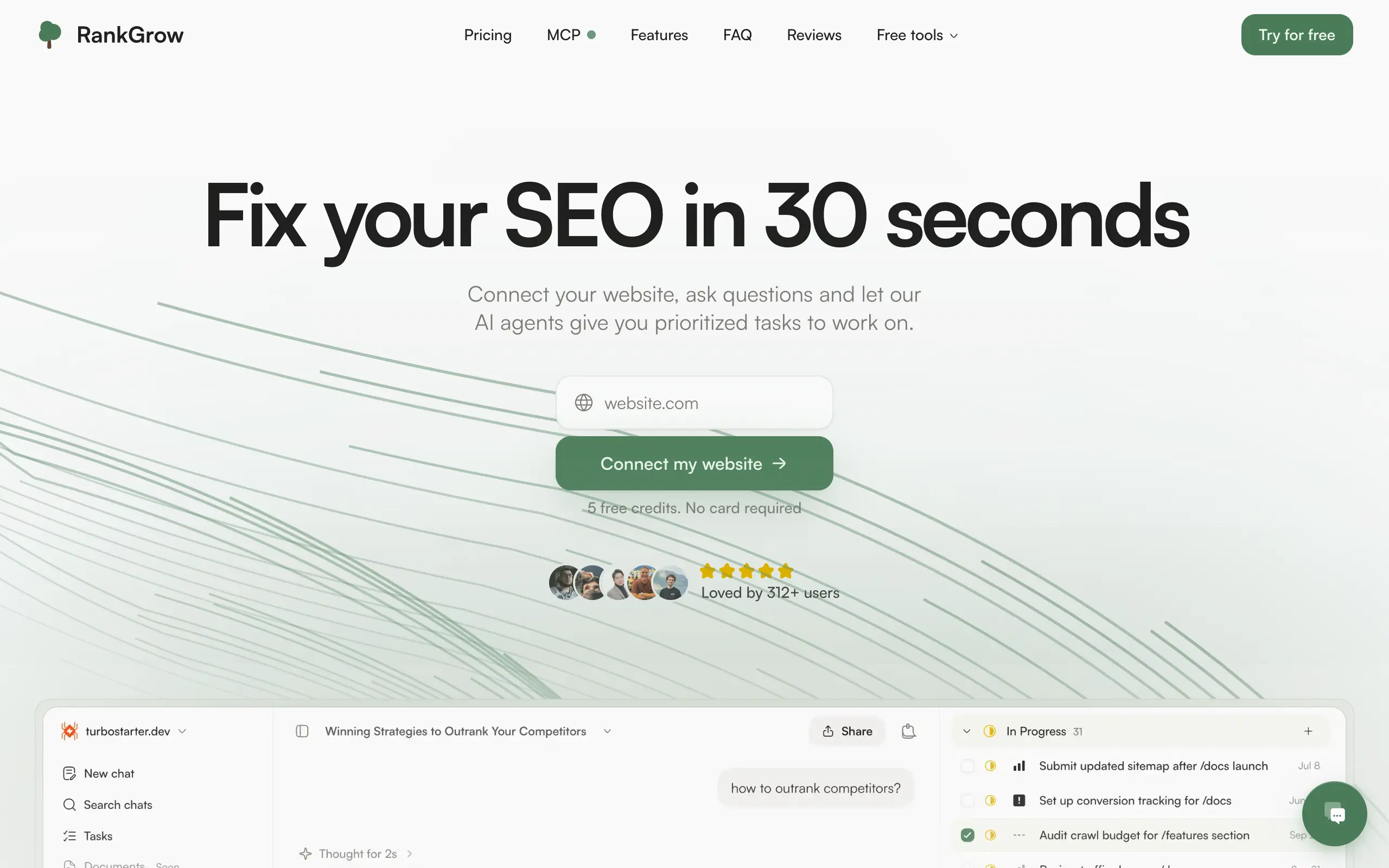
RankGrow
Fix your SEO with AI agents - connect Search Console, get prioritized tasks, and grow organic traffic 📈
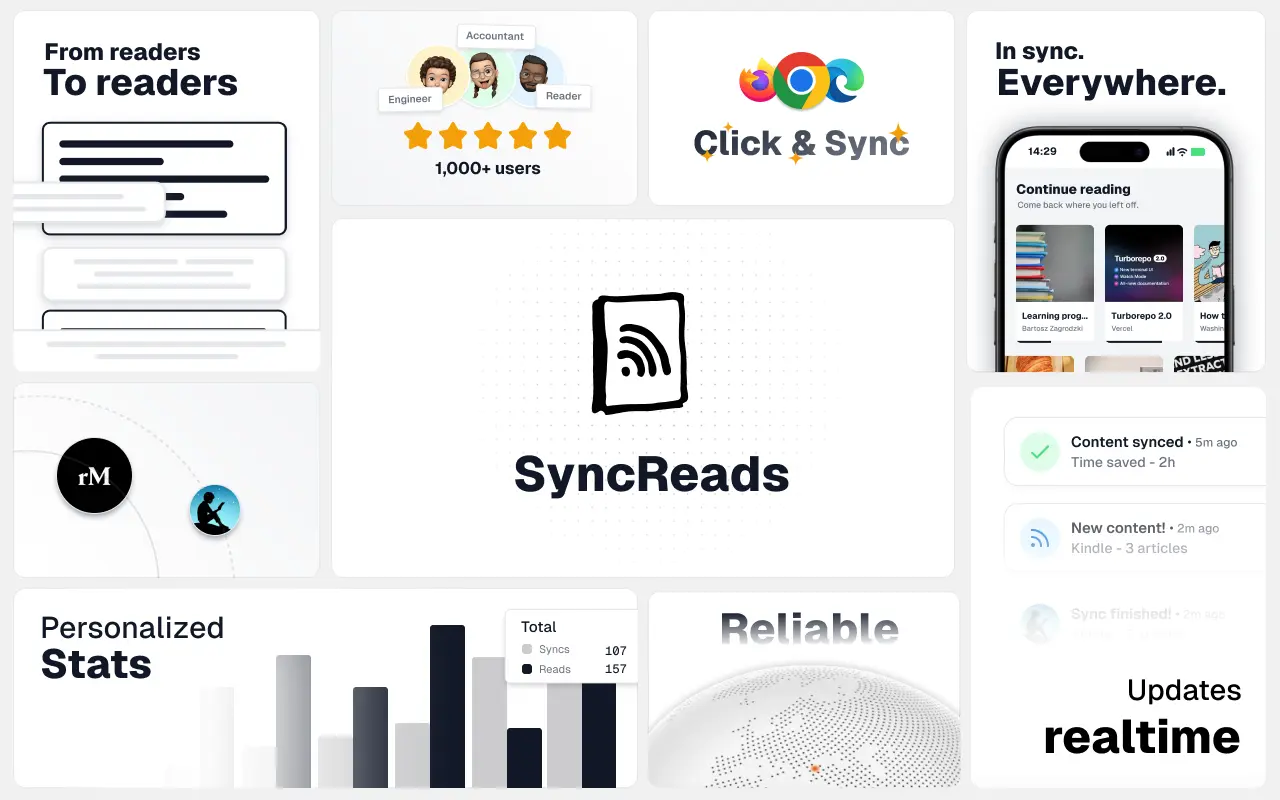
SyncReads
Sync your favorite content for distraction-free reading, save time and replace multiple apps. Anytime, anywhere 🔄
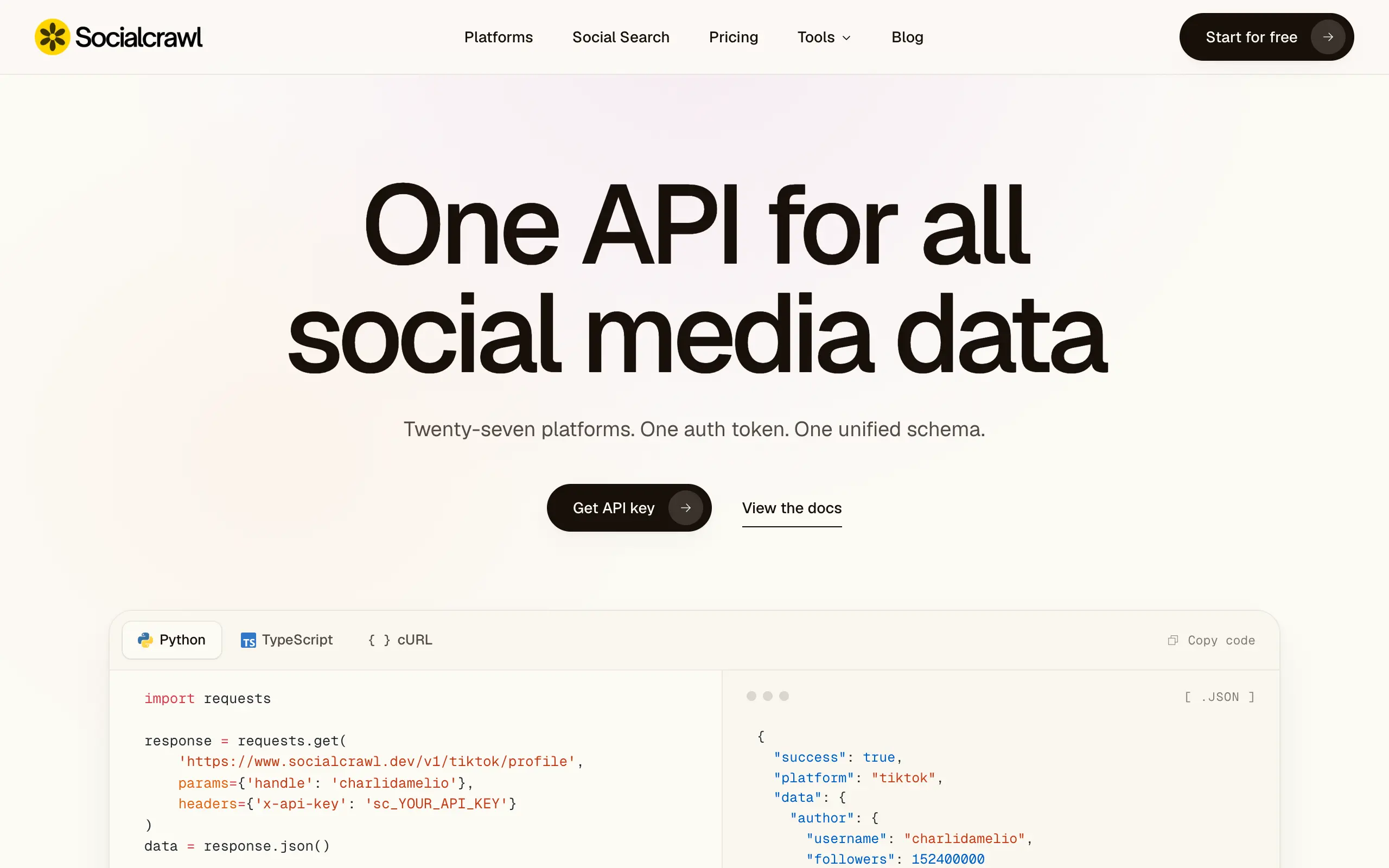
Socialcrawl
Get clean, structured data from 21 platforms like TikTok, Instagram, and YouTube with a single request 📊
Statiko
Monitor any Telegram channel in real time - track posts, edits, deletions, and growth with AI recaps 📡
Shibui
AI website builder - describe your business, pick a niche template, edit by chatting, and publish instantly ✨
Pro Service
Find verified home service professionals, compare quotes, and pay securely through escrow - built for Brazilians across the US 🏠
RankGrow
Fix your SEO with AI agents - connect Search Console, get prioritized tasks, and grow organic traffic 📈
SyncReads
Sync your favorite content for distraction-free reading, save time and replace multiple apps. Anytime, anywhere 🔄
Socialcrawl
Get clean, structured data from 21 platforms like TikTok, Instagram, and YouTube with a single request 📊
Statiko
Monitor any Telegram channel in real time - track posts, edits, deletions, and growth with AI recaps 📡
Shibui
AI website builder - describe your business, pick a niche template, edit by chatting, and publish instantly ✨
Pro Service
Find verified home service professionals, compare quotes, and pay securely through escrow - built for Brazilians across the US 🏠
RankGrow
Fix your SEO with AI agents - connect Search Console, get prioritized tasks, and grow organic traffic 📈
SyncReads
Sync your favorite content for distraction-free reading, save time and replace multiple apps. Anytime, anywhere 🔄
Socialcrawl
Get clean, structured data from 21 platforms like TikTok, Instagram, and YouTube with a single request 📊
Statiko
Monitor any Telegram channel in real time - track posts, edits, deletions, and growth with AI recaps 📡
Shibui
AI website builder - describe your business, pick a niche template, edit by chatting, and publish instantly ✨
Pro Service
Find verified home service professionals, compare quotes, and pay securely through escrow - built for Brazilians across the US 🏠
RankGrow
Fix your SEO with AI agents - connect Search Console, get prioritized tasks, and grow organic traffic 📈
SyncReads
Sync your favorite content for distraction-free reading, save time and replace multiple apps. Anytime, anywhere 🔄
Socialcrawl
Get clean, structured data from 21 platforms like TikTok, Instagram, and YouTube with a single request 📊
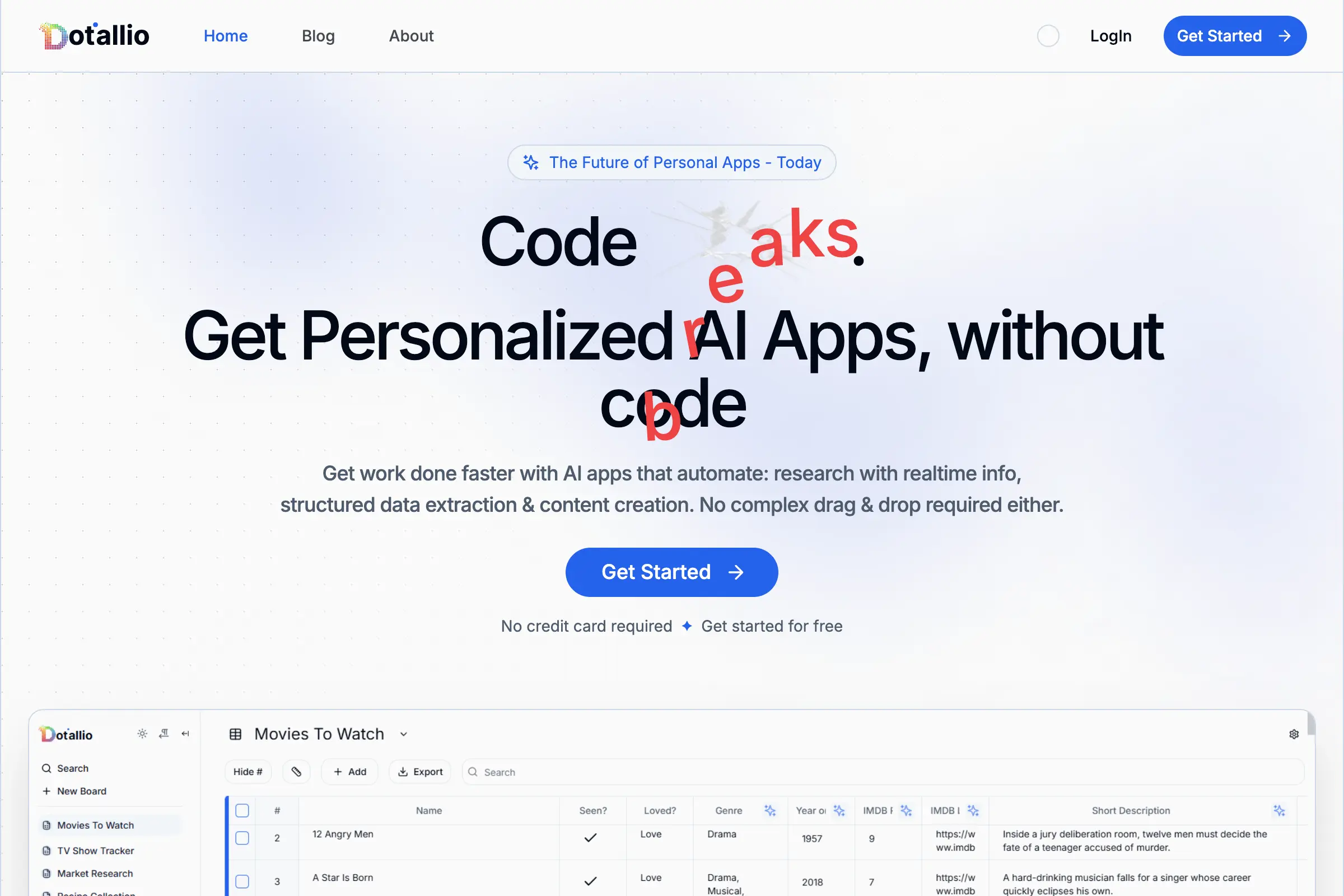
Dotallio
Personalized AI apps that automate research, data extraction, and content creation without code 🤖

Talk to Santa
Enjoy a magical live video chat or receive a unique AI-generated video greeting from Santa Claus 🎅
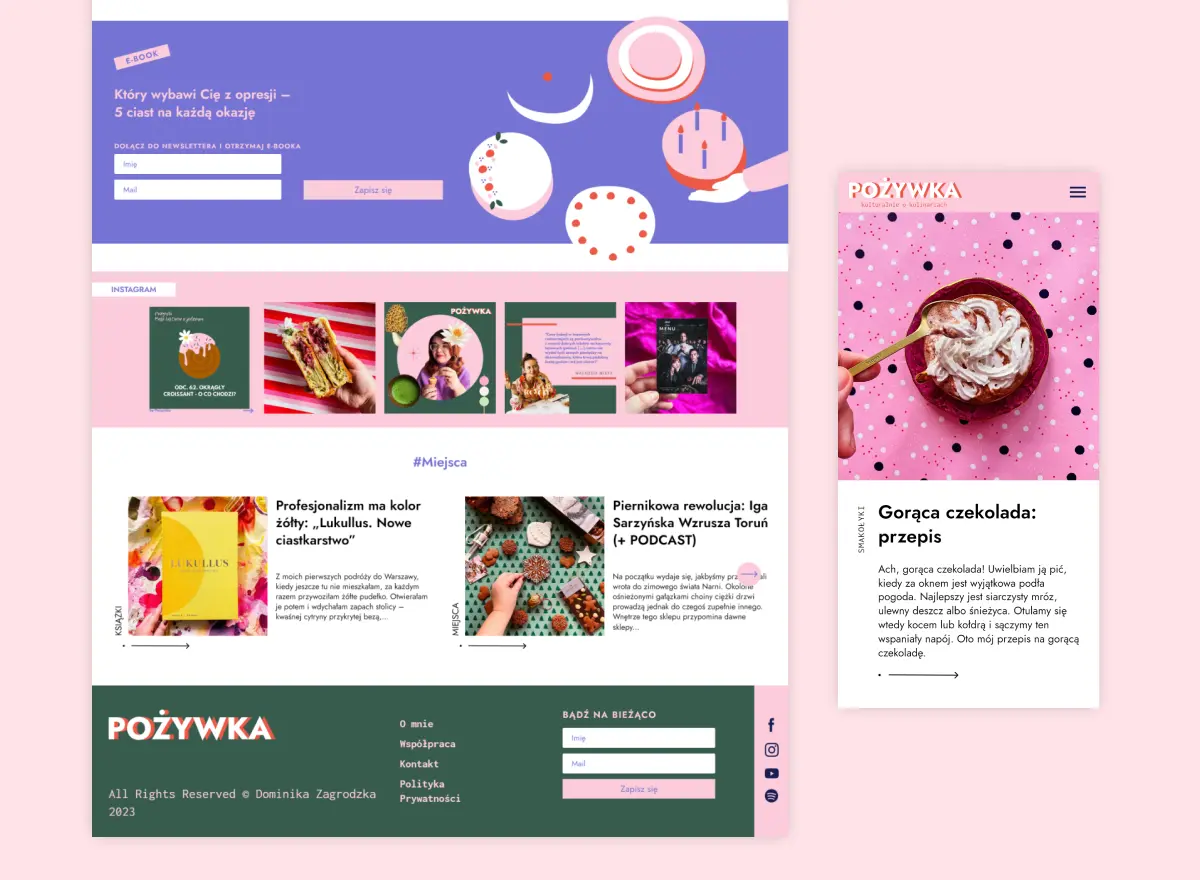
pozywka.pl
Scalable blog for food journalist, focused on performance and user experience 🌭
zagrodzki.me
Personal blog and portfolio of Bart Zagrodzki, where he shares his knowledge and work 💼

TurboStarter
Ship your startup everywhere. In minutes.
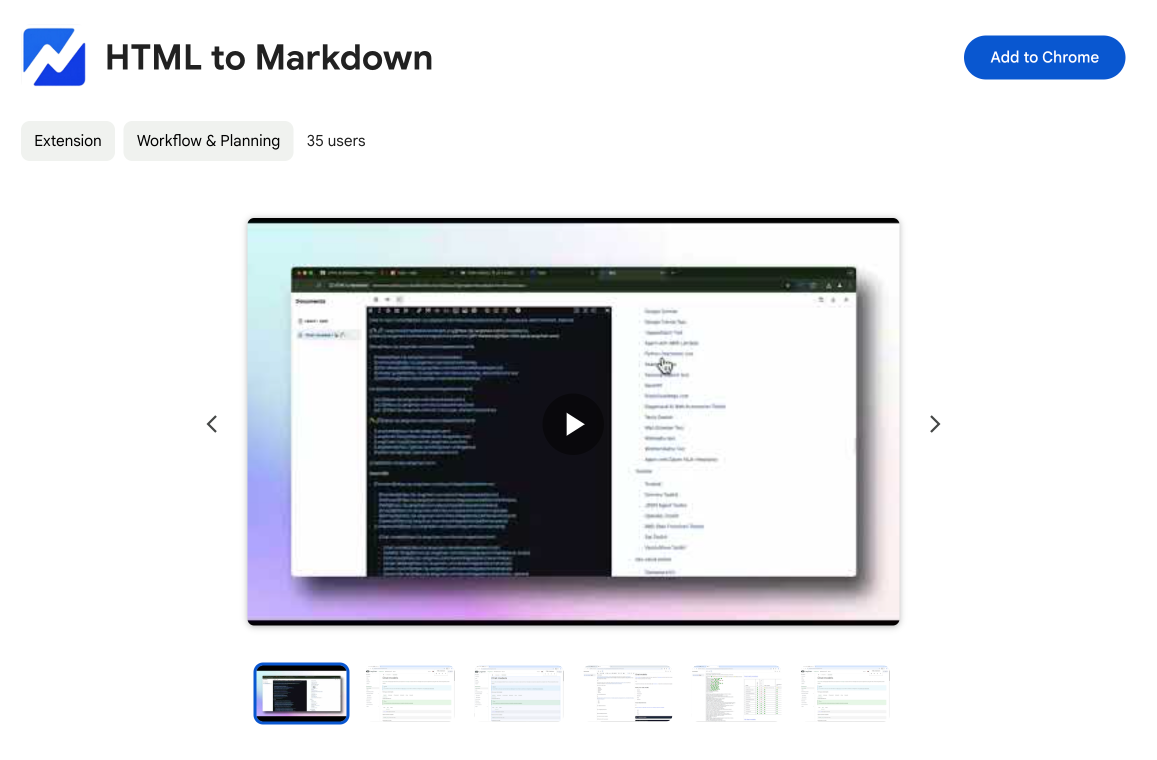
HTML to Markdown
Convert HTML to Markdown with ease, directly in your browser 📄
Dotallio
Personalized AI apps that automate research, data extraction, and content creation without code 🤖
Talk to Santa
Enjoy a magical live video chat or receive a unique AI-generated video greeting from Santa Claus 🎅
pozywka.pl
Scalable blog for food journalist, focused on performance and user experience 🌭
zagrodzki.me
Personal blog and portfolio of Bart Zagrodzki, where he shares his knowledge and work 💼
TurboStarter
Ship your startup everywhere. In minutes.
HTML to Markdown
Convert HTML to Markdown with ease, directly in your browser 📄
Dotallio
Personalized AI apps that automate research, data extraction, and content creation without code 🤖
Talk to Santa
Enjoy a magical live video chat or receive a unique AI-generated video greeting from Santa Claus 🎅
pozywka.pl
Scalable blog for food journalist, focused on performance and user experience 🌭
zagrodzki.me
Personal blog and portfolio of Bart Zagrodzki, where he shares his knowledge and work 💼
TurboStarter
Ship your startup everywhere. In minutes.
HTML to Markdown
Convert HTML to Markdown with ease, directly in your browser 📄
Dotallio
Personalized AI apps that automate research, data extraction, and content creation without code 🤖
Talk to Santa
Enjoy a magical live video chat or receive a unique AI-generated video greeting from Santa Claus 🎅
pozywka.pl
Scalable blog for food journalist, focused on performance and user experience 🌭
zagrodzki.me
Personal blog and portfolio of Bart Zagrodzki, where he shares his knowledge and work 💼
TurboStarter
Ship your startup everywhere. In minutes.
HTML to Markdown
Convert HTML to Markdown with ease, directly in your browser 📄
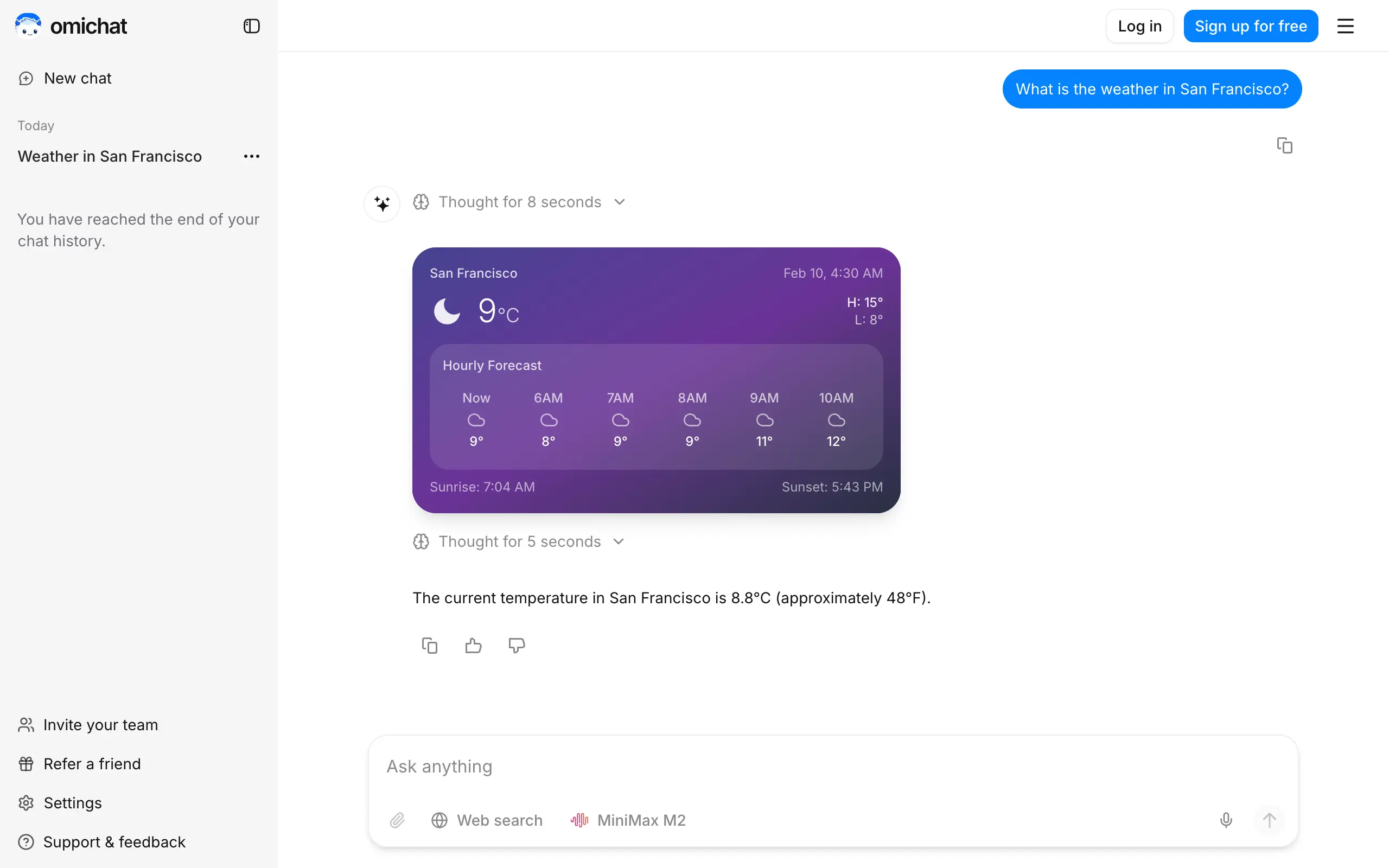
Omichat
Chat with 50+ AI models, including ChatGPT and Claude, in one place - switch models anytime without losing context 🤖
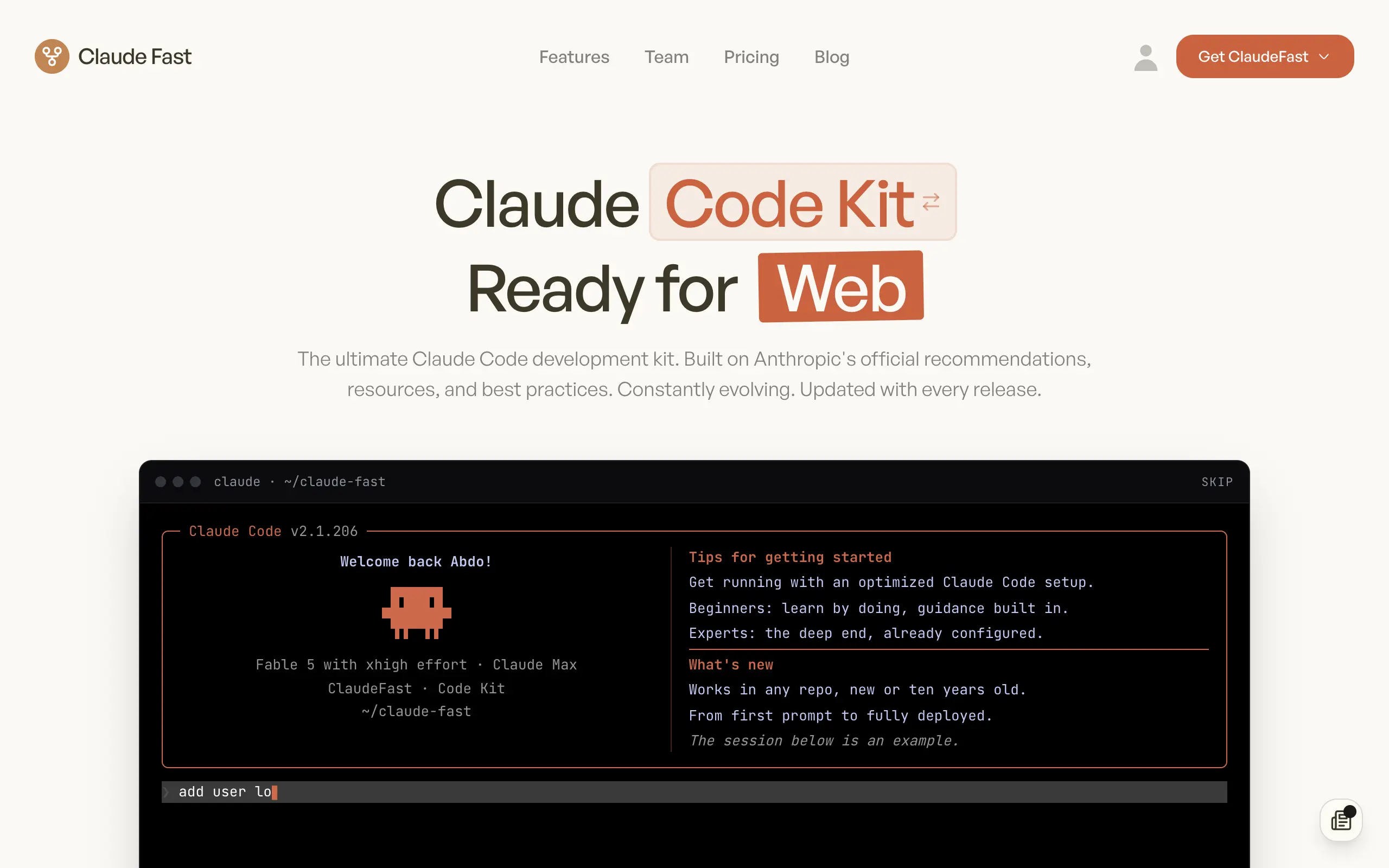
Claude Fast
Supercharge your Claude Code with 6x effective context window and specialized AI agents 🤖
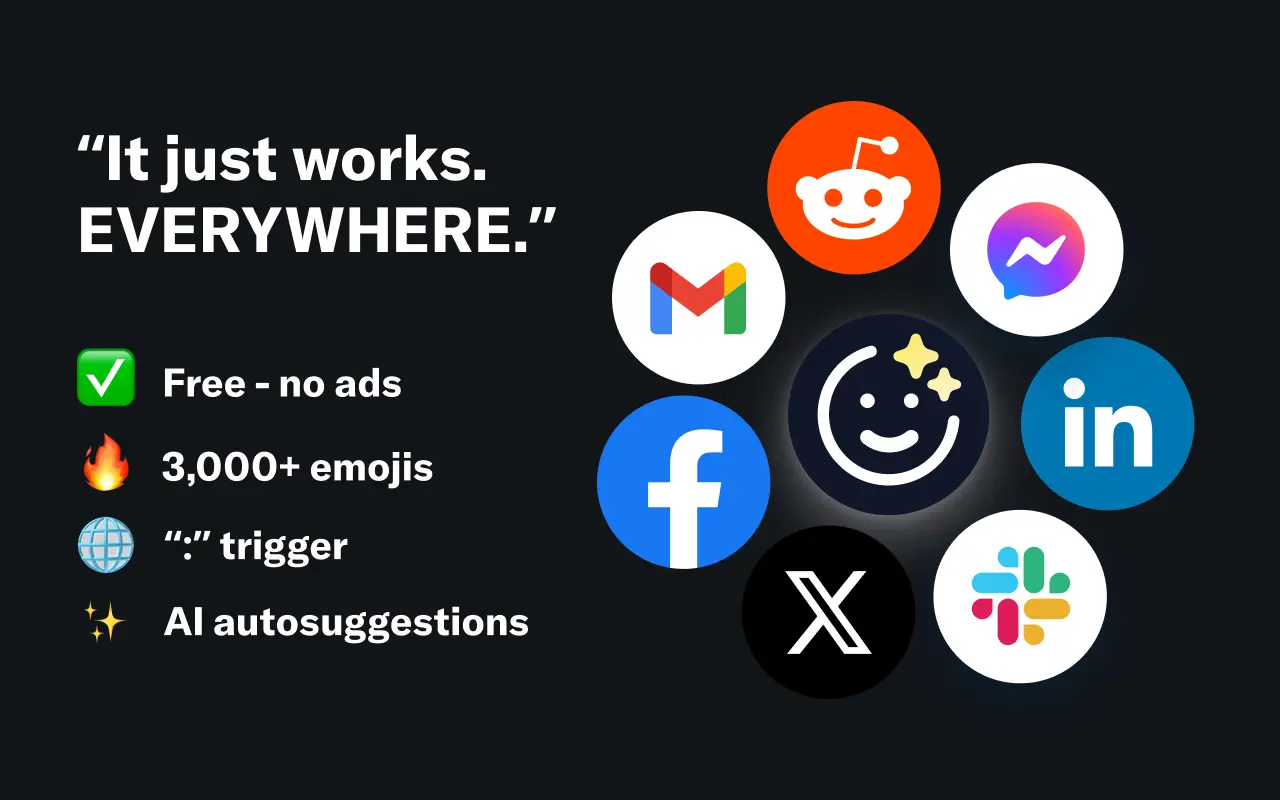
EmojAI
AI-powered emoji picker with smart, context-aware suggestions 🤖

Solohacker
Autonomous company launcher - AI agents work 24/7, escalate what matters, and you stay in control 🤖

BeRawi: Storytelling Coach
Practice storytelling daily with instant feedback to sound clearer, more engaging, and confident 🎤
Omichat
Chat with 50+ AI models, including ChatGPT and Claude, in one place - switch models anytime without losing context 🤖
Claude Fast
Supercharge your Claude Code with 6x effective context window and specialized AI agents 🤖
EmojAI
AI-powered emoji picker with smart, context-aware suggestions 🤖
Solohacker
Autonomous company launcher - AI agents work 24/7, escalate what matters, and you stay in control 🤖
BeRawi: Storytelling Coach
Practice storytelling daily with instant feedback to sound clearer, more engaging, and confident 🎤
Omichat
Chat with 50+ AI models, including ChatGPT and Claude, in one place - switch models anytime without losing context 🤖
Claude Fast
Supercharge your Claude Code with 6x effective context window and specialized AI agents 🤖
EmojAI
AI-powered emoji picker with smart, context-aware suggestions 🤖
Solohacker
Autonomous company launcher - AI agents work 24/7, escalate what matters, and you stay in control 🤖
BeRawi: Storytelling Coach
Practice storytelling daily with instant feedback to sound clearer, more engaging, and confident 🎤
Omichat
Chat with 50+ AI models, including ChatGPT and Claude, in one place - switch models anytime without losing context 🤖
Claude Fast
Supercharge your Claude Code with 6x effective context window and specialized AI agents 🤖
EmojAI
AI-powered emoji picker with smart, context-aware suggestions 🤖
Solohacker
Autonomous company launcher - AI agents work 24/7, escalate what matters, and you stay in control 🤖
BeRawi: Storytelling Coach
Practice storytelling daily with instant feedback to sound clearer, more engaging, and confident 🎤

Connect with like-minded people
Join our community to get feedback, support, and grow together with 1,000+ builders on board, let's ship it!
Join usShip your startup everywhere. In minutes.
Don't burn tokens on setup and start building features on day one.