MedEd Assessment Suite
A secure platform for creating, delivering, and analyzing competency-based assessments for medical students, with real-time analytics for faculty and administrators.
Understanding the MedEd Assessment Suite: A next-generation platform for medical education
The MedEd Assessment Suite is a secure, cloud-based SaaS platform designed to transform how medical schools and institutions create, deliver, and analyze competency-based assessments. With real-time analytics, robust security, and a focus on both faculty and administrative needs, this B2B solution addresses the evolving demands of modern medical education.
In this comprehensive guide, we’ll explore the MedEd Assessment Suite’s core features, market opportunity, technical considerations, monetization strategies, and actionable steps for implementation. Whether you’re an edtech entrepreneur, medical school administrator, or SaaS investor, this article will provide the expert insights you need to evaluate and execute on this opportunity.
Who is the MedEd Assessment Suite for? Target audience analysis
Understanding the target audience is crucial for any SaaS product, especially in the highly specialized field of medical education. The MedEd Assessment Suite is tailored for:
- Medical schools and universities: Deans, program directors, and assessment coordinators seeking to modernize their evaluation processes.
- Faculty and clinical educators: Professors, clinical instructors, and examiners who need efficient tools for creating and grading assessments.
- Administrators and accreditation officers: Staff responsible for compliance, reporting, and ensuring that assessment standards meet regulatory requirements.
- Medical students (indirectly): While not the primary buyers, students benefit from transparent, competency-based feedback and streamlined exam experiences.
Key user needs and pain points
- Security and compliance: Handling sensitive student data and exam content requires robust security and adherence to regulations like FERPA and GDPR.
- Competency-based assessment: Traditional exams are giving way to competency-based models, requiring flexible, customizable assessment tools.
- Real-time analytics: Faculty and administrators need instant insights into student performance, cohort trends, and areas for curriculum improvement.
- Scalability and reliability: Large cohorts and high-stakes exams demand a platform that can scale without downtime.
- Integration: Seamless interoperability with existing Learning Management Systems (LMS) and Student Information Systems (SIS).
Market opportunity and gap analysis
The global medical education market is projected to reach over $44 billion by 2027 (source: MarketsandMarkets). Within this, digital assessment tools are experiencing rapid growth, driven by:
- Shift to online and hybrid learning: Accelerated by the COVID-19 pandemic, medical schools are investing in digital infrastructure.
- Competency-based medical education (CBME): Accrediting bodies like the AAMC and LCME are pushing for outcomes-based assessment, creating demand for flexible, data-driven tools.
- Regulatory pressure: Increased scrutiny on exam integrity, data privacy, and reporting.
Current gaps in the market
- Fragmented solutions: Many schools rely on a patchwork of legacy systems, spreadsheets, and generic LMS tools not tailored for medical education.
- Lack of real-time analytics: Existing platforms often provide delayed or limited insights, hindering timely intervention.
- Security vulnerabilities: Data breaches and exam leaks are a growing concern, especially with remote proctoring.
- Poor user experience: Clunky interfaces and lack of mobile support frustrate both faculty and students.
Industry trend
The adoption of AI-driven analytics and adaptive assessments is rapidly increasing in medical education, offering new opportunities for platforms that can integrate these technologies.
Core features and solution details
The MedEd Assessment Suite stands out by offering a comprehensive, secure, and user-friendly platform tailored to the unique needs of medical education.
Key features
-
Secure assessment creation
- Intuitive, drag-and-drop interface for building MCQs, OSCEs, essays, and practical exams.
- Item banks with tagging, version control, and blueprint mapping to competencies.
- Role-based access controls for faculty, examiners, and administrators.
-
Flexible delivery modes
- Support for in-person, remote, and hybrid exam delivery.
- Secure browser and remote proctoring integrations.
- Accommodations for students with disabilities.
-
Real-time analytics dashboard
- Instant cohort and individual performance tracking.
- Competency gap analysis and longitudinal progress reports.
- Customizable data exports for accreditation and research.
-
Automated grading and feedback
- AI-assisted grading for essays and short answers.
- Immediate, actionable feedback for students.
- Peer and self-assessment modules.
-
Compliance and security
- End-to-end encryption of data at rest and in transit.
- Audit trails and activity logs.
- Compliance with FERPA, GDPR, and local regulations.
-
Integrations
- APIs and LTI support for seamless connection with LMS (e.g., Canvas, Moodle) and SIS.
- Single sign-on (SSO) via SAML, OAuth.
How MedEd Assessment Suite solves real problems
- Reduces faculty workload: Automation and intuitive tools free up time for teaching and mentoring.
- Improves student outcomes: Real-time feedback and competency tracking help students focus on areas needing improvement.
- Enhances exam integrity: Advanced security and proctoring reduce cheating and data leaks.
- Streamlines accreditation: Customizable reports and analytics simplify compliance and external reviews.
Secure, scalable cloud architecture
Built for high-stakes exams and large cohorts, ensuring reliability and uptime.
Competency-based analytics
Track student progress against specific competencies, not just grades.
Seamless integrations
Connects with your existing LMS and SIS for a unified workflow.
Recommended tech stack and architecture
Choosing the right technology stack is critical for security, scalability, and maintainability. Here’s an expert-recommended stack for the MedEd Assessment Suite:
Frontend
- React: Modern, component-based UI for responsive, interactive dashboards.
- TailwindCSS: Utility-first CSS framework for rapid, consistent styling.
- TypeScript: Ensures type safety and reduces runtime errors.
Backend
- Node.js with Express: High-performance, scalable server-side logic.
- PostgreSQL: Robust, relational database with strong support for complex queries and data integrity.
- Redis: For caching and real-time analytics.
Security
- JWT/OAuth 2.0: Secure authentication and authorization.
- End-to-end encryption: Protects sensitive data at all stages.
- Audit logging: Tracks all user actions for compliance.
Integrations
- LTI 1.3: For LMS interoperability.
- RESTful APIs: For custom integrations.
DevOps and deployment
- Docker: Containerization for consistent environments.
- Kubernetes: Orchestration for scalability and high availability.
- AWS or Azure: Cloud infrastructure with compliance certifications.
Trade-offs and considerations
- Monolithic vs. microservices: Microservices offer scalability but add complexity; a modular monolith may suffice for early-stage MVPs.
- Self-hosted vs. fully managed: Managed cloud services reduce operational burden but may increase costs.
React offers a robust ecosystem and is widely adopted in edtech, ensuring long-term maintainability. TailwindCSS accelerates UI development and enforces design consistency.
Implementing end-to-end encryption and regular security audits is essential for compliance and trust in the medical education sector.
Monetization strategy options
A successful SaaS platform requires a sustainable, scalable revenue model. For the MedEd Assessment Suite, consider these proven strategies:
1. Subscription-based pricing
- Per institution: Annual or multi-year contracts based on student or faculty headcount.
- Tiered plans: Basic, Pro, and Enterprise tiers with varying feature sets (e.g., analytics, integrations, support).
2. Usage-based pricing
- Per assessment or exam: Charge based on the number of assessments delivered or students assessed.
- Add-ons: Extra fees for advanced analytics, AI grading, or proctoring integrations.
3. Custom enterprise solutions
- White-labeling: Offer branded versions for large universities or medical consortia.
- Custom integrations: Charge for bespoke LMS/SIS integrations or data migration.
4. Professional services
- Training and onboarding: Paid workshops, webinars, and certification for faculty.
- Consulting: Assessment design, accreditation support, and analytics consulting.
| Subscription | Usage-based | Enterprise | Add-ons | Services |
|---|---|---|---|---|
| ✅ | ❌ | ❌ | ✅ | ❌ |
| ✅ | ❌ | ✅ | ✅ | ❌ |
Potential risks and mitigation strategies
Launching a SaaS platform in the medical education space comes with unique challenges. Here’s how to anticipate and address them:
1. Data security and privacy
- Risk: Breaches could lead to regulatory penalties and loss of trust.
- Mitigation: Implement end-to-end encryption, regular security audits, and compliance with FERPA/GDPR.
2. Resistance to change
- Risk: Faculty and administrators may be reluctant to adopt new technology.
- Mitigation: Offer comprehensive onboarding, support, and demonstrate clear ROI.
3. Integration complexity
- Risk: Difficulty connecting with legacy LMS/SIS systems.
- Mitigation: Build robust APIs, support LTI standards, and provide integration services.
4. Scalability and uptime
- Risk: Platform outages during high-stakes exams.
- Mitigation: Use cloud-native architecture, load testing, and real-time monitoring.
5. Regulatory changes
- Risk: Shifts in accreditation or privacy requirements.
- Mitigation: Stay engaged with industry bodies and design for flexibility.
Competitive advantage analysis
To succeed, the MedEd Assessment Suite must offer clear, defensible advantages over existing solutions.
Unique selling propositions (USPs)
- Purpose-built for medical education: Unlike generic LMS or assessment tools, every feature is tailored to the needs of medical schools and competency-based education.
- Real-time, actionable analytics: Immediate insights for faculty and administrators, not just after-the-fact reports.
- End-to-end security and compliance: Designed from the ground up for high-stakes, regulated environments.
- Seamless integrations: Out-of-the-box support for major LMS/SIS platforms, reducing IT headaches.
- Scalable, reliable cloud infrastructure: Handles large cohorts and high exam volumes without downtime.
How MedEd Assessment Suite stands out
- Faster implementation: Intuitive UI and robust onboarding reduce time-to-value.
- Superior support: Dedicated customer success teams and 24/7 support.
- Continuous innovation: Roadmap includes AI-driven adaptive assessments and predictive analytics.
Why choose MedEd Assessment Suite?
If you’re seeking a secure, scalable, and truly competency-based assessment platform for medical education, MedEd Assessment Suite delivers unmatched value and peace of mind.
Actionable implementation steps
Ready to bring the MedEd Assessment Suite to life? Here’s a step-by-step roadmap:
Conclusion: Why MedEd Assessment Suite is the future of medical education assessment
The MedEd Assessment Suite is more than just an assessment tool—it’s a comprehensive, secure, and analytics-driven platform purpose-built for the unique demands of medical education. By addressing real pain points, leveraging modern technology, and prioritizing security and compliance, it offers a compelling solution for institutions seeking to modernize and future-proof their assessment processes.
For those looking to accelerate development, platforms like TurboStarter can help you launch your SaaS faster and with best-in-class architecture.
Key takeaways:
- The market for digital, competency-based assessment in medical education is large and growing.
- MedEd Assessment Suite’s unique focus on security, real-time analytics, and seamless integration sets it apart.
- A thoughtful, phased implementation—grounded in user research and compliance—will maximize adoption and impact.
By following the strategies and insights outlined above, you can position the MedEd Assessment Suite as a leader in the next generation of medical education technology.
More 🏢 B2B Application SaaS ideas
Discover more innovative b2b application SaaS ideas that are trending in 2026. Each idea is AI-generated with market validation and growth potential to help you find your next profitable venture faster than competitors.
Your competitors are building with TurboStarter
Below are some of the SaaS ideas that have been generated and built with our starter kit.
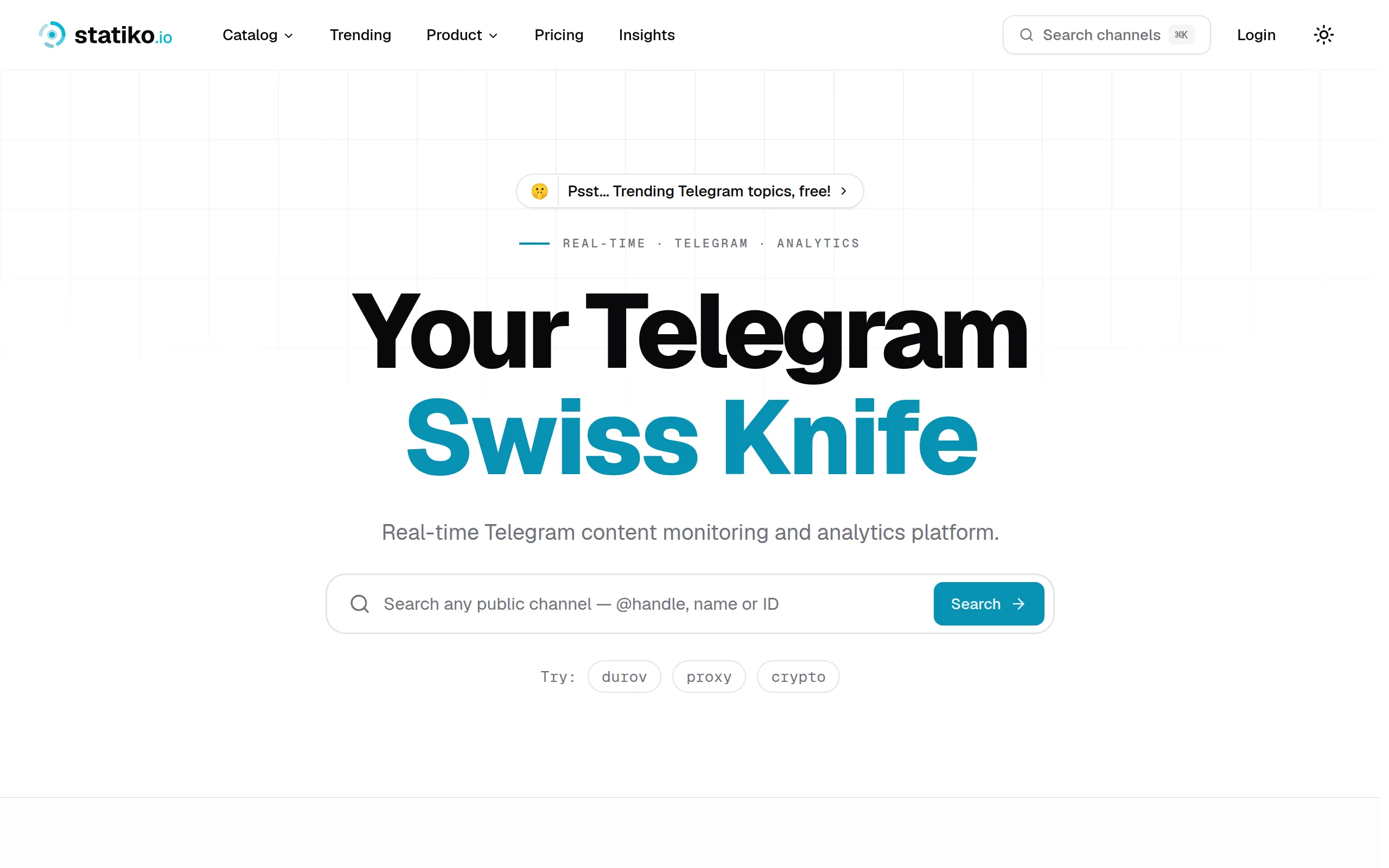
Statiko
Monitor any Telegram channel in real time - track posts, edits, deletions, and growth with AI recaps 📡
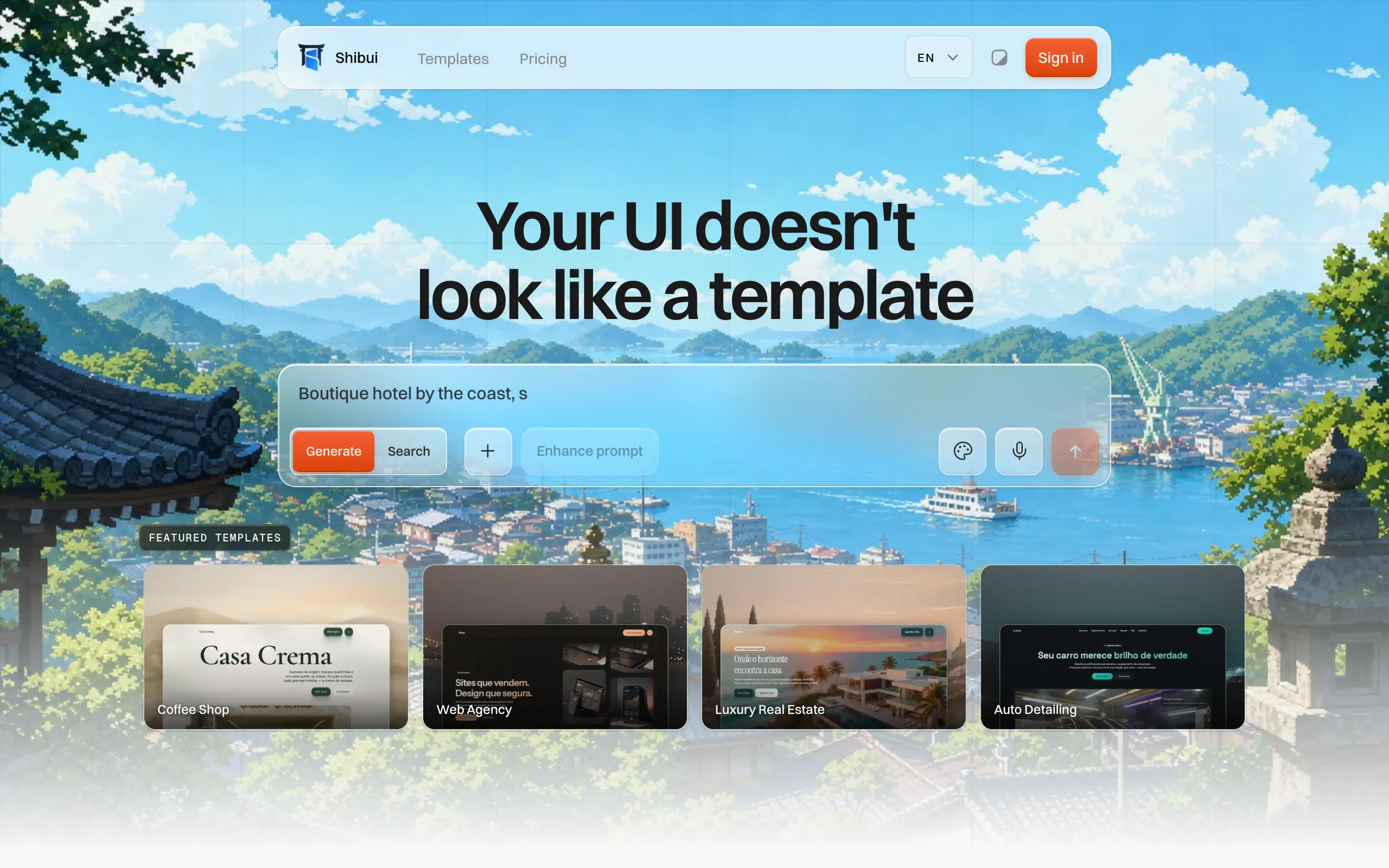
Shibui
AI website builder - describe your business, pick a niche template, edit by chatting, and publish instantly ✨
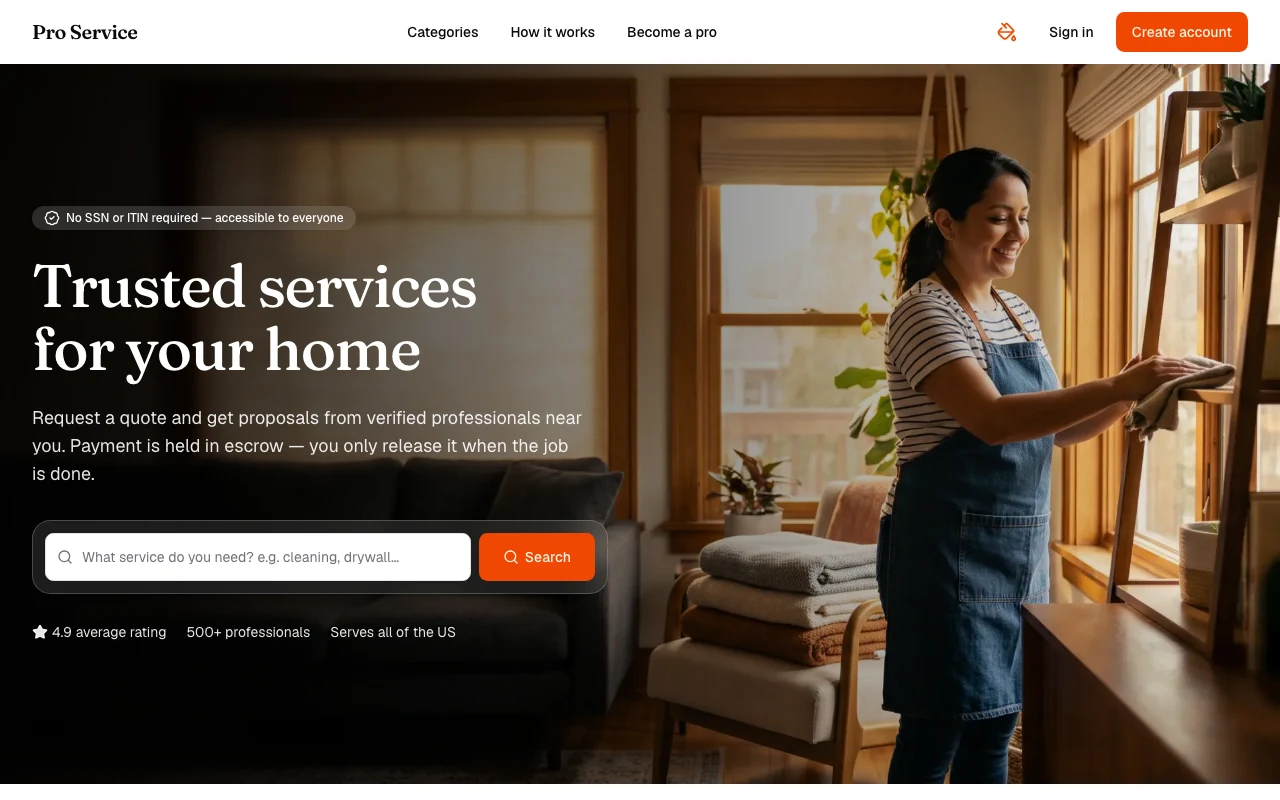
Pro Service
Find verified home service professionals, compare quotes, and pay securely through escrow - built for Brazilians across the US 🏠
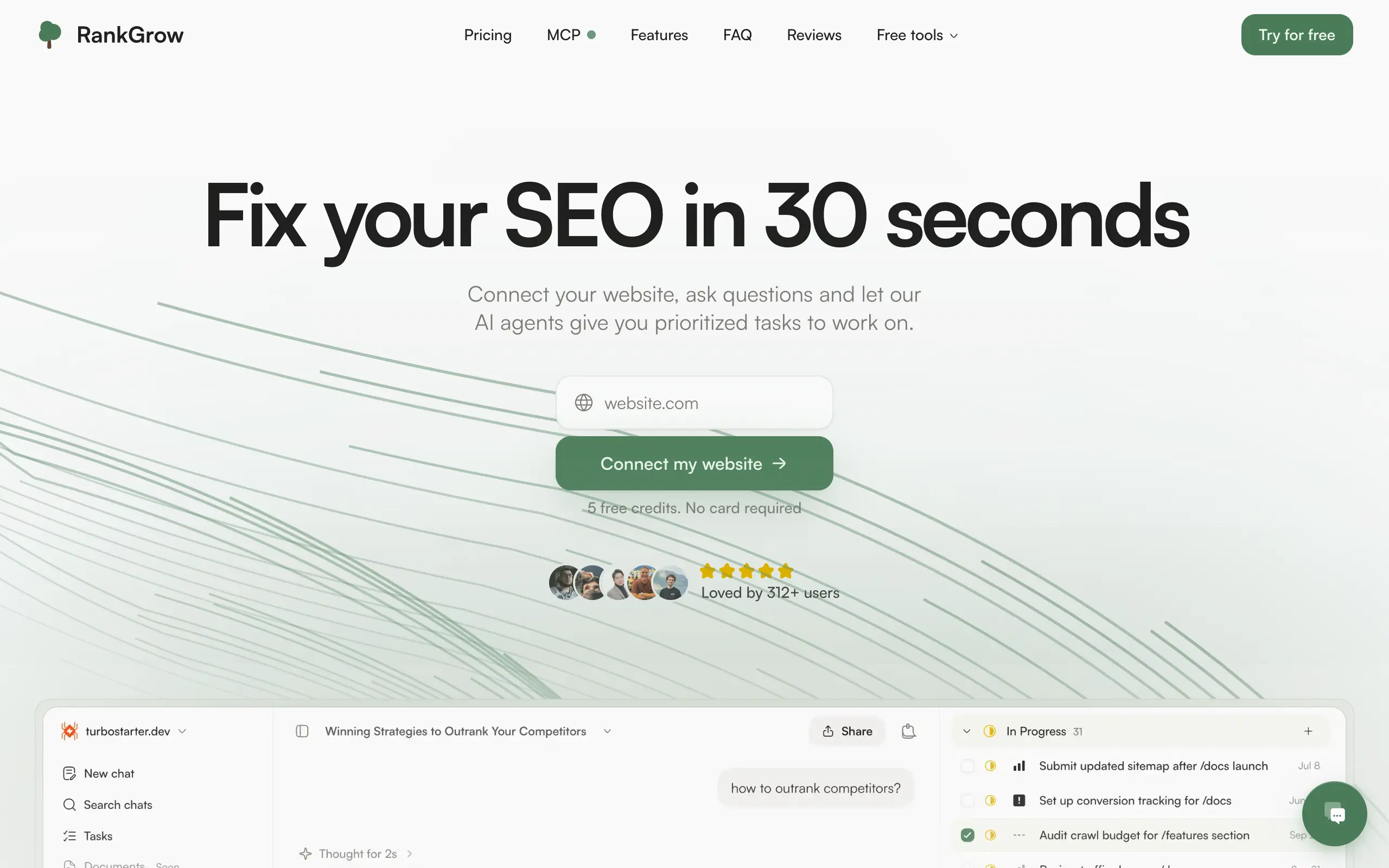
RankGrow
Fix your SEO with AI agents - connect Search Console, get prioritized tasks, and grow organic traffic 📈
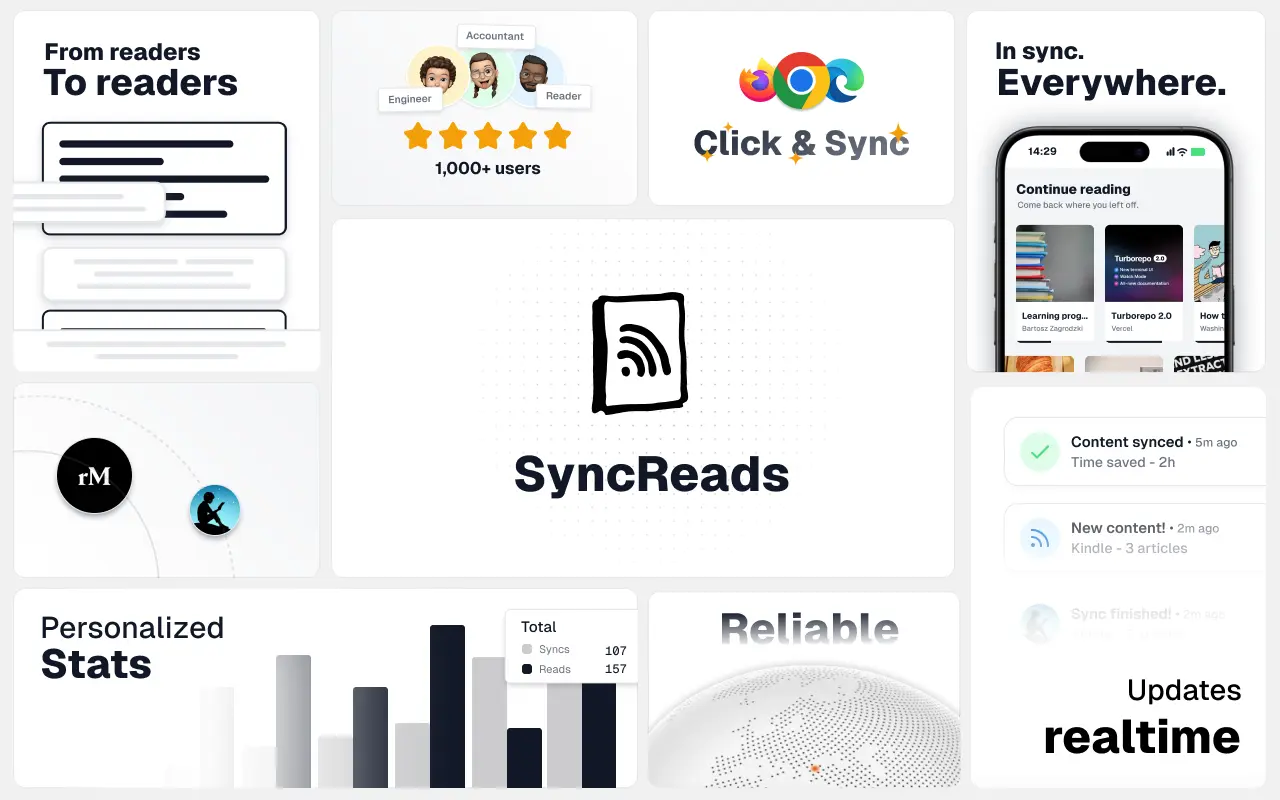
SyncReads
Sync your favorite content for distraction-free reading, save time and replace multiple apps. Anytime, anywhere 🔄
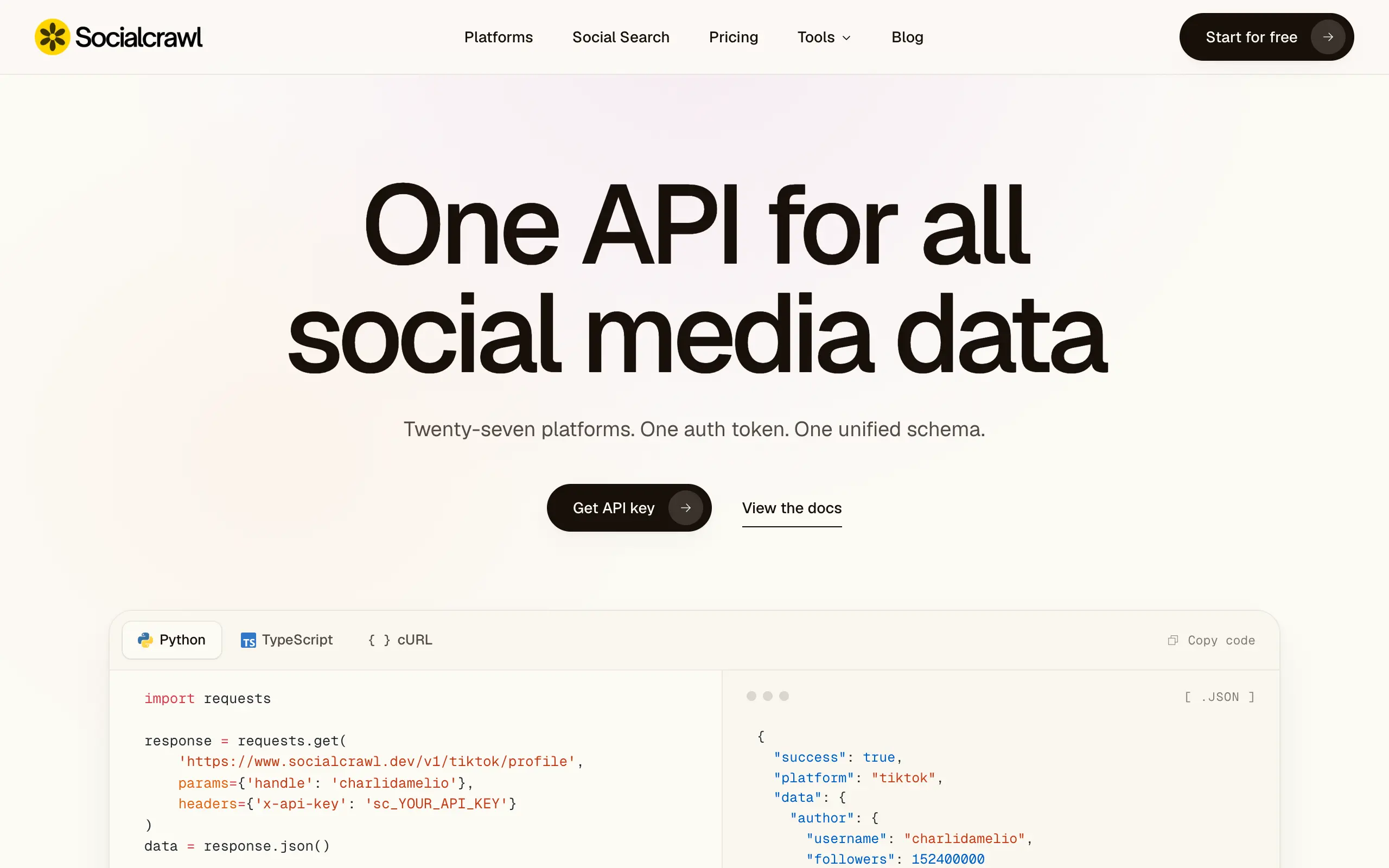
Socialcrawl
Get clean, structured data from 21 platforms like TikTok, Instagram, and YouTube with a single request 📊
Statiko
Monitor any Telegram channel in real time - track posts, edits, deletions, and growth with AI recaps 📡
Shibui
AI website builder - describe your business, pick a niche template, edit by chatting, and publish instantly ✨
Pro Service
Find verified home service professionals, compare quotes, and pay securely through escrow - built for Brazilians across the US 🏠
RankGrow
Fix your SEO with AI agents - connect Search Console, get prioritized tasks, and grow organic traffic 📈
SyncReads
Sync your favorite content for distraction-free reading, save time and replace multiple apps. Anytime, anywhere 🔄
Socialcrawl
Get clean, structured data from 21 platforms like TikTok, Instagram, and YouTube with a single request 📊
Statiko
Monitor any Telegram channel in real time - track posts, edits, deletions, and growth with AI recaps 📡
Shibui
AI website builder - describe your business, pick a niche template, edit by chatting, and publish instantly ✨
Pro Service
Find verified home service professionals, compare quotes, and pay securely through escrow - built for Brazilians across the US 🏠
RankGrow
Fix your SEO with AI agents - connect Search Console, get prioritized tasks, and grow organic traffic 📈
SyncReads
Sync your favorite content for distraction-free reading, save time and replace multiple apps. Anytime, anywhere 🔄
Socialcrawl
Get clean, structured data from 21 platforms like TikTok, Instagram, and YouTube with a single request 📊
Statiko
Monitor any Telegram channel in real time - track posts, edits, deletions, and growth with AI recaps 📡
Shibui
AI website builder - describe your business, pick a niche template, edit by chatting, and publish instantly ✨
Pro Service
Find verified home service professionals, compare quotes, and pay securely through escrow - built for Brazilians across the US 🏠
RankGrow
Fix your SEO with AI agents - connect Search Console, get prioritized tasks, and grow organic traffic 📈
SyncReads
Sync your favorite content for distraction-free reading, save time and replace multiple apps. Anytime, anywhere 🔄
Socialcrawl
Get clean, structured data from 21 platforms like TikTok, Instagram, and YouTube with a single request 📊
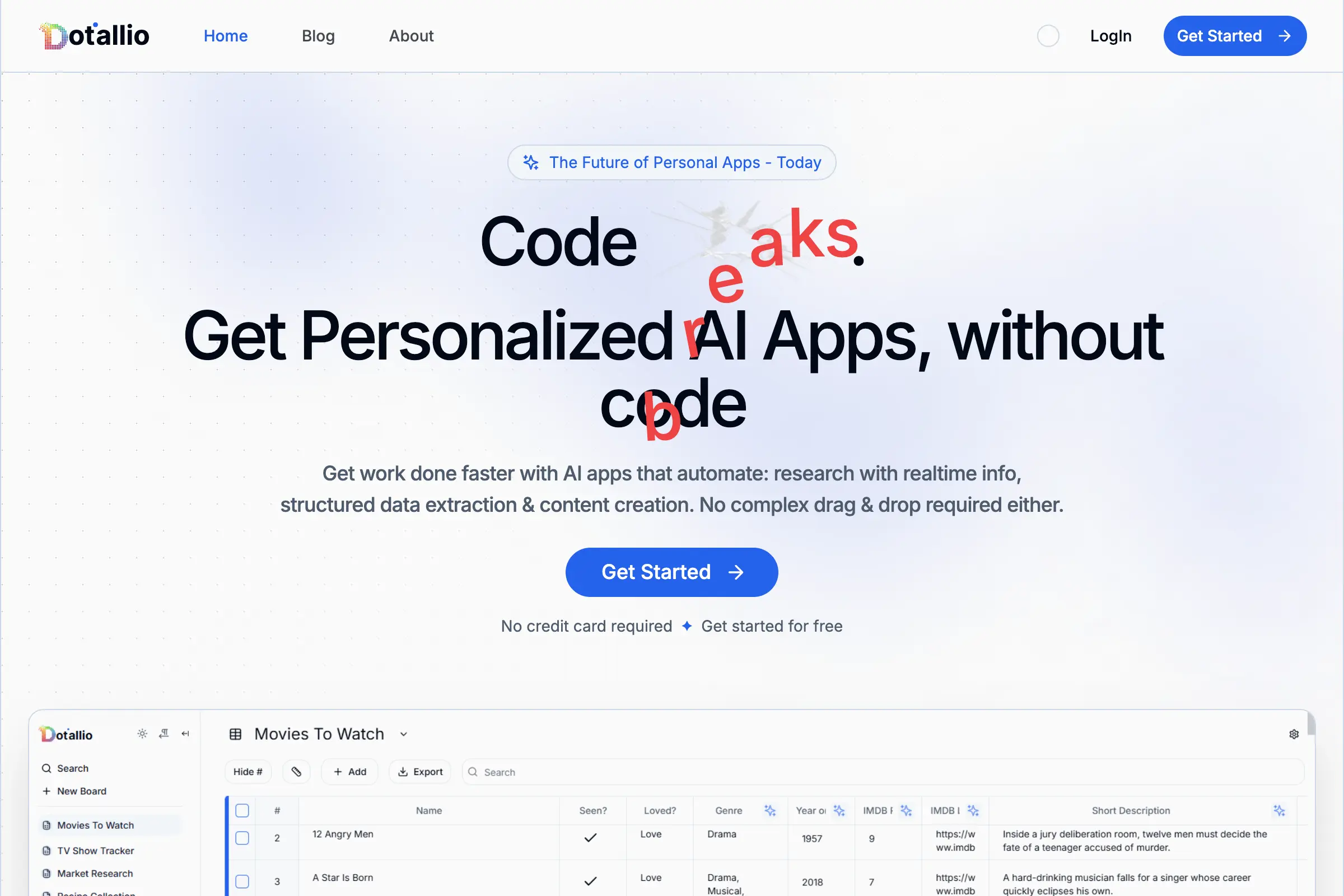
Dotallio
Personalized AI apps that automate research, data extraction, and content creation without code 🤖
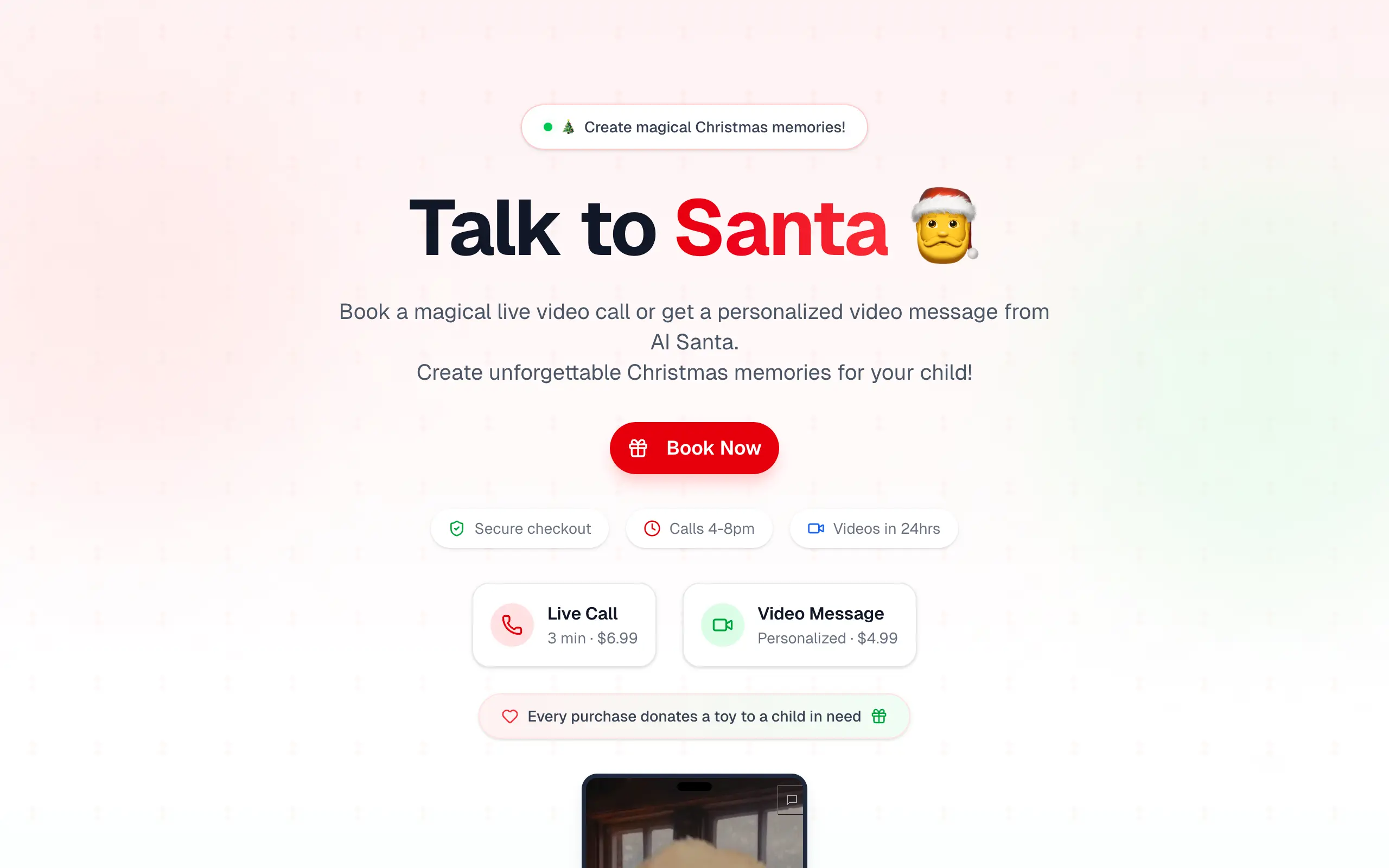
Talk to Santa
Enjoy a magical live video chat or receive a unique AI-generated video greeting from Santa Claus 🎅
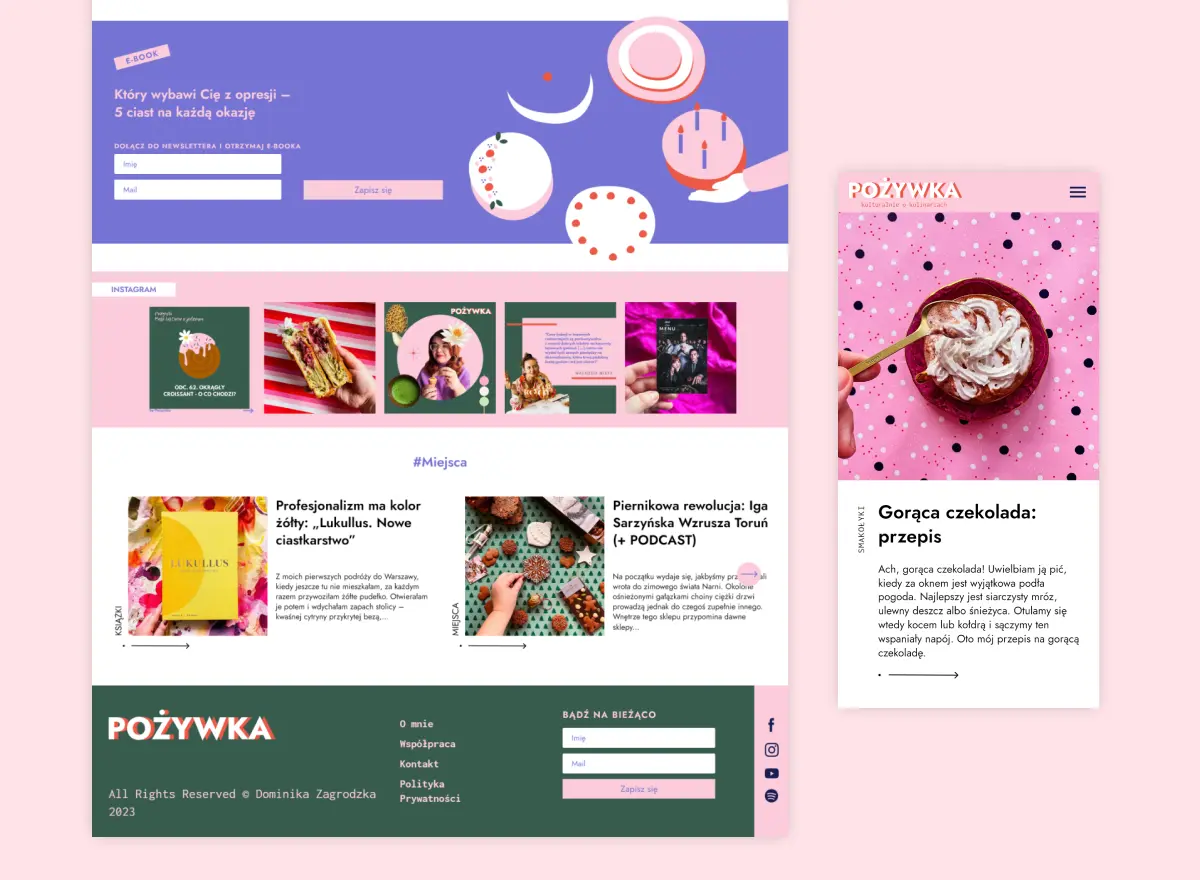
pozywka.pl
Scalable blog for food journalist, focused on performance and user experience 🌭
zagrodzki.me
Personal blog and portfolio of Bart Zagrodzki, where he shares his knowledge and work 💼
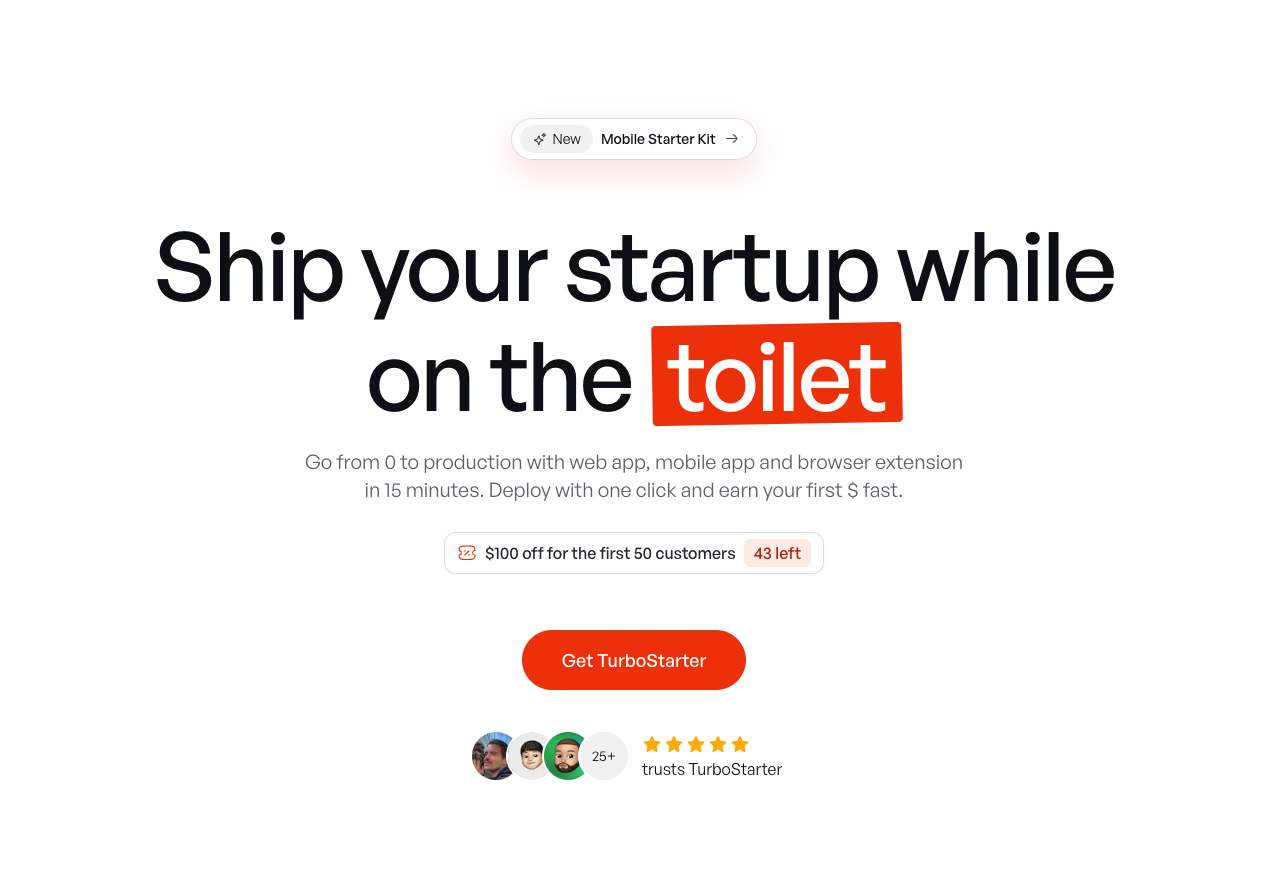
TurboStarter
Ship your startup everywhere. In minutes.
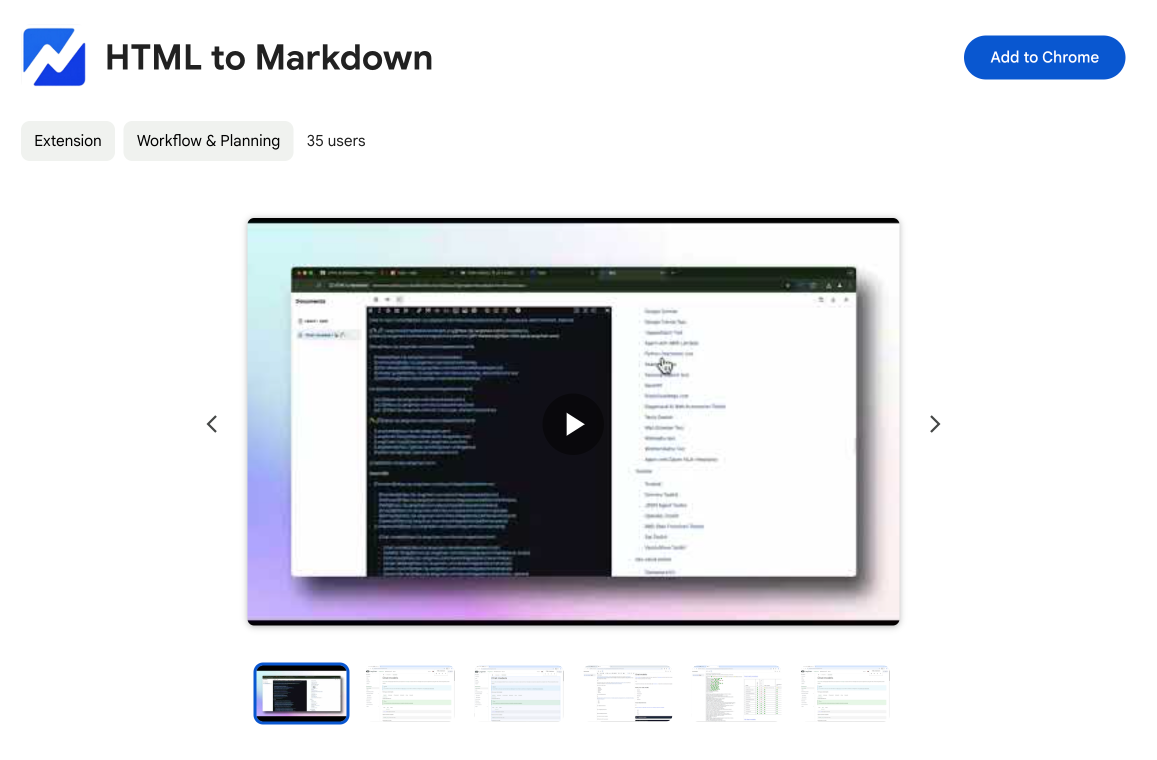
HTML to Markdown
Convert HTML to Markdown with ease, directly in your browser 📄
Dotallio
Personalized AI apps that automate research, data extraction, and content creation without code 🤖
Talk to Santa
Enjoy a magical live video chat or receive a unique AI-generated video greeting from Santa Claus 🎅
pozywka.pl
Scalable blog for food journalist, focused on performance and user experience 🌭
zagrodzki.me
Personal blog and portfolio of Bart Zagrodzki, where he shares his knowledge and work 💼
TurboStarter
Ship your startup everywhere. In minutes.
HTML to Markdown
Convert HTML to Markdown with ease, directly in your browser 📄
Dotallio
Personalized AI apps that automate research, data extraction, and content creation without code 🤖
Talk to Santa
Enjoy a magical live video chat or receive a unique AI-generated video greeting from Santa Claus 🎅
pozywka.pl
Scalable blog for food journalist, focused on performance and user experience 🌭
zagrodzki.me
Personal blog and portfolio of Bart Zagrodzki, where he shares his knowledge and work 💼
TurboStarter
Ship your startup everywhere. In minutes.
HTML to Markdown
Convert HTML to Markdown with ease, directly in your browser 📄
Dotallio
Personalized AI apps that automate research, data extraction, and content creation without code 🤖
Talk to Santa
Enjoy a magical live video chat or receive a unique AI-generated video greeting from Santa Claus 🎅
pozywka.pl
Scalable blog for food journalist, focused on performance and user experience 🌭
zagrodzki.me
Personal blog and portfolio of Bart Zagrodzki, where he shares his knowledge and work 💼
TurboStarter
Ship your startup everywhere. In minutes.
HTML to Markdown
Convert HTML to Markdown with ease, directly in your browser 📄
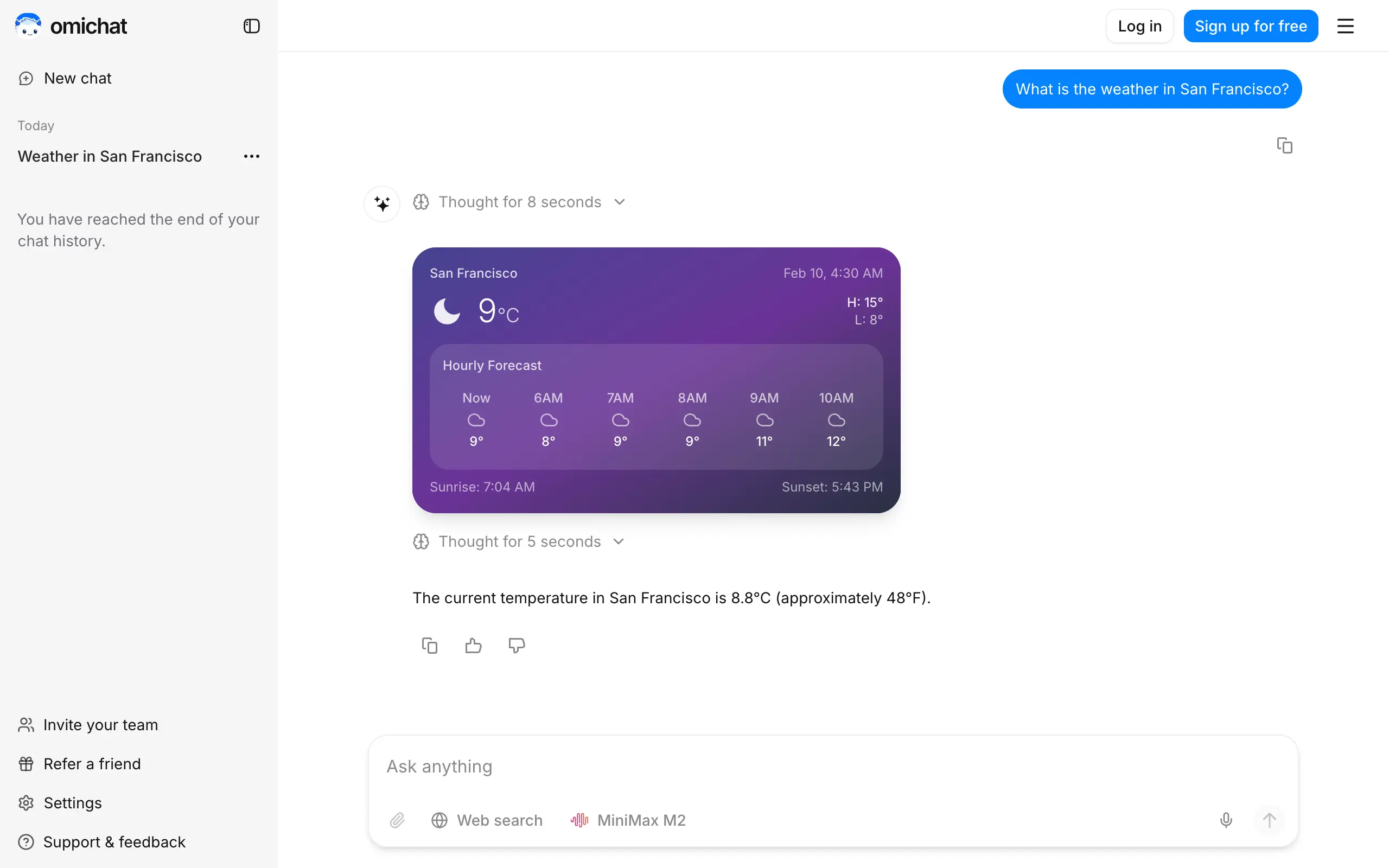
Omichat
Chat with 50+ AI models, including ChatGPT and Claude, in one place - switch models anytime without losing context 🤖
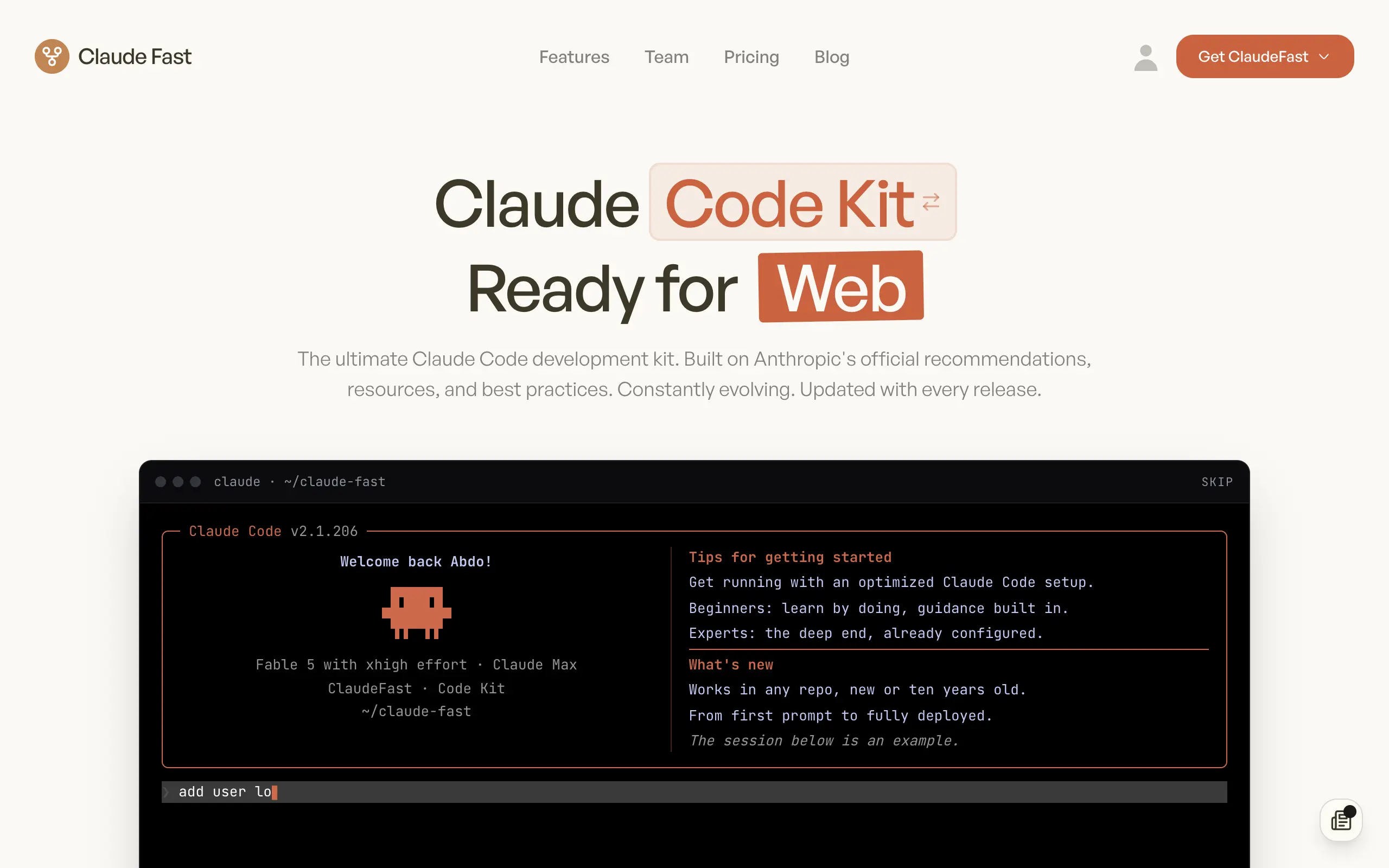
Claude Fast
Supercharge your Claude Code with 6x effective context window and specialized AI agents 🤖
EmojAI
AI-powered emoji picker with smart, context-aware suggestions 🤖
Solohacker
Autonomous company launcher - AI agents work 24/7, escalate what matters, and you stay in control 🤖
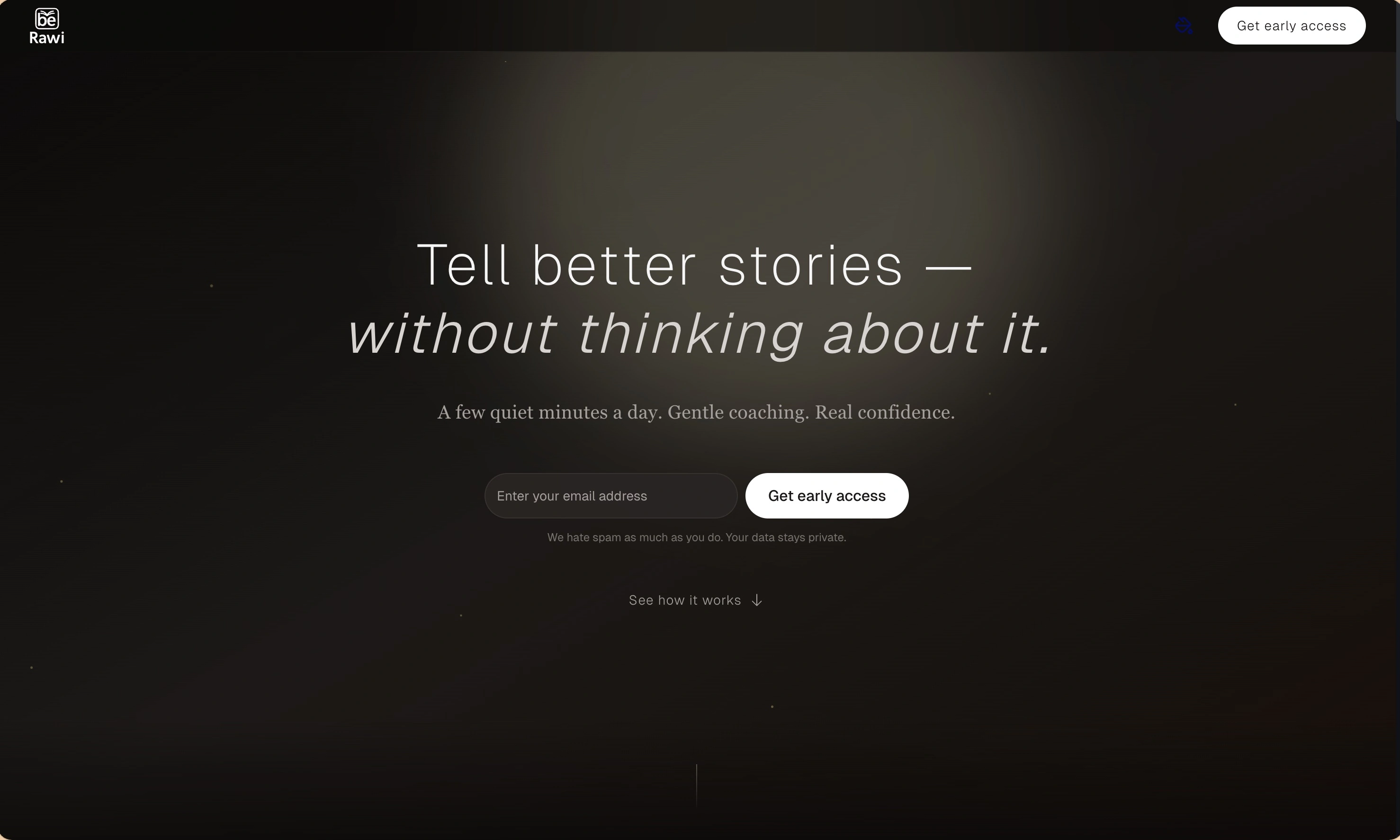
BeRawi: Storytelling Coach
Practice storytelling daily with instant feedback to sound clearer, more engaging, and confident 🎤
Omichat
Chat with 50+ AI models, including ChatGPT and Claude, in one place - switch models anytime without losing context 🤖
Claude Fast
Supercharge your Claude Code with 6x effective context window and specialized AI agents 🤖
EmojAI
AI-powered emoji picker with smart, context-aware suggestions 🤖
Solohacker
Autonomous company launcher - AI agents work 24/7, escalate what matters, and you stay in control 🤖
BeRawi: Storytelling Coach
Practice storytelling daily with instant feedback to sound clearer, more engaging, and confident 🎤
Omichat
Chat with 50+ AI models, including ChatGPT and Claude, in one place - switch models anytime without losing context 🤖
Claude Fast
Supercharge your Claude Code with 6x effective context window and specialized AI agents 🤖
EmojAI
AI-powered emoji picker with smart, context-aware suggestions 🤖
Solohacker
Autonomous company launcher - AI agents work 24/7, escalate what matters, and you stay in control 🤖
BeRawi: Storytelling Coach
Practice storytelling daily with instant feedback to sound clearer, more engaging, and confident 🎤
Omichat
Chat with 50+ AI models, including ChatGPT and Claude, in one place - switch models anytime without losing context 🤖
Claude Fast
Supercharge your Claude Code with 6x effective context window and specialized AI agents 🤖
EmojAI
AI-powered emoji picker with smart, context-aware suggestions 🤖
Solohacker
Autonomous company launcher - AI agents work 24/7, escalate what matters, and you stay in control 🤖
BeRawi: Storytelling Coach
Practice storytelling daily with instant feedback to sound clearer, more engaging, and confident 🎤

Connect with like-minded people
Join our community to get feedback, support, and grow together with 1,000+ builders on board, let's ship it!
Join usShip your startup everywhere. In minutes.
Don't burn tokens on setup and start building features on day one.