MelonChain Pro
A procurement and supply chain platform that helps large buyers source, track, and forecast watermelon demand with real-time farm data and contract automation.
The future of watermelon procurement and supply chain intelligence
Global food supply chains are under pressure. Climate volatility, fluctuating fuel costs, labor shortages, and shifting consumer demand are forcing large buyers to rethink how they source fresh produce. Among high-volume, perishable commodities, watermelon procurement presents unique challenges:
- Highly seasonal production
- Weather-sensitive yield
- Short shelf life
- Regional demand variability
- Fragmented grower base
This is where a specialized B2B SaaS platform like MelonChain Pro becomes transformational.
MelonChain Pro is a procurement and supply chain platform for large watermelon buyers that integrates real-time farm data, automated contract management, and AI-powered demand forecasting. Instead of relying on spreadsheets, phone calls, and fragmented ERP systems, procurement teams gain a centralized intelligence layer designed specifically for watermelon sourcing at scale.
This article provides a comprehensive breakdown of:
- Market opportunity and supply chain gaps
- Target customer segments
- Core features and technical architecture
- Monetization strategy
- Risk mitigation
- Competitive positioning
- Step-by-step implementation roadmap
If you're validating, building, or investing in a verticalized agri-procurement SaaS, this guide will give you the clarity you need.
Understanding the watermelon supply chain problem
Why watermelon procurement is uniquely complex
Watermelon is not just another produce SKU. It’s a high-volume, low-margin, logistics-sensitive crop with major forecasting complexity.
Key challenges include:
- Seasonal supply peaks: Domestic and imported production cycles overlap and shift.
- Weather volatility: Droughts, floods, and heatwaves dramatically impact yield.
- Regionalized demand: Retail demand spikes during holidays and summer events.
- Perishability: Poor forecasting leads to shrink and waste.
- Manual contracting: Many buyers still rely on static contracts and manual compliance tracking.
Despite these complexities, many large buyers still rely on:
- Email-based RFQs
- Excel forecasting models
- ERP systems not built for agricultural volatility
- Third-party brokers without data transparency
This creates a clear opportunity for a vertical-specific supply chain intelligence platform.
Market opportunity and gap analysis
The global produce procurement landscape
The fresh produce market is a multi-hundred-billion-dollar industry. According to FAO and USDA reporting (suggested citation: FAO statistical database), global watermelon production consistently ranks among the top fruit crops by volume.
Large buyers include:
- National grocery chains
- Big-box retailers
- Food service distributors
- Institutional procurement groups
- Juice and beverage manufacturers
Yet, procurement technology remains generic.
Most existing platforms focus on:
- General supply chain visibility
- ERP add-ons
- Broad agri-marketplace solutions
None focus deeply on watermelon-specific data intelligence and contract automation.
Identified gap
The opportunity lies in:
✅ Vertical specialization
✅ Real-time farm data integration
✅ Automated watermelon contract lifecycle management
✅ Predictive demand modeling for perishable commodities
MelonChain Pro bridges the gap between growers and large buyers with structured, standardized, and actionable procurement data.
Target audience analysis
Understanding buyer personas is critical for product-market fit and SEO alignment.
Primary target: enterprise procurement teams
Profile:
- VP of Procurement
- Supply Chain Director
- Category Manager (Produce)
Pain points:
- Inaccurate demand forecasts
- Overbuying or underbuying
- Limited visibility into farm-level production
- Time-consuming contract negotiations
- Compliance and quality tracking issues
Search intent examples:
- "watermelon demand forecasting software"
- "produce procurement platform"
- "real-time farm data for buyers"
- "automated produce contract management"
Secondary target: regional distributors
- Mid-sized wholesalers
- Aggregators sourcing from multiple growers
- Food service distributors
These buyers need visibility and automation but lack internal engineering resources.
Tertiary stakeholders: growers and cooperatives
While buyers are primary customers, growers benefit from:
- Transparent demand projections
- Predictable contract terms
- Faster payment processing
- Reduced broker dependency
Core features of MelonChain Pro
To rank competitively in search results and genuinely solve buyer pain, the feature set must be robust and purpose-built.
1. Real-time farm data integration
This is the foundation of the platform.
Data inputs may include:
- Acreage planted
- Expected harvest dates
- Yield projections
- Soil moisture and weather data
- Historical performance metrics
Integration options:
- API ingestion from farm management software
- IoT field sensors
- Satellite imagery providers
- Manual mobile reporting
Value: Procurement teams move from reactive buying to predictive sourcing.
2. AI-powered watermelon demand forecasting
Demand forecasting models use:
- Historical sales data
- Seasonal patterns
- Retail promotional calendars
- Weather projections
- Regional consumption trends
Machine learning models can incorporate time-series forecasting methods like:
- Prophet
- LSTM neural networks
- Gradient boosted models
Example pseudocode for forecasting service:
// Simplified demand forecasting endpoint
app.post("/forecast", async (req, res) => {
  const { historicalSales, weatherData, promotions } = req.body;

  const modelInput = preprocessData({
    historicalSales,
    weatherData,
    promotions
  });

  const prediction = await forecastModel.predict(modelInput);

  res.json({
    next30DaysForecast: prediction
  });
});
Outcome: Reduced shrink, improved fill rate, optimized purchase volumes.
3. Automated contract lifecycle management
Traditional watermelon contracts often involve:
- Volume commitments
- Quality thresholds
- Delivery windows
- Penalty clauses
MelonChain Pro introduces:
- Digital contract templates
- Clause automation
- Volume trigger alerts
- Price adjustment automation
- Digital signatures
Benefits:
- Faster negotiation cycles
- Compliance tracking
- Reduced legal overhead
- Transparent grower-buyer relationships
4. End-to-end shipment tracking
Supply chain visibility includes:
- Load status
- Cold chain compliance
- Estimated arrival times
- Deviation alerts
Integration with:
- Telematics providers
- Logistics APIs
- EDI systems
This reduces loss from spoilage and miscommunication.
5. Analytics dashboard and performance scoring
Procurement teams gain:
- Grower performance ratings
- On-time delivery metrics
- Yield variance analytics
- Cost per region comparison
- Forecast accuracy metrics
The platform becomes not just operational—but strategic.
How MelonChain Pro compares to alternatives
Using a simplified comparison model:
| Feature | Generic ERP | Broker Network | Ag Marketplace | MelonChain Pro |
|---|---|---|---|---|
| Watermelon-specific forecasting | ❌ | ❌ | ❌ | ✅ |
| Real-time farm data integration | ❌ | ❌ | ✅ | ✅ |
| Automated contract management | ⚠️ Limited | ❌ | ⚠️ Basic | ✅ |
| Integrated shipment tracking | ⚠️ Add-on | ❌ | ✅ | ✅ |
Competitive edge: Deep vertical specialization + integrated data intelligence.
Recommended technology stack
For a scalable B2B SaaS like MelonChain Pro, architecture must support:
- Large data ingestion
- Secure enterprise integrations
- Predictive modeling
- High reliability
Frontend
- React for component-driven UI
- Next.js for SSR and SEO
- TailwindCSS for scalable design system
Backend
- Node.js or Python (FastAPI)
- GraphQL or REST APIs
- PostgreSQL for structured procurement data
- Time-series DB (e.g., TimescaleDB) for yield and weather data
AI & Forecasting
- Python ML services
- PyTorch or TensorFlow
- Batch + real-time inference pipelines
Infrastructure
- AWS or GCP
- S3 for document storage
- Kubernetes for scaling
- SOC 2 compliance roadmap
Trade-offs:
- Python excels in ML but may require separate service orchestration.
- Node offers faster product iteration for SaaS workflows.
- Monolith vs microservices depends on early team size.
Monetization strategy
MelonChain Pro operates in B2B procurement SaaS — which supports premium pricing.
1. Tiered subscription model
- Enterprise Tier – Full AI forecasting + unlimited contracts
- Growth Tier – Limited volume + basic analytics
- Distributor Tier – Mid-level integration access
Pricing structure example:
- $2,500 – $10,000/month depending on procurement volume
2. Transaction-based fee
Optional:
- 0.1%–0.5% of managed contract value
- Performance-based pricing (e.g., savings share)
3. Data intelligence add-ons
- Regional demand insights
- Climate risk forecasting
- Benchmark reports
Recurring analytics subscriptions increase LTV significantly.
Risk analysis and mitigation
1. Data accuracy risk
If farm-level data is inaccurate, forecasting degrades.
Mitigation:
- Validation pipelines
- IoT integration
- Performance-based grower scoring
2. Enterprise adoption friction
Procurement teams are resistant to change.
Mitigation:
- ERP integrations
- White-glove onboarding
- Data migration support
3. Climate unpredictability
AI models can struggle with black swan weather events.
Mitigation:
- Hybrid models (statistical + ML)
- Real-time weather API ingestion
- Scenario planning dashboards
Unique selling proposition (USP)
MelonChain Pro stands out because it is:
- Vertically specialized for watermelon procurement
- Designed specifically for large buyers
- Combining forecasting + contract automation + farm intelligence
- Not a marketplace, not just ERP — but a purpose-built intelligence layer
This vertical-first approach creates defensibility.
Implementation roadmap
If building MelonChain Pro from scratch:
MVP scope recommendation
Focus on:
- Forecasting dashboard
- Digital contracts
- Basic shipment tracking
Avoid building full IoT stack initially.
Go-to-market strategy
Phase 1: Direct enterprise sales
- Target top 50 regional produce buyers
- Offer pilot ROI demonstration
- Provide savings case study
Phase 2: Industry partnerships
- Agricultural associations
- Farm cooperatives
- Produce expos
Phase 3: Content authority strategy
Create high-value content around:
- Watermelon demand forecasting
- Produce shrink reduction
- AI in agriculture procurement
Position the platform as thought leader.
Future expansion opportunities
Once established in watermelon procurement, the model can extend to:
- Cantaloupe
- Berries
- Citrus
- Tomatoes
This creates a multi-crop supply chain intelligence suite.
However, watermelon should remain the wedge market for initial dominance.
Why vertical SaaS wins in agriculture
Horizontal software struggles because:
- Commodities behave differently
- Regional patterns vary dramatically
- Procurement workflows are specialized
Vertical SaaS builds:
- Domain expertise
- Data moat
- Switching costs
- Brand authority
MelonChain Pro is positioned as a category creator in watermelon supply chain software.
Building faster with modern SaaS foundations
Launching a B2B SaaS like MelonChain Pro requires:
- Auth system
- Billing
- Admin dashboards
- Multi-tenant architecture
- Secure APIs
Using a structured foundation like TurboStarter can dramatically reduce time to MVP by providing:
- Production-ready Next.js setup
- Authentication
- Stripe integration
- Scalable architecture
This allows founders to focus on forecasting models and procurement workflows — not boilerplate infrastructure.
Actionable next steps
If you are serious about launching MelonChain Pro:
- Conduct 20 buyer interviews.
- Validate forecast accuracy improvement potential.
- Design vertical-specific UX flows.
- Secure 1–2 pilot growers.
- Develop AI forecasting prototype.
- Launch controlled pilot in one region.
- Measure ROI: shrink reduction, cost variance, contract compliance.
Procurement software succeeds when it clearly ties to bottom-line savings.
Final thoughts
The global food supply chain is moving toward data-driven, vertically specialized intelligence systems.
Watermelon procurement may seem niche — but it represents a high-volume, high-friction opportunity ripe for innovation.
MelonChain Pro has the potential to become:
- The operating system for watermelon buyers
- The forecasting engine for perishable demand
- The contract automation layer for agricultural sourcing
In a world where climate volatility and supply unpredictability are increasing, platforms that combine real-time farm data, predictive demand modeling, and automated procurement workflows will define the next generation of agricultural SaaS.
The question is not whether produce supply chains will digitize.
It’s who will lead that transformation.
More 🏢 B2B Application SaaS ideas
Discover more innovative b2b application SaaS ideas that are trending in 2026. Each idea is AI-generated with market validation and growth potential to help you find your next profitable venture faster than competitors.
Your competitors are building with TurboStarter
Below are some of the SaaS ideas that have been generated and built with our starter kit.

Statiko
Monitor any Telegram channel in real time - track posts, edits, deletions, and growth with AI recaps 📡

Shibui
AI website builder - describe your business, pick a niche template, edit by chatting, and publish instantly ✨

Pro Service
Find verified home service professionals, compare quotes, and pay securely through escrow - built for Brazilians across the US 🏠
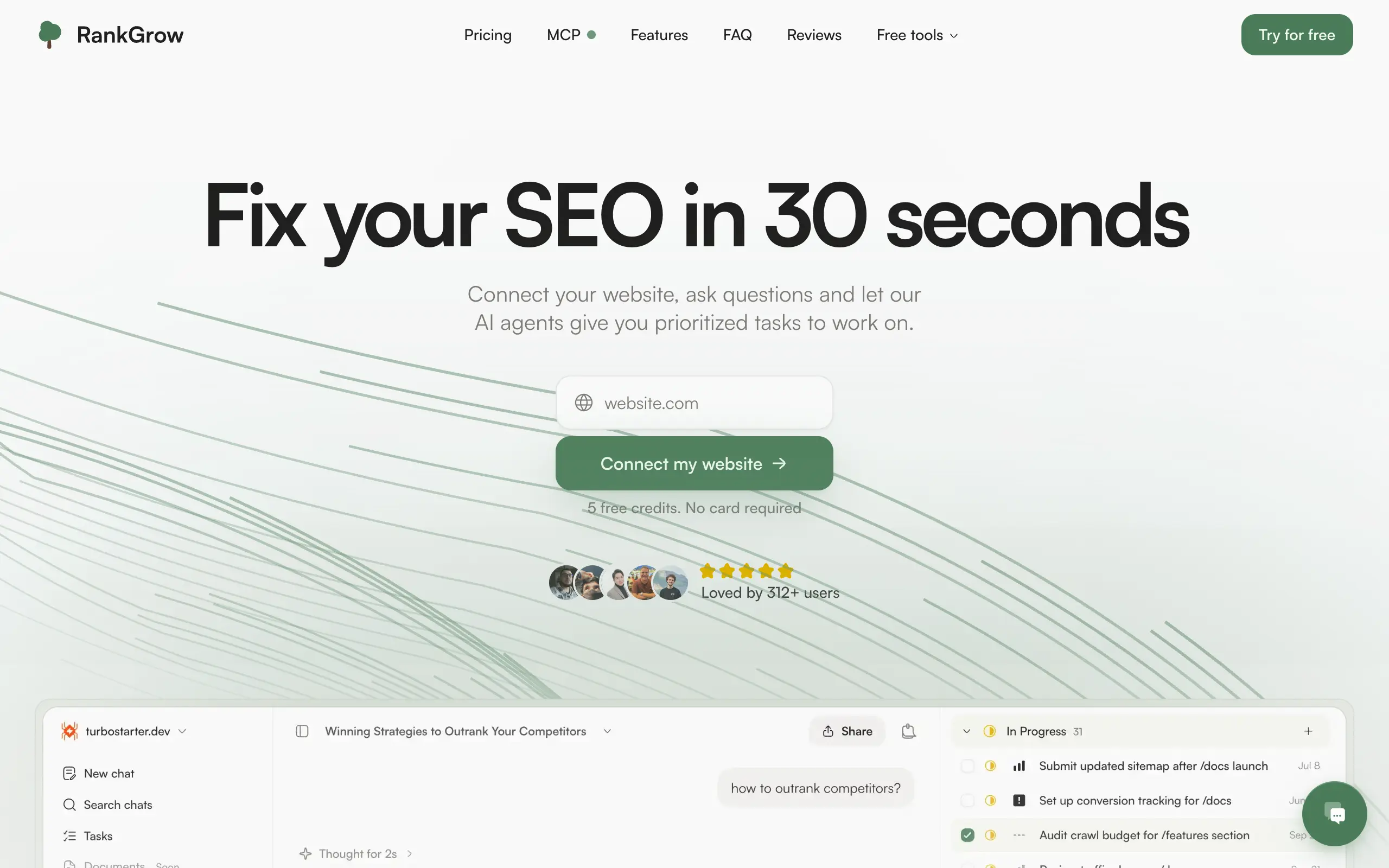
RankGrow
Fix your SEO with AI agents - connect Search Console, get prioritized tasks, and grow organic traffic 📈
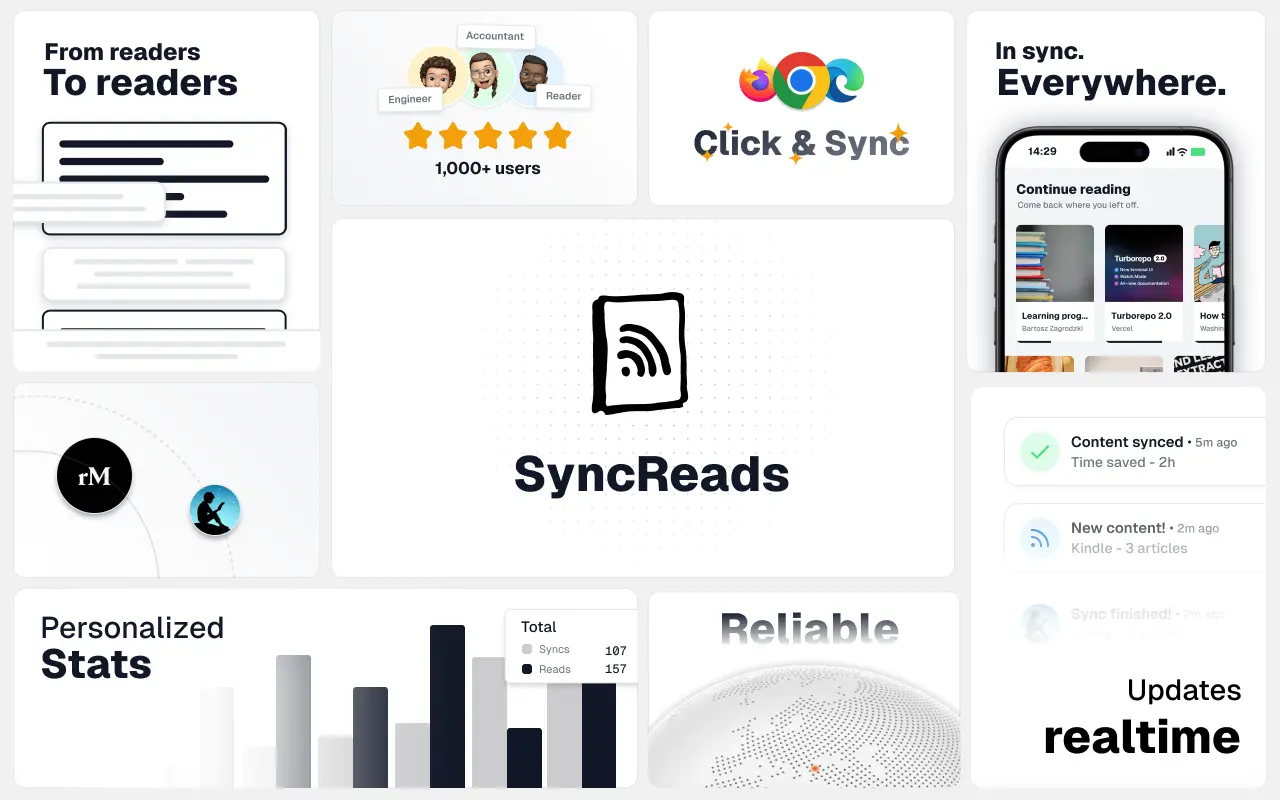
SyncReads
Sync your favorite content for distraction-free reading, save time and replace multiple apps. Anytime, anywhere 🔄
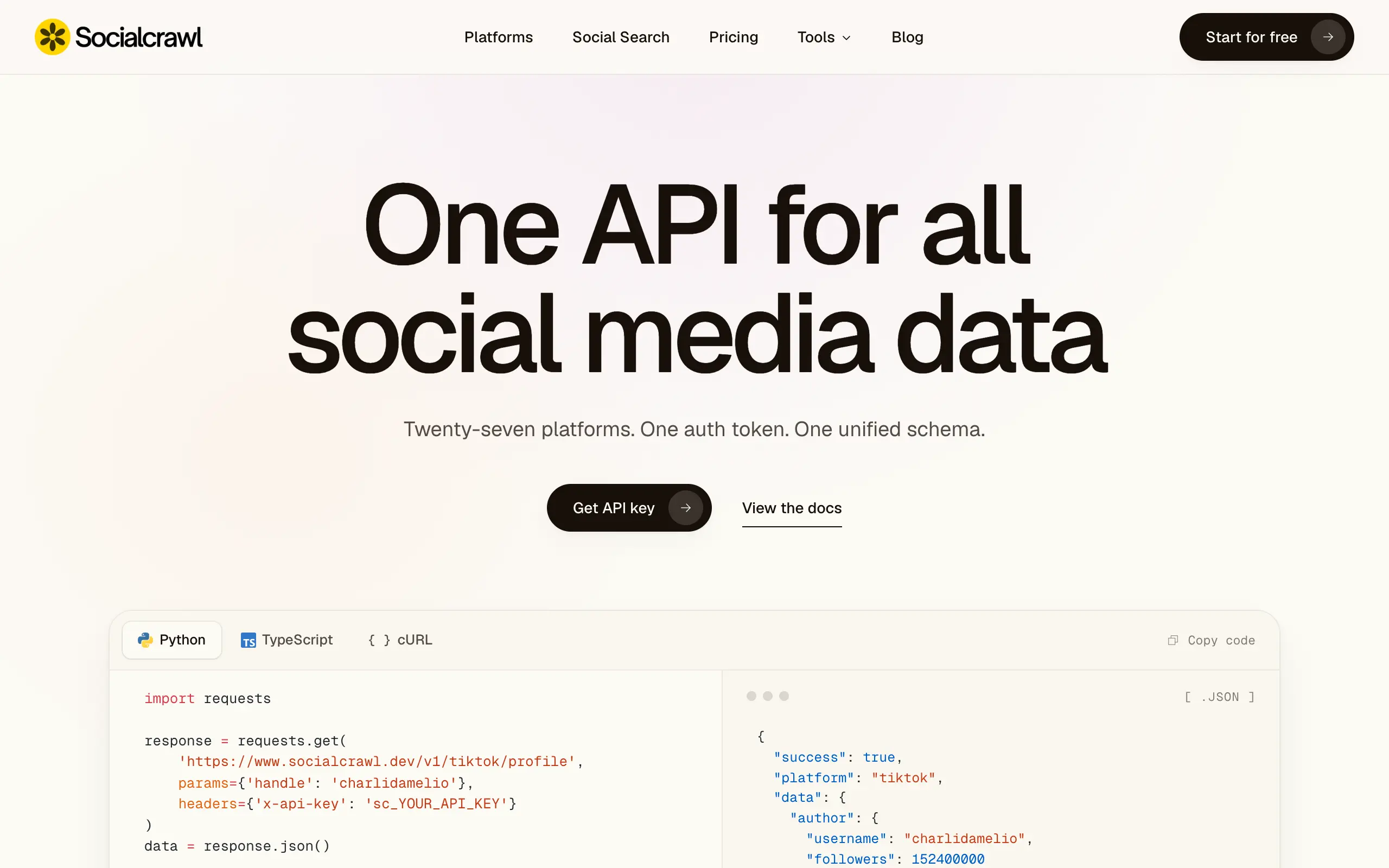
Socialcrawl
Get clean, structured data from 21 platforms like TikTok, Instagram, and YouTube with a single request 📊
Statiko
Monitor any Telegram channel in real time - track posts, edits, deletions, and growth with AI recaps 📡
Shibui
AI website builder - describe your business, pick a niche template, edit by chatting, and publish instantly ✨
Pro Service
Find verified home service professionals, compare quotes, and pay securely through escrow - built for Brazilians across the US 🏠
RankGrow
Fix your SEO with AI agents - connect Search Console, get prioritized tasks, and grow organic traffic 📈
SyncReads
Sync your favorite content for distraction-free reading, save time and replace multiple apps. Anytime, anywhere 🔄
Socialcrawl
Get clean, structured data from 21 platforms like TikTok, Instagram, and YouTube with a single request 📊
Statiko
Monitor any Telegram channel in real time - track posts, edits, deletions, and growth with AI recaps 📡
Shibui
AI website builder - describe your business, pick a niche template, edit by chatting, and publish instantly ✨
Pro Service
Find verified home service professionals, compare quotes, and pay securely through escrow - built for Brazilians across the US 🏠
RankGrow
Fix your SEO with AI agents - connect Search Console, get prioritized tasks, and grow organic traffic 📈
SyncReads
Sync your favorite content for distraction-free reading, save time and replace multiple apps. Anytime, anywhere 🔄
Socialcrawl
Get clean, structured data from 21 platforms like TikTok, Instagram, and YouTube with a single request 📊
Statiko
Monitor any Telegram channel in real time - track posts, edits, deletions, and growth with AI recaps 📡
Shibui
AI website builder - describe your business, pick a niche template, edit by chatting, and publish instantly ✨
Pro Service
Find verified home service professionals, compare quotes, and pay securely through escrow - built for Brazilians across the US 🏠
RankGrow
Fix your SEO with AI agents - connect Search Console, get prioritized tasks, and grow organic traffic 📈
SyncReads
Sync your favorite content for distraction-free reading, save time and replace multiple apps. Anytime, anywhere 🔄
Socialcrawl
Get clean, structured data from 21 platforms like TikTok, Instagram, and YouTube with a single request 📊
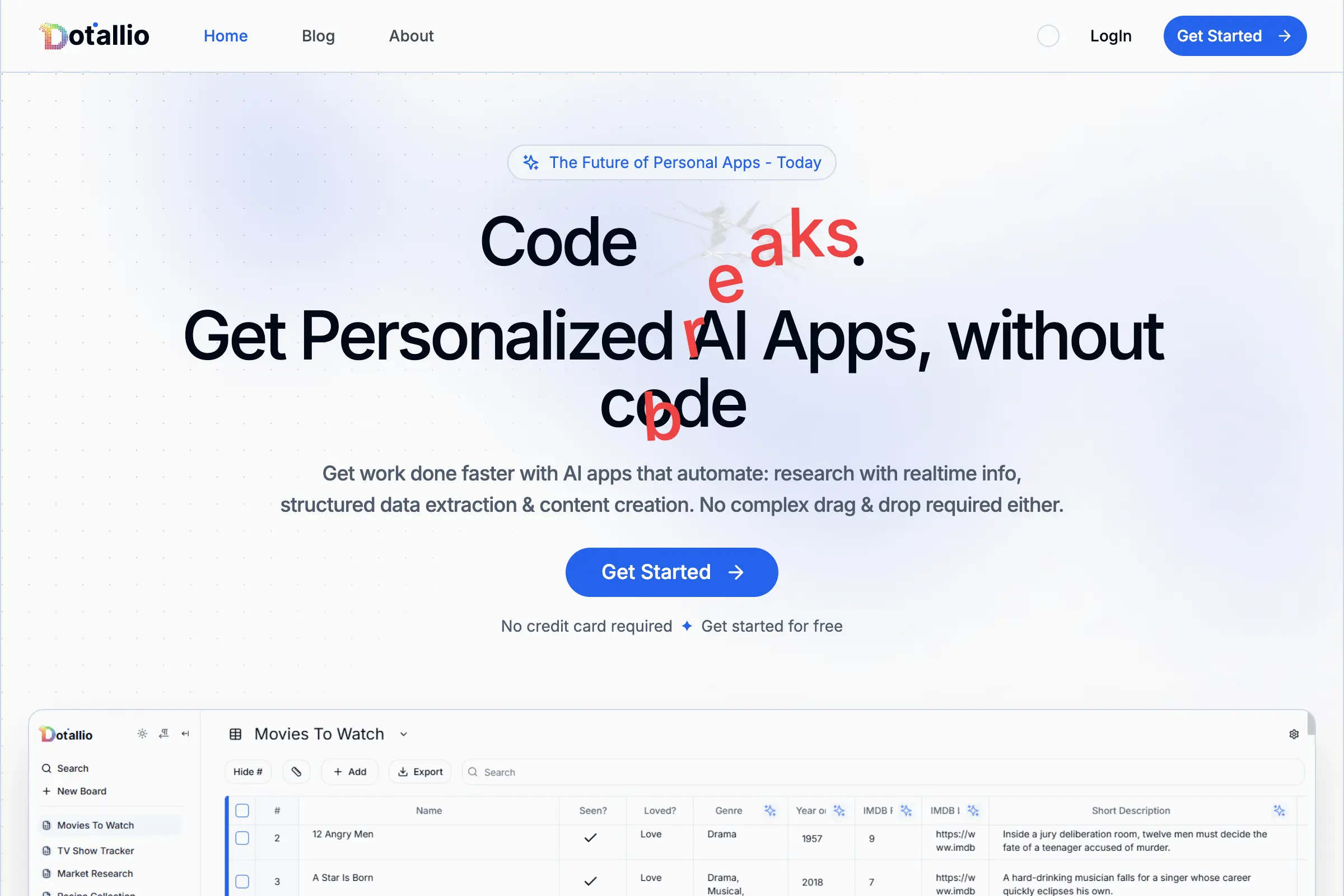
Dotallio
Personalized AI apps that automate research, data extraction, and content creation without code 🤖

Talk to Santa
Enjoy a magical live video chat or receive a unique AI-generated video greeting from Santa Claus 🎅

pozywka.pl
Scalable blog for food journalist, focused on performance and user experience 🌭
zagrodzki.me
Personal blog and portfolio of Bart Zagrodzki, where he shares his knowledge and work 💼
TurboStarter
Ship your startup everywhere. In minutes.
HTML to Markdown
Convert HTML to Markdown with ease, directly in your browser 📄
Dotallio
Personalized AI apps that automate research, data extraction, and content creation without code 🤖
Talk to Santa
Enjoy a magical live video chat or receive a unique AI-generated video greeting from Santa Claus 🎅
pozywka.pl
Scalable blog for food journalist, focused on performance and user experience 🌭
zagrodzki.me
Personal blog and portfolio of Bart Zagrodzki, where he shares his knowledge and work 💼
TurboStarter
Ship your startup everywhere. In minutes.
HTML to Markdown
Convert HTML to Markdown with ease, directly in your browser 📄
Dotallio
Personalized AI apps that automate research, data extraction, and content creation without code 🤖
Talk to Santa
Enjoy a magical live video chat or receive a unique AI-generated video greeting from Santa Claus 🎅
pozywka.pl
Scalable blog for food journalist, focused on performance and user experience 🌭
zagrodzki.me
Personal blog and portfolio of Bart Zagrodzki, where he shares his knowledge and work 💼
TurboStarter
Ship your startup everywhere. In minutes.
HTML to Markdown
Convert HTML to Markdown with ease, directly in your browser 📄
Dotallio
Personalized AI apps that automate research, data extraction, and content creation without code 🤖
Talk to Santa
Enjoy a magical live video chat or receive a unique AI-generated video greeting from Santa Claus 🎅
pozywka.pl
Scalable blog for food journalist, focused on performance and user experience 🌭
zagrodzki.me
Personal blog and portfolio of Bart Zagrodzki, where he shares his knowledge and work 💼
TurboStarter
Ship your startup everywhere. In minutes.
HTML to Markdown
Convert HTML to Markdown with ease, directly in your browser 📄
Omichat
Chat with 50+ AI models, including ChatGPT and Claude, in one place - switch models anytime without losing context 🤖
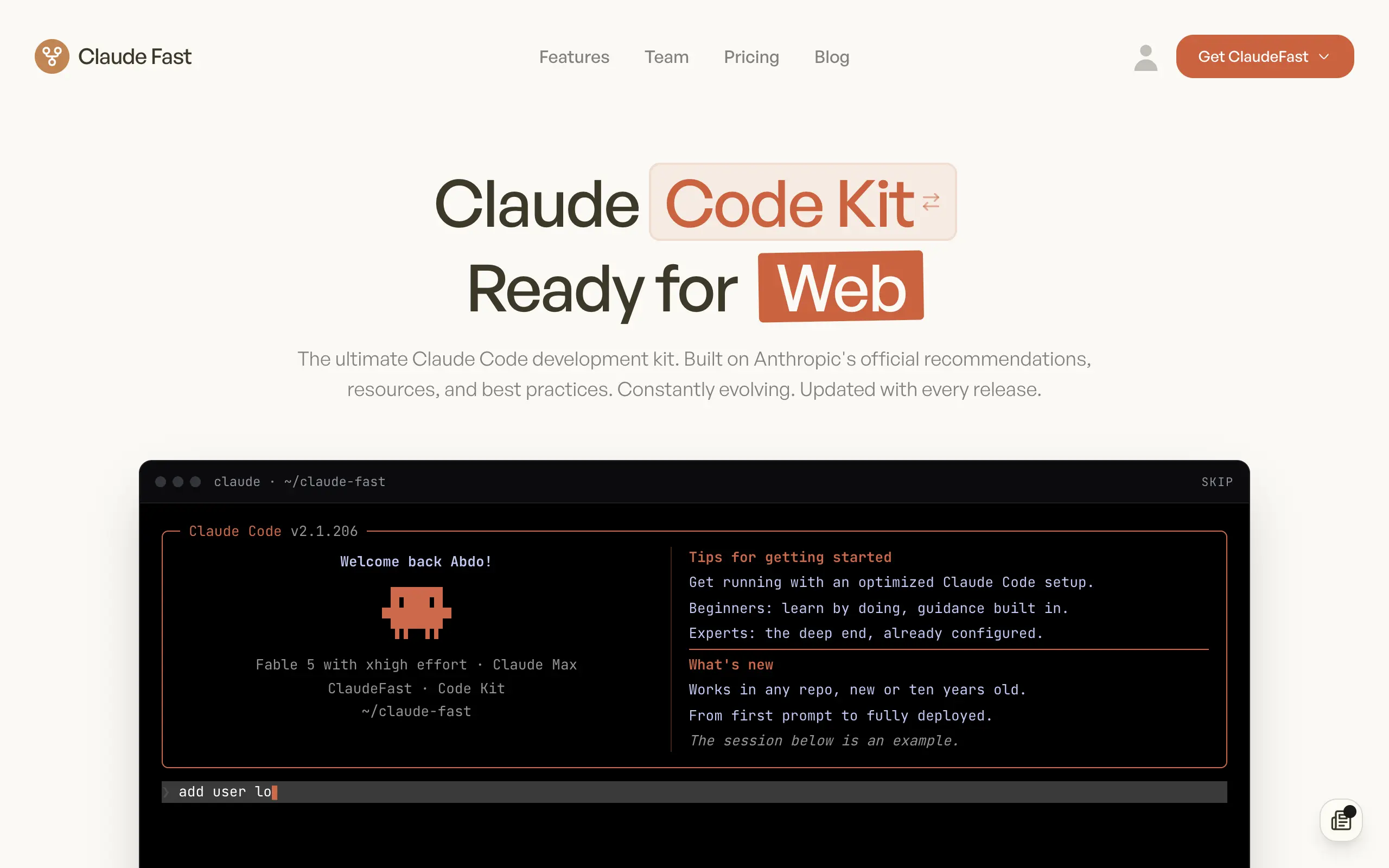
Claude Fast
Supercharge your Claude Code with 6x effective context window and specialized AI agents 🤖
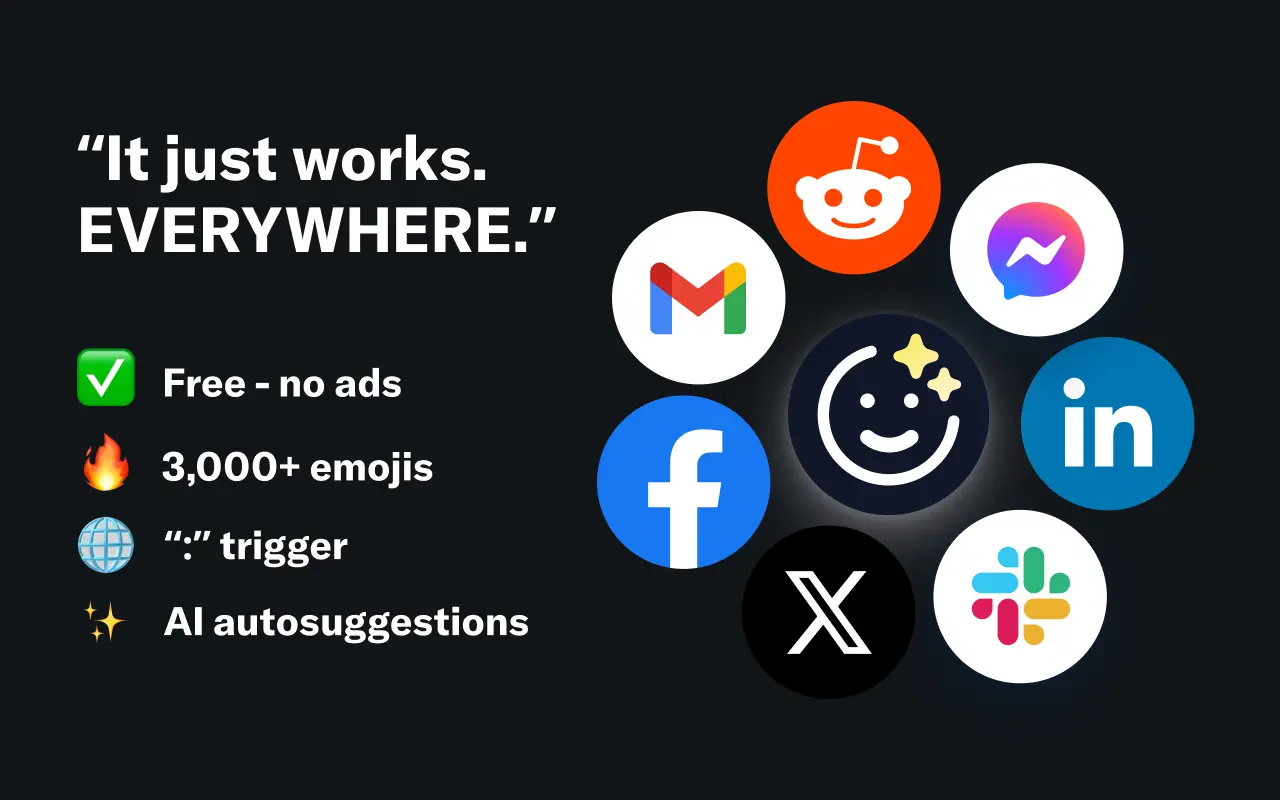
EmojAI
AI-powered emoji picker with smart, context-aware suggestions 🤖
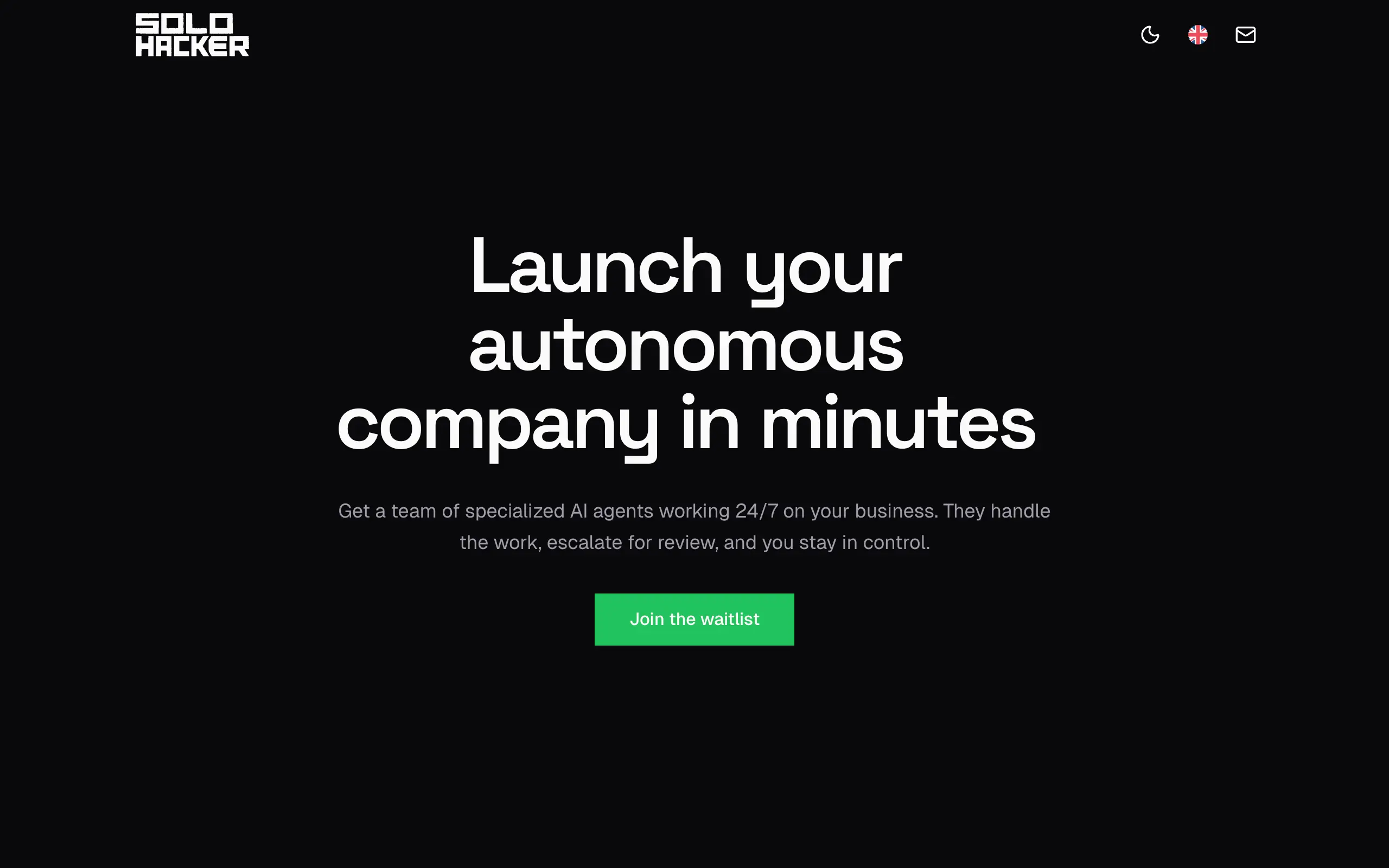
Solohacker
Autonomous company launcher - AI agents work 24/7, escalate what matters, and you stay in control 🤖
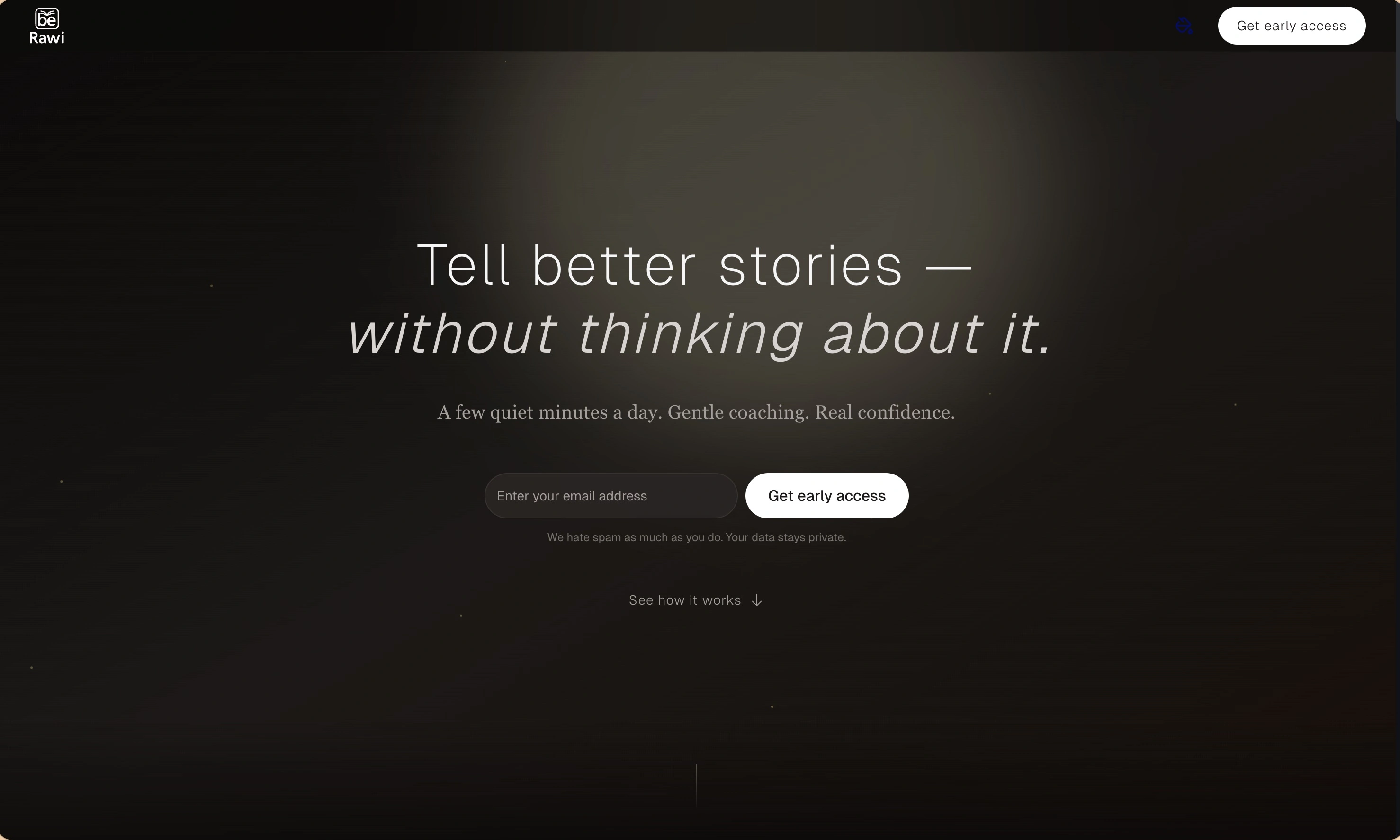
BeRawi: Storytelling Coach
Practice storytelling daily with instant feedback to sound clearer, more engaging, and confident 🎤
Omichat
Chat with 50+ AI models, including ChatGPT and Claude, in one place - switch models anytime without losing context 🤖
Claude Fast
Supercharge your Claude Code with 6x effective context window and specialized AI agents 🤖
EmojAI
AI-powered emoji picker with smart, context-aware suggestions 🤖
Solohacker
Autonomous company launcher - AI agents work 24/7, escalate what matters, and you stay in control 🤖
BeRawi: Storytelling Coach
Practice storytelling daily with instant feedback to sound clearer, more engaging, and confident 🎤
Omichat
Chat with 50+ AI models, including ChatGPT and Claude, in one place - switch models anytime without losing context 🤖
Claude Fast
Supercharge your Claude Code with 6x effective context window and specialized AI agents 🤖
EmojAI
AI-powered emoji picker with smart, context-aware suggestions 🤖
Solohacker
Autonomous company launcher - AI agents work 24/7, escalate what matters, and you stay in control 🤖
BeRawi: Storytelling Coach
Practice storytelling daily with instant feedback to sound clearer, more engaging, and confident 🎤
Omichat
Chat with 50+ AI models, including ChatGPT and Claude, in one place - switch models anytime without losing context 🤖
Claude Fast
Supercharge your Claude Code with 6x effective context window and specialized AI agents 🤖
EmojAI
AI-powered emoji picker with smart, context-aware suggestions 🤖
Solohacker
Autonomous company launcher - AI agents work 24/7, escalate what matters, and you stay in control 🤖
BeRawi: Storytelling Coach
Practice storytelling daily with instant feedback to sound clearer, more engaging, and confident 🎤

Connect with like-minded people
Join our community to get feedback, support, and grow together with 1,000+ builders on board, let's ship it!
Join usShip your startup everywhere. In minutes.
Don't burn tokens on setup and start building features on day one.