MindfulManager
A comprehensive mental health platform designed for large corporations, offering personalized wellness plans, real-time stress monitoring, and AI-driven mental health insights for employees. It integrates seamlessly with existing HR systems to provide actionable data and support.
Target Audience: Empowering Corporate Wellness and HR Leaders
Mental health is no longer a secondary consideration in the corporate environment—it's a core pillar of overall employee well-being and productivity. This comprehensive platform is designed directly for large corporations and their human resource teams. Its features are tailored for:
- HR Directors & Managers: Seeking actionable data and rapid insights to improve employee engagement.
- Corporate Wellness Coordinators: Focusing on developing personalized programs to reduce stress and enhance overall productivity.
- Employee Assistance Programs (EAPs): Looking to integrate AI-driven mental health insights and seamlessly align with existing HR infrastructures.
- Occupational Health Professionals: Interested in real-time stress monitoring and data-driven adjustments to wellness plans.
By targeting these key segments, the platform addresses the urgent need for mental health support, making it an indispensable tool in modern workforce management.
Market Opportunity: Riding the Wave of Mental Health Prioritization
The corporate world is rapidly recognizing the critical importance of mental health. In today’s climate, several macro trends are converging to create a robust market opportunity:
- Increased Corporate Spending: With mental health initiatives becoming core priorities, corporations are allocating higher budgets towards wellness programs.
- Rising Awareness: Employees are demanding environments where mental health is acknowledged and actively supported.
- Data-Driven Decisions: Decision-makers in large corporations are turning to actionable data—coming directly from integrated monitoring systems—to fine-tune wellness programs.
- Global Reach: Multinational organizations are seeking scalable solutions that work across diverse geographic locations and regulatory environments.
These trends suggest that a platform which delivers personalized wellness plans, AI-driven insights, and seamless HR integration is perfectly positioned to tap into a growing and lucrative market.
Insight
The shift toward mental health prioritization is creating a multi-billion-dollar market, where early adopters can secure long-term competitive advantages.
Technology Stack: Modern Tools for Rapid, Scalable Implementation
Implementing a robust, responsive platform in the mental health domain calls for a modern technology stack that is both powerful and flexible. For the best user experience and rapid development, consider a tech stack that includes:
- Frontend: React for dynamic, interactive interfaces and a mobile-friendly design.
- Backend: Node.js or Python (Django, Flask) for handling complex API integrations and real-time analytics.
- Database: PostgreSQL or MongoDB for secure and scalable data storage.
- Integration Layers: RESTful APIs and GraphQL to seamlessly connect with existing HR systems.
- AI & Machine Learning: TensorFlow or PyTorch for developing AI-driven mental health insights and stress monitoring.
- DevOps: Docker, Kubernetes, and CI/CD pipelines to ensure continuous deployment and robust testing.
For professionals looking to accelerate development and get an MVP off the ground rapidly, a robust starter kit like TurboStarter offers a tremendous value. This toolkit reduces setup time dramatically by providing pre-built modules optimized for web, mobile, and browser extension environments.
Below is a simple code snippet to illustrate a small component that could be part of the front-end logic:
const monitorStressLevel = (employeeId: string) => {
  console.log(`Monitoring stress levels for employee: ${employeeId}`);
};
Monetization Strategy: Driving Sustainable Revenue through Subscriptions and Partnerships
A forward-thinking monetization strategy is essential for ensuring a sustainable business model. Potential avenues include:
- Subscription-Based Licensing: Large corporations often prefer predictable costs. By offering tiered subscription plans, companies can choose the level of support and custom features that best meet their needs.
- Enterprise Plans: Custom solutions for organizations wanting in-depth integration and additional support.
- SMB Packages: Scaled-down options for smaller organizations entering the mental health improvement arena.
- Data Analytics & Insights as a Service: Additional revenue from actionable, anonymized data reports that can help companies benchmark their progress.
- Integrative Partnerships: Collaborations with existing HR software vendors can open additional revenue streams by bundling the platform as a complementary service.
- White Label Solutions: Enabling other companies to offer this as part of their product suite under their own brand identity.
These strategies are designed to ensure recurring revenue while maintaining the flexibility needed to tailor solutions for different corporate needs.
Risks and Mitigation: Navigating the Terrain of Data, Privacy, and Integration
Developing and deploying a comprehensive platform that deals with sensitive personal data in the mental health space is not without its risks. A solid strategy to mitigate potential pitfalls includes:
- Data Privacy and Security:
- Sensitive Information Handling: Implement end-to-end encryption and secure data protocols.
- Compliance: Adhere strictly to regulations such as GDPR, HIPAA, and other data protection laws.
- Integration Challenges:
- Legacy Systems: Many large corporations use outdated HR systems. Ensure robust APIs and middleware solutions are in place to bridge any technology gaps.
- Data Silos: Work closely with IT departments to ensure data flows seamlessly between systems.
- Market Adoption:
- Change Resistance: Large corporations may resist change. Mitigation involves extensive staff training and clear demonstration of ROI.
- Technology Hesitancy: Emphasize ease-of-use and smooth integration with existing workflows to accelerate adoption.
- Technical Risks:
- Scalability Issues: Regular load testing and employing scalable cloud infrastructures (AWS, Azure, Google Cloud) are necessary.
- AI Bias: Continually audit AI algorithms to ensure fair and unbiased insights.
- Regulatory Risks:
- Evolving Laws: With mental health data being highly regulated, maintain a dedicated team to monitor regulatory changes and adjust compliance procedures accordingly.
A proactive approach towards identifying and addressing these risks not only ensures platform stability but also builds trust with corporate users and internal stakeholders.
Ensuring robust data security is critical. This includes encryption, regular third-party audits, and strict access controls to safeguard sensitive employee data.
A compliance strategy that is adaptable helps navigate the complex regulatory landscape across different regions, reassuring clients regarding data handling and privacy.
Competitive Advantages: Leveraging Unique Features to Outperform Rivals
In a competitive market, standing out is paramount. The platform boasts several distinct advantages that can significantly outperform alternative solutions:
- Personalized Wellness Plans: Unlike generic mental health apps, this solution offers tailored wellness programs based on individual stress monitoring and AI-driven insights.
- Real-Time Monitoring: Instantaneous data collection and analytics enable companies to react proactively to emerging mental health challenges among employees.
- Seamless HR Integration: Engineered to connect effortlessly with existing HR systems, reducing the friction typically associated with the deployment of new software tools.
- Actionable Insights: Data is presented in intuitive dashboards, empowering HR leaders to make informed decisions that directly impact workforce productivity and engagement.
- Scalability and Flexibility: Designed to grow with the organization, the platform adjusts seamlessly to varying organizational sizes and structures.
- User-Centric Design: With a clear focus on ease of use, minimal training is required, and employees can start benefiting from the platform almost immediately.
Feature highlight
Real-time analytics and AI-driven insights set this platform apart from basic wellness apps.
These competitive advantages not only address a wide array of corporate requirements but also provide a long-term value proposition that is hard to match. By transforming standard wellness initiatives into a dynamic, adaptive system, the platform helps companies foster a healthier and more resilient workforce.
Detailed Analysis: Breaking Down Key Components
Personalized Wellness Algorithms
At the heart of this mental health platform is an intelligent algorithm that leverages AI to craft individualized wellness plans. This algorithm takes into account various parameters including stress levels, daily activity, and historical health data. It then produces recommendations that are highly tailored to each individual. Components of this system include:
- Behavioral Analytics: Analyzing patterns in employee behavior to predict stress spikes.
- Machine Learning Models: Constantly learning from the data to improve the accuracy of predictions and recommendations.
- User Feedback Loop: Employees can provide input which further refines the algorithm, ensuring that the wellness plan remains relevant and effective.
Seamless HR Integration
Modern HR systems often exist as isolated silos. The genius of this platform lies in its ability to integrate these systems, providing a holistic view of employee wellness. Key integration capabilities include:
- API Integration: Allowing data to flow effortlessly between systems.
- Single Sign-On (SSO): Enhancing security and providing ease of access for employees.
- Automated Reporting: HR teams receive regular reports that highlight trends and pinpoint areas requiring further intervention.
Real-Time Stress Monitoring
Stress monitoring technology is evolving rapidly. The platform incorporates innovative techniques to capture real-time data, including:
- Wearable Integration: Connecting with smart devices to monitor physiological indicators like heart rate variability.
- Mobile Applications: Allowing employees to log daily moods and stress levels through an intuitive app interface.
- Instant Alerts: Automated notifications in case of detected anomalies, alerting managers to potential issues before they escalate.
Real-time data collection captures immediate stress indicators, providing fast, actionable insights that enable managers to respond to issues as they arise.
Historical trend analysis allows companies to see the long-term impact of sustained stress and the efficacy of wellness initiatives, informing future program adjustments.
Advanced AI-Driven Insights
One of the most innovative aspects of the platform is its use of artificial intelligence to generate mental health insights that are both comprehensive and actionable. This feature encompasses:
- Predictive Analysis: Using patterns in historical data to predict periods of increased employee stress.
- Targeted Recommendations: Providing personalized strategies for coping and wellness that are informed by data analytics.
- Enhanced Reporting: Aggregating data from multiple sources to deliver insights that display both granular and overarching trends.
The integration of AI not only enhances the depth of insights available to HR professionals but also facilitates a proactive approach to employee well-being.
Monetization and Business Models: Innovative Revenue Streams
A layered monetization approach ensures that the platform remains financially viable while delivering value to corporate clients. In addition to the recurring revenue from subscriptions, there are several additional opportunities:
- Custom Data Insights: Offering tailored reports for organizational improvement in employee wellness.
- Consultation Services: Providing expert advice on how to implement and optimize mental health initiatives within the corporate sector.
- Add-On Modules: Enabling companies to purchase optional features, such as enhanced data visualization or additional integrations with other internal systems.
- Long-Term Contracts: Encouraging stability in revenue through multi-year engagements, which also allows for deeper integration within the client’s ecosystem.
A comprehensive monetization strategy not only covers the obvious revenue engines but also leaves room for expansion as the platform evolves and new market opportunities emerge.
Risks: Addressing Challenges With Proactive Measures
When implementing a complex, comprehensive solution, understanding and mitigating risks is crucial. Below is an expanded view of the key risk areas and strategies for their mitigation:
- Data Privacy and Sensitivity:
- Mitigation Strategies: Adopting robust data encryption, regular penetration testing, and strict role-based access control.
- Continuous Monitoring: Employing tools to monitor compliance with privacy laws and updating security protocols regularly.
- Integration Resistance:
- Mitigation Strategies: Developing detailed integration guides and offering dedicated technical support to ensure smooth onboarding.
- Training Programs: Organizing workshops and training sessions for HR teams to effectively use the platform.
- System Scalability:
- Mitigation Strategies: Utilizing cloud-based services that can scale dynamically during periods of heavy load.
- Regular Stress Testing: Scheduling routine load tests and performance benchmarks to ensure the system can handle increased demand.
- Regulatory Compliance:
- Mitigation Strategies: Maintaining an in-house or contracted legal team to continuously review changing regulations.
- Industry Certifications: Seeking relevant certifications (like ISO/IEC standards) to reassure potential clients of the platform’s compliance.
- AI Ethics and Bias:
- Mitigation Strategies: Continuously auditing algorithms for bias and ensuring diverse data sets feed into the AI models.
- Feedback and Improvement Loop: Incorporating feedback from a diverse user base to address and rectify algorithmic shortcomings.
By addressing these risks head-on with clear mitigation strategies, the platform can foster greater trust among its corporate users and stakeholders.
Competitive Advantage: The Distinction in a Crowded Marketplace
In a market filled with generic wellness applications and basic HR solutions, this platform’s distinct advantages are its specialized focus on mental health, unique integration capabilities, and intelligent insights. Key competitive differentiators include:
- Holistic Approach: Combining personalized wellness, real-time data analytics, and AI insights into one unified system.
- Ease of Implementation: Seamless integration with existing HR systems minimizes disruption and accelerates onboarding. For organizations looking to reduce development times, incorporating a starter kit like TurboStarter can significantly streamline the process.
- User-Centric Design: An intuitive interface ensures that employees at all levels can easily access and benefit from the platform, reducing training costs and boosting adoption rates.
- Actionable Data: Instead of presenting raw data, the system transforms information into actionable insights that drive real organizational improvements.
- Proven ROI: Early implementations have demonstrated reductions in employee stress levels and improvements in overall productivity, providing a compelling case for continued investment.
These advantages establish the platform as a leader in the mental health and wellness space, offering features that are not only innovative but also immediately impactful.
Implementation Strategy: Step-by-Step Guide to Deployment
A well-thought-out implementation strategy is necessary to ensure that the platform delivers its intended benefits from day one. Below is an overview of the key steps:
Each step is designed with scalability, security, and ease of use in mind, ensuring that the platform not only meets current needs but is also adaptable for future enhancements.
Concluding Implementation Steps
To summarize the journey from conception to execution, here are the final action items for organizations considering the adoption of a comprehensive mental health platform:
-
Internal Evaluation:
- Assess existing HR systems and identify key pain points related to employee wellness.
- Determine budget allocation and define success metrics for a mental health initiative.
-
Technical Preparation:
- Choose the appropriate technology stack that offers both scalability and integration ease.
- Consider leveraging tools such as TurboStarter to accelerate the development of web, mobile, or browser extension components.
-
Pilot Deployment:
- Implement the platform in a controlled environment.
- Collect and analyze feedback from pilot users to fine-tune features and integrations.
-
Full Rollout:
- Expand the deployment across the organization.
- Ensure robust training and support structures are in place for continuous improvement.
-
Ongoing Optimization:
- Regularly review analytics and user feedback.
- Update AI models and personalization algorithms to keep pace with evolving employee needs.
- Maintain vigilance on regulatory compliance and data security protocols.
-
Scale and Enhance:
- Explore additional integrations and add-on modules as the organization grows.
- Continuously monitor the ROI to justify further investments in employee well-being initiatives.
By following these implementation steps, organizations not only ensure a smooth transition to a more data-driven and responsive mental health initiative but also position themselves as industry leaders in corporate wellness.
In conclusion, the drive toward improving mental health in corporate environments is more than a passing trend—it is an essential strategy for organizational success. By leveraging the cutting-edge features of this platform, corporations can create a supportive environment that enhances employee productivity, reduces stress, and builds a resilient workforce. With real-time monitoring, AI-driven insights, and personalized wellness plans, the platform provides a comprehensive solution to a complex challenge.
This forward-thinking solution addresses the unique needs of corporate HR teams and employees while tapping into a burgeoning market. The carefully selected tech stack, risk mitigation strategies, robust integration capabilities, and flexible monetization models collectively ensure that the platform stands out in a crowded landscape. Through judicious planning and a commitment to innovation, organizations can implement this solution effectively, bolstering their competitive advantage and ensuring long-term sustainability.
For technical teams, HR leaders, and decision-makers alike, the platform represents a transformative tool—one that harmonizes technology and well-being in a balanced, proactive way. By taking prompt, strategic action, organizations not only respond to the current demands of the corporate ecosystem but also pave the way for an integrated, tech-forward approach to employee health.
Embarking on this journey requires collaboration, clarity, and a commitment to excellence. With each phase—from initial assessment to full-scale deployment—the benefits of a well-implemented corporate mental health platform become increasingly apparent. It is an investment in the most valuable asset of any enterprise: its people.
More 🏢 B2B Application SaaS ideas
Discover more innovative b2b application SaaS ideas that are trending in 2026. Each idea is AI-generated with market validation and growth potential to help you find your next profitable venture faster than competitors.
Your competitors are building with TurboStarter
Below are some of the SaaS ideas that have been generated and built with our starter kit.
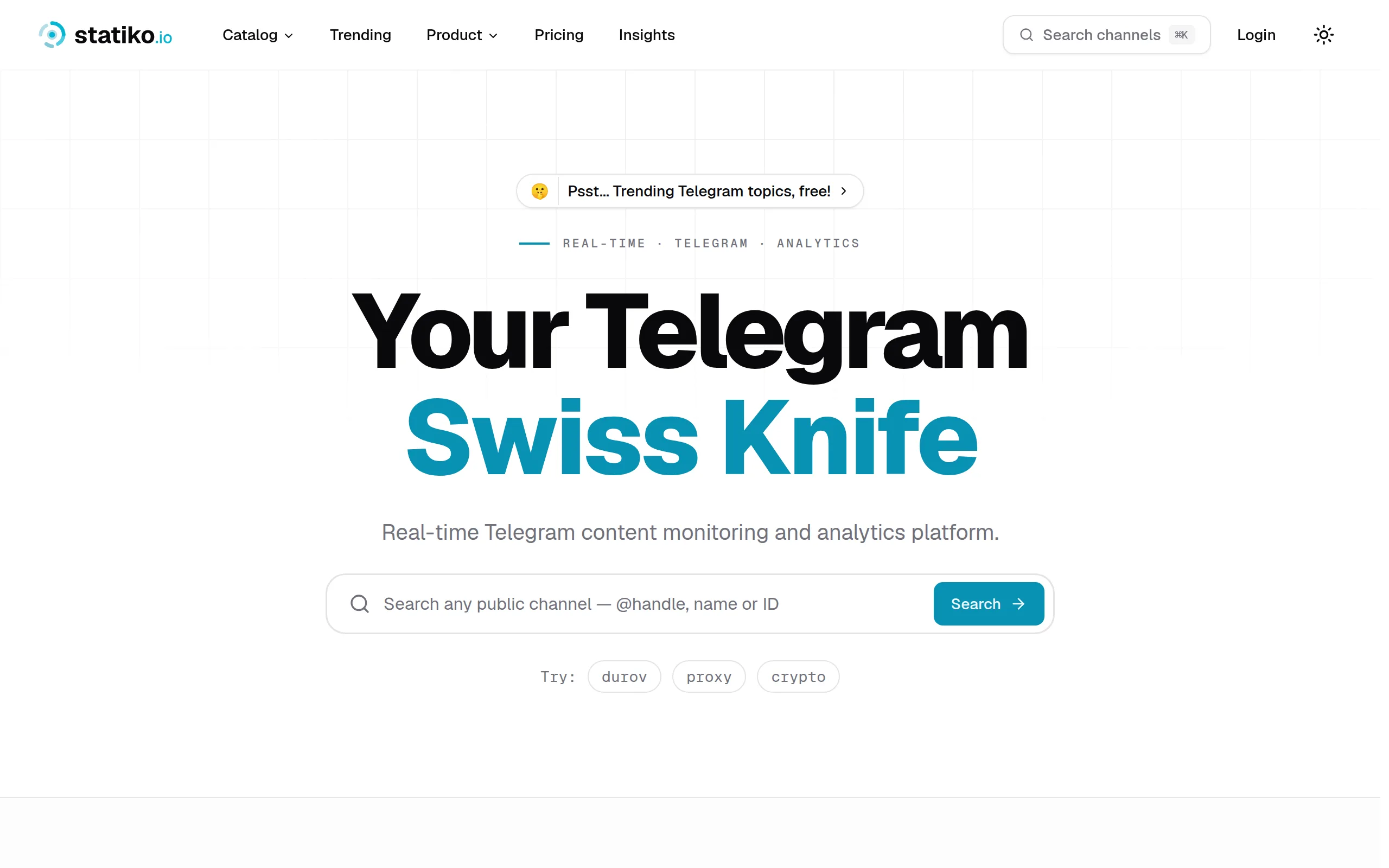
Statiko
Monitor any Telegram channel in real time - track posts, edits, deletions, and growth with AI recaps 📡
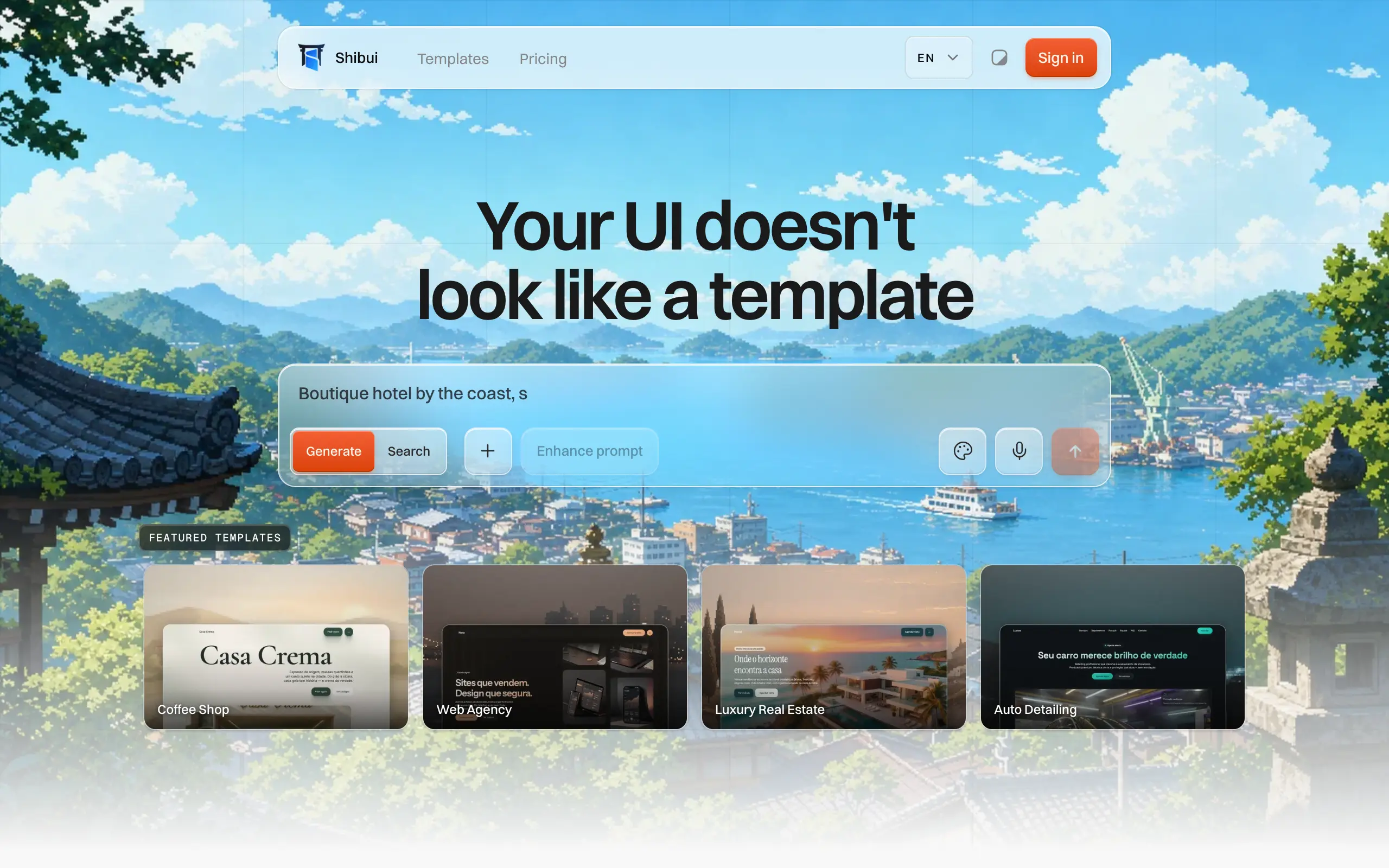
Shibui
AI website builder - describe your business, pick a niche template, edit by chatting, and publish instantly ✨
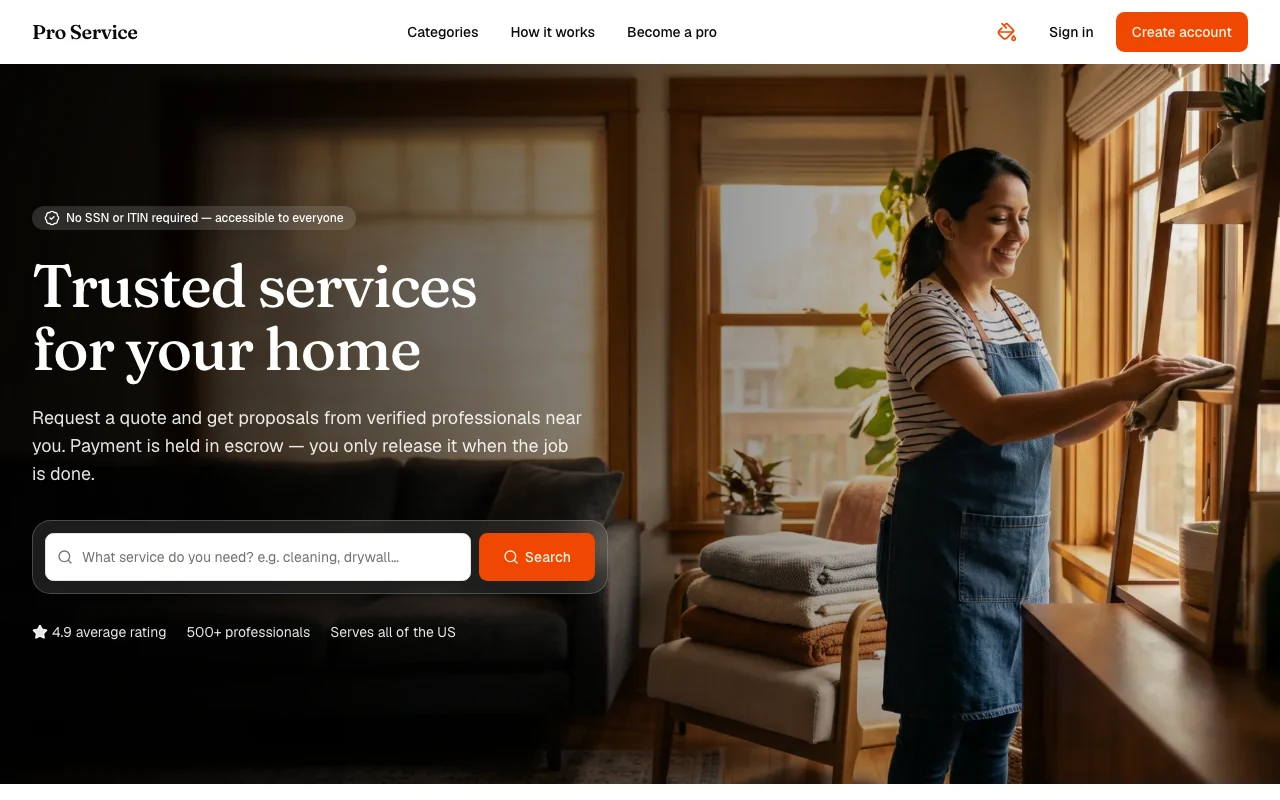
Pro Service
Find verified home service professionals, compare quotes, and pay securely through escrow - built for Brazilians across the US 🏠
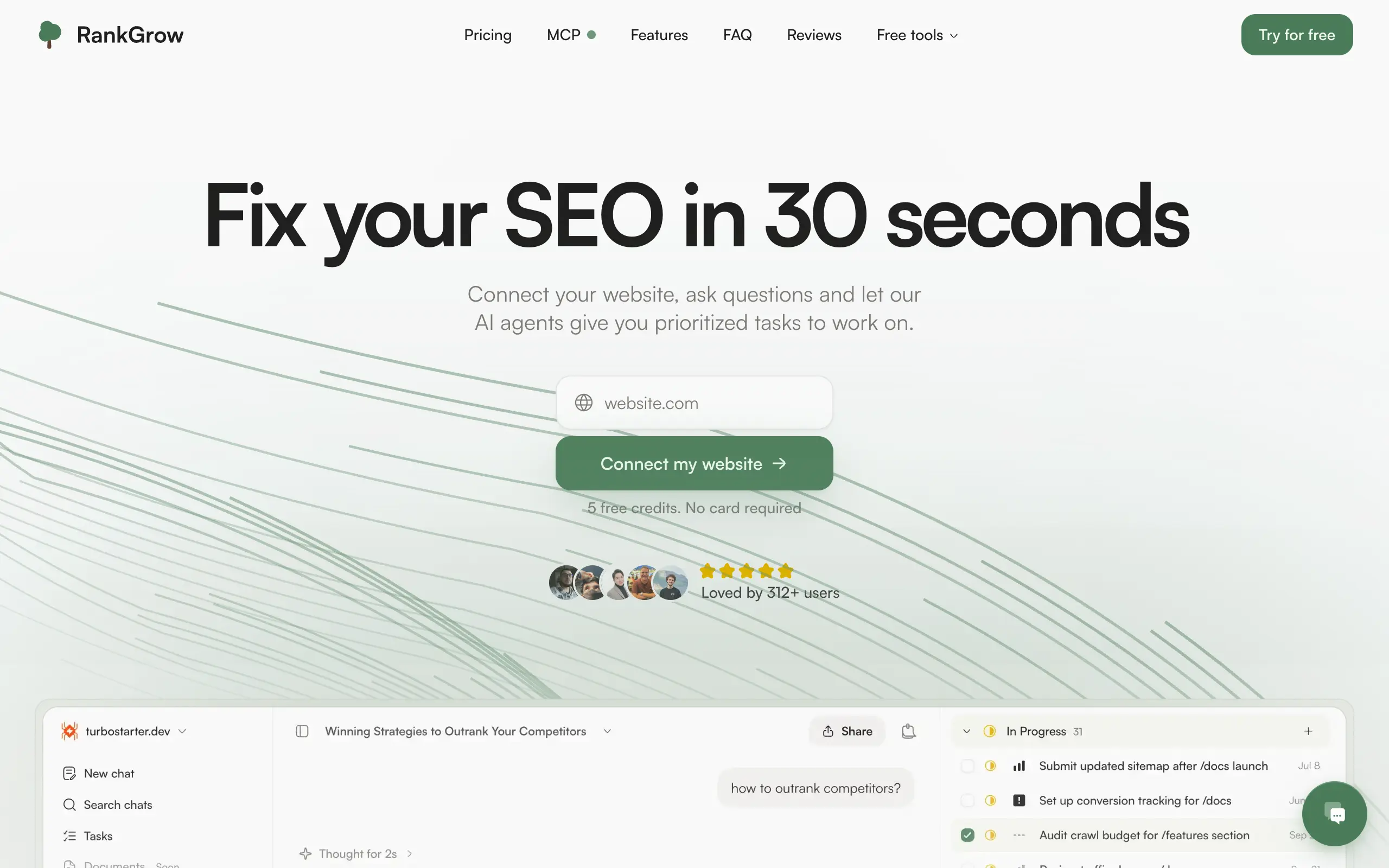
RankGrow
Fix your SEO with AI agents - connect Search Console, get prioritized tasks, and grow organic traffic 📈
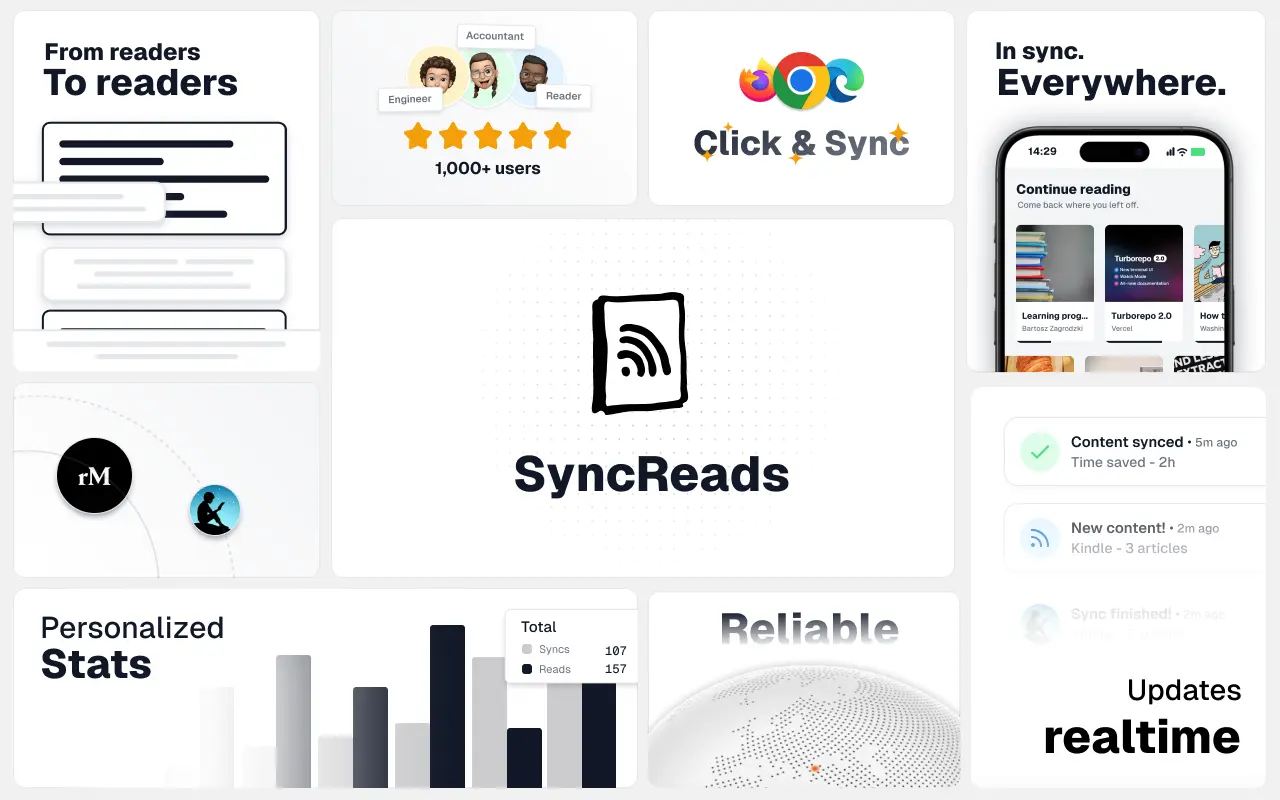
SyncReads
Sync your favorite content for distraction-free reading, save time and replace multiple apps. Anytime, anywhere 🔄
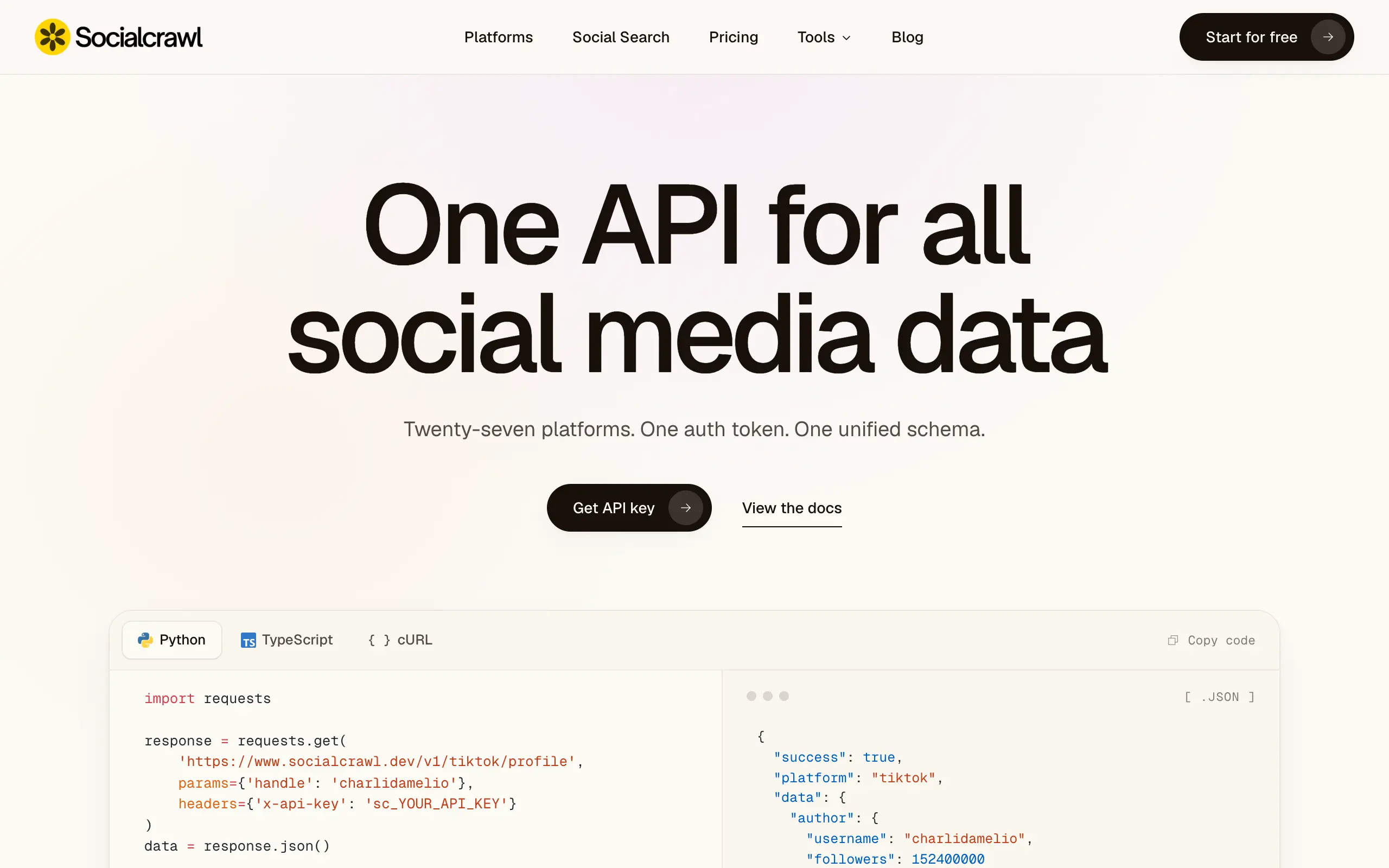
Socialcrawl
Get clean, structured data from 21 platforms like TikTok, Instagram, and YouTube with a single request 📊
Statiko
Monitor any Telegram channel in real time - track posts, edits, deletions, and growth with AI recaps 📡
Shibui
AI website builder - describe your business, pick a niche template, edit by chatting, and publish instantly ✨
Pro Service
Find verified home service professionals, compare quotes, and pay securely through escrow - built for Brazilians across the US 🏠
RankGrow
Fix your SEO with AI agents - connect Search Console, get prioritized tasks, and grow organic traffic 📈
SyncReads
Sync your favorite content for distraction-free reading, save time and replace multiple apps. Anytime, anywhere 🔄
Socialcrawl
Get clean, structured data from 21 platforms like TikTok, Instagram, and YouTube with a single request 📊
Statiko
Monitor any Telegram channel in real time - track posts, edits, deletions, and growth with AI recaps 📡
Shibui
AI website builder - describe your business, pick a niche template, edit by chatting, and publish instantly ✨
Pro Service
Find verified home service professionals, compare quotes, and pay securely through escrow - built for Brazilians across the US 🏠
RankGrow
Fix your SEO with AI agents - connect Search Console, get prioritized tasks, and grow organic traffic 📈
SyncReads
Sync your favorite content for distraction-free reading, save time and replace multiple apps. Anytime, anywhere 🔄
Socialcrawl
Get clean, structured data from 21 platforms like TikTok, Instagram, and YouTube with a single request 📊
Statiko
Monitor any Telegram channel in real time - track posts, edits, deletions, and growth with AI recaps 📡
Shibui
AI website builder - describe your business, pick a niche template, edit by chatting, and publish instantly ✨
Pro Service
Find verified home service professionals, compare quotes, and pay securely through escrow - built for Brazilians across the US 🏠
RankGrow
Fix your SEO with AI agents - connect Search Console, get prioritized tasks, and grow organic traffic 📈
SyncReads
Sync your favorite content for distraction-free reading, save time and replace multiple apps. Anytime, anywhere 🔄
Socialcrawl
Get clean, structured data from 21 platforms like TikTok, Instagram, and YouTube with a single request 📊
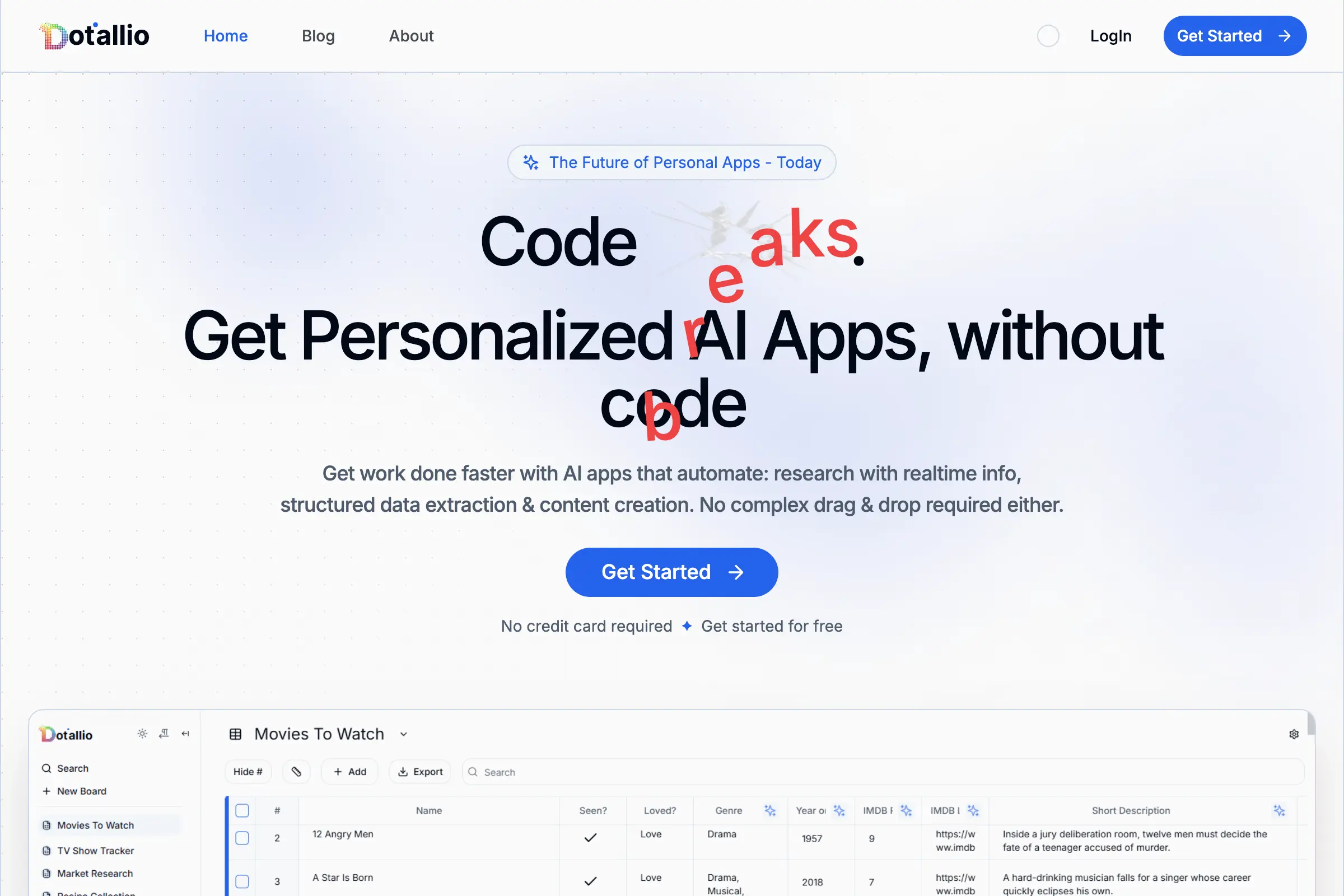
Dotallio
Personalized AI apps that automate research, data extraction, and content creation without code 🤖
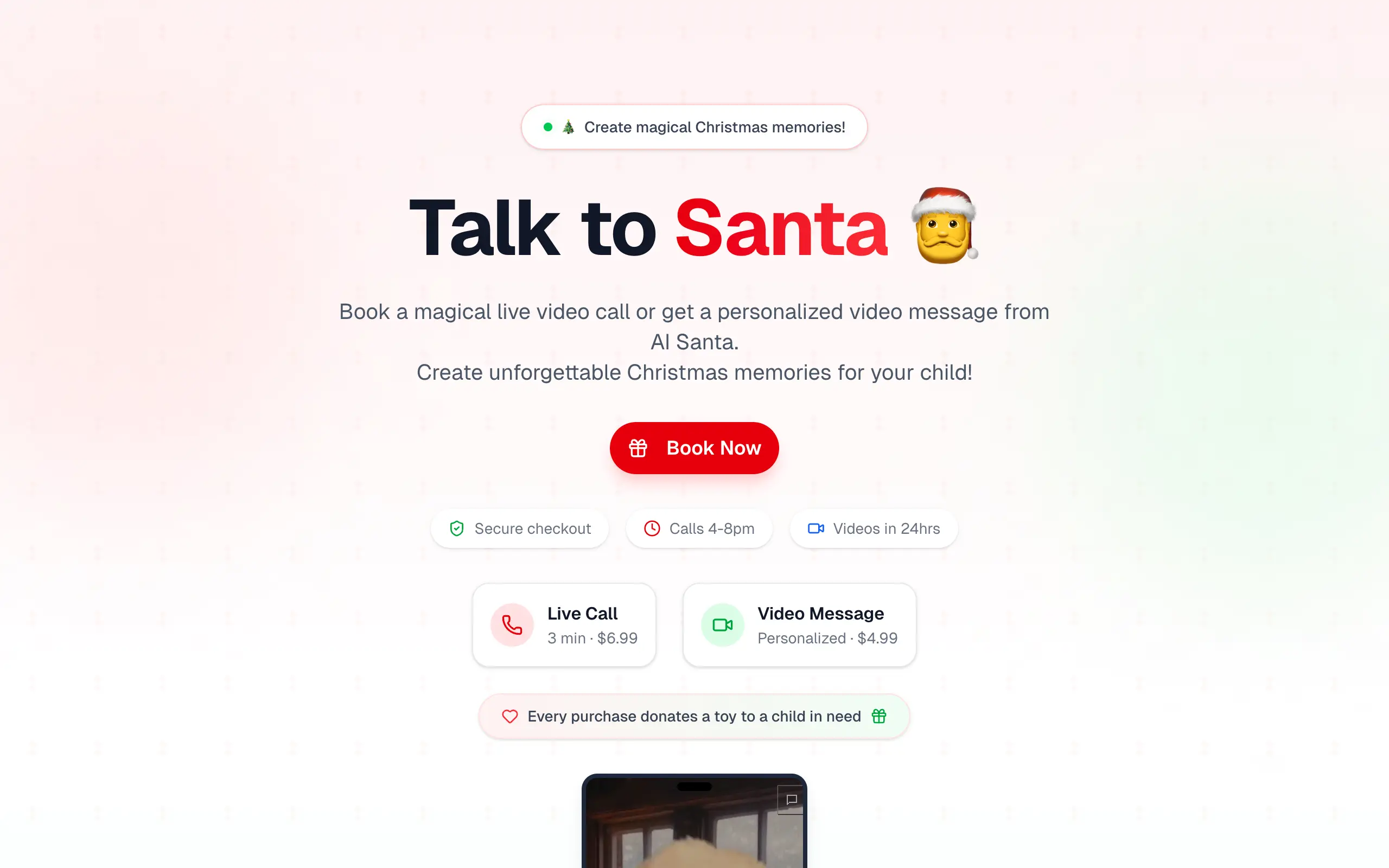
Talk to Santa
Enjoy a magical live video chat or receive a unique AI-generated video greeting from Santa Claus 🎅
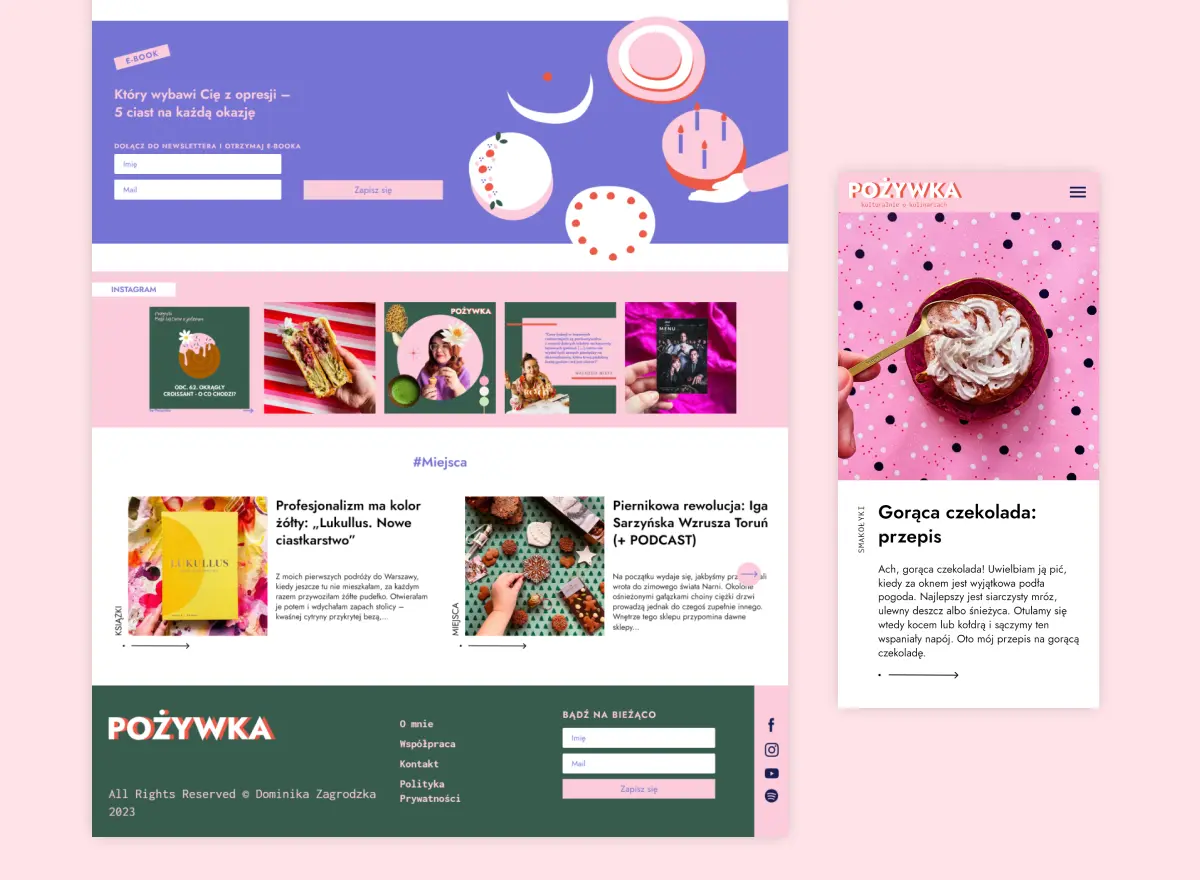
pozywka.pl
Scalable blog for food journalist, focused on performance and user experience 🌭
zagrodzki.me
Personal blog and portfolio of Bart Zagrodzki, where he shares his knowledge and work 💼
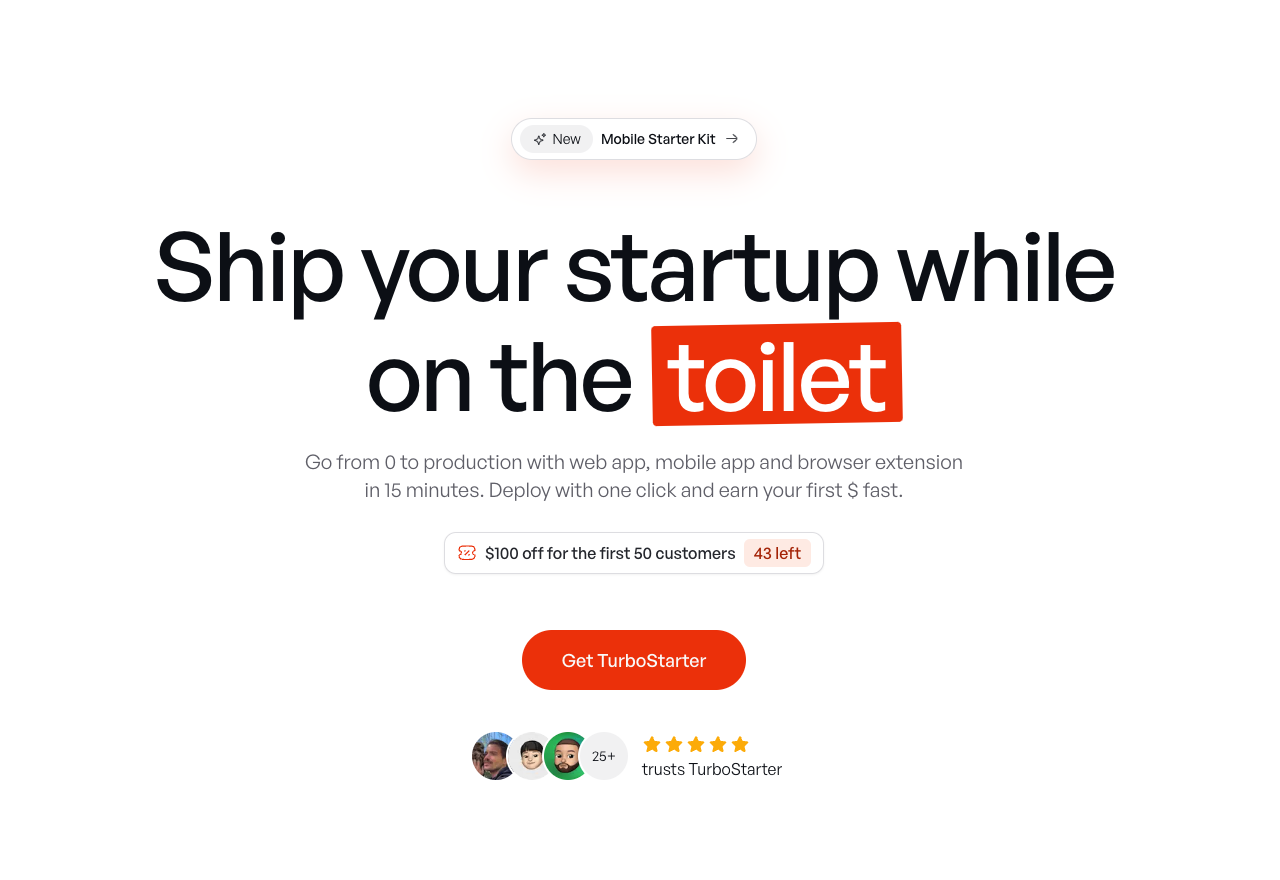
TurboStarter
Ship your startup everywhere. In minutes.
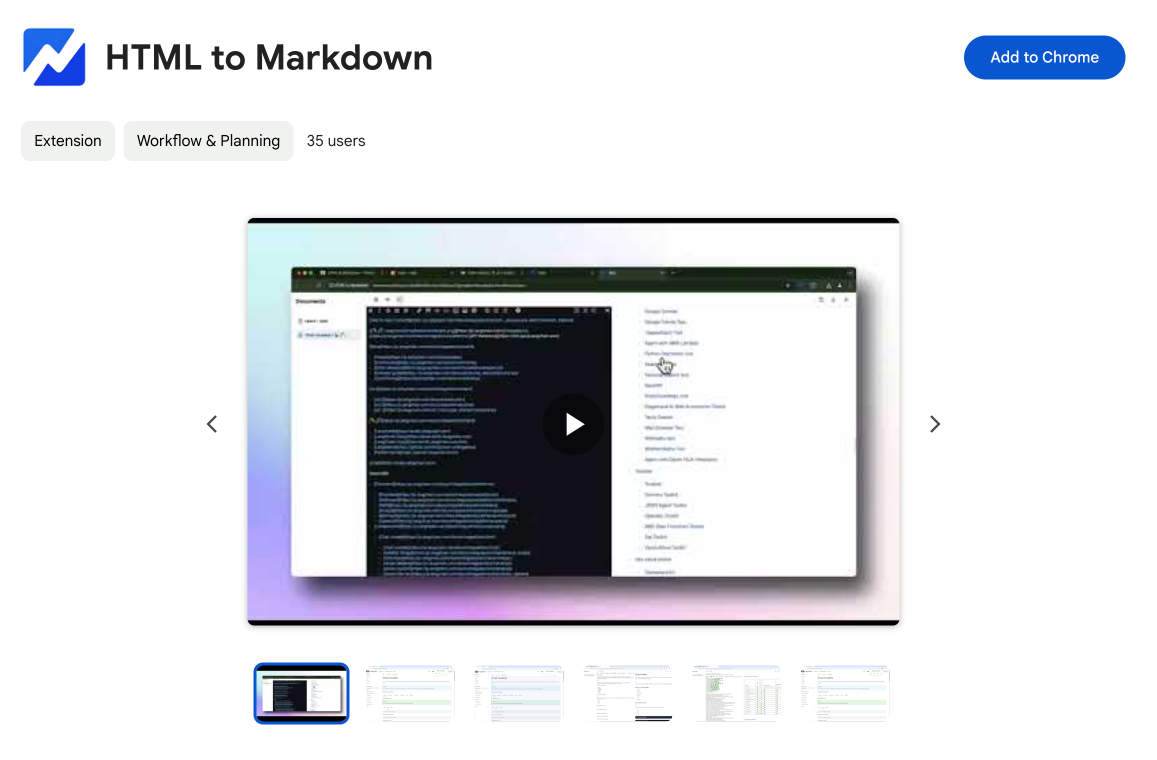
HTML to Markdown
Convert HTML to Markdown with ease, directly in your browser 📄
Dotallio
Personalized AI apps that automate research, data extraction, and content creation without code 🤖
Talk to Santa
Enjoy a magical live video chat or receive a unique AI-generated video greeting from Santa Claus 🎅
pozywka.pl
Scalable blog for food journalist, focused on performance and user experience 🌭
zagrodzki.me
Personal blog and portfolio of Bart Zagrodzki, where he shares his knowledge and work 💼
TurboStarter
Ship your startup everywhere. In minutes.
HTML to Markdown
Convert HTML to Markdown with ease, directly in your browser 📄
Dotallio
Personalized AI apps that automate research, data extraction, and content creation without code 🤖
Talk to Santa
Enjoy a magical live video chat or receive a unique AI-generated video greeting from Santa Claus 🎅
pozywka.pl
Scalable blog for food journalist, focused on performance and user experience 🌭
zagrodzki.me
Personal blog and portfolio of Bart Zagrodzki, where he shares his knowledge and work 💼
TurboStarter
Ship your startup everywhere. In minutes.
HTML to Markdown
Convert HTML to Markdown with ease, directly in your browser 📄
Dotallio
Personalized AI apps that automate research, data extraction, and content creation without code 🤖
Talk to Santa
Enjoy a magical live video chat or receive a unique AI-generated video greeting from Santa Claus 🎅
pozywka.pl
Scalable blog for food journalist, focused on performance and user experience 🌭
zagrodzki.me
Personal blog and portfolio of Bart Zagrodzki, where he shares his knowledge and work 💼
TurboStarter
Ship your startup everywhere. In minutes.
HTML to Markdown
Convert HTML to Markdown with ease, directly in your browser 📄
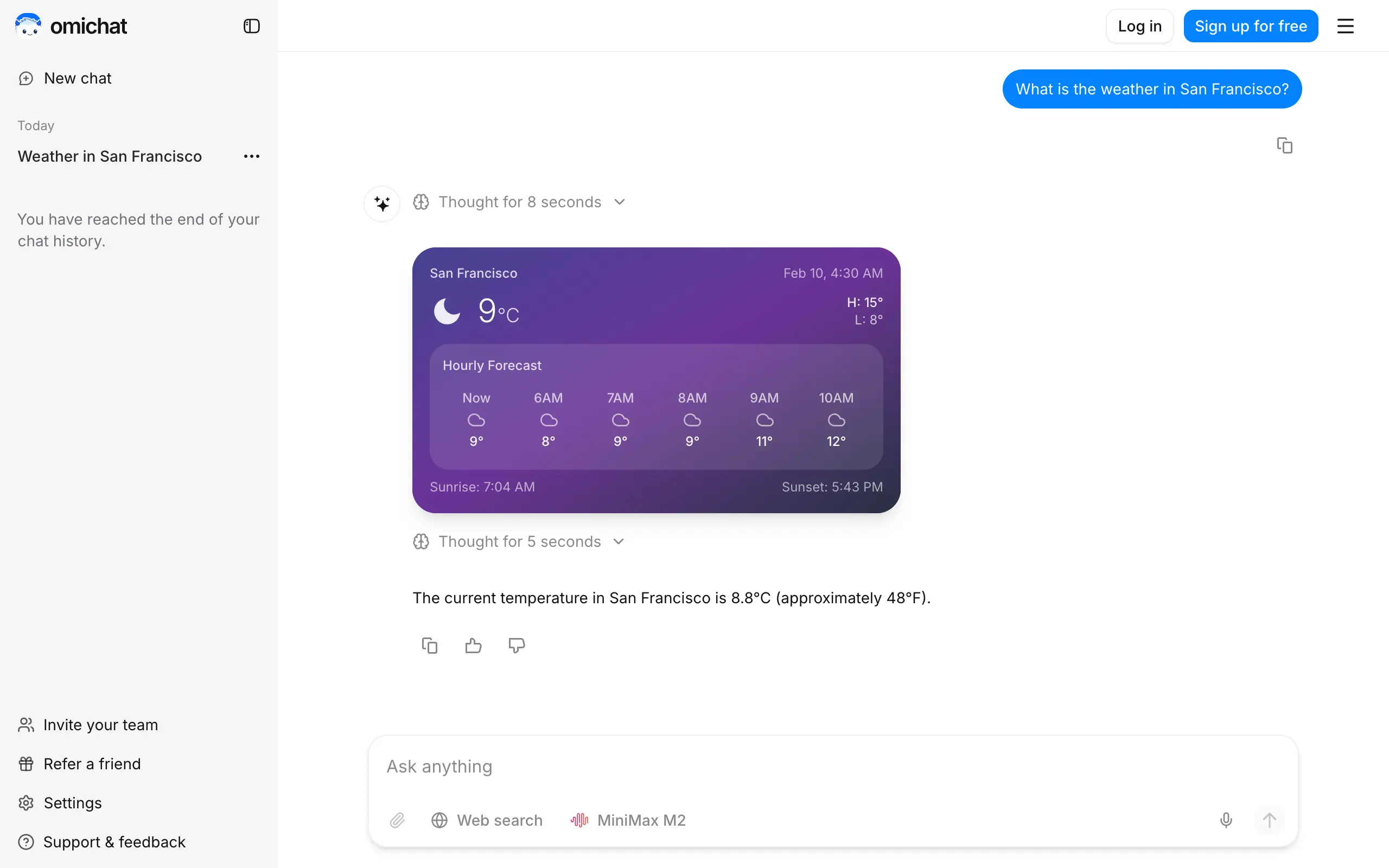
Omichat
Chat with 50+ AI models, including ChatGPT and Claude, in one place - switch models anytime without losing context 🤖
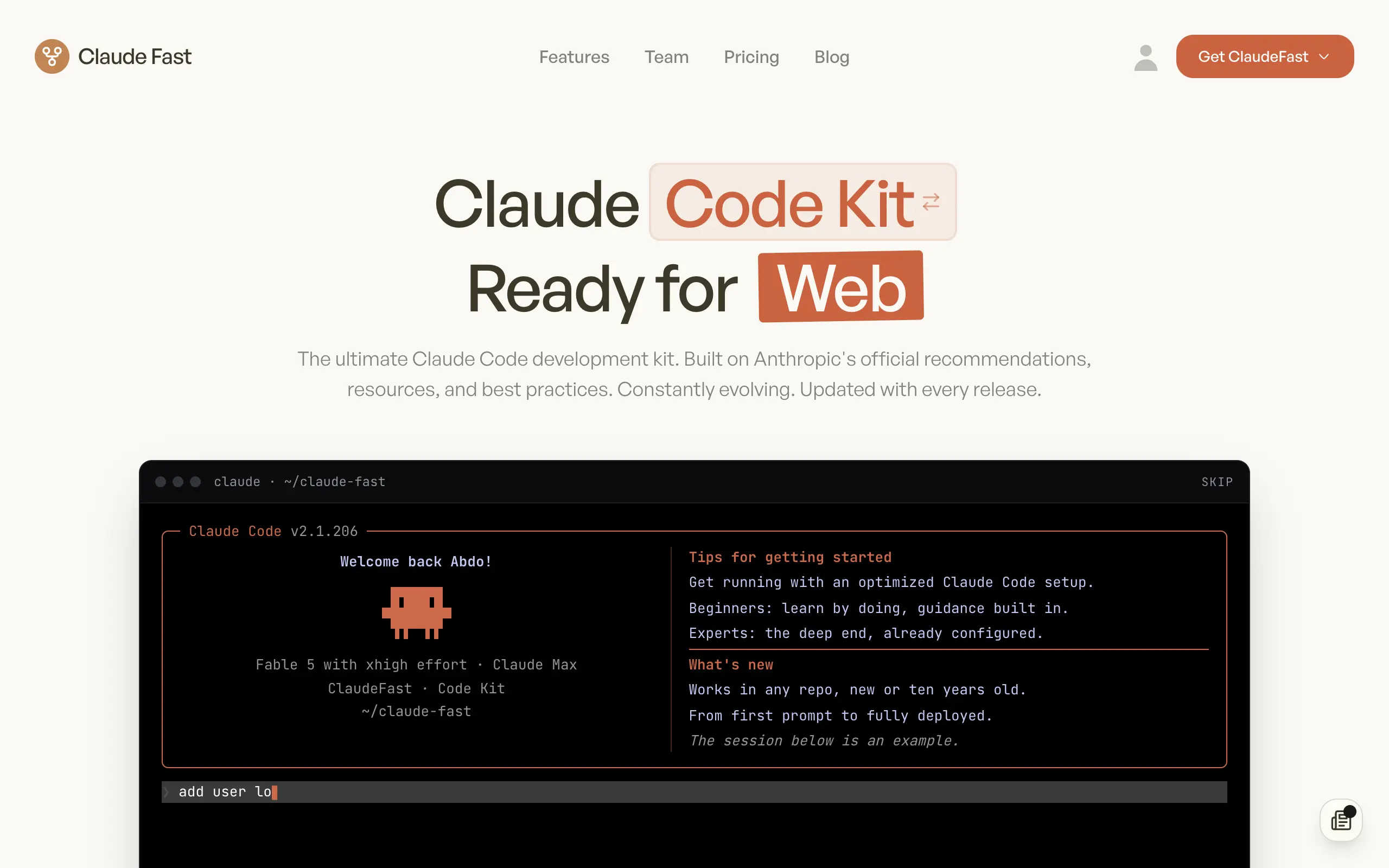
Claude Fast
Supercharge your Claude Code with 6x effective context window and specialized AI agents 🤖
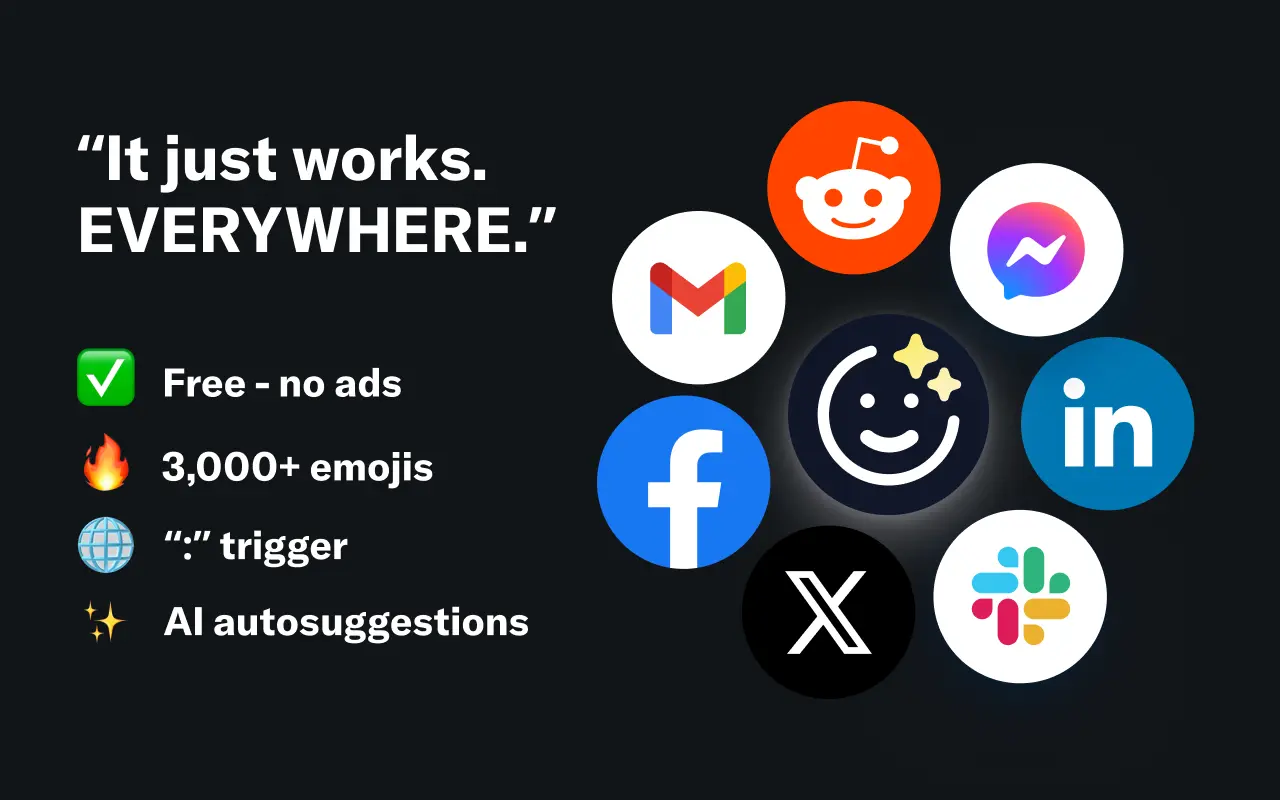
EmojAI
AI-powered emoji picker with smart, context-aware suggestions 🤖
Solohacker
Autonomous company launcher - AI agents work 24/7, escalate what matters, and you stay in control 🤖
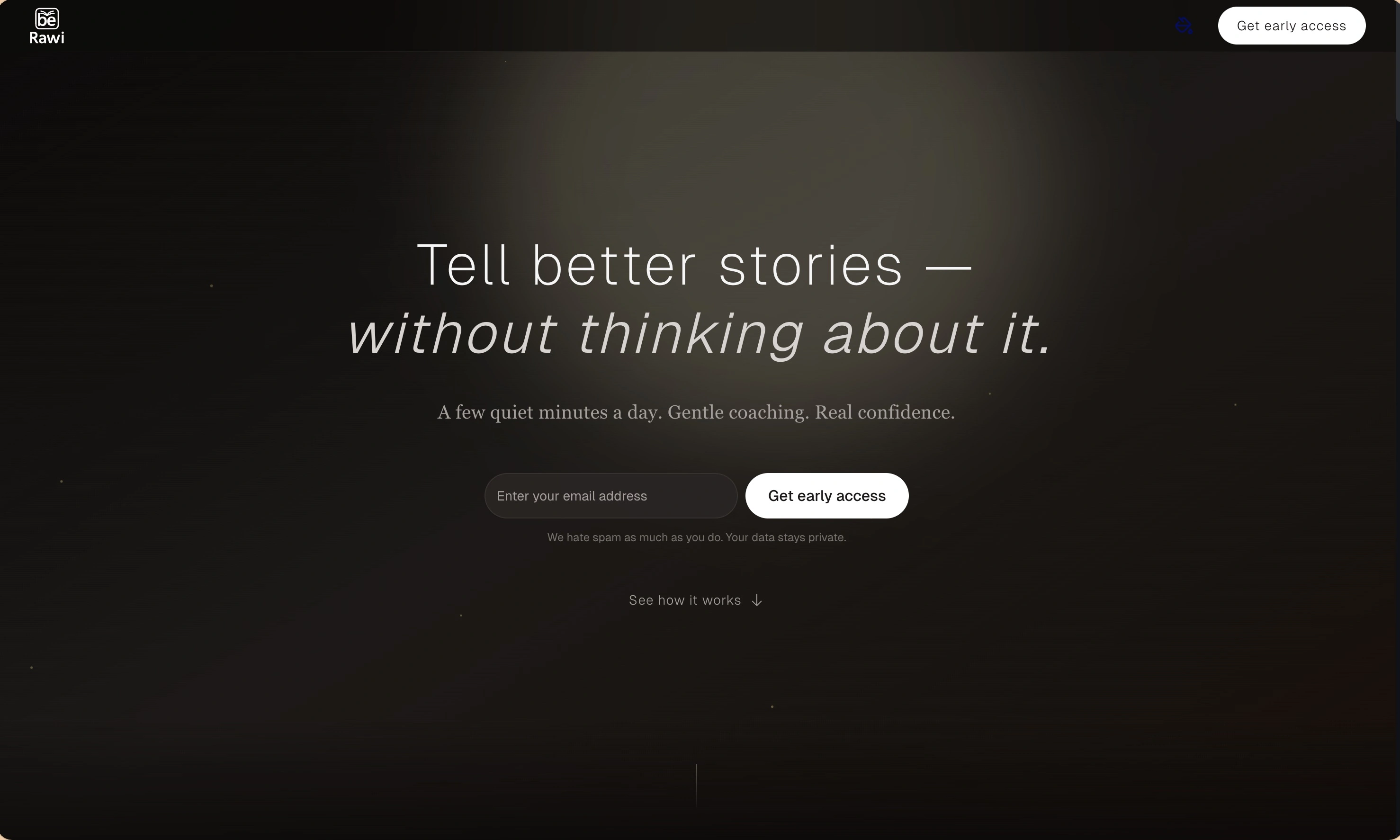
BeRawi: Storytelling Coach
Practice storytelling daily with instant feedback to sound clearer, more engaging, and confident 🎤
Omichat
Chat with 50+ AI models, including ChatGPT and Claude, in one place - switch models anytime without losing context 🤖
Claude Fast
Supercharge your Claude Code with 6x effective context window and specialized AI agents 🤖
EmojAI
AI-powered emoji picker with smart, context-aware suggestions 🤖
Solohacker
Autonomous company launcher - AI agents work 24/7, escalate what matters, and you stay in control 🤖
BeRawi: Storytelling Coach
Practice storytelling daily with instant feedback to sound clearer, more engaging, and confident 🎤
Omichat
Chat with 50+ AI models, including ChatGPT and Claude, in one place - switch models anytime without losing context 🤖
Claude Fast
Supercharge your Claude Code with 6x effective context window and specialized AI agents 🤖
EmojAI
AI-powered emoji picker with smart, context-aware suggestions 🤖
Solohacker
Autonomous company launcher - AI agents work 24/7, escalate what matters, and you stay in control 🤖
BeRawi: Storytelling Coach
Practice storytelling daily with instant feedback to sound clearer, more engaging, and confident 🎤
Omichat
Chat with 50+ AI models, including ChatGPT and Claude, in one place - switch models anytime without losing context 🤖
Claude Fast
Supercharge your Claude Code with 6x effective context window and specialized AI agents 🤖
EmojAI
AI-powered emoji picker with smart, context-aware suggestions 🤖
Solohacker
Autonomous company launcher - AI agents work 24/7, escalate what matters, and you stay in control 🤖
BeRawi: Storytelling Coach
Practice storytelling daily with instant feedback to sound clearer, more engaging, and confident 🎤

Connect with like-minded people
Join our community to get feedback, support, and grow together with 1,000+ builders on board, let's ship it!
Join usShip your startup everywhere. In minutes.
Don't burn tokens on setup and start building features on day one.