ModelFuse
A unified API that routes requests across multiple AI models by cost, latency, or accuracy, with automatic fallback and spend controls for production teams.
Understanding the problem ModelFuse solves in modern AI production
The rapid adoption of large language models (LLMs) and multimodal AI has fundamentally changed how B2B software teams build products. Instead of training models from scratch, teams now rely on APIs from providers like OpenAI, Anthropic, Google, and open-source model hosts. While this abstraction accelerates innovation, it introduces a new layer of complexity that many teams underestimate until they reach production scale.
Engineering leaders quickly run into questions such as:
- Which AI model should handle each request?
- How do we balance cost vs latency vs accuracy dynamically?
- What happens when a provider has downtime or rate limits?
- How do we prevent runaway spend without degrading user experience?
This is where ModelFuse, a unified AI model routing API, positions itself. Rather than hard-coding a single provider or manually orchestrating multiple integrations, ModelFuse offers a centralized control plane that intelligently routes AI requests across multiple models based on real-time constraints and business rules.
From an SEO and user intent perspective, people searching for terms like AI model routing API, multi-model AI infrastructure, or LLM cost optimization are typically looking for practical, production-ready solutions—not just theoretical discussions. This article dives deep into how ModelFuse addresses those needs and why it represents a meaningful shift in AI infrastructure design.
Target audience analysis: who is ModelFuse built for?
ModelFuse is a B2B SaaS product, and its ideal users share a common pain point: they operate AI-powered systems at scale and need reliability, control, and predictability.
Primary audience segments
1. Engineering teams building AI-first products
These teams often work on:
- AI-powered SaaS tools
- Developer platforms
- Internal copilots or automation tools
They care deeply about:
- Low latency
- Predictable performance
- Clean abstractions
For them, ModelFuse acts as an infrastructure layer, reducing the operational burden of managing multiple AI providers.
2. Product and platform leaders
Product managers and platform owners are responsible for:
- User experience consistency
- Feature reliability
- Cost controls
They often struggle with questions like:
- “Should we use GPT-4 for all users or only premium ones?”
- “How do we roll out a new model without risking regressions?”
ModelFuse gives them policy-based control without requiring code changes across the product.
3. Finance and operations stakeholders
AI costs can escalate quickly. Finance teams want:
- Hard spend limits
- Forecastable usage
- Transparency into model-level costs
ModelFuse’s spend controls and routing rules directly align AI usage with financial governance.
Market opportunity: why unified AI model routing is becoming essential
The AI infrastructure market is evolving fast, and several trends converge to create a clear gap that ModelFuse addresses.
Fragmentation of AI model providers
There is no single “best” model for every use case. Instead, we see:
- High-accuracy but expensive models
- Fast, cheaper models with lower reasoning depth
- Specialized models for code, vision, or embeddings
As more providers enter the market, teams face decision paralysis and increasing integration complexity.
Reliability and uptime concerns
Even top-tier AI providers experience:
- Outages
- Latency spikes
- Regional degradation
Hard-coding a single provider creates a single point of failure, which is unacceptable for production-grade systems.
Cost pressure in production environments
Early-stage prototypes can absorb inefficiencies. Production systems cannot.
- Costs scale linearly (or worse) with usage
- A single model choice can make or break margins
This has created demand for dynamic routing and fallback, similar to how CDNs route traffic across infrastructure providers.
What ModelFuse is: a unified AI model routing API
At its core, ModelFuse is an API gateway for AI models. Instead of calling individual providers directly, applications send requests to ModelFuse, which then determines:
- Which model to use
- When to fall back
- How to enforce spend and performance rules
Key capabilities at a glance
Multi-model routing
Route requests across multiple AI models based on cost, latency, or accuracy.
Automatic fallback
Seamlessly fail over when a provider is slow, unavailable, or rate-limited.
Spend controls
Set hard and soft limits to prevent unexpected AI cost overruns.
This abstraction mirrors how modern systems handle cloud infrastructure—but applied to AI.
Core features and solution architecture
Intelligent routing by cost, latency, or accuracy
The defining feature of ModelFuse is policy-based routing. Instead of static decisions, routing is determined dynamically.
Examples include:
- Use the lowest-cost model under a 300ms latency threshold
- Prefer the highest-accuracy model unless daily spend exceeds a limit
- Route free-tier users to cheaper models and premium users to higher-end ones
This flexibility allows teams to encode business logic directly into AI infrastructure.
Automatic fallback and resilience
ModelFuse continuously monitors provider health. When an issue arises:
- Requests are automatically rerouted
- Users experience minimal disruption
- No code changes are required on the client side
This dramatically improves system reliability and reduces on-call stress for engineering teams.
Centralized spend controls and visibility
Spend controls are not just alerts—they are enforced constraints.
Capabilities include:
- Per-project or per-environment budgets
- Hard caps to block overages
- Visibility into usage by model and provider
This aligns AI usage with financial planning and governance.
How ModelFuse compares to direct provider integrations
To understand the competitive advantage, it helps to compare ModelFuse with the traditional approach.
| Approach | Multi-model support | Automatic fallback | Spend controls | Operational complexity |
|---|---|---|---|---|
| Direct provider APIs | ❌ | ❌ | Limited | High |
| ModelFuse unified API | ✅ | ✅ | ✅ | Low |
The table highlights why teams at scale increasingly look for middleware-style AI infrastructure instead of ad-hoc integrations.
Recommended tech stack for building and integrating ModelFuse
ModelFuse is itself a SaaS product, but it also needs to integrate cleanly into modern stacks.
Backend and API layer
A typical architecture would include:
- Node.js or Go for high-throughput API handling
- gRPC or REST for flexible client integration
- Strong observability via OpenTelemetry
Trade-offs:
- Node.js offers faster iteration
- Go provides better raw performance and lower latency
Client integration
Most teams will integrate ModelFuse into:
- Web apps (React-based frontends)
- Backend services
- Serverless environments
ModelFuse’s value increases when integration is frictionless, with SDKs and clear documentation.
Infrastructure considerations
Because ModelFuse is latency-sensitive, infrastructure choices matter:
- Regional deployments
- Intelligent caching
- Secure credential handling
These considerations reinforce why ModelFuse positions itself as production-first, not just developer-friendly.
Monetization strategies for ModelFuse
A unified AI model routing API lends itself to several proven SaaS monetization models.
Usage-based pricing
Charging per request or per token routed aligns revenue with customer value.
Pros:
- Scales naturally with usage
- Familiar to AI-native teams
Cons:
- Requires clear cost transparency
Tiered plans with feature gates
Examples:
- Starter: basic routing
- Pro: advanced policies and spend controls
- Enterprise: SLAs, custom routing, dedicated support
This model works well for B2B buyers who prefer predictability.
Enterprise contracts
Large organizations may require:
- Custom compliance
- Private deployments
- Dedicated infrastructure
These contracts can significantly increase average contract value (ACV).
Risks and challenges—and how to mitigate them
No SaaS idea is without risk, especially in a fast-moving space like AI.
Dependency on third-party providers
ModelFuse depends on external AI providers.
Mitigation:
- Broad provider support
- Continuous monitoring
- Clear communication of limitations
Latency overhead
An extra routing layer can introduce latency.
Mitigation:
- Regional deployments
- Optimized routing logic
- Caching and request batching where possible
Market education
Some teams may not immediately see the need for a unified AI model routing API.
Mitigation:
- Strong documentation
- Case studies
- Clear ROI messaging
Strategic insight
AI infrastructure products often succeed when they feel invisible in daily use but indispensable during incidents or cost reviews.
Competitive advantage: why ModelFuse stands out
ModelFuse’s core USP is decision-making at runtime.
Instead of forcing teams to:
- Pick one model
- Rewrite logic to switch providers
- Manually handle failures
ModelFuse abstracts these concerns into policies, turning AI model choice into a configuration problem rather than an engineering one.
This is a powerful shift, especially for teams shipping fast.
Practical implementation steps for teams adopting ModelFuse
This phased approach minimizes risk and allows teams to see value quickly.
Building ModelFuse faster with the right launch foundation
If you are considering building or validating a product like ModelFuse, speed matters. A strong launch foundation can dramatically reduce time-to-market.
Platforms like TurboStarter are designed to help SaaS founders accelerate setup, from authentication and billing to deployment and analytics—allowing you to focus on the core differentiation, not boilerplate.
Frequently asked questions about unified AI model routing
No. While enterprises benefit greatly, mid-sized and even early-stage teams can use ModelFuse to avoid premature lock-in and control costs from day one.
Not if done correctly. ModelFuse allows accuracy-based routing, ensuring high-quality outputs where they matter most.
Final thoughts: why ModelFuse aligns with the future of AI infrastructure
As AI adoption matures, teams will move from experimentation to optimization. The winners will be those who treat AI models as interchangeable resources rather than fixed dependencies.
ModelFuse embodies this mindset. By offering a unified AI model routing API with intelligent decision-making, fallback, and spend controls, it addresses real, pressing needs in modern B2B software development.
For teams serious about scaling AI in production, this approach is not just convenient—it’s inevitable.
More 🏢 B2B Application SaaS ideas
Discover more innovative b2b application SaaS ideas that are trending in 2026. Each idea is AI-generated with market validation and growth potential to help you find your next profitable venture faster than competitors.
Your competitors are building with TurboStarter
Below are some of the SaaS ideas that have been generated and built with our starter kit.
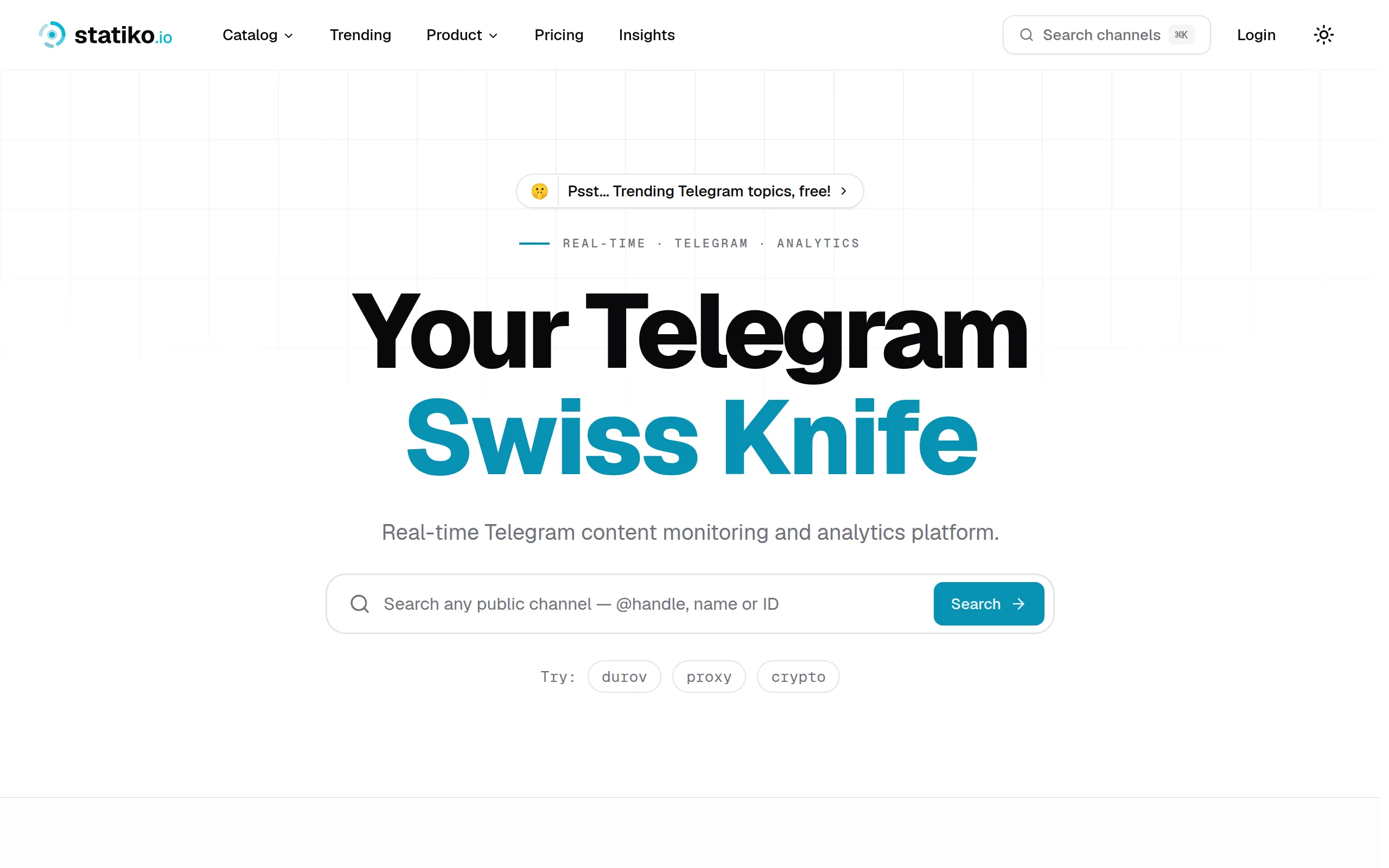
Statiko
Monitor any Telegram channel in real time - track posts, edits, deletions, and growth with AI recaps 📡

Shibui
AI website builder - describe your business, pick a niche template, edit by chatting, and publish instantly ✨

Pro Service
Find verified home service professionals, compare quotes, and pay securely through escrow - built for Brazilians across the US 🏠
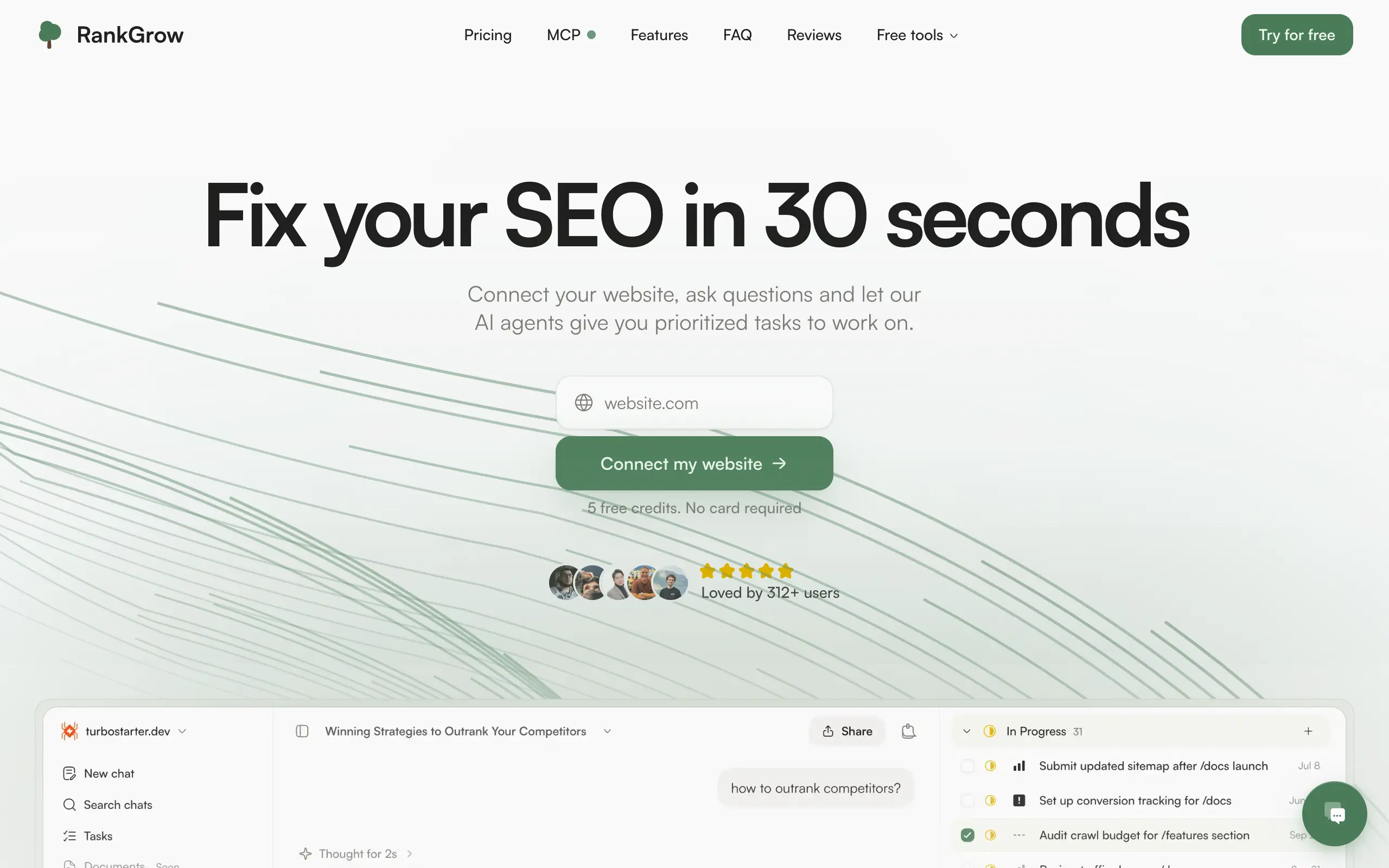
RankGrow
Fix your SEO with AI agents - connect Search Console, get prioritized tasks, and grow organic traffic 📈
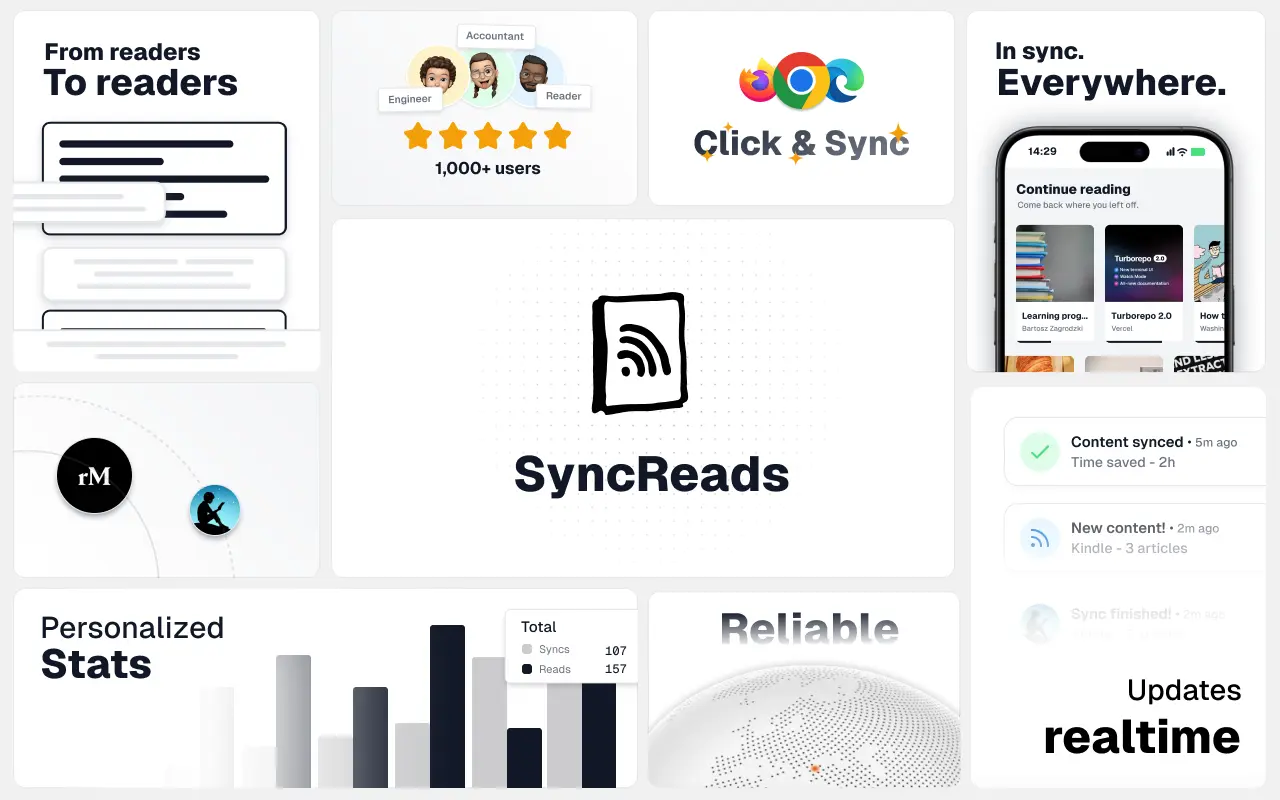
SyncReads
Sync your favorite content for distraction-free reading, save time and replace multiple apps. Anytime, anywhere 🔄
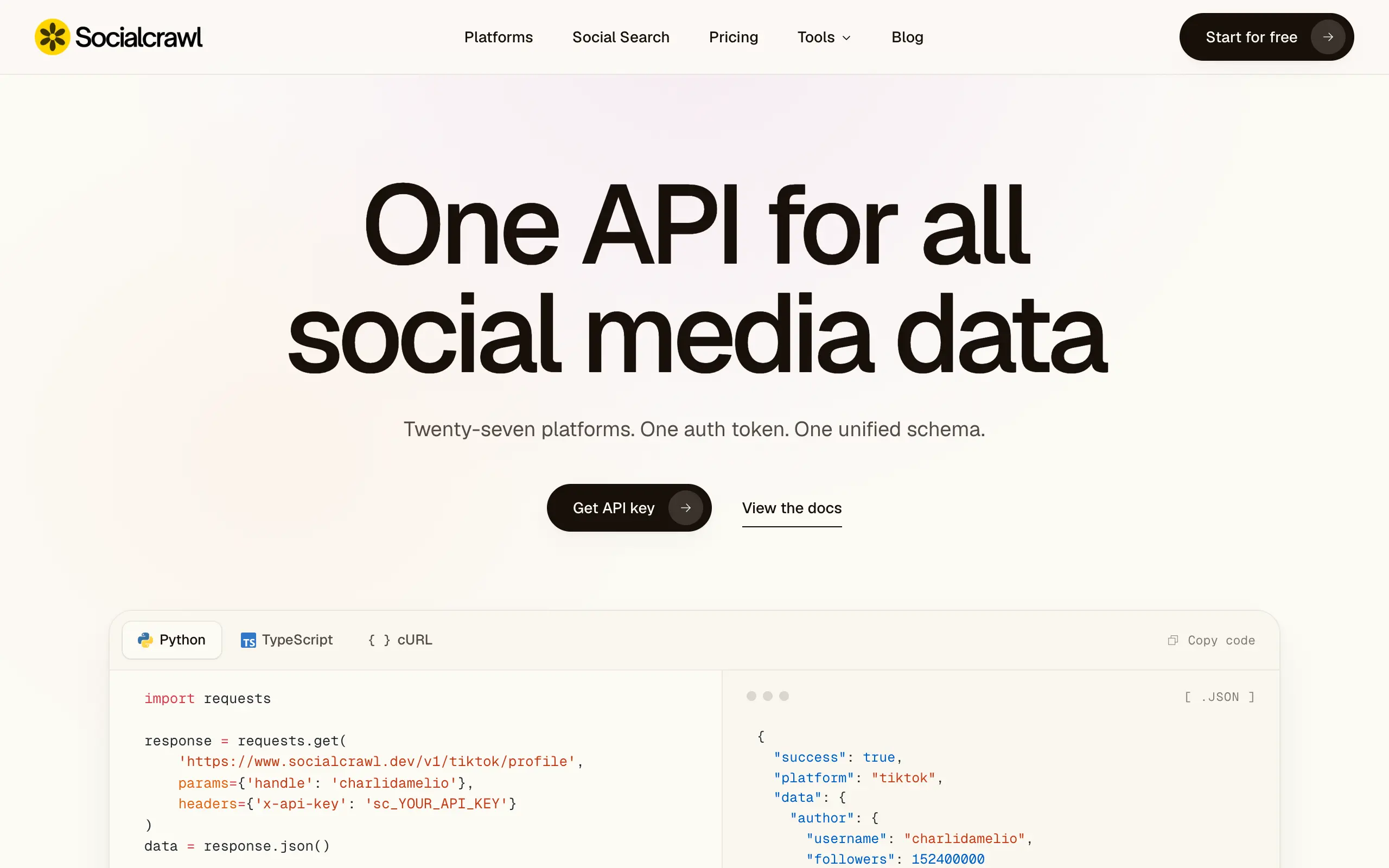
Socialcrawl
Get clean, structured data from 21 platforms like TikTok, Instagram, and YouTube with a single request 📊
Statiko
Monitor any Telegram channel in real time - track posts, edits, deletions, and growth with AI recaps 📡
Shibui
AI website builder - describe your business, pick a niche template, edit by chatting, and publish instantly ✨
Pro Service
Find verified home service professionals, compare quotes, and pay securely through escrow - built for Brazilians across the US 🏠
RankGrow
Fix your SEO with AI agents - connect Search Console, get prioritized tasks, and grow organic traffic 📈
SyncReads
Sync your favorite content for distraction-free reading, save time and replace multiple apps. Anytime, anywhere 🔄
Socialcrawl
Get clean, structured data from 21 platforms like TikTok, Instagram, and YouTube with a single request 📊
Statiko
Monitor any Telegram channel in real time - track posts, edits, deletions, and growth with AI recaps 📡
Shibui
AI website builder - describe your business, pick a niche template, edit by chatting, and publish instantly ✨
Pro Service
Find verified home service professionals, compare quotes, and pay securely through escrow - built for Brazilians across the US 🏠
RankGrow
Fix your SEO with AI agents - connect Search Console, get prioritized tasks, and grow organic traffic 📈
SyncReads
Sync your favorite content for distraction-free reading, save time and replace multiple apps. Anytime, anywhere 🔄
Socialcrawl
Get clean, structured data from 21 platforms like TikTok, Instagram, and YouTube with a single request 📊
Statiko
Monitor any Telegram channel in real time - track posts, edits, deletions, and growth with AI recaps 📡
Shibui
AI website builder - describe your business, pick a niche template, edit by chatting, and publish instantly ✨
Pro Service
Find verified home service professionals, compare quotes, and pay securely through escrow - built for Brazilians across the US 🏠
RankGrow
Fix your SEO with AI agents - connect Search Console, get prioritized tasks, and grow organic traffic 📈
SyncReads
Sync your favorite content for distraction-free reading, save time and replace multiple apps. Anytime, anywhere 🔄
Socialcrawl
Get clean, structured data from 21 platforms like TikTok, Instagram, and YouTube with a single request 📊
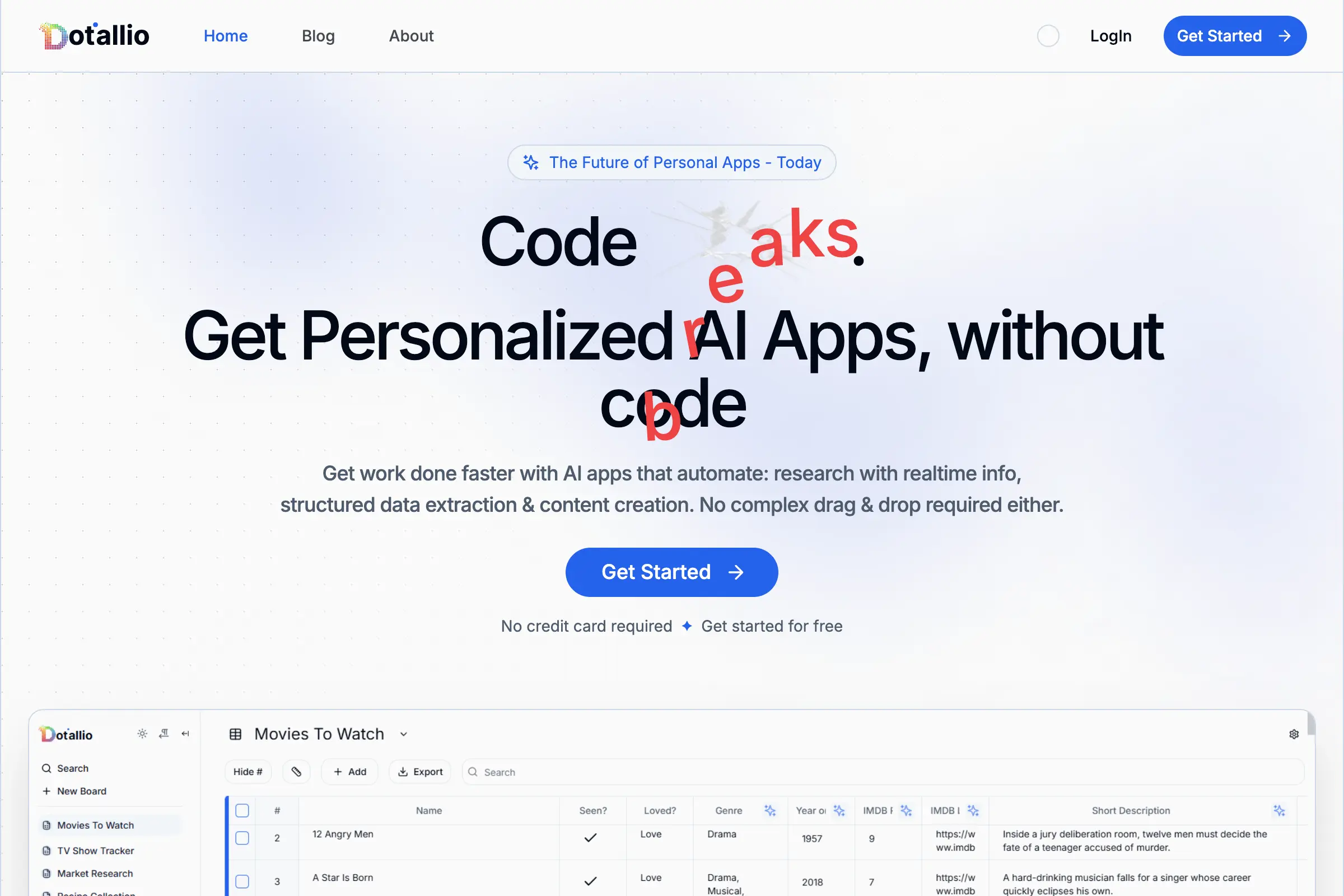
Dotallio
Personalized AI apps that automate research, data extraction, and content creation without code 🤖

Talk to Santa
Enjoy a magical live video chat or receive a unique AI-generated video greeting from Santa Claus 🎅

pozywka.pl
Scalable blog for food journalist, focused on performance and user experience 🌭
zagrodzki.me
Personal blog and portfolio of Bart Zagrodzki, where he shares his knowledge and work 💼
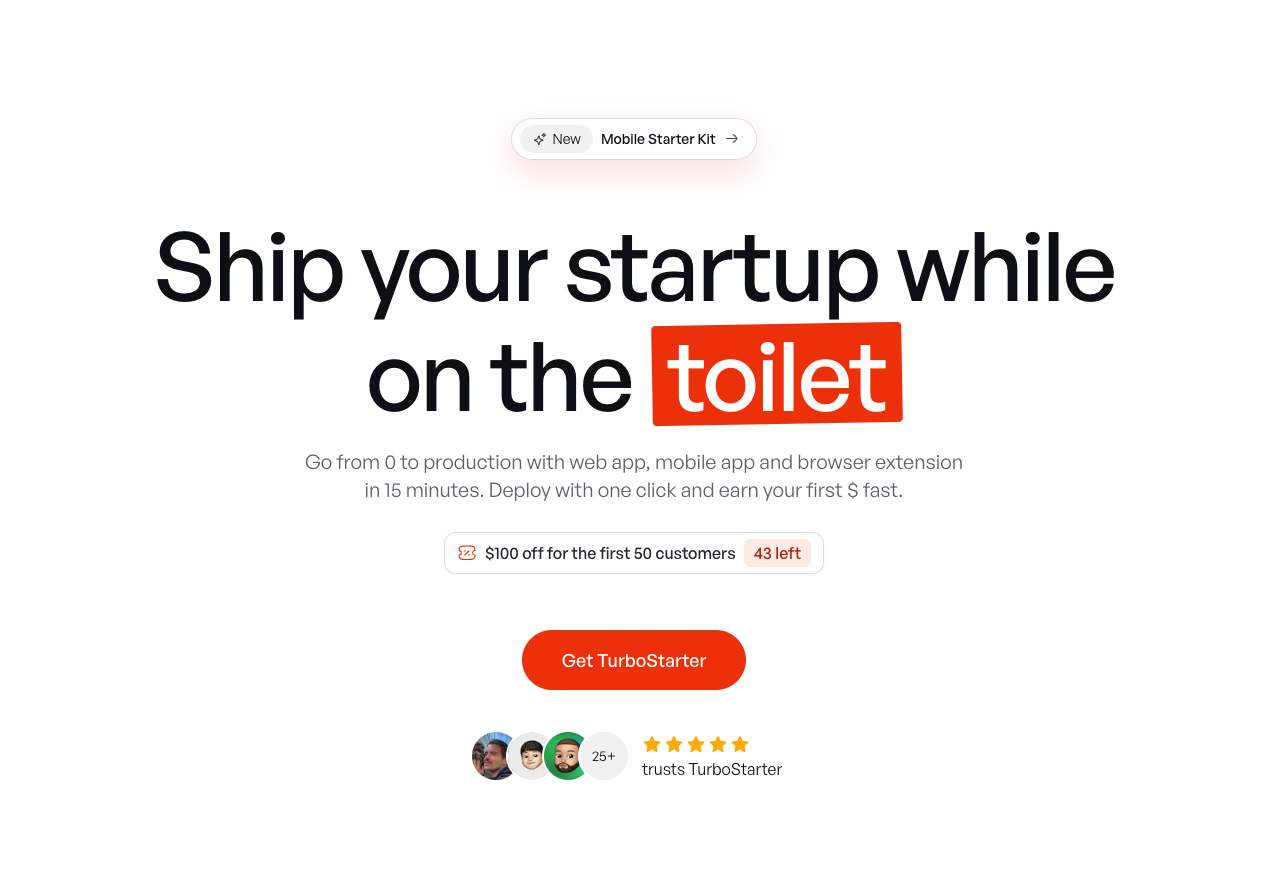
TurboStarter
Ship your startup everywhere. In minutes.
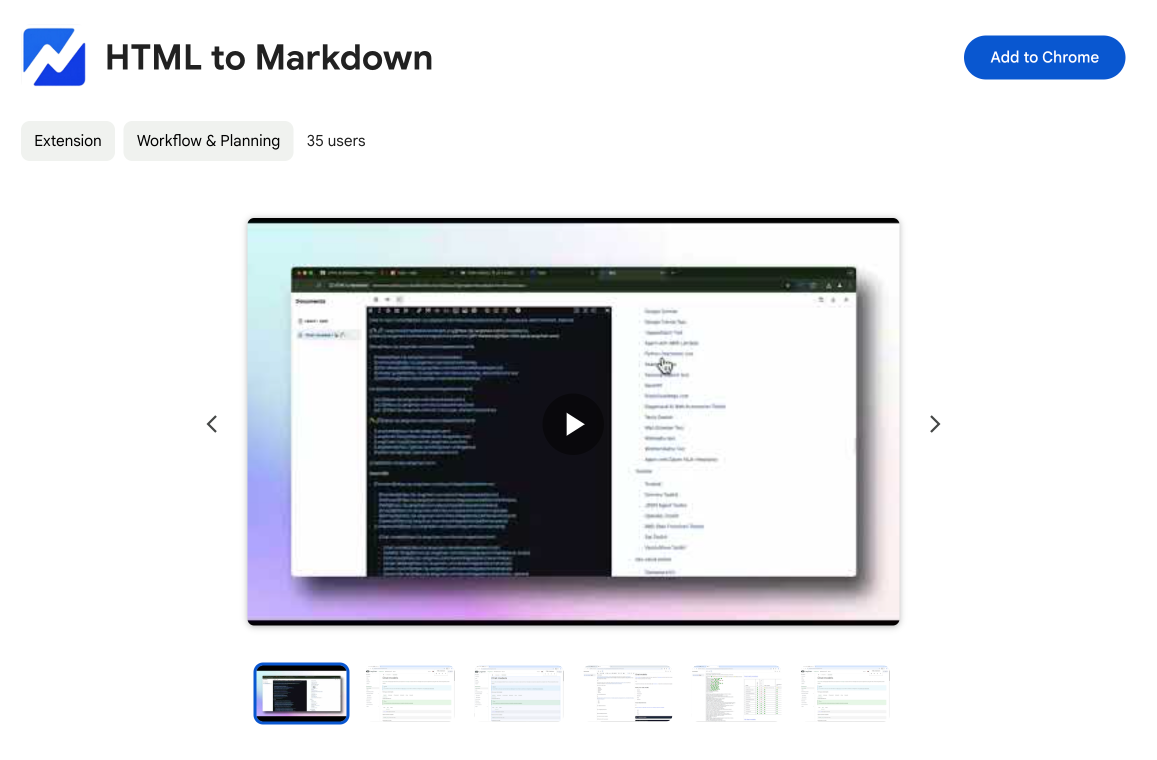
HTML to Markdown
Convert HTML to Markdown with ease, directly in your browser 📄
Dotallio
Personalized AI apps that automate research, data extraction, and content creation without code 🤖
Talk to Santa
Enjoy a magical live video chat or receive a unique AI-generated video greeting from Santa Claus 🎅
pozywka.pl
Scalable blog for food journalist, focused on performance and user experience 🌭
zagrodzki.me
Personal blog and portfolio of Bart Zagrodzki, where he shares his knowledge and work 💼
TurboStarter
Ship your startup everywhere. In minutes.
HTML to Markdown
Convert HTML to Markdown with ease, directly in your browser 📄
Dotallio
Personalized AI apps that automate research, data extraction, and content creation without code 🤖
Talk to Santa
Enjoy a magical live video chat or receive a unique AI-generated video greeting from Santa Claus 🎅
pozywka.pl
Scalable blog for food journalist, focused on performance and user experience 🌭
zagrodzki.me
Personal blog and portfolio of Bart Zagrodzki, where he shares his knowledge and work 💼
TurboStarter
Ship your startup everywhere. In minutes.
HTML to Markdown
Convert HTML to Markdown with ease, directly in your browser 📄
Dotallio
Personalized AI apps that automate research, data extraction, and content creation without code 🤖
Talk to Santa
Enjoy a magical live video chat or receive a unique AI-generated video greeting from Santa Claus 🎅
pozywka.pl
Scalable blog for food journalist, focused on performance and user experience 🌭
zagrodzki.me
Personal blog and portfolio of Bart Zagrodzki, where he shares his knowledge and work 💼
TurboStarter
Ship your startup everywhere. In minutes.
HTML to Markdown
Convert HTML to Markdown with ease, directly in your browser 📄
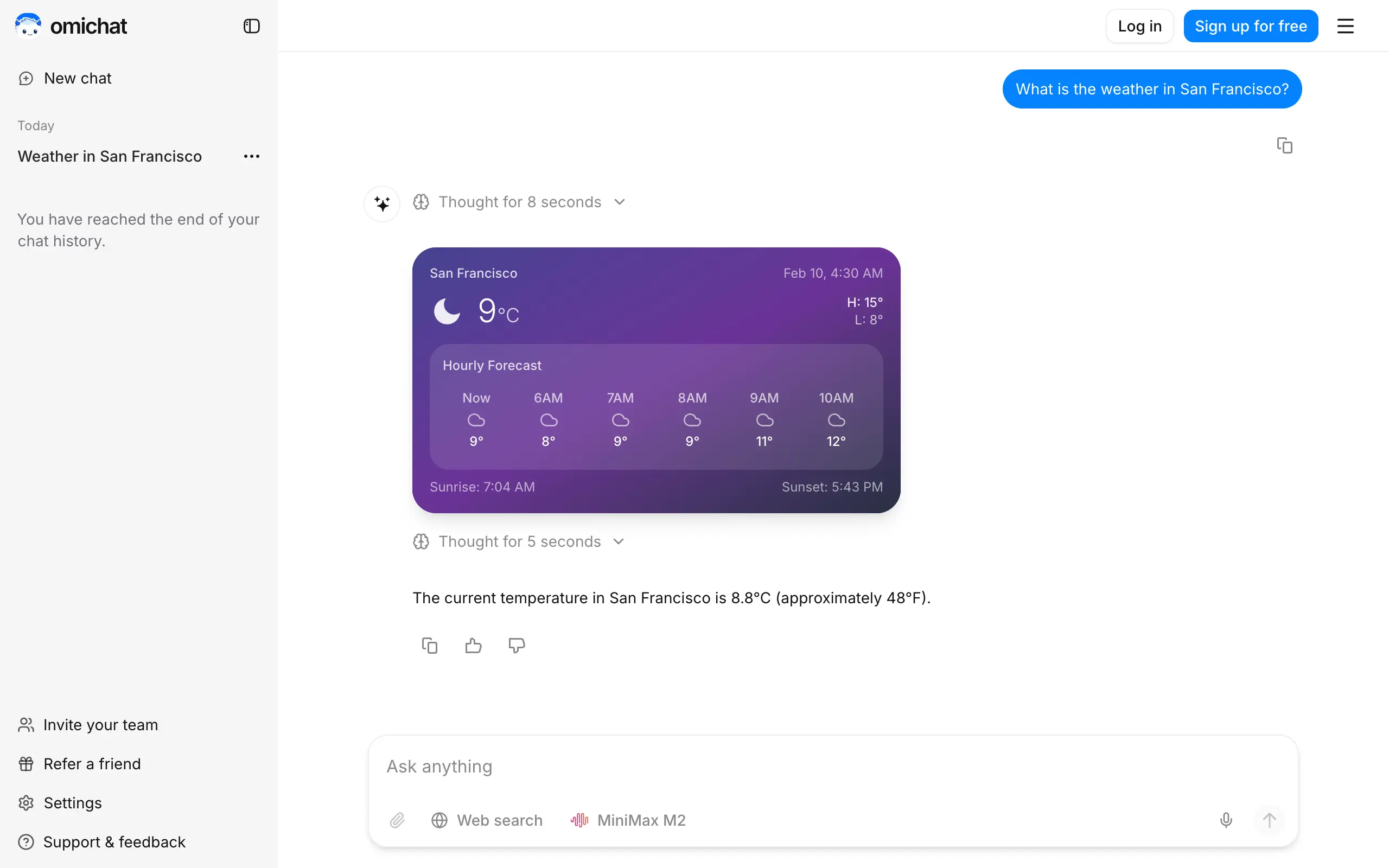
Omichat
Chat with 50+ AI models, including ChatGPT and Claude, in one place - switch models anytime without losing context 🤖
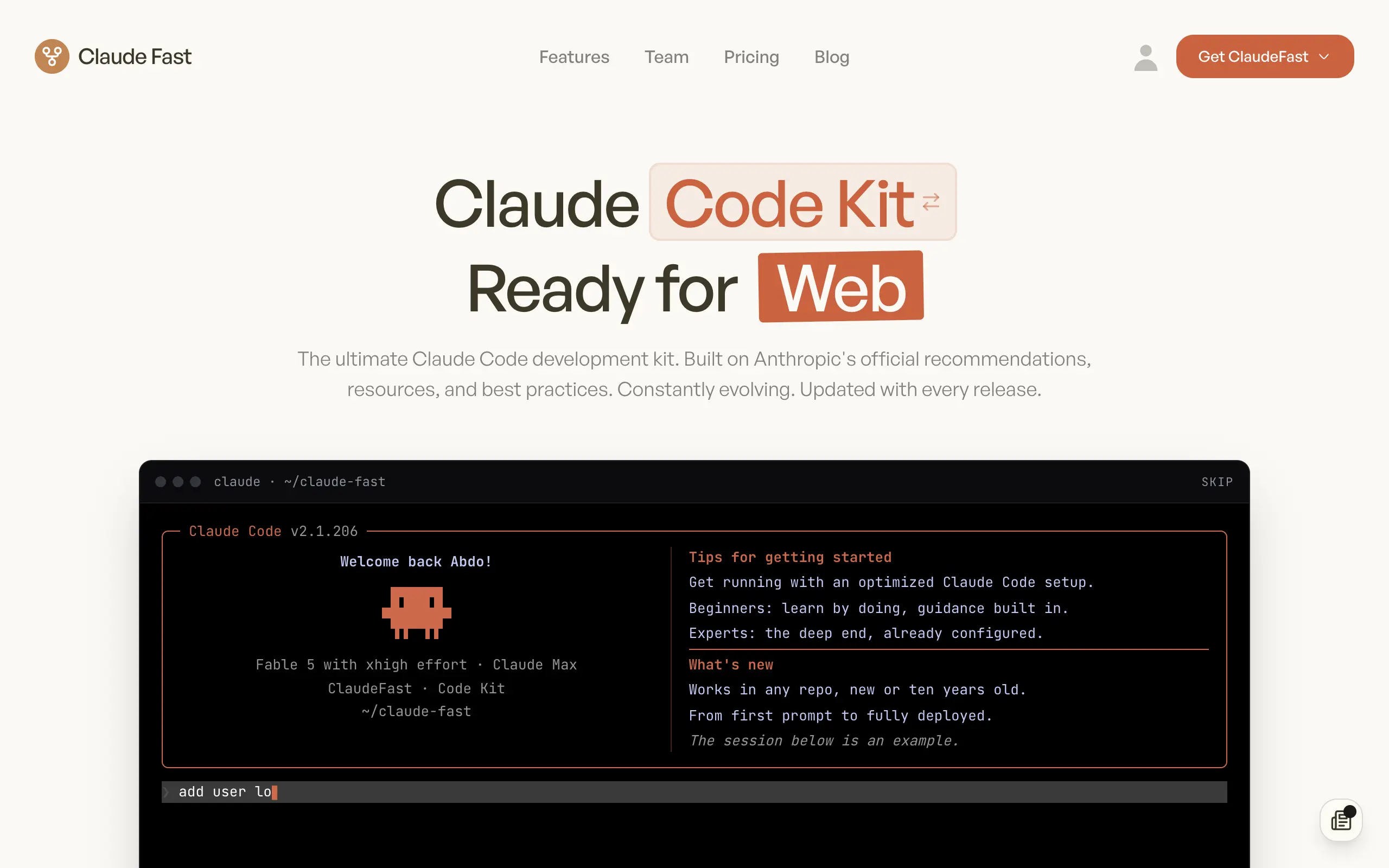
Claude Fast
Supercharge your Claude Code with 6x effective context window and specialized AI agents 🤖
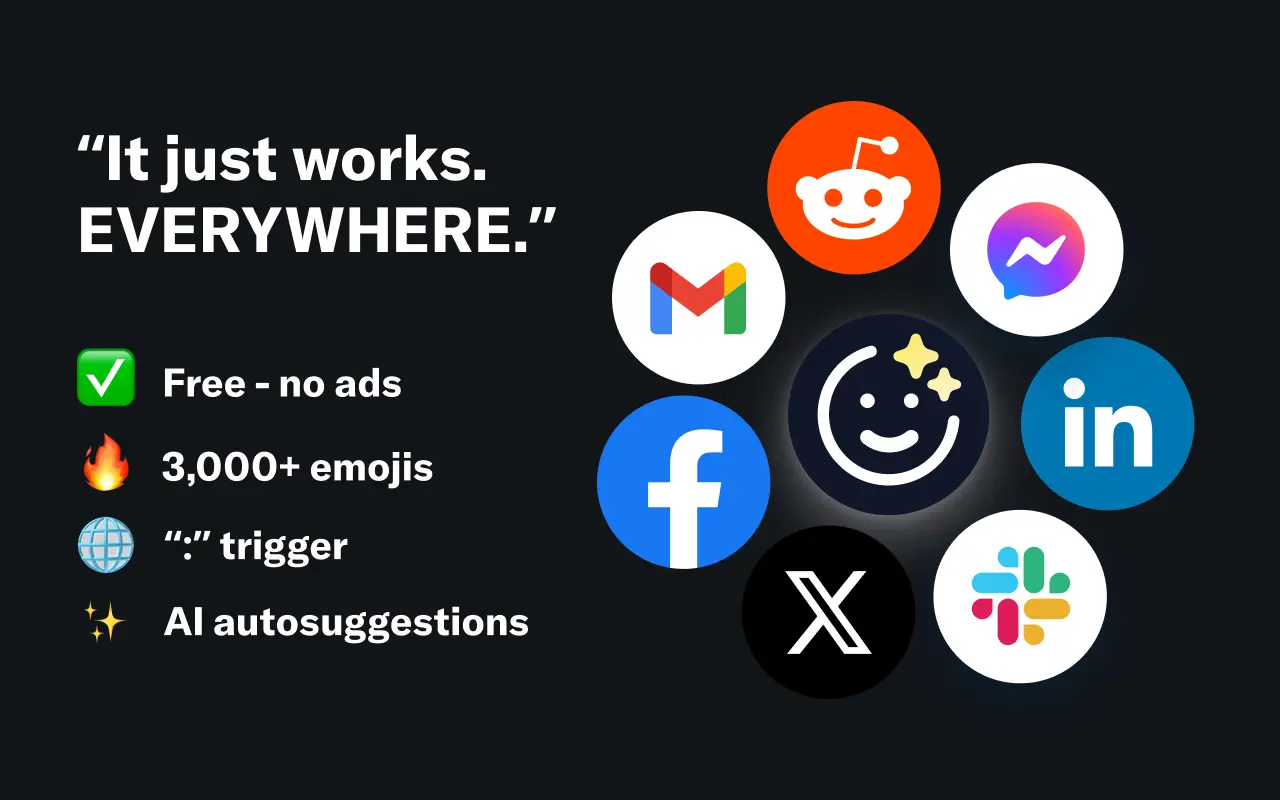
EmojAI
AI-powered emoji picker with smart, context-aware suggestions 🤖
Solohacker
Autonomous company launcher - AI agents work 24/7, escalate what matters, and you stay in control 🤖

BeRawi: Storytelling Coach
Practice storytelling daily with instant feedback to sound clearer, more engaging, and confident 🎤
Omichat
Chat with 50+ AI models, including ChatGPT and Claude, in one place - switch models anytime without losing context 🤖
Claude Fast
Supercharge your Claude Code with 6x effective context window and specialized AI agents 🤖
EmojAI
AI-powered emoji picker with smart, context-aware suggestions 🤖
Solohacker
Autonomous company launcher - AI agents work 24/7, escalate what matters, and you stay in control 🤖
BeRawi: Storytelling Coach
Practice storytelling daily with instant feedback to sound clearer, more engaging, and confident 🎤
Omichat
Chat with 50+ AI models, including ChatGPT and Claude, in one place - switch models anytime without losing context 🤖
Claude Fast
Supercharge your Claude Code with 6x effective context window and specialized AI agents 🤖
EmojAI
AI-powered emoji picker with smart, context-aware suggestions 🤖
Solohacker
Autonomous company launcher - AI agents work 24/7, escalate what matters, and you stay in control 🤖
BeRawi: Storytelling Coach
Practice storytelling daily with instant feedback to sound clearer, more engaging, and confident 🎤
Omichat
Chat with 50+ AI models, including ChatGPT and Claude, in one place - switch models anytime without losing context 🤖
Claude Fast
Supercharge your Claude Code with 6x effective context window and specialized AI agents 🤖
EmojAI
AI-powered emoji picker with smart, context-aware suggestions 🤖
Solohacker
Autonomous company launcher - AI agents work 24/7, escalate what matters, and you stay in control 🤖
BeRawi: Storytelling Coach
Practice storytelling daily with instant feedback to sound clearer, more engaging, and confident 🎤

Connect with like-minded people
Join our community to get feedback, support, and grow together with 1,000+ builders on board, let's ship it!
Join usShip your startup everywhere. In minutes.
Don't burn tokens on setup and start building features on day one.