NomadShield
On-demand risk scoring and microfirewall rules for remote app access—easy integration for distributed teams, powerful for SASE and cloud app defense.
NomadShield is positioned to become a critical SaaS tool in the fast-changing world of secure remote access. Its blend of on-demand risk scoring and granular, adaptive microfirewall rules solves urgent challenges for distributed teams and those implementing modern SASE (Secure Access Service Edge) or advanced cloud application defenses.
Below is an authoritative and comprehensive guide that answers core user search intent—from market opportunity validation and target audience to technical recommendations, monetization paths, risk analysis, and actionable steps to launch.
Understanding the target audience for NomadShield
To succeed, any security SaaS must deeply understand its users, pain points, and operating landscape. For NomadShield, the audience is clear—but nuanced.
Who needs on-demand risk scoring and microfirewall SaaS?
- Distributed IT teams: Organizations with remote/hybrid workforces needing to enforce app security policies without traditional, centralized gateways.
- Security engineers/architects: Professionals seeking tools to implement SASE controls, zero trust principles, or dynamic risk-based access for cloud workloads.
- SaaS/cloud-focused businesses: Companies delivering services via public cloud or multi-cloud and facing evolving threats like unauthorized access, lateral movement, and insecure endpoints.
- Regulated industries: Finance, healthcare, and education sectors where compliance (GDPR, HIPAA, PCI DSS) mandates audit trails and threat control over remote access.
User goals and pain points
- Pain: Complex, slow integrations. Legacy VPNs or SASE tools require deep changes and disrupt productivity.
- Pain: Lack of nuance. Rules or risk policies often can't adapt to changing user context or granular app data.
- Goal: Easy, fast deployment. Security must not slow down business operations or digital transformation.
- Goal: High granularity. IT wants app-level, even field-level, security—not just perimeter controls.
- Goal: Compliance and auditability. Organizations must track, document, and often dynamically adapt policies.
Remote-first SaaS teams
Easy, non-intrusive enforcement of security rules for dynamic remote teams.
SASE implementation leaders
Powerful risk-adaptive firewall tools that plug into SASE and zero trust architectures.
Cloud application owners
Flexible, app-specific access controls and microsegmentation for cloud services.
Market opportunity and competitive landscape
Why is now the right time for NomadShield?
- Hybrid and remote work is mainstream. As of 2024, over 58% of workers in developed economies either work remotely or as part of distributed teams ([suggest source: Gartner Remote Work Statistics 2024]).
- SASE and zero trust seeing rapid adoption. By 2025, over 60% of enterprises will implement SASE frameworks, per analyst forecasts ([suggest source: Gartner SASE Market Guide]).
- Cloud threat surface keeps expanding. With 90% of new enterprise apps in the cloud, risks of unauthorized access, shadow IT, lateral movement, and breaches have multiplied.
What market gaps does NomadShield address?
- Traditional firewalls and VPNs are perimeter-based. They fail to provide dynamic, app-level, context-aware controls for remote/web-based/cloud environments.
- SASE tools can be expensive and complex. Many are cumbersome for SMBs or fast-moving SaaS businesses with no in-house network security teams.
- Visibility and granularity. Security leaders want real-time scoring and the ability to set micro-policies at the endpoint or API call level—without significant rewrites.
Gap analysis versus typical solutions
| Feature | Traditional Firewall | VPN-based Access | SASE Platform | NomadShield |
|---|---|---|---|---|
| Granular, dynamic microfirewall rules | ❌ | ❌ | ✅ | ✅ |
| On-demand risk scoring per session/user/device | ❌ | ❌ | ✅ | ✅ |
| Simple API integration into apps/cloud | ❌ | ❌ | ❌ | ✅ |
| Focused on distributed/remote teams | ❌ | ✅ | ✅ | ✅ |
| Automatic compliance/audit trails | ❌ | ❌ | ✅ | ✅ |
Industry trend
In response to the rise of API-first infrastructures, microsegmentation, and risk-adaptive access, the market increasingly favors lightweight integrations over legacy appliances or “rip and replace” tools.
Core features and solution architecture
What makes NomadShield different?
- On-demand risk scoring: Evaluate user, device, location, and behavioral risk each session—enabling adaptive application access decisions.
- Microfirewall rules: Deploy granular, dynamic rules at the user, device, or API endpoint—even field-level control for cloud and SaaS apps.
- API-first integration: Drop-in SDKs or API endpoints—no heavy infrastructure or intrusive device agents.
- Real-time policy updates: Centrally manage, update, and enforce policies for distributed users or assets.
- Seamless audits and reporting: Automated tracking and exportable logs for compliance, security, and ops use.
Detail: How does on-demand risk scoring work?
- User context: Collect signals like location, typical activity hours, previous session patterns.
- Device posture: Assess OS status, patch levels, or device health (where permissions allow).
- Network and environment: Analyze IP reputation, VPN status, suspicious endpoints.
- Behavioral baseline: Learn and update per-user/app “normal” profiles to spot anomalies immediately.
Example: A user logs in from a new device in an unexpected country at midnight. NomadShield scores the risk as “high” and requires step-up authentication, or restricts specific app actions for that session.
Detail: Microfirewall rule engine
- Create targeted allow/deny policies:
- By user, group, or dynamic risk level
- By API/resource path (e.g.,
/finance/payments) - By device or behavioral signatures
- Adapt rules based on real-time scoring output
- Provide JSON/YAML policy definitions for automation or simple UI toggles
// Example: Define a microfirewall rule by API path and user risk score
const rule = {
  apiPath: "/finance/transfer",
  minRiskScore: 0.8, // block users above 0.8 risk
  action: "deny"
};
Seamless API and SDK integration for modern teams
NomadShield is designed to integrate quickly with popular cloud app stacks using standard APIs, webhooks, or lightweight SDKs.
- Integrations: REST API, Webhooks, SDKs for React, Node.js, Go.
- Single-pane policy dashboard: Manage security globally; adapt to new threats without rewriting code.
- Minimal friction: No full-device agents or deprecated VPN stacks to install.
Recommended tech stack for building NomadShield
Choosing the right stack ensures security, scalability, and developer velocity, all essential for a platform like NomadShield.
Suggested modern SaaS tech stack
Backend:
Frontend:
- React (React): Fast, modular SPA for policy dashboards.
- Next.js (Next.js): SSR benefits for login, auditing UIs.
- TailwindCSS (TailwindCSS): Utility-first CSS for fast UI delivery.
Policy Engine:
- Open Policy Agent (OPA): Industry-standard for flexible policy as code (can be integrated into Go and Node backends).
- Custom logic: For specific risk and anomaly scoring pipelines.
Data/Storage:
- PostgreSQL (PostgreSQL): Structured storage for users, logs, and rules.
- Redis (Redis): For low-latency caching of risk state/session tokens.
- S3/(Cloud object store): Audit/extracts and log archival.
DevOps/Security:
- Terraform (Terraform): Infra as Code, cloud agnostic deployments.
- Kubernetes (Kubernetes): For scalable orchestration and rolling updates.
- Let’s Encrypt (Let’s Encrypt): Automated, free TLS for all endpoints.
Trade-offs
- Go vs Node.js: Go excels in concurrency and raw performance (good for the real-time policy engine), while Node.js offers a massive ecosystem and developer speed.
- OPA integration: Choosing Open Policy Agent standardizes rules and audits, but adds a dependency—they also have a learning curve.
- Self-hosted vs. fully managed: Some customers (e.g., finance) may prefer on-premise options, but cloud-native delivery simplifies updates and scaling.
Security-first engineering
NomadShield must follow strict secure coding standards and regular audits due to the mission-critical nature of access control. See OWASP Guidelines.
Monetization strategies for a security SaaS
Successful B2B SaaS products like NomadShield should align monetization with customer value and scale with usage.
Revenue models to consider
- Per-user/per-asset pricing: Charge by seat, active device, or app connection. Industry-standard for access and SASE tools.
- Feature-based tiers: Offer free/basic and premium plans (e.g., more granular policy controls, audit log depth, or integrations).
- Pay-as-you-go (PAYG): Flexible pricing tied to API calls, risk assessments, or microfirewall policies deployed.
- Annual contracts for enterprises: Volume discounts, advanced SLA, and onboarding services for large customers.
- Add-ons: Upsell modules like advanced analytics, compliance packs, or custom integrations.
Example monetization structure
| Plan | Users | Microfirewall rules | Audit/log retention | Integrations |
|---|---|---|---|---|
| Starter | Up to 25 | 10 | 30 days | REST API |
| Growth | Up to 200 | 100 | 1 year | API, Webhooks, 2 SDKs |
| Enterprise | Unlimited | Custom | 7 years | All, SSO add-ons |
Potential risks and mitigation
As with any security solution, trust, robustness, and scalability are paramount.
If risk scoring is too aggressive, legitimate users may face excessive blocks or security challenges, harming productivity. Mitigation: Use adaptive, feedback-driven models, and allow IT admins to tune sensitivity or create exceptions.
Even if pitched as “fast integration,” real-world apps/legacy systems may not fit well. Mitigation: Invest in comprehensive documentation, pre-built connectors, and white-glove onboarding for high value accounts.
Handling access logs, user data, or behavioral stats raises data privacy and local compliance challenges. Mitigation: Provide granular privacy controls, role-based access, and support for regional data residency.
SaaS platforms must guarantee uptime for mission-critical access controls. Mitigation: Multi-region failover, status APIs, clear SLAs, and offline fallback agents for critical integrations.
Security buyers are skeptical of solutions that are hard to migrate away from. Mitigation: Offer exportable policies, open standards (like OPA), and transparent billing.
Competitive advantage: NomadShield's unique value
What sets NomadShield apart from the competition?
- Truly on-demand, risk-adaptive policy enforcement: Most competitors are static or require deep, slow changes to update.
- Focused on integration speed: API-first and cloud-centric, not a legacy appliance ported to SaaS.
- Affordable, granular control for SMBs and scale-ups: Low cost/complexity vs. full SASE giants, but more sophistication than DIY open source.
- Unmatched audit/compliance integration: Automated, exportable, and ready-to-use in regulated environments.
USP in one sentence:
NomadShield empowers distributed teams with instantly adaptable risk-based access—blending microsegmentation, on-demand scoring, and seamless integration into any cloud or app stack.
Actionable implementation steps
Ready to bring NomadShield to life, or pilot it in your company? Here’s a roadmap for a lean, effective launch.
Identify core use cases. Choose which apps/services (e.g., CRM, internal dashboards) would immediately benefit from risk-scored access or granular firewalling.
Map user flows and risk factors. Document user/device/session journeys and your high-value actions or data paths.
Design your policy engine. Leverage OPA or build your custom rules for how risk score translates into permissions or restrictions.
Select integration paths. Start with REST API or SDK for rapid pilots; plan deeper integrations for later.
Implement monitoring and logging. Build structured logs and dashboards for real-time alerts and compliance.
Test and get feedback. Pilot with a security-savvy team; iterate on rules and scoring to minimize false positives.
Launch and scale. Offer clear onboarding, documentation, and quickstart examples for distributed customer adoption.
Conclusion: Why NomadShield is an essential SaaS for secure remote access
With hybrid work as the norm and threats evolving rapidly, security leaders crave adaptive, easy-to-integrate solutions. NomadShield’s approach—offering both on-demand risk scoring and microfirewall policies—is purpose-built for the realities of cloud apps, distributed teams, and SaaS-driven businesses.
By focusing on genuine user pain, rapid integration, and enterprise-grade control, NomadShield is uniquely positioned to help businesses of all sizes confidently embrace remote, zero trust, and SASE frameworks—without trading off agility or affordability.
TurboStarter can dramatically accelerate the prototyping and initial launch of complex SaaS products like NomadShield, reducing dev effort and enabling fast go-to-market.
More 🏢 B2B Application SaaS ideas
Discover more innovative b2b application SaaS ideas that are trending in 2026. Each idea is AI-generated with market validation and growth potential to help you find your next profitable venture faster than competitors.
Your competitors are building with TurboStarter
Below are some of the SaaS ideas that have been generated and built with our starter kit.
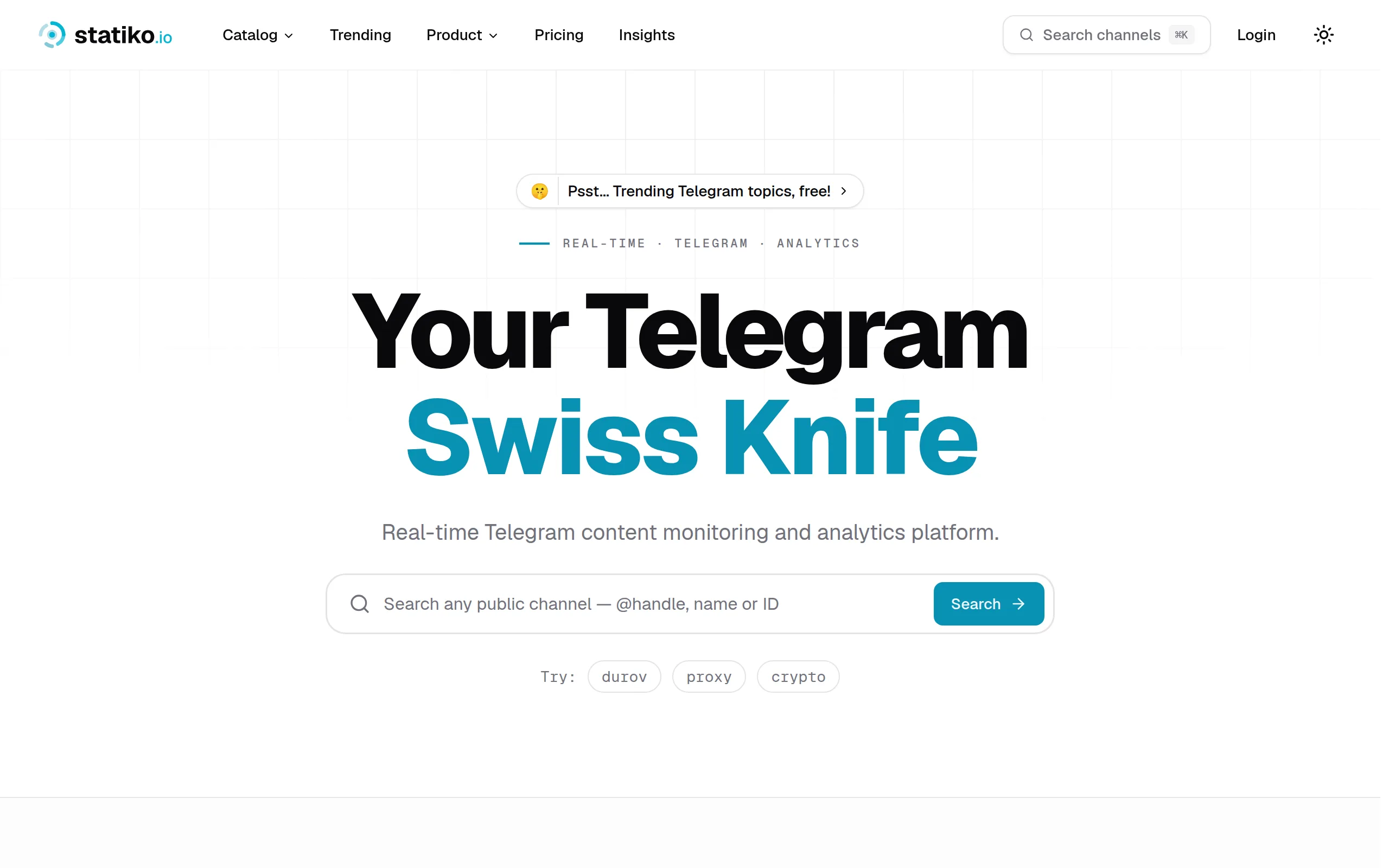
Statiko
Monitor any Telegram channel in real time - track posts, edits, deletions, and growth with AI recaps 📡
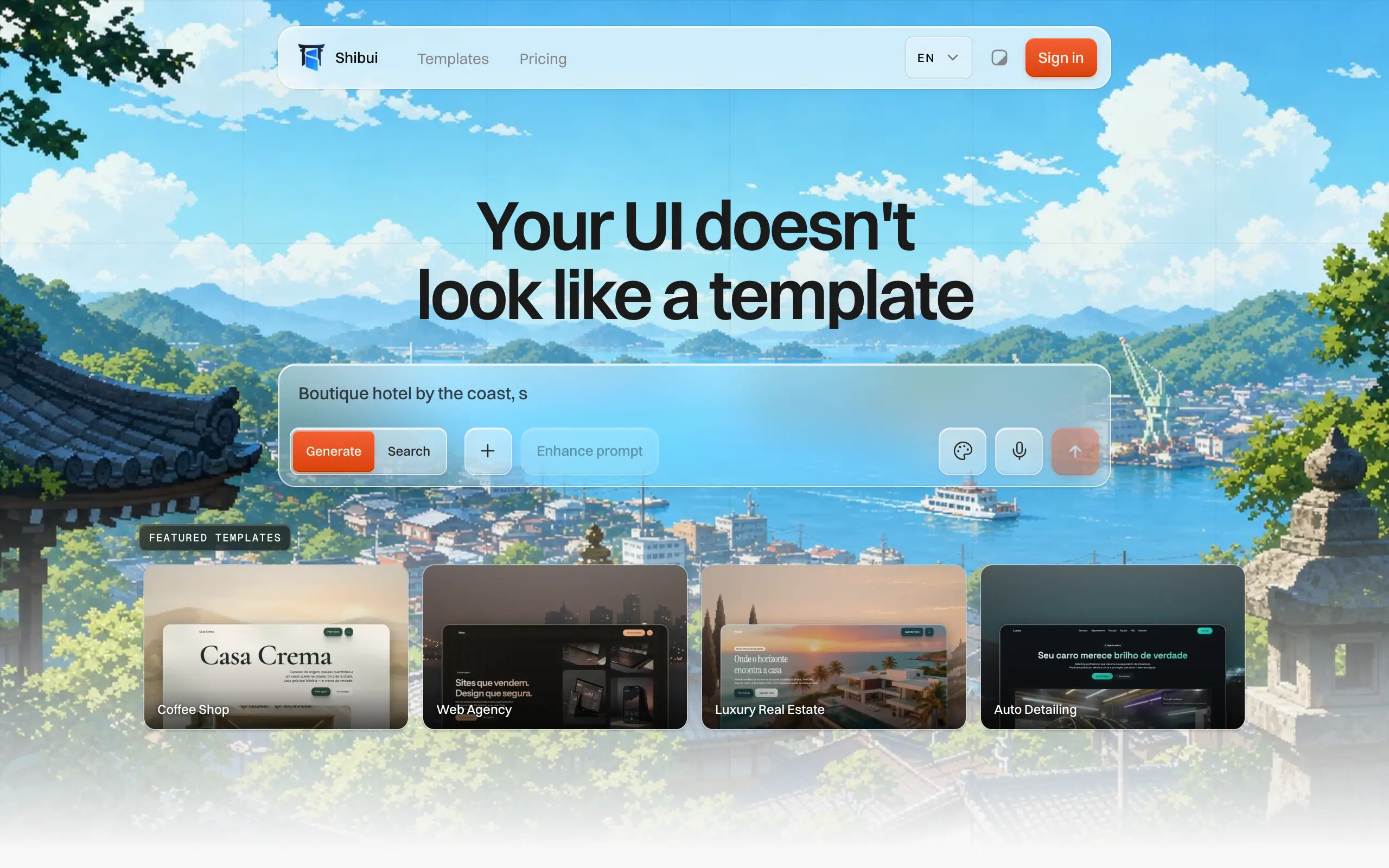
Shibui
AI website builder - describe your business, pick a niche template, edit by chatting, and publish instantly ✨

Pro Service
Find verified home service professionals, compare quotes, and pay securely through escrow - built for Brazilians across the US 🏠
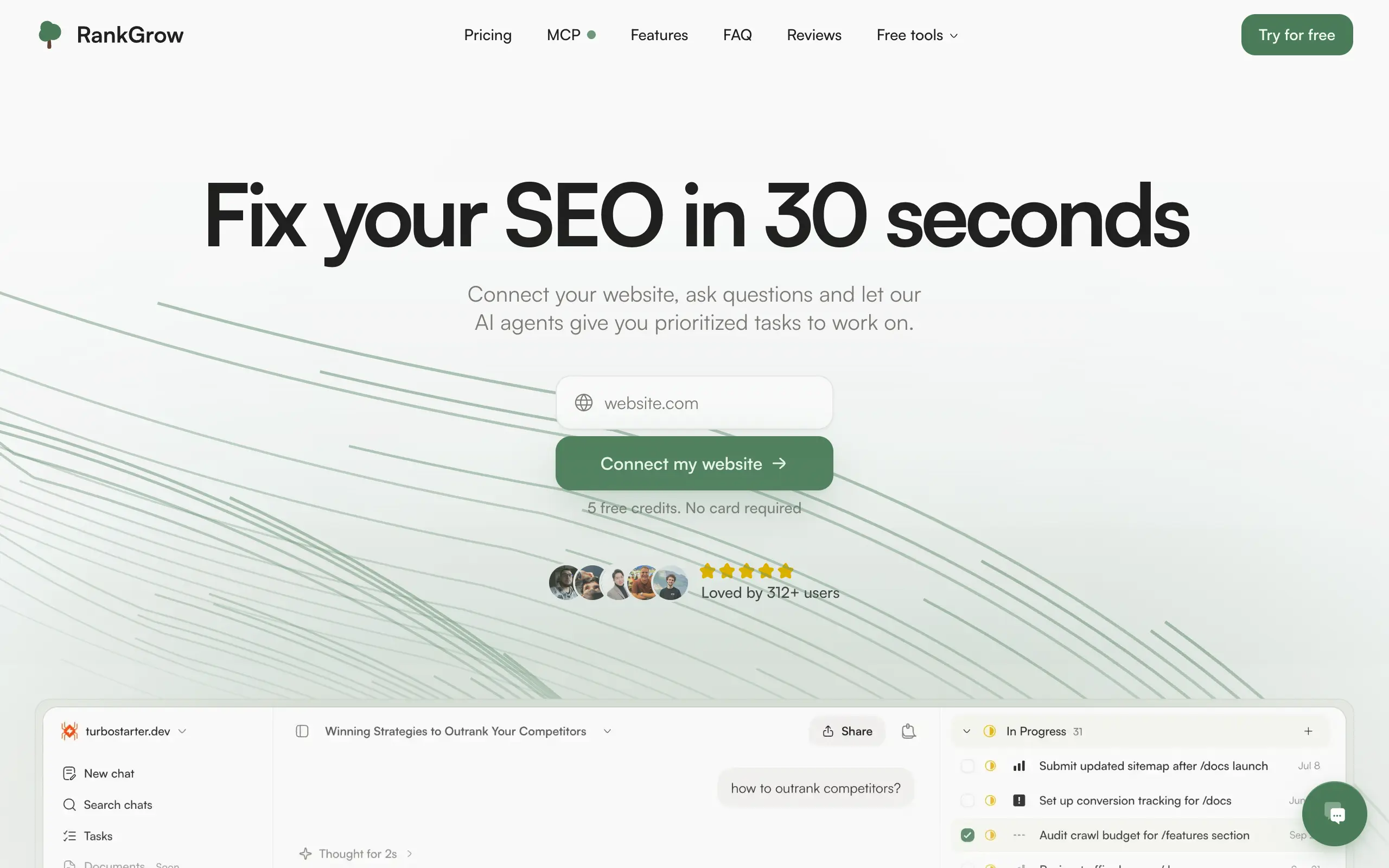
RankGrow
Fix your SEO with AI agents - connect Search Console, get prioritized tasks, and grow organic traffic 📈
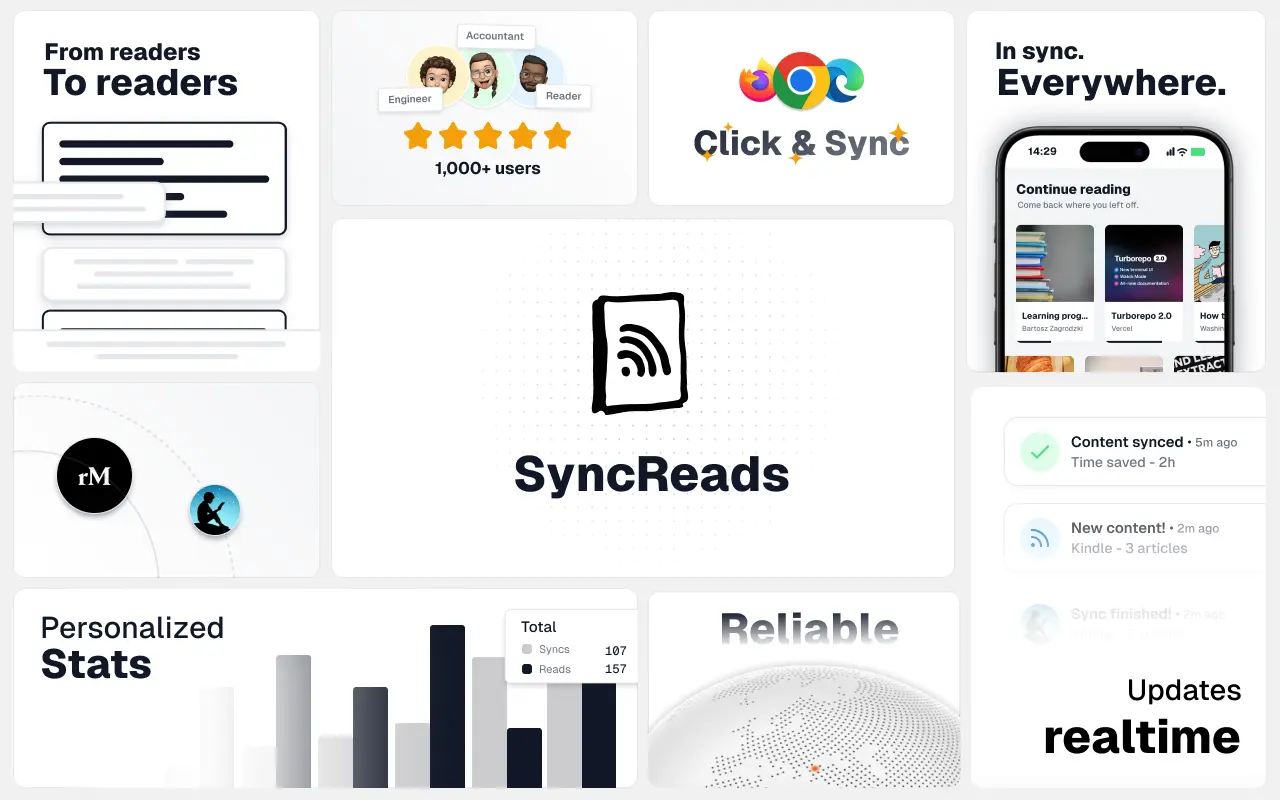
SyncReads
Sync your favorite content for distraction-free reading, save time and replace multiple apps. Anytime, anywhere 🔄
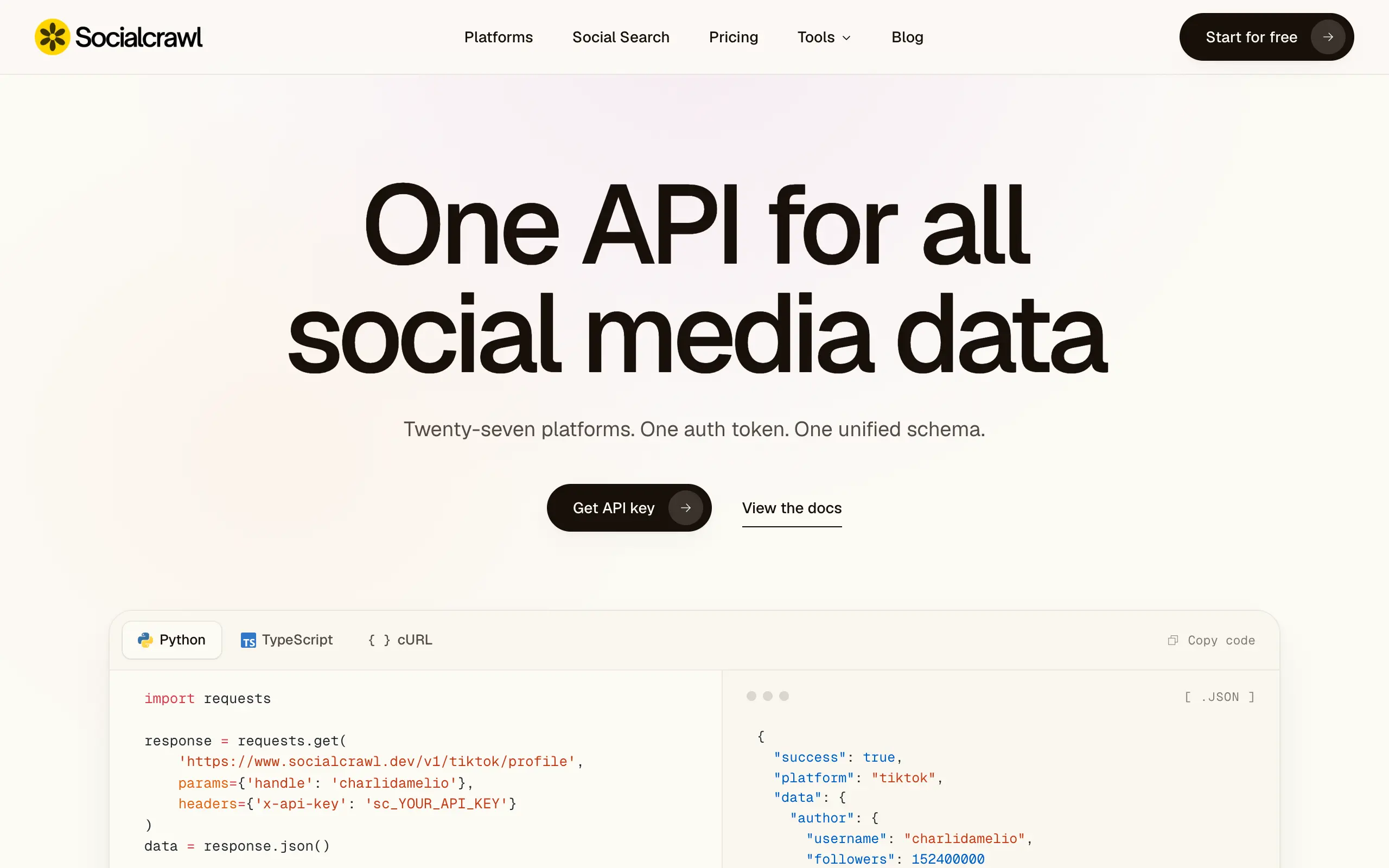
Socialcrawl
Get clean, structured data from 21 platforms like TikTok, Instagram, and YouTube with a single request 📊
Statiko
Monitor any Telegram channel in real time - track posts, edits, deletions, and growth with AI recaps 📡
Shibui
AI website builder - describe your business, pick a niche template, edit by chatting, and publish instantly ✨
Pro Service
Find verified home service professionals, compare quotes, and pay securely through escrow - built for Brazilians across the US 🏠
RankGrow
Fix your SEO with AI agents - connect Search Console, get prioritized tasks, and grow organic traffic 📈
SyncReads
Sync your favorite content for distraction-free reading, save time and replace multiple apps. Anytime, anywhere 🔄
Socialcrawl
Get clean, structured data from 21 platforms like TikTok, Instagram, and YouTube with a single request 📊
Statiko
Monitor any Telegram channel in real time - track posts, edits, deletions, and growth with AI recaps 📡
Shibui
AI website builder - describe your business, pick a niche template, edit by chatting, and publish instantly ✨
Pro Service
Find verified home service professionals, compare quotes, and pay securely through escrow - built for Brazilians across the US 🏠
RankGrow
Fix your SEO with AI agents - connect Search Console, get prioritized tasks, and grow organic traffic 📈
SyncReads
Sync your favorite content for distraction-free reading, save time and replace multiple apps. Anytime, anywhere 🔄
Socialcrawl
Get clean, structured data from 21 platforms like TikTok, Instagram, and YouTube with a single request 📊
Statiko
Monitor any Telegram channel in real time - track posts, edits, deletions, and growth with AI recaps 📡
Shibui
AI website builder - describe your business, pick a niche template, edit by chatting, and publish instantly ✨
Pro Service
Find verified home service professionals, compare quotes, and pay securely through escrow - built for Brazilians across the US 🏠
RankGrow
Fix your SEO with AI agents - connect Search Console, get prioritized tasks, and grow organic traffic 📈
SyncReads
Sync your favorite content for distraction-free reading, save time and replace multiple apps. Anytime, anywhere 🔄
Socialcrawl
Get clean, structured data from 21 platforms like TikTok, Instagram, and YouTube with a single request 📊
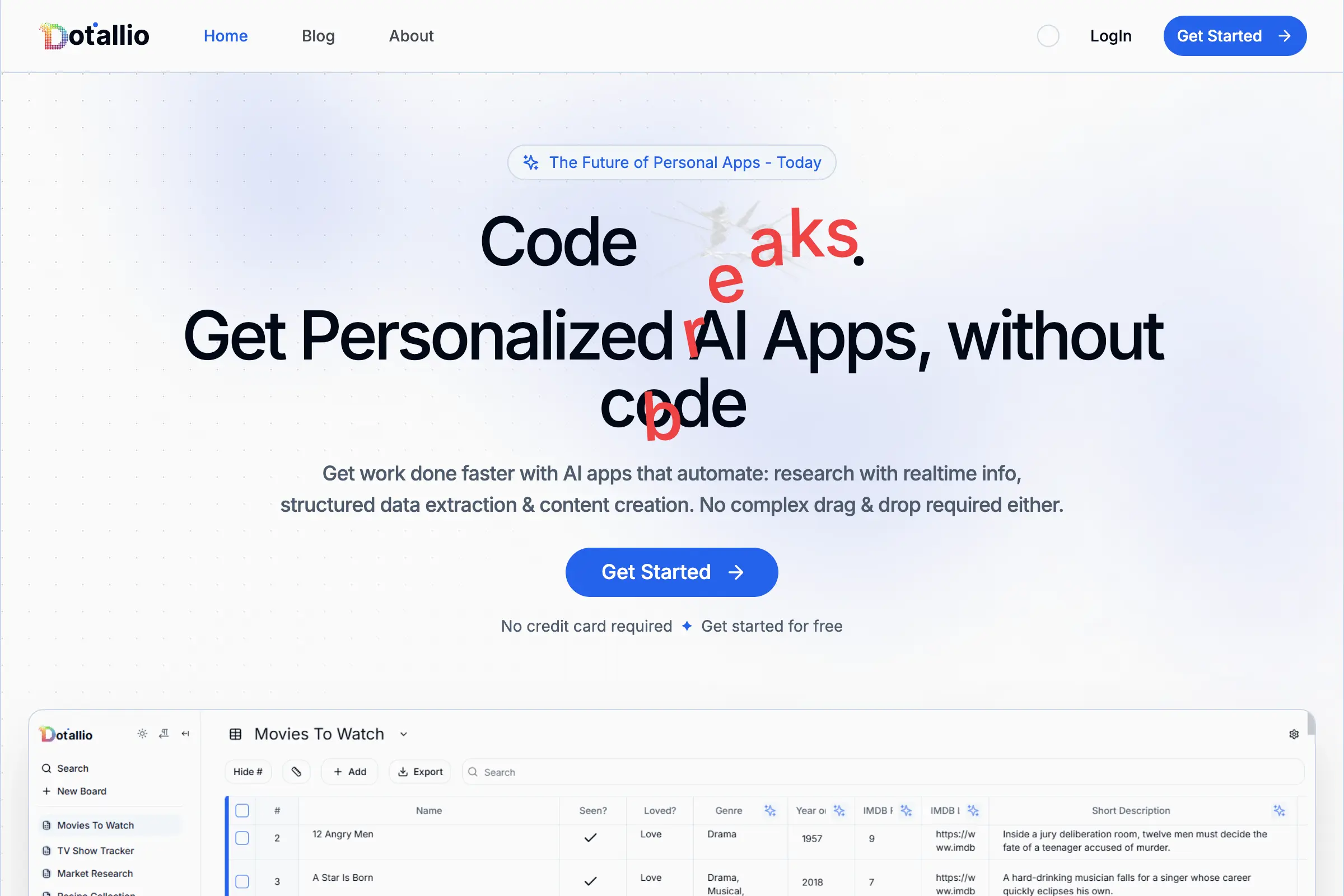
Dotallio
Personalized AI apps that automate research, data extraction, and content creation without code 🤖

Talk to Santa
Enjoy a magical live video chat or receive a unique AI-generated video greeting from Santa Claus 🎅

pozywka.pl
Scalable blog for food journalist, focused on performance and user experience 🌭
zagrodzki.me
Personal blog and portfolio of Bart Zagrodzki, where he shares his knowledge and work 💼
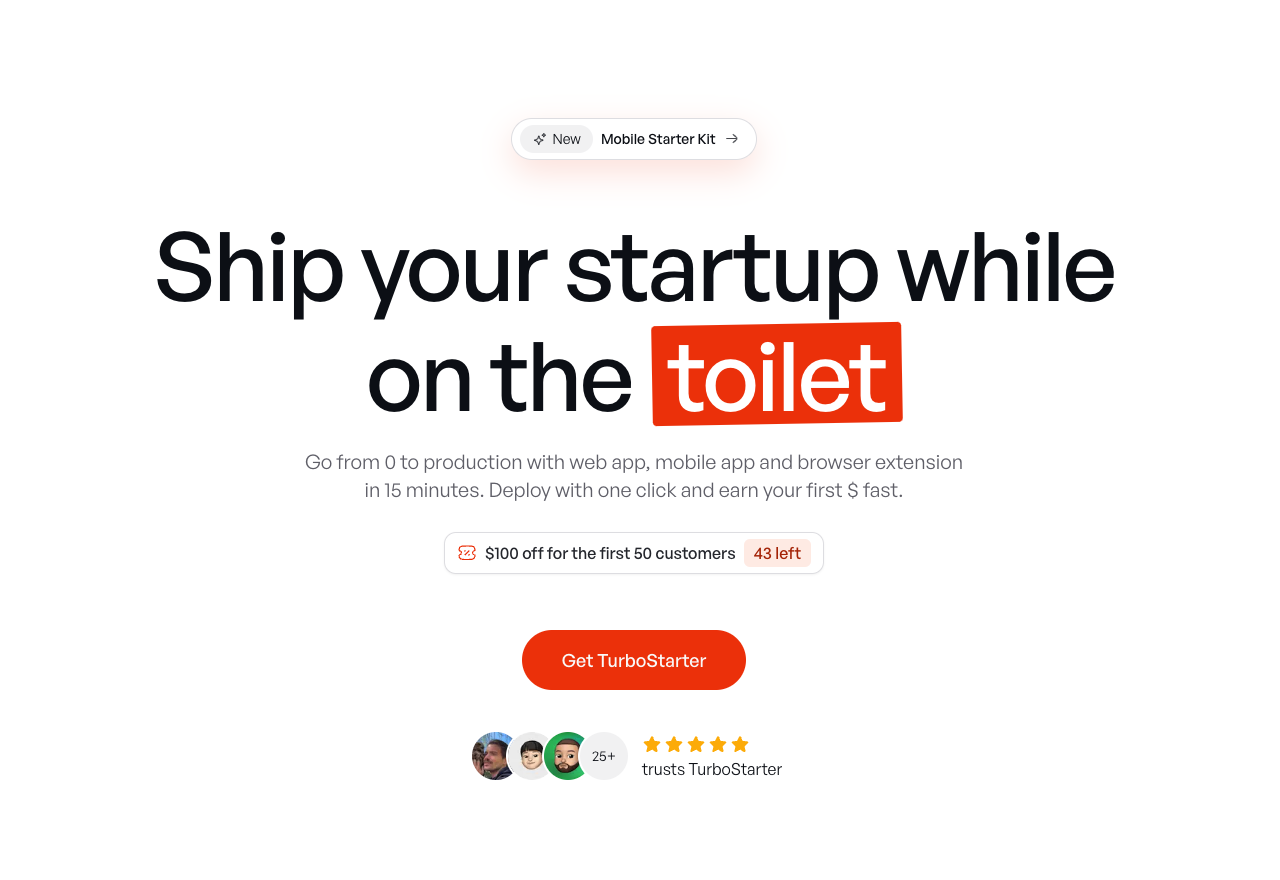
TurboStarter
Ship your startup everywhere. In minutes.
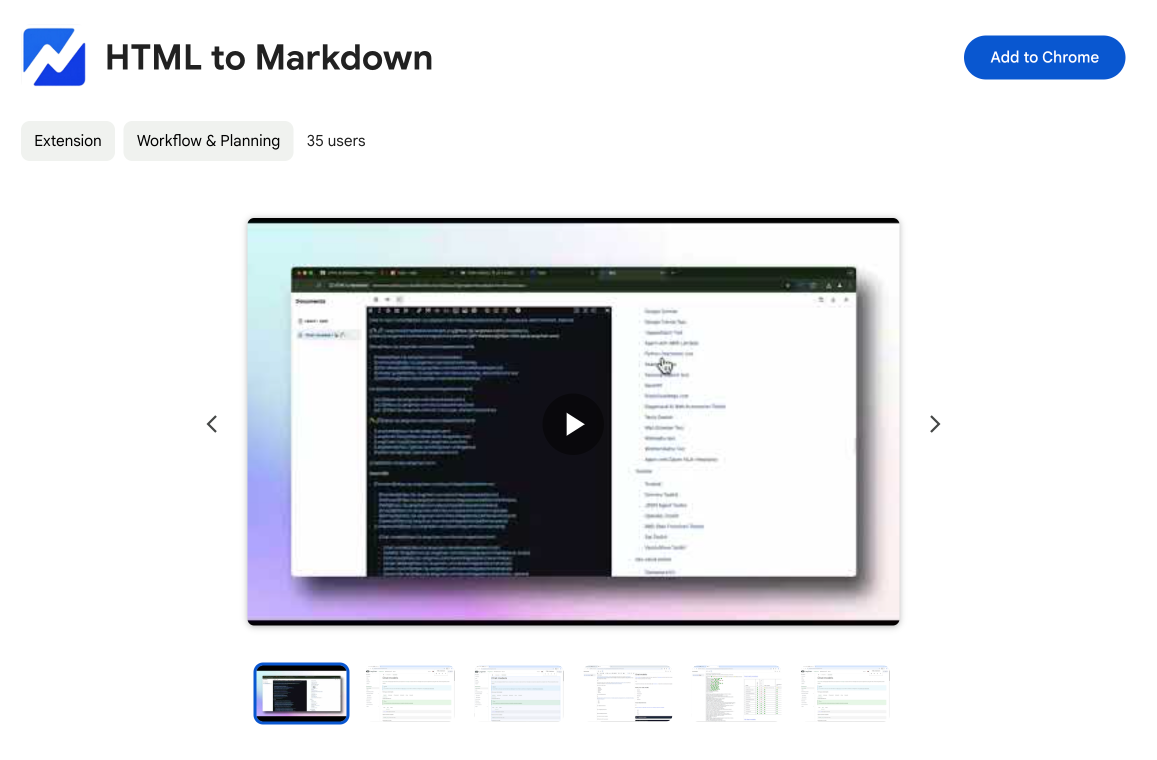
HTML to Markdown
Convert HTML to Markdown with ease, directly in your browser 📄
Dotallio
Personalized AI apps that automate research, data extraction, and content creation without code 🤖
Talk to Santa
Enjoy a magical live video chat or receive a unique AI-generated video greeting from Santa Claus 🎅
pozywka.pl
Scalable blog for food journalist, focused on performance and user experience 🌭
zagrodzki.me
Personal blog and portfolio of Bart Zagrodzki, where he shares his knowledge and work 💼
TurboStarter
Ship your startup everywhere. In minutes.
HTML to Markdown
Convert HTML to Markdown with ease, directly in your browser 📄
Dotallio
Personalized AI apps that automate research, data extraction, and content creation without code 🤖
Talk to Santa
Enjoy a magical live video chat or receive a unique AI-generated video greeting from Santa Claus 🎅
pozywka.pl
Scalable blog for food journalist, focused on performance and user experience 🌭
zagrodzki.me
Personal blog and portfolio of Bart Zagrodzki, where he shares his knowledge and work 💼
TurboStarter
Ship your startup everywhere. In minutes.
HTML to Markdown
Convert HTML to Markdown with ease, directly in your browser 📄
Dotallio
Personalized AI apps that automate research, data extraction, and content creation without code 🤖
Talk to Santa
Enjoy a magical live video chat or receive a unique AI-generated video greeting from Santa Claus 🎅
pozywka.pl
Scalable blog for food journalist, focused on performance and user experience 🌭
zagrodzki.me
Personal blog and portfolio of Bart Zagrodzki, where he shares his knowledge and work 💼
TurboStarter
Ship your startup everywhere. In minutes.
HTML to Markdown
Convert HTML to Markdown with ease, directly in your browser 📄
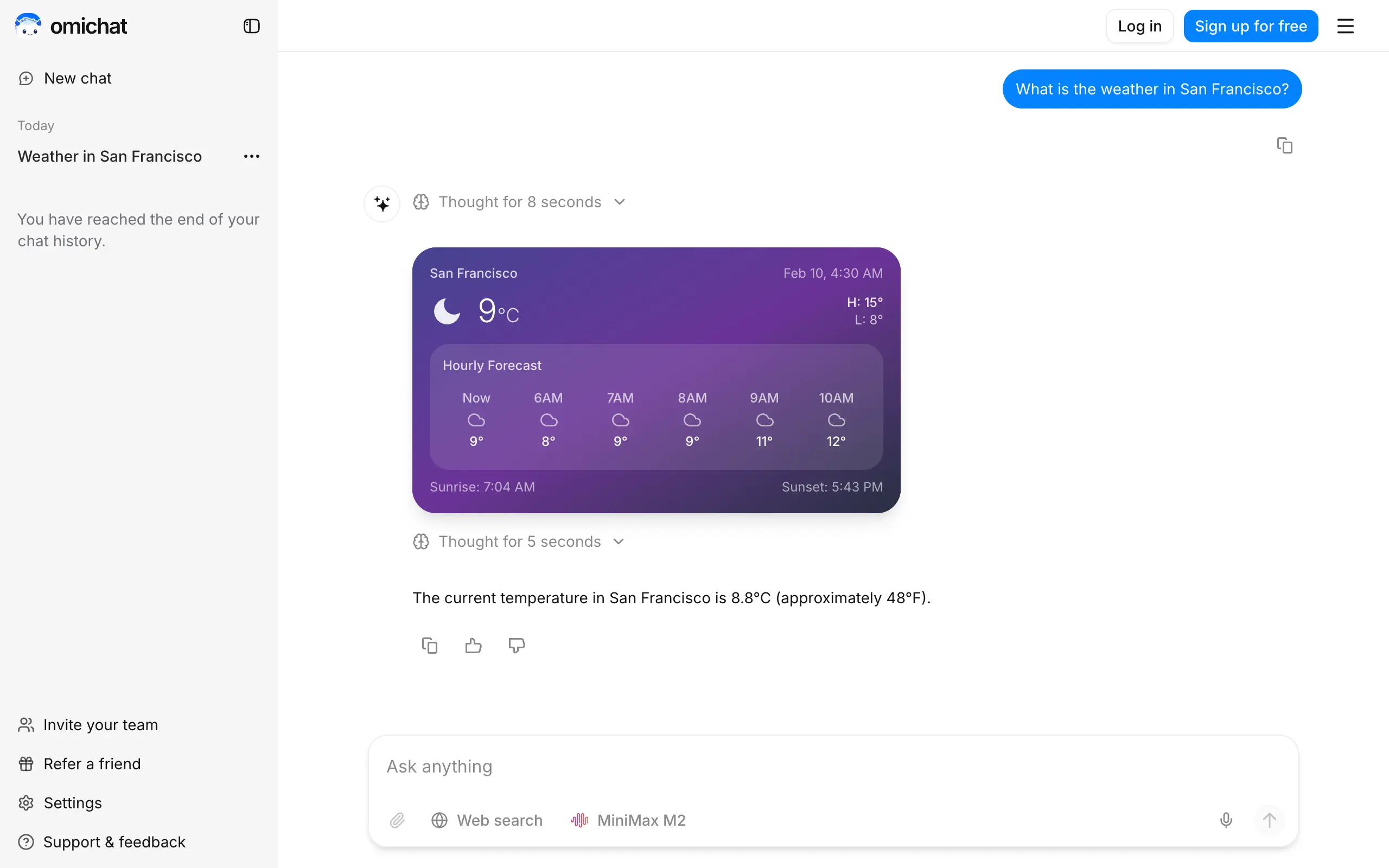
Omichat
Chat with 50+ AI models, including ChatGPT and Claude, in one place - switch models anytime without losing context 🤖
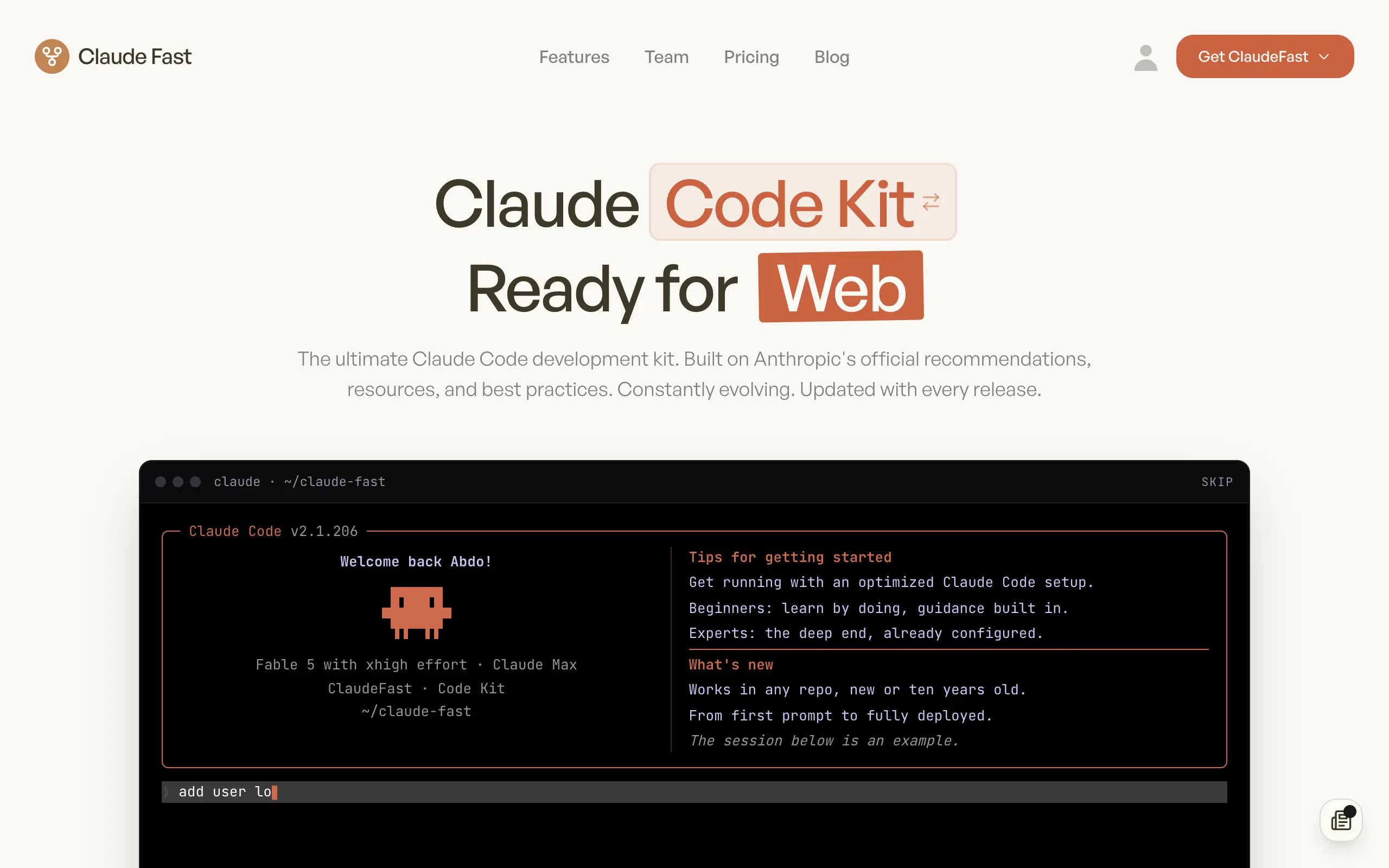
Claude Fast
Supercharge your Claude Code with 6x effective context window and specialized AI agents 🤖
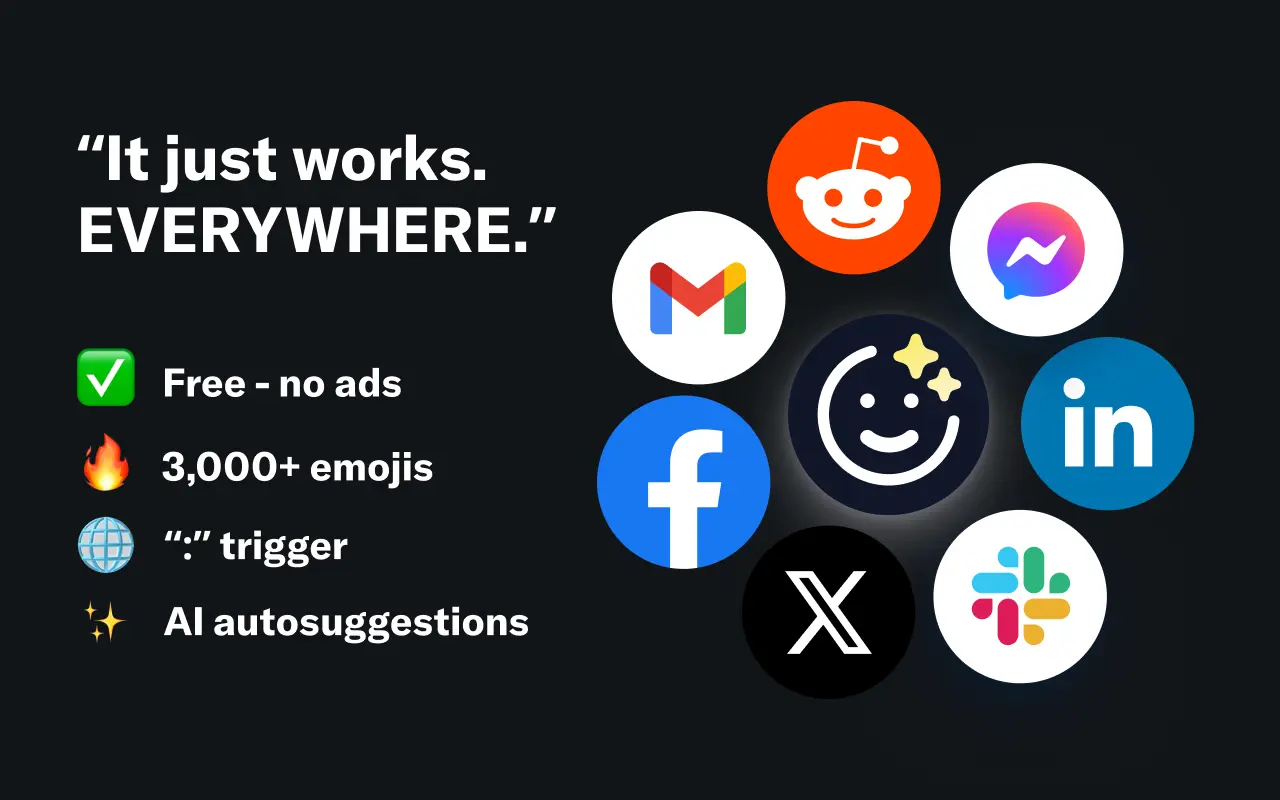
EmojAI
AI-powered emoji picker with smart, context-aware suggestions 🤖
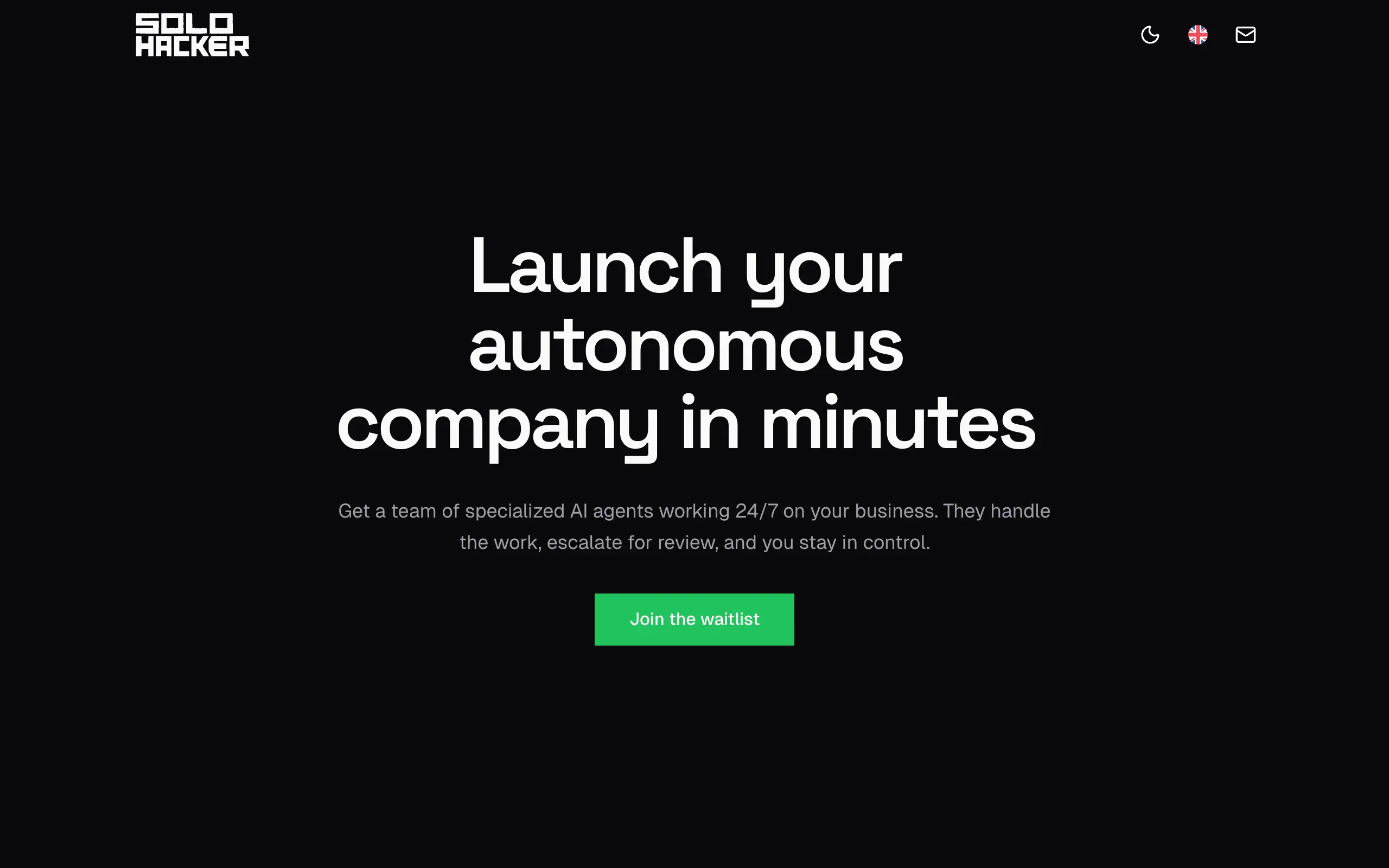
Solohacker
Autonomous company launcher - AI agents work 24/7, escalate what matters, and you stay in control 🤖

BeRawi: Storytelling Coach
Practice storytelling daily with instant feedback to sound clearer, more engaging, and confident 🎤
Omichat
Chat with 50+ AI models, including ChatGPT and Claude, in one place - switch models anytime without losing context 🤖
Claude Fast
Supercharge your Claude Code with 6x effective context window and specialized AI agents 🤖
EmojAI
AI-powered emoji picker with smart, context-aware suggestions 🤖
Solohacker
Autonomous company launcher - AI agents work 24/7, escalate what matters, and you stay in control 🤖
BeRawi: Storytelling Coach
Practice storytelling daily with instant feedback to sound clearer, more engaging, and confident 🎤
Omichat
Chat with 50+ AI models, including ChatGPT and Claude, in one place - switch models anytime without losing context 🤖
Claude Fast
Supercharge your Claude Code with 6x effective context window and specialized AI agents 🤖
EmojAI
AI-powered emoji picker with smart, context-aware suggestions 🤖
Solohacker
Autonomous company launcher - AI agents work 24/7, escalate what matters, and you stay in control 🤖
BeRawi: Storytelling Coach
Practice storytelling daily with instant feedback to sound clearer, more engaging, and confident 🎤
Omichat
Chat with 50+ AI models, including ChatGPT and Claude, in one place - switch models anytime without losing context 🤖
Claude Fast
Supercharge your Claude Code with 6x effective context window and specialized AI agents 🤖
EmojAI
AI-powered emoji picker with smart, context-aware suggestions 🤖
Solohacker
Autonomous company launcher - AI agents work 24/7, escalate what matters, and you stay in control 🤖
BeRawi: Storytelling Coach
Practice storytelling daily with instant feedback to sound clearer, more engaging, and confident 🎤

Connect with like-minded people
Join our community to get feedback, support, and grow together with 1,000+ builders on board, let's ship it!
Join usShip your startup everywhere. In minutes.
Don't burn tokens on setup and start building features on day one.