OpenEdge Insight
A collaborative platform for sharing, benchmarking, and versioning open-source firmware across embedded projects. Includes security compliance and CI/CD features.
Understanding the vision behind OpenEdge Insight
Today's embedded systems landscape is rapidly evolving, with open-source firmware playing a pivotal role in IoT devices, industrial automation, robotics, and edge computing. Yet, engineering teams and organizations often struggle to collaborate, benchmark, and maintain compliance as they share, version, and continually improve firmware. OpenEdge Insight is designed to bridge this growing gap.
By providing a collaborative B2B platform for sharing, benchmarking, and versioning open-source firmware, OpenEdge Insight enables embedded development teams to streamline security compliance, leverage continuous integration/continuous deployment (CI/CD) best practices, and accelerate innovation across projects.
Who needs a platform like OpenEdge Insight?
Understanding the target audience is vital for effective product positioning and SEO-driven content strategy. OpenEdge Insight caters primarily to:
- Embedded systems engineers and firmware developers working in B2B settings
- Engineering and hardware teams in IoT, Industry 4.0, Robotics, Automotive, and edge device companies
- Open-source project maintainers and contributors focused on hardware and firmware
- CTOs and engineering managers overseeing regulated or safety-critical projects
- System integrators seeking reliable, compliant open-source firmware
Key user personas
Firmware Engineer at a Mid-size IoT Startup
Needs a streamlined way to version, benchmark, and share firmware updates across distributed teams and suppliers.
Security Compliance Officer in Industrial Automation
Responsible for maintaining detailed audit trails of open-source firmware and ensuring adherence to standards such as IEC 62443.
Open-source Maintainer
Aims to build a collaborative community, benchmark improvements, and attract commercial contributors to project repositories.
CI/CD Architect in Robotics
Requires seamless integration of firmware version control, security scanning, and automated benchmarking within their DevOps pipeline.
Identifying the market opportunity and industry gaps
The embedded systems and IoT market is projected to reach billions of connected devices by 2025 (reference: [Statista IoT Reports]). However, organizations and open-source communities face persistent challenges:
- Fragmented tooling: Disparate platforms for code sharing, benchmarking, version control, and security compliance complicate the workflow.
- Benchmarking complexity: Reliable, standardized firmware benchmarking environments are rare.
- Compliance burdens: Increasing regulatory oversight (GDPR for IoT, IEC 62443, etc.) makes tracking open-source firmware provenance and updates difficult.
- CI/CD support for firmware: Many existing solutions focus on software, not firmware, leaving hardware-centric teams underserved.
By delivering a unified platform that brings together these capabilities, OpenEdge Insight addresses a significant, underserved pain point.
Industries most impacted
Sectors like connected healthcare, automotive embedded systems, smart manufacturing, and critical infrastructure are under heightened regulatory scrutiny. OpenEdge Insight offers a path to efficient, auditable firmware collaboration.
Core features and solutions of OpenEdge Insight
Let's break down the key functionality that OpenEdge Insight provides for its users:
1. Collaborative firmware repository
- Secure, cloud-hosted platform for managing open-source firmware projects
- Team-based access control and organizational workspaces
- Discussion threads, pull requests, and merge approvals tailored for firmware
2. Advanced firmware versioning
- Semantic versioning with changelog auto-generation
- Tagging for hardware compatibility and supported boards
- Visualization of version history across forks and branches
3. Benchmarking and performance analysis
- Built-in tools for real-time hardware-in-the-loop (HIL) or simulated benchmarking
- Track firmware performance metrics (latency, power consumption, memory footprint)
- Leaderboards and automated regression tracking
4. Security compliance toolkit
- Integrated vulnerability scanning for common firmware CVEs
- Dependency license audits with compliance reporting
- Audit trails and exportable compliance evidence for certifications (e.g., IEC 62443, ISO/SAE 21434)
5. Embedded CI/CD workflow integration
- Native integration with GitHub Actions, GitLab CI/CD, and similar tools
- Support for hardware-in-the-loop automated testing and deployment
- Policy-driven release pipelines
6. Powerful search, filtering, and discoverability
- Search repositories by MCU, OS, license, compliance status, or performance profile
- Advanced filters for benchmarking scores and security grades
- Intuitive UI tailored for firmware projects
7. Collaboration and knowledge sharing
- Inline documentation, code review, and collaborative editing
- Public and private project support
- Organization and contributor profile pages to showcase expertise and highlight compliance
Why now? Trends driving the need for OpenEdge Insight
- Explosive growth of IoT devices: The world will have over 30 billion IoT devices by 2025. Firmware vulnerabilities have become a top security concern (Statista).
- Shift-left security: Engineering best practices demand catching compliance issues earlier in the pipeline (source: [OWASP DevSecOps]).
- Open-source in critical infrastructure: The US Cybersecurity Executive Order and EU Cyber Resilience Act highlight the need for traceable open-source firmware.
- DevOps for hardware: Modern CI/CD flows are now expected even in embedded development, not just software.
Recommended tech stack for OpenEdge Insight
Selecting the tech stack is crucial for delivering a highly available, scalable, and secure platform tailored to embedded firmware teams.
| Layer | Recommended Technology | Why Choose It? | Alternatives | Trade-offs |
|---|---|---|---|---|
| Frontend | React | Mature ecosystem, reusable components, SSR/SPA support | Vue.js | Learning curve, bundle size |
| Styling/UI | TailwindCSS | Rapid development, utility-first classes | Chakra UI | Requires utility class familiarity |
| Backend/API | Node.js | Asynchronous, cross-platform, rich ecosystem | Go | Event loop vs. concurrency model |
| Database | PostgreSQL | Strong ACID compliance, scalable, supports JSON & relational data | MongoDB | Schema flexibility vs. structured data |
| Firmware Benchmarking | Cloud-connected hardware labs (LabGrid, custom scripts) | Enables HIL testing and real-world benchmarks | Emulators, QEMU | Accuracy vs. cost |
| Security & Compliance | OWASP Dependency-Check, Trivy CI | Industry-leading vulnerability scanning | Custom in-house tools | Maintainability vs. flexibility |
Choosing the right tech stack: What matters?
- Reliability: Mission-critical, downtime must be minimal.
- Extensibility: Support for plugins (e.g., benchmarking plug-ins or compliance standards).
- Performance: Fast repository indexing and artifact retrieval for large embedded projects.
- Security: End-to-end encryption, strong access controls, audit logs.
Serverless can accelerate backend development and help handle periods of spiking usage; however, persistent connections for HIL benchmarking tools may require traditional containerized or VM-based infrastructure.
For enterprise and regulated customers, offering both managed cloud and self-hosted deployments can increase adoption. OpenEdge Insight should consider Kubernetes-based orchestration for on-premise options.
Monetization strategies for OpenEdge Insight
A B2B SaaS like OpenEdge Insight should balance accessibility for the open-source community and recurring revenue streams from businesses:
Popular monetization models
- Freemium: Free for open-source projects, paid tiers unlock advanced features, private repos, or compliance tools.
- Pro/Business Subscription: User- or seat-based pricing for organizations with additional security, benchmarking, and API integrations.
- Marketplace revenue: Potential for a marketplace where firmware modules, hardware-specific plugins, or benchmarking time can be purchased.
- Compliance/Certification as a Service: Offer compliance evidence generation and certification support as a premium add-on.
Example pricing tiers
| Tier | Features |
|---|---|
| Community | Public/open-source hosting, limited benchmarking |
| Professional | Private repos, enhanced benchmarking, team access control |
| Enterprise | Compliance automation, dedicated support, custom SLAs |
Addressing potential risks and how to mitigate them
All SaaS platforms, especially those touching open-source and embedded hardware, must proactively plan for risks:
1. Intellectual property and licensing conflicts
- Mitigation: Enforce license compliance checks, provide clear guidance on open-source usage and attribution, and support SPDX tagging.
2. Security vulnerabilities in shared firmware
- Mitigation: Automated, regular CVE scans; user alerts on newly discovered vulnerabilities; trusted publisher badges.
3. Reliability of benchmarking infrastructure
- Mitigation: Hybrid approach using both simulators (high availability) and cloud HIL labs (realistic results with scheduled windows).
4. Regulatory and privacy compliance
- Mitigation: Audit-ready logs, compliance evidence exports, and regular reviews to keep up with changing standards.
5. Vendor lock-in
- Mitigation: Data export/import features, open APIs, and support for standard formats (e.g., Git, SPDX).
Competitive advantage and unique selling proposition
What makes OpenEdge Insight stand out?
- End-to-end support for the firmware lifecycle: Few platforms combine versioning, compliance, benchmarking, and CI/CD for embedded code.
- Security and compliance at the core: Automated tools with reporting tailored for the unique needs of embedded development.
- Real-world benchmarking: Hardware-in-the-loop and simulated benchmarking, not just theoretical metrics.
- Community and knowledge sharing features: Collaboration tools specifically designed for firmware teams.
- Open business model: Free tier for public/open-source projects and paid options for businesses.
OpenEdge Insight vs. traditional version control & collaboration tools
How does OpenEdge Insight compare to tools like GitHub, GitLab, or Bitbucket for firmware-specific needs?
| Firmware-specific features | Benchmarking | Compliance tooling | CI/CD for hardware | Open-source focus |
|---|---|---|---|---|
| ✅ | ❌ | ❌ | ✅ | ❌ |
| ✅ | ❌ | ✅ | ✅ | ❌ |
While mainstream platforms excel at generic version control, they lack integrated benchmarking, security compliance, and CI/CD flows for physical hardware—a gap OpenEdge Insight expertly fills.
Steps to bring OpenEdge Insight to market: Implementation roadmap
Building a B2B SaaS like OpenEdge Insight requires careful prioritization and agile execution:
Interview target users—conduct discovery sessions with 10–20 embedded teams and open-source maintainers to validate pain points, desired integrations, and compliance bottlenecks.
Start with a minimum viable platform—focus on core repository management, semantic versioning, and basic benchmarking integration.
Integrate cloud-based CI/CD and compliance scanning—leverage existing CI providers and compliance databases for quick wins.
Design collaborative knowledge-sharing features—add discussion forums, documentation, and reviewer workflows built for firmware teams.
Expand benchmarking capabilities—develop and partner for cloud hardware-in-the-loop labs and accurate performance scoring.
Pilot with select open-source and early adopter enterprise teams—collect feedback, refine UX, and address scaling/security concerns.
Launch publicly with a compelling freemium tier and clear migration/onboarding support.
Continuously iterate—add advanced compliance tools, support additional MCUs, and foster a vibrant firmware developer community.
Actionable best practices for SaaS founders building OpenEdge Insight
- Lean into partnerships with MCU vendors and hardware labs for expanded benchmarking support.
- Prioritize compliance and export functionality from the start—regulatory requirements often drive adoption decisions.
- Foster open-source engagement by making the community tier generous and contributor-friendly.
- Measure success not just by signups, but by active firmware uploads, benchmarking runs, and documented compliance evidence generated.
- Iterate quickly, but securely—firmware platforms must avoid security missteps.
Conclusion: The future of collaborative, secure, and benchmark-driven open-source firmware
OpenEdge Insight is poised to become a core enabler for the next generation of connected devices, providing embedded teams with the tools to collaborate, benchmark, and comply smarter and faster. By focusing on the unique requirements of firmware development—where security, reliability, and transparency are paramount—OpenEdge Insight fills a market need that generic version control and project management platforms ignore.
For SaaS founders and engineering leaders, the opportunity is clear: finish what others have started by creating the world's first truly collaborative, compliance-driven platform for open-source firmware.
For more resources on SaaS acceleration and product launch, check out TurboStarter.
Relevant external resources
More 🏢 B2B Application SaaS ideas
Discover more innovative b2b application SaaS ideas that are trending in 2026. Each idea is AI-generated with market validation and growth potential to help you find your next profitable venture faster than competitors.
Your competitors are building with TurboStarter
Below are some of the SaaS ideas that have been generated and built with our starter kit.
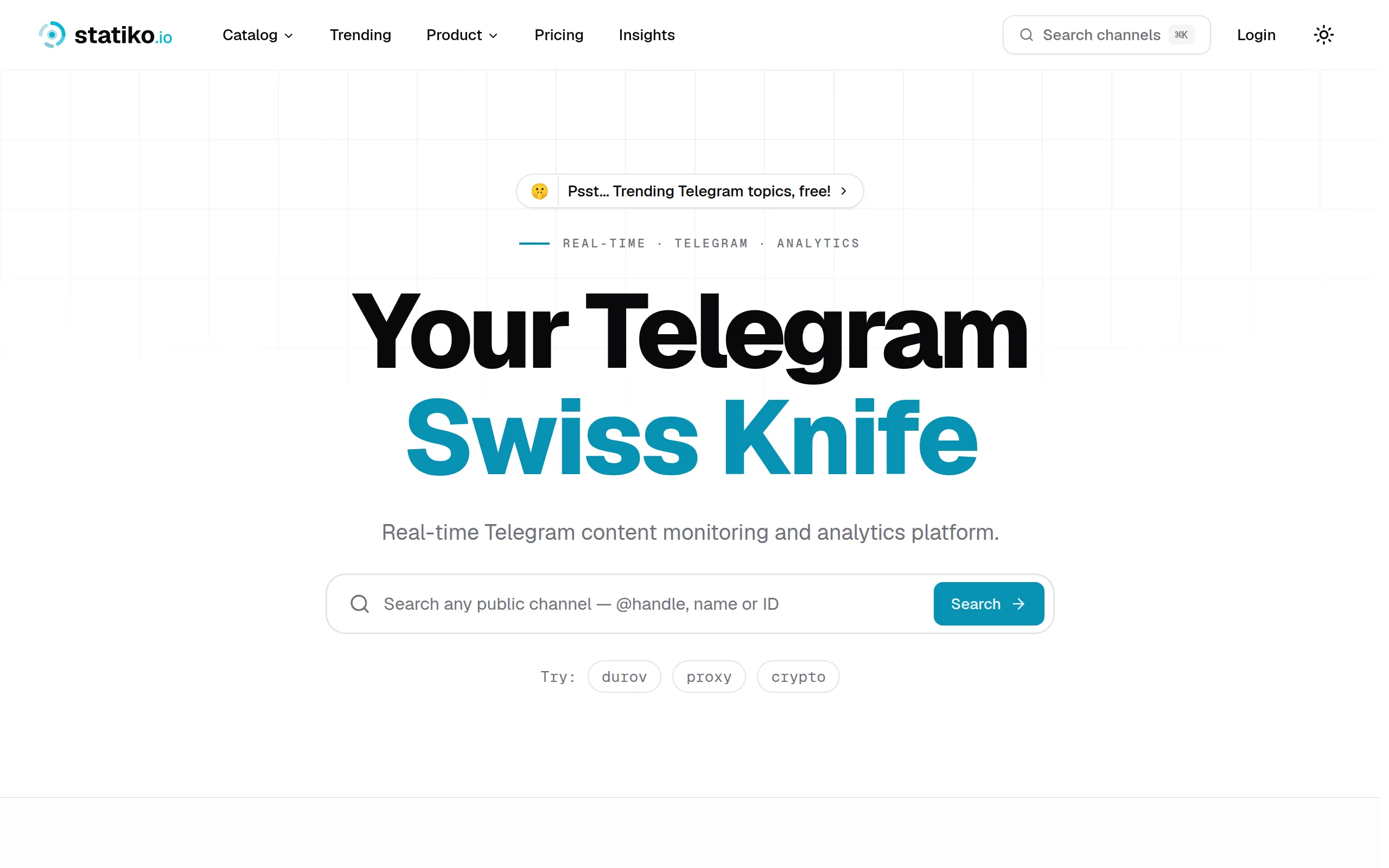
Statiko
Monitor any Telegram channel in real time - track posts, edits, deletions, and growth with AI recaps 📡

Shibui
AI website builder - describe your business, pick a niche template, edit by chatting, and publish instantly ✨

Pro Service
Find verified home service professionals, compare quotes, and pay securely through escrow - built for Brazilians across the US 🏠
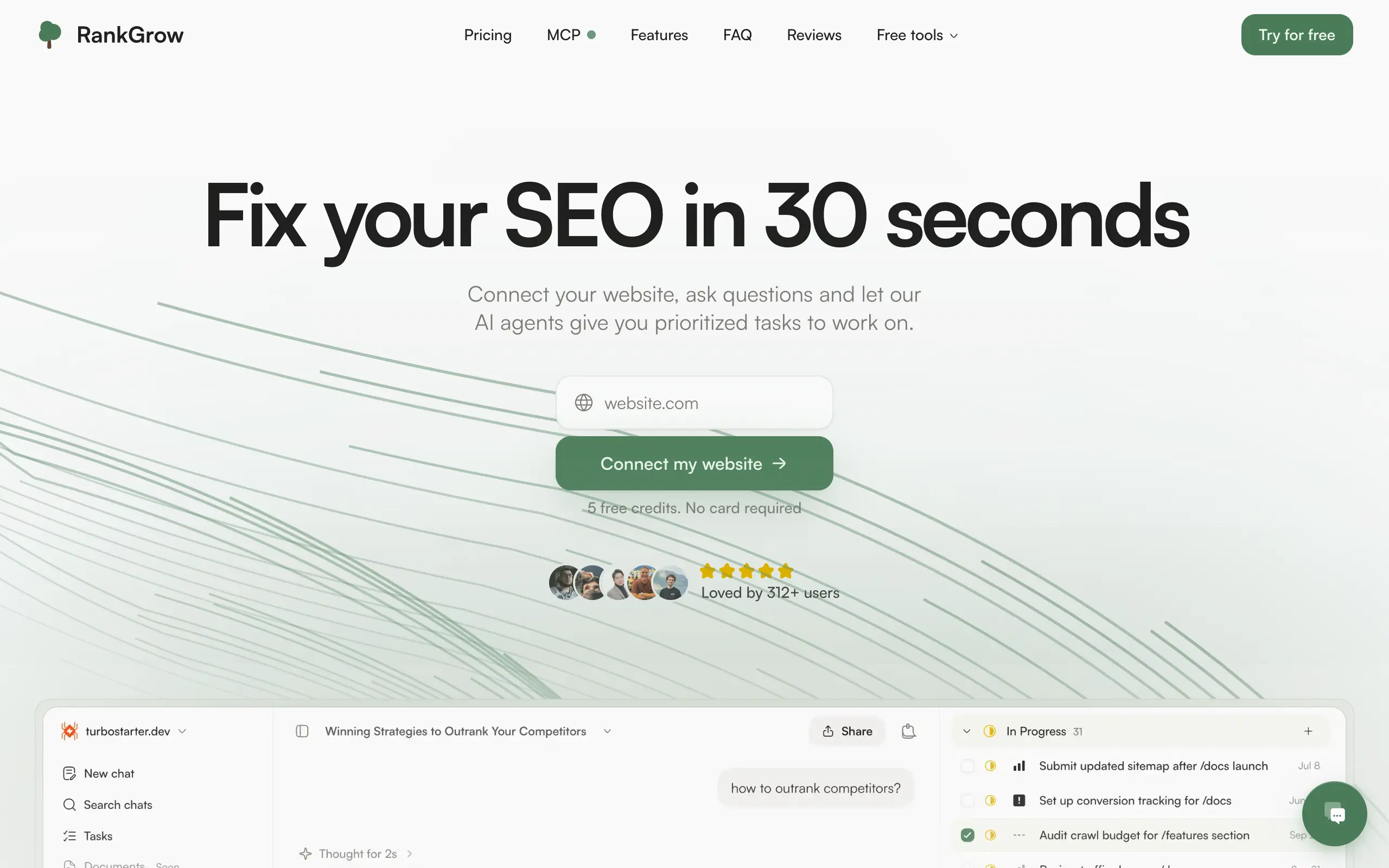
RankGrow
Fix your SEO with AI agents - connect Search Console, get prioritized tasks, and grow organic traffic 📈
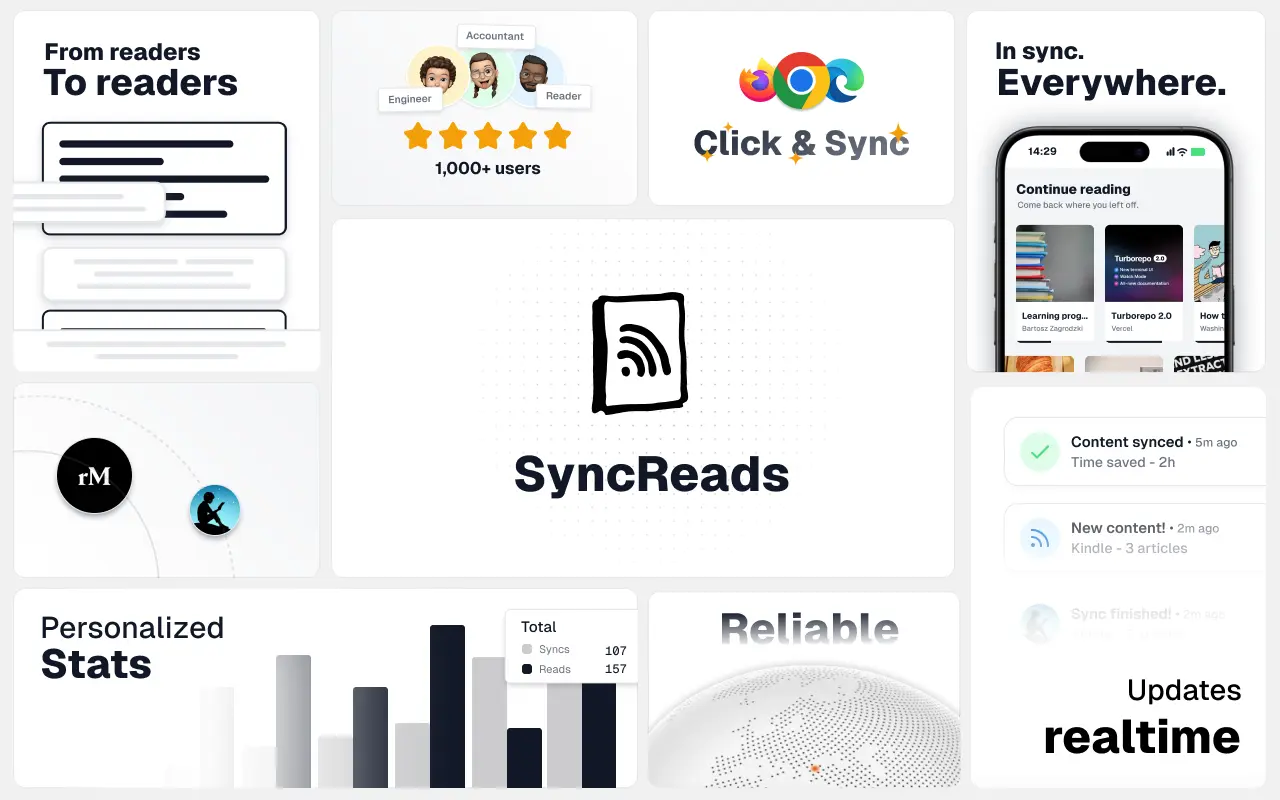
SyncReads
Sync your favorite content for distraction-free reading, save time and replace multiple apps. Anytime, anywhere 🔄
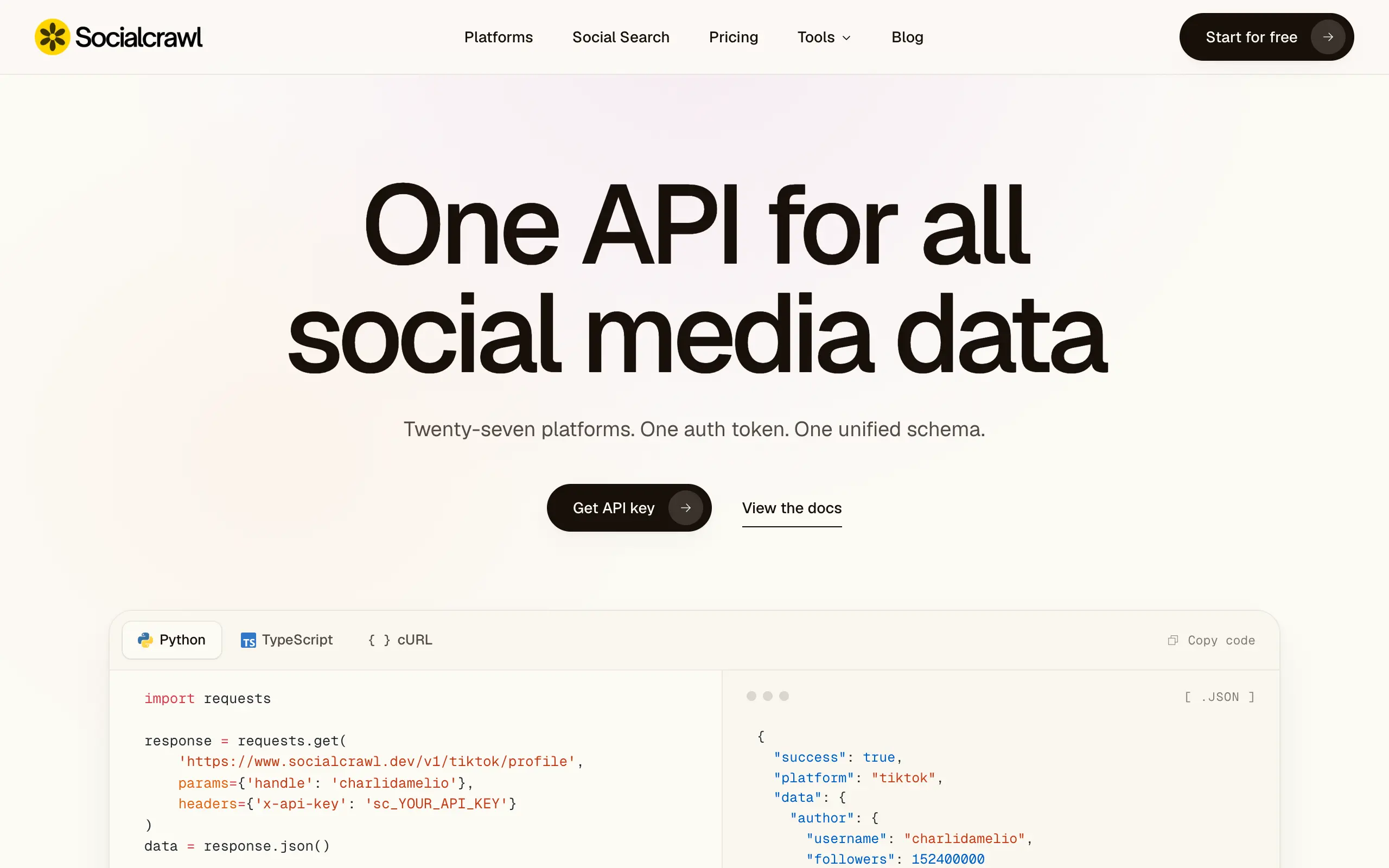
Socialcrawl
Get clean, structured data from 21 platforms like TikTok, Instagram, and YouTube with a single request 📊
Statiko
Monitor any Telegram channel in real time - track posts, edits, deletions, and growth with AI recaps 📡
Shibui
AI website builder - describe your business, pick a niche template, edit by chatting, and publish instantly ✨
Pro Service
Find verified home service professionals, compare quotes, and pay securely through escrow - built for Brazilians across the US 🏠
RankGrow
Fix your SEO with AI agents - connect Search Console, get prioritized tasks, and grow organic traffic 📈
SyncReads
Sync your favorite content for distraction-free reading, save time and replace multiple apps. Anytime, anywhere 🔄
Socialcrawl
Get clean, structured data from 21 platforms like TikTok, Instagram, and YouTube with a single request 📊
Statiko
Monitor any Telegram channel in real time - track posts, edits, deletions, and growth with AI recaps 📡
Shibui
AI website builder - describe your business, pick a niche template, edit by chatting, and publish instantly ✨
Pro Service
Find verified home service professionals, compare quotes, and pay securely through escrow - built for Brazilians across the US 🏠
RankGrow
Fix your SEO with AI agents - connect Search Console, get prioritized tasks, and grow organic traffic 📈
SyncReads
Sync your favorite content for distraction-free reading, save time and replace multiple apps. Anytime, anywhere 🔄
Socialcrawl
Get clean, structured data from 21 platforms like TikTok, Instagram, and YouTube with a single request 📊
Statiko
Monitor any Telegram channel in real time - track posts, edits, deletions, and growth with AI recaps 📡
Shibui
AI website builder - describe your business, pick a niche template, edit by chatting, and publish instantly ✨
Pro Service
Find verified home service professionals, compare quotes, and pay securely through escrow - built for Brazilians across the US 🏠
RankGrow
Fix your SEO with AI agents - connect Search Console, get prioritized tasks, and grow organic traffic 📈
SyncReads
Sync your favorite content for distraction-free reading, save time and replace multiple apps. Anytime, anywhere 🔄
Socialcrawl
Get clean, structured data from 21 platforms like TikTok, Instagram, and YouTube with a single request 📊
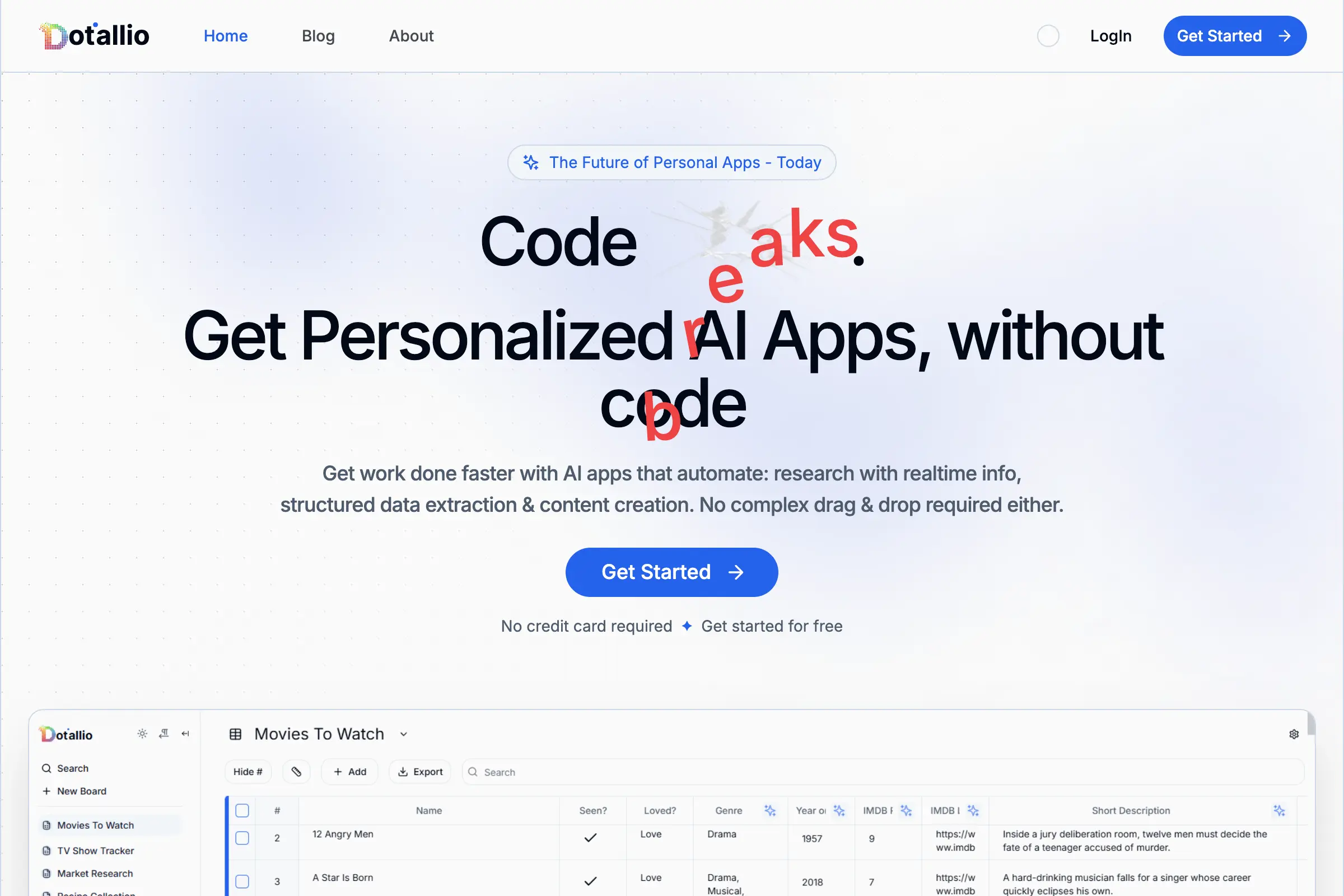
Dotallio
Personalized AI apps that automate research, data extraction, and content creation without code 🤖

Talk to Santa
Enjoy a magical live video chat or receive a unique AI-generated video greeting from Santa Claus 🎅

pozywka.pl
Scalable blog for food journalist, focused on performance and user experience 🌭
zagrodzki.me
Personal blog and portfolio of Bart Zagrodzki, where he shares his knowledge and work 💼
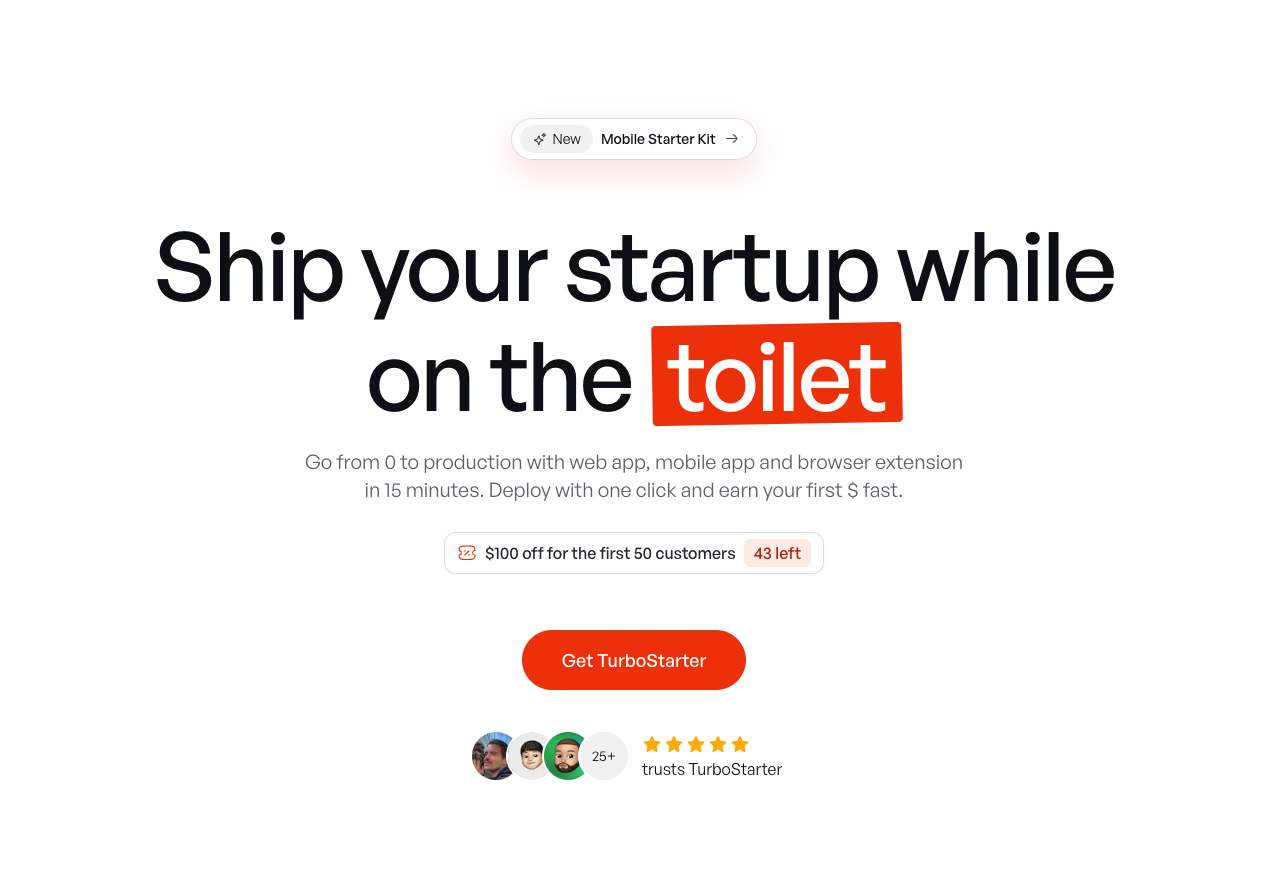
TurboStarter
Ship your startup everywhere. In minutes.
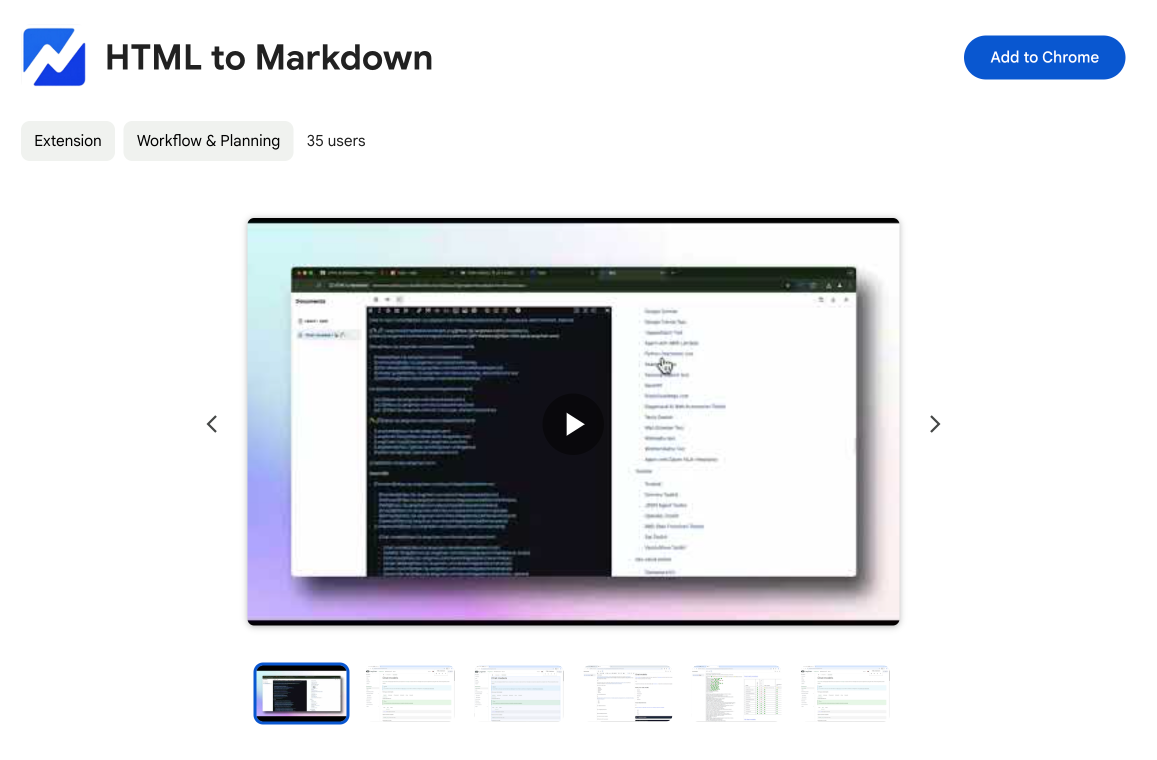
HTML to Markdown
Convert HTML to Markdown with ease, directly in your browser 📄
Dotallio
Personalized AI apps that automate research, data extraction, and content creation without code 🤖
Talk to Santa
Enjoy a magical live video chat or receive a unique AI-generated video greeting from Santa Claus 🎅
pozywka.pl
Scalable blog for food journalist, focused on performance and user experience 🌭
zagrodzki.me
Personal blog and portfolio of Bart Zagrodzki, where he shares his knowledge and work 💼
TurboStarter
Ship your startup everywhere. In minutes.
HTML to Markdown
Convert HTML to Markdown with ease, directly in your browser 📄
Dotallio
Personalized AI apps that automate research, data extraction, and content creation without code 🤖
Talk to Santa
Enjoy a magical live video chat or receive a unique AI-generated video greeting from Santa Claus 🎅
pozywka.pl
Scalable blog for food journalist, focused on performance and user experience 🌭
zagrodzki.me
Personal blog and portfolio of Bart Zagrodzki, where he shares his knowledge and work 💼
TurboStarter
Ship your startup everywhere. In minutes.
HTML to Markdown
Convert HTML to Markdown with ease, directly in your browser 📄
Dotallio
Personalized AI apps that automate research, data extraction, and content creation without code 🤖
Talk to Santa
Enjoy a magical live video chat or receive a unique AI-generated video greeting from Santa Claus 🎅
pozywka.pl
Scalable blog for food journalist, focused on performance and user experience 🌭
zagrodzki.me
Personal blog and portfolio of Bart Zagrodzki, where he shares his knowledge and work 💼
TurboStarter
Ship your startup everywhere. In minutes.
HTML to Markdown
Convert HTML to Markdown with ease, directly in your browser 📄
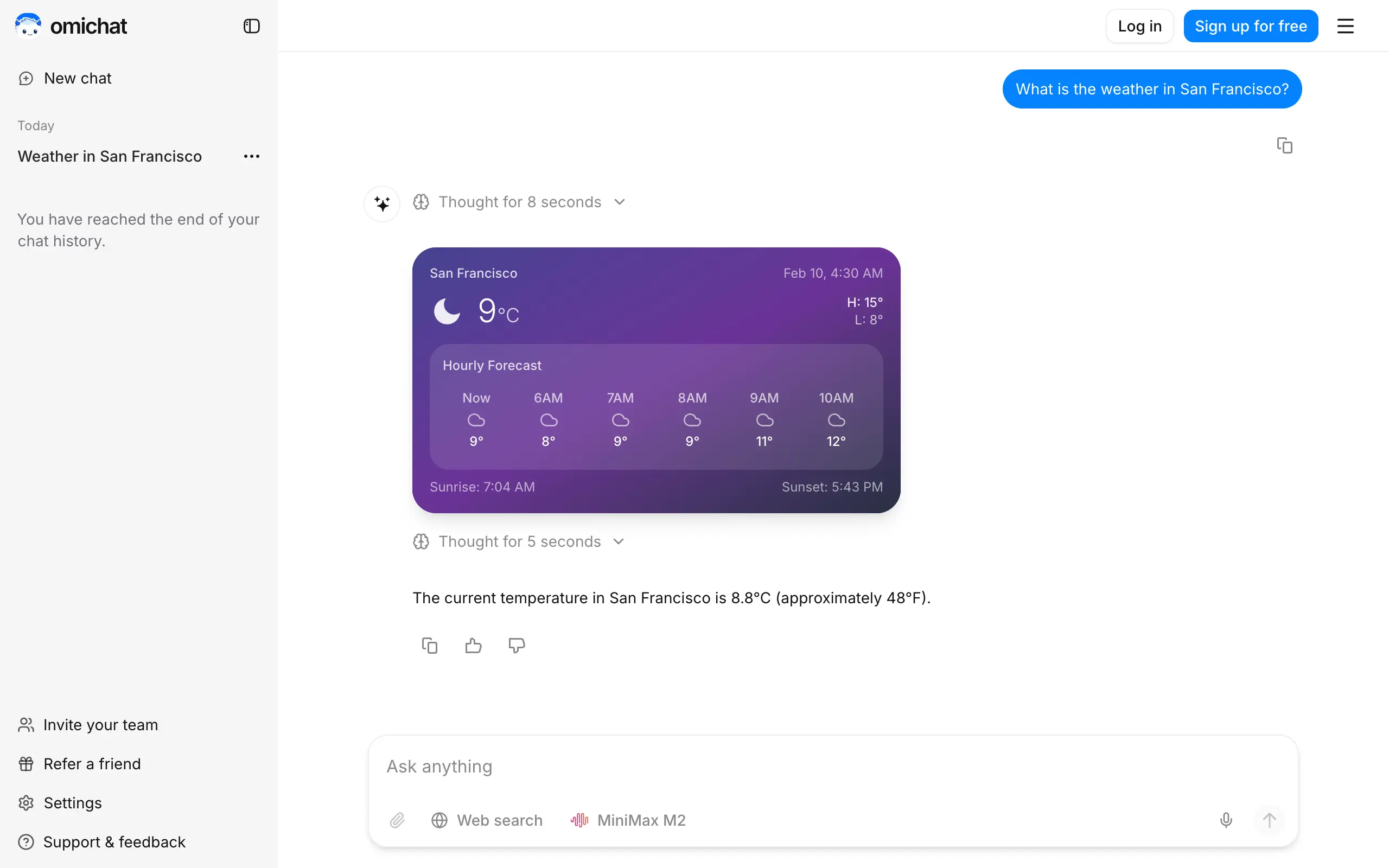
Omichat
Chat with 50+ AI models, including ChatGPT and Claude, in one place - switch models anytime without losing context 🤖
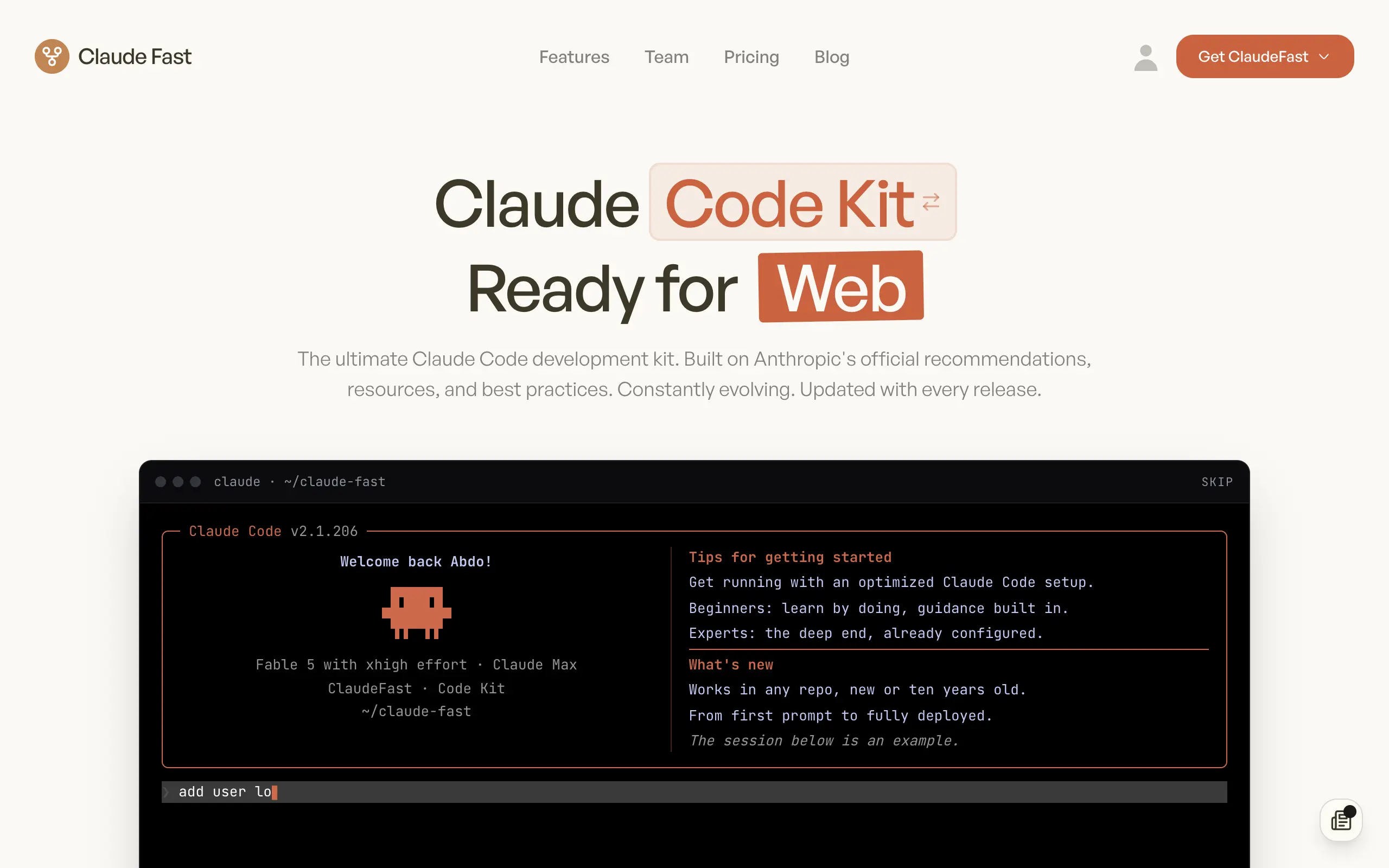
Claude Fast
Supercharge your Claude Code with 6x effective context window and specialized AI agents 🤖
EmojAI
AI-powered emoji picker with smart, context-aware suggestions 🤖
Solohacker
Autonomous company launcher - AI agents work 24/7, escalate what matters, and you stay in control 🤖

BeRawi: Storytelling Coach
Practice storytelling daily with instant feedback to sound clearer, more engaging, and confident 🎤
Omichat
Chat with 50+ AI models, including ChatGPT and Claude, in one place - switch models anytime without losing context 🤖
Claude Fast
Supercharge your Claude Code with 6x effective context window and specialized AI agents 🤖
EmojAI
AI-powered emoji picker with smart, context-aware suggestions 🤖
Solohacker
Autonomous company launcher - AI agents work 24/7, escalate what matters, and you stay in control 🤖
BeRawi: Storytelling Coach
Practice storytelling daily with instant feedback to sound clearer, more engaging, and confident 🎤
Omichat
Chat with 50+ AI models, including ChatGPT and Claude, in one place - switch models anytime without losing context 🤖
Claude Fast
Supercharge your Claude Code with 6x effective context window and specialized AI agents 🤖
EmojAI
AI-powered emoji picker with smart, context-aware suggestions 🤖
Solohacker
Autonomous company launcher - AI agents work 24/7, escalate what matters, and you stay in control 🤖
BeRawi: Storytelling Coach
Practice storytelling daily with instant feedback to sound clearer, more engaging, and confident 🎤
Omichat
Chat with 50+ AI models, including ChatGPT and Claude, in one place - switch models anytime without losing context 🤖
Claude Fast
Supercharge your Claude Code with 6x effective context window and specialized AI agents 🤖
EmojAI
AI-powered emoji picker with smart, context-aware suggestions 🤖
Solohacker
Autonomous company launcher - AI agents work 24/7, escalate what matters, and you stay in control 🤖
BeRawi: Storytelling Coach
Practice storytelling daily with instant feedback to sound clearer, more engaging, and confident 🎤

Connect with like-minded people
Join our community to get feedback, support, and grow together with 1,000+ builders on board, let's ship it!
Join usShip your startup everywhere. In minutes.
Don't burn tokens on setup and start building features on day one.