OpenWireHub
Unified data management and cloud sync platform for makers and dev teams. Easily link open-source hardware, manage devices, and automate data pipelines in one dashboard.
Understanding the growing need for unified data management for makers and dev teams
The rise of open-source hardware, IoT, and connected devices has revolutionized how projects are built and scaled. Whether you're a solo maker developing a smart device prototype or a developer team managing fleets of sensors, the challenge is the same: How do you unify device management, automate data pipelines, and handle cloud sync—without reinventing the wheel every time?
OpenWireHub directly addresses this pain, offering a comprehensive solution to link, monitor, and control open-source devices while managing the noisy data they generate—all from a single dashboard. But what really sets it apart? Let’s dive in.
Target audience analysis: Who benefits most from OpenWireHub?
Understanding user personas is key to product adoption. Based on industry trends and platform design, OpenWireHub is tailored to serve:
- Makers and hobbyists: Tinkerers working with Arduino, Raspberry Pi, ESP32, and other open hardware. They need an easy way to connect devices and move data to the cloud.
- Small to mid-sized dev teams: Companies building scalable IoT solutions, managing prototype deployments, or supporting multiple device types.
- Research groups and educators: Labs running experimental setups that generate abundant sensor data and need unified collection and analysis.
- Tech consultancies and agencies: Firms providing embedded development who want to deliver managed device solutions and automate data delivery for clients.
- Open source contributors: Projects or foundations managing collaborative hardware efforts needing a hub for device data and workflow automation.
Key pain points these users face:
- Scattered device management tools and vendor lock-in
- Manual and error-prone data ETL (Extract, Transform, Load) processes
- Complex cloud synchronization and API integrations
- Lack of a holistic dashboard to tie hardware, data, and automation together
Market opportunity and identifying the gap
The global IoT market is projected to cross $1.4 trillion by 2027 ([suggested reference: MarketsandMarkets 2023 IoT report]). Yet, while there are numerous device platforms (AWS IoT, Google Cloud IoT, Particle), these often:
- Prioritize large enterprises
- Emphasize vendor lock-in with proprietary firmware or SDKs
- Require steep learning curves and deep cloud expertise
Makers and smaller dev teams are left with a fragmented ecosystem—juggling spreadsheets, custom scripts, and cloud hacks. OpenWireHub’s core advantage is its Swiss army knife approach: open-source-centric, easy device linking, and one-pane-of-glass management.
This addresses a major market gap: A unified, open, and flexible data management and sync platform purpose-built for the open-source hardware and mid-market community.
Core features of OpenWireHub: How it solves real day-to-day problems
Let’s unpack what makes OpenWireHub such a force multiplier in the maker and developer landscape:
Device linking and open hardware compatibility
- Seamless connection: Onboard your Raspberry Pi, Arduino, ESP8266, and other open-source devices with guided flows.
- Multi-protocol support: Integrate devices over MQTT, HTTP(s), WebSockets, LoRaWAN, or custom protocols.
- Open SDKs: Ready-to-use libraries in Python, C++, and Node.js ensure easy hardware integration.
Centralized device management dashboard
- Unified view: Monitor all connected devices, health, and status from a single dashboard.
- Role-based access: Assign roles for team members, manage device permissions, and audit actions.
- Tagging & grouping: Organize devices by projects, locations, or hardware types.
Automated data pipelines
- No-code workflows: Automate data transformation, filtering, and routing across devices and cloud endpoints.
- ETL tasks: Pre-built steps for cleaning, normalizing, and aggregating sensor data.
- Real-time processing: Trigger alerts, notifications, or downstream jobs based on live events.
Cloud sync and third-party integrations
- Cloud connectors: Direct sync to major cloud players, including AWS S3, Azure Blob Storage, Google Cloud Storage, plus self-hosted endpoints.
- Webhooks/API export: Push data to custom APIs, dashboards, or visualization tools.
- Versioned data storage: Every change tracked and rollbacks possible—a key for audit trails and scientific experiments.
Security and compliance
- Encrypted communication: All device-to-hub traffic is TLS-encrypted.
- Compliance tooling: Support for GDPR, HIPAA, and audit logging for regulated industries.
- Secret management: Rotate device tokens and API keys securely.
| OpenWireHub | AWS IoT | Google IoT Core | Particle Cloud | Custom Scripting |
|---|---|---|---|---|
| ✅ Open, device-agnostic | ❌ Vendor lock-in | ❌ Enterprise focus | ✅ Community support | ❌ Fragile/DIY |
| ✅ No-code pipelines | ❌ Code-centric | ✅ Cloud-first | ✅ Easy setup | ❌ Challenging |
Recommended tech stack for building a robust unified data platform
Backend/API layer
- Node.js (Node.js): Event-driven, ideal for handling real-time device data ingestion.
- TypeScript: Strongly typed, modern JS for scalability and maintainability.
- NestJS: Modular, extensible, and TypeScript-first for enterprise-grade APIs.
- Database:
- Primary: PostgreSQL (ideal for relational, transactional data, and time-series extensions).
- Time-series: TimescaleDB extension for efficient sensor data analytics.
- Message broker: MQTT for lightweight device messaging, plus Redis or Apache Kafka for queueing, depending on throughput.
Trade-offs:
- Node.js/NestJS means access to a large developer ecosystem but requires careful async handling at scale.
- PostgreSQL with TimescaleDB maximizes time-series flexibility, but for extreme scale, adding Kafka as a buffer can help.
Frontend/dashboard
- React: Fast rendering, reusable components, ideal for real-time dashboards.
- TailwindCSS: Rapid UI styling, accessible, and easily theme-able.
- Redux: For robust, predictable state management.
- WebSocket connections to enable live updates without refreshes.
DevOps & deployment
- Docker: Containerize microservices and ensure fast onboarding.
- Kubernetes: Scalable orchestration, great for multi-tenant SaaS.
- CI/CD: GitHub Actions or GitLab CI pipelines for automated testing and safe deployments.
- Monitoring: Prometheus and Grafana for real-time metrics and alerting.
Alternative:
A serverless approach (using AWS Lambda or Azure Functions) can simplify scaling, but may increase costs and limits device protocol flexibility.
Monetization strategies for OpenWireHub
A robust revenue model is vital for any SaaS. For a unified device/data management platform targeting makers and dev teams, consider:
1. Subscription-based SaaS
- Tiered pricing: Free tier for small projects, then per-device or per-data-volume pricing (e.g., up to 20 devices free, paid after).
- Team/organization plans: Add premium collaboration, team roles, and advanced workflow automations.
2. Marketplace transaction fees
- Integrations marketplace: Allow third parties to publish device drivers, plugins, or workflow automations and take a % of transactions.
- Premium connectors: Charge for advanced integrations (e.g., with enterprise clouds or analytics tools).
3. Professional services & support
- Custom onboarding: Paid white-glove support to integrate OpenWireHub with legacy devices or specific workflows.
- Consulting: Offer device fleet management, data security audits, and custom extension development.
4. Open core with paid enterprise add-ons
- Core platform is open-source: Drive adoption and transparency; monetize on proprietary enterprise reporting, compliance, and SLA-backed support.
Free forever tier
Helps drive grassroots adoption and evangelism among hobbyists and early-stage startups.
Business and enterprise plans
Scales with teams and projects demanding reliability, compliance, and support.
Marketplace and integrations
Unlocks additional revenue streams and ecosystem stickiness.
Assessing risks and mitigation strategies
No digital platform comes without risks. Here’s how to address the biggest ones facing OpenWireHub:
IoT and device data can be sensitive, especially in healthcare or industrial contexts. Adopt strong encryption, thorough audit trails, and regular security audits. Encourage best security practices for device onboarding and key management.
The open hardware world is fragmented. Maintain broad protocol support and regularly update SDKs and firmware adaptors. Build a plugin architecture to enable rapid device onboarding.
Processing, transforming, and syncing huge volumes of sensor data can spark bottlenecks. Build around scalable event queues (e.g., Kafka) and design efficient backpressure strategies. Monitor regularly with Grafana/Prometheus.
Makers and open hardware communities hate proprietary lock-in. Prioritize transparent APIs, open-source SDKs, and export options. Communicate your open-standards commitment in docs and onboarding.
Competitive advantage analysis: Why OpenWireHub stands out
OpenWireHub’s unique selling proposition is its genuine open-source-first, device-agnostic, and workflow-centric approach. Here’s where it outpaces alternatives:
- Open source DNA: Avoids lock-in and promotes community-driven innovation.
- Unified dashboard: Streamlines management across diverse hardware—no more juggling half-baked tools or messy scripts.
- No-code and code options: Cater to both makers who want visual workflows and teams needing deep customization.
- Wide device compatibility: Actively supports popular open hardware standards and protocols rather than focusing on a single vendor ecosystem.
- Transparent, robust cloud sync: First-class integrations with major clouds as well as custom/self-hosted endpoints.
Contrast this with enterprise-heavy platforms that gatekeep features, require cloud specialist expertise, or force users into their stack.
Implementation steps: Taking OpenWireHub from idea to reality
Building an ambitious unified data sync SaaS demands a clear, realistic roadmap. Here’s a suggested step-by-step approach:
Real-world example: Automating a lab's sensor network
Here’s a practical use case to illustrate OpenWireHub’s end-to-end potential:
// Example: Real-time temperature and humidity monitoring with alert
import { OpenWireClient } from 'openwirehub-sdk'

const client = new OpenWireClient({ deviceId: 'lab-sensor-001', token: '...' })

client.on('connect', () => {
  setInterval(() => {
    const data = {
      temperature: readTempSensor(),
      humidity: readHumiditySensor(),
    }
    client.sendData('environment', data)
  }, 60000) // send every minute
})

// In OpenWireHub dashboard: set up workflow to alert Slack if temperature > 28°C
Result? The lab gets live data ingestion, automated threshold alerts, and daily CSV exports to Google Drive—no custom servers or scripts needed.
Industry trends making OpenWireHub even more relevant
- Edge computing: More data processed on-device means simpler, faster cloud sync—OpenWireHub can act as an edge-to-cloud orchestrator.
- Open-source hardware boom: The Arduino ecosystem and Raspberry Pi Foundation keep lowering barriers; thousands of new devices come online each month.
- Low-code/no-code automation: The demand for tools that reduce developer overhead while still supporting deep customization is stronger than ever ([suggested reference: Gartner "Low-Code/No-Code 2023" report]).
- Data residency and sovereignty requirements: By supporting local storage and non-US clouds, OpenWireHub appeals to privacy-conscious organizations and global deployments.
- Community-driven integrations: Open plugins and SDKs speed up support for new protocols and niche device types, giving OpenWireHub agility over "closed" platforms.
Actionable steps to get started
Ready to transform how you manage open hardware and sync device data? Here’s a quick path forward:
- Sign up for updates or closed beta on TurboStarter to track OpenWireHub’s progress.
- Join community forums to help shape feature priorities and integration requests.
- Gather your device/project inventory to list which protocols and data sources matter most for your workflows.
- Start with the MVP toolkit: Set up simple device onboarding and cloud sync—test, break, and expand iteratively.
- Contribute to or request new plugins: Make your setup even more powerful and share innovations with the community.
Conclusion: Why OpenWireHub is poised to be the go-to cloud sync platform for makers and devs
OpenWireHub offers a timely, much-needed solution: a flexible, open, and unified platform for device management and data automation. By blending ease of use with extensibility, supporting the most-loved open hardware standards, and putting community needs front and center, it’s uniquely positioned to succeed in a rapidly expanding market.
No more scattered scripts, cloud one-offs, or locked-down platforms—just streamlined workflows, robust automation, and genuine control, whether you’re a solo builder or a full-scale dev team.
Explore OpenWireHub on TurboStarter and join the next wave of open hardware innovation.
More 🏢 B2B Application SaaS ideas
Discover more innovative b2b application SaaS ideas that are trending in 2026. Each idea is AI-generated with market validation and growth potential to help you find your next profitable venture faster than competitors.
Your competitors are building with TurboStarter
Below are some of the SaaS ideas that have been generated and built with our starter kit.
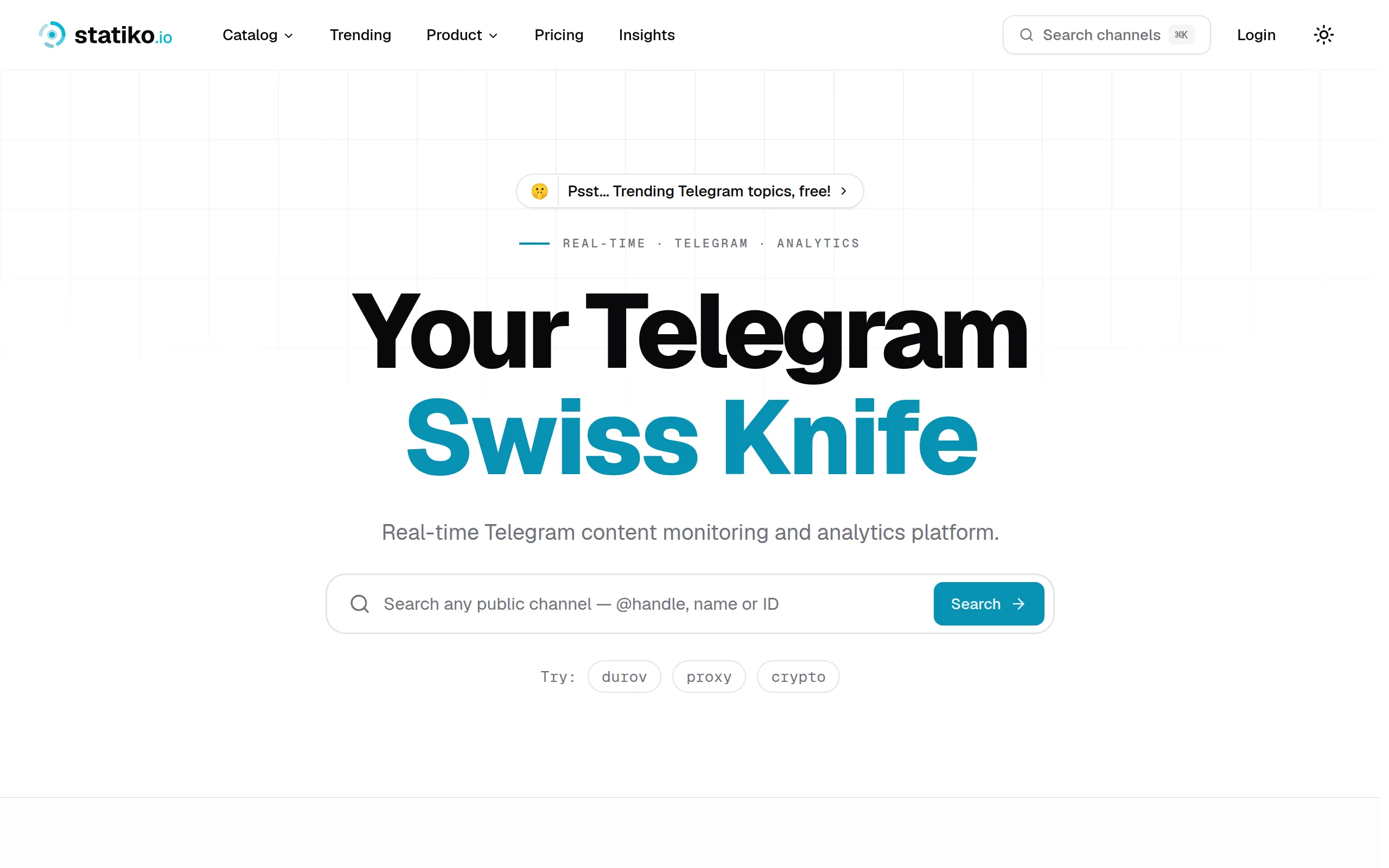
Statiko
Monitor any Telegram channel in real time - track posts, edits, deletions, and growth with AI recaps 📡

Shibui
AI website builder - describe your business, pick a niche template, edit by chatting, and publish instantly ✨

Pro Service
Find verified home service professionals, compare quotes, and pay securely through escrow - built for Brazilians across the US 🏠
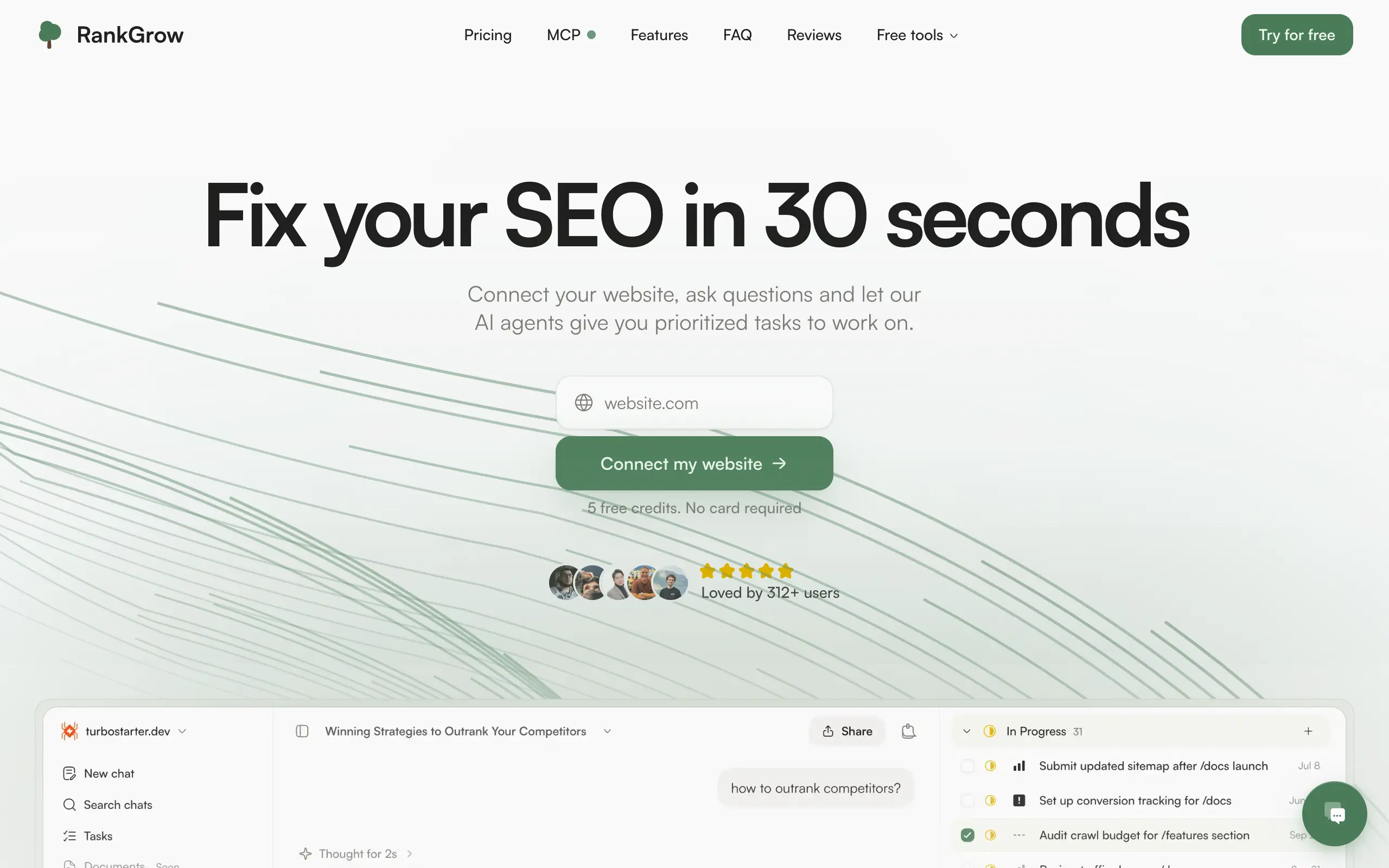
RankGrow
Fix your SEO with AI agents - connect Search Console, get prioritized tasks, and grow organic traffic 📈
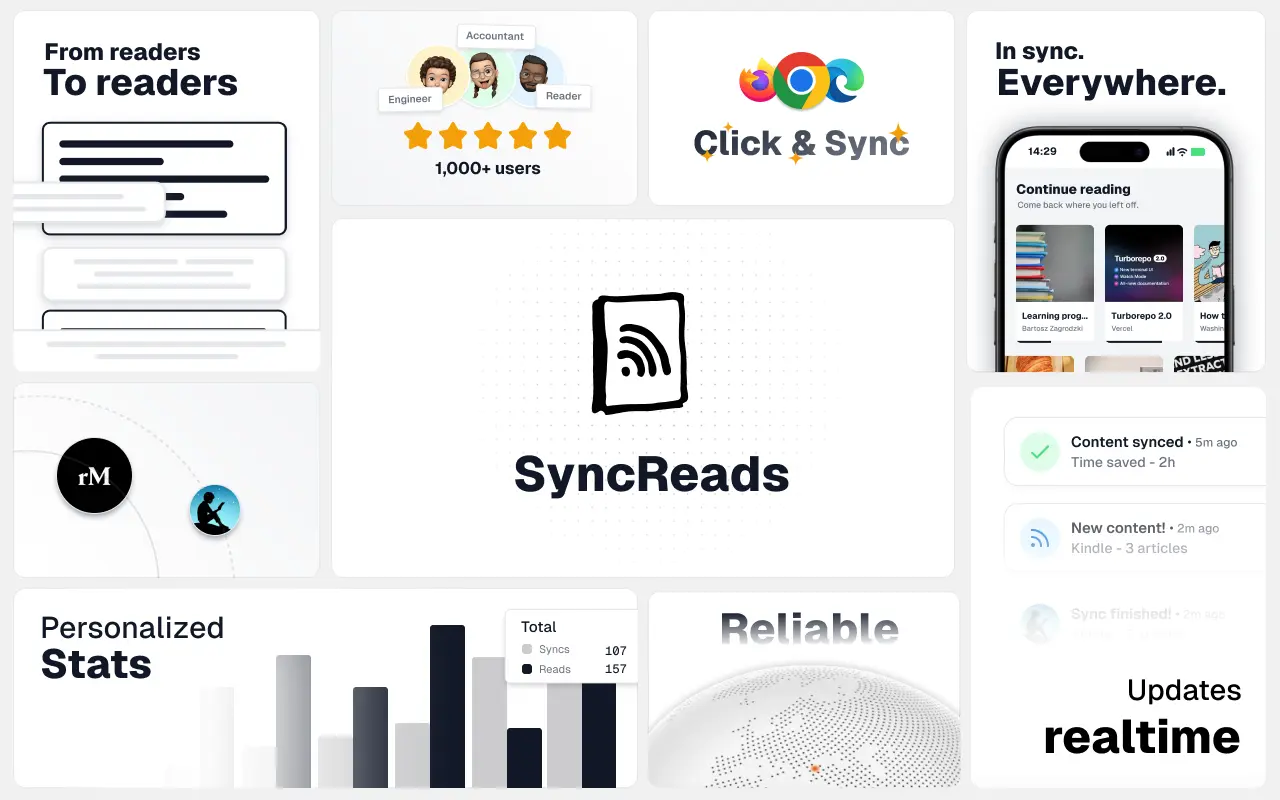
SyncReads
Sync your favorite content for distraction-free reading, save time and replace multiple apps. Anytime, anywhere 🔄
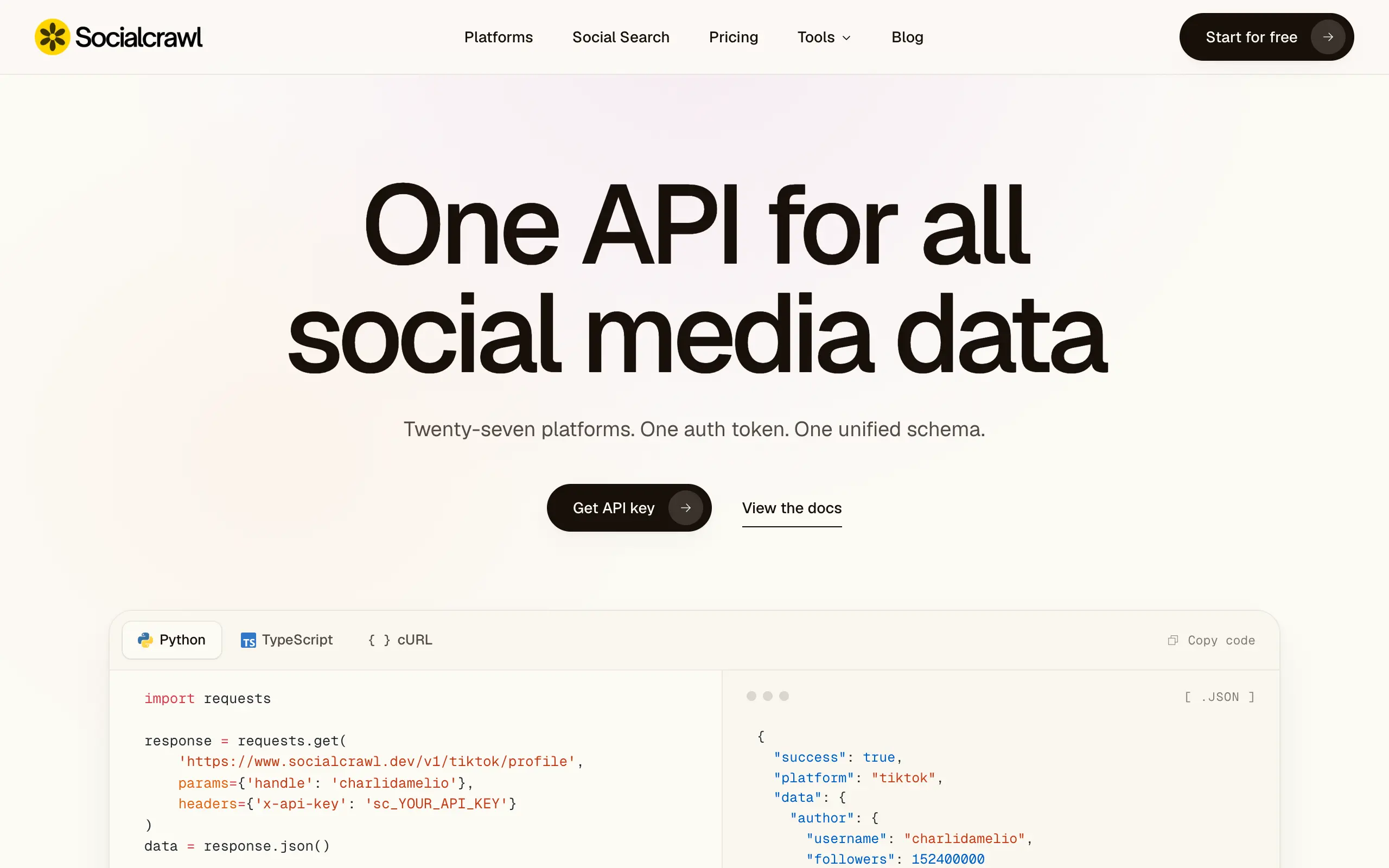
Socialcrawl
Get clean, structured data from 21 platforms like TikTok, Instagram, and YouTube with a single request 📊
Statiko
Monitor any Telegram channel in real time - track posts, edits, deletions, and growth with AI recaps 📡
Shibui
AI website builder - describe your business, pick a niche template, edit by chatting, and publish instantly ✨
Pro Service
Find verified home service professionals, compare quotes, and pay securely through escrow - built for Brazilians across the US 🏠
RankGrow
Fix your SEO with AI agents - connect Search Console, get prioritized tasks, and grow organic traffic 📈
SyncReads
Sync your favorite content for distraction-free reading, save time and replace multiple apps. Anytime, anywhere 🔄
Socialcrawl
Get clean, structured data from 21 platforms like TikTok, Instagram, and YouTube with a single request 📊
Statiko
Monitor any Telegram channel in real time - track posts, edits, deletions, and growth with AI recaps 📡
Shibui
AI website builder - describe your business, pick a niche template, edit by chatting, and publish instantly ✨
Pro Service
Find verified home service professionals, compare quotes, and pay securely through escrow - built for Brazilians across the US 🏠
RankGrow
Fix your SEO with AI agents - connect Search Console, get prioritized tasks, and grow organic traffic 📈
SyncReads
Sync your favorite content for distraction-free reading, save time and replace multiple apps. Anytime, anywhere 🔄
Socialcrawl
Get clean, structured data from 21 platforms like TikTok, Instagram, and YouTube with a single request 📊
Statiko
Monitor any Telegram channel in real time - track posts, edits, deletions, and growth with AI recaps 📡
Shibui
AI website builder - describe your business, pick a niche template, edit by chatting, and publish instantly ✨
Pro Service
Find verified home service professionals, compare quotes, and pay securely through escrow - built for Brazilians across the US 🏠
RankGrow
Fix your SEO with AI agents - connect Search Console, get prioritized tasks, and grow organic traffic 📈
SyncReads
Sync your favorite content for distraction-free reading, save time and replace multiple apps. Anytime, anywhere 🔄
Socialcrawl
Get clean, structured data from 21 platforms like TikTok, Instagram, and YouTube with a single request 📊
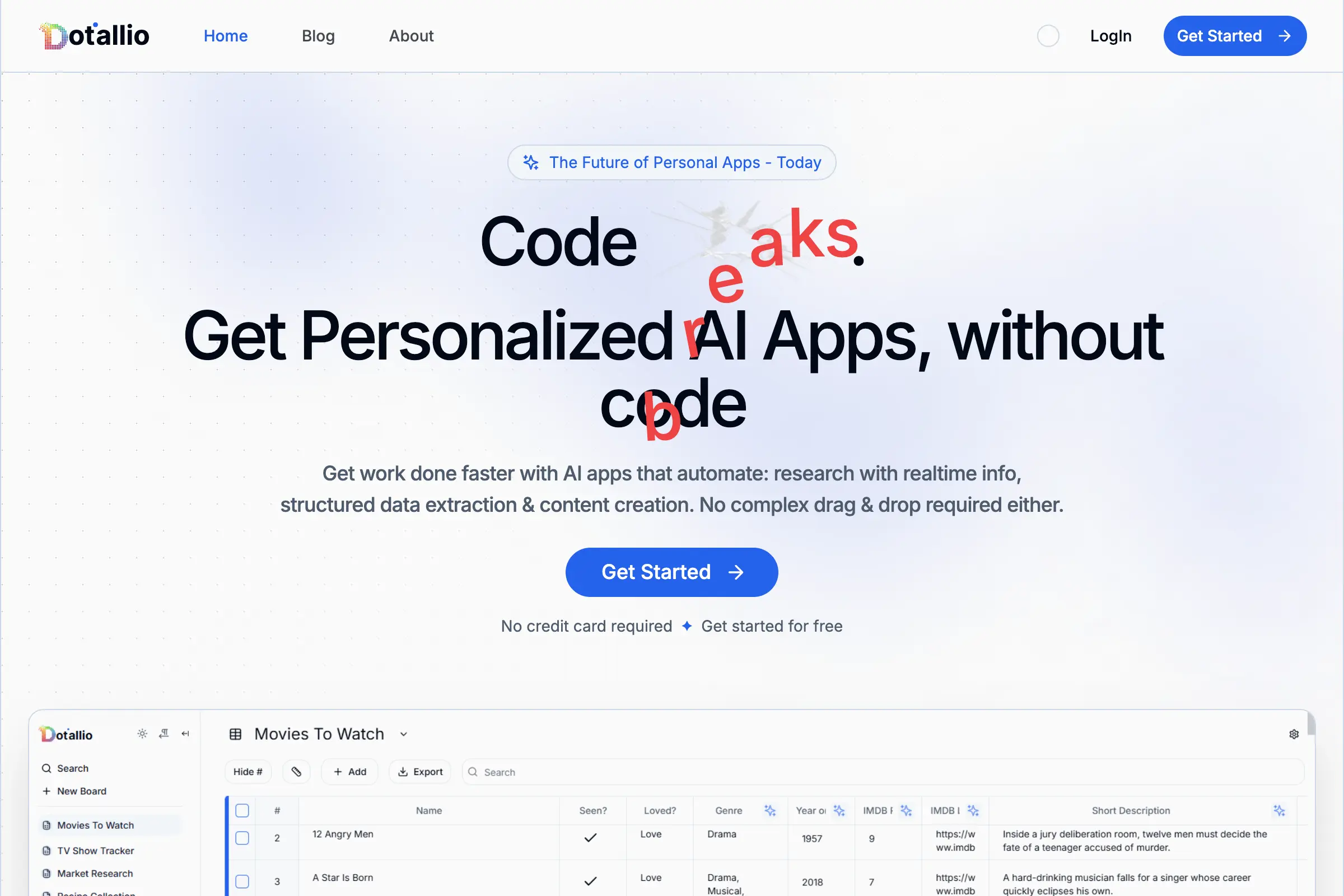
Dotallio
Personalized AI apps that automate research, data extraction, and content creation without code 🤖

Talk to Santa
Enjoy a magical live video chat or receive a unique AI-generated video greeting from Santa Claus 🎅

pozywka.pl
Scalable blog for food journalist, focused on performance and user experience 🌭
zagrodzki.me
Personal blog and portfolio of Bart Zagrodzki, where he shares his knowledge and work 💼
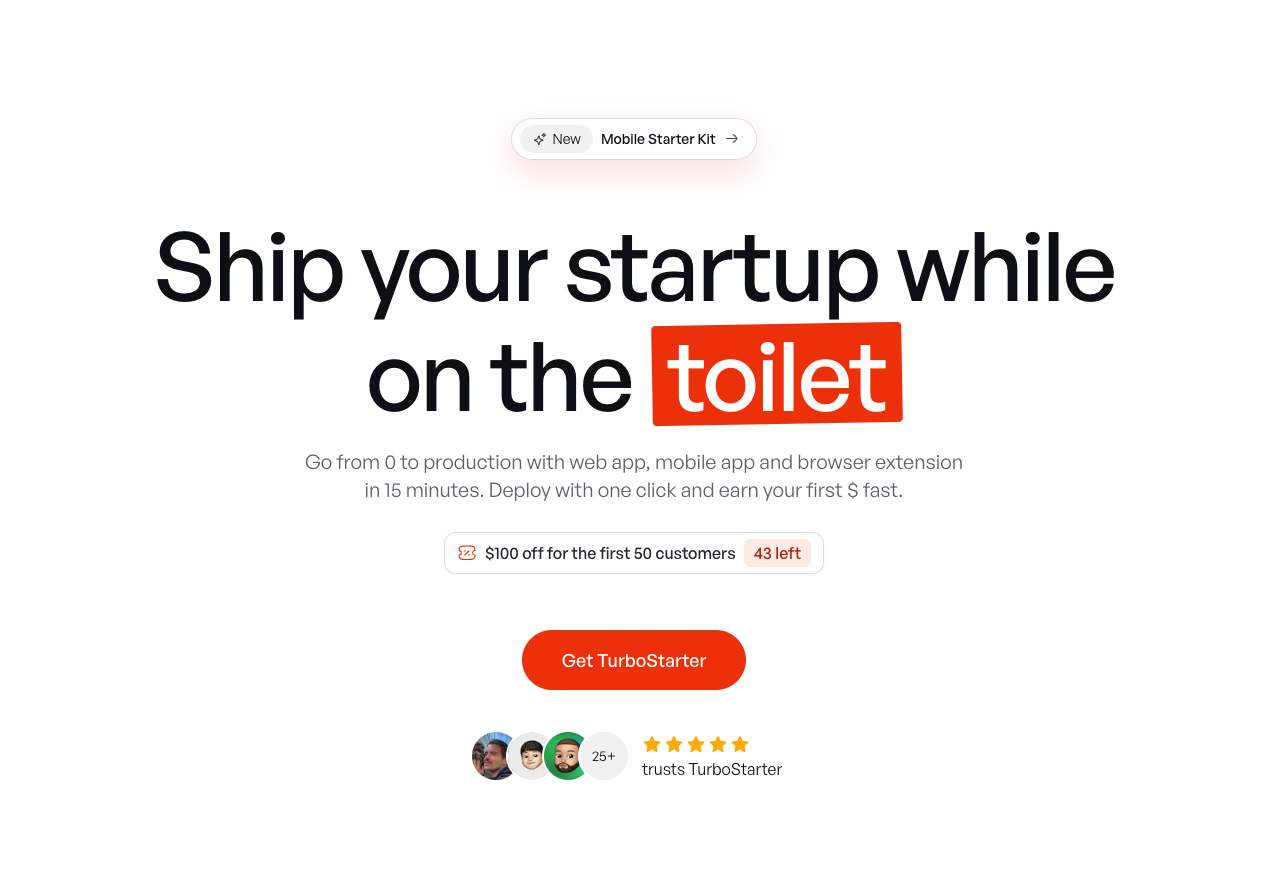
TurboStarter
Ship your startup everywhere. In minutes.
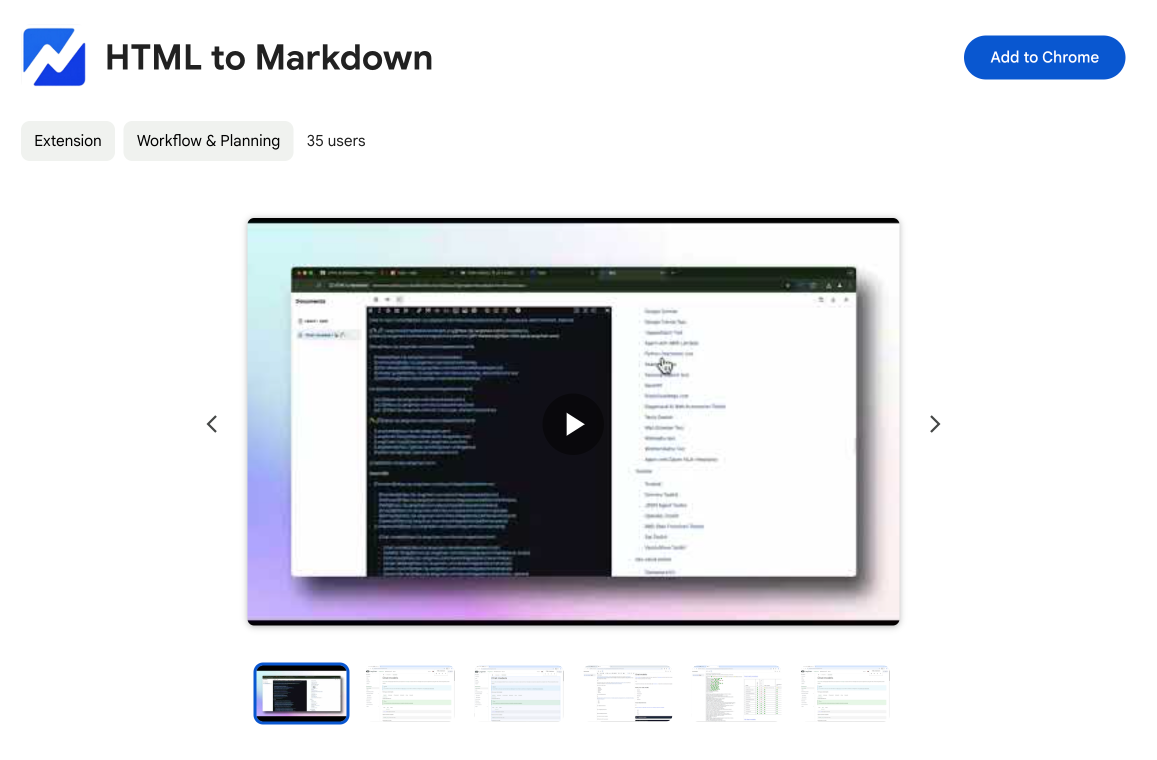
HTML to Markdown
Convert HTML to Markdown with ease, directly in your browser 📄
Dotallio
Personalized AI apps that automate research, data extraction, and content creation without code 🤖
Talk to Santa
Enjoy a magical live video chat or receive a unique AI-generated video greeting from Santa Claus 🎅
pozywka.pl
Scalable blog for food journalist, focused on performance and user experience 🌭
zagrodzki.me
Personal blog and portfolio of Bart Zagrodzki, where he shares his knowledge and work 💼
TurboStarter
Ship your startup everywhere. In minutes.
HTML to Markdown
Convert HTML to Markdown with ease, directly in your browser 📄
Dotallio
Personalized AI apps that automate research, data extraction, and content creation without code 🤖
Talk to Santa
Enjoy a magical live video chat or receive a unique AI-generated video greeting from Santa Claus 🎅
pozywka.pl
Scalable blog for food journalist, focused on performance and user experience 🌭
zagrodzki.me
Personal blog and portfolio of Bart Zagrodzki, where he shares his knowledge and work 💼
TurboStarter
Ship your startup everywhere. In minutes.
HTML to Markdown
Convert HTML to Markdown with ease, directly in your browser 📄
Dotallio
Personalized AI apps that automate research, data extraction, and content creation without code 🤖
Talk to Santa
Enjoy a magical live video chat or receive a unique AI-generated video greeting from Santa Claus 🎅
pozywka.pl
Scalable blog for food journalist, focused on performance and user experience 🌭
zagrodzki.me
Personal blog and portfolio of Bart Zagrodzki, where he shares his knowledge and work 💼
TurboStarter
Ship your startup everywhere. In minutes.
HTML to Markdown
Convert HTML to Markdown with ease, directly in your browser 📄
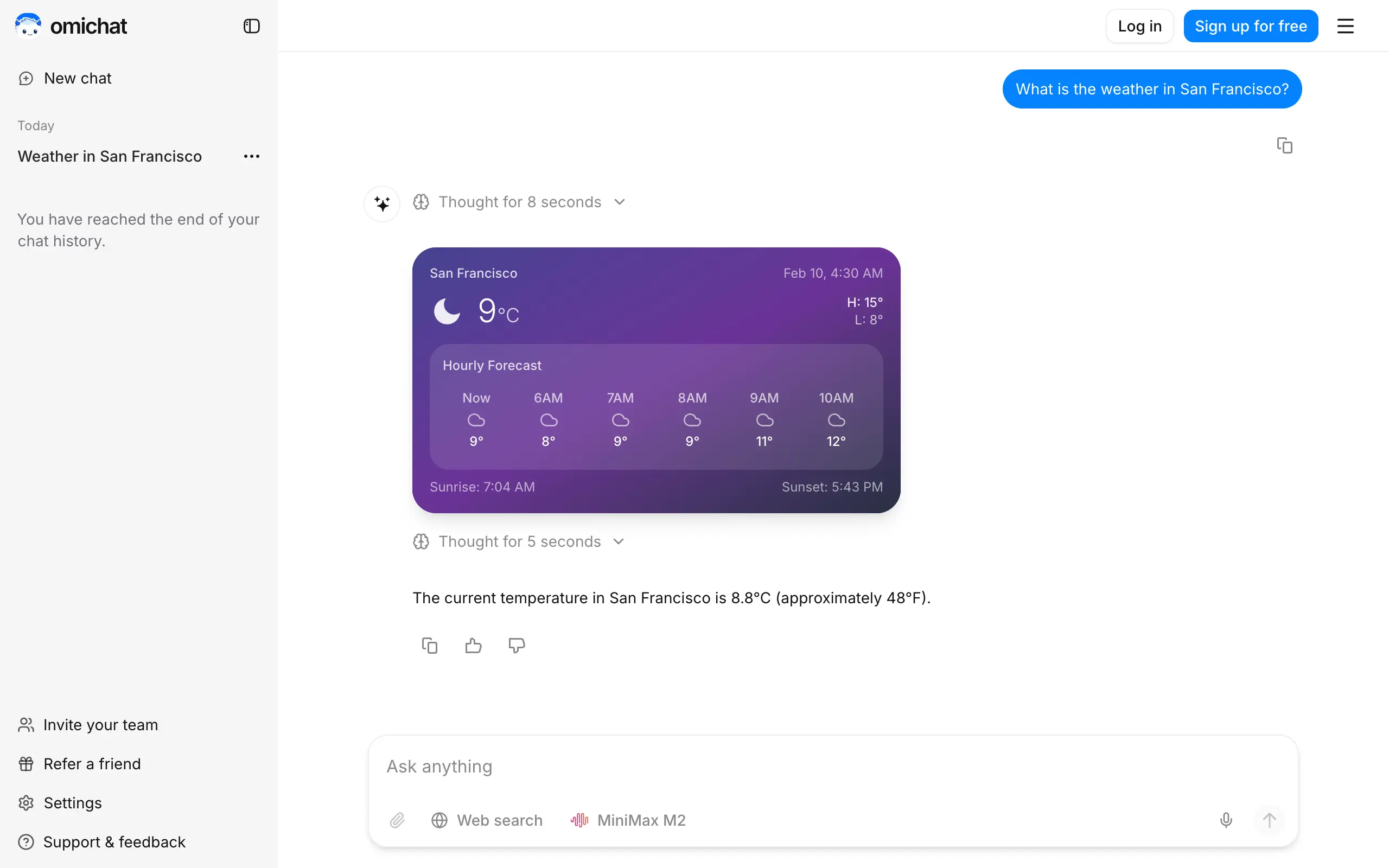
Omichat
Chat with 50+ AI models, including ChatGPT and Claude, in one place - switch models anytime without losing context 🤖
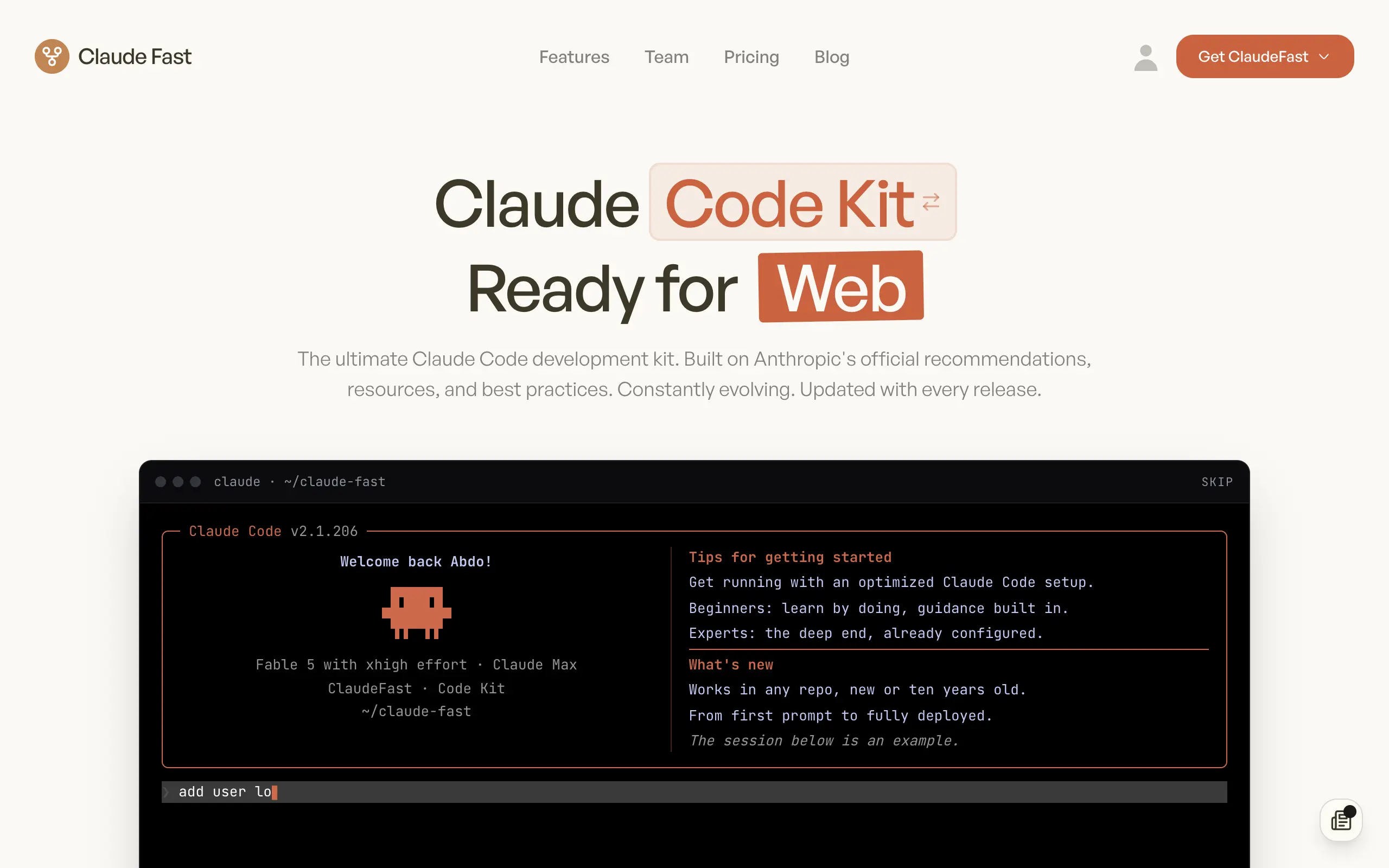
Claude Fast
Supercharge your Claude Code with 6x effective context window and specialized AI agents 🤖
EmojAI
AI-powered emoji picker with smart, context-aware suggestions 🤖
Solohacker
Autonomous company launcher - AI agents work 24/7, escalate what matters, and you stay in control 🤖

BeRawi: Storytelling Coach
Practice storytelling daily with instant feedback to sound clearer, more engaging, and confident 🎤
Omichat
Chat with 50+ AI models, including ChatGPT and Claude, in one place - switch models anytime without losing context 🤖
Claude Fast
Supercharge your Claude Code with 6x effective context window and specialized AI agents 🤖
EmojAI
AI-powered emoji picker with smart, context-aware suggestions 🤖
Solohacker
Autonomous company launcher - AI agents work 24/7, escalate what matters, and you stay in control 🤖
BeRawi: Storytelling Coach
Practice storytelling daily with instant feedback to sound clearer, more engaging, and confident 🎤
Omichat
Chat with 50+ AI models, including ChatGPT and Claude, in one place - switch models anytime without losing context 🤖
Claude Fast
Supercharge your Claude Code with 6x effective context window and specialized AI agents 🤖
EmojAI
AI-powered emoji picker with smart, context-aware suggestions 🤖
Solohacker
Autonomous company launcher - AI agents work 24/7, escalate what matters, and you stay in control 🤖
BeRawi: Storytelling Coach
Practice storytelling daily with instant feedback to sound clearer, more engaging, and confident 🎤
Omichat
Chat with 50+ AI models, including ChatGPT and Claude, in one place - switch models anytime without losing context 🤖
Claude Fast
Supercharge your Claude Code with 6x effective context window and specialized AI agents 🤖
EmojAI
AI-powered emoji picker with smart, context-aware suggestions 🤖
Solohacker
Autonomous company launcher - AI agents work 24/7, escalate what matters, and you stay in control 🤖
BeRawi: Storytelling Coach
Practice storytelling daily with instant feedback to sound clearer, more engaging, and confident 🎤

Connect with like-minded people
Join our community to get feedback, support, and grow together with 1,000+ builders on board, let's ship it!
Join usShip your startup everywhere. In minutes.
Don't burn tokens on setup and start building features on day one.