OpsDesk
An internal operations management system for mid-sized businesses to manage SOPs, audits, incidents, and compliance in one place. Designed for process-driven teams.
Understanding OpsDesk and the problem it solves for mid-sized businesses
Internal operations in mid-sized businesses are often the invisible backbone of growth. As companies scale beyond early-stage chaos but lack the resources of large enterprises, they face a unique challenge: process complexity without enterprise-grade tooling.
OpsDesk is an internal operations management system designed specifically for this gap. It centralizes standard operating procedures (SOPs), audits, incident management, and compliance workflows into one cohesive platform for process-driven teams.
The primary keyword for this article is internal operations management software, with related semantic keywords such as:
- SOP management system
- compliance management platform
- incident management software for businesses
- audit tracking tools
- operational excellence software
- internal controls and compliance
This article is written for founders, operators, and technical leaders evaluating or validating a B2B SaaS opportunity in this space, as well as for teams actively searching for a modern alternative to spreadsheets, shared folders, and fragmented tools.
Who OpsDesk is built for: target audience analysis
Understanding the ideal customer profile (ICP) is critical for both product strategy and go-to-market execution.
Core target segments
OpsDesk is best suited for mid-sized organizations (50–500 employees) that are:
- Process-driven or regulated
- Growing quickly and feeling operational strain
- Too complex for ad-hoc tools, but too lean for heavyweight enterprise suites
Typical industries include:
- SaaS and technology companies
- Professional services firms
- Healthcare services (non-clinical ops)
- Logistics and supply chain businesses
- Manufacturing and operations-heavy teams
- Fintech and regulated service providers
Key buyer personas
1. Operations managers and directors
They are responsible for documenting processes, running audits, and ensuring consistency across teams. Their pain points include outdated SOPs, manual audit preparation, and lack of visibility.
2. Compliance and risk leads
Often wearing multiple hats, they struggle to track controls, incidents, and remediation actions across tools like Google Docs, Jira, and spreadsheets.
3. COOs and founders
They care about operational maturity, scalability, and risk reduction. They want a clear view of “how the business actually runs.”
4. Team leads and department heads
They need easy-to-follow SOPs and clear escalation paths when incidents occur.
User intent insight
Searchers looking for internal operations management software are usually seeking clarity, structure, and risk reduction, not flashy features. Content and product messaging should emphasize control, visibility, and confidence.
The market opportunity: why OpsDesk makes sense now
The operational maturity gap
Most mid-sized businesses operate in a tooling gap:
- Too big for Notion, Google Docs, or shared drives
- Too small (or budget-conscious) for enterprise GRC or ERP platforms
As a result, they rely on:
- Static SOP documents that quickly go out of date
- Manual audits conducted once or twice a year
- Incident tracking buried in Slack or email
- Compliance knowledge siloed in people’s heads
This creates risk, inefficiency, and institutional knowledge loss.
Industry trends supporting OpsDesk
Several macro trends make OpsDesk especially relevant:
- Increased regulatory scrutiny across industries
- Remote and distributed teams, making tribal knowledge unreliable
- Customer trust as a differentiator, especially in B2B SaaS
- Operational excellence as a growth lever, not just a cost center
Instead of treating compliance and operations as a checkbox, modern companies are looking for continuous operational management.
What OpsDesk does: core features and solution design
At its core, OpsDesk is a single source of truth for how a business operates.
1. SOP management and version control
OpsDesk allows teams to:
- Create, organize, and publish SOPs
- Assign owners and reviewers
- Track versions and changes over time
- Require acknowledgment or training completion
This turns SOPs from static documents into living processes.
2. Audit and control management
Rather than scrambling during audit season, OpsDesk supports:
- Ongoing audit readiness
- Control mapping to SOPs
- Evidence collection and reminders
- Audit trails for accountability
Audits become a continuous workflow, not a stressful event.
3. Incident tracking and remediation
Operational incidents—process failures, compliance breaches, near misses—can be logged and managed with:
- Severity levels and categorization
- Root cause analysis
- Corrective and preventive actions (CAPA)
- Ownership and deadlines
This aligns OpsDesk with best practices in operational risk management.
4. Compliance visibility and reporting
OpsDesk provides leadership with:
- Dashboards showing compliance status
- Overdue actions and high-risk areas
- Historical trends and improvements
The result is real-time operational insight, not lagging indicators.
How OpsDesk compares to existing solutions
Many teams ask: “Can’t we just use Notion, Jira, or an ERP?”
The answer depends on focus and scale.
| Capability | Spreadsheets & Docs | Project tools | Enterprise GRC | OpsDesk | ERP systems |
|---|---|---|---|---|---|
| Centralized SOPs | ❌ | ❌ | ✅ | ✅ | ✅ |
| Audit readiness | ❌ | ✅ | ✅ | ✅ | ❌ |
| Incident management | ❌ | ✅ | ✅ | ✅ | ❌ |
| Mid-market pricing | ✅ | ✅ | ❌ | ✅ | ❌ |
OpsDesk’s competitive advantage lies in focus and usability—it is purpose-built for internal operations, without the overhead of enterprise platforms.
Unique selling proposition (USP) of OpsDesk
OpsDesk stands out by offering:
- All-in-one operations management, not just documentation
- Designed for mid-sized teams, not Fortune 500 compliance departments
- Process-first architecture, where SOPs, audits, and incidents are interconnected
- Low implementation friction, enabling adoption without consultants
Instead of selling fear-based compliance, OpsDesk sells operational clarity and confidence.
Recommended tech stack for building OpsDesk
A modern internal operations management platform must balance security, scalability, and usability.
Frontend
- React – component-based UI and strong ecosystem
- Next.js – routing, SSR, and performance optimization
- TailwindCSS – rapid, consistent UI development
Trade-off: TailwindCSS accelerates development but requires design discipline to avoid inconsistency.
Backend
- Node.js with TypeScript – type safety and developer productivity
- PostgreSQL – relational data for audits, SOP versions, and incidents
- Row-level security for multi-tenant data isolation
Authentication and authorization
- Role-based access control (RBAC)
- Department-level permissions
- Audit logs for user actions
Infrastructure
- Containerized services (Docker)
- Cloud hosting on AWS, GCP, or similar
- Automated backups and encryption at rest
Example data model snippet
interface SOP {
  id: string
  title: string
  version: number
  ownerId: string
  status: 'draft' | 'published' | 'archived'
  lastReviewedAt: Date
}
This structure supports versioning, ownership, and review cycles—critical for compliance.
Monetization strategies for OpsDesk
OpsDesk is a strong candidate for subscription-based B2B pricing.
Common pricing models
1. Per-seat pricing
Works well for operations-heavy teams but can discourage broad adoption.
2. Tiered plans by feature set
For example:
- Starter: SOPs and basic audits
- Pro: Incidents, dashboards, automation
- Advanced: Compliance frameworks, API access
3. Hybrid model (recommended)
Base platform fee + user tiers.
Expansion revenue opportunities
- Additional compliance frameworks
- Advanced reporting and exports
- Priority support or onboarding
Mid-sized businesses prefer predictable pricing. Avoid usage-based pricing for core operations workflows.
Risks, challenges, and mitigation strategies
Risk 1: Long sales cycles
Operations and compliance tools can involve multiple stakeholders.
Mitigation:
- Position OpsDesk as an operations enabler, not just a compliance tool
- Offer free trials or sandbox environments
Risk 2: Change resistance
Teams may resist documenting processes.
Mitigation:
- Emphasize time savings and reduced firefighting
- Provide templates and quick-start SOP libraries
Risk 3: Competitive pressure from incumbents
Enterprise vendors may move down-market.
Mitigation:
- Maintain focus on usability and speed
- Build strong customer relationships and feedback loops
Go-to-market strategy for OpsDesk
Ideal early adopters
- Fast-growing SaaS companies
- Recently regulated businesses
- Teams preparing for audits or certifications
Acquisition channels
- SEO content around SOP management and audit readiness
- LinkedIn thought leadership for operations leaders
- Partnerships with consultants and fractional COOs
Sales motion
- Product-led growth with demos
- Short onboarding cycles
- Emphasis on quick wins within 30 days
Actionable implementation roadmap
This phased approach reduces risk and accelerates learning.
Why TurboStarter accelerates building OpsDesk
Building a complex B2B SaaS from scratch is time-consuming. Using a proven foundation like TurboStarter allows founders to:
- Skip boilerplate setup
- Launch faster with authentication and billing
- Focus on domain-specific features
This is especially valuable when targeting mid-market buyers who expect polish from day one.
Final thoughts: why OpsDesk is a strong SaaS opportunity
OpsDesk addresses a real, growing, and underserved problem: internal operations management for mid-sized businesses.
By unifying SOPs, audits, incidents, and compliance into a single platform, it enables companies to:
- Scale with confidence
- Reduce operational risk
- Preserve institutional knowledge
- Operate with clarity instead of chaos
For founders and teams willing to deeply understand operational pain points, OpsDesk represents a high-leverage, defensible B2B SaaS opportunity.
More 🏢 B2B Application SaaS ideas
Discover more innovative b2b application SaaS ideas that are trending in 2026. Each idea is AI-generated with market validation and growth potential to help you find your next profitable venture faster than competitors.
Your competitors are building with TurboStarter
Below are some of the SaaS ideas that have been generated and built with our starter kit.
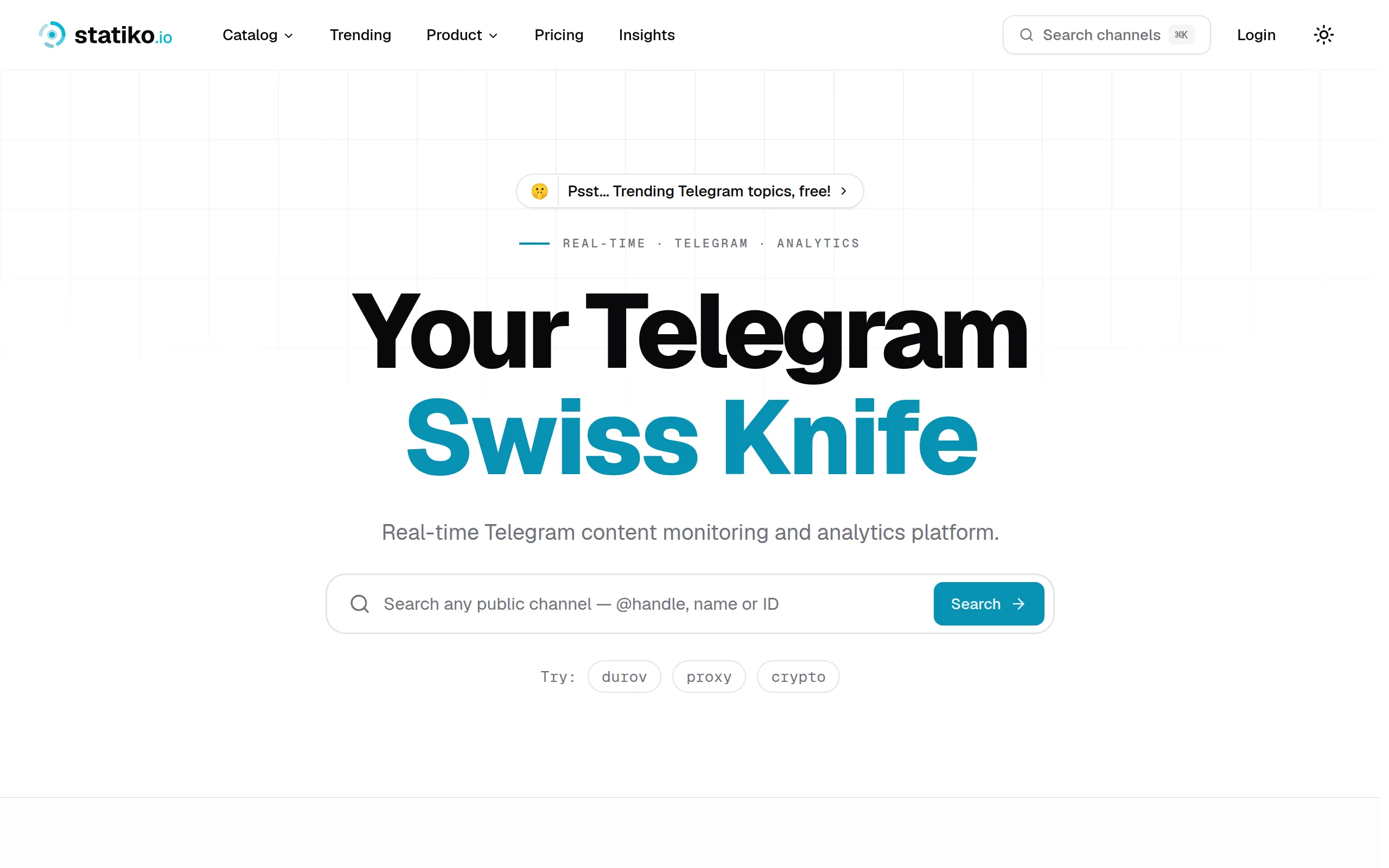
Statiko
Monitor any Telegram channel in real time - track posts, edits, deletions, and growth with AI recaps 📡
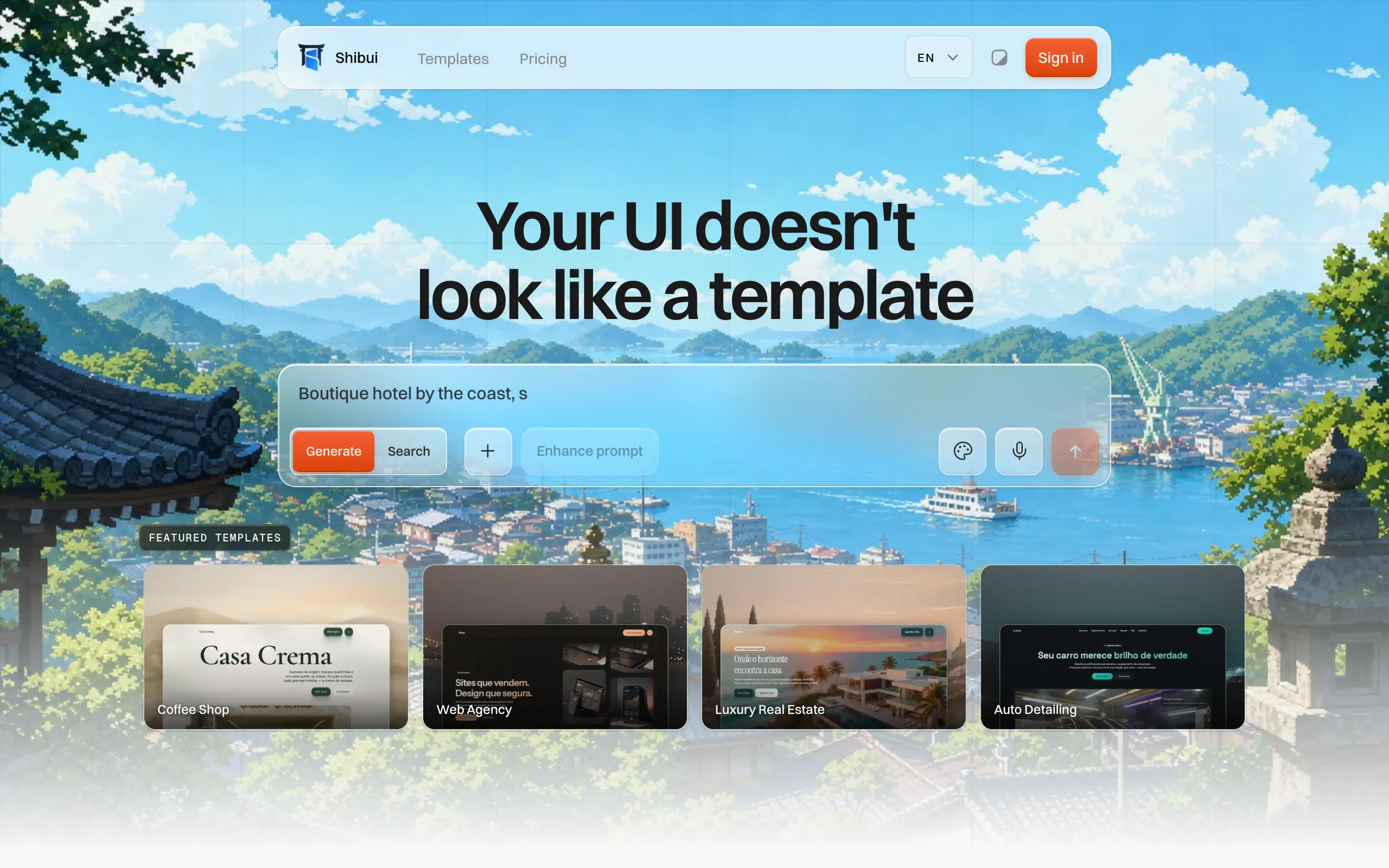
Shibui
AI website builder - describe your business, pick a niche template, edit by chatting, and publish instantly ✨

Pro Service
Find verified home service professionals, compare quotes, and pay securely through escrow - built for Brazilians across the US 🏠
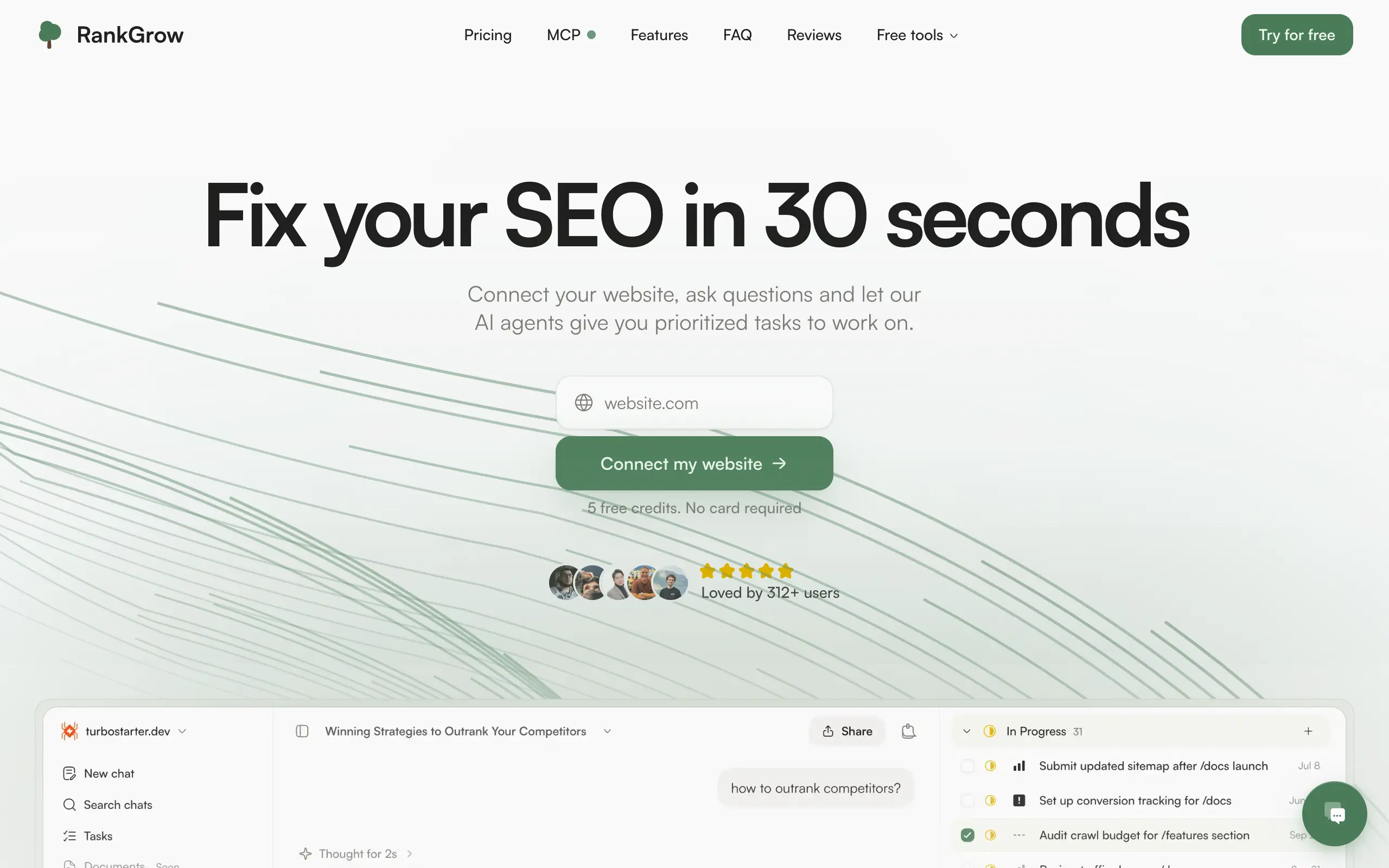
RankGrow
Fix your SEO with AI agents - connect Search Console, get prioritized tasks, and grow organic traffic 📈
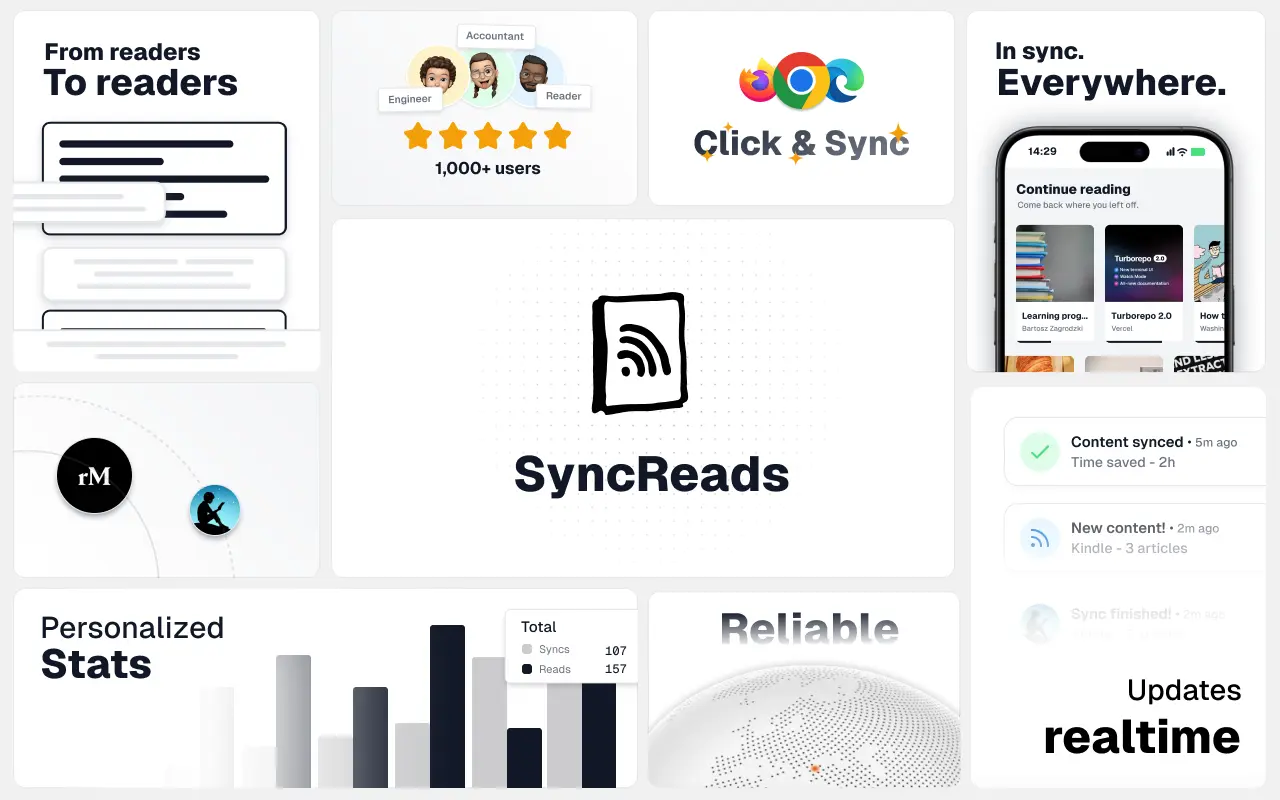
SyncReads
Sync your favorite content for distraction-free reading, save time and replace multiple apps. Anytime, anywhere 🔄
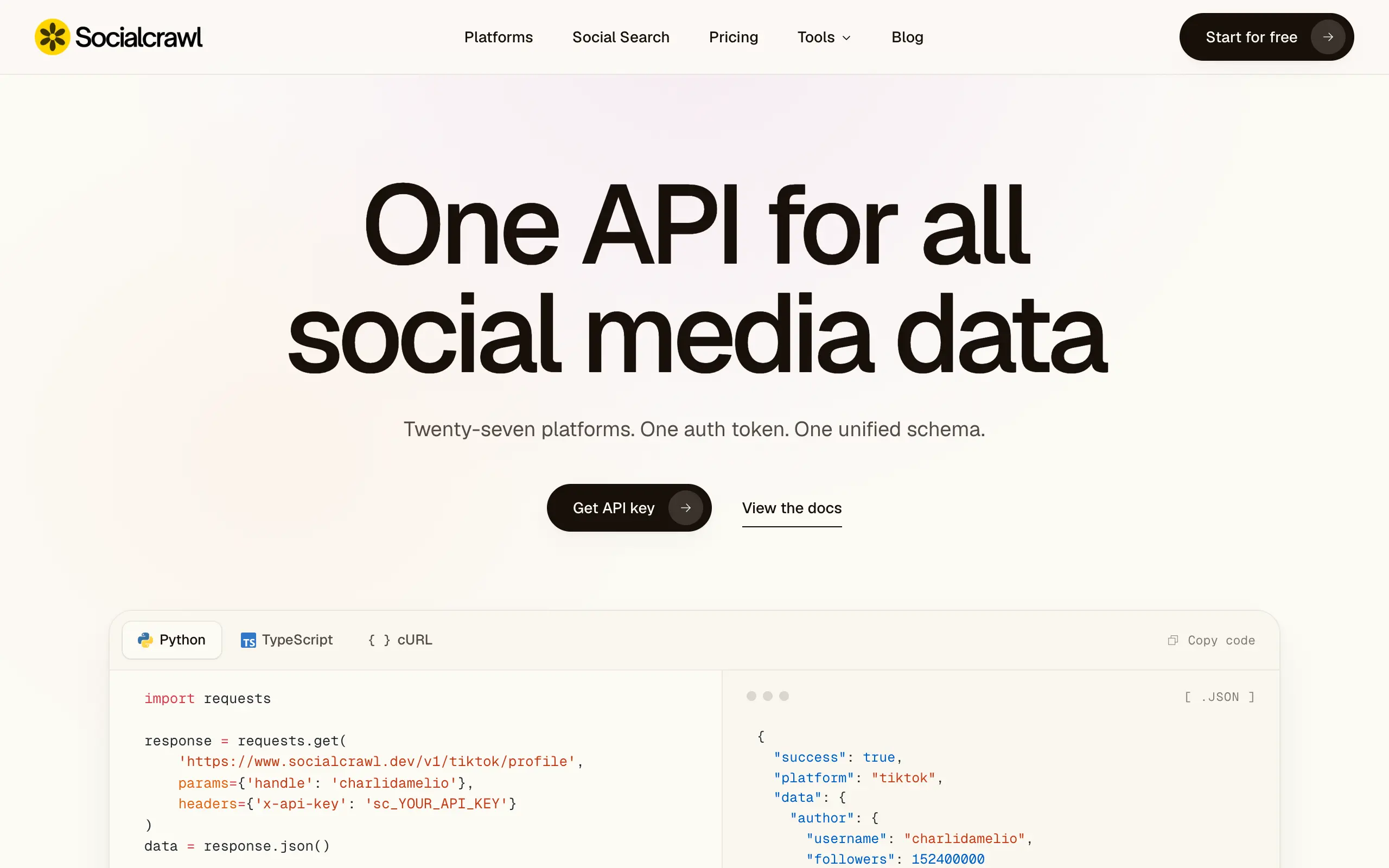
Socialcrawl
Get clean, structured data from 21 platforms like TikTok, Instagram, and YouTube with a single request 📊
Statiko
Monitor any Telegram channel in real time - track posts, edits, deletions, and growth with AI recaps 📡
Shibui
AI website builder - describe your business, pick a niche template, edit by chatting, and publish instantly ✨
Pro Service
Find verified home service professionals, compare quotes, and pay securely through escrow - built for Brazilians across the US 🏠
RankGrow
Fix your SEO with AI agents - connect Search Console, get prioritized tasks, and grow organic traffic 📈
SyncReads
Sync your favorite content for distraction-free reading, save time and replace multiple apps. Anytime, anywhere 🔄
Socialcrawl
Get clean, structured data from 21 platforms like TikTok, Instagram, and YouTube with a single request 📊
Statiko
Monitor any Telegram channel in real time - track posts, edits, deletions, and growth with AI recaps 📡
Shibui
AI website builder - describe your business, pick a niche template, edit by chatting, and publish instantly ✨
Pro Service
Find verified home service professionals, compare quotes, and pay securely through escrow - built for Brazilians across the US 🏠
RankGrow
Fix your SEO with AI agents - connect Search Console, get prioritized tasks, and grow organic traffic 📈
SyncReads
Sync your favorite content for distraction-free reading, save time and replace multiple apps. Anytime, anywhere 🔄
Socialcrawl
Get clean, structured data from 21 platforms like TikTok, Instagram, and YouTube with a single request 📊
Statiko
Monitor any Telegram channel in real time - track posts, edits, deletions, and growth with AI recaps 📡
Shibui
AI website builder - describe your business, pick a niche template, edit by chatting, and publish instantly ✨
Pro Service
Find verified home service professionals, compare quotes, and pay securely through escrow - built for Brazilians across the US 🏠
RankGrow
Fix your SEO with AI agents - connect Search Console, get prioritized tasks, and grow organic traffic 📈
SyncReads
Sync your favorite content for distraction-free reading, save time and replace multiple apps. Anytime, anywhere 🔄
Socialcrawl
Get clean, structured data from 21 platforms like TikTok, Instagram, and YouTube with a single request 📊
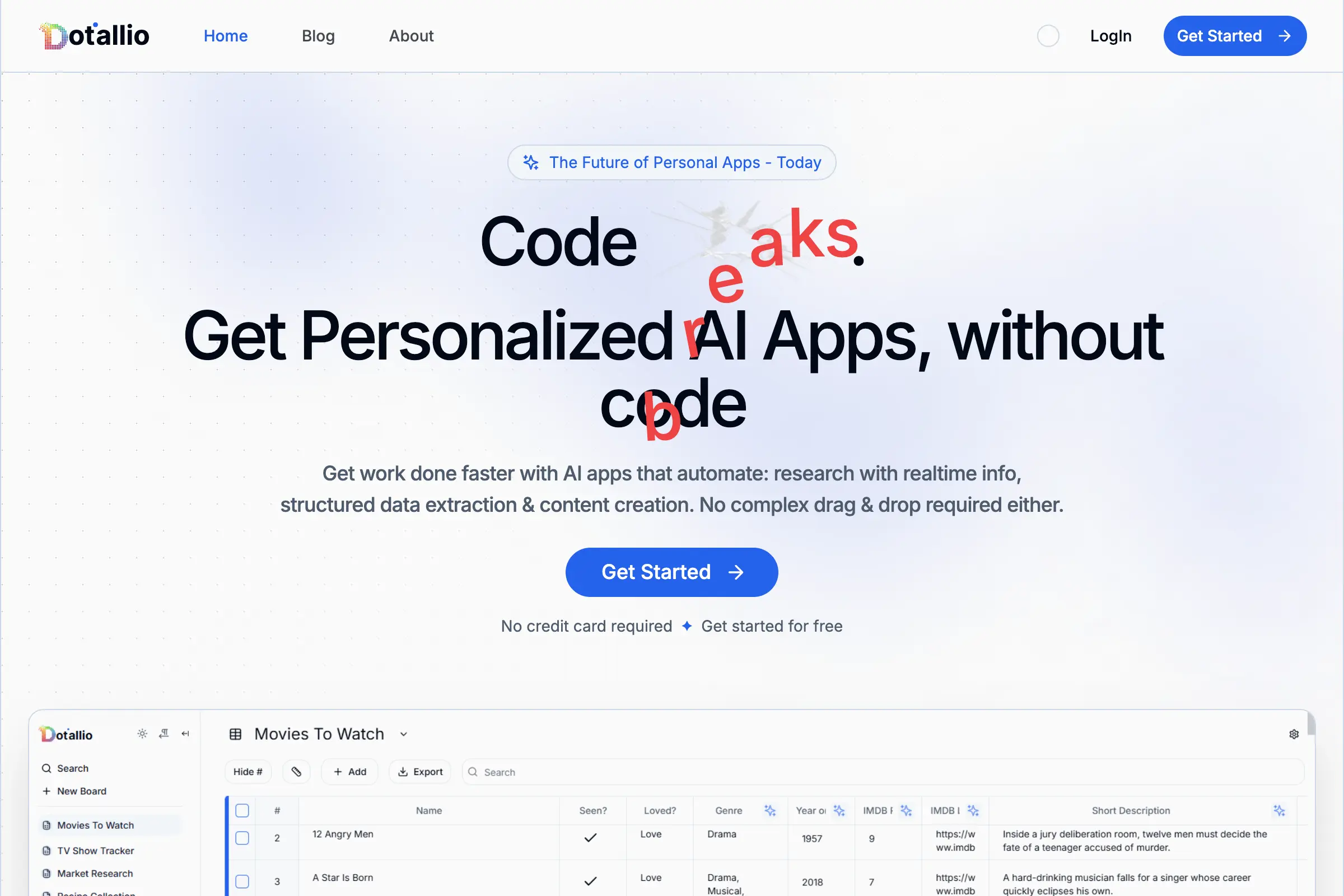
Dotallio
Personalized AI apps that automate research, data extraction, and content creation without code 🤖
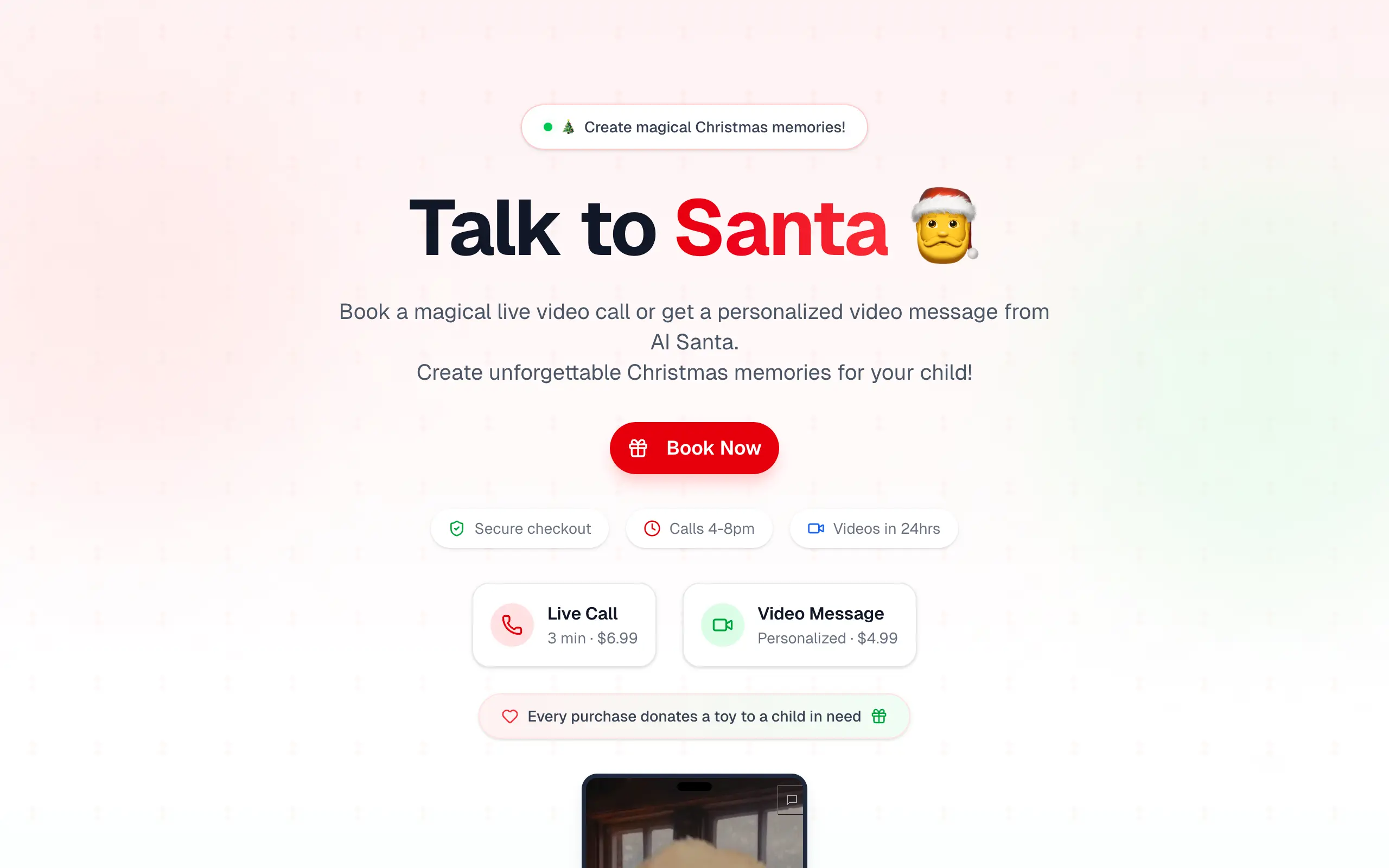
Talk to Santa
Enjoy a magical live video chat or receive a unique AI-generated video greeting from Santa Claus 🎅
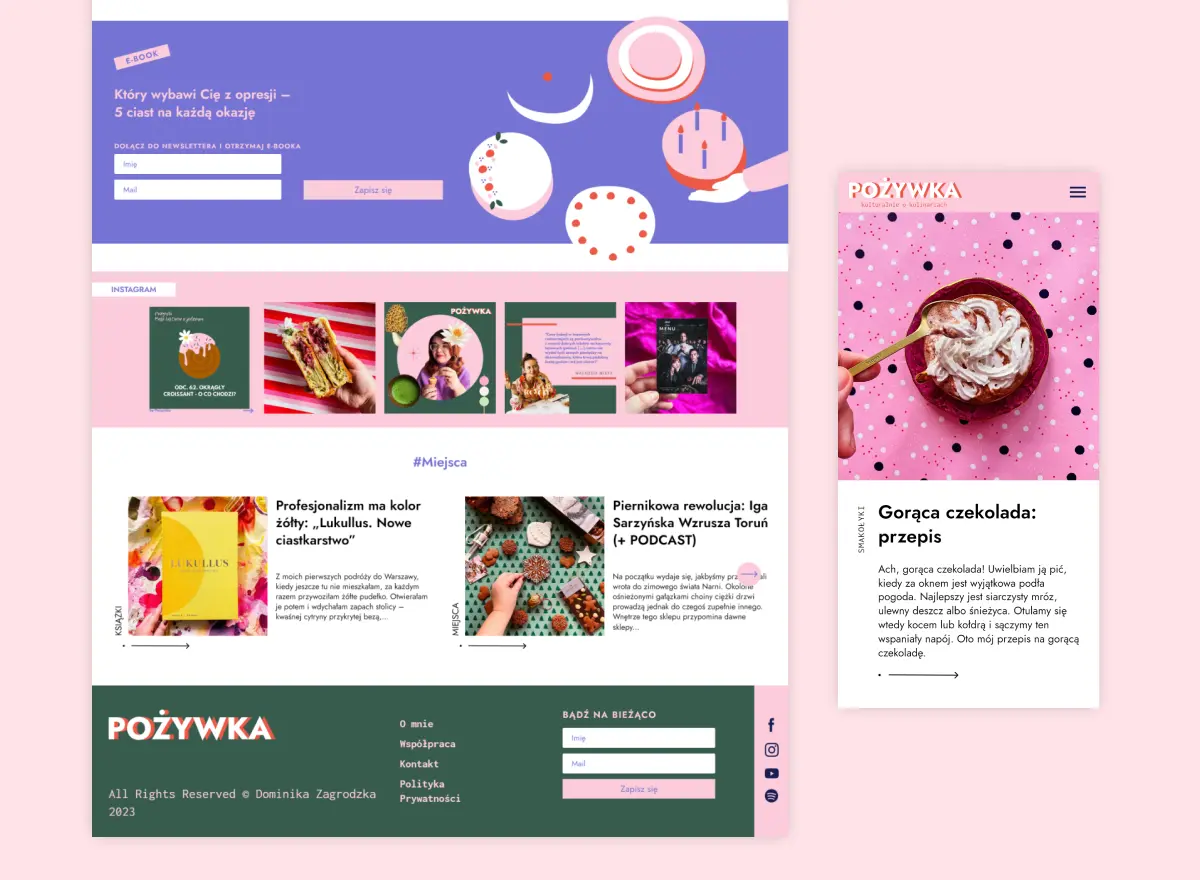
pozywka.pl
Scalable blog for food journalist, focused on performance and user experience 🌭
zagrodzki.me
Personal blog and portfolio of Bart Zagrodzki, where he shares his knowledge and work 💼
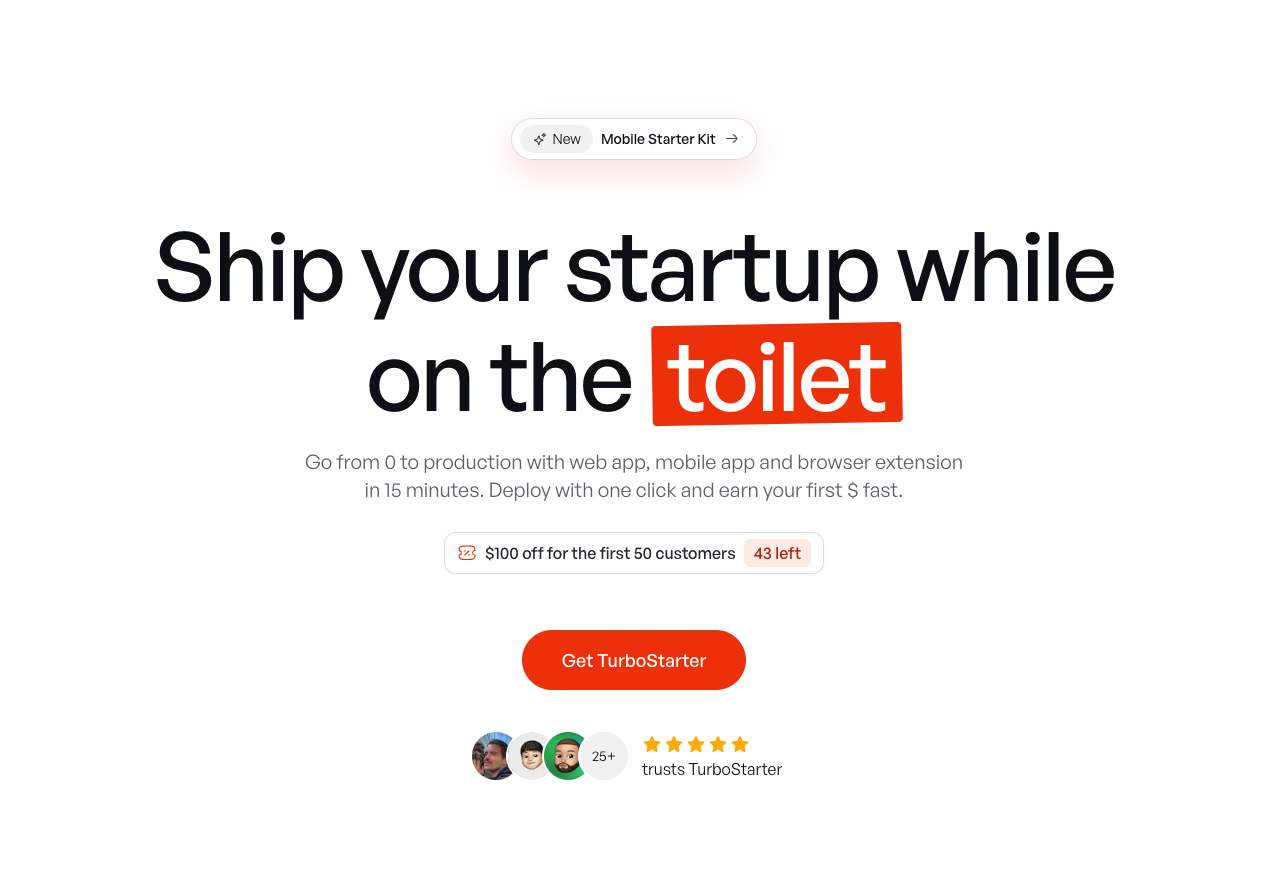
TurboStarter
Ship your startup everywhere. In minutes.
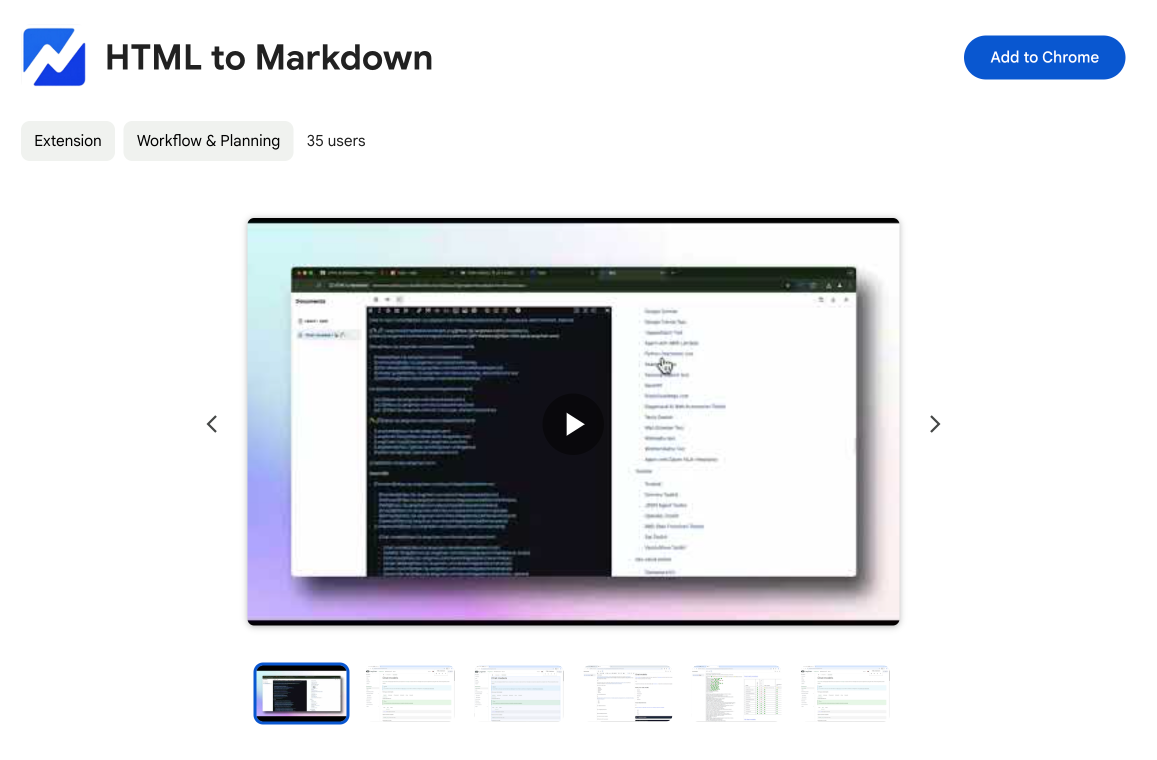
HTML to Markdown
Convert HTML to Markdown with ease, directly in your browser 📄
Dotallio
Personalized AI apps that automate research, data extraction, and content creation without code 🤖
Talk to Santa
Enjoy a magical live video chat or receive a unique AI-generated video greeting from Santa Claus 🎅
pozywka.pl
Scalable blog for food journalist, focused on performance and user experience 🌭
zagrodzki.me
Personal blog and portfolio of Bart Zagrodzki, where he shares his knowledge and work 💼
TurboStarter
Ship your startup everywhere. In minutes.
HTML to Markdown
Convert HTML to Markdown with ease, directly in your browser 📄
Dotallio
Personalized AI apps that automate research, data extraction, and content creation without code 🤖
Talk to Santa
Enjoy a magical live video chat or receive a unique AI-generated video greeting from Santa Claus 🎅
pozywka.pl
Scalable blog for food journalist, focused on performance and user experience 🌭
zagrodzki.me
Personal blog and portfolio of Bart Zagrodzki, where he shares his knowledge and work 💼
TurboStarter
Ship your startup everywhere. In minutes.
HTML to Markdown
Convert HTML to Markdown with ease, directly in your browser 📄
Dotallio
Personalized AI apps that automate research, data extraction, and content creation without code 🤖
Talk to Santa
Enjoy a magical live video chat or receive a unique AI-generated video greeting from Santa Claus 🎅
pozywka.pl
Scalable blog for food journalist, focused on performance and user experience 🌭
zagrodzki.me
Personal blog and portfolio of Bart Zagrodzki, where he shares his knowledge and work 💼
TurboStarter
Ship your startup everywhere. In minutes.
HTML to Markdown
Convert HTML to Markdown with ease, directly in your browser 📄
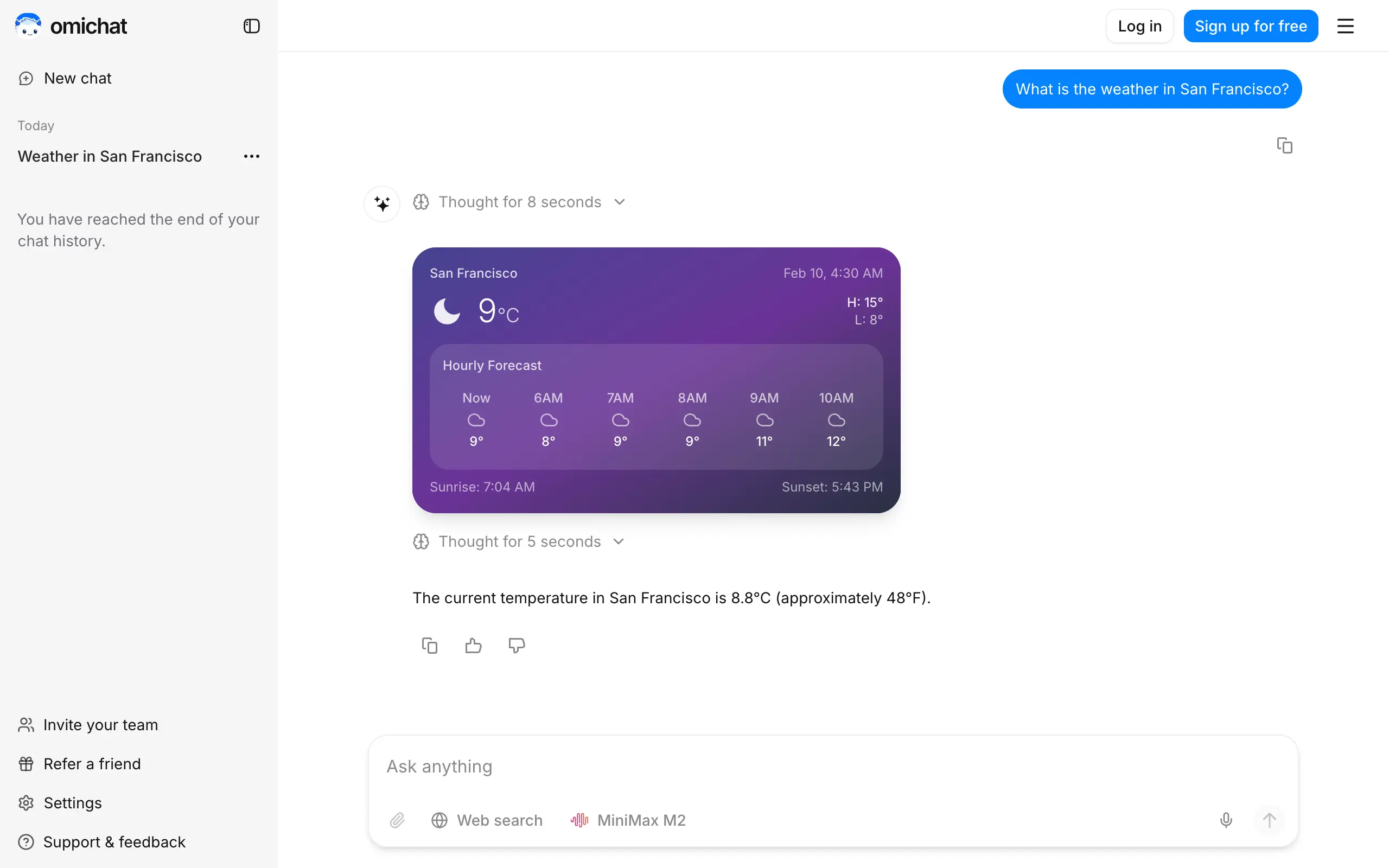
Omichat
Chat with 50+ AI models, including ChatGPT and Claude, in one place - switch models anytime without losing context 🤖
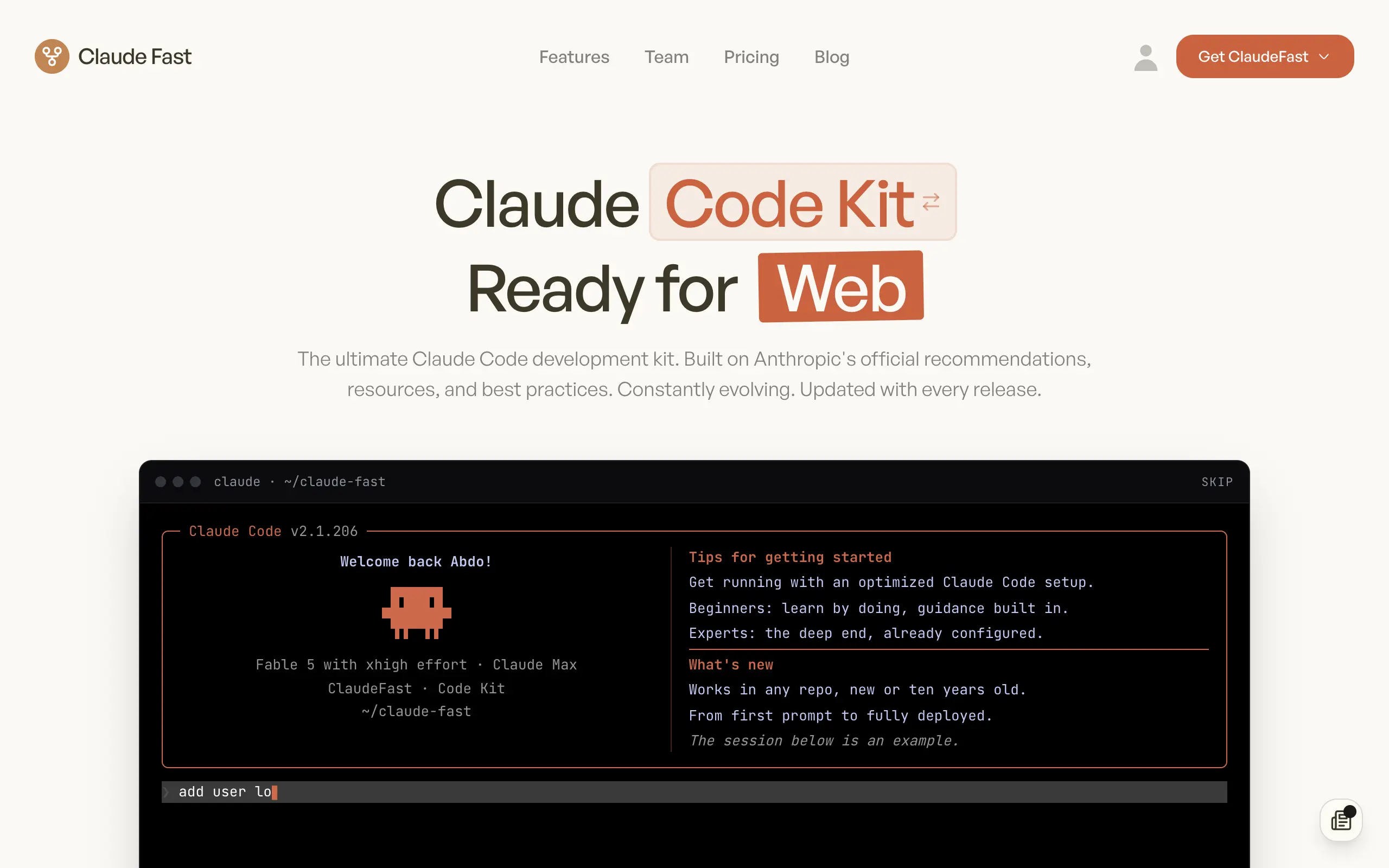
Claude Fast
Supercharge your Claude Code with 6x effective context window and specialized AI agents 🤖
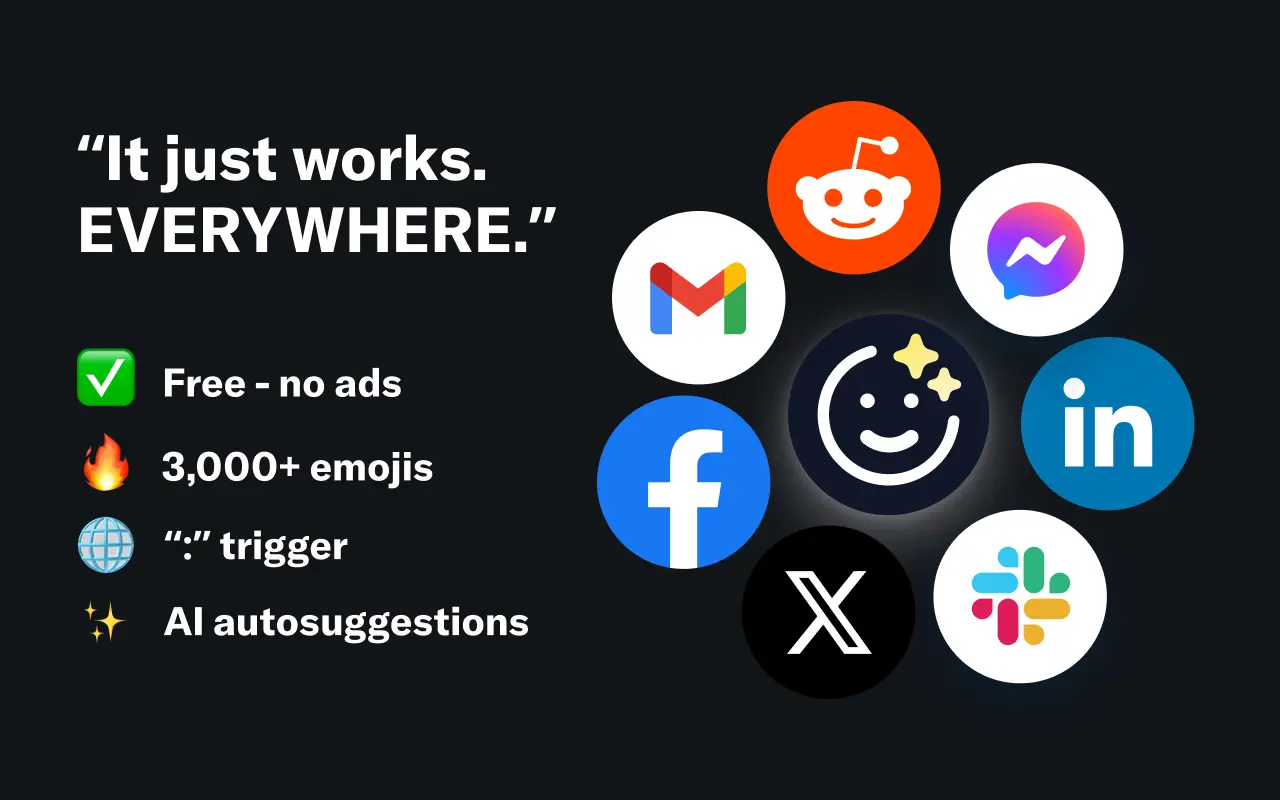
EmojAI
AI-powered emoji picker with smart, context-aware suggestions 🤖
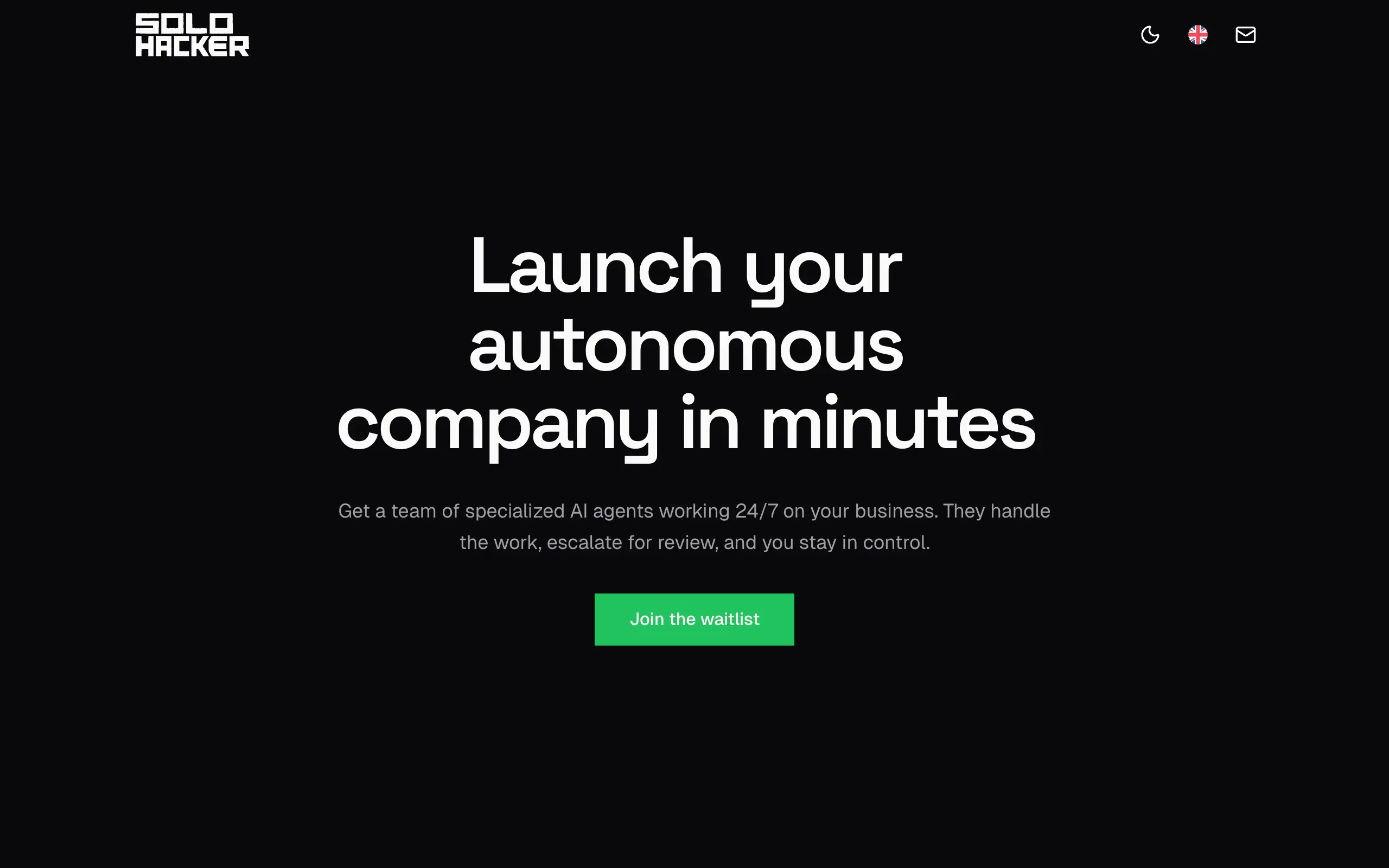
Solohacker
Autonomous company launcher - AI agents work 24/7, escalate what matters, and you stay in control 🤖
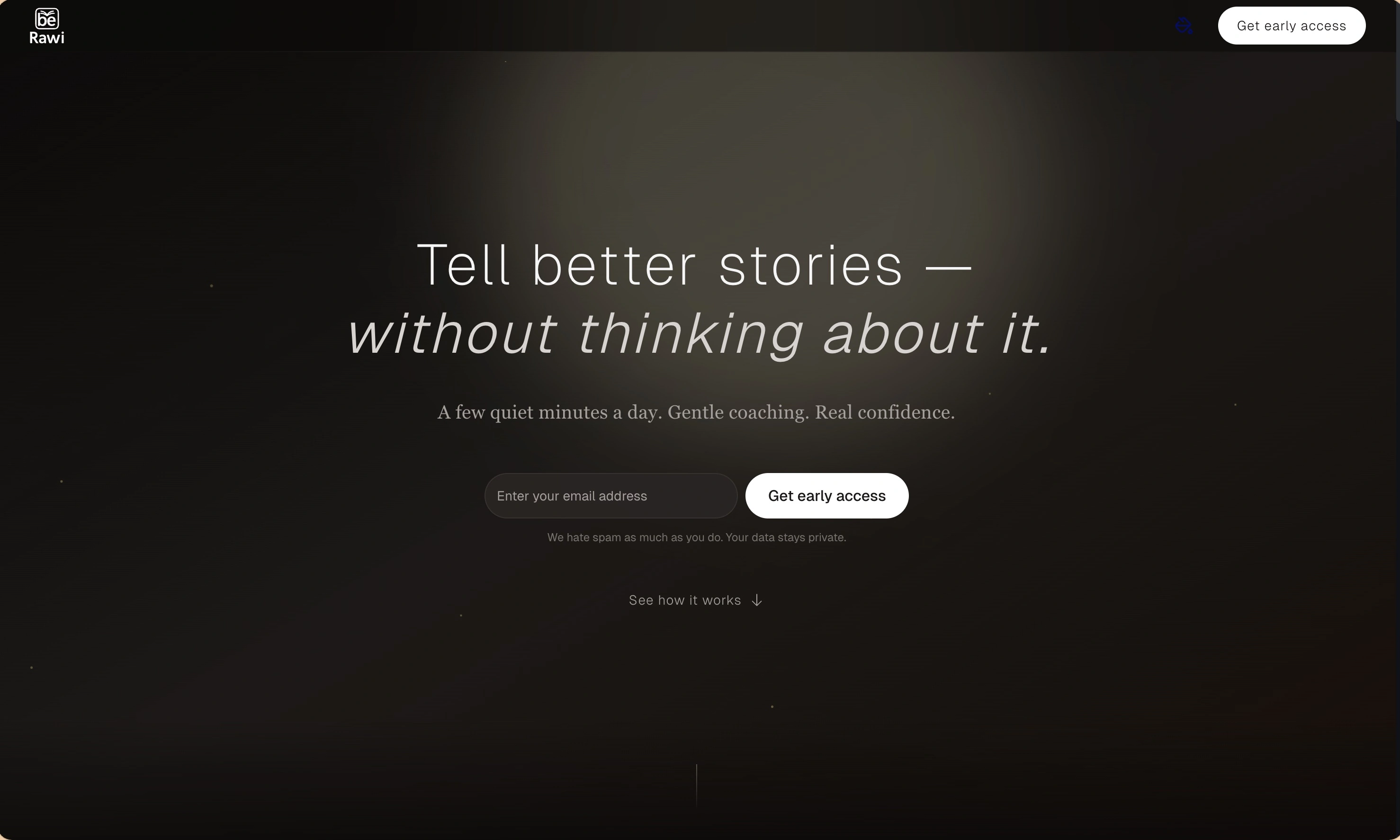
BeRawi: Storytelling Coach
Practice storytelling daily with instant feedback to sound clearer, more engaging, and confident 🎤
Omichat
Chat with 50+ AI models, including ChatGPT and Claude, in one place - switch models anytime without losing context 🤖
Claude Fast
Supercharge your Claude Code with 6x effective context window and specialized AI agents 🤖
EmojAI
AI-powered emoji picker with smart, context-aware suggestions 🤖
Solohacker
Autonomous company launcher - AI agents work 24/7, escalate what matters, and you stay in control 🤖
BeRawi: Storytelling Coach
Practice storytelling daily with instant feedback to sound clearer, more engaging, and confident 🎤
Omichat
Chat with 50+ AI models, including ChatGPT and Claude, in one place - switch models anytime without losing context 🤖
Claude Fast
Supercharge your Claude Code with 6x effective context window and specialized AI agents 🤖
EmojAI
AI-powered emoji picker with smart, context-aware suggestions 🤖
Solohacker
Autonomous company launcher - AI agents work 24/7, escalate what matters, and you stay in control 🤖
BeRawi: Storytelling Coach
Practice storytelling daily with instant feedback to sound clearer, more engaging, and confident 🎤
Omichat
Chat with 50+ AI models, including ChatGPT and Claude, in one place - switch models anytime without losing context 🤖
Claude Fast
Supercharge your Claude Code with 6x effective context window and specialized AI agents 🤖
EmojAI
AI-powered emoji picker with smart, context-aware suggestions 🤖
Solohacker
Autonomous company launcher - AI agents work 24/7, escalate what matters, and you stay in control 🤖
BeRawi: Storytelling Coach
Practice storytelling daily with instant feedback to sound clearer, more engaging, and confident 🎤

Connect with like-minded people
Join our community to get feedback, support, and grow together with 1,000+ builders on board, let's ship it!
Join usShip your startup everywhere. In minutes.
Don't burn tokens on setup and start building features on day one.