OpsFlow Automator
Streamlines ITSM workflows with AI-driven runbooks that auto-resolve incidents, trigger remediations, and reduce manual ops toil across teams.
The rise of AI-driven ITSM automation
Modern IT operations teams are drowning in alerts, repetitive incident handling, and fragmented workflows across tools like ServiceNow, Jira, PagerDuty, and cloud platforms. Despite advances in observability, most teams still rely on manual runbooks, tribal knowledge, and reactive firefighting.
That’s exactly where OpsFlow Automator fits: a B2B SaaS platform that uses AI-driven runbooks to automatically resolve incidents, trigger remediations, and eliminate repetitive operational toil.
This article breaks down the full opportunity, product strategy, and implementation path for building a high-impact SaaS like OpsFlow Automator.
Understanding the core problem in ITSM today
Even mature DevOps organizations struggle with operational inefficiencies:
- Incident response is still largely manual
- Runbooks are outdated or inconsistently followed
- Knowledge is siloed across teams
- Alert fatigue reduces response effectiveness
- Mean Time To Resolution (MTTR) remains high
According to widely cited industry reports (e.g., Google SRE and incident management studies), a significant portion of incidents are repeatable and predictable, yet they still require human intervention.
Why current tools fall short
Most ITSM tools are:
- Ticket-centric, not resolution-centric
- Reactive instead of proactive
- Lacking intelligent automation
- Dependent on human interpretation
This creates a massive gap: teams have data and alerts but lack execution intelligence.
What is OpsFlow Automator?
OpsFlow Automator is an AI-powered ITSM automation platform that:
- Converts runbooks into executable workflows
- Automatically resolves incidents based on context
- Integrates across observability and ticketing tools
- Learns from historical incident data
- Reduces manual intervention across operations
At its core, it transforms incident response from human-driven to system-driven.
Target audience and ideal customer profile
Primary users
- DevOps engineers
- Site Reliability Engineers (SREs)
- IT operations teams
- Platform engineering teams
Buying personas
- VP of Engineering
- Head of Infrastructure
- Director of SRE
- CTO (in mid-sized companies)
Ideal company profile
- SaaS companies with uptime-critical systems
- Enterprises with complex infrastructure
- Cloud-native organizations using Kubernetes
- Teams with >10 engineers managing infrastructure
Pain points by persona
SRE Teams
Overwhelmed by alerts and repetitive incidents affecting system reliability.
DevOps Engineers
Spending time on manual remediation instead of improving systems.
Engineering Leaders
High MTTR impacting SLAs, customer trust, and revenue.
Market opportunity and gap analysis
The ITSM and DevOps tooling market is massive and growing:
- ITSM market projected to exceed $20B+
- Observability market rapidly expanding (Datadog, New Relic, etc.)
- Automation still underpenetrated in incident response
Existing categories
- ITSM platforms (ServiceNow, Jira Service Management)
- Incident management (PagerDuty, Opsgenie)
- Observability tools (Datadog, Prometheus, Grafana)
- Workflow automation (Zapier, n8n)
The gap
None of these tools deeply solve:
- Autonomous incident resolution
- Dynamic runbook execution
- Cross-tool orchestration with intelligence
This is where OpsFlow Automator stands out.
Unique selling proposition (USP)
OpsFlow Automator isn’t just another automation tool—it’s an execution engine for operations.
Key differentiators
- AI-generated and continuously optimized runbooks
- Context-aware incident resolution
- Deep integrations across infrastructure stack
- Feedback loop that improves over time
Core insight
Most incidents don’t need humans—they need reliable execution. OpsFlow Automator focuses on turning knowledge into action.
Core product features and capabilities
1. AI-driven runbook generation
- Analyze past incidents and logs
- Generate structured remediation workflows
- Suggest automation opportunities
2. Automated incident resolution
- Trigger workflows based on alerts
- Execute scripts or API actions
- Validate outcomes before closing incidents
3. Multi-tool integration layer
Supports integration with:
- Monitoring tools (Datadog, Prometheus)
- Ticketing systems (Jira, ServiceNow)
- Cloud providers (AWS, Azure, GCP)
- CI/CD pipelines
4. Smart decision engine
- Uses context (logs, metrics, history)
- Chooses best remediation path
- Escalates only when needed
5. Continuous learning loop
- Tracks success/failure of automations
- Refines runbooks automatically
- Suggests improvements to teams
Example workflow: automated incident resolution
// Example pseudo-workflow for incident automation
if (alert.type === "high_cpu") {
  if (node.cluster === "k8s") {
    scaleDeployment(serviceName);
    restartPod(serviceName);
  }

  if (!issueResolved()) {
    notifyOnCall();
  } else {
    closeIncident();
  }
}
Product architecture overview
Core components
- Event ingestion layer
- AI decision engine
- Workflow execution engine
- Integration connectors
- Feedback and analytics system
Recommended tech stack
Trade-off: Fast UI development vs complexity in large dashboards
- Node.js or Python (FastAPI)
- Workflow engine (Temporal or custom)
- LLM integration (OpenAI API or similar)
Trade-off: Flexibility vs complexity in orchestration logic
- Kubernetes for scalability
- AWS or GCP for cloud infrastructure
- Kafka or Pub/Sub for event streaming
Trade-off: Scalability vs operational overhead
Competitive landscape
Key players
- PagerDuty (incident management)
- ServiceNow (ITSM)
- Datadog (observability)
- Rundeck (automation)
Comparison
| Feature | OpsFlow | PagerDuty | ServiceNow | Rundeck |
|---|---|---|---|---|
| AI runbooks | ✅ | ❌ | ❌ | ❌ |
| Auto resolution | ✅ | ⚠️ | ⚠️ | ✅ |
| Cross-tool orchestration | ✅ | ⚠️ | ✅ | ✅ |
| Learning system | ✅ | ❌ | ❌ | ❌ |
Monetization strategy
Pricing models
-
Usage-based pricing
- Per incident automated
- Per workflow execution
-
Seat-based pricing
- For engineering teams
-
Tiered SaaS plans
- Starter (small teams)
- Growth (mid-market)
- Enterprise (custom integrations)
Additional revenue streams
- Premium integrations
- AI optimization add-ons
- Enterprise onboarding services
Go-to-market strategy
Initial traction strategy
- Target DevOps-heavy startups
- Offer free automation audits
- Showcase ROI (MTTR reduction)
Content strategy
- SEO blog content (incident automation, SRE best practices)
- Case studies with measurable impact
- Technical deep dives
Partnerships
- Cloud providers
- DevOps consultancies
- Observability platforms
Risks and mitigation strategies
Risk: trust in automation
Teams may hesitate to allow auto-remediation.
Mitigation:
- Start with suggestion mode
- Provide audit logs
- Allow manual approvals
Risk: integration complexity
Multiple tools increase friction.
Mitigation:
- Pre-built connectors
- SDK for custom integrations
Risk: incorrect automation
Bad decisions could worsen incidents.
Mitigation:
- Confidence scoring
- Safe rollback mechanisms
- Escalation thresholds
Critical consideration
Automation without observability and validation is dangerous. Always include guardrails and rollback capabilities.
Implementation roadmap
Phase 1: MVP
Phase 2: Intelligence layer
Phase 3: Scale and enterprise
Example user journey
Monitoring tool sends alert to OpsFlow Automator.
System analyzes logs, metrics, and historical incidents.
Best remediation workflow is selected and executed.
System checks if the issue is resolved.
Incident is auto-closed or escalated to human.
Long-term vision
OpsFlow Automator can evolve into:
- Autonomous infrastructure management system
- AI SRE assistant
- Full operational intelligence platform
Future expansions:
- Predictive incident prevention
- Cost optimization automation
- Security incident response automation
Why this idea has strong SaaS potential
- High ROI for customers (time + uptime)
- Clear pain point
- Expanding market
- Strong retention via integrations
- Natural upsell opportunities
Actionable next steps
If you’re building OpsFlow Automator or validating this idea:
- Interview 10–20 DevOps engineers
- Identify top 5 repeatable incidents
- Build automation for those use cases
- Measure time saved
- Iterate with real feedback
Then move toward AI-driven optimization.
Final thoughts
The future of IT operations isn’t better dashboards—it’s less human intervention.
OpsFlow Automator sits at the intersection of:
- AI
- DevOps
- Automation
- Operational intelligence
That combination makes it a powerful and timely SaaS opportunity.
If executed well, it won’t just improve workflows—it will fundamentally change how infrastructure is managed.
Build faster with the right foundation
Instead of building everything from scratch, you can accelerate development using a modern SaaS starter kit like TurboStarter, which helps you focus on core product logic instead of boilerplate.
More 🏢 B2B Application SaaS ideas
Discover more innovative b2b application SaaS ideas that are trending in 2026. Each idea is AI-generated with market validation and growth potential to help you find your next profitable venture faster than competitors.
Your competitors are building with TurboStarter
Below are some of the SaaS ideas that have been generated and built with our starter kit.

Statiko
Monitor any Telegram channel in real time - track posts, edits, deletions, and growth with AI recaps 📡

Shibui
AI website builder - describe your business, pick a niche template, edit by chatting, and publish instantly ✨

Pro Service
Find verified home service professionals, compare quotes, and pay securely through escrow - built for Brazilians across the US 🏠
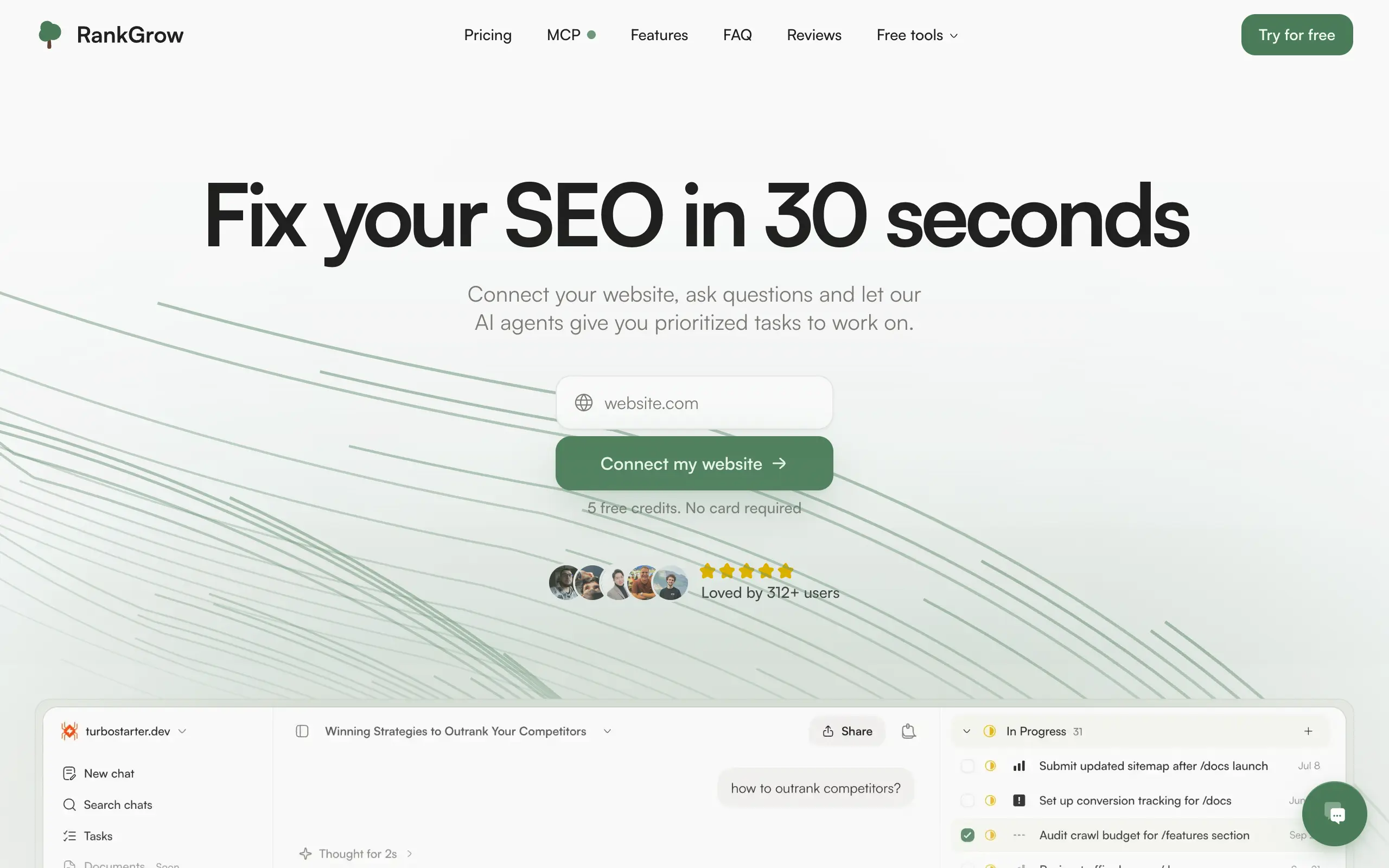
RankGrow
Fix your SEO with AI agents - connect Search Console, get prioritized tasks, and grow organic traffic 📈
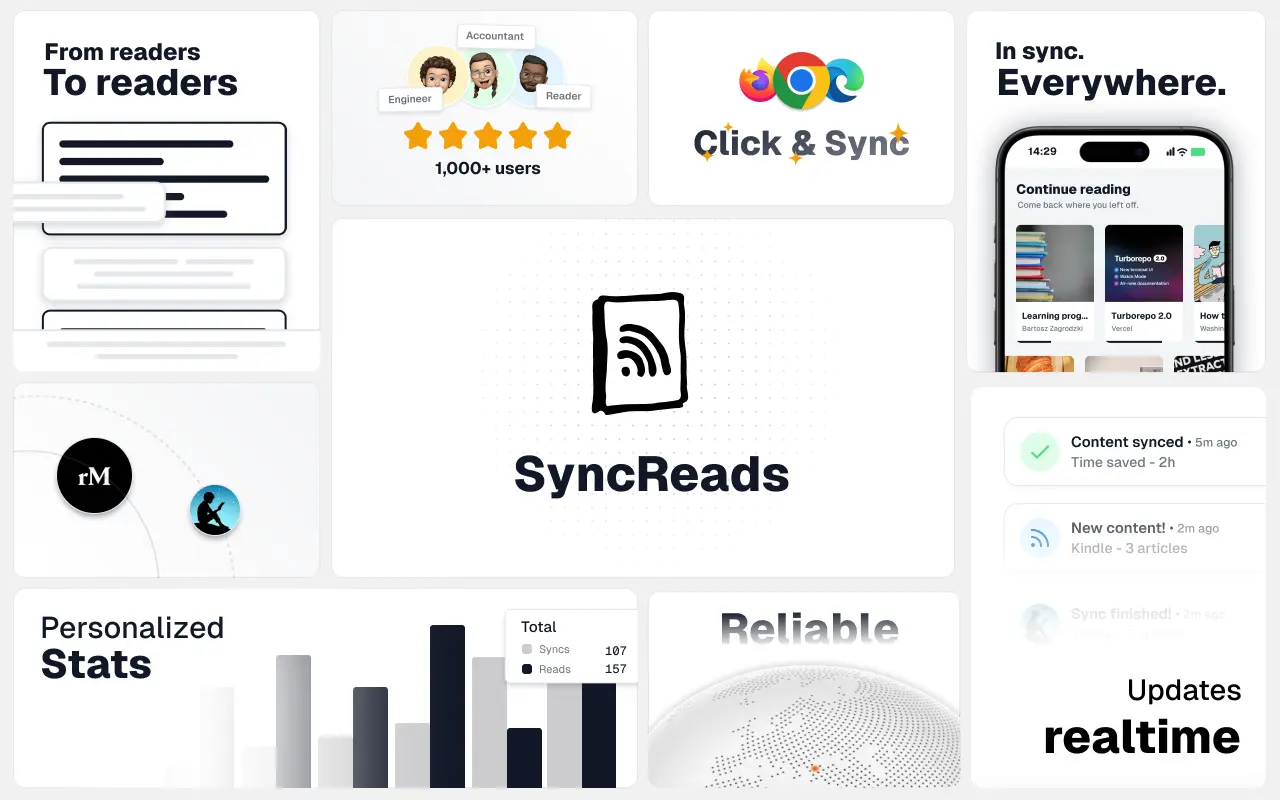
SyncReads
Sync your favorite content for distraction-free reading, save time and replace multiple apps. Anytime, anywhere 🔄
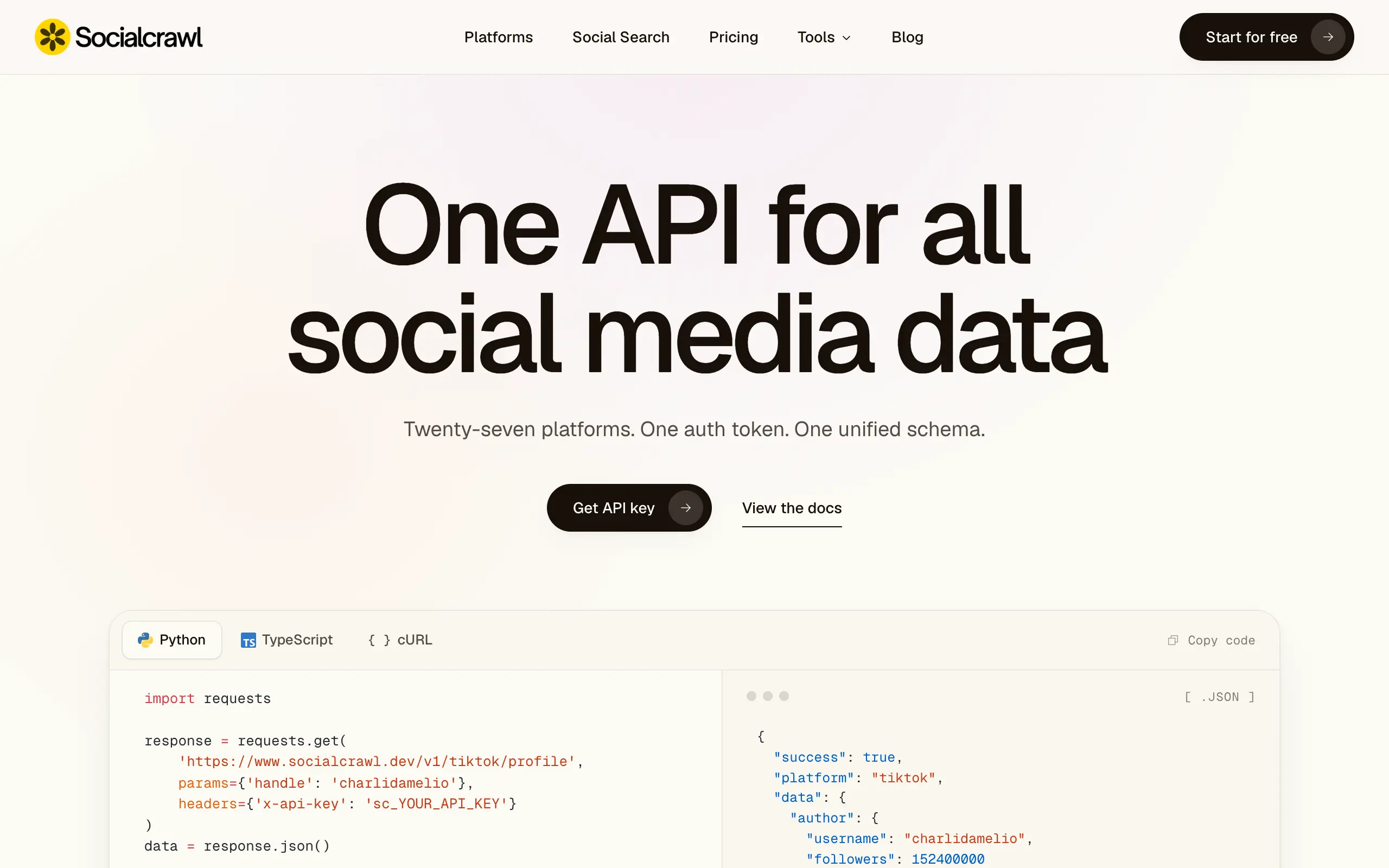
Socialcrawl
Get clean, structured data from 21 platforms like TikTok, Instagram, and YouTube with a single request 📊
Statiko
Monitor any Telegram channel in real time - track posts, edits, deletions, and growth with AI recaps 📡
Shibui
AI website builder - describe your business, pick a niche template, edit by chatting, and publish instantly ✨
Pro Service
Find verified home service professionals, compare quotes, and pay securely through escrow - built for Brazilians across the US 🏠
RankGrow
Fix your SEO with AI agents - connect Search Console, get prioritized tasks, and grow organic traffic 📈
SyncReads
Sync your favorite content for distraction-free reading, save time and replace multiple apps. Anytime, anywhere 🔄
Socialcrawl
Get clean, structured data from 21 platforms like TikTok, Instagram, and YouTube with a single request 📊
Statiko
Monitor any Telegram channel in real time - track posts, edits, deletions, and growth with AI recaps 📡
Shibui
AI website builder - describe your business, pick a niche template, edit by chatting, and publish instantly ✨
Pro Service
Find verified home service professionals, compare quotes, and pay securely through escrow - built for Brazilians across the US 🏠
RankGrow
Fix your SEO with AI agents - connect Search Console, get prioritized tasks, and grow organic traffic 📈
SyncReads
Sync your favorite content for distraction-free reading, save time and replace multiple apps. Anytime, anywhere 🔄
Socialcrawl
Get clean, structured data from 21 platforms like TikTok, Instagram, and YouTube with a single request 📊
Statiko
Monitor any Telegram channel in real time - track posts, edits, deletions, and growth with AI recaps 📡
Shibui
AI website builder - describe your business, pick a niche template, edit by chatting, and publish instantly ✨
Pro Service
Find verified home service professionals, compare quotes, and pay securely through escrow - built for Brazilians across the US 🏠
RankGrow
Fix your SEO with AI agents - connect Search Console, get prioritized tasks, and grow organic traffic 📈
SyncReads
Sync your favorite content for distraction-free reading, save time and replace multiple apps. Anytime, anywhere 🔄
Socialcrawl
Get clean, structured data from 21 platforms like TikTok, Instagram, and YouTube with a single request 📊
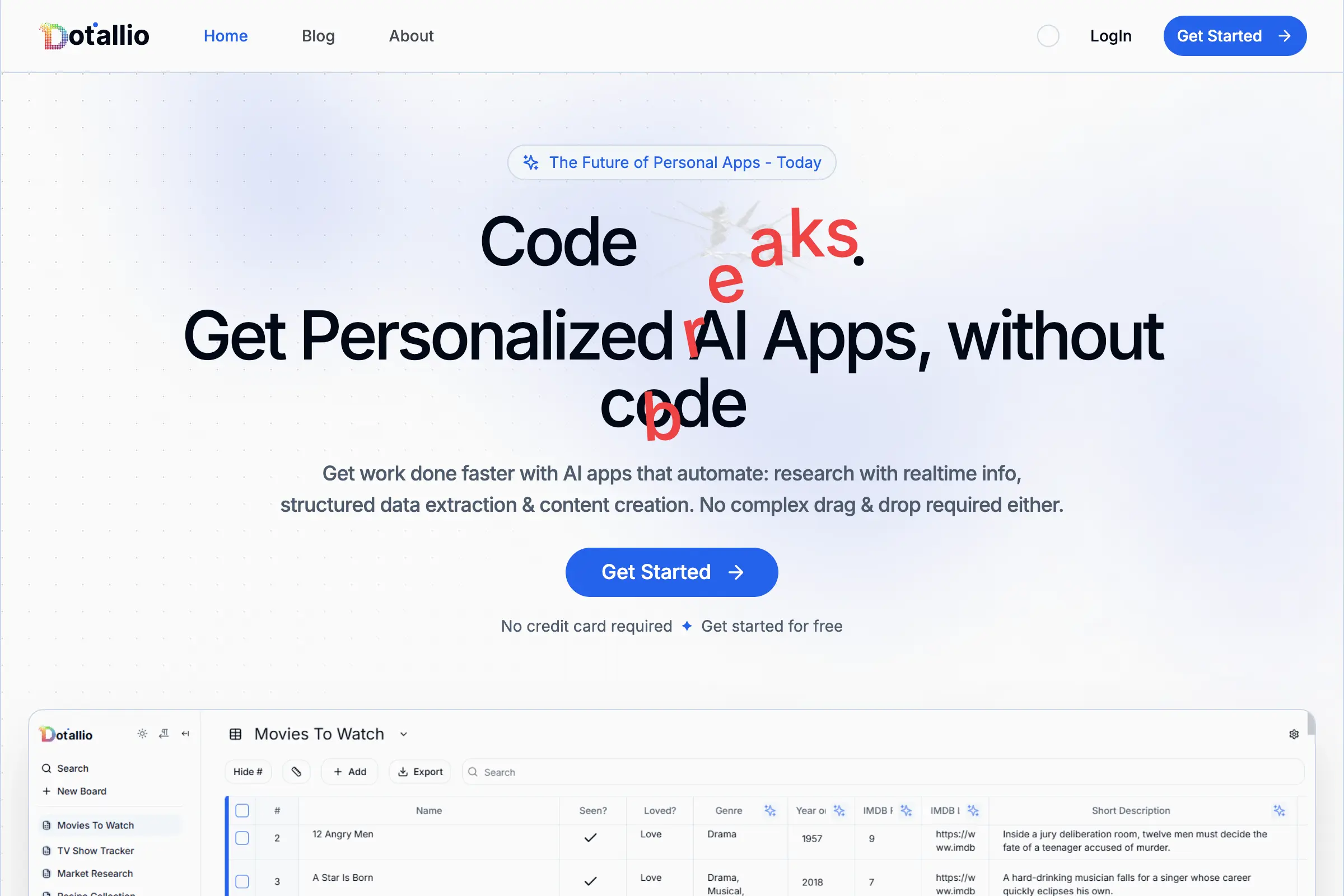
Dotallio
Personalized AI apps that automate research, data extraction, and content creation without code 🤖

Talk to Santa
Enjoy a magical live video chat or receive a unique AI-generated video greeting from Santa Claus 🎅

pozywka.pl
Scalable blog for food journalist, focused on performance and user experience 🌭
zagrodzki.me
Personal blog and portfolio of Bart Zagrodzki, where he shares his knowledge and work 💼
TurboStarter
Ship your startup everywhere. In minutes.
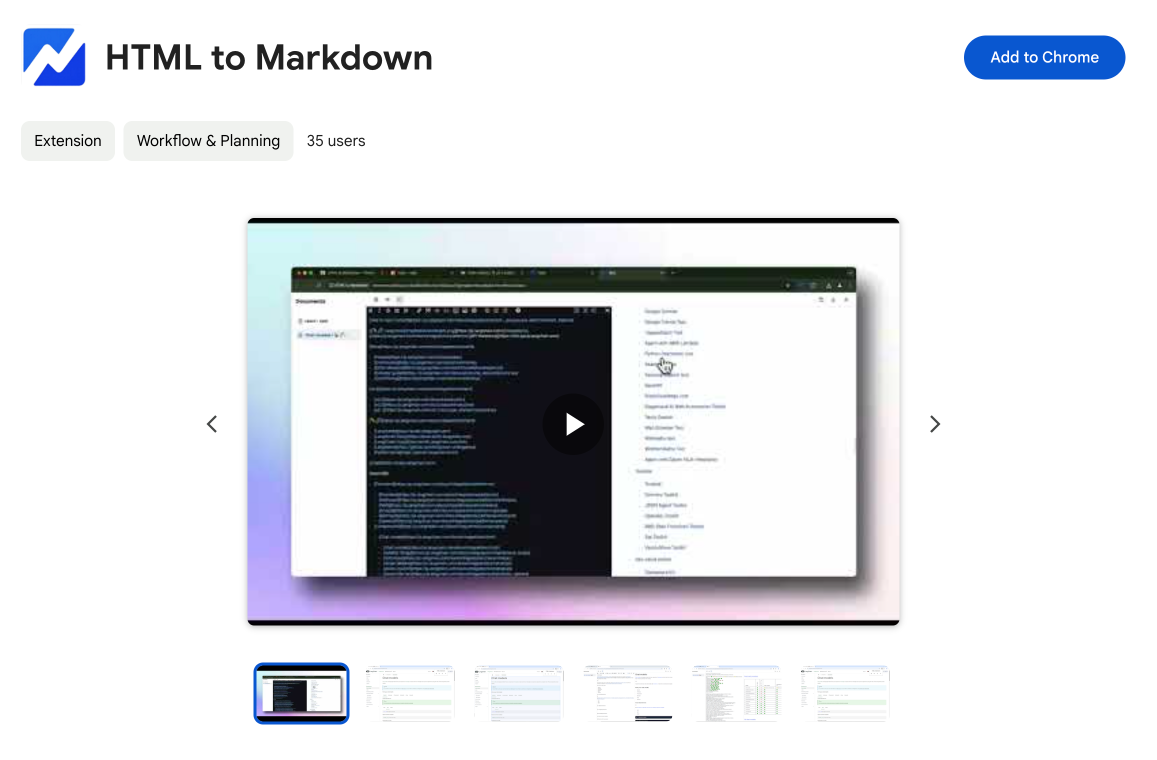
HTML to Markdown
Convert HTML to Markdown with ease, directly in your browser 📄
Dotallio
Personalized AI apps that automate research, data extraction, and content creation without code 🤖
Talk to Santa
Enjoy a magical live video chat or receive a unique AI-generated video greeting from Santa Claus 🎅
pozywka.pl
Scalable blog for food journalist, focused on performance and user experience 🌭
zagrodzki.me
Personal blog and portfolio of Bart Zagrodzki, where he shares his knowledge and work 💼
TurboStarter
Ship your startup everywhere. In minutes.
HTML to Markdown
Convert HTML to Markdown with ease, directly in your browser 📄
Dotallio
Personalized AI apps that automate research, data extraction, and content creation without code 🤖
Talk to Santa
Enjoy a magical live video chat or receive a unique AI-generated video greeting from Santa Claus 🎅
pozywka.pl
Scalable blog for food journalist, focused on performance and user experience 🌭
zagrodzki.me
Personal blog and portfolio of Bart Zagrodzki, where he shares his knowledge and work 💼
TurboStarter
Ship your startup everywhere. In minutes.
HTML to Markdown
Convert HTML to Markdown with ease, directly in your browser 📄
Dotallio
Personalized AI apps that automate research, data extraction, and content creation without code 🤖
Talk to Santa
Enjoy a magical live video chat or receive a unique AI-generated video greeting from Santa Claus 🎅
pozywka.pl
Scalable blog for food journalist, focused on performance and user experience 🌭
zagrodzki.me
Personal blog and portfolio of Bart Zagrodzki, where he shares his knowledge and work 💼
TurboStarter
Ship your startup everywhere. In minutes.
HTML to Markdown
Convert HTML to Markdown with ease, directly in your browser 📄
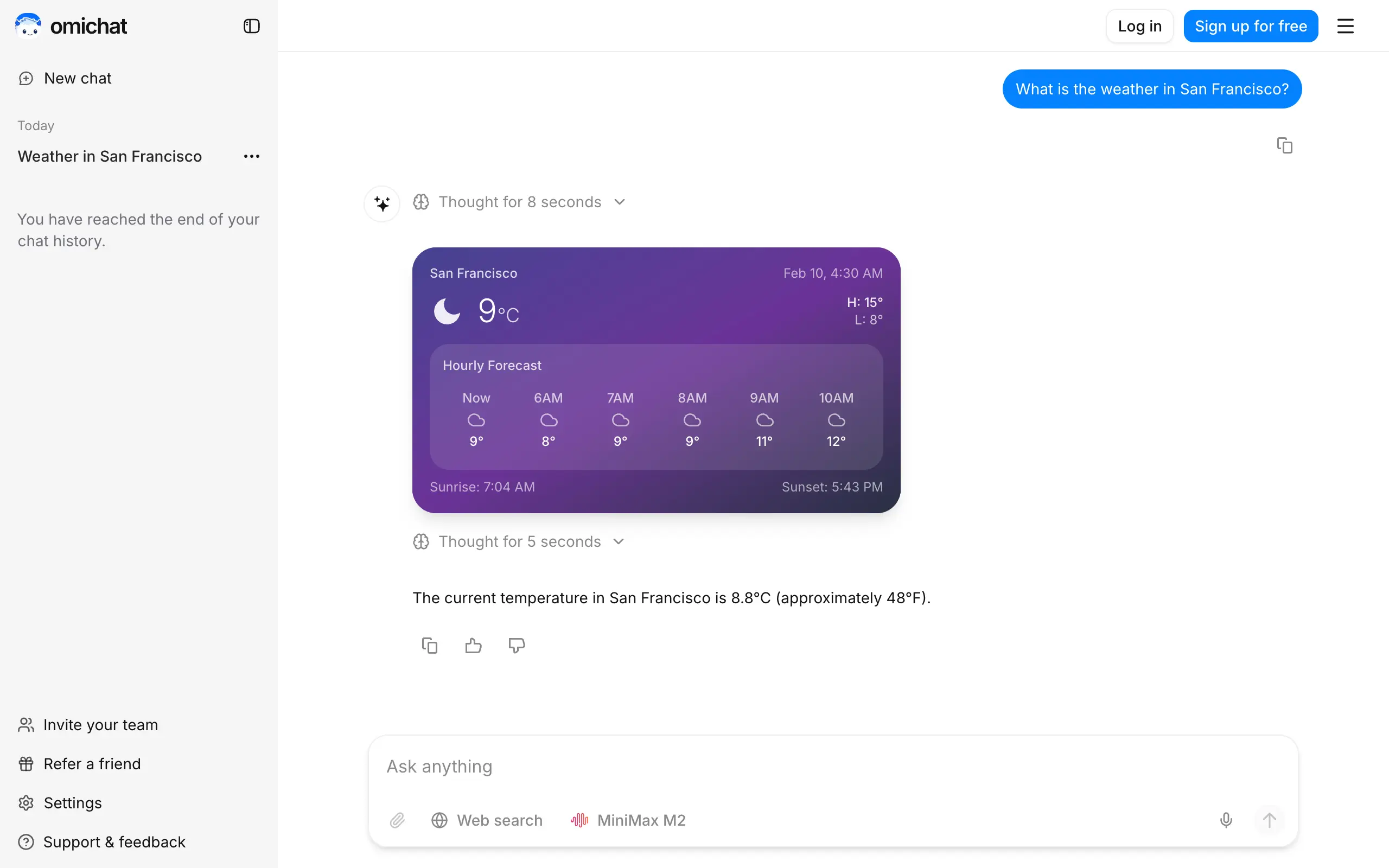
Omichat
Chat with 50+ AI models, including ChatGPT and Claude, in one place - switch models anytime without losing context 🤖
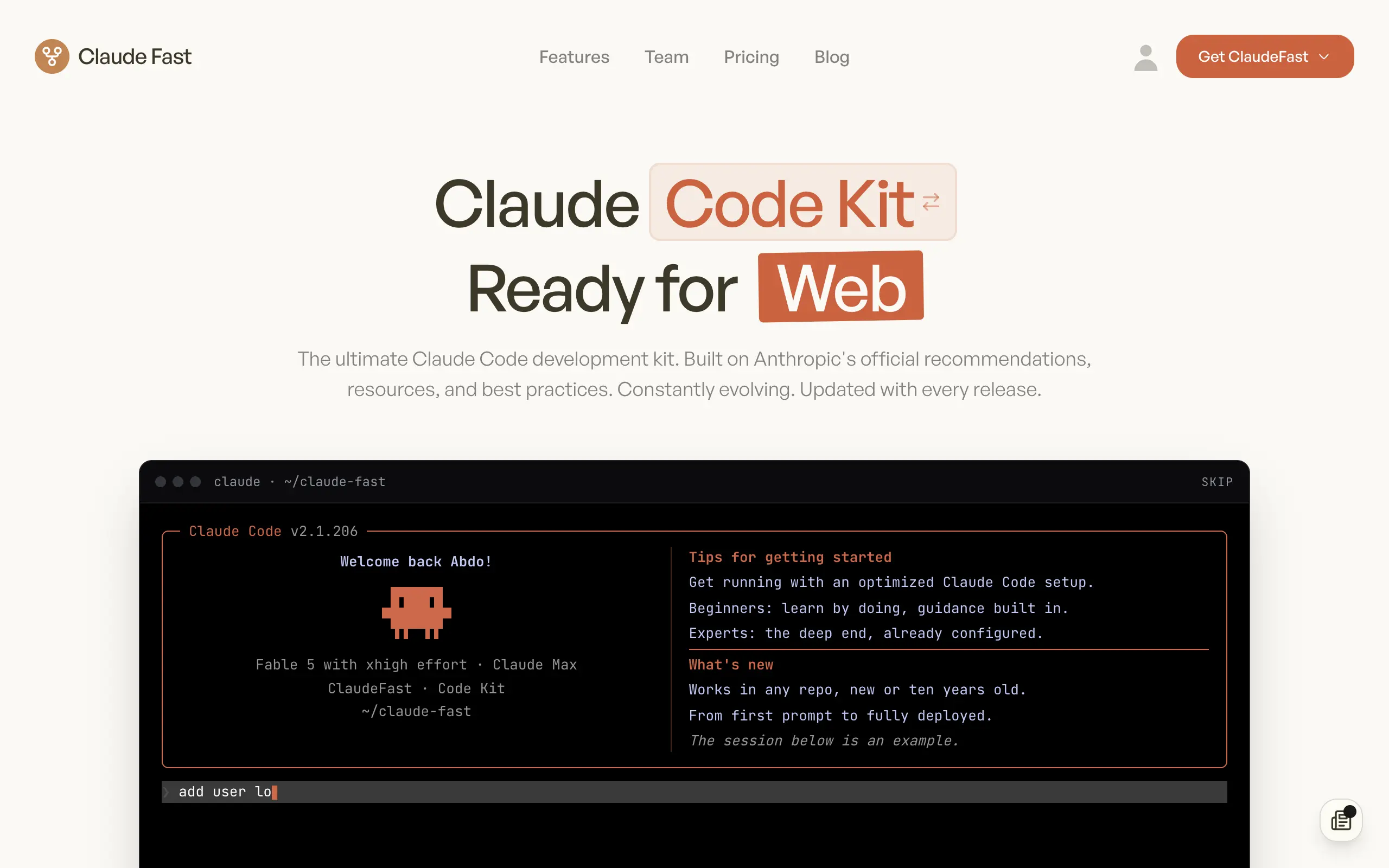
Claude Fast
Supercharge your Claude Code with 6x effective context window and specialized AI agents 🤖
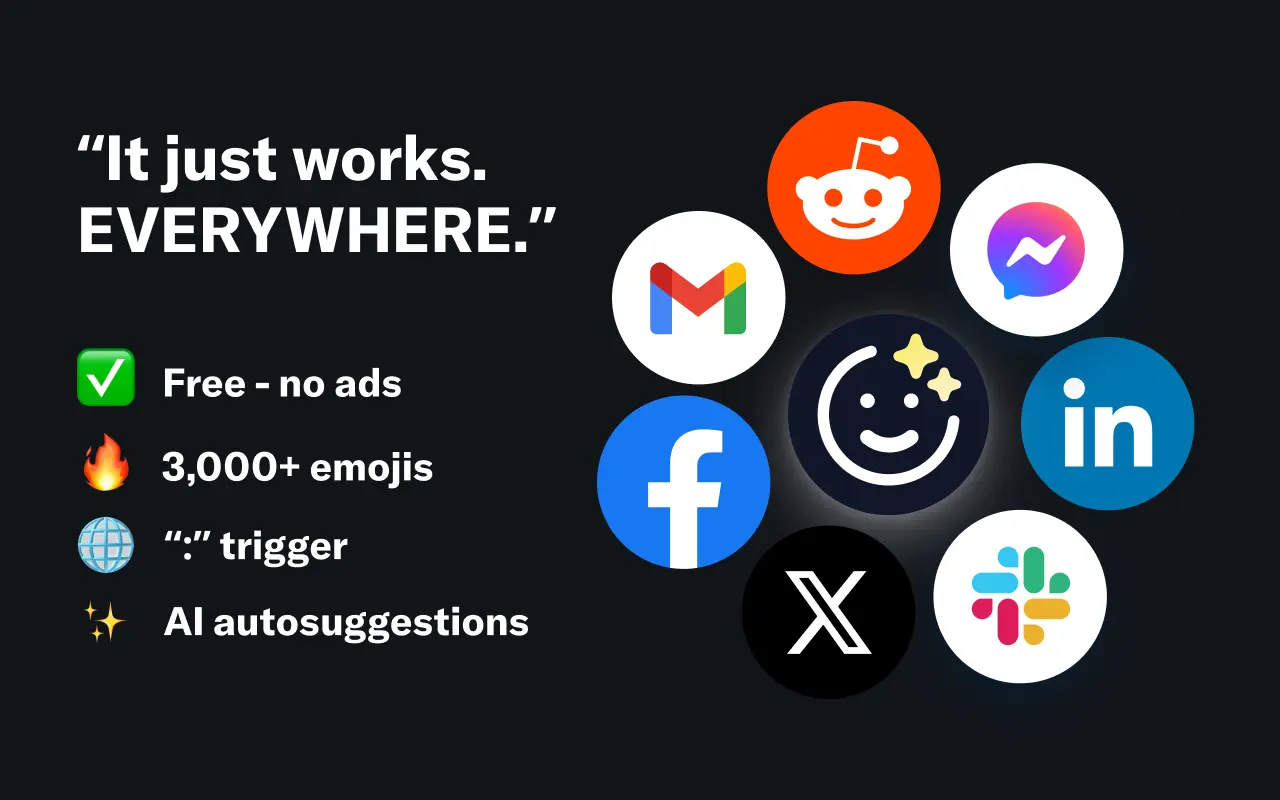
EmojAI
AI-powered emoji picker with smart, context-aware suggestions 🤖
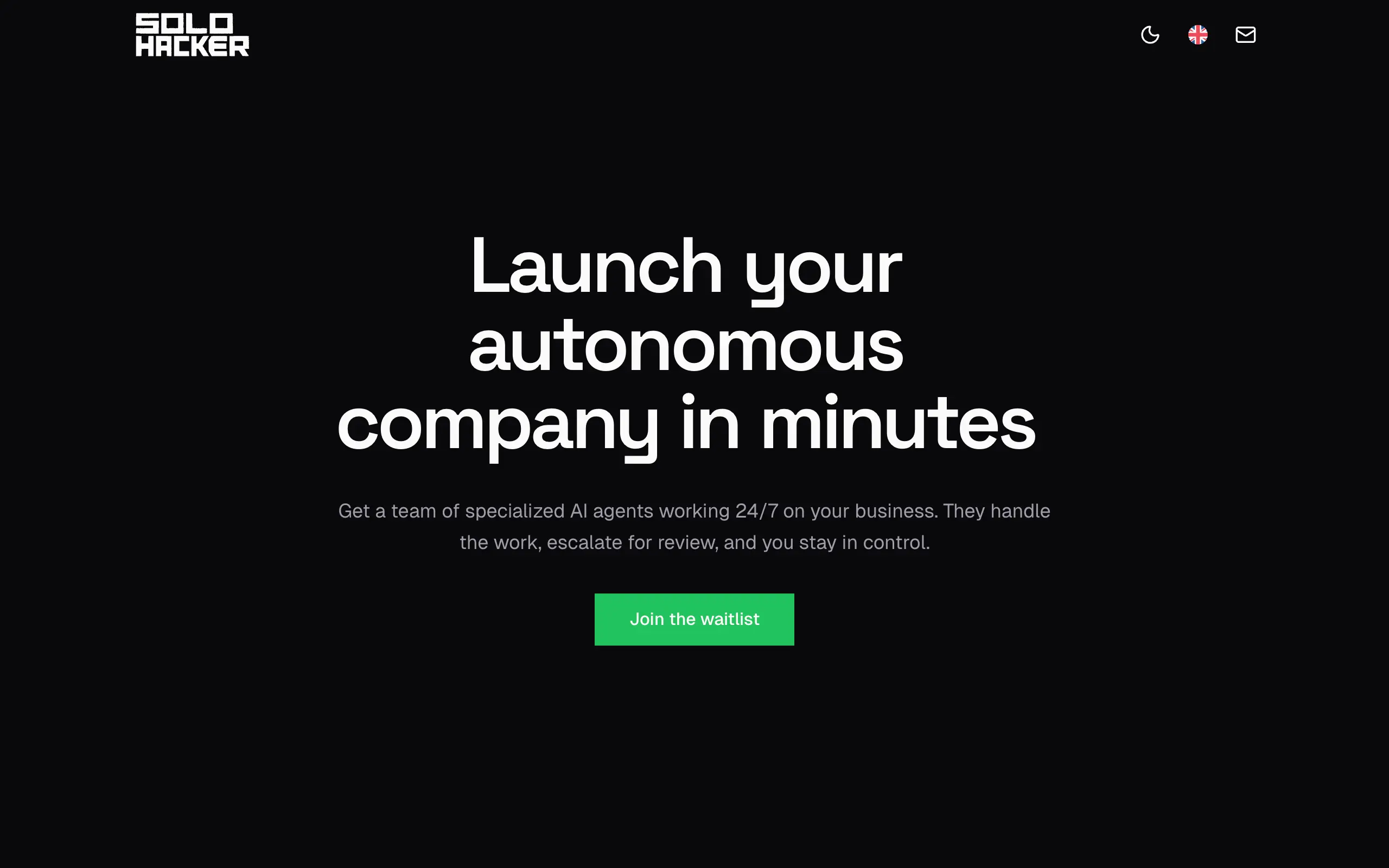
Solohacker
Autonomous company launcher - AI agents work 24/7, escalate what matters, and you stay in control 🤖

BeRawi: Storytelling Coach
Practice storytelling daily with instant feedback to sound clearer, more engaging, and confident 🎤
Omichat
Chat with 50+ AI models, including ChatGPT and Claude, in one place - switch models anytime without losing context 🤖
Claude Fast
Supercharge your Claude Code with 6x effective context window and specialized AI agents 🤖
EmojAI
AI-powered emoji picker with smart, context-aware suggestions 🤖
Solohacker
Autonomous company launcher - AI agents work 24/7, escalate what matters, and you stay in control 🤖
BeRawi: Storytelling Coach
Practice storytelling daily with instant feedback to sound clearer, more engaging, and confident 🎤
Omichat
Chat with 50+ AI models, including ChatGPT and Claude, in one place - switch models anytime without losing context 🤖
Claude Fast
Supercharge your Claude Code with 6x effective context window and specialized AI agents 🤖
EmojAI
AI-powered emoji picker with smart, context-aware suggestions 🤖
Solohacker
Autonomous company launcher - AI agents work 24/7, escalate what matters, and you stay in control 🤖
BeRawi: Storytelling Coach
Practice storytelling daily with instant feedback to sound clearer, more engaging, and confident 🎤
Omichat
Chat with 50+ AI models, including ChatGPT and Claude, in one place - switch models anytime without losing context 🤖
Claude Fast
Supercharge your Claude Code with 6x effective context window and specialized AI agents 🤖
EmojAI
AI-powered emoji picker with smart, context-aware suggestions 🤖
Solohacker
Autonomous company launcher - AI agents work 24/7, escalate what matters, and you stay in control 🤖
BeRawi: Storytelling Coach
Practice storytelling daily with instant feedback to sound clearer, more engaging, and confident 🎤

Connect with like-minded people
Join our community to get feedback, support, and grow together with 1,000+ builders on board, let's ship it!
Join usShip your startup everywhere. In minutes.
Don't burn tokens on setup and start building features on day one.