OpsTwin
A digital twin SaaS for enterprise operations that simulates processes, costs, and risks, enabling executives to test strategic decisions before deploying them in the real world.
Understanding the OpsTwin vision: digital twins for enterprise operations
Enterprise leaders are under constant pressure to make faster, higher‑impact decisions in environments defined by uncertainty. Supply chain volatility, labor shortages, regulatory changes, cyber risks, and macroeconomic shifts all collide at the operational level. Yet most strategic decisions are still made using static spreadsheets, backward‑looking reports, and fragmented dashboards.
This is the gap OpsTwin, a digital twin SaaS for enterprise operations, is designed to close.
OpsTwin creates a living, data‑driven simulation of an organization’s operations—processes, resources, costs, dependencies, and risks—so executives can test strategic decisions in a virtual environment before deploying them in the real world. Think of it as a “flight simulator” for operations: leaders can explore scenarios, stress‑test assumptions, and understand second‑order effects without risking revenue, customers, or employees.
This article provides a comprehensive, expert‑level breakdown of the OpsTwin SaaS concept, covering market opportunity, target users, core features, technology choices, monetization strategies, risks, and a practical roadmap to implementation. It is written for founders, operators, product leaders, and investors evaluating digital twin software for enterprise operations.
Why digital twin SaaS is becoming mission‑critical for enterprises
Digital twins originated in manufacturing and aerospace, where physical assets were mirrored digitally to predict failures and optimize maintenance. Over the last few years, the concept has expanded into process‑centric and operational digital twins, driven by three major trends:
-
Operational complexity has outpaced human intuition
Modern enterprises operate across geographies, vendors, software systems, and regulatory regimes. Small changes in one area (pricing, staffing, sourcing) can have nonlinear impacts elsewhere. -
Decision cycles are accelerating
Quarterly planning is no longer enough. Executives need to evaluate strategic options in days or weeks, not months. -
Data availability has improved, but synthesis has not
ERPs, CRMs, data warehouses, and observability tools generate enormous volumes of data—but few tools help leaders simulate outcomes rather than just observe history.
OpsTwin sits at the intersection of these trends by providing forward‑looking operational intelligence, not just reporting.
Why this matters now
Industry analysts increasingly emphasize scenario modeling, resilience planning, and AI‑assisted decision support as core enterprise capabilities. OpsTwin aligns directly with these priorities by turning operational data into actionable foresight.
Primary keyword focus and search intent alignment
Primary keyword: digital twin SaaS for enterprise operations
Related semantic keywords:
- enterprise digital twin software
- operational digital twin platform
- business process simulation software
- scenario modeling for executives
- operational risk simulation
- enterprise decision modeling SaaS
User search intent addressed:
- Validation: Is a digital twin SaaS for operations a real opportunity?
- Understanding: How does an operational digital twin actually work?
- Evaluation: What features, tech stack, and risks are involved?
- Action: How could I build, launch, or adopt something like OpsTwin?
The structure of this article is intentionally designed to answer these questions in depth.
Target audience analysis: who OpsTwin is built for
Primary buyers: enterprise decision‑makers
OpsTwin is a B2B enterprise SaaS, with buyers who control strategy, budgets, and risk tolerance:
-
COOs and Heads of Operations
Responsible for process efficiency, cost control, and execution reliability. -
CFOs and finance leaders
Focused on cost modeling, margin impact, capital allocation, and downside risk. -
Chief Strategy Officers and transformation leaders
Evaluating restructuring, expansion, outsourcing, or digital transformation initiatives. -
Risk and compliance executives
Assessing operational resilience, regulatory exposure, and failure scenarios.
Secondary users: operational analysts and planners
While executives approve the purchase, day‑to‑day value is often realized by:
- Operations analysts
- Business process owners
- Enterprise architects
- Data and planning teams
OpsTwin must balance executive‑level clarity with analyst‑level depth—a critical design challenge.
Executive users
High-level scenario insights, financial impact summaries, and risk visualization for strategic decision-making.
Operational teams
Detailed process modeling, assumptions management, and sensitivity analysis.
Finance & risk
Cost drivers, downside scenarios, and probabilistic risk modeling tied to financial outcomes.
The market opportunity and gap OpsTwin addresses
Existing tools fall into fragmented categories
Most enterprises already use tools that touch parts of the OpsTwin vision, but none provide an integrated solution:
| Tool category | Strength | Weakness | Forward-looking | Holistic view |
|---|---|---|---|---|
| BI dashboards | Historical insight | Reactive only | ❌ | ❌ |
| ERP systems | System of record | Rigid, complex | ❌ | ⚠️ |
| Planning software | Budgeting & forecasts | Limited operational logic | ✅ | ❌ |
| Simulation tools | Deep modeling | Not executive-friendly | ✅ | ⚠️ |
The gap: operational decision simulation at executive altitude
OpsTwin’s opportunity lies in combining:
- Operational realism (process flows, constraints, dependencies)
- Financial modeling (costs, margins, cash flow)
- Risk simulation (probability, impact, sensitivity)
- Executive usability (clear narratives, not raw math)
This positions OpsTwin as decision infrastructure, not just another analytics tool.
Core features of OpsTwin: how the solution works
1. Operational digital twin modeling
At the heart of OpsTwin is a digital representation of enterprise operations, including:
- Processes (e.g., order fulfillment, onboarding, manufacturing steps)
- Resources (people, systems, vendors, facilities)
- Constraints (capacity limits, SLAs, regulatory rules)
- Dependencies (upstream/downstream effects)
This model is continuously updated using data from existing systems (ERP, CRM, HRIS, data warehouses).
2. Scenario simulation and “what‑if” analysis
Executives can test questions like:
- What happens if we reduce headcount by 10% in region X?
- How does supplier consolidation affect delivery risk?
- What is the cost and risk impact of entering a new market?
- How resilient are we to a 20% demand spike or drop?
Simulations generate quantified outcomes across cost, performance, and risk.
3. Cost and financial impact modeling
OpsTwin translates operational changes into financial outcomes:
- Fixed vs variable cost behavior
- Margin sensitivity
- Cash flow timing
- CapEx vs OpEx trade‑offs
This directly supports CFO‑level decision making.
4. Risk and uncertainty modeling
Unlike deterministic planning tools, OpsTwin incorporates:
- Probability distributions
- Monte Carlo simulations
- Failure and disruption scenarios
- Stress testing against extreme events
This enables resilience planning, not just optimization.
5. Executive dashboards and narratives
The final layer is communication:
- Clear scenario comparisons
- Visualized trade‑offs
- Executive summaries that explain why outcomes change
Spreadsheets require manual assumptions, break at scale, and hide second-order effects. OpsTwin encodes operational logic directly, enabling repeatable, auditable, and scalable simulations.
Recommended tech stack for building OpsTwin
Building a digital twin SaaS for enterprise operations requires balancing performance, explainability, and security.
Frontend
- React for component-driven UI and ecosystem maturity
- TypeScript for safety in complex modeling interfaces
- TailwindCSS for rapid, consistent UI development
Trade‑off: Tailwind accelerates development but requires strong design discipline to avoid inconsistency.
Backend and APIs
- Node.js or Python (FastAPI) for flexible API development
- GraphQL for complex data querying (optional, depending on team expertise)
Simulation and modeling layer
- Python for numerical modeling and simulations
- Libraries for probabilistic modeling and optimization
- Clear separation between model logic and presentation logic to maintain trust and explainability
Data layer
- PostgreSQL for structured operational data
- Columnar storage or data warehouse integration for analytics
- Strong data versioning to ensure simulations are reproducible
Security and compliance
- SOC 2 readiness from day one
- Role‑based access control
- Audit logs for scenario changes
Explainability is not optional
Executives will not trust black-box simulations. Every output must be traceable to assumptions and inputs, even when advanced modeling techniques are used.
Monetization strategies for OpsTwin
1. Enterprise subscription pricing
The most natural model:
- Annual contracts
- Pricing based on:
- Number of modeled processes
- Data volume
- User seats
- Advanced simulation features
2. Tiered feature access
- Core modeling and basic scenarios in lower tiers
- Advanced risk simulation, integrations, and custom modeling in higher tiers
3. Professional services and onboarding
Given the complexity of enterprise operations:
- Paid onboarding and model setup
- Custom scenario design
- Ongoing advisory support
This not only generates revenue but increases customer success.
4. Long‑term expansion revenue
As OpsTwin becomes embedded in planning cycles, expansion opportunities include:
- Additional departments
- More frequent simulation runs
- Deeper data integrations
Competitive advantage and positioning
OpsTwin’s unique selling proposition (USP)
OpsTwin is not just analytics—it is operational foresight.
Key differentiators:
- Focus on decision simulation, not reporting
- Bridges operations, finance, and risk in one model
- Designed for executive understanding, not just analysts
- Emphasizes explainability and trust
Competitive positioning snapshot
- Versus BI tools: forward‑looking, not historical
- Versus ERP: flexible and exploratory, not transactional
- Versus niche simulators: accessible to non‑technical leaders
This positioning should be explicit in marketing and sales narratives.
Risks, challenges, and mitigation strategies
Risk: model complexity overwhelms users
Mitigation:
Progressive disclosure—start with high‑level scenarios, allow deeper exploration only when needed.
Risk: data quality issues undermine trust
Mitigation:
- Data validation layers
- Clear confidence indicators
- Ability to run simulations with partial or assumed data
Risk: long enterprise sales cycles
Mitigation:
- Start with a focused use case (e.g., cost reduction or resilience planning)
- Provide ROI narratives early
- Use pilots and proof‑of‑value engagements
Risk: perceived as “too strategic” to own
Mitigation:
Position OpsTwin as a shared decision platform across ops, finance, and strategy—not owned by a single silo.
Go‑to‑market strategy for OpsTwin
Initial beachhead use cases
OpsTwin should not try to model everything on day one. Strong entry points include:
- Cost reduction initiatives
- Reorganization or restructuring scenarios
- Supply chain resilience planning
- Market expansion modeling
Ideal early customers
- Mid‑to‑large enterprises undergoing change
- Organizations with strong data maturity
- Leadership teams comfortable with scenario‑based thinking
Implementation roadmap: from idea to enterprise SaaS
For founders looking to accelerate this journey, platforms like TurboStarter can significantly reduce time to market by providing production-ready SaaS foundations, allowing teams to focus on core modeling and differentiation rather than boilerplate infrastructure.
The future of digital twin SaaS for enterprise operations
As enterprises move from reactive management to anticipatory leadership, tools like OpsTwin will become foundational. The winners in this space will not be those with the most complex math, but those who:
- Earn executive trust
- Clearly connect operations to outcomes
- Make uncertainty visible and manageable
OpsTwin’s vision—a living, operational digital twin that executives can rely on—aligns directly with where enterprise decision‑making is heading.
For founders and product leaders, this is a rare opportunity to build not just software, but decision infrastructure that shapes how organizations operate in an increasingly unpredictable world.
More 🏢 B2B Application SaaS ideas
Discover more innovative b2b application SaaS ideas that are trending in 2026. Each idea is AI-generated with market validation and growth potential to help you find your next profitable venture faster than competitors.
Your competitors are building with TurboStarter
Below are some of the SaaS ideas that have been generated and built with our starter kit.
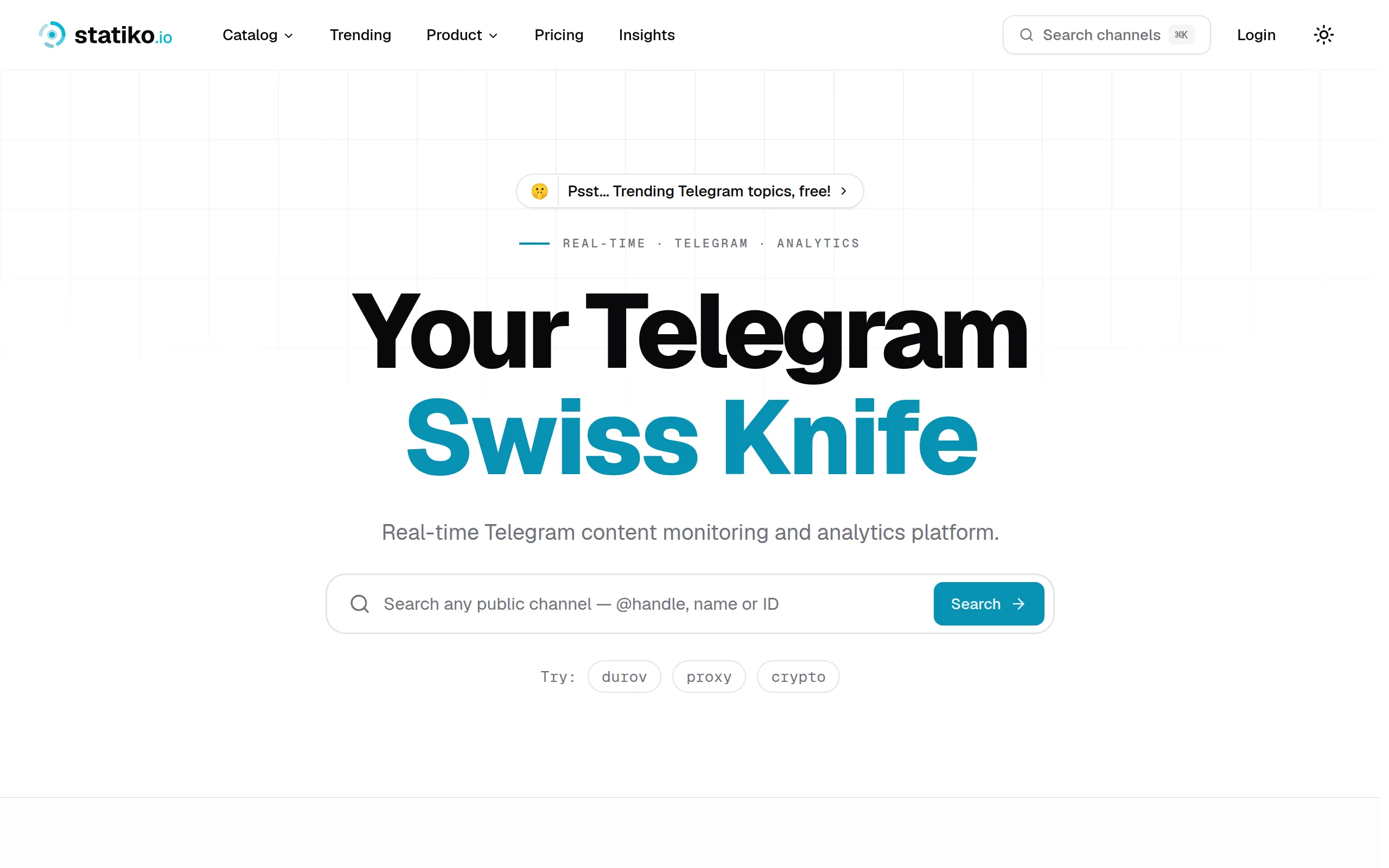
Statiko
Monitor any Telegram channel in real time - track posts, edits, deletions, and growth with AI recaps 📡
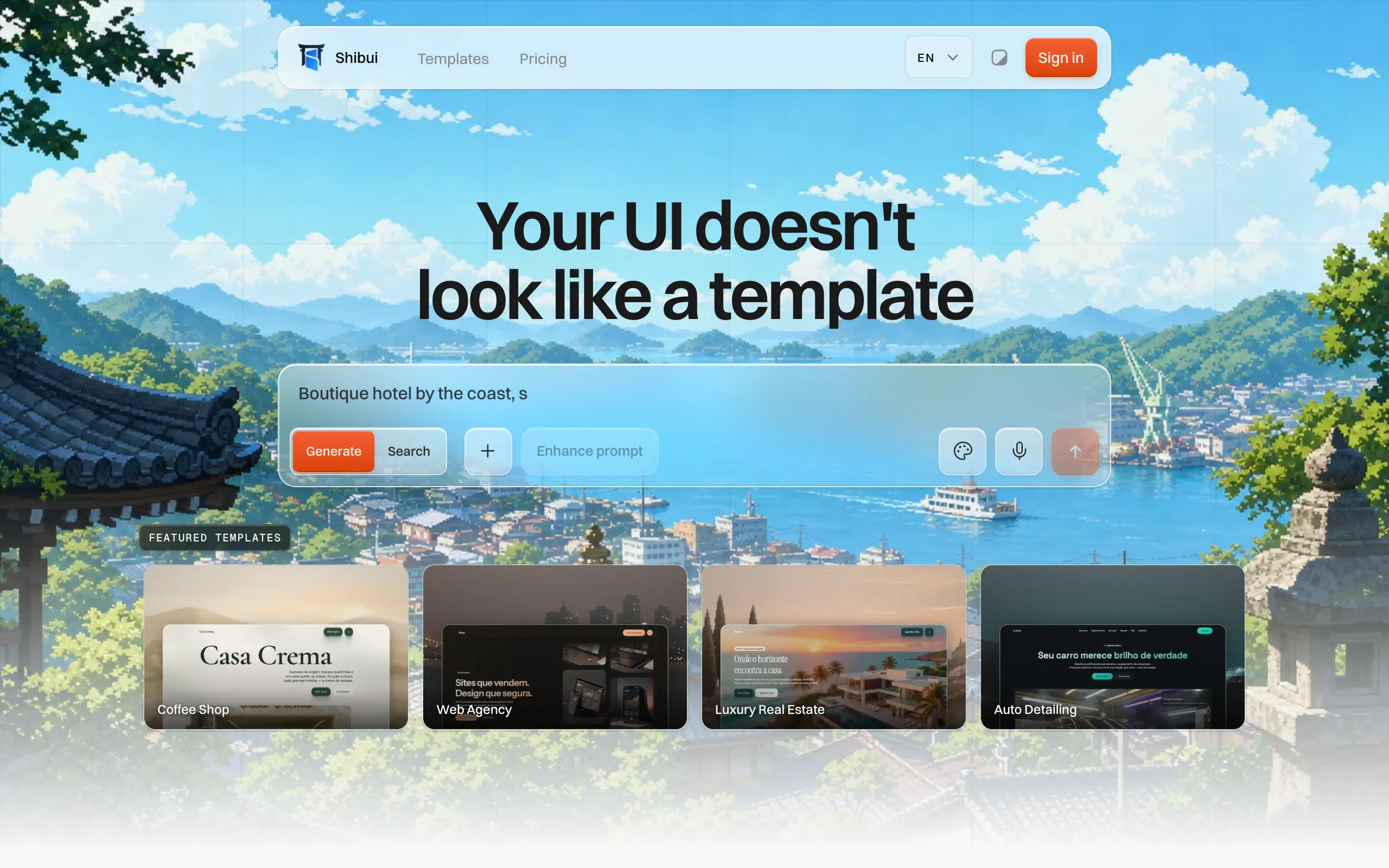
Shibui
AI website builder - describe your business, pick a niche template, edit by chatting, and publish instantly ✨

Pro Service
Find verified home service professionals, compare quotes, and pay securely through escrow - built for Brazilians across the US 🏠
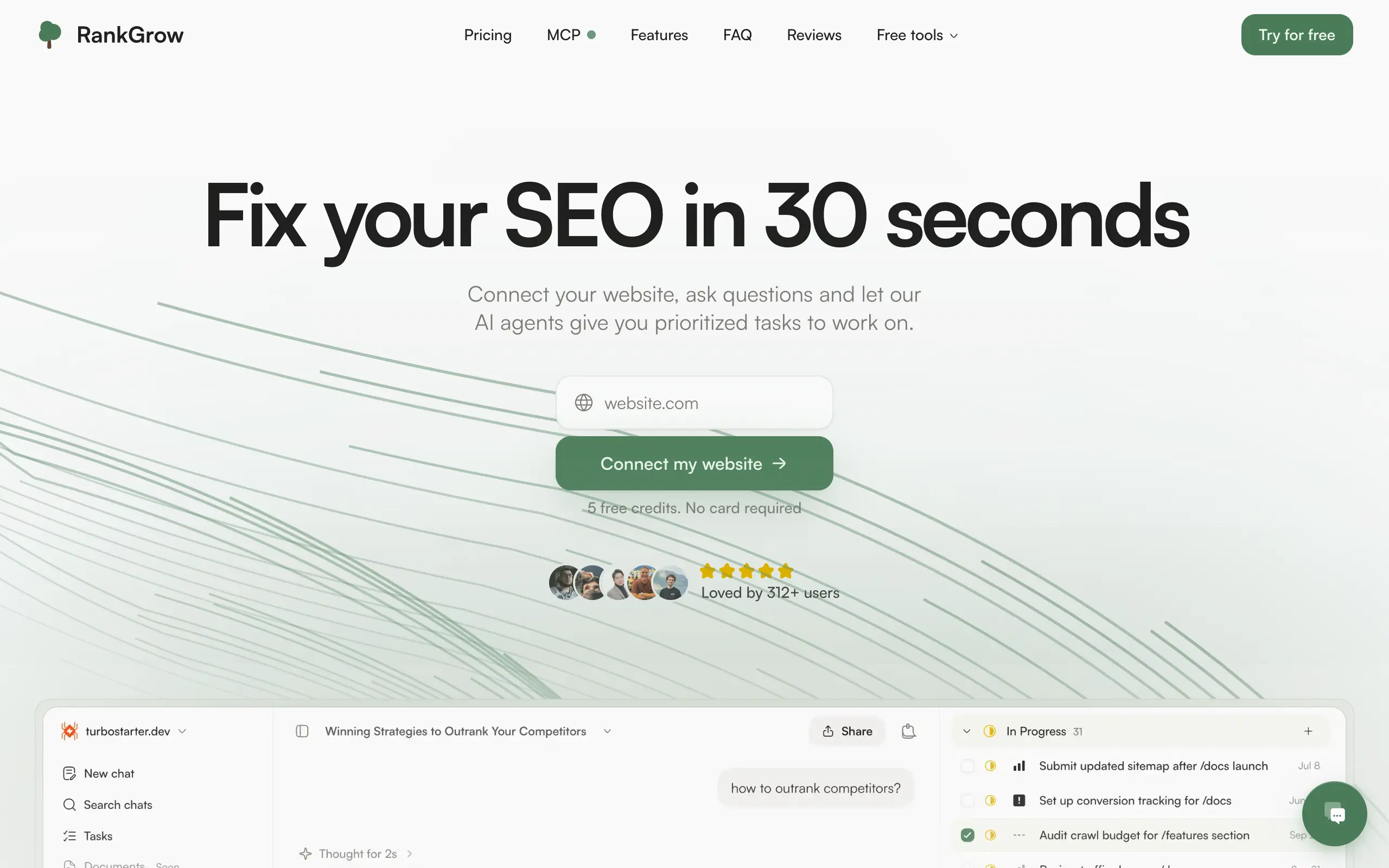
RankGrow
Fix your SEO with AI agents - connect Search Console, get prioritized tasks, and grow organic traffic 📈
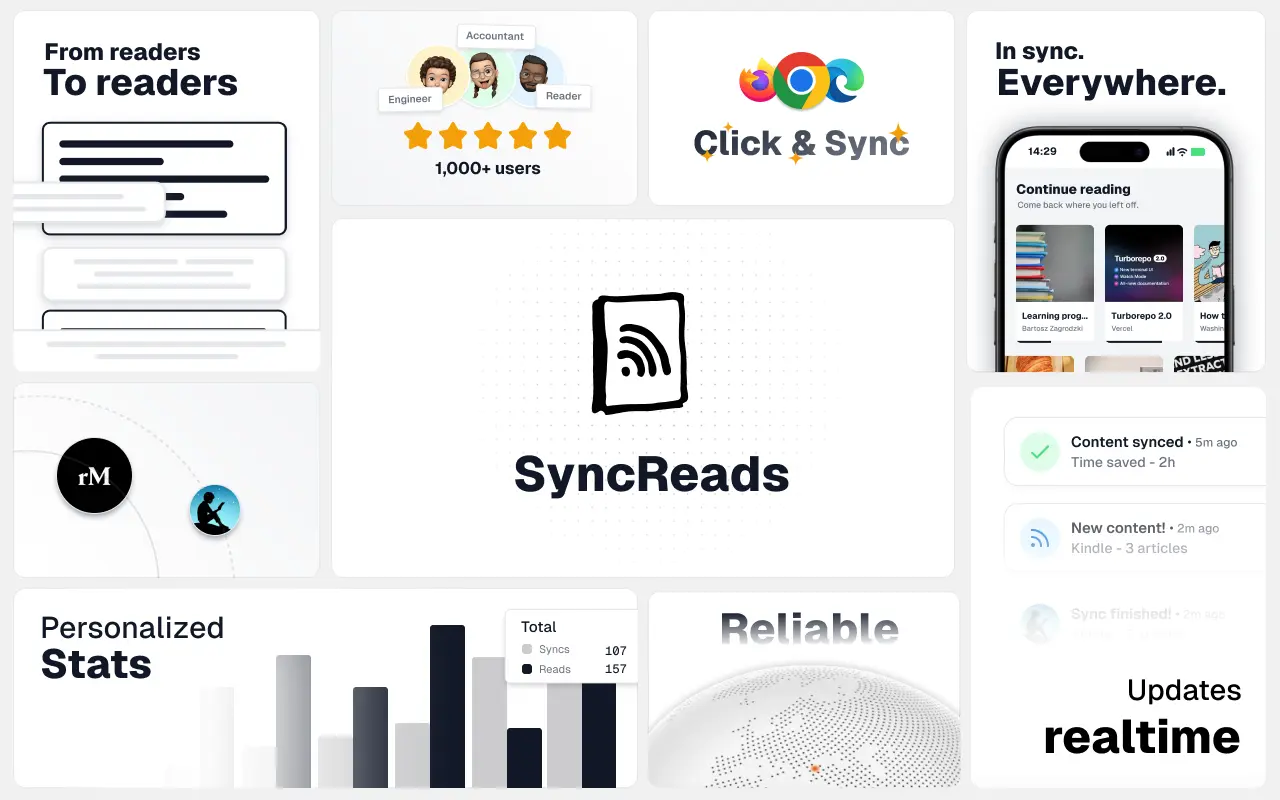
SyncReads
Sync your favorite content for distraction-free reading, save time and replace multiple apps. Anytime, anywhere 🔄
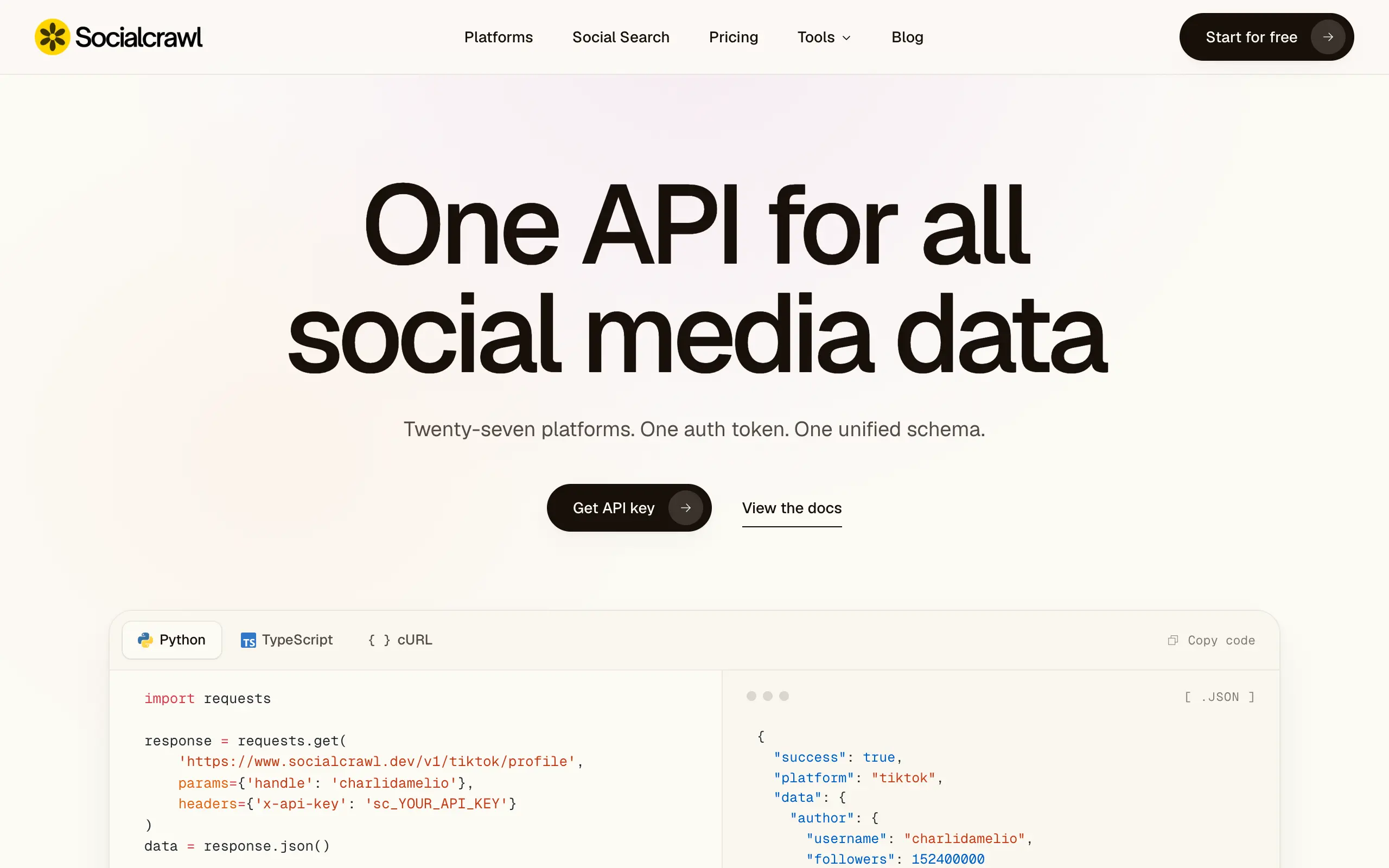
Socialcrawl
Get clean, structured data from 21 platforms like TikTok, Instagram, and YouTube with a single request 📊
Statiko
Monitor any Telegram channel in real time - track posts, edits, deletions, and growth with AI recaps 📡
Shibui
AI website builder - describe your business, pick a niche template, edit by chatting, and publish instantly ✨
Pro Service
Find verified home service professionals, compare quotes, and pay securely through escrow - built for Brazilians across the US 🏠
RankGrow
Fix your SEO with AI agents - connect Search Console, get prioritized tasks, and grow organic traffic 📈
SyncReads
Sync your favorite content for distraction-free reading, save time and replace multiple apps. Anytime, anywhere 🔄
Socialcrawl
Get clean, structured data from 21 platforms like TikTok, Instagram, and YouTube with a single request 📊
Statiko
Monitor any Telegram channel in real time - track posts, edits, deletions, and growth with AI recaps 📡
Shibui
AI website builder - describe your business, pick a niche template, edit by chatting, and publish instantly ✨
Pro Service
Find verified home service professionals, compare quotes, and pay securely through escrow - built for Brazilians across the US 🏠
RankGrow
Fix your SEO with AI agents - connect Search Console, get prioritized tasks, and grow organic traffic 📈
SyncReads
Sync your favorite content for distraction-free reading, save time and replace multiple apps. Anytime, anywhere 🔄
Socialcrawl
Get clean, structured data from 21 platforms like TikTok, Instagram, and YouTube with a single request 📊
Statiko
Monitor any Telegram channel in real time - track posts, edits, deletions, and growth with AI recaps 📡
Shibui
AI website builder - describe your business, pick a niche template, edit by chatting, and publish instantly ✨
Pro Service
Find verified home service professionals, compare quotes, and pay securely through escrow - built for Brazilians across the US 🏠
RankGrow
Fix your SEO with AI agents - connect Search Console, get prioritized tasks, and grow organic traffic 📈
SyncReads
Sync your favorite content for distraction-free reading, save time and replace multiple apps. Anytime, anywhere 🔄
Socialcrawl
Get clean, structured data from 21 platforms like TikTok, Instagram, and YouTube with a single request 📊
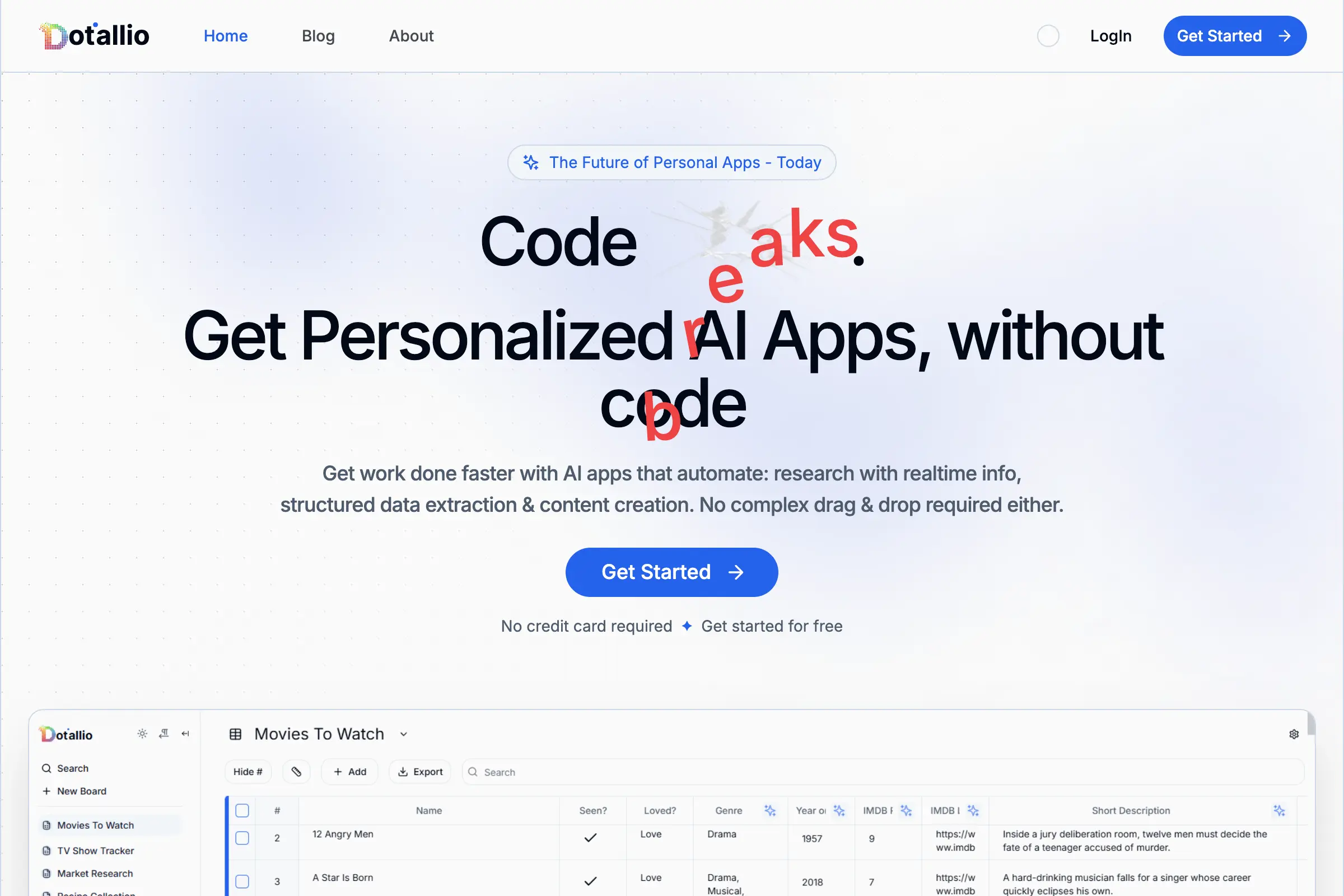
Dotallio
Personalized AI apps that automate research, data extraction, and content creation without code 🤖

Talk to Santa
Enjoy a magical live video chat or receive a unique AI-generated video greeting from Santa Claus 🎅
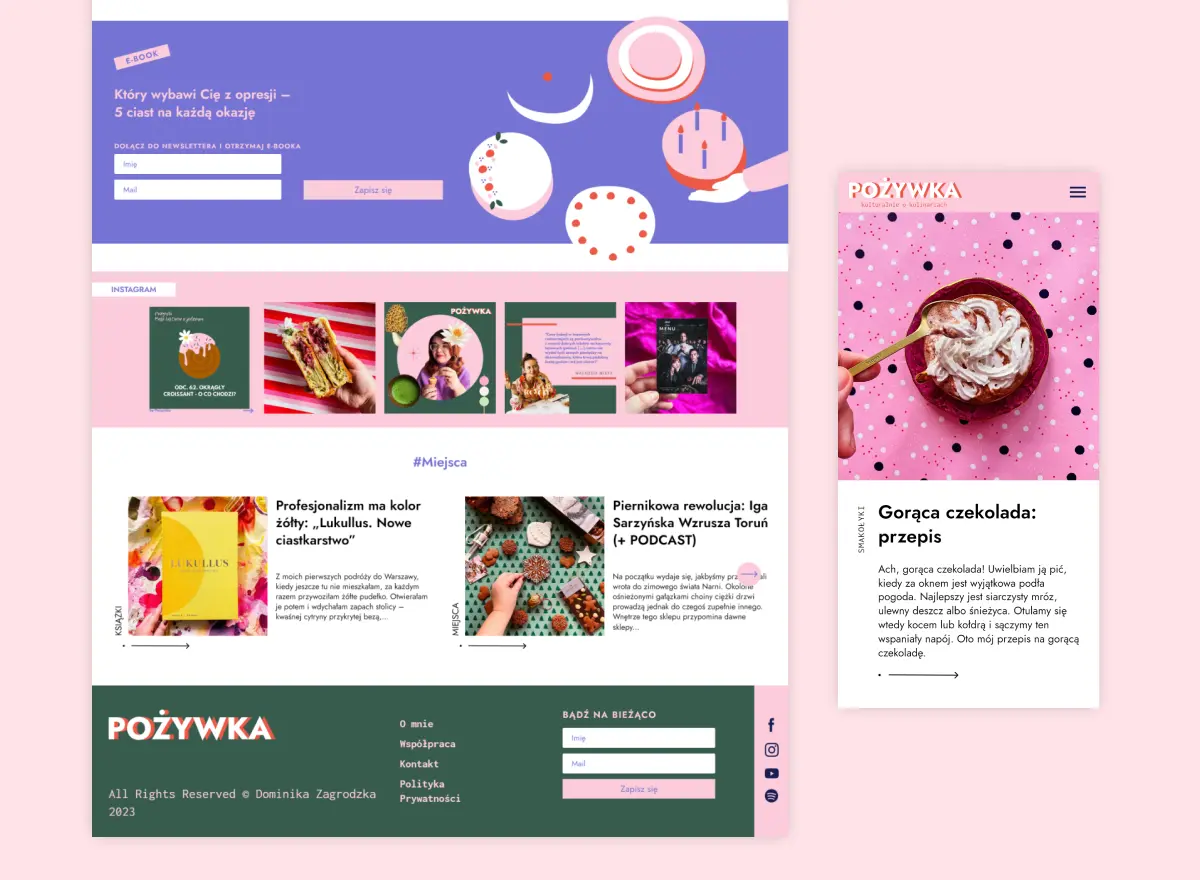
pozywka.pl
Scalable blog for food journalist, focused on performance and user experience 🌭
zagrodzki.me
Personal blog and portfolio of Bart Zagrodzki, where he shares his knowledge and work 💼
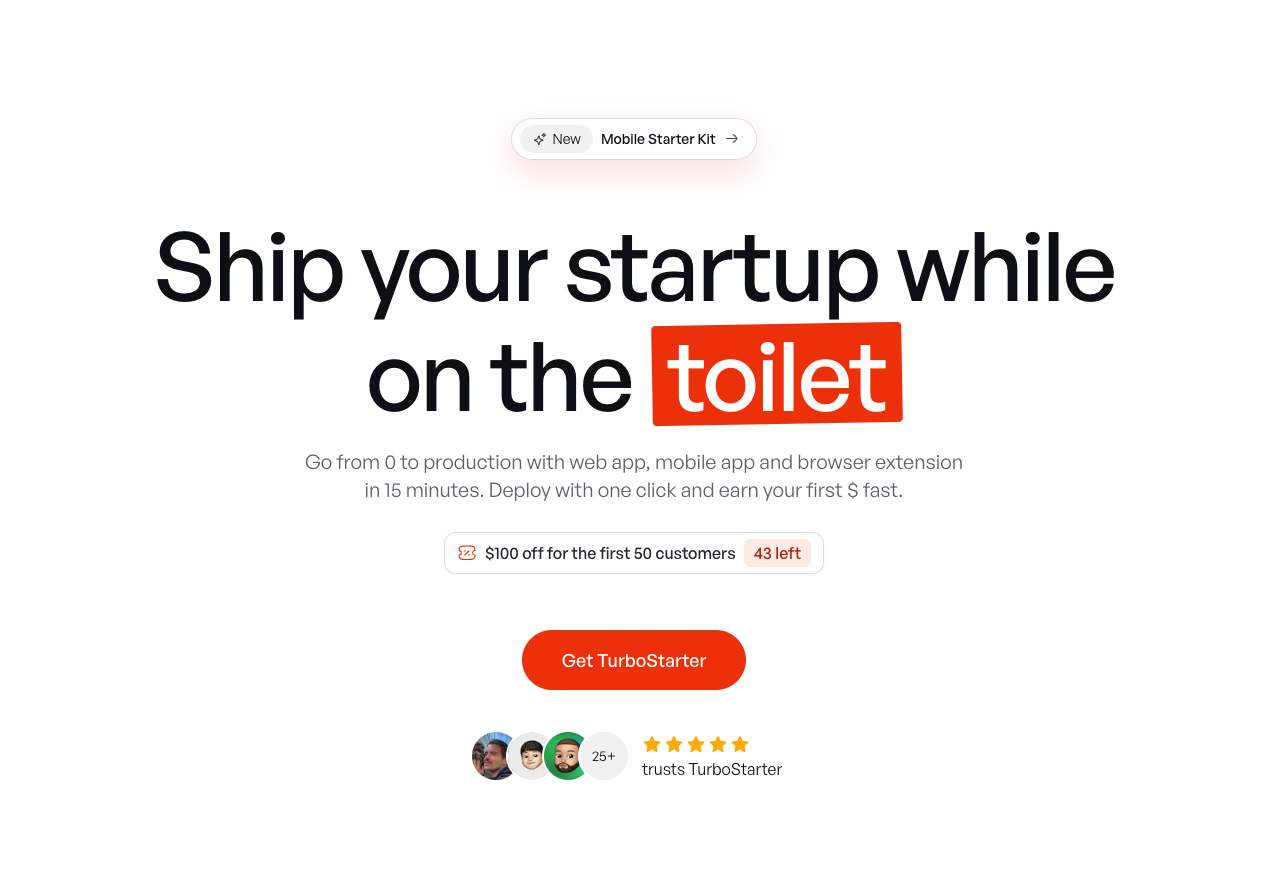
TurboStarter
Ship your startup everywhere. In minutes.
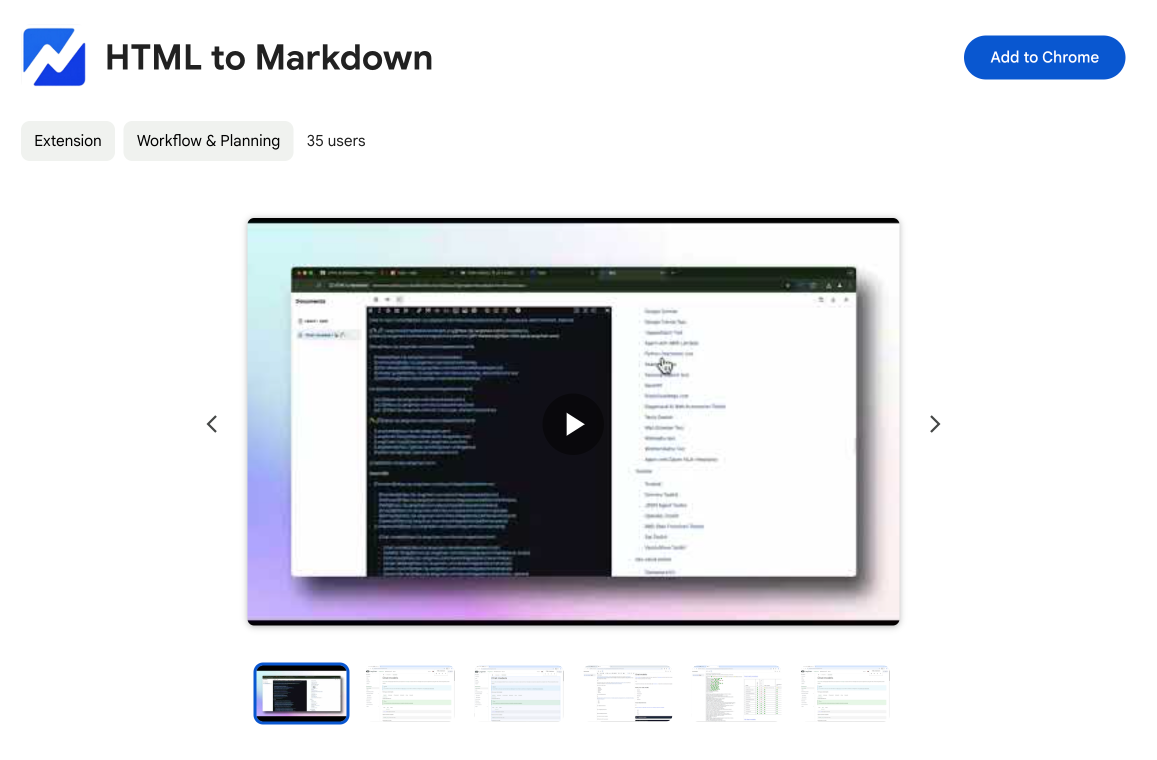
HTML to Markdown
Convert HTML to Markdown with ease, directly in your browser 📄
Dotallio
Personalized AI apps that automate research, data extraction, and content creation without code 🤖
Talk to Santa
Enjoy a magical live video chat or receive a unique AI-generated video greeting from Santa Claus 🎅
pozywka.pl
Scalable blog for food journalist, focused on performance and user experience 🌭
zagrodzki.me
Personal blog and portfolio of Bart Zagrodzki, where he shares his knowledge and work 💼
TurboStarter
Ship your startup everywhere. In minutes.
HTML to Markdown
Convert HTML to Markdown with ease, directly in your browser 📄
Dotallio
Personalized AI apps that automate research, data extraction, and content creation without code 🤖
Talk to Santa
Enjoy a magical live video chat or receive a unique AI-generated video greeting from Santa Claus 🎅
pozywka.pl
Scalable blog for food journalist, focused on performance and user experience 🌭
zagrodzki.me
Personal blog and portfolio of Bart Zagrodzki, where he shares his knowledge and work 💼
TurboStarter
Ship your startup everywhere. In minutes.
HTML to Markdown
Convert HTML to Markdown with ease, directly in your browser 📄
Dotallio
Personalized AI apps that automate research, data extraction, and content creation without code 🤖
Talk to Santa
Enjoy a magical live video chat or receive a unique AI-generated video greeting from Santa Claus 🎅
pozywka.pl
Scalable blog for food journalist, focused on performance and user experience 🌭
zagrodzki.me
Personal blog and portfolio of Bart Zagrodzki, where he shares his knowledge and work 💼
TurboStarter
Ship your startup everywhere. In minutes.
HTML to Markdown
Convert HTML to Markdown with ease, directly in your browser 📄
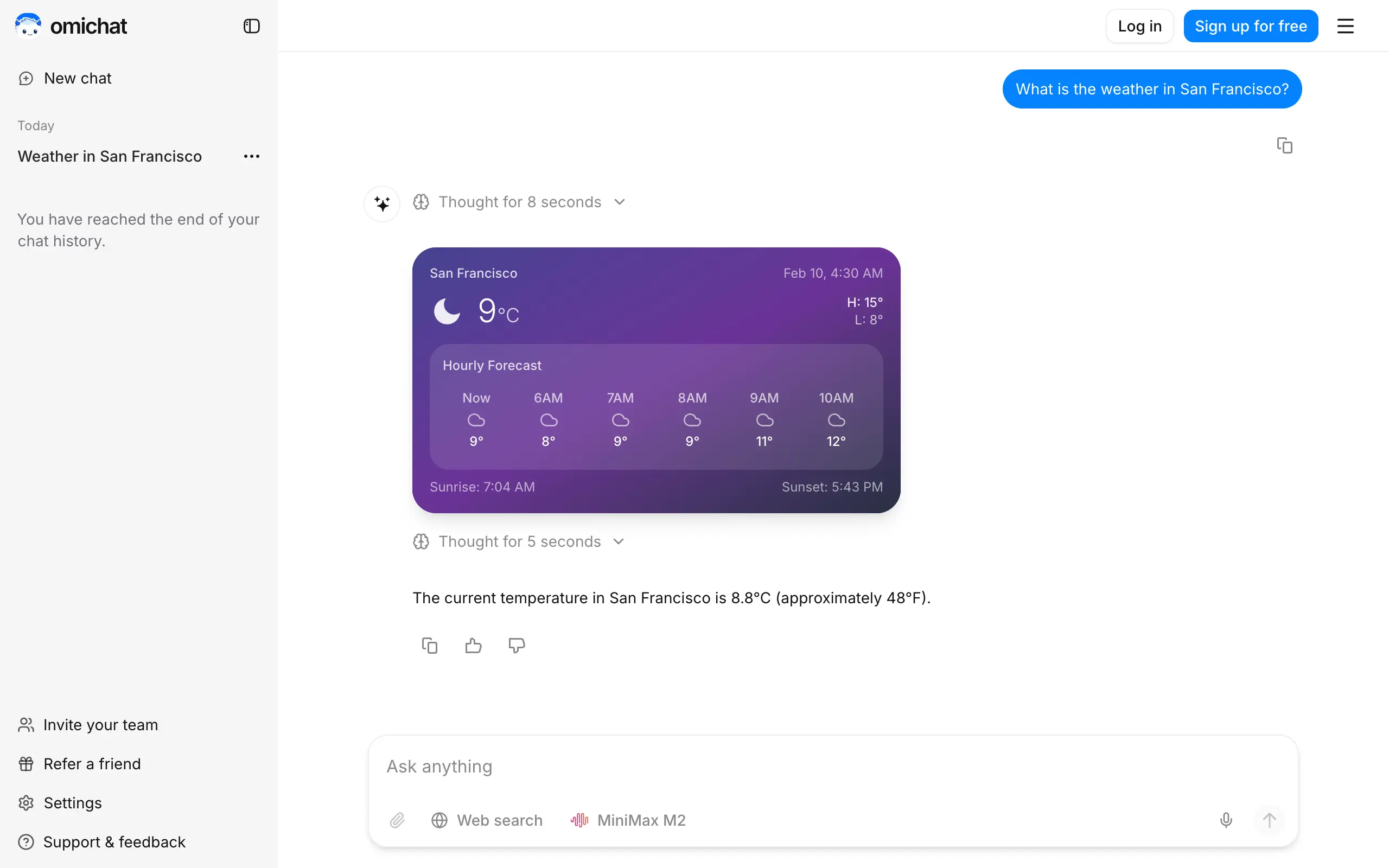
Omichat
Chat with 50+ AI models, including ChatGPT and Claude, in one place - switch models anytime without losing context 🤖
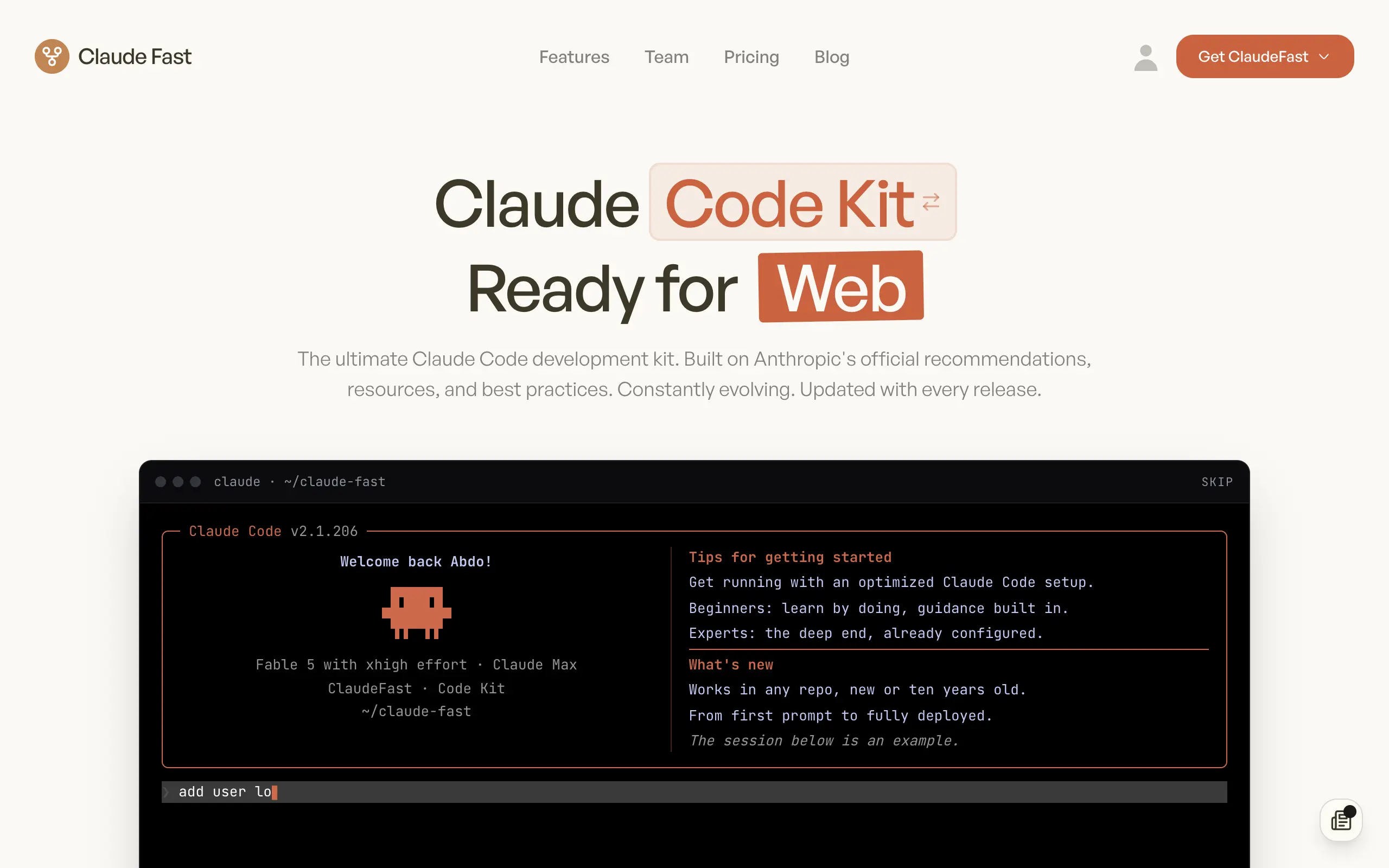
Claude Fast
Supercharge your Claude Code with 6x effective context window and specialized AI agents 🤖
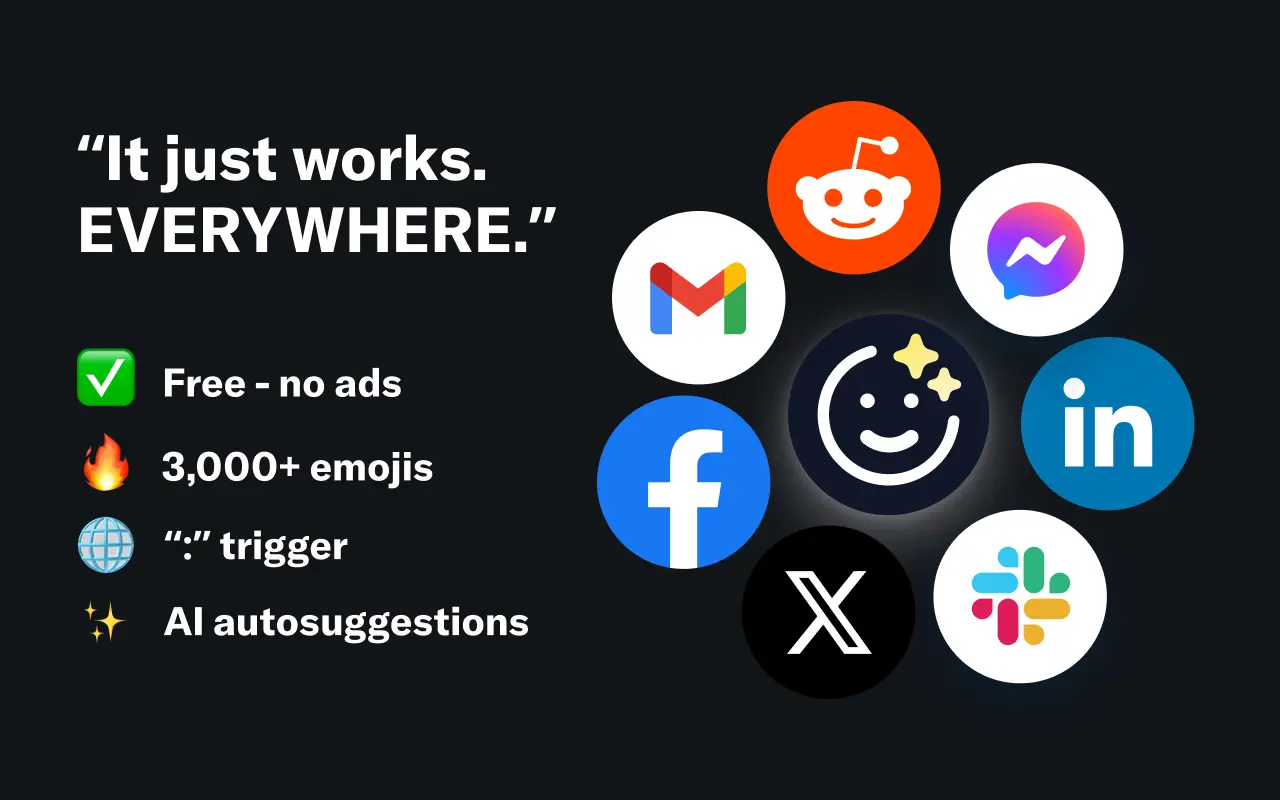
EmojAI
AI-powered emoji picker with smart, context-aware suggestions 🤖
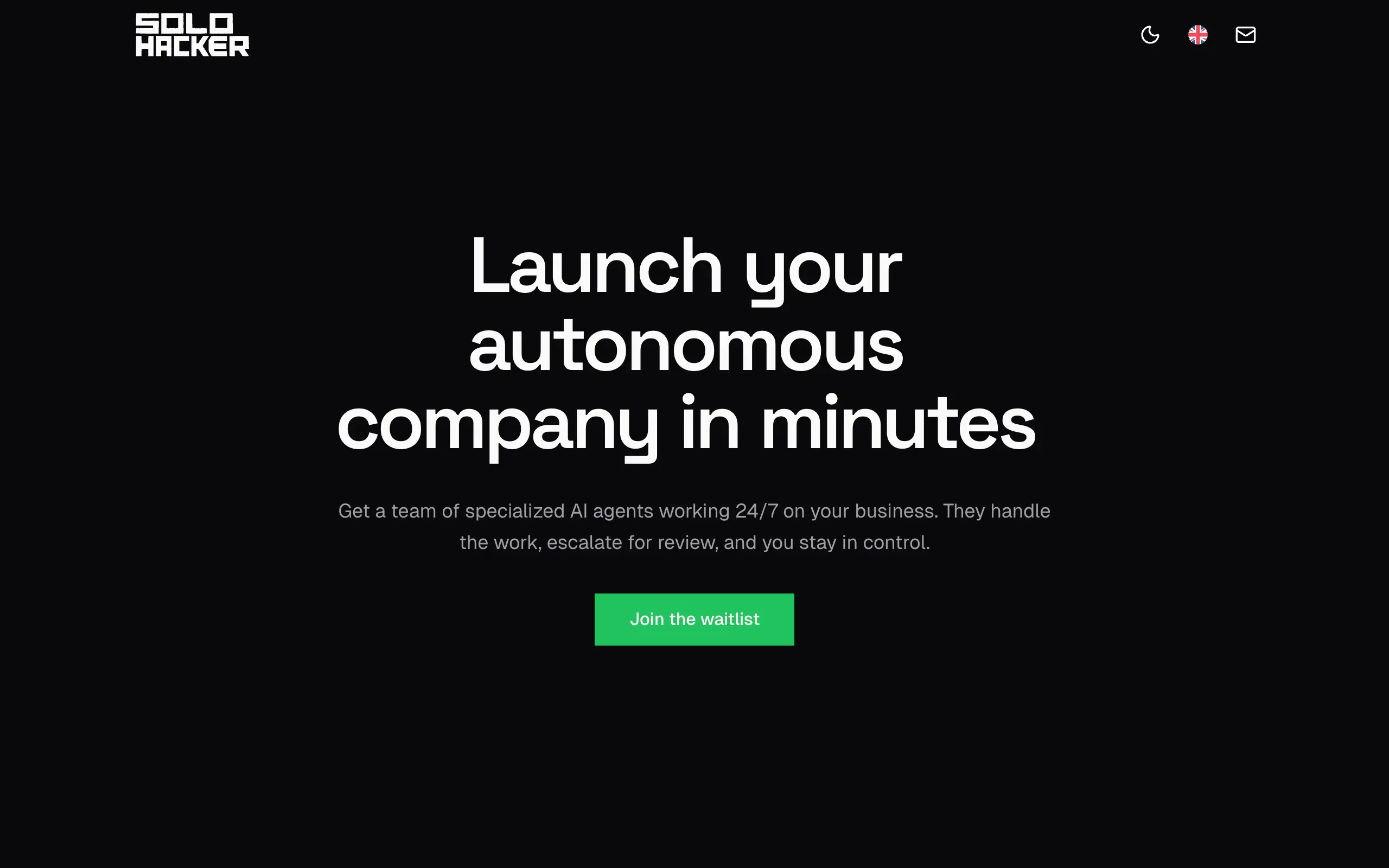
Solohacker
Autonomous company launcher - AI agents work 24/7, escalate what matters, and you stay in control 🤖
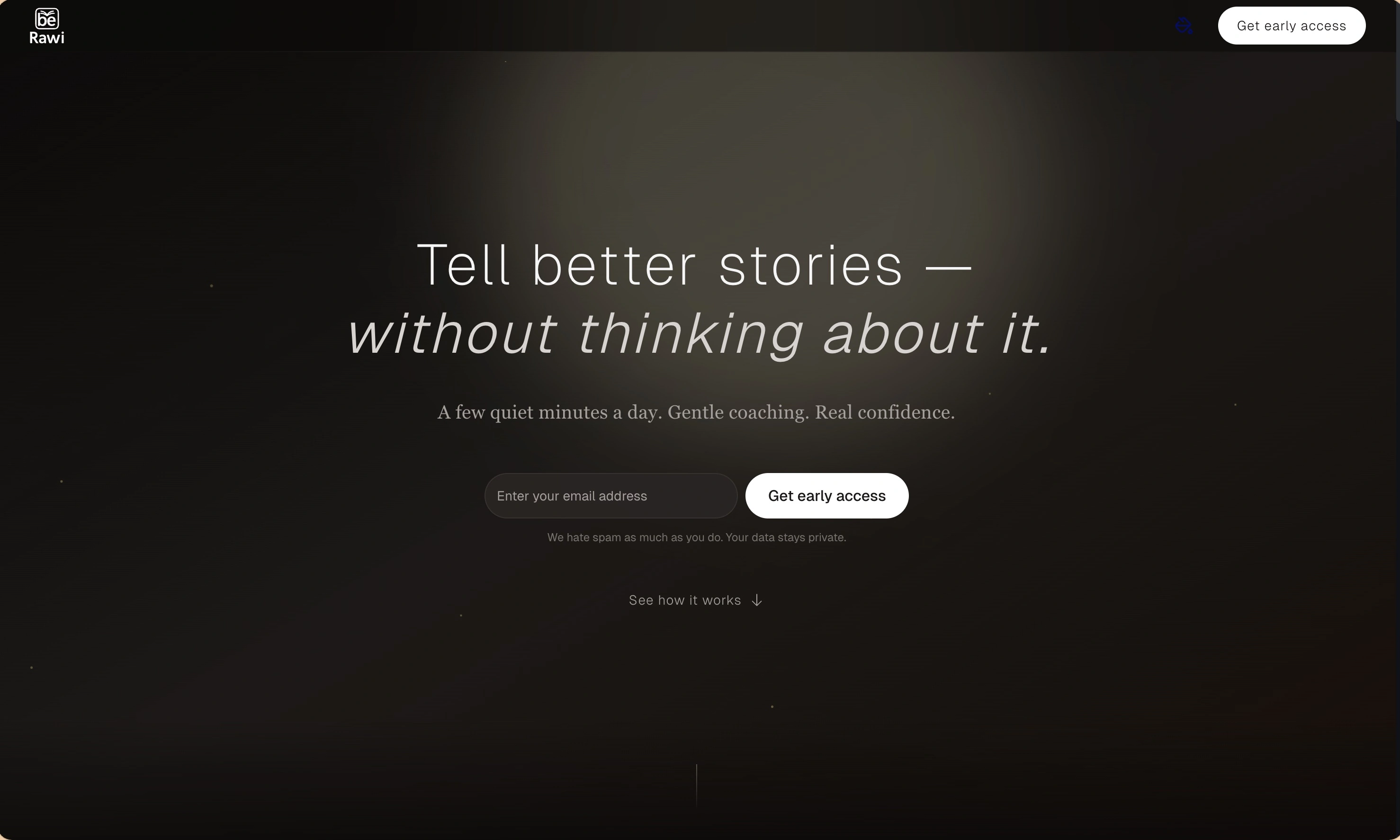
BeRawi: Storytelling Coach
Practice storytelling daily with instant feedback to sound clearer, more engaging, and confident 🎤
Omichat
Chat with 50+ AI models, including ChatGPT and Claude, in one place - switch models anytime without losing context 🤖
Claude Fast
Supercharge your Claude Code with 6x effective context window and specialized AI agents 🤖
EmojAI
AI-powered emoji picker with smart, context-aware suggestions 🤖
Solohacker
Autonomous company launcher - AI agents work 24/7, escalate what matters, and you stay in control 🤖
BeRawi: Storytelling Coach
Practice storytelling daily with instant feedback to sound clearer, more engaging, and confident 🎤
Omichat
Chat with 50+ AI models, including ChatGPT and Claude, in one place - switch models anytime without losing context 🤖
Claude Fast
Supercharge your Claude Code with 6x effective context window and specialized AI agents 🤖
EmojAI
AI-powered emoji picker with smart, context-aware suggestions 🤖
Solohacker
Autonomous company launcher - AI agents work 24/7, escalate what matters, and you stay in control 🤖
BeRawi: Storytelling Coach
Practice storytelling daily with instant feedback to sound clearer, more engaging, and confident 🎤
Omichat
Chat with 50+ AI models, including ChatGPT and Claude, in one place - switch models anytime without losing context 🤖
Claude Fast
Supercharge your Claude Code with 6x effective context window and specialized AI agents 🤖
EmojAI
AI-powered emoji picker with smart, context-aware suggestions 🤖
Solohacker
Autonomous company launcher - AI agents work 24/7, escalate what matters, and you stay in control 🤖
BeRawi: Storytelling Coach
Practice storytelling daily with instant feedback to sound clearer, more engaging, and confident 🎤

Connect with like-minded people
Join our community to get feedback, support, and grow together with 1,000+ builders on board, let's ship it!
Join usShip your startup everywhere. In minutes.
Don't burn tokens on setup and start building features on day one.