OptiFlow
AI-driven workflow optimizer that analyzes business processes, identifies bottlenecks, and suggests actionable improvements for efficiency and cost savings.
OptiFlow is an AI-driven workflow optimizer designed to help businesses analyze their processes, identify bottlenecks, and implement actionable improvements for greater efficiency and cost savings. In this comprehensive guide, we’ll explore the market need for workflow optimization, the unique value OptiFlow brings, and how to successfully build and launch such a SaaS solution.
Understanding the target audience for AI workflow optimization
Before diving into features and technology, it’s crucial to understand who OptiFlow is for and what problems it solves.
Who needs workflow optimization?
Primary target segments:
- Medium to large enterprises: Companies with complex, multi-step processes across departments (e.g., finance, HR, operations, supply chain).
- SMBs scaling operations: Small and medium businesses experiencing growing pains as manual processes become inefficient.
- Consulting firms: Agencies offering process improvement services to clients.
- IT and operations managers: Professionals responsible for process efficiency, digital transformation, and cost control.
Key pain points:
- Manual, repetitive tasks consuming valuable employee time.
- Lack of visibility into process inefficiencies and bottlenecks.
- Difficulty quantifying the impact of process changes.
- High operational costs due to outdated workflows.
- Challenges in scaling processes as the business grows.
User intent and search motivations
When users search for terms like “AI workflow optimizer,” “business process analysis tool,” or “how to improve workflow efficiency,” they’re typically seeking:
- Inspiration: What’s possible with AI-driven process optimization?
- Validation: Does this solution work for my industry or company size?
- Technical details: How does the AI analyze workflows? Is it secure?
- Market analysis: What’s the ROI or cost savings potential?
- Implementation steps: How do I get started and integrate with my existing tools?
OptiFlow’s content and product must address these intents directly.
Market opportunity and gap analysis
The workflow automation and business process management (BPM) market is rapidly evolving, driven by digital transformation and the rise of AI.
Industry trends and statistics
- The global BPM market is projected to reach $26.18 billion by 2028, growing at a CAGR of 12.0% (source).
- AI-powered process mining and optimization are among the fastest-growing segments, as businesses seek data-driven insights for continuous improvement.
- Companies adopting workflow automation report up to 30% cost savings and significant productivity gains (McKinsey).
Gaps in existing solutions
While there are many BPM and workflow automation tools, most fall short in:
- Proactive analysis: Few tools use AI to automatically detect inefficiencies and suggest improvements.
- Actionable recommendations: Many platforms provide data, but not clear, prioritized actions.
- Ease of integration: Complex setup and poor interoperability with existing business tools.
- User experience: Steep learning curves and lack of intuitive dashboards.
OptiFlow’s unique selling proposition (USP):
AI-driven, actionable workflow optimization that seamlessly integrates with existing business systems, delivering measurable efficiency and cost savings.
Core features and solution details
OptiFlow’s feature set is designed to address real business needs and differentiate from generic workflow tools.
Key features of OptiFlow
Automated process mapping
Connect to your business tools (e.g., CRM, ERP, project management) and automatically map workflows using AI-driven process mining.
Bottleneck detection
Identify slowdowns, redundancies, and resource constraints in real time, with visual heatmaps and analytics.
Actionable improvement suggestions
Receive prioritized, AI-generated recommendations for process changes, automation, or resource reallocation.
Cost and efficiency analytics
Quantify the impact of workflow changes on time, cost, and productivity with easy-to-understand dashboards.
Seamless integrations
Connect with popular business tools (e.g., Slack, Salesforce, SAP, Jira) via APIs and pre-built connectors.
Continuous monitoring
Track process performance over time and receive alerts when new bottlenecks emerge.
How OptiFlow’s AI works
OptiFlow leverages advanced AI and machine learning techniques, including:
- Process mining: Analyzes event logs from business systems to reconstruct actual workflows.
- Anomaly detection: Identifies deviations from optimal process paths.
- Predictive analytics: Forecasts the impact of proposed changes before implementation.
- Natural language processing (NLP): Interprets unstructured data (e.g., emails, tickets) to map informal workflows.
What is process mining?
Process mining is a technique that uses data from IT systems to visualize and analyze business processes as they actually occur, not just as they’re documented. This enables objective, data-driven optimization.
Recommended tech stack for building OptiFlow
Choosing the right technology stack is critical for scalability, performance, and rapid development.
Backend technologies
- Python: Ideal for AI/ML development, with robust libraries like scikit-learn, TensorFlow, and pandas.
- Node.js: For real-time data processing and API orchestration.
- PostgreSQL: Reliable, scalable relational database for storing process data and analytics.
- Redis: For caching and real-time event streaming.
AI and data processing
- Apache Airflow: Workflow orchestration and ETL pipelines (Airflow).
- Process mining libraries: PM4Py (Python-based process mining).
- NLP frameworks: spaCy or NLTK for text analysis.
Frontend technologies
- React: Modern, component-based UI (React).
- TypeScript: For type safety and maintainability.
- TailwindCSS: Utility-first CSS framework for rapid UI development (TailwindCSS).
- D3.js: For interactive process maps and data visualizations (D3.js).
Integrations and APIs
- Zapier or Workato: For connecting with hundreds of business apps.
- Custom RESTful APIs: For direct integration with enterprise systems.
Deployment and scalability
- Docker: Containerization for consistent deployment.
- Kubernetes: Orchestration for scaling microservices (Kubernetes).
- AWS or Google Cloud Platform: For managed AI/ML services, storage, and global scalability.
Rapid prototyping with TurboStarter
For teams looking to accelerate development, TurboStarter offers a robust SaaS boilerplate with authentication, billing, and scalable infrastructure out of the box—ideal for launching OptiFlow’s MVP quickly.
Trade-offs and considerations
- Python vs. Java for backend AI: Python offers faster prototyping and a richer AI ecosystem, but Java may be preferred for ultra-high performance in some enterprise settings.
- Self-hosted vs. cloud-native: Cloud-native (AWS/GCP) enables faster scaling and managed services, but some clients may require on-premises deployment for compliance.
Monetization strategy options
A successful SaaS like OptiFlow needs a clear, scalable revenue model.
Common B2B SaaS pricing models
-
Subscription-based (SaaS):
- Tiered plans based on number of users, workflows, or integrations.
- Example: Starter, Professional, Enterprise.
-
Usage-based pricing:
- Charge based on the volume of data processed or number of process analyses per month.
-
Freemium with paid upgrades:
- Basic process mapping and analytics free; advanced AI recommendations and integrations are premium.
-
Consulting and onboarding fees:
- Offer paid onboarding, custom integration, or process improvement workshops.
-
White-label or OEM licensing:
- License OptiFlow’s engine to consulting firms or other SaaS providers.
Example pricing table
| Plan | Users | Integrations | AI Recommendations | Support |
|---|---|---|---|---|
| Starter | Up to 10 | 2 | Basic | |
| Professional | Up to 50 | 10 | Advanced | Priority |
| Enterprise | Unlimited | Unlimited | Custom | Dedicated |
Potential risks and mitigation strategies
Launching an AI-driven workflow optimizer comes with challenges. Here’s how to address them:
OptiFlow will process sensitive business data. Ensure compliance with GDPR, SOC 2, and other relevant standards. Implement robust encryption, access controls, and regular security audits.
Some clients may have legacy systems or custom workflows. Offer flexible APIs, pre-built connectors, and professional services for custom integrations.
Users may be skeptical of AI-generated recommendations. Provide transparent explanations, confidence scores, and the ability to review underlying data.
Employees may resist process changes. Offer in-app training, clear ROI dashboards, and involve stakeholders early in the optimization process.
Differentiate with superior AI, user experience, and integration capabilities. Continuously gather user feedback to stay ahead of competitors.
Competitive advantage analysis
How does OptiFlow stand out in a crowded market?
Key differentiators
- AI-first approach: Unlike traditional BPM tools, OptiFlow uses advanced AI to proactively identify and solve workflow issues.
- Actionable insights: Not just analytics—clear, prioritized recommendations for real business impact.
- Seamless integrations: Out-of-the-box connectors for popular business tools, reducing setup time.
- User-centric design: Intuitive dashboards and visualizations make process optimization accessible to non-technical users.
- Continuous improvement: Ongoing monitoring and alerts ensure processes stay optimized as the business evolves.
Comparison with leading alternatives
| OptiFlow | Traditional BPM | Generic Automation | Consulting Services | Custom Scripts |
|---|---|---|---|---|
| ✅ | ❌ | ❌ | ✅ | ❌ |
| ✅ | ❌ | ✅ | ✅ | ❌ |
Actionable implementation steps
Ready to build and launch OptiFlow? Here’s a step-by-step roadmap:
Pro tip: accelerate your MVP
Leverage TurboStarter to jumpstart your SaaS infrastructure, saving months of development time and focusing your resources on OptiFlow’s unique AI features.
Conclusion: Why OptiFlow is the future of workflow optimization
OptiFlow addresses a critical need in today’s business landscape: the ability to continuously optimize workflows using data-driven, AI-powered insights. By focusing on actionable recommendations, seamless integrations, and a user-friendly experience, OptiFlow stands out from traditional BPM and automation tools.
Whether you’re an enterprise looking to cut costs, a growing SMB seeking efficiency, or a consultant aiming to deliver more value to clients, OptiFlow offers a compelling, future-proof solution.
Key takeaways:
- The demand for AI-driven workflow optimization is growing rapidly.
- OptiFlow’s unique approach combines process mining, actionable AI, and seamless integrations.
- A robust tech stack and clear monetization strategy are essential for success.
- Addressing data security, integration, and change management risks is critical.
- Rapid prototyping tools like TurboStarter can dramatically accelerate your go-to-market.
By following the steps and strategies outlined above, you can build a SaaS platform that not only meets but exceeds the evolving needs of modern businesses.
More 🏢 B2B Application SaaS ideas
Discover more innovative b2b application SaaS ideas that are trending in 2026. Each idea is AI-generated with market validation and growth potential to help you find your next profitable venture faster than competitors.
Your competitors are building with TurboStarter
Below are some of the SaaS ideas that have been generated and built with our starter kit.
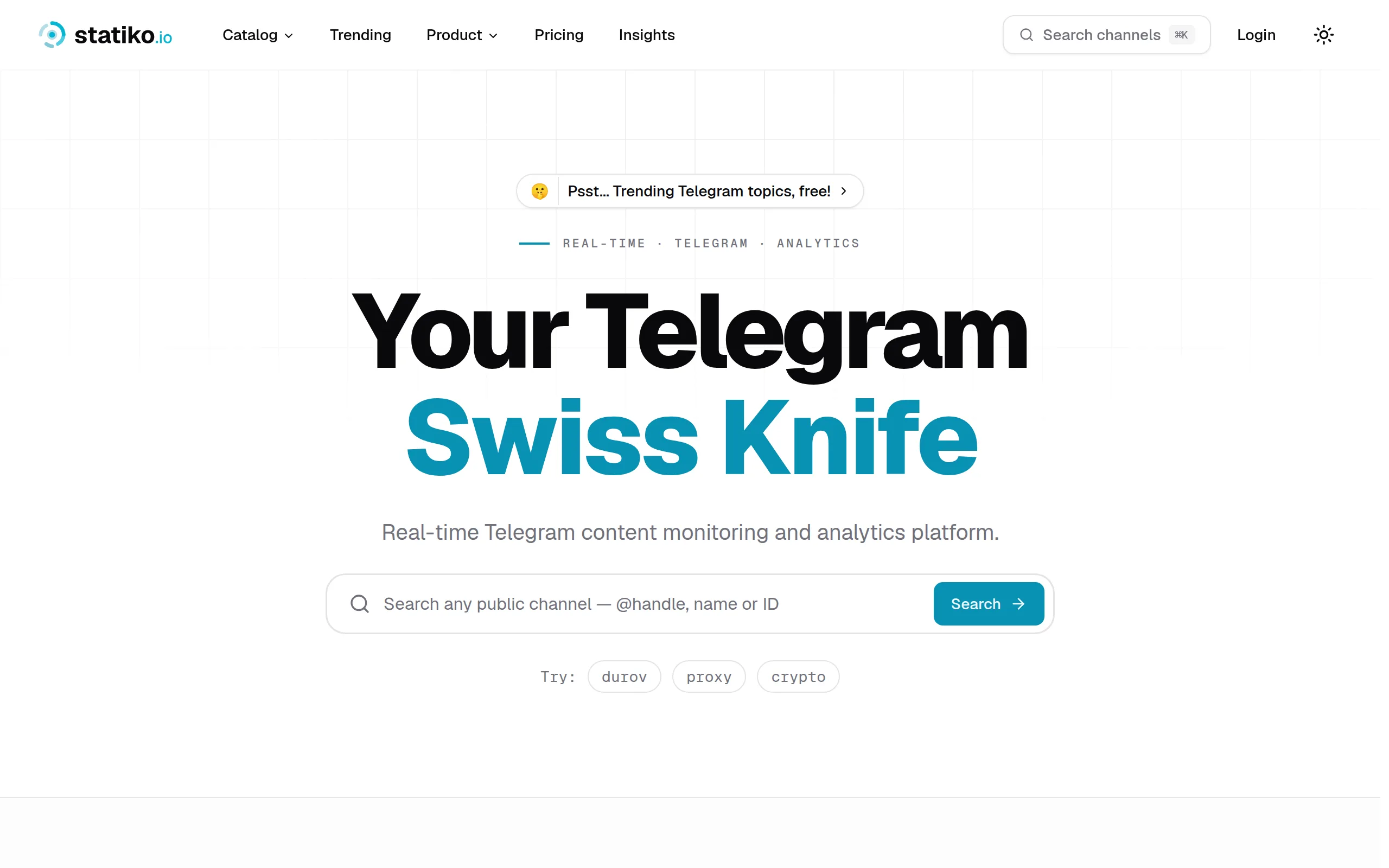
Statiko
Monitor any Telegram channel in real time - track posts, edits, deletions, and growth with AI recaps 📡

Shibui
AI website builder - describe your business, pick a niche template, edit by chatting, and publish instantly ✨

Pro Service
Find verified home service professionals, compare quotes, and pay securely through escrow - built for Brazilians across the US 🏠
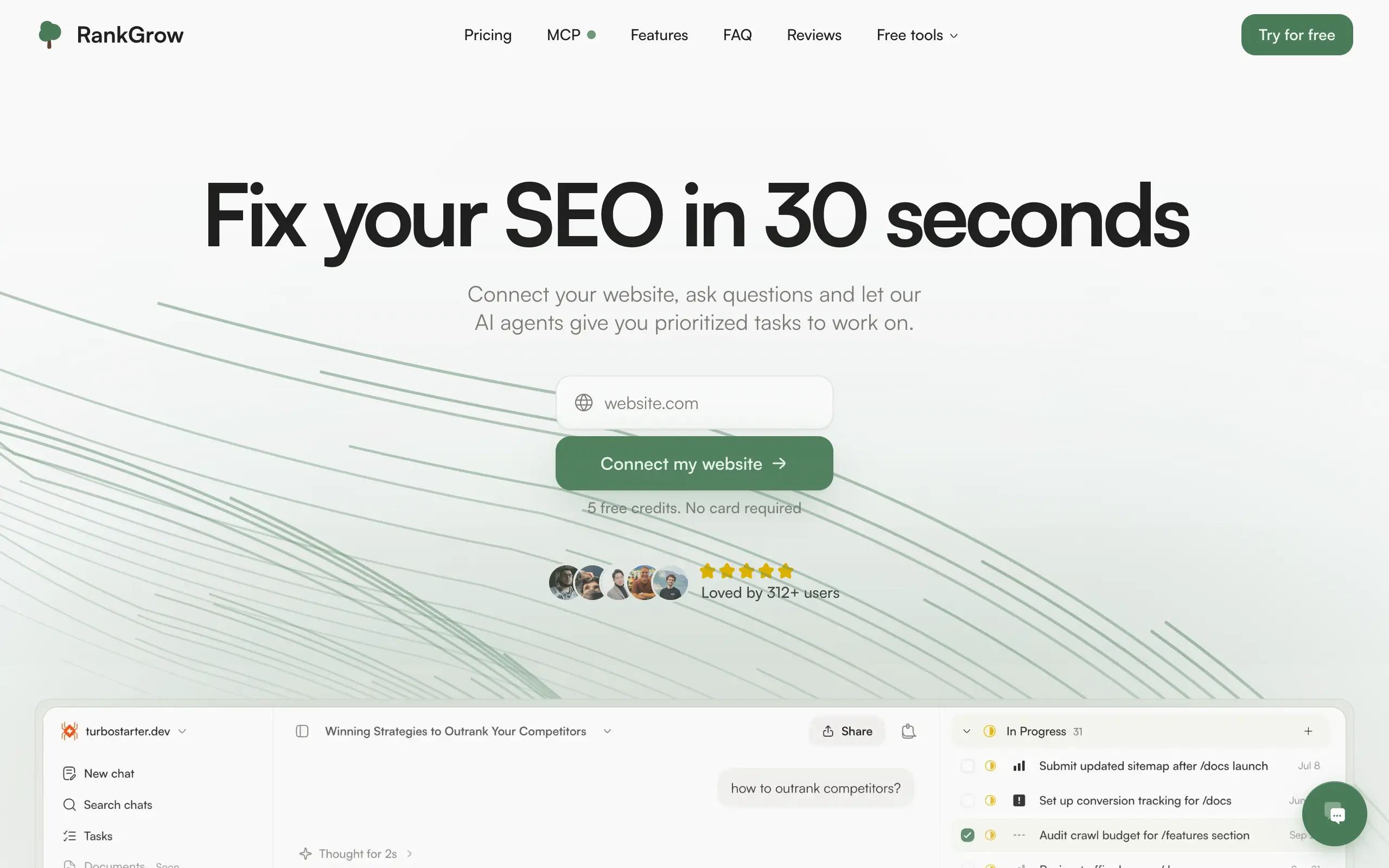
RankGrow
Fix your SEO with AI agents - connect Search Console, get prioritized tasks, and grow organic traffic 📈
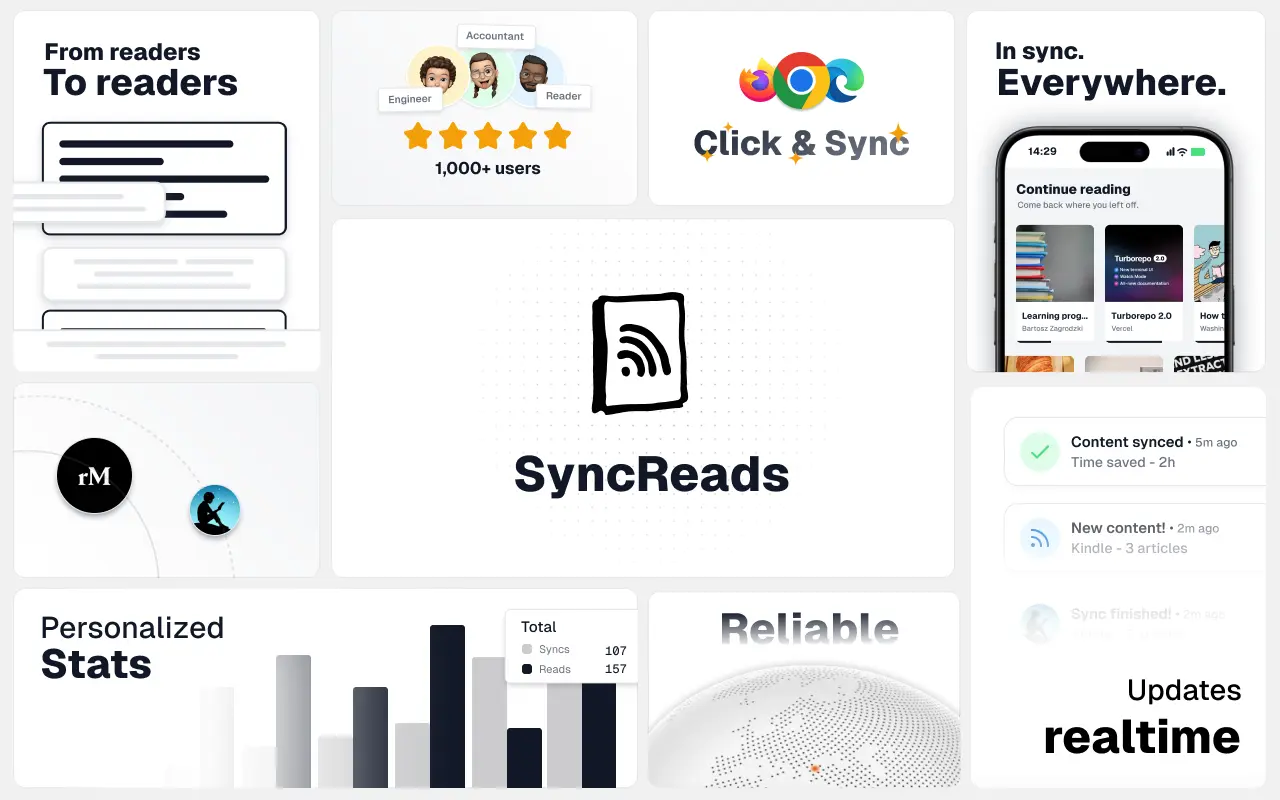
SyncReads
Sync your favorite content for distraction-free reading, save time and replace multiple apps. Anytime, anywhere 🔄
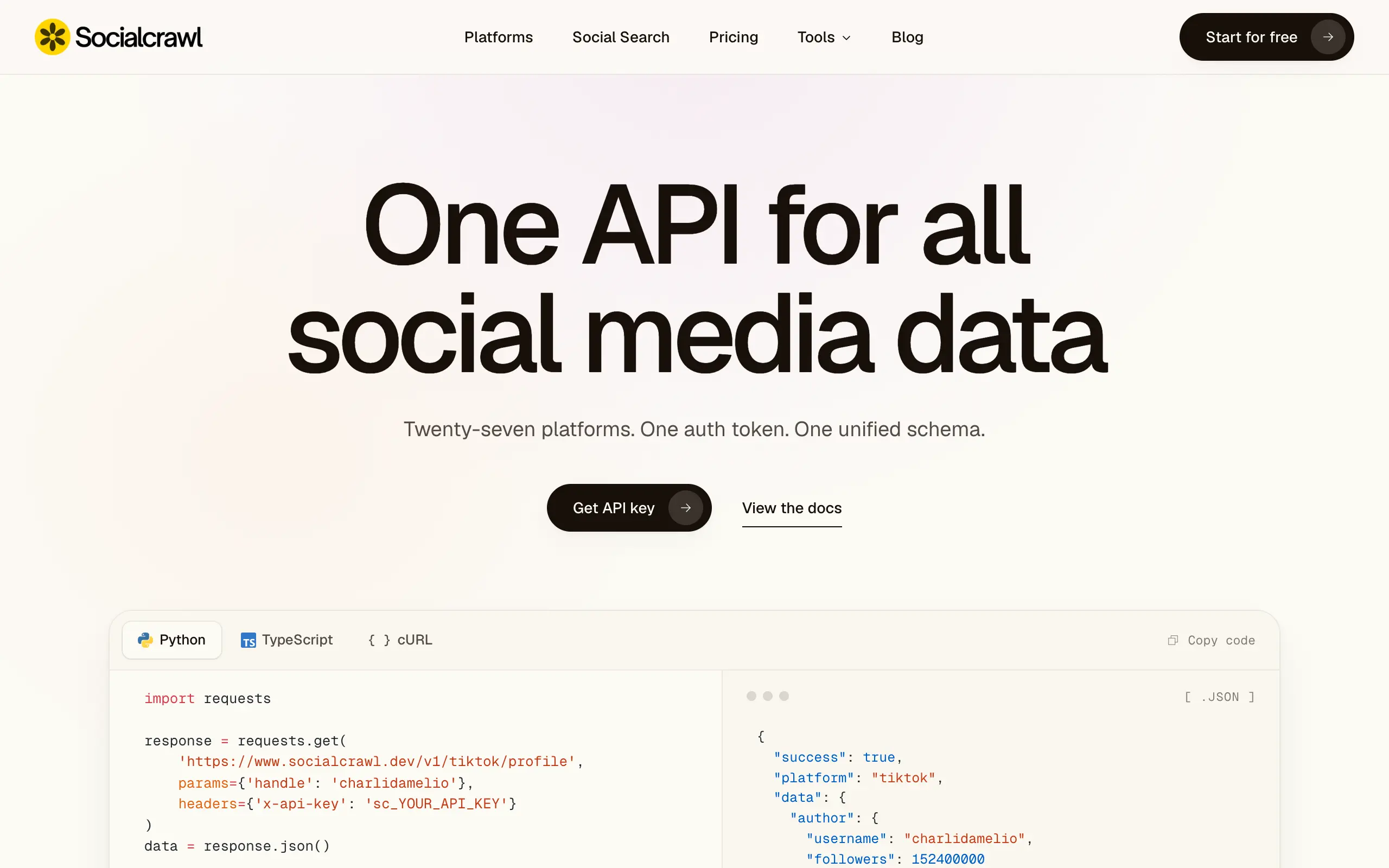
Socialcrawl
Get clean, structured data from 21 platforms like TikTok, Instagram, and YouTube with a single request 📊
Statiko
Monitor any Telegram channel in real time - track posts, edits, deletions, and growth with AI recaps 📡
Shibui
AI website builder - describe your business, pick a niche template, edit by chatting, and publish instantly ✨
Pro Service
Find verified home service professionals, compare quotes, and pay securely through escrow - built for Brazilians across the US 🏠
RankGrow
Fix your SEO with AI agents - connect Search Console, get prioritized tasks, and grow organic traffic 📈
SyncReads
Sync your favorite content for distraction-free reading, save time and replace multiple apps. Anytime, anywhere 🔄
Socialcrawl
Get clean, structured data from 21 platforms like TikTok, Instagram, and YouTube with a single request 📊
Statiko
Monitor any Telegram channel in real time - track posts, edits, deletions, and growth with AI recaps 📡
Shibui
AI website builder - describe your business, pick a niche template, edit by chatting, and publish instantly ✨
Pro Service
Find verified home service professionals, compare quotes, and pay securely through escrow - built for Brazilians across the US 🏠
RankGrow
Fix your SEO with AI agents - connect Search Console, get prioritized tasks, and grow organic traffic 📈
SyncReads
Sync your favorite content for distraction-free reading, save time and replace multiple apps. Anytime, anywhere 🔄
Socialcrawl
Get clean, structured data from 21 platforms like TikTok, Instagram, and YouTube with a single request 📊
Statiko
Monitor any Telegram channel in real time - track posts, edits, deletions, and growth with AI recaps 📡
Shibui
AI website builder - describe your business, pick a niche template, edit by chatting, and publish instantly ✨
Pro Service
Find verified home service professionals, compare quotes, and pay securely through escrow - built for Brazilians across the US 🏠
RankGrow
Fix your SEO with AI agents - connect Search Console, get prioritized tasks, and grow organic traffic 📈
SyncReads
Sync your favorite content for distraction-free reading, save time and replace multiple apps. Anytime, anywhere 🔄
Socialcrawl
Get clean, structured data from 21 platforms like TikTok, Instagram, and YouTube with a single request 📊
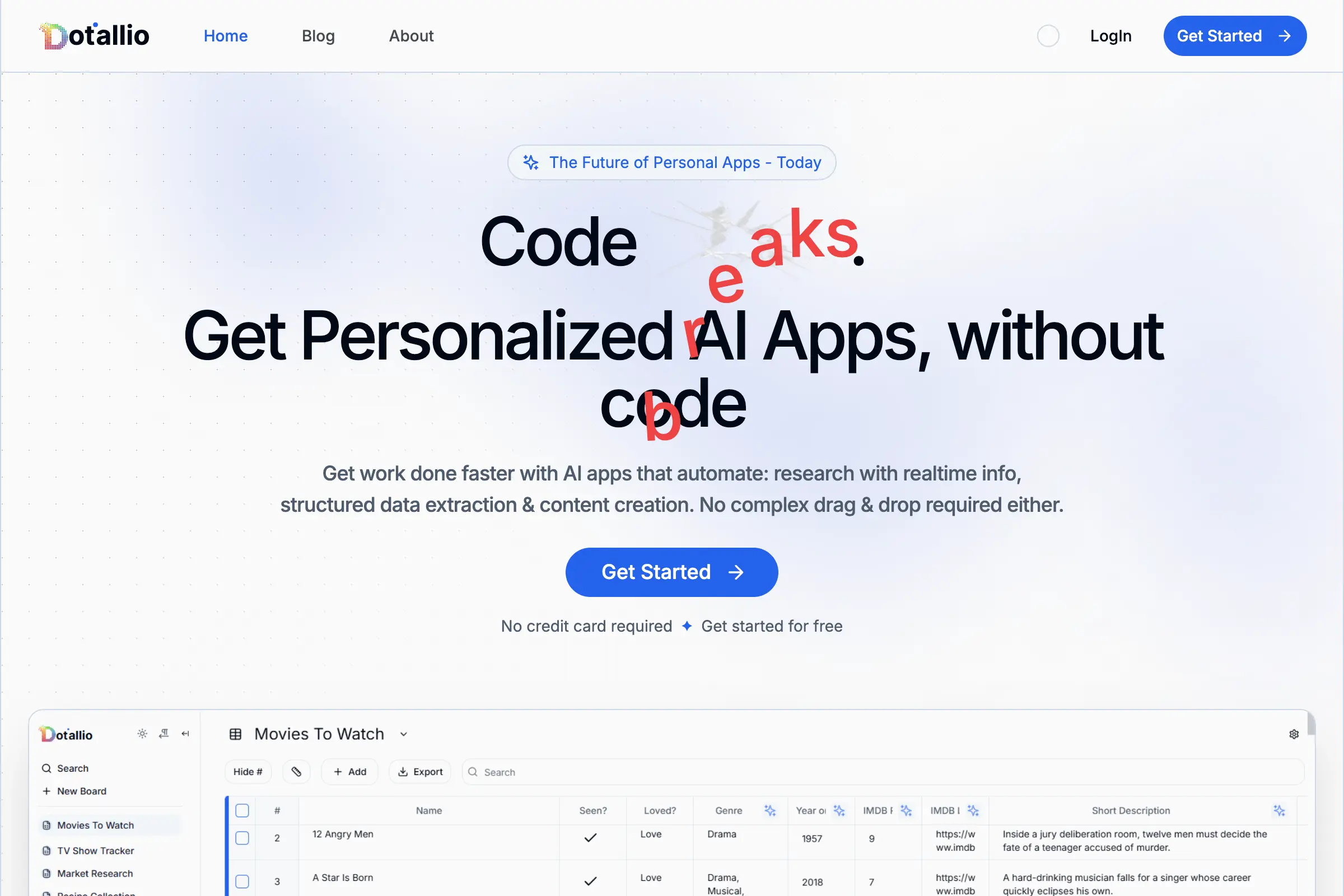
Dotallio
Personalized AI apps that automate research, data extraction, and content creation without code 🤖

Talk to Santa
Enjoy a magical live video chat or receive a unique AI-generated video greeting from Santa Claus 🎅
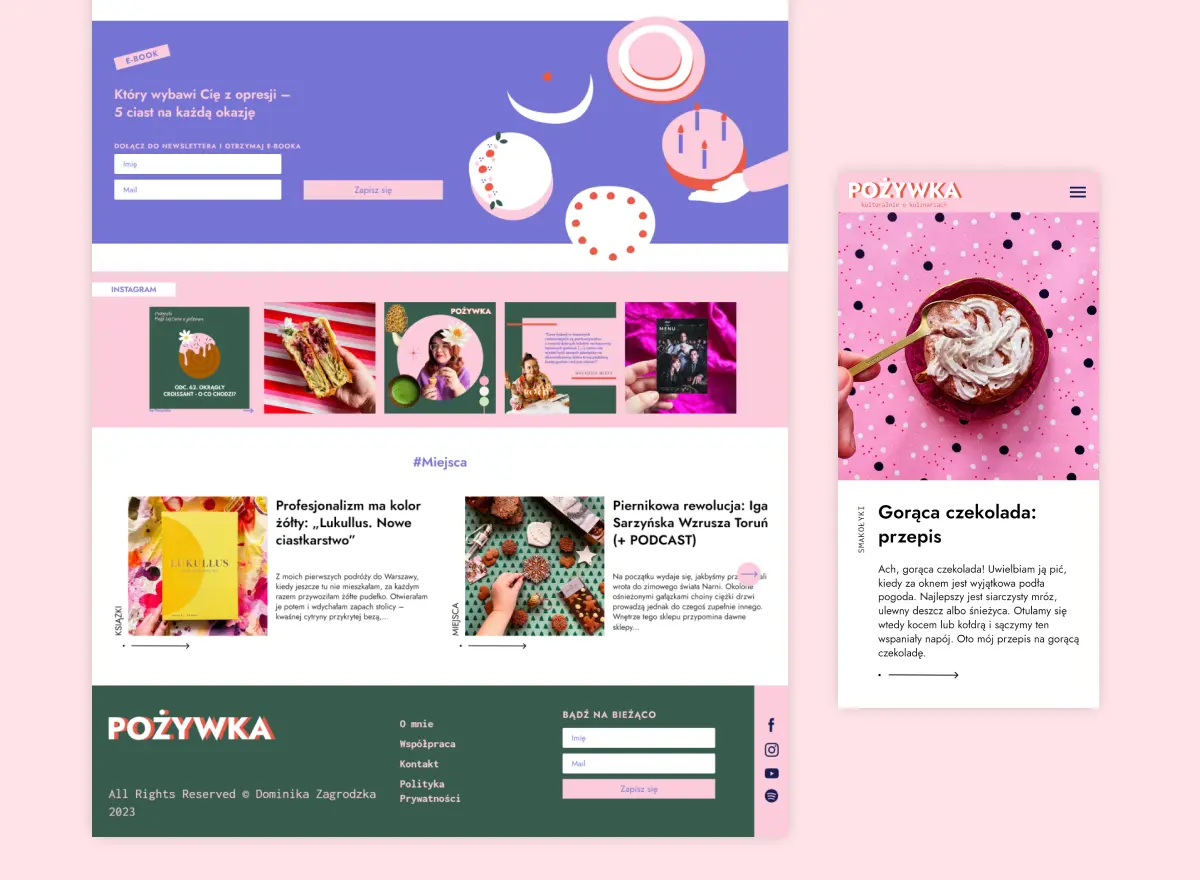
pozywka.pl
Scalable blog for food journalist, focused on performance and user experience 🌭
zagrodzki.me
Personal blog and portfolio of Bart Zagrodzki, where he shares his knowledge and work 💼
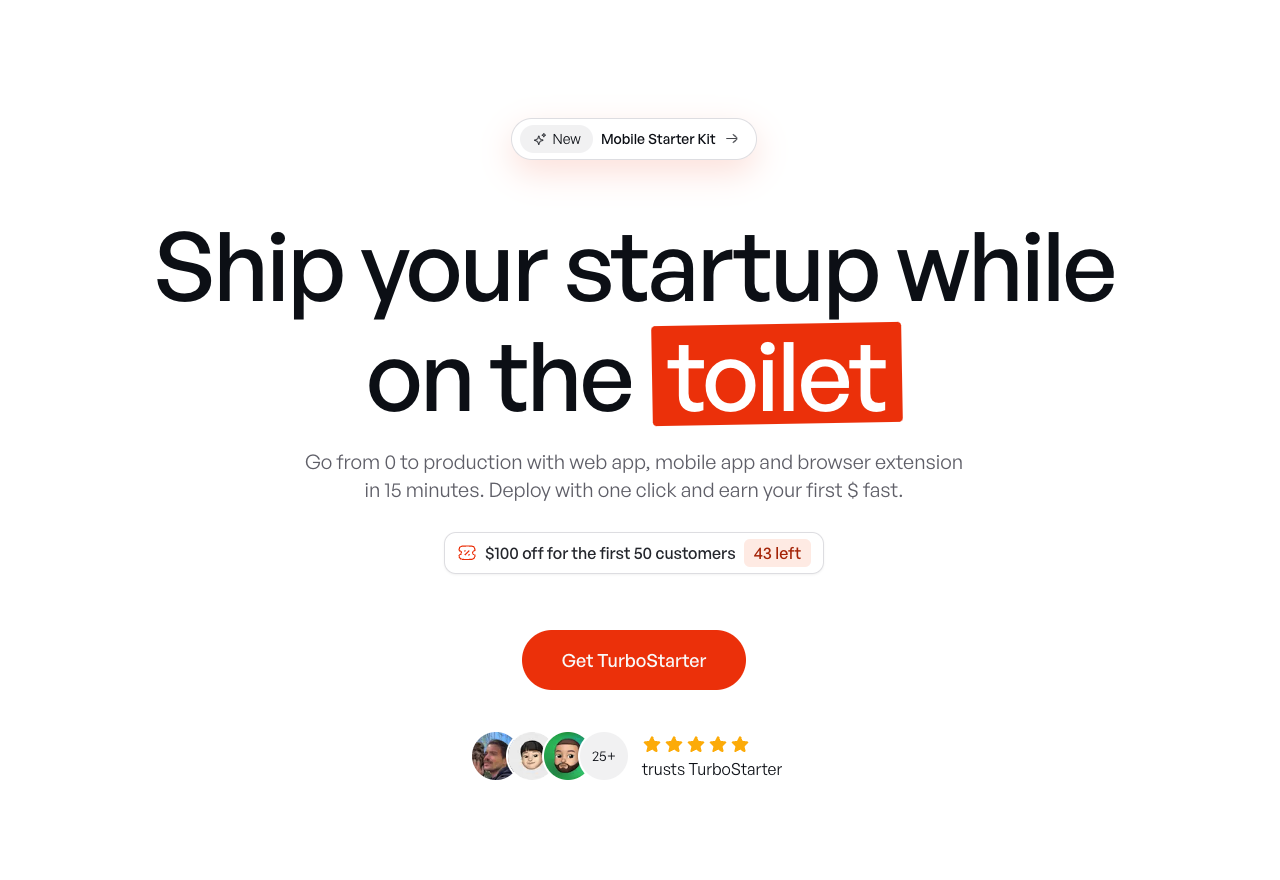
TurboStarter
Ship your startup everywhere. In minutes.
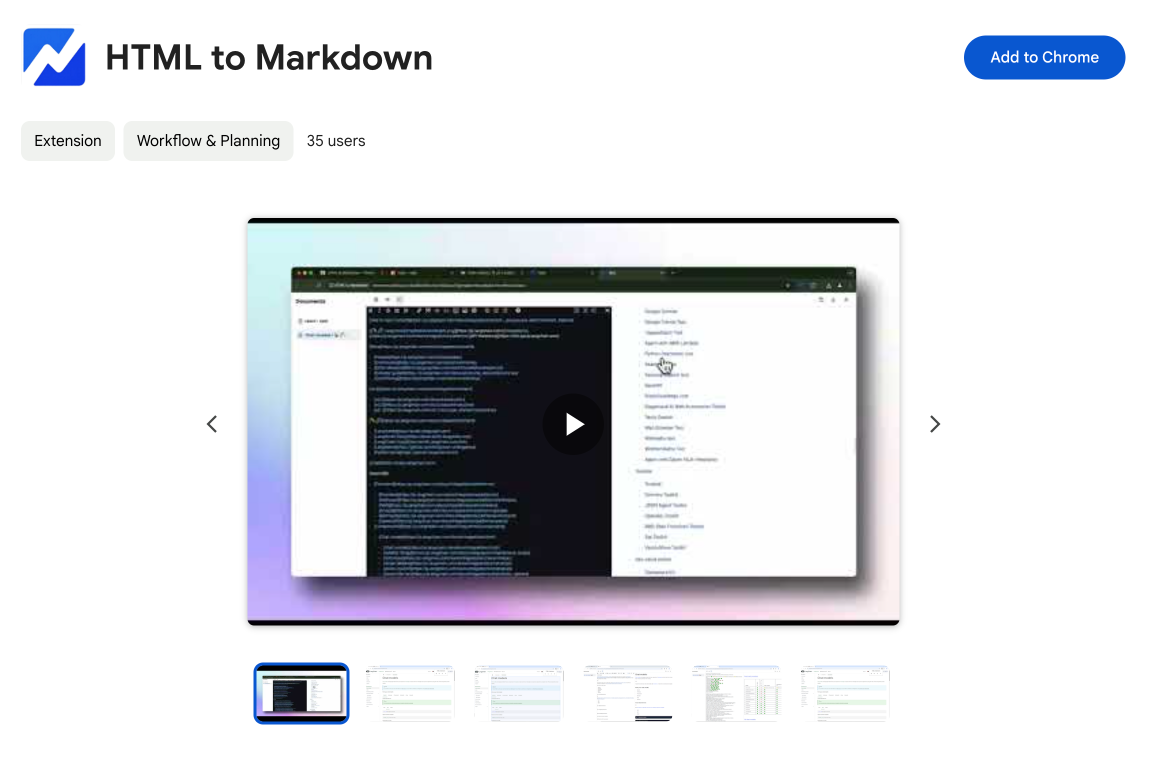
HTML to Markdown
Convert HTML to Markdown with ease, directly in your browser 📄
Dotallio
Personalized AI apps that automate research, data extraction, and content creation without code 🤖
Talk to Santa
Enjoy a magical live video chat or receive a unique AI-generated video greeting from Santa Claus 🎅
pozywka.pl
Scalable blog for food journalist, focused on performance and user experience 🌭
zagrodzki.me
Personal blog and portfolio of Bart Zagrodzki, where he shares his knowledge and work 💼
TurboStarter
Ship your startup everywhere. In minutes.
HTML to Markdown
Convert HTML to Markdown with ease, directly in your browser 📄
Dotallio
Personalized AI apps that automate research, data extraction, and content creation without code 🤖
Talk to Santa
Enjoy a magical live video chat or receive a unique AI-generated video greeting from Santa Claus 🎅
pozywka.pl
Scalable blog for food journalist, focused on performance and user experience 🌭
zagrodzki.me
Personal blog and portfolio of Bart Zagrodzki, where he shares his knowledge and work 💼
TurboStarter
Ship your startup everywhere. In minutes.
HTML to Markdown
Convert HTML to Markdown with ease, directly in your browser 📄
Dotallio
Personalized AI apps that automate research, data extraction, and content creation without code 🤖
Talk to Santa
Enjoy a magical live video chat or receive a unique AI-generated video greeting from Santa Claus 🎅
pozywka.pl
Scalable blog for food journalist, focused on performance and user experience 🌭
zagrodzki.me
Personal blog and portfolio of Bart Zagrodzki, where he shares his knowledge and work 💼
TurboStarter
Ship your startup everywhere. In minutes.
HTML to Markdown
Convert HTML to Markdown with ease, directly in your browser 📄
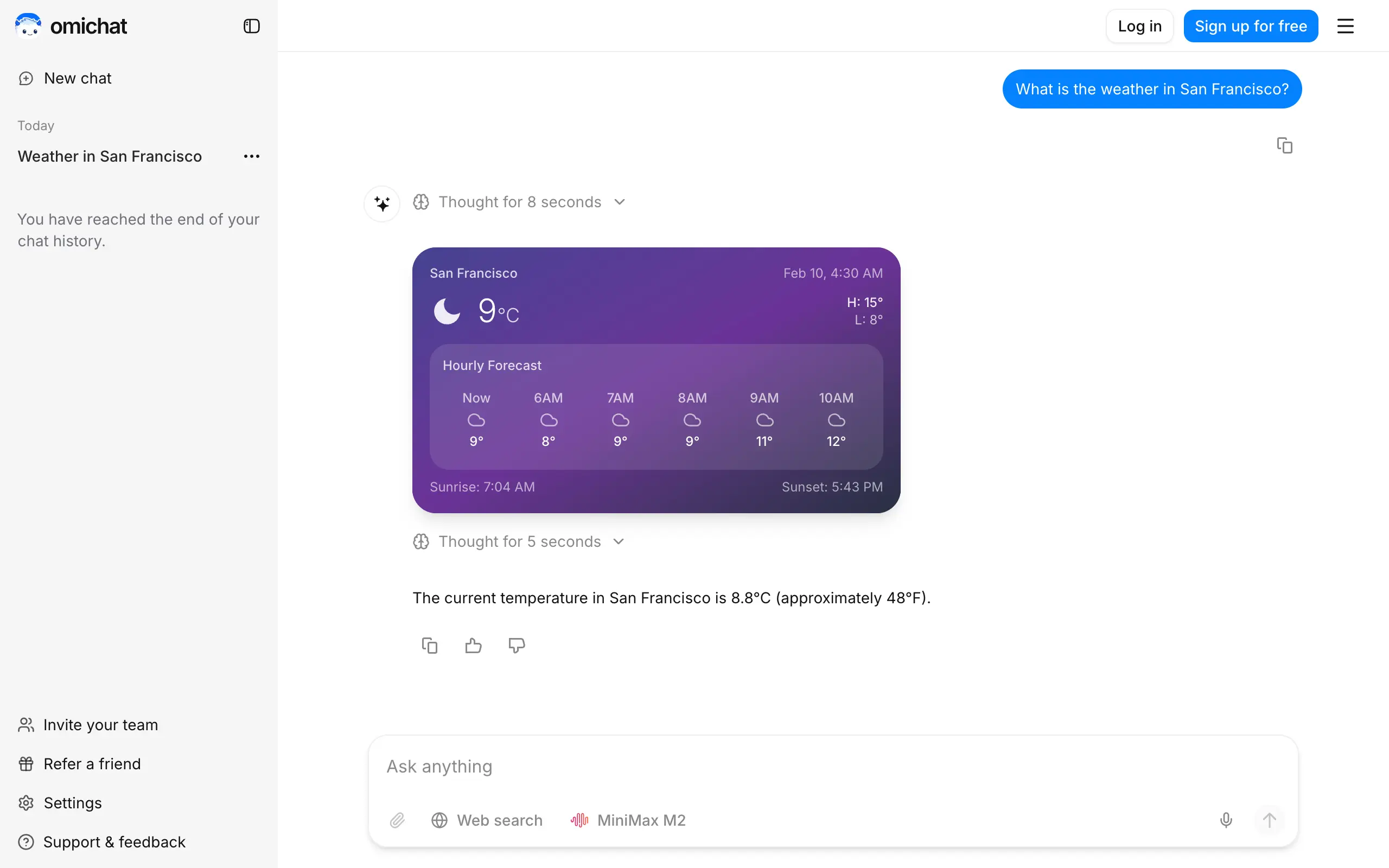
Omichat
Chat with 50+ AI models, including ChatGPT and Claude, in one place - switch models anytime without losing context 🤖
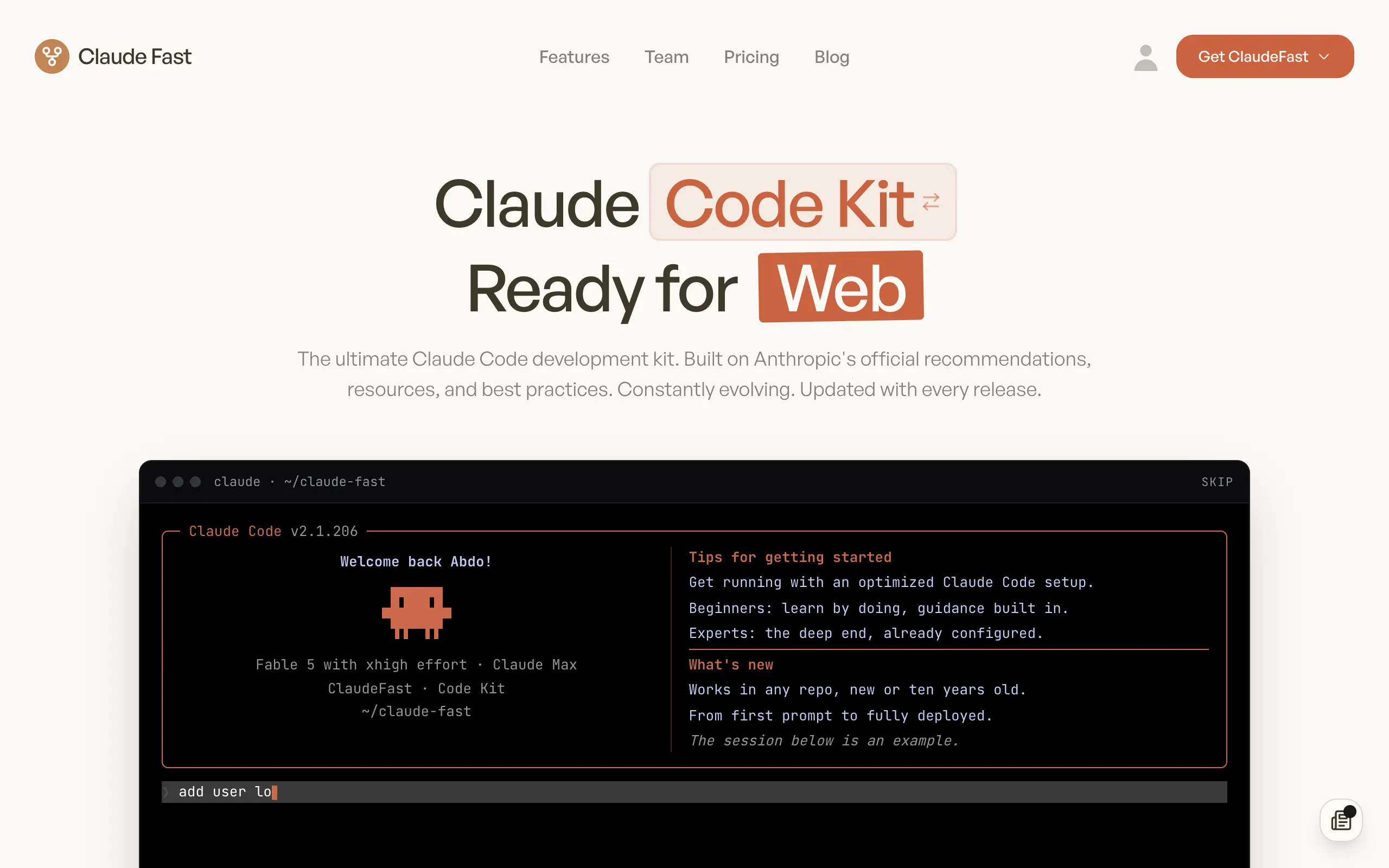
Claude Fast
Supercharge your Claude Code with 6x effective context window and specialized AI agents 🤖
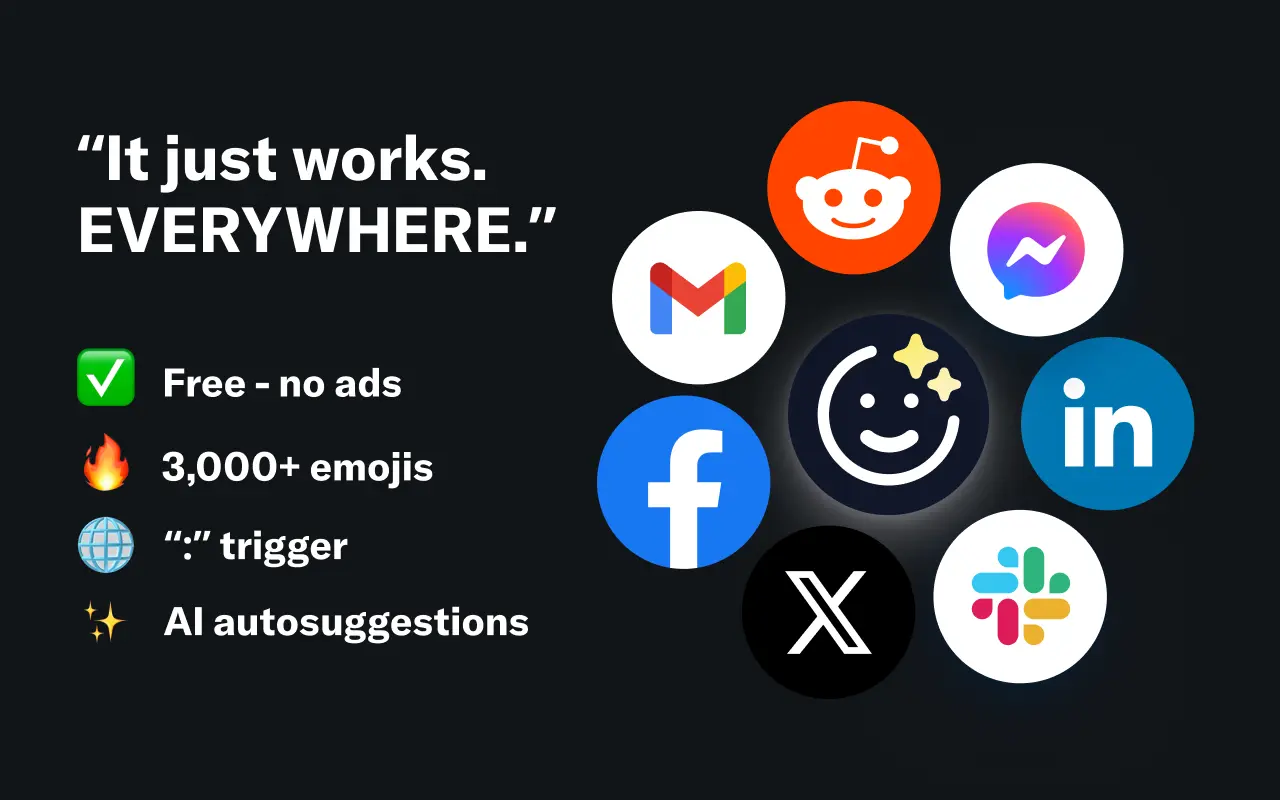
EmojAI
AI-powered emoji picker with smart, context-aware suggestions 🤖
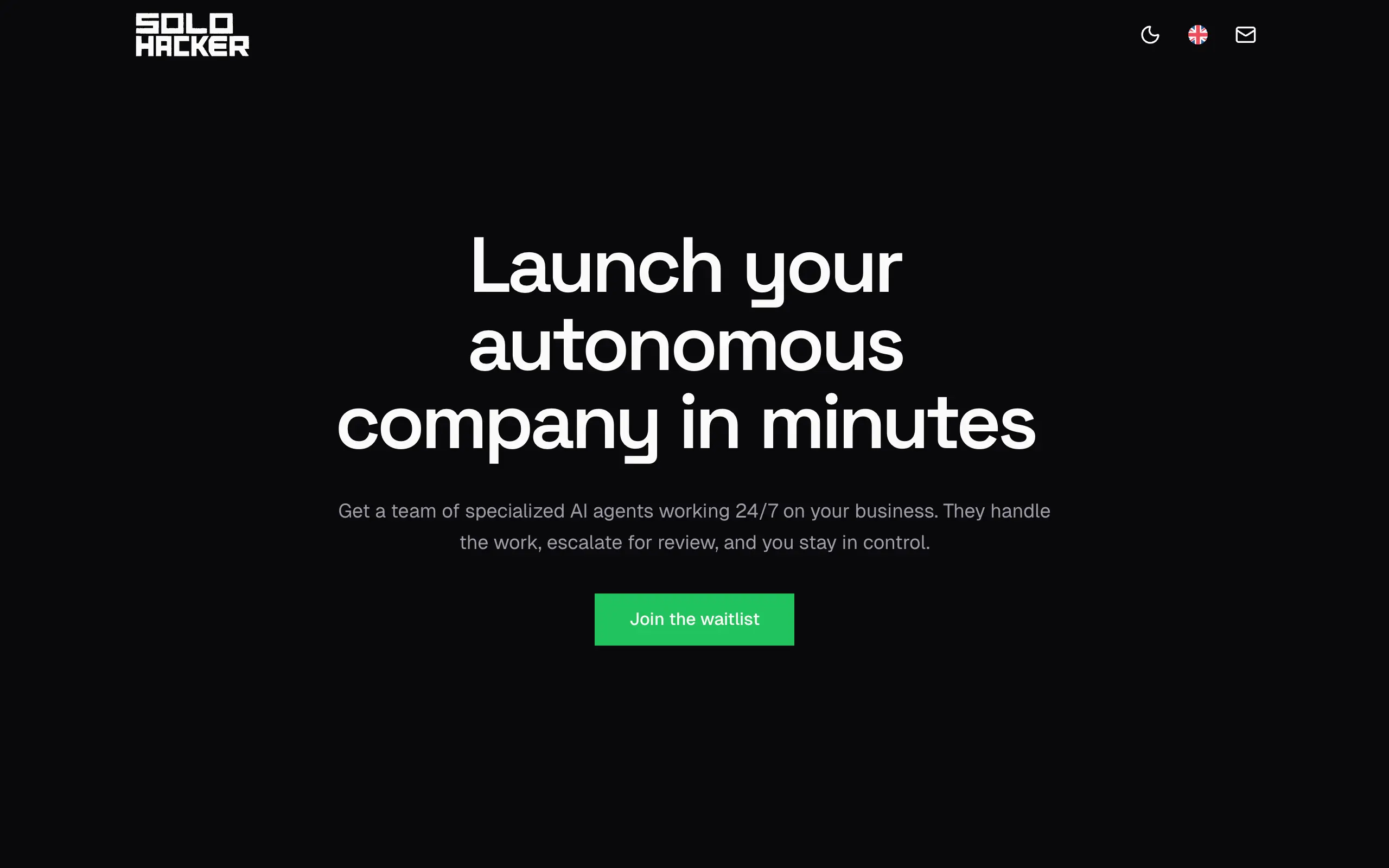
Solohacker
Autonomous company launcher - AI agents work 24/7, escalate what matters, and you stay in control 🤖
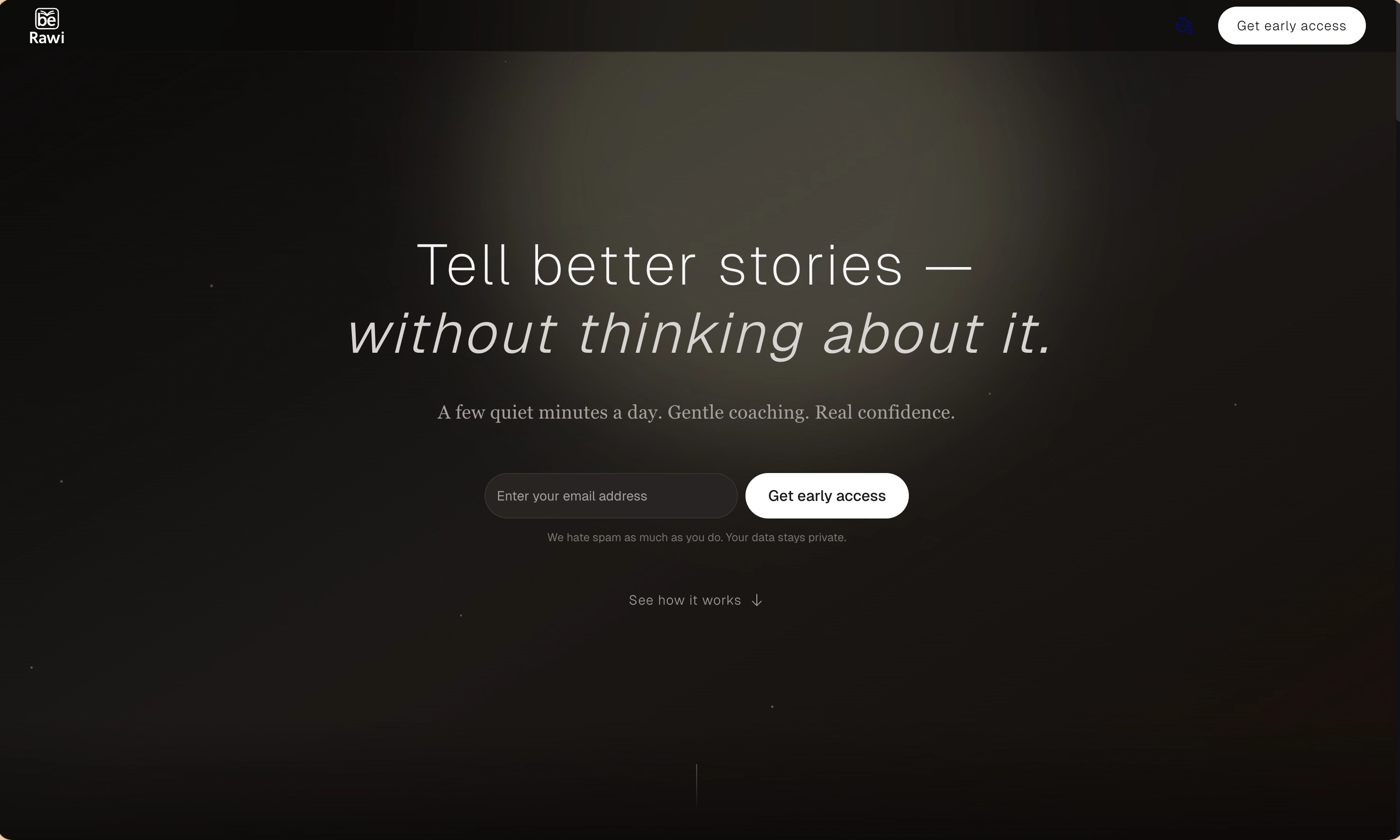
BeRawi: Storytelling Coach
Practice storytelling daily with instant feedback to sound clearer, more engaging, and confident 🎤
Omichat
Chat with 50+ AI models, including ChatGPT and Claude, in one place - switch models anytime without losing context 🤖
Claude Fast
Supercharge your Claude Code with 6x effective context window and specialized AI agents 🤖
EmojAI
AI-powered emoji picker with smart, context-aware suggestions 🤖
Solohacker
Autonomous company launcher - AI agents work 24/7, escalate what matters, and you stay in control 🤖
BeRawi: Storytelling Coach
Practice storytelling daily with instant feedback to sound clearer, more engaging, and confident 🎤
Omichat
Chat with 50+ AI models, including ChatGPT and Claude, in one place - switch models anytime without losing context 🤖
Claude Fast
Supercharge your Claude Code with 6x effective context window and specialized AI agents 🤖
EmojAI
AI-powered emoji picker with smart, context-aware suggestions 🤖
Solohacker
Autonomous company launcher - AI agents work 24/7, escalate what matters, and you stay in control 🤖
BeRawi: Storytelling Coach
Practice storytelling daily with instant feedback to sound clearer, more engaging, and confident 🎤
Omichat
Chat with 50+ AI models, including ChatGPT and Claude, in one place - switch models anytime without losing context 🤖
Claude Fast
Supercharge your Claude Code with 6x effective context window and specialized AI agents 🤖
EmojAI
AI-powered emoji picker with smart, context-aware suggestions 🤖
Solohacker
Autonomous company launcher - AI agents work 24/7, escalate what matters, and you stay in control 🤖
BeRawi: Storytelling Coach
Practice storytelling daily with instant feedback to sound clearer, more engaging, and confident 🎤

Connect with like-minded people
Join our community to get feedback, support, and grow together with 1,000+ builders on board, let's ship it!
Join usShip your startup everywhere. In minutes.
Don't burn tokens on setup and start building features on day one.