PackOptix AI
AI-powered production and material optimization software for beverage packaging plants that reduces waste, downtime, and energy costs through real-time line analytics.
Why AI-powered production optimization is transforming beverage packaging plants
Beverage packaging plants operate in one of the most margin-sensitive environments in manufacturing. High throughput, razor-thin per-unit margins, volatile material costs, strict quality requirements, and rising energy prices create constant pressure on operations teams.
PackOptix AI, an AI-powered production and material optimization software for beverage packaging plants, addresses this pressure by delivering real-time line analytics, predictive insights, and automated optimization recommendations. The goal is simple but powerful: reduce waste, minimize downtime, and lower energy costs—without disrupting production.
This article provides a deep, expert-level breakdown of:
- The target audience and buyer personas
- The market opportunity and current gaps
- Core features and technical architecture
- Recommended tech stack and trade-offs
- Monetization strategy
- Competitive landscape and differentiation
- Risks and mitigation
- Actionable implementation steps
If you’re validating or building a SaaS platform like PackOptix AI, this guide is designed to help you think strategically and execute effectively.
Understanding the target audience for PackOptix AI
To design and position AI-powered production optimization software correctly, you must understand the operational realities of beverage packaging plants.
Primary target segments
PackOptix AI is a B2B SaaS solution targeting:
- Large beverage manufacturers (soft drinks, bottled water, beer, energy drinks)
- Contract packers (co-packers)
- Multi-site bottling groups
- Private label beverage manufacturers
Key buyer personas
Plant manager
Responsible for OEE, output targets, downtime reduction, and cost control. Wants real-time visibility and practical insights, not complex dashboards.
Operations director
Oversees multiple plants. Focused on benchmarking, cross-site performance, and strategic optimization initiatives.
Maintenance manager
Accountable for unplanned downtime and equipment reliability. Needs predictive maintenance signals.
CFO / COO
Interested in ROI, energy savings, material yield improvements, and payback period.
Core pain points in beverage packaging
-
Material waste
- Overfilling bottles or cans
- Misaligned labels and rejected units
- Damaged packaging during high-speed runs
- Film and shrink-wrap inefficiencies
-
Unplanned downtime
- Conveyor jams
- Filler malfunctions
- Capper and labeler faults
- Changeover inefficiencies
-
Energy inefficiency
- Compressors running inefficiently
- Peak demand penalties
- Heating/cooling system imbalance
- Overuse of air and water systems
-
Data silos
- PLC data locked in proprietary systems
- Limited cross-line analytics
- No predictive modeling across shifts or sites
Search intent behind production optimization software
When potential buyers search for terms like:
- “AI production optimization software”
- “packaging line analytics”
- “reduce waste in beverage manufacturing”
- “OEE improvement tools for bottling plants”
They are typically looking for:
- Validation that AI can realistically improve performance
- Concrete ROI examples
- Implementation feasibility
- Integration compatibility with legacy systems
- Risk mitigation
PackOptix AI content must directly address these concerns with authority and technical clarity.
Market opportunity and gap in AI for beverage packaging
Why the timing is right
Several macro trends make AI-powered packaging optimization highly relevant:
- Rising aluminum, PET, and corrugate costs
- Increasing energy volatility globally
- ESG pressure to reduce material waste and carbon footprint
- Labor shortages in skilled maintenance roles
- Industry 4.0 adoption accelerating across manufacturing
Industry analysts (e.g., McKinsey and BCG reports on digital manufacturing) consistently show that AI-driven manufacturing optimization can improve productivity by 10–20% and reduce maintenance costs by up to 25%. For high-volume beverage plants, even a 1% efficiency improvement translates into millions in annual savings.
Current gaps in the market
Despite the availability of MES (Manufacturing Execution Systems) and SCADA platforms, most beverage plants face:
- Static dashboards without predictive insight
- Manual root-cause analysis
- Limited cross-line optimization
- No material usage AI modeling
- Fragmented energy monitoring
PackOptix AI differentiates itself by focusing specifically on:
- Beverage packaging line physics and constraints
- Material yield modeling
- Real-time AI recommendations (not just historical reporting)
- Cross-line and cross-shift performance intelligence
This vertical specialization creates a strong defensibility moat.
Core features of PackOptix AI
To truly reduce waste, downtime, and energy costs, the software must operate at multiple layers of the packaging ecosystem.
1. Real-time line analytics
PackOptix AI connects to:
- PLCs (Programmable Logic Controllers)
- SCADA systems
- Sensors (vibration, temperature, flow)
- Vision systems
- Energy meters
It ingests high-frequency production data and converts it into actionable metrics:
- OEE (Overall Equipment Effectiveness)
- Performance losses by equipment type
- Micro-stoppage frequency
- Scrap and rejection rates
- Energy usage per unit produced
2. AI-powered waste reduction engine
The platform uses machine learning models to:
- Detect overfilling trends before thresholds are breached
- Identify correlation between speed and defect rates
- Optimize fill levels within regulatory tolerance
- Recommend optimal packaging speeds based on defect probability
Example insight:
“Reducing line speed by 3% during SKU X production reduces defect rate by 12%, net positive yield gain.”
3. Predictive maintenance and downtime forecasting
Using time-series modeling and anomaly detection:
- Detect vibration pattern deviations
- Identify abnormal torque patterns
- Forecast probability of downtime within the next 24–72 hours
- Recommend preventive intervention windows
4. Energy optimization module
Energy cost modeling per unit produced:
- Real-time kWh per 1,000 units
- Air compressor load balancing
- Shift-based consumption benchmarking
- AI-suggested production scheduling for peak tariff avoidance
5. Multi-site benchmarking dashboard
For operations directors:
- Cross-plant OEE comparison
- Material yield comparison
- Energy intensity ranking
- Downtime category breakdown
Example system architecture for PackOptix AI
Below is a simplified high-level architecture concept.
// Simplified data flow for PackOptix AI

Plant Sensors & PLCs
    ↓
Edge Gateway (Data Normalization)
    ↓
Secure Data Pipeline (MQTT / Kafka)
    ↓
Cloud Data Lake (Time-Series DB)
    ↓
AI Models (Predictive + Optimization)
    ↓
Web Dashboard + Alerting Engine
Key architectural layers
-
Edge Layer
- Industrial gateway (e.g., OPC-UA compatibility)
- Local buffering to handle connectivity loss
-
Data Layer
- Time-series database
- Event-driven streaming
- Data normalization layer
-
AI Layer
- Predictive models (downtime, scrap)
- Optimization algorithms
- Reinforcement learning for adaptive tuning
-
Application Layer
- Web dashboard
- Role-based access
- Alert engine
- API integrations
Recommended tech stack (with trade-offs)
Choosing the right stack is critical for scalability and enterprise reliability.
Frontend
- React for UI
- TailwindCSS for scalable styling
Why:
- Component reusability
- High-performance dashboards
- Enterprise-friendly ecosystem
Backend
- Node.js (real-time APIs)
- Python (AI/ML layer)
- gRPC or REST APIs for service communication
Data infrastructure
- Time-series DB (e.g., InfluxDB or Timescale)
- Kafka for event streaming
- Cloud storage (AWS S3 or equivalent)
Hosting & deployment
- Kubernetes for scaling
- Multi-tenant architecture for SaaS efficiency
Trade-offs to consider
- Edge compute vs full cloud processing
- Latency sensitivity in real-time alerts
- Data sovereignty in global plants
- On-prem hybrid deployments for conservative clients
Competitive landscape and differentiation
The industrial analytics space includes:
- Generic MES platforms
- SCADA analytics add-ons
- Large enterprise vendors (Siemens, Rockwell, Schneider)
- General-purpose AI platforms
However, most competitors are:
- Broad manufacturing tools
- Hardware-centric
- Complex to implement
- Expensive and slow to deploy
PackOptix AI competitive advantage
| Capability | Generic MES | SCADA Add-on | Enterprise Suite | PackOptix AI |
|---|---|---|---|---|
| Real-time AI waste prediction | ❌ | ❌ | ✅ | ✅ |
| Beverage-specific optimization | ❌ | ❌ | ❌ | ✅ |
| Fast SaaS deployment | ❌ | ❌ | ❌ | ✅ |
The USP is clear:
A vertical, AI-first production optimization platform built specifically for beverage packaging plants.
Monetization strategy for PackOptix AI
1. SaaS subscription model (primary)
Pricing variables:
- Number of lines
- Data volume
- Number of plants
- AI module access (waste, energy, predictive)
Example pricing tiers:
- Starter: Single line, analytics only
- Growth: Multi-line + predictive module
- Enterprise: Multi-site + energy optimization
2. Implementation & integration fees
- Edge device installation
- PLC integration
- Historical data ingestion
- Custom KPI modeling
3. Performance-based pricing (optional)
Revenue-share or savings-based pricing can:
- Lower entry barrier
- Align incentives
- Differentiate from legacy vendors
ROI modeling for beverage packaging plants
To close enterprise deals, ROI clarity is essential.
Example ROI scenario
Assume:
- 300 million units/year
- 0.5% material waste reduction
- $0.03 packaging cost per unit
Savings:
300,000,000 × 0.005 × $0.03 = $45,000 annually (material only)
Add:
- 1% energy savings
- 10 hours/month downtime reduction
Total potential savings easily exceed six figures per plant annually.
This makes a $60k–$150k/year SaaS contract economically compelling.
Risks and mitigation strategies
Industrial SaaS risks are different from typical B2B SaaS
Manufacturing environments are conservative, high-stakes, and integration-heavy. Risk mitigation is critical.
1. Integration complexity
Risk: Legacy equipment incompatibility
Mitigation: Modular edge gateway supporting multiple industrial protocols
2. Data accuracy issues
Risk: Sensor drift leading to flawed AI output
Mitigation: Data validation layer + anomaly confidence scoring
3. Resistance to AI recommendations
Risk: Operators ignoring system insights
Mitigation:
- Clear, explainable AI
- Gradual rollout
- Measurable pilot programs
4. Cybersecurity concerns
Risk: Plant network exposure
Mitigation:
- Encrypted data transmission
- Segmented network architecture
- SOC 2 compliance roadmap
Implementation roadmap for PackOptix AI
A structured rollout increases adoption and success.
Pilot success metrics
- Scrap rate reduction
- Downtime frequency reduction
- Energy intensity per unit
- Operator engagement rate
How to build and launch PackOptix AI faster
If you're developing a SaaS platform like PackOptix AI, speed and architectural quality matter.
Instead of building infrastructure from scratch:
- Use a scalable SaaS boilerplate
- Implement multi-tenancy early
- Design role-based access controls
- Prioritize observability and logging
A framework like TurboStarter can accelerate foundational SaaS setup, allowing you to focus on:
- AI modeling
- Industrial integrations
- Enterprise UX
This significantly reduces time-to-market.
Future trends shaping AI in beverage manufacturing
Looking ahead, several innovations will amplify PackOptix AI’s relevance:
- Reinforcement learning for adaptive line tuning
- Digital twins of packaging lines
- Carbon footprint optimization per SKU
- Autonomous maintenance scheduling
- Computer vision-based defect modeling
The beverage industry is moving toward self-optimizing plants, and vertical AI platforms are positioned to lead this transformation.
Conclusion: building a defensible AI-powered production optimization platform
PackOptix AI represents a high-potential opportunity in industrial SaaS by combining:
- Real-time line analytics
- AI-driven waste reduction
- Predictive maintenance
- Energy optimization
- Vertical specialization in beverage packaging
The opportunity is compelling because:
- Margins are thin → optimization has immediate value
- Plants generate rich data → AI can unlock insights
- ESG pressure demands waste reduction
- Energy volatility makes efficiency mission-critical
The companies that succeed in this space will:
- Focus deeply on one vertical
- Deliver explainable, practical AI
- Demonstrate measurable ROI
- Integrate seamlessly with legacy systems
With a clear technical roadmap, strong positioning, and disciplined execution, PackOptix AI can become a category-defining AI production optimization platform for beverage packaging plants.
Ready to build your industrial AI SaaS?
Whether you're validating the idea or preparing to build, focus on:
- Vertical specialization
- ROI-driven sales messaging
- Strong technical architecture
- Enterprise-grade security
The beverage packaging sector is ready for intelligent, AI-powered optimization. The real question is not if this market will adopt such tools—but who will build the most focused, reliable, and results-driven platform first.
More 🏢 B2B Application SaaS ideas
Discover more innovative b2b application SaaS ideas that are trending in 2026. Each idea is AI-generated with market validation and growth potential to help you find your next profitable venture faster than competitors.
Your competitors are building with TurboStarter
Below are some of the SaaS ideas that have been generated and built with our starter kit.
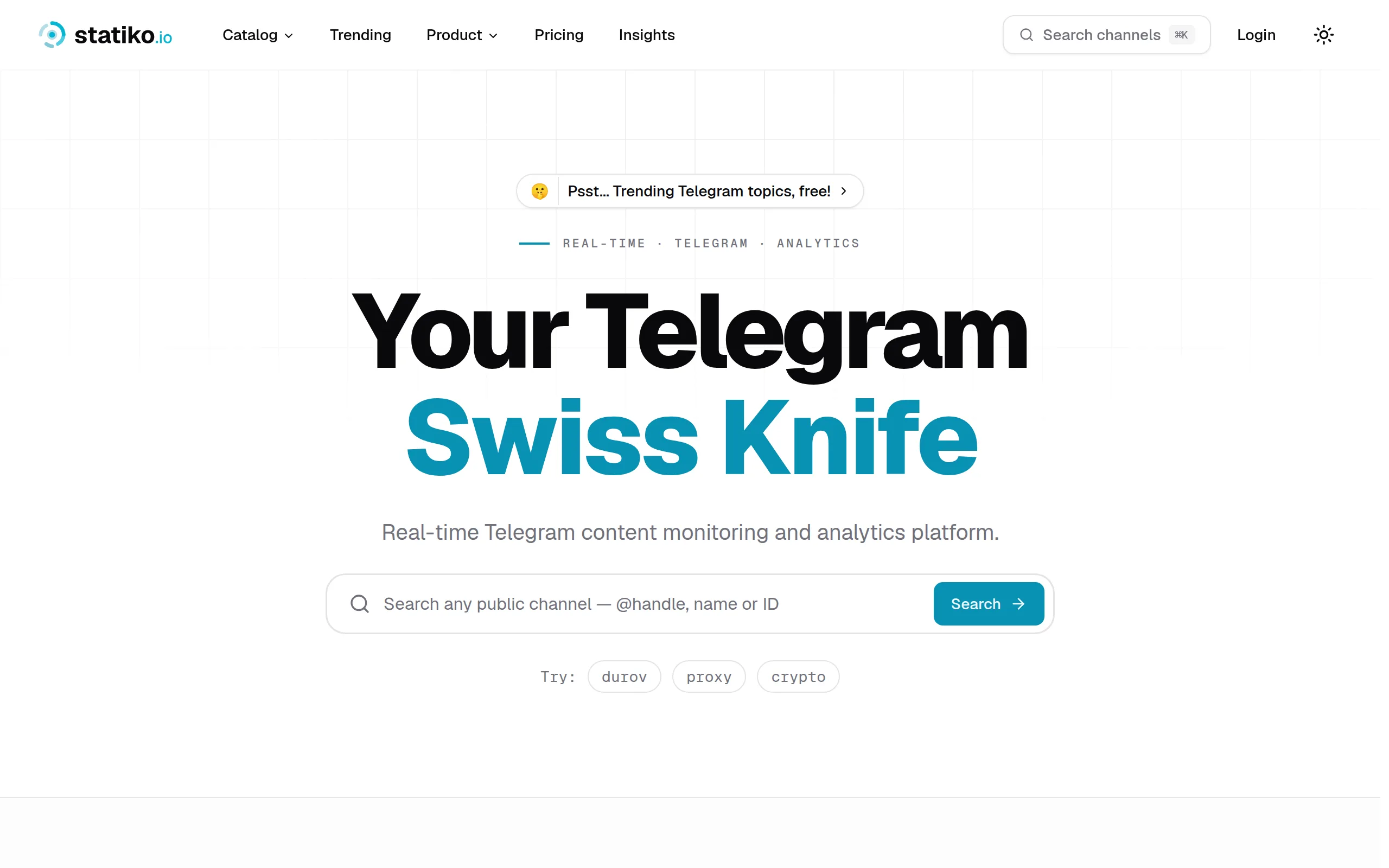
Statiko
Monitor any Telegram channel in real time - track posts, edits, deletions, and growth with AI recaps 📡

Shibui
AI website builder - describe your business, pick a niche template, edit by chatting, and publish instantly ✨

Pro Service
Find verified home service professionals, compare quotes, and pay securely through escrow - built for Brazilians across the US 🏠
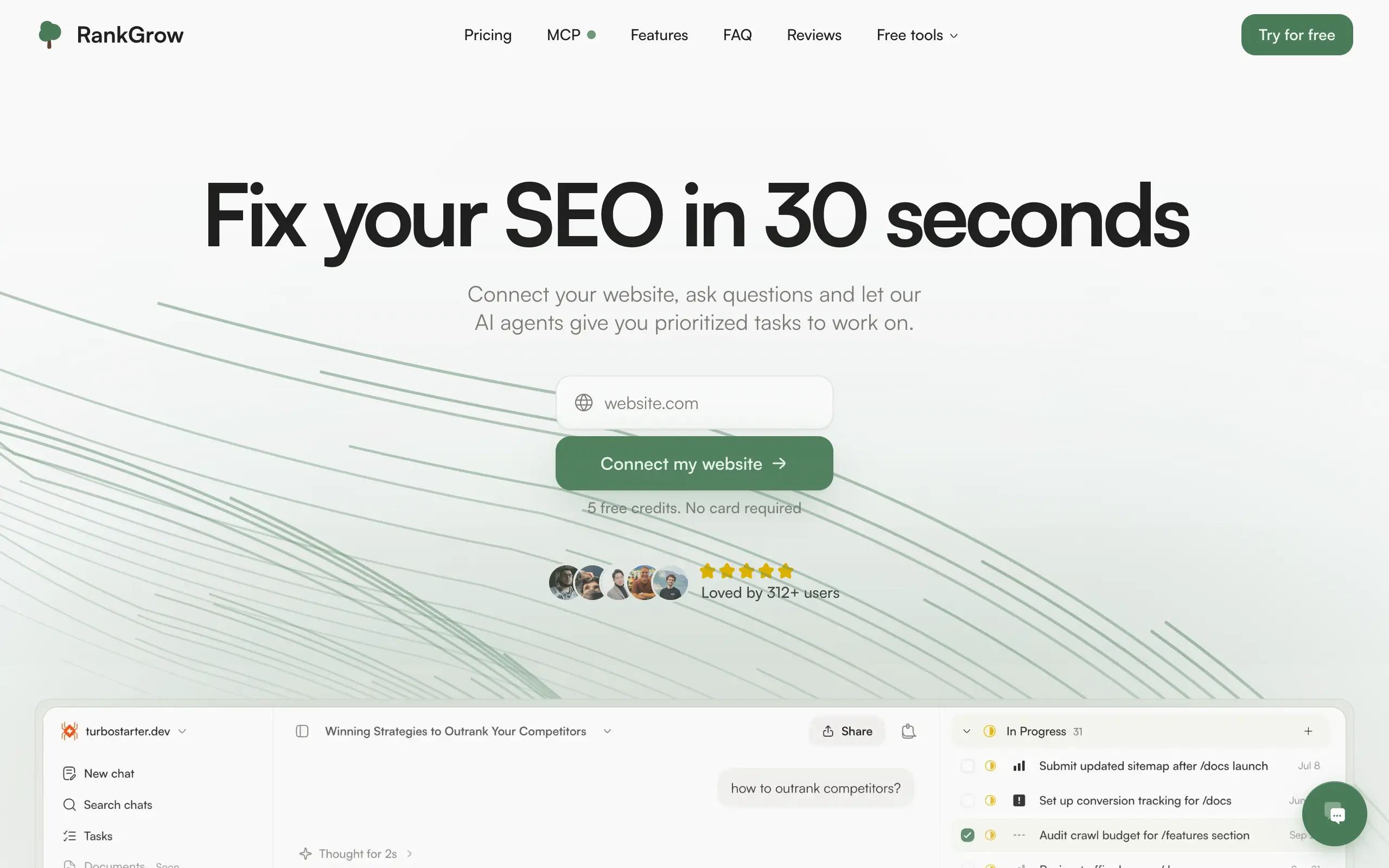
RankGrow
Fix your SEO with AI agents - connect Search Console, get prioritized tasks, and grow organic traffic 📈
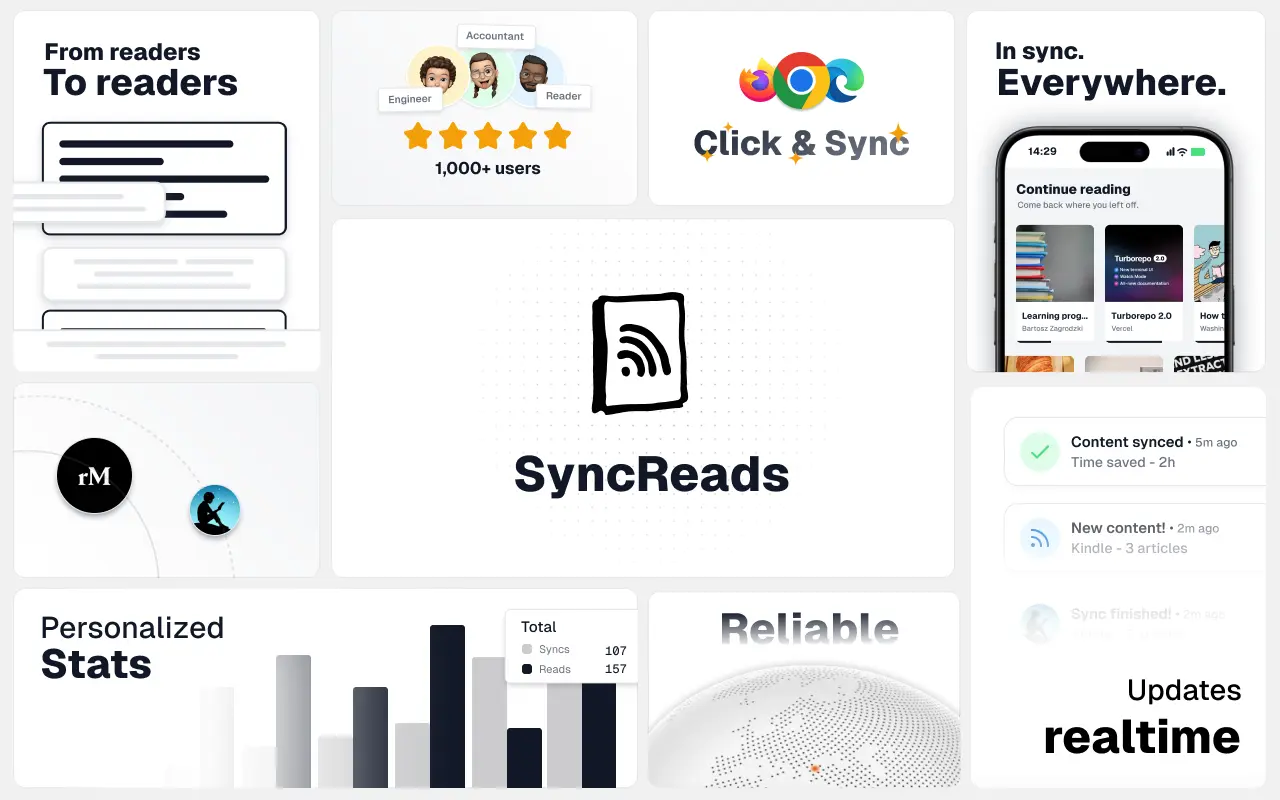
SyncReads
Sync your favorite content for distraction-free reading, save time and replace multiple apps. Anytime, anywhere 🔄
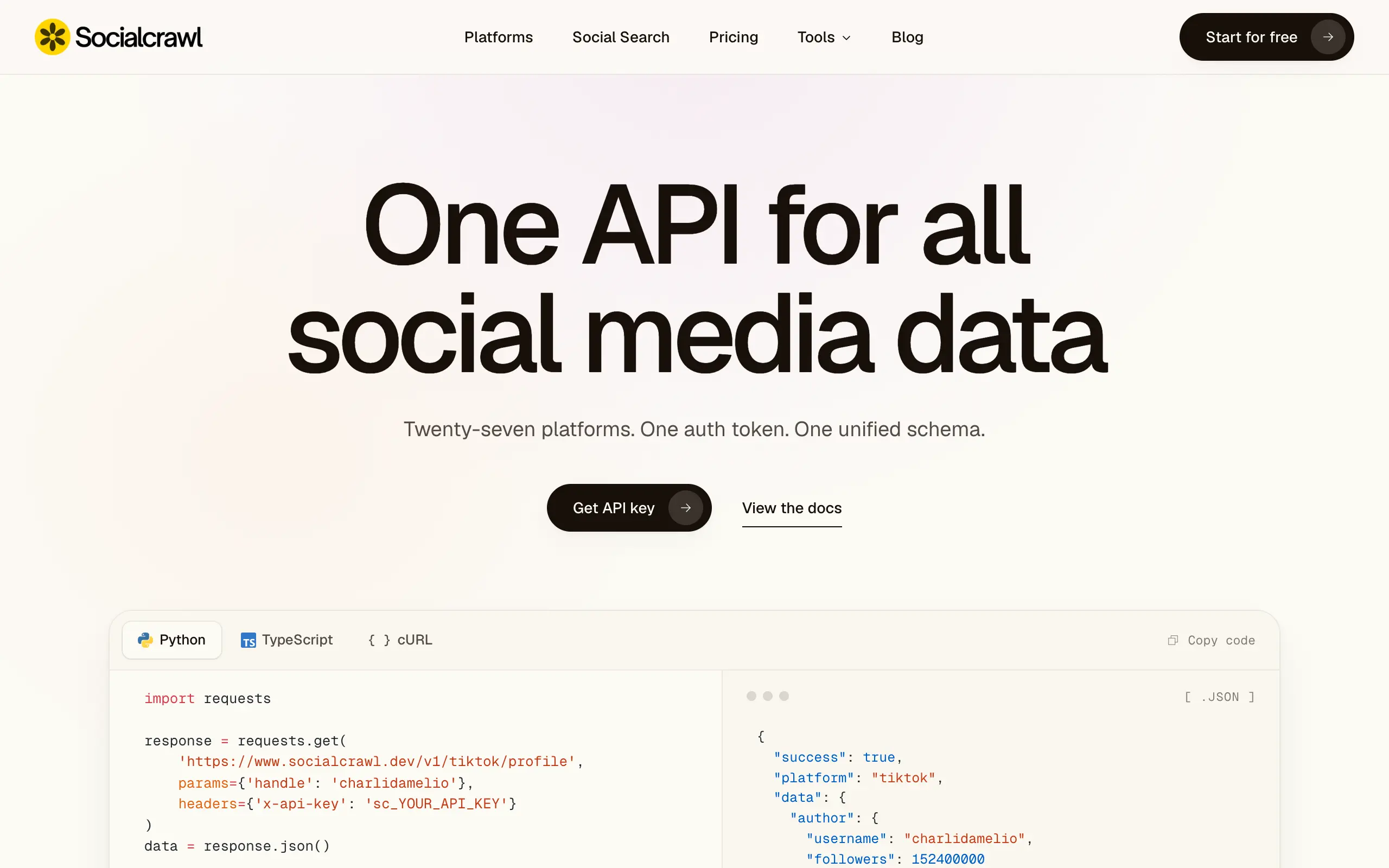
Socialcrawl
Get clean, structured data from 21 platforms like TikTok, Instagram, and YouTube with a single request 📊
Statiko
Monitor any Telegram channel in real time - track posts, edits, deletions, and growth with AI recaps 📡
Shibui
AI website builder - describe your business, pick a niche template, edit by chatting, and publish instantly ✨
Pro Service
Find verified home service professionals, compare quotes, and pay securely through escrow - built for Brazilians across the US 🏠
RankGrow
Fix your SEO with AI agents - connect Search Console, get prioritized tasks, and grow organic traffic 📈
SyncReads
Sync your favorite content for distraction-free reading, save time and replace multiple apps. Anytime, anywhere 🔄
Socialcrawl
Get clean, structured data from 21 platforms like TikTok, Instagram, and YouTube with a single request 📊
Statiko
Monitor any Telegram channel in real time - track posts, edits, deletions, and growth with AI recaps 📡
Shibui
AI website builder - describe your business, pick a niche template, edit by chatting, and publish instantly ✨
Pro Service
Find verified home service professionals, compare quotes, and pay securely through escrow - built for Brazilians across the US 🏠
RankGrow
Fix your SEO with AI agents - connect Search Console, get prioritized tasks, and grow organic traffic 📈
SyncReads
Sync your favorite content for distraction-free reading, save time and replace multiple apps. Anytime, anywhere 🔄
Socialcrawl
Get clean, structured data from 21 platforms like TikTok, Instagram, and YouTube with a single request 📊
Statiko
Monitor any Telegram channel in real time - track posts, edits, deletions, and growth with AI recaps 📡
Shibui
AI website builder - describe your business, pick a niche template, edit by chatting, and publish instantly ✨
Pro Service
Find verified home service professionals, compare quotes, and pay securely through escrow - built for Brazilians across the US 🏠
RankGrow
Fix your SEO with AI agents - connect Search Console, get prioritized tasks, and grow organic traffic 📈
SyncReads
Sync your favorite content for distraction-free reading, save time and replace multiple apps. Anytime, anywhere 🔄
Socialcrawl
Get clean, structured data from 21 platforms like TikTok, Instagram, and YouTube with a single request 📊
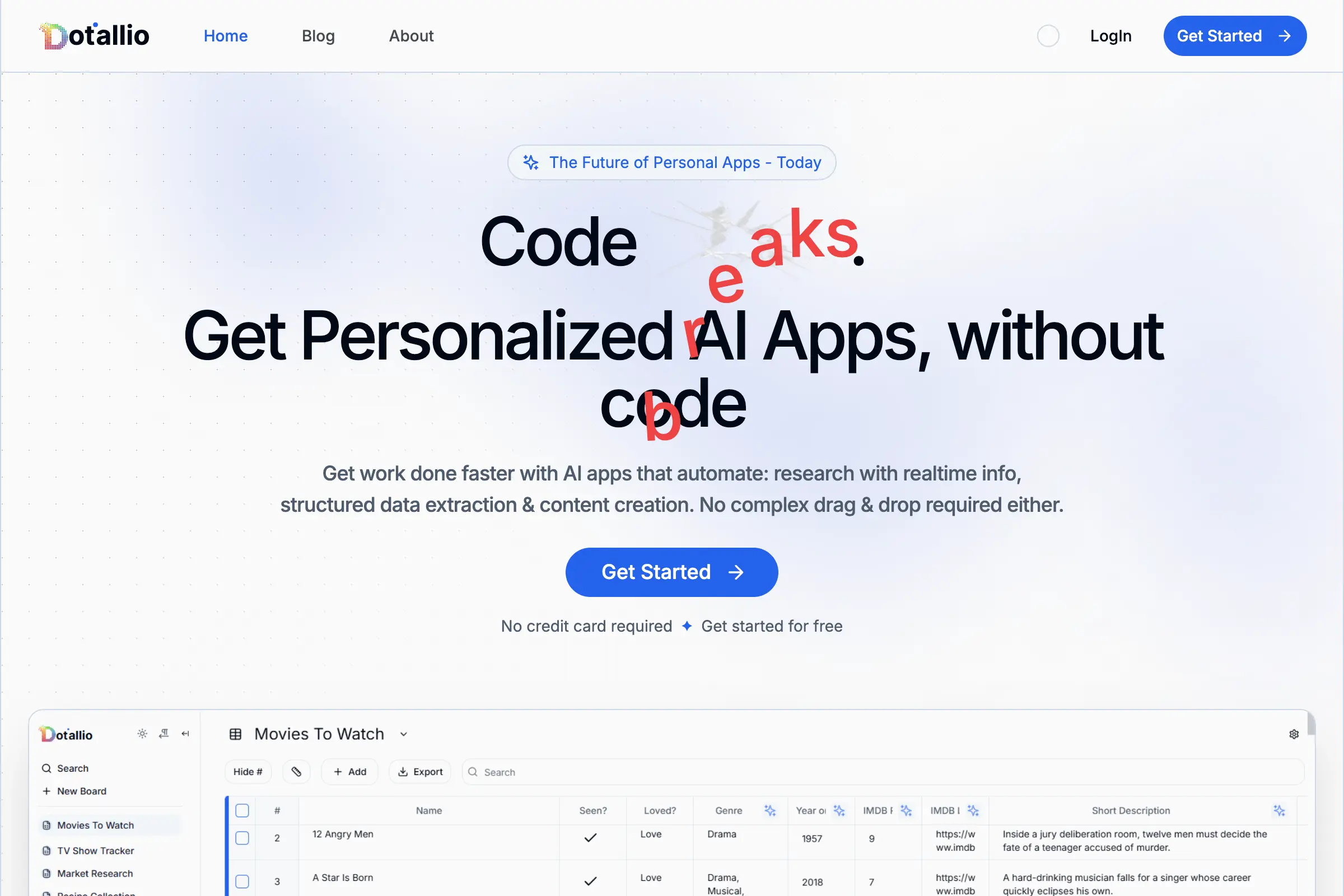
Dotallio
Personalized AI apps that automate research, data extraction, and content creation without code 🤖

Talk to Santa
Enjoy a magical live video chat or receive a unique AI-generated video greeting from Santa Claus 🎅
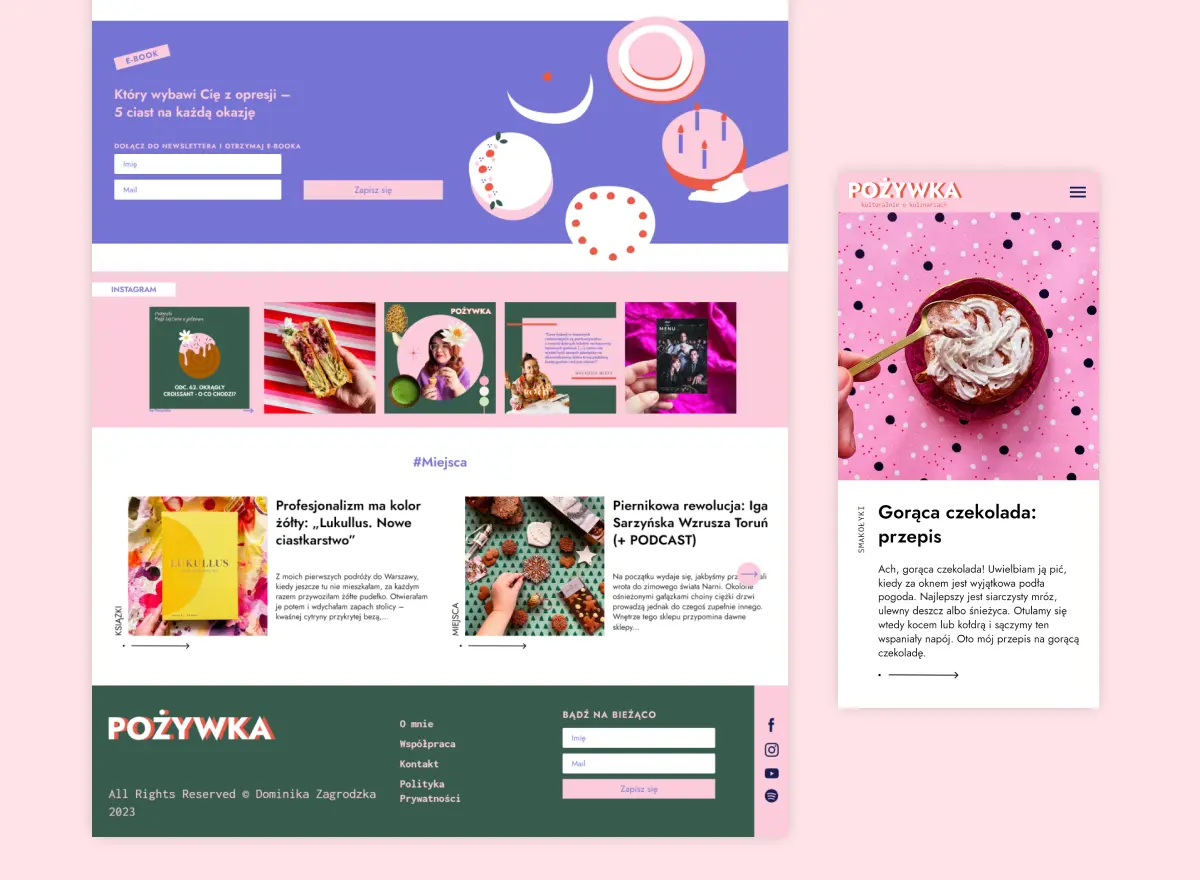
pozywka.pl
Scalable blog for food journalist, focused on performance and user experience 🌭
zagrodzki.me
Personal blog and portfolio of Bart Zagrodzki, where he shares his knowledge and work 💼
TurboStarter
Ship your startup everywhere. In minutes.
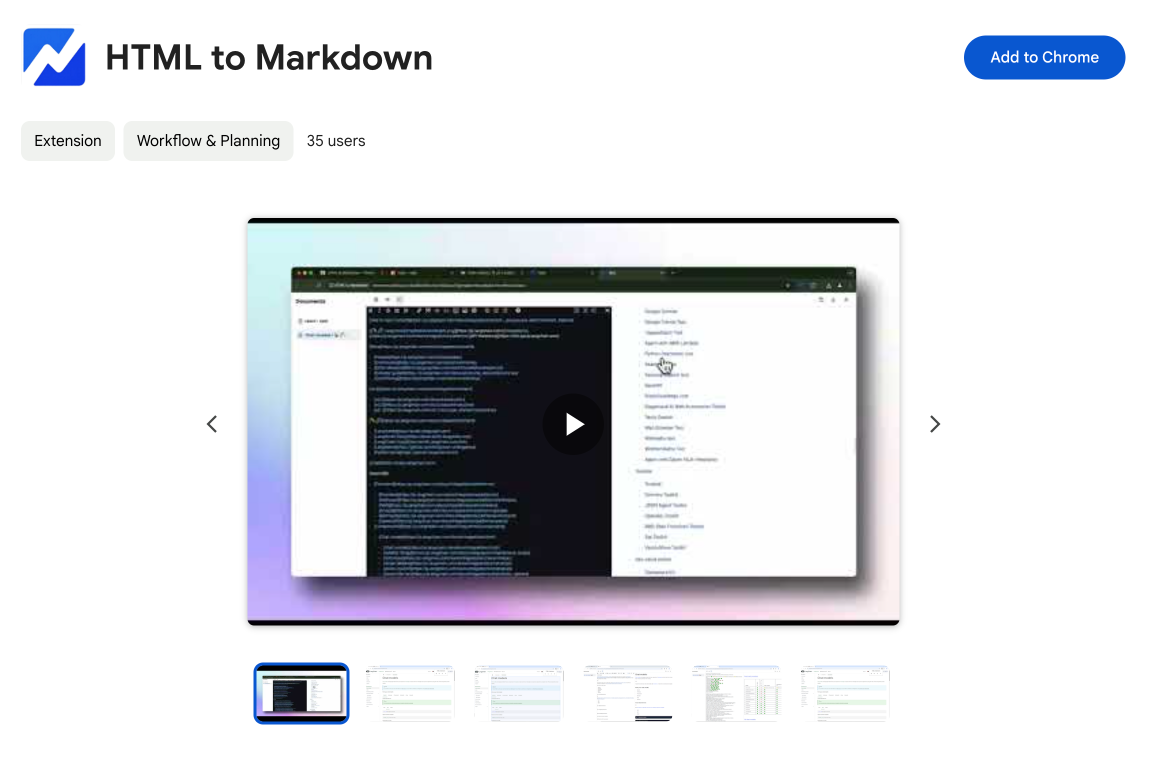
HTML to Markdown
Convert HTML to Markdown with ease, directly in your browser 📄
Dotallio
Personalized AI apps that automate research, data extraction, and content creation without code 🤖
Talk to Santa
Enjoy a magical live video chat or receive a unique AI-generated video greeting from Santa Claus 🎅
pozywka.pl
Scalable blog for food journalist, focused on performance and user experience 🌭
zagrodzki.me
Personal blog and portfolio of Bart Zagrodzki, where he shares his knowledge and work 💼
TurboStarter
Ship your startup everywhere. In minutes.
HTML to Markdown
Convert HTML to Markdown with ease, directly in your browser 📄
Dotallio
Personalized AI apps that automate research, data extraction, and content creation without code 🤖
Talk to Santa
Enjoy a magical live video chat or receive a unique AI-generated video greeting from Santa Claus 🎅
pozywka.pl
Scalable blog for food journalist, focused on performance and user experience 🌭
zagrodzki.me
Personal blog and portfolio of Bart Zagrodzki, where he shares his knowledge and work 💼
TurboStarter
Ship your startup everywhere. In minutes.
HTML to Markdown
Convert HTML to Markdown with ease, directly in your browser 📄
Dotallio
Personalized AI apps that automate research, data extraction, and content creation without code 🤖
Talk to Santa
Enjoy a magical live video chat or receive a unique AI-generated video greeting from Santa Claus 🎅
pozywka.pl
Scalable blog for food journalist, focused on performance and user experience 🌭
zagrodzki.me
Personal blog and portfolio of Bart Zagrodzki, where he shares his knowledge and work 💼
TurboStarter
Ship your startup everywhere. In minutes.
HTML to Markdown
Convert HTML to Markdown with ease, directly in your browser 📄
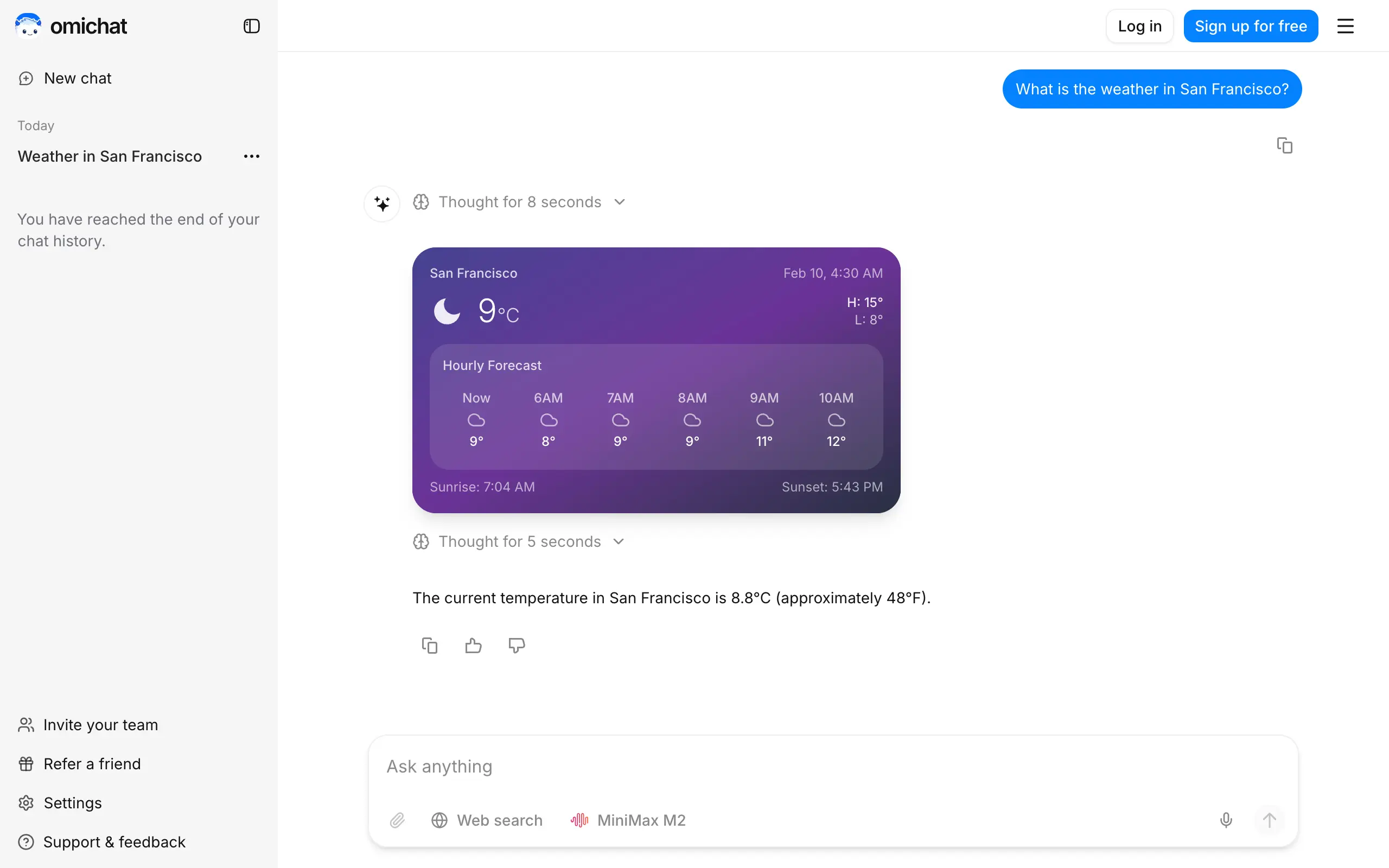
Omichat
Chat with 50+ AI models, including ChatGPT and Claude, in one place - switch models anytime without losing context 🤖
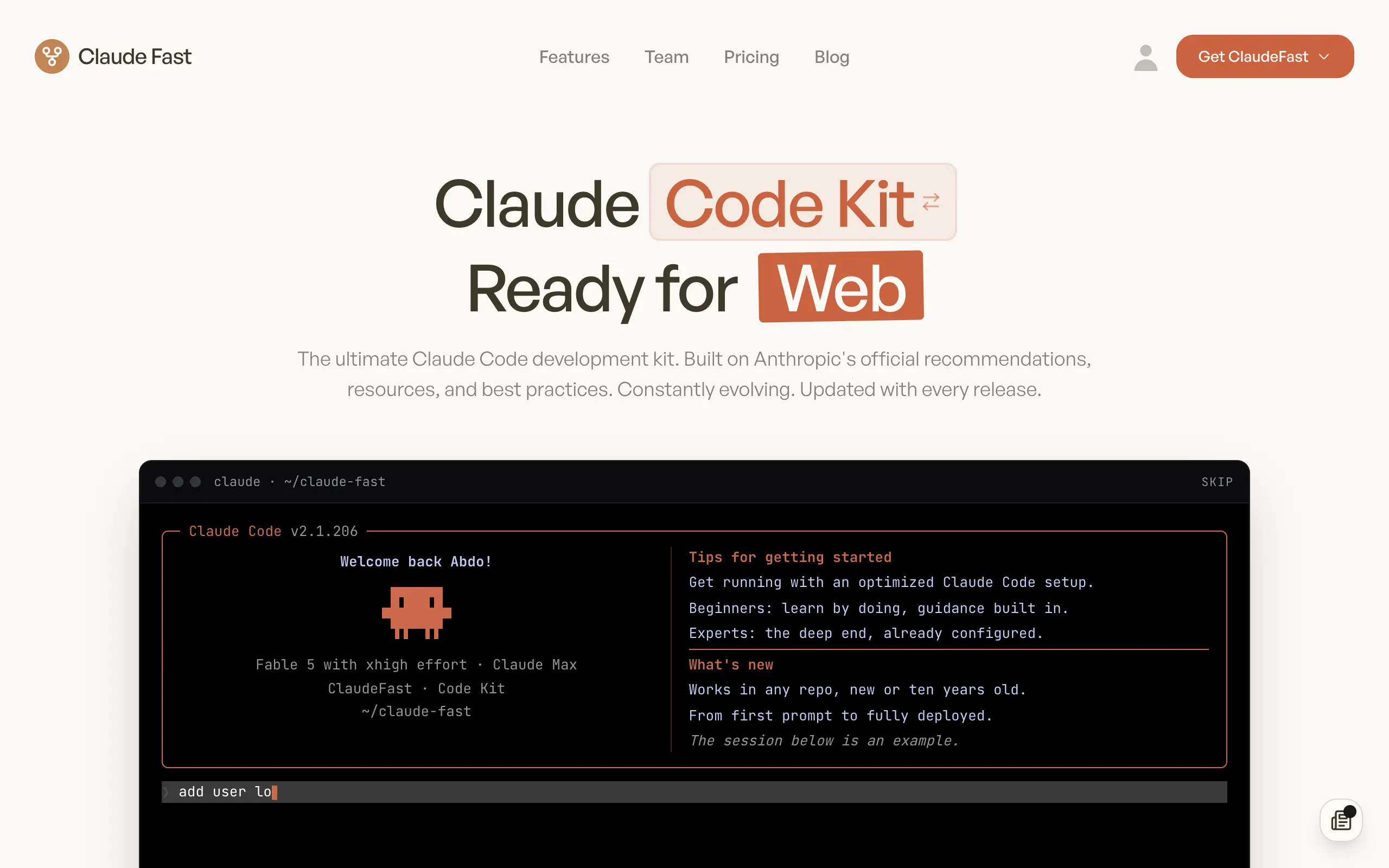
Claude Fast
Supercharge your Claude Code with 6x effective context window and specialized AI agents 🤖
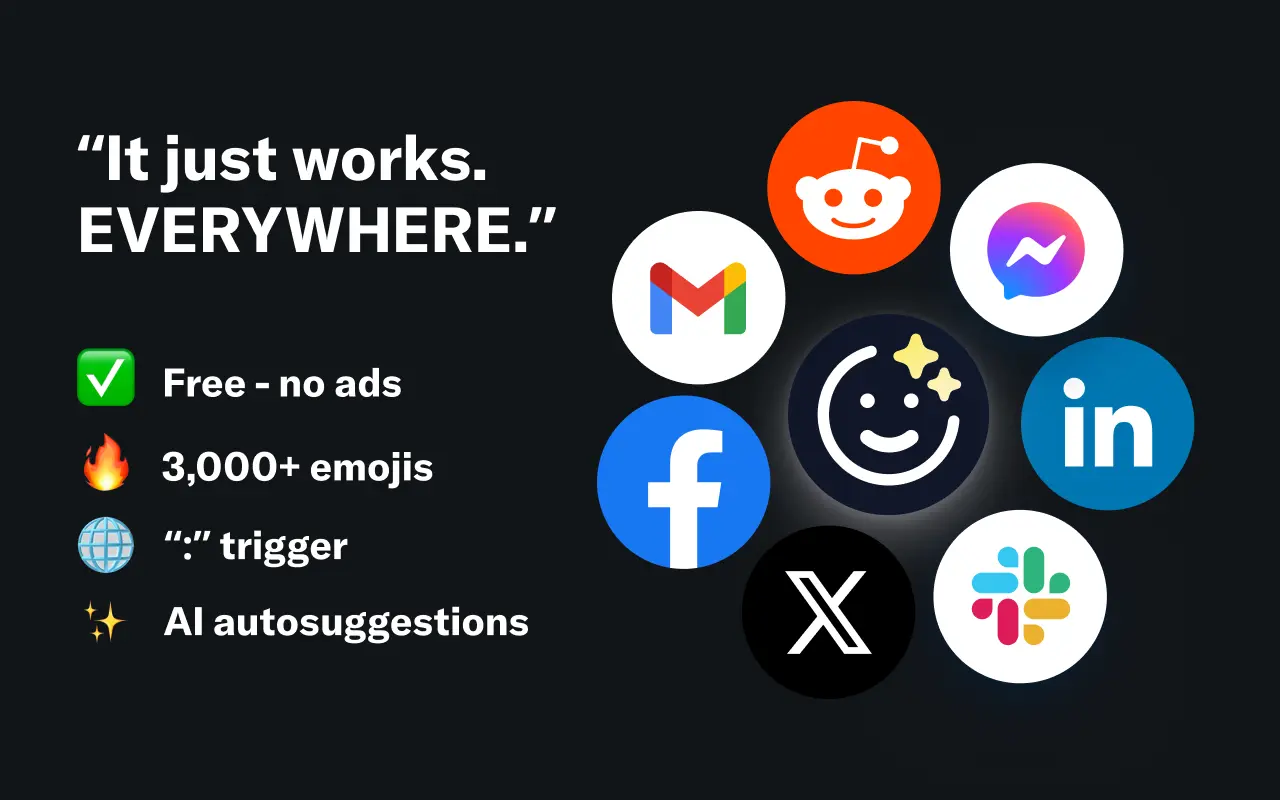
EmojAI
AI-powered emoji picker with smart, context-aware suggestions 🤖
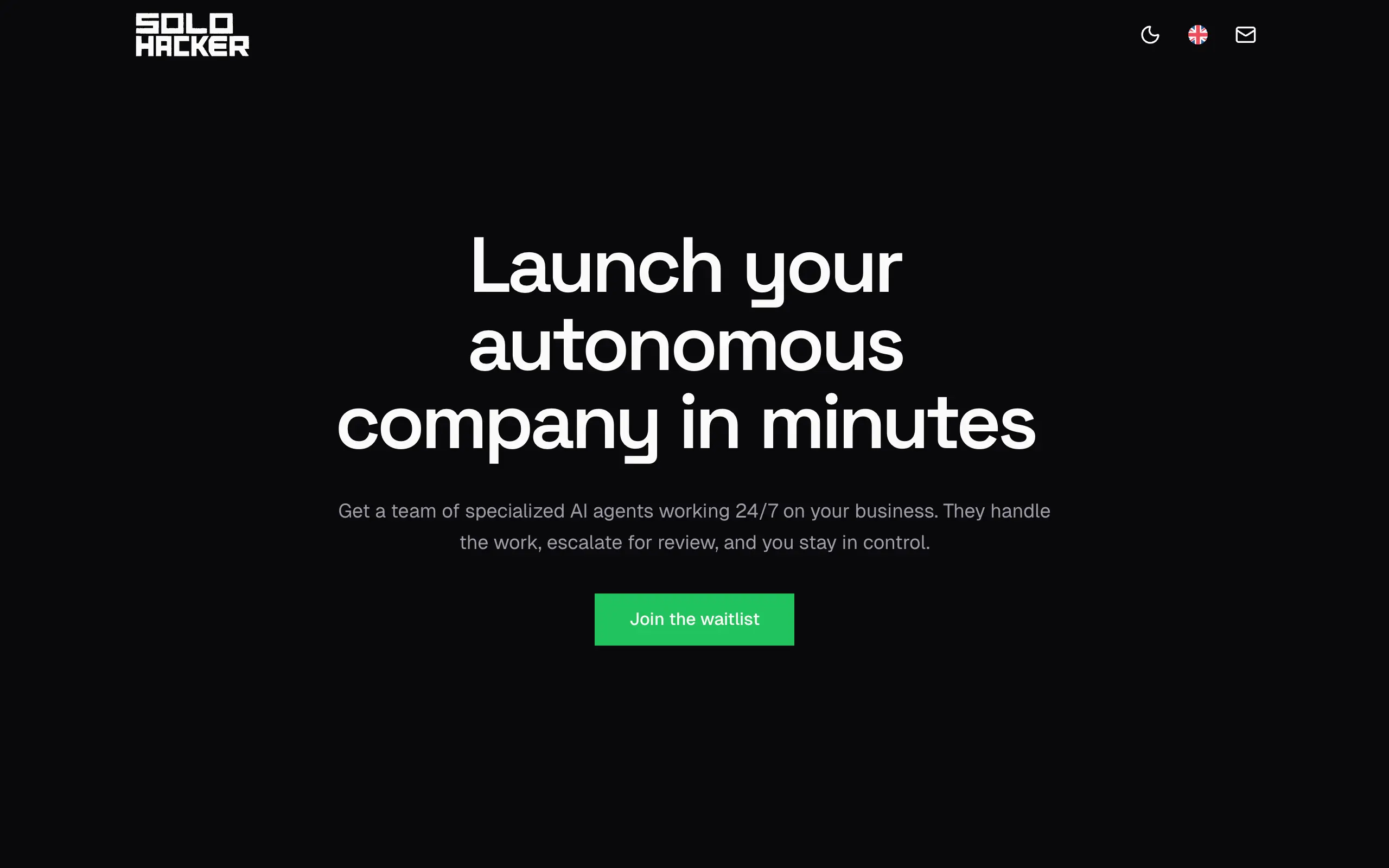
Solohacker
Autonomous company launcher - AI agents work 24/7, escalate what matters, and you stay in control 🤖
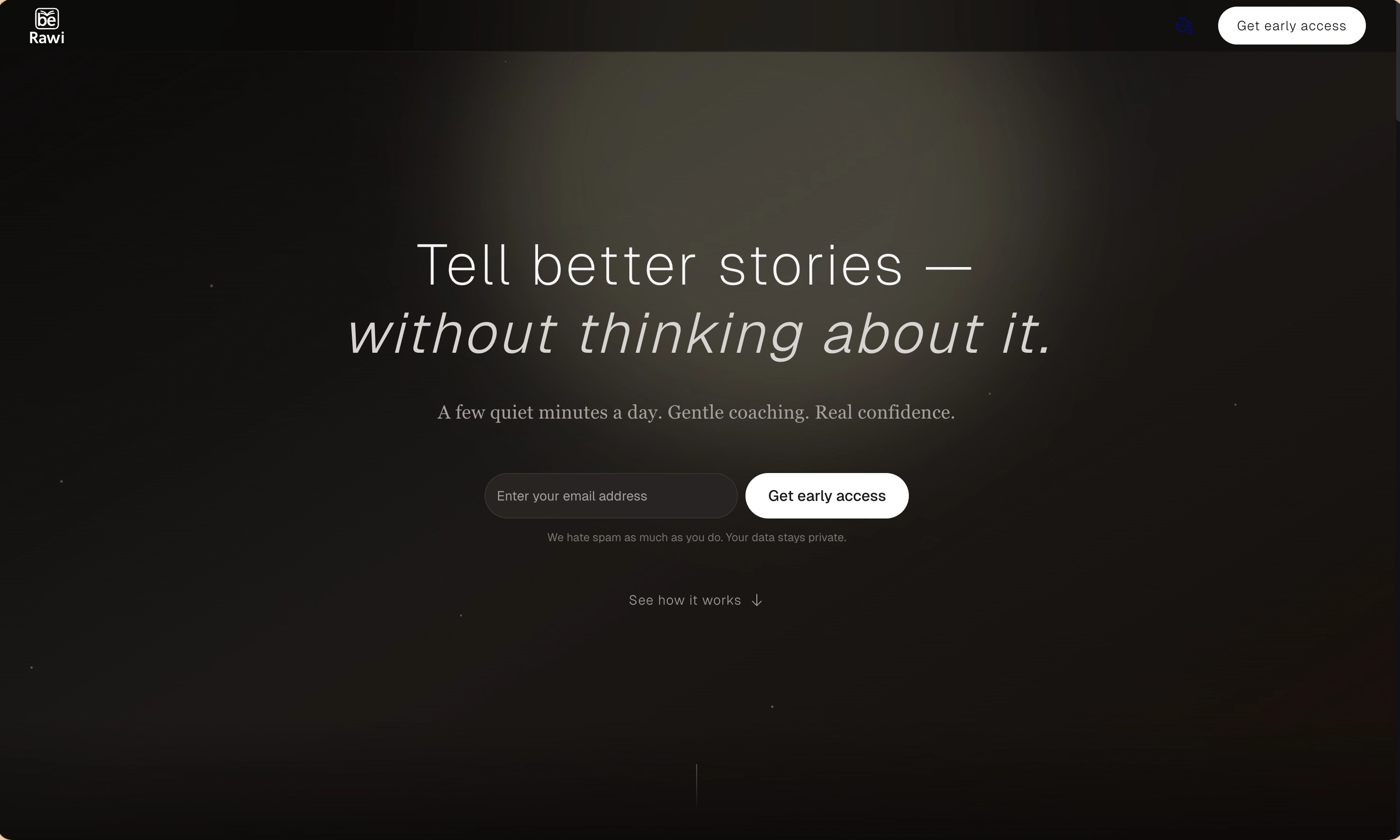
BeRawi: Storytelling Coach
Practice storytelling daily with instant feedback to sound clearer, more engaging, and confident 🎤
Omichat
Chat with 50+ AI models, including ChatGPT and Claude, in one place - switch models anytime without losing context 🤖
Claude Fast
Supercharge your Claude Code with 6x effective context window and specialized AI agents 🤖
EmojAI
AI-powered emoji picker with smart, context-aware suggestions 🤖
Solohacker
Autonomous company launcher - AI agents work 24/7, escalate what matters, and you stay in control 🤖
BeRawi: Storytelling Coach
Practice storytelling daily with instant feedback to sound clearer, more engaging, and confident 🎤
Omichat
Chat with 50+ AI models, including ChatGPT and Claude, in one place - switch models anytime without losing context 🤖
Claude Fast
Supercharge your Claude Code with 6x effective context window and specialized AI agents 🤖
EmojAI
AI-powered emoji picker with smart, context-aware suggestions 🤖
Solohacker
Autonomous company launcher - AI agents work 24/7, escalate what matters, and you stay in control 🤖
BeRawi: Storytelling Coach
Practice storytelling daily with instant feedback to sound clearer, more engaging, and confident 🎤
Omichat
Chat with 50+ AI models, including ChatGPT and Claude, in one place - switch models anytime without losing context 🤖
Claude Fast
Supercharge your Claude Code with 6x effective context window and specialized AI agents 🤖
EmojAI
AI-powered emoji picker with smart, context-aware suggestions 🤖
Solohacker
Autonomous company launcher - AI agents work 24/7, escalate what matters, and you stay in control 🤖
BeRawi: Storytelling Coach
Practice storytelling daily with instant feedback to sound clearer, more engaging, and confident 🎤

Connect with like-minded people
Join our community to get feedback, support, and grow together with 1,000+ builders on board, let's ship it!
Join usShip your startup everywhere. In minutes.
Don't burn tokens on setup and start building features on day one.