PatchParty
Turn game releases into social plans with automated patch notes, group voting, and venue or Discord coordination for gaming communities.
Patch releases are among the highest-intent moments in a live-service game’s lifecycle. Players are already watching update notes, returning to the client, comparing builds, and asking creators whether the new content is worth their time. Yet many studios still treat a patch as a one-way announcement rather than a coordinated community event.
PatchParty is a B2B game patch launch platform that turns release day into a social launch night. It gives studios one operational dashboard for creator activation, player squad missions, real-time participation tracking, and reward distribution. Instead of publishing patch notes and hoping the community reacts, teams can build a repeatable event system that makes updates discoverable, collaborative, and measurable.
For studios operating multiplayer, seasonal, competitive, or live-service games, this creates a compelling opportunity. PatchParty sits at the intersection of live ops, community management, influencer marketing, player retention, and game analytics.
Why game patch launches need a better engagement model
A patch can introduce balance changes, new maps, cosmetics, game modes, progression systems, or critical fixes. From the studio’s perspective, it is an operational release. From the player’s perspective, it is a social moment.
The mismatch is where engagement is lost.
Players often encounter a new patch through fragmented channels:
- An update post on a social network
- A long patch notes page
- A Discord announcement
- A streamer’s reaction video
- A friend inviting them to try the update
- An in-game banner with limited context
These channels are useful, but they are rarely coordinated into one clear player journey. A player may know an update exists without understanding what to do next. A streamer may want to participate but lack event assets, briefing materials, incentives, or a reliable way to involve their audience. Community managers may see excitement in chat but struggle to connect that sentiment to meaningful retention or activation data.
PatchParty solves this by treating patch day as a structured launch campaign rather than a collection of disconnected communications.
The core shift
A successful game patch is not just content shipped to production. It is a time-bound opportunity to create player habits, social proof, creator conversation, and measurable reasons to return.
The product’s central promise is straightforward: help game studios launch patches as playable community events, not passive announcements.
Target audience for a game patch launch platform
PatchParty is designed for teams that already understand the value of community, but need a more scalable operating system for patch-related engagement.
Live-service game studios
The strongest initial market is live-service studios with regular updates. This includes studios behind:
- Multiplayer action games
- Hero shooters
- Battle royale titles
- MOBAs
- MMORPGs
- Survival and crafting games
- Racing games with seasonal content
- Sports games with competitive modes
- Mobile games with weekly or monthly events
- UGC-driven or community-led game ecosystems
These teams release content frequently enough that manual launch coordination becomes expensive and inconsistent. A patch event platform allows them to create reusable playbooks for every release.
Their typical needs include:
- Launching updates with predictable momentum
- Increasing day-one and week-one player reactivation
- Coordinating creator participation
- Explaining complicated gameplay changes
- Rewarding players for trying new content
- Measuring which community programs improve retention
Community and social teams
Community managers are often responsible for turning release information into player conversation. They run Discord servers, manage social posts, answer questions, gather sentiment, and coordinate with volunteer moderators or ambassadors.
PatchParty helps them move beyond engagement metrics such as likes and reactions. It can connect campaigns to missions completed, squad participation, reward claims, creator viewership, and event-driven player activation.
For this audience, the product should feel like a community command center rather than another analytics dashboard.
Influencer and creator marketing teams
Creator programs are especially valuable around patches because creators can rapidly explain changes, demonstrate new features, and give skeptical players a reason to reinstall or return.
However, creator activation frequently breaks down due to operational friction:
- Briefs arrive late
- Streamers do not receive approved assets
- Codes and rewards are hard to track
- Smaller creators are overlooked
- Success is measured only through views
- Community challenges are difficult to coordinate across channels
PatchParty can give creator teams structured launch kits, event invitations, tracked missions, branded overlays, campaign links, reward rules, and performance reporting.
Product, growth, and game operations leaders
Game directors, product managers, growth leads, and live ops teams care about outcomes that extend beyond buzz. They need answers to questions such as:
- Did this patch bring back lapsed players?
- Did players try the new feature?
- Did squad missions increase social play?
- Which creators drove qualified activity rather than vanity metrics?
- Did rewards increase participation without harming the in-game economy?
- Did the patch event improve D1, D7, or D30 retention?
PatchParty should translate community activity into business-relevant signals without claiming false causality. The platform can support better decisions by combining campaign exposure, mission activity, reward claims, and first-party game telemetry.
The market gap in game community engagement
Most studios already use some combination of social scheduling tools, Discord bots, influencer databases, CRM systems, analytics platforms, and in-game event tooling. The gap is not a lack of software. The gap is a lack of patch-specific orchestration.
A standard social media platform can publish a launch post. A creator platform can manage influencer contacts. An analytics tool can report on player behavior. An in-game backend can issue rewards.
What is often missing is a unified workflow that connects all four.
| Capability | Social scheduler | Creator CRM | Game analytics | PatchParty |
|---|---|---|---|---|
| Patch launch timeline | Partial | Partial | No | Yes |
| Streamer-ready event kits | No | Partial | No | Yes |
| Squad-based player missions | No | No | Partial | Yes |
| Reward fulfillment workflow | No | Partial | Partial | Yes |
| Cross-channel launch attribution | Partial | Partial | Partial | Yes |
This is PatchParty’s market opening. It is not trying to replace a studio’s entire analytics warehouse, community server, or creator relationship management stack. It becomes the campaign layer that brings those systems together around the moments that matter most.
The market opportunity is strengthened by several long-term trends:
- Live-service games increasingly rely on consistent content cadence.
- Player acquisition costs make reactivation and retention more valuable.
- Creator-led discovery remains influential for multiplayer and evolving games.
- Players expect participation, not just promotion.
- Community programs need better measurement to justify budget.
- Studios need launch processes that work across global teams and time zones.
For market sizing, founders should use credible primary sources and investor-grade research. Reference formats could include annual reports from public game publishers, platform reports from console and PC storefronts, and market research from recognized gaming industry analysts. Avoid using broad market statistics without clarifying the relevant game genre, platform, geography, and timeframe.
PatchParty’s unique value proposition
PatchParty’s unique selling proposition is that it turns a patch into a coordinated, measurable, social gameplay event.
Rather than sending players to a changelog, the platform gives them a reason to show up with friends. Rather than asking creators to independently cover an update, it gives them an event framework built for streaming. Rather than treating rewards as an afterthought, it makes incentives part of a controlled mission system.
The product can be positioned as:
The launch operations platform for live-service game patches.
That positioning is narrow enough to be memorable and broad enough to support adjacent use cases such as season launches, limited-time events, expansion drops, beta weekends, esports activations, and major community challenges.
For players
Clear missions, squad goals, event schedules, and meaningful rewards make a new patch easier to discover and more fun to experience together.
For creators
Ready-made launch kits, event pages, reward mechanics, and community challenges reduce setup time and improve audience participation.
For studios
One dashboard aligns community, live ops, marketing, and analytics teams around measurable launch outcomes.
Core PatchParty features and product workflow
A strong PatchParty MVP should focus on the workflows that make patch events repeatable. Avoid building a generic community suite before proving that studios will adopt the patch launch operating model.
Patch event builder
The event builder is the product’s foundation. Studio operators should be able to create a launch event with a guided workflow.
A typical event setup includes:
- Patch name and version
- Start and end time
- Region and timezone rules
- Launch objectives
- Featured game modes or content
- Eligible player segments
- Creator participation requirements
- Mission catalog
- Reward inventory
- Brand assets and approved messaging
- Tracking links and measurement configuration
The builder should include templates for common campaign types, such as a new-season launch, a new-map weekend, a balance-patch creator night, or a returning-player event.
Templates create operational leverage. They also shorten time to value for new customers, which is important in a B2B SaaS product where studios may only have a few days to prepare for an imminent patch.
Streamer-ready launch rooms
Creators need more than a press kit. A PatchParty launch room can provide everything a streamer needs to go live with confidence:
- Patch highlights written in creator-friendly language
- Approved screenshots, key art, trailers, and overlays
- Embargo timing and disclosure guidance
- Suggested stream titles and talking points
- Community mission links
- Giveaway or reward eligibility rules
- Bug reporting and escalation channels
- Co-stream or squad matchmaking options
- Post-event performance summary
The platform should let studios distinguish between public creators, contracted creators, community partners, and internal employees. Permissions matter because embargoed notes, unreleased assets, or confidential build details must not be visible to all participants.
Community missions and squad objectives
This is where PatchParty moves beyond creator campaign management.
Community missions give players a clear, time-bound action connected to the patch. Squad objectives add social motivation by allowing friends, clans, guilds, or creator communities to work toward a shared milestone.
Examples include:
- Complete five matches in the new mode with a squad
- Win a match using a newly rebalanced character
- Discover three points of interest on a new map
- Help a creator community reach a collective objective
- Invite a returning friend and complete a co-op challenge
- Submit feedback after trying a new feature
Mission design should be configurable. Studios need to define qualifying events, participation caps, cooldowns, anti-fraud controls, and reward eligibility without engineering intervention for every campaign.
Reward management and fulfillment
Rewards are powerful, but they can create risk if they are poorly designed. PatchParty should support reward catalogs with inventory controls, eligibility criteria, fulfillment states, and audit trails.
Possible reward types include:
- In-game currency
- Cosmetic items
- XP boosts
- Limited badges or titles
- Beta access
- Event entry
- Partner merchandise codes
- Creator giveaway entries
A mature reward system needs more than a “claim” button. It should include:
- Inventory reservation
- Per-account claim limits
- Region restrictions
- Age-gating support where relevant
- Delayed fulfillment rules
- Fraud scoring signals
- Manual review queues
- Redemption logs
- Player support exports
Real-time event operations dashboard
During launch night, community and live ops teams need a view of what is happening now.
The dashboard should surface:
- Total event registrants
- Active participants
- Mission starts and completions
- Squad creation and completion rates
- Reward claims
- Creator attendance
- Creator campaign traffic
- Stream engagement integrations where available
- Error rates from game telemetry
- Regional activity
- Support or moderation alerts
The key design principle is clarity. A launch commander should be able to identify whether an event is healthy in seconds, then drill into a segment if a metric changes unexpectedly.
Post-patch reporting and retention analysis
The final workflow is learning. Teams should receive a report that connects the patch event to actionable future improvements.
Useful reports include:
- Participation by player cohort
- New, active, and returning player behavior
- Mission conversion funnel
- Squad versus solo completion rates
- Creator-level engagement and downstream action
- Reward cost per qualified participant
- Regional performance
- Feature adoption after the event
- Retention comparisons between participating and non-participating cohorts
Be careful with attribution language. PatchParty can report associations and campaign-linked outcomes, but a studio should not claim that a creator or mission “caused” retention without a sound experimental design. Where possible, the platform should support holdout groups, cohort comparison, and experimentation frameworks.
Designing community missions that improve retention
Not every mission creates durable value. A mission that simply rewards a player for logging in may increase a superficial metric while doing little to help them understand or enjoy the patch.
High-quality game community missions should guide players toward the patch’s intended value.
Use missions to teach the update
If a new system is complicated, missions can function as progressive onboarding.
For example, a new crafting system could use a sequence such as:
- Gather the new material in a standard match.
- Craft a basic item.
- Upgrade the item with a squadmate.
- Complete a match using the crafted item.
- Share structured feedback after the session.
This approach encourages feature discovery while giving the studio insight into where players abandon the flow.
Reward social behavior, not only grind
PatchParty’s squad mechanics should reward cooperative behavior without excluding solo players. Good social objectives might include joining a squad, completing a shared challenge, or helping a returning player finish an introductory mission.
Avoid making every reward dependent on friends. Some players prefer solo play, have limited schedules, or do not want public matchmaking. The best campaign structure provides parallel paths.
Players complete individual missions that introduce the patch, such as testing a new mode or using a newly released item.
Groups earn bonus progress for cooperative actions, shared completion streaks, or team milestones.
Creator audiences work toward an aggregate event goal, with transparent progress and reward tiers that do not require direct access to the creator.
Keep missions achievable and transparent
Mission copy should make the player’s task, deadline, and reward unmistakable. Avoid ambiguous phrasing such as “engage with the new feature” when the actual qualifying condition is more specific.
A good mission includes:
- A concrete action
- A visible progress state
- A realistic completion time
- Eligibility details
- A clear reward
- An understandable deadline
- Accessible alternatives when possible
Recommended tech stack for PatchParty
PatchParty is a multi-tenant B2B SaaS product with real-time operational needs, integrations, role-based permissions, and a potentially high-volume event data layer. The technical architecture should separate product configuration from gameplay telemetry, while still allowing timely campaign reporting.
Application layer
For the web application, a modern TypeScript stack is a pragmatic choice:
- Next.js for the full-stack web application
- React for reusable interface components
- TypeScript for safer domain modeling
- Tailwind CSS for fast, consistent UI development
- PostgreSQL for transactional product data
- Prisma or a SQL-first query layer for database access
Next.js works well for an admin dashboard, event landing pages, creator portals, and authenticated player-facing campaign experiences. It also supports server-side rendering where public event discovery pages benefit from performance and search visibility.
A SaaS starter can accelerate the non-differentiated work, including authentication, teams, billing, permissions, and dashboard foundations. TurboStarter is particularly relevant when a founding team wants to validate the PatchParty workflow rather than spend early months rebuilding standard SaaS infrastructure.
Event ingestion and analytics
PatchParty should not attempt to ingest every raw gameplay event into the primary application database. High-volume event streams need a separate pipeline.
A practical approach includes:
- An ingestion API for game server or analytics events
- A queue or streaming layer for burst handling
- An immutable event log for replay and debugging
- A warehouse or analytical database for aggregation
- Materialized campaign metrics for dashboard performance
The right implementation depends on expected scale. For an early MVP, PostgreSQL plus a managed queue and carefully designed aggregate tables may be sufficient. At higher volume, an analytical datastore such as ClickHouse can provide fast event aggregation at lower cost than forcing transactional infrastructure to do analytical work.
The trade-off is operational complexity. A warehouse-grade pipeline offers better scale and flexible reporting, but it increases data engineering requirements. Early-stage teams should build the simplest architecture that can reliably support their first design partners’ event volume.
Authentication, permissions, and tenancy
PatchParty needs detailed role-based access control because each event can involve internal staff, agencies, creators, moderators, and players.
Suggested roles include:
- Organization owner
- Studio administrator
- Live ops manager
- Community manager
- Creator manager
- Analyst
- Support agent
- Creator participant
- Player participant
At the data level, tenant isolation must be designed from day one. Every record should be scoped to an organization, and sensitive objects such as creator contracts, reward codes, and event telemetry should have explicit authorization checks.
Integrations
The initial integration roadmap should prioritize data quality and customer demand rather than a long list of superficial connectors.
High-value categories include:
- Game backend and telemetry APIs
- Identity providers
- Discord community workflows
- Streaming platforms and creator campaign tracking
- Email and push notification providers
- Customer support tools
- Product analytics and data warehouse destinations
Use official APIs and documented integration agreements. Avoid scraping community platforms or relying on unofficial data sources for core functionality, especially when creator, player identity, or reward eligibility is involved.
Security and compliance
Because PatchParty may process player identifiers, creator details, behavioral data, and reward information, trust is a product feature.
Core safeguards should include:
- Encryption in transit and at rest
- Tenant-aware authorization tests
- Audit logs for administrative actions
- Data retention controls
- Export and deletion workflows
- Rate limits and abuse detection
- Secret management
- Incident response procedures
- Vendor security reviews
- Clear data processing terms
Studios with enterprise requirements may eventually ask about SOC 2, single sign-on, SCIM, data residency, and custom retention policies. Do not overbuild these capabilities before product-market fit, but build the underlying data model and access controls so they are feasible later.
Monetization strategy for PatchParty
PatchParty should use a pricing model that aligns with studio value while avoiding unpredictable costs for customers during a successful launch.
Recommended pricing structure
A hybrid subscription model is likely the best fit:
- A platform subscription for core workspace access
- Pricing tiers based on monthly active event participants, tracked players, or campaign volume
- Optional fees for advanced integrations and enterprise governance
- Professional services for launch setup, mission strategy, and custom integrations
An example packaging approach could look like this:
| Plan | Best for | Commercial model |
|---|---|---|
| Launch | Smaller studios and early live ops teams | Base monthly platform fee with limited events |
| Growth | Established live-service games | Higher platform fee plus participant or event volume |
| Enterprise | Global publishers and multi-title portfolios | Annual contract, security features, custom data terms, and premium support |
Avoid pricing solely per seat. PatchParty’s value is created through launch outcomes and operational scale, not merely the number of people who log into the dashboard.
Additional revenue opportunities
As the product matures, PatchParty can introduce optional modules:
- Creator recruitment marketplace
- Managed launch-night operations
- Mission design consulting
- Advanced attribution and experimentation
- White-label player event portals
- Premium reward fulfillment
- Benchmark reporting across anonymized campaign data
The marketplace route requires careful trust and safety design. It can be valuable, but it should not distract the company from becoming the core system of record for patch events.
Competitive advantage and defensibility
PatchParty can compete effectively by owning a highly specific workflow that generic marketing, analytics, and community tools do not serve deeply.
Workflow depth is the first moat
The strongest early advantage is a product that understands the operational reality of patch day:
- Embargo changes
- Last-minute balance updates
- Creator brief revisions
- Reward inventory limits
- Player mission confusion
- Regional launch windows
- Real-time moderation needs
- Telemetry delays
- Support escalation
A generic campaign tool may provide task lists. PatchParty should provide patch-aware objects, templates, guardrails, and reporting.
Data network effects can develop over time
With customer consent and privacy-preserving aggregation, PatchParty may eventually benchmark campaign performance across genres, patch types, regions, and mission structures.
For example, it could help a studio understand:
- Which mission duration tends to maximize completion
- Whether squad goals outperform solo goals for a specific genre
- Which creator formats generate the strongest qualified activation
- How reward type affects completion and fraud rates
- Which player segments respond to returning-player campaigns
This benchmark layer is valuable, but it must be handled responsibly. Customer data must never be exposed in a way that reveals confidential game performance or competitive strategy.
Integration switching costs
Once PatchParty is integrated with event telemetry, reward systems, creator workflows, and operational reporting, it becomes embedded in the studio’s launch process. That creates legitimate switching costs through reliable workflow adoption, historical campaign data, and team familiarity.
The goal is not lock-in through opaque data practices. The goal is to become indispensable because the product consistently makes launch events easier to run and easier to improve.
Risks and mitigation strategies
PatchParty addresses a real workflow, but it also operates in a demanding industry. A credible strategy acknowledges the risks.
Mitigate this by selling against measurable live ops outcomes, not vague community excitement. Start with design partners that already invest in creator programs or recurring events. Show how PatchParty reduces manual coordination time and improves campaign reporting.
Offer a staged integration model. Begin with tracked links, code redemption, manual CSV imports, and lightweight event APIs. Expand into deeper telemetry only after the customer proves value and commits to the relationship.
Build configurable eligibility rules, account-age checks, rate limits, duplicate detection, delayed reward delivery, and manual review workflows. Keep high-value rewards limited until fraud patterns are understood.
Avoid making a single third-party platform the only source of truth. Build an integration abstraction layer and retain first-party campaign data wherever possible.
Design for graceful degradation. If a real-time metric pipeline is delayed, the mission page and reward queue should remain functional. Provide clear status communication and comprehensive event audit logs.
Go-to-market strategy for a game patch event SaaS
The best first customers are not necessarily the largest publishers. PatchParty should target studios with frequent updates, an engaged community, and a visible pain point around creator or event coordination.
Start with design partners
Recruit five to ten design partners that meet criteria such as:
- A live game with regular updates
- A community team of at least one dedicated owner
- Existing Discord or creator activity
- A patch or seasonal release planned within 60 to 90 days
- Willingness to share campaign feedback and anonymized outcome data
Offer hands-on onboarding in exchange for detailed product access, workflow feedback, and permission to develop a case study when results support it.
Sell a launch outcome, not software features
A strong sales message is:
“We help your next patch become a coordinated creator and player event, with squad missions, reward controls, and launch reporting in one place.”
This is more concrete than “community engagement software.” The buyer can immediately map it to an upcoming release.
Build authority through practical content
SEO and content marketing can support sales by answering the operational questions game teams already search for:
- How to launch a live-service game patch
- How to create game community missions
- How to measure creator campaign impact
- How to reward players without increasing fraud
- How to improve player reactivation after an update
- Game live ops event checklist
- Creator launch brief template for game updates
Publish expert guides based on real launch operations experience. Where the article uses performance data, cite a credible source or clearly label the insight as an anonymized internal benchmark with methodology details.
Actionable implementation steps
A focused MVP can be built and tested without solving every possible integration challenge on day one.
Define the ideal customer profile. Choose one segment, such as mid-market PC multiplayer studios with monthly updates and active creator communities.
Interview at least 20 community, live ops, and creator managers. Map their last patch launch from planning through reporting, including spreadsheets, handoffs, bottlenecks, and missing data.
Build the minimum event workflow. Include an event builder, creator launch room, configurable missions, reward rules, and a basic operations dashboard.
Support lightweight data ingestion first. Use campaign links, redemption events, CSV uploads, and a documented webhook or API before building complex game-server integrations.
Run two to five real patch events with design partners. Measure setup time, participation, mission completion, reward claims, creator participation, and qualitative team feedback.
Turn repeated manual work into product features. Prioritize templates, permissions, reporting, fraud controls, and integrations based on actual launch-night behavior.
Package the outcome for sales. Create a clear onboarding offer, a launch-event playbook, and customer stories that demonstrate measurable operational or engagement value.
A SaaS foundation can help the team move faster on authentication, billing, team management, and dashboard infrastructure, leaving more engineering capacity for the differentiated event orchestration layer. TurboStarter is a useful starting point for teams that want to validate PatchParty with real studios before investing heavily in commodity platform work.
Final perspective on PatchParty
PatchParty is compelling because it converts an existing studio behavior, shipping patches, into a better-organized growth and community system. The product does not need to persuade studios that updates matter. It needs to demonstrate that updates can generate more durable value when players, squads, creators, rewards, and measurement are connected.
The winning product will be opinionated about the moments surrounding a game patch. It will make it easy to set up a launch night, safe to distribute rewards, valuable for creators to participate, enjoyable for players to join, and credible for leadership to measure.
If PatchParty earns trust as the operating system for patch launches, it can expand naturally into seasonal events, major content drops, reactivation campaigns, and broader live-service community operations.
More 🏢 B2B Application SaaS ideas
Discover more innovative b2b application SaaS ideas that are trending in 2026. Each idea is AI-generated with market validation and growth potential to help you find your next profitable venture faster than competitors.
Your competitors are building with TurboStarter
Below are some of the SaaS ideas that have been generated and built with our starter kit.
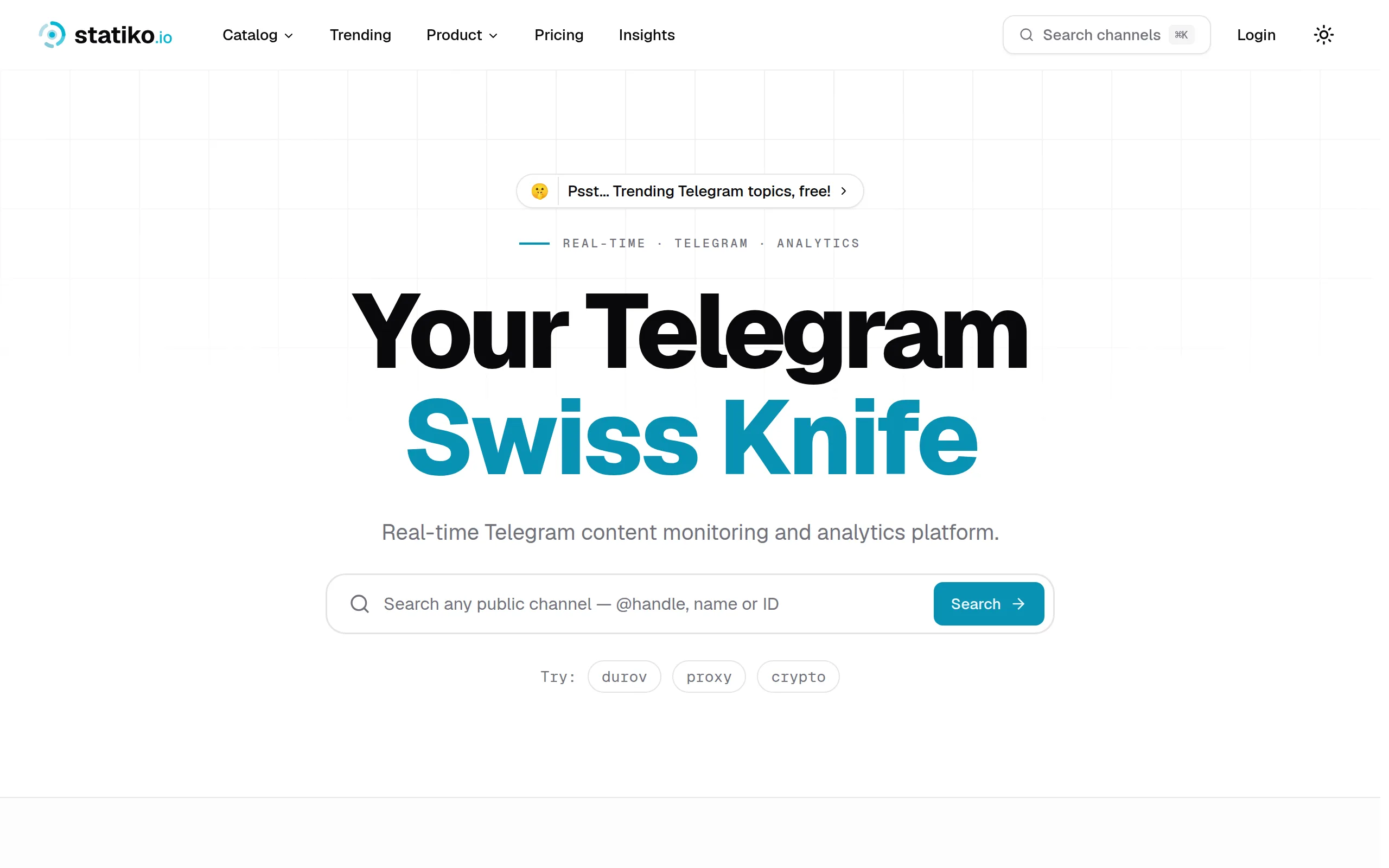
Statiko
Monitor any Telegram channel in real time - track posts, edits, deletions, and growth with AI recaps 📡
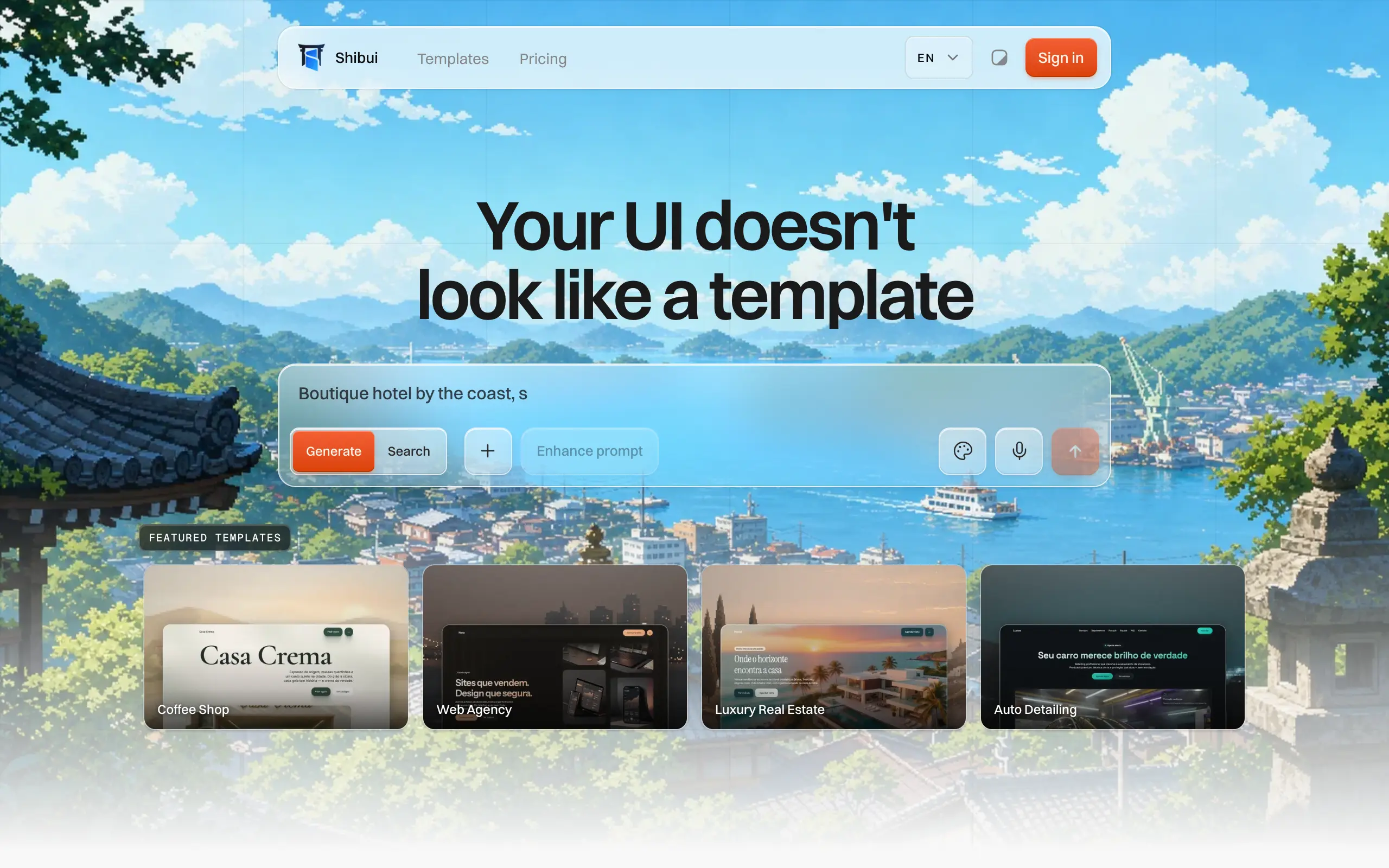
Shibui
AI website builder - describe your business, pick a niche template, edit by chatting, and publish instantly ✨
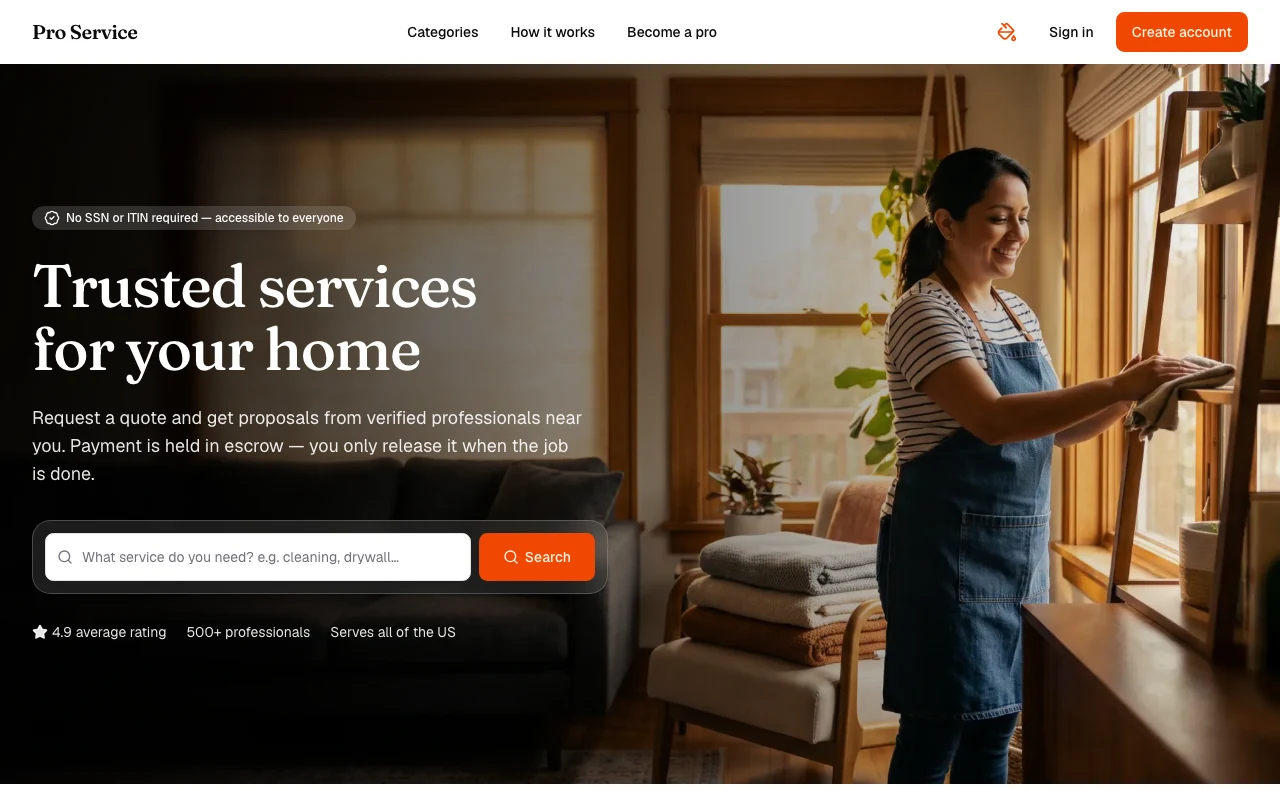
Pro Service
Find verified home service professionals, compare quotes, and pay securely through escrow - built for Brazilians across the US 🏠
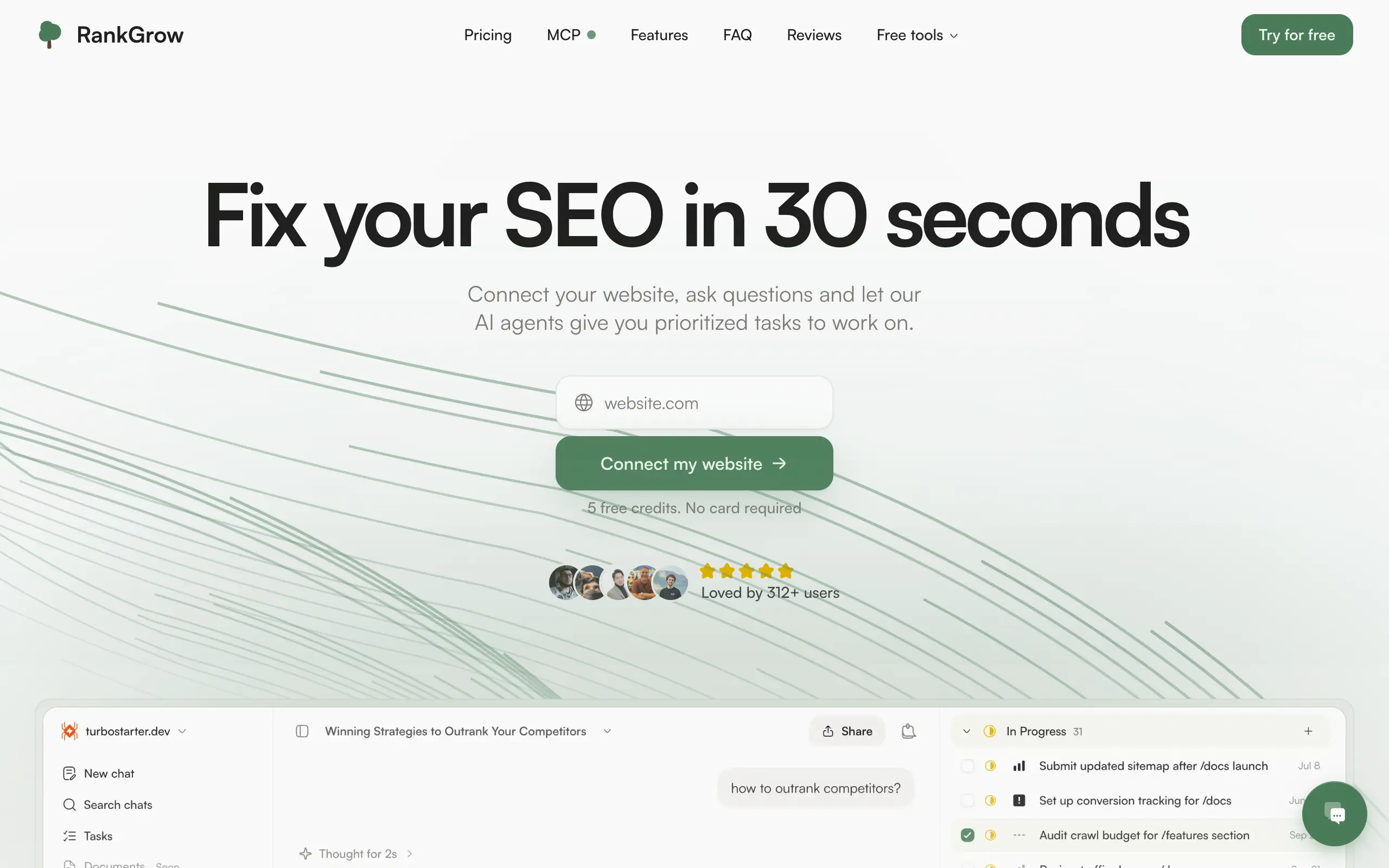
RankGrow
Fix your SEO with AI agents - connect Search Console, get prioritized tasks, and grow organic traffic 📈
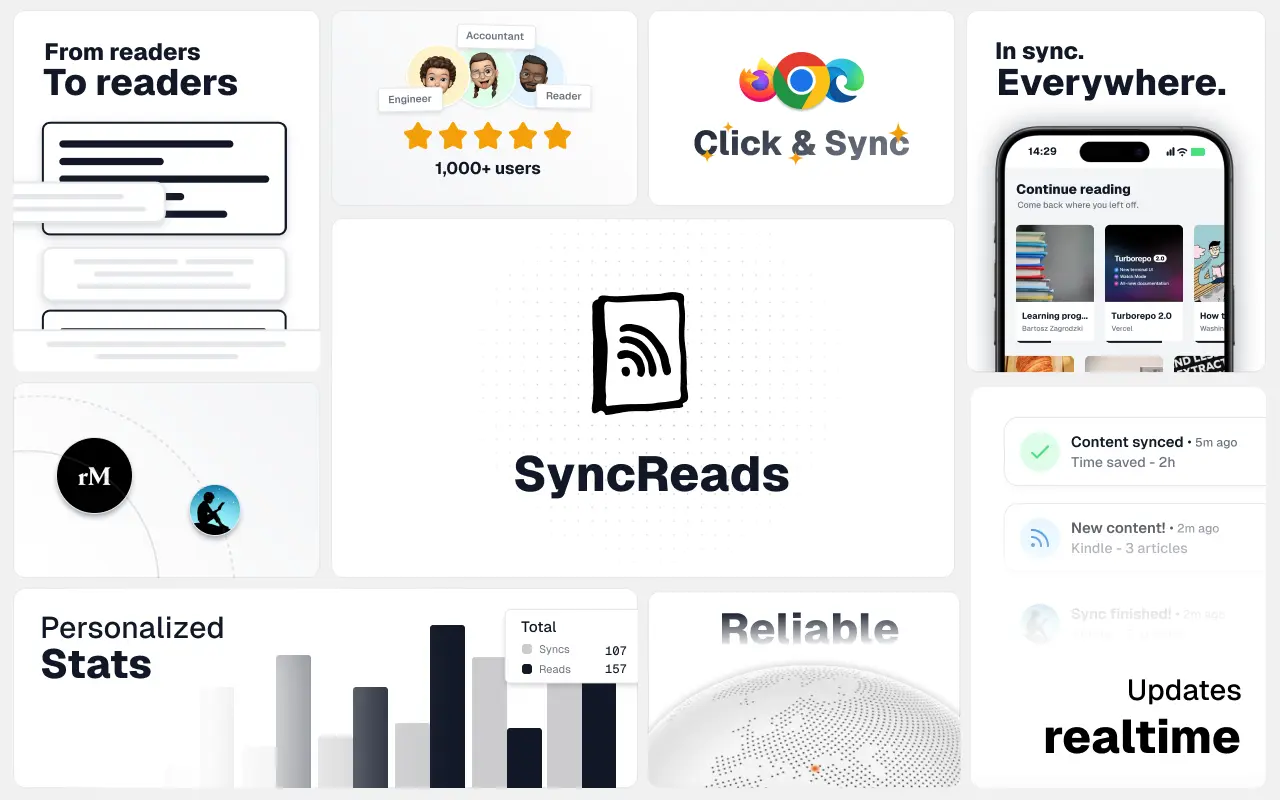
SyncReads
Sync your favorite content for distraction-free reading, save time and replace multiple apps. Anytime, anywhere 🔄
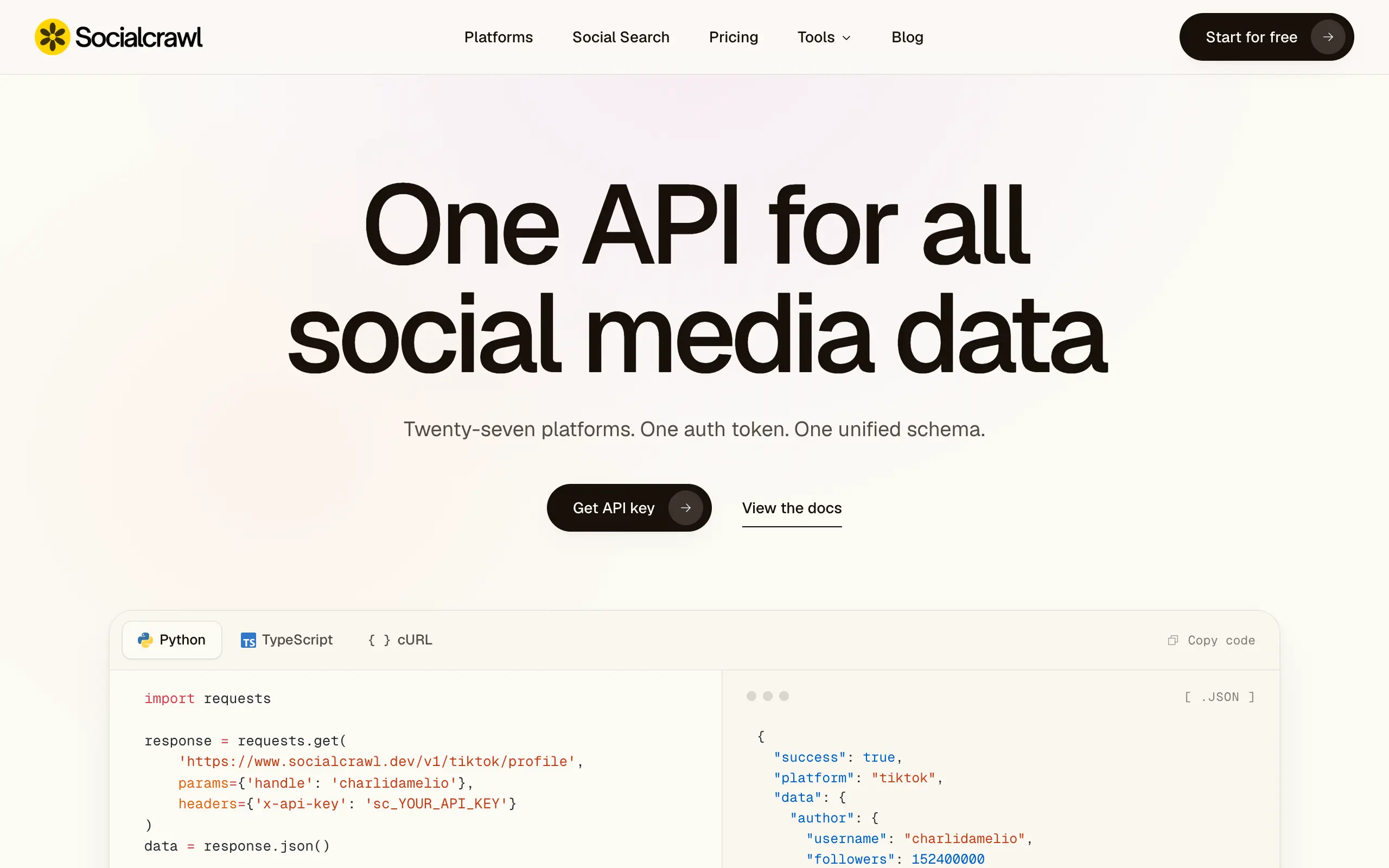
Socialcrawl
Get clean, structured data from 21 platforms like TikTok, Instagram, and YouTube with a single request 📊
Statiko
Monitor any Telegram channel in real time - track posts, edits, deletions, and growth with AI recaps 📡
Shibui
AI website builder - describe your business, pick a niche template, edit by chatting, and publish instantly ✨
Pro Service
Find verified home service professionals, compare quotes, and pay securely through escrow - built for Brazilians across the US 🏠
RankGrow
Fix your SEO with AI agents - connect Search Console, get prioritized tasks, and grow organic traffic 📈
SyncReads
Sync your favorite content for distraction-free reading, save time and replace multiple apps. Anytime, anywhere 🔄
Socialcrawl
Get clean, structured data from 21 platforms like TikTok, Instagram, and YouTube with a single request 📊
Statiko
Monitor any Telegram channel in real time - track posts, edits, deletions, and growth with AI recaps 📡
Shibui
AI website builder - describe your business, pick a niche template, edit by chatting, and publish instantly ✨
Pro Service
Find verified home service professionals, compare quotes, and pay securely through escrow - built for Brazilians across the US 🏠
RankGrow
Fix your SEO with AI agents - connect Search Console, get prioritized tasks, and grow organic traffic 📈
SyncReads
Sync your favorite content for distraction-free reading, save time and replace multiple apps. Anytime, anywhere 🔄
Socialcrawl
Get clean, structured data from 21 platforms like TikTok, Instagram, and YouTube with a single request 📊
Statiko
Monitor any Telegram channel in real time - track posts, edits, deletions, and growth with AI recaps 📡
Shibui
AI website builder - describe your business, pick a niche template, edit by chatting, and publish instantly ✨
Pro Service
Find verified home service professionals, compare quotes, and pay securely through escrow - built for Brazilians across the US 🏠
RankGrow
Fix your SEO with AI agents - connect Search Console, get prioritized tasks, and grow organic traffic 📈
SyncReads
Sync your favorite content for distraction-free reading, save time and replace multiple apps. Anytime, anywhere 🔄
Socialcrawl
Get clean, structured data from 21 platforms like TikTok, Instagram, and YouTube with a single request 📊
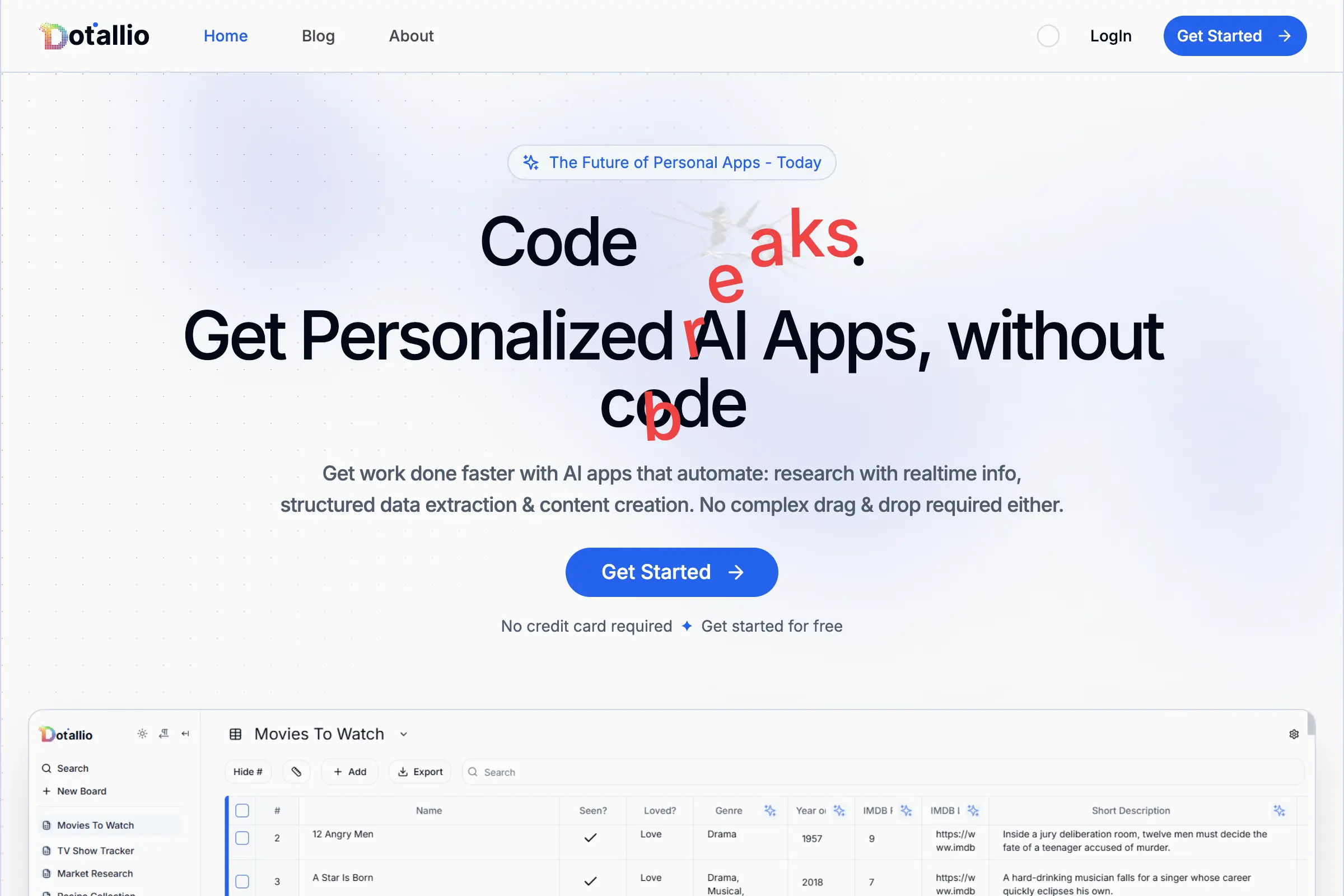
Dotallio
Personalized AI apps that automate research, data extraction, and content creation without code 🤖
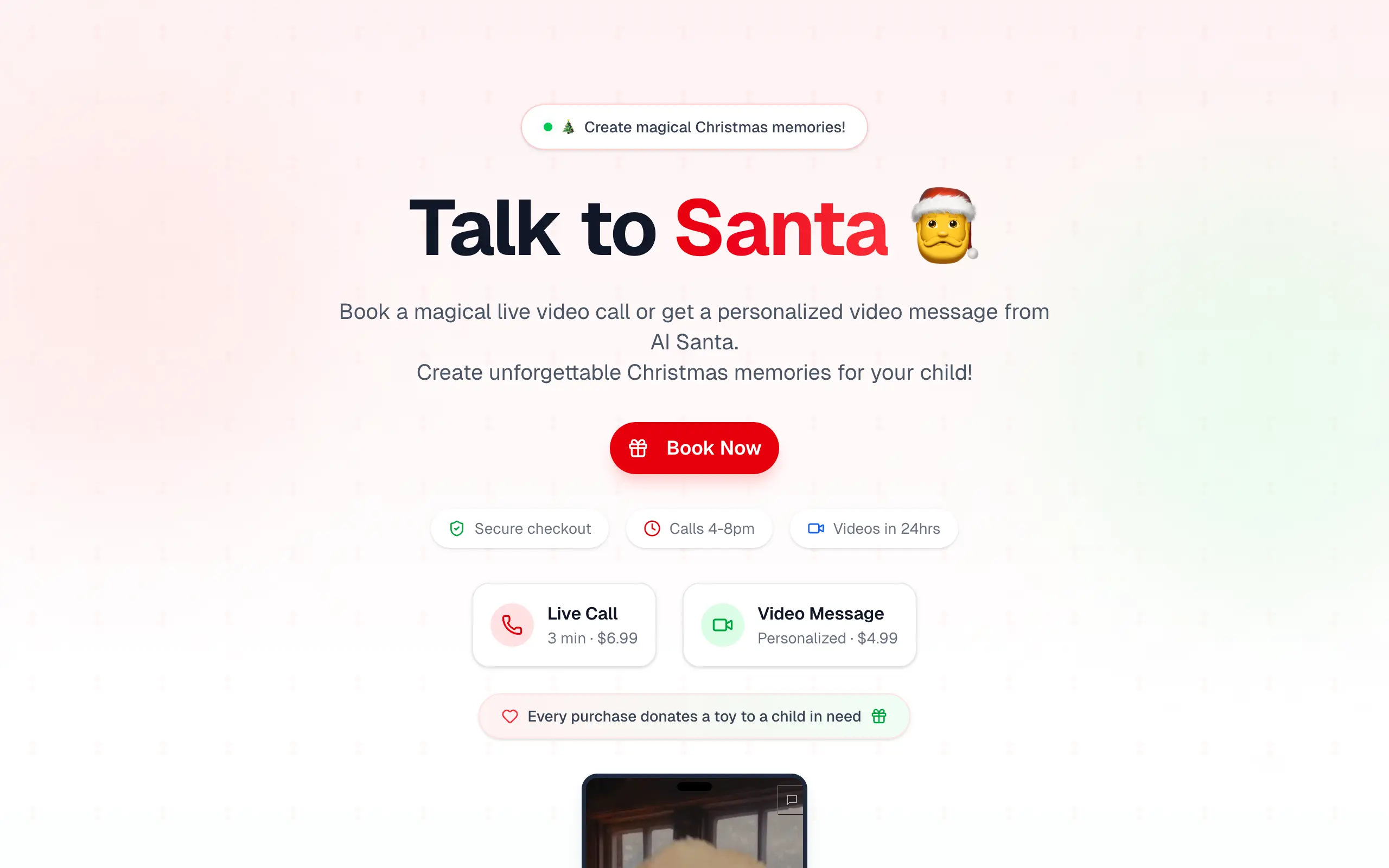
Talk to Santa
Enjoy a magical live video chat or receive a unique AI-generated video greeting from Santa Claus 🎅
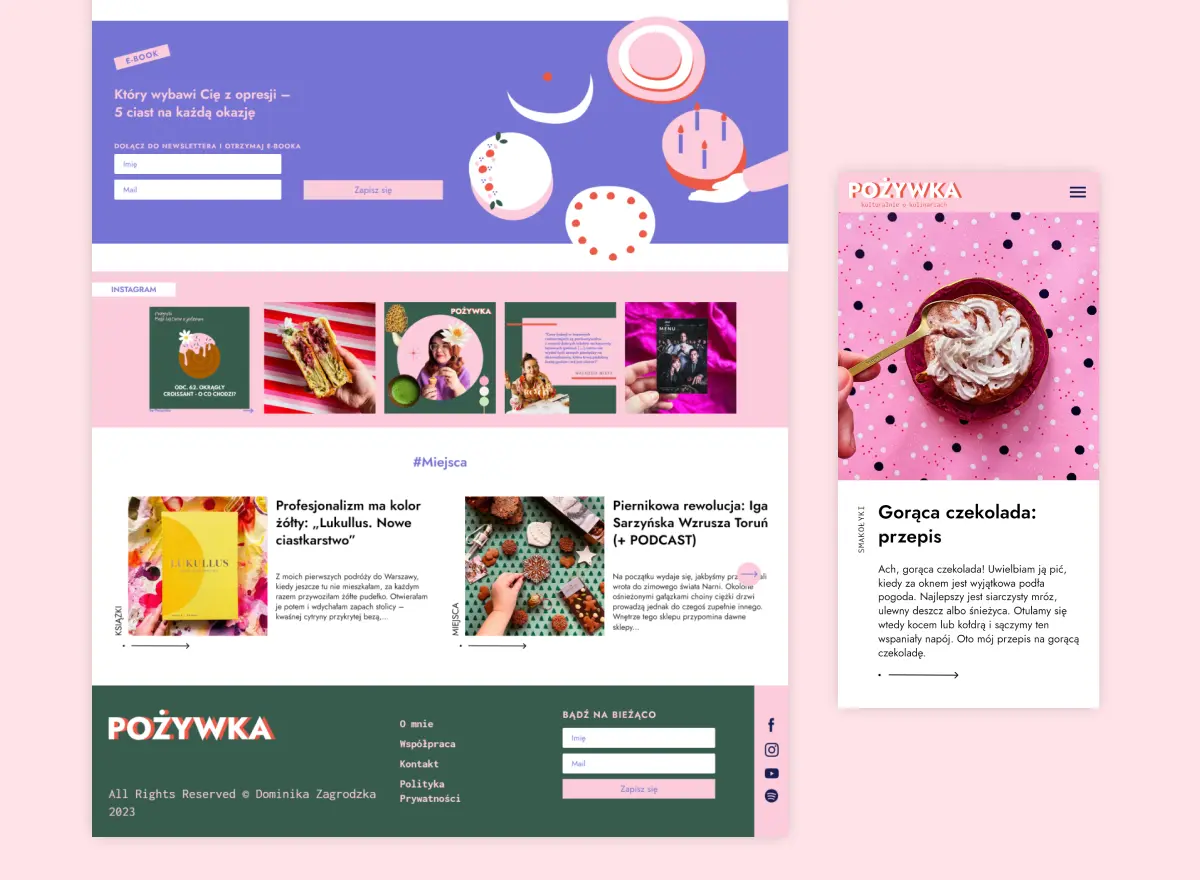
pozywka.pl
Scalable blog for food journalist, focused on performance and user experience 🌭
zagrodzki.me
Personal blog and portfolio of Bart Zagrodzki, where he shares his knowledge and work 💼
TurboStarter
Ship your startup everywhere. In minutes.
HTML to Markdown
Convert HTML to Markdown with ease, directly in your browser 📄
Dotallio
Personalized AI apps that automate research, data extraction, and content creation without code 🤖
Talk to Santa
Enjoy a magical live video chat or receive a unique AI-generated video greeting from Santa Claus 🎅
pozywka.pl
Scalable blog for food journalist, focused on performance and user experience 🌭
zagrodzki.me
Personal blog and portfolio of Bart Zagrodzki, where he shares his knowledge and work 💼
TurboStarter
Ship your startup everywhere. In minutes.
HTML to Markdown
Convert HTML to Markdown with ease, directly in your browser 📄
Dotallio
Personalized AI apps that automate research, data extraction, and content creation without code 🤖
Talk to Santa
Enjoy a magical live video chat or receive a unique AI-generated video greeting from Santa Claus 🎅
pozywka.pl
Scalable blog for food journalist, focused on performance and user experience 🌭
zagrodzki.me
Personal blog and portfolio of Bart Zagrodzki, where he shares his knowledge and work 💼
TurboStarter
Ship your startup everywhere. In minutes.
HTML to Markdown
Convert HTML to Markdown with ease, directly in your browser 📄
Dotallio
Personalized AI apps that automate research, data extraction, and content creation without code 🤖
Talk to Santa
Enjoy a magical live video chat or receive a unique AI-generated video greeting from Santa Claus 🎅
pozywka.pl
Scalable blog for food journalist, focused on performance and user experience 🌭
zagrodzki.me
Personal blog and portfolio of Bart Zagrodzki, where he shares his knowledge and work 💼
TurboStarter
Ship your startup everywhere. In minutes.
HTML to Markdown
Convert HTML to Markdown with ease, directly in your browser 📄
Omichat
Chat with 50+ AI models, including ChatGPT and Claude, in one place - switch models anytime without losing context 🤖
Claude Fast
Supercharge your Claude Code with 6x effective context window and specialized AI agents 🤖
EmojAI
AI-powered emoji picker with smart, context-aware suggestions 🤖
Solohacker
Autonomous company launcher - AI agents work 24/7, escalate what matters, and you stay in control 🤖
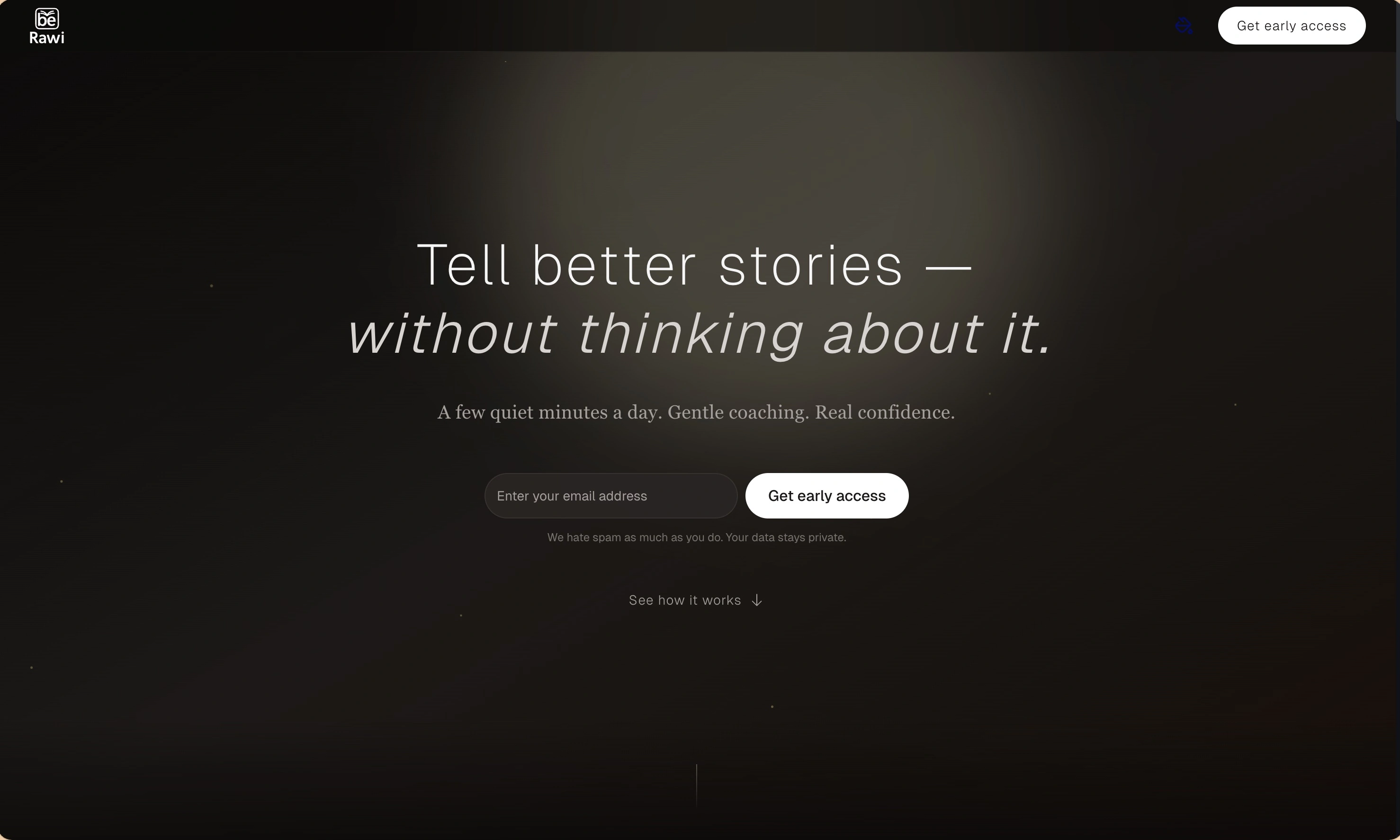
BeRawi: Storytelling Coach
Practice storytelling daily with instant feedback to sound clearer, more engaging, and confident 🎤
Omichat
Chat with 50+ AI models, including ChatGPT and Claude, in one place - switch models anytime without losing context 🤖
Claude Fast
Supercharge your Claude Code with 6x effective context window and specialized AI agents 🤖
EmojAI
AI-powered emoji picker with smart, context-aware suggestions 🤖
Solohacker
Autonomous company launcher - AI agents work 24/7, escalate what matters, and you stay in control 🤖
BeRawi: Storytelling Coach
Practice storytelling daily with instant feedback to sound clearer, more engaging, and confident 🎤
Omichat
Chat with 50+ AI models, including ChatGPT and Claude, in one place - switch models anytime without losing context 🤖
Claude Fast
Supercharge your Claude Code with 6x effective context window and specialized AI agents 🤖
EmojAI
AI-powered emoji picker with smart, context-aware suggestions 🤖
Solohacker
Autonomous company launcher - AI agents work 24/7, escalate what matters, and you stay in control 🤖
BeRawi: Storytelling Coach
Practice storytelling daily with instant feedback to sound clearer, more engaging, and confident 🎤
Omichat
Chat with 50+ AI models, including ChatGPT and Claude, in one place - switch models anytime without losing context 🤖
Claude Fast
Supercharge your Claude Code with 6x effective context window and specialized AI agents 🤖
EmojAI
AI-powered emoji picker with smart, context-aware suggestions 🤖
Solohacker
Autonomous company launcher - AI agents work 24/7, escalate what matters, and you stay in control 🤖
BeRawi: Storytelling Coach
Practice storytelling daily with instant feedback to sound clearer, more engaging, and confident 🎤

Connect with like-minded people
Join our community to get feedback, support, and grow together with 1,000+ builders on board, let's ship it!
Join usShip your startup everywhere. In minutes.
Don't burn tokens on setup and start building features on day one.