PatchPilot AI
Automates patch triage by correlating CVEs with your runtime exposure and exploit intel, generating safe rollout plans and rollback guards.
What is automated patch triage and why it matters now
Modern infrastructure moves fast—containers spin up and down in seconds, dependencies update daily, and new vulnerabilities (CVEs) are disclosed at a relentless pace. Yet most organizations still rely on manual or semi-automated patch management workflows that struggle to keep up.
Automated patch triage is the process of intelligently prioritizing, validating, and safely deploying patches based on real-world exposure and risk—not just severity scores. This is where a platform like PatchPilot AI becomes transformative.
Instead of treating all vulnerabilities equally, PatchPilot AI correlates:
- CVE disclosures
- Runtime exposure (what is actually running in your environment)
- Exploit intelligence (active threats in the wild)
The result is a context-aware, risk-driven patching strategy that reduces noise and accelerates remediation without breaking systems.
Why this matters
According to industry reports like Verizon DBIR and CISA advisories, many exploited vulnerabilities were patched months before attacks occurred. The gap isn't awareness—it's prioritization and safe execution.
The growing problem with traditional patch management
Most security teams are drowning in alerts, not lacking tools. The real issue is signal vs. noise.
Key limitations of current approaches
-
Over-reliance on CVSS scores
Severity ≠ exploitability. A "critical" CVE may not even be reachable in your system. -
Lack of runtime context
Static scans don’t reflect what's actually running in production. -
No exploit intelligence correlation
Teams often miss whether a vulnerability is actively being exploited. -
Risky deployments
Patches can introduce regressions or downtime without proper rollout strategies. -
Manual triage bottlenecks
Security and DevOps teams spend hours reviewing, validating, and coordinating fixes.
The cost of inefficiency
- Delayed patching → increased breach risk
- Over-patching → system instability
- Alert fatigue → missed critical threats
PatchPilot AI addresses these issues by automating triage decisions with contextual intelligence.
Target audience and ideal users
PatchPilot AI is a B2B SaaS platform designed for organizations that operate complex, dynamic systems and need reliable, scalable patch workflows.
Primary audiences
1. DevSecOps teams
- Need fast, accurate vulnerability prioritization
- Want to integrate security into CI/CD pipelines
- Care about automation without losing control
2. Security operations (SecOps)
- Responsible for vulnerability management programs
- Need actionable intelligence, not raw alerts
- Focused on reducing MTTR (mean time to remediation)
3. Platform engineering teams
- Manage Kubernetes, cloud-native systems, microservices
- Require safe deployment strategies and rollback mechanisms
- Need visibility across environments
4. Enterprise IT & compliance leaders
- Accountable for regulatory compliance (SOC 2, ISO 27001, HIPAA)
- Need audit trails and risk justification
- Want predictable patch cycles
Market opportunity and gap analysis
The vulnerability management market is large and growing, but fragmented.
Current landscape
- Vulnerability scanners (e.g., Qualys, Tenable)
- Dependency scanners (e.g., Snyk, Dependabot)
- Patch management tools (e.g., WSUS, SCCM)
- Threat intelligence platforms
The gap
Most tools answer only part of the problem:
- "What vulnerabilities exist?"
- "How severe are they?"
- "Where are they located?"
Very few answer the most important question:
"Which vulnerabilities actually matter right now in my environment—and how do I fix them safely?"
PatchPilot AI’s positioning
PatchPilot AI sits at the intersection of:
- Vulnerability management
- Runtime security
- Threat intelligence
- Deployment automation
This makes it a decision engine, not just a detection tool.
Core features of PatchPilot AI
1. CVE-to-runtime correlation engine
PatchPilot AI maps vulnerabilities to actual runtime exposure.
Instead of listing all vulnerable packages, it answers:
- Is this code running?
- Is it reachable?
- Is it internet-exposed?
Benefits:
- Eliminates false positives
- Focuses on real risk
- Reduces triage workload
2. Exploit intelligence integration
The platform aggregates and analyzes exploit signals from:
- Public exploit databases
- Threat intelligence feeds
- Dark web indicators (where available)
Outcome:
- Prioritizes vulnerabilities being actively exploited
- Flags zero-day risk scenarios
- Enables proactive defense
3. AI-driven patch prioritization
PatchPilot AI uses contextual signals to rank vulnerabilities:
- Runtime exposure
- Exploit activity
- Asset criticality
- Business impact
Traditional scoring
CVSS-based, static, often misleading
PatchPilot scoring
Dynamic, contextual, risk-aware prioritization
4. Safe rollout planning
One of the most innovative features is automated patch rollout strategies.
The platform generates:
- Canary deployments
- Staged rollouts
- Dependency-aware updates
Example output:
const rolloutPlan = {
  stage1: "Deploy to staging cluster",
  stage2: "Canary release (5% traffic)",
  stage3: "Monitor error rates for 30 minutes",
  stage4: "Gradual rollout to 100%",
  rollback: "Auto-trigger if error rate > 2%"
};
5. Automated rollback guards
PatchPilot AI doesn’t just deploy—it protects.
- Monitors key metrics (latency, error rates, CPU)
- Detects anomalies post-patch
- Automatically triggers rollback if thresholds are exceeded
This reduces the fear of patching in production.
6. CI/CD and DevOps integration
Seamless integration with modern pipelines:
- GitHub Actions
- GitLab CI/CD
- Jenkins
- Kubernetes
Example integration concept:
if (patchPilot.riskScore > threshold) {
  blockDeployment();
} else {
  applyPatchPlan();
}
7. Audit and compliance reporting
- Full audit logs of patch decisions
- Risk justification reports
- Compliance-ready exports
Feature comparison with traditional tools
| Capability | Traditional scanners | Patch tools | Threat intel | PatchPilot AI |
|---|---|---|---|---|
| Runtime awareness | ❌ | ❌ | ❌ | ✅ |
| Exploit correlation | ❌ | ❌ | ✅ | ✅ |
| Automated rollout | ❌ | ✅ | ❌ | ✅ |
| Rollback automation | ❌ | ✅ | ❌ | ✅ |
Recommended tech stack for building PatchPilot AI
Frontend
Why:
- Fast UI development
- Component-driven architecture
- Excellent ecosystem
Backend
- Node.js (for API orchestration)
- Python (for ML and data processing)
Trade-offs:
- Node.js is great for real-time APIs
- Python excels in data pipelines and AI modeling
Data layer
- PostgreSQL (structured data)
- Elasticsearch (search & correlation)
- Redis (caching and queues)
AI/ML layer
- Risk scoring models
- Anomaly detection systems
- NLP for CVE parsing
Infrastructure
- Kubernetes (for scalability)
- Cloud provider (AWS/GCP/Azure)
Security integrations
- SBOM tools (CycloneDX, SPDX)
- Container scanners
- Runtime monitoring agents
Accelerating development
Using a starter kit like TurboStarter can significantly reduce setup time for SaaS infrastructure, authentication, billing, and multi-tenant architecture.
Monetization strategy
PatchPilot AI fits well into a subscription-based SaaS model.
Pricing tiers
1. Startup tier
- Limited assets
- Basic triage automation
- Email support
2. Growth tier
- Full AI prioritization
- CI/CD integrations
- Rollout automation
3. Enterprise tier
- Custom policies
- Dedicated support
- Compliance features
- SLA guarantees
Additional revenue streams
- Usage-based pricing (per asset or scan)
- Premium threat intelligence add-ons
- Consulting & onboarding services
Competitive advantage and differentiation
PatchPilot AI stands out because it doesn’t just detect vulnerabilities—it decides what matters and acts on it safely.
Key differentiators
-
Context-first approach
Focuses on real exposure, not theoretical risk -
Execution layer
Goes beyond insights to automate patch deployment -
Safety-first design
Rollbacks and monitoring built-in -
AI-driven prioritization
Reduces human decision fatigue
Potential risks and mitigation strategies
1. False confidence in automation
Risk: Teams may over-rely on AI decisions.
Mitigation:
- Provide transparency in scoring
- Allow manual overrides
- Include explainability features
2. Integration complexity
Risk: Difficult to integrate into existing systems.
Mitigation:
- Offer robust APIs
- Provide pre-built integrations
- Strong onboarding support
3. Data sensitivity concerns
Risk: Security data is highly sensitive.
Mitigation:
- End-to-end encryption
- On-prem or hybrid deployment options
- Compliance certifications
4. Performance overhead
Risk: Runtime monitoring could impact systems.
Mitigation:
- Lightweight agents
- Sampling strategies
- Edge processing
Implementation roadmap
Go-to-market strategy
1. Developer-first adoption
- Free tier for small teams
- Open-source components (optional)
- Community engagement
2. Content-driven growth
- SEO articles targeting:
- "automated patch management"
- "CVE prioritization tools"
- "DevSecOps patch automation"
3. Partnerships
- Cloud providers
- Security vendors
- DevOps platforms
4. Enterprise sales motion
- Target security leaders
- Demonstrate ROI via reduced MTTR
- Offer pilot programs
Future trends shaping PatchPilot AI
1. AI-native security operations
Security tools are shifting from dashboards to decision engines.
2. Runtime-first security
Static scanning is no longer enough—runtime context is becoming essential.
3. Autonomous remediation
The future is not just detection, but self-healing systems.
4. Regulatory pressure
Compliance frameworks increasingly require faster remediation timelines.
Frequently asked questions
Vulnerability scanners identify issues, but PatchPilot AI prioritizes them based on real-world risk and automates safe remediation.
It is designed to minimize risk through staged rollouts and automated rollback guards, making deployments safer than manual patching.
No—it augments them by reducing manual triage and improving decision-making.
Actionable steps to build or validate this SaaS idea
If you're considering building PatchPilot AI or a similar product, here’s a practical path forward:
-
Validate demand
- Interview DevSecOps teams
- Identify current pain points in patch workflows
-
Prototype quickly
- Build a CVE correlation dashboard
- Integrate with one runtime source (e.g., Kubernetes)
-
Focus on one killer feature
- Example: exploit-aware prioritization
-
Test with real environments
- Partner with early adopters
- Measure reduction in triage time
-
Iterate toward automation
- Add rollout planning
- Introduce rollback safety
Final thoughts
Patch management is no longer just a maintenance task—it’s a critical security function. The complexity of modern systems demands smarter, faster, and safer approaches.
PatchPilot AI represents a shift from:
- Reactive → proactive
- Manual → automated
- Generic → contextual
The opportunity is significant, especially as organizations look for ways to reduce risk without slowing down innovation.
If executed well, this product can become a core layer in the modern DevSecOps stack.
More 🏢 B2B Application SaaS ideas
Discover more innovative b2b application SaaS ideas that are trending in 2026. Each idea is AI-generated with market validation and growth potential to help you find your next profitable venture faster than competitors.
Your competitors are building with TurboStarter
Below are some of the SaaS ideas that have been generated and built with our starter kit.
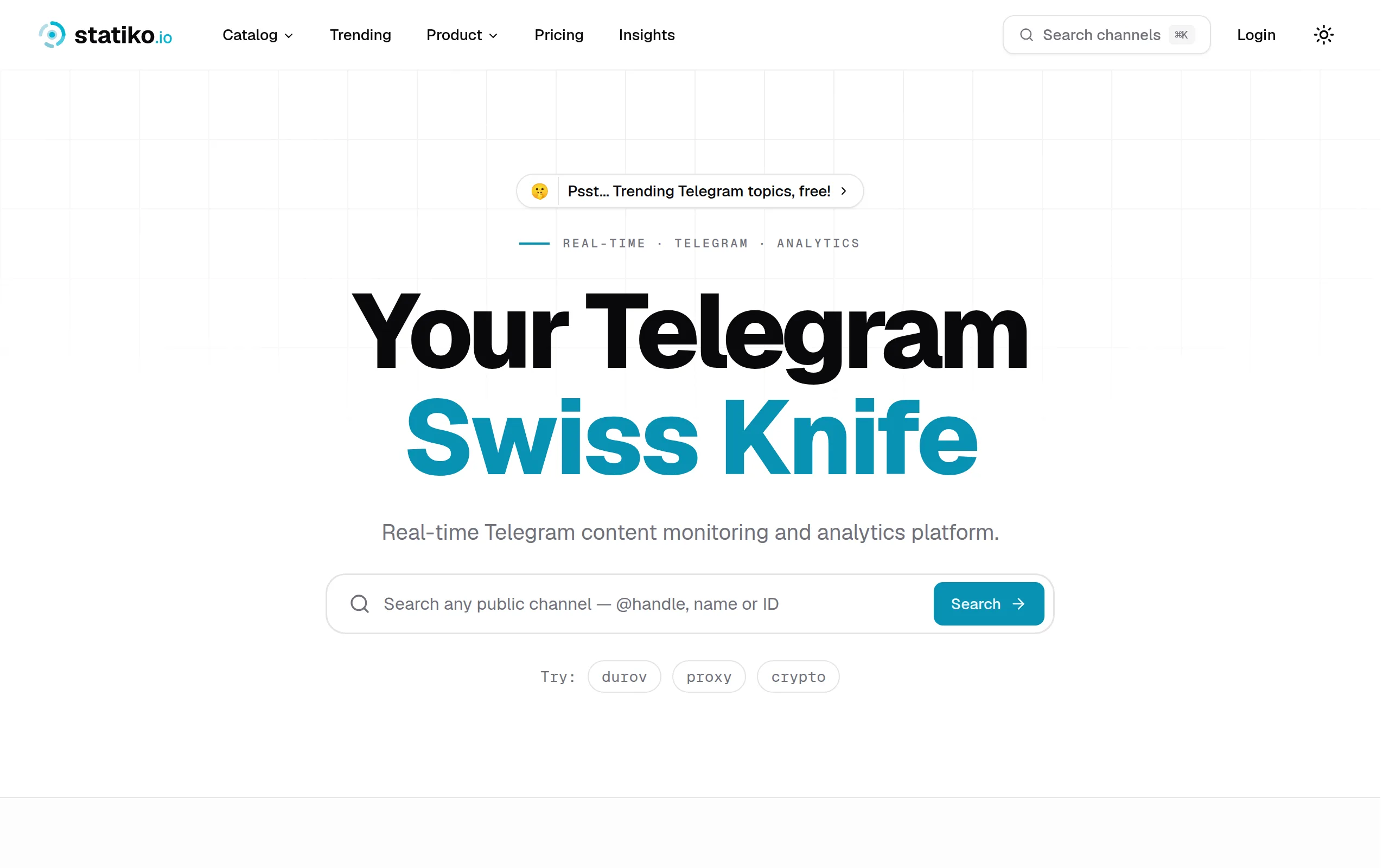
Statiko
Monitor any Telegram channel in real time - track posts, edits, deletions, and growth with AI recaps 📡

Shibui
AI website builder - describe your business, pick a niche template, edit by chatting, and publish instantly ✨

Pro Service
Find verified home service professionals, compare quotes, and pay securely through escrow - built for Brazilians across the US 🏠
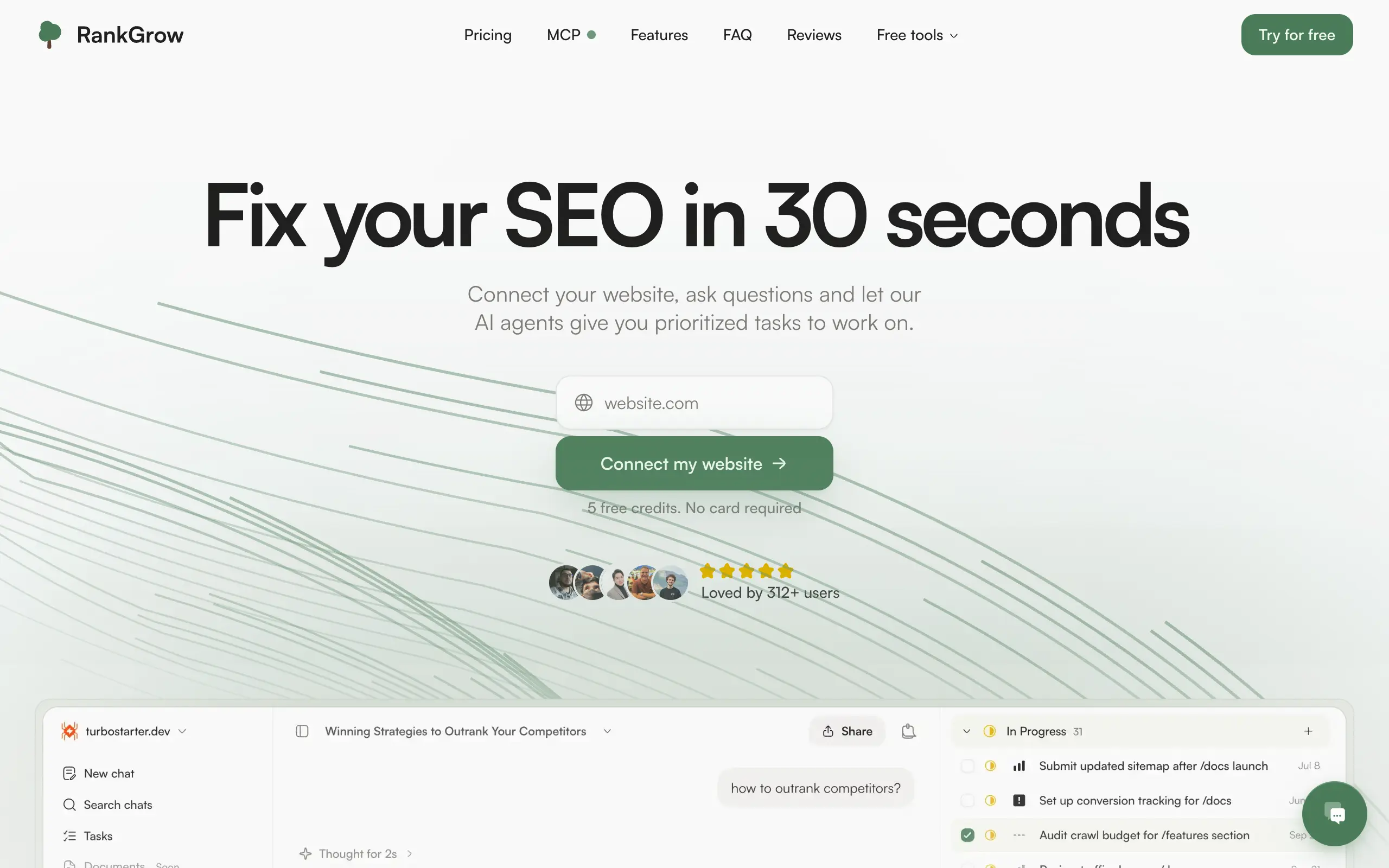
RankGrow
Fix your SEO with AI agents - connect Search Console, get prioritized tasks, and grow organic traffic 📈
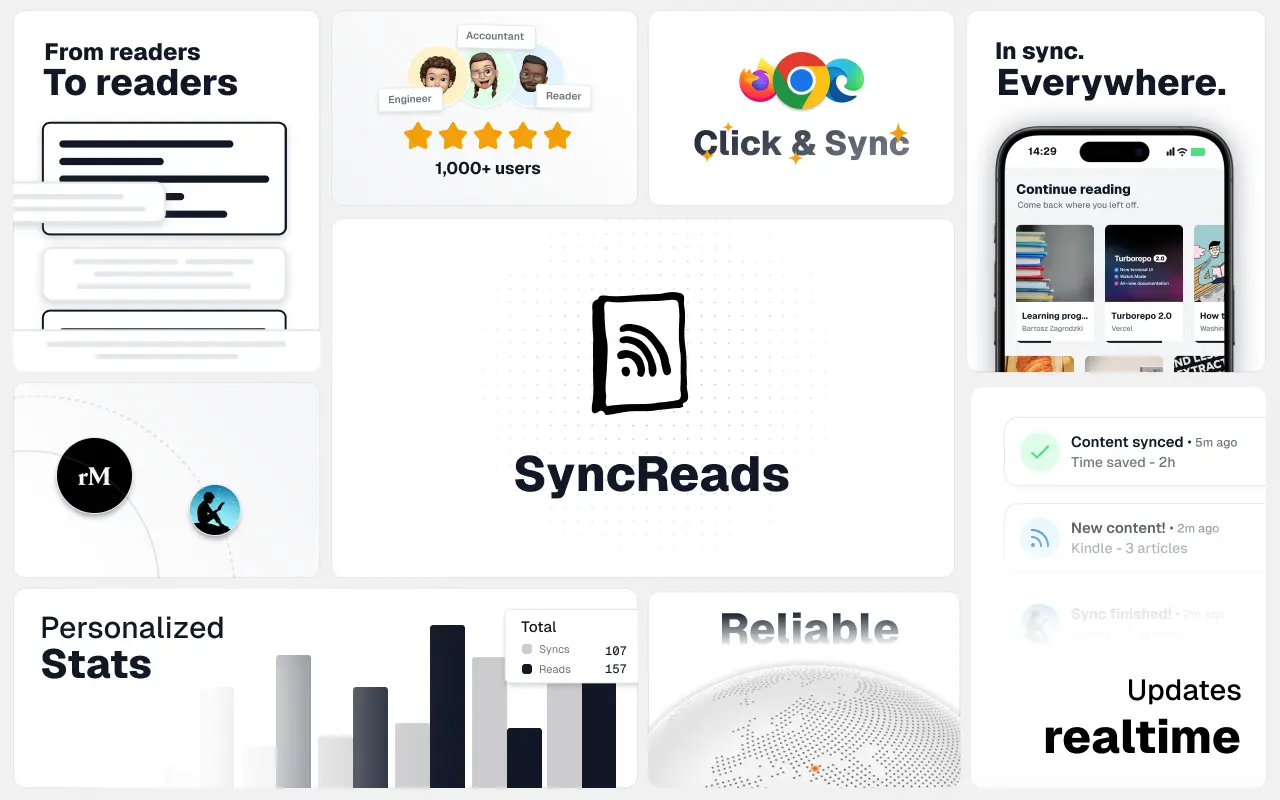
SyncReads
Sync your favorite content for distraction-free reading, save time and replace multiple apps. Anytime, anywhere 🔄
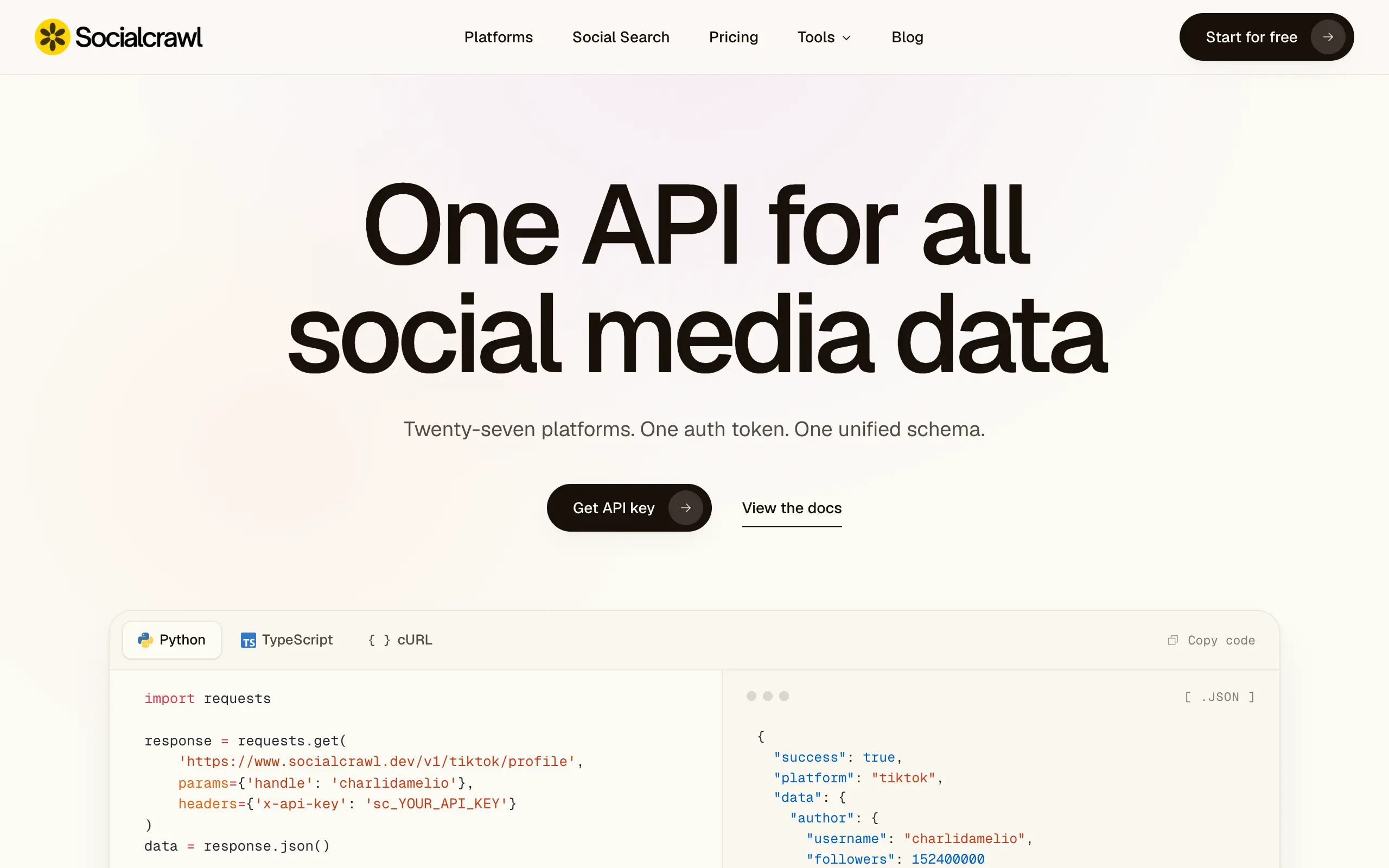
Socialcrawl
Get clean, structured data from 21 platforms like TikTok, Instagram, and YouTube with a single request 📊
Statiko
Monitor any Telegram channel in real time - track posts, edits, deletions, and growth with AI recaps 📡
Shibui
AI website builder - describe your business, pick a niche template, edit by chatting, and publish instantly ✨
Pro Service
Find verified home service professionals, compare quotes, and pay securely through escrow - built for Brazilians across the US 🏠
RankGrow
Fix your SEO with AI agents - connect Search Console, get prioritized tasks, and grow organic traffic 📈
SyncReads
Sync your favorite content for distraction-free reading, save time and replace multiple apps. Anytime, anywhere 🔄
Socialcrawl
Get clean, structured data from 21 platforms like TikTok, Instagram, and YouTube with a single request 📊
Statiko
Monitor any Telegram channel in real time - track posts, edits, deletions, and growth with AI recaps 📡
Shibui
AI website builder - describe your business, pick a niche template, edit by chatting, and publish instantly ✨
Pro Service
Find verified home service professionals, compare quotes, and pay securely through escrow - built for Brazilians across the US 🏠
RankGrow
Fix your SEO with AI agents - connect Search Console, get prioritized tasks, and grow organic traffic 📈
SyncReads
Sync your favorite content for distraction-free reading, save time and replace multiple apps. Anytime, anywhere 🔄
Socialcrawl
Get clean, structured data from 21 platforms like TikTok, Instagram, and YouTube with a single request 📊
Statiko
Monitor any Telegram channel in real time - track posts, edits, deletions, and growth with AI recaps 📡
Shibui
AI website builder - describe your business, pick a niche template, edit by chatting, and publish instantly ✨
Pro Service
Find verified home service professionals, compare quotes, and pay securely through escrow - built for Brazilians across the US 🏠
RankGrow
Fix your SEO with AI agents - connect Search Console, get prioritized tasks, and grow organic traffic 📈
SyncReads
Sync your favorite content for distraction-free reading, save time and replace multiple apps. Anytime, anywhere 🔄
Socialcrawl
Get clean, structured data from 21 platforms like TikTok, Instagram, and YouTube with a single request 📊
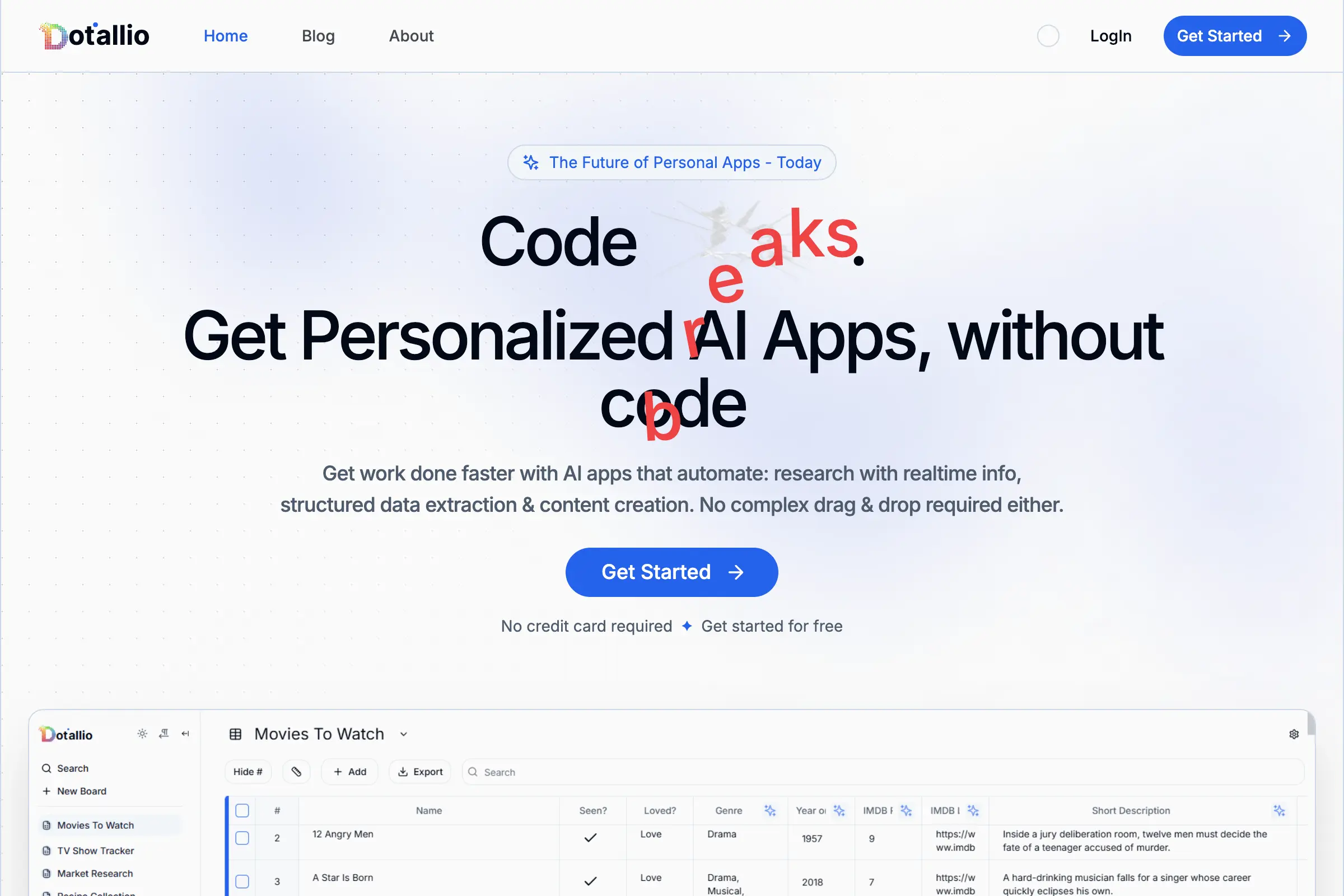
Dotallio
Personalized AI apps that automate research, data extraction, and content creation without code 🤖

Talk to Santa
Enjoy a magical live video chat or receive a unique AI-generated video greeting from Santa Claus 🎅

pozywka.pl
Scalable blog for food journalist, focused on performance and user experience 🌭
zagrodzki.me
Personal blog and portfolio of Bart Zagrodzki, where he shares his knowledge and work 💼
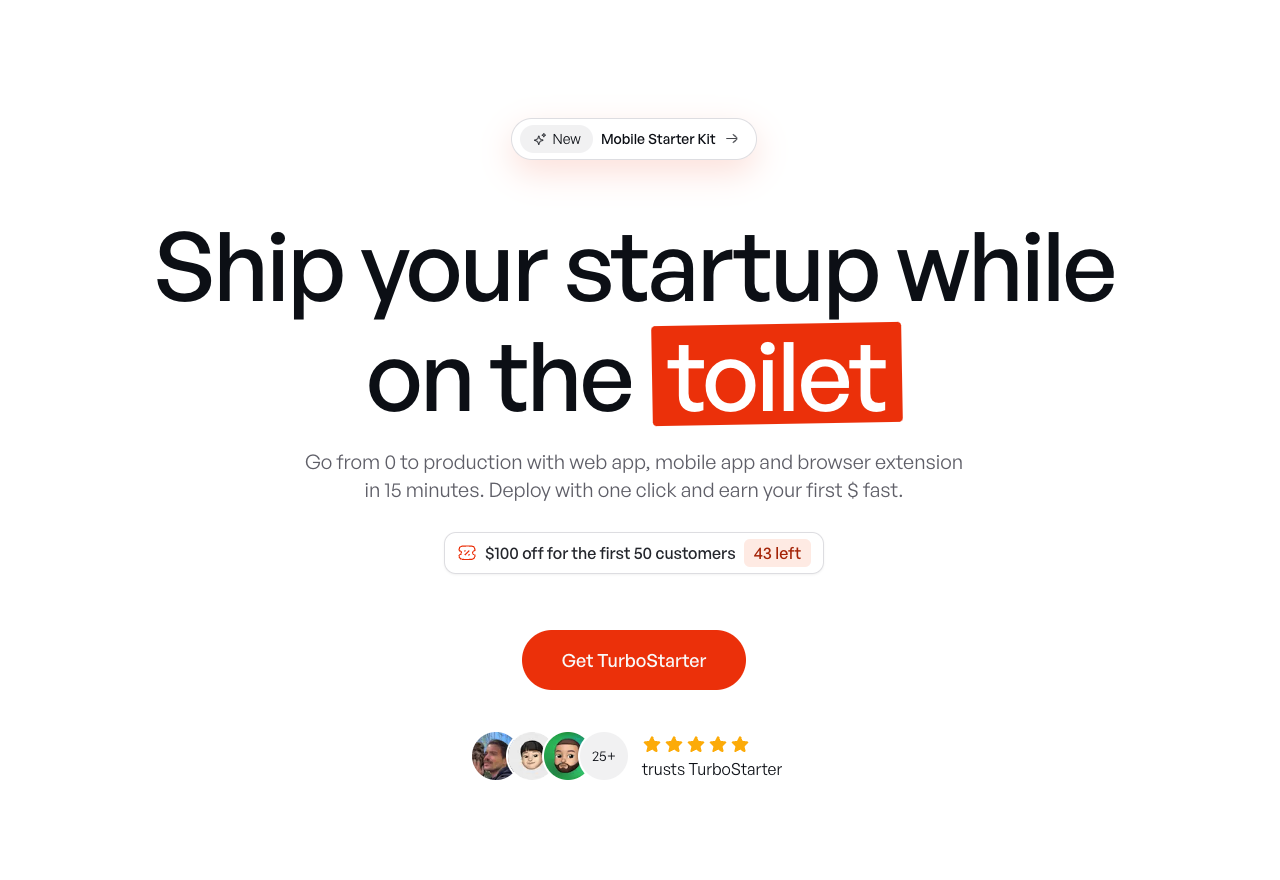
TurboStarter
Ship your startup everywhere. In minutes.
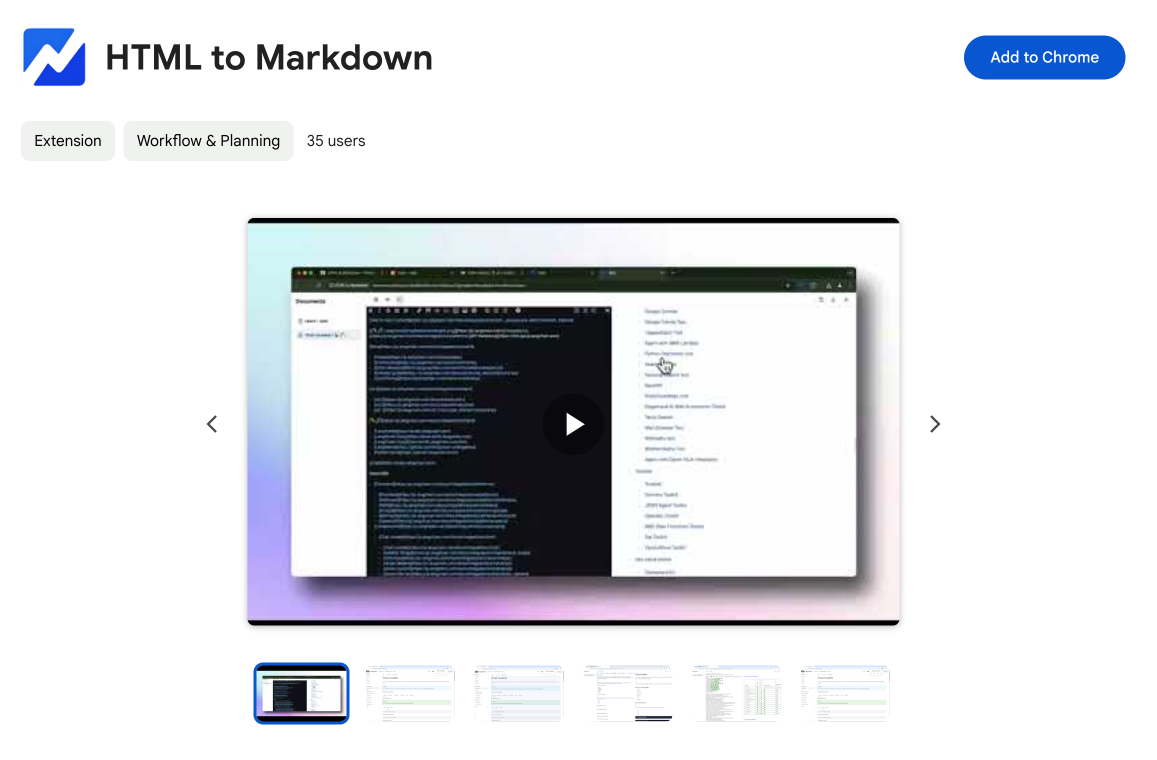
HTML to Markdown
Convert HTML to Markdown with ease, directly in your browser 📄
Dotallio
Personalized AI apps that automate research, data extraction, and content creation without code 🤖
Talk to Santa
Enjoy a magical live video chat or receive a unique AI-generated video greeting from Santa Claus 🎅
pozywka.pl
Scalable blog for food journalist, focused on performance and user experience 🌭
zagrodzki.me
Personal blog and portfolio of Bart Zagrodzki, where he shares his knowledge and work 💼
TurboStarter
Ship your startup everywhere. In minutes.
HTML to Markdown
Convert HTML to Markdown with ease, directly in your browser 📄
Dotallio
Personalized AI apps that automate research, data extraction, and content creation without code 🤖
Talk to Santa
Enjoy a magical live video chat or receive a unique AI-generated video greeting from Santa Claus 🎅
pozywka.pl
Scalable blog for food journalist, focused on performance and user experience 🌭
zagrodzki.me
Personal blog and portfolio of Bart Zagrodzki, where he shares his knowledge and work 💼
TurboStarter
Ship your startup everywhere. In minutes.
HTML to Markdown
Convert HTML to Markdown with ease, directly in your browser 📄
Dotallio
Personalized AI apps that automate research, data extraction, and content creation without code 🤖
Talk to Santa
Enjoy a magical live video chat or receive a unique AI-generated video greeting from Santa Claus 🎅
pozywka.pl
Scalable blog for food journalist, focused on performance and user experience 🌭
zagrodzki.me
Personal blog and portfolio of Bart Zagrodzki, where he shares his knowledge and work 💼
TurboStarter
Ship your startup everywhere. In minutes.
HTML to Markdown
Convert HTML to Markdown with ease, directly in your browser 📄
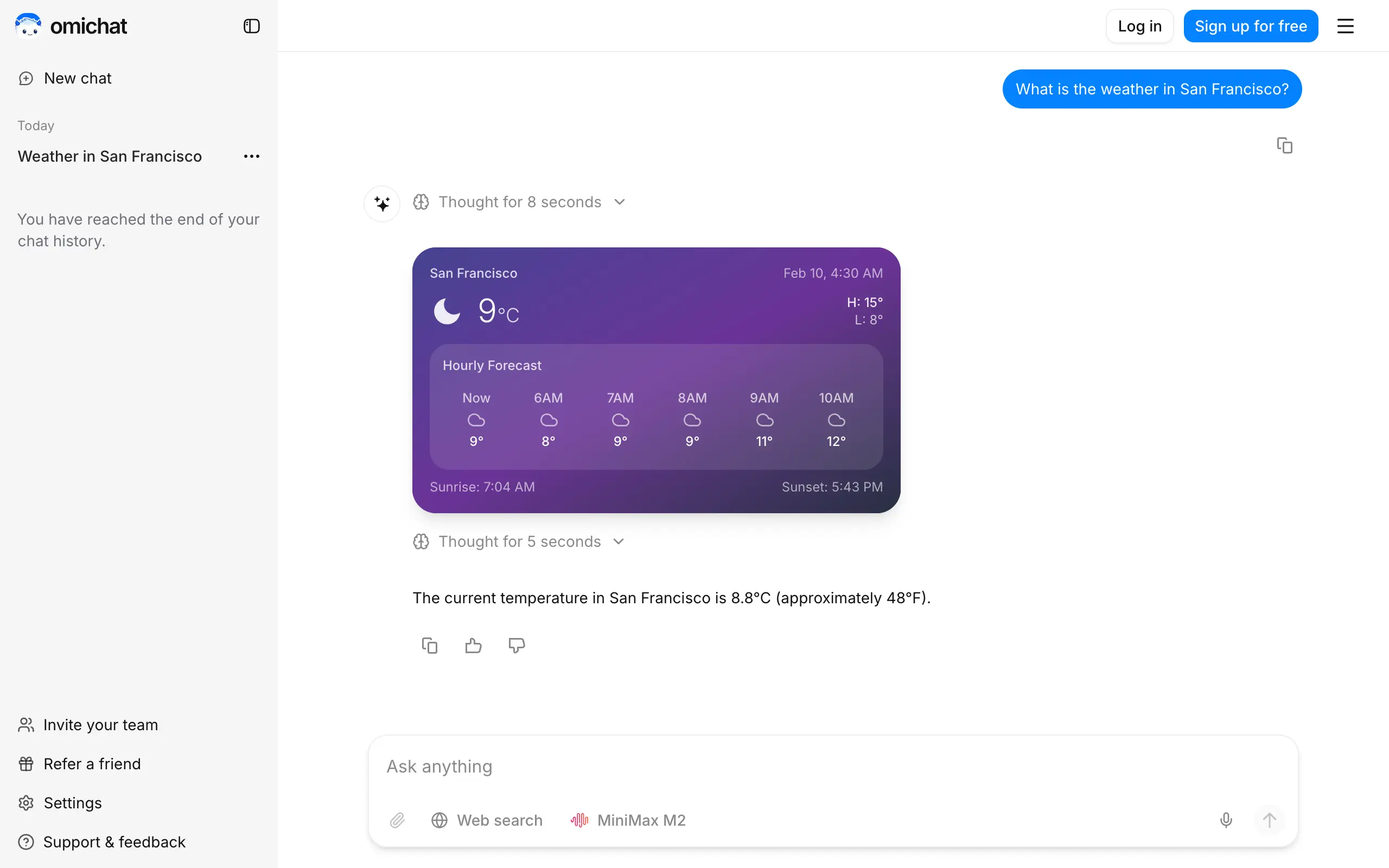
Omichat
Chat with 50+ AI models, including ChatGPT and Claude, in one place - switch models anytime without losing context 🤖
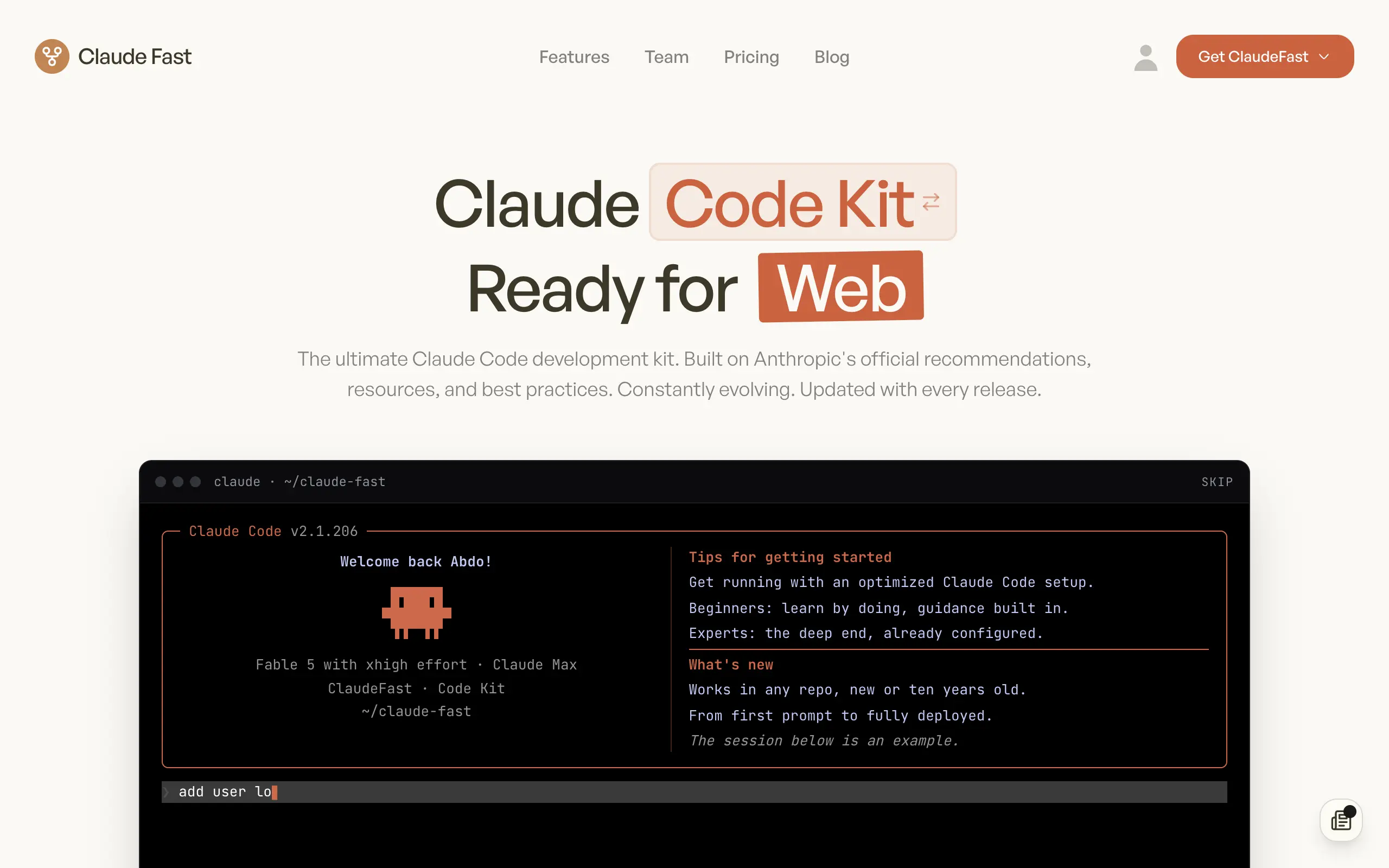
Claude Fast
Supercharge your Claude Code with 6x effective context window and specialized AI agents 🤖
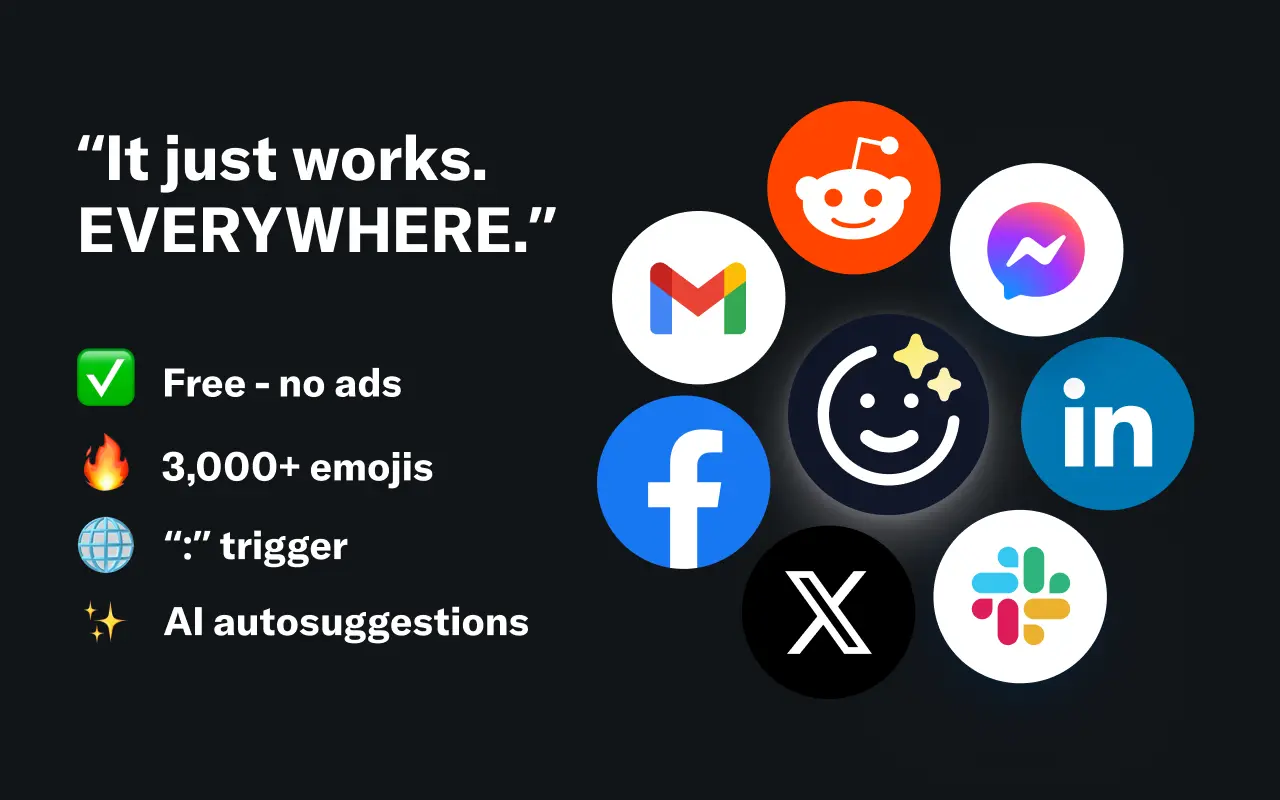
EmojAI
AI-powered emoji picker with smart, context-aware suggestions 🤖
Solohacker
Autonomous company launcher - AI agents work 24/7, escalate what matters, and you stay in control 🤖
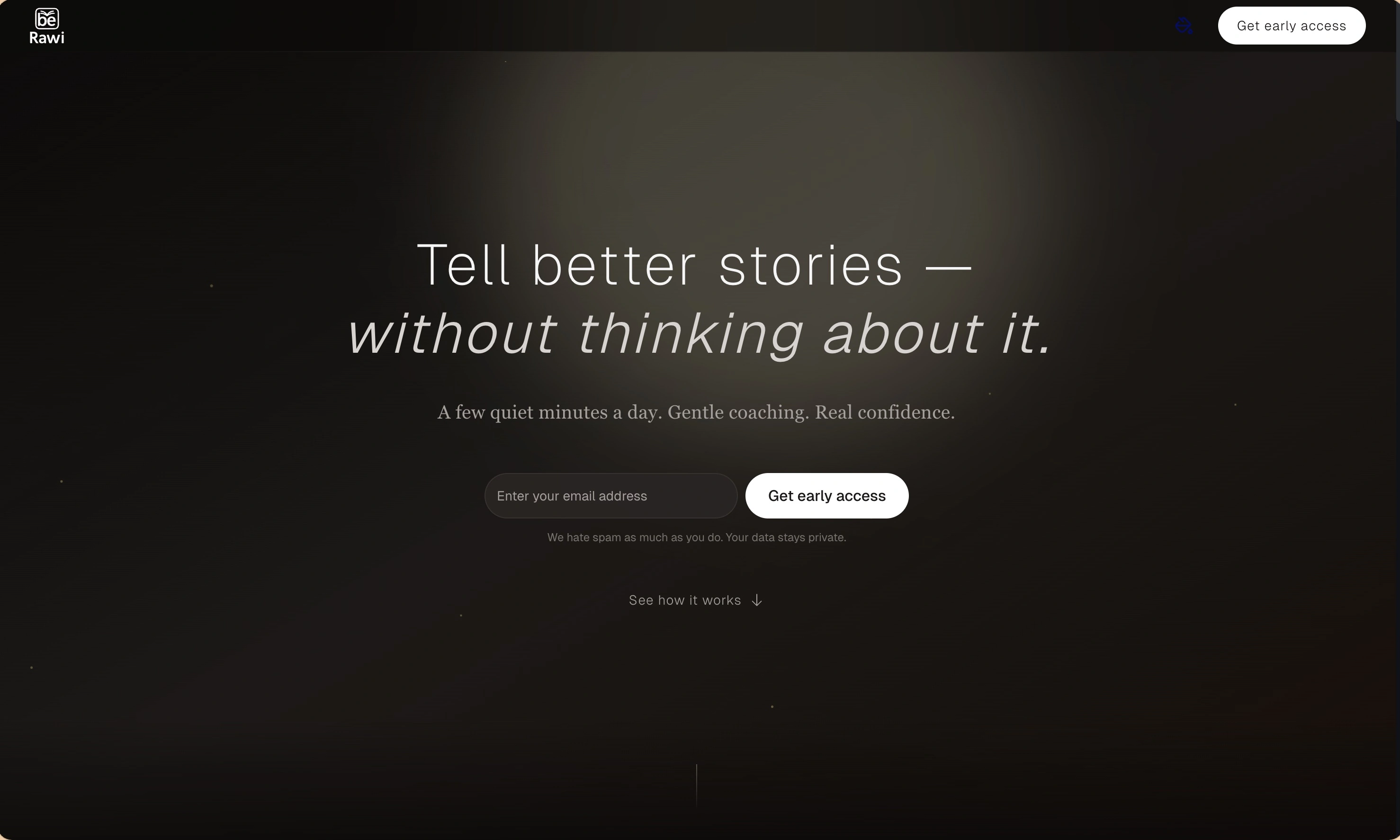
BeRawi: Storytelling Coach
Practice storytelling daily with instant feedback to sound clearer, more engaging, and confident 🎤
Omichat
Chat with 50+ AI models, including ChatGPT and Claude, in one place - switch models anytime without losing context 🤖
Claude Fast
Supercharge your Claude Code with 6x effective context window and specialized AI agents 🤖
EmojAI
AI-powered emoji picker with smart, context-aware suggestions 🤖
Solohacker
Autonomous company launcher - AI agents work 24/7, escalate what matters, and you stay in control 🤖
BeRawi: Storytelling Coach
Practice storytelling daily with instant feedback to sound clearer, more engaging, and confident 🎤
Omichat
Chat with 50+ AI models, including ChatGPT and Claude, in one place - switch models anytime without losing context 🤖
Claude Fast
Supercharge your Claude Code with 6x effective context window and specialized AI agents 🤖
EmojAI
AI-powered emoji picker with smart, context-aware suggestions 🤖
Solohacker
Autonomous company launcher - AI agents work 24/7, escalate what matters, and you stay in control 🤖
BeRawi: Storytelling Coach
Practice storytelling daily with instant feedback to sound clearer, more engaging, and confident 🎤
Omichat
Chat with 50+ AI models, including ChatGPT and Claude, in one place - switch models anytime without losing context 🤖
Claude Fast
Supercharge your Claude Code with 6x effective context window and specialized AI agents 🤖
EmojAI
AI-powered emoji picker with smart, context-aware suggestions 🤖
Solohacker
Autonomous company launcher - AI agents work 24/7, escalate what matters, and you stay in control 🤖
BeRawi: Storytelling Coach
Practice storytelling daily with instant feedback to sound clearer, more engaging, and confident 🎤

Connect with like-minded people
Join our community to get feedback, support, and grow together with 1,000+ builders on board, let's ship it!
Join usShip your startup everywhere. In minutes.
Don't burn tokens on setup and start building features on day one.