PermitFlow
Automate and track construction permit applications, renewals, and compliance across jurisdictions, streamlining paperwork and reducing project delays for contractors.
Understanding the need for construction permit automation
Navigating the complex world of construction permits is a notorious pain point for contractors, project managers, and developers. Each jurisdiction has its own set of rules, forms, deadlines, and compliance requirements. Manual processes—often involving spreadsheets, emails, and physical paperwork—lead to costly delays, missed renewals, and compliance risks.
PermitFlow is a B2B SaaS solution designed to automate and track construction permit applications, renewals, and compliance across multiple jurisdictions. By streamlining paperwork and reducing project delays, PermitFlow addresses a critical bottleneck in the construction industry.
Who needs PermitFlow? Target audience analysis
Understanding the target audience is essential for building a product that truly solves real-world problems. PermitFlow is tailored for:
- General contractors: Managing multiple projects across cities or states, often juggling dozens of permits simultaneously.
- Subcontractors: Needing to ensure their work is covered by the right permits and renewals.
- Construction project managers: Responsible for timelines, compliance, and documentation.
- Real estate developers: Overseeing large portfolios and requiring visibility into permit status across projects.
- Architects and engineers: Who must ensure designs and plans meet local code requirements and are properly permitted.
- Compliance officers: Tasked with reducing legal and financial risks associated with non-compliance.
Key pain points for these users:
- Time-consuming, manual permit application processes
- Difficulty tracking permit status and renewal deadlines
- Risk of non-compliance due to missed updates or changing regulations
- Lack of centralized documentation and audit trails
- Communication breakdowns between stakeholders
Market opportunity and gap analysis
The construction industry is massive—valued at over $10 trillion globally—and is undergoing rapid digital transformation. Yet, permitting remains one of the least digitized and most fragmented processes.
Key market trends:
- Increasing regulatory complexity: Cities and states are updating codes more frequently, making compliance harder.
- Labor shortages: Contractors need to do more with less, driving demand for automation.
- Rising project costs: Delays due to permit issues can add thousands (or millions) to project budgets.
- Growing adoption of construction tech: Firms are investing in SaaS tools to streamline operations.
Current solutions and their limitations:
- Manual tracking (spreadsheets, calendars): Prone to human error, lacks real-time updates.
- Generic project management tools: Not tailored for permit workflows or compliance tracking.
- Local government portals: Often clunky, inconsistent, and limited to single jurisdictions.
- Niche permit consultants: Expensive and not scalable.
Market gap: There is a clear need for a centralized, automated platform that can handle permit workflows across jurisdictions, integrate with existing construction management tools, and provide real-time compliance insights.
Core features and solution details
PermitFlow’s value lies in its ability to automate, centralize, and simplify the entire permit lifecycle. Here’s how:
1. Automated permit application workflows
- Smart form filling: Auto-populate applications using project data and templates.
- Jurisdiction-specific logic: Dynamically adjust requirements based on location.
- Document management: Upload, store, and version all supporting documents.
2. Renewal and compliance tracking
- Automated reminders: Never miss a renewal deadline with customizable notifications.
- Compliance dashboards: Real-time visibility into permit status, expirations, and outstanding actions.
- Audit trails: Full history of submissions, approvals, and communications.
3. Multi-jurisdiction support
- Regulation database: Up-to-date repository of permit requirements for cities, counties, and states.
- Change alerts: Notify users of regulatory updates that may impact projects.
4. Collaboration and communication
- Role-based access: Control who can view, edit, or submit permits.
- Stakeholder messaging: Centralized communication threads tied to each permit.
- Integration with email and SMS: Keep all parties informed.
5. Reporting and analytics
- Customizable reports: Track permit timelines, bottlenecks, and compliance rates.
- Export options: Download data for audits or share with clients.
Automated workflows
Reduce manual data entry and speed up applications.
Multi-jurisdiction support
Handle permits across cities, counties, and states from one dashboard.
Compliance tracking
Stay ahead of renewals and regulatory changes.
Collaboration tools
Keep all stakeholders aligned and informed.
Recommended tech stack for PermitFlow
Choosing the right technology stack is crucial for scalability, security, and user experience. Here’s a recommended stack for building PermitFlow, along with trade-offs:
Frontend
- React: Modern, component-based UI for responsive dashboards.
- TailwindCSS: Utility-first CSS for rapid, consistent styling.
- TypeScript: Adds type safety and reduces runtime errors.
Trade-off: React offers flexibility and a large ecosystem, but may require more setup than out-of-the-box solutions like Next.js (which can be layered on top for SSR and routing).
Backend
- Node.js: Scalable, event-driven server environment.
- Express: Lightweight framework for building RESTful APIs.
- TypeORM or Prisma: For database ORM and migrations.
Trade-off: Node.js is highly scalable, but for heavy data processing, a compiled language (like Go) could offer better performance.
Database
- PostgreSQL: Robust, relational database with strong support for complex queries and data integrity.
Cloud & DevOps
- AWS or Google Cloud: For hosting, storage, and security.
- Docker: Containerization for consistent deployments.
- CI/CD tools: Automate testing and deployment pipelines.
Integrations
- Email/SMS APIs: For notifications (e.g., Twilio).
- eSignature APIs: For digital document signing (e.g., DocuSign).
- Construction management platforms: Optional integrations with tools like Procore or Buildertrend.
Monetization strategy options
PermitFlow’s B2B SaaS model opens up several monetization avenues:
1. Subscription-based pricing
- Tiered plans: Based on number of users, projects, or jurisdictions.
- Feature-based tiers: Advanced analytics, integrations, or compliance modules as premium features.
2. Usage-based pricing
- Per permit/application: Charge for each permit processed, ideal for smaller contractors.
- API access: Charge for integration with third-party platforms.
3. Enterprise licensing
- Custom contracts: For large construction firms or developers with high-volume needs.
- White-label solutions: Allowing partners to brand the platform.
4. Add-on services
- Consulting: Offer expert guidance on complex permitting scenarios.
- Data exports and compliance reports: Premium reporting for audits or legal needs.
Potential risks and mitigation strategies
Launching a SaaS platform in the construction compliance space comes with unique challenges. Here’s how to address them:
Risk: Permit requirements change frequently, and inaccurate data can lead to compliance failures.
Mitigation: Build partnerships with regulatory data providers, implement regular database updates, and allow users to flag outdated information.
Risk: Contractors may resist switching from manual processes.
Mitigation: Offer onboarding support, in-app tutorials, and integrations with existing tools to reduce friction.
Risk: Sensitive project and personal data must be protected.
Mitigation: Use industry-standard encryption, role-based access controls, and regular security audits.
Risk: Integrating with diverse government portals and construction management tools can be technically challenging.
Mitigation: Start with the most common jurisdictions and platforms, and expand coverage based on user demand.
Competitive advantage analysis
PermitFlow stands out in a crowded market by focusing on automation, multi-jurisdiction support, and compliance intelligence. Here’s how it compares to alternatives:
| PermitFlow | Manual tracking | Generic PM tools | Local portals | Consultants |
|---|---|---|---|---|
| ✅ | ❌ | ❌ | ✅ | ❌ |
| ✅ | ❌ | ✅ | ✅ | ❌ |
Unique selling proposition (USP):
- End-to-end automation: From application to renewal, reducing manual effort and errors.
- Cross-jurisdiction intelligence: One platform for all locations, with up-to-date regulatory data.
- Compliance-first design: Proactive alerts, audit trails, and reporting to minimize risk.
- Seamless collaboration: Built-in tools for teams and external stakeholders.
Implementation steps: How to build and launch PermitFlow
Building a robust, scalable SaaS like PermitFlow requires a methodical approach. Here’s a step-by-step guide:
Actionable next steps and conclusion
PermitFlow addresses a critical, underserved need in the construction industry: automating and tracking permits across jurisdictions to reduce delays and compliance risks. By leveraging modern SaaS architecture, real-time data, and user-centric design, it offers a compelling solution for contractors and developers.
To move forward:
- Validate the concept with real users and industry experts.
- Build a focused MVP targeting the most common pain points.
- Prioritize integrations and regulatory data partnerships.
- Develop a go-to-market strategy targeting mid-sized contractors and developers.
For founders and product teams: If you’re looking to accelerate your SaaS build, consider leveraging TurboStarter for rapid prototyping and deployment.
Frequently asked questions about construction permit automation
PermitFlow partners with regulatory data providers and implements regular updates to its jurisdiction database. Users can also flag outdated information, ensuring data accuracy.
Yes, PermitFlow is designed with open APIs and can integrate with popular construction management platforms, email, and SMS for seamless workflows.
Absolutely. PermitFlow uses industry-standard encryption, role-based access, and regular security audits to protect sensitive information.
By reducing permit-related delays and compliance risks, contractors can save thousands per project and significantly reduce administrative overhead. For specific ROI data, consult industry case studies or request a demo.
Final thoughts
PermitFlow is uniquely positioned to transform how construction professionals manage permits and compliance. By automating tedious processes and providing real-time insights, it empowers teams to focus on what matters most: delivering successful projects on time and within budget.
For those ready to modernize their permit workflows, now is the time to explore solutions like PermitFlow and stay ahead in a rapidly evolving industry.
More 🏢 B2B Application SaaS ideas
Discover more innovative b2b application SaaS ideas that are trending in 2026. Each idea is AI-generated with market validation and growth potential to help you find your next profitable venture faster than competitors.
Your competitors are building with TurboStarter
Below are some of the SaaS ideas that have been generated and built with our starter kit.

Statiko
Monitor any Telegram channel in real time - track posts, edits, deletions, and growth with AI recaps 📡

Shibui
AI website builder - describe your business, pick a niche template, edit by chatting, and publish instantly ✨

Pro Service
Find verified home service professionals, compare quotes, and pay securely through escrow - built for Brazilians across the US 🏠
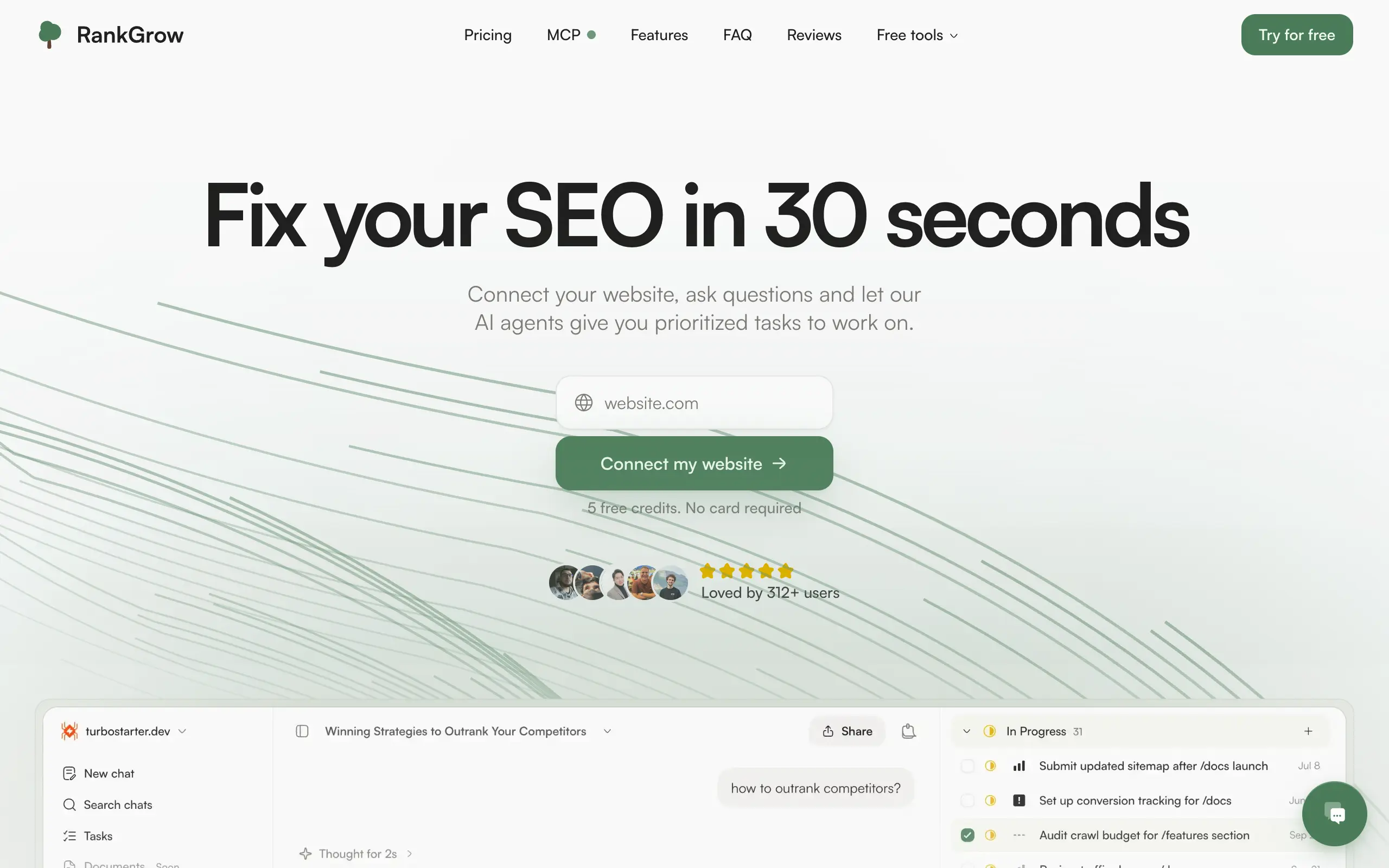
RankGrow
Fix your SEO with AI agents - connect Search Console, get prioritized tasks, and grow organic traffic 📈
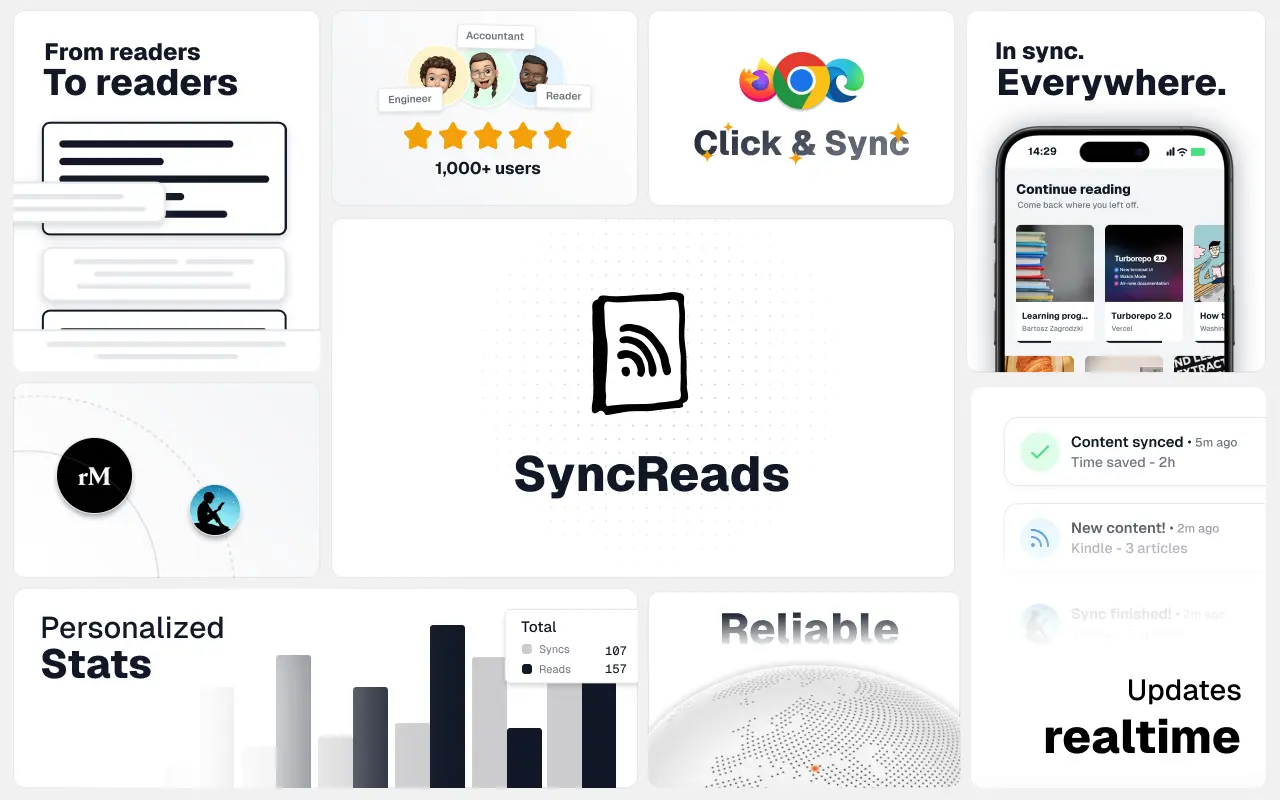
SyncReads
Sync your favorite content for distraction-free reading, save time and replace multiple apps. Anytime, anywhere 🔄
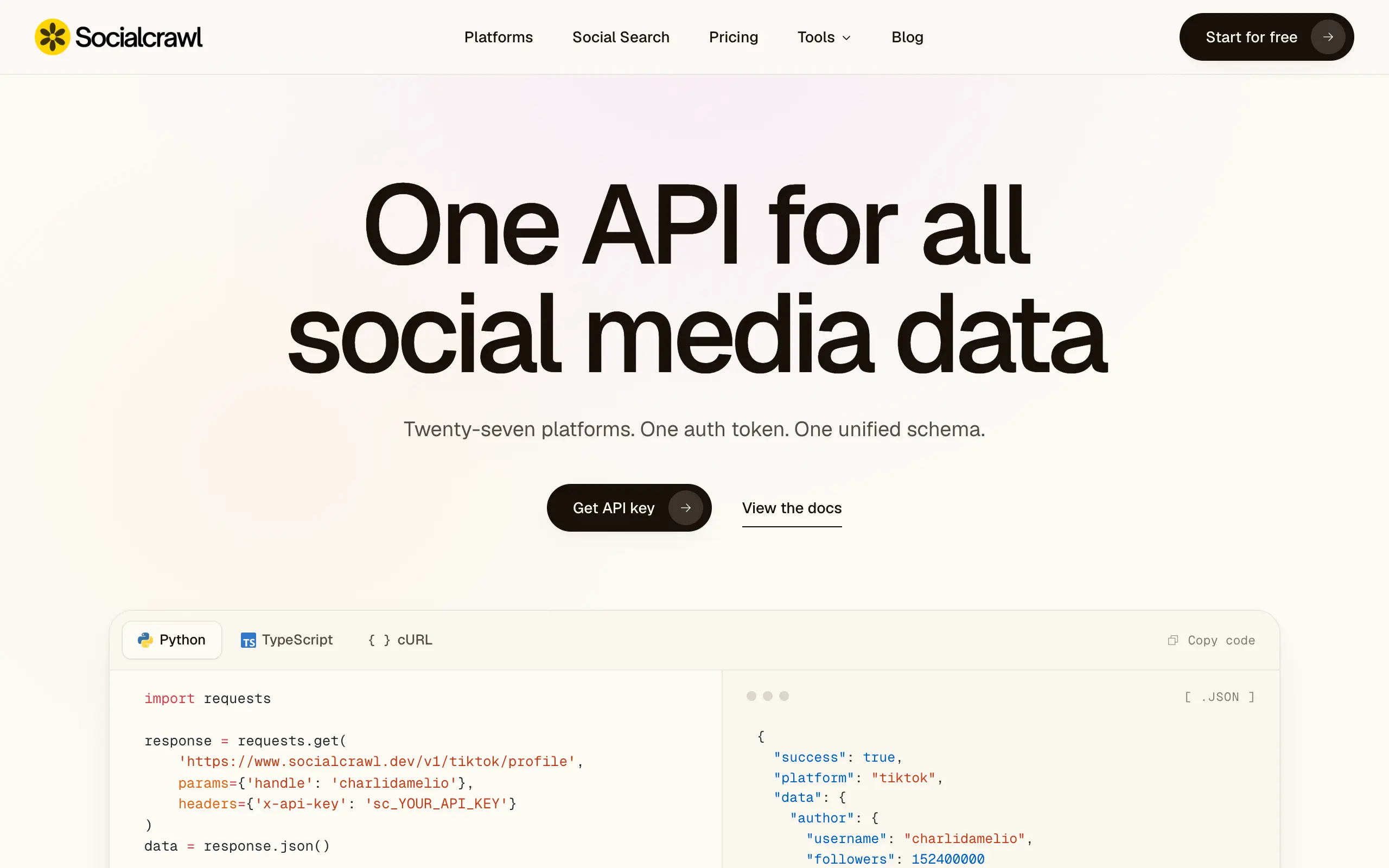
Socialcrawl
Get clean, structured data from 21 platforms like TikTok, Instagram, and YouTube with a single request 📊
Statiko
Monitor any Telegram channel in real time - track posts, edits, deletions, and growth with AI recaps 📡
Shibui
AI website builder - describe your business, pick a niche template, edit by chatting, and publish instantly ✨
Pro Service
Find verified home service professionals, compare quotes, and pay securely through escrow - built for Brazilians across the US 🏠
RankGrow
Fix your SEO with AI agents - connect Search Console, get prioritized tasks, and grow organic traffic 📈
SyncReads
Sync your favorite content for distraction-free reading, save time and replace multiple apps. Anytime, anywhere 🔄
Socialcrawl
Get clean, structured data from 21 platforms like TikTok, Instagram, and YouTube with a single request 📊
Statiko
Monitor any Telegram channel in real time - track posts, edits, deletions, and growth with AI recaps 📡
Shibui
AI website builder - describe your business, pick a niche template, edit by chatting, and publish instantly ✨
Pro Service
Find verified home service professionals, compare quotes, and pay securely through escrow - built for Brazilians across the US 🏠
RankGrow
Fix your SEO with AI agents - connect Search Console, get prioritized tasks, and grow organic traffic 📈
SyncReads
Sync your favorite content for distraction-free reading, save time and replace multiple apps. Anytime, anywhere 🔄
Socialcrawl
Get clean, structured data from 21 platforms like TikTok, Instagram, and YouTube with a single request 📊
Statiko
Monitor any Telegram channel in real time - track posts, edits, deletions, and growth with AI recaps 📡
Shibui
AI website builder - describe your business, pick a niche template, edit by chatting, and publish instantly ✨
Pro Service
Find verified home service professionals, compare quotes, and pay securely through escrow - built for Brazilians across the US 🏠
RankGrow
Fix your SEO with AI agents - connect Search Console, get prioritized tasks, and grow organic traffic 📈
SyncReads
Sync your favorite content for distraction-free reading, save time and replace multiple apps. Anytime, anywhere 🔄
Socialcrawl
Get clean, structured data from 21 platforms like TikTok, Instagram, and YouTube with a single request 📊
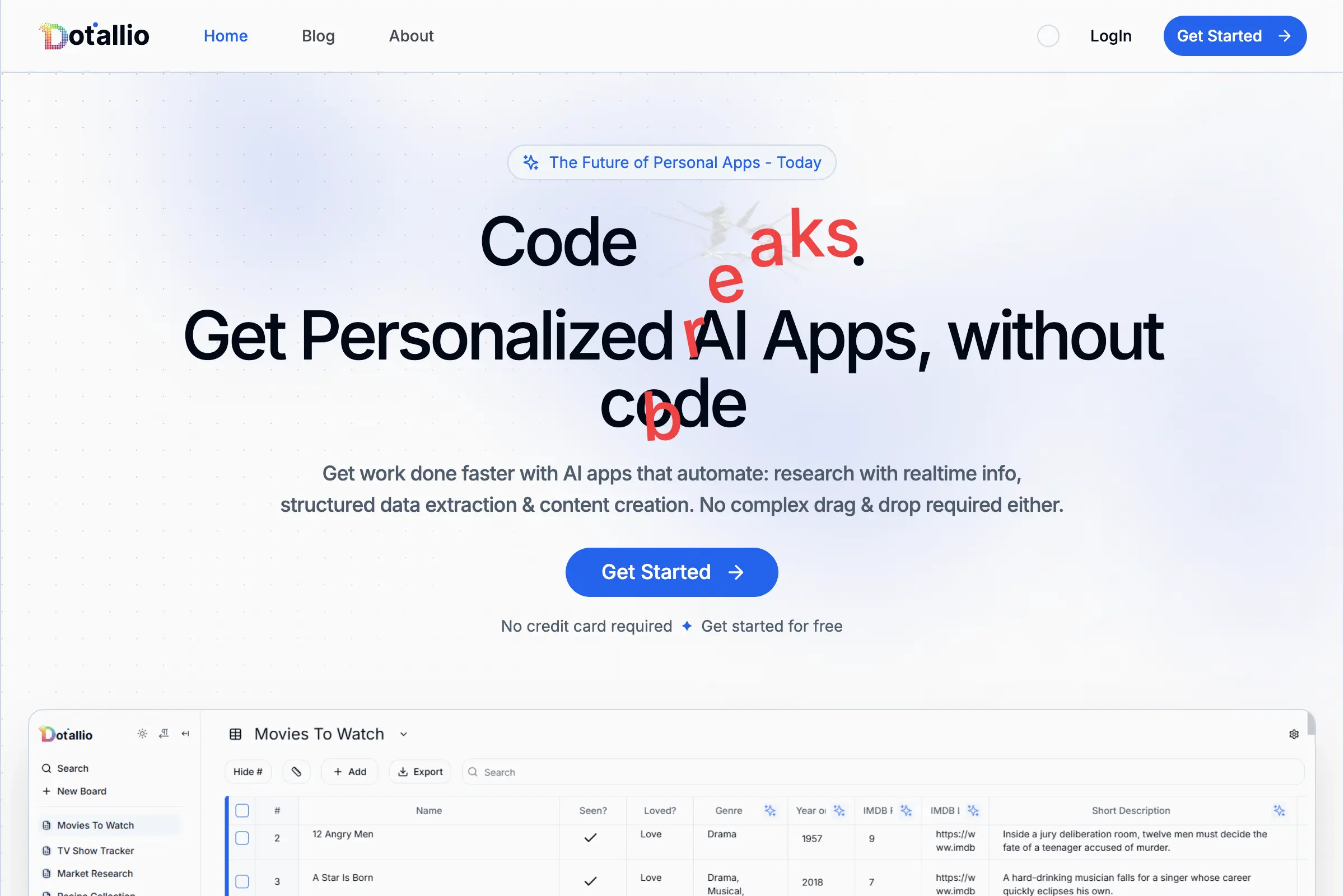
Dotallio
Personalized AI apps that automate research, data extraction, and content creation without code 🤖

Talk to Santa
Enjoy a magical live video chat or receive a unique AI-generated video greeting from Santa Claus 🎅

pozywka.pl
Scalable blog for food journalist, focused on performance and user experience 🌭
zagrodzki.me
Personal blog and portfolio of Bart Zagrodzki, where he shares his knowledge and work 💼
TurboStarter
Ship your startup everywhere. In minutes.
HTML to Markdown
Convert HTML to Markdown with ease, directly in your browser 📄
Dotallio
Personalized AI apps that automate research, data extraction, and content creation without code 🤖
Talk to Santa
Enjoy a magical live video chat or receive a unique AI-generated video greeting from Santa Claus 🎅
pozywka.pl
Scalable blog for food journalist, focused on performance and user experience 🌭
zagrodzki.me
Personal blog and portfolio of Bart Zagrodzki, where he shares his knowledge and work 💼
TurboStarter
Ship your startup everywhere. In minutes.
HTML to Markdown
Convert HTML to Markdown with ease, directly in your browser 📄
Dotallio
Personalized AI apps that automate research, data extraction, and content creation without code 🤖
Talk to Santa
Enjoy a magical live video chat or receive a unique AI-generated video greeting from Santa Claus 🎅
pozywka.pl
Scalable blog for food journalist, focused on performance and user experience 🌭
zagrodzki.me
Personal blog and portfolio of Bart Zagrodzki, where he shares his knowledge and work 💼
TurboStarter
Ship your startup everywhere. In minutes.
HTML to Markdown
Convert HTML to Markdown with ease, directly in your browser 📄
Dotallio
Personalized AI apps that automate research, data extraction, and content creation without code 🤖
Talk to Santa
Enjoy a magical live video chat or receive a unique AI-generated video greeting from Santa Claus 🎅
pozywka.pl
Scalable blog for food journalist, focused on performance and user experience 🌭
zagrodzki.me
Personal blog and portfolio of Bart Zagrodzki, where he shares his knowledge and work 💼
TurboStarter
Ship your startup everywhere. In minutes.
HTML to Markdown
Convert HTML to Markdown with ease, directly in your browser 📄

Omichat
Chat with 50+ AI models, including ChatGPT and Claude, in one place - switch models anytime without losing context 🤖
Claude Fast
Supercharge your Claude Code with 6x effective context window and specialized AI agents 🤖

EmojAI
AI-powered emoji picker with smart, context-aware suggestions 🤖
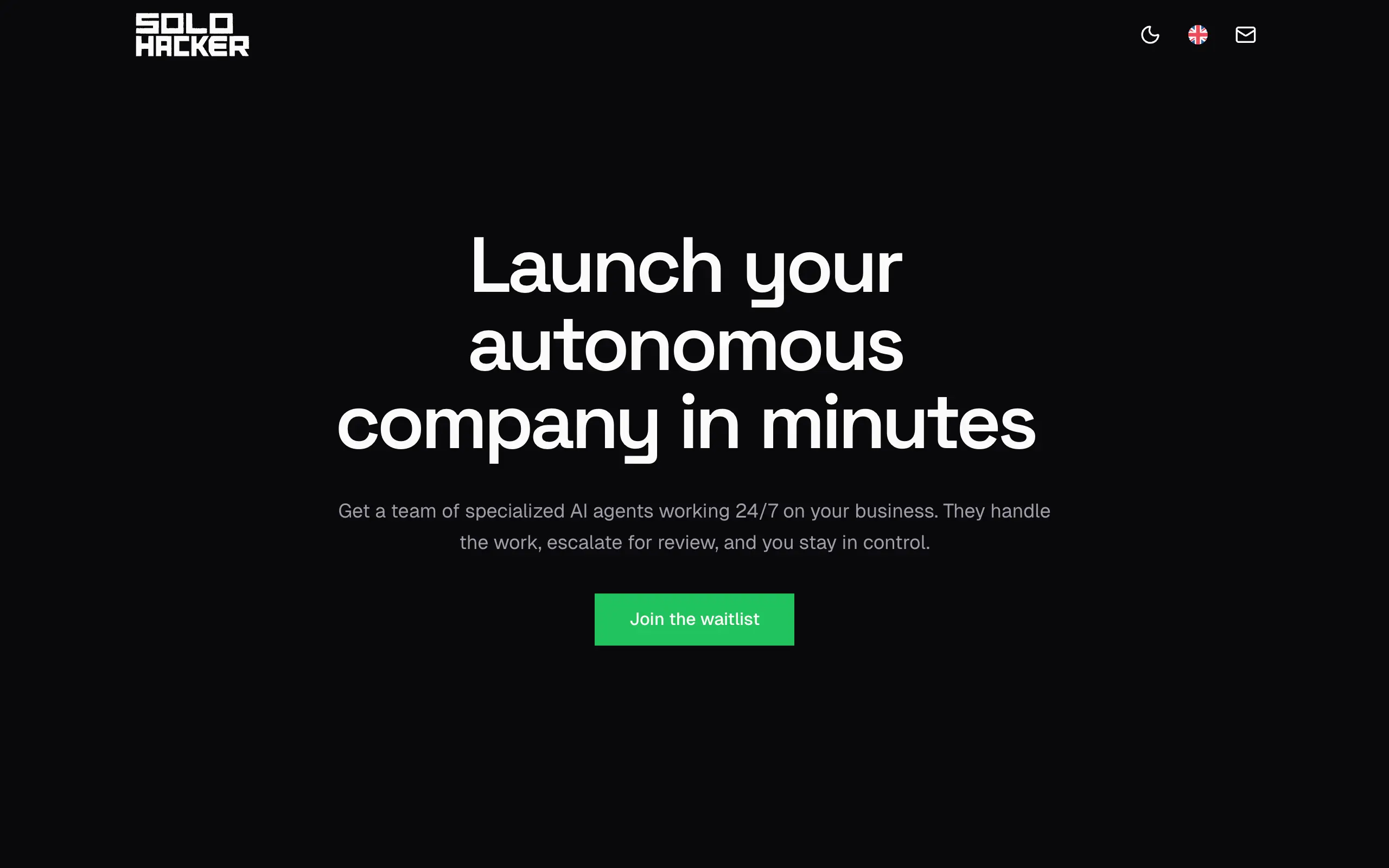
Solohacker
Autonomous company launcher - AI agents work 24/7, escalate what matters, and you stay in control 🤖

BeRawi: Storytelling Coach
Practice storytelling daily with instant feedback to sound clearer, more engaging, and confident 🎤
Omichat
Chat with 50+ AI models, including ChatGPT and Claude, in one place - switch models anytime without losing context 🤖
Claude Fast
Supercharge your Claude Code with 6x effective context window and specialized AI agents 🤖
EmojAI
AI-powered emoji picker with smart, context-aware suggestions 🤖
Solohacker
Autonomous company launcher - AI agents work 24/7, escalate what matters, and you stay in control 🤖
BeRawi: Storytelling Coach
Practice storytelling daily with instant feedback to sound clearer, more engaging, and confident 🎤
Omichat
Chat with 50+ AI models, including ChatGPT and Claude, in one place - switch models anytime without losing context 🤖
Claude Fast
Supercharge your Claude Code with 6x effective context window and specialized AI agents 🤖
EmojAI
AI-powered emoji picker with smart, context-aware suggestions 🤖
Solohacker
Autonomous company launcher - AI agents work 24/7, escalate what matters, and you stay in control 🤖
BeRawi: Storytelling Coach
Practice storytelling daily with instant feedback to sound clearer, more engaging, and confident 🎤
Omichat
Chat with 50+ AI models, including ChatGPT and Claude, in one place - switch models anytime without losing context 🤖
Claude Fast
Supercharge your Claude Code with 6x effective context window and specialized AI agents 🤖
EmojAI
AI-powered emoji picker with smart, context-aware suggestions 🤖
Solohacker
Autonomous company launcher - AI agents work 24/7, escalate what matters, and you stay in control 🤖
BeRawi: Storytelling Coach
Practice storytelling daily with instant feedback to sound clearer, more engaging, and confident 🎤

Connect with like-minded people
Join our community to get feedback, support, and grow together with 1,000+ builders on board, let's ship it!
Join usShip your startup everywhere. In minutes.
Don't burn tokens on setup and start building features on day one.