PersonaPulse
Simulates target customer reactions to ideas, ads, or products using AI personas trained on market data and behavior patterns.
what is AI persona simulation and why it matters now
Modern product teams, marketers, and founders face a familiar but expensive problem: they build first, validate later. Whether it’s a landing page, ad campaign, or product feature, the feedback loop is often slow, biased, and incomplete.
AI persona simulation platforms like PersonaPulse aim to flip this process by allowing teams to simulate target customer reactions before launch.
Instead of asking:
- “Will this ad convert?”
- “Do users understand this feature?”
- “Is this messaging compelling?”
You can test:
- How different customer segments react
- What objections arise
- What emotional triggers resonate
- What messaging drives action
All before spending money on real-world campaigns.
This shift aligns with a broader trend in AI-driven decision-making: synthetic feedback loops powered by large language models, behavioral data, and persona modeling.
understanding the core concept of PersonaPulse
PersonaPulse is a B2B SaaS platform that enables businesses to simulate customer reactions using AI-generated personas trained on:
- Market research data
- Behavioral psychology models
- Industry-specific trends
- Demographic and psychographic attributes
Instead of relying solely on surveys or focus groups, users can create dynamic, interactive personas that respond like real customers.
how it works at a high level
The result is a faster, lower-cost validation cycle.
target audience analysis
PersonaPulse is designed for professionals who regularly make customer-facing decisions under uncertainty.
primary target segments
Startup founders
Validate ideas before building MVPs or launching campaigns
Product managers
Test feature concepts and UX decisions with simulated users
Marketing teams
Optimize messaging, ads, and positioning before spending ad budget
Agencies
Deliver faster insights to clients with scalable persona testing
secondary audiences
- UX researchers looking to augment qualitative research
- Growth teams optimizing conversion funnels
- E-commerce brands testing product descriptions and pricing
- SaaS companies refining onboarding flows
key pain points
Across these segments, several recurring challenges emerge:
- High cost of user research (interviews, surveys, panels)
- Slow feedback loops
- Limited sample sizes
- Bias in qualitative research
- Risk of launching unvalidated ideas
PersonaPulse directly addresses these by offering instant, scalable feedback simulations.
market opportunity and gap analysis
The rise of AI tools in product and marketing workflows has created a new category: AI-assisted decision-making platforms.
existing solutions and limitations
| Category | Examples | Strength | Weakness | Opportunity |
|---|---|---|---|---|
| Survey tools | Typeform, SurveyMonkey | Real data | Slow, expensive | AI simulation instead of waiting |
| User testing | UserTesting.com | High-quality feedback | Costly, limited scale | Scalable persona-based testing |
| Analytics tools | Google Analytics | Behavior tracking | Post-launch only | Pre-launch insights |
| AI writing tools | Jasper, Copy.ai | Content generation | No validation layer | Simulated feedback loop |
the gap PersonaPulse fills
There is currently a missing layer between creation and execution:
- Tools help you create content
- Tools help you analyze results
- But very few help you predict outcomes before launch
PersonaPulse positions itself as:
“The pre-launch validation engine for ideas, messaging, and products.”
industry trends supporting growth
- Explosion of generative AI adoption in workflows
- Increasing cost of paid acquisition (especially ads)
- Shift toward data-informed decision-making
- Demand for faster iteration cycles in startups
- Rise of synthetic data and digital personas
core features and solution breakdown
1. AI persona builder
Users can create highly specific personas based on:
- Demographics (age, location, income)
- Psychographics (values, fears, motivations)
- Behavior patterns (buying habits, tech adoption)
- Industry context
Example persona:
- “SaaS founder, bootstrapped, risk-averse, values ROI clarity”
2. simulation engine
The core engine allows users to input:
- Ad copy
- Landing pages
- Product descriptions
- Pricing models
- Feature concepts
The AI then generates:
- Emotional reactions
- Objections and concerns
- Likelihood to convert
- Suggested improvements
3. multi-persona comparison
Users can compare how different segments react to the same input.
Early-stage founder:
- Concerned about cost
- Wants fast results
- Skeptical of complexity
Enterprise buyer:
- Focused on scalability
- Needs compliance assurances
- Interested in integrations
4. sentiment and insight analysis
The platform aggregates responses into:
- Sentiment scores
- Conversion likelihood estimates
- Key objections clusters
- Messaging recommendations
5. iterative testing loop
Users can refine content and re-run simulations instantly.
This creates a tight feedback loop, similar to A/B testing—but before launch.
6. integrations and workflow compatibility
Potential integrations include:
- Marketing tools (HubSpot, Webflow)
- Product tools (Figma, Notion)
- Analytics platforms
- CRM systems
recommended tech stack and architecture
Building a platform like PersonaPulse requires careful consideration of scalability, cost, and AI performance.
frontend
- React for UI
- TailwindCSS for styling
- Optional: Next.js for SSR and performance
backend
- Node.js or Python (FastAPI)
- API orchestration layer for AI models
- Queue system for simulation jobs (e.g., Redis)
AI layer
- LLM providers (OpenAI, Anthropic, etc.)
- Fine-tuning or prompt engineering for persona consistency
- Retrieval-augmented generation (RAG) for market data
data storage
- PostgreSQL for structured data
- Vector database (e.g., Pinecone) for persona embeddings
- Object storage for content inputs
infrastructure
- Vercel or AWS for deployment
- Background workers for simulation processing
- Monitoring and logging systems
trade-offs to consider
- Cost vs accuracy: More advanced models improve realism but increase costs
- Speed vs depth: Faster responses may reduce simulation fidelity
- Customization vs simplicity: Too many persona options can overwhelm users
Key insight
The real moat is not just the AI model, but the quality of persona frameworks and behavioral datasets used to guide simulations.
monetization strategy
PersonaPulse can adopt multiple SaaS pricing models depending on target segment.
tiered subscription model
- Free tier: limited simulations per month
- Pro: higher usage + advanced personas
- Enterprise: custom personas, integrations, API access
usage-based pricing
Charge based on:
- Number of simulations
- Complexity of simulations
- Number of personas used
add-ons
- Custom persona training
- Industry-specific persona packs
- Advanced analytics dashboards
enterprise opportunities
- API access for internal tools
- White-label solutions for agencies
- Custom data integrations
competitive advantage and differentiation
PersonaPulse’s strength lies in combining multiple layers:
1. behavioral realism
Most AI tools generate text. PersonaPulse generates reactions grounded in behavioral psychology.
2. pre-launch validation
Unlike analytics tools, it operates before risk is taken.
3. scalable qualitative insights
It mimics:
- Focus groups
- Interviews
- Customer feedback
But at near-zero marginal cost.
4. speed of iteration
Users can test multiple variations in minutes instead of days.
5. cross-functional value
It’s useful across:
- Marketing
- Product
- Sales
- Strategy
potential risks and mitigation strategies
risk 1: over-reliance on simulated data
AI personas are approximations, not real humans.
Mitigation:
- Position as a complement, not replacement, for real user research
- Encourage hybrid validation approaches
risk 2: accuracy concerns
If simulations feel unrealistic, trust erodes.
Mitigation:
- Continuously improve persona models
- Incorporate real-world datasets
- Allow user feedback loops
risk 3: commoditization of AI features
AI capabilities are becoming widely available.
Mitigation:
- Focus on UX, workflows, and proprietary persona frameworks
- Build network effects via shared persona libraries
risk 4: ethical considerations
Simulating human behavior raises questions about bias and misuse.
Mitigation:
- Transparent disclaimers
- Bias detection systems
- Ethical AI guidelines
Important consideration
Persona simulation should not replace real customer interaction entirely. It works best as a decision-support tool, not a decision-maker.
real-world use cases
marketing campaign testing
- Test ad variations before spending budget
- Identify emotional triggers that drive clicks
product feature validation
- Gauge user interest in new features
- Identify confusion points early
pricing strategy optimization
- Simulate reactions to different pricing tiers
- Understand perceived value
landing page optimization
- Test headlines, CTAs, and structure
- Predict conversion likelihood
startup idea validation
- Validate demand before building MVP
- Identify target audience segments
step-by-step implementation plan
MVP feature checklist
- Persona creation
- Basic simulation engine
- Text input testing
- Simple insights dashboard
go-to-market strategy
- Content marketing (SEO-focused)
- Product-led growth (free tier)
- Partnerships with agencies
- Community-driven adoption
SEO strategy for PersonaPulse
To rank effectively, focus on keywords like:
- AI persona simulation
- customer simulation tools
- AI market research tools
- pre-launch validation tools
- AI customer feedback software
content ideas
- “How to validate a startup idea using AI”
- “AI vs traditional user research”
- “Best tools for testing ad copy before launch”
authority building
- Publish case studies
- Share data-backed insights
- Collaborate with industry experts
future opportunities and expansion
PersonaPulse can evolve into a broader platform:
- Predictive analytics for product success
- AI-driven A/B testing automation
- Integration with ad platforms
- Real-time personalization engines
Long-term, it could become:
The “simulation layer” of modern product and marketing workflows.
conclusion: why PersonaPulse is a high-potential SaaS idea
PersonaPulse taps into a powerful shift:
From:
- Guessing → Testing
- Testing → Predicting
By enabling teams to simulate customer reactions, it reduces risk, speeds up iteration, and improves decision-making.
Its success will depend on:
- Quality of persona modeling
- User trust in outputs
- Seamless integration into workflows
But if executed well, it has the potential to become a core tool in every product and marketing stack.
final thoughts and actionable next steps
If you’re considering building PersonaPulse or a similar AI persona simulation SaaS:
- Start narrow: focus on one use case (e.g., ad testing)
- Prioritize realism over feature breadth
- Build trust through transparency and accuracy
- Iterate quickly with real user feedback
The opportunity is real—but execution quality will determine whether it becomes a niche tool or a category leader.
More 🏢 B2B Application SaaS ideas
Discover more innovative b2b application SaaS ideas that are trending in 2026. Each idea is AI-generated with market validation and growth potential to help you find your next profitable venture faster than competitors.
Your competitors are building with TurboStarter
Below are some of the SaaS ideas that have been generated and built with our starter kit.

Statiko
Monitor any Telegram channel in real time - track posts, edits, deletions, and growth with AI recaps 📡

Shibui
AI website builder - describe your business, pick a niche template, edit by chatting, and publish instantly ✨

Pro Service
Find verified home service professionals, compare quotes, and pay securely through escrow - built for Brazilians across the US 🏠
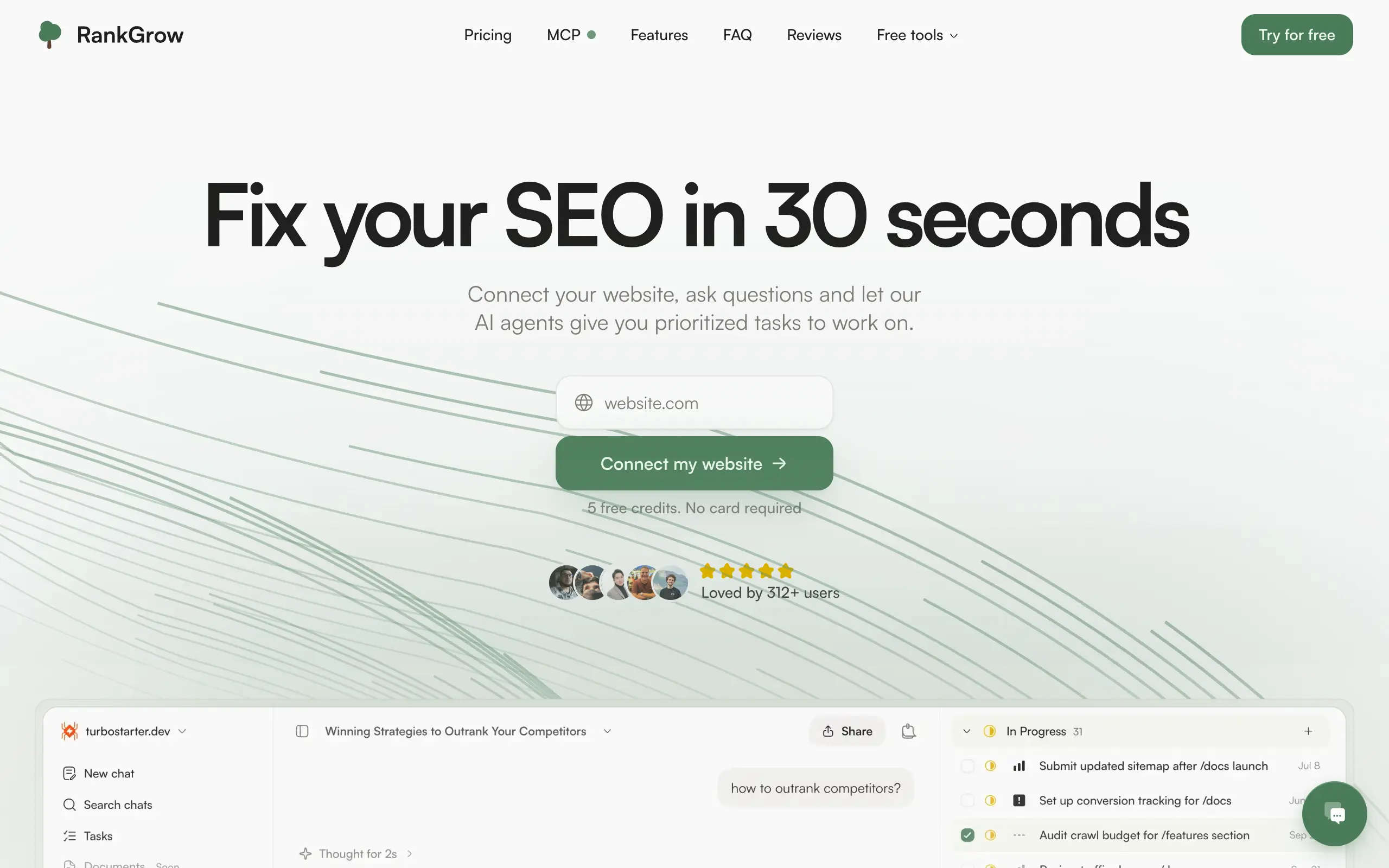
RankGrow
Fix your SEO with AI agents - connect Search Console, get prioritized tasks, and grow organic traffic 📈
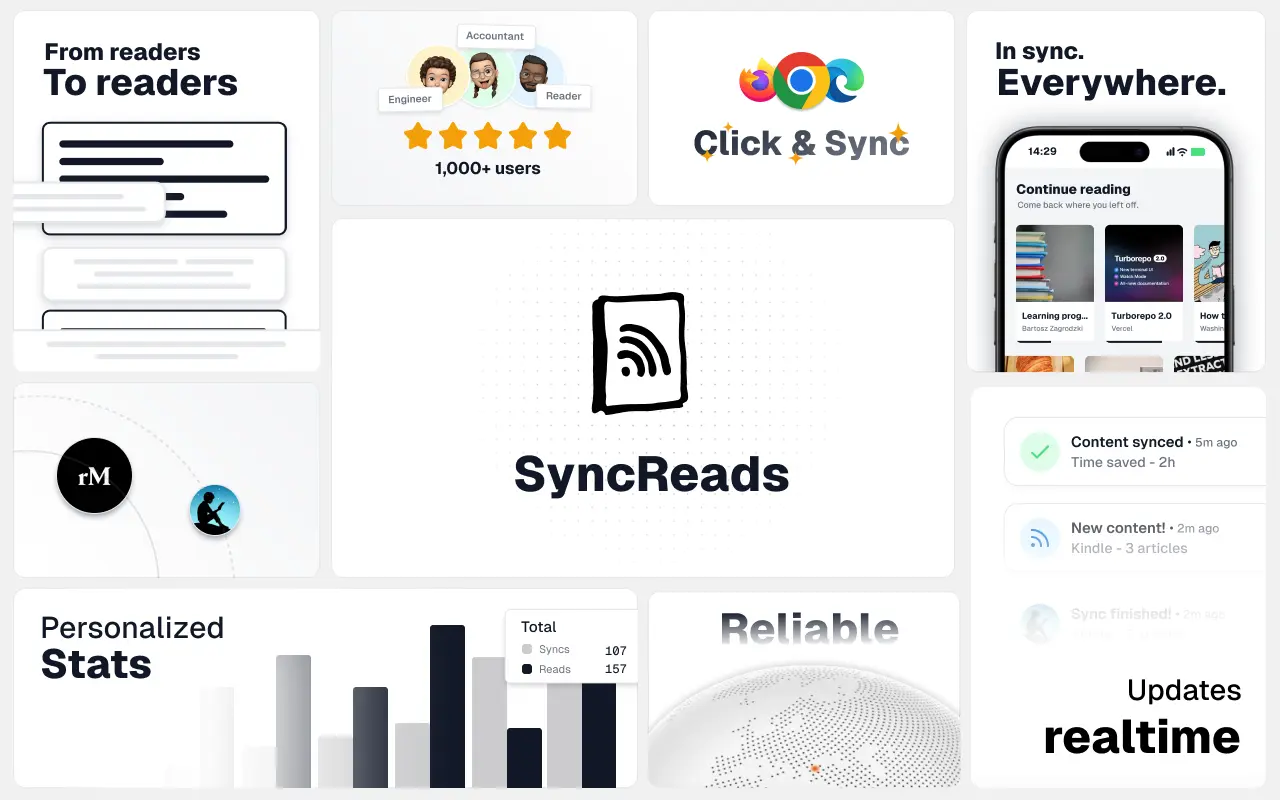
SyncReads
Sync your favorite content for distraction-free reading, save time and replace multiple apps. Anytime, anywhere 🔄
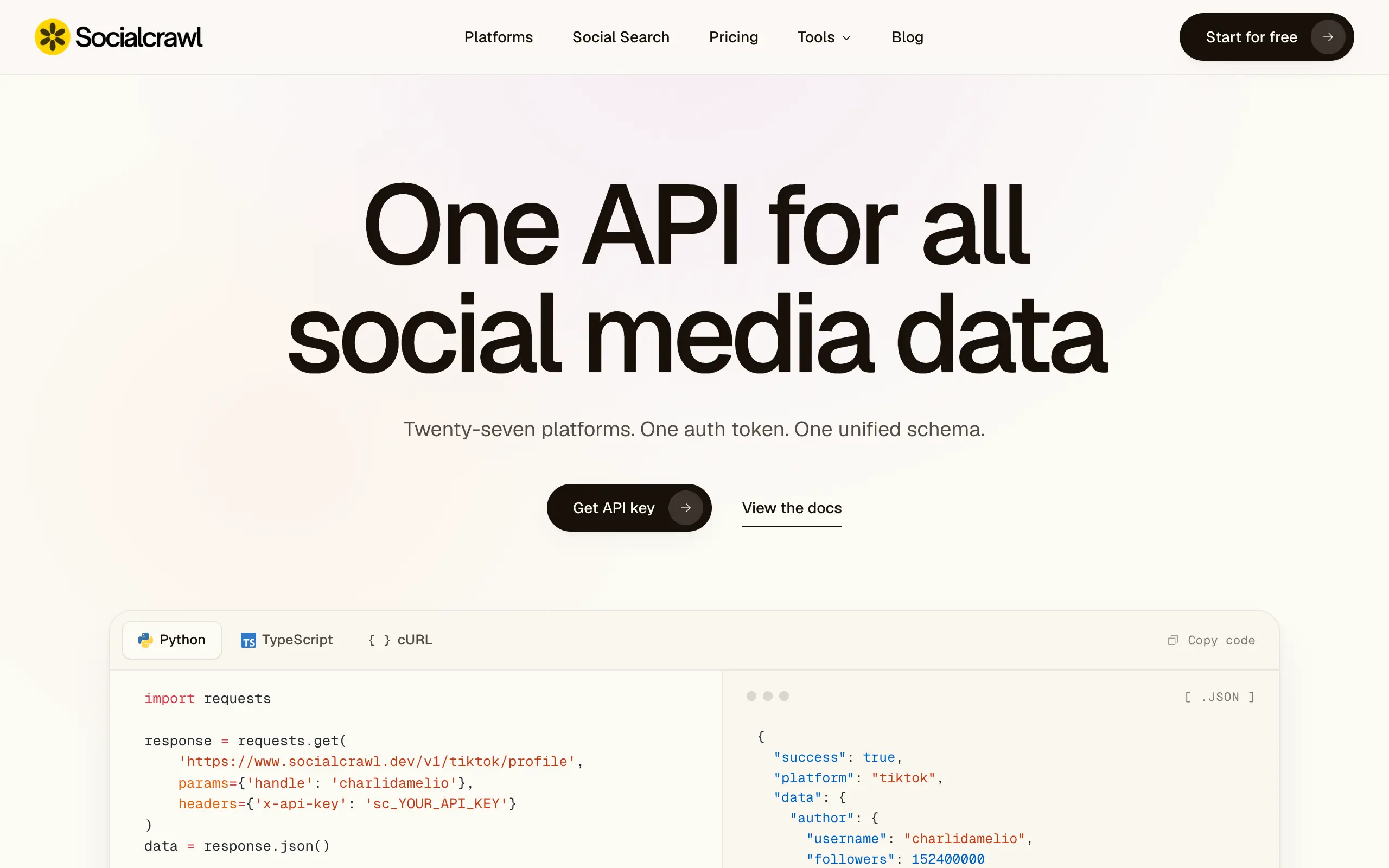
Socialcrawl
Get clean, structured data from 21 platforms like TikTok, Instagram, and YouTube with a single request 📊
Statiko
Monitor any Telegram channel in real time - track posts, edits, deletions, and growth with AI recaps 📡
Shibui
AI website builder - describe your business, pick a niche template, edit by chatting, and publish instantly ✨
Pro Service
Find verified home service professionals, compare quotes, and pay securely through escrow - built for Brazilians across the US 🏠
RankGrow
Fix your SEO with AI agents - connect Search Console, get prioritized tasks, and grow organic traffic 📈
SyncReads
Sync your favorite content for distraction-free reading, save time and replace multiple apps. Anytime, anywhere 🔄
Socialcrawl
Get clean, structured data from 21 platforms like TikTok, Instagram, and YouTube with a single request 📊
Statiko
Monitor any Telegram channel in real time - track posts, edits, deletions, and growth with AI recaps 📡
Shibui
AI website builder - describe your business, pick a niche template, edit by chatting, and publish instantly ✨
Pro Service
Find verified home service professionals, compare quotes, and pay securely through escrow - built for Brazilians across the US 🏠
RankGrow
Fix your SEO with AI agents - connect Search Console, get prioritized tasks, and grow organic traffic 📈
SyncReads
Sync your favorite content for distraction-free reading, save time and replace multiple apps. Anytime, anywhere 🔄
Socialcrawl
Get clean, structured data from 21 platforms like TikTok, Instagram, and YouTube with a single request 📊
Statiko
Monitor any Telegram channel in real time - track posts, edits, deletions, and growth with AI recaps 📡
Shibui
AI website builder - describe your business, pick a niche template, edit by chatting, and publish instantly ✨
Pro Service
Find verified home service professionals, compare quotes, and pay securely through escrow - built for Brazilians across the US 🏠
RankGrow
Fix your SEO with AI agents - connect Search Console, get prioritized tasks, and grow organic traffic 📈
SyncReads
Sync your favorite content for distraction-free reading, save time and replace multiple apps. Anytime, anywhere 🔄
Socialcrawl
Get clean, structured data from 21 platforms like TikTok, Instagram, and YouTube with a single request 📊
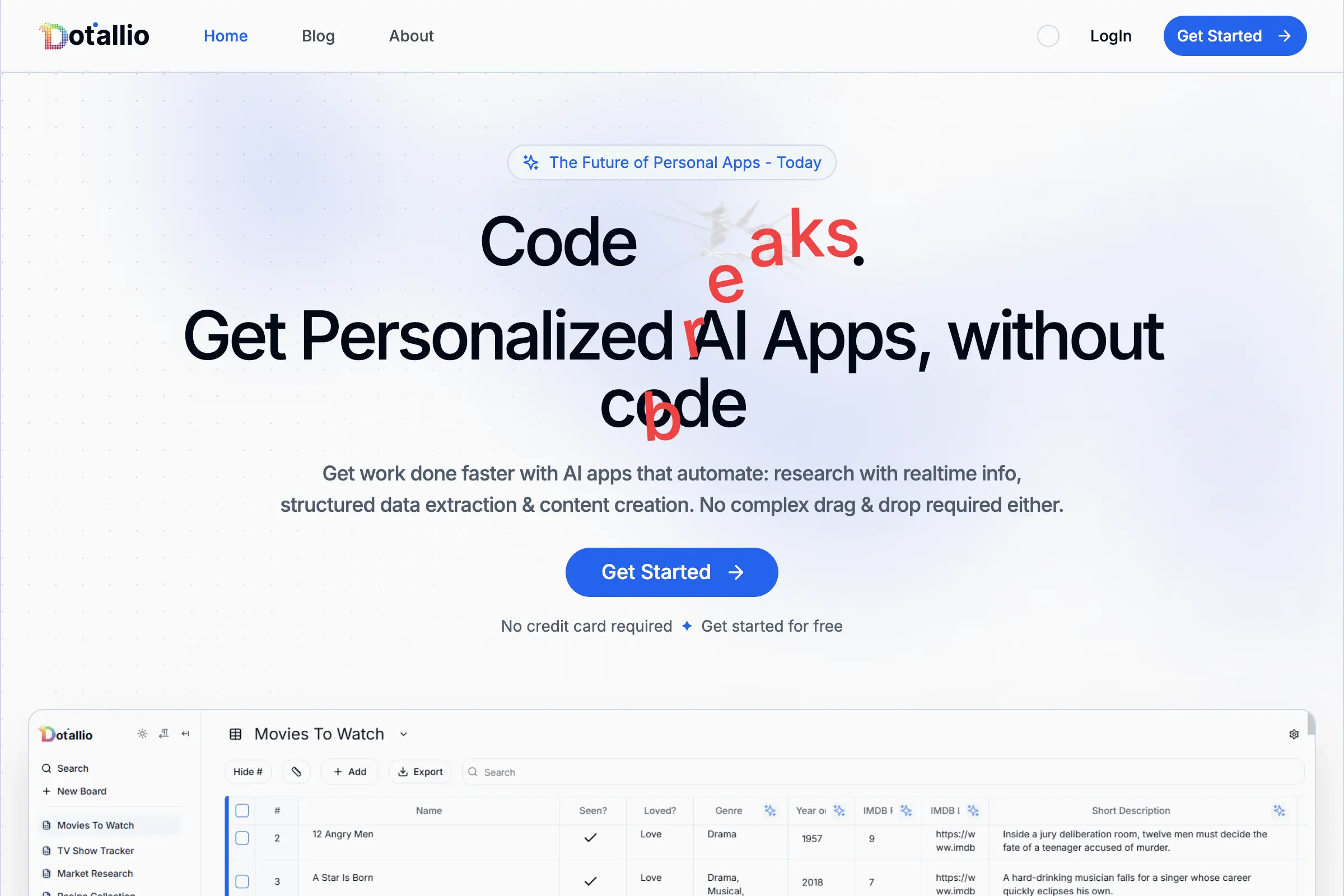
Dotallio
Personalized AI apps that automate research, data extraction, and content creation without code 🤖

Talk to Santa
Enjoy a magical live video chat or receive a unique AI-generated video greeting from Santa Claus 🎅
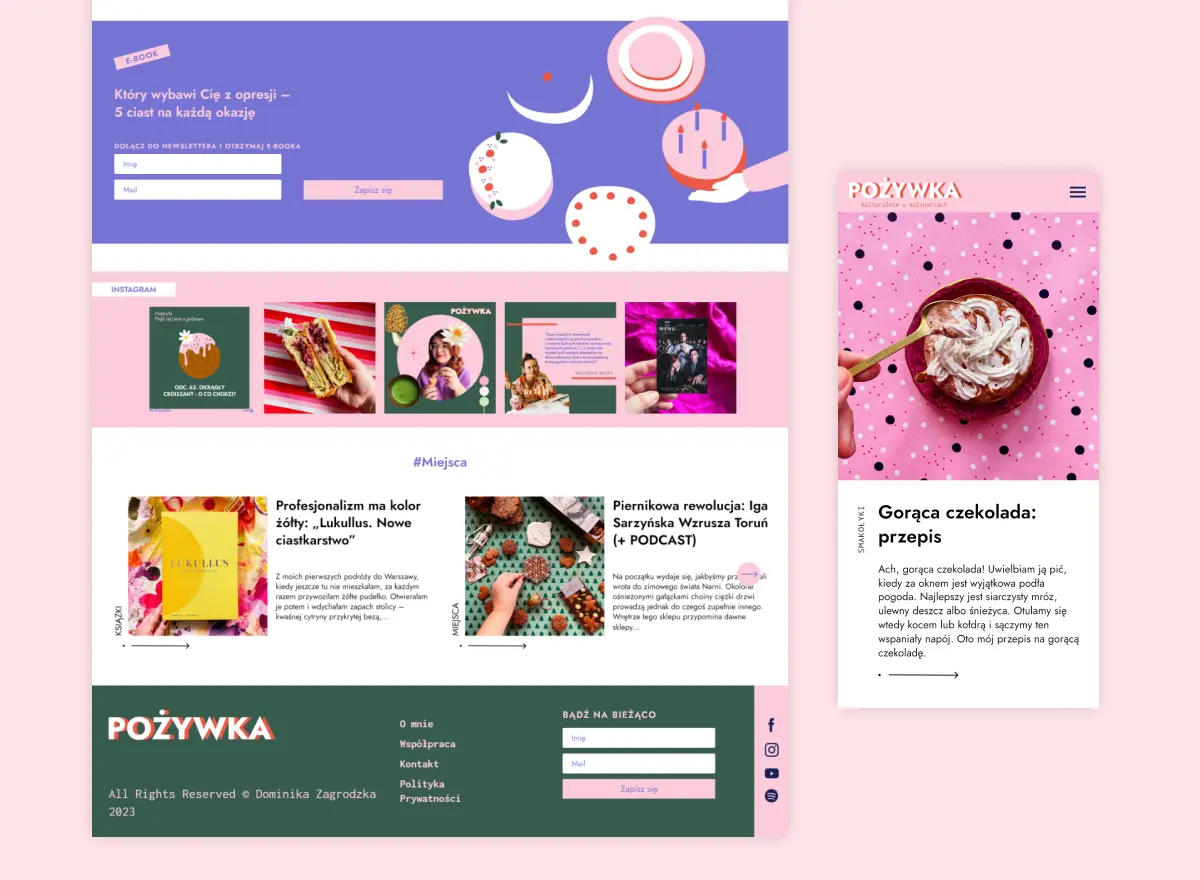
pozywka.pl
Scalable blog for food journalist, focused on performance and user experience 🌭
zagrodzki.me
Personal blog and portfolio of Bart Zagrodzki, where he shares his knowledge and work 💼
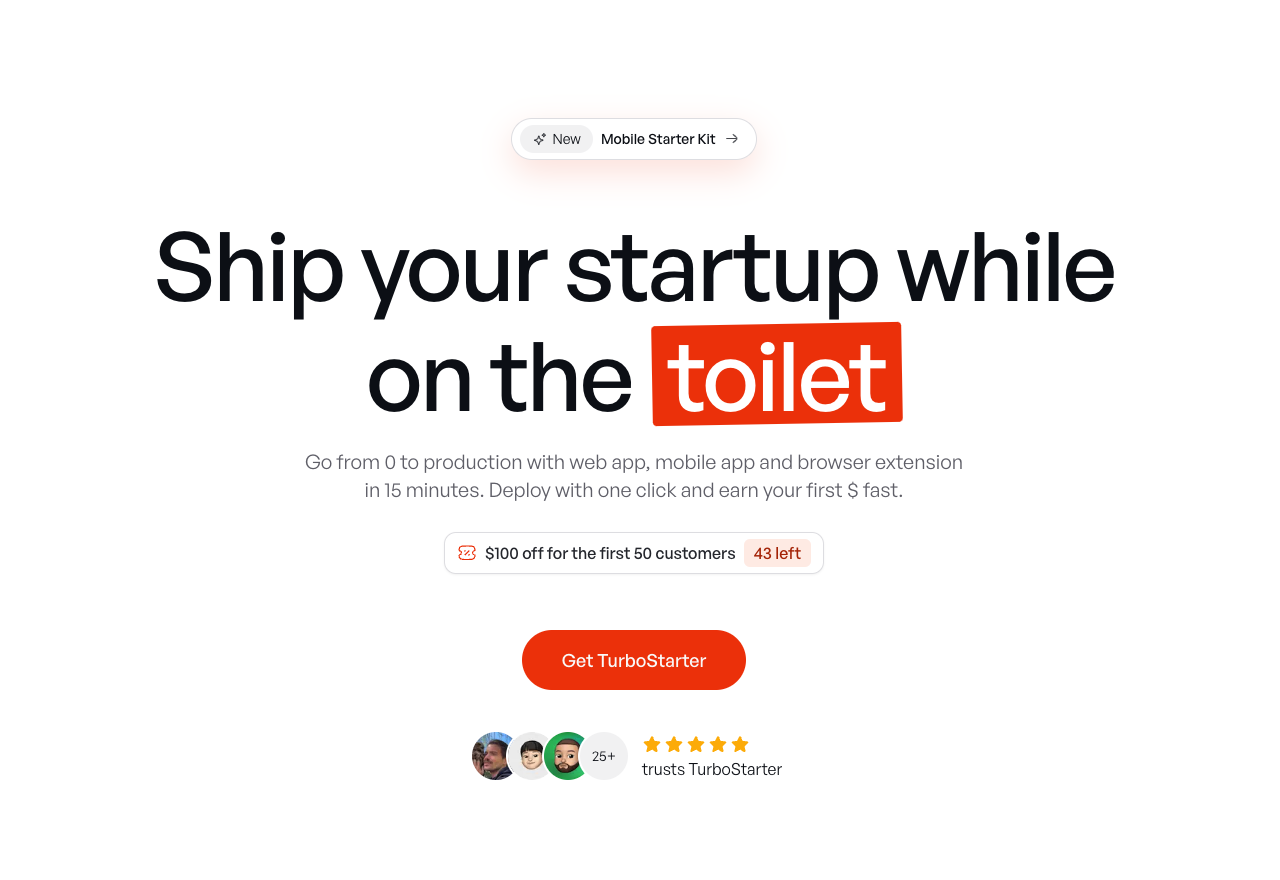
TurboStarter
Ship your startup everywhere. In minutes.
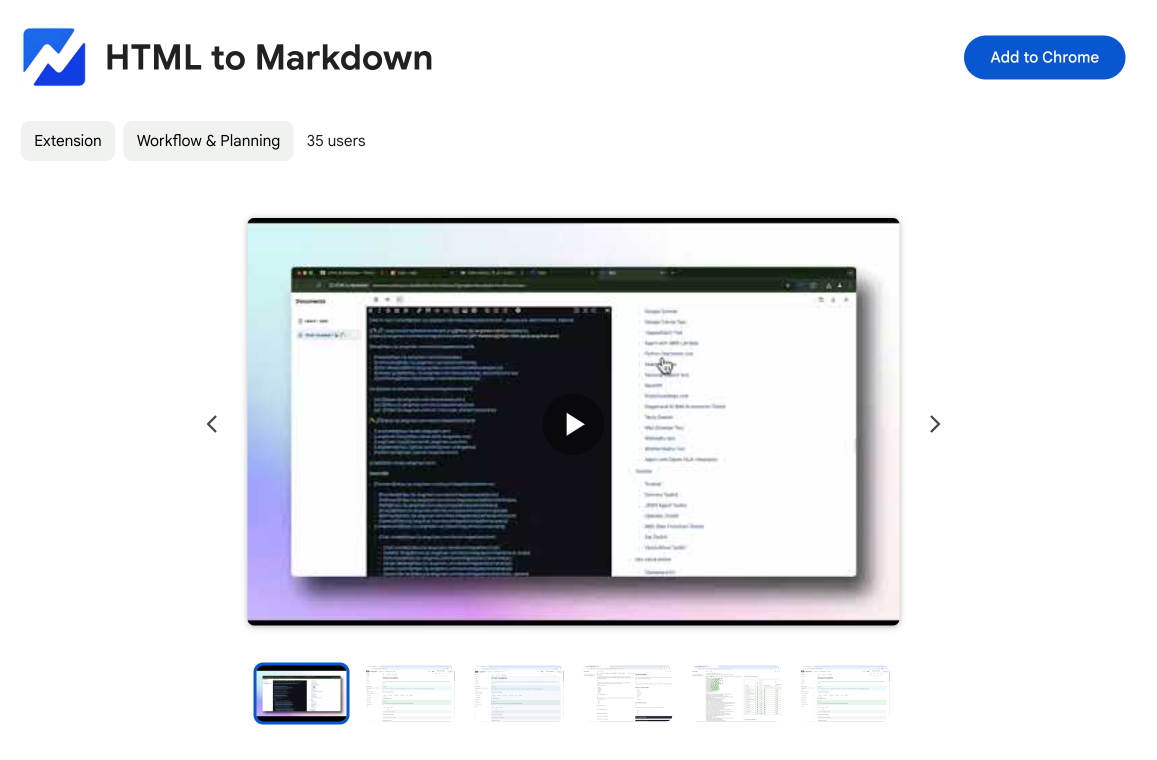
HTML to Markdown
Convert HTML to Markdown with ease, directly in your browser 📄
Dotallio
Personalized AI apps that automate research, data extraction, and content creation without code 🤖
Talk to Santa
Enjoy a magical live video chat or receive a unique AI-generated video greeting from Santa Claus 🎅
pozywka.pl
Scalable blog for food journalist, focused on performance and user experience 🌭
zagrodzki.me
Personal blog and portfolio of Bart Zagrodzki, where he shares his knowledge and work 💼
TurboStarter
Ship your startup everywhere. In minutes.
HTML to Markdown
Convert HTML to Markdown with ease, directly in your browser 📄
Dotallio
Personalized AI apps that automate research, data extraction, and content creation without code 🤖
Talk to Santa
Enjoy a magical live video chat or receive a unique AI-generated video greeting from Santa Claus 🎅
pozywka.pl
Scalable blog for food journalist, focused on performance and user experience 🌭
zagrodzki.me
Personal blog and portfolio of Bart Zagrodzki, where he shares his knowledge and work 💼
TurboStarter
Ship your startup everywhere. In minutes.
HTML to Markdown
Convert HTML to Markdown with ease, directly in your browser 📄
Dotallio
Personalized AI apps that automate research, data extraction, and content creation without code 🤖
Talk to Santa
Enjoy a magical live video chat or receive a unique AI-generated video greeting from Santa Claus 🎅
pozywka.pl
Scalable blog for food journalist, focused on performance and user experience 🌭
zagrodzki.me
Personal blog and portfolio of Bart Zagrodzki, where he shares his knowledge and work 💼
TurboStarter
Ship your startup everywhere. In minutes.
HTML to Markdown
Convert HTML to Markdown with ease, directly in your browser 📄
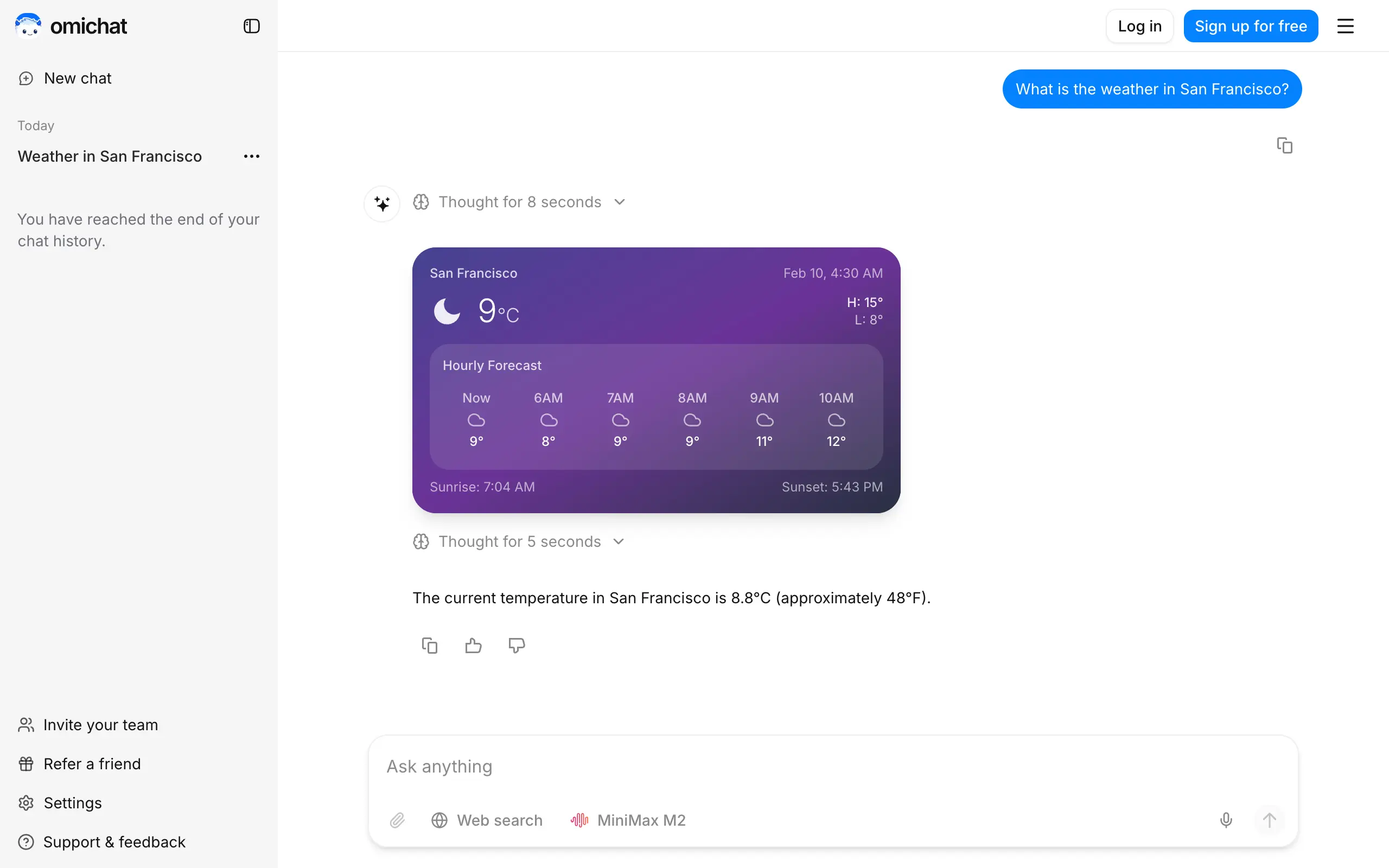
Omichat
Chat with 50+ AI models, including ChatGPT and Claude, in one place - switch models anytime without losing context 🤖
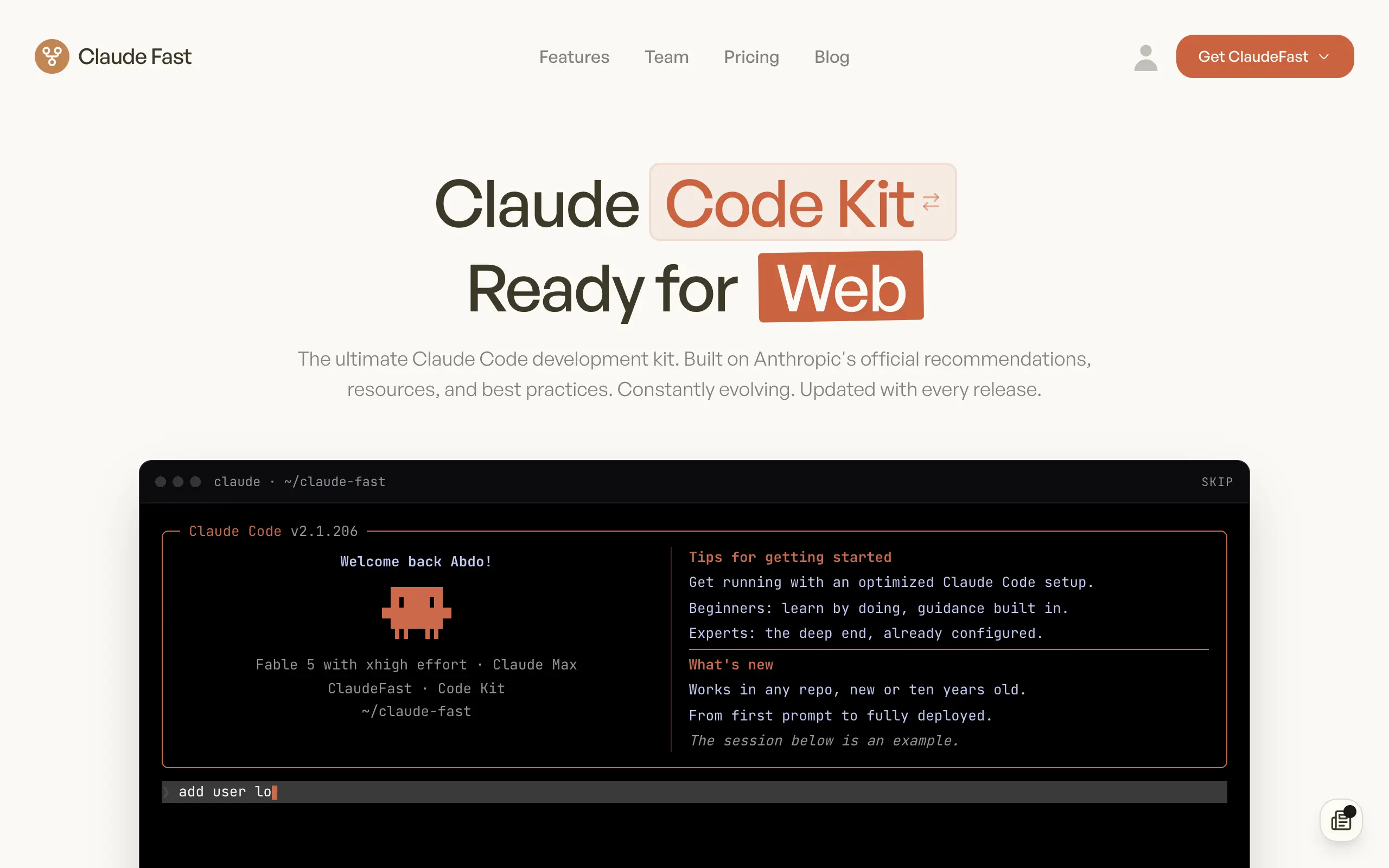
Claude Fast
Supercharge your Claude Code with 6x effective context window and specialized AI agents 🤖
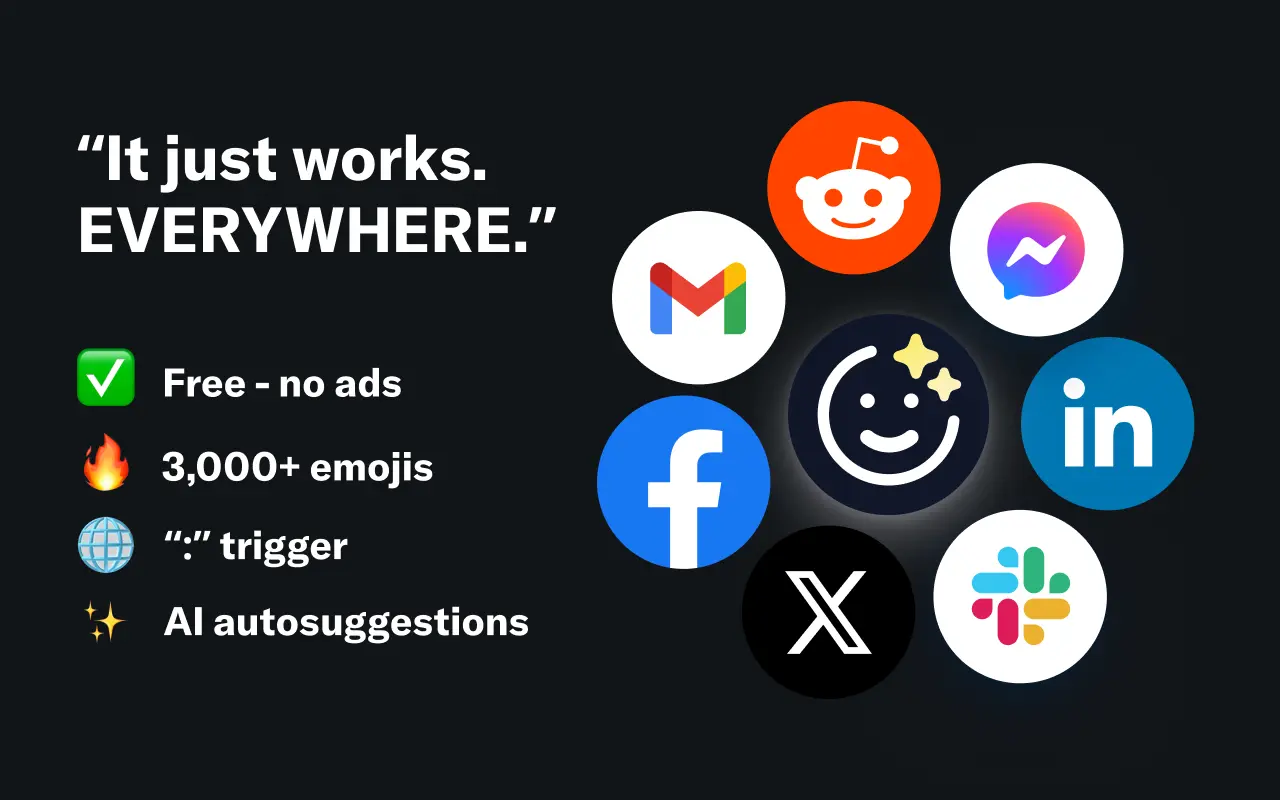
EmojAI
AI-powered emoji picker with smart, context-aware suggestions 🤖

Solohacker
Autonomous company launcher - AI agents work 24/7, escalate what matters, and you stay in control 🤖
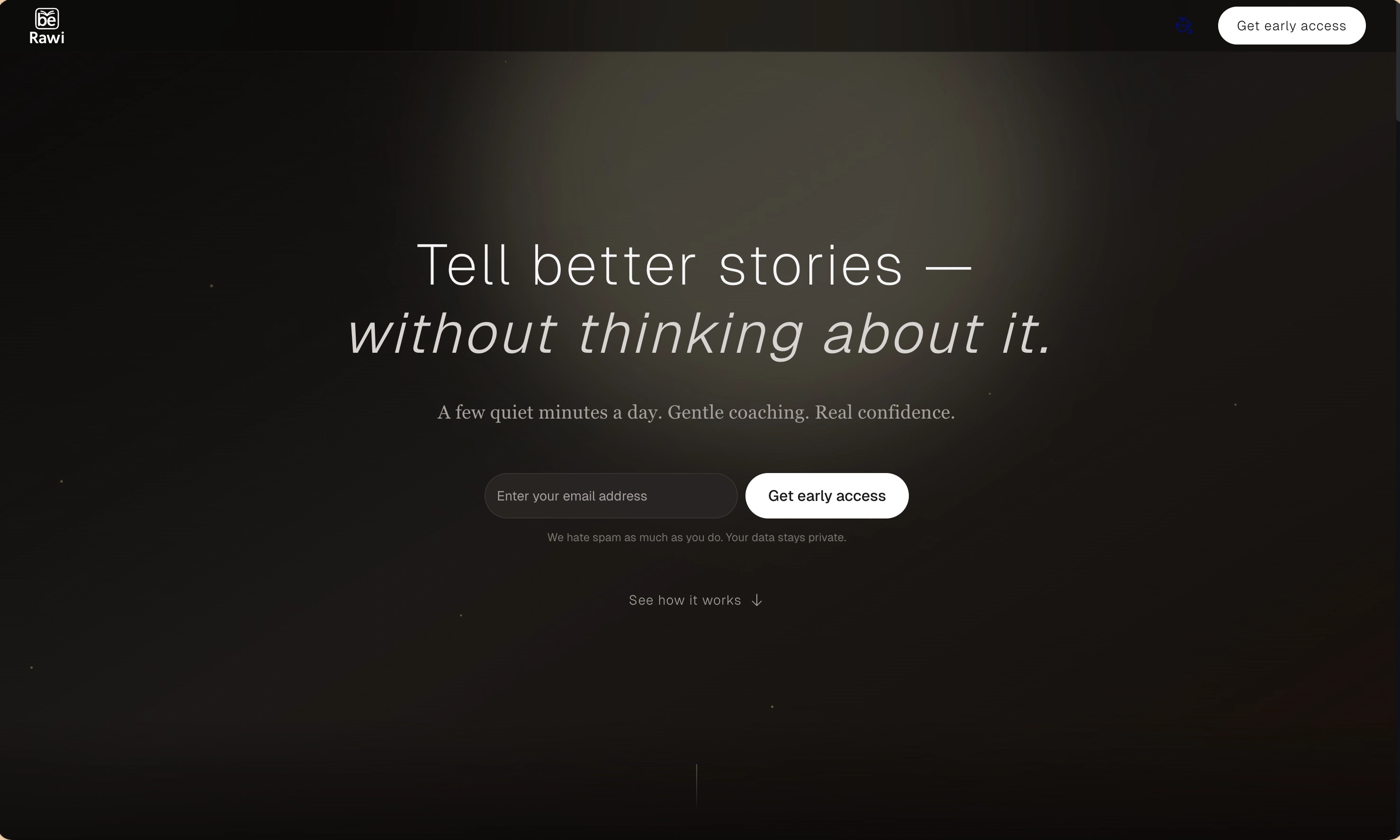
BeRawi: Storytelling Coach
Practice storytelling daily with instant feedback to sound clearer, more engaging, and confident 🎤
Omichat
Chat with 50+ AI models, including ChatGPT and Claude, in one place - switch models anytime without losing context 🤖
Claude Fast
Supercharge your Claude Code with 6x effective context window and specialized AI agents 🤖
EmojAI
AI-powered emoji picker with smart, context-aware suggestions 🤖
Solohacker
Autonomous company launcher - AI agents work 24/7, escalate what matters, and you stay in control 🤖
BeRawi: Storytelling Coach
Practice storytelling daily with instant feedback to sound clearer, more engaging, and confident 🎤
Omichat
Chat with 50+ AI models, including ChatGPT and Claude, in one place - switch models anytime without losing context 🤖
Claude Fast
Supercharge your Claude Code with 6x effective context window and specialized AI agents 🤖
EmojAI
AI-powered emoji picker with smart, context-aware suggestions 🤖
Solohacker
Autonomous company launcher - AI agents work 24/7, escalate what matters, and you stay in control 🤖
BeRawi: Storytelling Coach
Practice storytelling daily with instant feedback to sound clearer, more engaging, and confident 🎤
Omichat
Chat with 50+ AI models, including ChatGPT and Claude, in one place - switch models anytime without losing context 🤖
Claude Fast
Supercharge your Claude Code with 6x effective context window and specialized AI agents 🤖
EmojAI
AI-powered emoji picker with smart, context-aware suggestions 🤖
Solohacker
Autonomous company launcher - AI agents work 24/7, escalate what matters, and you stay in control 🤖
BeRawi: Storytelling Coach
Practice storytelling daily with instant feedback to sound clearer, more engaging, and confident 🎤

Connect with like-minded people
Join our community to get feedback, support, and grow together with 1,000+ builders on board, let's ship it!
Join usShip your startup everywhere. In minutes.
Don't burn tokens on setup and start building features on day one.