PingLedger
Turns WhatsApp and SMS conversations into structured CRM records and invoices for small service businesses, eliminating manual admin.
Turning conversations into revenue: the opportunity behind a WhatsApp CRM and invoicing SaaS
Small service businesses run on conversations. Whether it’s a plumber confirming a booking via WhatsApp, a freelance designer negotiating scope over SMS, or a cleaning service managing repeat clients through chat, the reality is simple: most business operations happen in messaging apps, not in traditional CRMs.
This creates a massive operational gap.
PingLedger addresses this gap by transforming WhatsApp and SMS conversations into structured CRM records, invoices, and financial workflows automatically. It eliminates manual admin, reduces errors, and helps service providers focus on what actually generates revenue.
In this guide, we’ll break down the full SaaS opportunity behind PingLedger, including market demand, feature architecture, monetization strategy, risks, and how to build it step-by-step.
Understanding the user intent and market demand
Why users are searching for solutions like PingLedger
Users looking for tools like PingLedger are typically searching for:
- Ways to organize WhatsApp business conversations
- Tools to automatically generate invoices from chats
- Simple CRMs for non-technical service providers
- Methods to reduce admin time and missed payments
This isn’t a “nice-to-have” problem. It’s a daily operational pain.
The behavioral shift driving this market
Several trends make this SaaS idea especially timely:
- Messaging-first business operations: WhatsApp, SMS, and Telegram are primary business tools globally
- Rise of solo entrepreneurs and micro-SMBs: Many operate without formal systems
- Mobile-first workflows: Desktop CRMs feel heavy and unnecessary for field workers
- Expectation of automation: Users want systems that “just work” without setup
According to public reports (e.g., Meta and industry research), WhatsApp has over 2 billion users, with a significant portion using it for business communication.
Yet most CRMs still assume email and form-based workflows.
That mismatch is the opportunity.
Target audience analysis: who PingLedger is built for
Primary audience segments
PingLedger should focus on high-frequency, conversation-driven service businesses.
1. Local service providers
- Electricians
- Plumbers
- HVAC technicians
- Cleaning services
Pain points:
- Conversations scattered across chats
- No structured client database
- Manual invoice creation
- Missed follow-ups
2. Freelancers and independent professionals
- Designers
- Copywriters
- Consultants
- Social media managers
Pain points:
- Scope discussions buried in chats
- Difficulty tracking billable work
- Late or inconsistent invoicing
3. Small agencies
- Marketing agencies
- Web development shops
- Boutique consultancies
Pain points:
- Multiple client threads across team members
- No unified communication history
- Manual CRM updates
4. Emerging market SMBs
Especially in regions where:
- Email is less dominant
- WhatsApp is the primary business tool
This segment is massive and underserved.
The core problem: conversations don’t translate into systems
Today’s workflow looks like this:
- Client messages via WhatsApp
- Business owner discusses scope and price
- Details remain buried in chat
- Owner manually creates invoice (or forgets)
- No CRM record is updated
- Follow-ups are inconsistent
This leads to:
- Lost revenue
- Disorganized operations
- Poor customer experience
- Limited scalability
PingLedger solves this by turning unstructured conversations into structured business data.
The PingLedger solution: how it works
At its core, PingLedger acts as a conversation intelligence layer that sits between messaging apps and business systems.
Key capabilities
- Extract client details from chats
- Detect services and pricing
- Generate invoices automatically
- Create CRM records
- Track payments and follow-ups
High-level workflow
- User connects WhatsApp/SMS
- PingLedger ingests conversations
- AI parses messages into structured data
- System generates:
- CRM entries
- Job records
- Invoices
- User reviews and confirms (or auto-approves)
- Payment tracking begins
Core features breakdown
1. conversation-to-CRM automation
Automatically create structured records from chat messages.
What it captures:
- Client name
- Contact details
- Service requested
- Location
- Timeline
Why it matters: Eliminates manual data entry entirely.
2. smart invoice generation
Detect pricing discussions and convert them into invoices.
Example:
“That’ll be $120 for the repair”
→ triggers invoice draft
Features:
- Auto-fill line items
- Add tax calculations
- Send directly via WhatsApp or SMS
3. unified client timeline
Every interaction becomes part of a structured timeline:
- Messages
- Jobs
- Payments
- Notes
This creates a lightweight CRM without manual input.
4. payment tracking and reminders
- Track paid vs unpaid invoices
- Send automated reminders
- Integrate with payment gateways
5. AI-powered intent detection
The real magic lies in understanding conversations.
Capabilities:
- Detect service requests
- Identify pricing agreements
- Recognize follow-up opportunities
6. multi-channel support
- WhatsApp Business API
- SMS integrations (e.g., Twilio)
- Future expansion to Telegram and Messenger
7. mobile-first dashboard
Users shouldn’t need a desktop.
- Quick overview of jobs
- Pending invoices
- Client history
Competitive landscape and differentiation
Most tools fall into one of three categories:
- Traditional CRMs (HubSpot, Salesforce)
- Invoicing tools (QuickBooks, FreshBooks)
- Messaging tools (WhatsApp Business)
None bridge all three effectively.
Competitive comparison
| Feature | PingLedger | Traditional CRM | Invoicing Tools | Messaging Apps |
|---|---|---|---|---|
| Chat-native workflow | ✅ | ❌ | ❌ | ✅ |
| Auto CRM creation | ✅ | ✅ | ❌ | ❌ |
| Invoice from chat | ✅ | ❌ | ✅ | ❌ |
| Zero manual input | ✅ | ❌ | ❌ | ✅ |
Unique selling proposition (USP)
PingLedger’s biggest advantage is:
“No forms, no dashboards, no setup — your business runs directly from your conversations.”
This is fundamentally different from existing tools.
Market opportunity and gap analysis
The underserved segment
Most SaaS products target:
- Tech-savvy teams
- Desktop workflows
- Structured data input
PingLedger targets:
- Non-technical users
- Mobile-first workflows
- Unstructured communication
This is a blue ocean within SMB SaaS.
Why incumbents haven’t solved this
- Messaging APIs are complex
- AI parsing was unreliable until recently
- Business models focused on enterprise
But with modern LLMs and APIs, this is now feasible.
Recommended tech stack (with trade-offs)
frontend
- React for UI
- TailwindCSS for styling
Why:
- Fast development
- Large ecosystem
Trade-off:
- Requires optimization for mobile performance
backend
- Node.js (NestJS or Express)
- PostgreSQL for structured data
- Redis for real-time processing
messaging integration
- WhatsApp Business API (via Meta or providers)
- Twilio for SMS
Trade-offs:
- WhatsApp API approval process can be slow
- Costs scale with usage
AI layer
- LLM APIs (e.g., OpenAI-style models)
- Custom prompt pipelines
Responsibilities:
- Entity extraction
- Intent classification
- Invoice detection
infrastructure
- Vercel or AWS for hosting
- Supabase or Firebase for rapid MVP
example parsing logic
const parseConversation = async (messages) => {
  const prompt = `
  Extract:
  - client name
  - service requested
  - price
  - date

  Conversation:
  ${messages.join("\n")}
  `;

  const response = await aiClient.generate(prompt);

  return JSON.parse(response);
};
Monetization strategy
1. subscription tiers
- Free tier with limited conversations
- Paid tiers based on:
- Number of clients
- Messages processed
- Invoices generated
2. usage-based pricing
Charge per:
- Conversation processed
- Invoice generated
This aligns revenue with value.
3. payment processing fees
Take a small percentage from transactions.
4. add-ons
- Advanced analytics
- Multi-user support
- Integrations with accounting tools
Pricing psychology
Your users are:
- Price-sensitive
- Value-driven
- Time-constrained
So pricing must feel:
- Simple
- Predictable
- Worth the time saved
Example:
- $9/month starter
- $29/month pro
- $79/month business
Potential risks and mitigation strategies
risk 1: WhatsApp API limitations
Mitigation:
- Use official APIs
- Offer SMS fallback
- Expand to multi-channel
risk 2: AI inaccuracies
Mitigation:
- Human confirmation layer
- Editable outputs
- Continuous model tuning
risk 3: user trust
Users may hesitate to trust automation with finances.
Mitigation:
- Transparent logs
- Easy corrections
- Strong onboarding
risk 4: competition copying the idea
Mitigation:
- Focus on UX
- Build brand early
- Create network effects via data
Growth strategy
1. niche-first approach
Start with:
- Plumbers
- Cleaners
- Freelancers
Then expand.
2. viral loops
- Share invoices via WhatsApp
- Branded links
- Referral incentives
3. content marketing
Target keywords like:
- “WhatsApp CRM for small business”
- “invoice from WhatsApp”
- “SMS CRM automation”
4. partnerships
- Payment providers
- Local business communities
Step-by-step implementation plan
MVP feature scope (what to build first)
Keep it tight:
- Chat ingestion
- Basic parsing
- Manual confirmation
- Invoice generation
- Simple dashboard
Avoid overbuilding.
Advanced features roadmap
Predict revenue, identify repeat customers, and suggest pricing improvements.
Convert voice notes into structured data.
Assign conversations to team members.
Send reminders based on conversation context.
Why this idea can win
PingLedger sits at the intersection of:
- Messaging
- AI
- Financial workflows
Few products operate here effectively.
Its strength lies in:
- Zero-friction adoption
- Immediate value
- Strong retention (once data accumulates)
Building faster with the right foundation
Instead of building everything from scratch, you can accelerate development using a SaaS starter kit like TurboStarter.
It helps with:
- Authentication
- Billing
- Infrastructure setup
- Scalable architecture
This allows you to focus on the core differentiator: conversation intelligence.
Final thoughts: from chats to systems
PingLedger isn’t just another CRM.
It represents a shift:
From manual systems → to automatic understanding
The future of SaaS isn’t about forcing users into dashboards. It’s about meeting them where they already are — and making their existing workflows smarter.
For millions of small businesses, that place is WhatsApp and SMS.
If executed well, PingLedger can become the invisible operating system for service businesses worldwide.
What to do next
- Talk to real users immediately
- Build a scrappy MVP
- Focus on one channel first
- Prioritize accuracy over features
- Iterate based on real conversations
Then scale.
More 🏢 B2B Application SaaS ideas
Discover more innovative b2b application SaaS ideas that are trending in 2026. Each idea is AI-generated with market validation and growth potential to help you find your next profitable venture faster than competitors.
Your competitors are building with TurboStarter
Below are some of the SaaS ideas that have been generated and built with our starter kit.
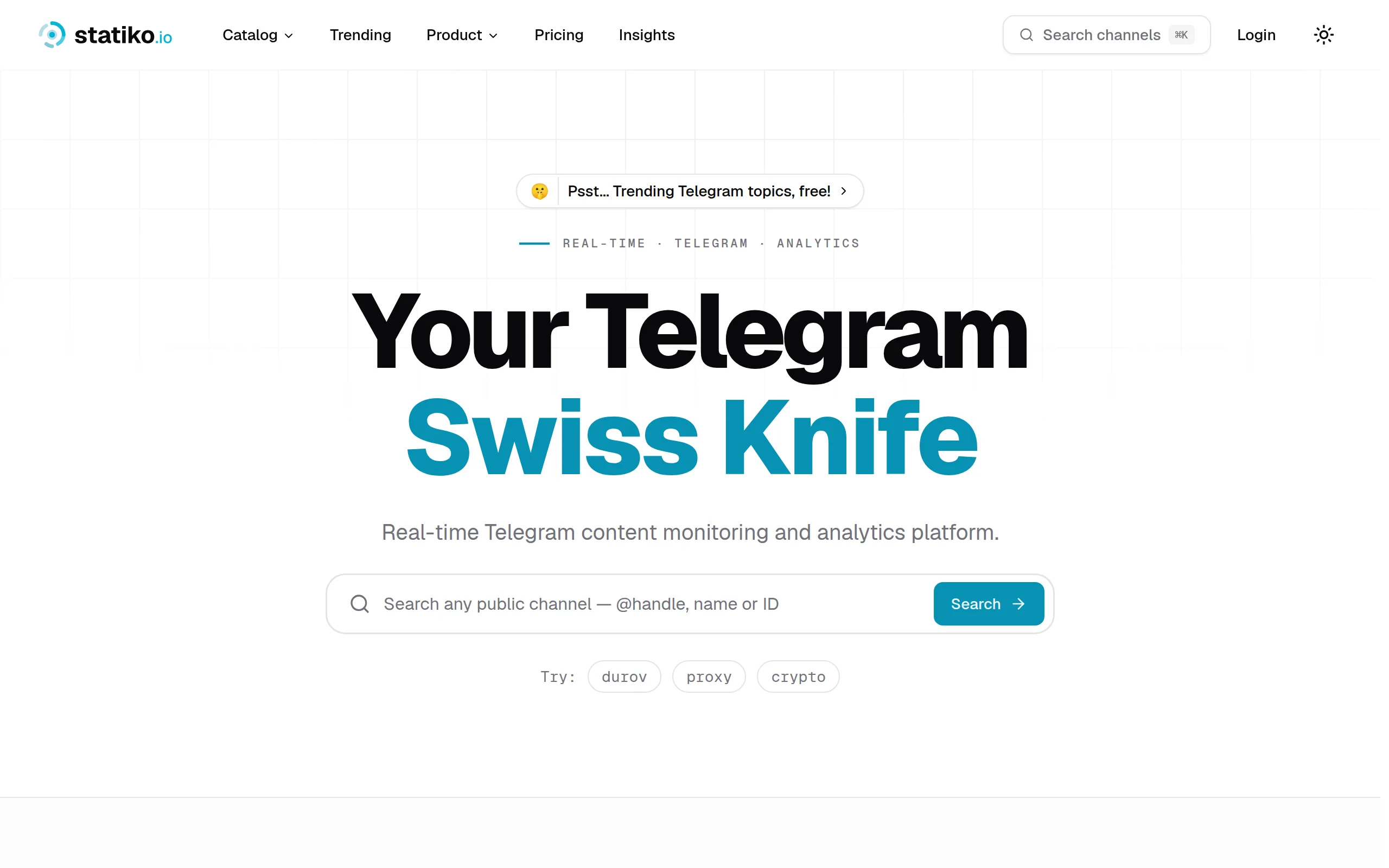
Statiko
Monitor any Telegram channel in real time - track posts, edits, deletions, and growth with AI recaps 📡

Shibui
AI website builder - describe your business, pick a niche template, edit by chatting, and publish instantly ✨
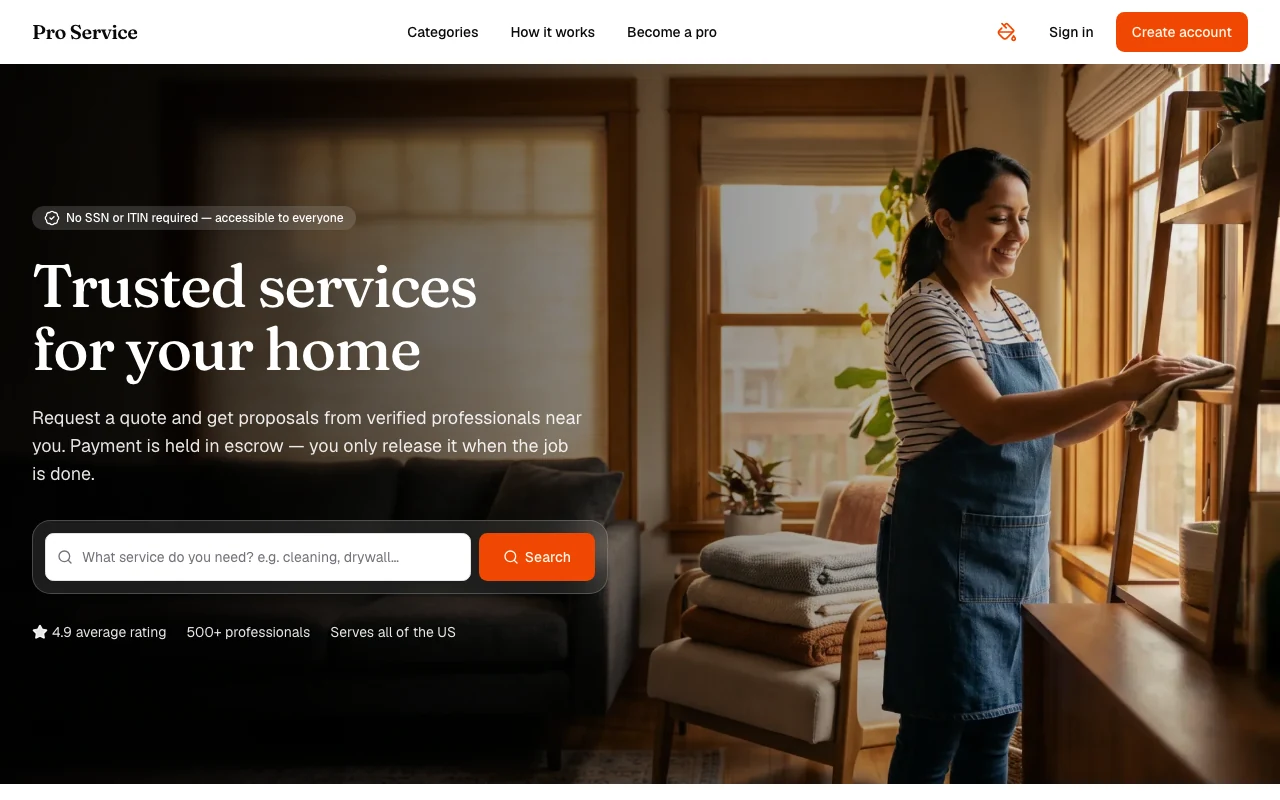
Pro Service
Find verified home service professionals, compare quotes, and pay securely through escrow - built for Brazilians across the US 🏠
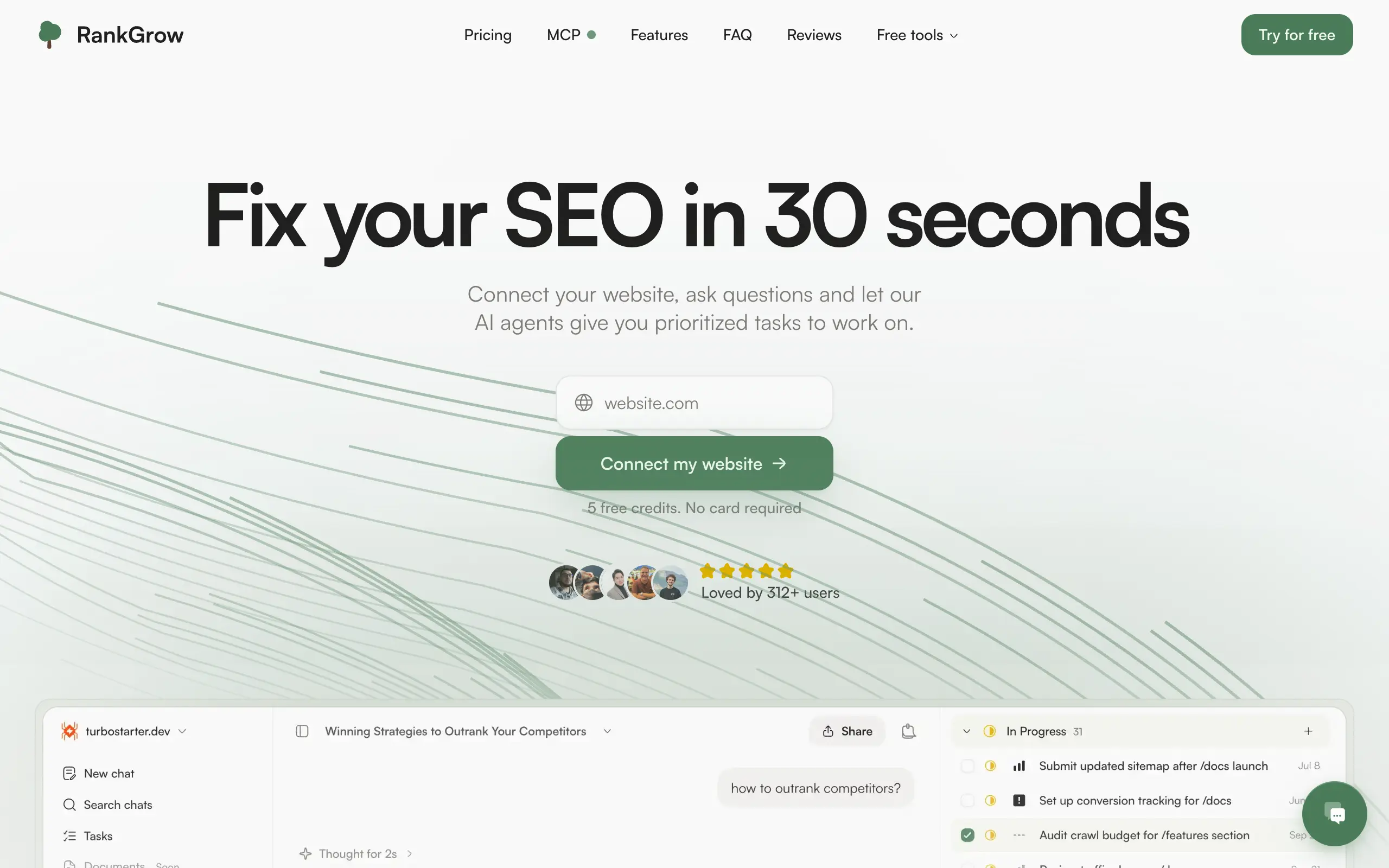
RankGrow
Fix your SEO with AI agents - connect Search Console, get prioritized tasks, and grow organic traffic 📈
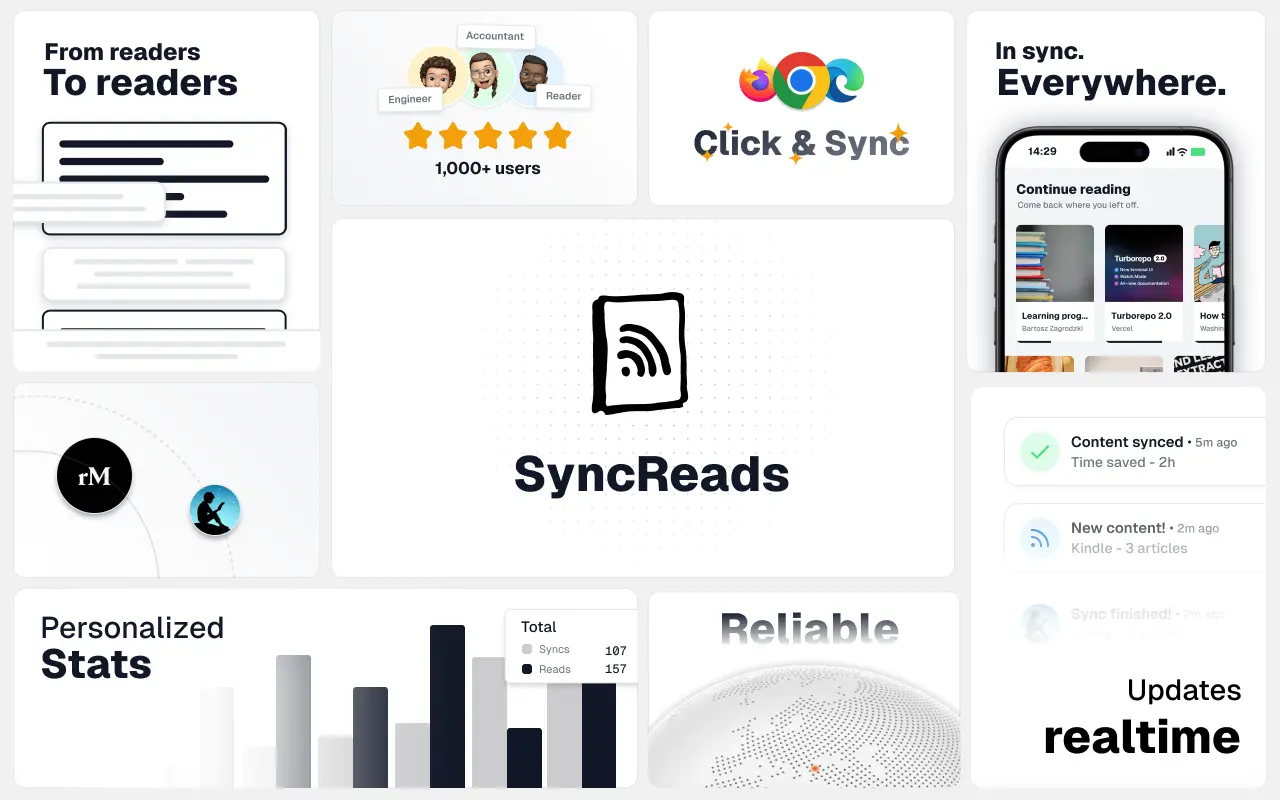
SyncReads
Sync your favorite content for distraction-free reading, save time and replace multiple apps. Anytime, anywhere 🔄
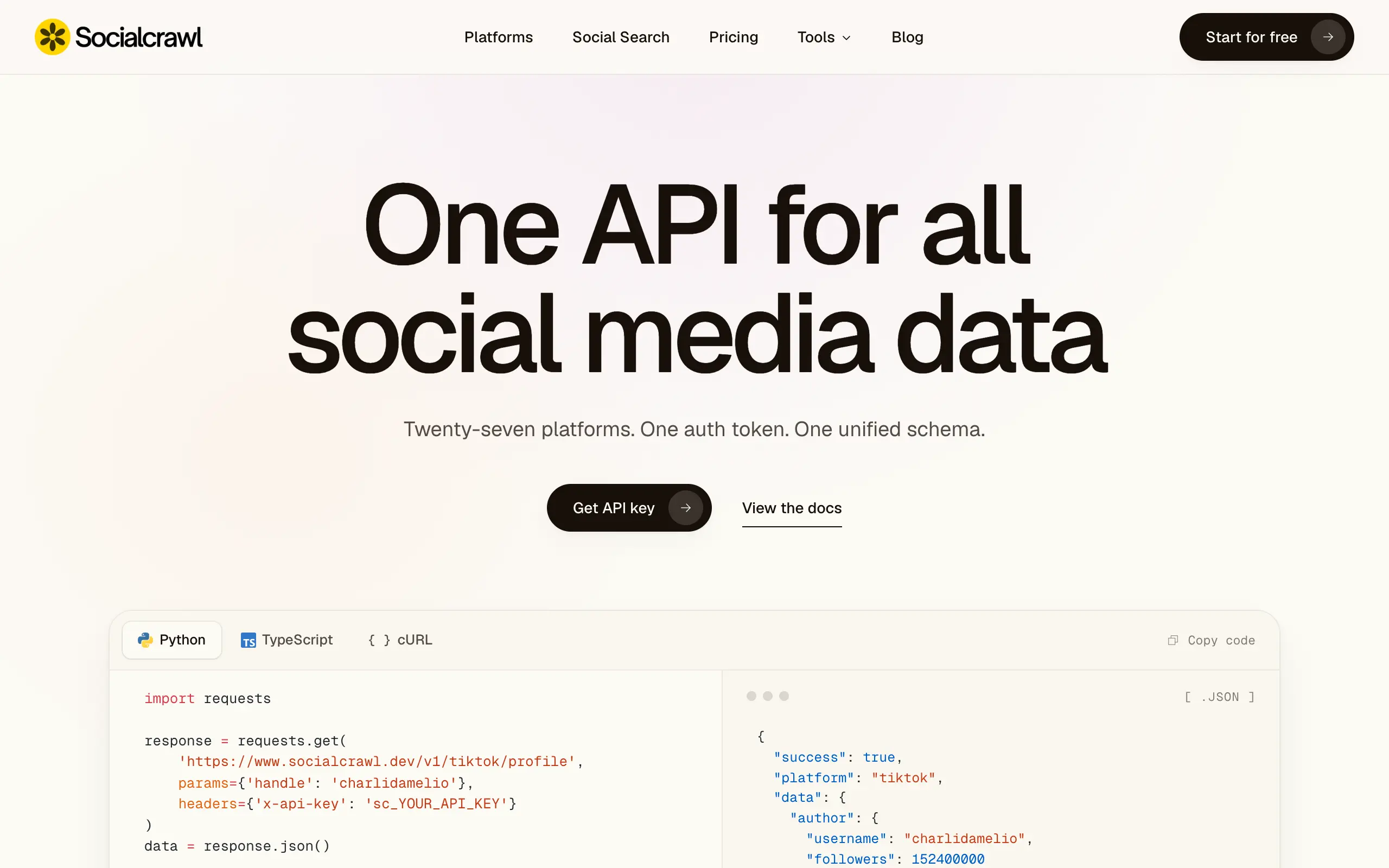
Socialcrawl
Get clean, structured data from 21 platforms like TikTok, Instagram, and YouTube with a single request 📊
Statiko
Monitor any Telegram channel in real time - track posts, edits, deletions, and growth with AI recaps 📡
Shibui
AI website builder - describe your business, pick a niche template, edit by chatting, and publish instantly ✨
Pro Service
Find verified home service professionals, compare quotes, and pay securely through escrow - built for Brazilians across the US 🏠
RankGrow
Fix your SEO with AI agents - connect Search Console, get prioritized tasks, and grow organic traffic 📈
SyncReads
Sync your favorite content for distraction-free reading, save time and replace multiple apps. Anytime, anywhere 🔄
Socialcrawl
Get clean, structured data from 21 platforms like TikTok, Instagram, and YouTube with a single request 📊
Statiko
Monitor any Telegram channel in real time - track posts, edits, deletions, and growth with AI recaps 📡
Shibui
AI website builder - describe your business, pick a niche template, edit by chatting, and publish instantly ✨
Pro Service
Find verified home service professionals, compare quotes, and pay securely through escrow - built for Brazilians across the US 🏠
RankGrow
Fix your SEO with AI agents - connect Search Console, get prioritized tasks, and grow organic traffic 📈
SyncReads
Sync your favorite content for distraction-free reading, save time and replace multiple apps. Anytime, anywhere 🔄
Socialcrawl
Get clean, structured data from 21 platforms like TikTok, Instagram, and YouTube with a single request 📊
Statiko
Monitor any Telegram channel in real time - track posts, edits, deletions, and growth with AI recaps 📡
Shibui
AI website builder - describe your business, pick a niche template, edit by chatting, and publish instantly ✨
Pro Service
Find verified home service professionals, compare quotes, and pay securely through escrow - built for Brazilians across the US 🏠
RankGrow
Fix your SEO with AI agents - connect Search Console, get prioritized tasks, and grow organic traffic 📈
SyncReads
Sync your favorite content for distraction-free reading, save time and replace multiple apps. Anytime, anywhere 🔄
Socialcrawl
Get clean, structured data from 21 platforms like TikTok, Instagram, and YouTube with a single request 📊
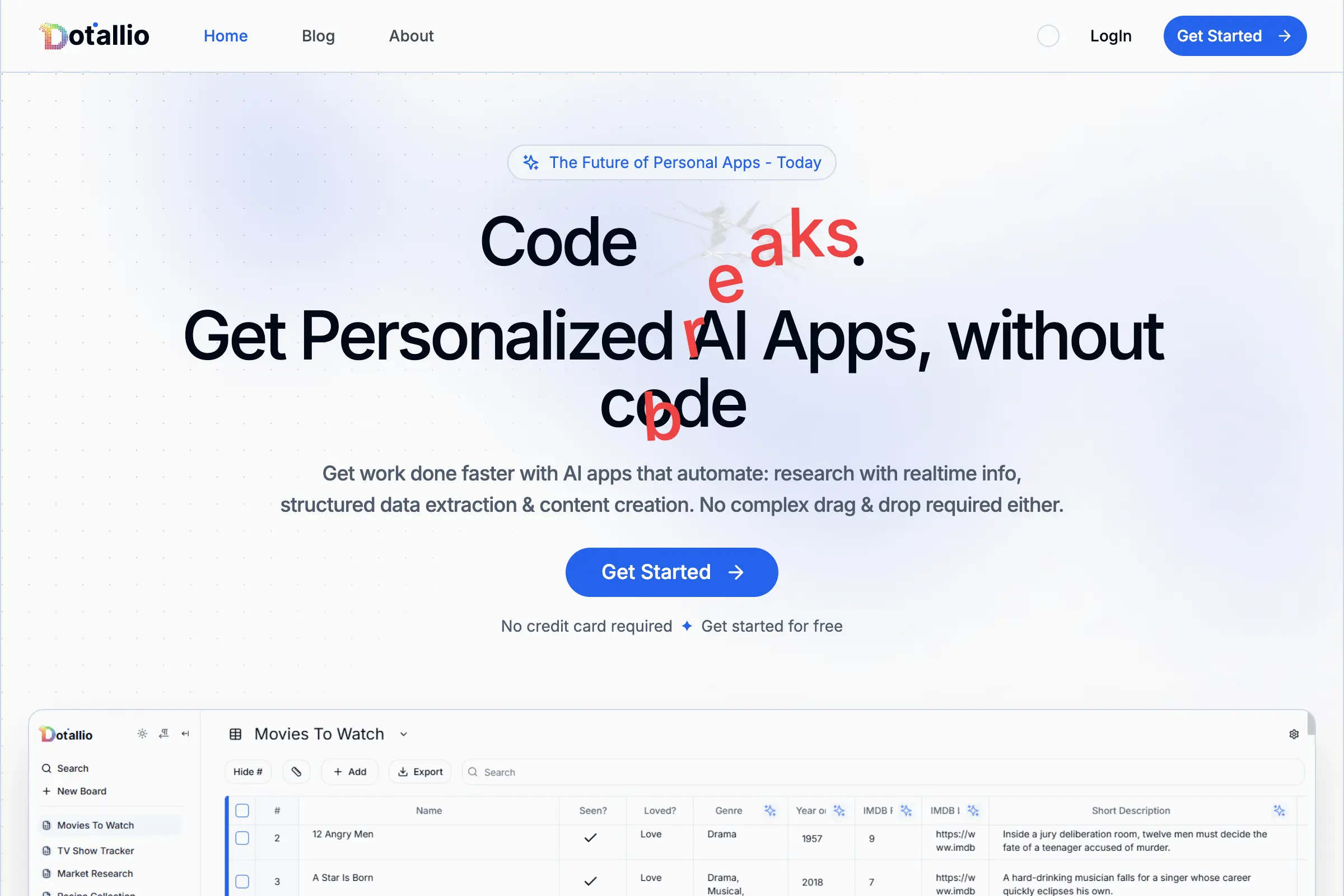
Dotallio
Personalized AI apps that automate research, data extraction, and content creation without code 🤖
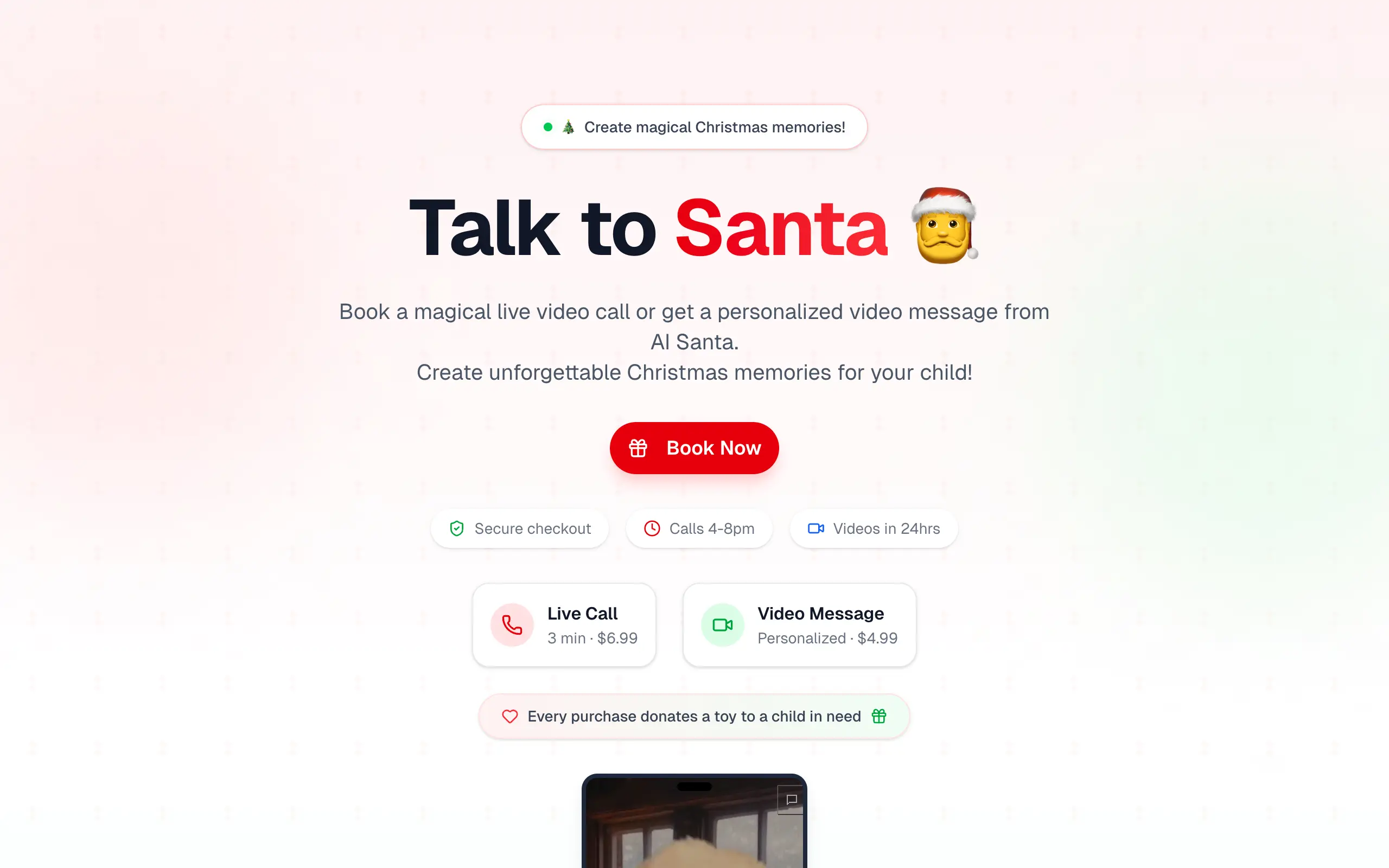
Talk to Santa
Enjoy a magical live video chat or receive a unique AI-generated video greeting from Santa Claus 🎅
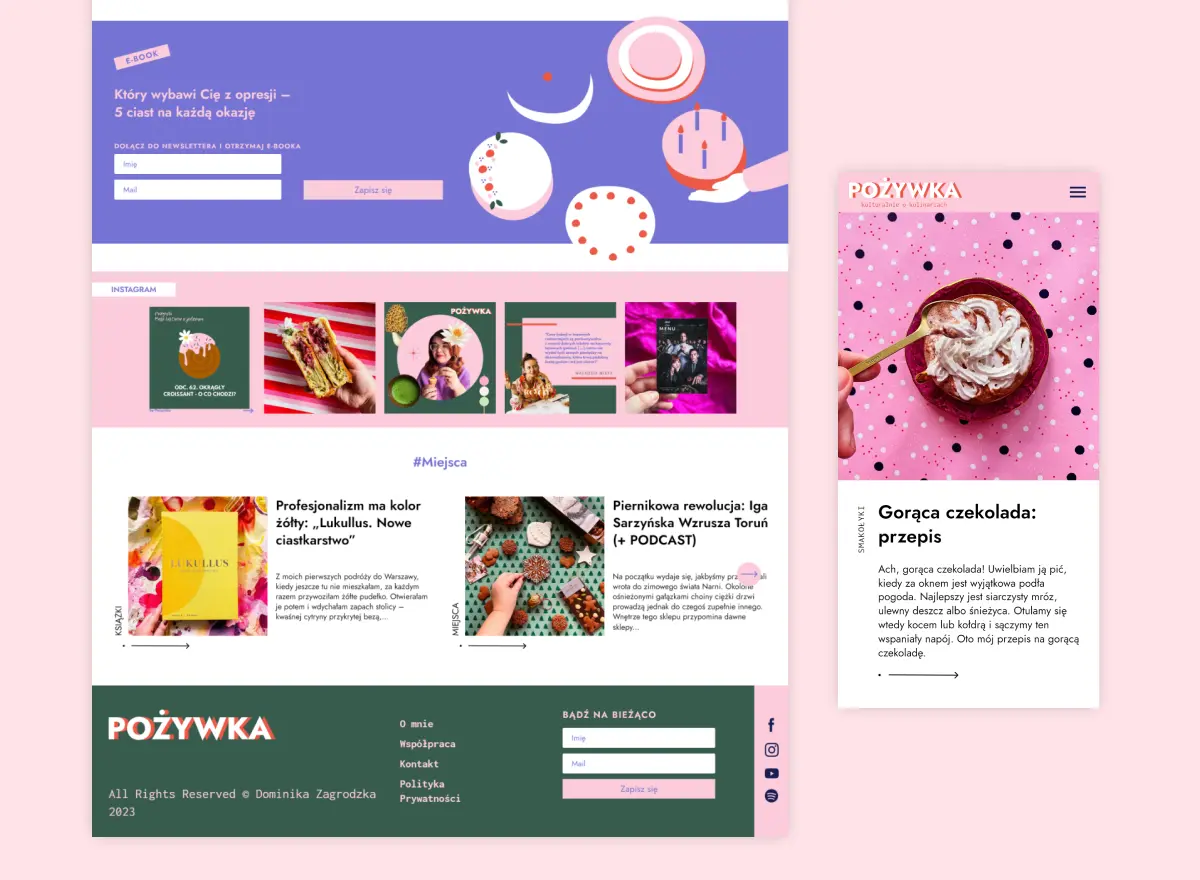
pozywka.pl
Scalable blog for food journalist, focused on performance and user experience 🌭
zagrodzki.me
Personal blog and portfolio of Bart Zagrodzki, where he shares his knowledge and work 💼
TurboStarter
Ship your startup everywhere. In minutes.
HTML to Markdown
Convert HTML to Markdown with ease, directly in your browser 📄
Dotallio
Personalized AI apps that automate research, data extraction, and content creation without code 🤖
Talk to Santa
Enjoy a magical live video chat or receive a unique AI-generated video greeting from Santa Claus 🎅
pozywka.pl
Scalable blog for food journalist, focused on performance and user experience 🌭
zagrodzki.me
Personal blog and portfolio of Bart Zagrodzki, where he shares his knowledge and work 💼
TurboStarter
Ship your startup everywhere. In minutes.
HTML to Markdown
Convert HTML to Markdown with ease, directly in your browser 📄
Dotallio
Personalized AI apps that automate research, data extraction, and content creation without code 🤖
Talk to Santa
Enjoy a magical live video chat or receive a unique AI-generated video greeting from Santa Claus 🎅
pozywka.pl
Scalable blog for food journalist, focused on performance and user experience 🌭
zagrodzki.me
Personal blog and portfolio of Bart Zagrodzki, where he shares his knowledge and work 💼
TurboStarter
Ship your startup everywhere. In minutes.
HTML to Markdown
Convert HTML to Markdown with ease, directly in your browser 📄
Dotallio
Personalized AI apps that automate research, data extraction, and content creation without code 🤖
Talk to Santa
Enjoy a magical live video chat or receive a unique AI-generated video greeting from Santa Claus 🎅
pozywka.pl
Scalable blog for food journalist, focused on performance and user experience 🌭
zagrodzki.me
Personal blog and portfolio of Bart Zagrodzki, where he shares his knowledge and work 💼
TurboStarter
Ship your startup everywhere. In minutes.
HTML to Markdown
Convert HTML to Markdown with ease, directly in your browser 📄
Omichat
Chat with 50+ AI models, including ChatGPT and Claude, in one place - switch models anytime without losing context 🤖
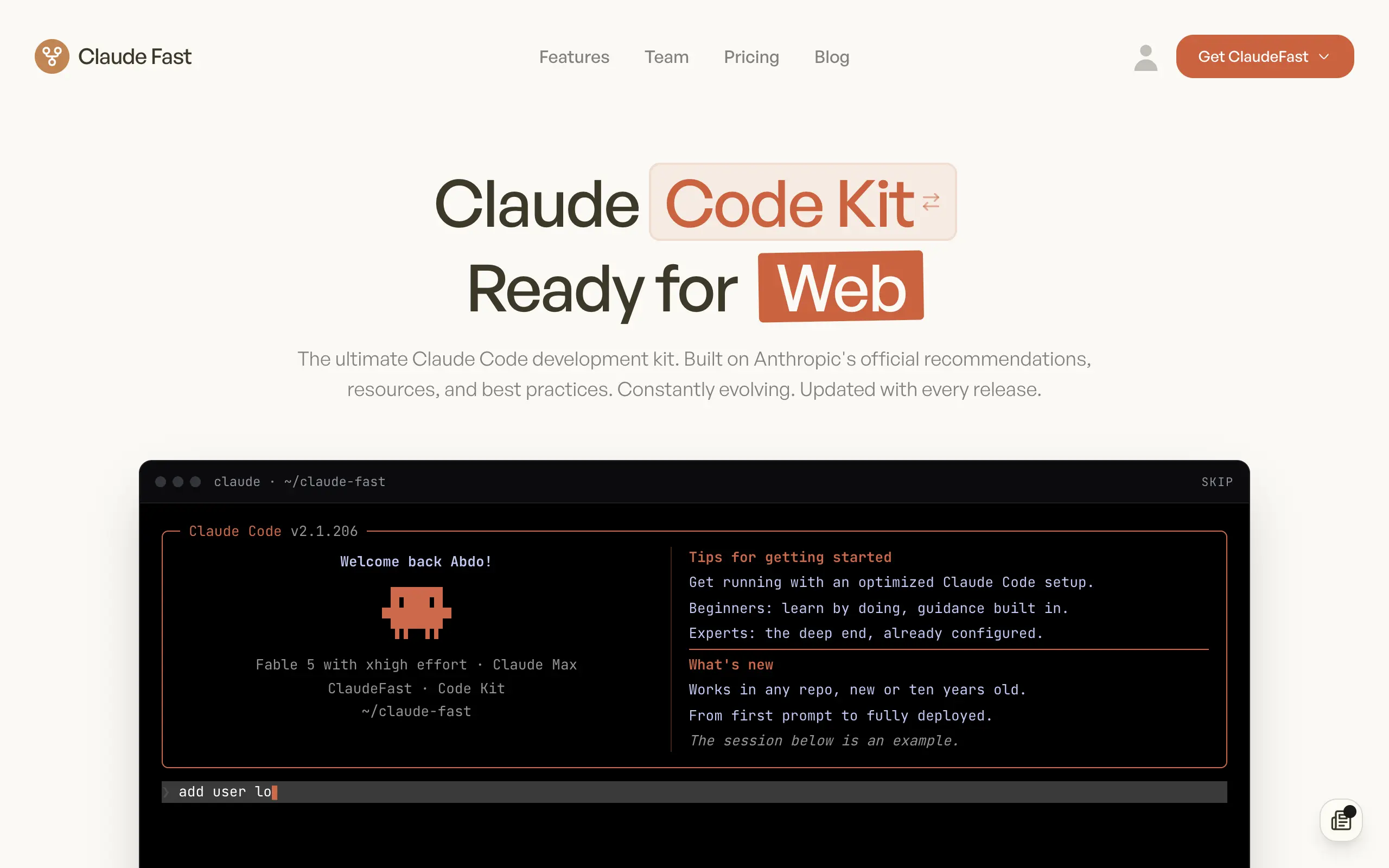
Claude Fast
Supercharge your Claude Code with 6x effective context window and specialized AI agents 🤖
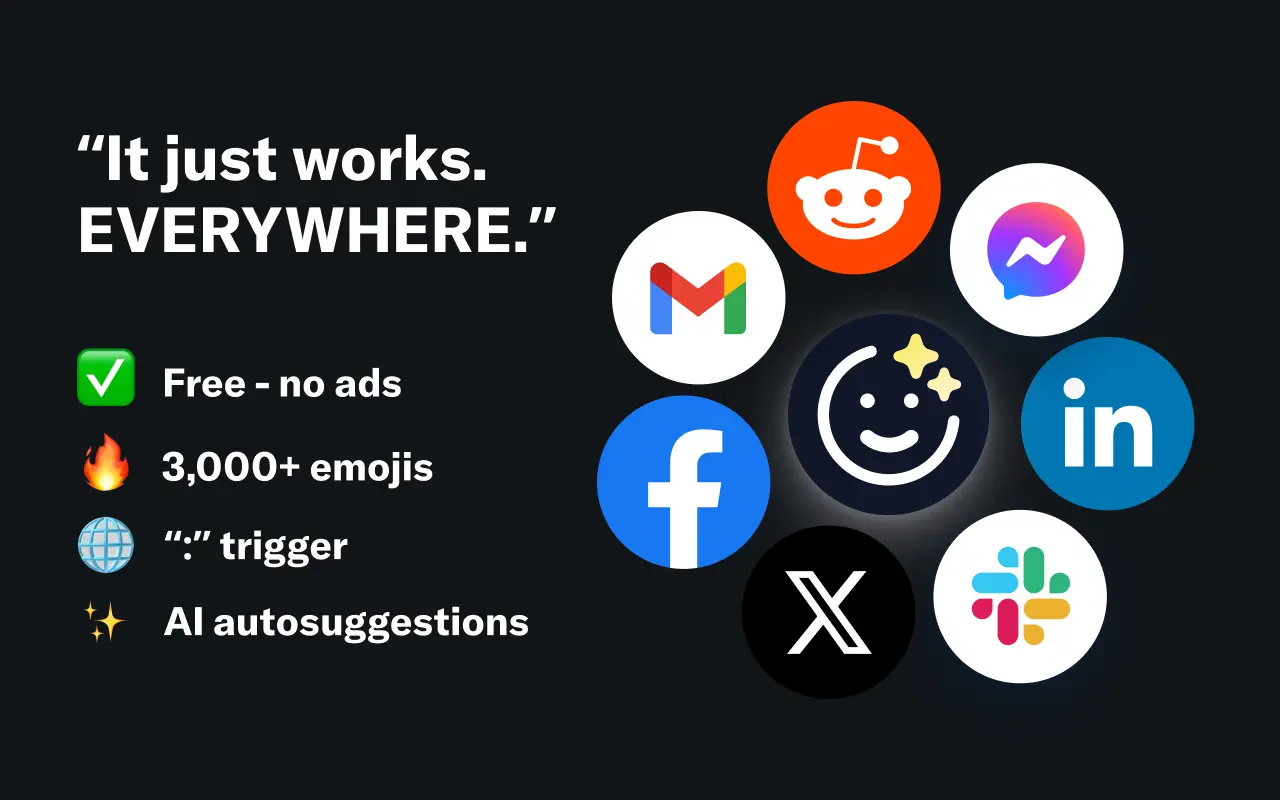
EmojAI
AI-powered emoji picker with smart, context-aware suggestions 🤖
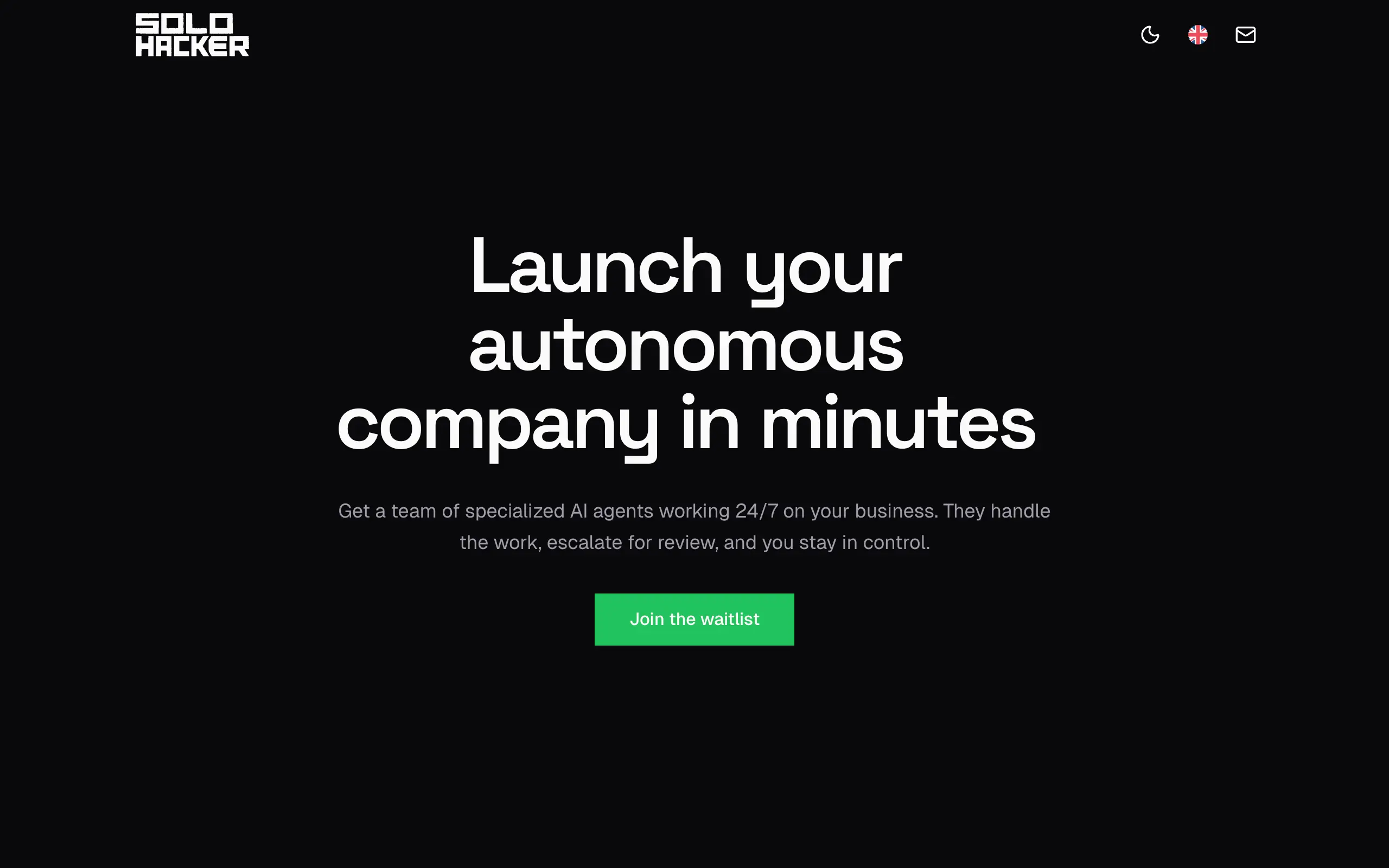
Solohacker
Autonomous company launcher - AI agents work 24/7, escalate what matters, and you stay in control 🤖
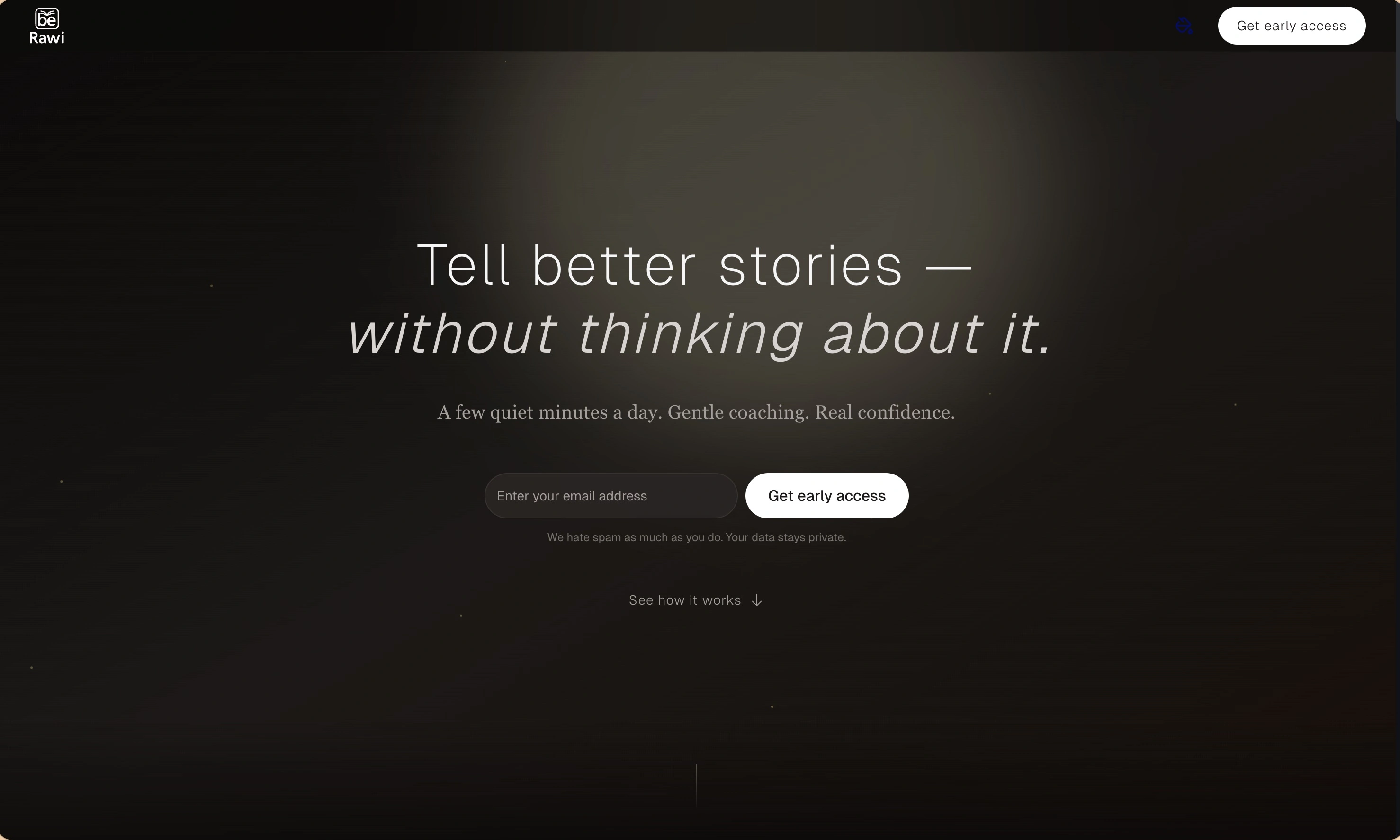
BeRawi: Storytelling Coach
Practice storytelling daily with instant feedback to sound clearer, more engaging, and confident 🎤
Omichat
Chat with 50+ AI models, including ChatGPT and Claude, in one place - switch models anytime without losing context 🤖
Claude Fast
Supercharge your Claude Code with 6x effective context window and specialized AI agents 🤖
EmojAI
AI-powered emoji picker with smart, context-aware suggestions 🤖
Solohacker
Autonomous company launcher - AI agents work 24/7, escalate what matters, and you stay in control 🤖
BeRawi: Storytelling Coach
Practice storytelling daily with instant feedback to sound clearer, more engaging, and confident 🎤
Omichat
Chat with 50+ AI models, including ChatGPT and Claude, in one place - switch models anytime without losing context 🤖
Claude Fast
Supercharge your Claude Code with 6x effective context window and specialized AI agents 🤖
EmojAI
AI-powered emoji picker with smart, context-aware suggestions 🤖
Solohacker
Autonomous company launcher - AI agents work 24/7, escalate what matters, and you stay in control 🤖
BeRawi: Storytelling Coach
Practice storytelling daily with instant feedback to sound clearer, more engaging, and confident 🎤
Omichat
Chat with 50+ AI models, including ChatGPT and Claude, in one place - switch models anytime without losing context 🤖
Claude Fast
Supercharge your Claude Code with 6x effective context window and specialized AI agents 🤖
EmojAI
AI-powered emoji picker with smart, context-aware suggestions 🤖
Solohacker
Autonomous company launcher - AI agents work 24/7, escalate what matters, and you stay in control 🤖
BeRawi: Storytelling Coach
Practice storytelling daily with instant feedback to sound clearer, more engaging, and confident 🎤

Connect with like-minded people
Join our community to get feedback, support, and grow together with 1,000+ builders on board, let's ship it!
Join usShip your startup everywhere. In minutes.
Don't burn tokens on setup and start building features on day one.