PipeFlow Control
Centralize piping work packs, progress tracking, and field feedback in one live system to eliminate Excel chaos and improve project visibility.
The future of piping project execution: why centralized pipeflow control software matters
Large-scale industrial projects—whether in oil & gas, chemical plants, or infrastructure—live and die by how well they manage piping systems. Yet, despite the complexity and cost involved, many organizations still rely on fragmented spreadsheets, siloed tools, and manual communication loops to manage piping work packs, progress tracking, and field feedback.
This is exactly the gap that pipeflow control software like PipeFlow Control is designed to solve.
In this guide, we’ll break down the full opportunity behind a centralized pipeflow control platform, including market demand, core features, technical architecture, monetization strategies, and how to build and launch it successfully.
understanding the problem: the chaos of piping project management
Piping is one of the most labor-intensive and coordination-heavy disciplines in industrial construction. Each weld, spool, and inspection step must be meticulously tracked. Yet, the industry still struggles with:
- Disconnected Excel sheets for tracking work packs
- Manual updates from field teams
- Delayed or inaccurate progress reporting
- Poor communication between engineering, field, and management teams
- Limited real-time visibility into project status
This creates significant issues:
- Cost overruns due to inefficiencies
- Delayed project timelines
- Increased rework and quality issues
- Lack of accountability across teams
Critical industry insight
Many EPC (Engineering, Procurement, and Construction) firms report that poor data visibility is one of the top contributors to project delays and budget overruns. A centralized system is no longer optional—it’s becoming a competitive necessity.
what is pipeflow control software?
PipeFlow Control is a B2B SaaS platform designed to centralize:
- Piping work packs
- Field execution tracking
- Real-time progress updates
- Feedback loops between field and office teams
Instead of juggling spreadsheets and emails, all stakeholders operate from a single source of truth.
target audience and ideal users
primary users
PipeFlow Control targets professionals working in:
- Oil & gas EPC companies
- Industrial construction firms
- Chemical and petrochemical plants
- Power generation facilities
- Shipbuilding and offshore engineering
key personas
1. Project managers
- Need real-time visibility into progress
- Responsible for deadlines and budgets
2. Field engineers and supervisors
- Execute work packs
- Provide updates and feedback
3. QA/QC inspectors
- Track inspections and compliance
- Ensure standards are met
4. Planning engineers
- Create and manage work packs
- Monitor productivity metrics
5. Executives
- Require high-level dashboards and insights
market opportunity and gap analysis
The construction tech (ConTech) market is growing rapidly, driven by digital transformation initiatives.
key trends driving demand
- Shift toward digital construction workflows
- Increasing complexity of industrial projects
- Labor shortages requiring efficiency improvements
- Demand for real-time data and analytics
According to industry reports (e.g., McKinsey or Deloitte—recommended for citation), construction productivity has lagged behind other industries for decades, creating a massive opportunity for digital tools.
current solutions and their limitations
Let’s compare typical tools used today:
| Feature | Excel | Generic PM Tools | ERP Systems | PipeFlow Control |
|---|---|---|---|---|
| Real-time updates | ❌ | ✅ | ✅ | ✅ |
| Field-friendly UX | ❌ | ❌ | ❌ | ✅ |
| Piping-specific workflows | ❌ | ❌ | ⚠️ | ✅ |
| Centralized data | ❌ | ✅ | ✅ | ✅ |
gap identified
There is a clear gap for a vertical SaaS solution tailored specifically for piping workflows, combining:
- Domain-specific features
- Field usability
- Real-time collaboration
- Data-driven insights
core features of pipeflow control
1. centralized work pack management
Work packs are the backbone of piping execution.
Features include:
- Digital creation and assignment of work packs
- Version control and change tracking
- Integration with engineering drawings
2. real-time progress tracking
Track every stage of execution:
- Fabrication status
- Installation progress
- Welding completion
- Inspection milestones
3. field data capture
Enable field teams to:
- Update progress via mobile devices
- Upload photos and notes
- Flag issues instantly
4. feedback and issue tracking
- Create and assign issues
- Track resolution status
- Maintain audit trails
5. dashboards and analytics
- Project-level overview
- KPI tracking (e.g., weld completion rate)
- Forecasting and trend analysis
6. integration capabilities
- ERP systems
- Document management systems
- Scheduling tools
product architecture and technical stack
Building a robust pipeflow control platform requires scalability, reliability, and offline-first capabilities.
recommended frontend stack
- React for UI
- TailwindCSS for styling
- Progressive Web App (PWA) support for field use
backend stack
- Node.js with NestJS or Express
- PostgreSQL for structured data
- Redis for caching and real-time updates
mobile-first considerations
Field teams often work in low-connectivity environments.
Key requirements:
- Offline mode
- Sync when connection is restored
- Lightweight UI
example data model
type WorkPack = {
  id: string;
  projectId: string;
  status: "pending" | "in_progress" | "completed";
  assignedTo: string;
  progress: number;
  issues: Issue[];
  createdAt: Date;
};

type Issue = {
  id: string;
  description: string;
  status: "open" | "resolved";
  priority: "low" | "medium" | "high";
};
monetization strategy
subscription-based pricing
Most effective model for B2B SaaS:
- Per-user pricing (e.g., $20–$100/user/month)
- Tiered plans based on features
enterprise licensing
- Custom pricing for large organizations
- Dedicated support and onboarding
add-ons
- Advanced analytics
- API access
- Custom integrations
pricing example
Starter Plan
Basic work pack management and tracking for small teams.
Professional Plan
Advanced analytics, integrations, and multi-project support.
Enterprise Plan
Custom solutions with dedicated support and SLAs.
competitive advantage and differentiation
PipeFlow Control stands out through:
vertical specialization
Unlike generic tools, it is built specifically for piping workflows.
field-first design
- Mobile-friendly interface
- Offline capabilities
- Simplified data entry
real-time collaboration
- Instant updates across teams
- Reduced communication delays
data-driven insights
- Actionable analytics
- Predictive project insights
Key differentiator
The combination of field usability and domain-specific workflows is what creates defensibility in this market. Generic tools cannot easily replicate this without deep industry knowledge.
risks and mitigation strategies
1. resistance to change
Risk: Teams are привыкли to Excel and manual processes.
Mitigation:
- Provide onboarding and training
- Offer data import tools
- Demonstrate ROI early
2. integration challenges
Risk: Existing systems are complex.
Mitigation:
- Build flexible APIs
- Start with key integrations
- Offer custom enterprise solutions
3. field adoption issues
Risk: Field workers may resist new tools.
Mitigation:
- Design intuitive UI
- Minimize data entry effort
- Provide mobile-first experience
4. data accuracy
Risk: Garbage in, garbage out.
Mitigation:
- Validation rules
- Automated data capture where possible
- Audit trails
go-to-market strategy
initial niche focus
Start with:
- Mid-sized EPC companies
- Projects with high piping complexity
sales approach
- Direct sales to enterprises
- Industry partnerships
- Trade shows and conferences
content marketing
Target keywords like:
- "pipeflow control software"
- "piping work pack management"
- "construction progress tracking tools"
case studies
Demonstrate:
- Time savings
- Cost reductions
- Improved project visibility
implementation roadmap
building faster with modern tools
Developing a SaaS platform from scratch can be time-consuming. Using a starter framework can accelerate development significantly.
One option is TurboStarter, which provides:
- Pre-built SaaS architecture
- Authentication and billing systems
- Scalable backend setup
This allows you to focus on core domain features instead of reinventing the wheel.
future trends in pipeflow control software
ai-powered insights
- Predict delays before they happen
- Optimize resource allocation
iot integration
- Real-time equipment tracking
- Automated progress updates
digital twins
- Visualize piping systems in 3D
- Simulate project scenarios
blockchain for compliance
- Immutable records for inspections
- Enhanced transparency
frequently asked questions
No. While large EPC firms benefit the most, mid-sized companies can gain significant efficiency improvements as well.
An MVP can be deployed in a few months, while full enterprise adoption may take 6–12 months depending on complexity.
ROI typically comes from reduced delays, improved productivity, and lower rework costs. Even small efficiency gains can translate into significant savings on large projects.
actionable next steps
If you’re considering building or investing in a pipeflow control SaaS:
- Talk to industry professionals to validate pain points
- Define a narrow MVP focused on core workflows
- Build a field-first user experience
- Prioritize real-time data synchronization
- Launch with a pilot customer
- Iterate rapidly based on feedback
final thoughts
The industrial construction sector is overdue for digital transformation, and piping workflows represent one of the most critical—and underserved—areas.
PipeFlow Control addresses a clear and urgent need:
- Eliminating spreadsheet chaos
- Providing real-time visibility
- Improving collaboration between field and office teams
With the right execution, this idea has strong potential to become a category-defining SaaS product in the construction technology space.
More 🏢 B2B Application SaaS ideas
Discover more innovative b2b application SaaS ideas that are trending in 2026. Each idea is AI-generated with market validation and growth potential to help you find your next profitable venture faster than competitors.
Your competitors are building with TurboStarter
Below are some of the SaaS ideas that have been generated and built with our starter kit.
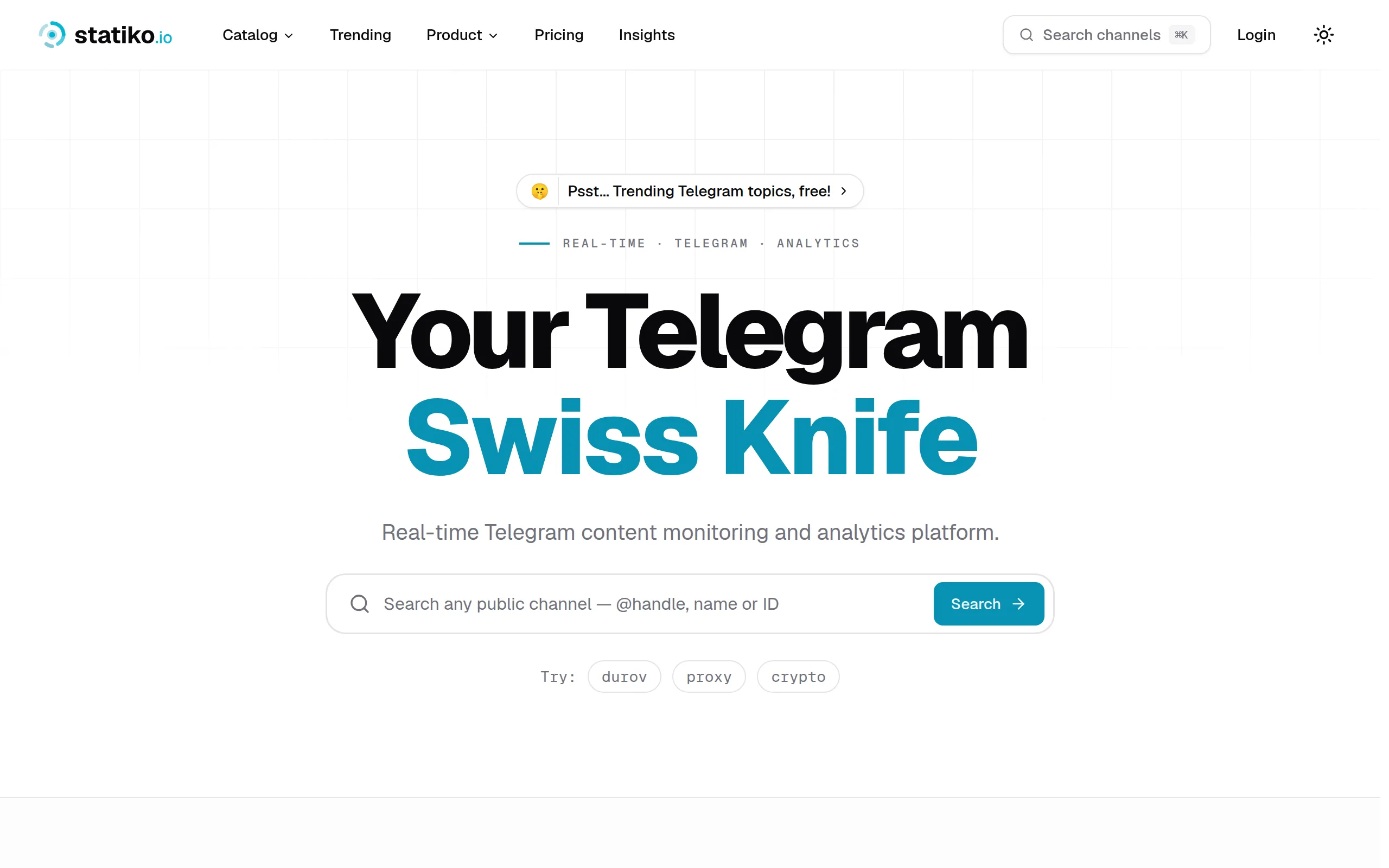
Statiko
Monitor any Telegram channel in real time - track posts, edits, deletions, and growth with AI recaps 📡

Shibui
AI website builder - describe your business, pick a niche template, edit by chatting, and publish instantly ✨

Pro Service
Find verified home service professionals, compare quotes, and pay securely through escrow - built for Brazilians across the US 🏠
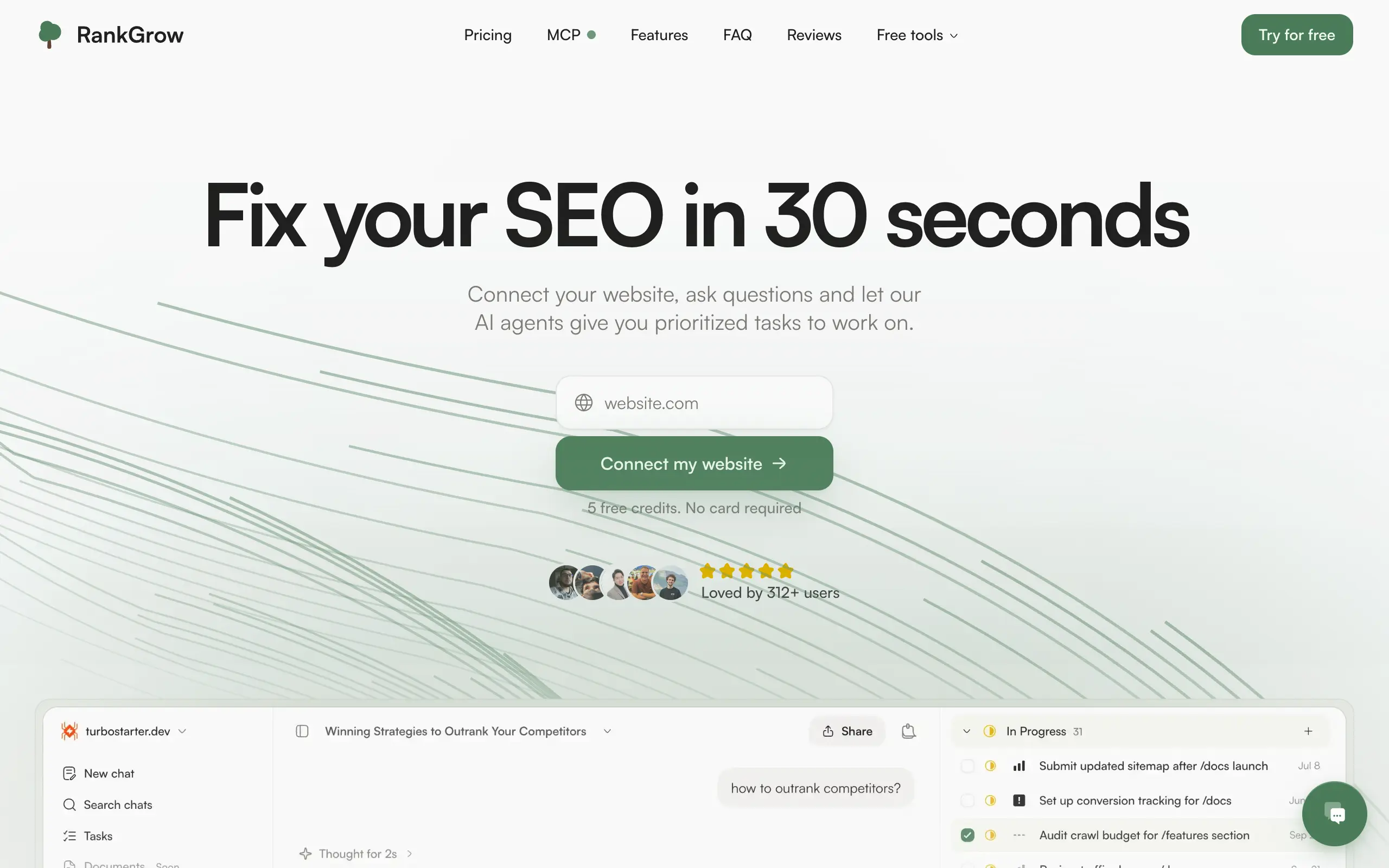
RankGrow
Fix your SEO with AI agents - connect Search Console, get prioritized tasks, and grow organic traffic 📈
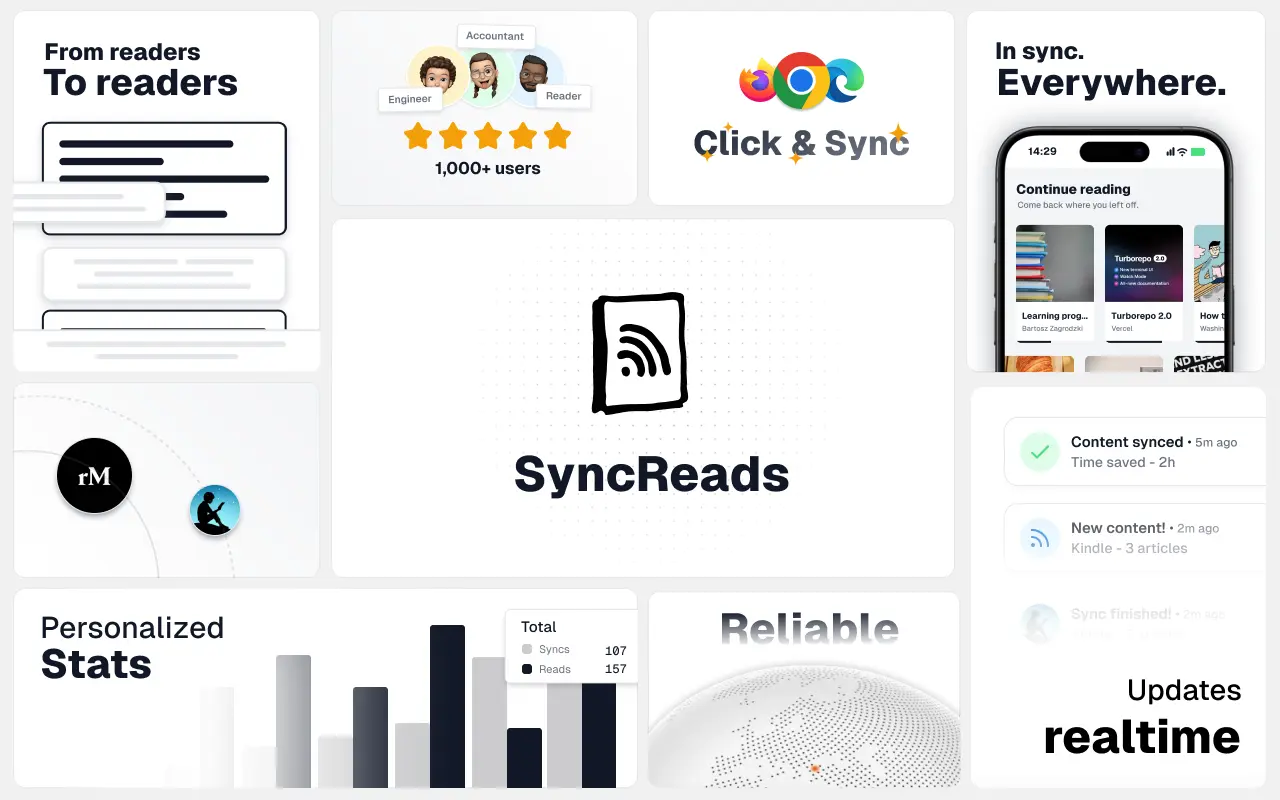
SyncReads
Sync your favorite content for distraction-free reading, save time and replace multiple apps. Anytime, anywhere 🔄
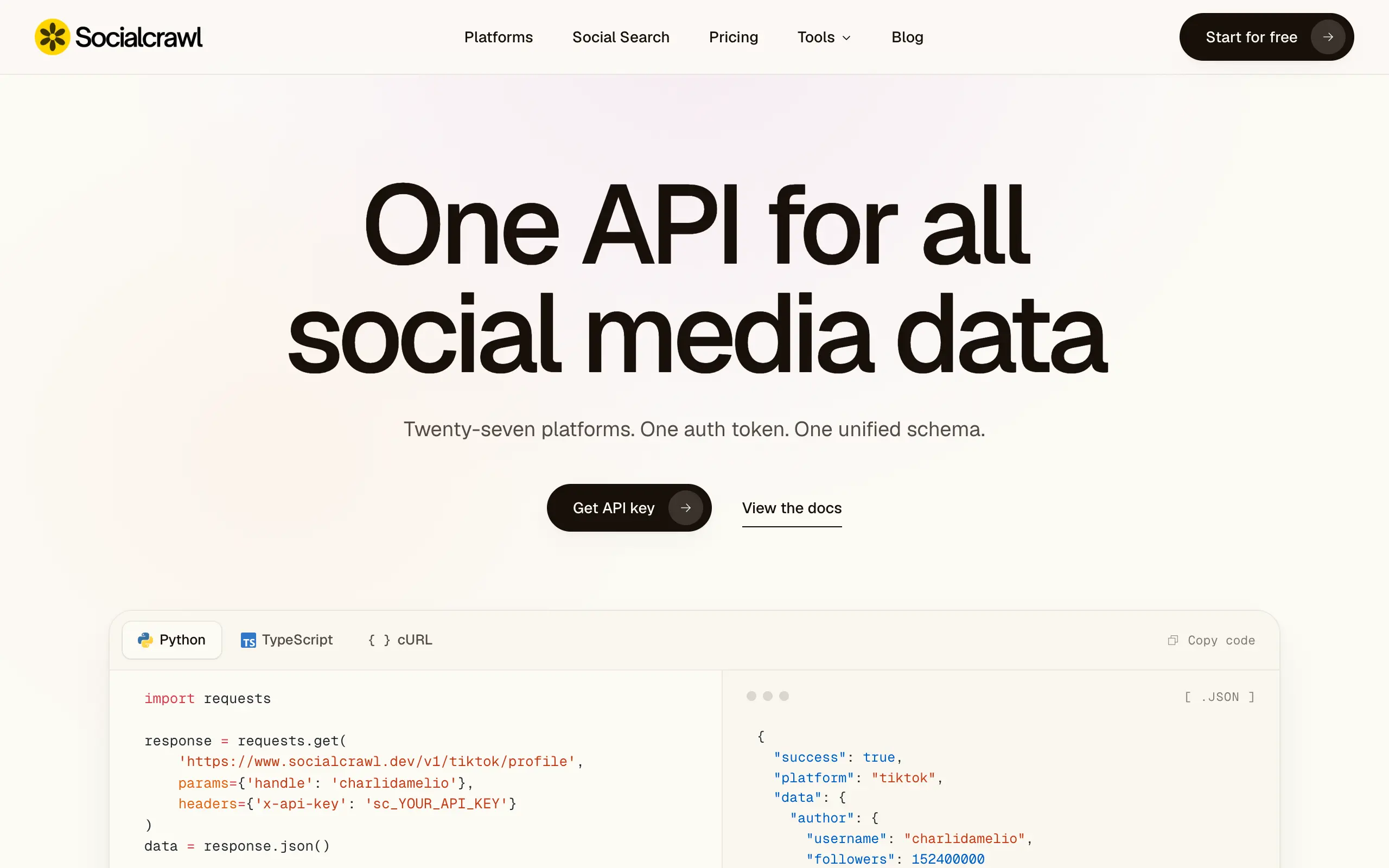
Socialcrawl
Get clean, structured data from 21 platforms like TikTok, Instagram, and YouTube with a single request 📊
Statiko
Monitor any Telegram channel in real time - track posts, edits, deletions, and growth with AI recaps 📡
Shibui
AI website builder - describe your business, pick a niche template, edit by chatting, and publish instantly ✨
Pro Service
Find verified home service professionals, compare quotes, and pay securely through escrow - built for Brazilians across the US 🏠
RankGrow
Fix your SEO with AI agents - connect Search Console, get prioritized tasks, and grow organic traffic 📈
SyncReads
Sync your favorite content for distraction-free reading, save time and replace multiple apps. Anytime, anywhere 🔄
Socialcrawl
Get clean, structured data from 21 platforms like TikTok, Instagram, and YouTube with a single request 📊
Statiko
Monitor any Telegram channel in real time - track posts, edits, deletions, and growth with AI recaps 📡
Shibui
AI website builder - describe your business, pick a niche template, edit by chatting, and publish instantly ✨
Pro Service
Find verified home service professionals, compare quotes, and pay securely through escrow - built for Brazilians across the US 🏠
RankGrow
Fix your SEO with AI agents - connect Search Console, get prioritized tasks, and grow organic traffic 📈
SyncReads
Sync your favorite content for distraction-free reading, save time and replace multiple apps. Anytime, anywhere 🔄
Socialcrawl
Get clean, structured data from 21 platforms like TikTok, Instagram, and YouTube with a single request 📊
Statiko
Monitor any Telegram channel in real time - track posts, edits, deletions, and growth with AI recaps 📡
Shibui
AI website builder - describe your business, pick a niche template, edit by chatting, and publish instantly ✨
Pro Service
Find verified home service professionals, compare quotes, and pay securely through escrow - built for Brazilians across the US 🏠
RankGrow
Fix your SEO with AI agents - connect Search Console, get prioritized tasks, and grow organic traffic 📈
SyncReads
Sync your favorite content for distraction-free reading, save time and replace multiple apps. Anytime, anywhere 🔄
Socialcrawl
Get clean, structured data from 21 platforms like TikTok, Instagram, and YouTube with a single request 📊
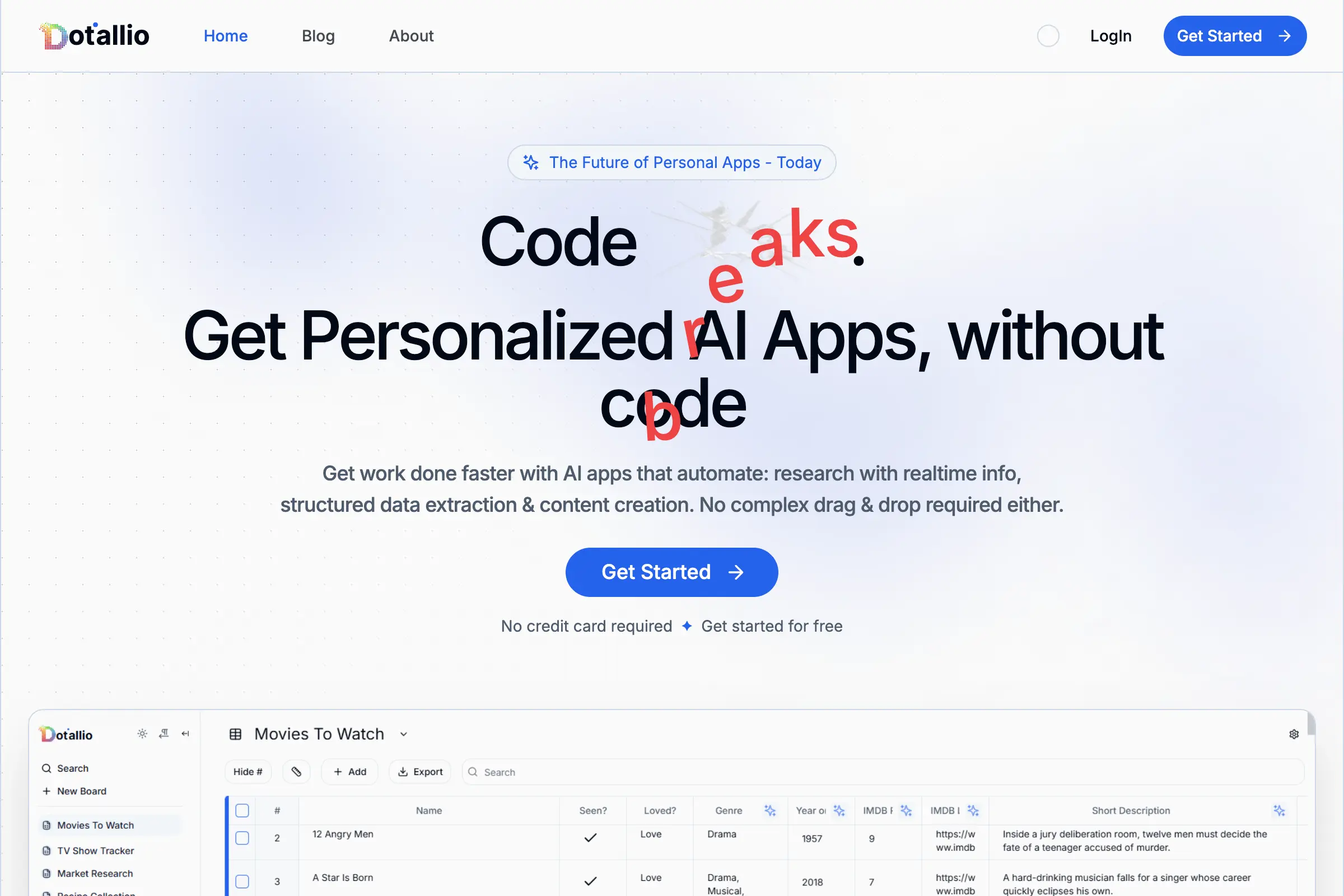
Dotallio
Personalized AI apps that automate research, data extraction, and content creation without code 🤖

Talk to Santa
Enjoy a magical live video chat or receive a unique AI-generated video greeting from Santa Claus 🎅
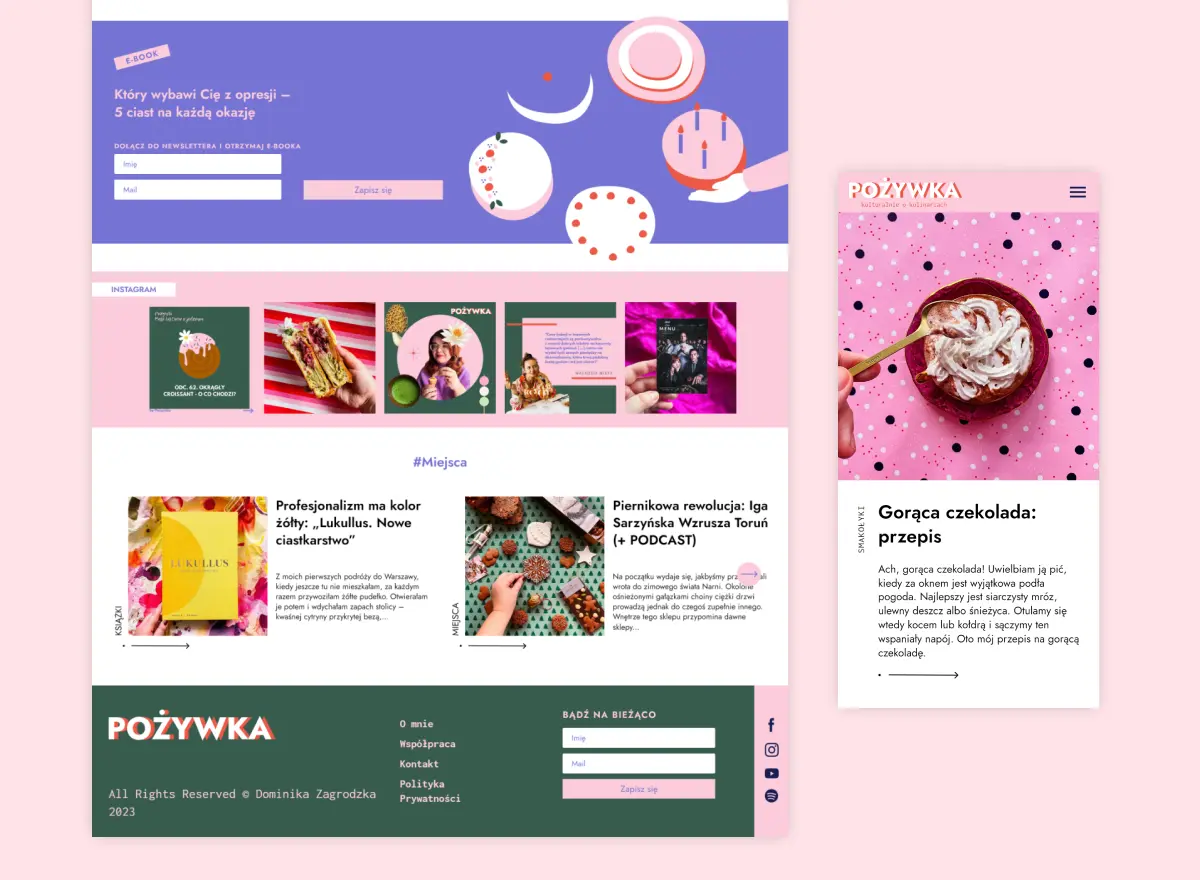
pozywka.pl
Scalable blog for food journalist, focused on performance and user experience 🌭
zagrodzki.me
Personal blog and portfolio of Bart Zagrodzki, where he shares his knowledge and work 💼
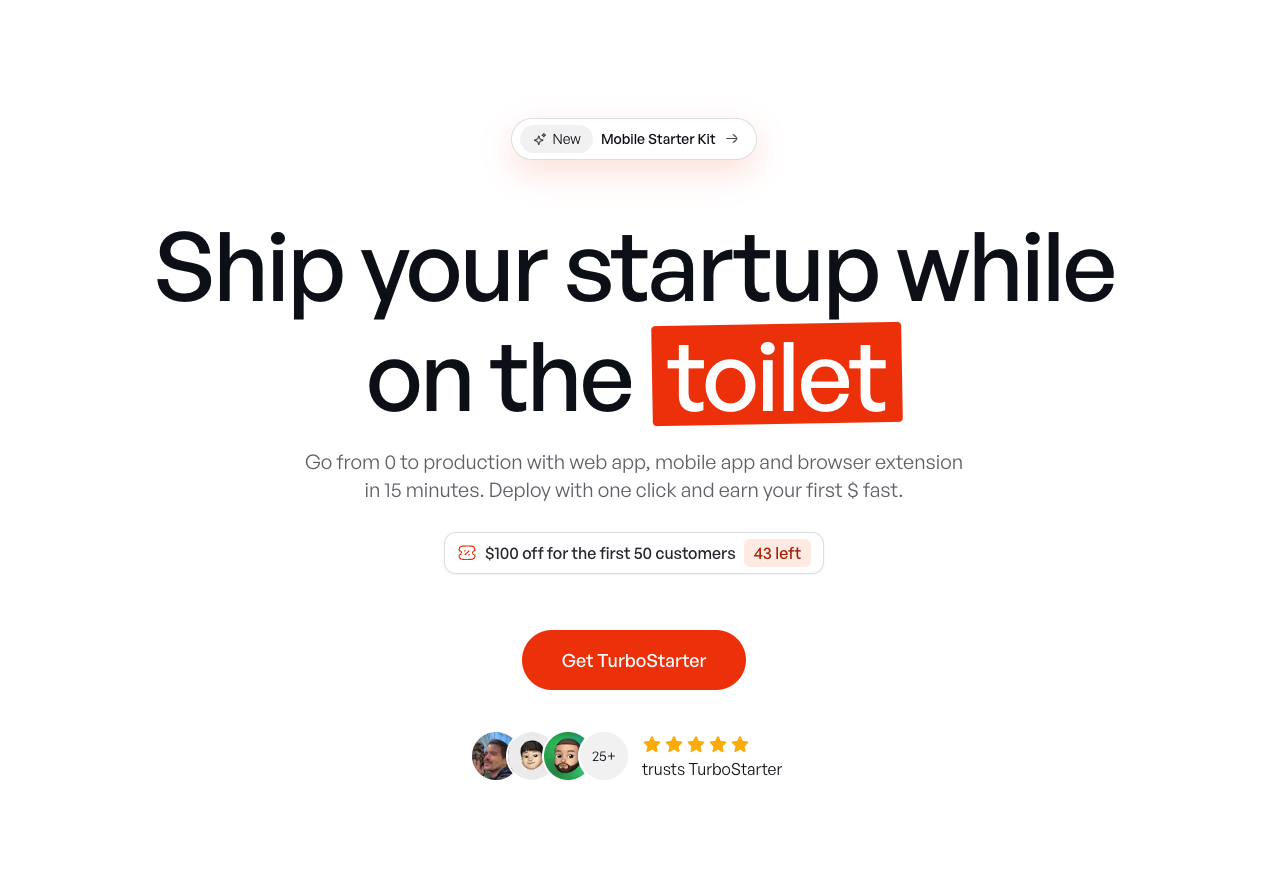
TurboStarter
Ship your startup everywhere. In minutes.
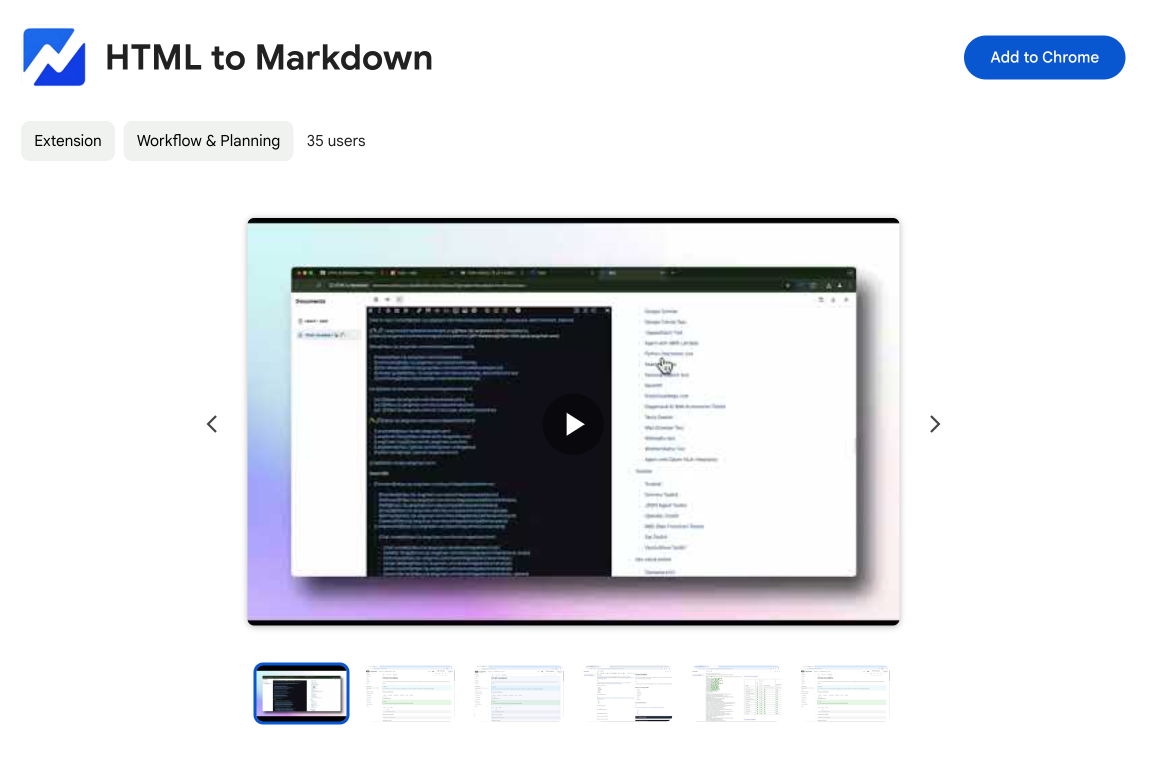
HTML to Markdown
Convert HTML to Markdown with ease, directly in your browser 📄
Dotallio
Personalized AI apps that automate research, data extraction, and content creation without code 🤖
Talk to Santa
Enjoy a magical live video chat or receive a unique AI-generated video greeting from Santa Claus 🎅
pozywka.pl
Scalable blog for food journalist, focused on performance and user experience 🌭
zagrodzki.me
Personal blog and portfolio of Bart Zagrodzki, where he shares his knowledge and work 💼
TurboStarter
Ship your startup everywhere. In minutes.
HTML to Markdown
Convert HTML to Markdown with ease, directly in your browser 📄
Dotallio
Personalized AI apps that automate research, data extraction, and content creation without code 🤖
Talk to Santa
Enjoy a magical live video chat or receive a unique AI-generated video greeting from Santa Claus 🎅
pozywka.pl
Scalable blog for food journalist, focused on performance and user experience 🌭
zagrodzki.me
Personal blog and portfolio of Bart Zagrodzki, where he shares his knowledge and work 💼
TurboStarter
Ship your startup everywhere. In minutes.
HTML to Markdown
Convert HTML to Markdown with ease, directly in your browser 📄
Dotallio
Personalized AI apps that automate research, data extraction, and content creation without code 🤖
Talk to Santa
Enjoy a magical live video chat or receive a unique AI-generated video greeting from Santa Claus 🎅
pozywka.pl
Scalable blog for food journalist, focused on performance and user experience 🌭
zagrodzki.me
Personal blog and portfolio of Bart Zagrodzki, where he shares his knowledge and work 💼
TurboStarter
Ship your startup everywhere. In minutes.
HTML to Markdown
Convert HTML to Markdown with ease, directly in your browser 📄
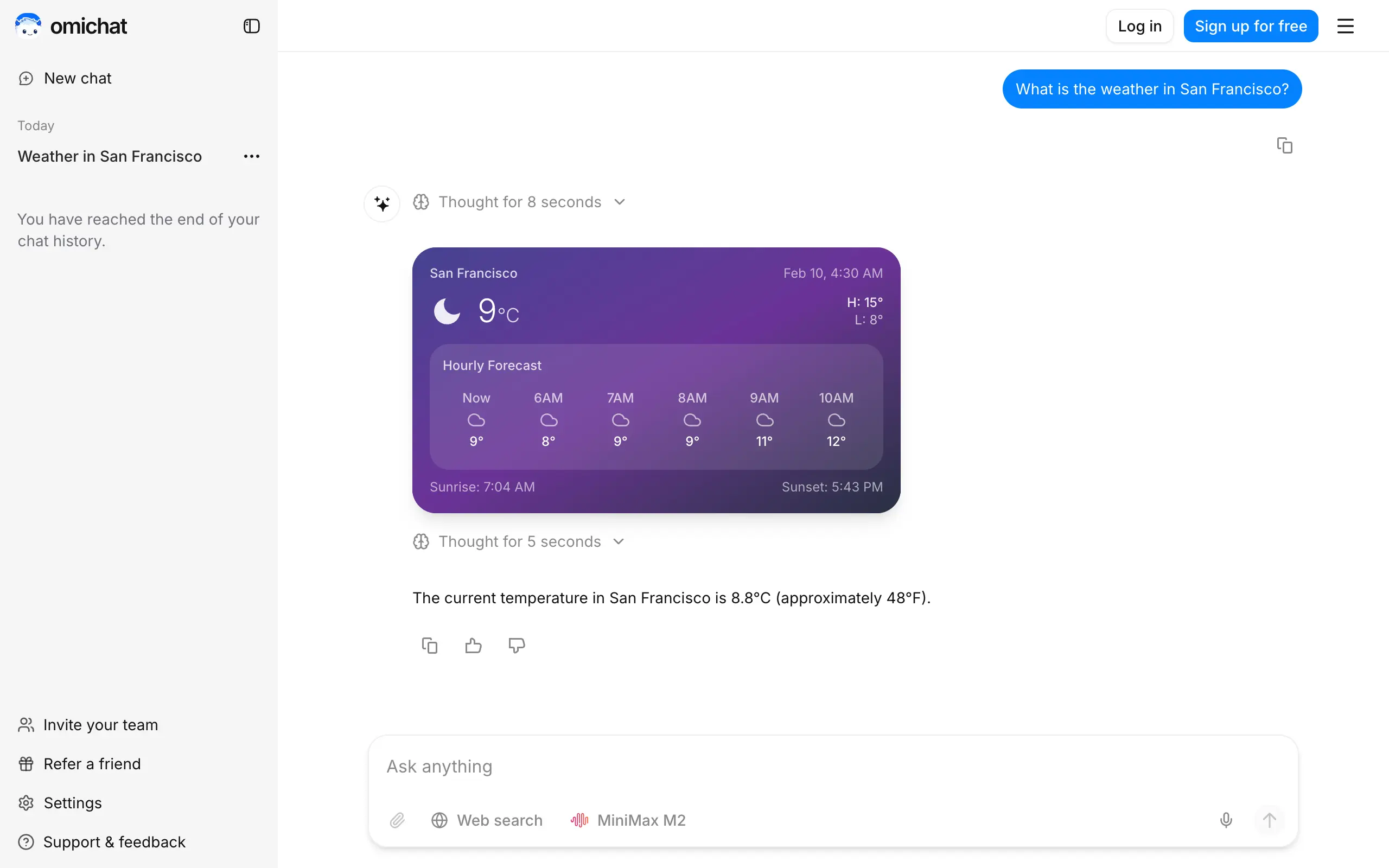
Omichat
Chat with 50+ AI models, including ChatGPT and Claude, in one place - switch models anytime without losing context 🤖
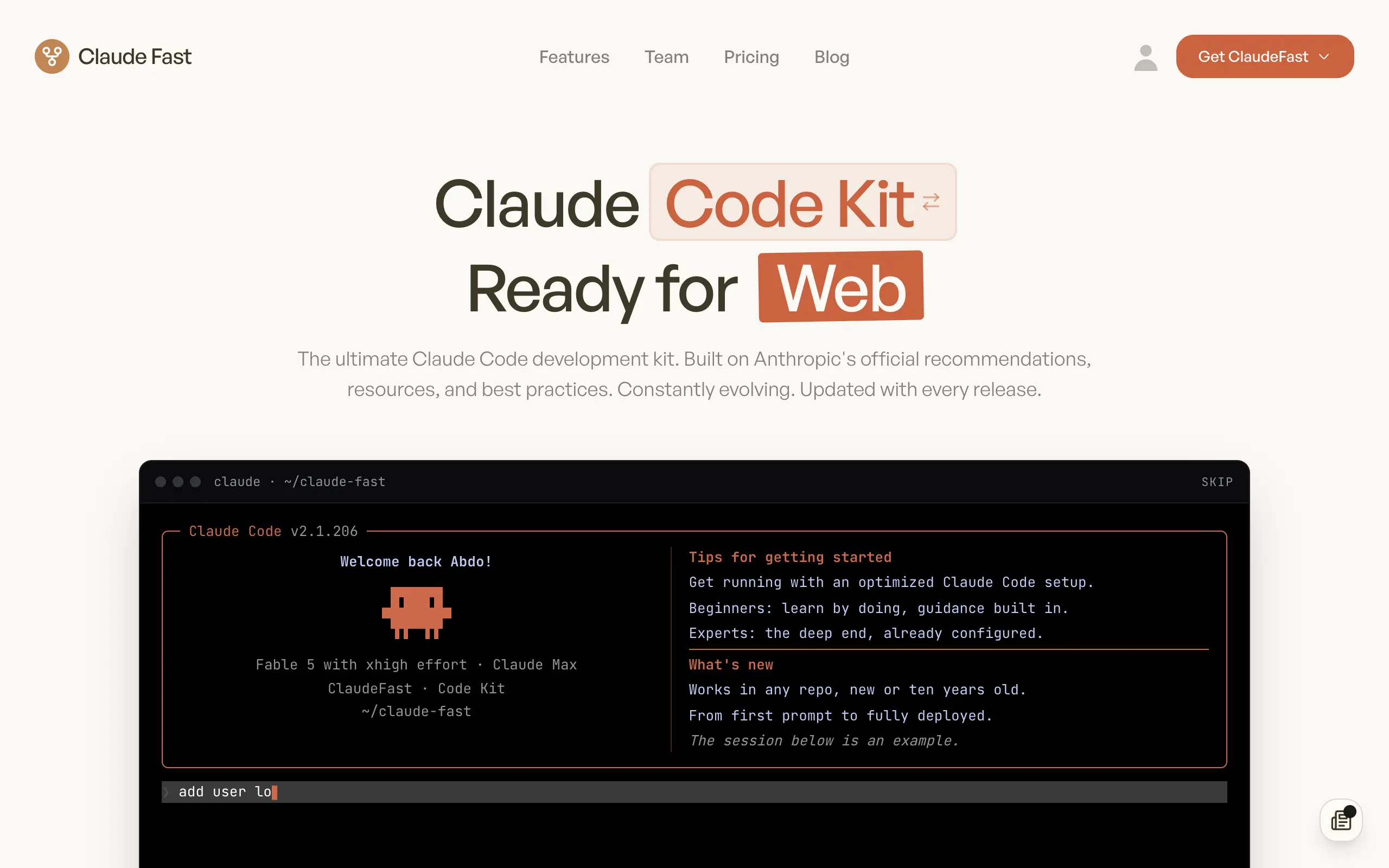
Claude Fast
Supercharge your Claude Code with 6x effective context window and specialized AI agents 🤖
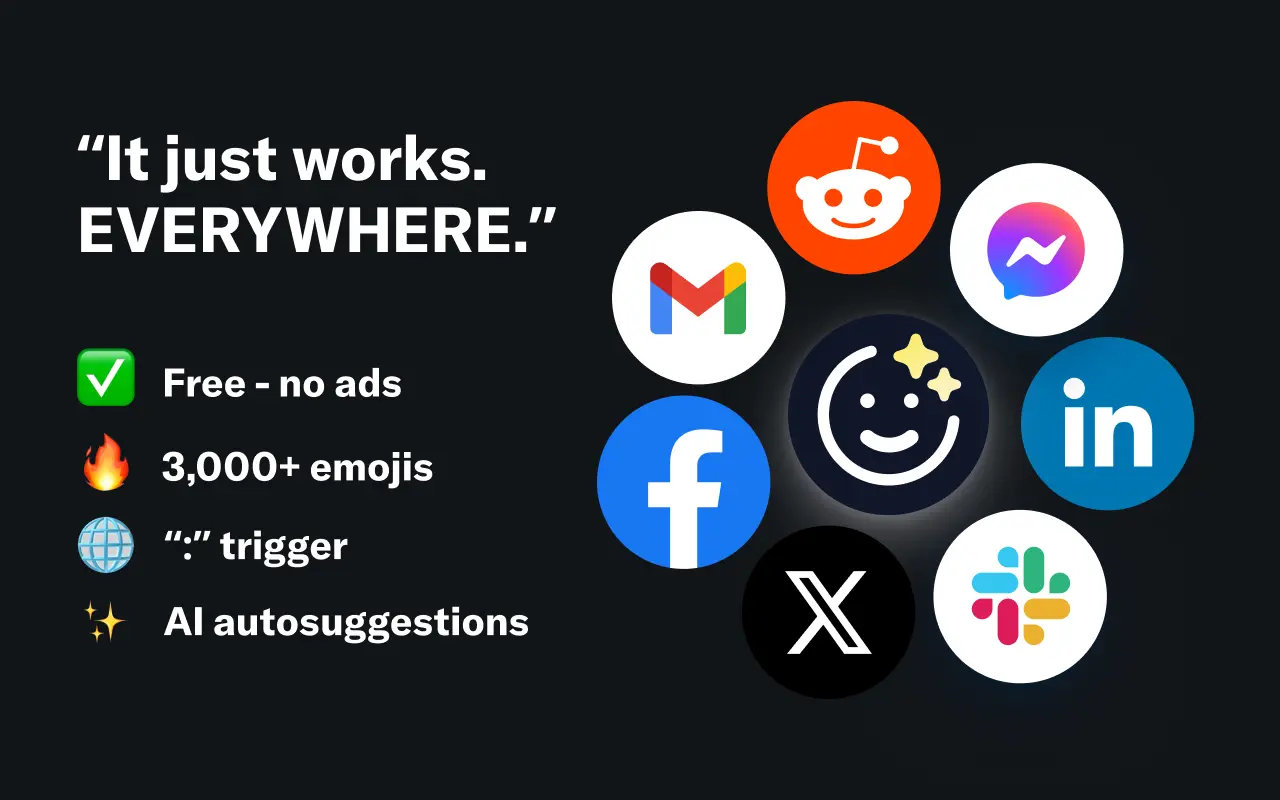
EmojAI
AI-powered emoji picker with smart, context-aware suggestions 🤖
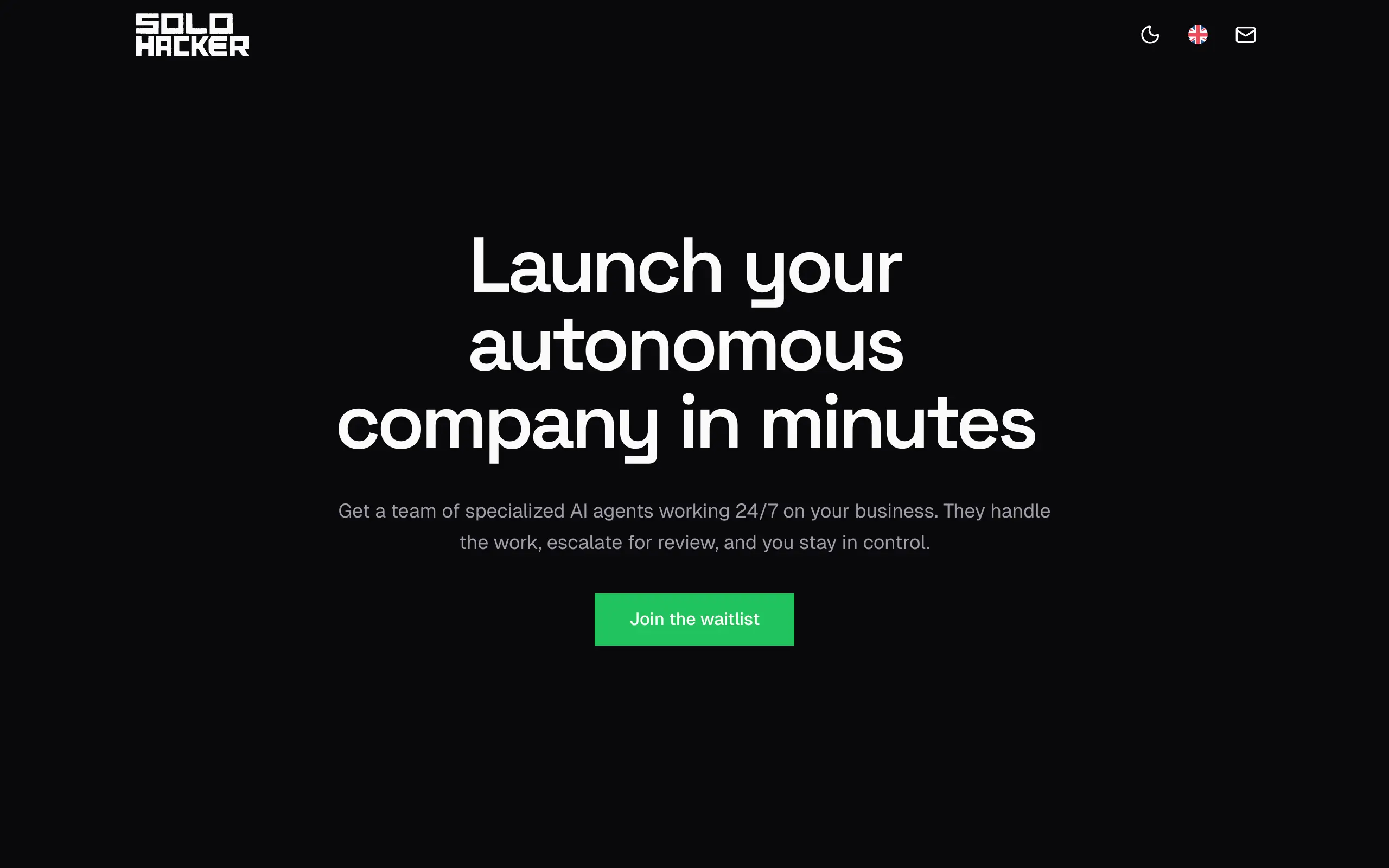
Solohacker
Autonomous company launcher - AI agents work 24/7, escalate what matters, and you stay in control 🤖
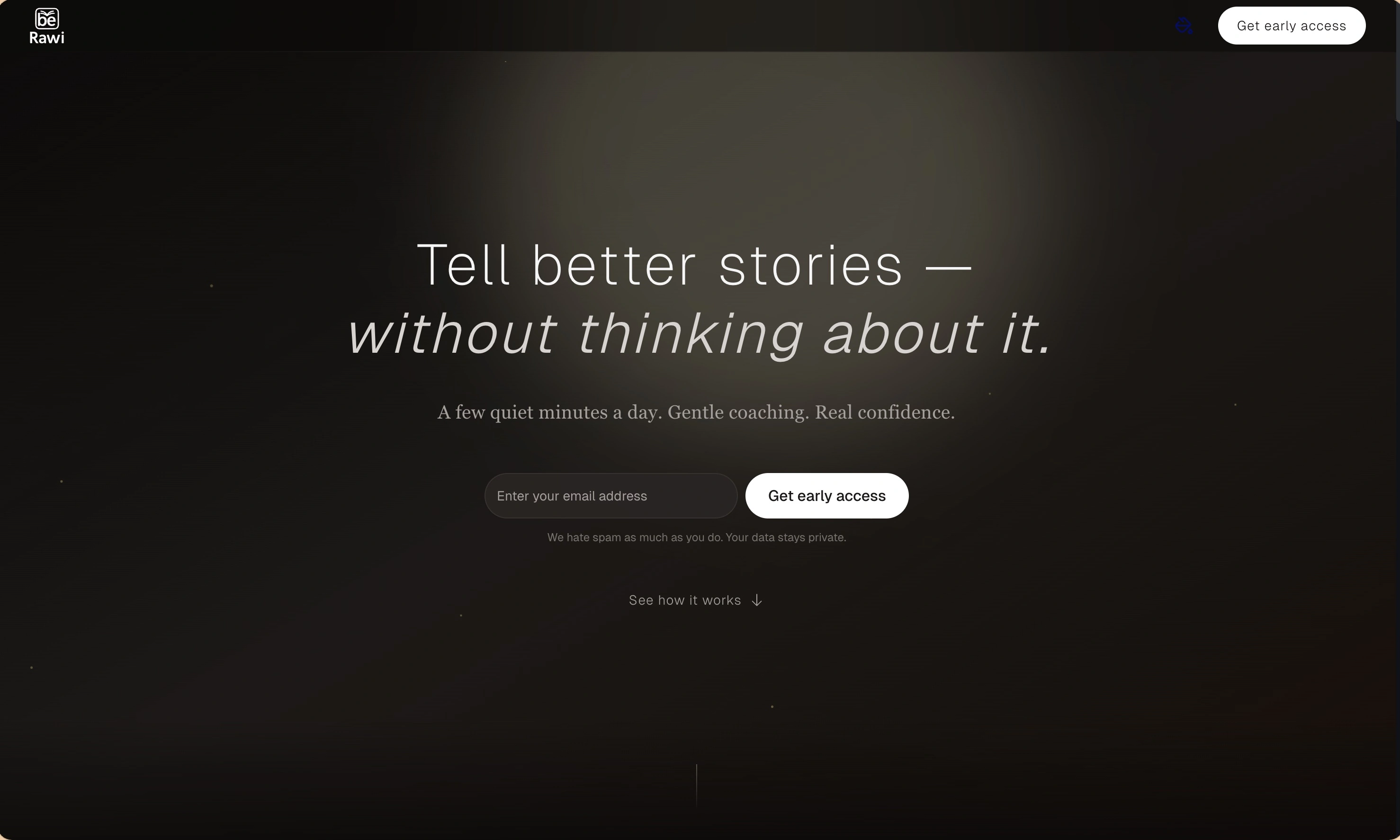
BeRawi: Storytelling Coach
Practice storytelling daily with instant feedback to sound clearer, more engaging, and confident 🎤
Omichat
Chat with 50+ AI models, including ChatGPT and Claude, in one place - switch models anytime without losing context 🤖
Claude Fast
Supercharge your Claude Code with 6x effective context window and specialized AI agents 🤖
EmojAI
AI-powered emoji picker with smart, context-aware suggestions 🤖
Solohacker
Autonomous company launcher - AI agents work 24/7, escalate what matters, and you stay in control 🤖
BeRawi: Storytelling Coach
Practice storytelling daily with instant feedback to sound clearer, more engaging, and confident 🎤
Omichat
Chat with 50+ AI models, including ChatGPT and Claude, in one place - switch models anytime without losing context 🤖
Claude Fast
Supercharge your Claude Code with 6x effective context window and specialized AI agents 🤖
EmojAI
AI-powered emoji picker with smart, context-aware suggestions 🤖
Solohacker
Autonomous company launcher - AI agents work 24/7, escalate what matters, and you stay in control 🤖
BeRawi: Storytelling Coach
Practice storytelling daily with instant feedback to sound clearer, more engaging, and confident 🎤
Omichat
Chat with 50+ AI models, including ChatGPT and Claude, in one place - switch models anytime without losing context 🤖
Claude Fast
Supercharge your Claude Code with 6x effective context window and specialized AI agents 🤖
EmojAI
AI-powered emoji picker with smart, context-aware suggestions 🤖
Solohacker
Autonomous company launcher - AI agents work 24/7, escalate what matters, and you stay in control 🤖
BeRawi: Storytelling Coach
Practice storytelling daily with instant feedback to sound clearer, more engaging, and confident 🎤

Connect with like-minded people
Join our community to get feedback, support, and grow together with 1,000+ builders on board, let's ship it!
Join usShip your startup everywhere. In minutes.
Don't burn tokens on setup and start building features on day one.