PipelineDoctor
Analyzes CRM data to identify stalled deals, forecast gaps, and rep performance issues with actionable insights to boost close rates.
What is an AI-powered CRM pipeline analysis tool and why it matters
Sales teams today operate in increasingly complex environments: multi-touch buyer journeys, longer sales cycles, fragmented communication channels, and rising revenue pressure. Despite investing heavily in CRM systems like Salesforce or HubSpot, many organizations still struggle with a critical issue—pipeline visibility and predictability.
This is where an AI-powered CRM pipeline analysis tool like PipelineDoctor comes in.
At its core, PipelineDoctor analyzes CRM data to uncover:
- Stalled or at-risk deals
- Forecast inaccuracies and revenue gaps
- Sales rep performance inconsistencies
- Pipeline bottlenecks across stages
But more importantly, it doesn’t just surface problems—it delivers actionable insights that help teams improve close rates and forecast accuracy.
This article explores the full business and technical potential of such a SaaS product, including market opportunity, feature design, monetization, and implementation strategies.
Understanding the core problem: why sales pipelines break
Even with modern CRM tools, sales leaders frequently face blind spots. The issue isn't data availability—it's data interpretation and actionability.
Common pipeline challenges
-
Stalled deals go unnoticed
Deals often sit idle in stages without triggering alerts or interventions. -
Forecasts are unreliable
Sales leaders rely on rep input, which is often subjective and overly optimistic. -
Rep performance is uneven
Without standardized benchmarks, it's hard to identify coaching opportunities. -
Pipeline hygiene is poor
Incomplete or outdated CRM entries lead to misleading insights. -
No clear “next best action”
Even when issues are identified, teams lack guidance on what to do next.
Key insight
Most CRMs are systems of record, not systems of intelligence. PipelineDoctor bridges that gap by transforming raw CRM data into decision-ready insights.
Target audience: who needs PipelineDoctor most
The primary audience for PipelineDoctor falls into three categories within B2B organizations.
1. Sales leaders (VPs, Directors of Sales)
These stakeholders are responsible for hitting revenue targets and need:
- Accurate forecasts
- Visibility into pipeline health
- Early warnings for revenue risks
- Data-driven coaching insights
2. Sales operations teams
Sales ops professionals manage CRM systems and reporting. They benefit from:
- Automated analysis of pipeline data
- Reduced manual reporting
- Better data hygiene enforcement
- Insights into process inefficiencies
3. Revenue operations (RevOps)
RevOps teams align sales, marketing, and customer success. PipelineDoctor helps them:
- Identify funnel leaks
- Optimize conversion rates across stages
- Align pipeline metrics with revenue goals
Market opportunity and gap analysis
The CRM market is massive—but incomplete
According to widely cited industry reports (e.g., Gartner or IDC), the global CRM market exceeds $80 billion and continues to grow. However, most tools focus on data capture and reporting, not intelligent analysis.
Existing solutions and their limitations
| Feature | Traditional CRM | BI Tools | Sales Engagement Tools | PipelineDoctor |
|---|---|---|---|---|
| Data storage | ✅ | ❌ | ❌ | ✅ |
| Pipeline analysis | Limited | ✅ | ❌ | ✅ |
| Actionable insights | ❌ | ❌ | Limited | ✅ |
| Forecast intelligence | Basic | ✅ | ❌ | ✅ |
The gap PipelineDoctor fills
PipelineDoctor sits at the intersection of:
- CRM systems (data source)
- Business intelligence tools (analysis)
- AI assistants (actionable recommendations)
This creates a strong opportunity to become a must-have augmentation layer for existing CRM stacks.
Core features of PipelineDoctor
To deliver meaningful value, PipelineDoctor must go beyond dashboards. It should act as an intelligent assistant for revenue teams.
1. Stalled deal detection
Automatically identify deals that:
- Haven’t progressed stages within expected timeframes
- Show declining engagement (e.g., no recent activity)
- Deviate from historical win patterns
2. Forecast gap analysis
Use historical data and pipeline trends to:
- Predict end-of-quarter revenue
- Highlight gaps between forecast and targets
- Identify deals most likely to slip
3. Rep performance diagnostics
Analyze individual and team performance based on:
- Conversion rates per stage
- Average deal velocity
- Win/loss patterns
- Activity-to-outcome ratios
4. Pipeline health scoring
Assign a health score to pipelines based on:
- Deal distribution across stages
- Engagement signals
- Stage duration benchmarks
5. Actionable recommendations
This is the key differentiator.
Instead of just saying “this deal is at risk,” PipelineDoctor suggests:
- “Schedule a follow-up within 48 hours”
- “Add executive sponsor to deal”
- “Requalify based on missing decision criteria”
6. CRM integrations
Seamless integration with major platforms:
- Salesforce
- HubSpot
- Pipedrive
7. Real-time alerts and notifications
- Slack notifications for at-risk deals
- Email summaries for weekly pipeline health
- In-app alerts for reps
How PipelineDoctor works: a technical overview
Data ingestion layer
PipelineDoctor connects via APIs to CRM platforms and extracts:
- Deal data
- Activity logs
- Contact interactions
- Stage transitions
Data processing and modeling
The system applies:
- Rule-based heuristics (e.g., inactivity thresholds)
- Machine learning models for pattern detection
- Statistical analysis for forecasting
Insight generation engine
This layer transforms raw analysis into:
- Alerts
- Recommendations
- Scores
Example logic (simplified)
if (deal.daysInStage > benchmark.daysInStage * 1.5) {
  flagDealAsStalled(deal.id);
  recommendAction("Follow up with decision-maker");
}
Recommended tech stack (with trade-offs)
Choosing the right stack is critical for scalability and speed.
Frontend
Why: Fast UI development and strong ecosystem.
Backend
- Node.js (with NestJS or Express)
- Python (for ML models)
Trade-off:
Node is great for APIs, but Python excels in data science. A hybrid approach is ideal.
Data layer
- PostgreSQL for structured data
- Snowflake or BigQuery for analytics
Machine learning
- Python (scikit-learn, TensorFlow, or PyTorch)
Integrations
- REST APIs for CRM platforms
- Webhooks for real-time updates
Infrastructure
- AWS or GCP
- Docker for containerization
Important consideration
CRM data quality can make or break your product. You’ll need strong data validation and cleaning mechanisms to ensure reliable insights.
Monetization strategy
PipelineDoctor fits naturally into a SaaS subscription model.
Pricing tiers
Starter
Basic pipeline insights for small teams with limited integrations.
Growth
Advanced analytics, forecasting, and team performance insights.
Enterprise
Custom models, dedicated support, and deep CRM integrations.
Pricing model options
- Per user/month
- Per account/month (based on deal volume)
- Usage-based (API calls or insights generated)
Upsell opportunities
- Advanced forecasting models
- Custom dashboards
- Dedicated onboarding and consulting
Competitive advantage: why PipelineDoctor stands out
1. Actionability over analytics
Most tools stop at insights. PipelineDoctor goes further by recommending specific actions.
2. Focused use case
Instead of being a general BI tool, it specializes in:
- Pipeline health
- Sales performance
- Forecast accuracy
3. AI-driven insights
Modern buyers expect AI capabilities. PipelineDoctor leverages:
- Predictive modeling
- Pattern recognition
- Intelligent recommendations
4. Fast time to value
With pre-built integrations and models, teams can see value within days—not months.
Potential risks and mitigation strategies
Risk 1: Poor CRM data quality
Mitigation:
- Build data validation layers
- Provide data hygiene recommendations
- Offer onboarding audits
Risk 2: Resistance from sales teams
Sales reps may distrust automated insights.
Mitigation:
- Provide transparent explanations for recommendations
- Show historical accuracy of predictions
- Integrate into existing workflows (Slack, CRM UI)
Risk 3: Competitive pressure
Large CRM platforms could build similar features.
Mitigation:
- Move fast and specialize deeply
- Build a strong brand around pipeline intelligence
- Offer superior UX and insights
Industry trends supporting this idea
1. Rise of RevOps
Revenue operations is becoming a core function, increasing demand for tools like PipelineDoctor.
2. AI in sales
AI-driven sales tools are rapidly gaining adoption, especially for:
- Forecasting
- Lead scoring
- Pipeline analysis
3. Data-driven decision making
Organizations are shifting toward measurable, data-backed strategies.
Step-by-step implementation plan
MVP feature set (what to build first)
To avoid overengineering, focus on:
- CRM integration (start with one platform like HubSpot)
- Stalled deal detection
- Basic pipeline health dashboard
- Simple recommendations
This allows you to:
- Validate product-market fit
- Gather real user feedback
- Iterate quickly
Go-to-market strategy
1. Content marketing
Create SEO-driven content around:
- “How to improve sales pipeline health”
- “Why sales forecasts fail”
- “How to identify stalled deals”
2. LinkedIn distribution
Target:
- Sales leaders
- RevOps professionals
3. Partnerships
Integrate with CRM ecosystems and marketplaces.
Frequently asked questions
CRM reports show what happened. PipelineDoctor explains why it happened and what to do next.
No. It enhances existing CRM systems by adding intelligence and actionable insights.
Accuracy improves over time as models learn from historical data. Transparency and explainability are key to building trust.
Final thoughts: why this SaaS idea has strong potential
PipelineDoctor addresses a clear, high-value problem: turning CRM data into revenue-driving actions.
Its strengths include:
- Strong alignment with existing tools (no need to replace CRM)
- Clear ROI (improved close rates and forecast accuracy)
- Growing demand for AI-driven sales insights
With the right execution, it can become an essential layer in the modern sales tech stack.
Build faster with the right foundation
If you're planning to build PipelineDoctor or a similar SaaS product, starting with a solid foundation can save months of development time.
Tools like TurboStarter help you quickly set up:
- Authentication
- Billing
- SaaS architecture
- Scalable frontend and backend
This allows you to focus on what truly matters—your core product and differentiation.
By combining strong market demand, a focused feature set, and AI-driven insights, PipelineDoctor represents a compelling SaaS opportunity in the evolving sales intelligence landscape.
More 🏢 B2B Application SaaS ideas
Discover more innovative b2b application SaaS ideas that are trending in 2026. Each idea is AI-generated with market validation and growth potential to help you find your next profitable venture faster than competitors.
Your competitors are building with TurboStarter
Below are some of the SaaS ideas that have been generated and built with our starter kit.
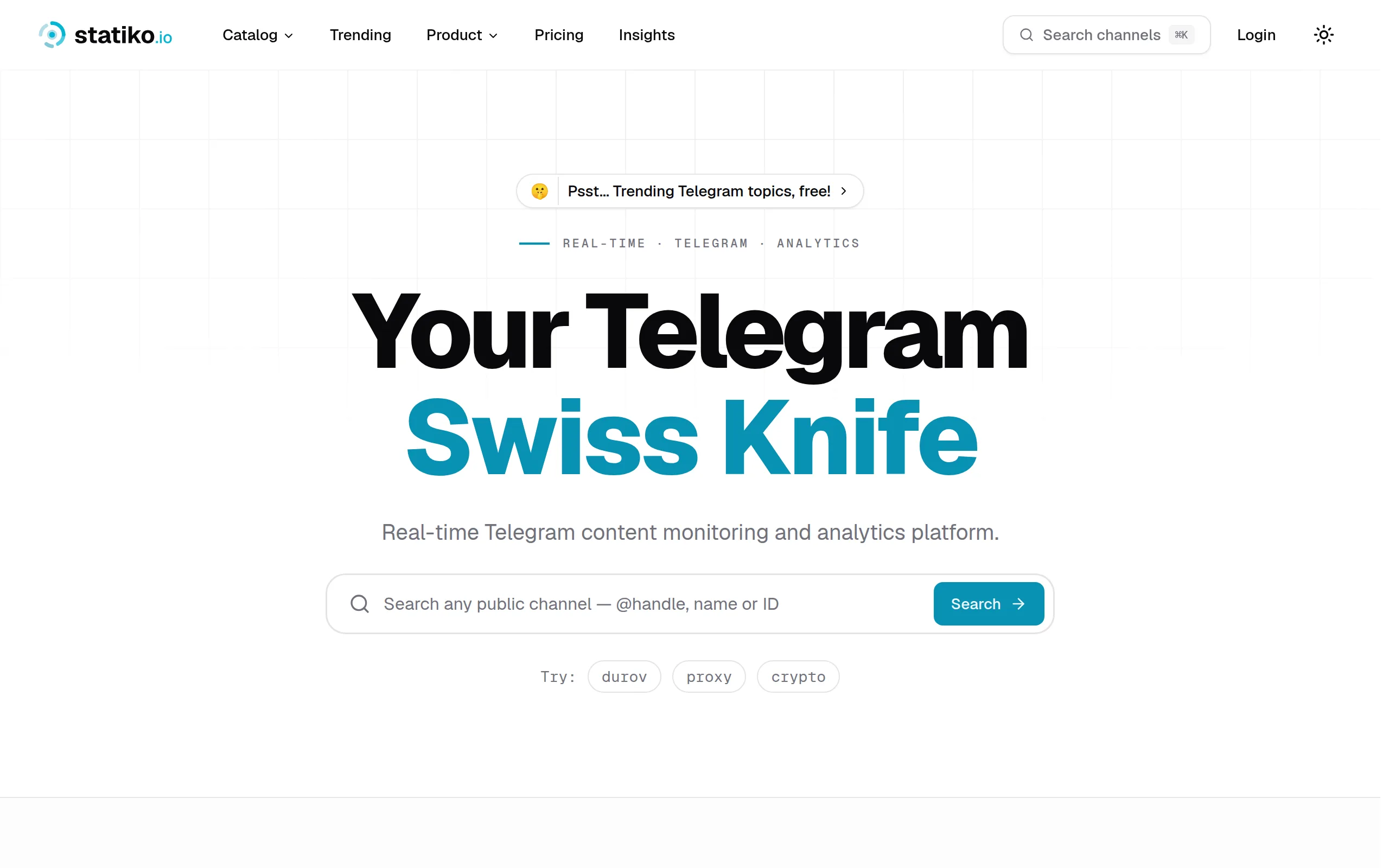
Statiko
Monitor any Telegram channel in real time - track posts, edits, deletions, and growth with AI recaps 📡

Shibui
AI website builder - describe your business, pick a niche template, edit by chatting, and publish instantly ✨

Pro Service
Find verified home service professionals, compare quotes, and pay securely through escrow - built for Brazilians across the US 🏠
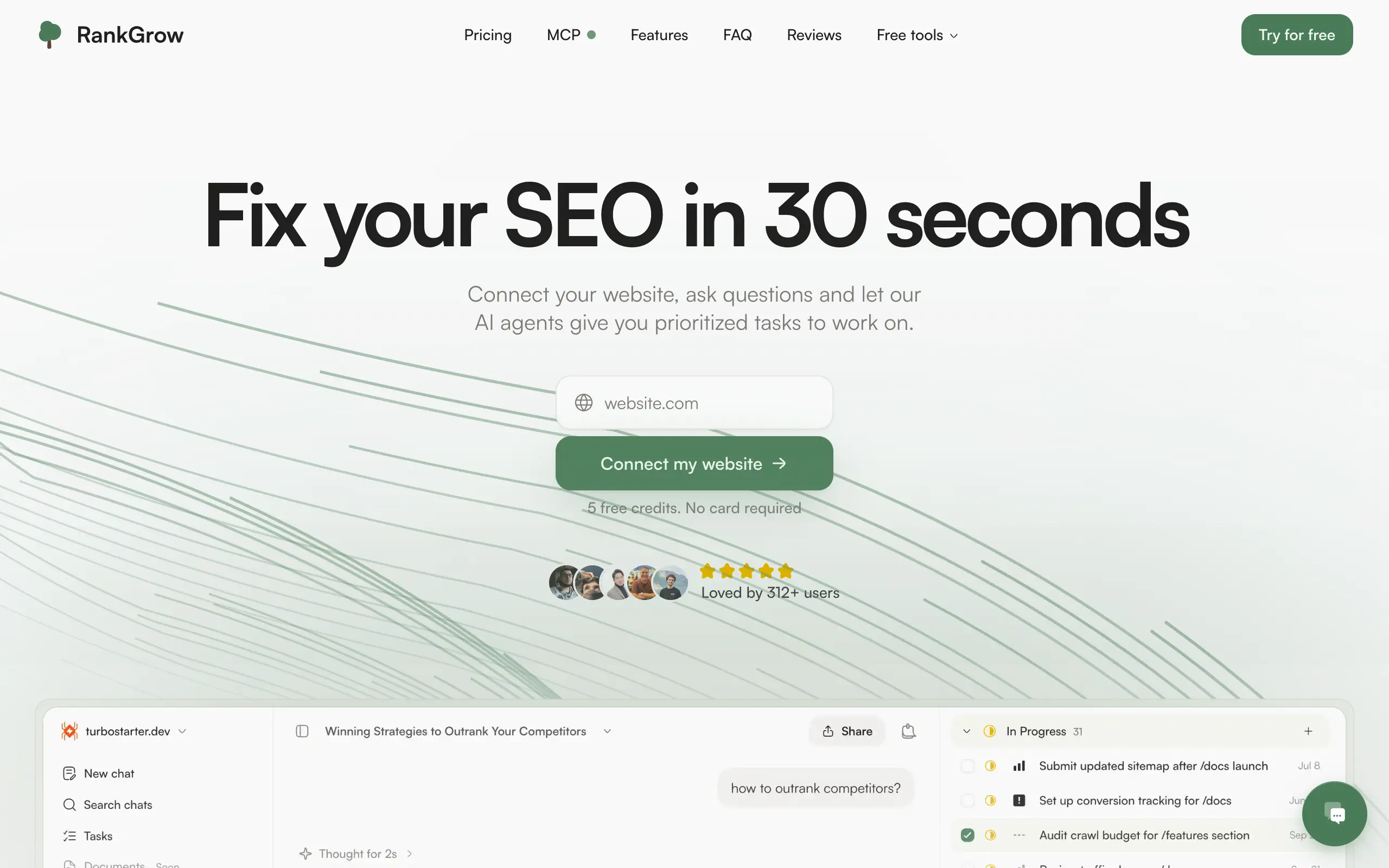
RankGrow
Fix your SEO with AI agents - connect Search Console, get prioritized tasks, and grow organic traffic 📈
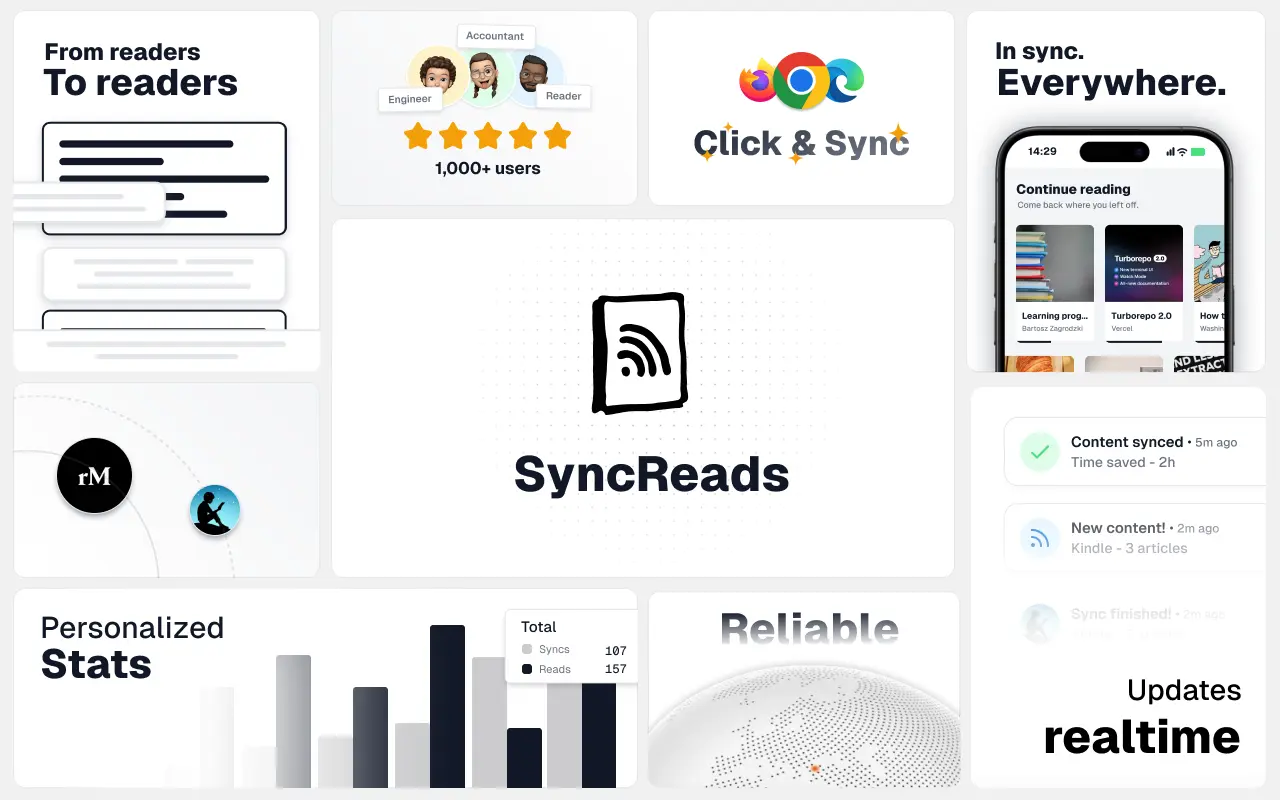
SyncReads
Sync your favorite content for distraction-free reading, save time and replace multiple apps. Anytime, anywhere 🔄
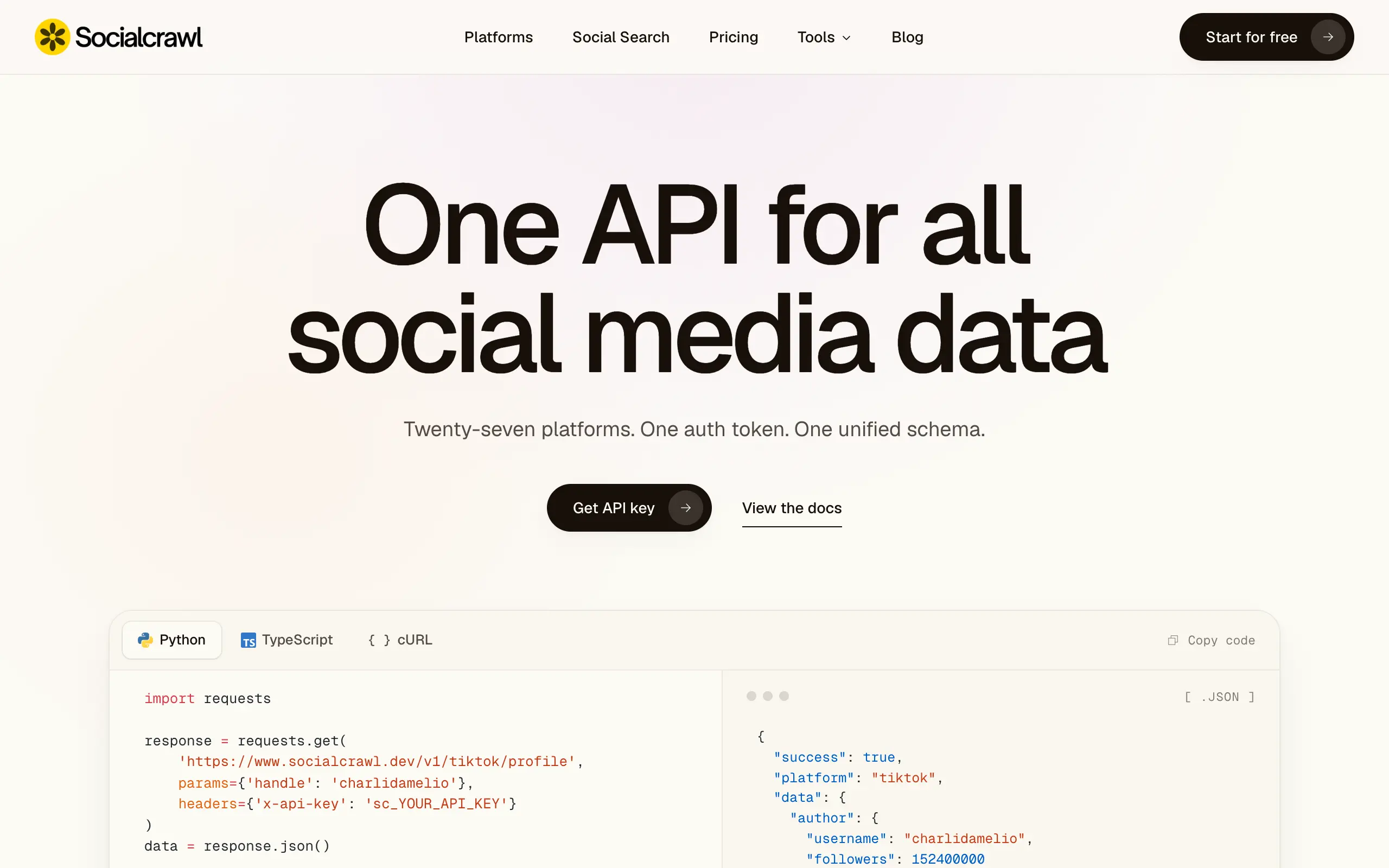
Socialcrawl
Get clean, structured data from 21 platforms like TikTok, Instagram, and YouTube with a single request 📊
Statiko
Monitor any Telegram channel in real time - track posts, edits, deletions, and growth with AI recaps 📡
Shibui
AI website builder - describe your business, pick a niche template, edit by chatting, and publish instantly ✨
Pro Service
Find verified home service professionals, compare quotes, and pay securely through escrow - built for Brazilians across the US 🏠
RankGrow
Fix your SEO with AI agents - connect Search Console, get prioritized tasks, and grow organic traffic 📈
SyncReads
Sync your favorite content for distraction-free reading, save time and replace multiple apps. Anytime, anywhere 🔄
Socialcrawl
Get clean, structured data from 21 platforms like TikTok, Instagram, and YouTube with a single request 📊
Statiko
Monitor any Telegram channel in real time - track posts, edits, deletions, and growth with AI recaps 📡
Shibui
AI website builder - describe your business, pick a niche template, edit by chatting, and publish instantly ✨
Pro Service
Find verified home service professionals, compare quotes, and pay securely through escrow - built for Brazilians across the US 🏠
RankGrow
Fix your SEO with AI agents - connect Search Console, get prioritized tasks, and grow organic traffic 📈
SyncReads
Sync your favorite content for distraction-free reading, save time and replace multiple apps. Anytime, anywhere 🔄
Socialcrawl
Get clean, structured data from 21 platforms like TikTok, Instagram, and YouTube with a single request 📊
Statiko
Monitor any Telegram channel in real time - track posts, edits, deletions, and growth with AI recaps 📡
Shibui
AI website builder - describe your business, pick a niche template, edit by chatting, and publish instantly ✨
Pro Service
Find verified home service professionals, compare quotes, and pay securely through escrow - built for Brazilians across the US 🏠
RankGrow
Fix your SEO with AI agents - connect Search Console, get prioritized tasks, and grow organic traffic 📈
SyncReads
Sync your favorite content for distraction-free reading, save time and replace multiple apps. Anytime, anywhere 🔄
Socialcrawl
Get clean, structured data from 21 platforms like TikTok, Instagram, and YouTube with a single request 📊
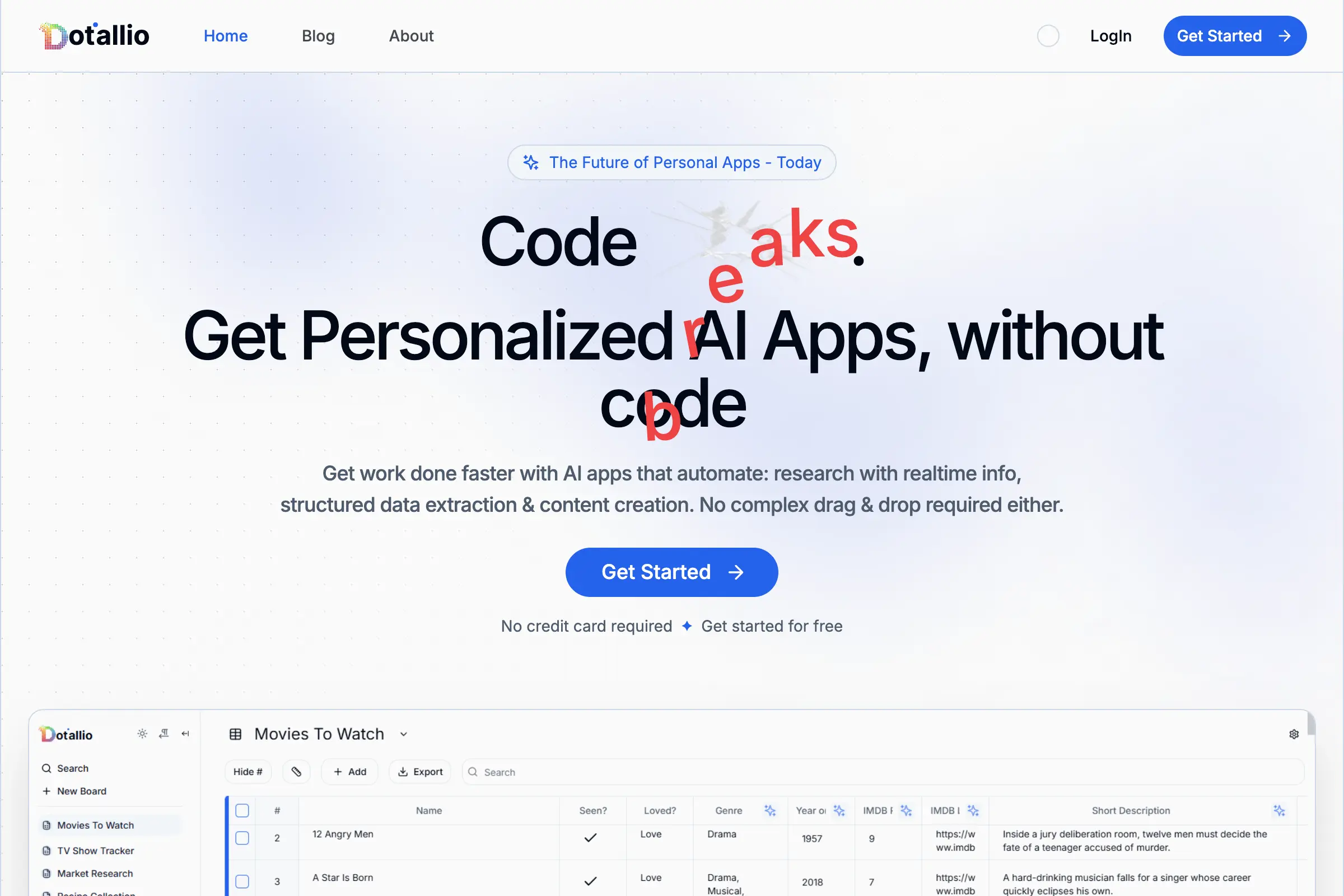
Dotallio
Personalized AI apps that automate research, data extraction, and content creation without code 🤖

Talk to Santa
Enjoy a magical live video chat or receive a unique AI-generated video greeting from Santa Claus 🎅

pozywka.pl
Scalable blog for food journalist, focused on performance and user experience 🌭
zagrodzki.me
Personal blog and portfolio of Bart Zagrodzki, where he shares his knowledge and work 💼
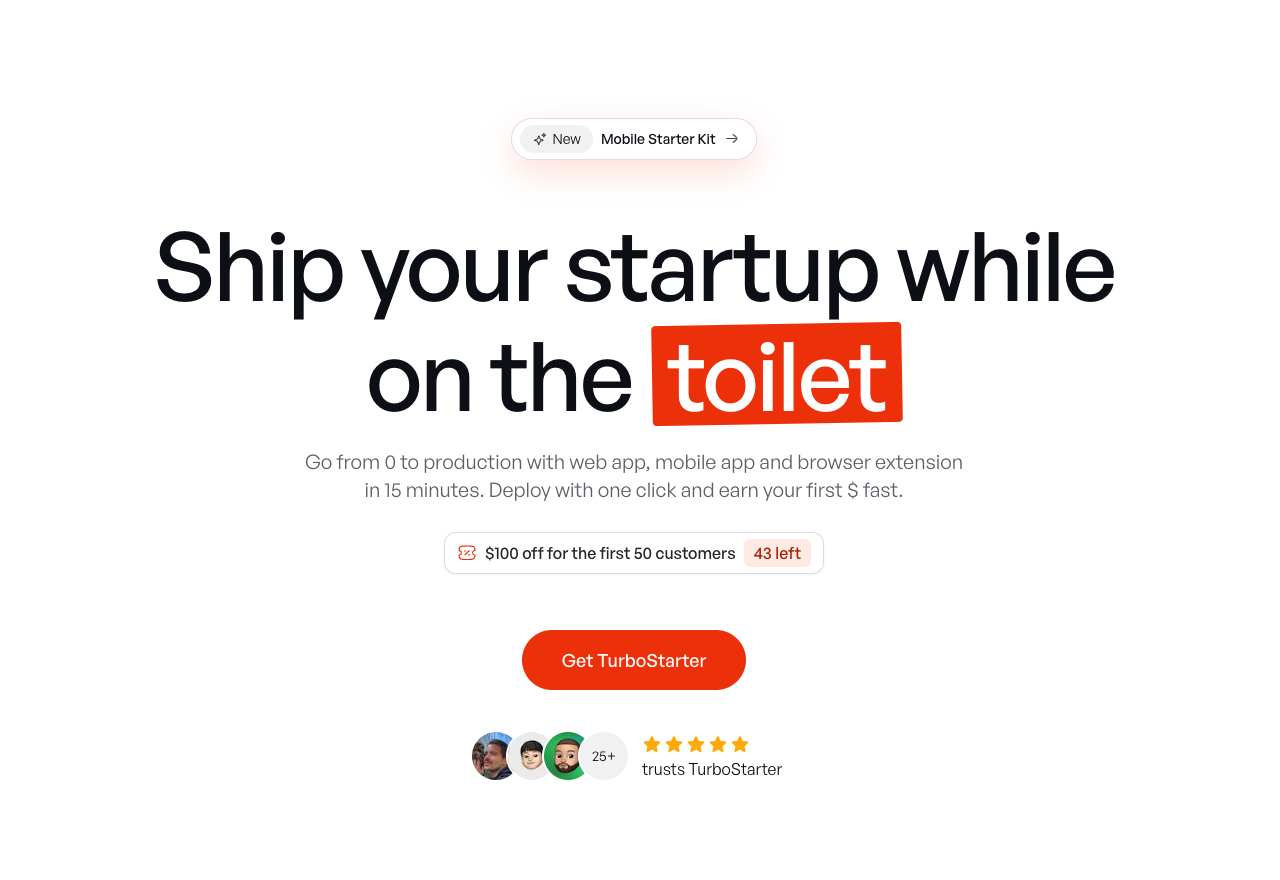
TurboStarter
Ship your startup everywhere. In minutes.
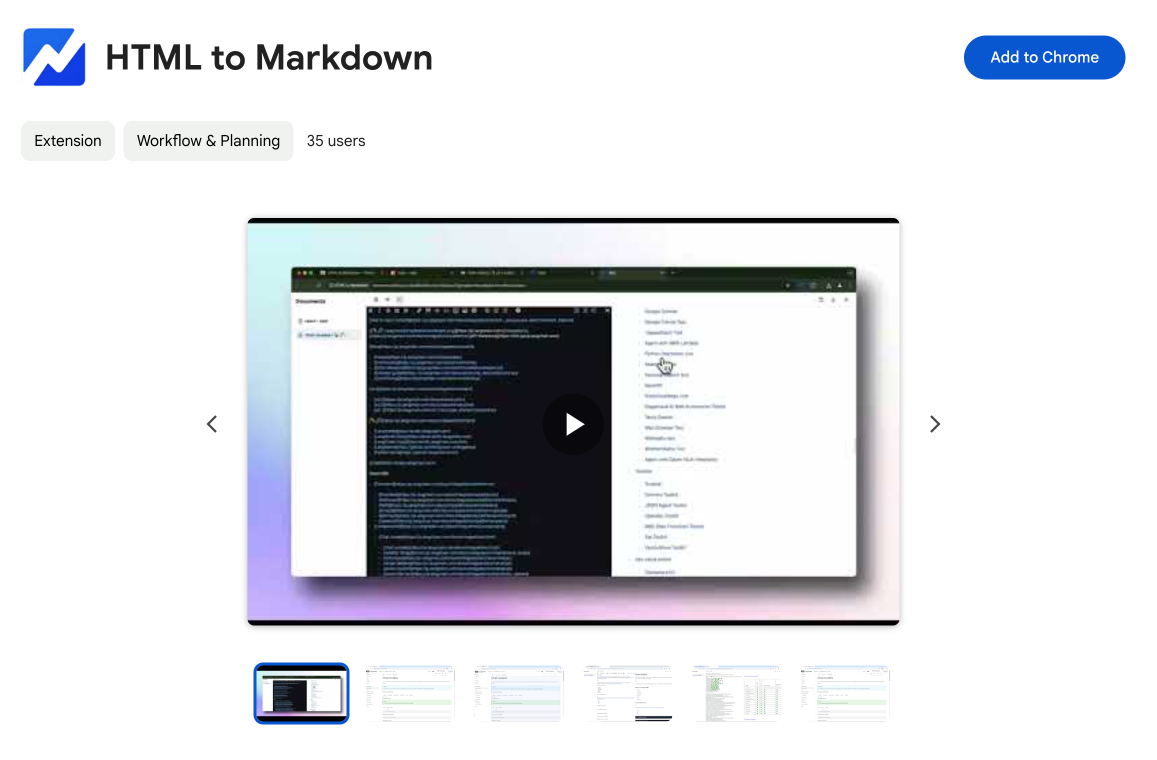
HTML to Markdown
Convert HTML to Markdown with ease, directly in your browser 📄
Dotallio
Personalized AI apps that automate research, data extraction, and content creation without code 🤖
Talk to Santa
Enjoy a magical live video chat or receive a unique AI-generated video greeting from Santa Claus 🎅
pozywka.pl
Scalable blog for food journalist, focused on performance and user experience 🌭
zagrodzki.me
Personal blog and portfolio of Bart Zagrodzki, where he shares his knowledge and work 💼
TurboStarter
Ship your startup everywhere. In minutes.
HTML to Markdown
Convert HTML to Markdown with ease, directly in your browser 📄
Dotallio
Personalized AI apps that automate research, data extraction, and content creation without code 🤖
Talk to Santa
Enjoy a magical live video chat or receive a unique AI-generated video greeting from Santa Claus 🎅
pozywka.pl
Scalable blog for food journalist, focused on performance and user experience 🌭
zagrodzki.me
Personal blog and portfolio of Bart Zagrodzki, where he shares his knowledge and work 💼
TurboStarter
Ship your startup everywhere. In minutes.
HTML to Markdown
Convert HTML to Markdown with ease, directly in your browser 📄
Dotallio
Personalized AI apps that automate research, data extraction, and content creation without code 🤖
Talk to Santa
Enjoy a magical live video chat or receive a unique AI-generated video greeting from Santa Claus 🎅
pozywka.pl
Scalable blog for food journalist, focused on performance and user experience 🌭
zagrodzki.me
Personal blog and portfolio of Bart Zagrodzki, where he shares his knowledge and work 💼
TurboStarter
Ship your startup everywhere. In minutes.
HTML to Markdown
Convert HTML to Markdown with ease, directly in your browser 📄
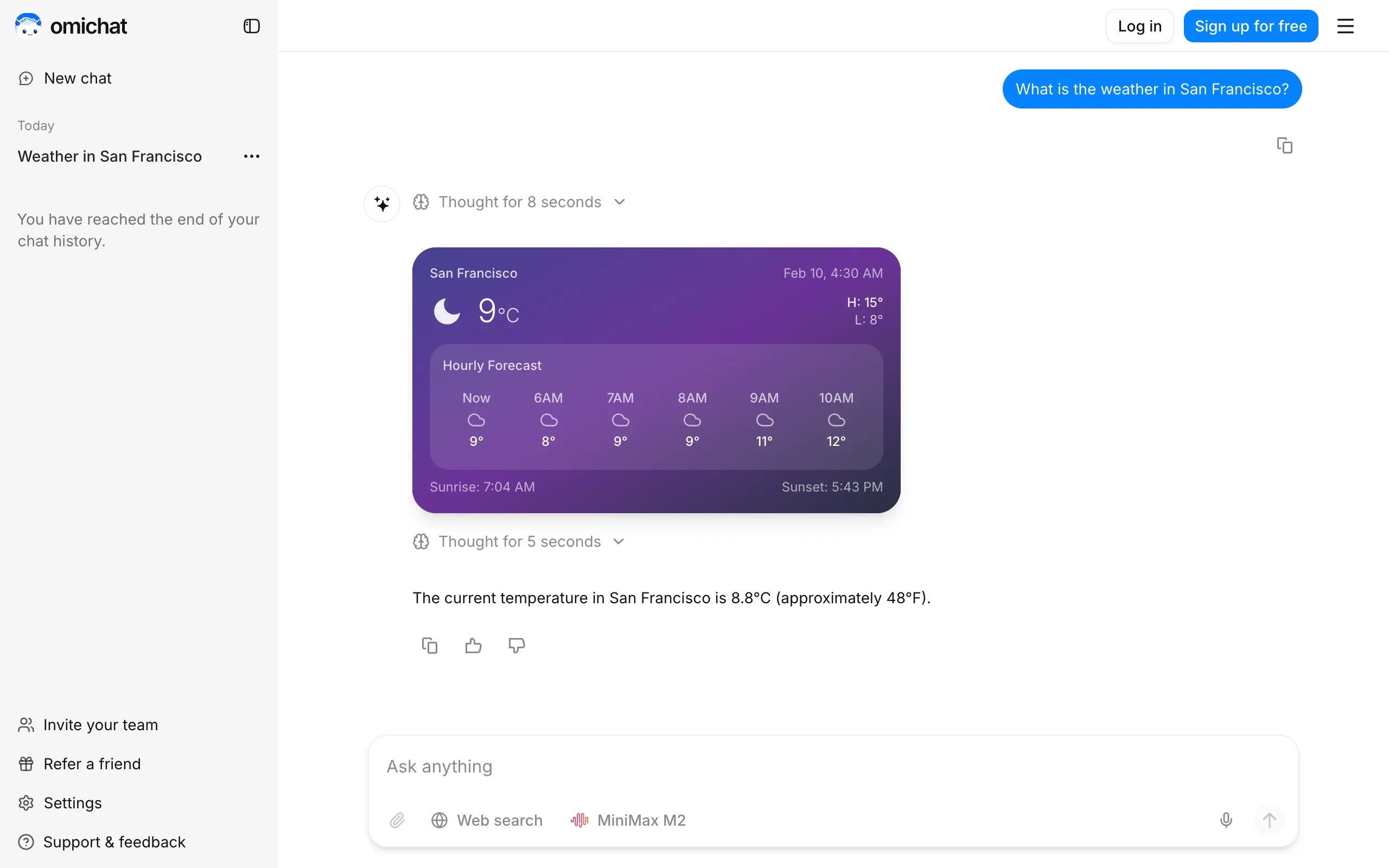
Omichat
Chat with 50+ AI models, including ChatGPT and Claude, in one place - switch models anytime without losing context 🤖
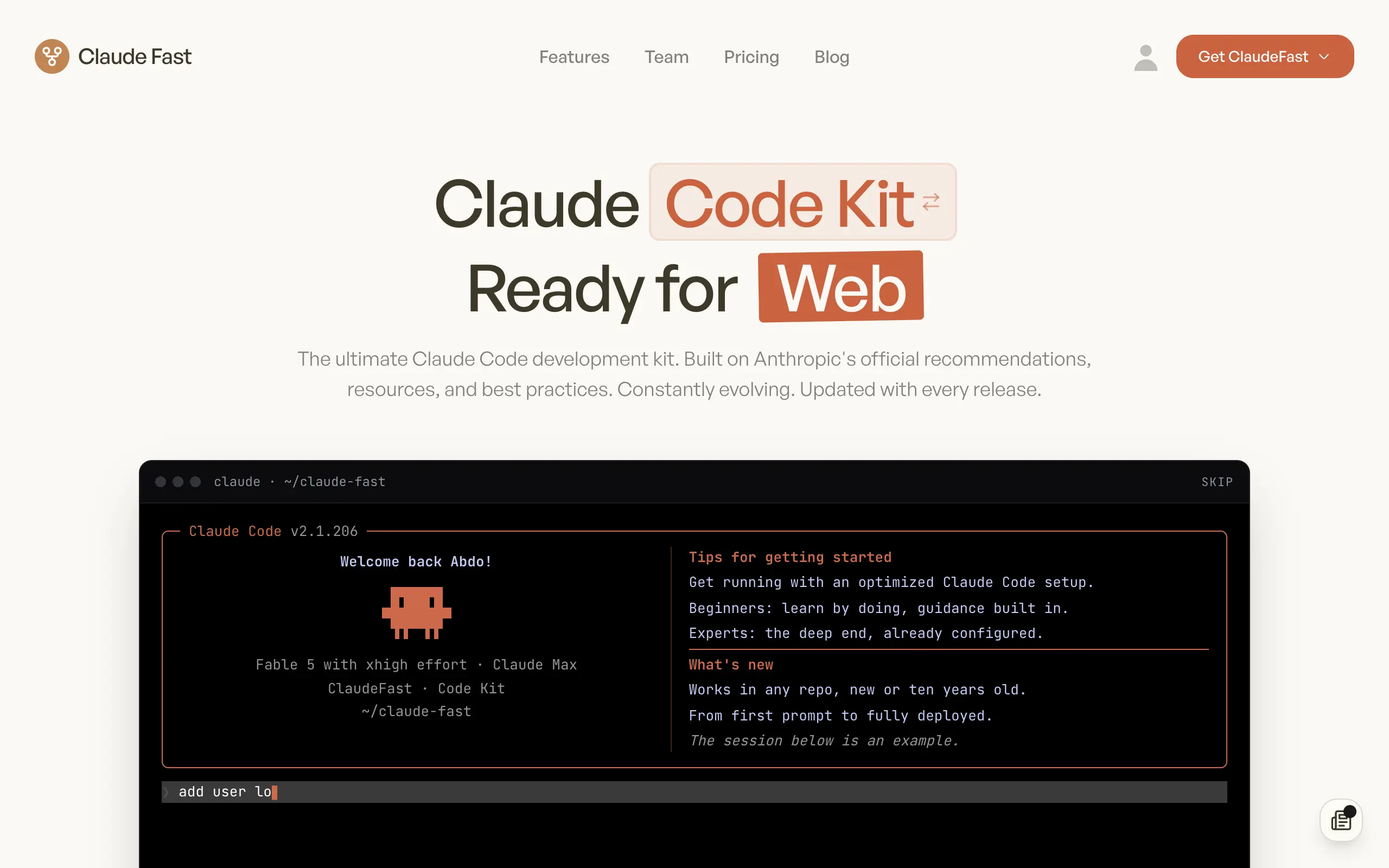
Claude Fast
Supercharge your Claude Code with 6x effective context window and specialized AI agents 🤖
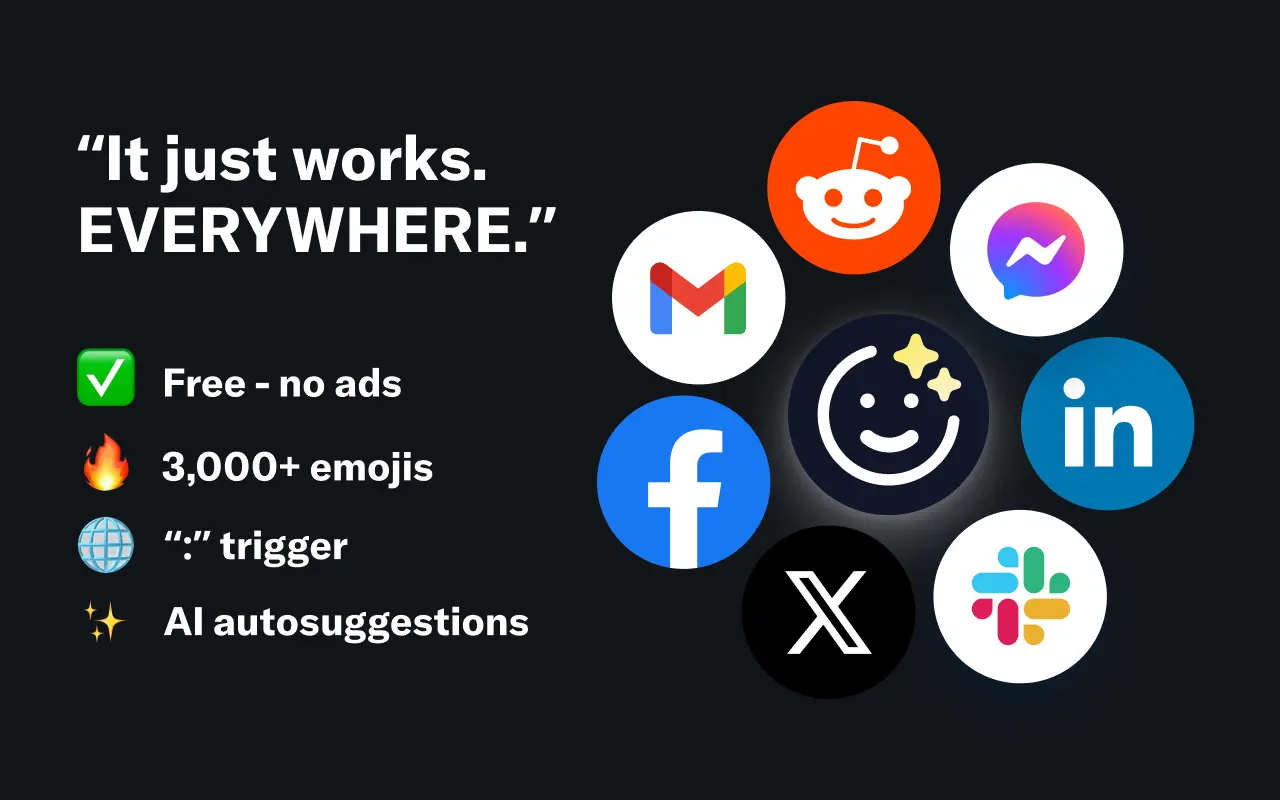
EmojAI
AI-powered emoji picker with smart, context-aware suggestions 🤖
Solohacker
Autonomous company launcher - AI agents work 24/7, escalate what matters, and you stay in control 🤖
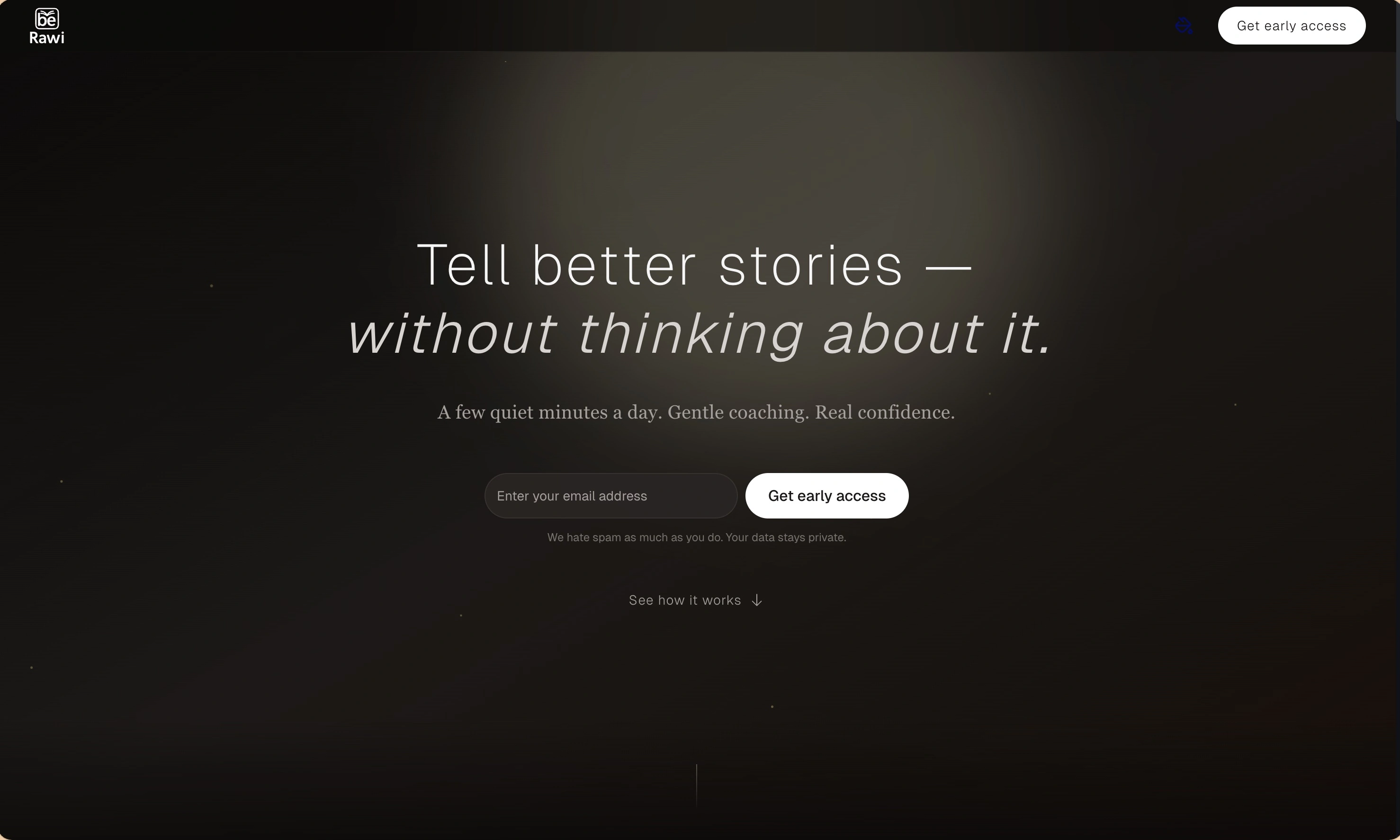
BeRawi: Storytelling Coach
Practice storytelling daily with instant feedback to sound clearer, more engaging, and confident 🎤
Omichat
Chat with 50+ AI models, including ChatGPT and Claude, in one place - switch models anytime without losing context 🤖
Claude Fast
Supercharge your Claude Code with 6x effective context window and specialized AI agents 🤖
EmojAI
AI-powered emoji picker with smart, context-aware suggestions 🤖
Solohacker
Autonomous company launcher - AI agents work 24/7, escalate what matters, and you stay in control 🤖
BeRawi: Storytelling Coach
Practice storytelling daily with instant feedback to sound clearer, more engaging, and confident 🎤
Omichat
Chat with 50+ AI models, including ChatGPT and Claude, in one place - switch models anytime without losing context 🤖
Claude Fast
Supercharge your Claude Code with 6x effective context window and specialized AI agents 🤖
EmojAI
AI-powered emoji picker with smart, context-aware suggestions 🤖
Solohacker
Autonomous company launcher - AI agents work 24/7, escalate what matters, and you stay in control 🤖
BeRawi: Storytelling Coach
Practice storytelling daily with instant feedback to sound clearer, more engaging, and confident 🎤
Omichat
Chat with 50+ AI models, including ChatGPT and Claude, in one place - switch models anytime without losing context 🤖
Claude Fast
Supercharge your Claude Code with 6x effective context window and specialized AI agents 🤖
EmojAI
AI-powered emoji picker with smart, context-aware suggestions 🤖
Solohacker
Autonomous company launcher - AI agents work 24/7, escalate what matters, and you stay in control 🤖
BeRawi: Storytelling Coach
Practice storytelling daily with instant feedback to sound clearer, more engaging, and confident 🎤

Connect with like-minded people
Join our community to get feedback, support, and grow together with 1,000+ builders on board, let's ship it!
Join usShip your startup everywhere. In minutes.
Don't burn tokens on setup and start building features on day one.