PitchBuddy
Create, collaborate, and refine project proposals with AI-powered templates and feedback tools tailored for students prepping presentations or startup applications.
Understanding the PitchBuddy SaaS Proposition
In today’s innovation-driven academic and entrepreneurial landscape, crafting persuasive project proposals and business pitches is more critical—and more competitive—than ever. PitchBuddy aims to streamline this process by offering a collaborative, AI-powered platform that supports students, founders, and educators in drafting, editing, and perfecting their project proposals and pitch decks. By combining intelligent templates and real-time feedback mechanisms, PitchBuddy bridges the gap between ideation and stellar project presentation.
This article explores the PitchBuddy SaaS platform in depth, underscoring its market fit, target users, features, tech stack, monetization models, and risk considerations. Whether you’re validating your startup idea, considering your MVP roadmap, or researching SaaS trends, you’ll find actionable, expert guidance here.
Who is PitchBuddy For? Target audience analysis
Before building or investing in any SaaS tool, clear understanding of the target audience is essential. PitchBuddy's primary and secondary users can be grouped as follows:
1. Primary target users
- Students (Undergraduate & Graduate):
- Preparing for project presentations, final year thesis, hackathons, or academic competitions.
- Needing guided templates and collaborative features for proposals and decks.
- Student teams & university clubs:
- Working collectively on startup ideas or innovation challenges.
- Seeking seamless feedback and iteration among members.
- Startup founders (early-stage):
- Drafting proposals for accelerator/incubator applications.
- Preparing deck iterations for potential investors or team onboarding.
2. Secondary users
- Educators, mentors & program coordinators:
- Guiding students through capstone projects, innovation sprints, or entrepreneurship programs.
- Needing structured review and real-time feedback tools.
- Startup communities & incubator programs:
- Offering value-added tools to cohorts to improve application quality and project clarity.
User pain points addressed
- Difficulty structuring compelling proposals or pitch decks under tight timelines.
- Lack of actionable, contextual feedback for improvement.
- Difficulty collaborating remotely or asynchronously (especially across different schedules or locations).
- Insufficient guidance to align proposals with best practices or specific requirements (e.g., accelerator applications).
Identifying the market opportunity and gaps
PitchBuddy enters a vast but fragmented market: millions of students and thousands of startups create project proposals and pitch decks annually. Existing solutions rarely address the unique, iterative, and feedback-driven process required for academic or early-stage startup proposals.
Market trends and demand
- Increasing emphasis on project-based learning: Educational institutions globally are focusing more on presentations and evaluation via projects, making streamlined proposal workflows essential (EdTech trends).
- Startup ecosystem growth: The number of startup incubators, accelerators, and pitch events is at an all-time high. Early-stage founders need clear, investor-ready decks, often lacking guidance.
- Remote collaboration: Hybrid learning and remote work trends drive demand for asynchronous, real-time collaborative tools.
- AI in EdTech and productivity SaaS: AI-powered writing assistants and feedback tools are becoming industry standard (OpenAI), but domain-specific solutions with templates tailored for pitches/proposals remain under-served.
Market gaps
- General-purpose tools dominate: Solutions like Google Docs and PowerPoint enable document creation but lack purpose-built guidance for proposals or decks.
- Limited AI feedback tailored to student/startup needs: Existing AI writing tools (e.g., Grammarly, Jasper) aren’t optimized for project proposals or investor pitches.
- Lack of collaborative, modular workflow: Many tools are single-user or lack integrated feedback/iteration loops.
Core features and solution architecture
The unique value proposition of PitchBuddy lies both in its feature set and the way these features are assembled for the specific needs of its audience.
Essential features
AI-powered proposal and pitch deck templates
Industry-proven templates that adapt to project type, with intelligent field prompts and customizable sections tailored to standard academic or startup requirements.
Real-time collaborative editing
Simultaneous multi-user editing with robust version control, ideal for student teams or co-founders working together remotely.
AI-driven feedback engine
Context-aware feedback on clarity, persuasiveness, structure, grammar, and adherence to target requirements (competition, academic rubric, investor checklist).
Integrated review and mentor feedback
Seamless mechanism for educators or startup mentors to leave inline comments, suggestions, and approval flags.
Secure export and sharing options
One-click export to PDF, PowerPoint, or sharing via private links for team review, submissions, or printing.
Proposal tracker & analytics
Track iteration history, feedback cycles, and final submission status. Analytics for proposal improvements over time.
Optional & advanced features
- Role-based access (student, mentor, admin)
- Template customization for institutions/programs
- Integrations with LMS or startup community platforms
- AI-powered presentation rehearsal coach
- Mobile-responsive design
User journey: How PitchBuddy works
Technology stack recommendations and trade-offs
Choosing the right tech stack is pivotal for fast MVP launch and long-term scalability, especially for a B2B SaaS like PitchBuddy.
Core tech stack components
| Layer | Recommended Tool/Platform | Why/Trade-offs |
|---|---|---|
| Frontend | React, TailwindCSS | Fast, flexible UI, real-time collaboration UI |
| Real-time Sync | Firebase / Socket.IO | Realtime editing, user presence |
| Backend/API | Node.js, Express | Scalable, async, easy to deploy |
| AI/ML Layer | OpenAI API or Hugging Face | Advanced LLMs for content analysis and feedback |
| Database | MongoDB / PostgreSQL | Flexible schema or relational data |
| Auth/Security | Auth0, Firebase Auth | OAuth2, SSO options |
| Export/Reporting | Puppeteer for PDF, DeckTape | Automated document export |
| Hosting/DevOps | Vercel, AWS | Serverless or full-stack scaling |
Trade-offs to consider
- Firebase eases initial real-time build, but may become costlier with heavy active users compared to self-hosted Socket.IO.
- Node.js/Express is widely adopted and well-suited to SaaS APIs, but for heavier data workloads or analytics, a Python/FastAPI-powered microservice for data analysis might be considered.
- AI API usage (OpenAI) incurs per-message costs—plan for usage monitoring and quota control.
- Frontend: Modern UI frameworks such as React enable rich, collaborative user experiences, especially when combined with TailwindCSS or similar utilities for rapid design implementation.
Monetization strategies for PitchBuddy
Sustainable SaaS always anticipates clear monetization channels. Here are viable options for PitchBuddy, mapped to user archetypes and market realities.
1. Freemium model
- Free tier: Core templates, basic AI feedback, 1 active project, limited exports.
- Premium upgrade: Unlock advanced templates, unlimited projects, detailed AI analysis, team features, export formats.
2. Institution/enterprise licensing
- B2B license for universities, accelerators, or incubators.
- Bundle PitchBuddy with their student/participant portal (per-seat or site license).
- Custom templates, cohort analytics, administrative dashboards.
3. Pay-per-export or usage credits
- Pay when exporting in premium formats (PPT, branded PDFs).
- Buy AI feedback “credits” after a threshold.
4. White-labeling and integration partnerships
- Revenue from integrating PitchBuddy as a module with LMS providers or innovation management ecosystems.
| Freemium | Institution License | Usage Credits | White-label | Advertising |
|---|---|---|---|---|
| ✅ | ❌ | ❌ | ✅ | ❌ |
| ✅ | ❌ | ✅ | ✅ | ❌ |
Note: Avoid pure advertising models in student/startup SaaS due to user trust and privacy issues.
Risks and mitigation strategies
Building and scaling B2B SaaS in EdTech or startup support has unique risks. Here’s what to watch out for—and how to mitigate:
1. Data privacy and compliance
- Risk: Handling academic data, student info, and confidential project ideas incurs compliance burdens (GDPR, FERPA, etc.).
- Mitigation: Prioritize SOC 2-ready infrastructure, rigorous encryption, and transparent privacy policy. Allow institutional admin controls for data retention.
2. AI hallucinations or unreliable feedback
- Risk: Generic or misleading AI feedback can diminish trust, especially in academic contexts.
- Mitigation: Regularly fine-tune prompt models, offer “show sources” or feedback rationale, and always allow manual review/editing before submission.
3. User churn and engagement plateau
- Risk: Students may see PitchBuddy as a “one-off” tool for term projects only.
- Mitigation: Build for cross-semester team accounts, evergreen cohort onboarding, and implement analytics to reward progress and improvement.
4. Market differentiation
- Risk: Competing against generalist solutions (Google Docs, Notion, Canva) can be tough.
- Mitigation: Double down on domain-specific templates, feedback AI tuned for pitch/proposal context, and unmatched collaboration features.
Beware of AI over-automation
While AI can accelerate document creation and review, always present the human-in-the-loop option, especially for high-stakes academic or investment pitches.
5. Integration and platform dependency
- Risk: Relying on third-party AI APIs or real-time backends may create vendor lock-in or sudden pricing changes.
- Mitigation: Build API abstraction layers; monitor usage and regularly benchmark against alternative providers.
Standout competitive advantages for PitchBuddy
The real moat for PitchBuddy lies at the intersection of purpose-built design, feedback-driven workflows, and collaborative intelligence. Here’s what sets it apart:
Unique selling points (USPs)
- AI templates crafted for students and early-stage founders: Not generic writing tools, but structures tuned to the rubrics, contests, and investor asks users actually face.
- Contextual, transparent AI feedback: Feedback isn’t just grammar; it’s whether your deck tells a story, addresses problem/solution fit, or hits the criteria for a given accelerator.
- Collaborative-first: True real-time team editing, with user presence, assignment, and review loops. Not just “comments,” but workflow tailored for team pitches.
- Mentor/educator support: Embedded collaboration between creators and reviewers—bridging the gap between academic/mentor and student/founder user bases.
- Rapid export & secure sharing: Ensuring privacy, branding, and professional-grade, ready-to-pitch outputs.
Google Docs is a powerful, general-purpose text editor, but it isn't built for structured proposals, pitch templates, or iterative, feedback-rich team collaboration with AI guidance. PitchBuddy's templates and feedback are tuned to presentation success criteria, not just text formatting.
Both! Individuals can sign up and leverage core features, while institutions can deploy advanced features and custom templates for cohorts.
Actionable steps for launching PitchBuddy
Building a sophisticated, AI-powered SaaS platform like PitchBuddy means efficiently prioritizing your MVP and go-to-market strategies.
MVP Roadmap
- Phase 1: Core platform with AI proposal and pitch templates, real-time team editor, export to PDF, user sign-in.
- Phase 2: AI feedback beta, mentor/educator review workflow, basic analytics dashboard.
- Phase 3: Customizable templates, export to PPT, institutional onboarding flow, advanced feedback analysis.
// MVP tech stack snippet: Example of AI feedback endpoint in Node.js
import express from 'express'
const router = express.Router()

router.post('/ai-feedback', async (req, res) => {
  const { proposalContent, templateType } = req.body
  // Call external AI API here...
  const feedback = await getAIFeedback(proposalContent, templateType)
  res.json({ feedback })
})

export default router
Go-to-market plan
- Beta launch: Engage with universities and early-stage startup incubators; offer limited free pilots with cohort feedback.
- Community building: Academic clubs, student hackathons, and entrepreneurship groups as primary evangelists.
- Strategic partnerships: Integrate with edtech and startup support communities (e.g., TurboStarter), trusted by founder circles.
- Content & SEO: Publish best-practice guides on proposal and pitch construction optimized for search intent (how-to, templates, feedback tips).
- Iterative feedback: Rapidly iterate based on real user input; fine-tune features before scaling.
Conclusion: Why PitchBuddy is poised for impact
PitchBuddy directly addresses the growing global need for effective project proposals and presentations—especially among students and early-stage entrepreneurs who lack time, experience, or expert feedback. By blending domain-tuned AI, collaborative workflows, and seamless mentor integration, it becomes more than “another document editor”: it’s an essential toolkit for anyone turning ideas into reality.
If you’re looking to innovate in the EdTech or startup SaaS space, PitchBuddy’s precision focus, modern stack, and partnership-driven growth potential stand out among generalized productivity tools. Prioritizing user privacy, feedback transparency, and relentless iteration will be crucial to achieving product-market fit and lasting user trust.
For founders and product teams building similar solutions, stay agile, listen relentlessly to core users, and scale with a sharp eye for what only you provide. That’s the PitchBuddy advantage.
More 🏢 B2B Application SaaS ideas
Discover more innovative b2b application SaaS ideas that are trending in 2026. Each idea is AI-generated with market validation and growth potential to help you find your next profitable venture faster than competitors.
Your competitors are building with TurboStarter
Below are some of the SaaS ideas that have been generated and built with our starter kit.
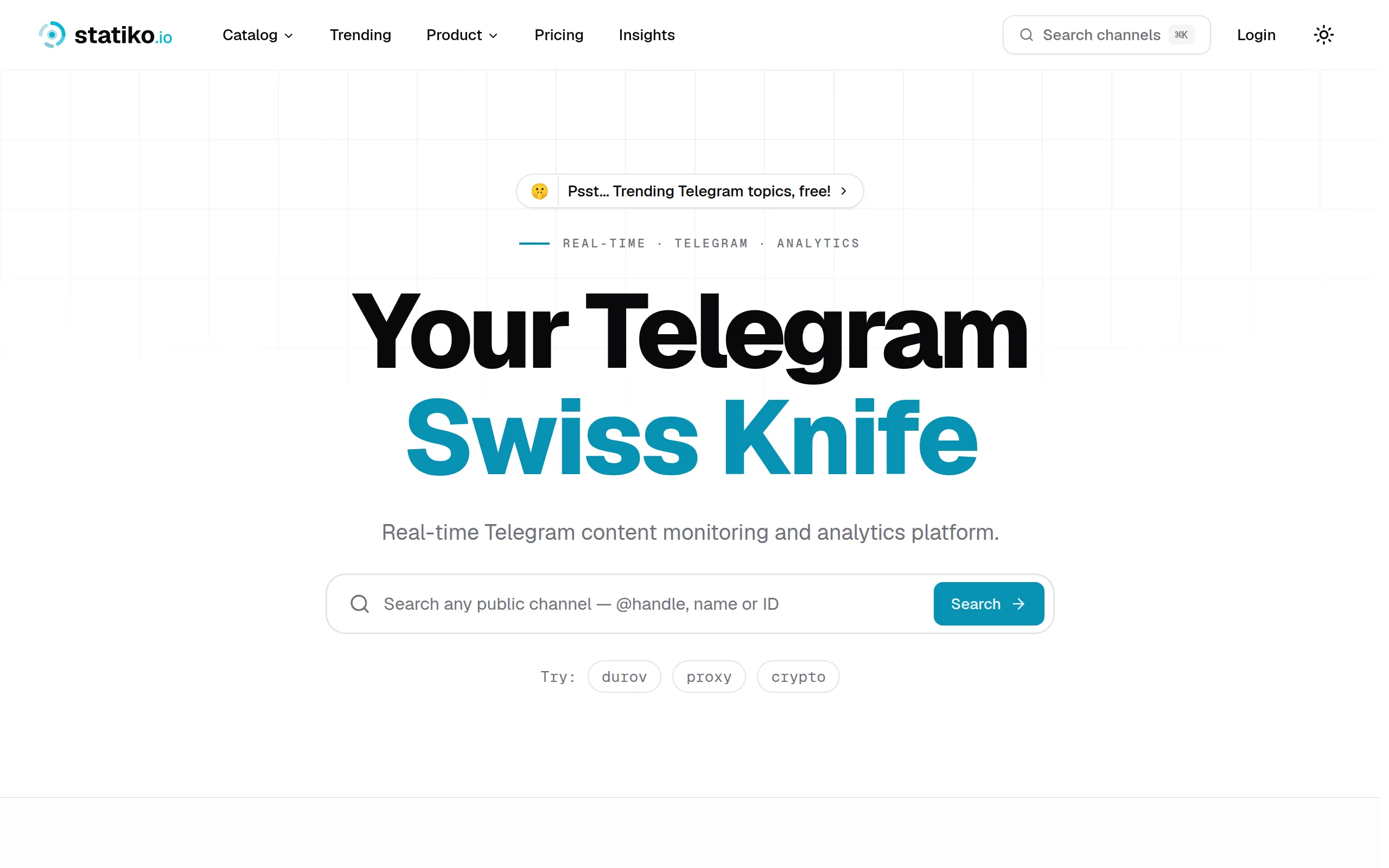
Statiko
Monitor any Telegram channel in real time - track posts, edits, deletions, and growth with AI recaps 📡

Shibui
AI website builder - describe your business, pick a niche template, edit by chatting, and publish instantly ✨

Pro Service
Find verified home service professionals, compare quotes, and pay securely through escrow - built for Brazilians across the US 🏠
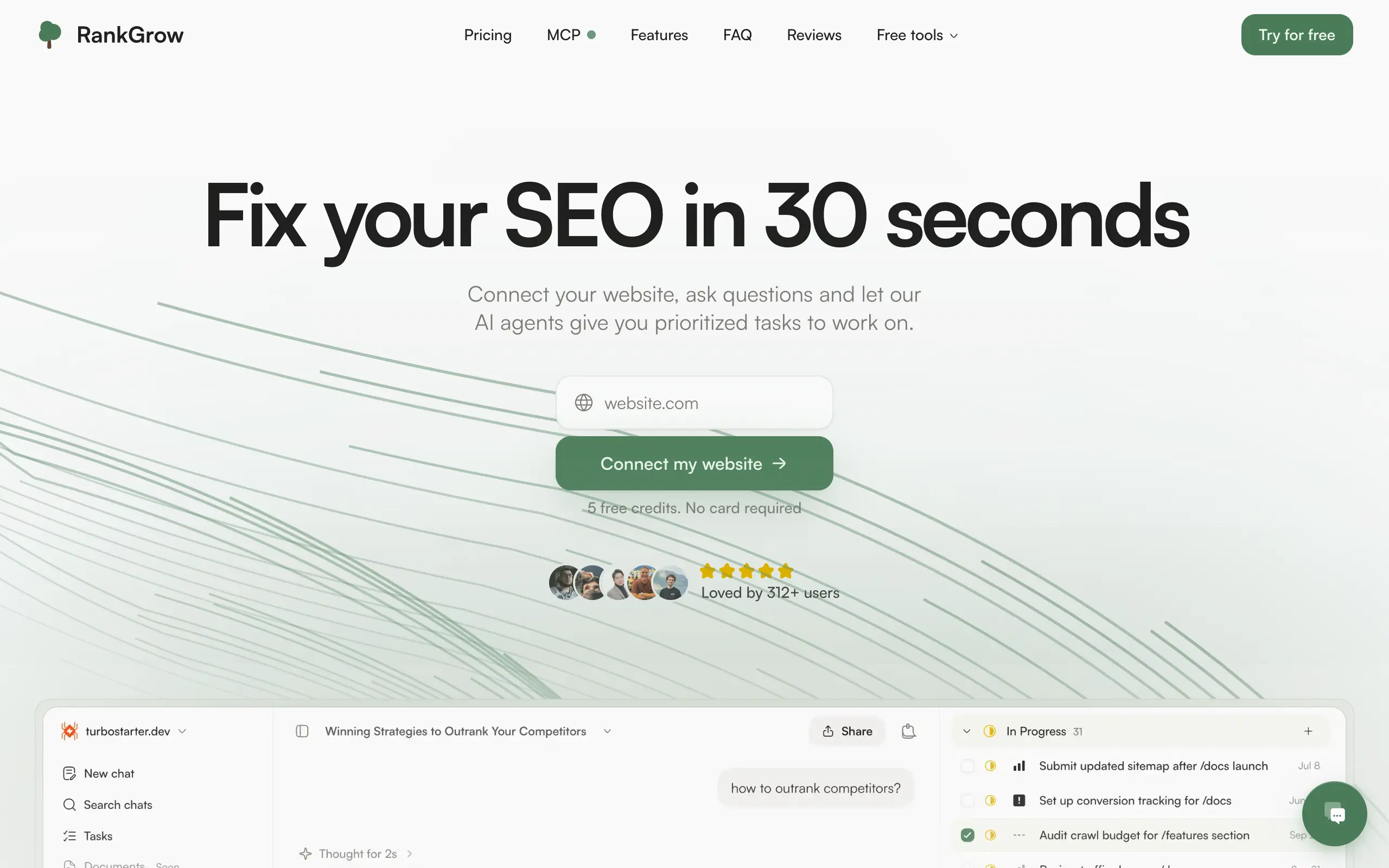
RankGrow
Fix your SEO with AI agents - connect Search Console, get prioritized tasks, and grow organic traffic 📈
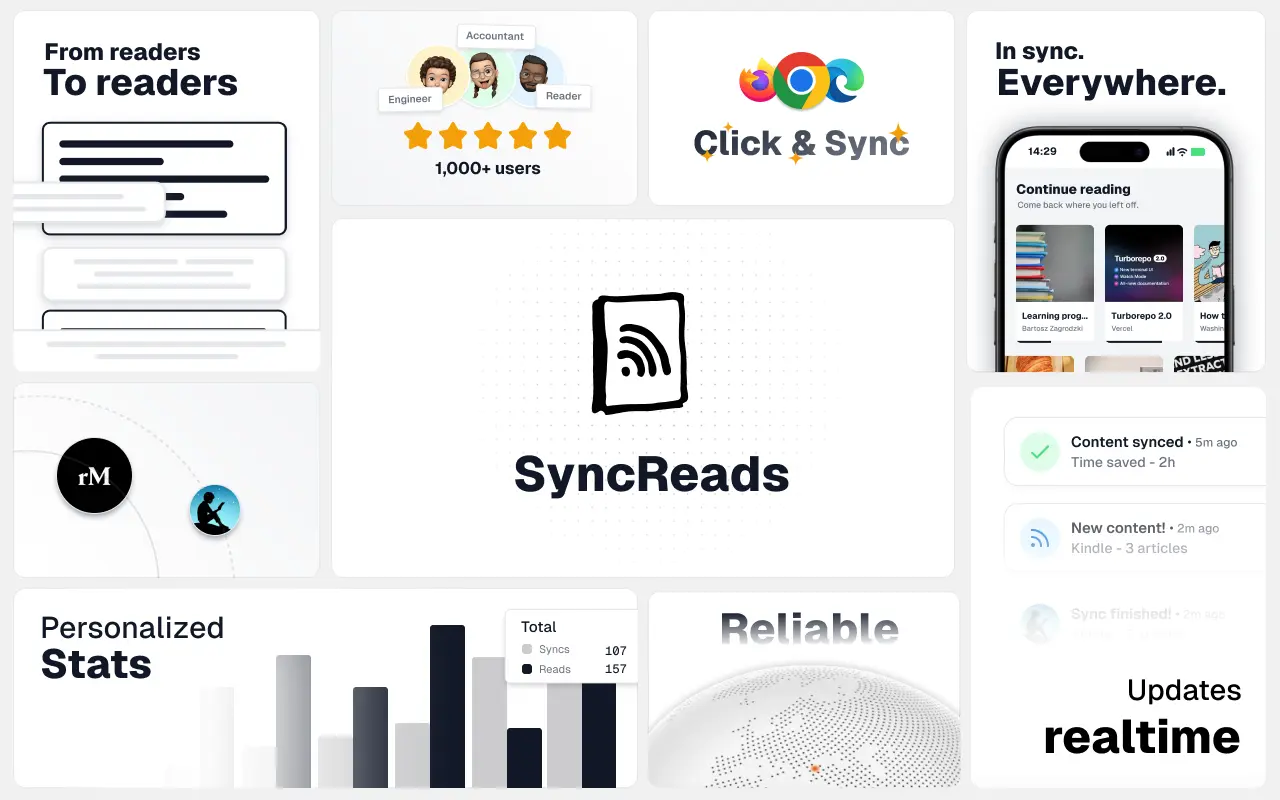
SyncReads
Sync your favorite content for distraction-free reading, save time and replace multiple apps. Anytime, anywhere 🔄
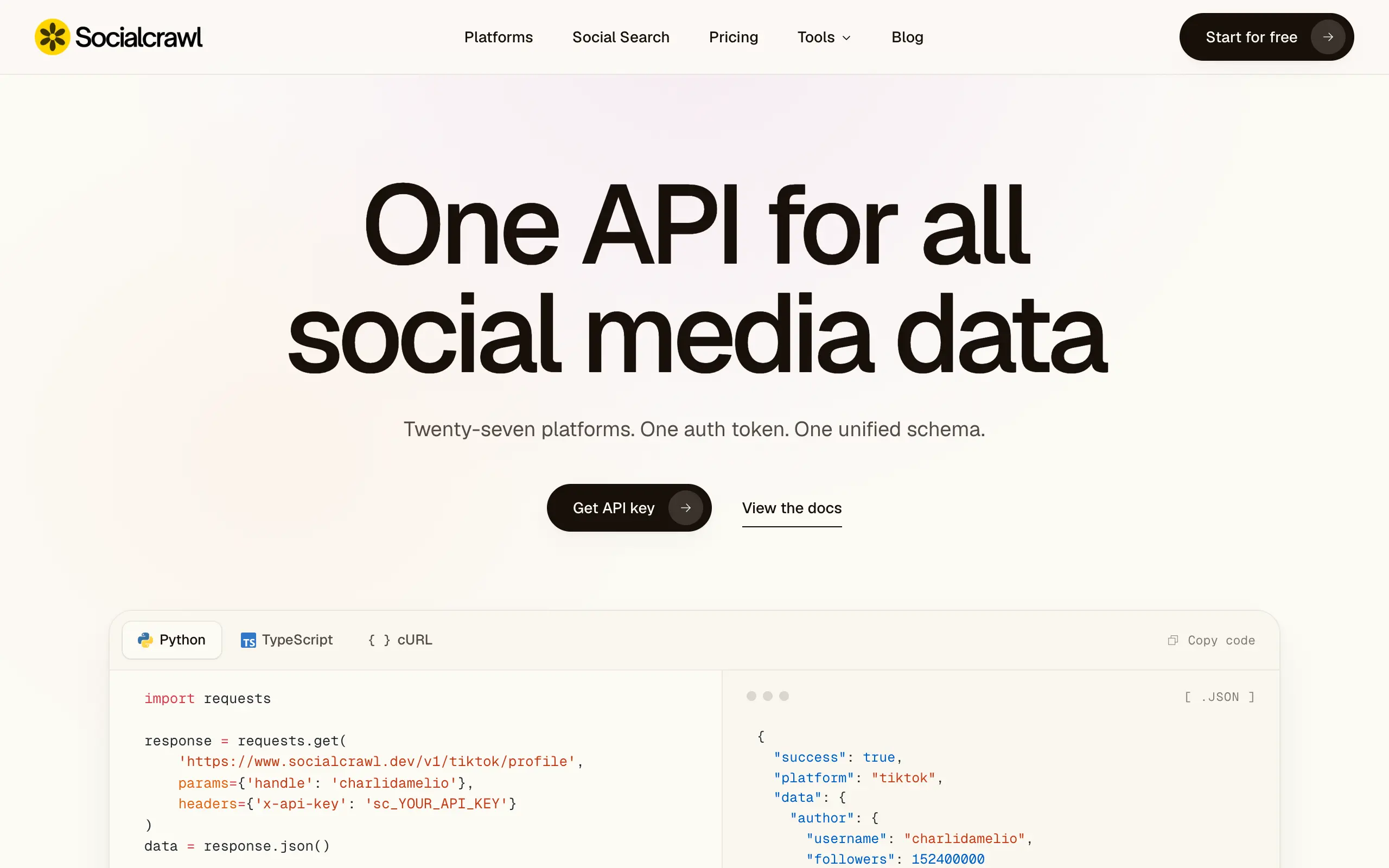
Socialcrawl
Get clean, structured data from 21 platforms like TikTok, Instagram, and YouTube with a single request 📊
Statiko
Monitor any Telegram channel in real time - track posts, edits, deletions, and growth with AI recaps 📡
Shibui
AI website builder - describe your business, pick a niche template, edit by chatting, and publish instantly ✨
Pro Service
Find verified home service professionals, compare quotes, and pay securely through escrow - built for Brazilians across the US 🏠
RankGrow
Fix your SEO with AI agents - connect Search Console, get prioritized tasks, and grow organic traffic 📈
SyncReads
Sync your favorite content for distraction-free reading, save time and replace multiple apps. Anytime, anywhere 🔄
Socialcrawl
Get clean, structured data from 21 platforms like TikTok, Instagram, and YouTube with a single request 📊
Statiko
Monitor any Telegram channel in real time - track posts, edits, deletions, and growth with AI recaps 📡
Shibui
AI website builder - describe your business, pick a niche template, edit by chatting, and publish instantly ✨
Pro Service
Find verified home service professionals, compare quotes, and pay securely through escrow - built for Brazilians across the US 🏠
RankGrow
Fix your SEO with AI agents - connect Search Console, get prioritized tasks, and grow organic traffic 📈
SyncReads
Sync your favorite content for distraction-free reading, save time and replace multiple apps. Anytime, anywhere 🔄
Socialcrawl
Get clean, structured data from 21 platforms like TikTok, Instagram, and YouTube with a single request 📊
Statiko
Monitor any Telegram channel in real time - track posts, edits, deletions, and growth with AI recaps 📡
Shibui
AI website builder - describe your business, pick a niche template, edit by chatting, and publish instantly ✨
Pro Service
Find verified home service professionals, compare quotes, and pay securely through escrow - built for Brazilians across the US 🏠
RankGrow
Fix your SEO with AI agents - connect Search Console, get prioritized tasks, and grow organic traffic 📈
SyncReads
Sync your favorite content for distraction-free reading, save time and replace multiple apps. Anytime, anywhere 🔄
Socialcrawl
Get clean, structured data from 21 platforms like TikTok, Instagram, and YouTube with a single request 📊
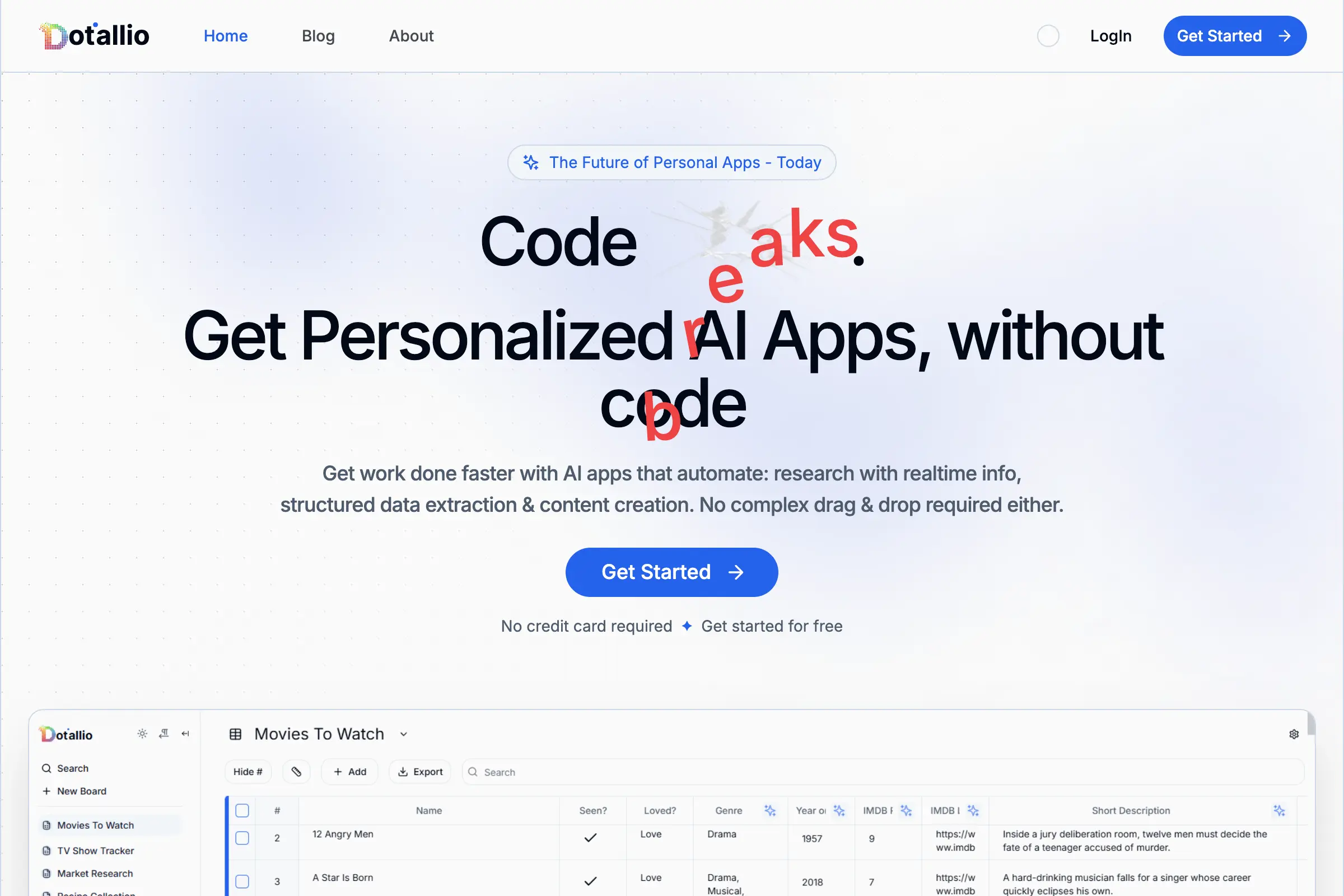
Dotallio
Personalized AI apps that automate research, data extraction, and content creation without code 🤖

Talk to Santa
Enjoy a magical live video chat or receive a unique AI-generated video greeting from Santa Claus 🎅
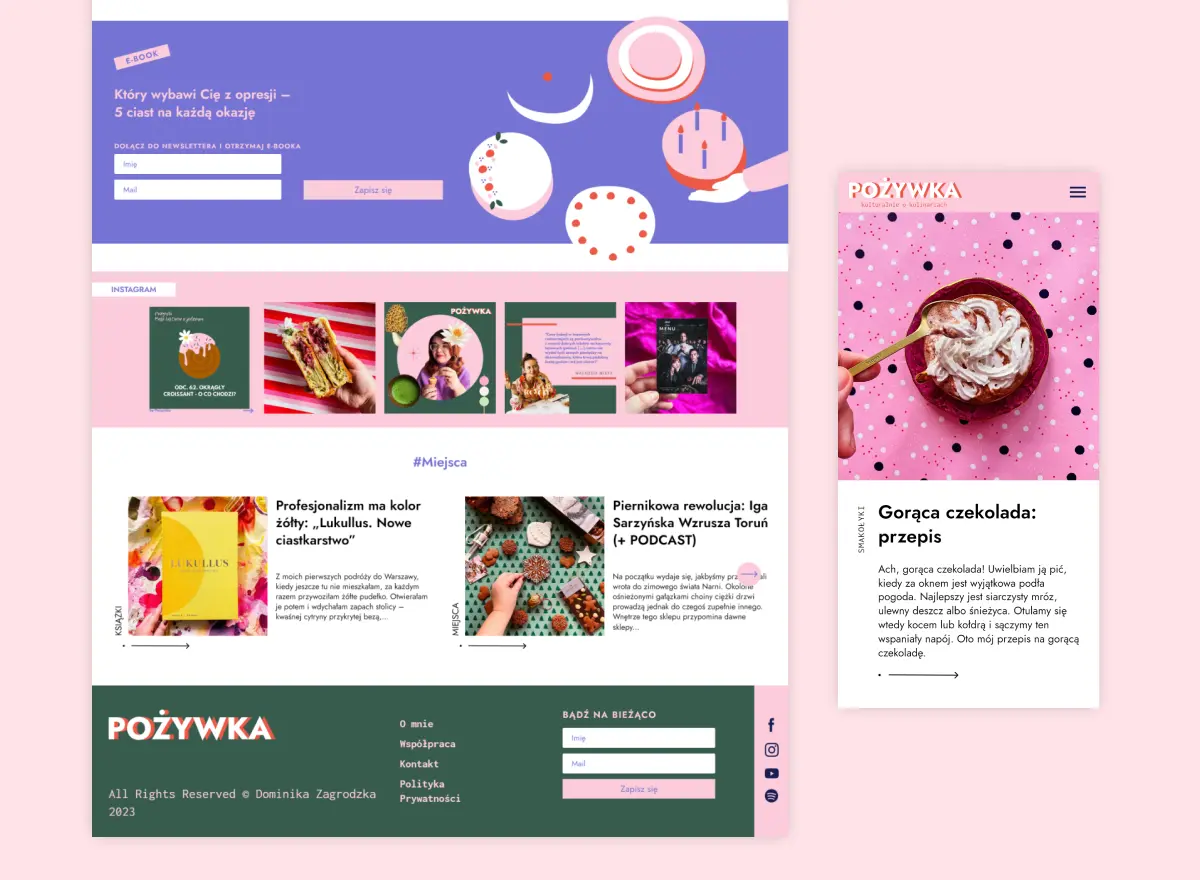
pozywka.pl
Scalable blog for food journalist, focused on performance and user experience 🌭
zagrodzki.me
Personal blog and portfolio of Bart Zagrodzki, where he shares his knowledge and work 💼
TurboStarter
Ship your startup everywhere. In minutes.
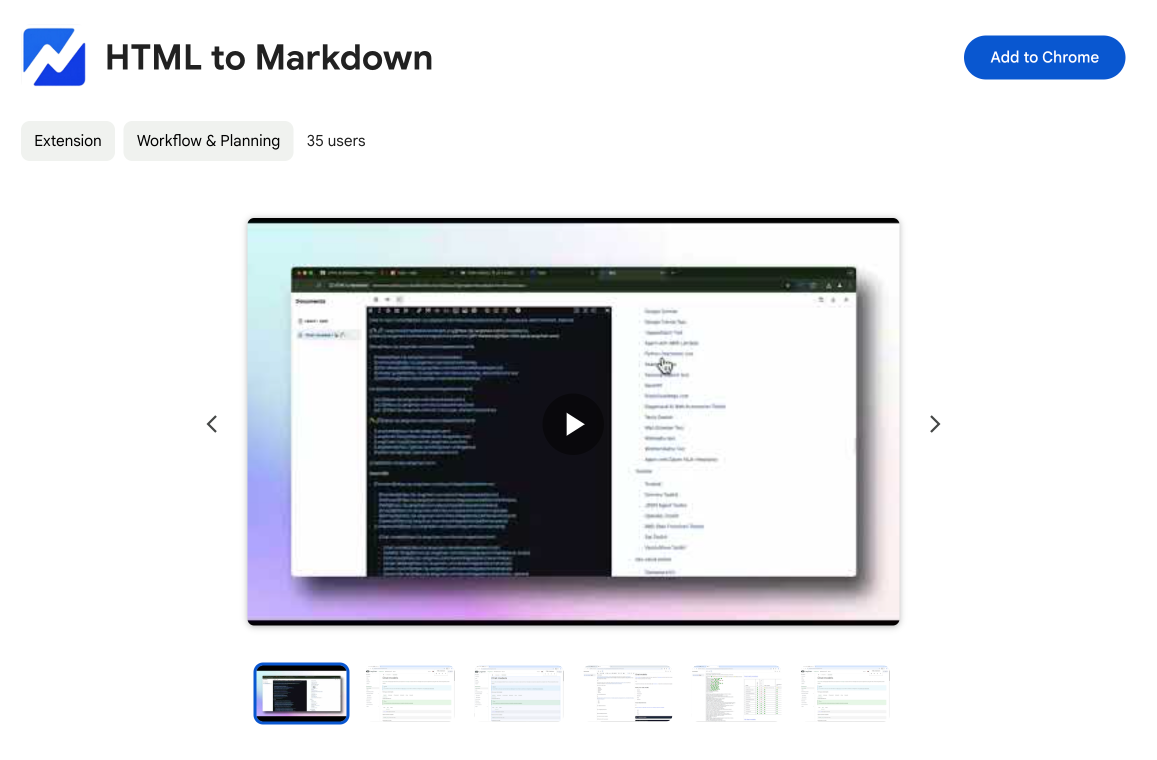
HTML to Markdown
Convert HTML to Markdown with ease, directly in your browser 📄
Dotallio
Personalized AI apps that automate research, data extraction, and content creation without code 🤖
Talk to Santa
Enjoy a magical live video chat or receive a unique AI-generated video greeting from Santa Claus 🎅
pozywka.pl
Scalable blog for food journalist, focused on performance and user experience 🌭
zagrodzki.me
Personal blog and portfolio of Bart Zagrodzki, where he shares his knowledge and work 💼
TurboStarter
Ship your startup everywhere. In minutes.
HTML to Markdown
Convert HTML to Markdown with ease, directly in your browser 📄
Dotallio
Personalized AI apps that automate research, data extraction, and content creation without code 🤖
Talk to Santa
Enjoy a magical live video chat or receive a unique AI-generated video greeting from Santa Claus 🎅
pozywka.pl
Scalable blog for food journalist, focused on performance and user experience 🌭
zagrodzki.me
Personal blog and portfolio of Bart Zagrodzki, where he shares his knowledge and work 💼
TurboStarter
Ship your startup everywhere. In minutes.
HTML to Markdown
Convert HTML to Markdown with ease, directly in your browser 📄
Dotallio
Personalized AI apps that automate research, data extraction, and content creation without code 🤖
Talk to Santa
Enjoy a magical live video chat or receive a unique AI-generated video greeting from Santa Claus 🎅
pozywka.pl
Scalable blog for food journalist, focused on performance and user experience 🌭
zagrodzki.me
Personal blog and portfolio of Bart Zagrodzki, where he shares his knowledge and work 💼
TurboStarter
Ship your startup everywhere. In minutes.
HTML to Markdown
Convert HTML to Markdown with ease, directly in your browser 📄
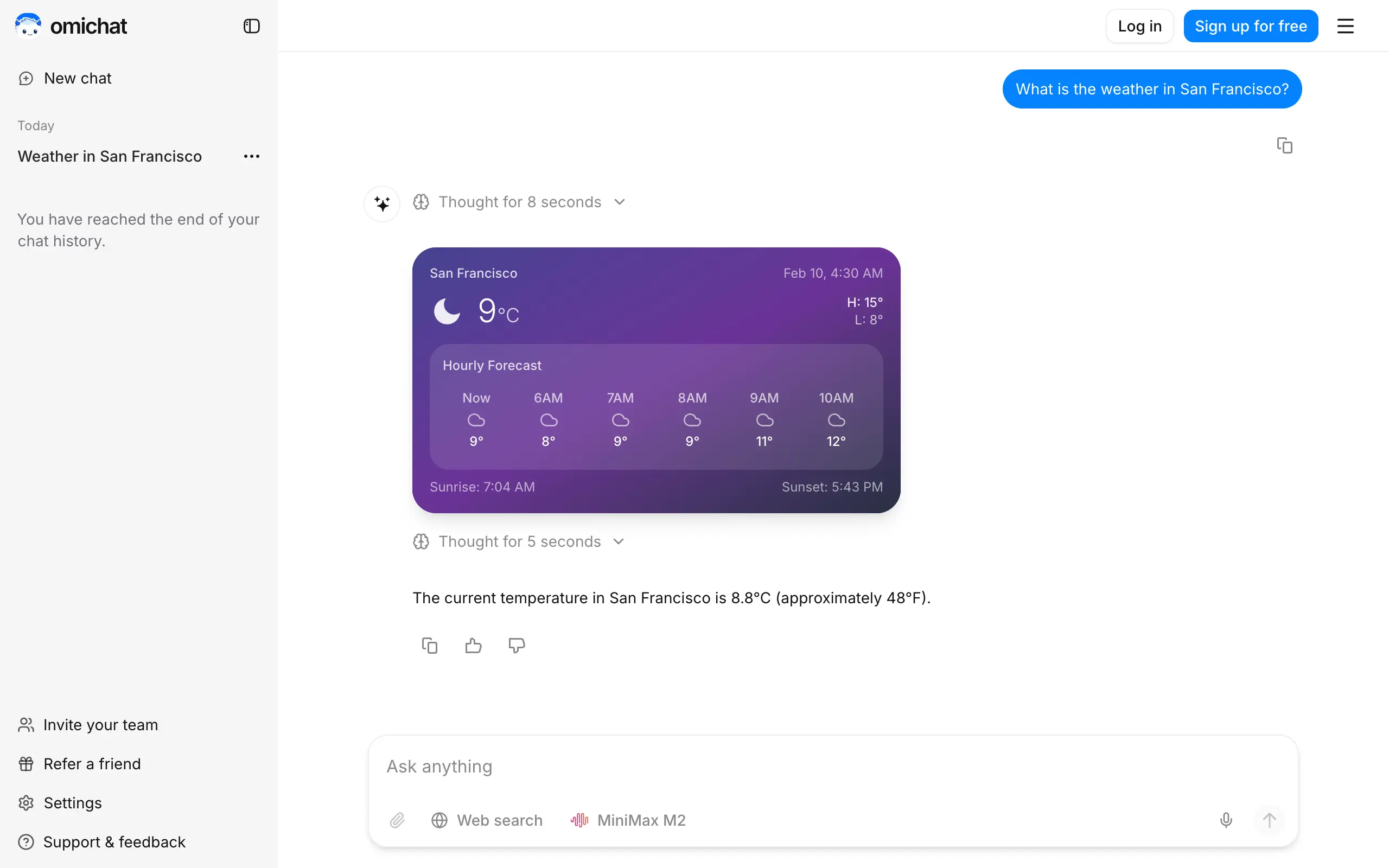
Omichat
Chat with 50+ AI models, including ChatGPT and Claude, in one place - switch models anytime without losing context 🤖
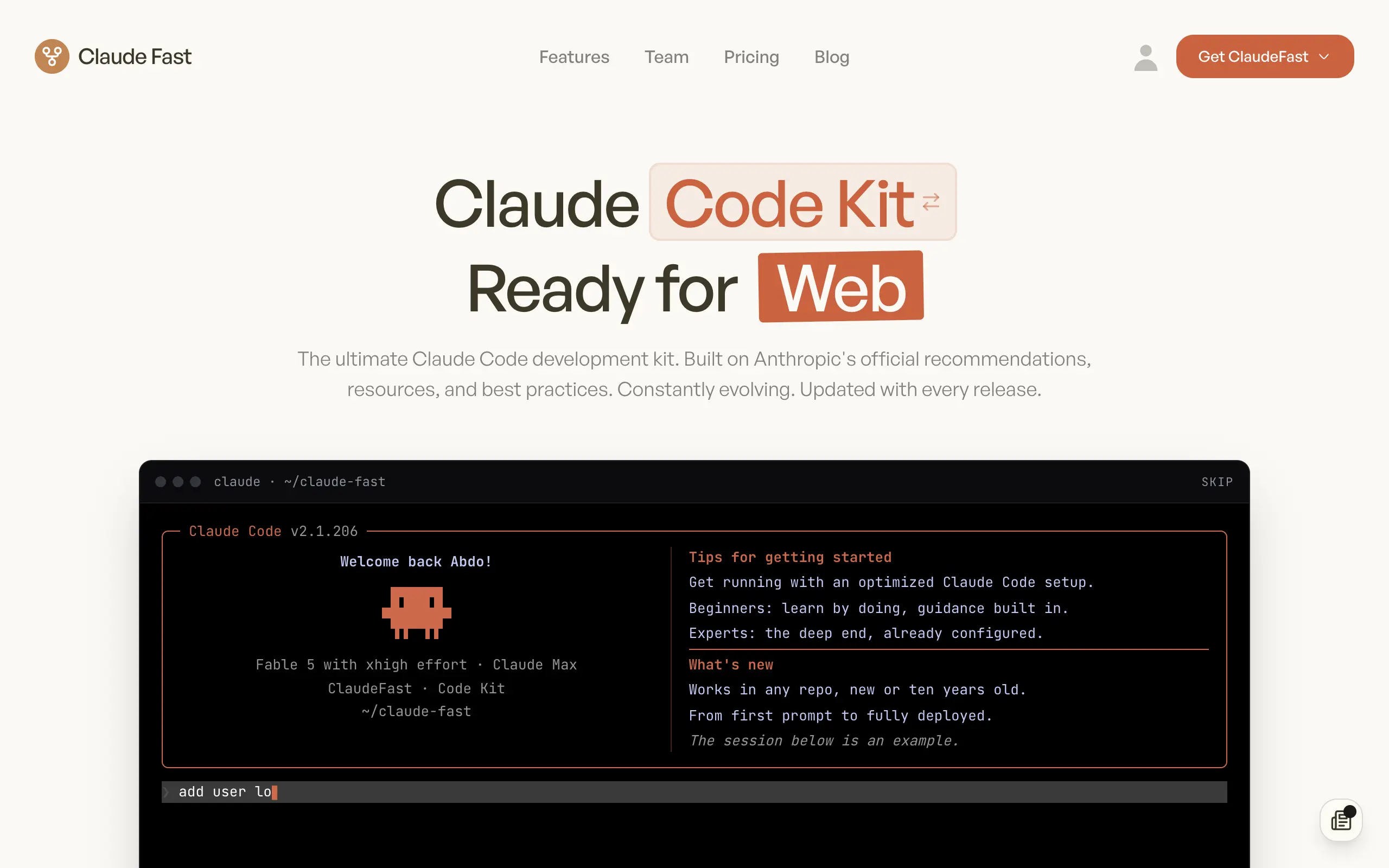
Claude Fast
Supercharge your Claude Code with 6x effective context window and specialized AI agents 🤖
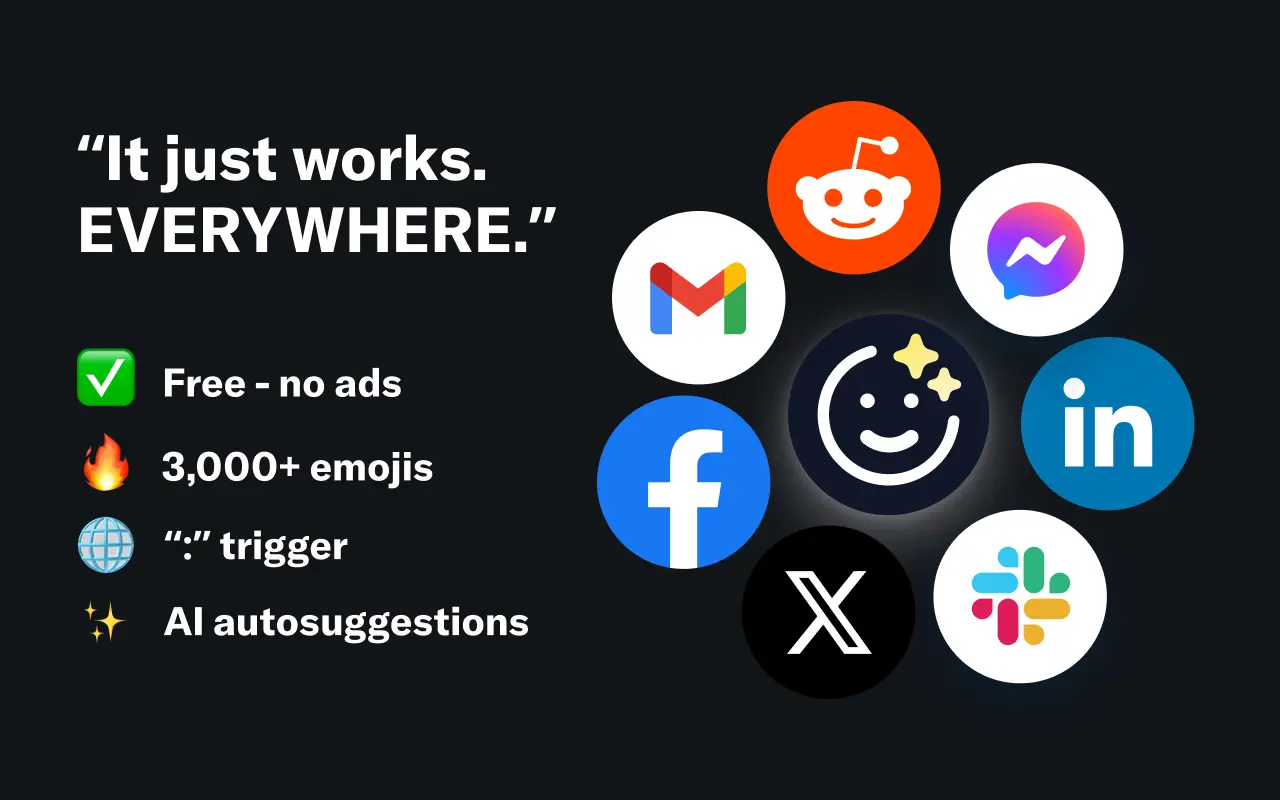
EmojAI
AI-powered emoji picker with smart, context-aware suggestions 🤖
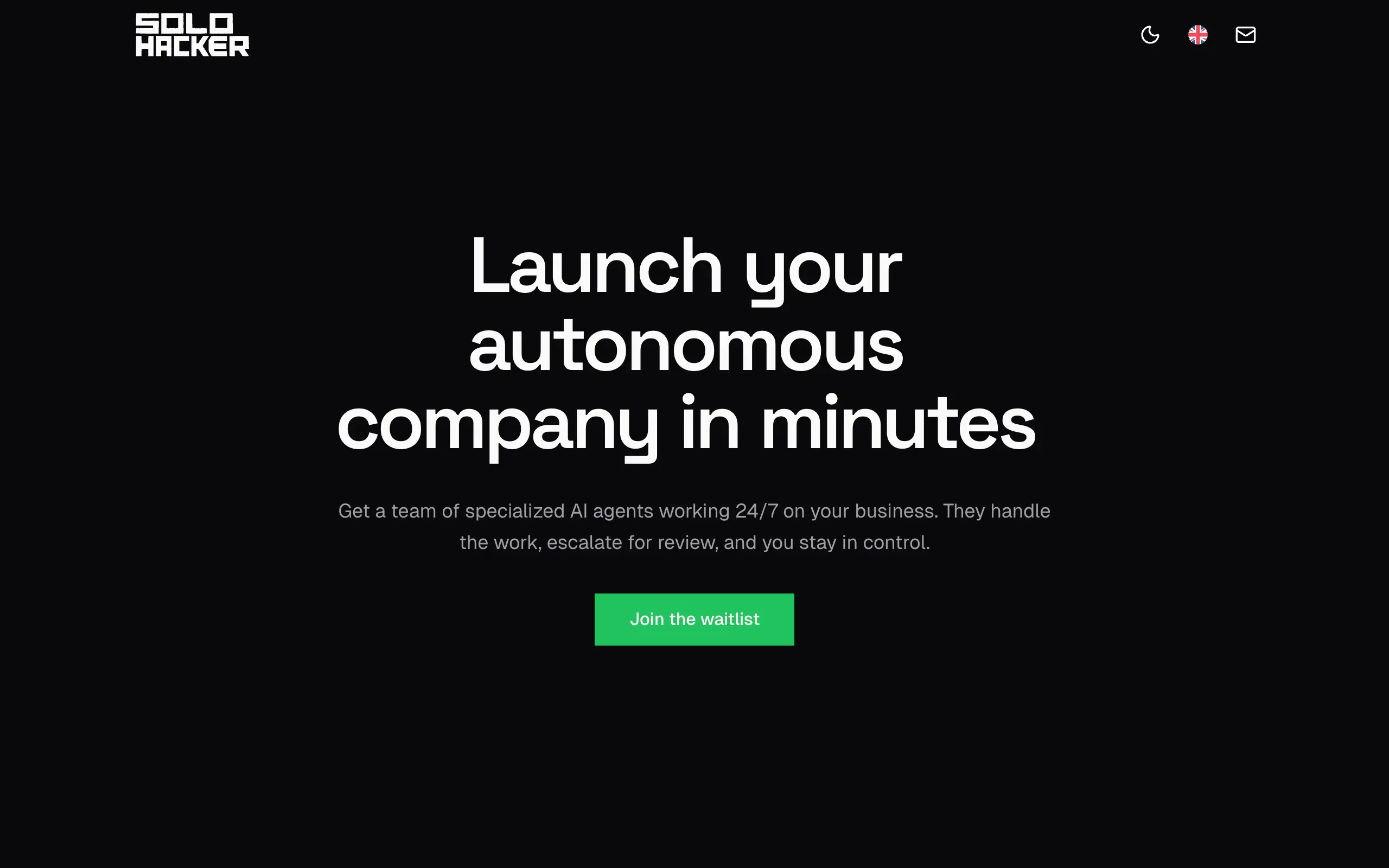
Solohacker
Autonomous company launcher - AI agents work 24/7, escalate what matters, and you stay in control 🤖
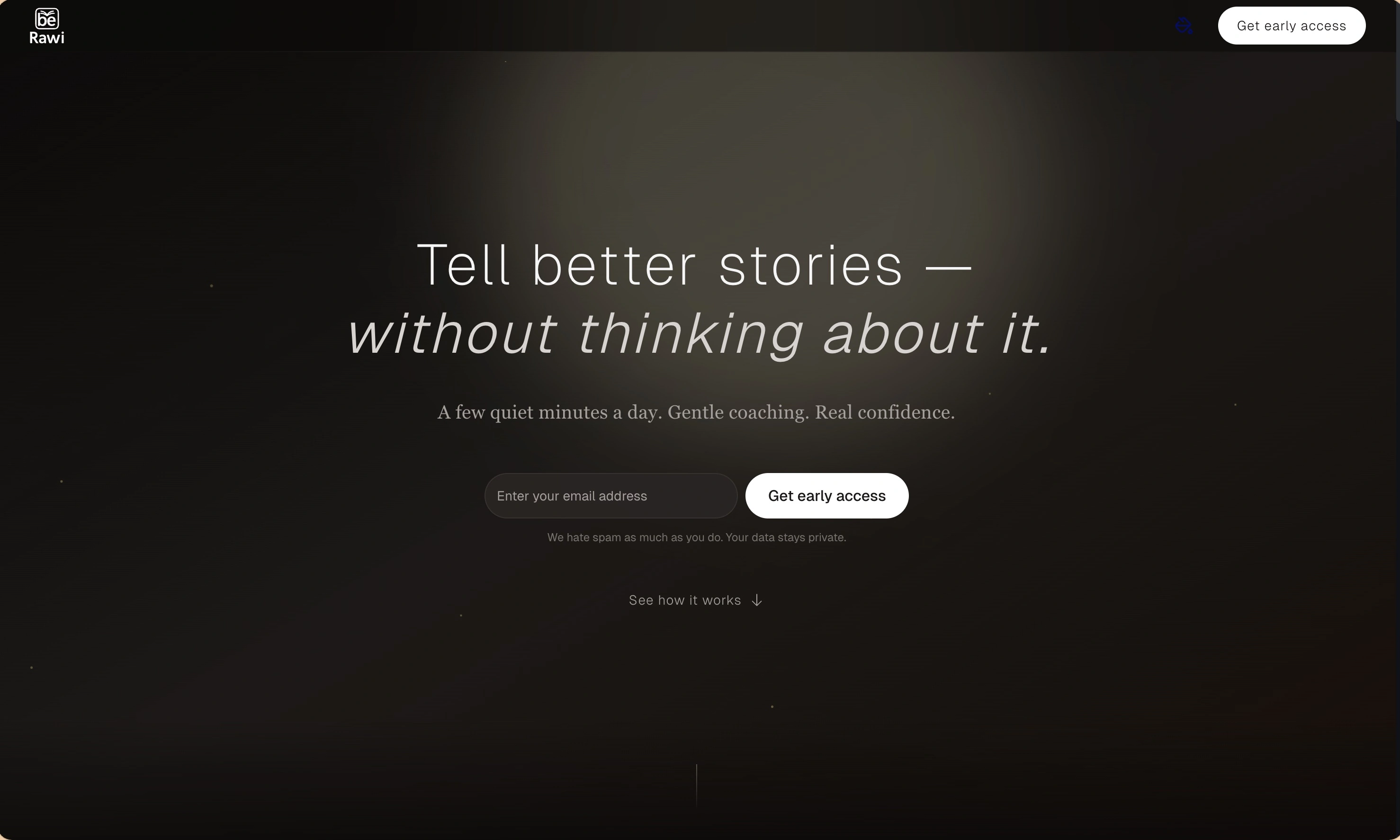
BeRawi: Storytelling Coach
Practice storytelling daily with instant feedback to sound clearer, more engaging, and confident 🎤
Omichat
Chat with 50+ AI models, including ChatGPT and Claude, in one place - switch models anytime without losing context 🤖
Claude Fast
Supercharge your Claude Code with 6x effective context window and specialized AI agents 🤖
EmojAI
AI-powered emoji picker with smart, context-aware suggestions 🤖
Solohacker
Autonomous company launcher - AI agents work 24/7, escalate what matters, and you stay in control 🤖
BeRawi: Storytelling Coach
Practice storytelling daily with instant feedback to sound clearer, more engaging, and confident 🎤
Omichat
Chat with 50+ AI models, including ChatGPT and Claude, in one place - switch models anytime without losing context 🤖
Claude Fast
Supercharge your Claude Code with 6x effective context window and specialized AI agents 🤖
EmojAI
AI-powered emoji picker with smart, context-aware suggestions 🤖
Solohacker
Autonomous company launcher - AI agents work 24/7, escalate what matters, and you stay in control 🤖
BeRawi: Storytelling Coach
Practice storytelling daily with instant feedback to sound clearer, more engaging, and confident 🎤
Omichat
Chat with 50+ AI models, including ChatGPT and Claude, in one place - switch models anytime without losing context 🤖
Claude Fast
Supercharge your Claude Code with 6x effective context window and specialized AI agents 🤖
EmojAI
AI-powered emoji picker with smart, context-aware suggestions 🤖
Solohacker
Autonomous company launcher - AI agents work 24/7, escalate what matters, and you stay in control 🤖
BeRawi: Storytelling Coach
Practice storytelling daily with instant feedback to sound clearer, more engaging, and confident 🎤

Connect with like-minded people
Join our community to get feedback, support, and grow together with 1,000+ builders on board, let's ship it!
Join usShip your startup everywhere. In minutes.
Don't burn tokens on setup and start building features on day one.