PitchPulse
Soccer players record short drills and get AI-powered feedback, weekly skill plans, and progress clips built for sharing with teammates.
Understanding the need for AI-driven pitch deck analysis
Startup founders and venture capitalists (VCs) know that a compelling pitch deck can make or break a funding round. Yet, most founders struggle to objectively assess their decks, while VCs are inundated with thousands of presentations, making it hard to spot the best opportunities efficiently. This is where PitchPulse, an AI-driven platform for pitch deck analysis and benchmarking, steps in to transform the process.
By leveraging artificial intelligence, PitchPulse analyzes startup pitch decks, benchmarks them against those from top-funded companies, and delivers actionable feedback. This not only empowers founders to refine their narratives but also helps VCs quickly identify high-potential startups. In this article, we’ll explore the market need, target audience, core features, technology stack, monetization strategies, risks, and implementation steps for PitchPulse, ensuring a comprehensive understanding for anyone interested in this innovative SaaS solution.
Who needs PitchPulse? Target audience analysis
Understanding the primary users is crucial for any B2B SaaS platform. PitchPulse is designed for two main audiences:
1. Startup founders and teams
- Early-stage founders: Often lack access to expert feedback or benchmarking data.
- Growth-stage startups: Need to refine their decks for larger funding rounds.
- Accelerators and incubators: Seeking scalable ways to support cohorts with pitch preparation.
2. Venture capitalists and investors
- VC analysts and associates: Responsible for initial screening of hundreds of decks.
- Angel investors: Want to make data-driven decisions quickly.
- Corporate innovation teams: Evaluating external startups for partnerships or investment.
Secondary audiences
- Startup consultants and advisors
- Pitch event organizers
- University entrepreneurship programs
Founders
Get actionable, AI-powered feedback to improve your pitch deck and stand out to investors.
VCs & Investors
Benchmark incoming decks, save time, and identify high-potential startups with data-driven insights.
Accelerators
Support your cohorts with scalable, expert-level pitch analysis and benchmarking.
Market opportunity and gap analysis
The current landscape
The global startup ecosystem is booming, with over 100,000 new tech startups launched annually (source: Startup Genome). Yet, the process of creating, reviewing, and iterating on pitch decks remains largely manual and subjective.
- Founders often rely on anecdotal advice or expensive consultants.
- VCs face “pitch fatigue” and struggle to objectively compare decks at scale.
Gaps in existing solutions
- Generic templates: Tools like Canva or Google Slides offer design help, but not content or benchmarking.
- Consulting services: Expensive and not scalable for early-stage founders.
- Pitch competitions: Provide feedback, but only to a select few.
Why now?
- AI advancements: Natural language processing (NLP) and computer vision can now analyze both text and visuals in pitch decks.
- Data availability: Publicly available decks from top-funded startups provide a rich benchmarking dataset.
- Remote fundraising: The rise of virtual pitching increases the need for scalable, objective feedback.
Industry trend
The use of AI in investment decision-making is accelerating, with over 30% of VCs now leveraging AI tools for deal sourcing and due diligence (reference: CB Insights, 2023).
Core features and solution details
PitchPulse stands out by combining AI-driven analysis, benchmarking, and actionable feedback in a single platform. Here’s a breakdown of its core features:
1. Automated pitch deck analysis
- Content evaluation: NLP algorithms assess clarity, persuasiveness, and completeness of each slide.
- Visual design review: Computer vision checks for layout consistency, branding, and visual appeal.
- Storytelling assessment: AI evaluates narrative flow and emotional resonance.
2. Benchmarking against top-funded companies
- Database of successful decks: Compares user decks to those from unicorns and top-funded startups.
- Scoring system: Provides percentile rankings for each section (e.g., problem, solution, market size).
- Best practice suggestions: Highlights what top decks do differently.
3. Actionable, personalized feedback
- Slide-by-slide recommendations: Concrete tips for improvement.
- Red flag detection: Identifies missing or weak sections (e.g., no go-to-market strategy).
- Investor perspective: Simulates how VCs might perceive the deck.
4. Collaboration and versioning
- Team feedback: Invite co-founders or advisors to review and comment.
- Version history: Track changes and improvements over time.
5. VC and investor tools
- Bulk deck analysis: Upload and benchmark multiple decks at once.
- Deal flow prioritization: AI highlights the most promising decks.
- Custom benchmarks: Tailor analysis to specific investment theses or sectors.
PitchPulse uses a combination of NLP for text analysis and computer vision for slide design. It’s trained on thousands of real-world decks, learning what works (and what doesn’t) from successful fundraising rounds.
The platform aggregates anonymized data from public pitch decks, as well as proprietary datasets from partners and users who opt in.
Yes. Feedback is delivered in plain language, with concrete examples and links to resources for further learning.
Recommended tech stack for PitchPulse
Choosing the right technology stack is critical for scalability, performance, and maintainability. Here’s a recommended stack for PitchPulse, with trade-offs explained:
Frontend
- React: Modern, component-based UI development.
- TailwindCSS: Utility-first CSS for rapid, consistent styling.
- Next.js: Server-side rendering and static site generation for SEO and performance.
Backend
- Node.js: Scalable, event-driven backend.
- Express: Lightweight API framework.
- Python (for AI/ML): Leverage libraries like TensorFlow, PyTorch, and spaCy for NLP and computer vision.
AI/ML infrastructure
- TensorFlow or PyTorch: Deep learning frameworks for model training and inference.
- spaCy: Advanced NLP processing.
- OpenAI API (optional): For advanced language understanding or GPT-based feedback.
Data storage
- PostgreSQL: Relational database for user data and deck metadata.
- Amazon S3: Secure storage for uploaded pitch decks.
Other essentials
- Docker: Containerization for consistent deployment.
- Kubernetes: Orchestration for scaling AI workloads.
- TurboStarter: For rapid SaaS boilerplate and deployment.
Trade-offs
- Python vs. Node.js for AI: Python is preferred for AI/ML due to its mature ecosystem, but Node.js can be used for lightweight inference if needed.
- OpenAI API vs. in-house models: OpenAI offers rapid prototyping but may have higher costs and less control over data privacy.
Monetization strategy options
A robust monetization plan ensures sustainability and growth. Here are proven strategies for a B2B SaaS like PitchPulse:
1. Subscription-based pricing
- Tiered plans: Free, Pro, and Enterprise tiers with increasing features (e.g., number of decks, advanced analytics, team collaboration).
- Monthly/annual billing: Discounts for annual commitments.
2. Pay-per-analysis
- One-off deck reviews: Ideal for founders who need occasional feedback.
- Bulk analysis credits: For VCs or accelerators reviewing multiple decks.
3. White-label solutions
- Custom branding: Offer the platform as a white-label tool for accelerators, incubators, or consulting firms.
4. Data insights and benchmarking reports
- Industry reports: Sell anonymized, aggregated insights on pitch deck trends to investors or research firms.
5. Add-on services
- Expert review marketplace: Connect users with human pitch consultants for a fee.
- Pitch coaching webinars: Paid educational content.
| Subscription | Pay-per-use | White-label | Data reports | Add-ons |
|---|---|---|---|---|
| ✅ | ❌ | ❌ | ✅ | ❌ |
| ✅ | ❌ | ✅ | ✅ | ❌ |
Potential risks and mitigation strategies
Launching an AI-driven SaaS platform in the pitch analysis space comes with unique challenges. Here’s how to address them:
1. Data privacy and security
- Risk: Sensitive startup information could be exposed.
- Mitigation: End-to-end encryption, strict access controls, and compliance with GDPR/CCPA.
2. AI bias and accuracy
- Risk: AI models may favor certain industries, geographies, or presentation styles.
- Mitigation: Diverse training data, regular audits, and human-in-the-loop review options.
3. User adoption
- Risk: Founders may distrust automated feedback; VCs may prefer traditional methods.
- Mitigation: Transparent methodology, case studies, and testimonials from respected investors.
4. Competitive response
- Risk: Established platforms or consulting firms may launch similar features.
- Mitigation: Focus on continuous innovation, superior UX, and building a proprietary benchmarking dataset.
5. Regulatory and ethical concerns
- Risk: Use of AI in investment decisions may face scrutiny.
- Mitigation: Clear disclaimers, ethical AI guidelines, and optional human review.
Important
Always inform users how their data will be used and obtain explicit consent before including their decks in benchmarking datasets.
Competitive advantage: What makes PitchPulse unique?
PitchPulse’s unique selling proposition (USP) lies in its combination of AI-driven analysis, real-world benchmarking, and actionable feedback—all delivered in a user-friendly, scalable SaaS platform.
Key differentiators
- Comprehensive benchmarking: Not just analysis, but direct comparison to top-funded decks.
- Actionable, plain-language feedback: No jargon—just clear, practical advice.
- Investor and founder tools: Tailored features for both sides of the funding table.
- Continuous learning: AI models improve as more decks are analyzed, creating a virtuous cycle.
- Scalable and secure: Built for both individual founders and large VC firms.
Why PitchPulse stands out
Most alternatives offer either generic templates, expensive consulting, or basic AI scoring. PitchPulse uniquely blends deep learning, real-world data, and SaaS scalability to deliver value at every stage of the fundraising journey.
Implementation steps: Bringing PitchPulse to life
Building a robust, AI-powered SaaS like PitchPulse requires a structured approach. Here’s a step-by-step guide:
Conclusion: The future of pitch deck analysis is AI-powered
The startup funding landscape is more competitive than ever, and both founders and investors need smarter tools to succeed. PitchPulse addresses this need by delivering AI-driven pitch deck analysis, benchmarking, and actionable feedback—empowering founders to tell their stories more effectively and helping VCs discover the next big thing.
By combining cutting-edge technology, a deep understanding of user needs, and a commitment to data privacy and transparency, PitchPulse is poised to become the go-to platform for pitch deck optimization in the modern startup ecosystem.
Frequently asked questions
Initial support will focus on English, but the platform can be extended to other major languages using multilingual NLP models.
All uploaded decks are encrypted, and users control whether their data is included in benchmarking datasets.
Yes. The AI models are trained on a diverse range of industries, ensuring relevant feedback for all types of startups.
Sign up for the beta waitlist on the PitchPulse website or contact the team directly for partnership opportunities.
Additional resources
- TurboStarter – Rapid SaaS boilerplate and deployment
- React – Frontend framework
- TailwindCSS – Utility-first CSS
- Next.js – React framework for production
- TensorFlow – Deep learning framework
- spaCy – NLP library
By following this comprehensive guide, you’ll be well-equipped to understand, build, or invest in an AI-driven pitch deck analysis platform like PitchPulse—ushering in a new era of data-driven fundraising.
More 🏢 B2B Application SaaS ideas
Discover more innovative b2b application SaaS ideas that are trending in 2026. Each idea is AI-generated with market validation and growth potential to help you find your next profitable venture faster than competitors.
Your competitors are building with TurboStarter
Below are some of the SaaS ideas that have been generated and built with our starter kit.
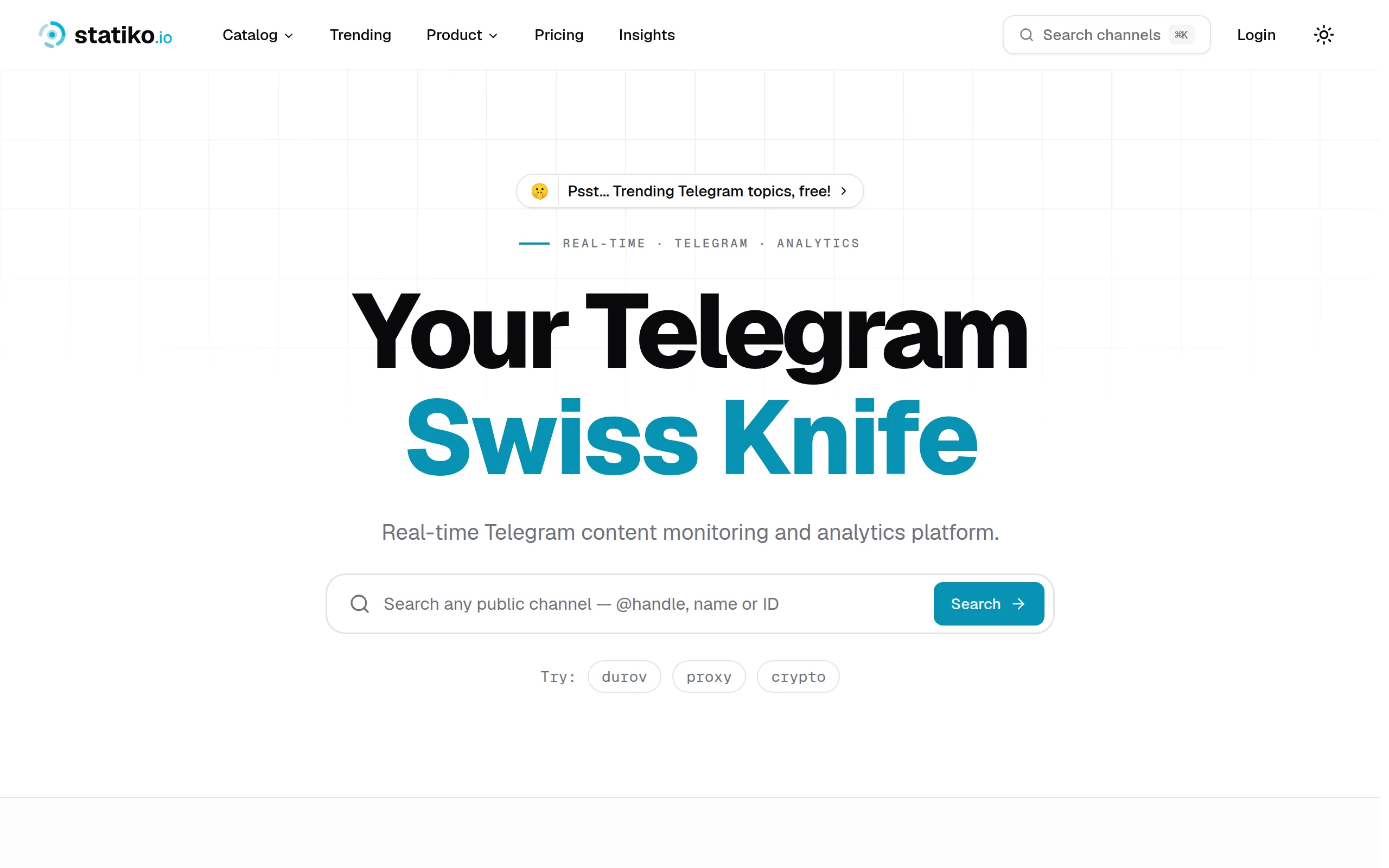
Statiko
Monitor any Telegram channel in real time - track posts, edits, deletions, and growth with AI recaps 📡

Shibui
AI website builder - describe your business, pick a niche template, edit by chatting, and publish instantly ✨

Pro Service
Find verified home service professionals, compare quotes, and pay securely through escrow - built for Brazilians across the US 🏠
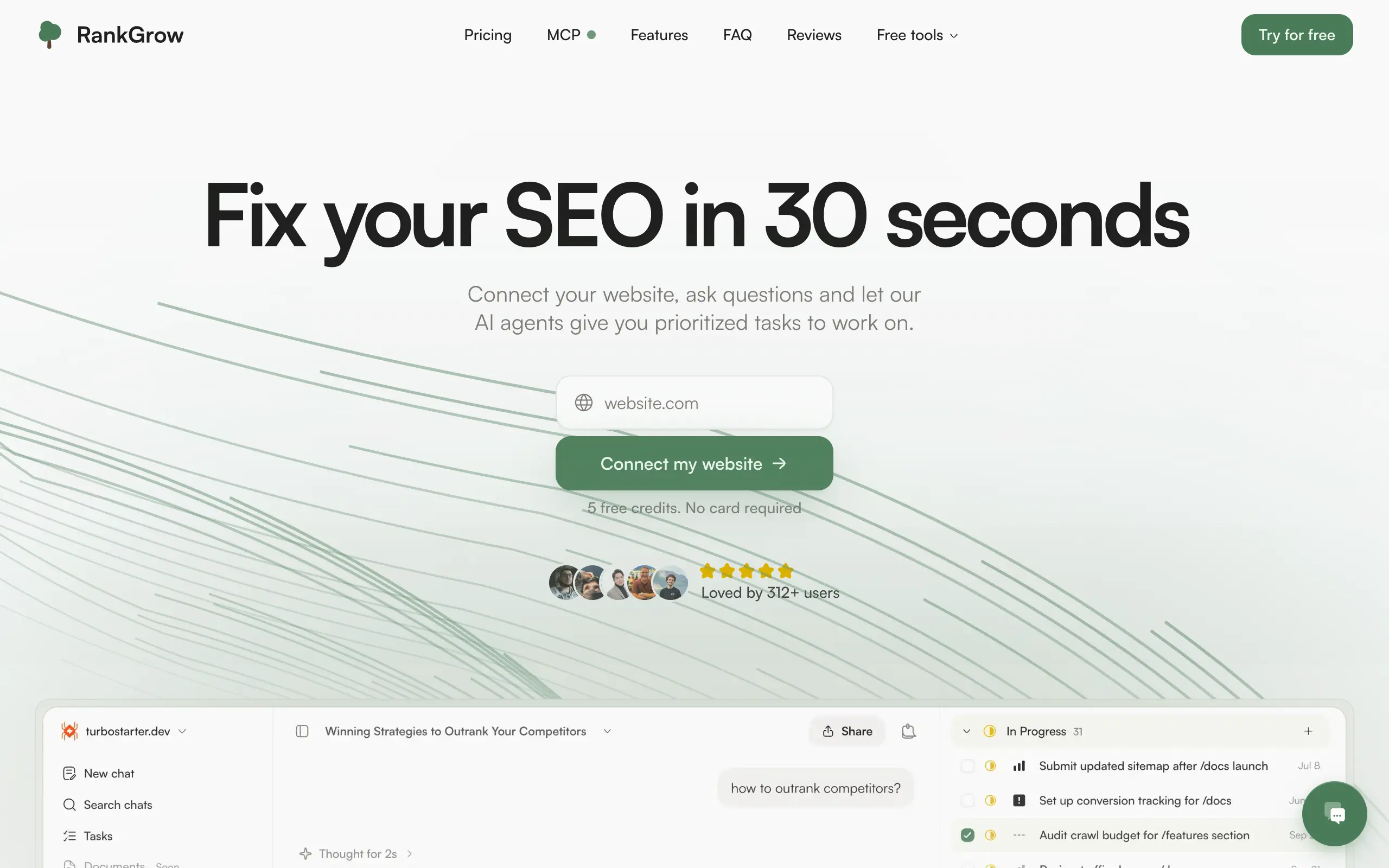
RankGrow
Fix your SEO with AI agents - connect Search Console, get prioritized tasks, and grow organic traffic 📈
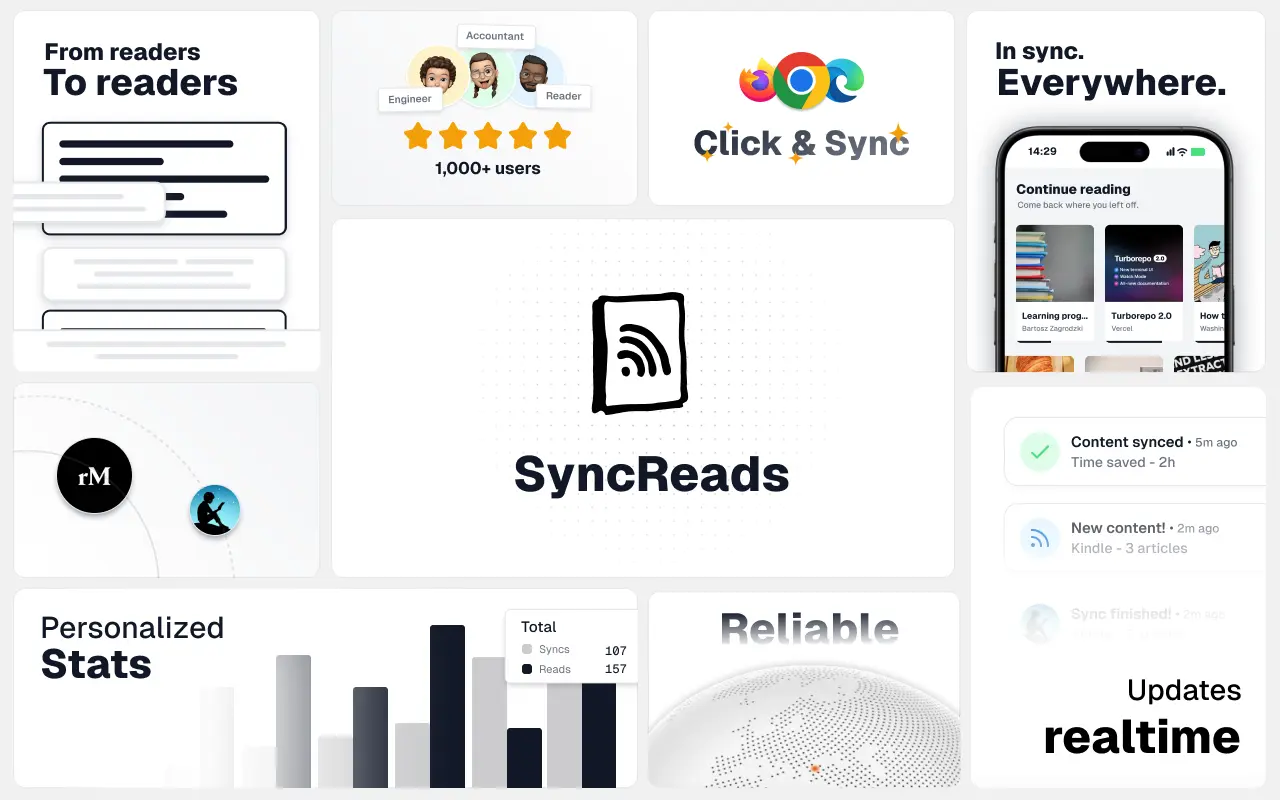
SyncReads
Sync your favorite content for distraction-free reading, save time and replace multiple apps. Anytime, anywhere 🔄
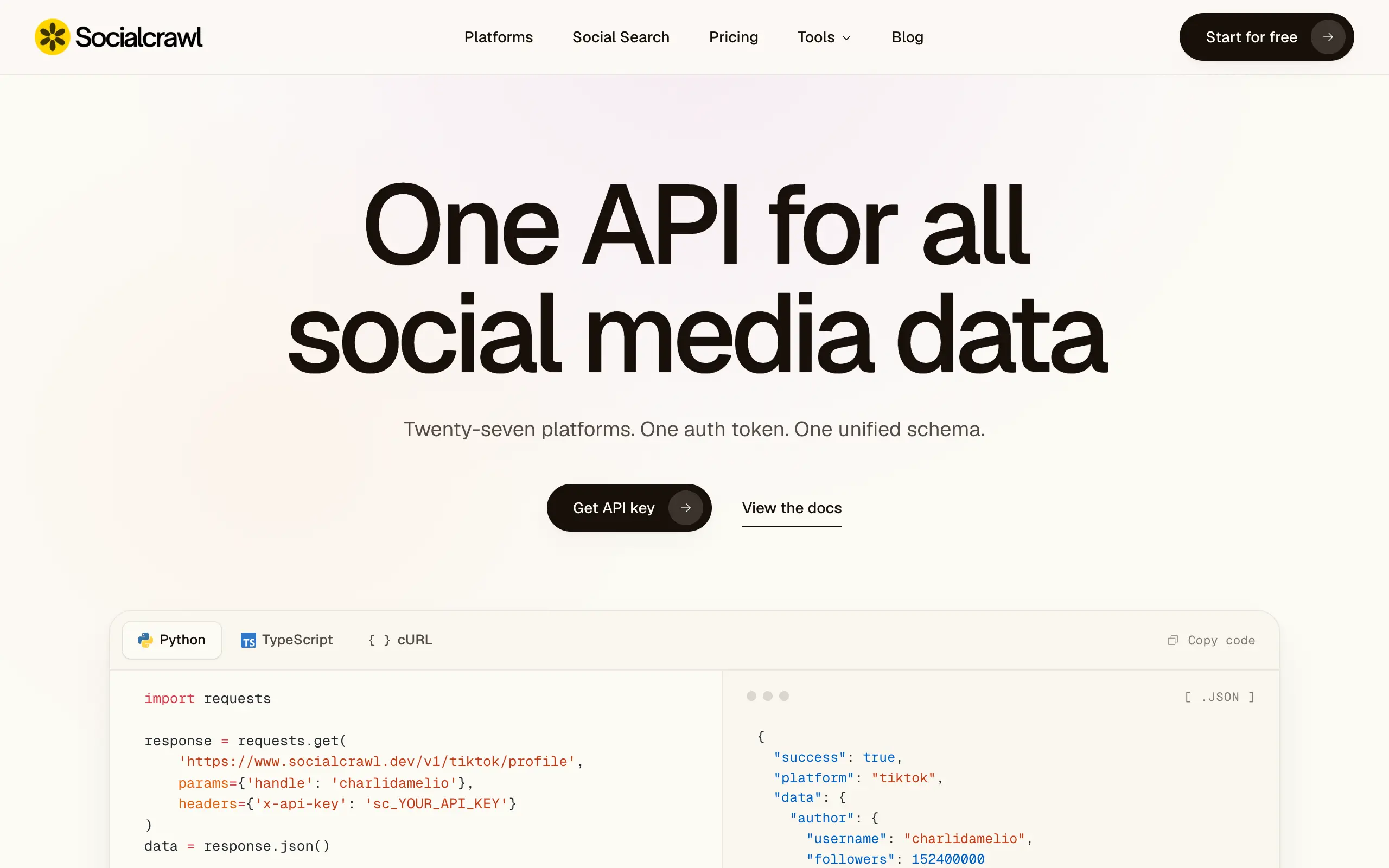
Socialcrawl
Get clean, structured data from 21 platforms like TikTok, Instagram, and YouTube with a single request 📊
Statiko
Monitor any Telegram channel in real time - track posts, edits, deletions, and growth with AI recaps 📡
Shibui
AI website builder - describe your business, pick a niche template, edit by chatting, and publish instantly ✨
Pro Service
Find verified home service professionals, compare quotes, and pay securely through escrow - built for Brazilians across the US 🏠
RankGrow
Fix your SEO with AI agents - connect Search Console, get prioritized tasks, and grow organic traffic 📈
SyncReads
Sync your favorite content for distraction-free reading, save time and replace multiple apps. Anytime, anywhere 🔄
Socialcrawl
Get clean, structured data from 21 platforms like TikTok, Instagram, and YouTube with a single request 📊
Statiko
Monitor any Telegram channel in real time - track posts, edits, deletions, and growth with AI recaps 📡
Shibui
AI website builder - describe your business, pick a niche template, edit by chatting, and publish instantly ✨
Pro Service
Find verified home service professionals, compare quotes, and pay securely through escrow - built for Brazilians across the US 🏠
RankGrow
Fix your SEO with AI agents - connect Search Console, get prioritized tasks, and grow organic traffic 📈
SyncReads
Sync your favorite content for distraction-free reading, save time and replace multiple apps. Anytime, anywhere 🔄
Socialcrawl
Get clean, structured data from 21 platforms like TikTok, Instagram, and YouTube with a single request 📊
Statiko
Monitor any Telegram channel in real time - track posts, edits, deletions, and growth with AI recaps 📡
Shibui
AI website builder - describe your business, pick a niche template, edit by chatting, and publish instantly ✨
Pro Service
Find verified home service professionals, compare quotes, and pay securely through escrow - built for Brazilians across the US 🏠
RankGrow
Fix your SEO with AI agents - connect Search Console, get prioritized tasks, and grow organic traffic 📈
SyncReads
Sync your favorite content for distraction-free reading, save time and replace multiple apps. Anytime, anywhere 🔄
Socialcrawl
Get clean, structured data from 21 platforms like TikTok, Instagram, and YouTube with a single request 📊
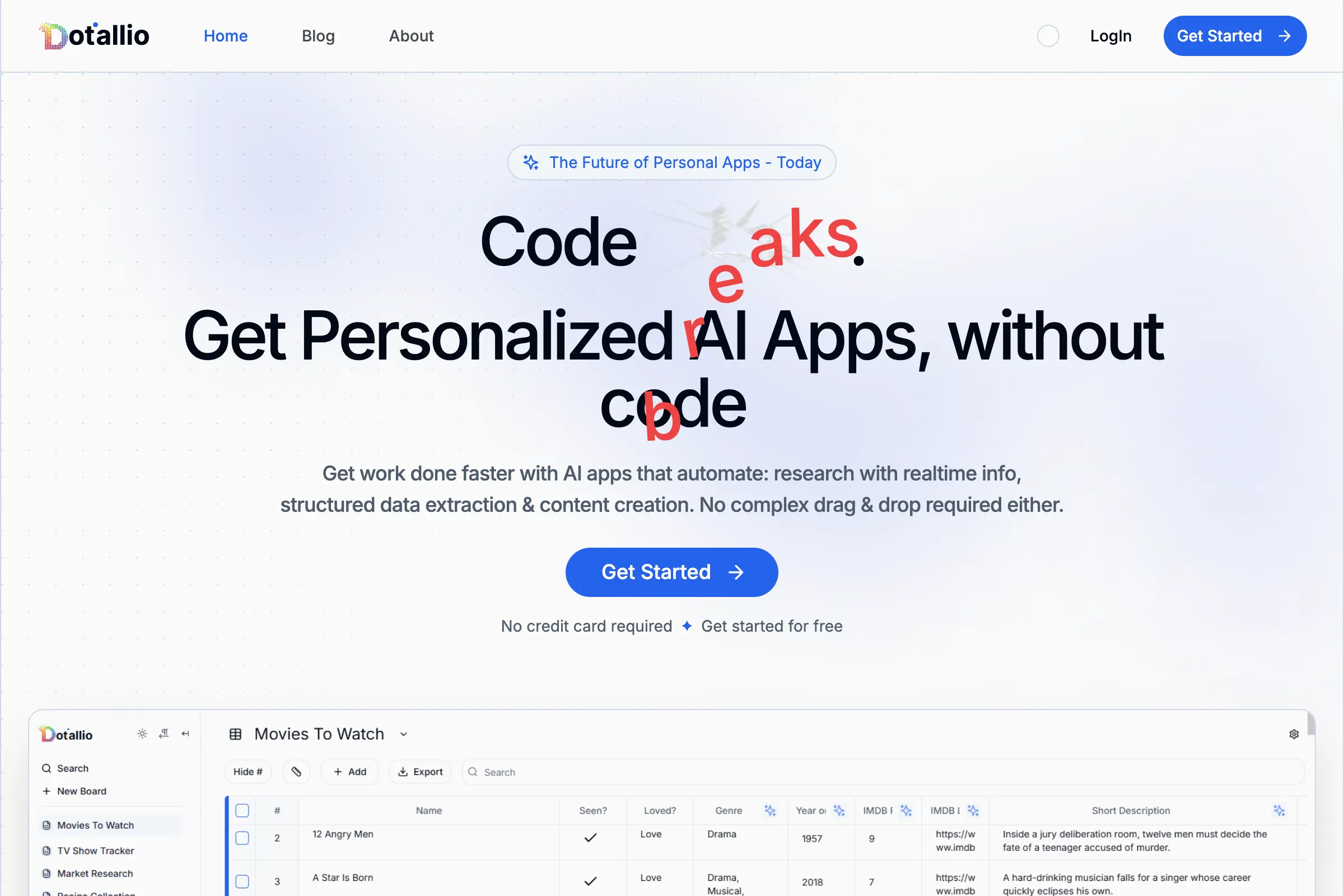
Dotallio
Personalized AI apps that automate research, data extraction, and content creation without code 🤖

Talk to Santa
Enjoy a magical live video chat or receive a unique AI-generated video greeting from Santa Claus 🎅
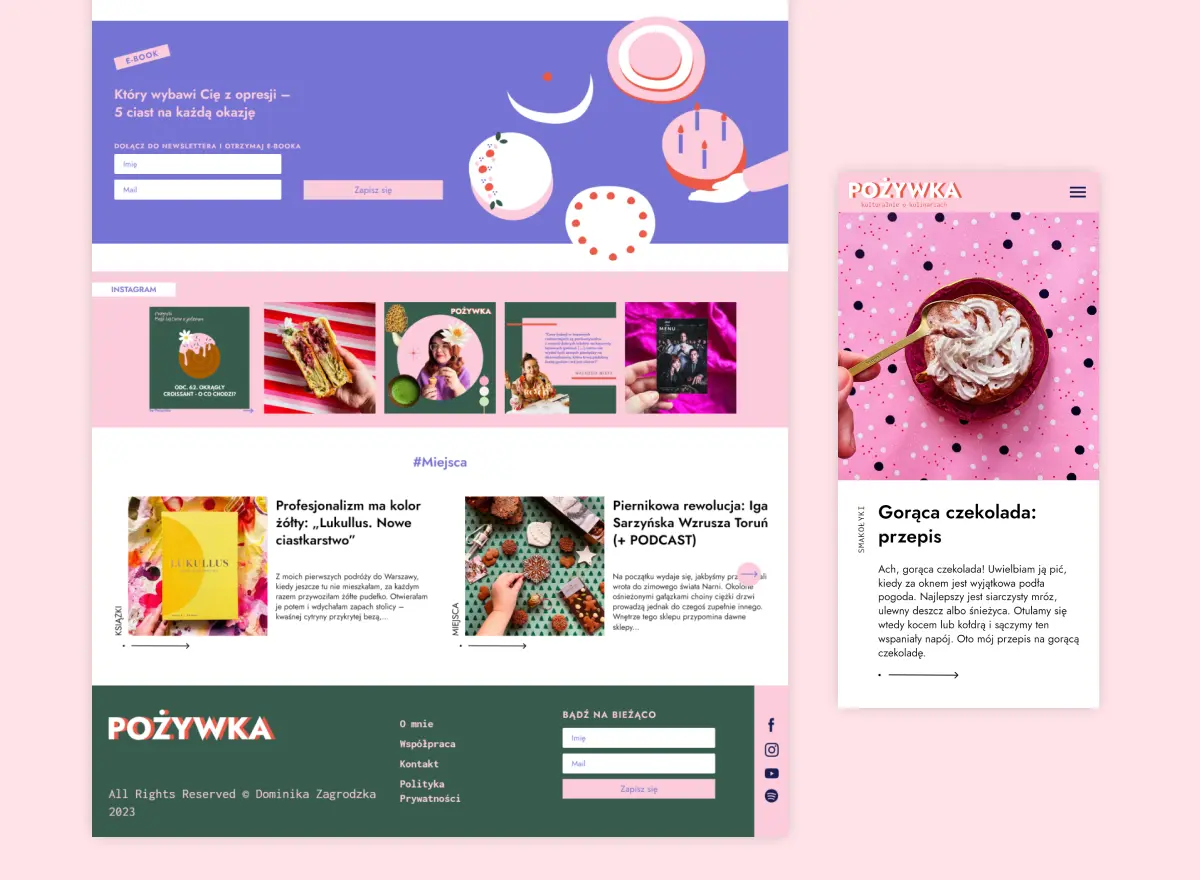
pozywka.pl
Scalable blog for food journalist, focused on performance and user experience 🌭
zagrodzki.me
Personal blog and portfolio of Bart Zagrodzki, where he shares his knowledge and work 💼
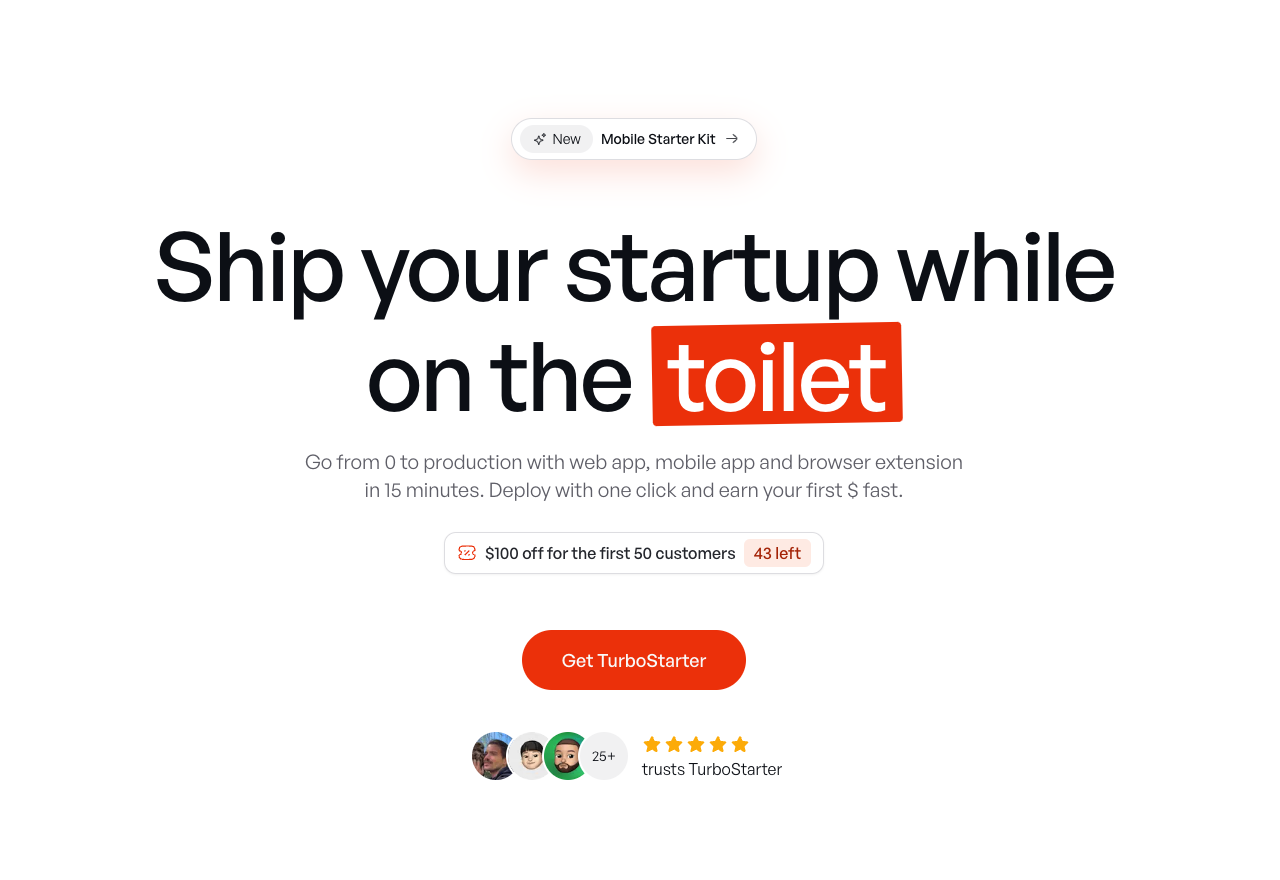
TurboStarter
Ship your startup everywhere. In minutes.
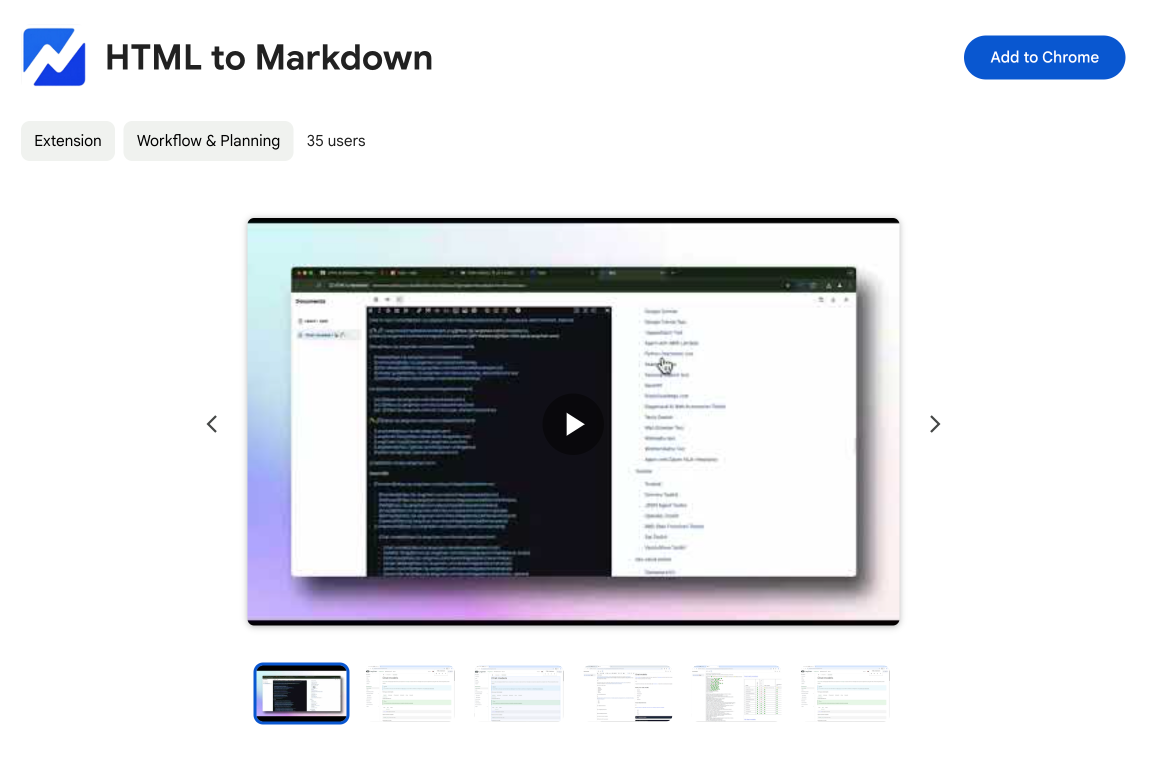
HTML to Markdown
Convert HTML to Markdown with ease, directly in your browser 📄
Dotallio
Personalized AI apps that automate research, data extraction, and content creation without code 🤖
Talk to Santa
Enjoy a magical live video chat or receive a unique AI-generated video greeting from Santa Claus 🎅
pozywka.pl
Scalable blog for food journalist, focused on performance and user experience 🌭
zagrodzki.me
Personal blog and portfolio of Bart Zagrodzki, where he shares his knowledge and work 💼
TurboStarter
Ship your startup everywhere. In minutes.
HTML to Markdown
Convert HTML to Markdown with ease, directly in your browser 📄
Dotallio
Personalized AI apps that automate research, data extraction, and content creation without code 🤖
Talk to Santa
Enjoy a magical live video chat or receive a unique AI-generated video greeting from Santa Claus 🎅
pozywka.pl
Scalable blog for food journalist, focused on performance and user experience 🌭
zagrodzki.me
Personal blog and portfolio of Bart Zagrodzki, where he shares his knowledge and work 💼
TurboStarter
Ship your startup everywhere. In minutes.
HTML to Markdown
Convert HTML to Markdown with ease, directly in your browser 📄
Dotallio
Personalized AI apps that automate research, data extraction, and content creation without code 🤖
Talk to Santa
Enjoy a magical live video chat or receive a unique AI-generated video greeting from Santa Claus 🎅
pozywka.pl
Scalable blog for food journalist, focused on performance and user experience 🌭
zagrodzki.me
Personal blog and portfolio of Bart Zagrodzki, where he shares his knowledge and work 💼
TurboStarter
Ship your startup everywhere. In minutes.
HTML to Markdown
Convert HTML to Markdown with ease, directly in your browser 📄
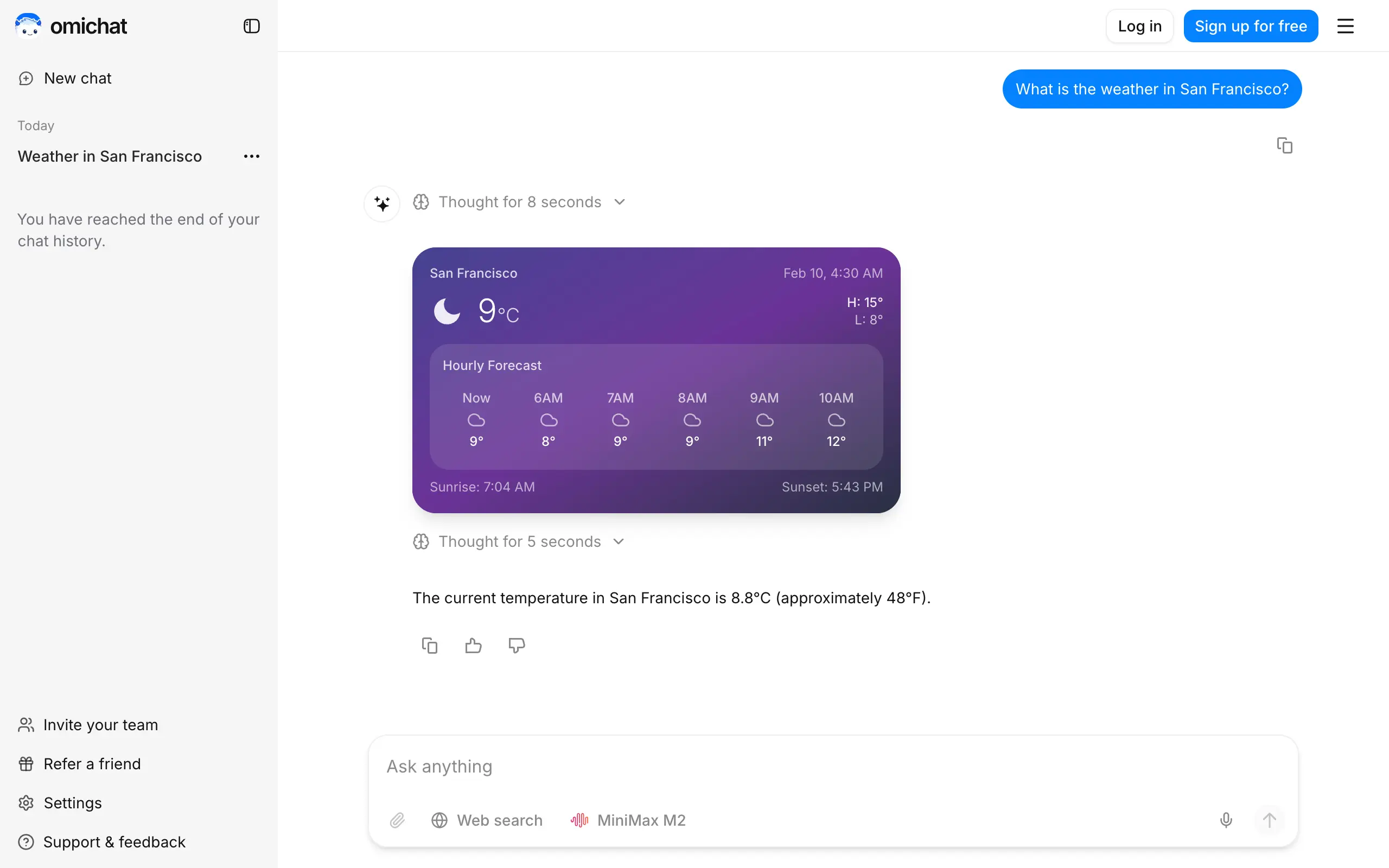
Omichat
Chat with 50+ AI models, including ChatGPT and Claude, in one place - switch models anytime without losing context 🤖
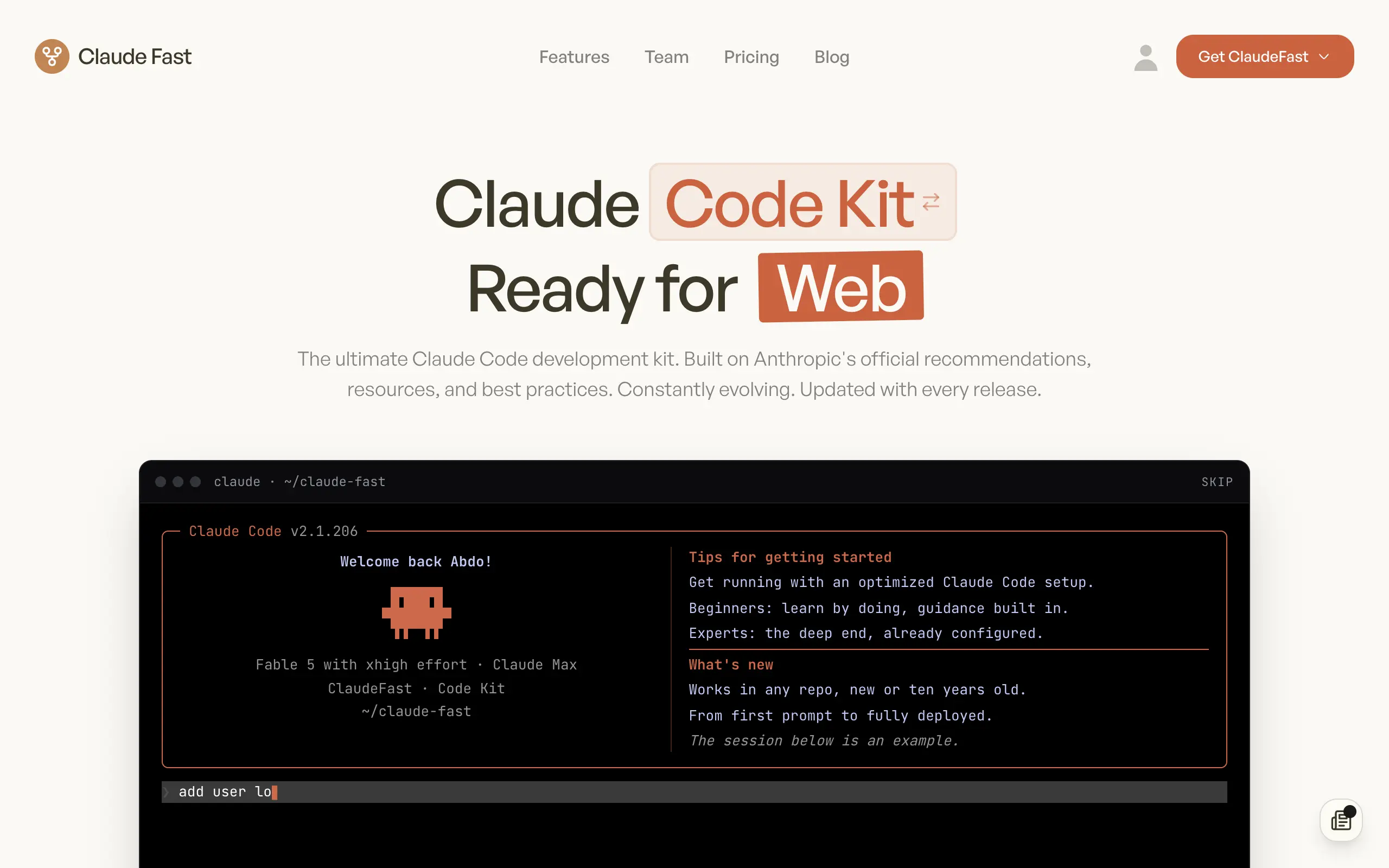
Claude Fast
Supercharge your Claude Code with 6x effective context window and specialized AI agents 🤖
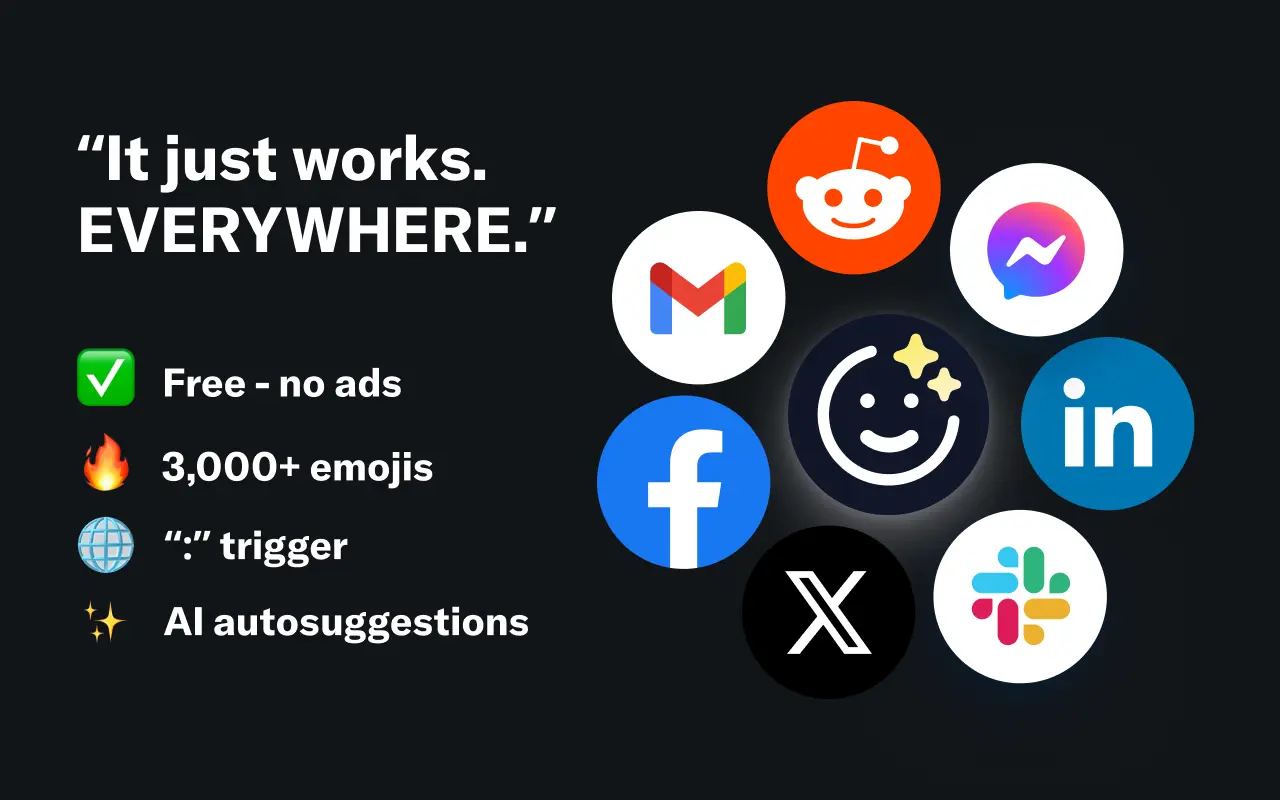
EmojAI
AI-powered emoji picker with smart, context-aware suggestions 🤖
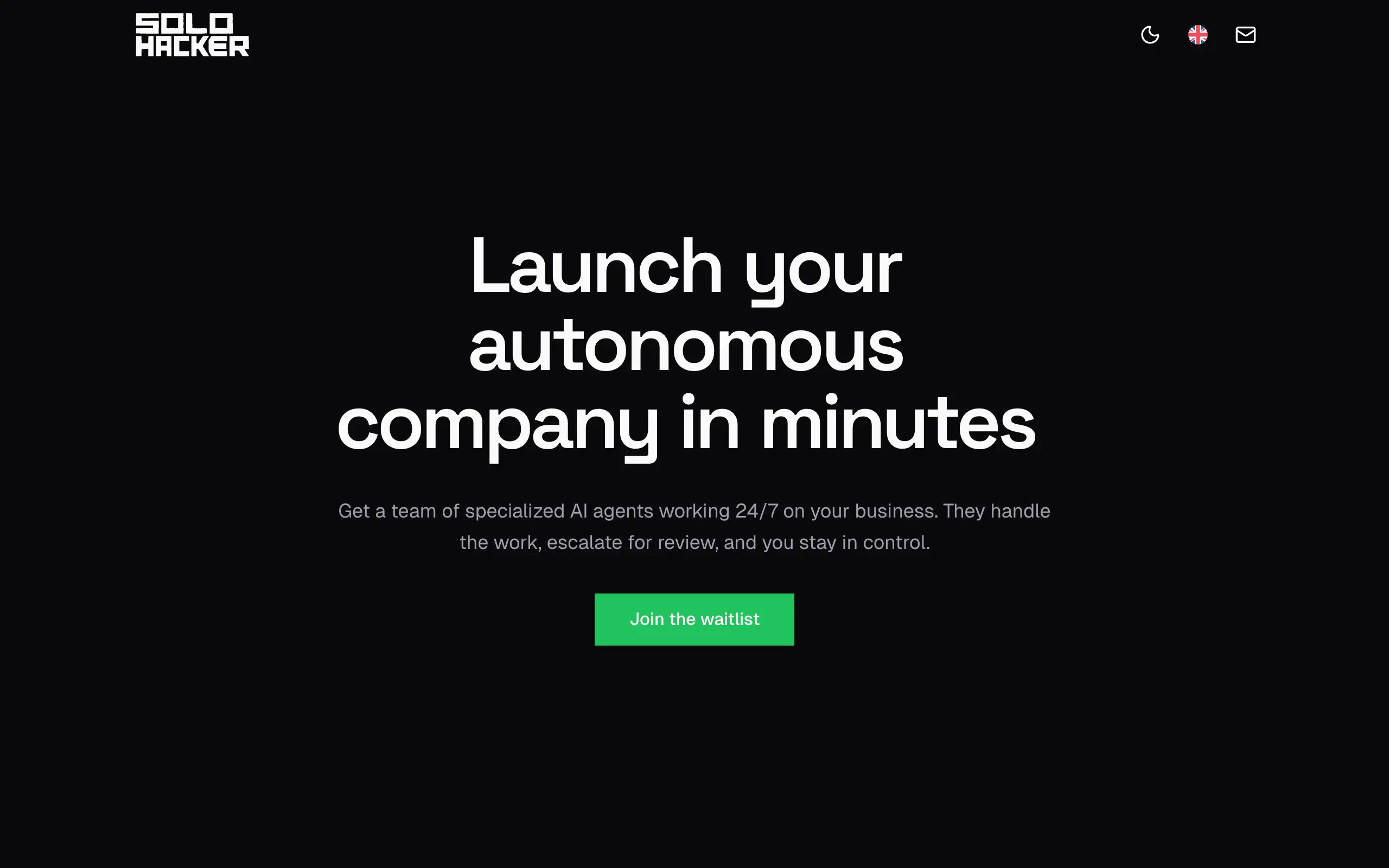
Solohacker
Autonomous company launcher - AI agents work 24/7, escalate what matters, and you stay in control 🤖
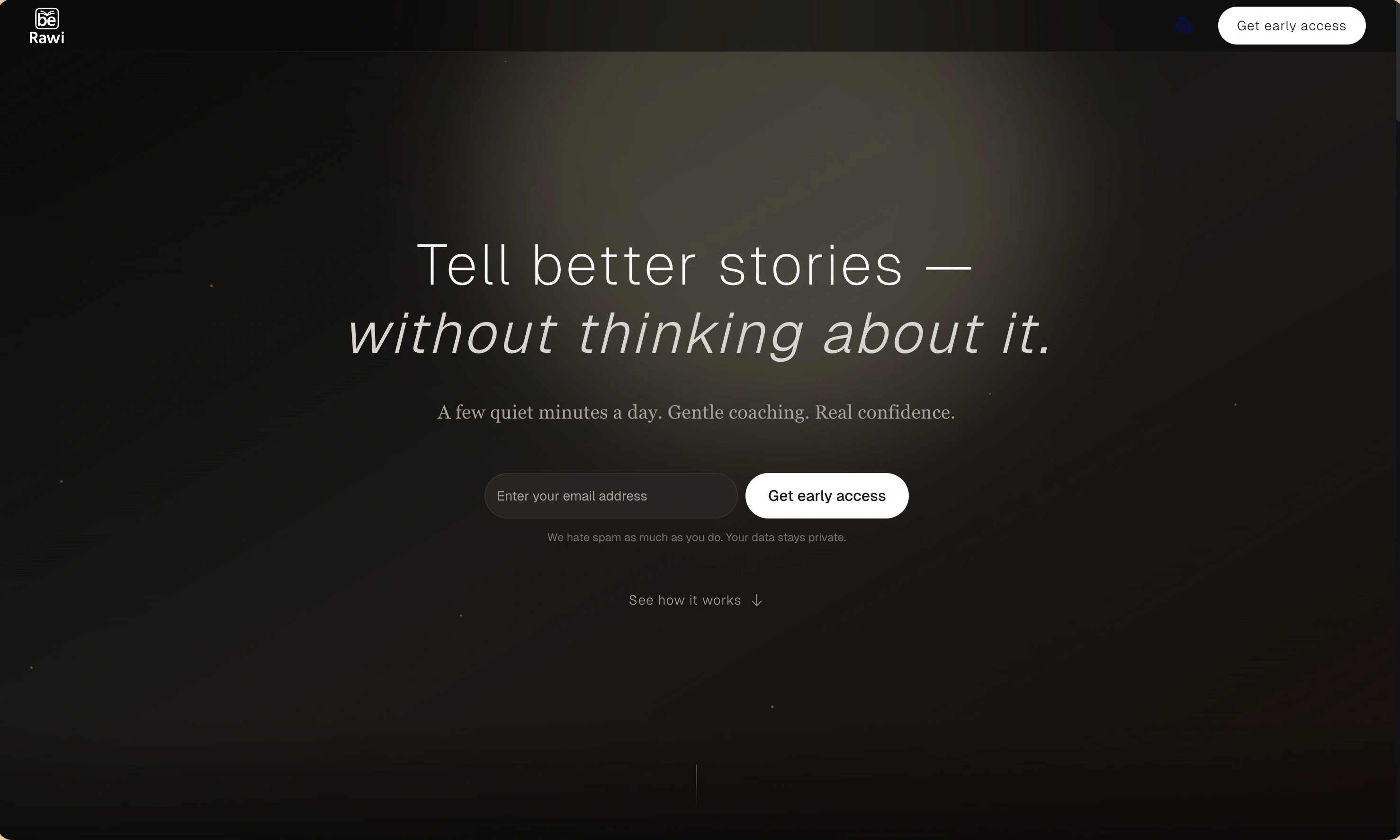
BeRawi: Storytelling Coach
Practice storytelling daily with instant feedback to sound clearer, more engaging, and confident 🎤
Omichat
Chat with 50+ AI models, including ChatGPT and Claude, in one place - switch models anytime without losing context 🤖
Claude Fast
Supercharge your Claude Code with 6x effective context window and specialized AI agents 🤖
EmojAI
AI-powered emoji picker with smart, context-aware suggestions 🤖
Solohacker
Autonomous company launcher - AI agents work 24/7, escalate what matters, and you stay in control 🤖
BeRawi: Storytelling Coach
Practice storytelling daily with instant feedback to sound clearer, more engaging, and confident 🎤
Omichat
Chat with 50+ AI models, including ChatGPT and Claude, in one place - switch models anytime without losing context 🤖
Claude Fast
Supercharge your Claude Code with 6x effective context window and specialized AI agents 🤖
EmojAI
AI-powered emoji picker with smart, context-aware suggestions 🤖
Solohacker
Autonomous company launcher - AI agents work 24/7, escalate what matters, and you stay in control 🤖
BeRawi: Storytelling Coach
Practice storytelling daily with instant feedback to sound clearer, more engaging, and confident 🎤
Omichat
Chat with 50+ AI models, including ChatGPT and Claude, in one place - switch models anytime without losing context 🤖
Claude Fast
Supercharge your Claude Code with 6x effective context window and specialized AI agents 🤖
EmojAI
AI-powered emoji picker with smart, context-aware suggestions 🤖
Solohacker
Autonomous company launcher - AI agents work 24/7, escalate what matters, and you stay in control 🤖
BeRawi: Storytelling Coach
Practice storytelling daily with instant feedback to sound clearer, more engaging, and confident 🎤

Connect with like-minded people
Join our community to get feedback, support, and grow together with 1,000+ builders on board, let's ship it!
Join usShip your startup everywhere. In minutes.
Don't burn tokens on setup and start building features on day one.