Pizzalytica
Empower pizza restaurants with AI-driven sales forecasting, inventory tracking, and dynamic ingredient order suggestions to minimize waste and maximize profit.
Understanding the core value of AI sales forecasting for pizza restaurants
Pizza restaurants operate in a competitive, margin-driven space where the difference between profit and loss can hinge on effective inventory management and accurate sales predictions. Pizzalytica aims to solve these challenges through an AI-powered SaaS platform that delivers real-time sales forecasting, intelligent inventory tracking, and dynamic ingredient ordering recommendations.
Restaurant owners searching for "AI pizza sales forecasting," "how to reduce waste in pizza shops," or "predicting ingredient needs for pizzerias" are looking for tactical, data-driven solutions. Pizzalytica responds to this intent, positioning itself as a B2B platform that uses machine learning and analytics to drive savings, streamline operations, and increase profitability for pizza businesses.
Who is Pizzalytica built for? Target audience analysis
Understanding your audience is crucial for SaaS adoption and long-term success. Pizzalytica is tailored to several segments within the pizza restaurant space:
- Independent pizza shop owners: Often lacking in-house analytics, these owners are highly conscious of food costs and labor efficiency.
- Multi-location pizza chains: Need standardized reporting, cross-location forecasts, and coordinated supply ordering.
- Operations managers: Responsible for optimizing daily processes and reducing restaurant waste.
- Franchise owners: Balancing local market demands with franchisor guidelines, they seek to avoid over-ordering and boost location profitability.
- Regional pizza distributors: Interested in offering value-added tech solutions to their clientele.
Each of these segments shares common pain points:
- Frequent ingredient shortages or overages leading to profit loss
- Inefficient manual tracking (spreadsheets, guesswork)
- Labor spend on low-value, repetitive forecasting tasks
- Volatile sales driven by seasonality, local events, or weather
By directly addressing these real-world needs, Pizzalytica aligns perfectly with the core workflows of its ideal customer profiles (ICPs).
Identifying the market opportunity and existing gaps
The global pizza industry is valued in the tens of billions and continues to grow (Statista). Yet, digitization and data-driven tools for small and medium-sized operators lag behind what's available to national brands.
Market trends fueling the need for AI-driven tools:
- Increasing ingredient costs: Inflation and supply chain volatility make precise inventory planning essential.
- Heightened competition: Online ordering and aggregator platforms intensify price pressure.
- Sustainability mandates: Reducing food waste isn't just about savings—a positive environmental impact is increasingly valuable.
- Labor shortages: Streamlining operations helps mitigate resource constraints.
Key market gaps Pizzalytica addresses
- Lack of accessible, pizza-specific forecasting tools for independents and regional chains.
- Manual inventory tracking prone to human error and inefficiency.
- Generic POS analytics that don’t translate into actionable ingredient ordering steps.
- No dynamic system for suggesting optimal ingredient orders based on forecasted demand, special events, or weather.
Expert tip
Many existing restaurant analytics solutions focus broadly on F&B. Pizzalytica stands out by offering niche, pizza-specific modeling—accounting for unique dough, topping, and portioning patterns.
Breaking down the core features of Pizzalytica
To deliver measurable ROI, the platform’s features target the full restaurant operations cycle:
1. AI-powered sales forecasting
Leveraging historical sales data, POS integrations, weather, holidays, and local events, Pizzalytica predicts demand down to daily (or even hourly) granularity.
Benefits:
- Plan staffing levels accurately
- Run promotions on likely slow days
- Prepare production for peak times
2. Real-time inventory tracking
Integrates with inventory management systems and can utilize manual inputs or barcode scanning.
Benefits:
- Live overview of current stock
- Automatic deduction based on confirmed orders
- Alerts for low-stock or excess inventory situations
3. Dynamic ingredient order suggestions
Transforms forecasted sales into detailed, actionable ingredient orders:
- Calculates how much of each dough, sauce, cheese, and topping is needed
- Generating optimal purchase orders to minimize spoilage and shortages
- Prioritizes local specials and supply chain constraints
AI sales prediction
Forecasts demand using POS data, weather, and local events for precise daily prep.
Smart inventory tracking
Automatically updates stock, tracks ingredient levels, and spots excess or shortage trends.
Dynamic ordering assistant
Recommends exact ingredient purchases for each supplier based on forecasted need.
Solution architecture and recommended tech stack
A robust, scalable stack is essential for delivering real-time analytics and seamless integrations for B2B users.
Core architecture overview:
- Frontend:
- React for dynamic, responsive UIs
- TailwindCSS or similar modern CSS frameworks for rapid, customizable styling
- Backend:
- Node.js with Express for scalable API endpoints
- Python (with frameworks such as FastAPI) for AI/ML model serving and data pipelines
- Database:
- PostgreSQL for structured operational data
- MongoDB for unstructured logs and event tracking
- AI/ML:
- TensorFlow or PyTorch for model training and inference
- Time-series prediction packages (e.g., Prophet, ARIMA)
- Integration Layer:
- REST and Webhook support for POS and inventory systems
- OAuth 2.0 for secure third-party connections
- Deployment:
- Docker containers orchestrated via Kubernetes for scalable, fault-tolerant deployment
- Optional serverless compute (e.g., AWS Lambda) for cost-efficient batch tasks
- Monitoring & BI:
- Prometheus for internal monitoring
- Grafana dashboards for admin insights
- Rapid development: React + TailwindCSS enables fast iteration and beautiful interfaces.
- Scalable AI workloads: Python microservices let you quickly update and deploy new ML models.
- Database flexibility: Combining SQL and NoSQL covers operational and analytics needs.
- Smooth integration: RESTful endpoints simplify third-party data ingest, crucial for varied POS systems.
- Frontend resource costs: React web apps can be resource-intensive for low-spec devices.
- Python in production: ML services in Python may require extra optimization to meet tight latency requirements.
- Dual database complexity: Maintaining both SQL and NoSQL increases operational overhead.
- POS integration challenges: Inconsistent data formats from 3rd party systems may slow onboarding.
Exploring monetization strategies for a SaaS like Pizzalytica
Crafting the right pricing and value capture model is mission-critical for SaaS growth. Here are the key approaches Pizzalytica can consider:
1. Tiered subscription plans (primary SaaS model)
- Usage-based pricing: Scales by number of locations, users, or orders processed.
- Feature gating: Basic plan covers AI forecasting; premium adds POS integration, multi-location dashboards, custom reporting.
- Freemium trial: Offer a limited-feature free tier to drive adoption and reduce buyer risk.
2. Marketplace and supplier referral commissions
If Pizzalytica facilitates ingredient ordering directly within the app, it can charge suppliers for every fulfilled order or for premium placement.
3. White-label & B2B partnerships
Offer a customizable version for larger chains, or as a plug-in for distributor platforms.
4. Implementation and training services
Provide paid onboarding, custom integration, or analytic consulting for enterprise clients.
Monetization summary table:
| Monetization model | Recurring (MRR) | Highly scalable | Low barrier | Upsell potential |
|---|---|---|---|---|
| Subscription tiers | ✅ | ✅ | ✅ | ✅ |
| Supplier commissions | ❌ | ✅ | ✅ | ❌ |
| White-label partnerships | ✅ | ❌ | ❌ | ✅ |
Key risks and mitigation strategies
No SaaS deployment is without hurdles. Anticipating and mitigating the biggest risks in the pizza industry context strengthens your roadmap:
1. Data integration friction
- Risk: Pizza restaurants use a variety of legacy POS and inventory systems that may not offer clean or open APIs.
- Mitigation: Build a modular integration layer with support for CSV, manual entry, and the most common POS providers (Square, Toast, Revel).
2. User adoption resistance
- Risk: Small restaurant owners may perceive AI-based tools as "too technical" or unnecessary.
- Mitigation: Emphasize ROI (waste/revenue calculators), and design an intuitive onboarding sequence including walk-throughs and explainer videos.
3. Forecast accuracy challenges
- Risk: Historical patterns can be disrupted by one-off events, unpredictable local weather, or emerging trends (e.g., viral TikTok pizzas).
- Mitigation: Blend machine learning with manager override inputs; include mechanisms for rapid anomaly learning. Allow users to tag special dates or note 'outlier' events in-app.
4. Security and compliance
- Risk: Handling sensitive sales and customer data requires strong protections (GDPR, CCPA in some jurisdictions).
- Mitigation: Employ role-based access, regular audits, and transparent privacy policies. Consider SaaS security frameworks like SOC 2.
Pizzalytica supports multiple import methods (CSV, manual entry) and can offer custom onboarding for legacy environments. Over time, it can establish direct connections to more POS solutions based on customer demand.
Forecast models can retrain nightly, with manual override capability for managers. Real-time sales ingest further refines next-day ordering advice.
While optimized for pizza (ingredient patterns, dough aging, portioning), the core forecasting/inventory engine can be adapted for other segment use-cases short-term. Expansion can be a future roadmap item.
How Pizzalytica stands apart: Competitive advantage analysis
Unique selling proposition (USP)
Most analytics solutions in restaurant tech are either too broad (catch-all F&B platforms) or too costly for independents. Pizzalytica delivers:
- Pizza-specific modeling: Custom ingredient logic, accounting for dough proofing, topping mix, and recipe hierarchies.
- Aggregation of external signals: Uses local weather, holidays, and even nearby event calendars for holistic forecasting.
- Action-oriented suggestions: Not just reporting—direct, actionable ingredient ordering and waste reduction tactics.
- Ease of onboarding: Designed for non-technical users; rapid self-guided setup and POS integration support.
How does Pizzalytica compare to generic restaurant POS analytics suites?
| Pizza-specific | POS integration | Supplier order suggestion | AI forecasting | Actionable insights |
|---|---|---|---|---|
| ✅ | ❌ | ❌ | ✅ | ❌ |
| ✅ | ✅ | ✅ | ✅ | ❌ |
Actionable steps for implementing a Pizzalytica MVP
Building and launching a robust SaaS like Pizzalytica requires a focused, executional roadmap. Here is a step-by-step approach:
Final thoughts and next steps for your AI-powered restaurant SaaS
The restaurant sector—especially pizza—presents powerful opportunities for machine learning to drive tangible value. By tackling specific pain points (forecasting, waste, ingredient over/under-ordering) with targeted, pizza-centric solutions, Pizzalytica can carve out a sustainable and defensible niche in a multi-billion dollar market.
If you're ready to move from idea validation to full SaaS launch, proven frameworks and rapid-launch tools like TurboStarter can help bring your vision to market faster and with more confidence.
Frequently asked questions
Accuracy improves as more local data is ingested. Most ML forecasting models cited in modern restaurant tech claim 85–95% accuracy dependent on external data variability (weather, local events).
Pizzalytica is designed for easy onboarding: a web dashboard, POS sync, and support for manual data upload—no coding required.
Interview real operators, offer a spreadsheet prototype, or use TurboStarter to build a landing page and track sign-ups before deep investment.
- Adding mobile apps for on-the-go management
- Self-learning models that adapt to menu changes
- Integrations with supplier APIs for 1-click ordering
Summary: Why Pizzalytica matters now
- The pizza industry faces real, solvable analytics challenges.
- AI-powered forecasting and inventory tracking offer an immediate, measurable benefit for both small and large operators.
- By targeting pizza-specific workflows and pain points, with a focus on usability and direct supply-chain action, Pizzalytica is positioned for significant B2B SaaS growth.
For founders, developers, or investors looking to enter this market, the demand-driven, actionable approach employed by Pizzalytica holds strong promise for high retention, meaningful ROI, and differentiable expansion.
More 🏢 B2B Application SaaS ideas
Discover more innovative b2b application SaaS ideas that are trending in 2026. Each idea is AI-generated with market validation and growth potential to help you find your next profitable venture faster than competitors.
Your competitors are building with TurboStarter
Below are some of the SaaS ideas that have been generated and built with our starter kit.

Statiko
Monitor any Telegram channel in real time - track posts, edits, deletions, and growth with AI recaps 📡

Shibui
AI website builder - describe your business, pick a niche template, edit by chatting, and publish instantly ✨

Pro Service
Find verified home service professionals, compare quotes, and pay securely through escrow - built for Brazilians across the US 🏠
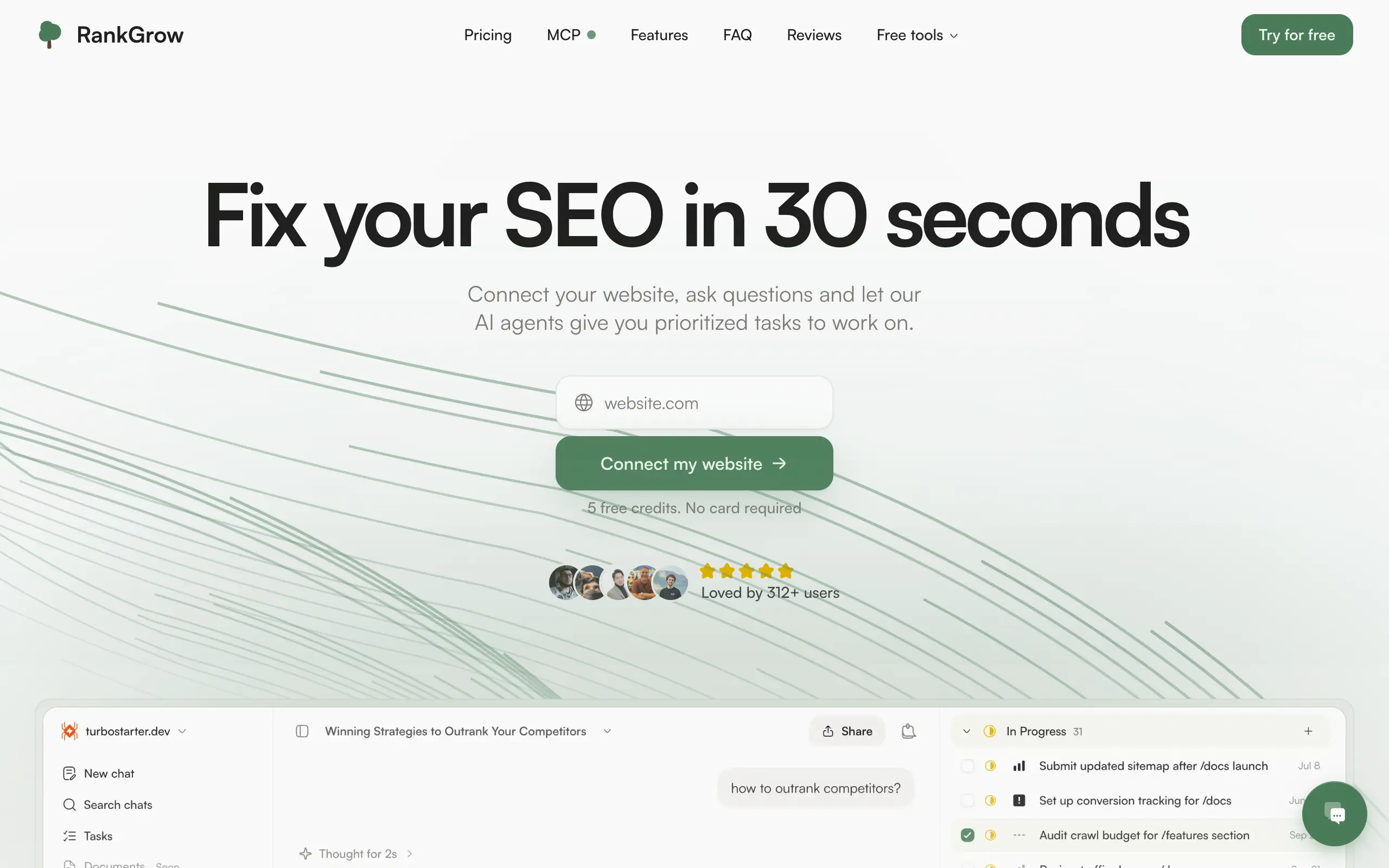
RankGrow
Fix your SEO with AI agents - connect Search Console, get prioritized tasks, and grow organic traffic 📈
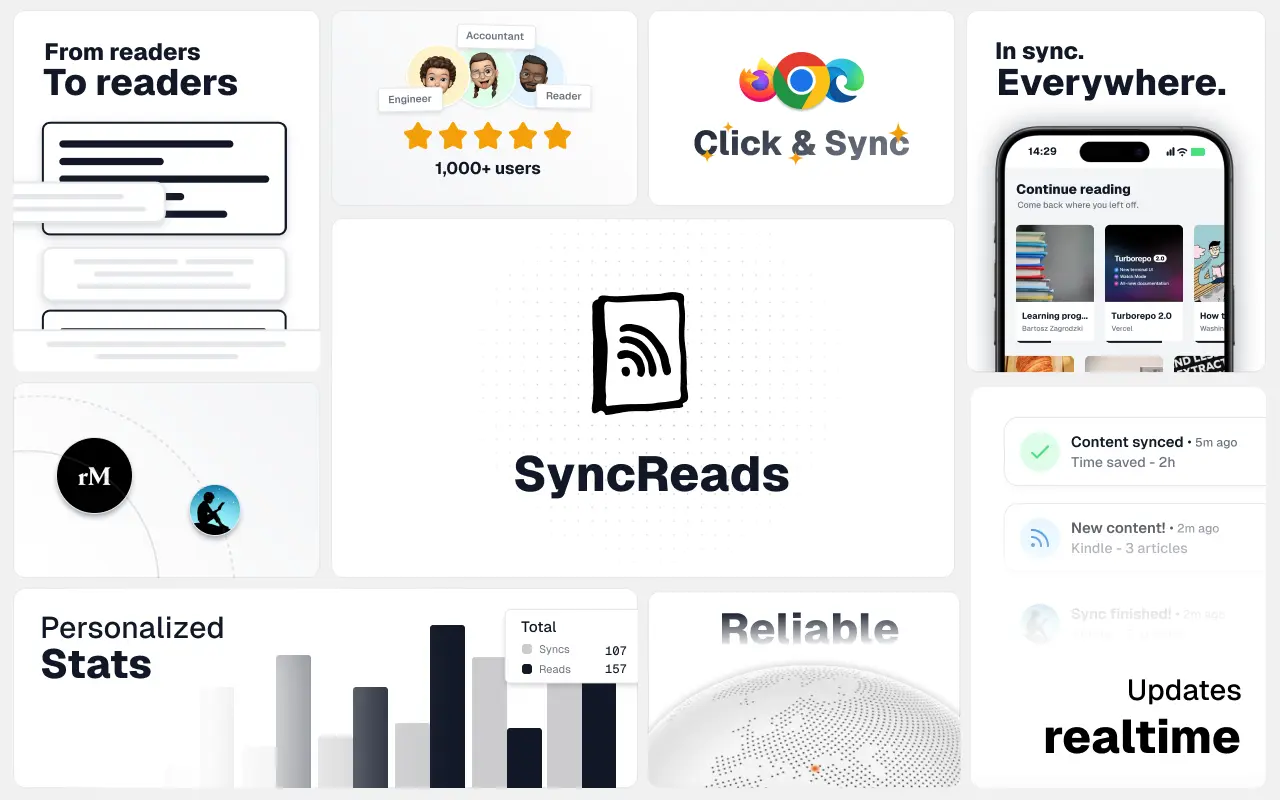
SyncReads
Sync your favorite content for distraction-free reading, save time and replace multiple apps. Anytime, anywhere 🔄
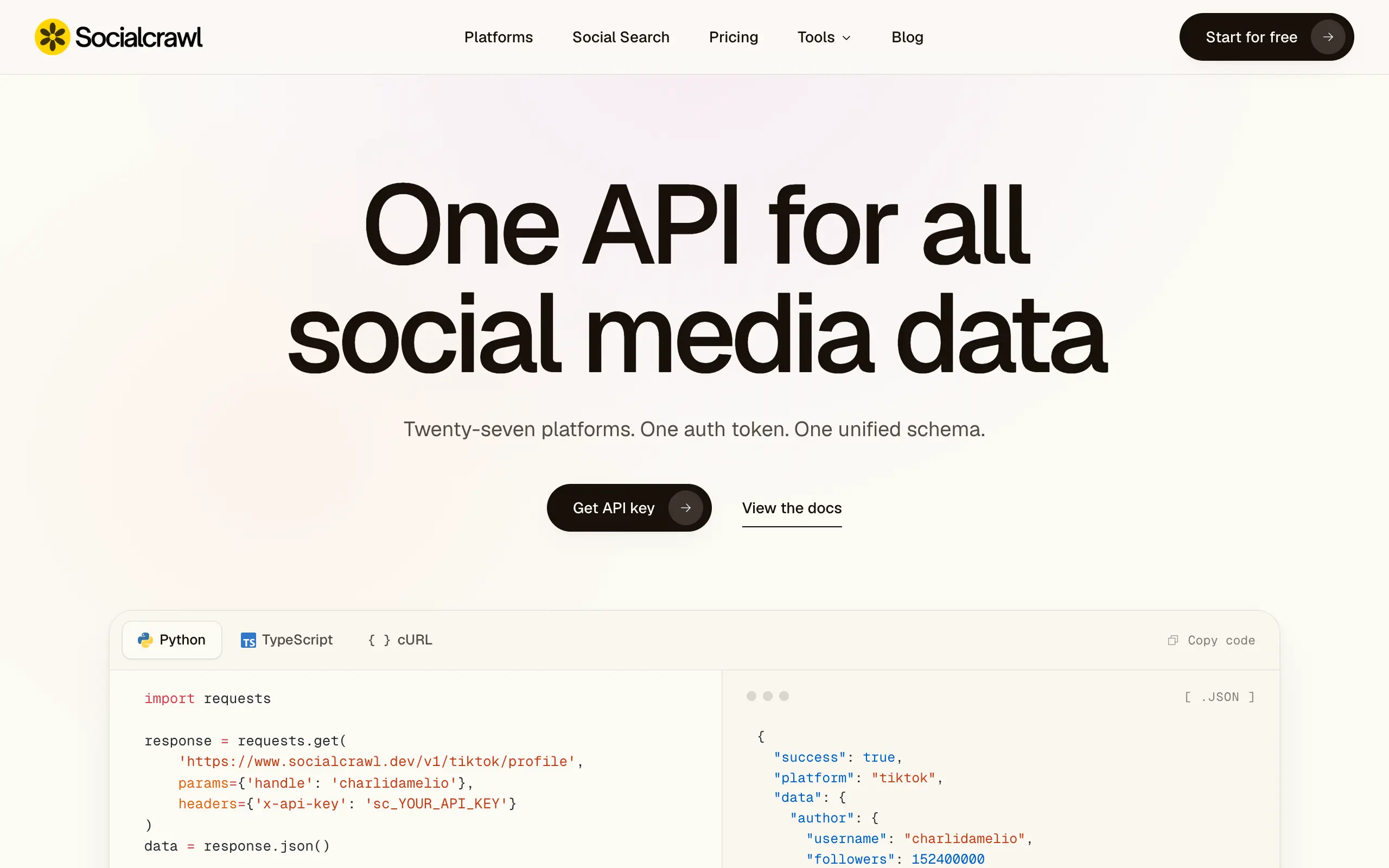
Socialcrawl
Get clean, structured data from 21 platforms like TikTok, Instagram, and YouTube with a single request 📊
Statiko
Monitor any Telegram channel in real time - track posts, edits, deletions, and growth with AI recaps 📡
Shibui
AI website builder - describe your business, pick a niche template, edit by chatting, and publish instantly ✨
Pro Service
Find verified home service professionals, compare quotes, and pay securely through escrow - built for Brazilians across the US 🏠
RankGrow
Fix your SEO with AI agents - connect Search Console, get prioritized tasks, and grow organic traffic 📈
SyncReads
Sync your favorite content for distraction-free reading, save time and replace multiple apps. Anytime, anywhere 🔄
Socialcrawl
Get clean, structured data from 21 platforms like TikTok, Instagram, and YouTube with a single request 📊
Statiko
Monitor any Telegram channel in real time - track posts, edits, deletions, and growth with AI recaps 📡
Shibui
AI website builder - describe your business, pick a niche template, edit by chatting, and publish instantly ✨
Pro Service
Find verified home service professionals, compare quotes, and pay securely through escrow - built for Brazilians across the US 🏠
RankGrow
Fix your SEO with AI agents - connect Search Console, get prioritized tasks, and grow organic traffic 📈
SyncReads
Sync your favorite content for distraction-free reading, save time and replace multiple apps. Anytime, anywhere 🔄
Socialcrawl
Get clean, structured data from 21 platforms like TikTok, Instagram, and YouTube with a single request 📊
Statiko
Monitor any Telegram channel in real time - track posts, edits, deletions, and growth with AI recaps 📡
Shibui
AI website builder - describe your business, pick a niche template, edit by chatting, and publish instantly ✨
Pro Service
Find verified home service professionals, compare quotes, and pay securely through escrow - built for Brazilians across the US 🏠
RankGrow
Fix your SEO with AI agents - connect Search Console, get prioritized tasks, and grow organic traffic 📈
SyncReads
Sync your favorite content for distraction-free reading, save time and replace multiple apps. Anytime, anywhere 🔄
Socialcrawl
Get clean, structured data from 21 platforms like TikTok, Instagram, and YouTube with a single request 📊
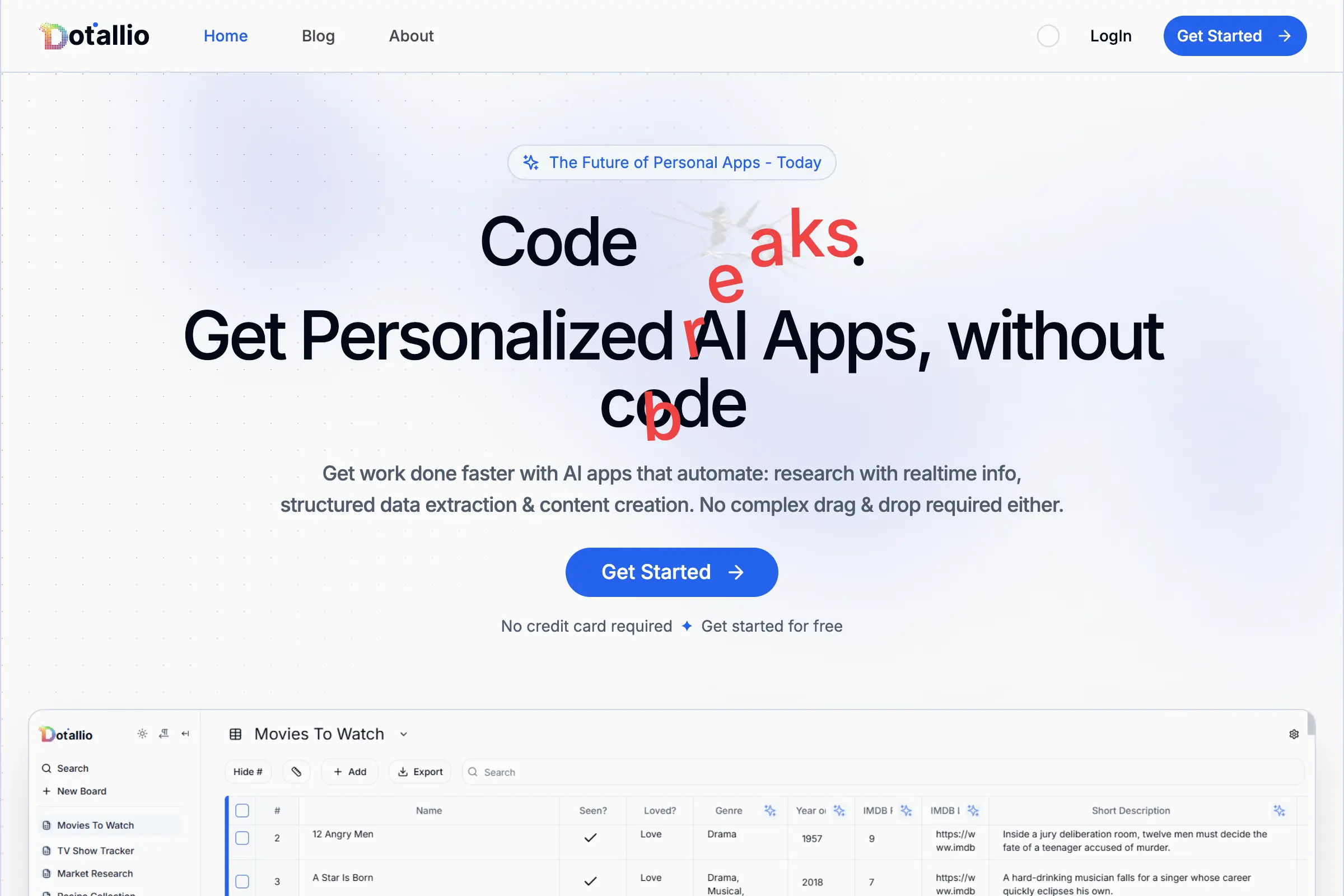
Dotallio
Personalized AI apps that automate research, data extraction, and content creation without code 🤖

Talk to Santa
Enjoy a magical live video chat or receive a unique AI-generated video greeting from Santa Claus 🎅

pozywka.pl
Scalable blog for food journalist, focused on performance and user experience 🌭
zagrodzki.me
Personal blog and portfolio of Bart Zagrodzki, where he shares his knowledge and work 💼
TurboStarter
Ship your startup everywhere. In minutes.
HTML to Markdown
Convert HTML to Markdown with ease, directly in your browser 📄
Dotallio
Personalized AI apps that automate research, data extraction, and content creation without code 🤖
Talk to Santa
Enjoy a magical live video chat or receive a unique AI-generated video greeting from Santa Claus 🎅
pozywka.pl
Scalable blog for food journalist, focused on performance and user experience 🌭
zagrodzki.me
Personal blog and portfolio of Bart Zagrodzki, where he shares his knowledge and work 💼
TurboStarter
Ship your startup everywhere. In minutes.
HTML to Markdown
Convert HTML to Markdown with ease, directly in your browser 📄
Dotallio
Personalized AI apps that automate research, data extraction, and content creation without code 🤖
Talk to Santa
Enjoy a magical live video chat or receive a unique AI-generated video greeting from Santa Claus 🎅
pozywka.pl
Scalable blog for food journalist, focused on performance and user experience 🌭
zagrodzki.me
Personal blog and portfolio of Bart Zagrodzki, where he shares his knowledge and work 💼
TurboStarter
Ship your startup everywhere. In minutes.
HTML to Markdown
Convert HTML to Markdown with ease, directly in your browser 📄
Dotallio
Personalized AI apps that automate research, data extraction, and content creation without code 🤖
Talk to Santa
Enjoy a magical live video chat or receive a unique AI-generated video greeting from Santa Claus 🎅
pozywka.pl
Scalable blog for food journalist, focused on performance and user experience 🌭
zagrodzki.me
Personal blog and portfolio of Bart Zagrodzki, where he shares his knowledge and work 💼
TurboStarter
Ship your startup everywhere. In minutes.
HTML to Markdown
Convert HTML to Markdown with ease, directly in your browser 📄
Omichat
Chat with 50+ AI models, including ChatGPT and Claude, in one place - switch models anytime without losing context 🤖
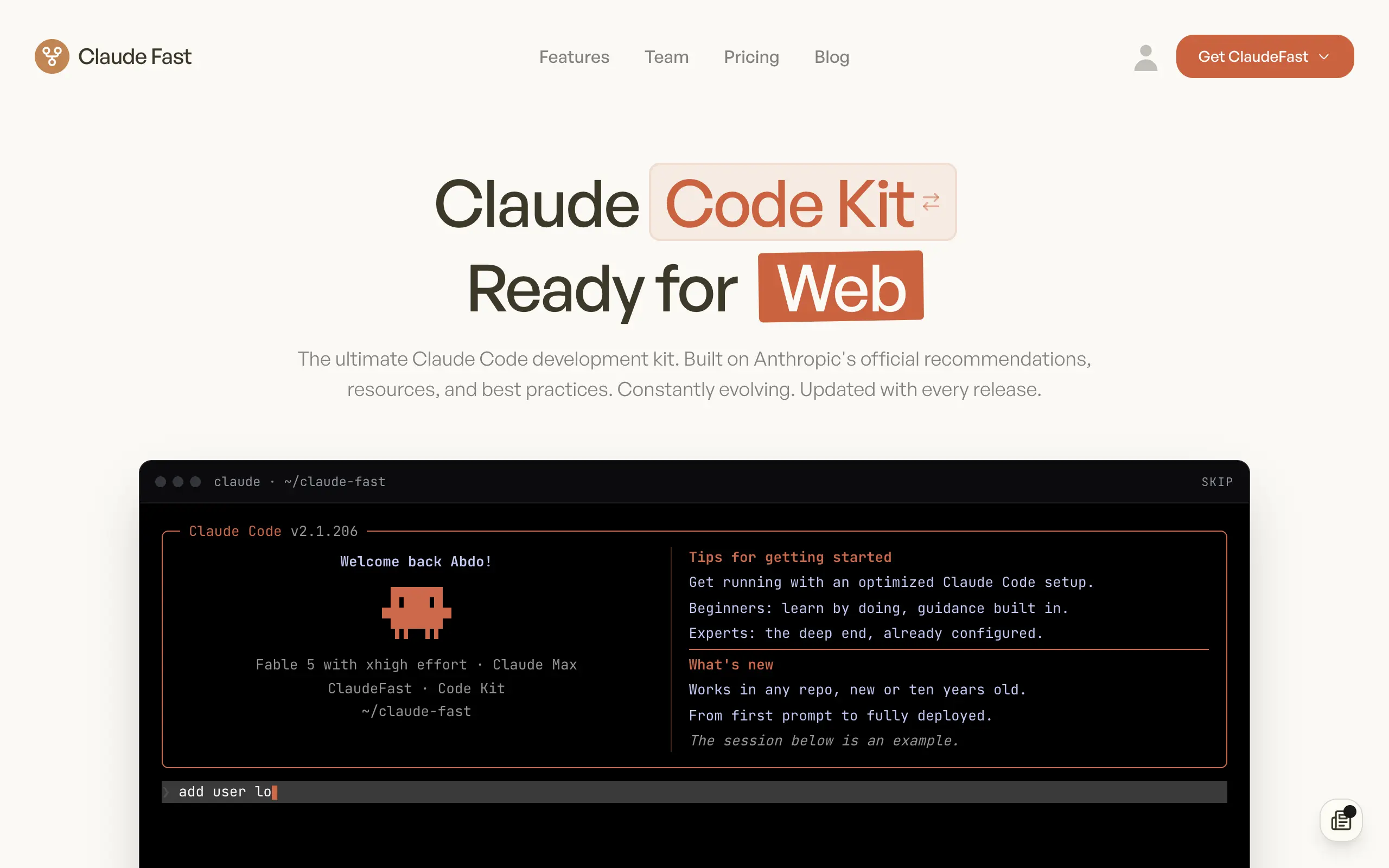
Claude Fast
Supercharge your Claude Code with 6x effective context window and specialized AI agents 🤖
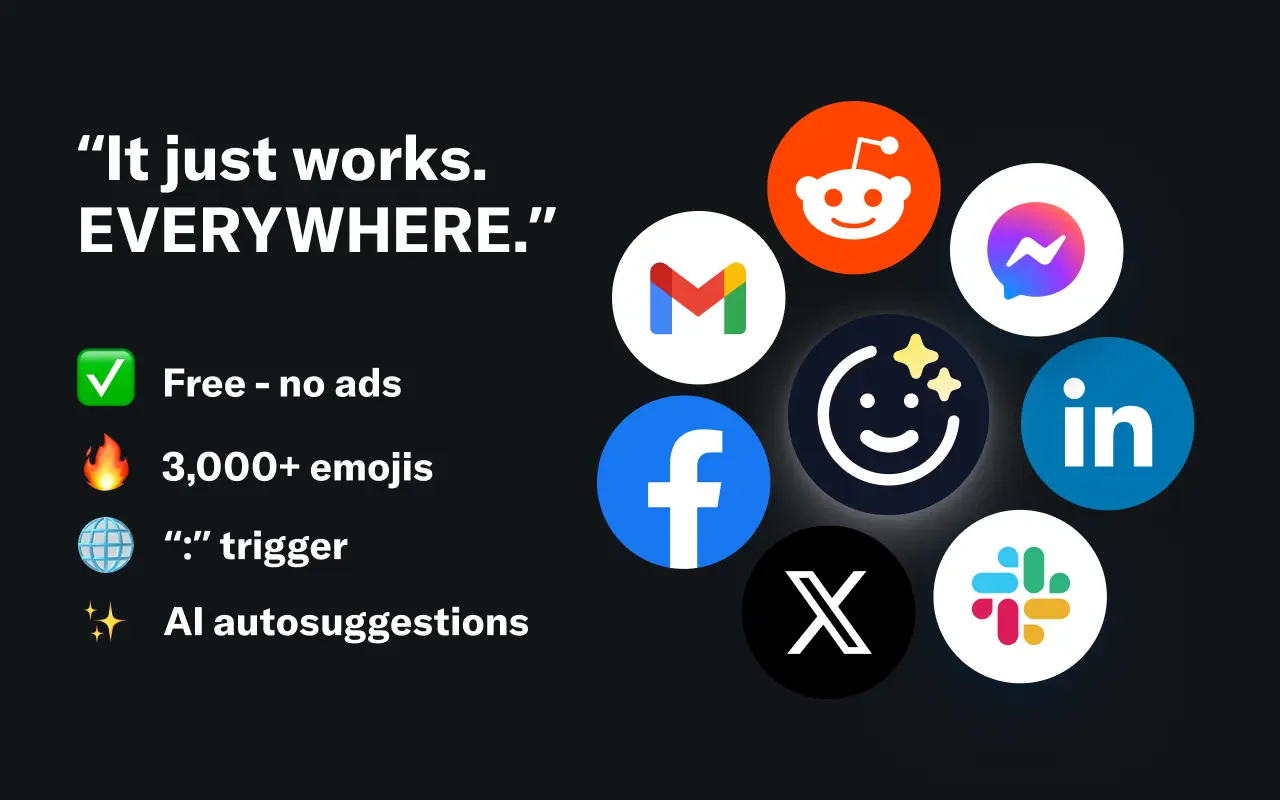
EmojAI
AI-powered emoji picker with smart, context-aware suggestions 🤖

Solohacker
Autonomous company launcher - AI agents work 24/7, escalate what matters, and you stay in control 🤖

BeRawi: Storytelling Coach
Practice storytelling daily with instant feedback to sound clearer, more engaging, and confident 🎤
Omichat
Chat with 50+ AI models, including ChatGPT and Claude, in one place - switch models anytime without losing context 🤖
Claude Fast
Supercharge your Claude Code with 6x effective context window and specialized AI agents 🤖
EmojAI
AI-powered emoji picker with smart, context-aware suggestions 🤖
Solohacker
Autonomous company launcher - AI agents work 24/7, escalate what matters, and you stay in control 🤖
BeRawi: Storytelling Coach
Practice storytelling daily with instant feedback to sound clearer, more engaging, and confident 🎤
Omichat
Chat with 50+ AI models, including ChatGPT and Claude, in one place - switch models anytime without losing context 🤖
Claude Fast
Supercharge your Claude Code with 6x effective context window and specialized AI agents 🤖
EmojAI
AI-powered emoji picker with smart, context-aware suggestions 🤖
Solohacker
Autonomous company launcher - AI agents work 24/7, escalate what matters, and you stay in control 🤖
BeRawi: Storytelling Coach
Practice storytelling daily with instant feedback to sound clearer, more engaging, and confident 🎤
Omichat
Chat with 50+ AI models, including ChatGPT and Claude, in one place - switch models anytime without losing context 🤖
Claude Fast
Supercharge your Claude Code with 6x effective context window and specialized AI agents 🤖
EmojAI
AI-powered emoji picker with smart, context-aware suggestions 🤖
Solohacker
Autonomous company launcher - AI agents work 24/7, escalate what matters, and you stay in control 🤖
BeRawi: Storytelling Coach
Practice storytelling daily with instant feedback to sound clearer, more engaging, and confident 🎤

Connect with like-minded people
Join our community to get feedback, support, and grow together with 1,000+ builders on board, let's ship it!
Join usShip your startup everywhere. In minutes.
Don't burn tokens on setup and start building features on day one.