Playtest Audio Lab
Analytics software for game studios that measures how music and sound design impact player behavior, retention, and emotional response during playtests.
Understanding the rise of game audio analytics software in modern development
In the last decade, game analytics has matured from simple event tracking into a sophisticated discipline that informs nearly every design decision. Studios routinely analyze player funnels, heatmaps, retention curves, and monetization metrics. Yet one critical pillar of the player experience has remained largely invisible to data teams: audio.
Music and sound design are fundamental to immersion, emotional pacing, and player motivation. However, most studios still rely on subjective feedback (“the music feels off here”) or post-launch reviews to judge audio effectiveness. This gap is exactly where game audio analytics software like Playtest Audio Lab fits.
Playtest Audio Lab is a B2B analytics platform designed specifically for game studios. It measures how music and sound design influence player behavior, retention, and emotional response during structured playtests. Rather than replacing composers or audio directors, it gives them empirical insight into how their work performs in real gameplay contexts.
This article provides a deep, expert-level breakdown of the Playtest Audio Lab concept: who it’s for, why the market opportunity exists now, how the product works, and how a studio could realistically build and monetize a platform like this.
Who is searching for Playtest Audio Lab and why
To rank and convert effectively, it’s important to align with real search intent. People looking for tools like Playtest Audio Lab are typically not casual gamers. They are professionals searching for validation, implementation guidance, or competitive differentiation.
Primary target audiences
Game studios (indie to AA and AAA)
Studios running regular playtests want deeper insight into why players churn, disengage, or emotionally disconnect. Audio is often suspected but rarely proven.
Audio directors and composers
These professionals want data-backed feedback on:
- Emotional impact of musical cues
- Whether soundscapes enhance or distract from gameplay
- How audio correlates with tension, flow, or fatigue
UX researchers and game analysts
Researchers already track inputs, deaths, retries, and session length. Audio-aware analytics add a new explanatory layer to existing datasets.
Publishers and production leads
At scale, audio decisions represent significant investment. Publishers want to de-risk creative choices by validating them early in playtests.
Key insight
Most studios already run playtests. The barrier isn’t willingness to test audio, but the lack of specialized tooling that translates audio signals into actionable metrics.
The market gap: why traditional analytics fail at audio measurement
What existing tools do well
Popular analytics platforms excel at:
- Tracking player actions and events
- Measuring progression and retention
- Visualizing funnels and heatmaps
They are behavior-centric, not sensory-centric.
Where they fall short
Audio is continuous, contextual, and emotional. Traditional tools struggle because:
- No native audio timeline awareness: They don’t know what music or sound is playing at a given moment.
- Lack of emotional proxies: Audio’s impact is indirect, expressed through behavior changes, biometric signals, or self-reporting.
- No composer-friendly insights: Data is presented for analysts, not creative audio teams.
The opportunity
Playtest Audio Lab positions itself as the missing analytics layer that connects:
Audio design → player emotion → observable behavior → retention outcomes
This creates a defensible niche within the broader game analytics market.
What Playtest Audio Lab actually measures
A common skepticism is: “How can software measure emotional response to music?” The answer lies in triangulation, not mind-reading.
Core measurement pillars
1. Audio context tracking
The system logs:
- Music track IDs
- Soundscape states (ambient, combat, menu, silence)
- Volume and mix changes
- Transitions between audio cues
This creates a precise audio timeline synchronized with gameplay events.
2. Player behavior correlation
Audio context is correlated with:
- Movement patterns and hesitation
- Deaths, retries, and error rates
- Session length and early exits
- Pauses, menu opens, and quitting behavior
Over time, patterns emerge (for example, higher quit rates during specific musical loops).
3. Emotional response proxies
Depending on the playtest setup, emotional signals can include:
- Post-session self-report surveys
- In-session quick prompts
- Optional biometric integrations (heart rate, GSR, eye tracking)
Important
Playtest Audio Lab does not claim to “read emotions” directly. It provides probabilistic insights based on validated behavioral and physiological proxies.
Core features that define Playtest Audio Lab
Below is a feature breakdown that aligns with real studio workflows rather than abstract dashboards.
Audio-aware analytics dashboard
The dashboard is built around an audio-first timeline, allowing teams to:
- See which tracks play during specific gameplay moments
- Overlay retention drop-offs or spikes
- Compare multiple playtest sessions side by side
Composer and sound designer views
Instead of raw event logs, audio professionals see:
- Heatmaps of emotional engagement per track
- Sections where players disengage or rush through
- Comparisons between alternative compositions (A/B audio testing)
Behavioral correlation engine
Statistical models surface insights such as:
- “Combat music variant B correlates with 12% longer engagement”
- “High-frequency sound effects coincide with increased error rates”
Exportable reports for stakeholders
Studios can generate reports tailored to:
- Internal reviews
- Publisher milestones
- Outsourced audio teams
Audio timeline sync
Aligns music and sound effects with gameplay events for precise analysis.
Emotion proxies
Combines surveys, behavior, and optional biometrics to infer emotional impact.
Creative-friendly insights
Dashboards designed for composers and audio directors, not just analysts.
Competitive landscape and differentiation
To understand Playtest Audio Lab’s advantage, it helps to compare it against adjacent solutions.
| Capability | General analytics | User testing tools | Audio middleware | Playtest Audio Lab |
|---|---|---|---|---|
| Player behavior tracking | ✅ | ✅ | ❌ | ✅ |
| Audio context awareness | ❌ | ❌ | ✅ | ✅ |
| Emotional impact insights | ❌ | ⚠️ | ❌ | ✅ |
| Designed for audio teams | ❌ | ❌ | ✅ | ✅ |
Unique selling proposition (USP):
Playtest Audio Lab is the only game audio analytics software purpose-built to quantify how sound and music influence player behavior during playtests.
Recommended technical architecture and trade-offs
Building Playtest Audio Lab requires careful balance between performance, flexibility, and integration effort.
Client-side SDKs
- Game engine integrations (Unity, Unreal)
- Lightweight audio event hooks
- Minimal runtime overhead to avoid skewing playtests
Backend analytics pipeline
- Event ingestion service
- Time-series database for audio and gameplay alignment
- Analytics layer for correlation and pattern detection
Frontend dashboard
A modern web stack is well-suited here:
- React for interactive dashboards
- TailwindCSS for rapid UI iteration
- Visualization libraries for timelines and heatmaps
Trade-offs to consider
- Depth vs. simplicity: More detailed tracking increases insight but raises integration cost.
- Real-time vs. post-session analysis: Real-time feedback is powerful but expensive.
- Privacy and consent: Especially with biometric data, compliance is non-negotiable.
Monetization strategies for a B2B game audio analytics platform
Playtest Audio Lab lends itself to several SaaS pricing models.
Subscription tiers
- Indie tier: Limited sessions, core dashboards
- Studio tier: Advanced correlations, team access
- Enterprise tier: Custom integrations, biometric support, SLA
Per-playtest or per-seat pricing
Useful for:
- External audio teams
- QA vendors
- Short-term production phases
Add-on revenue streams
- Advanced emotional modeling
- Custom reports for publishers
- Consulting or onboarding services
Studios are accustomed to paying for analytics. Positioning audio analytics as a risk-reduction tool makes pricing easier to justify.
Risks, limitations, and mitigation strategies
No analytics platform is without challenges.
Risk: overinterpreting correlation
Mitigation:
Clearly communicate confidence levels and avoid deterministic claims.
Risk: integration friction
Mitigation:
Provide SDKs, documentation, and sample projects that reduce setup time.
Risk: creative resistance
Some audio professionals fear “data-driven creativity.”
Mitigation:
Frame insights as supporting intuition, not replacing it.
No. Playtest Audio Lab exists to empower composers with better feedback, not automate creative decisions.
Yes. Narrative-heavy games often benefit the most from understanding emotional pacing through audio.
Why now is the right time for Playtest Audio Lab
Several industry trends converge to make this idea timely:
- Increased focus on player retention and emotional engagement
- Maturing analytics infrastructure in studios
- Growing acceptance of data-informed creative decisions
- Remote and large-scale playtesting becoming standard
Studios want to understand why players feel what they feel, not just what they do.
Step-by-step implementation roadmap
For founders or teams inspired by this concept, here’s a realistic execution path.
For faster execution and reduced boilerplate, many teams leverage platforms like TurboStarter to accelerate SaaS foundations while focusing on core differentiation.
Final thoughts: the future of data-informed game audio
Game audio has always shaped player emotion, but until now, it has lived mostly in the realm of intuition and post-hoc feedback. Playtest Audio Lab represents a shift toward measurable, actionable insight without sacrificing creative integrity.
As competition intensifies and player expectations rise, studios that understand not just what players do, but how they feel, will have a decisive edge.
If you’re exploring the future of game audio analytics software, Playtest Audio Lab isn’t just a tool idea—it’s a signal of where the industry is heading.
More 🏢 B2B Application SaaS ideas
Discover more innovative b2b application SaaS ideas that are trending in 2026. Each idea is AI-generated with market validation and growth potential to help you find your next profitable venture faster than competitors.
Your competitors are building with TurboStarter
Below are some of the SaaS ideas that have been generated and built with our starter kit.
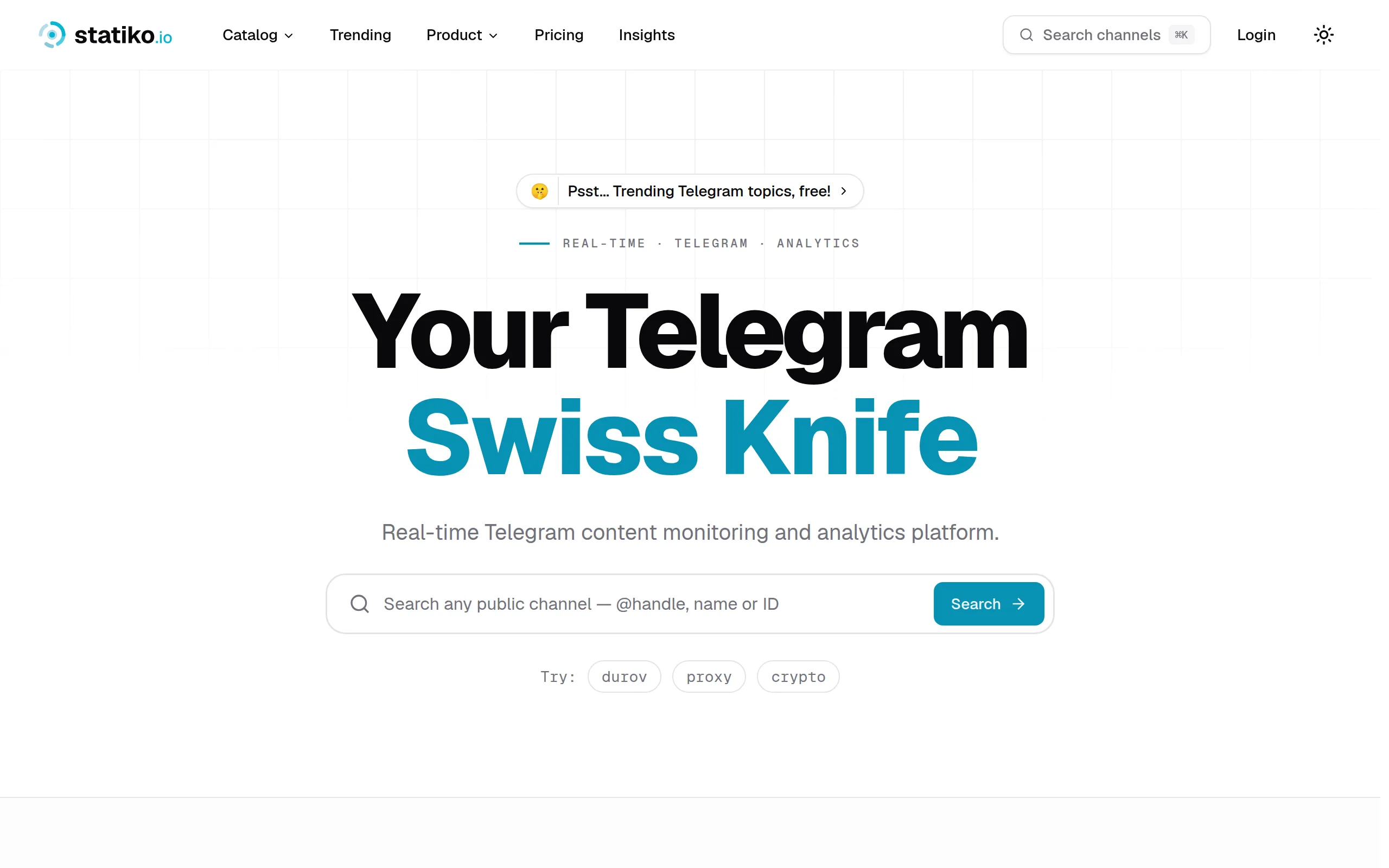
Statiko
Monitor any Telegram channel in real time - track posts, edits, deletions, and growth with AI recaps 📡
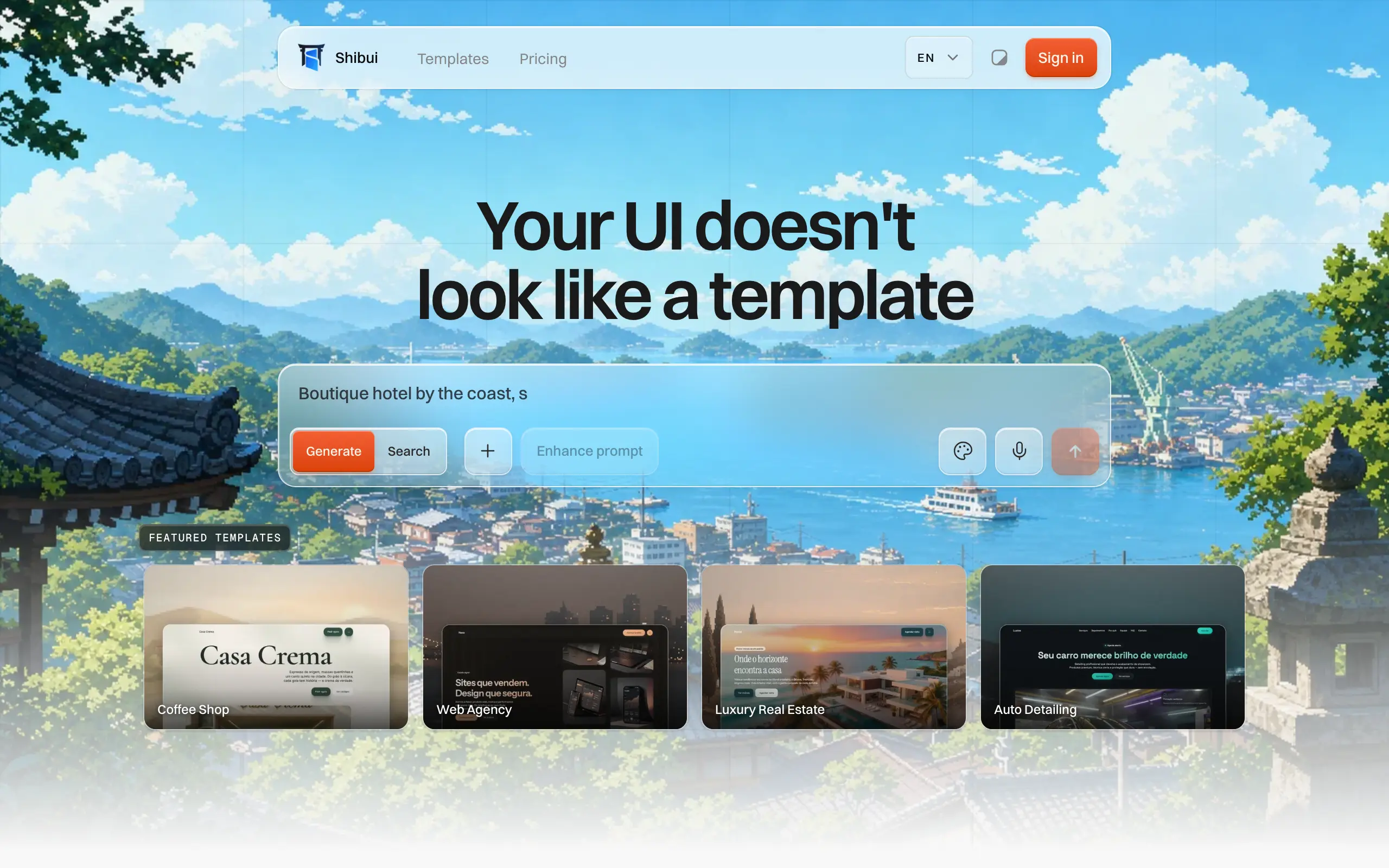
Shibui
AI website builder - describe your business, pick a niche template, edit by chatting, and publish instantly ✨

Pro Service
Find verified home service professionals, compare quotes, and pay securely through escrow - built for Brazilians across the US 🏠
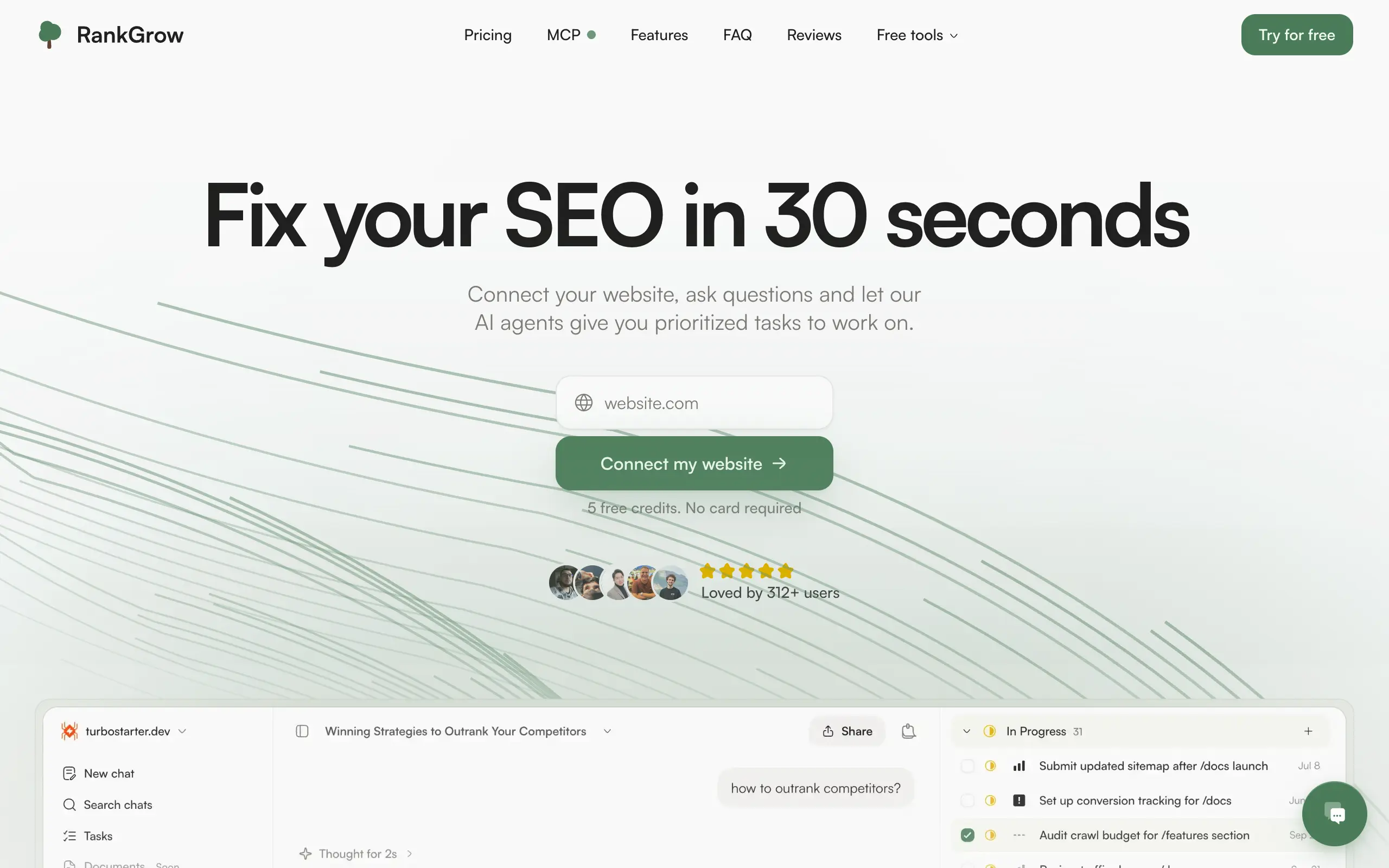
RankGrow
Fix your SEO with AI agents - connect Search Console, get prioritized tasks, and grow organic traffic 📈
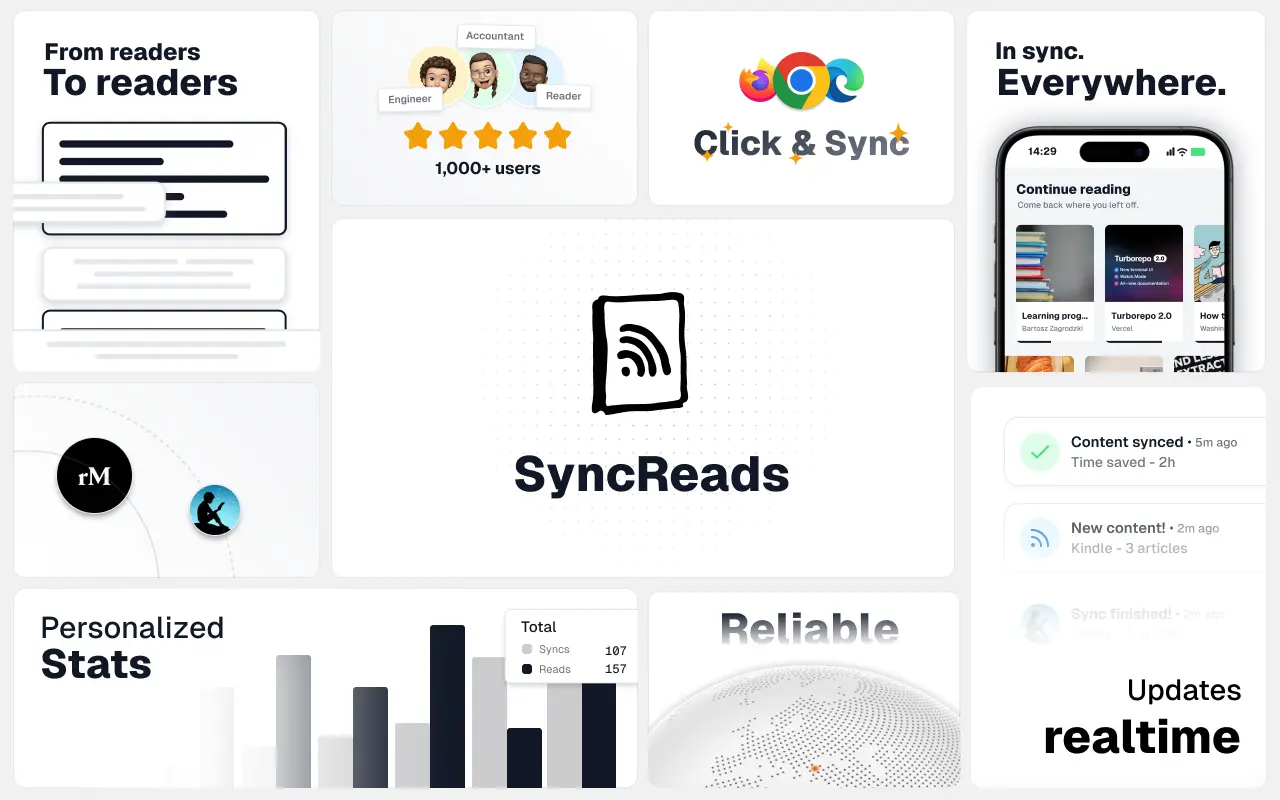
SyncReads
Sync your favorite content for distraction-free reading, save time and replace multiple apps. Anytime, anywhere 🔄
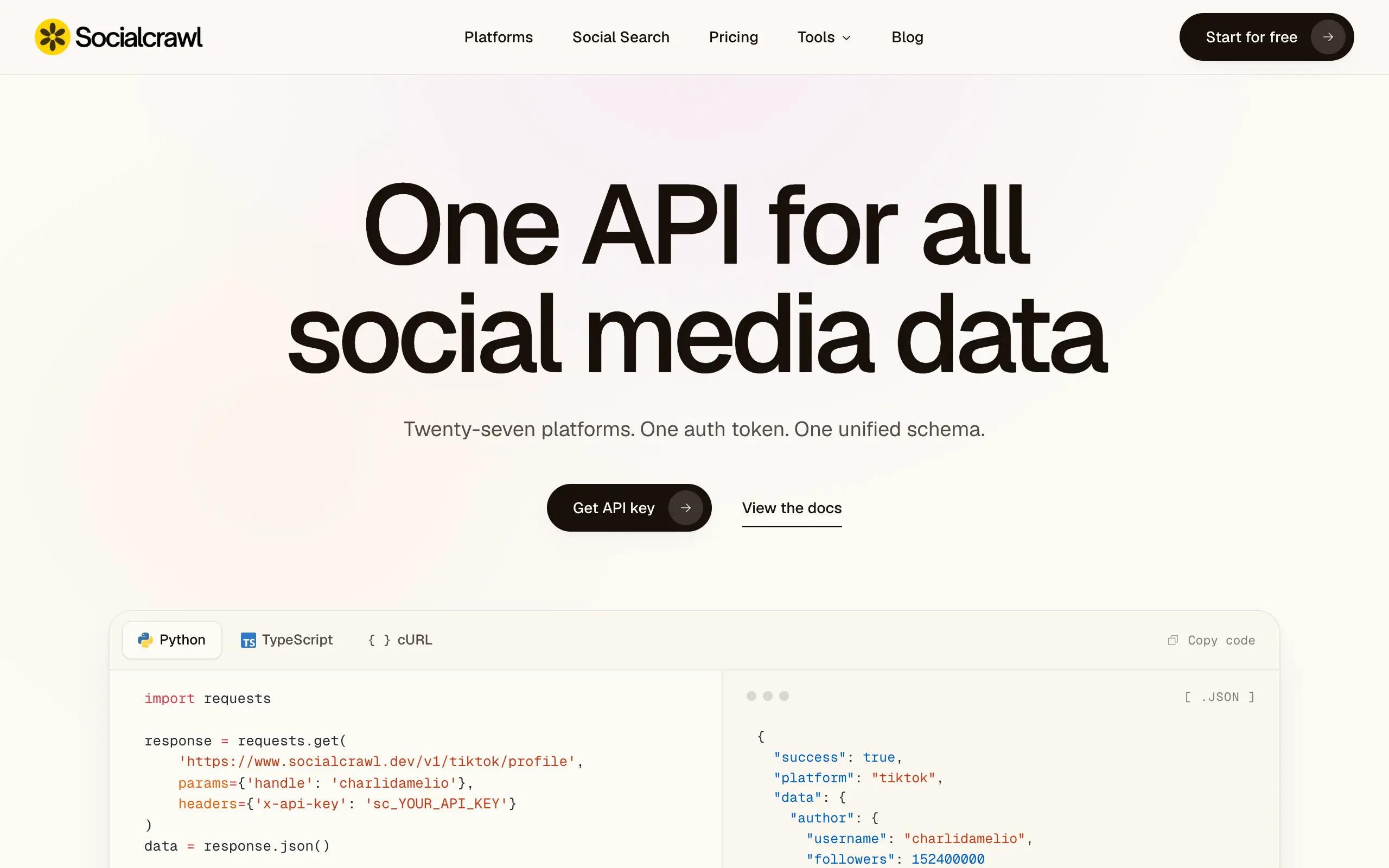
Socialcrawl
Get clean, structured data from 21 platforms like TikTok, Instagram, and YouTube with a single request 📊
Statiko
Monitor any Telegram channel in real time - track posts, edits, deletions, and growth with AI recaps 📡
Shibui
AI website builder - describe your business, pick a niche template, edit by chatting, and publish instantly ✨
Pro Service
Find verified home service professionals, compare quotes, and pay securely through escrow - built for Brazilians across the US 🏠
RankGrow
Fix your SEO with AI agents - connect Search Console, get prioritized tasks, and grow organic traffic 📈
SyncReads
Sync your favorite content for distraction-free reading, save time and replace multiple apps. Anytime, anywhere 🔄
Socialcrawl
Get clean, structured data from 21 platforms like TikTok, Instagram, and YouTube with a single request 📊
Statiko
Monitor any Telegram channel in real time - track posts, edits, deletions, and growth with AI recaps 📡
Shibui
AI website builder - describe your business, pick a niche template, edit by chatting, and publish instantly ✨
Pro Service
Find verified home service professionals, compare quotes, and pay securely through escrow - built for Brazilians across the US 🏠
RankGrow
Fix your SEO with AI agents - connect Search Console, get prioritized tasks, and grow organic traffic 📈
SyncReads
Sync your favorite content for distraction-free reading, save time and replace multiple apps. Anytime, anywhere 🔄
Socialcrawl
Get clean, structured data from 21 platforms like TikTok, Instagram, and YouTube with a single request 📊
Statiko
Monitor any Telegram channel in real time - track posts, edits, deletions, and growth with AI recaps 📡
Shibui
AI website builder - describe your business, pick a niche template, edit by chatting, and publish instantly ✨
Pro Service
Find verified home service professionals, compare quotes, and pay securely through escrow - built for Brazilians across the US 🏠
RankGrow
Fix your SEO with AI agents - connect Search Console, get prioritized tasks, and grow organic traffic 📈
SyncReads
Sync your favorite content for distraction-free reading, save time and replace multiple apps. Anytime, anywhere 🔄
Socialcrawl
Get clean, structured data from 21 platforms like TikTok, Instagram, and YouTube with a single request 📊
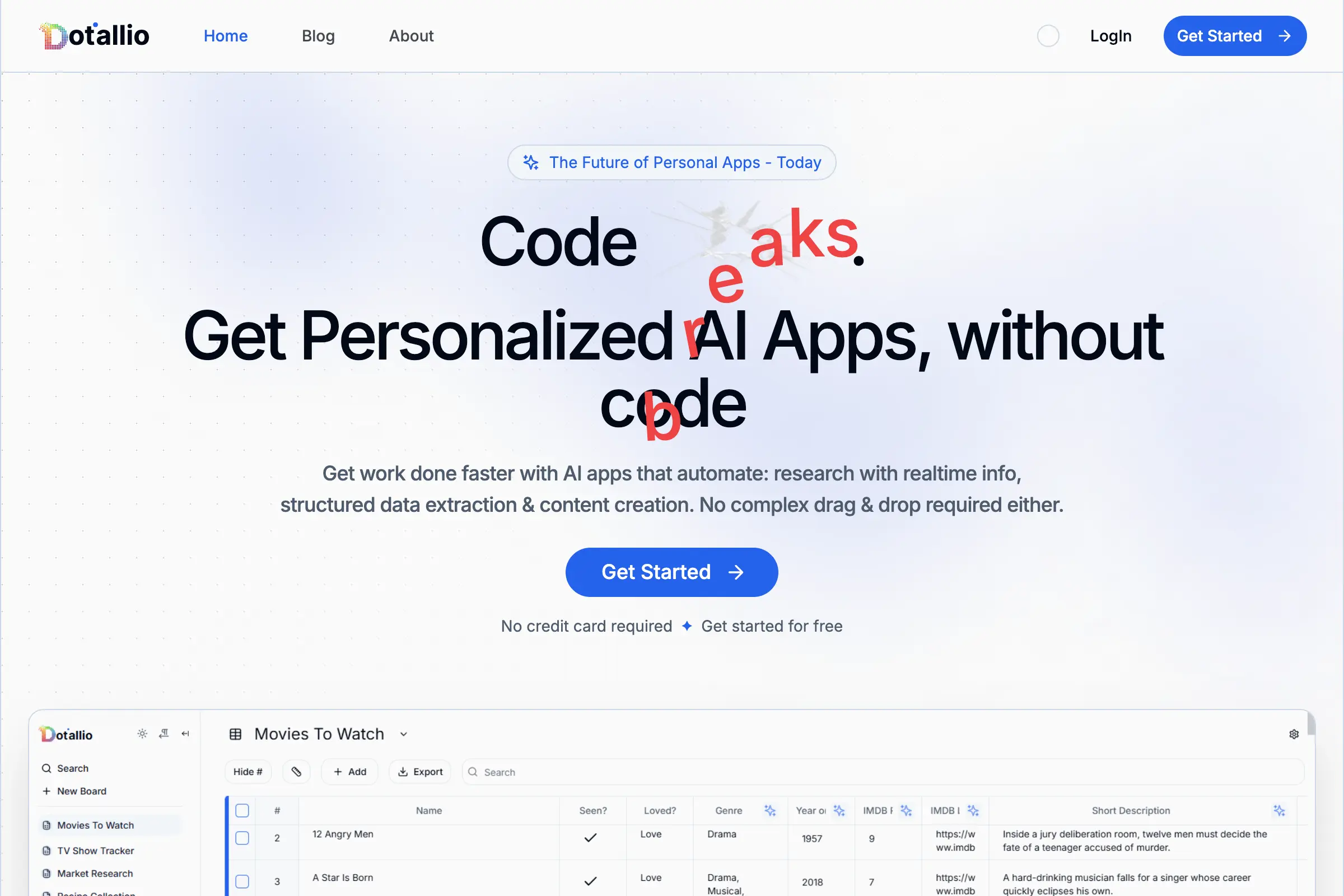
Dotallio
Personalized AI apps that automate research, data extraction, and content creation without code 🤖
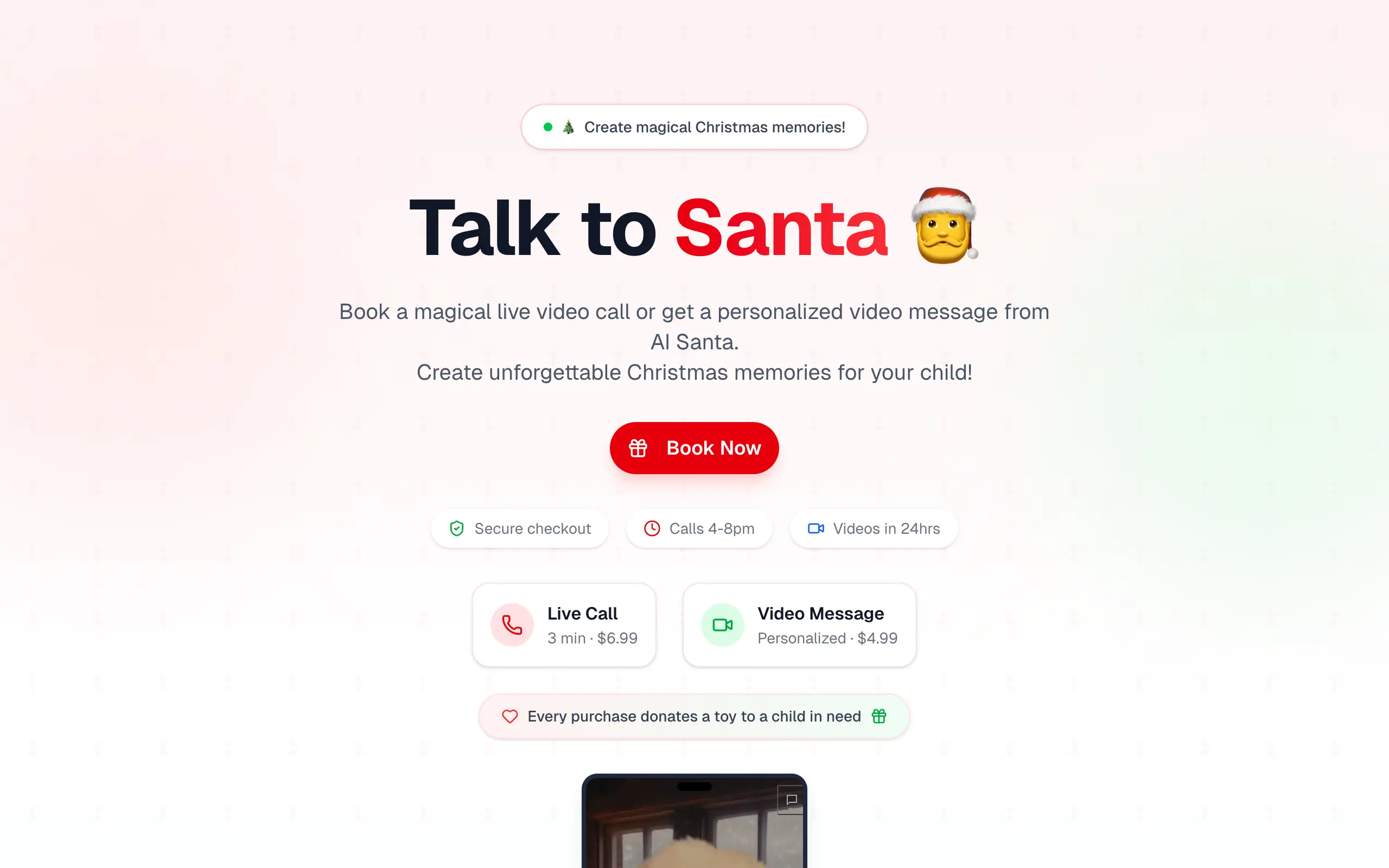
Talk to Santa
Enjoy a magical live video chat or receive a unique AI-generated video greeting from Santa Claus 🎅
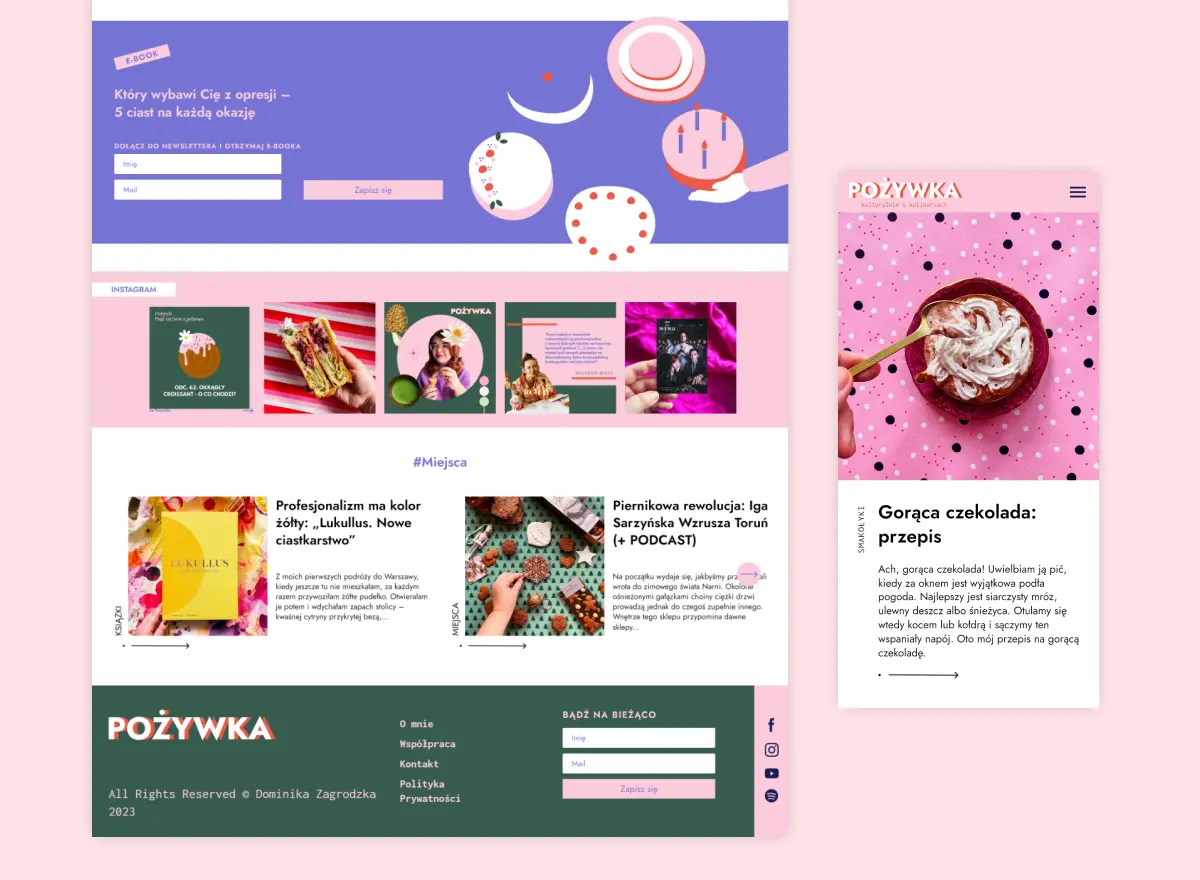
pozywka.pl
Scalable blog for food journalist, focused on performance and user experience 🌭
zagrodzki.me
Personal blog and portfolio of Bart Zagrodzki, where he shares his knowledge and work 💼
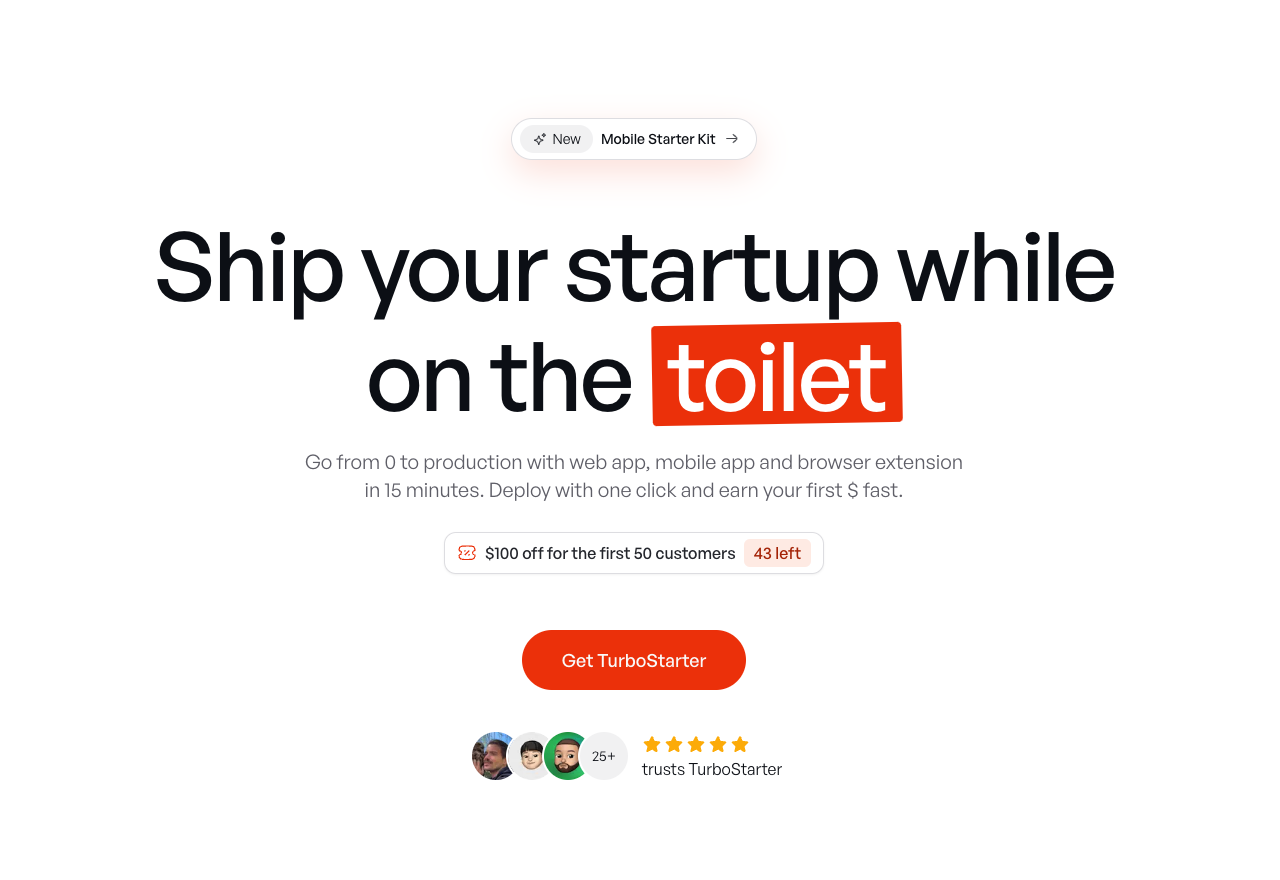
TurboStarter
Ship your startup everywhere. In minutes.
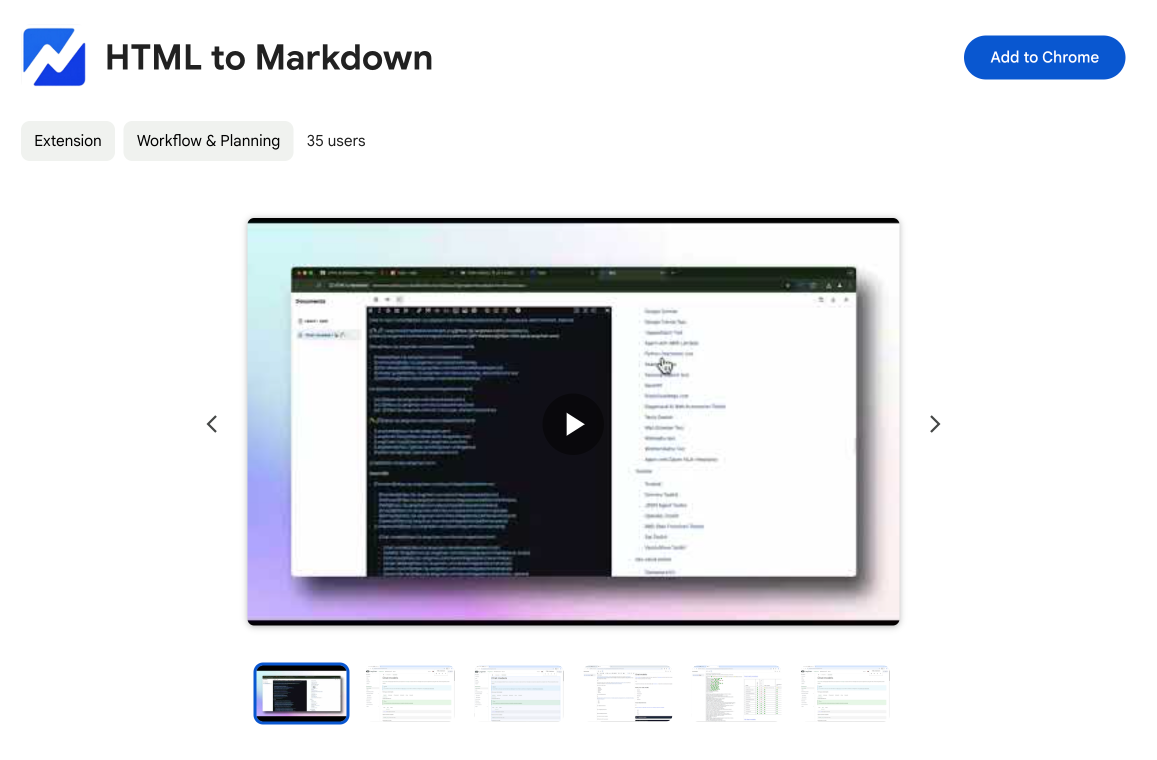
HTML to Markdown
Convert HTML to Markdown with ease, directly in your browser 📄
Dotallio
Personalized AI apps that automate research, data extraction, and content creation without code 🤖
Talk to Santa
Enjoy a magical live video chat or receive a unique AI-generated video greeting from Santa Claus 🎅
pozywka.pl
Scalable blog for food journalist, focused on performance and user experience 🌭
zagrodzki.me
Personal blog and portfolio of Bart Zagrodzki, where he shares his knowledge and work 💼
TurboStarter
Ship your startup everywhere. In minutes.
HTML to Markdown
Convert HTML to Markdown with ease, directly in your browser 📄
Dotallio
Personalized AI apps that automate research, data extraction, and content creation without code 🤖
Talk to Santa
Enjoy a magical live video chat or receive a unique AI-generated video greeting from Santa Claus 🎅
pozywka.pl
Scalable blog for food journalist, focused on performance and user experience 🌭
zagrodzki.me
Personal blog and portfolio of Bart Zagrodzki, where he shares his knowledge and work 💼
TurboStarter
Ship your startup everywhere. In minutes.
HTML to Markdown
Convert HTML to Markdown with ease, directly in your browser 📄
Dotallio
Personalized AI apps that automate research, data extraction, and content creation without code 🤖
Talk to Santa
Enjoy a magical live video chat or receive a unique AI-generated video greeting from Santa Claus 🎅
pozywka.pl
Scalable blog for food journalist, focused on performance and user experience 🌭
zagrodzki.me
Personal blog and portfolio of Bart Zagrodzki, where he shares his knowledge and work 💼
TurboStarter
Ship your startup everywhere. In minutes.
HTML to Markdown
Convert HTML to Markdown with ease, directly in your browser 📄
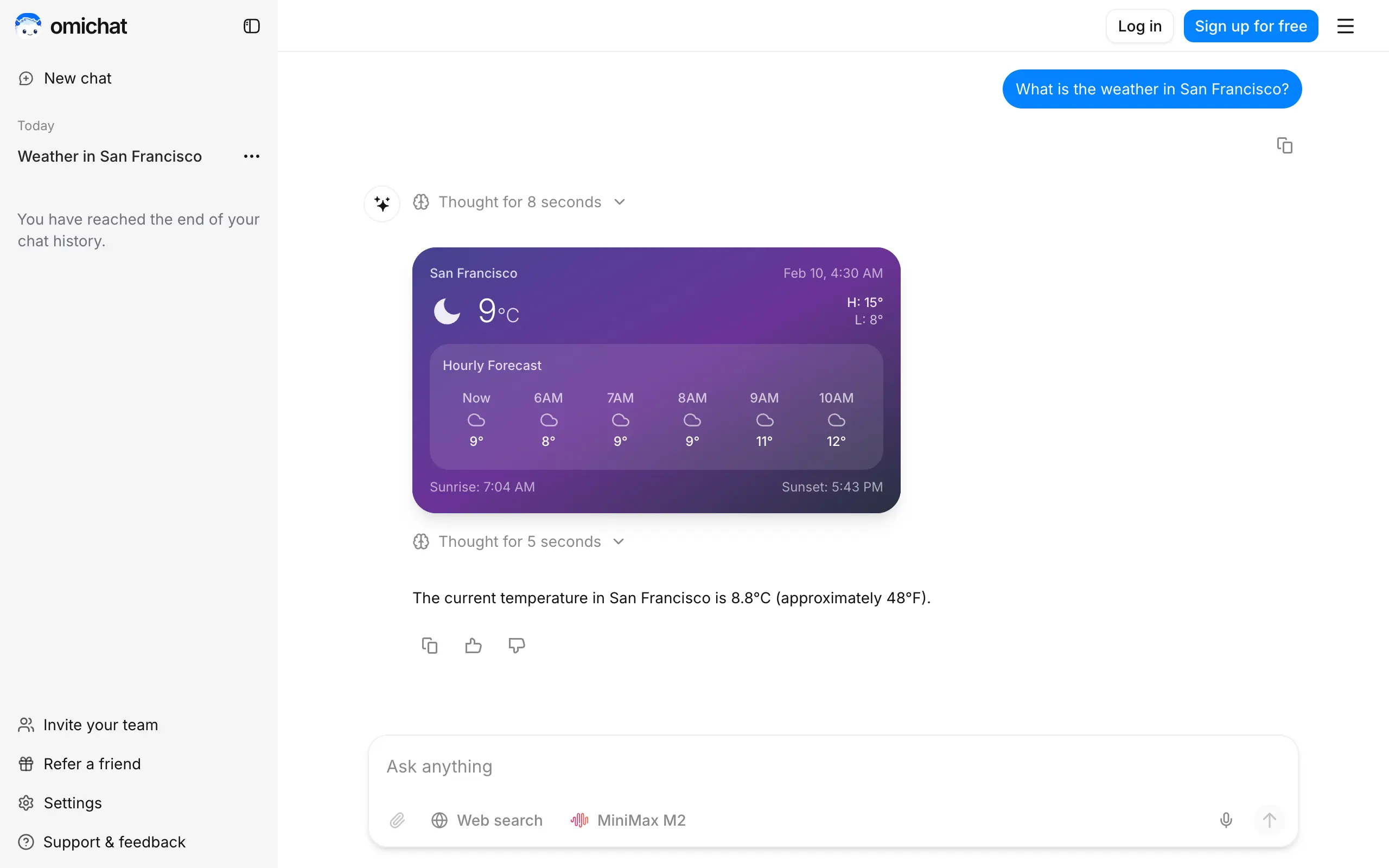
Omichat
Chat with 50+ AI models, including ChatGPT and Claude, in one place - switch models anytime without losing context 🤖
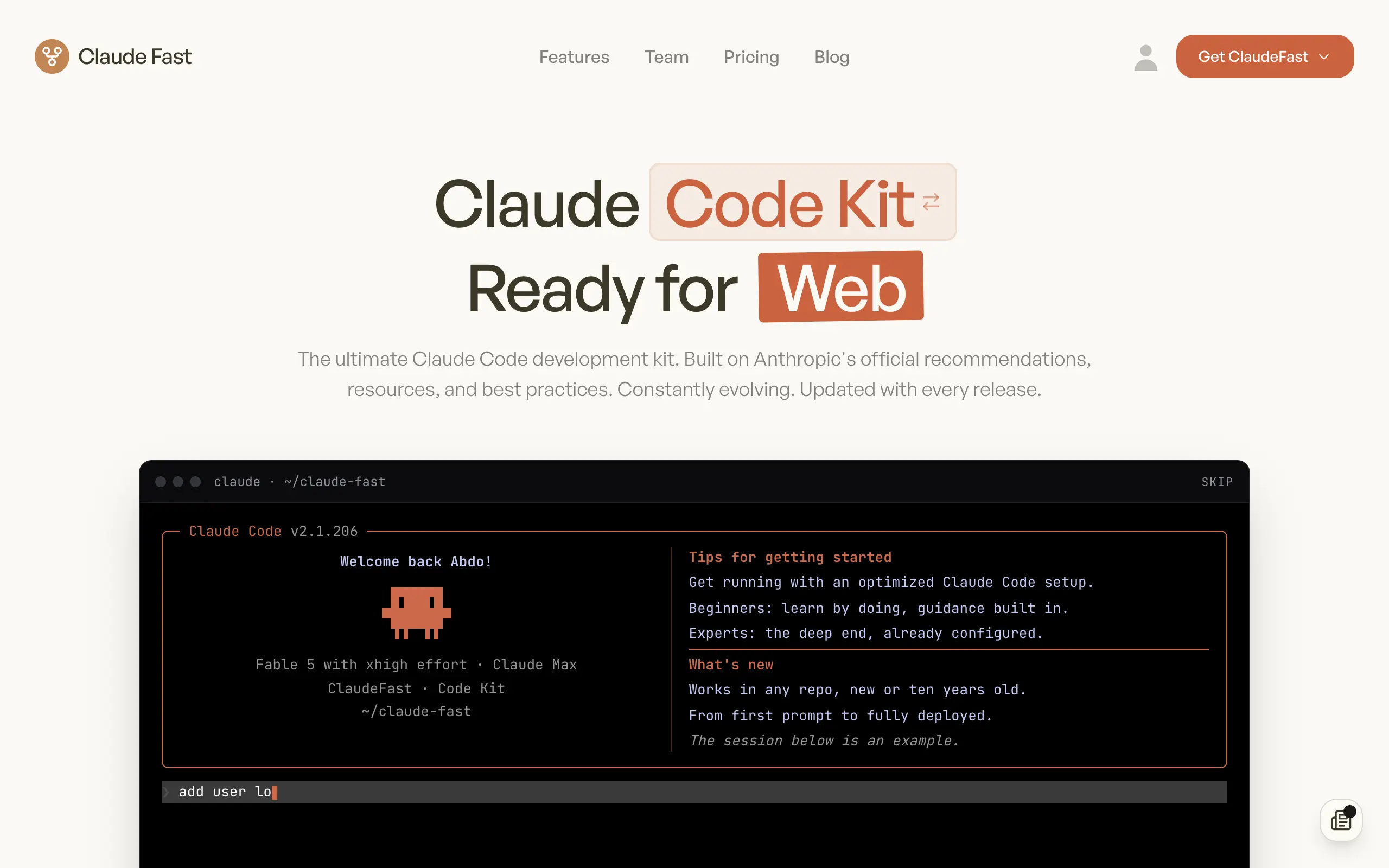
Claude Fast
Supercharge your Claude Code with 6x effective context window and specialized AI agents 🤖
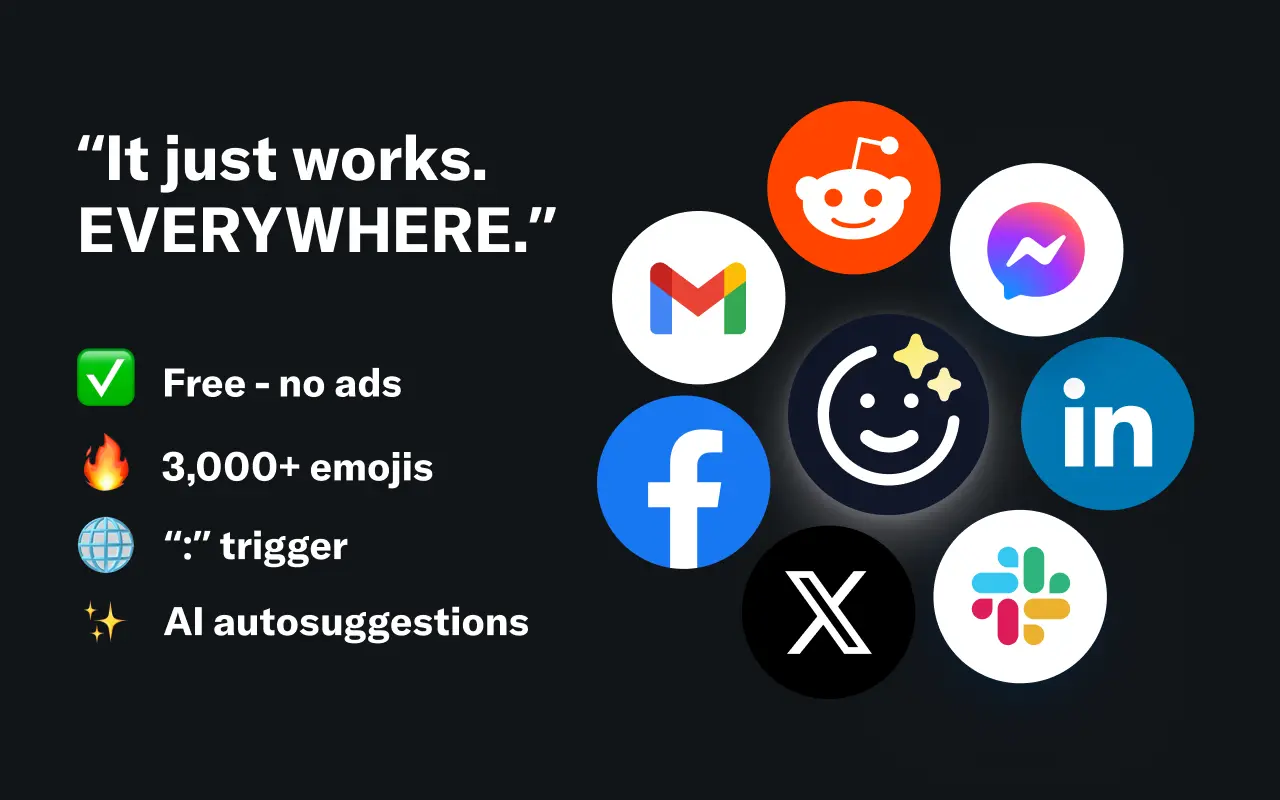
EmojAI
AI-powered emoji picker with smart, context-aware suggestions 🤖
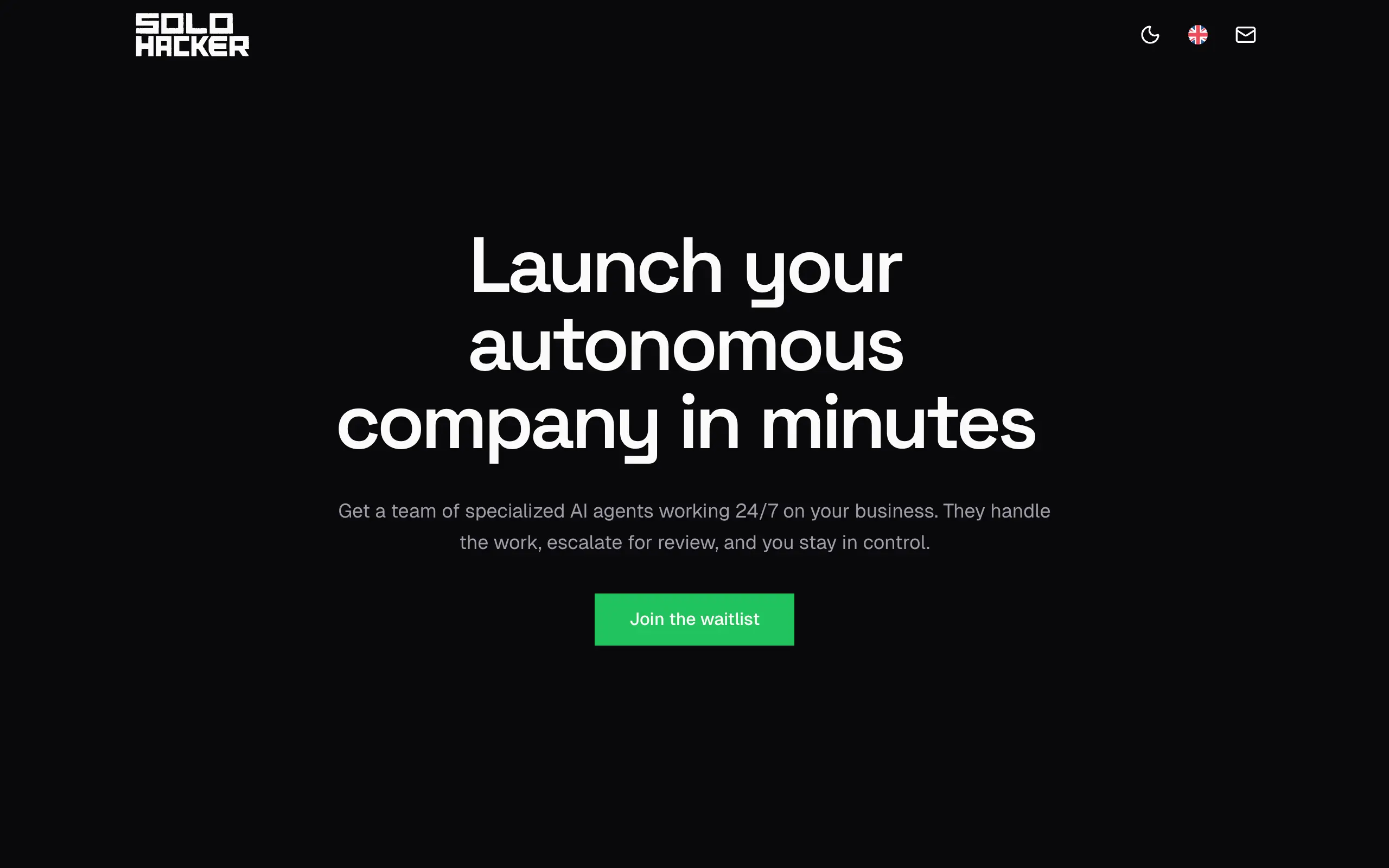
Solohacker
Autonomous company launcher - AI agents work 24/7, escalate what matters, and you stay in control 🤖
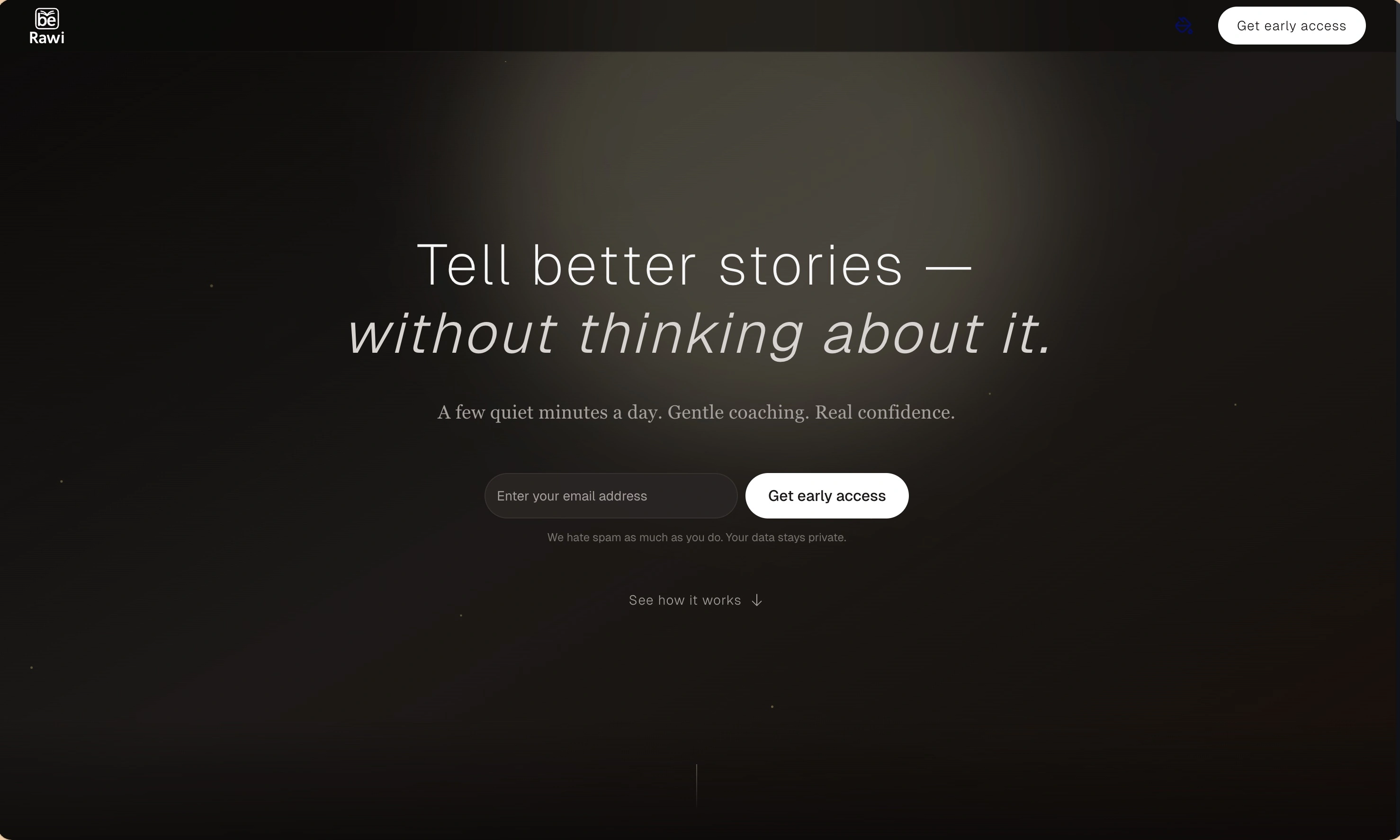
BeRawi: Storytelling Coach
Practice storytelling daily with instant feedback to sound clearer, more engaging, and confident 🎤
Omichat
Chat with 50+ AI models, including ChatGPT and Claude, in one place - switch models anytime without losing context 🤖
Claude Fast
Supercharge your Claude Code with 6x effective context window and specialized AI agents 🤖
EmojAI
AI-powered emoji picker with smart, context-aware suggestions 🤖
Solohacker
Autonomous company launcher - AI agents work 24/7, escalate what matters, and you stay in control 🤖
BeRawi: Storytelling Coach
Practice storytelling daily with instant feedback to sound clearer, more engaging, and confident 🎤
Omichat
Chat with 50+ AI models, including ChatGPT and Claude, in one place - switch models anytime without losing context 🤖
Claude Fast
Supercharge your Claude Code with 6x effective context window and specialized AI agents 🤖
EmojAI
AI-powered emoji picker with smart, context-aware suggestions 🤖
Solohacker
Autonomous company launcher - AI agents work 24/7, escalate what matters, and you stay in control 🤖
BeRawi: Storytelling Coach
Practice storytelling daily with instant feedback to sound clearer, more engaging, and confident 🎤
Omichat
Chat with 50+ AI models, including ChatGPT and Claude, in one place - switch models anytime without losing context 🤖
Claude Fast
Supercharge your Claude Code with 6x effective context window and specialized AI agents 🤖
EmojAI
AI-powered emoji picker with smart, context-aware suggestions 🤖
Solohacker
Autonomous company launcher - AI agents work 24/7, escalate what matters, and you stay in control 🤖
BeRawi: Storytelling Coach
Practice storytelling daily with instant feedback to sound clearer, more engaging, and confident 🎤

Connect with like-minded people
Join our community to get feedback, support, and grow together with 1,000+ builders on board, let's ship it!
Join usShip your startup everywhere. In minutes.
Don't burn tokens on setup and start building features on day one.