POSPartner Connect
Marketplace and integration hub for POS startups to discover, connect, and partner with payment gateways, loyalty programs, and ecommerce tools.
slug: pospartner-connect description: Marketplace and integration hub for POS startups to connect and partner with payment gateways, loyalty programs, and ecommerce tools.
Understanding the need for a POS integration marketplace
Point-of-sale (POS) systems have evolved from cash registers into smart, cloud-driven retail hubs. Yet, for POS startups and merchants, integrating crucial functionalities—like payment gateways, loyalty platforms, and ecommerce infrastructure—is still remarkably complex. POSPartner Connect aims to bridge this gap, serving as both a marketplace and an integration hub that empowers POS startups with seamless, vetted connections to best-in-class ecosystem partners.
The underlying user intent driving searches for "POS integration marketplace" or "POSPartner Connect" revolves around:
- Discovering trusted partners (gateways, SaaS, fintechs) quickly
- Reducing integration overhead, cost, and time-to-market
- Gaining competitive features (Apple Pay, rewards, BNPL, online sales)
- Validating which platforms or partnerships are truly compatible
This article shares an expert analysis of the opportunity, its unique value, technical specs, and how to bring POSPartner Connect to life—demonstrating both practical experience and strategic depth, aligned with searcher expectations.
Deep dive: Who benefits from POSPartner Connect?
POS startups and fintech innovators
The primary audience includes founders, product managers, and developers at emerging POS startups—especially those in early growth phases. These businesses face intense pressure to differentiate, add new features, and support growing merchant demands without burning resources reinventing integrations.
Key pain points addressed:
- Fragmented API standards: Every payment gateway, loyalty app, or ecommerce platform has unique interfaces and compliance requirements.
- Long partner onboarding: Integrating and vetting new partners often takes months.
- Limited market visibility: Small startups rarely know all available, compatible integrations.
Integration partners & SaaS vendors
A secondary audience is product, partnerships, and developer teams at payment gateways (e.g. Stripe, Adyen), loyalty providers, ecommerce SaaS, and other platforms who want streamlined ways to be discovered and integrated by POS vendors.
Their goals:
- Accelerate go-to-market via pre-built "connectors"
- Gain exposure to new retail tech and merchant audiences
- Reduce technical support load (from poor DIY integrations)
Retail technology consultants & agencies
Those advising on tech-stack choices for retail, food service, or hospitality benefit from a clear, up-to-date landscape of integration options—making POSPartner Connect an essential consulting resource.
Why now? Identifying the market gap for a POS integration hub
The challenge: Integration complexity stalling growth
Even mature POS startups spend an outsized share of R&D on integrating payment and loyalty partners, often building redundant interfaces or struggling with legacy systems. According to multiple retail technology studies (see Statista's digital payment report for recent market trends), payment partners and value-added app ecosystems are pivotal for growth, yet fragmentation is a persistent barrier.
Current market solutions (and what's missing)
Some platforms offer their own "app stores" (e.g. Shopify POS, Square Marketplace), but these are siloed, gated, and require complex partner negotiations. Broader integration catalogs are out-of-date or superficial.
What's lacking:
- An independent, up-to-date, and partner-driven integration hub
- A two-sided B2B marketplace facilitating partnerships and automating connections
- Developer-first tooling: unified APIs, sandbox environments, quick-start guides
Core features: How POSPartner Connect delivers unique value
At its core, POSPartner Connect is both a marketplace and a technical integration platform. Here's a breakdown of its main modules:
Marketplace discovery engine
- Browse & filter: Search by category (payment, loyalty, ecommerce), geographies, compliance (PCI, GDPR, etc.), tech stack, or merchant verticals.
- Partner profiles: Each listing includes verified technical docs, feature sets, pricing, and demo/sandbox access.
- Ratings and testimonials: Community-sourced reliability scores, integration difficulty, and real-world feedback.
Integration management toolkit
- Unified API gateway: Standardize the way POS startups connect with various SaaS (payment, loyalty, ecommerce) via normalized RESTful or GraphQL endpoints.
- Prebuilt connectors: Download/clone prebuilt SDKs and integration templates for commonly used tech stacks (React, Node.js, Python, etc.).
- Compliance & sandboxing: Secure environments for testing PCI, EMV, or SCA requirements before production.
Automated partnership flows
- Proposal workflows: Streamline NDAs, trial agreements, and onboarding docs through automated templates.
- Tracking and analytics: See which integrations drive value, adoption rates, issue reports, and partner engagement metrics.
Knowledge & support base
- Guided implementation: Interactive tutorials, recipes, and troubleshooting verified by industry experts.
- Community Q&A: Get peer advice or direct support from partners.
Marketplace discovery
Find, filter, and vet integration partners—from payment gateways to loyalty SaaS—with up-to-date technical and business info.
Unified API layer
Access multiple partner services through a single, standardized API, speeding up development and reducing errors.
Automated partnership workflows
Onboard new partners, manage legal docs, and track performance with automated, transparent workflows.
Expert resources & community
Leverage expert-written guides, real-world feedback, and live support to reduce learning curves.
Recommended tech stack for the marketplace and integration hub
Choosing the best technology stack for POSPartner Connect involves trade-offs between scalability, developer adoption, security, and integration speed. Here’s an expert-backed stack recommendation:
Frontend
- React: Ubiquitous, modular, and developer-friendly for rapid UI iteration.
- TailwindCSS: For atomic, responsive styling and consistent UI components.
- Optional: Next.js for SSR/SSG if SEO or static content is needed.
Backend
- Node.js: High concurrency for handling marketplace and API gateway requests; large pool of integrations/libraries.
- GraphQL (Apollo): For flexible, versioned APIs that support evolving partner schemas.
API gateway & integrations
- Kong: Enterprise-grade API gateway for rate limiting, authentication, and metrics.
- Webhooks & SDKs: Support for outgoing/incoming webhooks + downloadable React or Python SDKs.
Database & Search
- PostgreSQL: Reliable, scalable relational database for transactional data.
- Elasticsearch: For fast, faceted marketplace search and filtering.
Security & compliance
- OAuth 2.0 / OpenID Connect: Industry-standard authentication for third-party SaaS partners.
- Penetration tested deployment: Regular third-party audits for trust.
DevOps / deployment
- Docker: Containerization for portability.
- Kubernetes: For orchestration and scaling.
- CI/CD pipelines: Automated testing, code quality, and dependency scanning.
Trade-off tip
Node.js and GraphQL offer rapid developer onboarding and integration flexibility, but may require careful schema management as more partners are added. For very large marketplaces, statically generated frontend sites (with tools like Next.js) can improve SEO and speed.
Monetization strategies for POSPartner Connect
A resilient B2B SaaS like POSPartner Connect should support multiple revenue streams. Here are the most promising options:
1. Subscription tiers
- POS startups: Monthly/annual subscription (with free trial) for premium access to integration templates, partner proposals, and analytics.
- Integration partners: Pay to enhance profiles, feature in search results, or access in-depth analytics.
2. Transaction/usage fees
- Charge a small fee per successful API call routed through the unified gateway (especially for complex integrations).
- Optionally, offer free limits and charge for volume or premium features.
3. Marketplace revenue share
- Enable integration partners to offer paid add-ons, demos, or premium support; take a percentage (“platform fee”) of those transactions.
4. Professional services
- Offer integration consulting, rapid onboarding services, or tailored sandbox environments for enterprise POS startups or partners.
Subscription tiers: Reliable, predictable revenue. Should be tiered based on marketplace usage and features enabled.
Who pays: POS startups, integration partners, or both.
Per-API call or transaction usage fees: Aligned to actual usage, great for scaling with growing POS companies.
Who pays: Integration partners and/or POS startups.
Professional services: Higher margin but less predictable. Good for enterprise clients or partners with complex onboarding needs.
Risks and mitigation strategies
Launching a two-sided integration marketplace is both high-potential and high-risk. Here are the core challenges, along with proven approaches to mitigate them:
If there aren’t enough partners, POS startups won’t join—and vice versa.
Mitigation: Start with a niche focus (e.g., payments for QSR POS startups), offer white-glove onboarding for first wave of partners, and build credible initial content.
Poorly built APIs, lack of sandboxing, or security flaws could damage trust.
Mitigation: Vetted code templates, regular security audits, bug bounty programs, SOC2 compliance where possible.
APIs and integration flows change frequently.
Mitigation: Require integration partners to update/verify docs each quarter; automate checks for breaking changes.
Especially for payment integrations, PCI-DSS, PSD2, GDPR, and other regulations apply.
Mitigation: Partner with compliance experts, offer templates/tutorials, and monitor upcoming regulatory changes.
Partners may try to build silos or proprietary lock-in.
Mitigation: Promote open standards, clear partnership agreements, and transparent removal processes.
What makes POSPartner Connect unique? Competitive analysis
While there are several "ecosystem" or internal app stores (e.g., Square Marketplace, Shopify App Store), they lack the cross-vendor, truly open approach needed for rapidly evolving POS startups.
| POSPartner Connect | Square Marketplace | Shopify App Store | Custom Integration Dev | API Aggregators |
|---|---|---|---|---|
| ✅ Open to all POS & partners | ❌ Vendor-locked | ❌ Vendor-locked | ✅ Unlimited | ❌ Limited scope |
| ✅ Unified dev tools & standards | ❌ Gated APIs | ✅ Some SDKs | ✅ Customizable | ❌ Poor documentation |
Unique selling points:
- Independence and cross-vendor support: Open marketplace for any POS or SaaS partner.
- Unified API, sandbox, and compliance toolkit: Reduce time-to-market and unlock new features without deep dev cycles.
- Verified, community-driven trust layer: Real reviews, Q&A, and up-to-date documentation.
- Automated partnership flows: Legal, business, and technical onboarding all streamlined.
Industry trend
The demand for open, composable POS ecosystems has accelerated with the rise of cloud-native retail. Marketplaces like POSPartner Connect are uniquely positioned as enablers of "plug-and-play" commerce innovation (see reference: McKinsey Global Payments 2023 Report).
Actionable steps to build and launch POSPartner Connect
Breaking down the launch into logical, manageable phases increases both speed and probability of success. Here’s a suggested roadmap built from SaaS best practices:
Research & niche definition: Interview 15-20 POS startups and SaaS partners, define the first vertical (e.g., QSR or retail-focused POS).
MVP design & validation: Map user journeys, prioritize must-have features (marketplace search, at least 3 integration types, 1-click proposals).
Build technical foundation: Develop the frontend with React + TailwindCSS; launch backend with Node.js API and documentation generator.
Partner onboarding & early content: Manually onboard 5-10 integration partners, create expert guides, publish real integration recipes.
User acquisition & feedback loops: Run targeted campaigns to POS founders/product leads; incentivize feedback with free trials or early-bird marketplace spots.
Iterate, expand, and automate: Expand support for more verticals (ecommerce, hospitality), deepen compliance/sandbox offerings, and automate more flows.
Expert recommendations and next steps
- Leverage speed: Use boilerplate SaaS accelerators—like TurboStarter—to quickly scaffold core modules, marketplace logic, and user authentication.
- Prioritize trust: Invest heavily in accurate, partner-verified docs, expert content, and a transparent rating system from day one.
- Future-proof integrations: Regularly review and update integration templates/SDKs to ensure long-term viability and developer trust.
- Grow the ecosystem: Include regular webinars, virtual events, and co-marketing initiatives to attract both POS startups and SaaS partners.
- Track metrics: Monitor which integrations are adopted, support loads, NPS scores, and partner churn for continual improvement.
Conclusion
POSPartner Connect is uniquely poised to become the default bridge between ambitious POS startups and the ever-expanding universe of payments, loyalty, and ecommerce SaaS platforms. By unifying discovery, speeding integration, and automating partnership flows, it doesn't just solve a technical challenge—it accelerates commerce innovation for all parties involved.
Those looking to cut integration time, stand out in crowded markets, and enable new retail experiences should strongly consider adopting or contributing to such an open, developer- and partner-centric marketplace.
For further reading and authoritative industry trend reports, see resources from McKinsey, Statista, and PCI Security Standards Council. For fast and secure MVP scaffolding, visit TurboStarter.
More 🏢 B2B Application SaaS ideas
Discover more innovative b2b application SaaS ideas that are trending in 2026. Each idea is AI-generated with market validation and growth potential to help you find your next profitable venture faster than competitors.
Your competitors are building with TurboStarter
Below are some of the SaaS ideas that have been generated and built with our starter kit.
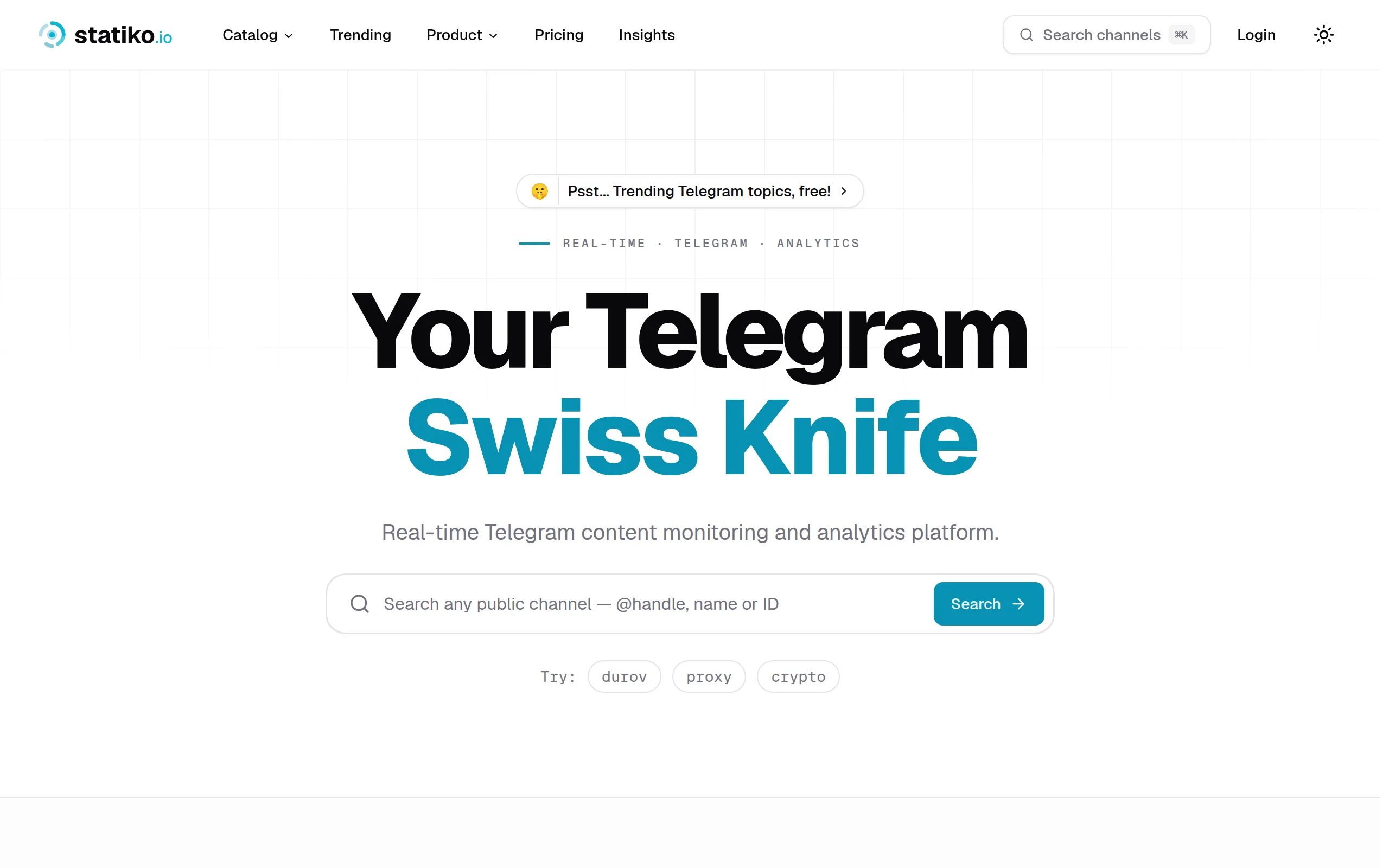
Statiko
Monitor any Telegram channel in real time - track posts, edits, deletions, and growth with AI recaps 📡

Shibui
AI website builder - describe your business, pick a niche template, edit by chatting, and publish instantly ✨

Pro Service
Find verified home service professionals, compare quotes, and pay securely through escrow - built for Brazilians across the US 🏠
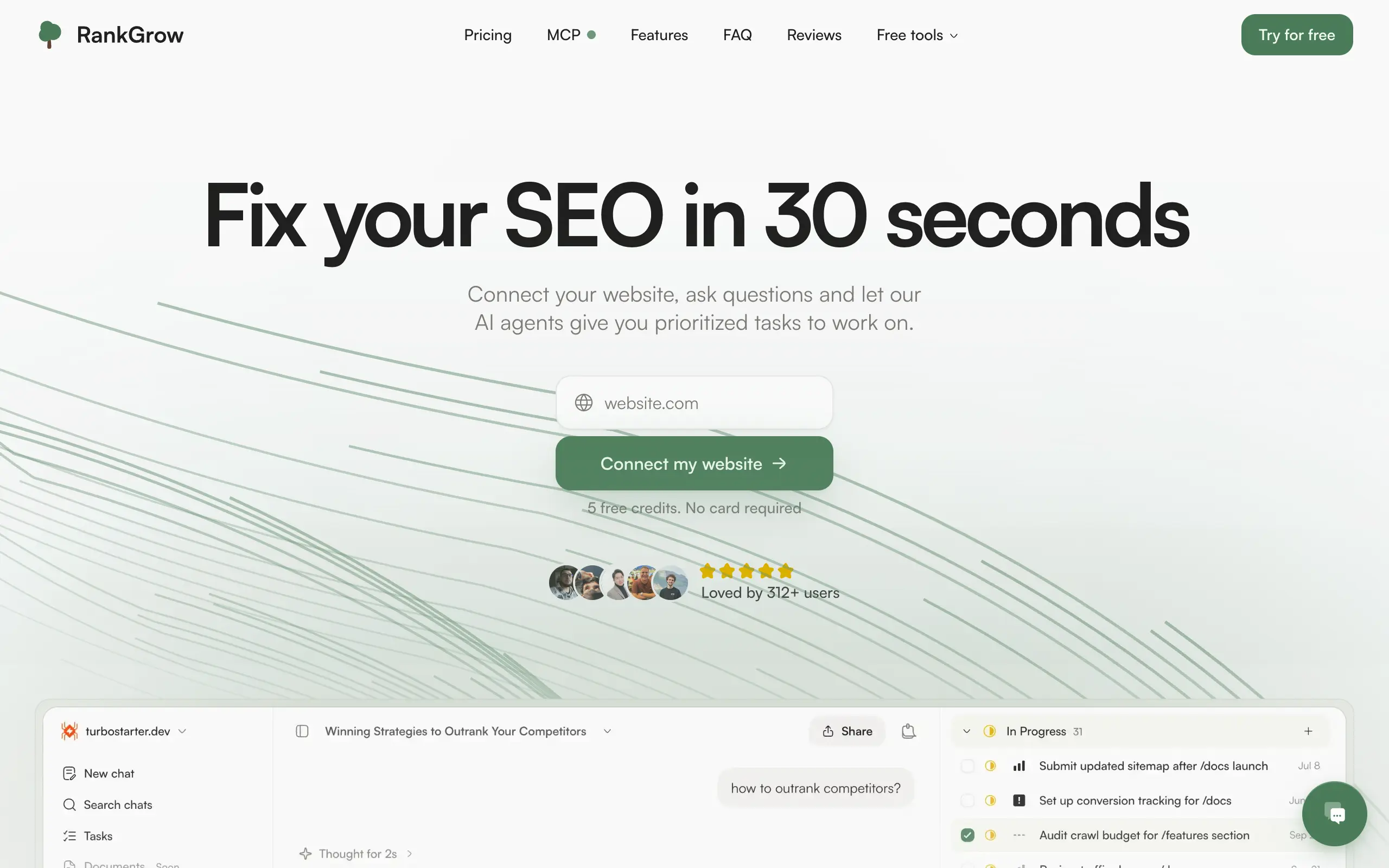
RankGrow
Fix your SEO with AI agents - connect Search Console, get prioritized tasks, and grow organic traffic 📈
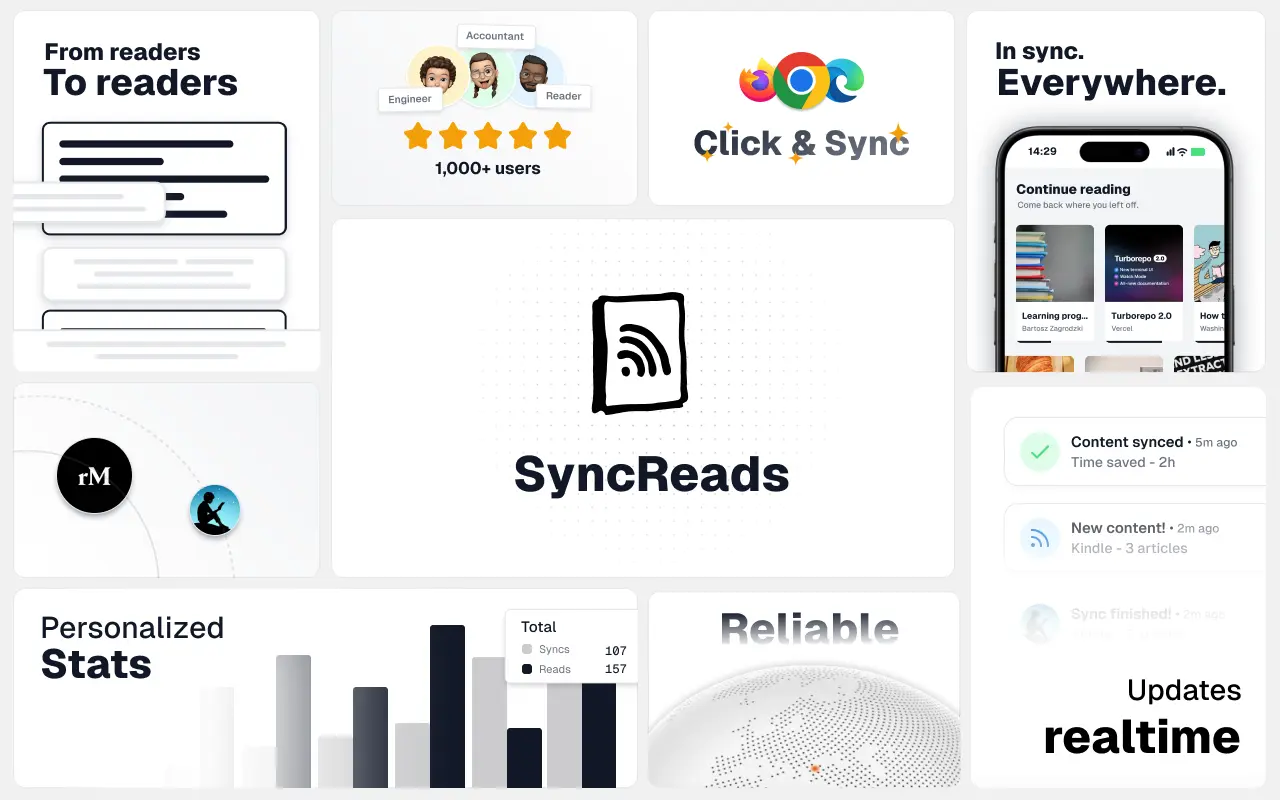
SyncReads
Sync your favorite content for distraction-free reading, save time and replace multiple apps. Anytime, anywhere 🔄
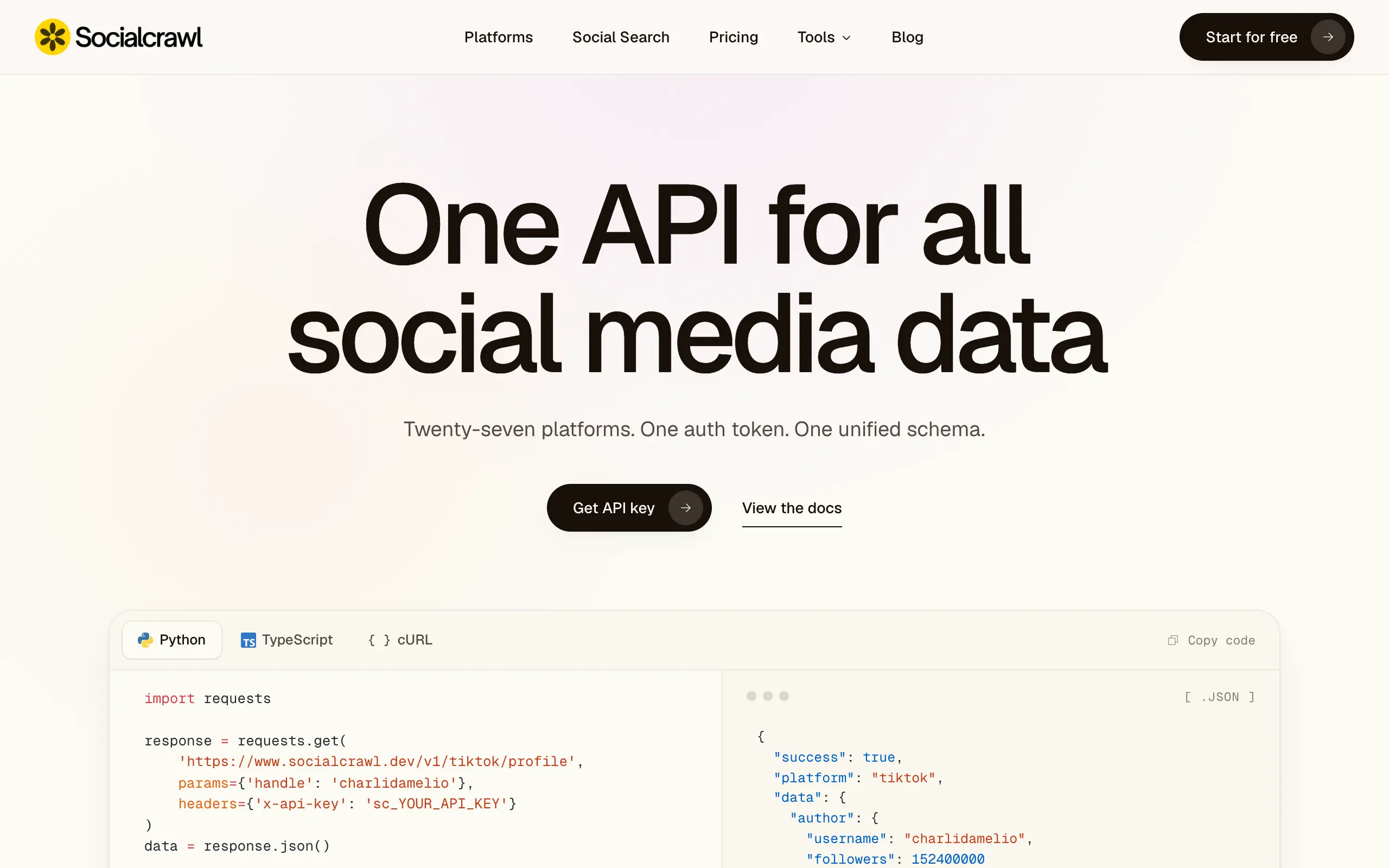
Socialcrawl
Get clean, structured data from 21 platforms like TikTok, Instagram, and YouTube with a single request 📊
Statiko
Monitor any Telegram channel in real time - track posts, edits, deletions, and growth with AI recaps 📡
Shibui
AI website builder - describe your business, pick a niche template, edit by chatting, and publish instantly ✨
Pro Service
Find verified home service professionals, compare quotes, and pay securely through escrow - built for Brazilians across the US 🏠
RankGrow
Fix your SEO with AI agents - connect Search Console, get prioritized tasks, and grow organic traffic 📈
SyncReads
Sync your favorite content for distraction-free reading, save time and replace multiple apps. Anytime, anywhere 🔄
Socialcrawl
Get clean, structured data from 21 platforms like TikTok, Instagram, and YouTube with a single request 📊
Statiko
Monitor any Telegram channel in real time - track posts, edits, deletions, and growth with AI recaps 📡
Shibui
AI website builder - describe your business, pick a niche template, edit by chatting, and publish instantly ✨
Pro Service
Find verified home service professionals, compare quotes, and pay securely through escrow - built for Brazilians across the US 🏠
RankGrow
Fix your SEO with AI agents - connect Search Console, get prioritized tasks, and grow organic traffic 📈
SyncReads
Sync your favorite content for distraction-free reading, save time and replace multiple apps. Anytime, anywhere 🔄
Socialcrawl
Get clean, structured data from 21 platforms like TikTok, Instagram, and YouTube with a single request 📊
Statiko
Monitor any Telegram channel in real time - track posts, edits, deletions, and growth with AI recaps 📡
Shibui
AI website builder - describe your business, pick a niche template, edit by chatting, and publish instantly ✨
Pro Service
Find verified home service professionals, compare quotes, and pay securely through escrow - built for Brazilians across the US 🏠
RankGrow
Fix your SEO with AI agents - connect Search Console, get prioritized tasks, and grow organic traffic 📈
SyncReads
Sync your favorite content for distraction-free reading, save time and replace multiple apps. Anytime, anywhere 🔄
Socialcrawl
Get clean, structured data from 21 platforms like TikTok, Instagram, and YouTube with a single request 📊
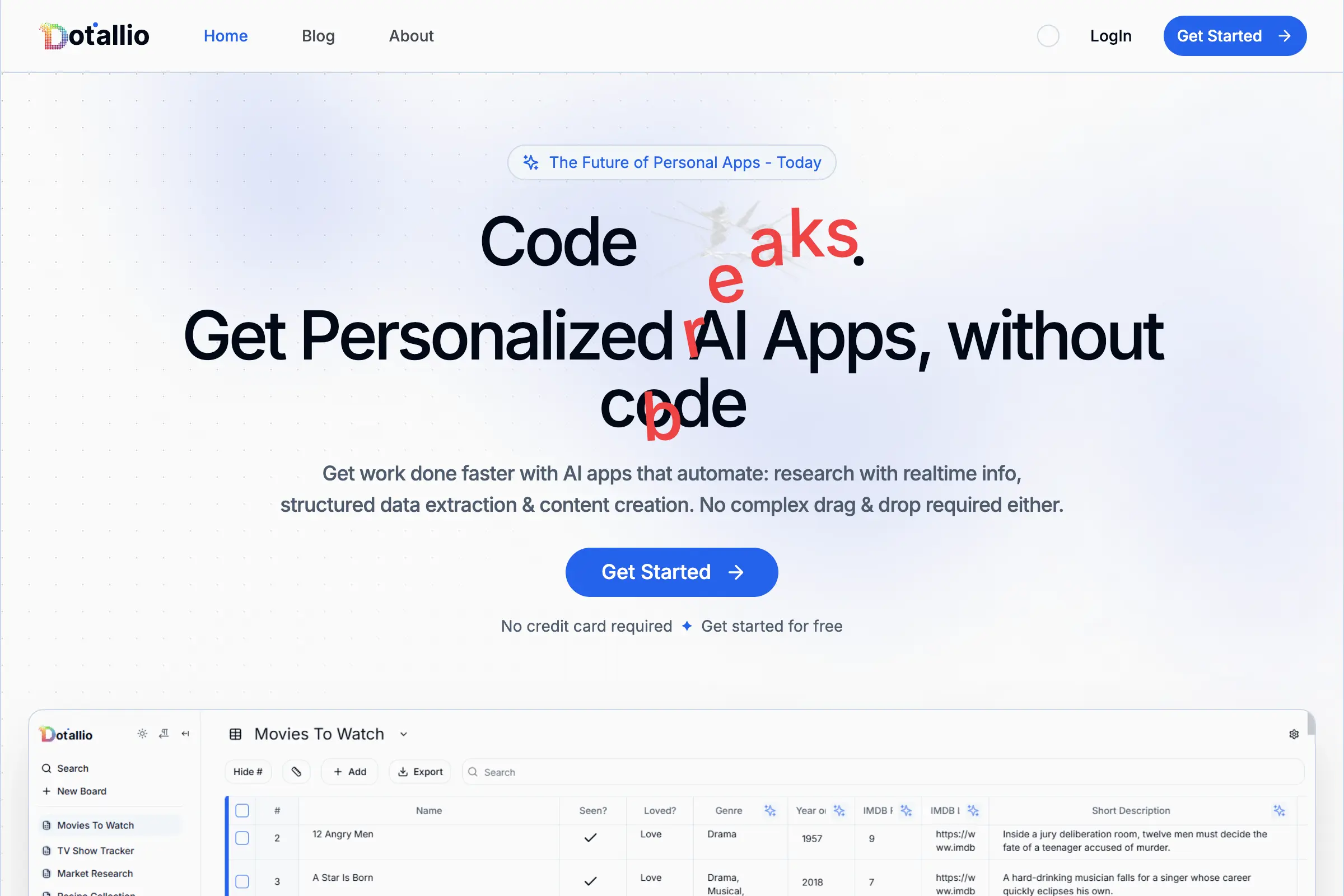
Dotallio
Personalized AI apps that automate research, data extraction, and content creation without code 🤖

Talk to Santa
Enjoy a magical live video chat or receive a unique AI-generated video greeting from Santa Claus 🎅

pozywka.pl
Scalable blog for food journalist, focused on performance and user experience 🌭
zagrodzki.me
Personal blog and portfolio of Bart Zagrodzki, where he shares his knowledge and work 💼
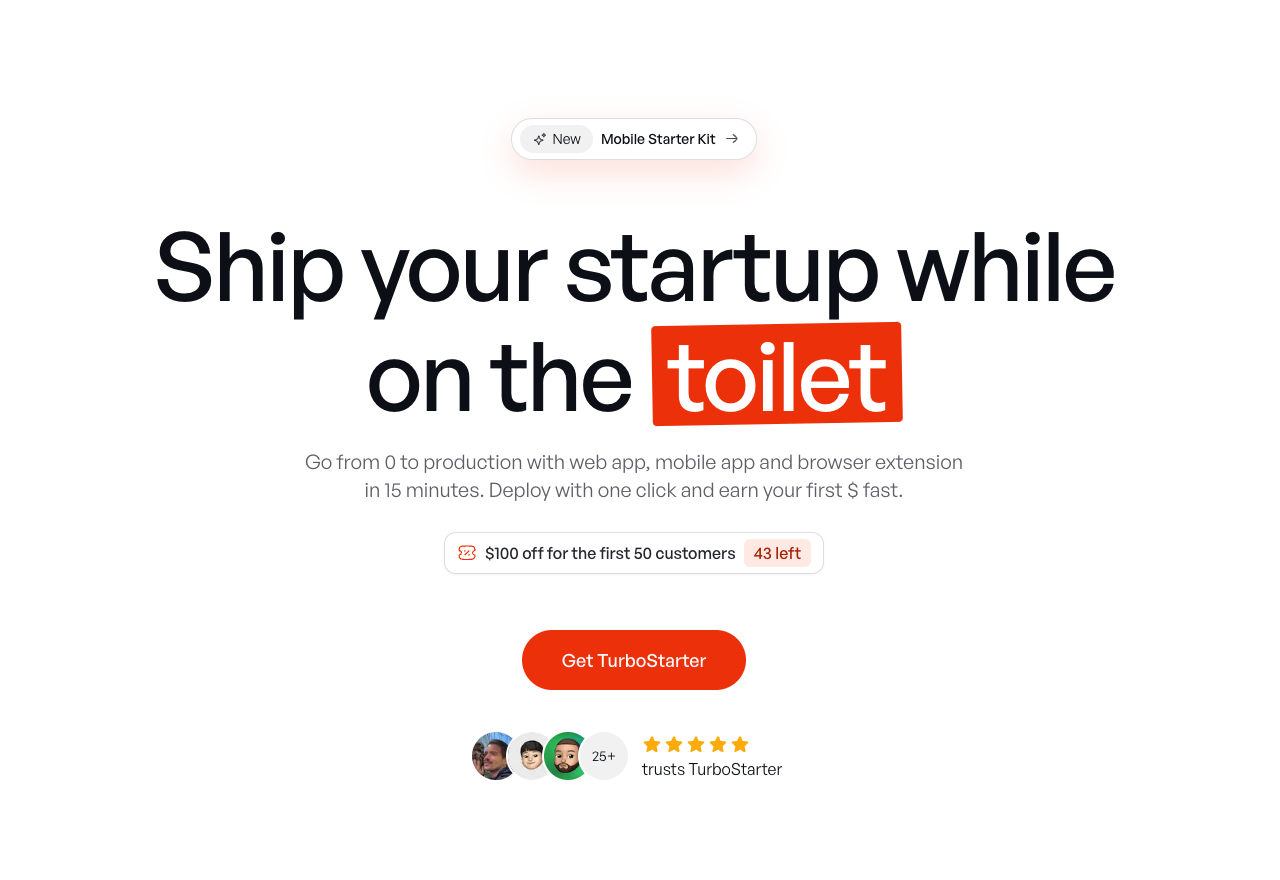
TurboStarter
Ship your startup everywhere. In minutes.
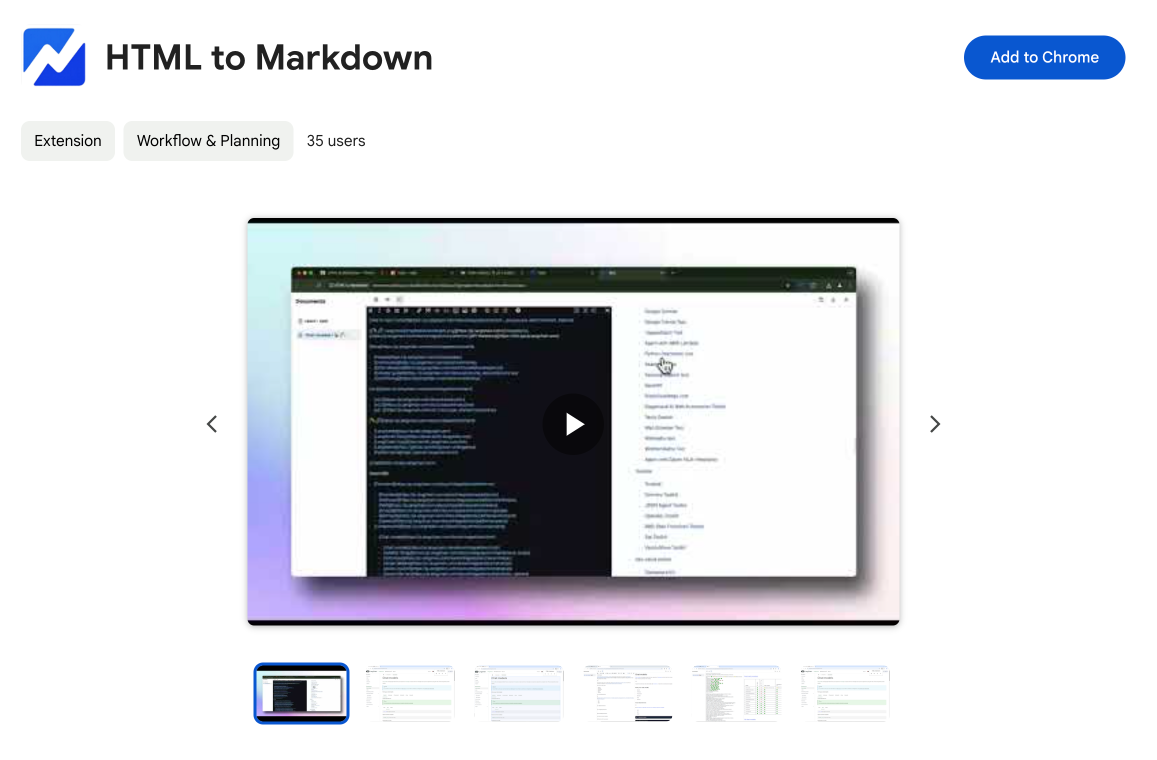
HTML to Markdown
Convert HTML to Markdown with ease, directly in your browser 📄
Dotallio
Personalized AI apps that automate research, data extraction, and content creation without code 🤖
Talk to Santa
Enjoy a magical live video chat or receive a unique AI-generated video greeting from Santa Claus 🎅
pozywka.pl
Scalable blog for food journalist, focused on performance and user experience 🌭
zagrodzki.me
Personal blog and portfolio of Bart Zagrodzki, where he shares his knowledge and work 💼
TurboStarter
Ship your startup everywhere. In minutes.
HTML to Markdown
Convert HTML to Markdown with ease, directly in your browser 📄
Dotallio
Personalized AI apps that automate research, data extraction, and content creation without code 🤖
Talk to Santa
Enjoy a magical live video chat or receive a unique AI-generated video greeting from Santa Claus 🎅
pozywka.pl
Scalable blog for food journalist, focused on performance and user experience 🌭
zagrodzki.me
Personal blog and portfolio of Bart Zagrodzki, where he shares his knowledge and work 💼
TurboStarter
Ship your startup everywhere. In minutes.
HTML to Markdown
Convert HTML to Markdown with ease, directly in your browser 📄
Dotallio
Personalized AI apps that automate research, data extraction, and content creation without code 🤖
Talk to Santa
Enjoy a magical live video chat or receive a unique AI-generated video greeting from Santa Claus 🎅
pozywka.pl
Scalable blog for food journalist, focused on performance and user experience 🌭
zagrodzki.me
Personal blog and portfolio of Bart Zagrodzki, where he shares his knowledge and work 💼
TurboStarter
Ship your startup everywhere. In minutes.
HTML to Markdown
Convert HTML to Markdown with ease, directly in your browser 📄
Omichat
Chat with 50+ AI models, including ChatGPT and Claude, in one place - switch models anytime without losing context 🤖
Claude Fast
Supercharge your Claude Code with 6x effective context window and specialized AI agents 🤖
EmojAI
AI-powered emoji picker with smart, context-aware suggestions 🤖

Solohacker
Autonomous company launcher - AI agents work 24/7, escalate what matters, and you stay in control 🤖

BeRawi: Storytelling Coach
Practice storytelling daily with instant feedback to sound clearer, more engaging, and confident 🎤
Omichat
Chat with 50+ AI models, including ChatGPT and Claude, in one place - switch models anytime without losing context 🤖
Claude Fast
Supercharge your Claude Code with 6x effective context window and specialized AI agents 🤖
EmojAI
AI-powered emoji picker with smart, context-aware suggestions 🤖
Solohacker
Autonomous company launcher - AI agents work 24/7, escalate what matters, and you stay in control 🤖
BeRawi: Storytelling Coach
Practice storytelling daily with instant feedback to sound clearer, more engaging, and confident 🎤
Omichat
Chat with 50+ AI models, including ChatGPT and Claude, in one place - switch models anytime without losing context 🤖
Claude Fast
Supercharge your Claude Code with 6x effective context window and specialized AI agents 🤖
EmojAI
AI-powered emoji picker with smart, context-aware suggestions 🤖
Solohacker
Autonomous company launcher - AI agents work 24/7, escalate what matters, and you stay in control 🤖
BeRawi: Storytelling Coach
Practice storytelling daily with instant feedback to sound clearer, more engaging, and confident 🎤
Omichat
Chat with 50+ AI models, including ChatGPT and Claude, in one place - switch models anytime without losing context 🤖
Claude Fast
Supercharge your Claude Code with 6x effective context window and specialized AI agents 🤖
EmojAI
AI-powered emoji picker with smart, context-aware suggestions 🤖
Solohacker
Autonomous company launcher - AI agents work 24/7, escalate what matters, and you stay in control 🤖
BeRawi: Storytelling Coach
Practice storytelling daily with instant feedback to sound clearer, more engaging, and confident 🎤

Connect with like-minded people
Join our community to get feedback, support, and grow together with 1,000+ builders on board, let's ship it!
Join usShip your startup everywhere. In minutes.
Don't burn tokens on setup and start building features on day one.