PrintFlow Manager
A cloud-based workflow and order management platform for 3D printing businesses, streamlining client requests, quoting, and production tracking.
3D printing has rapidly evolved from a niche prototyping tool to a mainstream manufacturing solution, empowering businesses to deliver custom products at scale. Yet, as the industry matures, 3D printing service providers face mounting challenges: managing complex client requests, generating accurate quotes, and tracking production workflows efficiently. This is where PrintFlow Manager, a cloud-based workflow and order management platform, steps in to transform how 3D printing businesses operate.
In this comprehensive guide, we’ll explore the PrintFlow Manager SaaS opportunity, analyze its target audience, market gap, core features, technology stack, monetization strategies, risks, and competitive advantages. Whether you’re seeking inspiration, validation, or a blueprint for implementation, this article delivers actionable insights grounded in industry expertise.
Understanding the target audience for PrintFlow Manager
A successful SaaS product begins with a deep understanding of its users. PrintFlow Manager is designed for B2B customers in the 3D printing ecosystem, including:
- 3D printing service bureaus: Companies offering on-demand 3D printing for clients across industries (automotive, aerospace, healthcare, consumer goods, etc.).
- In-house manufacturing teams: Enterprises with internal 3D printing operations needing streamlined workflow management.
- Rapid prototyping agencies: Firms specializing in quick-turnaround prototypes for product development.
- Custom fabrication shops: Businesses producing bespoke parts or small-batch runs.
- Educational and research institutions: Universities and labs managing multiple print jobs and users.
Key pain points for these users:
- Manual, error-prone order intake (email, spreadsheets)
- Difficulty generating fast, accurate quotes for complex jobs
- Lack of real-time production tracking and status updates
- Inefficient communication between sales, engineering, and production teams
- Limited visibility into job profitability and resource utilization
User intent: Prospective users are searching for a robust, cloud-based 3D printing workflow management solution that automates quoting, streamlines order processing, and provides end-to-end production visibility.
Market opportunity and gap analysis
The global 3D printing market is projected to surpass $50 billion by 2030 (see Statista), with thousands of service providers and manufacturers adopting additive manufacturing. However, most workflow and order management tools are either generic (not tailored for 3D printing) or legacy on-premise solutions lacking modern cloud capabilities.
Current market gaps:
- Fragmented tools: Many businesses juggle separate systems for quoting, order management, and production tracking, leading to data silos and inefficiency.
- Lack of 3D printing-specific features: Generic ERP or project management tools don’t handle STL/OBJ file management, print parameter selection, or material inventory unique to 3D printing.
- Limited automation: Manual quoting and job scheduling slow down response times and increase error rates.
- Poor client experience: Clients expect self-service portals, real-time updates, and transparent pricing—features often missing in existing solutions.
PrintFlow Manager addresses these gaps by offering an integrated, cloud-native platform purpose-built for 3D printing businesses.
Core features and solution details
PrintFlow Manager’s value proposition lies in its comprehensive, 3D printing-focused feature set. Here’s how it streamlines the entire workflow:
1. Seamless client request intake
- Customizable web forms for clients to submit print requests, upload 3D files (STL, OBJ, etc.), and specify requirements.
- Automated file validation to check for errors, correct orientation, and estimate printability.
2. Instant, accurate quoting
- Dynamic pricing engine: Calculates quotes based on material, print time, machine usage, post-processing, and delivery.
- Rule-based discounts for volume orders or repeat customers.
- Quote approval workflows: Clients can review, accept, or request changes online.
3. Centralized order management
- Unified dashboard: Track all orders, statuses, and deadlines in one place.
- Automated notifications: Keep clients and staff updated on order progress.
- Integrated invoicing: Generate and send invoices upon order completion.
4. Production workflow tracking
- Job scheduling: Assign print jobs to available machines and operators.
- Real-time status updates: Monitor print progress, post-processing, and quality checks.
- Resource management: Track material inventory and machine maintenance schedules.
5. Analytics and reporting
- Profitability analysis: Understand margins per job, client, or material.
- Utilization reports: Optimize machine and staff allocation.
- Customizable dashboards: Visualize KPIs relevant to your business.
6. Client self-service portal
- Order history and tracking: Clients can view past orders, download invoices, and track current jobs.
- Secure file storage: Access uploaded 3D models and documentation.
7. Integrations and extensibility
- API access: Connect with CRM, accounting, or shipping platforms.
- Zapier support: Automate workflows with popular SaaS tools.
Automated quoting
Instant, accurate quotes based on 3D model analysis and business rules.
Production tracking
Real-time job status, machine allocation, and resource management.
Client portal
Self-service order submission, tracking, and communication.
Analytics & reporting
Actionable insights into profitability, utilization, and workflow bottlenecks.
Recommended tech stack for PrintFlow Manager
Choosing the right technology stack is crucial for scalability, maintainability, and user experience. Here’s a recommended stack for building PrintFlow Manager, with trade-offs explained:
Frontend
- React: Modern, component-based UI for responsive dashboards and portals.
- TailwindCSS: Utility-first CSS framework for rapid, consistent styling.
- TypeScript: Adds type safety and improves code maintainability.
Trade-off: React offers flexibility and a vast ecosystem, but requires careful state management for complex workflows.
Backend
- Node.js with Express: High-performance, scalable API server.
- NestJS (optional): Adds structure and dependency injection for larger codebases.
- Python (for 3D file analysis): Leverage libraries like MeshPy or Trimesh for STL/OBJ processing.
Trade-off: Node.js excels at real-time updates and API handling, while Python is better suited for computational geometry tasks.
Database
- PostgreSQL: Robust relational database for orders, users, and workflow data.
- MongoDB (optional): For storing unstructured 3D model metadata.
Cloud & DevOps
- AWS or Google Cloud: Scalable hosting, storage (S3), and managed databases.
- Docker: Containerization for consistent deployments.
- TurboStarter: Accelerate SaaS boilerplate setup, authentication, and billing.
Integrations
Why use TurboStarter?
TurboStarter provides a robust foundation for SaaS products, handling authentication, subscriptions, and user management out of the box—saving months of development time.
Monetization strategy options
A flexible, value-driven pricing model is key to SaaS success. For PrintFlow Manager, consider these monetization strategies:
1. Subscription tiers
- Starter: Limited users, basic features, capped orders per month.
- Professional: Unlimited users, advanced analytics, integrations.
- Enterprise: Custom SLAs, white-labeling, API access, priority support.
2. Usage-based pricing
- Charge per order processed, per GB of file storage, or per machine connected.
- Appeals to smaller businesses with variable workloads.
3. Add-on modules
- Premium features (e.g., advanced analytics, custom integrations) available as paid add-ons.
4. Implementation and onboarding fees
- Offer paid onboarding, data migration, or custom setup for larger clients.
Best practice: Start with transparent, value-based subscription tiers and expand to usage-based or add-on pricing as the platform matures.
Potential risks and mitigation strategies
Launching a SaaS platform in the 3D printing space comes with unique challenges. Here’s how to anticipate and address them:
3D printing files often contain proprietary designs. Ensure robust encryption, access controls, and compliance with data protection regulations (e.g., GDPR).
Clients may use diverse hardware and software. Offer open APIs, modular integrations, and clear documentation to ease adoption.
Some businesses may be slow to adopt new workflow tools. Provide educational resources, webinars, and case studies to demonstrate ROI.
Avoid overcomplicating the platform. Focus on core features that deliver measurable value, and validate new features with user feedback.
Competitive advantage analysis
To stand out in a growing SaaS landscape, PrintFlow Manager must deliver clear, defensible advantages:
| 3D printing focus | Cloud-native | Generic ERP | Legacy on-premise | Custom in-house |
|---|---|---|---|---|
| ✅ | ❌ | ❌ | ✅ | ❌ |
| ✅ | ❌ | ✅ | ✅ | ❌ |
Unique selling proposition (USP):
- Purpose-built for 3D printing: Handles STL/OBJ files, print parameters, and material inventory natively.
- End-to-end automation: From client intake to production tracking, all in one platform.
- Cloud-based accessibility: No on-premise setup, accessible from anywhere, always up-to-date.
- Client-centric experience: Self-service portals, real-time updates, and transparent communication.
Why PrintFlow Manager stands out:
- Competing solutions are either too generic (missing 3D printing nuances) or too rigid (legacy, on-premise).
- PrintFlow Manager’s cloud-native, modular approach enables rapid feature updates and seamless integrations.
Actionable implementation steps
Ready to bring PrintFlow Manager to life? Here’s a step-by-step roadmap:
Conclusion: The future of 3D printing workflow management
The 3D printing industry is poised for explosive growth, but operational complexity threatens to slow innovation. PrintFlow Manager offers a modern, cloud-based solution that empowers businesses to automate quoting, streamline order management, and deliver exceptional client experiences.
By focusing on the unique needs of 3D printing service providers, leveraging a robust tech stack, and prioritizing usability, PrintFlow Manager is positioned to become the go-to workflow platform in this dynamic market.
Next steps: Validate your idea with real users, leverage TurboStarter for rapid development, and focus on delivering measurable value from day one. The future of 3D printing workflow management is cloud-native, automated, and client-centric—make sure your business is ready to lead the way.
More 🏢 B2B Application SaaS ideas
Discover more innovative b2b application SaaS ideas that are trending in 2026. Each idea is AI-generated with market validation and growth potential to help you find your next profitable venture faster than competitors.
Your competitors are building with TurboStarter
Below are some of the SaaS ideas that have been generated and built with our starter kit.
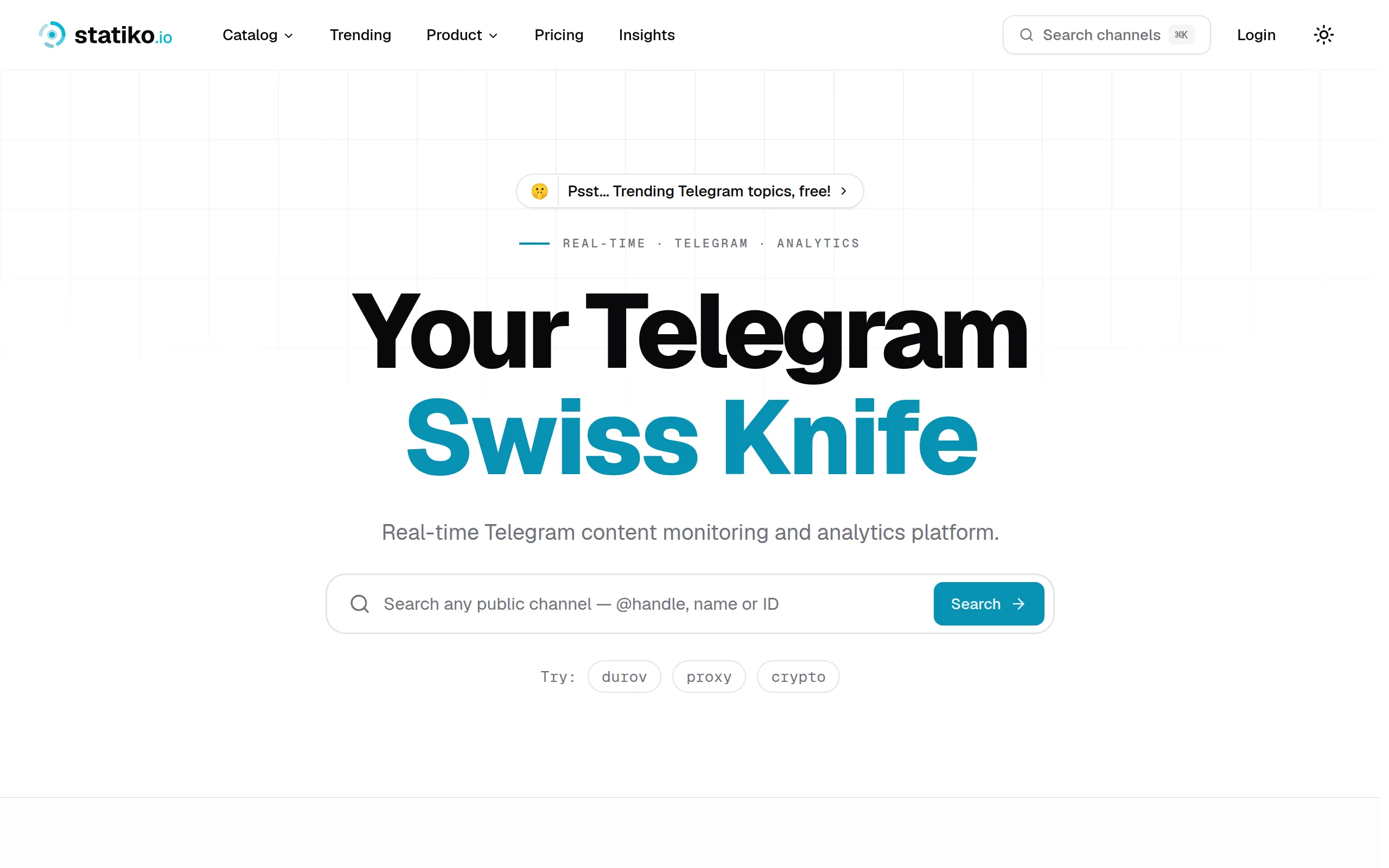
Statiko
Monitor any Telegram channel in real time - track posts, edits, deletions, and growth with AI recaps 📡

Shibui
AI website builder - describe your business, pick a niche template, edit by chatting, and publish instantly ✨

Pro Service
Find verified home service professionals, compare quotes, and pay securely through escrow - built for Brazilians across the US 🏠
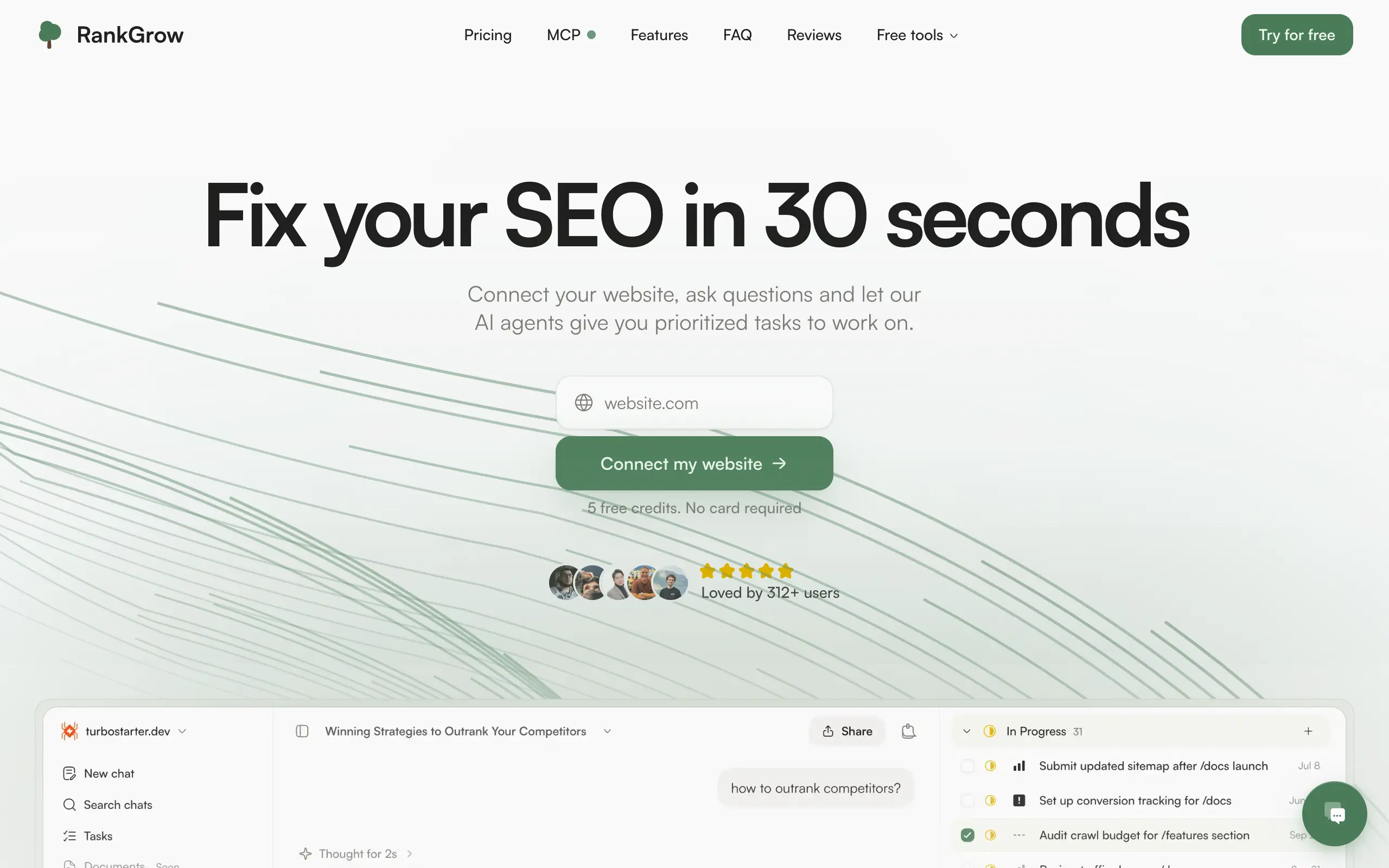
RankGrow
Fix your SEO with AI agents - connect Search Console, get prioritized tasks, and grow organic traffic 📈
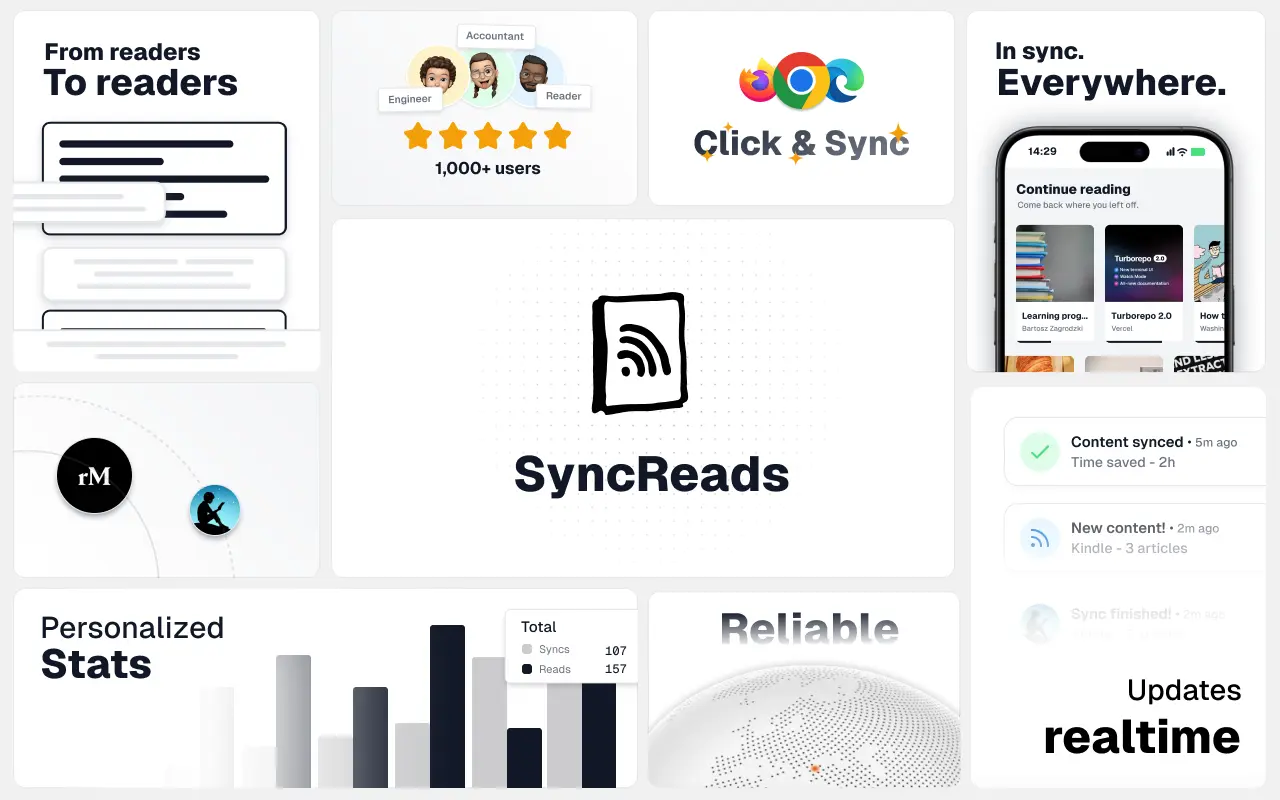
SyncReads
Sync your favorite content for distraction-free reading, save time and replace multiple apps. Anytime, anywhere 🔄
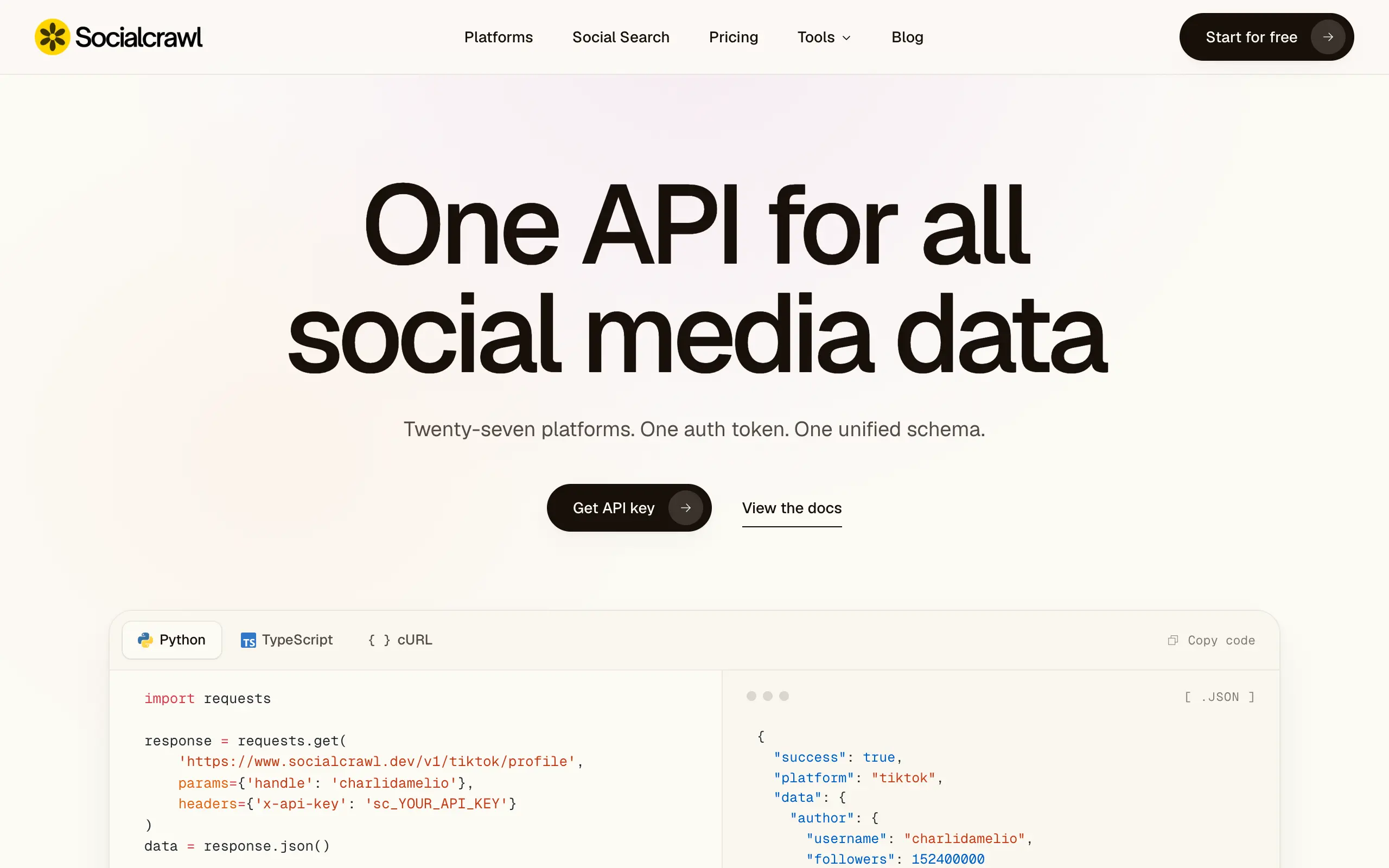
Socialcrawl
Get clean, structured data from 21 platforms like TikTok, Instagram, and YouTube with a single request 📊
Statiko
Monitor any Telegram channel in real time - track posts, edits, deletions, and growth with AI recaps 📡
Shibui
AI website builder - describe your business, pick a niche template, edit by chatting, and publish instantly ✨
Pro Service
Find verified home service professionals, compare quotes, and pay securely through escrow - built for Brazilians across the US 🏠
RankGrow
Fix your SEO with AI agents - connect Search Console, get prioritized tasks, and grow organic traffic 📈
SyncReads
Sync your favorite content for distraction-free reading, save time and replace multiple apps. Anytime, anywhere 🔄
Socialcrawl
Get clean, structured data from 21 platforms like TikTok, Instagram, and YouTube with a single request 📊
Statiko
Monitor any Telegram channel in real time - track posts, edits, deletions, and growth with AI recaps 📡
Shibui
AI website builder - describe your business, pick a niche template, edit by chatting, and publish instantly ✨
Pro Service
Find verified home service professionals, compare quotes, and pay securely through escrow - built for Brazilians across the US 🏠
RankGrow
Fix your SEO with AI agents - connect Search Console, get prioritized tasks, and grow organic traffic 📈
SyncReads
Sync your favorite content for distraction-free reading, save time and replace multiple apps. Anytime, anywhere 🔄
Socialcrawl
Get clean, structured data from 21 platforms like TikTok, Instagram, and YouTube with a single request 📊
Statiko
Monitor any Telegram channel in real time - track posts, edits, deletions, and growth with AI recaps 📡
Shibui
AI website builder - describe your business, pick a niche template, edit by chatting, and publish instantly ✨
Pro Service
Find verified home service professionals, compare quotes, and pay securely through escrow - built for Brazilians across the US 🏠
RankGrow
Fix your SEO with AI agents - connect Search Console, get prioritized tasks, and grow organic traffic 📈
SyncReads
Sync your favorite content for distraction-free reading, save time and replace multiple apps. Anytime, anywhere 🔄
Socialcrawl
Get clean, structured data from 21 platforms like TikTok, Instagram, and YouTube with a single request 📊
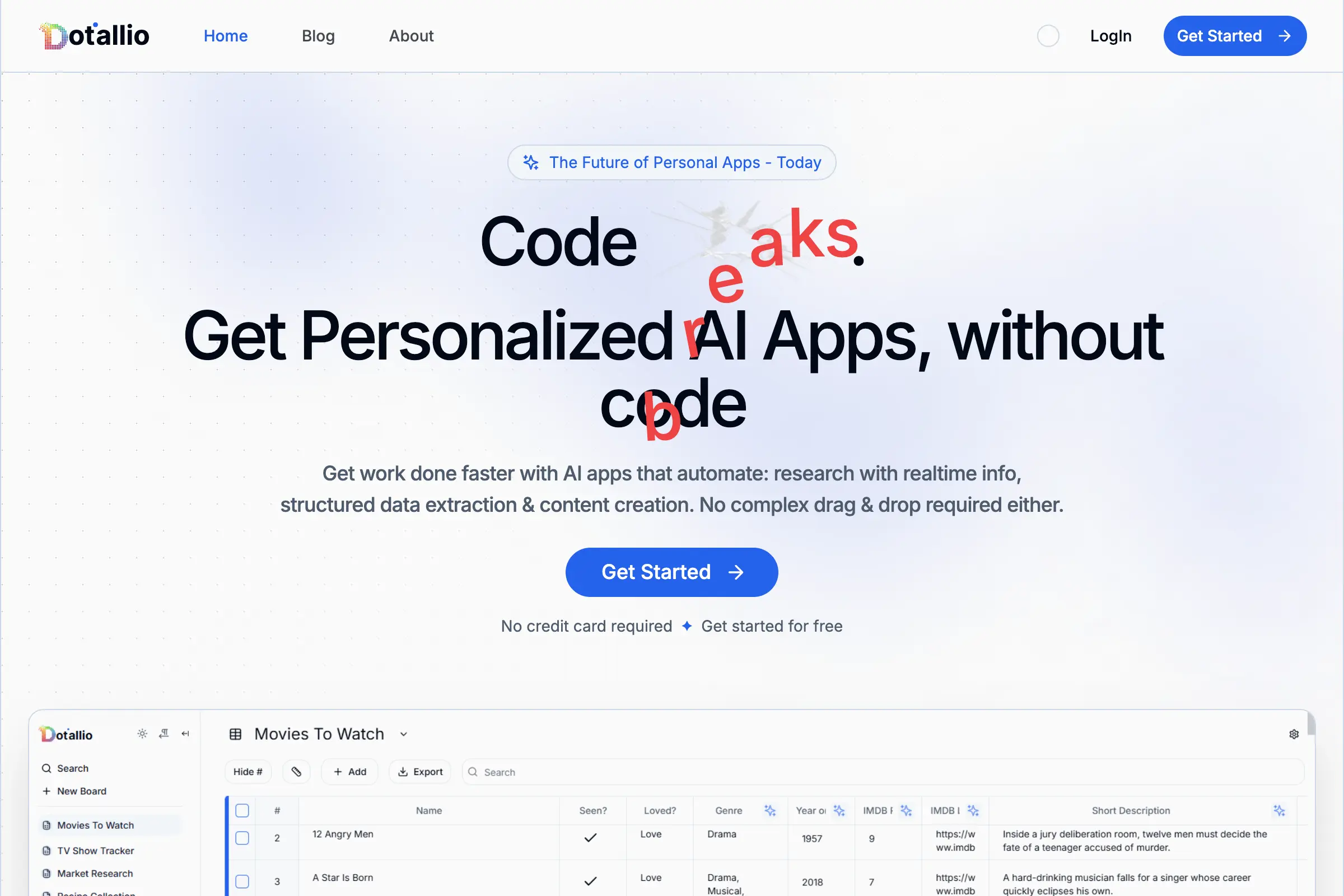
Dotallio
Personalized AI apps that automate research, data extraction, and content creation without code 🤖

Talk to Santa
Enjoy a magical live video chat or receive a unique AI-generated video greeting from Santa Claus 🎅
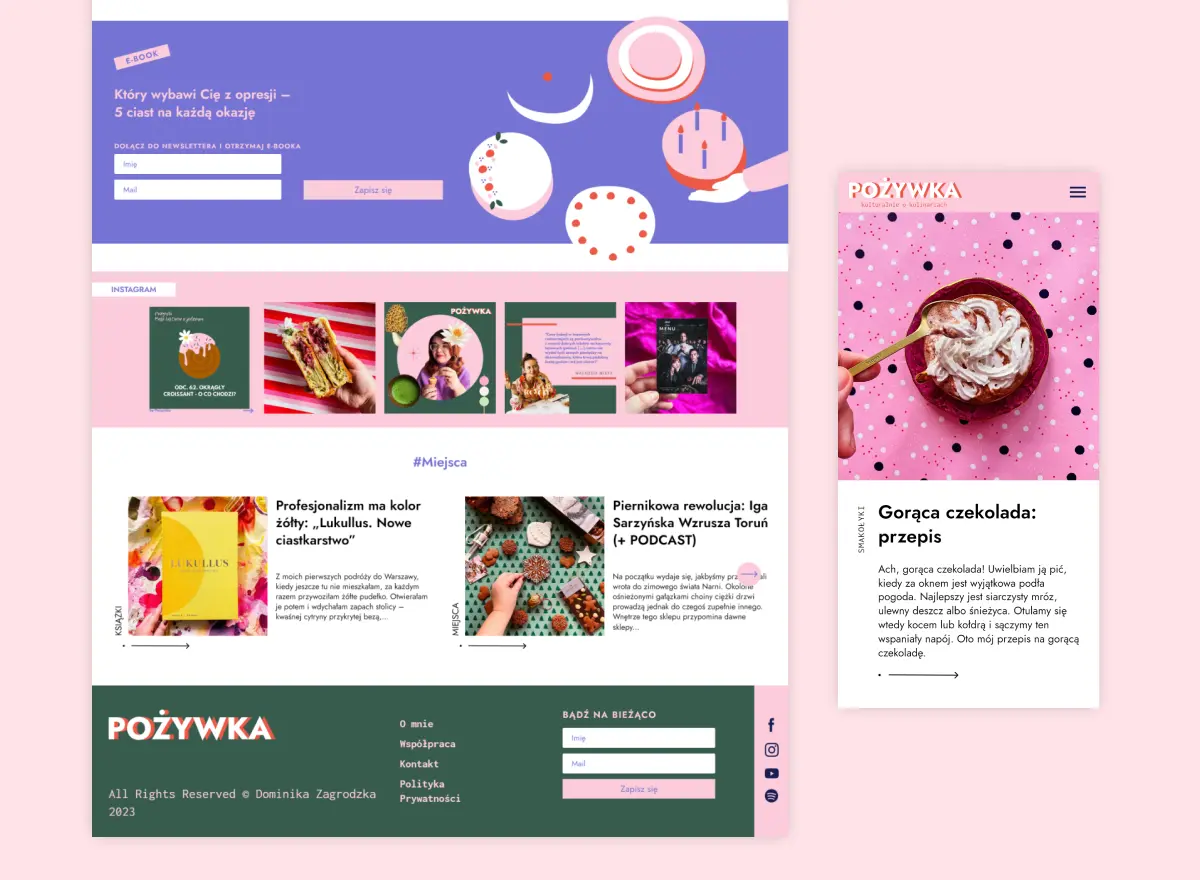
pozywka.pl
Scalable blog for food journalist, focused on performance and user experience 🌭
zagrodzki.me
Personal blog and portfolio of Bart Zagrodzki, where he shares his knowledge and work 💼
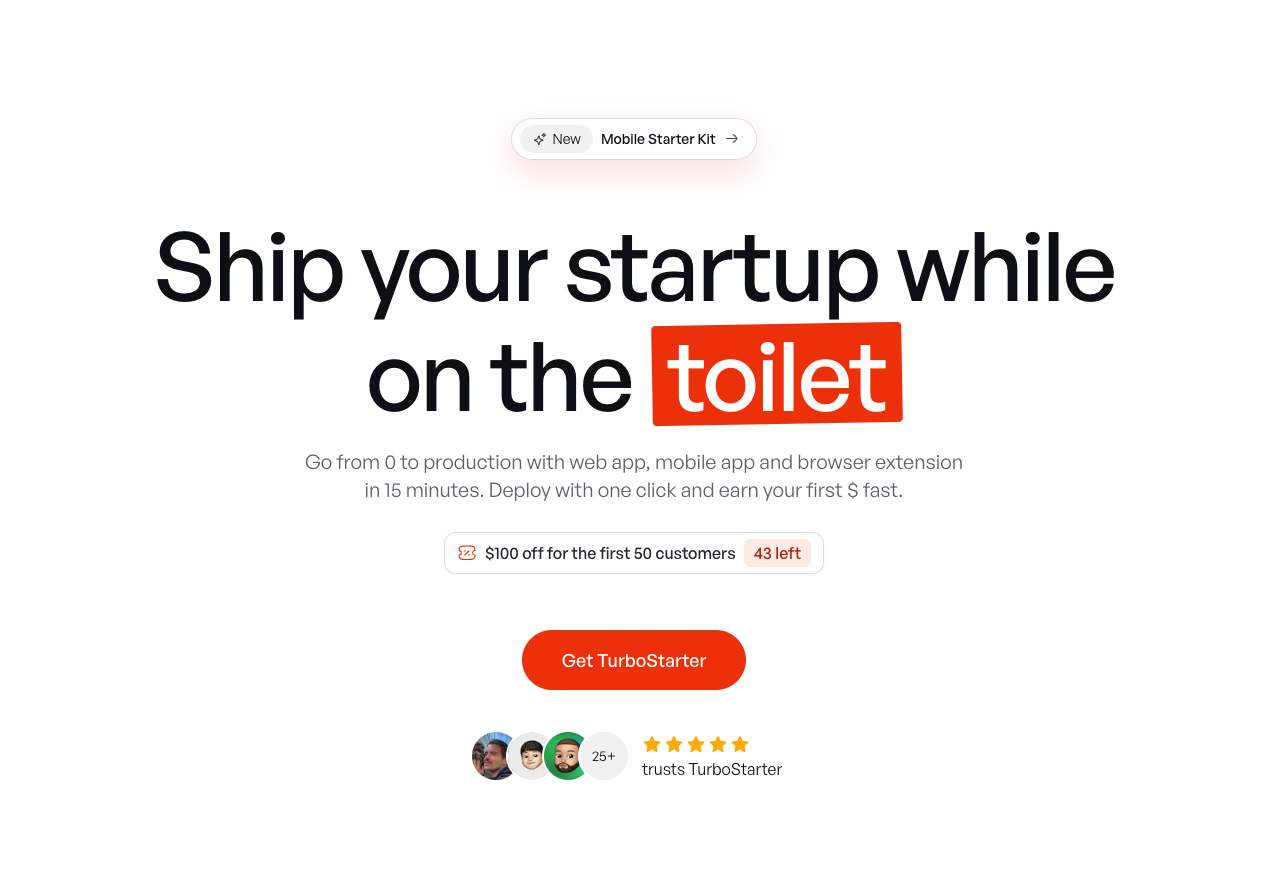
TurboStarter
Ship your startup everywhere. In minutes.
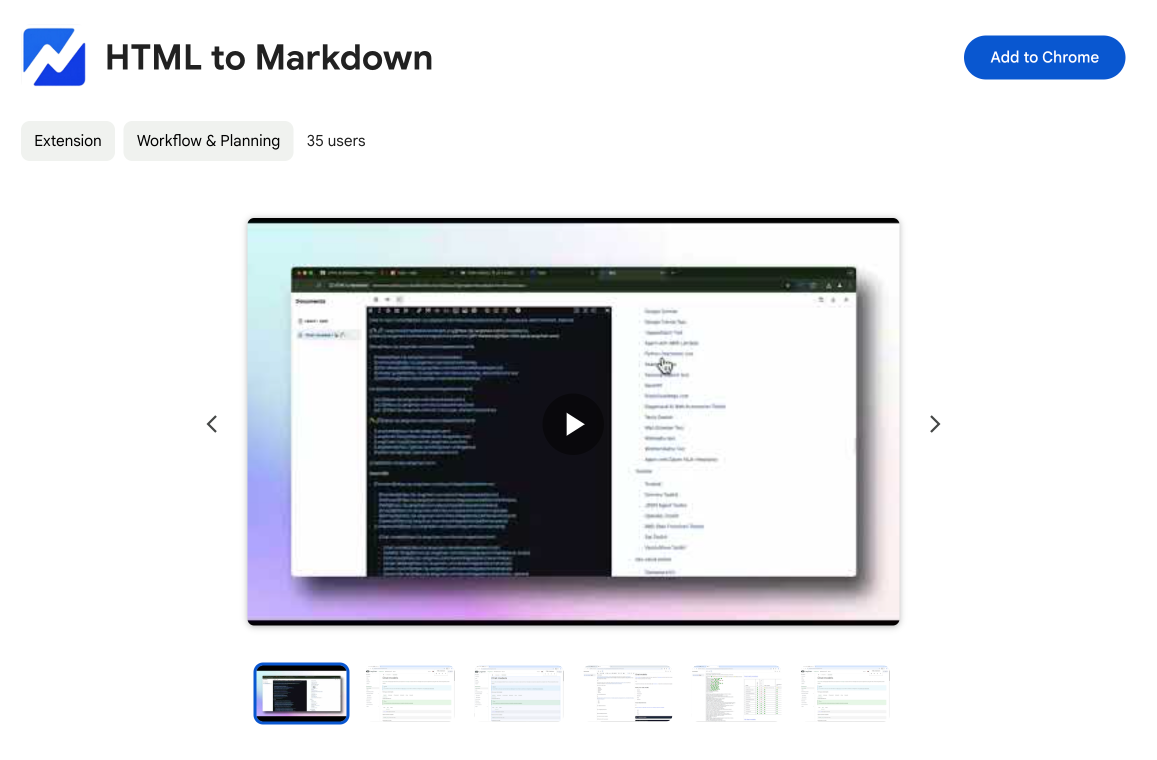
HTML to Markdown
Convert HTML to Markdown with ease, directly in your browser 📄
Dotallio
Personalized AI apps that automate research, data extraction, and content creation without code 🤖
Talk to Santa
Enjoy a magical live video chat or receive a unique AI-generated video greeting from Santa Claus 🎅
pozywka.pl
Scalable blog for food journalist, focused on performance and user experience 🌭
zagrodzki.me
Personal blog and portfolio of Bart Zagrodzki, where he shares his knowledge and work 💼
TurboStarter
Ship your startup everywhere. In minutes.
HTML to Markdown
Convert HTML to Markdown with ease, directly in your browser 📄
Dotallio
Personalized AI apps that automate research, data extraction, and content creation without code 🤖
Talk to Santa
Enjoy a magical live video chat or receive a unique AI-generated video greeting from Santa Claus 🎅
pozywka.pl
Scalable blog for food journalist, focused on performance and user experience 🌭
zagrodzki.me
Personal blog and portfolio of Bart Zagrodzki, where he shares his knowledge and work 💼
TurboStarter
Ship your startup everywhere. In minutes.
HTML to Markdown
Convert HTML to Markdown with ease, directly in your browser 📄
Dotallio
Personalized AI apps that automate research, data extraction, and content creation without code 🤖
Talk to Santa
Enjoy a magical live video chat or receive a unique AI-generated video greeting from Santa Claus 🎅
pozywka.pl
Scalable blog for food journalist, focused on performance and user experience 🌭
zagrodzki.me
Personal blog and portfolio of Bart Zagrodzki, where he shares his knowledge and work 💼
TurboStarter
Ship your startup everywhere. In minutes.
HTML to Markdown
Convert HTML to Markdown with ease, directly in your browser 📄

Omichat
Chat with 50+ AI models, including ChatGPT and Claude, in one place - switch models anytime without losing context 🤖
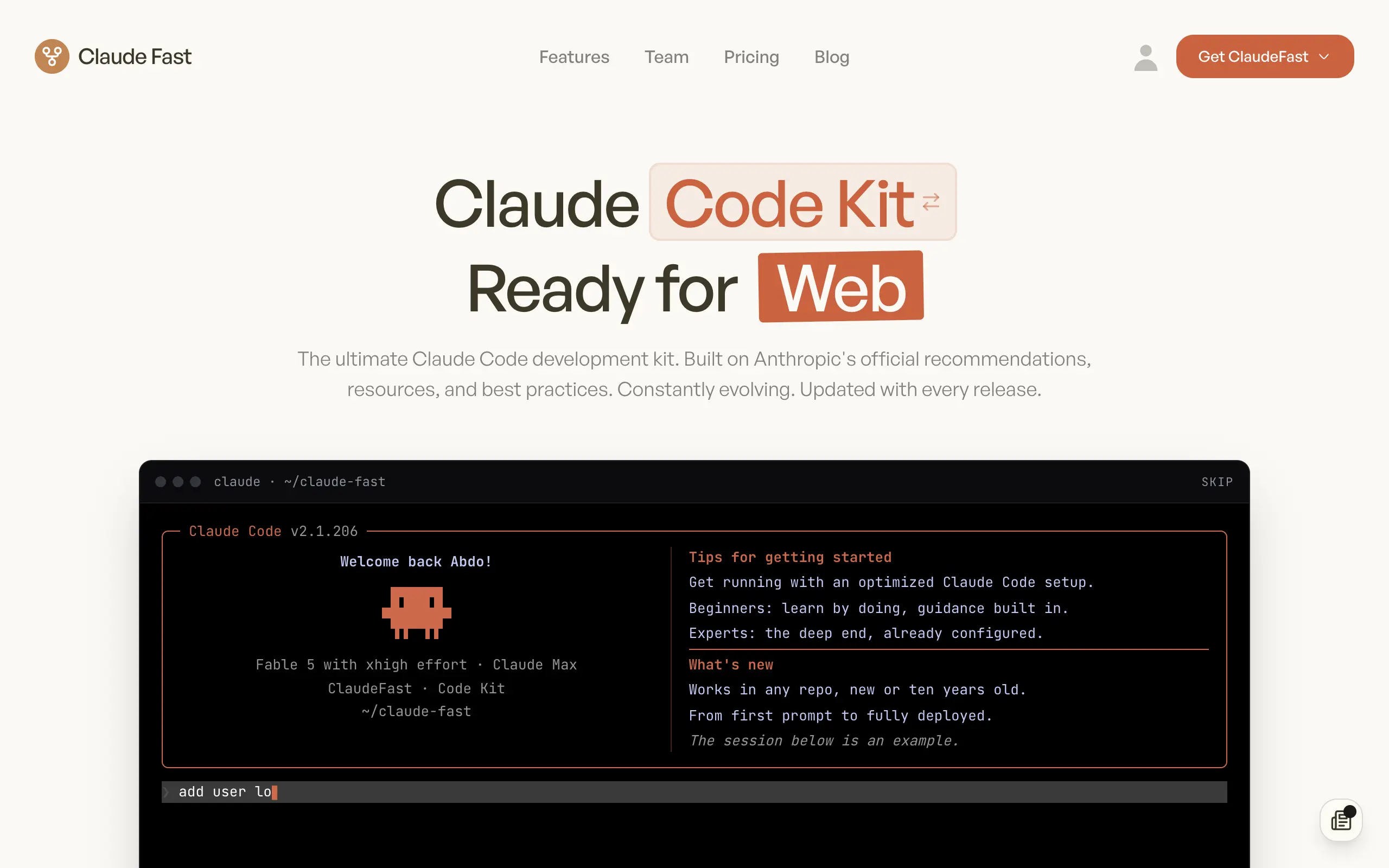
Claude Fast
Supercharge your Claude Code with 6x effective context window and specialized AI agents 🤖
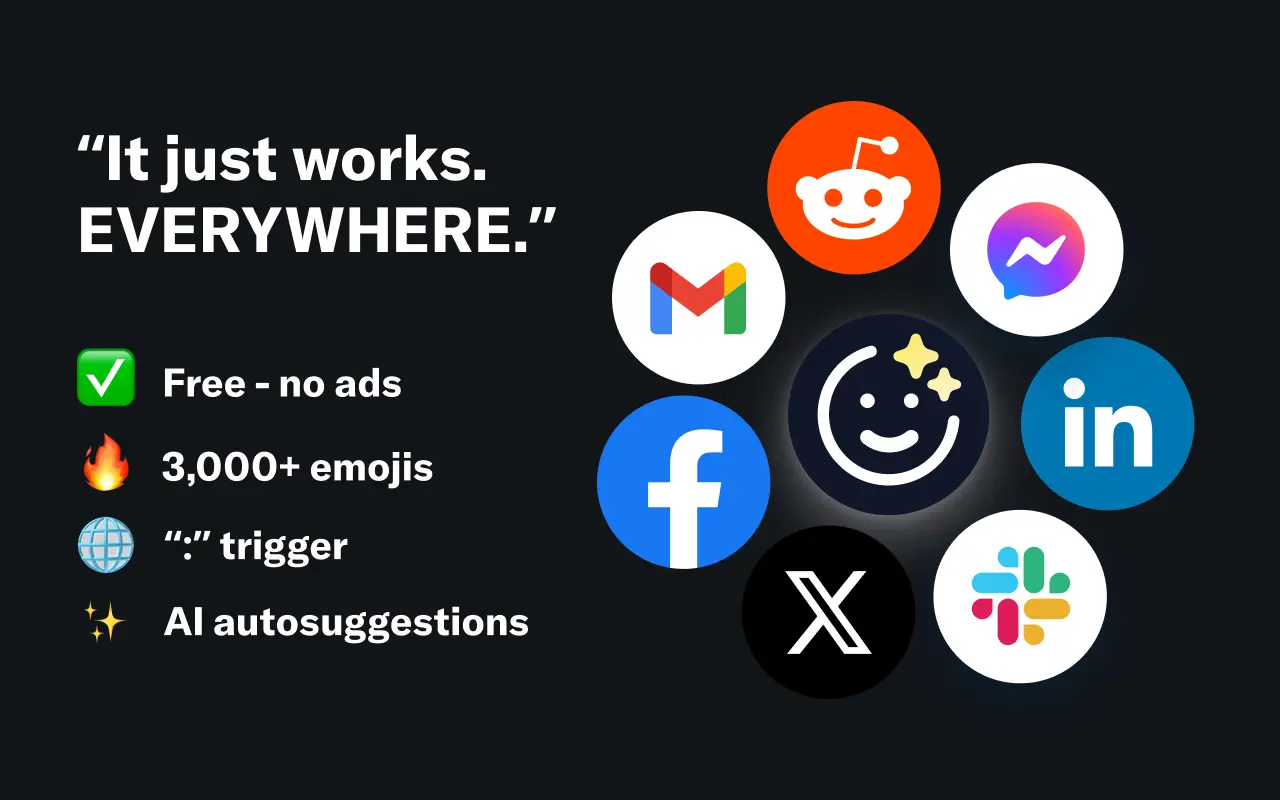
EmojAI
AI-powered emoji picker with smart, context-aware suggestions 🤖
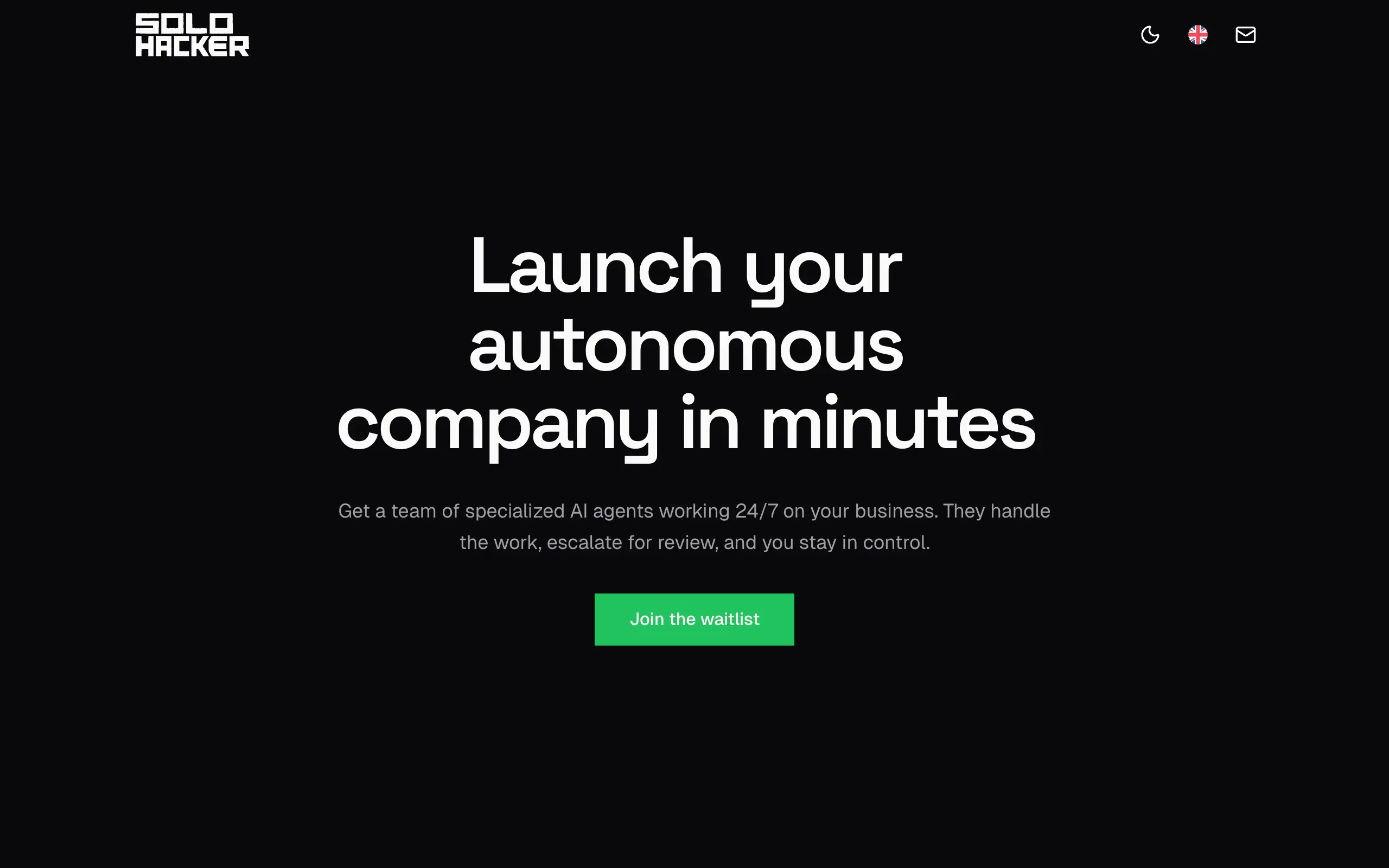
Solohacker
Autonomous company launcher - AI agents work 24/7, escalate what matters, and you stay in control 🤖
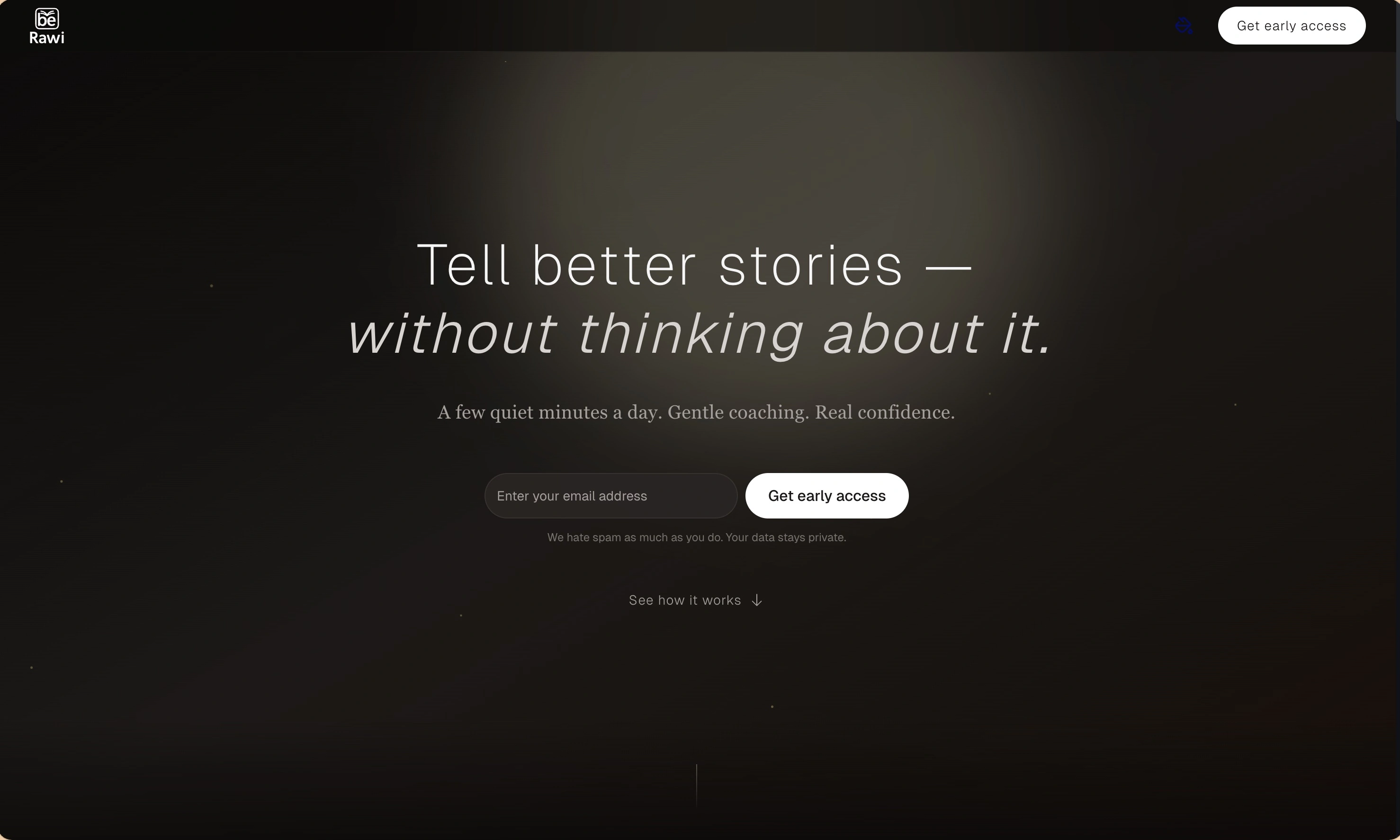
BeRawi: Storytelling Coach
Practice storytelling daily with instant feedback to sound clearer, more engaging, and confident 🎤
Omichat
Chat with 50+ AI models, including ChatGPT and Claude, in one place - switch models anytime without losing context 🤖
Claude Fast
Supercharge your Claude Code with 6x effective context window and specialized AI agents 🤖
EmojAI
AI-powered emoji picker with smart, context-aware suggestions 🤖
Solohacker
Autonomous company launcher - AI agents work 24/7, escalate what matters, and you stay in control 🤖
BeRawi: Storytelling Coach
Practice storytelling daily with instant feedback to sound clearer, more engaging, and confident 🎤
Omichat
Chat with 50+ AI models, including ChatGPT and Claude, in one place - switch models anytime without losing context 🤖
Claude Fast
Supercharge your Claude Code with 6x effective context window and specialized AI agents 🤖
EmojAI
AI-powered emoji picker with smart, context-aware suggestions 🤖
Solohacker
Autonomous company launcher - AI agents work 24/7, escalate what matters, and you stay in control 🤖
BeRawi: Storytelling Coach
Practice storytelling daily with instant feedback to sound clearer, more engaging, and confident 🎤
Omichat
Chat with 50+ AI models, including ChatGPT and Claude, in one place - switch models anytime without losing context 🤖
Claude Fast
Supercharge your Claude Code with 6x effective context window and specialized AI agents 🤖
EmojAI
AI-powered emoji picker with smart, context-aware suggestions 🤖
Solohacker
Autonomous company launcher - AI agents work 24/7, escalate what matters, and you stay in control 🤖
BeRawi: Storytelling Coach
Practice storytelling daily with instant feedback to sound clearer, more engaging, and confident 🎤

Connect with like-minded people
Join our community to get feedback, support, and grow together with 1,000+ builders on board, let's ship it!
Join usShip your startup everywhere. In minutes.
Don't burn tokens on setup and start building features on day one.